
LowOnChain
193 منشورات

LowOnChain
إبلاغ
حظر المُستخدم
Crypto native with experience testing products and running campaigns across Web3. I break down what works, why it works, and where real traction is forming.
38 تتابع
41 المتابعون
170 إعجاب
منشورات
الكل
اقتباسات
·
--

مقالة
Elysium: حقبة جديدة لـ Hyperliquid - الطبقة الثانية المصممة لتجميع القيمةيُفترض أن تجعل حلول الطبقة الثانية (Layer 2s) أنظمة البلوك تشين أسرع وأرخص وأكثر قابلية للتوسع.
لكن هناك سؤال آخر يستحق الطرح:
من الذي يلتقط فعليًا القيمة التي يخلقها نظام L2؟
هذا السؤال هو ما يجعل Elysium التابعة لشركة Kinetiq مثيرًا للاهتمام على نحو خاص.
يتم تصميم Elysium كحل طبقة ثانية (Layer 2) مخصص لبيئة Hyperliquid، مع التركيز على التداول، والسيولة، وإطلاق الرموز، والتكامل السلس مع HyperCore.
بدلًا من إنشاء بيئة تنفيذ معزولة أخرى، تتمثل الفكرة في جعل Elysium امتدادًا لاقتصاد Hyperliquid القائم.
Elysium: حقبة جديدة لـ Hyperliquid - الطبقة الثانية المصممة لتجميع القيمة
يُفترض أن تجعل حلول الطبقة الثانية (Layer 2s) أنظمة البلوك تشين أسرع وأرخص وأكثر قابلية للتوسع.
لكن هناك سؤال آخر يستحق الطرح:
من الذي يلتقط فعليًا القيمة التي يخلقها نظام L2؟
هذا السؤال هو ما يجعل Elysium التابعة لشركة Kinetiq مثيرًا للاهتمام على نحو خاص.
يتم تصميم Elysium كحل طبقة ثانية (Layer 2) مخصص لبيئة Hyperliquid، مع التركيز على التداول، والسيولة، وإطلاق الرموز، والتكامل السلس مع HyperCore.
بدلًا من إنشاء بيئة تنفيذ معزولة أخرى، تتمثل الفكرة في جعل Elysium امتدادًا لاقتصاد Hyperliquid القائم.
لكن هناك سؤال آخر يستحق الطرح:
من الذي يلتقط فعليًا القيمة التي يخلقها نظام L2؟
هذا السؤال هو ما يجعل Elysium التابعة لشركة Kinetiq مثيرًا للاهتمام على نحو خاص.
يتم تصميم Elysium كحل طبقة ثانية (Layer 2) مخصص لبيئة Hyperliquid، مع التركيز على التداول، والسيولة، وإطلاق الرموز، والتكامل السلس مع HyperCore.
بدلًا من إنشاء بيئة تنفيذ معزولة أخرى، تتمثل الفكرة في جعل Elysium امتدادًا لاقتصاد Hyperliquid القائم.
1
1
1
109
·
--

مقالة
IronClaw 1.0 والبنية التحتية وراء الجيل القادم من وكلاء الذكاء الاصطناعيتدخل وكلاء الذكاء الاصطناعي مرحلة جديدة.
بدلًا من الاكتفاء بتوليد الإجابات، بات يُتوقَّع منهم على نحو متزايد البحث والتفاعل مع الأدوات وإدارة سير العمل واتخاذ إجراءات نيابةً عن المستخدمين. وهذا يجعل سؤالًا واحدًا مهمًا أكثر فأكثر: كيف نمنح الذكاء الاصطناعي مزيدًا من القدرة دون أن نتنازل عن السيطرة؟
#IronClaw 1.0 من @NEAR_Protocol يتعامل مع هذا التحدي من خلال البنية المعمارية.
فكرته الأساسية هي فصل التفكير عن التصرف.
يتولى نموذج الذكاء الاصطناعي معالجة الاستدلال واتخاذ القرار، بينما يجلس طبقة تنسيق آمنة تُسمّى الحارس بين النموذج والأدوات التي يمكنه الوصول إليها. وهذا يخلق مسارًا مضبوطًا يمكن من خلاله التحقق من الإجراءات، وعند الضرورة، الموافقة عليها صراحةً قبل تنفيذها.
IronClaw 1.0 والبنية التحتية وراء الجيل القادم من وكلاء الذكاء الاصطناعي
تدخل وكلاء الذكاء الاصطناعي مرحلة جديدة.
بدلًا من الاكتفاء بتوليد الإجابات، بات يُتوقَّع منهم على نحو متزايد البحث والتفاعل مع الأدوات وإدارة سير العمل واتخاذ إجراءات نيابةً عن المستخدمين. وهذا يجعل سؤالًا واحدًا مهمًا أكثر فأكثر: كيف نمنح الذكاء الاصطناعي مزيدًا من القدرة دون أن نتنازل عن السيطرة؟
#IronClaw 1.0 من @NEAR Protocol يتعامل مع هذا التحدي من خلال البنية المعمارية.
فكرته الأساسية هي فصل التفكير عن التصرف.
يتولى نموذج الذكاء الاصطناعي معالجة الاستدلال واتخاذ القرار، بينما يجلس طبقة تنسيق آمنة تُسمّى الحارس بين النموذج والأدوات التي يمكنه الوصول إليها. وهذا يخلق مسارًا مضبوطًا يمكن من خلاله التحقق من الإجراءات، وعند الضرورة، الموافقة عليها صراحةً قبل تنفيذها.
بدلًا من الاكتفاء بتوليد الإجابات، بات يُتوقَّع منهم على نحو متزايد البحث والتفاعل مع الأدوات وإدارة سير العمل واتخاذ إجراءات نيابةً عن المستخدمين. وهذا يجعل سؤالًا واحدًا مهمًا أكثر فأكثر: كيف نمنح الذكاء الاصطناعي مزيدًا من القدرة دون أن نتنازل عن السيطرة؟
#IronClaw 1.0 من @NEAR Protocol يتعامل مع هذا التحدي من خلال البنية المعمارية.
فكرته الأساسية هي فصل التفكير عن التصرف.
يتولى نموذج الذكاء الاصطناعي معالجة الاستدلال واتخاذ القرار، بينما يجلس طبقة تنسيق آمنة تُسمّى الحارس بين النموذج والأدوات التي يمكنه الوصول إليها. وهذا يخلق مسارًا مضبوطًا يمكن من خلاله التحقق من الإجراءات، وعند الضرورة، الموافقة عليها صراحةً قبل تنفيذها.
1
1
95
·
--
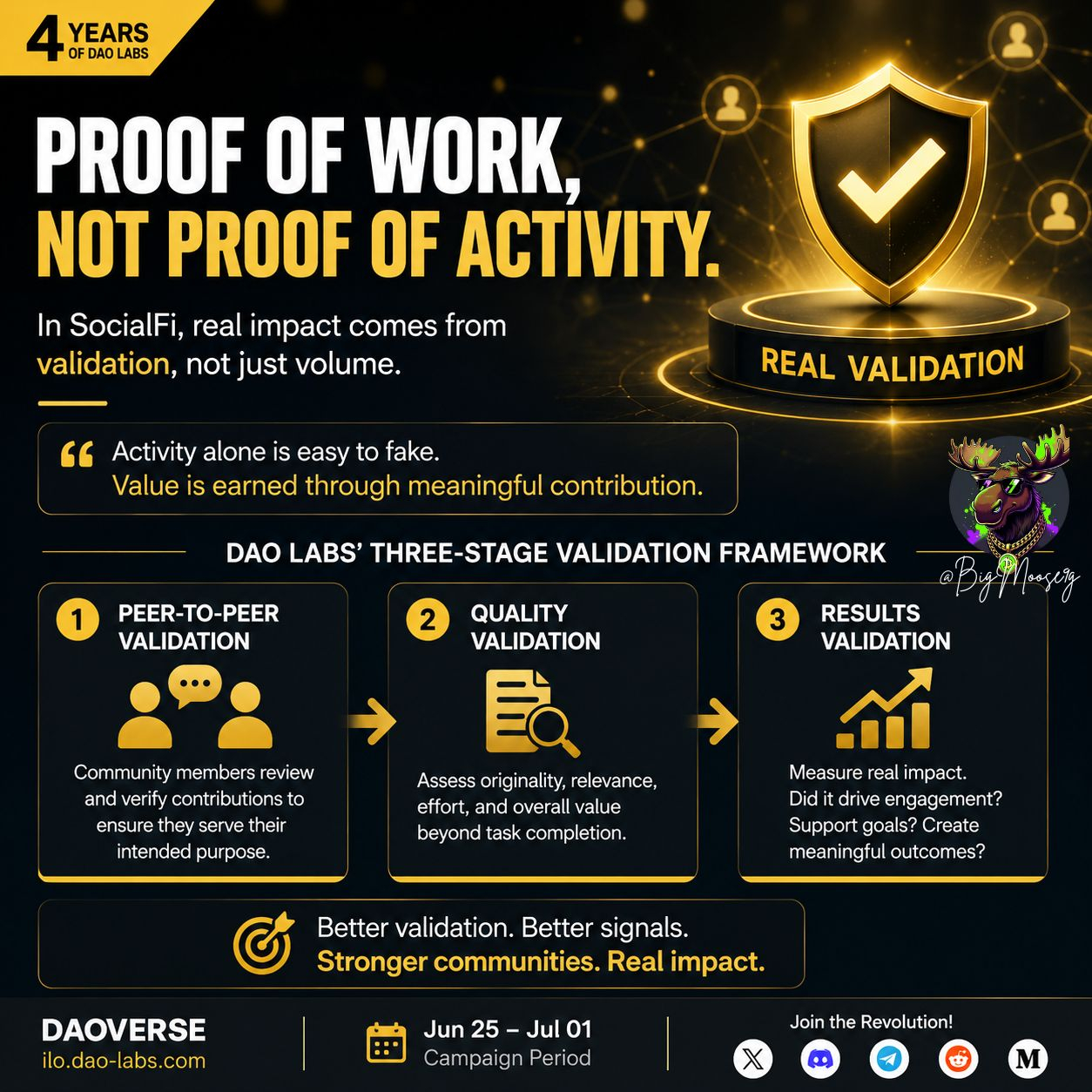
حل SocialFi المشاركة. لكن لم يحلّ التحقق.
هذه هي الحجة الأساسية في أحدث مقالة من @DAOLabs ، وبصراحة، هي شيء شعرت به كمساهم دون أن أجد الكلمات المناسبة لوصفه.
لقد أنجزت مهام تعدين اجتماعي تطلّبت جهداً حقيقياً، وبحثاً، ومحتوىً أصلياً، وتحليلاً للبروتوكولات، ومهام كانت في الأساس مجرد الظهور. أغلب المنصات كانت تقيس بالطريقة نفسها: اكتمال المهمة، ثم إرسال المكافأة. المساهم الذي أمضى 3 ساعات، والمساهم الذي نشر تعليقاً عاماً خلال 30 ثانية، كلاهما "ساهم".
هذه هي فجوة التحقق.
إطار التحقق من ثلاث مراحل لدى DAO Labs (مراجعة الأقران → فحص الجودة → قياس النتائج) هو أصدق محاولة رأيتها لسدّ هذه الفجوة. لا يكتفي بسؤال ما إذا كنت أنجزت مهمة. بل يسأل ما إذا كانت مساهمتك قد خلقت قيمة فعلية للمشروع وللمجتمع.
أبرز ما يلفت النظر هو طبقة المراجعة من شخص إلى شخص. الخوارزميات جيدة في العدّ. لكنها ليست جيدة في تقييم السياق أو الأصالة، أو ما إذا كان الشرح قد ساعد فعلاً شخصاً على فهم مفهوم ما. المراجعة البشرية تسدّ هذه الفجوة.
بالنسبة لأي شخص يعمل بجد في مجتمعات Web3—ليس في الزراعة، وليس في الإرسال العشوائي (السبام)، بل في البناء فعلياً—فهذا النوع من نماذج التحقق هو ما يصنع الفرق بين الأنظمة الجديرة بأن يُسهم فيها وبين تلك التي تدفع تدريجياً المساهمين ذوي الجودة إلى الابتعاد.
النشاط وحده لا ينبغي أبداً أن يكون المقياس النهائي.
#SocialMining @DAOLabs
المقال: https://dao-labs.com/posts/proof-of-work-and-retainability-in-socialfi-what-real-validation-looks-like-part-1
حل SocialFi المشاركة. لكن لم يحلّ التحقق.
هذه هي الحجة الأساسية في أحدث مقالة من @DAO Labs ، وبصراحة، هي شيء شعرت به كمساهم دون أن أجد الكلمات المناسبة لوصفه.
لقد أنجزت مهام تعدين اجتماعي تطلّبت جهداً حقيقياً، وبحثاً، ومحتوىً أصلياً، وتحليلاً للبروتوكولات، ومهام كانت في الأساس مجرد الظهور. أغلب المنصات كانت تقيس بالطريقة نفسها: اكتمال المهمة، ثم إرسال المكافأة. المساهم الذي أمضى 3 ساعات، والمساهم الذي نشر تعليقاً عاماً خلال 30 ثانية، كلاهما "ساهم".
هذه هي فجوة التحقق.
إطار التحقق من ثلاث مراحل لدى DAO Labs (مراجعة الأقران → فحص الجودة → قياس النتائج) هو أصدق محاولة رأيتها لسدّ هذه الفجوة. لا يكتفي بسؤال ما إذا كنت أنجزت مهمة. بل يسأل ما إذا كانت مساهمتك قد خلقت قيمة فعلية للمشروع وللمجتمع.
أبرز ما يلفت النظر هو طبقة المراجعة من شخص إلى شخص. الخوارزميات جيدة في العدّ. لكنها ليست جيدة في تقييم السياق أو الأصالة، أو ما إذا كان الشرح قد ساعد فعلاً شخصاً على فهم مفهوم ما. المراجعة البشرية تسدّ هذه الفجوة.
بالنسبة لأي شخص يعمل بجد في مجتمعات Web3—ليس في الزراعة، وليس في الإرسال العشوائي (السبام)، بل في البناء فعلياً—فهذا النوع من نماذج التحقق هو ما يصنع الفرق بين الأنظمة الجديرة بأن يُسهم فيها وبين تلك التي تدفع تدريجياً المساهمين ذوي الجودة إلى الابتعاد.
النشاط وحده لا ينبغي أبداً أن يكون المقياس النهائي.
#SocialMining @DAO Labs
المقال: https://dao-labs.com/posts/proof-of-work-and-retainability-in-socialfi-what-real-validation-looks-like-part-1
هذه هي الحجة الأساسية في أحدث مقالة من @DAO Labs ، وبصراحة، هي شيء شعرت به كمساهم دون أن أجد الكلمات المناسبة لوصفه.
لقد أنجزت مهام تعدين اجتماعي تطلّبت جهداً حقيقياً، وبحثاً، ومحتوىً أصلياً، وتحليلاً للبروتوكولات، ومهام كانت في الأساس مجرد الظهور. أغلب المنصات كانت تقيس بالطريقة نفسها: اكتمال المهمة، ثم إرسال المكافأة. المساهم الذي أمضى 3 ساعات، والمساهم الذي نشر تعليقاً عاماً خلال 30 ثانية، كلاهما "ساهم".
هذه هي فجوة التحقق.
إطار التحقق من ثلاث مراحل لدى DAO Labs (مراجعة الأقران → فحص الجودة → قياس النتائج) هو أصدق محاولة رأيتها لسدّ هذه الفجوة. لا يكتفي بسؤال ما إذا كنت أنجزت مهمة. بل يسأل ما إذا كانت مساهمتك قد خلقت قيمة فعلية للمشروع وللمجتمع.
أبرز ما يلفت النظر هو طبقة المراجعة من شخص إلى شخص. الخوارزميات جيدة في العدّ. لكنها ليست جيدة في تقييم السياق أو الأصالة، أو ما إذا كان الشرح قد ساعد فعلاً شخصاً على فهم مفهوم ما. المراجعة البشرية تسدّ هذه الفجوة.
بالنسبة لأي شخص يعمل بجد في مجتمعات Web3—ليس في الزراعة، وليس في الإرسال العشوائي (السبام)، بل في البناء فعلياً—فهذا النوع من نماذج التحقق هو ما يصنع الفرق بين الأنظمة الجديرة بأن يُسهم فيها وبين تلك التي تدفع تدريجياً المساهمين ذوي الجودة إلى الابتعاد.
النشاط وحده لا ينبغي أبداً أن يكون المقياس النهائي.
#SocialMining @DAO Labs
المقال: https://dao-labs.com/posts/proof-of-work-and-retainability-in-socialfi-what-real-validation-looks-like-part-1
336
·
--

مقالة
لماذا تفشل معظم اقتصادات GameFi - وما تفعله Pixels بشكل مختلفمشاكل GameFi تتعلق بالإدارة، وليست بمشكلة الطلب
معظم مشاريع GameFi لا تفشل لأن اللاعبين ليسوا مهتمين. إنها تفشل لأن اقتصاداتهم ليست مُدارة بنشاط.
هناك نمط رأيناه جميعًا: انطلاقة قوية، جذب أولي، نشاط توكن... ثم نزيف بطيء للمستخدمين.
ليس لأن اللعبة فجأة أصبحت سيئة - ولكن لأنه لا شيء يحافظ على تفاعل اللاعبين على المدى الطويل.
إذا لم تتم إدارة الاقتصاد كعمل تجاري، فسوف ينهار مثل الاتجاه.
الناجون يفكرون في المقاييس، وليس اللحظات
لماذا تفشل معظم اقتصادات GameFi - وما تفعله Pixels بشكل مختلف
مشاكل GameFi تتعلق بالإدارة، وليست بمشكلة الطلب
معظم مشاريع GameFi لا تفشل لأن اللاعبين ليسوا مهتمين. إنها تفشل لأن اقتصاداتهم ليست مُدارة بنشاط.
هناك نمط رأيناه جميعًا: انطلاقة قوية، جذب أولي، نشاط توكن... ثم نزيف بطيء للمستخدمين.
ليس لأن اللعبة فجأة أصبحت سيئة - ولكن لأنه لا شيء يحافظ على تفاعل اللاعبين على المدى الطويل.
إذا لم تتم إدارة الاقتصاد كعمل تجاري، فسوف ينهار مثل الاتجاه.
الناجون يفكرون في المقاييس، وليس اللحظات
معظم مشاريع GameFi لا تفشل لأن اللاعبين ليسوا مهتمين. إنها تفشل لأن اقتصاداتهم ليست مُدارة بنشاط.
هناك نمط رأيناه جميعًا: انطلاقة قوية، جذب أولي، نشاط توكن... ثم نزيف بطيء للمستخدمين.
ليس لأن اللعبة فجأة أصبحت سيئة - ولكن لأنه لا شيء يحافظ على تفاعل اللاعبين على المدى الطويل.
إذا لم تتم إدارة الاقتصاد كعمل تجاري، فسوف ينهار مثل الاتجاه.
الناجون يفكرون في المقاييس، وليس اللحظات
2
2
34
·
--
مقالة
كسر دورة GameFi: لماذا الفائدة هي الوحيدة الحقيقيةكيف @pixels و $PIXEL يبنيان اقتصاد توكن يعمل بالفعل من خلال Stacked
يمتلك GameFi نمطًا يتعرف عليه معظم الناس بالفعل.
يبدأ مشروع جديد بضجة. التوكن يرتفع. المستخدمون الأوائل يحصدون المكافآت. تبدأ الانبعاثات. يتزايد ضغط البيع. تتلاشى المخطط. المجتمع يختفي ببطء.
لقد حدث هذا مرات عديدة لدرجة أنه يبدو وكأنه دورة حياة مدمجة.
يمكن أن تبدأ الضجة اقتصاد GameFi. ولكن فقط الفائدة يمكن أن تحافظ عليه.
المشكلة الأساسية ليست في التسويق أو التوقيت أو حتى توزيع التوكنات. بل إن معظم التوكنات لا تفعل شيئًا ذا مغزى داخل أنظمتها البيئية الخاصة. إنها موجودة كحوافز - وليس كالبنية التحتية.
كسر دورة GameFi: لماذا الفائدة هي الوحيدة الحقيقية
كيف @Pixels و $PIXEL يبنيان اقتصاد توكن يعمل بالفعل من خلال Stacked
يمتلك GameFi نمطًا يتعرف عليه معظم الناس بالفعل.
يبدأ مشروع جديد بضجة. التوكن يرتفع. المستخدمون الأوائل يحصدون المكافآت. تبدأ الانبعاثات. يتزايد ضغط البيع. تتلاشى المخطط. المجتمع يختفي ببطء.
لقد حدث هذا مرات عديدة لدرجة أنه يبدو وكأنه دورة حياة مدمجة.
يمكن أن تبدأ الضجة اقتصاد GameFi. ولكن فقط الفائدة يمكن أن تحافظ عليه.
المشكلة الأساسية ليست في التسويق أو التوقيت أو حتى توزيع التوكنات. بل إن معظم التوكنات لا تفعل شيئًا ذا مغزى داخل أنظمتها البيئية الخاصة. إنها موجودة كحوافز - وليس كالبنية التحتية.
يمتلك GameFi نمطًا يتعرف عليه معظم الناس بالفعل.
يبدأ مشروع جديد بضجة. التوكن يرتفع. المستخدمون الأوائل يحصدون المكافآت. تبدأ الانبعاثات. يتزايد ضغط البيع. تتلاشى المخطط. المجتمع يختفي ببطء.
لقد حدث هذا مرات عديدة لدرجة أنه يبدو وكأنه دورة حياة مدمجة.
يمكن أن تبدأ الضجة اقتصاد GameFi. ولكن فقط الفائدة يمكن أن تحافظ عليه.
المشكلة الأساسية ليست في التسويق أو التوقيت أو حتى توزيع التوكنات. بل إن معظم التوكنات لا تفعل شيئًا ذا مغزى داخل أنظمتها البيئية الخاصة. إنها موجودة كحوافز - وليس كالبنية التحتية.
1
37
·
--
#pixel $PIXEL التحول مع @Pixels ليس لعبة أكثر ضجيجًا، بل تصميم أكثر ذكاءً.
$PIXEL ليس مجرد رمز مكافأة - بل هو طبقة تنسيق بين اللاعبين، والأصول، وأنظمة التقدم داخل Stacked.
عندما تتراكم الفائدة، تصبح المضاربة ثانوية.
هنا يبدأ GameFi الحقيقي.
#pixel
#pixel $PIXEL التحول مع @Pixels ليس لعبة أكثر ضجيجًا، بل تصميم أكثر ذكاءً.
$PIXEL ليس مجرد رمز مكافأة - بل هو طبقة تنسيق بين اللاعبين، والأصول، وأنظمة التقدم داخل Stacked.
عندما تتراكم الفائدة، تصبح المضاربة ثانوية.
هنا يبدأ GameFi الحقيقي.
#pixel
$PIXEL ليس مجرد رمز مكافأة - بل هو طبقة تنسيق بين اللاعبين، والأصول، وأنظمة التقدم داخل Stacked.
عندما تتراكم الفائدة، تصبح المضاربة ثانوية.
هنا يبدأ GameFi الحقيقي.
#pixel
4
4
41
·
--

مقالة
ما وراء المحتوى: كيف تعيد Pixels تعريف احتفاظ اللاعبين في Web3لماذا $PIXEL وتركز بيئة Stacked على التفاعل المستمر - ليس فقط إسقاطات المحتوى.
معظم ألعاب Web3 لا تزال تطارد حلقة مألوفة: شحن المزيد من المحتوى، جذب المزيد من اللاعبين، والأمل في بقائهم.
لكن الحقيقة غير المريحة هي أن المحتوى وحده لا يحتفظ بأي شخص لفترة طويلة.
“سنضيف المزيد من المحتوى” ليست استراتيجية احتفاظ. إنها استراتيجية ارتفاع مؤقت.
لا يغادر اللاعبون لأن لا يوجد شيء للقيام به. إنهم يغادرون لأن لا شيء يجلبهم باستمرار.
هذه هي بالضبط حيث @pixels يتخذ مسارًا مختلفًا.
ما وراء المحتوى: كيف تعيد Pixels تعريف احتفاظ اللاعبين في Web3
لماذا $PIXEL وتركز بيئة Stacked على التفاعل المستمر - ليس فقط إسقاطات المحتوى.
معظم ألعاب Web3 لا تزال تطارد حلقة مألوفة: شحن المزيد من المحتوى، جذب المزيد من اللاعبين، والأمل في بقائهم.
لكن الحقيقة غير المريحة هي أن المحتوى وحده لا يحتفظ بأي شخص لفترة طويلة.
“سنضيف المزيد من المحتوى” ليست استراتيجية احتفاظ. إنها استراتيجية ارتفاع مؤقت.
لا يغادر اللاعبون لأن لا يوجد شيء للقيام به. إنهم يغادرون لأن لا شيء يجلبهم باستمرار.
هذه هي بالضبط حيث @Pixels يتخذ مسارًا مختلفًا.
معظم ألعاب Web3 لا تزال تطارد حلقة مألوفة: شحن المزيد من المحتوى، جذب المزيد من اللاعبين، والأمل في بقائهم.
لكن الحقيقة غير المريحة هي أن المحتوى وحده لا يحتفظ بأي شخص لفترة طويلة.
“سنضيف المزيد من المحتوى” ليست استراتيجية احتفاظ. إنها استراتيجية ارتفاع مؤقت.
لا يغادر اللاعبون لأن لا يوجد شيء للقيام به. إنهم يغادرون لأن لا شيء يجلبهم باستمرار.
هذه هي بالضبط حيث @Pixels يتخذ مسارًا مختلفًا.
4
3
27
·
--
صاعد
لا يزال معظم الناس يرون @pixels كأنه مجرد لعبة زراعية. هذا هو المستوى السطحي.
تحت السطح، $PIXEL يقوم بتشغيل حلقة كاملة حيث تغذي الوقت والأصول وسلوك اللاعب اقتصاداً حياً.
هذا هو ما يدور حوله نظام Stacked البيئي: تحويل أسلوب اللعب إلى قيمة مستدامة، وليس استخراج لمرة واحدة.
#pixel
لا يزال معظم الناس يرون @Pixels كأنه مجرد لعبة زراعية. هذا هو المستوى السطحي.
تحت السطح، $PIXEL يقوم بتشغيل حلقة كاملة حيث تغذي الوقت والأصول وسلوك اللاعب اقتصاداً حياً.
هذا هو ما يدور حوله نظام Stacked البيئي: تحويل أسلوب اللعب إلى قيمة مستدامة، وليس استخراج لمرة واحدة.
#pixel
تحت السطح، $PIXEL يقوم بتشغيل حلقة كاملة حيث تغذي الوقت والأصول وسلوك اللاعب اقتصاداً حياً.
هذا هو ما يدور حوله نظام Stacked البيئي: تحويل أسلوب اللعب إلى قيمة مستدامة، وليس استخراج لمرة واحدة.
#pixel
5
6
34
·
--

مقالة
تصميم خزينة مجتمع PIXEL: لماذا تهم التوقيت أكثر من الرموزعندما يفكر معظم الناس في خزينة المجتمع، يتخيلون محفظة مشتركة: الأموال تدخل، وتخرج المقترحات، ويصوت المجتمع على كيفية الإنفاق.
هذا النموذج يبدو عادلاً. إنه حتى يشعر بأنه لامركزي.
لكن في نظام مثل @Pixels، هذه الطريقة تتعطل أسرع مما هو متوقع.
“الصندوق ليس مجرد مجموعة من الرموز - إنه نظام لتحديد متى يصبح القيمة سائلة.”
ما وراء النموذج البسيط
البنية الساذجة سهلة الفهم:
احتفظ بـ PIXEL في توقيع متعدد
تمويل المبدعين، واللاعبين، والمبادرات
تصميم خزينة مجتمع PIXEL: لماذا تهم التوقيت أكثر من الرموز
عندما يفكر معظم الناس في خزينة المجتمع، يتخيلون محفظة مشتركة: الأموال تدخل، وتخرج المقترحات، ويصوت المجتمع على كيفية الإنفاق.
هذا النموذج يبدو عادلاً. إنه حتى يشعر بأنه لامركزي.
لكن في نظام مثل @Pixels، هذه الطريقة تتعطل أسرع مما هو متوقع.
“الصندوق ليس مجرد مجموعة من الرموز - إنه نظام لتحديد متى يصبح القيمة سائلة.”
ما وراء النموذج البسيط
البنية الساذجة سهلة الفهم:
احتفظ بـ PIXEL في توقيع متعدد
تمويل المبدعين، واللاعبين، والمبادرات
هذا النموذج يبدو عادلاً. إنه حتى يشعر بأنه لامركزي.
لكن في نظام مثل @Pixels، هذه الطريقة تتعطل أسرع مما هو متوقع.
“الصندوق ليس مجرد مجموعة من الرموز - إنه نظام لتحديد متى يصبح القيمة سائلة.”
ما وراء النموذج البسيط
البنية الساذجة سهلة الفهم:
احتفظ بـ PIXEL في توقيع متعدد
تمويل المبدعين، واللاعبين، والمبادرات
9
7
29
·
--
التحول في ألعاب Web3 يحدث الآن، و @pixels يقود ذلك بهدوء.
ما زال معظم الناس يعتقدون أن $PIXEL مرتبط فقط بالزراعة وحلقات اللعب البسيطة... لكن هذا تفكير قديم.
مع تقديم Stacked، تتطور Pixels إلى شيء أكبر بكثير: اقتصاد ذكي مدفوع بالبيانات حيث يشكل سلوك اللاعبين المكافآت فعليًا. بدلاً من الانبعاثات العشوائية، أصبحت الحوافز الآن شخصية، مما يجعل النظام أكثر استدامة وجاذبية مع مرور الوقت.
هذا يغير كل شيء.
نحن ننتقل من “اللعب من أجل الربح” إلى “اللعب والمشاركة في اقتصاد يتكيف معك.”
كل فعل—الزراعة، التجارة، التقدم، لم يعد معزولًا. إنه يغذي نظامًا أكثر ذكاءً مصممًا للحفاظ على القيمة، وليس فقط توزيعها.
لم تعد $PIXEL مجرد رمز بعد الآن. إنها تصبح طبقة التنسيق لاقتصاد رقمي حي ومتطور.
إذا كنت لا تزال تعTreat Pixels كعبة أساسية، فإنك تفوت الصورة الأكبر.
#pixel
التحول في ألعاب Web3 يحدث الآن، و @Pixels يقود ذلك بهدوء.
ما زال معظم الناس يعتقدون أن $PIXEL مرتبط فقط بالزراعة وحلقات اللعب البسيطة... لكن هذا تفكير قديم.
مع تقديم Stacked، تتطور Pixels إلى شيء أكبر بكثير: اقتصاد ذكي مدفوع بالبيانات حيث يشكل سلوك اللاعبين المكافآت فعليًا. بدلاً من الانبعاثات العشوائية، أصبحت الحوافز الآن شخصية، مما يجعل النظام أكثر استدامة وجاذبية مع مرور الوقت.
هذا يغير كل شيء.
نحن ننتقل من “اللعب من أجل الربح” إلى “اللعب والمشاركة في اقتصاد يتكيف معك.”
كل فعل—الزراعة، التجارة، التقدم، لم يعد معزولًا. إنه يغذي نظامًا أكثر ذكاءً مصممًا للحفاظ على القيمة، وليس فقط توزيعها.
لم تعد $PIXEL مجرد رمز بعد الآن. إنها تصبح طبقة التنسيق لاقتصاد رقمي حي ومتطور.
إذا كنت لا تزال تعTreat Pixels كعبة أساسية، فإنك تفوت الصورة الأكبر.
#pixel
ما زال معظم الناس يعتقدون أن $PIXEL مرتبط فقط بالزراعة وحلقات اللعب البسيطة... لكن هذا تفكير قديم.
مع تقديم Stacked، تتطور Pixels إلى شيء أكبر بكثير: اقتصاد ذكي مدفوع بالبيانات حيث يشكل سلوك اللاعبين المكافآت فعليًا. بدلاً من الانبعاثات العشوائية، أصبحت الحوافز الآن شخصية، مما يجعل النظام أكثر استدامة وجاذبية مع مرور الوقت.
هذا يغير كل شيء.
نحن ننتقل من “اللعب من أجل الربح” إلى “اللعب والمشاركة في اقتصاد يتكيف معك.”
كل فعل—الزراعة، التجارة، التقدم، لم يعد معزولًا. إنه يغذي نظامًا أكثر ذكاءً مصممًا للحفاظ على القيمة، وليس فقط توزيعها.
لم تعد $PIXEL مجرد رمز بعد الآن. إنها تصبح طبقة التنسيق لاقتصاد رقمي حي ومتطور.
إذا كنت لا تزال تعTreat Pixels كعبة أساسية، فإنك تفوت الصورة الأكبر.
#pixel
9
9
36
·
--

مقالة
PIXELS من الخصوصية: السيطرة، الوهم، والتكلفة الخفية للبساطة في Web3هناك نمط في Web3 يصبح أوضح كلما طالت مدة بقائك: الأفكار لا تصل مكتملة التكوين. إنها تظهر، تكسب الثقة، تبسط من أجل الاعتماد، وفقط لاحقًا تكشف عن تعقيدها.
الخصوصية هي واحدة من تلك الأفكار.
مع @pixels وظهور $PIXEL، تبدو المحادثة مختلفة على السطح. إنها ليست مؤطرة كإيديولوجيا أو مقاومة. إنها مwrapped في أسلوب اللعب، حلقات الزراعة، التفاعل الاجتماعي، الاستكشاف. إنها تبدو خفيفة. متاحة. تقريبًا منفصلة عن المناقشات الأثقل التي شكلت السنوات الأولى من التشفير.
PIXELS من الخصوصية: السيطرة، الوهم، والتكلفة الخفية للبساطة في Web3
هناك نمط في Web3 يصبح أوضح كلما طالت مدة بقائك: الأفكار لا تصل مكتملة التكوين. إنها تظهر، تكسب الثقة، تبسط من أجل الاعتماد، وفقط لاحقًا تكشف عن تعقيدها.
الخصوصية هي واحدة من تلك الأفكار.
مع @Pixels وظهور $PIXEL ، تبدو المحادثة مختلفة على السطح. إنها ليست مؤطرة كإيديولوجيا أو مقاومة. إنها مwrapped في أسلوب اللعب، حلقات الزراعة، التفاعل الاجتماعي، الاستكشاف. إنها تبدو خفيفة. متاحة. تقريبًا منفصلة عن المناقشات الأثقل التي شكلت السنوات الأولى من التشفير.
الخصوصية هي واحدة من تلك الأفكار.
مع @Pixels وظهور $PIXEL ، تبدو المحادثة مختلفة على السطح. إنها ليست مؤطرة كإيديولوجيا أو مقاومة. إنها مwrapped في أسلوب اللعب، حلقات الزراعة، التفاعل الاجتماعي، الاستكشاف. إنها تبدو خفيفة. متاحة. تقريبًا منفصلة عن المناقشات الأثقل التي شكلت السنوات الأولى من التشفير.
7
7
35
·
--
لقد كنت أستكشف الآليات وراء @pixels ومن الواضح أن النظام المتراص مصمم للاعبين على المدى الطويل.
الاحتفاظ باستخدام $PIXEL ليس مجرد مكافآت، بل إنه يشكل تقدمك وكفاءتك في اللعبة.
هذا النوع من التكامل هو ما يجعل #pixel بارزًا في ألعاب Web3.
لقد كنت أستكشف الآليات وراء @Pixels ومن الواضح أن النظام المتراص مصمم للاعبين على المدى الطويل.
الاحتفاظ باستخدام $PIXEL ليس مجرد مكافآت، بل إنه يشكل تقدمك وكفاءتك في اللعبة.
هذا النوع من التكامل هو ما يجعل #pixel بارزًا في ألعاب Web3.
الاحتفاظ باستخدام $PIXEL ليس مجرد مكافآت، بل إنه يشكل تقدمك وكفاءتك في اللعبة.
هذا النوع من التكامل هو ما يجعل #pixel بارزًا في ألعاب Web3.
6
7
24
·
--

مقالة
ما وراء الرسم البياني: القصة الحقيقية لـ $PIXEL هي العرض مقابل المنفعةيبحث معظم الناس في عالم التشفير في $PIXEL chart ويتفاعلون مع السعر. لكن السعر وحده نادراً ما يروي القصة الكاملة. ما يهم حقًا هو العلاقة بين العرض الذي يدخل السوق والطلب الذي يتم إنشاؤه داخل النظام البيئي.
في الوقت الحالي، تلك التوازن هو ما يجعل Pixels واحدة من أكثر دراسات حالة GameFi إثارة للاهتمام.
واقع العرض الذي يتجاهله معظم الناس
جزء كبير من إجمالي عرض $PIXEL لا يزال غير متداول. هذا يعني أن الرموز الجديدة ستستمر في دخول السوق مع مرور الوقت من خلال الفتحات المجدولة.
ما وراء الرسم البياني: القصة الحقيقية لـ $PIXEL هي العرض مقابل المنفعة
يبحث معظم الناس في عالم التشفير في $PIXEL chart ويتفاعلون مع السعر. لكن السعر وحده نادراً ما يروي القصة الكاملة. ما يهم حقًا هو العلاقة بين العرض الذي يدخل السوق والطلب الذي يتم إنشاؤه داخل النظام البيئي.
في الوقت الحالي، تلك التوازن هو ما يجعل Pixels واحدة من أكثر دراسات حالة GameFi إثارة للاهتمام.
واقع العرض الذي يتجاهله معظم الناس
جزء كبير من إجمالي عرض $PIXEL لا يزال غير متداول. هذا يعني أن الرموز الجديدة ستستمر في دخول السوق مع مرور الوقت من خلال الفتحات المجدولة.
في الوقت الحالي، تلك التوازن هو ما يجعل Pixels واحدة من أكثر دراسات حالة GameFi إثارة للاهتمام.
واقع العرض الذي يتجاهله معظم الناس
جزء كبير من إجمالي عرض $PIXEL لا يزال غير متداول. هذا يعني أن الرموز الجديدة ستستمر في دخول السوق مع مرور الوقت من خلال الفتحات المجدولة.
11
10
42
·
--
تعتمد العديد من رموز GameFi على الضجيج، ولكن @pixels تتجه نحو الفائدة الفعلية من خلال Stacked.
عندما يتم تحسين المكافآت بدلاً من إرسالها بشكل عشوائي، فإن النظام البيئي لديه فرصة أفضل للبقاء.
هنا يصبح $PIXEL مثيرًا للاهتمام.
#pixel
تعتمد العديد من رموز GameFi على الضجيج، ولكن @Pixels تتجه نحو الفائدة الفعلية من خلال Stacked.
عندما يتم تحسين المكافآت بدلاً من إرسالها بشكل عشوائي، فإن النظام البيئي لديه فرصة أفضل للبقاء.
هنا يصبح $PIXEL مثيرًا للاهتمام.
#pixel
عندما يتم تحسين المكافآت بدلاً من إرسالها بشكل عشوائي، فإن النظام البيئي لديه فرصة أفضل للبقاء.
هنا يصبح $PIXEL مثيرًا للاهتمام.
#pixel
12
12
29
·
--
ما أعجبني في @pixels الآن هو الاتجاه الذي يتخذونه مع Stacked.
لم يعد الأمر يتعلق فقط بالكسب، بل بالكسب الذي له معنى.
إذا كانت المكافآت مرتبطة بالتفاعل الحقيقي، فإن $PIXEL تبدو مختلفة جداً عن رموز GameFi التقليدية.
#pixel
ما أعجبني في @Pixels الآن هو الاتجاه الذي يتخذونه مع Stacked.
لم يعد الأمر يتعلق فقط بالكسب، بل بالكسب الذي له معنى.
إذا كانت المكافآت مرتبطة بالتفاعل الحقيقي، فإن $PIXEL تبدو مختلفة جداً عن رموز GameFi التقليدية.
#pixel
لم يعد الأمر يتعلق فقط بالكسب، بل بالكسب الذي له معنى.
إذا كانت المكافآت مرتبطة بالتفاعل الحقيقي، فإن $PIXEL تبدو مختلفة جداً عن رموز GameFi التقليدية.
#pixel

34
·
--

مقالة
Stacked تصحح بهدوء ما أخطأ فيه اللعب من أجل الربحلسنوات، كانت فكرة اللعب من أجل الربح تحمل كلاً من الوعد والخيبة. لقد قدمت طريقة جديدة للتفكير في الألعاب، حيث يمكن أن يتحول الوقت المستغرق إلى قيمة حقيقية. لكن في الممارسة العملية، فشلت العديد من الأنظمة في الصمود. كانت المكافآت غالباً غير متوافقة، مما جذب المستخدمين على المدى القصير وخلق اقتصادات لا يمكن أن تستمر.
Stacked، المنبثقة من نظام Pixels، تشعر كاستجابة مشكّلة من خلال الخبرة بدلاً من النظرية.
المشكلة الأساسية: الحوافز التي تكسر الألعاب
لم تفشل معظم أنظمة اللعب من أجل الربح بسبب نقص المكافآت. لقد فشلت بسبب كيفية هيكلة تلك المكافآت.
Stacked تصحح بهدوء ما أخطأ فيه اللعب من أجل الربح
لسنوات، كانت فكرة اللعب من أجل الربح تحمل كلاً من الوعد والخيبة. لقد قدمت طريقة جديدة للتفكير في الألعاب، حيث يمكن أن يتحول الوقت المستغرق إلى قيمة حقيقية. لكن في الممارسة العملية، فشلت العديد من الأنظمة في الصمود. كانت المكافآت غالباً غير متوافقة، مما جذب المستخدمين على المدى القصير وخلق اقتصادات لا يمكن أن تستمر.
Stacked، المنبثقة من نظام Pixels، تشعر كاستجابة مشكّلة من خلال الخبرة بدلاً من النظرية.
المشكلة الأساسية: الحوافز التي تكسر الألعاب
لم تفشل معظم أنظمة اللعب من أجل الربح بسبب نقص المكافآت. لقد فشلت بسبب كيفية هيكلة تلك المكافآت.
Stacked، المنبثقة من نظام Pixels، تشعر كاستجابة مشكّلة من خلال الخبرة بدلاً من النظرية.
المشكلة الأساسية: الحوافز التي تكسر الألعاب
لم تفشل معظم أنظمة اللعب من أجل الربح بسبب نقص المكافآت. لقد فشلت بسبب كيفية هيكلة تلك المكافآت.
42
·
--
LowOnChain
·
--
استكشاف نمو @Pixels مؤخرًا كان مثيرًا للإعجاب.
الطريقة التي $PIXEL تدمج بها طريقة اللعب مع الملكية الحقيقية تُظهر كيف ينبغي أن يتطور ألعاب Web3.
من آليات الزراعة إلى الاقتصاديات المدفوعة من قبل اللاعبين، تقوم Pixels ببناء شيء مستدام، وليس مجرد ضجة.
أنا متطلع إلى كيف $PIXEL توسع الفائدة وتجذب المزيد من اللاعبين إلى النظام البيئي. #pixel
الطريقة التي $PIXEL تدمج بها طريقة اللعب مع الملكية الحقيقية تُظهر كيف ينبغي أن يتطور ألعاب Web3.
من آليات الزراعة إلى الاقتصاديات المدفوعة من قبل اللاعبين، تقوم Pixels ببناء شيء مستدام، وليس مجرد ضجة.
أنا متطلع إلى كيف $PIXEL توسع الفائدة وتجذب المزيد من اللاعبين إلى النظام البيئي. #pixel
6
·
--
مقالة
صعود Pixels: اقتصاديات الألعاب الأكثر ذكاءً المدعومة بـ $PIXELتطور ألعاب Web3 لم يعد مجرد اللعب من أجل الربح، بل يتعلق ببناء أنظمة ذكية وقابلة للتكيف. @pixels بدأت تعكس هذا التحول، خاصة عندما تفكر في كيفية ارتباط البيانات والمكافآت وسلوك اللاعبين في حلقة مستمرة.
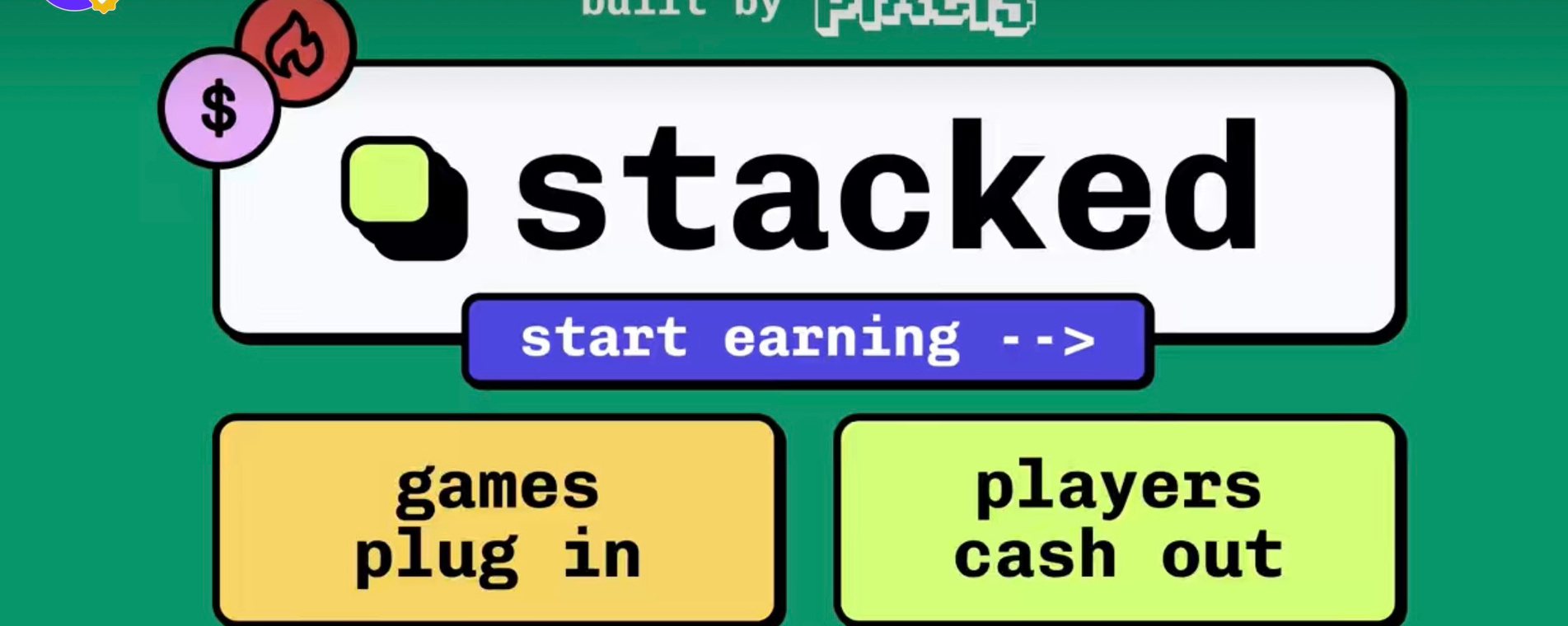
المفهوم الموضح أعلاه يبرز كيف يجب أن تبدو اقتصاديات الألعاب الحديثة. تخيل نظامًا حيث تغذي أنشطة اللعب الخاصة بك طبقة ذكية، مشابهة لـ “اقتصادي الألعاب الذكي المكدس”، الذي يعالج البيانات السلوكية في الوقت الفعلي. في سياق Pixels، يتماشى ذلك بشكل وثيق مع كيفية $PIXEL يمكن أن تتطور إلى ما هو أبعد من مجرد رمز مكافأة إلى محرك أساسي للتوازن الاقتصادي.
صعود Pixels: اقتصاديات الألعاب الأكثر ذكاءً المدعومة بـ $PIXEL
تطور ألعاب Web3 لم يعد مجرد اللعب من أجل الربح، بل يتعلق ببناء أنظمة ذكية وقابلة للتكيف. @Pixels بدأت تعكس هذا التحول، خاصة عندما تفكر في كيفية ارتباط البيانات والمكافآت وسلوك اللاعبين في حلقة مستمرة.
المفهوم الموضح أعلاه يبرز كيف يجب أن تبدو اقتصاديات الألعاب الحديثة. تخيل نظامًا حيث تغذي أنشطة اللعب الخاصة بك طبقة ذكية، مشابهة لـ “اقتصادي الألعاب الذكي المكدس”، الذي يعالج البيانات السلوكية في الوقت الفعلي. في سياق Pixels، يتماشى ذلك بشكل وثيق مع كيفية $PIXEL يمكن أن تتطور إلى ما هو أبعد من مجرد رمز مكافأة إلى محرك أساسي للتوازن الاقتصادي.
المفهوم الموضح أعلاه يبرز كيف يجب أن تبدو اقتصاديات الألعاب الحديثة. تخيل نظامًا حيث تغذي أنشطة اللعب الخاصة بك طبقة ذكية، مشابهة لـ “اقتصادي الألعاب الذكي المكدس”، الذي يعالج البيانات السلوكية في الوقت الفعلي. في سياق Pixels، يتماشى ذلك بشكل وثيق مع كيفية $PIXEL يمكن أن تتطور إلى ما هو أبعد من مجرد رمز مكافأة إلى محرك أساسي للتوازن الاقتصادي.
17
12
99
سجّل الدخول لاستكشاف المزيد من المُحتوى
انضم إلى مُستخدمي العملات الرقمية حول العالم على Binance Square
⚡️ احصل على أحدث المعلومات المفيدة عن العملات الرقمية.
💬 موثوقة من قبل أكبر منصّة لتداول العملات الرقمية في العالم.
👍 اكتشف الرؤى الحقيقية من صنّاع المُحتوى الموثوقين.
البريد الإلكتروني / رقم الهاتف