
carryminati007
476 منشورات

carryminati007
419 تتابع
6.8K+ المتابعون
1.0K+ إعجاب
منشورات
الكل
اقتباسات
Live
$NVDA

BuddyKing
·
--
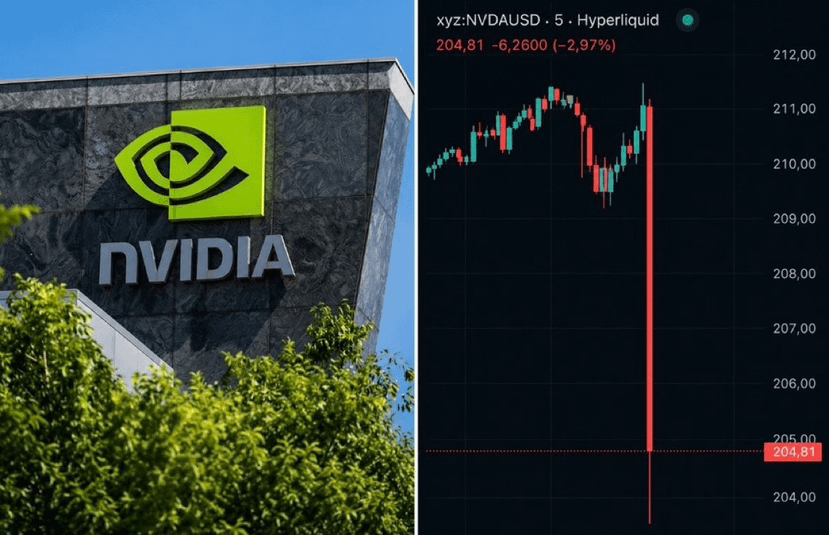
عاجل: $NVDA يقدم ربعًا مخيفًا آخر.
ذكرت إنفيديا إيرادات بقيمة 96.2 مليار دولار، متجاوزةً تقدير 92.4 مليار دولار.
كما فاقت الأرباح المتوقعة (EPS) التوقعات، بينما يحافظ التوجيه المستقبلي الأقوى من المتوقع على قصة نمو الذكاء الاصطناعي حيّة.
ومع ذلك، $NVDAB انخفضت 4% بعد التقرير.
توقعات وول ستريت أصبحت بالتأكيد أصعب من أي وقت مضى.
$NVDA.US #SECSendsCryptoCustodyRuleToWhiteHouse
#XRPRallies44%InAWeek
ذكرت إنفيديا إيرادات بقيمة 96.2 مليار دولار، متجاوزةً تقدير 92.4 مليار دولار.
كما فاقت الأرباح المتوقعة (EPS) التوقعات، بينما يحافظ التوجيه المستقبلي الأقوى من المتوقع على قصة نمو الذكاء الاصطناعي حيّة.
ومع ذلك، $NVDAB انخفضت 4% بعد التقرير.
توقعات وول ستريت أصبحت بالتأكيد أصعب من أي وقت مضى.
$NVDA.US #SECSendsCryptoCustodyRuleToWhiteHouse
#XRPRallies44%InAWeek
$ETH
StarBugDev
·
--
$ETH ⚪ ارتفع سعر البيتكوين إلى 78,000 دولار بعد أن بلغ ذروة فوق 81,000 دولار، متأثرًا بزيادة مؤشر PCE إلى 3.7%. وقد تؤثر الأحداث القادمة، بما في ذلك انتهاء خيارات بقيمة 6.4 مليارات دولار وخطاب رئيس مجلس الاحتياطي الفيدرالي كيفن وورش، على سعره
$TSLAB


Binance News
·
--
شركة تينسنت تكنولوجي (شنتشن) تقدم طلبات تسجيل علامات تجارية متعددة "TENCENT WORKBUDDY"
تقدمت شركة تينسنت تكنولوجي (شنتشن) المحدودة بطلب لتسجيل عدة علامات تجارية "TENCENT WORKBUDDY"، مع فئات دولية تشمل مجالات مثل الإعلان والمبيعات فضلاً عن التعليم والترفيه، وفقًا لموقع 36Kr. تعتبر هذه الطلبات حاليًا "في انتظار الفحص الجوهري"، استنادًا إلى سجلات الملكية الفكرية في تيانيانشا.
تأسست الشركة في فبراير 2000، مع بوني ما كممثل قانوني ورأس مال مسجل قدره 2 مليون دولار. وهي مملوكة بالكامل لمجموعة تشونغبا المحدودة، ويشمل نطاق أعمالها تطوير تكنولوجيا أجهزة الكمبيوتر والبرمجيات ومبيعات البرمجيات المطورة ذاتيًا.
تأسست الشركة في فبراير 2000، مع بوني ما كممثل قانوني ورأس مال مسجل قدره 2 مليون دولار. وهي مملوكة بالكامل لمجموعة تشونغبا المحدودة، ويشمل نطاق أعمالها تطوير تكنولوجيا أجهزة الكمبيوتر والبرمجيات ومبيعات البرمجيات المطورة ذاتيًا.
$NVDAB
Binance News
·
--
تراجع أسهم Cerebras تحت سعر الطرح العام بعد أول تقرير أرباح حيث زادت حيتان Hyperliquid من رهاناتها القصيرة
انخفضت Cerebras (CBRS)، الشركة التي تصنع شرائح الذكاء الاصطناعي والتي تم وصفها سابقًا بأنها منافس رئيسي لـ Nvidia، بحوالي 22% بعد إصدار تقريرها الفصلي الأول منذ طرحها العام، حيث طغت التوجيهات السلبية على النتائج الأفضل من المتوقع، مما دفع السهم إلى ما دون سعر طرحه العام.
وفقًا لـ BlockBeats للكشف عن البيانات على السلسلة، فإن المراقبة من Hyperinsight تُظهر أن وضع الحيتان بشكل عام أصبح هبوطيًا، حيث تم تداول CBRS بسعر 184 دولارًا على Hyperliquid، بانخفاض 7.7% خلال الـ 24 ساعة الماضية.
حاملو المراكز القصيرة الكبيرة على نطاق مليون دولار احتفظوا بحوالي 11.62 مليون دولار في المراكز القصيرة المجمعة، حوالي 2.39 مرة من نحو 4.87 مليون دولار المحتفظ بها في المراكز الطويلة.
وفقًا لـ BlockBeats للكشف عن البيانات على السلسلة، فإن المراقبة من Hyperinsight تُظهر أن وضع الحيتان بشكل عام أصبح هبوطيًا، حيث تم تداول CBRS بسعر 184 دولارًا على Hyperliquid، بانخفاض 7.7% خلال الـ 24 ساعة الماضية.
حاملو المراكز القصيرة الكبيرة على نطاق مليون دولار احتفظوا بحوالي 11.62 مليون دولار في المراكز القصيرة المجمعة، حوالي 2.39 مرة من نحو 4.87 مليون دولار المحتفظ بها في المراكز الطويلة.
$MUB $TSLAB $NVDAB

Mastering Crypto
·
--
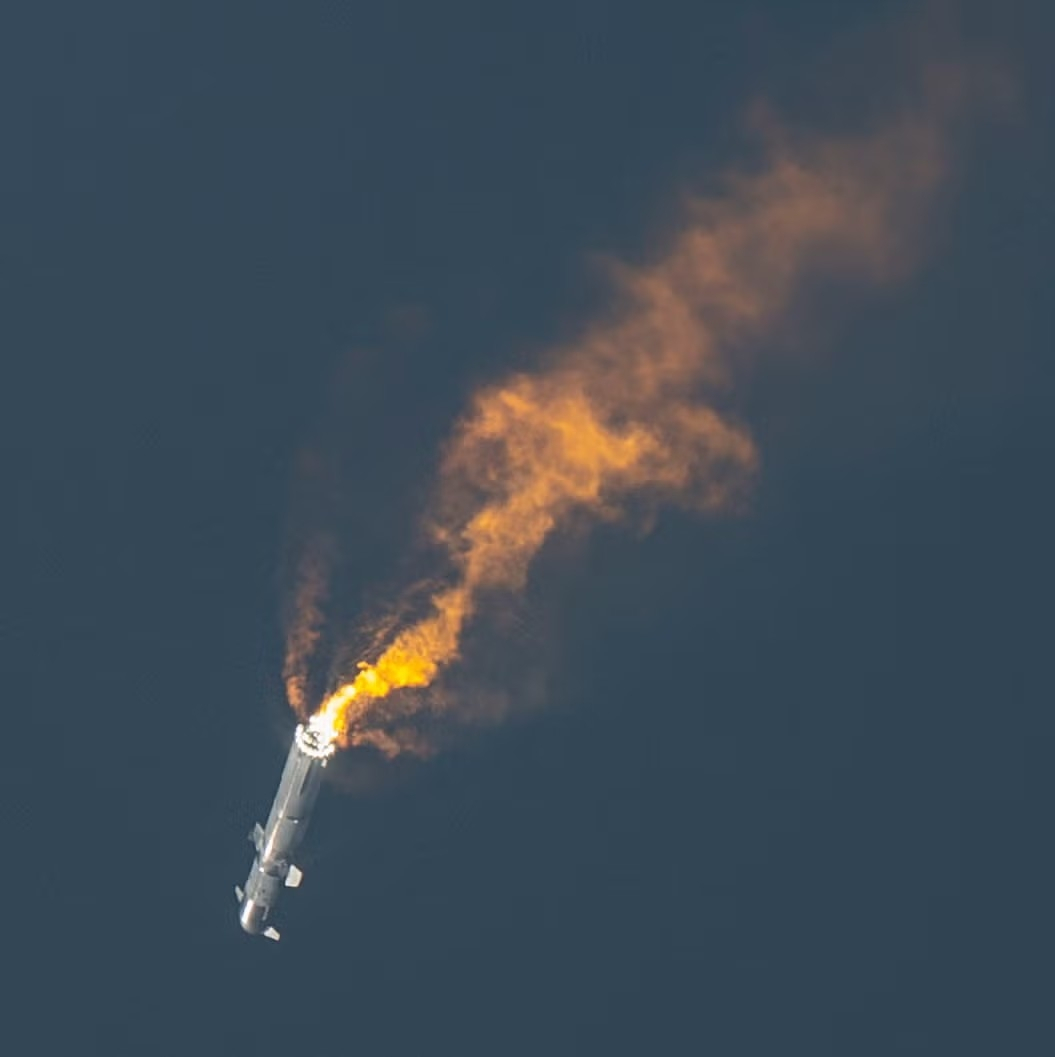
🚨 سبيس إكس ($SPCXB ) تعرضت لصدمة قوية اليوم 💔
$SPCX انخفضت بنسبة 16.4% اليوم، مما محى أكثر من 400 مليار دولار من القيمة السوقية.
جاءت عملية البيع بعد أيام قليلة من إطلاق الشركة لأول عرض لها من السندات غير المضمونة، ساعية لجمع ما لا يقل عن 20 مليار دولار على الرغم من الإبلاغ عن حوالي 100.8 مليار دولار من النقد وما يعادله.
الصورة الأكبر أكثر دراماتيكية
$SPCX الآن انخفضت بنسبة 31.3% من أعلى مستوى لها على الإطلاق
تم محو أكثر من 927 مليار دولار من القيمة السوقية في 3 أيام تداول فقط
لا يزال السهم مرتفعاً بنسبة 14.5% عن سعر الطرح العام الأولي
قبل أسبوع فقط، كان المستثمرون يسعون لدفع السهم للأعلى بسبب ضجة الذكاء الاصطناعي والفضاء.
الآن السوق تطرح سؤالاً مختلفاً:
هل كانت التقييمات متقدمة جداً عن الواقع؟
بيع قصير 👇
#SpaceXPremarketFalls4.6%
$SPCX انخفضت بنسبة 16.4% اليوم، مما محى أكثر من 400 مليار دولار من القيمة السوقية.
جاءت عملية البيع بعد أيام قليلة من إطلاق الشركة لأول عرض لها من السندات غير المضمونة، ساعية لجمع ما لا يقل عن 20 مليار دولار على الرغم من الإبلاغ عن حوالي 100.8 مليار دولار من النقد وما يعادله.
الصورة الأكبر أكثر دراماتيكية
$SPCX الآن انخفضت بنسبة 31.3% من أعلى مستوى لها على الإطلاق
تم محو أكثر من 927 مليار دولار من القيمة السوقية في 3 أيام تداول فقط
لا يزال السهم مرتفعاً بنسبة 14.5% عن سعر الطرح العام الأولي
قبل أسبوع فقط، كان المستثمرون يسعون لدفع السهم للأعلى بسبب ضجة الذكاء الاصطناعي والفضاء.
الآن السوق تطرح سؤالاً مختلفاً:
هل كانت التقييمات متقدمة جداً عن الواقع؟
بيع قصير 👇
#SpaceXPremarketFalls4.6%
$MUB
Global Markets Investor
·
--
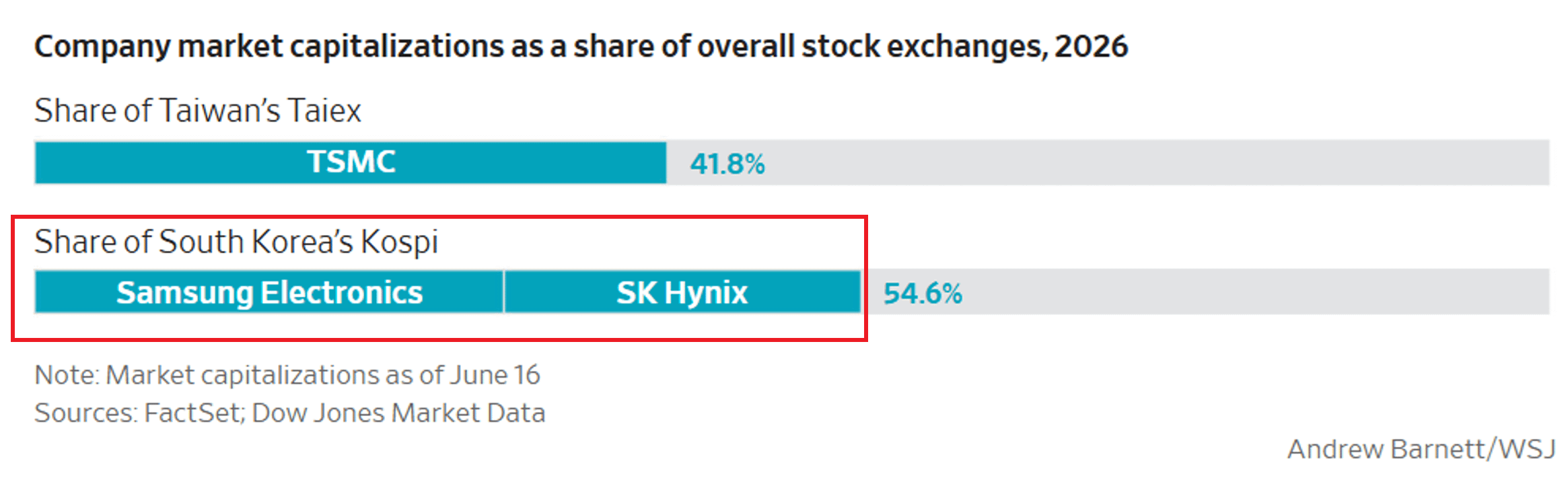
🔴السوق الكوري الجنوبي والتايواني كله يعتمد على 3 شركات فقط:
شركة سامسونج للإلكترونيات وSK Hynix معًا يعكسان حوالي 55% من مؤشر كوسبي الكوري الجنوبي.
الشركتان تجاوزتا مؤخرًا تقييمات تريليون دولار وتسيطران على إنتاج شرائح الذاكرة المستخدمة في حسابات الذكاء الاصطناعي وتخزين البيانات.
في الوقت نفسه، شركة TSMC وحدها تمثل حوالي 42% من مؤشر تايكس التايواني.
TSMC هي سابع أغلى شركة في العالم، مع قيمة سوقية تزيد عن 2.2 تريليون دولار، أكبر من تسلا أو ميتا.
كما أن TSMC حققت أكثر من 90% من الإيرادات في أكثر قطاعات تصنيع الشرائح تقدمًا العام الماضي، وفقًا لبحث Counterpoint.
لتوضيح ذلك، مجموعة Magnificent 7 تمثل معًا فقط حوالي 33% من مؤشر S&P 500.
هذا جنون.
شركة سامسونج للإلكترونيات وSK Hynix معًا يعكسان حوالي 55% من مؤشر كوسبي الكوري الجنوبي.
الشركتان تجاوزتا مؤخرًا تقييمات تريليون دولار وتسيطران على إنتاج شرائح الذاكرة المستخدمة في حسابات الذكاء الاصطناعي وتخزين البيانات.
في الوقت نفسه، شركة TSMC وحدها تمثل حوالي 42% من مؤشر تايكس التايواني.
TSMC هي سابع أغلى شركة في العالم، مع قيمة سوقية تزيد عن 2.2 تريليون دولار، أكبر من تسلا أو ميتا.
كما أن TSMC حققت أكثر من 90% من الإيرادات في أكثر قطاعات تصنيع الشرائح تقدمًا العام الماضي، وفقًا لبحث Counterpoint.
لتوضيح ذلك، مجموعة Magnificent 7 تمثل معًا فقط حوالي 33% من مؤشر S&P 500.
هذا جنون.
$NVDAB $MUB $TSLAB

Binance Wallet
·
--
⚽ سوق توقعات مباراة البرتغال ضد أوزبكستان الآن مباشر على محفظة بينانس!
حلل السوق، وقيم النتائج المحتملة، وتداول آراءك.
🏆 تداول على محفظة بينانس للحصول على فرصة لمشاركة جائزة بقيمة 2 مليون USDT وكسب نقاط مكافآت التوقعات!
مباريات مثيرة أخرى قادمة في طريقك:
📱 Open in App
💻 Open in Web
حلل السوق، وقيم النتائج المحتملة، وتداول آراءك.
🏆 تداول على محفظة بينانس للحصول على فرصة لمشاركة جائزة بقيمة 2 مليون USDT وكسب نقاط مكافآت التوقعات!
مباريات مثيرة أخرى قادمة في طريقك:
📱 Open in App
💻 Open in Web

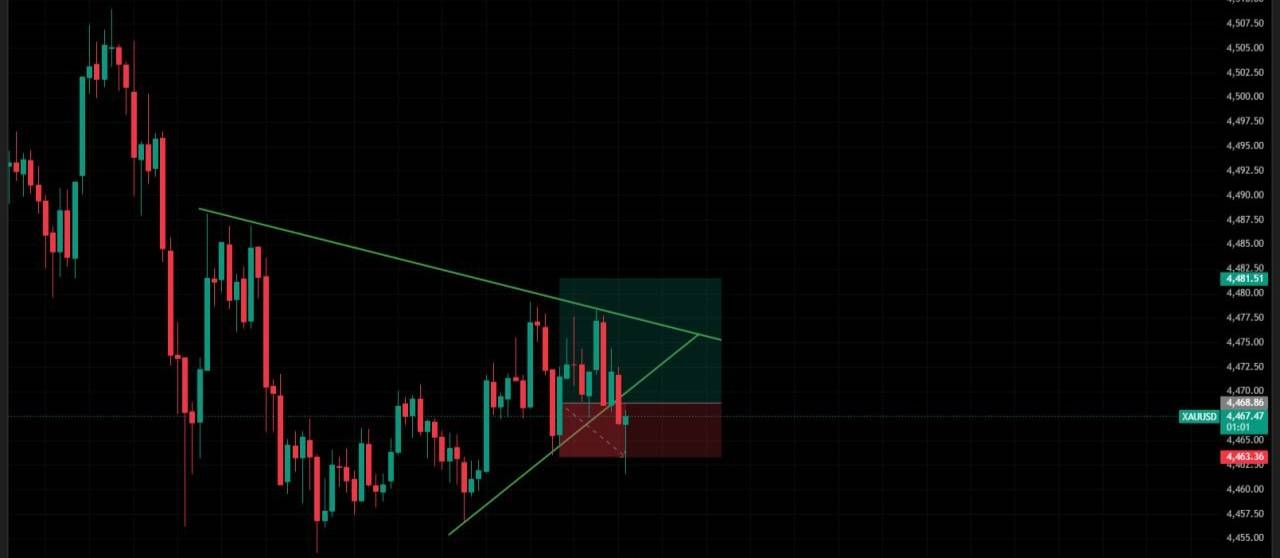
استراتيجيات التنفيذ الأفضل
الشراء النشط
تكون فعالة فقط في الحالات التالية:
انكسار السعر لخط الاتجاه الهبوطي،
استعادة سريعة لمستويات 4466–4467،
ظهور شمعات صاعدة قوية عند الإغلاق.
إذًا:
TP1: 4475
TP2: 4480–4482
SL: أقل من 4463
ما سبق هو مستويات الأسعار الفعّالة.
$XAU
الشراء النشط
تكون فعالة فقط في الحالات التالية:
انكسار السعر لخط الاتجاه الهبوطي،
استعادة سريعة لمستويات 4466–4467،
ظهور شمعات صاعدة قوية عند الإغلاق.
إذًا:
TP1: 4475
TP2: 4480–4482
SL: أقل من 4463
ما سبق هو مستويات الأسعار الفعّالة.
$XAU
الهيكل الحالي
فقط في الأعلى صعودي:
103.30–103.35
إذا تم قبول السعر في الأعلى:
سعر الهدف:
103.60
103.90
وقف الخسارة:
أقل من 102.65
$CL
فقط في الأعلى صعودي:
103.30–103.35
إذا تم قبول السعر في الأعلى:
سعر الهدف:
103.60
103.90
وقف الخسارة:
أقل من 102.65
$CL
$SOL سعر دخول البيع: 84.3 دولار - 84.7 دولار
نقطة وقف الخسارة: وقف خسارة يدوي، سعر الإغلاق خلال 60 دقيقة 86.9 دولار
هدف السعر 1: 83.48 دولار
هدف السعر 2: 82.1 دولار
هدف السعر 3: 79.6 دولار
$SOL
نقطة وقف الخسارة: وقف خسارة يدوي، سعر الإغلاق خلال 60 دقيقة 86.9 دولار
هدف السعر 1: 83.48 دولار
هدف السعر 2: 82.1 دولار
هدف السعر 3: 79.6 دولار
$SOL
🎙️ السوق نزل مرة تانية، هل فعلاً راح يستمر في الهبوط؟
إنهاء
04 ساعة 26 دقيقة 20 ثانية
29.4k
41
🎙️ كيف نضع أوامر الشراء والبيع على BTC، تعالوا نتحدث عن ذلك!
إنهاء
05 ساعة 59 دقيقة 59 ثانية
46.5k
75
زوج التداول: EDENUSDT.P
نقطة الدخول: 0.0526 – 0.0530
(انتظر التصحيح، لا تتبع الارتفاعات في اختراق الشمعة)
وقف الخسارة: 0.0514
المستويات المستهدفة:
TP1: 0.0548
TP2: 0.0565
TP3: 0.0588
$EDEN
نقطة الدخول: 0.0526 – 0.0530
(انتظر التصحيح، لا تتبع الارتفاعات في اختراق الشمعة)
وقف الخسارة: 0.0514
المستويات المستهدفة:
TP1: 0.0548
TP2: 0.0565
TP3: 0.0588
$EDEN
زوج التداول: FIDAUSDT.P
نقطة الدخول: 0.0228 – 0.0231
(انتظر ضعف السعر للارتفاع)
وقف الخسارة: 0.0238
المستويات المستهدفة:
TP1: 0.0221
TP2: 0.0214
TP3: 0.0205
$FIDA
نقطة الدخول: 0.0228 – 0.0231
(انتظر ضعف السعر للارتفاع)
وقف الخسارة: 0.0238
المستويات المستهدفة:
TP1: 0.0221
TP2: 0.0214
TP3: 0.0205
$FIDA
زوج التداول: BSBUSDT.P
نقطة دخول: 0.664 – 0.670
(انتظر انعكاس الشمعة)
نقطة وقف الخسارة: 0.681
هدف:
TP1: 0.648
TP2: 0.636
TP3: 0.622
نقطة دخول: 0.664 – 0.670
(انتظر انعكاس الشمعة)
نقطة وقف الخسارة: 0.681
هدف:
TP1: 0.648
TP2: 0.636
TP3: 0.622
$ARC إعادة الدخول في صفقة بيع
منطقة الدخول: 0.0734 – 0.0744
الأهداف:
0.0705
0.0668
0.0629
0.0572
وقف خسارة: 0.0765
$ARC
منطقة الدخول: 0.0734 – 0.0744
الأهداف:
0.0705
0.0668
0.0629
0.0572
وقف خسارة: 0.0765
$ARC
$FF إعداد شورت
الدخول - سعر السوق الحالي
وقف الخسارة 0.09 دولار
الهدف 1 0.083 دولار
الهدف 2 0.081 دولار
الهدف 3 0.0765 دولار
$FF
الدخول - سعر السوق الحالي
وقف الخسارة 0.09 دولار
الهدف 1 0.083 دولار
الهدف 2 0.081 دولار
الهدف 3 0.0765 دولار
$FF
سجّل الدخول لاستكشاف المزيد من المُحتوى