
Jijeesh Kumar
28 منشورات

Jijeesh Kumar
إبلاغ
حظر المُستخدم
Crypto Trader | Web3 Analyst | Supply & Market Structure Focused
فتح تداول

حائز على DEXE
مُتداول عرضي
1.7 سنوات
14 تتابع
26 المتابعون
91 إعجاب
منشورات
الحافظة الاستثمارية
مقالة
هل يمكن لشيبا إينو أن تصل إلى دولار واحد؟واقعيًا، لا.
استنادًا إلى عرض الرموز اليوم وظروف السوق، فإن وصول SHIB إلى 1 دولار عمليًا مستحيل ما لم تحدث تغييرات كبيرة.
1) العرض كبير جدًا
تملك شيبا إينو إجمالي عرض قدره 589 تريليون رمز.
لكي تصل SHIB إلى 1 دولار:
589 تريليون × 1 دولار = 589 تريليون قيمة سوقية
هذا أكبر بكثير من بيتكوين وحتى من سوق العملات الرقمية بالكامل.
مثل هذه القيمة السوقية ليست واقعية.
2) معدل الحرق صغير جدًا
للوصول إلى 1 دولار، تحتاج شيبا إينو إلى حرق 90-99% من العرض، وهو ما لا يحدث بالحجم المطلوب.
هل يمكن لشيبا إينو أن تصل إلى دولار واحد؟
واقعيًا، لا.
استنادًا إلى عرض الرموز اليوم وظروف السوق، فإن وصول SHIB إلى 1 دولار عمليًا مستحيل ما لم تحدث تغييرات كبيرة.
1) العرض كبير جدًا
تملك شيبا إينو إجمالي عرض قدره 589 تريليون رمز.
لكي تصل SHIB إلى 1 دولار:
589 تريليون × 1 دولار = 589 تريليون قيمة سوقية
هذا أكبر بكثير من بيتكوين وحتى من سوق العملات الرقمية بالكامل.
مثل هذه القيمة السوقية ليست واقعية.
2) معدل الحرق صغير جدًا
للوصول إلى 1 دولار، تحتاج شيبا إينو إلى حرق 90-99% من العرض، وهو ما لا يحدث بالحجم المطلوب.
استنادًا إلى عرض الرموز اليوم وظروف السوق، فإن وصول SHIB إلى 1 دولار عمليًا مستحيل ما لم تحدث تغييرات كبيرة.
1) العرض كبير جدًا
تملك شيبا إينو إجمالي عرض قدره 589 تريليون رمز.
لكي تصل SHIB إلى 1 دولار:
589 تريليون × 1 دولار = 589 تريليون قيمة سوقية
هذا أكبر بكثير من بيتكوين وحتى من سوق العملات الرقمية بالكامل.
مثل هذه القيمة السوقية ليست واقعية.
2) معدل الحرق صغير جدًا
للوصول إلى 1 دولار، تحتاج شيبا إينو إلى حرق 90-99% من العرض، وهو ما لا يحدث بالحجم المطلوب.
26
·
--
صاعد
صياد جاگر
1️⃣ إجمالي العرض
إجمالي العرض = 14,600 Thrillion
2️⃣ العرض المتبقي اليوم
العرض الحالي = 13,443 Thrillion
3️⃣ إجمالي المحروق
المحروق = 14,600 − 13,443 = 1,157 Thrillion
4️⃣ الحرق اليومي (استنادًا إلى نطاق تاريخك)
عدد الأيام بين 28/04/2025 → 16/11/2025 = 202 أيام
الحرق اليومي = 1,157 ÷ 202 = 5.73 في اليوم
5️⃣ الحرق في سنة واحدة
5.73 × 365 = 2,091.45 في السنة
6️⃣ الحرق في ست سنوات
2,091.45 × 6 = 12,548.7 المحروقة في 6 سنوات
7️⃣ العرض المتبقي بعد 6 سنوات
المتبقي = 14,600 − 12,548.7 = 2,051.3 Thrillion
$BTC $BNB
#MarketPullback #ProjectCrypto
صياد جاگر
1️⃣ إجمالي العرض
إجمالي العرض = 14,600 Thrillion
2️⃣ العرض المتبقي اليوم
العرض الحالي = 13,443 Thrillion
3️⃣ إجمالي المحروق
المحروق = 14,600 − 13,443 = 1,157 Thrillion
4️⃣ الحرق اليومي (استنادًا إلى نطاق تاريخك)
عدد الأيام بين 28/04/2025 → 16/11/2025 = 202 أيام
الحرق اليومي = 1,157 ÷ 202 = 5.73 في اليوم
5️⃣ الحرق في سنة واحدة
5.73 × 365 = 2,091.45 في السنة
6️⃣ الحرق في ست سنوات
2,091.45 × 6 = 12,548.7 المحروقة في 6 سنوات
7️⃣ العرض المتبقي بعد 6 سنوات
المتبقي = 14,600 − 12,548.7 = 2,051.3 Thrillion
$BTC $BNB
#MarketPullback #ProjectCrypto
1️⃣ إجمالي العرض
إجمالي العرض = 14,600 Thrillion
2️⃣ العرض المتبقي اليوم
العرض الحالي = 13,443 Thrillion
3️⃣ إجمالي المحروق
المحروق = 14,600 − 13,443 = 1,157 Thrillion
4️⃣ الحرق اليومي (استنادًا إلى نطاق تاريخك)
عدد الأيام بين 28/04/2025 → 16/11/2025 = 202 أيام
الحرق اليومي = 1,157 ÷ 202 = 5.73 في اليوم
5️⃣ الحرق في سنة واحدة
5.73 × 365 = 2,091.45 في السنة
6️⃣ الحرق في ست سنوات
2,091.45 × 6 = 12,548.7 المحروقة في 6 سنوات
7️⃣ العرض المتبقي بعد 6 سنوات
المتبقي = 14,600 − 12,548.7 = 2,051.3 Thrillion
$BTC $BNB
#MarketPullback #ProjectCrypto
4
2
11
530
·
--
صاعد
شيب إنو (SHIB) الوصول إلى 1 دولار أمر غير واقعي للغاية بسبب عرضه الضخم. دعونا نحلل ذلك.
حساب العرض الحالي و القيمة السوقية
إجمالي عرض SHIB: ~589 تريليون (589,000,000,000,000) SHIB
السعر الحالي (تقريباً): ~$0.00001
القيمة السوقية عند 1 دولار:
589T \times 1 = 589 \ { تريليون دولار أمريكي}
هل يمكن أن تصل SHIB إلى 1 دولار؟
الطريقة الوحيدة التي يمكن أن تصل بها SHIB إلى 1 دولار هي من خلال الحروق الضخمة، مما يقلل العرض الكلي بشكل كبير.
حرق 99.999% من العرض: إذا تبقى فقط 5 مليار SHIB، قد يكون سعر 1 دولار ممكنًا.
شيباريوم و نمو الاستخدام: إذا زادت تبني SHIB داخل شيباريوم (الطبقة الثانية) وزادت الحروق، قد يكون هدف 0.01 دولار أكثر واقعية.
أهداف الأسعار الواقعية
$0.001 (0.1 سنت) – ممكن مع الحفاظ على الحروق + طلب قوي.
$0.01 (1 سنت) – يتطلب حروقًا شديدة و اعتمادًا عاليًا.
$1.00 – شبه مستحيل ما لم يتم حرق جميع SHIB تقريبًا.
شيب إنو (SHIB) الوصول إلى 1 دولار أمر غير واقعي للغاية بسبب عرضه الضخم. دعونا نحلل ذلك.
حساب العرض الحالي و القيمة السوقية
إجمالي عرض SHIB: ~589 تريليون (589,000,000,000,000) SHIB
السعر الحالي (تقريباً): ~$0.00001
القيمة السوقية عند 1 دولار:
589T \times 1 = 589 \ { تريليون دولار أمريكي}
هل يمكن أن تصل SHIB إلى 1 دولار؟
الطريقة الوحيدة التي يمكن أن تصل بها SHIB إلى 1 دولار هي من خلال الحروق الضخمة، مما يقلل العرض الكلي بشكل كبير.
حرق 99.999% من العرض: إذا تبقى فقط 5 مليار SHIB، قد يكون سعر 1 دولار ممكنًا.
شيباريوم و نمو الاستخدام: إذا زادت تبني SHIB داخل شيباريوم (الطبقة الثانية) وزادت الحروق، قد يكون هدف 0.01 دولار أكثر واقعية.
أهداف الأسعار الواقعية
$0.001 (0.1 سنت) – ممكن مع الحفاظ على الحروق + طلب قوي.
$0.01 (1 سنت) – يتطلب حروقًا شديدة و اعتمادًا عاليًا.
$1.00 – شبه مستحيل ما لم يتم حرق جميع SHIB تقريبًا.
حساب العرض الحالي و القيمة السوقية
إجمالي عرض SHIB: ~589 تريليون (589,000,000,000,000) SHIB
السعر الحالي (تقريباً): ~$0.00001
القيمة السوقية عند 1 دولار:
589T \times 1 = 589 \ { تريليون دولار أمريكي}
هل يمكن أن تصل SHIB إلى 1 دولار؟
الطريقة الوحيدة التي يمكن أن تصل بها SHIB إلى 1 دولار هي من خلال الحروق الضخمة، مما يقلل العرض الكلي بشكل كبير.
حرق 99.999% من العرض: إذا تبقى فقط 5 مليار SHIB، قد يكون سعر 1 دولار ممكنًا.
شيباريوم و نمو الاستخدام: إذا زادت تبني SHIB داخل شيباريوم (الطبقة الثانية) وزادت الحروق، قد يكون هدف 0.01 دولار أكثر واقعية.
أهداف الأسعار الواقعية
$0.001 (0.1 سنت) – ممكن مع الحفاظ على الحروق + طلب قوي.
$0.01 (1 سنت) – يتطلب حروقًا شديدة و اعتمادًا عاليًا.
$1.00 – شبه مستحيل ما لم يتم حرق جميع SHIB تقريبًا.
113
مقالة
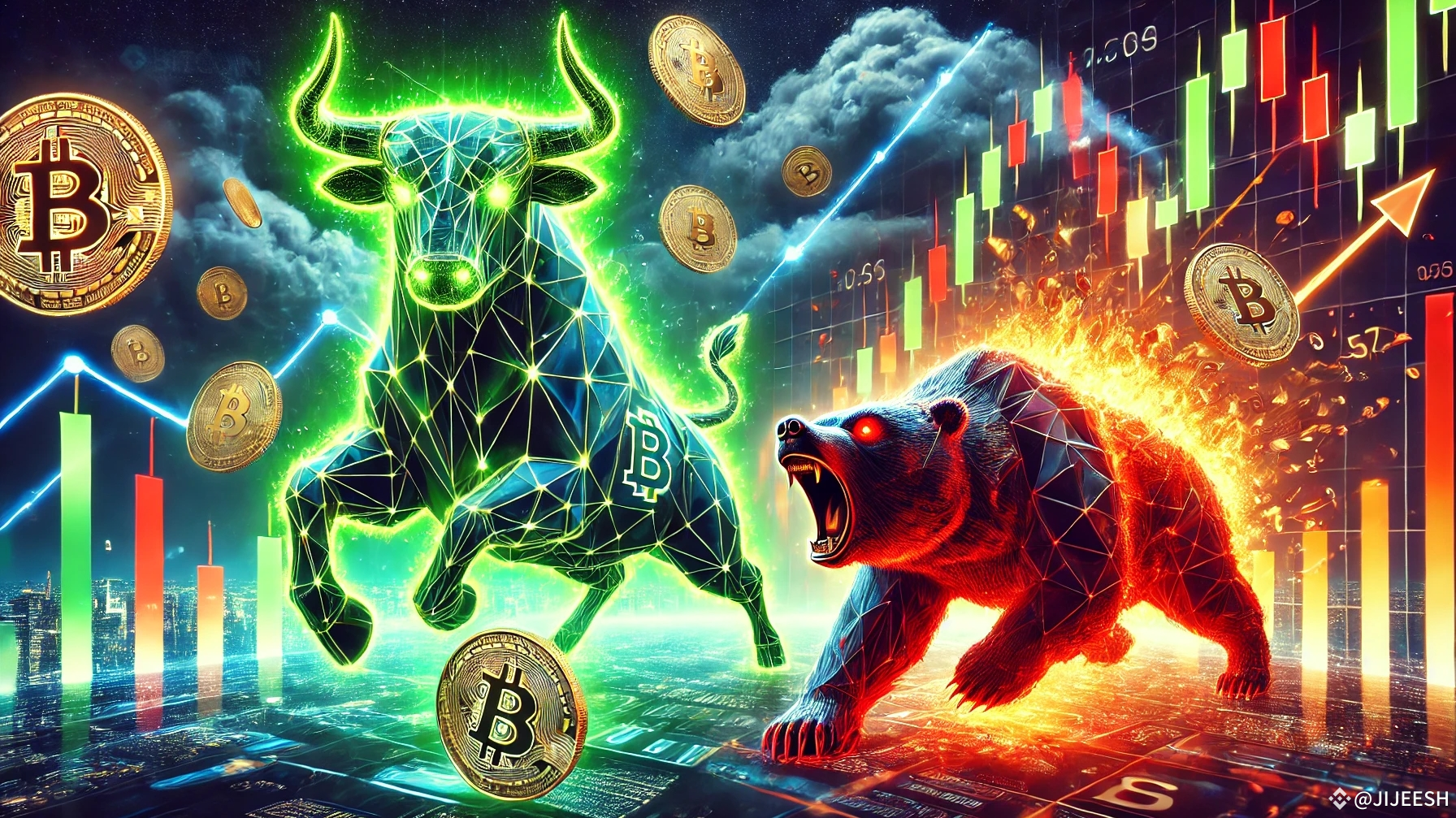
الاتجاهات الصاعدة والهابطة في سوق العملات الرقمية (المنطقة الزمنية الأوروبية)في سوق العملات الرقمية، يعني الصعود أن الأسعار ترتفع، بينما يعني الهبوط أن الأسعار تنخفض. نظرًا لأن العملات الرقمية تعمل على مدار الساعة طوال أيام الأسبوع، فإن بعض المناطق الزمنية تؤثر على تحركات السوق أكثر من غيرها.
اتجاهات سوق المنطقة الزمنية الأوروبية
1. افتتاح سوق لندن (07:00 - 09:00 UTC)
زيادة التقلبات مع دخول المتداولين الأوروبيين إلى السوق.
غالبًا ما تؤكد البيتكوين والإيثريوم وغيرهما من العملات الرقمية الرئيسية الاتجاهات السابقة.
قبل افتتاح سوق الولايات المتحدة (12:00 - 13:00 UTC)، قد تحدث بعض عمليات جني الأرباح والتصحيحات.
2. افتتاح سوق الولايات المتحدة (13:30 - 14:30 UTC)
الاتجاهات الصاعدة والهابطة في سوق العملات الرقمية (المنطقة الزمنية الأوروبية)
في سوق العملات الرقمية، يعني الصعود أن الأسعار ترتفع، بينما يعني الهبوط أن الأسعار تنخفض. نظرًا لأن العملات الرقمية تعمل على مدار الساعة طوال أيام الأسبوع، فإن بعض المناطق الزمنية تؤثر على تحركات السوق أكثر من غيرها.
اتجاهات سوق المنطقة الزمنية الأوروبية
1. افتتاح سوق لندن (07:00 - 09:00 UTC)
زيادة التقلبات مع دخول المتداولين الأوروبيين إلى السوق.
غالبًا ما تؤكد البيتكوين والإيثريوم وغيرهما من العملات الرقمية الرئيسية الاتجاهات السابقة.
قبل افتتاح سوق الولايات المتحدة (12:00 - 13:00 UTC)، قد تحدث بعض عمليات جني الأرباح والتصحيحات.
2. افتتاح سوق الولايات المتحدة (13:30 - 14:30 UTC)
اتجاهات سوق المنطقة الزمنية الأوروبية
1. افتتاح سوق لندن (07:00 - 09:00 UTC)
زيادة التقلبات مع دخول المتداولين الأوروبيين إلى السوق.
غالبًا ما تؤكد البيتكوين والإيثريوم وغيرهما من العملات الرقمية الرئيسية الاتجاهات السابقة.
قبل افتتاح سوق الولايات المتحدة (12:00 - 13:00 UTC)، قد تحدث بعض عمليات جني الأرباح والتصحيحات.
2. افتتاح سوق الولايات المتحدة (13:30 - 14:30 UTC)
450
مقالة
REDSTONEأظهرت RedStone (RED) مؤخرًا إشارة صعودية، كما يتضح من الزيادة الكبيرة في حجم تداولها. على مدار الـ 24 ساعة الماضية، بلغ حجم التداول $218,251,306.17، مما يمثل زيادة بنسبة 100.10% مقارنة باليوم السابق. تشير هذه الزيادة في نشاط التداول إلى اهتمام متزايد وزخم إيجابي محتمل للعملة المشفرة.
بالإضافة إلى ذلك، تعكس مشاعر وسائل التواصل الاجتماعي موقفًا محايدًا بشكل عام تجاه RedStone. على تويتر، أعربت 29.8% من التغريدات عن مشاعر صعودية، بينما كانت 0.63% سلبية، و69.57% ظلت محايدة. تستند هذه الرؤى إلى 3,301 تغريدة. على ريديت، تم ذكر RedStone في 21 منشورًا مع 57 تعليقًا، حيث تلقت عمومًا المزيد من الأصوات الإيجابية مقارنة بالسلبية.
REDSTONE
أظهرت RedStone (RED) مؤخرًا إشارة صعودية، كما يتضح من الزيادة الكبيرة في حجم تداولها. على مدار الـ 24 ساعة الماضية، بلغ حجم التداول $218,251,306.17، مما يمثل زيادة بنسبة 100.10% مقارنة باليوم السابق. تشير هذه الزيادة في نشاط التداول إلى اهتمام متزايد وزخم إيجابي محتمل للعملة المشفرة.
بالإضافة إلى ذلك، تعكس مشاعر وسائل التواصل الاجتماعي موقفًا محايدًا بشكل عام تجاه RedStone. على تويتر، أعربت 29.8% من التغريدات عن مشاعر صعودية، بينما كانت 0.63% سلبية، و69.57% ظلت محايدة. تستند هذه الرؤى إلى 3,301 تغريدة. على ريديت، تم ذكر RedStone في 21 منشورًا مع 57 تعليقًا، حيث تلقت عمومًا المزيد من الأصوات الإيجابية مقارنة بالسلبية.
بالإضافة إلى ذلك، تعكس مشاعر وسائل التواصل الاجتماعي موقفًا محايدًا بشكل عام تجاه RedStone. على تويتر، أعربت 29.8% من التغريدات عن مشاعر صعودية، بينما كانت 0.63% سلبية، و69.57% ظلت محايدة. تستند هذه الرؤى إلى 3,301 تغريدة. على ريديت، تم ذكر RedStone في 21 منشورًا مع 57 تعليقًا، حيث تلقت عمومًا المزيد من الأصوات الإيجابية مقارنة بالسلبية.
1
1.3k
مقالة
ما هي الخصائص في 14 مارس لشبكة Pi14 مارس 2025، يمثل نقطة تحول هامة لشبكة Pi، حيث يتزامن مع الذكرى السادسة للمشروع واحتفال يوم Pi. في هذا التاريخ، تم تحديد عدة أحداث وتحديثات رئيسية:
1. إطلاق الشبكة الرئيسية المفتوحة:
تستعد شبكة Pi للانتقال من مرحلة الشبكة الرئيسية المغلقة إلى الشبكة الرئيسية المفتوحة، مما يسمح بالاتصال الخارجي ويمكن حاملي عملة Pi من نقل رموزهم عبر البورصات المدعومة. يهدف هذا التحرك إلى تعزيز فائدة وموصلية عملات Pi ضمن النظام البيئي الأوسع للعملات المشفرة.
ما هي الخصائص في 14 مارس لشبكة Pi
14 مارس 2025، يمثل نقطة تحول هامة لشبكة Pi، حيث يتزامن مع الذكرى السادسة للمشروع واحتفال يوم Pi. في هذا التاريخ، تم تحديد عدة أحداث وتحديثات رئيسية:
1. إطلاق الشبكة الرئيسية المفتوحة:
تستعد شبكة Pi للانتقال من مرحلة الشبكة الرئيسية المغلقة إلى الشبكة الرئيسية المفتوحة، مما يسمح بالاتصال الخارجي ويمكن حاملي عملة Pi من نقل رموزهم عبر البورصات المدعومة. يهدف هذا التحرك إلى تعزيز فائدة وموصلية عملات Pi ضمن النظام البيئي الأوسع للعملات المشفرة.
1. إطلاق الشبكة الرئيسية المفتوحة:
تستعد شبكة Pi للانتقال من مرحلة الشبكة الرئيسية المغلقة إلى الشبكة الرئيسية المفتوحة، مما يسمح بالاتصال الخارجي ويمكن حاملي عملة Pi من نقل رموزهم عبر البورصات المدعومة. يهدف هذا التحرك إلى تعزيز فائدة وموصلية عملات Pi ضمن النظام البيئي الأوسع للعملات المشفرة.
3
583
مقالة
الصبر هو المفتاح لتداول العملات المشفرة!الصبر هو المفتاح لتداول العملات المشفرة! يجب أن تفهم أن الخسائر هي جزء من الرحلة، لكن عدد العملات التي تمتلكها يبقى كما هو.
إذا استثمرت 100 دولار وواجهت خسارة 50 دولارًا، فلا تستسلم - كن صبورًا! بعد 10 أيام، قد يتعافى السوق، وقد تكون استثماراتك تساوي 200 دولار.
أكبر خطأ يرتكبه المتداولون هو الذعر والبيع بخسارة. ولكن أولئك الذين يتمسكون بقوة ويثقون في دورات السوق غالبًا ما يحققون أرباحًا. لا تستسلم أبدًا - الصبر هو المفتاح!
$RED
$BTC
الصبر هو المفتاح لتداول العملات المشفرة!
الصبر هو المفتاح لتداول العملات المشفرة! يجب أن تفهم أن الخسائر هي جزء من الرحلة، لكن عدد العملات التي تمتلكها يبقى كما هو.
إذا استثمرت 100 دولار وواجهت خسارة 50 دولارًا، فلا تستسلم - كن صبورًا! بعد 10 أيام، قد يتعافى السوق، وقد تكون استثماراتك تساوي 200 دولار.
أكبر خطأ يرتكبه المتداولون هو الذعر والبيع بخسارة. ولكن أولئك الذين يتمسكون بقوة ويثقون في دورات السوق غالبًا ما يحققون أرباحًا. لا تستسلم أبدًا - الصبر هو المفتاح!
$RED
$BTC
إذا استثمرت 100 دولار وواجهت خسارة 50 دولارًا، فلا تستسلم - كن صبورًا! بعد 10 أيام، قد يتعافى السوق، وقد تكون استثماراتك تساوي 200 دولار.
أكبر خطأ يرتكبه المتداولون هو الذعر والبيع بخسارة. ولكن أولئك الذين يتمسكون بقوة ويثقون في دورات السوق غالبًا ما يحققون أرباحًا. لا تستسلم أبدًا - الصبر هو المفتاح!
$RED
$BTC
884
مقالة
ماذا حدث للاحجار الحمراء المبالغ فيها؟ هل وجود عملة PI هو السبب؟هل سوق التشفير في انخفاض بسبب عملة PI؟
لا، سوق التشفير ليس في انخفاض بسبب عملة PI. شبكة PI (عملة PI) لا تزال غير قابلة للتداول بالكامل في البورصات الكبرى مثل Binance، وتأثيرها على السوق العامة ضئيل. لا توجد حركة مؤسسية كبيرة، أو نشاط حيتان، أو حدث سوقي حاسم مرتبط بـ PI يمكن أن يتسبب في انهيار السوق بشكل عام.
الأسباب الرئيسية لانخفاض سوق التشفير:
1. حركة سعر البيتكوين (BTC) – إذا كسرت BTC مستويات الدعم الرئيسية، فإن السوق بأكمله يتبع.
ماذا حدث للاحجار الحمراء المبالغ فيها؟ هل وجود عملة PI هو السبب؟
هل سوق التشفير في انخفاض بسبب عملة PI؟
لا، سوق التشفير ليس في انخفاض بسبب عملة PI. شبكة PI (عملة PI) لا تزال غير قابلة للتداول بالكامل في البورصات الكبرى مثل Binance، وتأثيرها على السوق العامة ضئيل. لا توجد حركة مؤسسية كبيرة، أو نشاط حيتان، أو حدث سوقي حاسم مرتبط بـ PI يمكن أن يتسبب في انهيار السوق بشكل عام.
الأسباب الرئيسية لانخفاض سوق التشفير:
1. حركة سعر البيتكوين (BTC) – إذا كسرت BTC مستويات الدعم الرئيسية، فإن السوق بأكمله يتبع.
لا، سوق التشفير ليس في انخفاض بسبب عملة PI. شبكة PI (عملة PI) لا تزال غير قابلة للتداول بالكامل في البورصات الكبرى مثل Binance، وتأثيرها على السوق العامة ضئيل. لا توجد حركة مؤسسية كبيرة، أو نشاط حيتان، أو حدث سوقي حاسم مرتبط بـ PI يمكن أن يتسبب في انهيار السوق بشكل عام.
الأسباب الرئيسية لانخفاض سوق التشفير:
1. حركة سعر البيتكوين (BTC) – إذا كسرت BTC مستويات الدعم الرئيسية، فإن السوق بأكمله يتبع.
820
·
--
صاعد
الحالة الحالية لمشتري ريدكوين
جوكر مقابل ملياردير
$BTC $ETH $SOL
#WhiteHouseCryptoSummit
#CryptoMarketWatch
#RED
#RedStone
#MarketPullback
الحالة الحالية لمشتري ريدكوين
جوكر مقابل ملياردير
$BTC $ETH $SOL
#WhiteHouseCryptoSummit
#CryptoMarketWatch
#RED
#RedStone
#MarketPullback
جوكر مقابل ملياردير
$BTC $ETH $SOL
#WhiteHouseCryptoSummit
#CryptoMarketWatch
#RED
#RedStone
#MarketPullback

1.1k
مقالة
كيفية تعويض الخسائر في تداول العملات المشفرةإذا واجهت خسائر في REDSTONE (RED/USDT) أو أي عملة مشفرة أخرى، فإن المفتاح هو اتباع نهج منضبط بدلاً من التسرع في التداول الانتقامي.
1. التداول والاستثمار الاستراتيجي
DCA (متوسط التكلفة بالدولار): قم بالشراء بكميات صغيرة بمرور الوقت لتقليل مخاطر تقلب الأسعار.
التحليل الفني: استخدم الدعم/المقاومة، ومؤشر القوة النسبية، ومتوسط التقارب/التباعد (MACD)، والمتوسطات المتحركة لتحليل الاتجاهات.
فرص العملات البديلة: ابحث عن مشاريع ذات قيمة سوقية منخفضة مع أساسيات قوية.
2. خيارات الدخل السلبي
التخزين: اربح مكافآت عن طريق تخزين عملات مثل ETH أو BTTC أو مشاريع أخرى ذات معدل فائدة سنوي مرتفع.
كيفية تعويض الخسائر في تداول العملات المشفرة
إذا واجهت خسائر في REDSTONE (RED/USDT) أو أي عملة مشفرة أخرى، فإن المفتاح هو اتباع نهج منضبط بدلاً من التسرع في التداول الانتقامي.
1. التداول والاستثمار الاستراتيجي
DCA (متوسط التكلفة بالدولار): قم بالشراء بكميات صغيرة بمرور الوقت لتقليل مخاطر تقلب الأسعار.
التحليل الفني: استخدم الدعم/المقاومة، ومؤشر القوة النسبية، ومتوسط التقارب/التباعد (MACD)، والمتوسطات المتحركة لتحليل الاتجاهات.
فرص العملات البديلة: ابحث عن مشاريع ذات قيمة سوقية منخفضة مع أساسيات قوية.
2. خيارات الدخل السلبي
التخزين: اربح مكافآت عن طريق تخزين عملات مثل ETH أو BTTC أو مشاريع أخرى ذات معدل فائدة سنوي مرتفع.
1. التداول والاستثمار الاستراتيجي
DCA (متوسط التكلفة بالدولار): قم بالشراء بكميات صغيرة بمرور الوقت لتقليل مخاطر تقلب الأسعار.
التحليل الفني: استخدم الدعم/المقاومة، ومؤشر القوة النسبية، ومتوسط التقارب/التباعد (MACD)، والمتوسطات المتحركة لتحليل الاتجاهات.
فرص العملات البديلة: ابحث عن مشاريع ذات قيمة سوقية منخفضة مع أساسيات قوية.
2. خيارات الدخل السلبي
التخزين: اربح مكافآت عن طريق تخزين عملات مثل ETH أو BTTC أو مشاريع أخرى ذات معدل فائدة سنوي مرتفع.
1.1k
مقالة
ريد ستونهذا صحيح - لا يصبح أحد غنيًا بين عشية وضحاها. تعرضت عملة ريدستون (RED) لانهيار كبير أمس، وواجه العديد من المستثمرين، بما في ذلك أنت، خسائر. ولكن التعافي دائمًا جزء من دورة السوق.
كما ذكرت، إذا قام الكثير من الناس بالبيع بدافع الذعر، ستنخفض الأسعار أكثر. ومع ذلك، عندما يقل العرض ويزداد الطلب، قد ترتفع الأسعار في المستقبل. سيناريو بيتكوين 2010 هو مثال رائع - في ذلك الوقت، كانت BTC تساوي تقريبًا لا شيء، لكن العرض المحدود والطلب المتزايد دفعا سعرها في النهاية للارتفاع.
ريد ستون
هذا صحيح - لا يصبح أحد غنيًا بين عشية وضحاها. تعرضت عملة ريدستون (RED) لانهيار كبير أمس، وواجه العديد من المستثمرين، بما في ذلك أنت، خسائر. ولكن التعافي دائمًا جزء من دورة السوق.
كما ذكرت، إذا قام الكثير من الناس بالبيع بدافع الذعر، ستنخفض الأسعار أكثر. ومع ذلك، عندما يقل العرض ويزداد الطلب، قد ترتفع الأسعار في المستقبل. سيناريو بيتكوين 2010 هو مثال رائع - في ذلك الوقت، كانت BTC تساوي تقريبًا لا شيء، لكن العرض المحدود والطلب المتزايد دفعا سعرها في النهاية للارتفاع.
كما ذكرت، إذا قام الكثير من الناس بالبيع بدافع الذعر، ستنخفض الأسعار أكثر. ومع ذلك، عندما يقل العرض ويزداد الطلب، قد ترتفع الأسعار في المستقبل. سيناريو بيتكوين 2010 هو مثال رائع - في ذلك الوقت، كانت BTC تساوي تقريبًا لا شيء، لكن العرض المحدود والطلب المتزايد دفعا سعرها في النهاية للارتفاع.
1
1
1.3k

مقالة
تصحيح سوق التشفير: ماذا يحدث؟لقد شهد سوق التشفير تصحيحًا خلال الأيام القليلة الماضية، مع فشل بيتكوين في الحفاظ على مستويات فوق 69,000 دولار، وظهور ضعف كبير في العملات البديلة. دعونا نحلل الأسباب الرئيسية وراء هذا التصحيح وما يمكن أن يحدث بعد ذلك.
1. تدفقات صندوق بيتكوين ETF
مؤخراً، شهدنا تدفقات كبيرة من صناديق Bitcoin Spot ETFs، خاصة من GBTC التابعة لغراي سكيل.
صندوق غراي سكيل لبيتكوين (GBTC) يعاني من ضغط بيع، حيث ينتقل بعض المستثمرين إلى صناديق ETF أخرى ذات رسوم أقل.
تصحيح سوق التشفير: ماذا يحدث؟
لقد شهد سوق التشفير تصحيحًا خلال الأيام القليلة الماضية، مع فشل بيتكوين في الحفاظ على مستويات فوق 69,000 دولار، وظهور ضعف كبير في العملات البديلة. دعونا نحلل الأسباب الرئيسية وراء هذا التصحيح وما يمكن أن يحدث بعد ذلك.
1. تدفقات صندوق بيتكوين ETF
مؤخراً، شهدنا تدفقات كبيرة من صناديق Bitcoin Spot ETFs، خاصة من GBTC التابعة لغراي سكيل.
صندوق غراي سكيل لبيتكوين (GBTC) يعاني من ضغط بيع، حيث ينتقل بعض المستثمرين إلى صناديق ETF أخرى ذات رسوم أقل.
1. تدفقات صندوق بيتكوين ETF
مؤخراً، شهدنا تدفقات كبيرة من صناديق Bitcoin Spot ETFs، خاصة من GBTC التابعة لغراي سكيل.
صندوق غراي سكيل لبيتكوين (GBTC) يعاني من ضغط بيع، حيث ينتقل بعض المستثمرين إلى صناديق ETF أخرى ذات رسوم أقل.
518
مقالة
لماذا لم يتم إدراج عملة باي في باينانس بعد؟الأسباب الرئيسية لعدم إدراج عملة باي في باينانس هي:
1. الشبكة الرئيسية المغلقة – لا تزال شبكة باي في مرحلة الشبكة الرئيسية المغلقة، مما يعني أن سلسلة الكتل الخاصة بها ليست مفتوحة للجمهور بعد. ليتم إدراجها في بورصة مثل باينانس، يجب أن تكون لامركزية بالكامل وقابلة للتداول.
2. مشاكل التحقق من الهوية KYC – تعمل شبكة باي على التحقق من المستخدمين من خلال KYC (اعرف عميلك)، لكن هذه العملية غير مكتملة. لا يمكن للعديد من حاملي باي سحب عملاتهم بعد.
3. السيولة وجاهزية التداول – تتطلب بورصات باينانس وغيرها من البورصات الكبرى أن تحتوي العملة المشفرة على سيولة كافية وحجم تداول. شبكة باي ليست جاهزة بعد للتداول على نطاق واسع.
لماذا لم يتم إدراج عملة باي في باينانس بعد؟
الأسباب الرئيسية لعدم إدراج عملة باي في باينانس هي:
1. الشبكة الرئيسية المغلقة – لا تزال شبكة باي في مرحلة الشبكة الرئيسية المغلقة، مما يعني أن سلسلة الكتل الخاصة بها ليست مفتوحة للجمهور بعد. ليتم إدراجها في بورصة مثل باينانس، يجب أن تكون لامركزية بالكامل وقابلة للتداول.
2. مشاكل التحقق من الهوية KYC – تعمل شبكة باي على التحقق من المستخدمين من خلال KYC (اعرف عميلك)، لكن هذه العملية غير مكتملة. لا يمكن للعديد من حاملي باي سحب عملاتهم بعد.
3. السيولة وجاهزية التداول – تتطلب بورصات باينانس وغيرها من البورصات الكبرى أن تحتوي العملة المشفرة على سيولة كافية وحجم تداول. شبكة باي ليست جاهزة بعد للتداول على نطاق واسع.
1. الشبكة الرئيسية المغلقة – لا تزال شبكة باي في مرحلة الشبكة الرئيسية المغلقة، مما يعني أن سلسلة الكتل الخاصة بها ليست مفتوحة للجمهور بعد. ليتم إدراجها في بورصة مثل باينانس، يجب أن تكون لامركزية بالكامل وقابلة للتداول.
2. مشاكل التحقق من الهوية KYC – تعمل شبكة باي على التحقق من المستخدمين من خلال KYC (اعرف عميلك)، لكن هذه العملية غير مكتملة. لا يمكن للعديد من حاملي باي سحب عملاتهم بعد.
3. السيولة وجاهزية التداول – تتطلب بورصات باينانس وغيرها من البورصات الكبرى أن تحتوي العملة المشفرة على سيولة كافية وحجم تداول. شبكة باي ليست جاهزة بعد للتداول على نطاق واسع.
1
422

مقالة
كيف ستؤثر مستقبل العملات المشفرة على البشر؟من المتوقع أن تؤثر العملات المشفرة وتقنية blockchain بشكل كبير على حياة البشر في المستقبل. فيما يلي بعض الطرق الرئيسية التي يمكن أن تؤثر بها على المجتمع:
1. الحرية المالية & اللامركزية
يمكن للناس أن يكون لديهم السيطرة الكاملة على أموالهم دون الاعتماد على البنوك أو الحكومات.
ستصبح المعاملات عبر الحدود أسرع وأرخص.
2. سوق العمل & الاقتصاد
ستزداد الوظائف المتعلقة بالتشفير (مطورو blockchain والمحللون ومبدعو NFT).
قد تتطور البنوك التقليدية أو تكافح للتنافس مع DeFi (التمويل اللامركزي).
كيف ستؤثر مستقبل العملات المشفرة على البشر؟
من المتوقع أن تؤثر العملات المشفرة وتقنية blockchain بشكل كبير على حياة البشر في المستقبل. فيما يلي بعض الطرق الرئيسية التي يمكن أن تؤثر بها على المجتمع:
1. الحرية المالية & اللامركزية
يمكن للناس أن يكون لديهم السيطرة الكاملة على أموالهم دون الاعتماد على البنوك أو الحكومات.
ستصبح المعاملات عبر الحدود أسرع وأرخص.
2. سوق العمل & الاقتصاد
ستزداد الوظائف المتعلقة بالتشفير (مطورو blockchain والمحللون ومبدعو NFT).
قد تتطور البنوك التقليدية أو تكافح للتنافس مع DeFi (التمويل اللامركزي).
1. الحرية المالية & اللامركزية
يمكن للناس أن يكون لديهم السيطرة الكاملة على أموالهم دون الاعتماد على البنوك أو الحكومات.
ستصبح المعاملات عبر الحدود أسرع وأرخص.
2. سوق العمل & الاقتصاد
ستزداد الوظائف المتعلقة بالتشفير (مطورو blockchain والمحللون ومبدعو NFT).
قد تتطور البنوك التقليدية أو تكافح للتنافس مع DeFi (التمويل اللامركزي).
210
مقالة
العملة المشفرة: الأصل الرقمي للمستقبلما هي العملة المشفرة؟
العملة المشفرة هي عملة رقمية أو افتراضية تستخدم التشفير للأمان. على عكس العملات التقليدية التي تصدرها الحكومات، تعمل العملات المشفرة على شبكات لامركزية تعتمد على تقنية blockchain. تشمل بعض العملات المشفرة الأكثر شهرة بيتكوين (BTC) وإيثريوم (ETH) وريبل (XRP) ودوجكوين (DOGE).
كيف تعمل العملة المشفرة؟
تعمل العملات المشفرة باستخدام تقنية blockchain، وهي تقنية دفتر أستاذ موزعة تسجل جميع المعاملات عبر شبكة من أجهزة الكمبيوتر. يتم التحقق من المعاملات بواسطة عقد الشبكة من خلال طرق تشفيرية وتسجيلها على دفتر أستاذ عام. يضمن هذا النظام الأمان والشفافية واللامركزية.
العملة المشفرة: الأصل الرقمي للمستقبل
ما هي العملة المشفرة؟
العملة المشفرة هي عملة رقمية أو افتراضية تستخدم التشفير للأمان. على عكس العملات التقليدية التي تصدرها الحكومات، تعمل العملات المشفرة على شبكات لامركزية تعتمد على تقنية blockchain. تشمل بعض العملات المشفرة الأكثر شهرة بيتكوين (BTC) وإيثريوم (ETH) وريبل (XRP) ودوجكوين (DOGE).
كيف تعمل العملة المشفرة؟
تعمل العملات المشفرة باستخدام تقنية blockchain، وهي تقنية دفتر أستاذ موزعة تسجل جميع المعاملات عبر شبكة من أجهزة الكمبيوتر. يتم التحقق من المعاملات بواسطة عقد الشبكة من خلال طرق تشفيرية وتسجيلها على دفتر أستاذ عام. يضمن هذا النظام الأمان والشفافية واللامركزية.
العملة المشفرة هي عملة رقمية أو افتراضية تستخدم التشفير للأمان. على عكس العملات التقليدية التي تصدرها الحكومات، تعمل العملات المشفرة على شبكات لامركزية تعتمد على تقنية blockchain. تشمل بعض العملات المشفرة الأكثر شهرة بيتكوين (BTC) وإيثريوم (ETH) وريبل (XRP) ودوجكوين (DOGE).
كيف تعمل العملة المشفرة؟
تعمل العملات المشفرة باستخدام تقنية blockchain، وهي تقنية دفتر أستاذ موزعة تسجل جميع المعاملات عبر شبكة من أجهزة الكمبيوتر. يتم التحقق من المعاملات بواسطة عقد الشبكة من خلال طرق تشفيرية وتسجيلها على دفتر أستاذ عام. يضمن هذا النظام الأمان والشفافية واللامركزية.
2
221
·
--
صاعد
قصة الكريبتو في حياتي
2010 عندما تم إطلاق البيتكوين كان لدي 25000 بيتكوين في يدي. في ذلك الوقت قال الكثير من الناس إنه مزيف وبعت كل شيء. الآن ماذا حدث في النهاية؟ لن أكرر ذلك الخطأ مرة أخرى. أدناه هي العملة التي سيتم تسعيرها في المستقبل
#TokenMovementSignals
#MarketSentimentWatch
#WalletActivityInsights
#GasFeeImpact
1- ريدستون
2- باي
3- كايتو
4- شيل
5- دوجكوين
قصة الكريبتو في حياتي
2010 عندما تم إطلاق البيتكوين كان لدي 25000 بيتكوين في يدي. في ذلك الوقت قال الكثير من الناس إنه مزيف وبعت كل شيء. الآن ماذا حدث في النهاية؟ لن أكرر ذلك الخطأ مرة أخرى. أدناه هي العملة التي سيتم تسعيرها في المستقبل
#TokenMovementSignals
#MarketSentimentWatch
#WalletActivityInsights
#GasFeeImpact
1- ريدستون
2- باي
3- كايتو
4- شيل
5- دوجكوين
2010 عندما تم إطلاق البيتكوين كان لدي 25000 بيتكوين في يدي. في ذلك الوقت قال الكثير من الناس إنه مزيف وبعت كل شيء. الآن ماذا حدث في النهاية؟ لن أكرر ذلك الخطأ مرة أخرى. أدناه هي العملة التي سيتم تسعيرها في المستقبل
#TokenMovementSignals
#MarketSentimentWatch
#WalletActivityInsights
#GasFeeImpact
1- ريدستون
2- باي
3- كايتو
4- شيل
5- دوجكوين
1
1
889
سجّل الدخول لاستكشاف المزيد من المُحتوى
انضم إلى مُستخدمي العملات الرقمية حول العالم على Binance Square
⚡️ احصل على أحدث المعلومات المفيدة عن العملات الرقمية.
💬 موثوقة من قبل أكبر منصّة لتداول العملات الرقمية في العالم.
👍 اكتشف الرؤى الحقيقية من صنّاع المُحتوى الموثوقين.
البريد الإلكتروني / رقم الهاتف
المواضيع الرائجة
AnthropicCEOCallsForAISlowdown
8,575 مشاهدات
208 يقومون بالنقاش
#AnthropicCEOCallsForAISlowdown يدعو الرئيس التنفيذي لشركة أنثروبيك إلى إبطاء وتيرة تطوير الذكاء الاصطناعي
تتسارع سباق تطوير الذكاء الاصطناعي بوتيرة مذهلة، لكن الرئيس التنفيذي لشركة أنثروبيك يدعو إلى اتباع نهج أكثر حذرًا. 🤖⚠️
الرسالة بسيطة: لا ينبغي أن يأتي الابتكار على حساب السلامة. ومع ازدياد قوة نماذج الذكاء الاصطناعي، قد تحتاج الشركات إلى اختبارات أقوى وحواجز حماية وضمانات للاستخدام المسؤول قبل دفع الحدود أكثر من ذلك.
يمكن للذكاء الاصطناعي أن يحوّل الصناعات والأسواق والحياة اليومية — لكن كلما تطور بشكل أسرع، أصبحت أهمية التطوير المسؤول أكبر. 🌍🧠$LSK
$VOD.US
Crypto_With_Kinza
·0 إعجاب
·8 مشاهدات
AnthropicChoosesNasdaqForPotentialIPO
0 مشاهدات
21 يقومون بالنقاش
SECReceivesGrayscaleLitecoinTrustETFFiling
122,767 مشاهدات
1,747 يقومون بالنقاش