

Houria-
3.2k منشورات

Houria-
إبلاغ
حظر المُستخدم
NEW IN CRYPTO .Content Creator. HODLER Mindset. X:@itxCrypto_Queen
فتح تداول
مُتداول بمُعدّل مرتفع
1.7 سنوات
245 تتابع
2.8K+ المتابعون
4.5K+ إعجاب
منشورات
الحافظة الاستثمارية
الكل
اقتباسات
مقاطع فيديو
Live
·
--
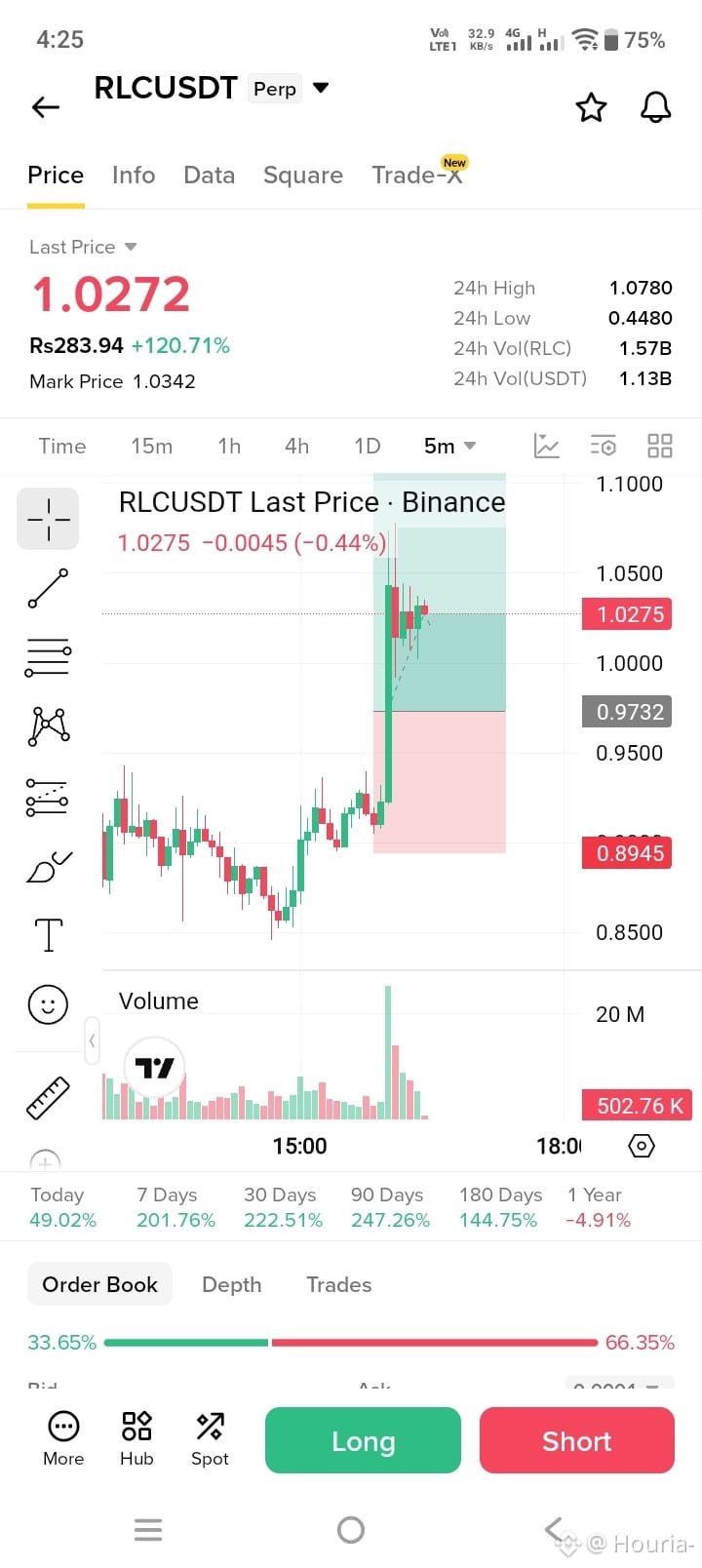
🔥 $RLC يتحرك بشكل مختلف الآن
سجّل RLC ارتفاعًا بنسبة +120%، بالتزامن مع زيادة هائلة في حجم التداول.
الجزء المثير للاهتمام ليس الارتفاع — بل ما سيحدث بعده.
تجاوز السعر مستوى $1.00، ويحافظ حاليًا على تداوله قرب $1.02، بينما يجري اختبار منطقة الاختراق. إذا دافع المشترون عن هذه المنطقة، فقد تستهدف الحركة التالية $1.05 → $1.10.
لكن بعد حركة بهذه القوة، فإن ملاحقة الشموع تنطوي على مخاطر. أفضل أن أرى ثباتًا واضحًا أو إعادة اختبار ناجحة بدلًا من الاندفاع للشراء خوفًا من تفويت الفرصة.
مستويات RLC التي أراقبها: 🟢 الثبات: $1.00–$1.02
🎯 الأهداف: $1.05 / $1.10
🔴 إبطال السيناريو: دون $0.97
حجم التداول هو العامل الحاسم هنا. إذا ظل قويًا، فقد يبقى RLC من أكثر فرص الزخم إثارة للاهتمام.
#RLC #iExec #Crypto #Altcoins #BinanceSquare
🔥 $RLC يتحرك بشكل مختلف الآن
سجّل RLC ارتفاعًا بنسبة +120%، بالتزامن مع زيادة هائلة في حجم التداول.
الجزء المثير للاهتمام ليس الارتفاع — بل ما سيحدث بعده.
تجاوز السعر مستوى $1.00، ويحافظ حاليًا على تداوله قرب $1.02، بينما يجري اختبار منطقة الاختراق. إذا دافع المشترون عن هذه المنطقة، فقد تستهدف الحركة التالية $1.05 → $1.10.
لكن بعد حركة بهذه القوة، فإن ملاحقة الشموع تنطوي على مخاطر. أفضل أن أرى ثباتًا واضحًا أو إعادة اختبار ناجحة بدلًا من الاندفاع للشراء خوفًا من تفويت الفرصة.
مستويات RLC التي أراقبها: 🟢 الثبات: $1.00–$1.02
🎯 الأهداف: $1.05 / $1.10
🔴 إبطال السيناريو: دون $0.97
حجم التداول هو العامل الحاسم هنا. إذا ظل قويًا، فقد يبقى RLC من أكثر فرص الزخم إثارة للاهتمام.
#RLC #iExec #Crypto #Altcoins #BinanceSquare
سجّل RLC ارتفاعًا بنسبة +120%، بالتزامن مع زيادة هائلة في حجم التداول.
الجزء المثير للاهتمام ليس الارتفاع — بل ما سيحدث بعده.
تجاوز السعر مستوى $1.00، ويحافظ حاليًا على تداوله قرب $1.02، بينما يجري اختبار منطقة الاختراق. إذا دافع المشترون عن هذه المنطقة، فقد تستهدف الحركة التالية $1.05 → $1.10.
لكن بعد حركة بهذه القوة، فإن ملاحقة الشموع تنطوي على مخاطر. أفضل أن أرى ثباتًا واضحًا أو إعادة اختبار ناجحة بدلًا من الاندفاع للشراء خوفًا من تفويت الفرصة.
مستويات RLC التي أراقبها: 🟢 الثبات: $1.00–$1.02
🎯 الأهداف: $1.05 / $1.10
🔴 إبطال السيناريو: دون $0.97
حجم التداول هو العامل الحاسم هنا. إذا ظل قويًا، فقد يبقى RLC من أكثر فرص الزخم إثارة للاهتمام.
#RLC #iExec #Crypto #Altcoins #BinanceSquare
1
400
·
--
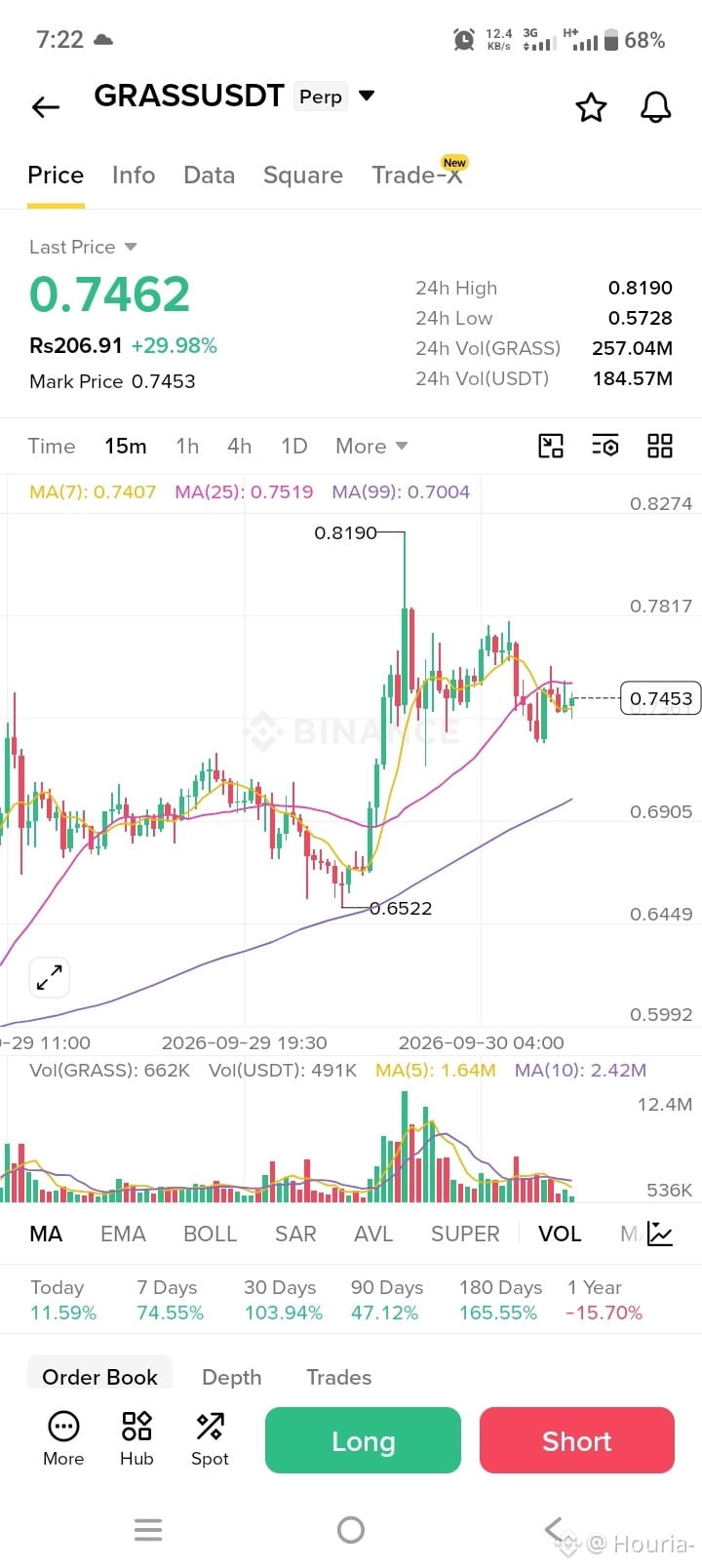
$GRASS تستحوذ على منطقة الاختراق 🌱🔥
يتداول GRASS/USDT حول $0.746، مرتفعًا قرابة 30% اليوم بعد حركة حادة من $0.65 واندفاع إلى $0.819.
ما أراقبه الآن هو التماسك: السعر يتمركز قرب MA(7) عند $0.741، بينما يشكل $0.752 مستوى MA(25) القريب.
قد يؤدي الاسترداد الواضح لـ $0.75–0.76 مع حجم تداول إلى دفعٍ آخر باتجاه $0.819. إذا خفت الزخم، ستصبح منطقة $0.70–0.72 نقطة مهمة لمراقبتها.
لقد حدث الاختراق بالفعل. الآن السؤال الحقيقي هو ما إذا كان بإمكان GRASS الحفاظ على النطاق الأعلى. 👀📊
#GRASS #Crypto #Altcoins #Binance #TradingCommunity
$GRASS تستحوذ على منطقة الاختراق 🌱🔥
يتداول GRASS/USDT حول $0.746، مرتفعًا قرابة 30% اليوم بعد حركة حادة من $0.65 واندفاع إلى $0.819.
ما أراقبه الآن هو التماسك: السعر يتمركز قرب MA(7) عند $0.741، بينما يشكل $0.752 مستوى MA(25) القريب.
قد يؤدي الاسترداد الواضح لـ $0.75–0.76 مع حجم تداول إلى دفعٍ آخر باتجاه $0.819. إذا خفت الزخم، ستصبح منطقة $0.70–0.72 نقطة مهمة لمراقبتها.
لقد حدث الاختراق بالفعل. الآن السؤال الحقيقي هو ما إذا كان بإمكان GRASS الحفاظ على النطاق الأعلى. 👀📊
#GRASS #Crypto #Altcoins #Binance #TradingCommunity
يتداول GRASS/USDT حول $0.746، مرتفعًا قرابة 30% اليوم بعد حركة حادة من $0.65 واندفاع إلى $0.819.
ما أراقبه الآن هو التماسك: السعر يتمركز قرب MA(7) عند $0.741، بينما يشكل $0.752 مستوى MA(25) القريب.
قد يؤدي الاسترداد الواضح لـ $0.75–0.76 مع حجم تداول إلى دفعٍ آخر باتجاه $0.819. إذا خفت الزخم، ستصبح منطقة $0.70–0.72 نقطة مهمة لمراقبتها.
لقد حدث الاختراق بالفعل. الآن السؤال الحقيقي هو ما إذا كان بإمكان GRASS الحفاظ على النطاق الأعلى. 👀📊
#GRASS #Crypto #Altcoins #Binance #TradingCommunity
212
·
--
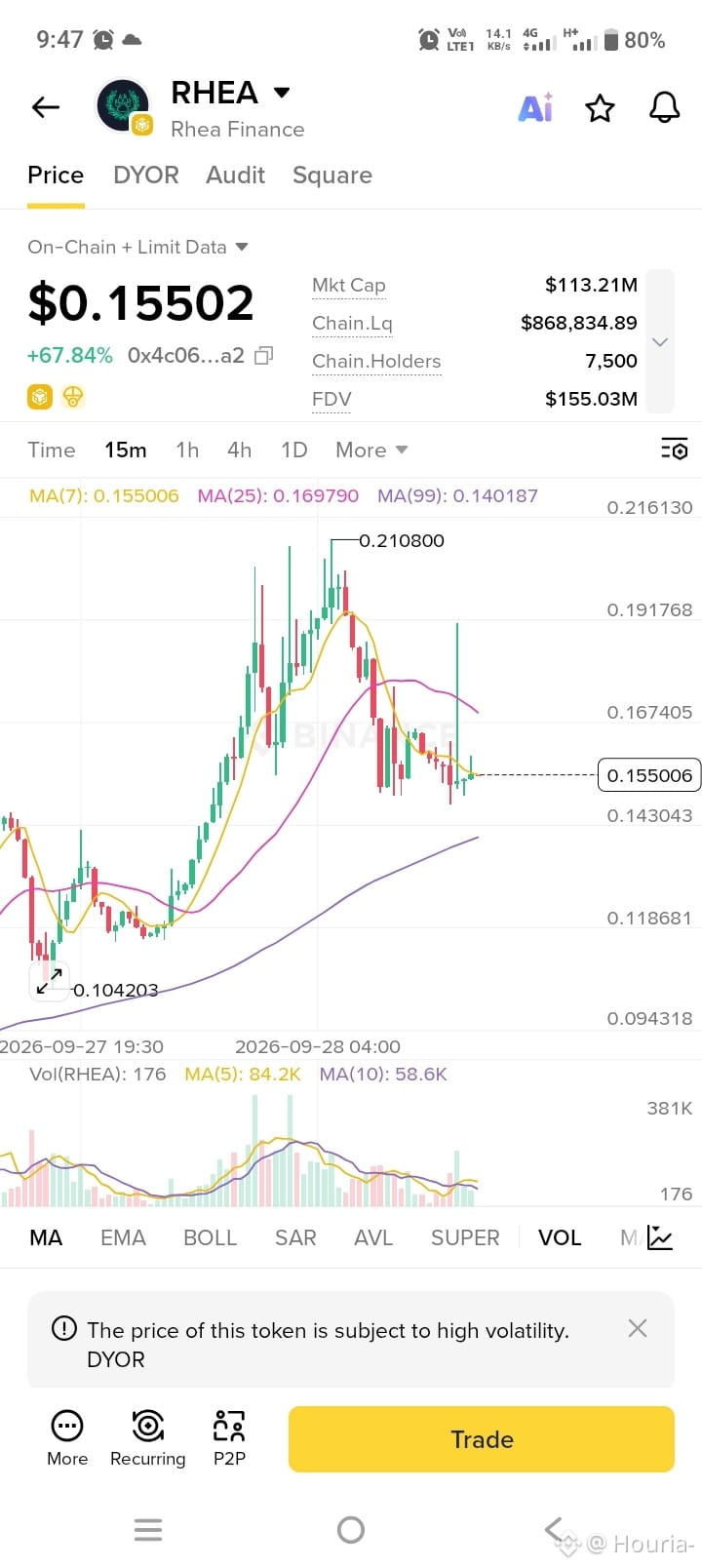
$RHEA يجلس عند مستوى محوري 👀
RHEA/USDT حول 0.155$، مرتفعًا بنحو 68% تقريبًا، لكن الرسم البياني يروي قصة أكثر إثارة من النسبة وحدها.
بعد الاندفاع إلى 0.2108$، هدأ السعر ويقوم الآن بعملية تذبذب/تجميع. 0.155$ قريبة من المتوسط المتحرك قصير الأجل (7)، بينما 0.143$ تبدو كمنطقة دعم مهمة قريبة.
إذا تمكن المشترون من استعادة 0.168–0.170$ بحجم تداول، فقد تبدأ الزخم/الدافعية بالتكوّن من جديد. وإلى ذلك الحين، يبدو الأمر أقرب إلى تجميع بعد حركة كبيرة أكثر من كونه اختراقًا واضحًا.
تذبذب مرتفع هنا — التأكيد أهم من الاندفاع وراء الخوف من فوات الفرصة (FOMO). 📊
#RHEA
$RHEA يجلس عند مستوى محوري 👀
RHEA/USDT حول 0.155$، مرتفعًا بنحو 68% تقريبًا، لكن الرسم البياني يروي قصة أكثر إثارة من النسبة وحدها.
بعد الاندفاع إلى 0.2108$، هدأ السعر ويقوم الآن بعملية تذبذب/تجميع. 0.155$ قريبة من المتوسط المتحرك قصير الأجل (7)، بينما 0.143$ تبدو كمنطقة دعم مهمة قريبة.
إذا تمكن المشترون من استعادة 0.168–0.170$ بحجم تداول، فقد تبدأ الزخم/الدافعية بالتكوّن من جديد. وإلى ذلك الحين، يبدو الأمر أقرب إلى تجميع بعد حركة كبيرة أكثر من كونه اختراقًا واضحًا.
تذبذب مرتفع هنا — التأكيد أهم من الاندفاع وراء الخوف من فوات الفرصة (FOMO). 📊
#RHEA
RHEA/USDT حول 0.155$، مرتفعًا بنحو 68% تقريبًا، لكن الرسم البياني يروي قصة أكثر إثارة من النسبة وحدها.
بعد الاندفاع إلى 0.2108$، هدأ السعر ويقوم الآن بعملية تذبذب/تجميع. 0.155$ قريبة من المتوسط المتحرك قصير الأجل (7)، بينما 0.143$ تبدو كمنطقة دعم مهمة قريبة.
إذا تمكن المشترون من استعادة 0.168–0.170$ بحجم تداول، فقد تبدأ الزخم/الدافعية بالتكوّن من جديد. وإلى ذلك الحين، يبدو الأمر أقرب إلى تجميع بعد حركة كبيرة أكثر من كونه اختراقًا واضحًا.
تذبذب مرتفع هنا — التأكيد أهم من الاندفاع وراء الخوف من فوات الفرصة (FOMO). 📊
#RHEA
1
249
·
--
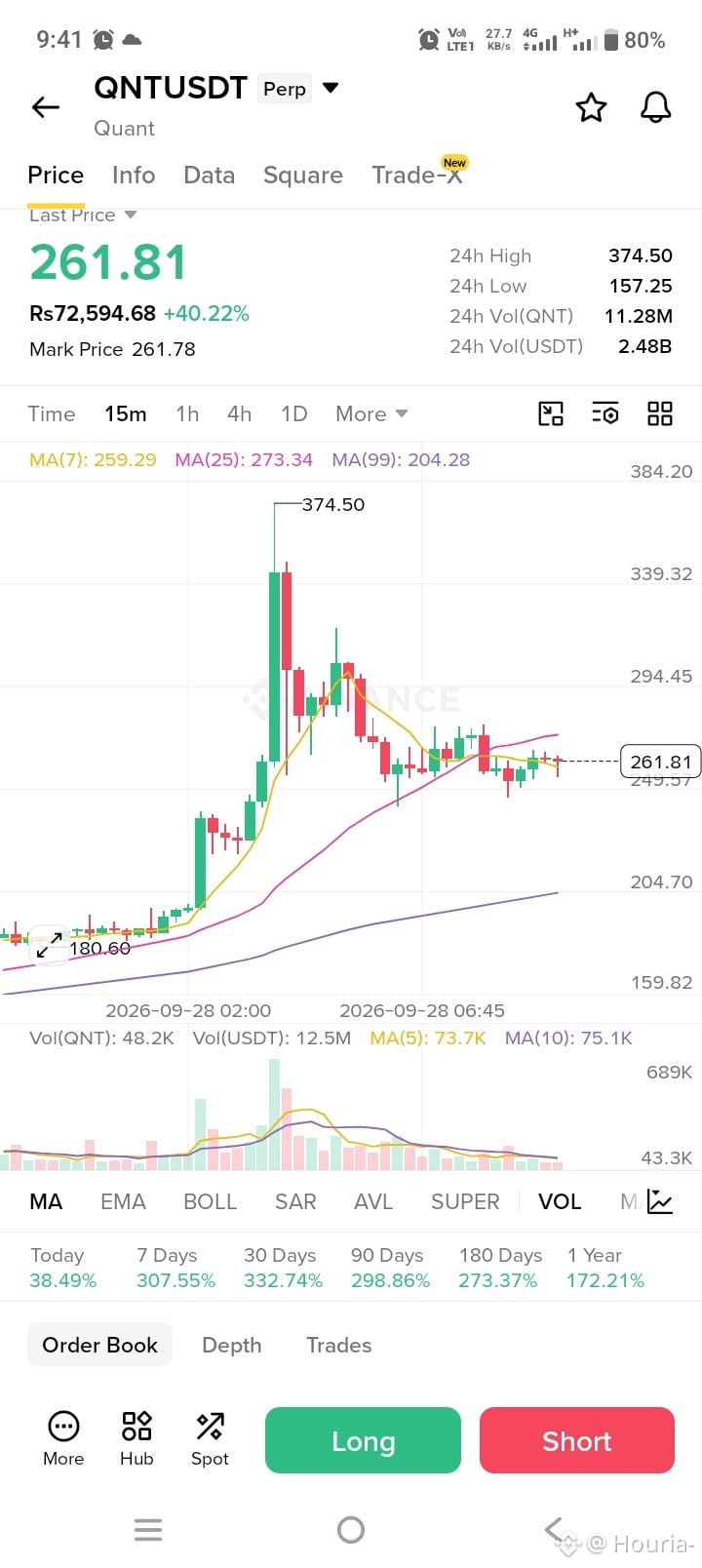
$QNT
{spot}(QNTUSDT)
للتو تحرك عموديًا 🚀
الآن أصبح QNT حول 261.81، بعد أن لامس 374.50 على مخطط 15 دقيقة. هذه حركة كبيرة، لكن الجزء المثير هو ما يحدث بعد الاندفاع.
السعر يتماسك حول 260، بينما تباطأت أحجام التداول.
259–260 هي المنطقة الفورية التي أراقبها. قد يؤدي استرجاع المستوى باتجاه 273–294 إلى عودة الزخم، بينما قد يؤدي فقدان 250 إلى فتح موجة تصحيح أعمق.
بعد حركة مثل هذه، أنا أراقب رد الفعل، وليس ملاحقة الشمعة. 👀📊
$QNT
للتو تحرك عموديًا 🚀
الآن أصبح QNT حول 261.81، بعد أن لامس 374.50 على مخطط 15 دقيقة. هذه حركة كبيرة، لكن الجزء المثير هو ما يحدث بعد الاندفاع.
السعر يتماسك حول 260، بينما تباطأت أحجام التداول.
259–260 هي المنطقة الفورية التي أراقبها. قد يؤدي استرجاع المستوى باتجاه 273–294 إلى عودة الزخم، بينما قد يؤدي فقدان 250 إلى فتح موجة تصحيح أعمق.
بعد حركة مثل هذه، أنا أراقب رد الفعل، وليس ملاحقة الشمعة. 👀📊
للتو تحرك عموديًا 🚀
الآن أصبح QNT حول 261.81، بعد أن لامس 374.50 على مخطط 15 دقيقة. هذه حركة كبيرة، لكن الجزء المثير هو ما يحدث بعد الاندفاع.
السعر يتماسك حول 260، بينما تباطأت أحجام التداول.
259–260 هي المنطقة الفورية التي أراقبها. قد يؤدي استرجاع المستوى باتجاه 273–294 إلى عودة الزخم، بينما قد يؤدي فقدان 250 إلى فتح موجة تصحيح أعمق.
بعد حركة مثل هذه، أنا أراقب رد الفعل، وليس ملاحقة الشمعة. 👀📊
181
·
--
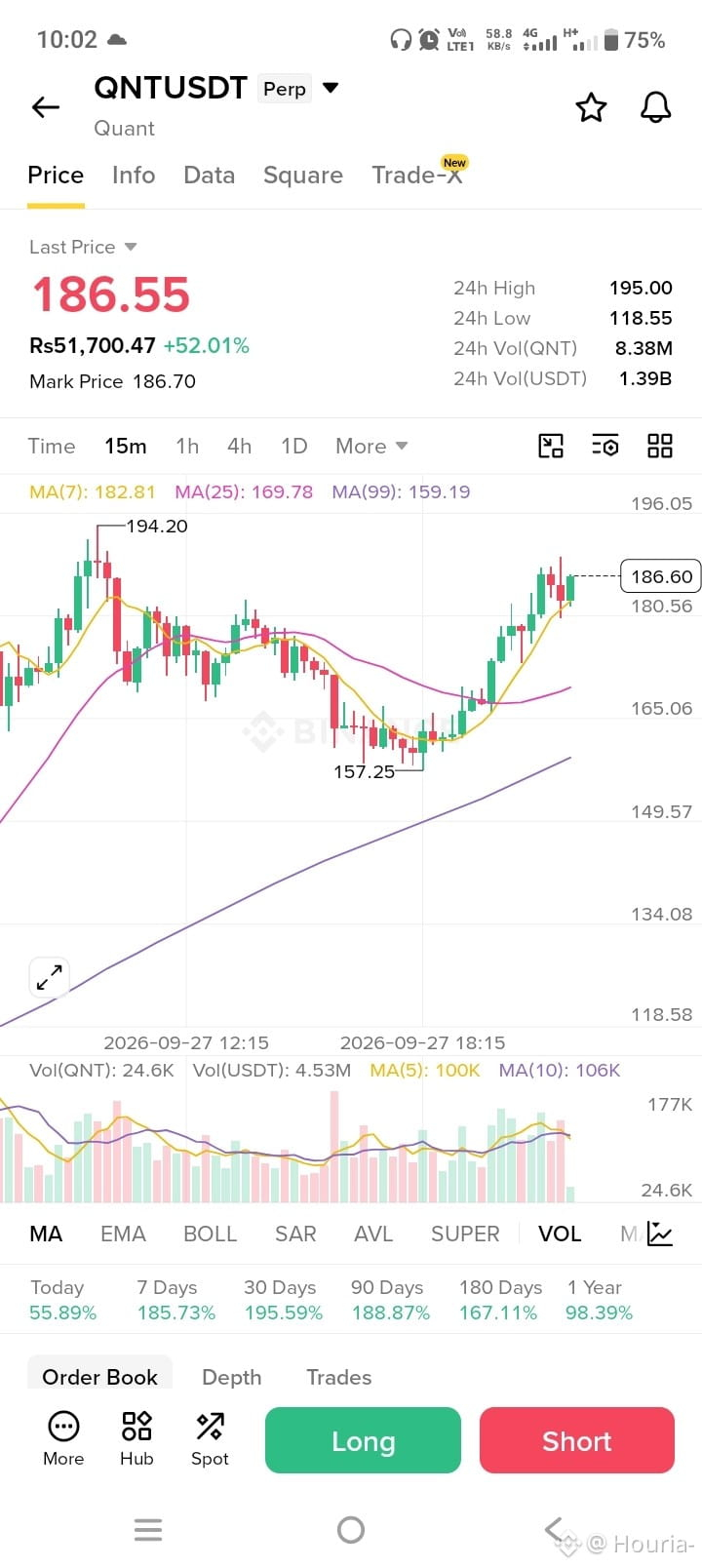
$QNT
{future}(QNTUSDT)
يتم التسخين الآن 🔥
QNT/USDT دفع للتو إلى 186.55، بزيادة تقارب 52% اليوم، بعد الارتداد بقوة من منطقة 157.25.
البنية على إطار 15 دقيقة ما زالت قوية: السعر فوق MA(7) 182.81 و MA(25) 169.78 و MA(99) 159.19. المستوى الرئيسي التالي على مخططـي هو منطقة 194.20–195.
إذا كسر المشترون تلك المنطقة بحجم تداول، فقد تمتد الحركة. لكن بعد هذا الاندفاع الحاد، قد يكون التصحيح باتجاه 180–170 ممكنًا أيضًا.
زخم قوي، لكن مطاردة القمة لعبة مختلفة. 👀📊
#QNT #Quant #cryptouniverseofficial #ALTCOİNS #Binance
$QNT
يتم التسخين الآن 🔥
QNT/USDT دفع للتو إلى 186.55، بزيادة تقارب 52% اليوم، بعد الارتداد بقوة من منطقة 157.25.
البنية على إطار 15 دقيقة ما زالت قوية: السعر فوق MA(7) 182.81 و MA(25) 169.78 و MA(99) 159.19. المستوى الرئيسي التالي على مخططـي هو منطقة 194.20–195.
إذا كسر المشترون تلك المنطقة بحجم تداول، فقد تمتد الحركة. لكن بعد هذا الاندفاع الحاد، قد يكون التصحيح باتجاه 180–170 ممكنًا أيضًا.
زخم قوي، لكن مطاردة القمة لعبة مختلفة. 👀📊
#QNT #Quant #cryptouniverseofficial #ALTCOİNS #Binance
يتم التسخين الآن 🔥
QNT/USDT دفع للتو إلى 186.55، بزيادة تقارب 52% اليوم، بعد الارتداد بقوة من منطقة 157.25.
البنية على إطار 15 دقيقة ما زالت قوية: السعر فوق MA(7) 182.81 و MA(25) 169.78 و MA(99) 159.19. المستوى الرئيسي التالي على مخططـي هو منطقة 194.20–195.
إذا كسر المشترون تلك المنطقة بحجم تداول، فقد تمتد الحركة. لكن بعد هذا الاندفاع الحاد، قد يكون التصحيح باتجاه 180–170 ممكنًا أيضًا.
زخم قوي، لكن مطاردة القمة لعبة مختلفة. 👀📊
#QNT #Quant #cryptouniverseofficial #ALTCOİNS #Binance
244
·
--
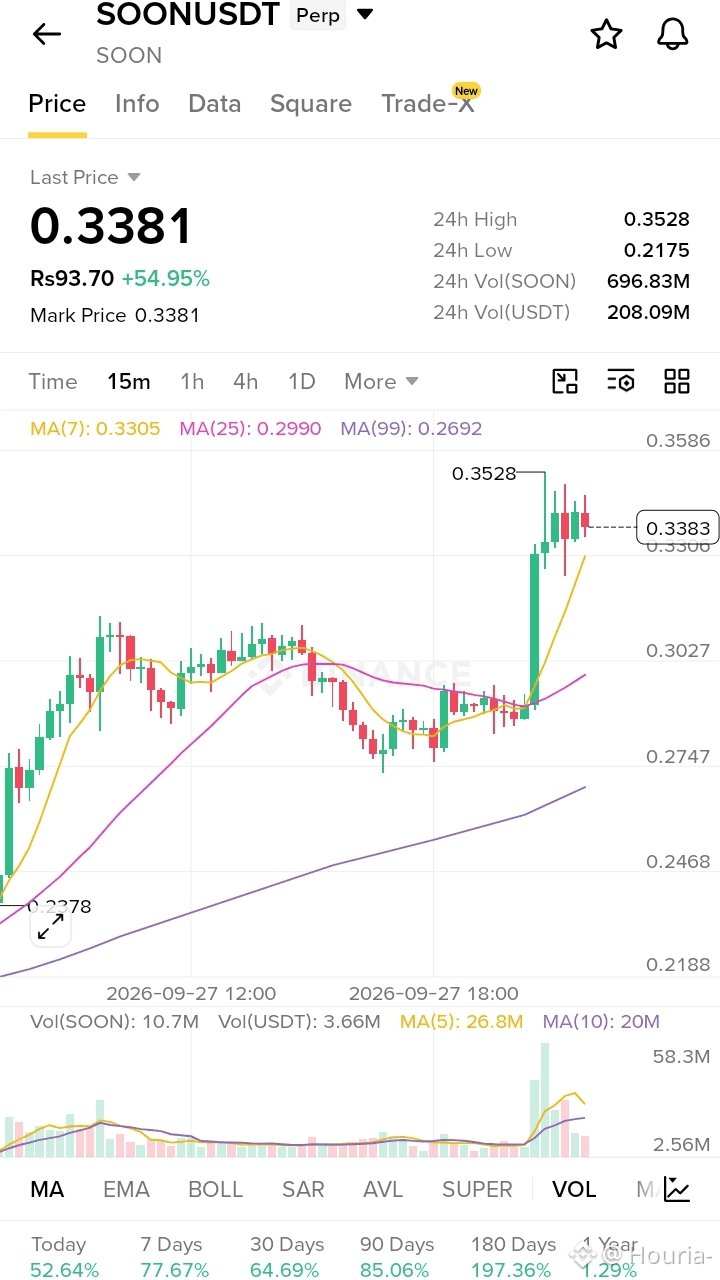
🚀 $SOON يتحرك — لكن الرسم البياني بدأ يصبح مثيرًا للاهتمام
قريبًا/USDT للتو حقق اختراقًا قويًا، ليدفع بنسبة حوالي +55% اليوم ولمس 0.3528.
ما لفت انتباهي هو البنية: السعر ما زال محافظًا فوق MA(7) وMA(25) وMA(99)، بينما اتسع حجم التداول بشكل حاد أثناء الاختراق.
حاليًا، 0.3528 هو المستوى الذي يجب مراقبته. إذا استطاع المشترون استعادته والتمسك به، فقد تستمر الزخم. وإن لم يحدث، فلن يكون من المستغرب رؤية تراجع نحو 0.330–0.300.
تحرك سريع، تقلب مرتفع — أفضل مراقبة التأكيد بدل ملاحقة شمعة خضراء. 📊
#Soon #crypto #BİNANCE #altcoins
🚀 $SOON يتحرك — لكن الرسم البياني بدأ يصبح مثيرًا للاهتمام
قريبًا/USDT للتو حقق اختراقًا قويًا، ليدفع بنسبة حوالي +55% اليوم ولمس 0.3528.
ما لفت انتباهي هو البنية: السعر ما زال محافظًا فوق MA(7) وMA(25) وMA(99)، بينما اتسع حجم التداول بشكل حاد أثناء الاختراق.
حاليًا، 0.3528 هو المستوى الذي يجب مراقبته. إذا استطاع المشترون استعادته والتمسك به، فقد تستمر الزخم. وإن لم يحدث، فلن يكون من المستغرب رؤية تراجع نحو 0.330–0.300.
تحرك سريع، تقلب مرتفع — أفضل مراقبة التأكيد بدل ملاحقة شمعة خضراء. 📊
#Soon #crypto #BİNANCE #altcoins
قريبًا/USDT للتو حقق اختراقًا قويًا، ليدفع بنسبة حوالي +55% اليوم ولمس 0.3528.
ما لفت انتباهي هو البنية: السعر ما زال محافظًا فوق MA(7) وMA(25) وMA(99)، بينما اتسع حجم التداول بشكل حاد أثناء الاختراق.
حاليًا، 0.3528 هو المستوى الذي يجب مراقبته. إذا استطاع المشترون استعادته والتمسك به، فقد تستمر الزخم. وإن لم يحدث، فلن يكون من المستغرب رؤية تراجع نحو 0.330–0.300.
تحرك سريع، تقلب مرتفع — أفضل مراقبة التأكيد بدل ملاحقة شمعة خضراء. 📊
#Soon #crypto #BİNANCE #altcoins
236
·
--
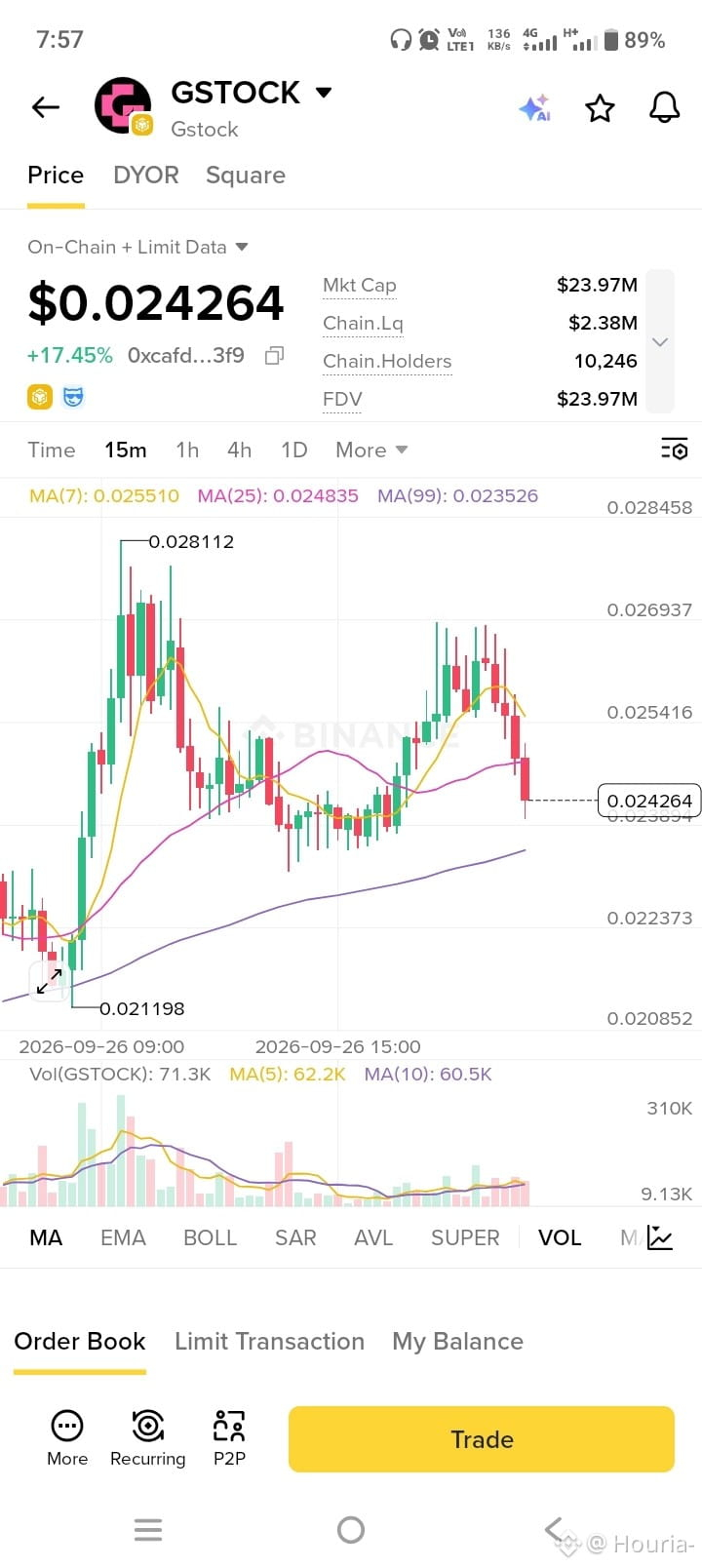
$GSTOCK — الزخم موجود، لكن الرسم البياني الآن في منطقة قرار 📊
قدّم GStock حركة قوية من 0.0212 إلى 0.0281، لكن الآن يقوم السعر بالتصحيح عند 0.02426.
على مخطط 15M تبدو منطقة 0.0240–0.0235 مهمة. إذا قام المشترون بالدفاع هنا، فقد يتم اختبار 0.0254 → 0.0269 مرة أخرى.
إذا تم كسر الدعم، فسأراقب المنطقة التالية قرب 0.0224.
الآن أهم شيء بالنسبة لي هو حجم التداول + تأكيد الشمعة. بعد حدوث الضخ، من الأفضل ترك البنية تتنفس بدلًا من مطاردة السعر. 👀
#GSTOCK #GStockUSDT #Crypto #Binance #altcoins
$GSTOCK — الزخم موجود، لكن الرسم البياني الآن في منطقة قرار 📊
قدّم GStock حركة قوية من 0.0212 إلى 0.0281، لكن الآن يقوم السعر بالتصحيح عند 0.02426.
على مخطط 15M تبدو منطقة 0.0240–0.0235 مهمة. إذا قام المشترون بالدفاع هنا، فقد يتم اختبار 0.0254 → 0.0269 مرة أخرى.
إذا تم كسر الدعم، فسأراقب المنطقة التالية قرب 0.0224.
الآن أهم شيء بالنسبة لي هو حجم التداول + تأكيد الشمعة. بعد حدوث الضخ، من الأفضل ترك البنية تتنفس بدلًا من مطاردة السعر. 👀
#GSTOCK #GStockUSDT #Crypto #Binance #altcoins
قدّم GStock حركة قوية من 0.0212 إلى 0.0281، لكن الآن يقوم السعر بالتصحيح عند 0.02426.
على مخطط 15M تبدو منطقة 0.0240–0.0235 مهمة. إذا قام المشترون بالدفاع هنا، فقد يتم اختبار 0.0254 → 0.0269 مرة أخرى.
إذا تم كسر الدعم، فسأراقب المنطقة التالية قرب 0.0224.
الآن أهم شيء بالنسبة لي هو حجم التداول + تأكيد الشمعة. بعد حدوث الضخ، من الأفضل ترك البنية تتنفس بدلًا من مطاردة السعر. 👀
#GSTOCK #GStockUSDT #Crypto #Binance #altcoins
38
·
--
$2Z
{future}(2ZUSDT)
— مخطط هادئ، لكن الإعداد بدأ يصبح مثيرًا 👀
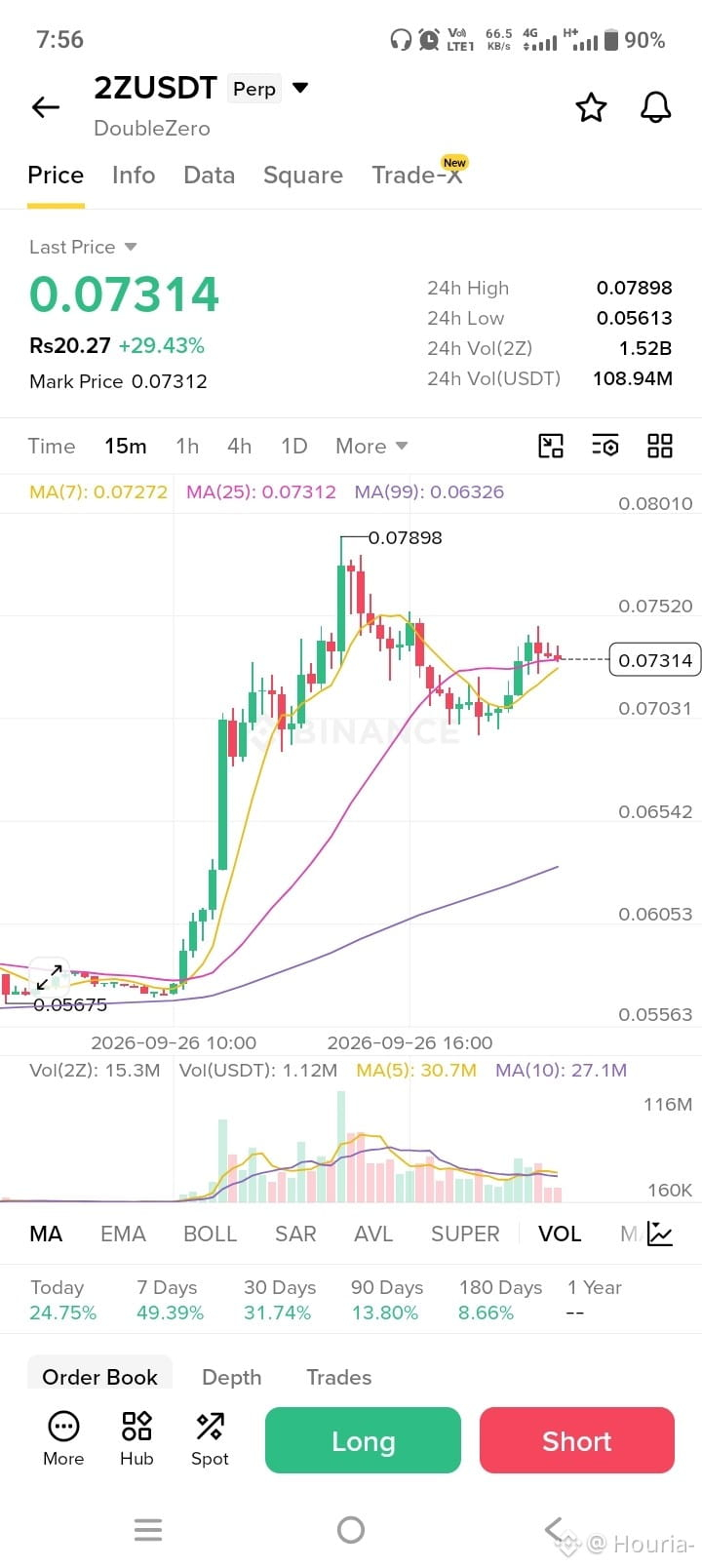
$2Z مرتفع حاليًا بحوالي 29% اليوم، والسعر الآن قرب 0.0731$ بعد حركة قوية من 0.0568$.
على مخطط 15 دقيقة، تراجع السعر من 0.0790$ ثم بدأ ببناء قاعدة حول 0.070–0.073$. الجزء المثير: MA7 عاد فوق MA25، ما يشير إلى أن الزخم قصير الأجل يحاول العودة للارتفاع.
مستوياتي التي يجب مراقبتها: 0.0752$ → 0.0790$ مقاومة
0.0703$ دعم قريب
0.0633$ دعم أعمق لاتجاه الترند
ليس كل تحرك قوي يحتاج إلى دخول فوري. أحيانًا تكون أفضل إشارة هي فقط مراقبة كيفية تصرف السعر بعد أن يبرد الحماس. 📊
$2Z واحدة سأبقيها قيد المتابعة. 👀
$2Z
— مخطط هادئ، لكن الإعداد بدأ يصبح مثيرًا 👀
$2Z مرتفع حاليًا بحوالي 29% اليوم، والسعر الآن قرب 0.0731$ بعد حركة قوية من 0.0568$.
على مخطط 15 دقيقة، تراجع السعر من 0.0790$ ثم بدأ ببناء قاعدة حول 0.070–0.073$. الجزء المثير: MA7 عاد فوق MA25، ما يشير إلى أن الزخم قصير الأجل يحاول العودة للارتفاع.
مستوياتي التي يجب مراقبتها: 0.0752$ → 0.0790$ مقاومة
0.0703$ دعم قريب
0.0633$ دعم أعمق لاتجاه الترند
ليس كل تحرك قوي يحتاج إلى دخول فوري. أحيانًا تكون أفضل إشارة هي فقط مراقبة كيفية تصرف السعر بعد أن يبرد الحماس. 📊
$2Z واحدة سأبقيها قيد المتابعة. 👀
— مخطط هادئ، لكن الإعداد بدأ يصبح مثيرًا 👀
$2Z مرتفع حاليًا بحوالي 29% اليوم، والسعر الآن قرب 0.0731$ بعد حركة قوية من 0.0568$.
على مخطط 15 دقيقة، تراجع السعر من 0.0790$ ثم بدأ ببناء قاعدة حول 0.070–0.073$. الجزء المثير: MA7 عاد فوق MA25، ما يشير إلى أن الزخم قصير الأجل يحاول العودة للارتفاع.
مستوياتي التي يجب مراقبتها: 0.0752$ → 0.0790$ مقاومة
0.0703$ دعم قريب
0.0633$ دعم أعمق لاتجاه الترند
ليس كل تحرك قوي يحتاج إلى دخول فوري. أحيانًا تكون أفضل إشارة هي فقط مراقبة كيفية تصرف السعر بعد أن يبرد الحماس. 📊
$2Z واحدة سأبقيها قيد المتابعة. 👀
141
·
--
$Q
{future}(QUSDT)
يتحرك بسرعة فائقة 🚀
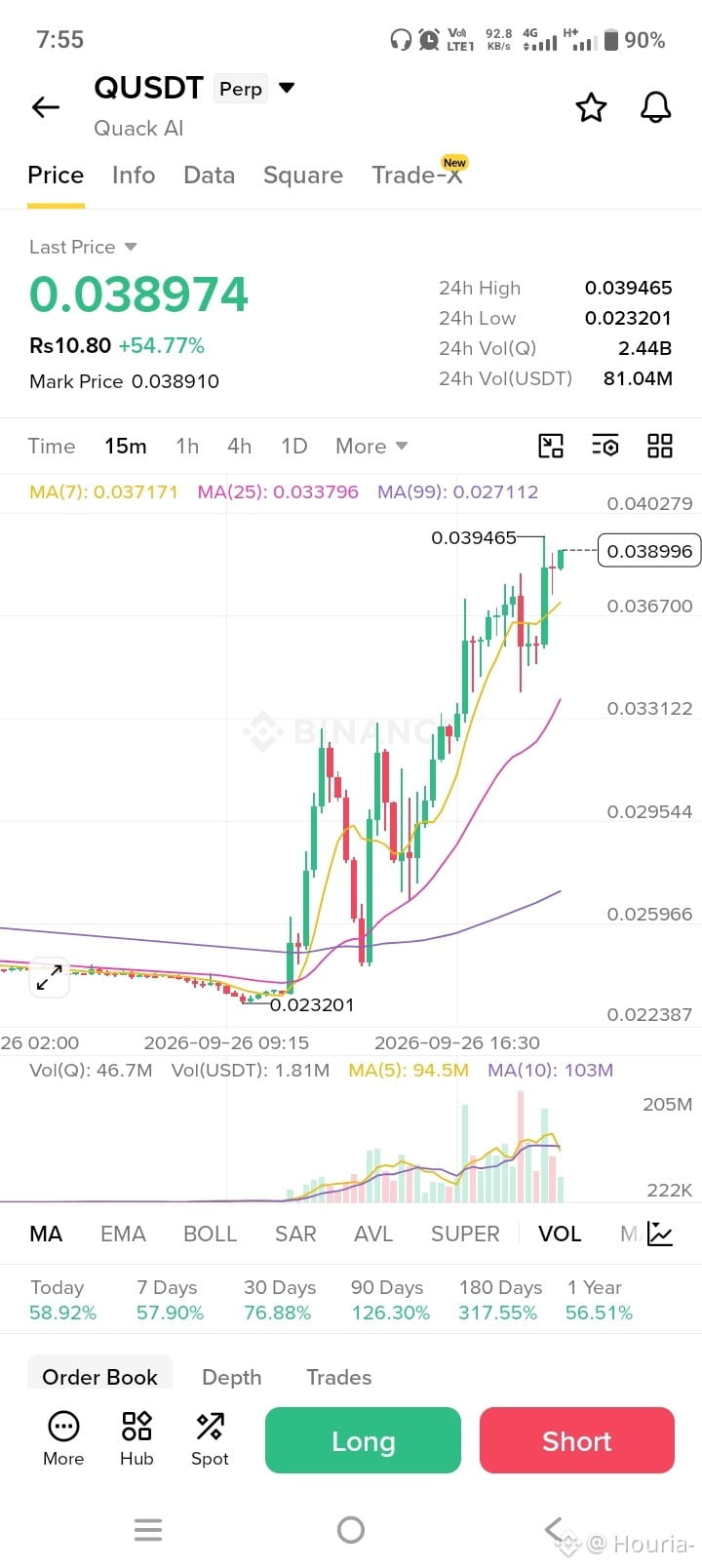
لقد دفعت $QUS للتو من $0.0232 → $0.0395، وما زال مخطط 15M يُظهر بنية صاعدة قوية.
ما يعجبني هنا هو أن السعر يستمر في تكوين قمم أعلى + قيعان أعلى، بينما يظل المتوسط المتحرك MA7 ($0.0372) فوق المتوسط المتحرك MA25 ($0.0338).
الآن منطقة المفتاح بسيطة:
$0.0395 = القمة الأخيرة
$0.0403 = منطقة المقاومة التالية الظاهرة
$0.0367–$0.0372 = منطقة دعم قصيرة الأجل
بعد تحرك بنسبة 54%+، قد تصبح التقلبات جامحة، لذا أفضل أن أرى تأكيدًا بدلًا من مطاردة القمة.
تم إدراج $QUS رسميًا في قائمة المراقبة الخاصة بي. 👀📈
$Q
يتحرك بسرعة فائقة 🚀
لقد دفعت $QUS للتو من $0.0232 → $0.0395، وما زال مخطط 15M يُظهر بنية صاعدة قوية.
ما يعجبني هنا هو أن السعر يستمر في تكوين قمم أعلى + قيعان أعلى، بينما يظل المتوسط المتحرك MA7 ($0.0372) فوق المتوسط المتحرك MA25 ($0.0338).
الآن منطقة المفتاح بسيطة:
$0.0395 = القمة الأخيرة
$0.0403 = منطقة المقاومة التالية الظاهرة
$0.0367–$0.0372 = منطقة دعم قصيرة الأجل
بعد تحرك بنسبة 54%+، قد تصبح التقلبات جامحة، لذا أفضل أن أرى تأكيدًا بدلًا من مطاردة القمة.
تم إدراج $QUS رسميًا في قائمة المراقبة الخاصة بي. 👀📈
يتحرك بسرعة فائقة 🚀
لقد دفعت $QUS للتو من $0.0232 → $0.0395، وما زال مخطط 15M يُظهر بنية صاعدة قوية.
ما يعجبني هنا هو أن السعر يستمر في تكوين قمم أعلى + قيعان أعلى، بينما يظل المتوسط المتحرك MA7 ($0.0372) فوق المتوسط المتحرك MA25 ($0.0338).
الآن منطقة المفتاح بسيطة:
$0.0395 = القمة الأخيرة
$0.0403 = منطقة المقاومة التالية الظاهرة
$0.0367–$0.0372 = منطقة دعم قصيرة الأجل
بعد تحرك بنسبة 54%+، قد تصبح التقلبات جامحة، لذا أفضل أن أرى تأكيدًا بدلًا من مطاردة القمة.
تم إدراج $QUS رسميًا في قائمة المراقبة الخاصة بي. 👀📈
190
سجّل الدخول لاستكشاف المزيد من المُحتوى
انضم إلى مُستخدمي العملات الرقمية حول العالم على Binance Square
⚡️ احصل على أحدث المعلومات المفيدة عن العملات الرقمية.
💬 موثوقة من قبل أكبر منصّة لتداول العملات الرقمية في العالم.
👍 اكتشف الرؤى الحقيقية من صنّاع المُحتوى الموثوقين.
البريد الإلكتروني / رقم الهاتف
المواضيع الرائجة
FedMinutesFocusOnOctoberPause
31,499 مشاهدات
603 يقومون بالنقاش
#fedminutesfocusonoctoberpause
محضر الفيدرالي على وشك الصدور وهذه هي الخلاصة: لم ينتهِ الاجتماع بعد، لكن الجميع خمّنوا بالفعل «خطواته التالية»! 🤫
يتساءل كثيرون: «لم يتبقَّ سوى نحو 6 ساعات على نشر محضر لجنة السوق المفتوحة الفيدرالية، فكيف حلّلته وسائل الإعلام وكأنها تعرف كل شيء؟». في الواقع، هذا «تسريب مدروس» عبر تصريحات مسؤولي الفيدرالي السابقة. رئيس فرع نيويورك يقول «لا داعي للعجلة»، بينما رئيس فرع دالاس يطالب «بالترغيب والترهيب». وبالاقتران مع تراجع التضخم وضعف سوق العمل، فهمت الأسواق ضمنيًا أن الفيدرالي سيوقف رفع أسعار الفائدة مؤقتًا (pause) في أكتوبر لالتقاط أنفاسه، بدلًا من موقفه المتشدد السابق.
ما الذي ينبغي للمتداولين فعله؟ لا تستسلموا للخوف من فوات الفرصة وتهرعوا أمام القطار. عندما يصدر المحضر الرسمي، قد تؤدي أي مفاجأة إلى تحركات سريعة تمسح الرسم البياني في الاتجاهين. اجلسوا بهدوء واربطوا أحزمة الأمان!
⚠️ هذا ليس نصيحة مالية.
متابعة من فضلكم
$BTC
$ETH
$SOL
#FOMCMinutes #TinFed #TradFiNews #TheoDõiFOMC
Shamika Metting
·2 إعجاب
·333 مشاهدات
BinanceLaunchesBinanceIntelligence
958,581 مشاهدات
5,845 يقومون بالنقاش
EvernorthDelaysNasdaqDebutToOct12
432 مشاهدات
59 يقومون بالنقاش