
CAT TRADERS
4k منشورات

CAT TRADERS
Slow and Steady always wins🥇
مُتداول بمُعدّل مرتفع
3.4 سنوات
278 تتابع
16.6K+ المتابعون
11.3K+ إعجاب
منشورات
الكل
اقتباسات
مقاطع فيديو
Live


A F R A
·
--
@OpenGradient تم تصميمه لإصلاح مشكلة كبيرة في سلسلة الكتل.$OPG
يعبر الناس عن كرههم للانتظار الطويل وخوفهم من أن تفشل المعاملات فجأة.
هذا الانتظار يجعل تطبيقات البلوكشين تبدو بطيئة ومتوترة ومزعجة.
OpenGradient يحاول جعل الأمور أسرع وأكثر سلاسة وأكثر ثقة.
يستخدم CometBFT، وهو نظام يحقق تثبيتًا سريعًا للنتائج.
وبعبارات بسيطة، تصبح النتائج المؤكدة نهائية فور الموافقة.
لم يعد المستخدمون يواصلون الانتظار لعدد كبير من التأكيدات بعد الآن.
وهذا يمنح الناس ثقة أكبر عند استخدام التطبيقات يوميًا.
#OPG مهم لأن المدققين يجب أن يودعوا رهانه قبل المشاركة.
الرَّهان يعني أنهم يقومون بقفل الرموز للمساعدة في تأمين كل شيء بشكل صحيح.
إذا خدع أحد المدققين، فقد يخسر رموز OPG المرهونة.
هذا العقاب يساعد على إيقاف الفاعلين السيئين عن القيام بأعمال مشبوهة.
ومن الأجزاء الرائعة أيضًا الكفاءة أثناء التحقق من نتائج الذكاء الاصطناعي.
لا يقوم المدققون بإعادة تشغيل نموذج الذكاء الاصطناعي بالكامل في كل مرة.
بدلاً من ذلك، يتحققون من البراهين التشفيرية، مما يوفر الوقت والجهد.
وبذلك يبقى النظام أسرع دون فقد الأمان والثقة.
يظل الأمان قويًا طالما أن أقل من ثلث المدققين يتصرفون بشكل خبيث.
تبدو العملية كأنها نظام تصويت دقيق على مراحل.
أولاً، يقترح شخص ما نتيجة ليقوم الآخرون بمراجعتها بعناية.
بعد ذلك، يصوّت المدققون ويُناقشون، ويصوّتـون مرة أخرى إذا كانت هناك حاجة فعلًا.
حالما يحصل الأمر على دعم كافٍ، تُقفل النتيجة هناك إلى الأبد.
بعد ذلك، لن يحتاج أحد إلى انتظار إضافي أو إلى إعادة التفكير والشك مرة أخرى.
وهذا مهم جدًا للتطبيقات التي تتعامل مع المال يوميًا.
كما يساعد التطبيقات ذات الإجراءات المتكررة على الشعور بأنها أكثر موثوقية.
بشكل عام، يبدو OpenGradient أسرع وأكثر أمانًا وأفضل للمستخدمين الحقيقيين.
$币安人生
$RAVE
ما الذي يهمك أكثر؟
يعبر الناس عن كرههم للانتظار الطويل وخوفهم من أن تفشل المعاملات فجأة.
هذا الانتظار يجعل تطبيقات البلوكشين تبدو بطيئة ومتوترة ومزعجة.
OpenGradient يحاول جعل الأمور أسرع وأكثر سلاسة وأكثر ثقة.
يستخدم CometBFT، وهو نظام يحقق تثبيتًا سريعًا للنتائج.
وبعبارات بسيطة، تصبح النتائج المؤكدة نهائية فور الموافقة.
لم يعد المستخدمون يواصلون الانتظار لعدد كبير من التأكيدات بعد الآن.
وهذا يمنح الناس ثقة أكبر عند استخدام التطبيقات يوميًا.
#OPG مهم لأن المدققين يجب أن يودعوا رهانه قبل المشاركة.
الرَّهان يعني أنهم يقومون بقفل الرموز للمساعدة في تأمين كل شيء بشكل صحيح.
إذا خدع أحد المدققين، فقد يخسر رموز OPG المرهونة.
هذا العقاب يساعد على إيقاف الفاعلين السيئين عن القيام بأعمال مشبوهة.
ومن الأجزاء الرائعة أيضًا الكفاءة أثناء التحقق من نتائج الذكاء الاصطناعي.
لا يقوم المدققون بإعادة تشغيل نموذج الذكاء الاصطناعي بالكامل في كل مرة.
بدلاً من ذلك، يتحققون من البراهين التشفيرية، مما يوفر الوقت والجهد.
وبذلك يبقى النظام أسرع دون فقد الأمان والثقة.
يظل الأمان قويًا طالما أن أقل من ثلث المدققين يتصرفون بشكل خبيث.
تبدو العملية كأنها نظام تصويت دقيق على مراحل.
أولاً، يقترح شخص ما نتيجة ليقوم الآخرون بمراجعتها بعناية.
بعد ذلك، يصوّت المدققون ويُناقشون، ويصوّتـون مرة أخرى إذا كانت هناك حاجة فعلًا.
حالما يحصل الأمر على دعم كافٍ، تُقفل النتيجة هناك إلى الأبد.
بعد ذلك، لن يحتاج أحد إلى انتظار إضافي أو إلى إعادة التفكير والشك مرة أخرى.
وهذا مهم جدًا للتطبيقات التي تتعامل مع المال يوميًا.
كما يساعد التطبيقات ذات الإجراءات المتكررة على الشعور بأنها أكثر موثوقية.
بشكل عام، يبدو OpenGradient أسرع وأكثر أمانًا وأفضل للمستخدمين الحقيقيين.
$币安人生
$RAVE
ما الذي يهمك أكثر؟

_حنین
·
--
🧧 جارٍ تحميل مظروف USDT...
ساعدني في الوصول إلى 35 ألف متابع وسأحتفل عبر إسقاط مظروف USDT للجالية! 💸
ما الذي عليك فعله:
✅ تابع حسابي
✅ اترك إعجابًا بهذه المنشورة ❤️
✅ أعد النشر/شارك 🔄
بمجرد أن نصل إلى 35 متابعًا، سأقوم بنشر مظروف USDT. لننجز ذلك معًا! 🚀🍀
$TAC
$RAVE
ساعدني في الوصول إلى 35 ألف متابع وسأحتفل عبر إسقاط مظروف USDT للجالية! 💸
ما الذي عليك فعله:
✅ تابع حسابي
✅ اترك إعجابًا بهذه المنشورة ❤️
✅ أعد النشر/شارك 🔄
بمجرد أن نصل إلى 35 متابعًا، سأقوم بنشر مظروف USDT. لننجز ذلك معًا! 🚀🍀
$TAC
$RAVE
_حنین
·
--
> تم التحقق منه رسميًا + نشط! ✅✨
ما كان من الممكن تحقيق هذا الإنجاز لولا الدعم المذهل من مجتمعي. شكرًا لكم على كل مشاهدة ومتابعة وتفاعل. ها نحن نترقب تحقيقات أكبر قادمة! 🚀💛
#VerifiedPlus #BinanceSquare #Web3 #Crypto #Milestone $ACT
$MANTA
$S
ما كان من الممكن تحقيق هذا الإنجاز لولا الدعم المذهل من مجتمعي. شكرًا لكم على كل مشاهدة ومتابعة وتفاعل. ها نحن نترقب تحقيقات أكبر قادمة! 🚀💛
#VerifiedPlus #BinanceSquare #Web3 #Crypto #Milestone $ACT
$MANTA
$S


PINDI BOY PK²⁵
·
--
صاعد🎁 SOL رصيد أحمر مباشر! 🚀
انقر على رصيد SOL الأحمر واطّلع على مكافآتك من SOL قبل أن تنتهي. لا تفوّت فرصتك للحصول على SOL مجانًا وشارك الفرصة مع أصدقائك.
⚡ انقر و اكسب مكافآت SOL الآن!
#solana #RedPacket #CryptoRewards #BinanceSquare #PindiBoyAnalysis
$SOL $SPCXB $BNB
انقر على رصيد SOL الأحمر واطّلع على مكافآتك من SOL قبل أن تنتهي. لا تفوّت فرصتك للحصول على SOL مجانًا وشارك الفرصة مع أصدقائك.
⚡ انقر و اكسب مكافآت SOL الآن!
#solana #RedPacket #CryptoRewards #BinanceSquare #PindiBoyAnalysis
$SOL $SPCXB $BNB


Arafta 努什
·
--
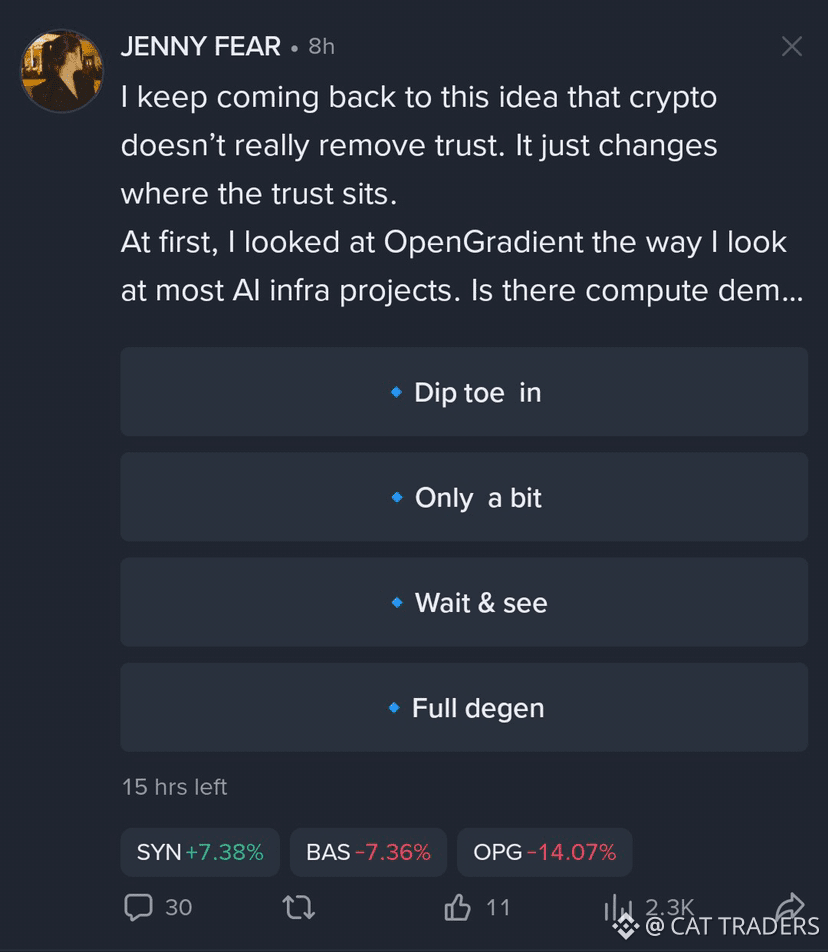
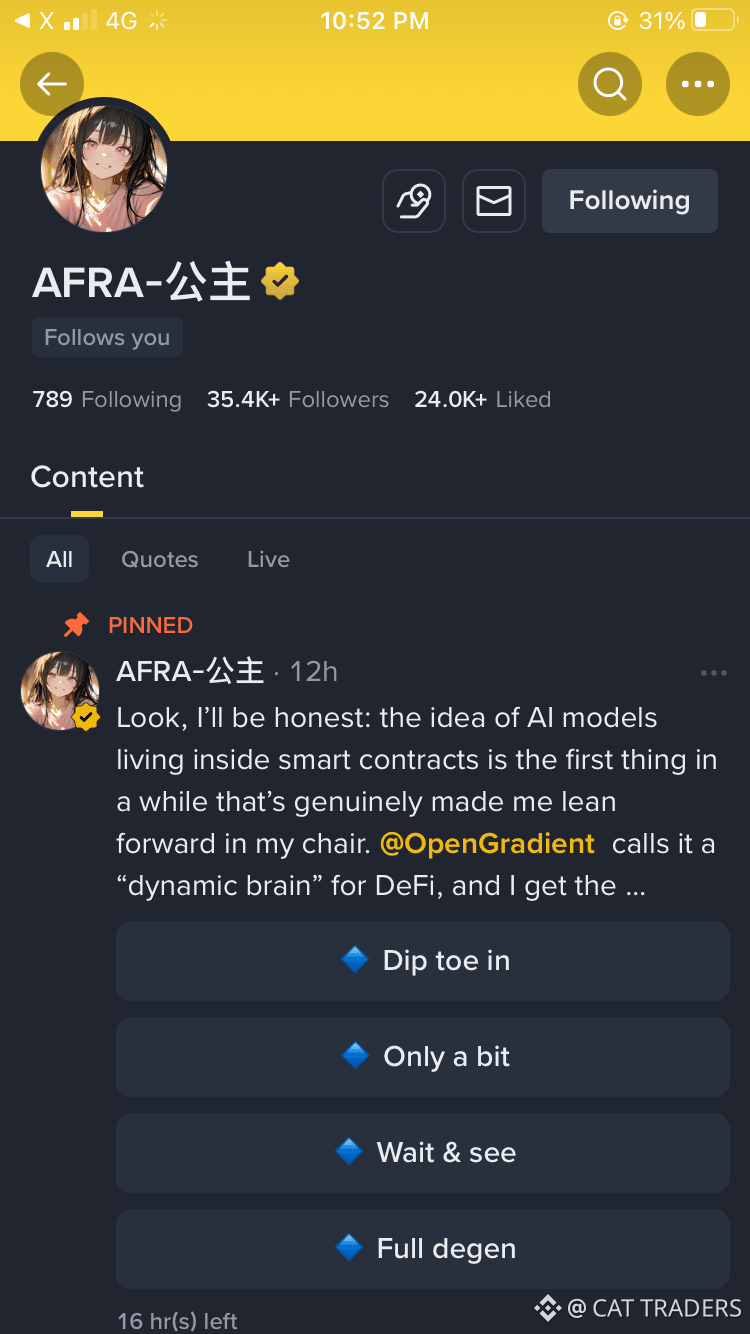
صاعدلن يتم تشكيل الفصل التالي من الذكاء الاصطناعي الخاص بالمؤسسات بالذكاء الخام وحده. بل سيتشكل بالثقة.
ومع بدء قيام الذكاء الاصطناعي بأعمال حقيقية داخل أعمال حقيقية، تصبح الأسئلة أكبر من مجرد الأداء.
هل يمكن التحقق من المخرجات؟
وهل يمكن حماية الخصوصية؟ هل يمكن تدقيق العملية والاعتماد عليها؟
هذا هو التحول الذي تتجه إليه OpenGradient. مع OPG ينصب التركيز على بناء بنية تحتية للذكاء الاصطناعي ليست قوية فحسب، بل شفافة أيضًا—بنية تحتية تساعد المؤسسات على رؤية كيفية إنتاج النتائج، مع الابتعاد عن الاعتماد على بوابة مركزية واحدة.
إذا كان مستقبل الذكاء الاصطناعي يعود إلى أنظمة يمكن التحقق منها، وواعية بالخصوصية، ومبنية من أجل الثقة، فقد يكون لـ $OPG دور ذو معنى.
لأن مستقبل الذكاء الاصطناعي الخاص بالمؤسسات لن يكون أكثر ذكاءً فحسب. بل سيكون شيئًا يمكن للشركات أن تثق به فعلًا.#opg @OpenGradient $ACT $RAVE #SaylorHintsStrategyBitcoinBuy
ومع بدء قيام الذكاء الاصطناعي بأعمال حقيقية داخل أعمال حقيقية، تصبح الأسئلة أكبر من مجرد الأداء.
هل يمكن التحقق من المخرجات؟
وهل يمكن حماية الخصوصية؟ هل يمكن تدقيق العملية والاعتماد عليها؟
هذا هو التحول الذي تتجه إليه OpenGradient. مع OPG ينصب التركيز على بناء بنية تحتية للذكاء الاصطناعي ليست قوية فحسب، بل شفافة أيضًا—بنية تحتية تساعد المؤسسات على رؤية كيفية إنتاج النتائج، مع الابتعاد عن الاعتماد على بوابة مركزية واحدة.
إذا كان مستقبل الذكاء الاصطناعي يعود إلى أنظمة يمكن التحقق منها، وواعية بالخصوصية، ومبنية من أجل الثقة، فقد يكون لـ $OPG دور ذو معنى.
لأن مستقبل الذكاء الاصطناعي الخاص بالمؤسسات لن يكون أكثر ذكاءً فحسب. بل سيكون شيئًا يمكن للشركات أن تثق به فعلًا.#opg @OpenGradient $ACT $RAVE #SaylorHintsStrategyBitcoinBuy

Minahil Era
·
--
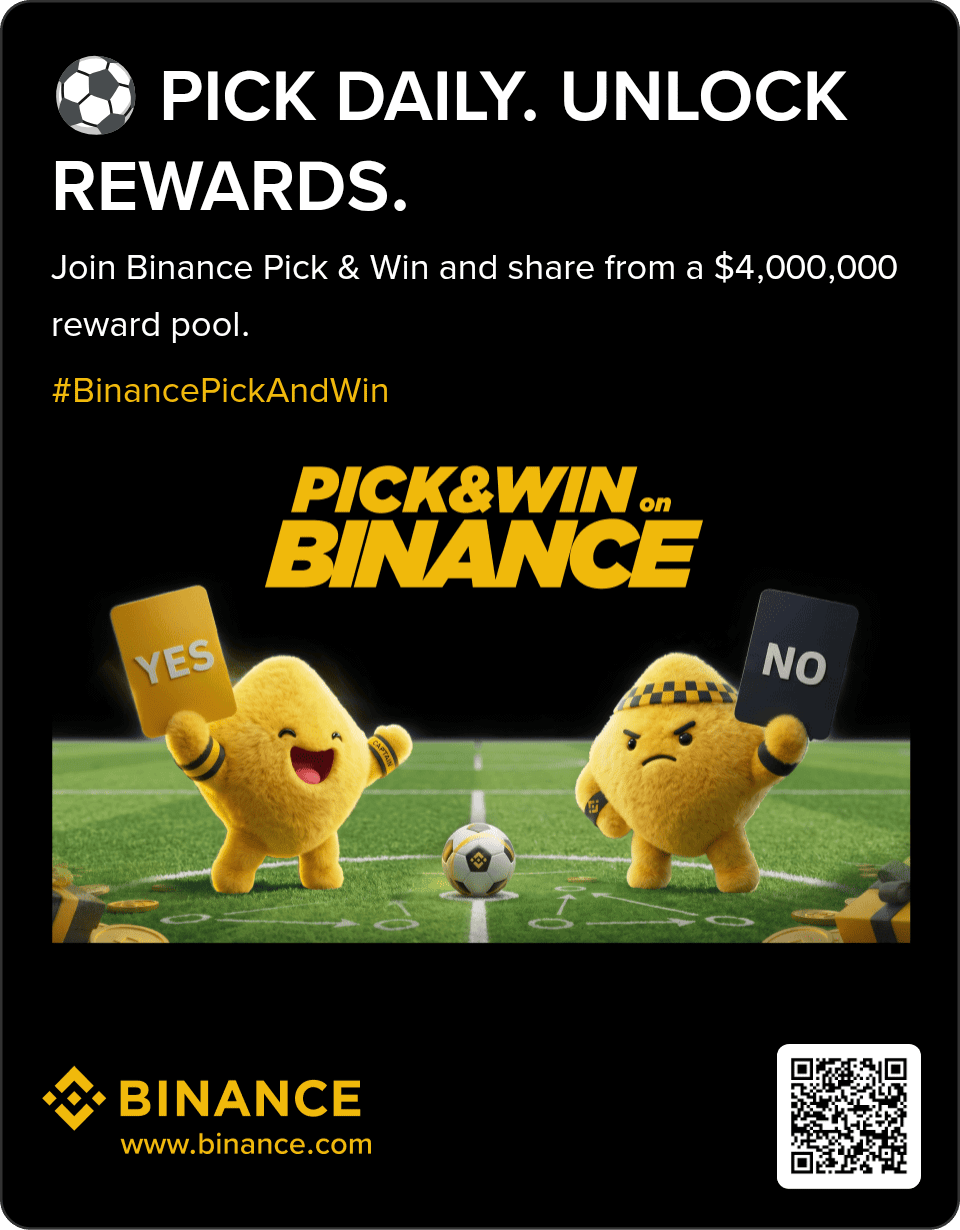
صاعدWIN FREE REWARD BNB SXT USDT AND WIN MORE CLICK HERE🧧🎁🎁🎁🎁 اضغط للأعلى واربح المزيد من المكافآت $SPCXB $BNB $SXT أسرع #btc #YenNears40YearLow
Yes ⚽️⚽️
0%
NO🌊🍀
0%
0 الأصوات • تمّ إغلاق التصويت
CAT TRADERS
·
--
صاعدCLICK HERE AND WIN 🏆 FREE FREE REWARDS 🧧🎁👈👈👈
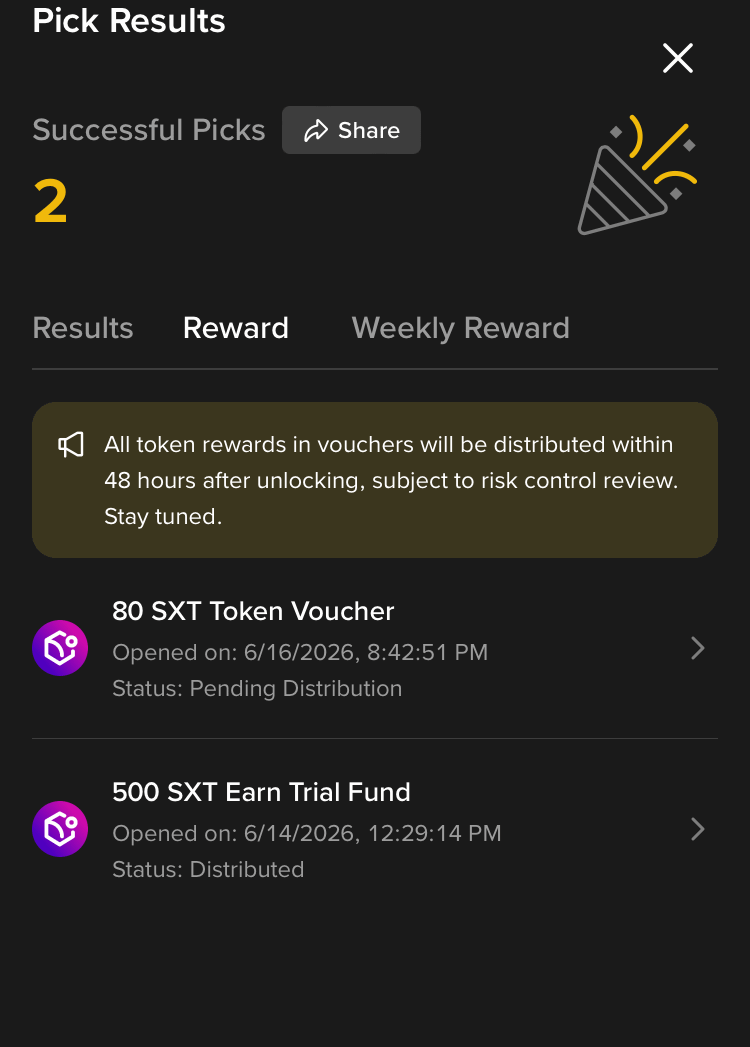
مرحبا أصدقائي، لقد حصلت على مكافأة رائعة من بينانس بسبب كأس العالم
اضغط هنا لكسب المكافآت
يمكنك أيضًا الفوز من خلال الانضمام وإكمال المهام والفوز ببعض الاختيارات للهدايا، اذهب واربح
#Binance #WTIFallsBelow$80
#BinancePickAndWin $SPCXB
لا تنتظر، اذهب والعب وأكملها واربح
العب أكثر، واربح أكثر
مرحبا أصدقائي، لقد حصلت على مكافأة رائعة من بينانس بسبب كأس العالم
اضغط هنا لكسب المكافآت
يمكنك أيضًا الفوز من خلال الانضمام وإكمال المهام والفوز ببعض الاختيارات للهدايا، اذهب واربح
#Binance #WTIFallsBelow$80
#BinancePickAndWin $SPCXB
لا تنتظر، اذهب والعب وأكملها واربح
العب أكثر، واربح أكثر
CAT TRADERS
·
--
صاعدCLICK HERE AND WIN 🏆 FREE FREE REWARDS 🧧🎁👈👈👈
مرحبا أصدقائي، لقد حصلت على مكافأة رائعة من بينانس بسبب كأس العالم
اضغط هنا لكسب المكافآت
يمكنك أيضًا الفوز من خلال الانضمام وإكمال المهام والفوز ببعض الاختيارات للهدايا، اذهب واربح
#Binance #WTIFallsBelow$80
#BinancePickAndWin $SPCXB
لا تنتظر، اذهب والعب وأكملها واربح
العب أكثر، واربح أكثر
مرحبا أصدقائي، لقد حصلت على مكافأة رائعة من بينانس بسبب كأس العالم
اضغط هنا لكسب المكافآت
يمكنك أيضًا الفوز من خلال الانضمام وإكمال المهام والفوز ببعض الاختيارات للهدايا، اذهب واربح
#Binance #WTIFallsBelow$80
#BinancePickAndWin $SPCXB
لا تنتظر، اذهب والعب وأكملها واربح
العب أكثر، واربح أكثر
CAT TRADERS
·
--
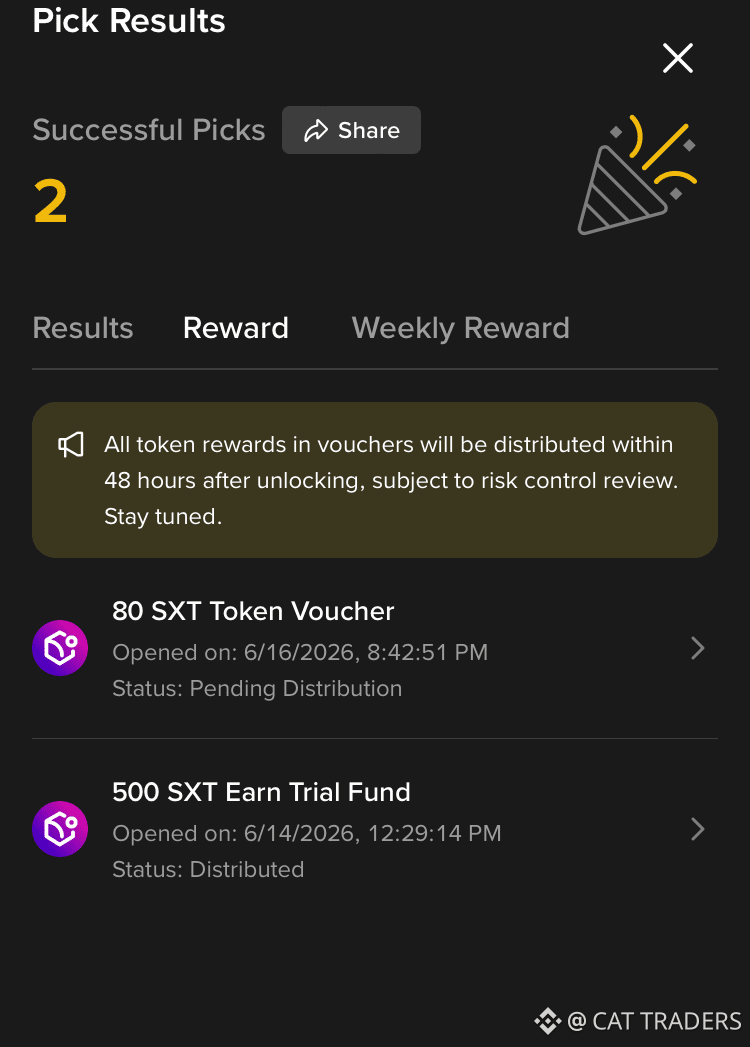
صاعدPLAY AND WIN BNB, SXT AND MANY REWARDS WIN🧧🎁🎁🎁
اضغط فوق هناك واربح $USDC $BNB $SXT
اضغط فوق هناك واربح $USDC $BNB $SXT
CAT TRADERS
·
--
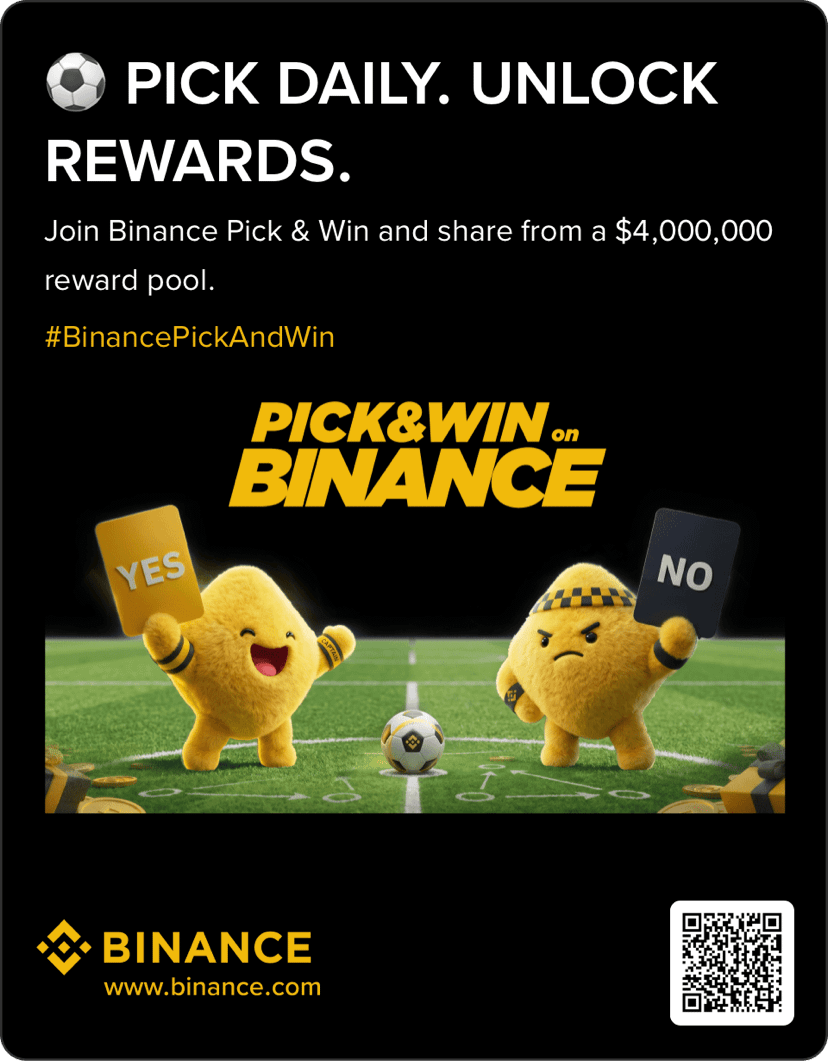
صاعدPLAY AND WIN BNB, SXT AND MANY REWARDS WIN🧧🎁🎁🎁
اضغط فوق هناك واربح $USDC $BNB $SXT
اضغط فوق هناك واربح $USDC $BNB $SXT
سجّل الدخول لاستكشاف المزيد من المُحتوى