

MR L E O
2.8k منشورات

MR L E O
إبلاغ
حظر المُستخدم
MR L E O CRYPTO KING 👑
فتح تداول
مُتداول مُتكرر
1.1 سنوات
87 تتابع
10.3K+ المتابعون
3.1K+ إعجاب
منشورات
الحافظة الاستثمارية
الكل
اقتباسات
Live
·
--
🎙️ تحدث عن عقلية الاستثمار، والشراء الدوري لـBNB الفوري!
إنهاء
03 ساعة 34 دقيقة 50 ثانية
29.2k
37
43
·
--
مقالة
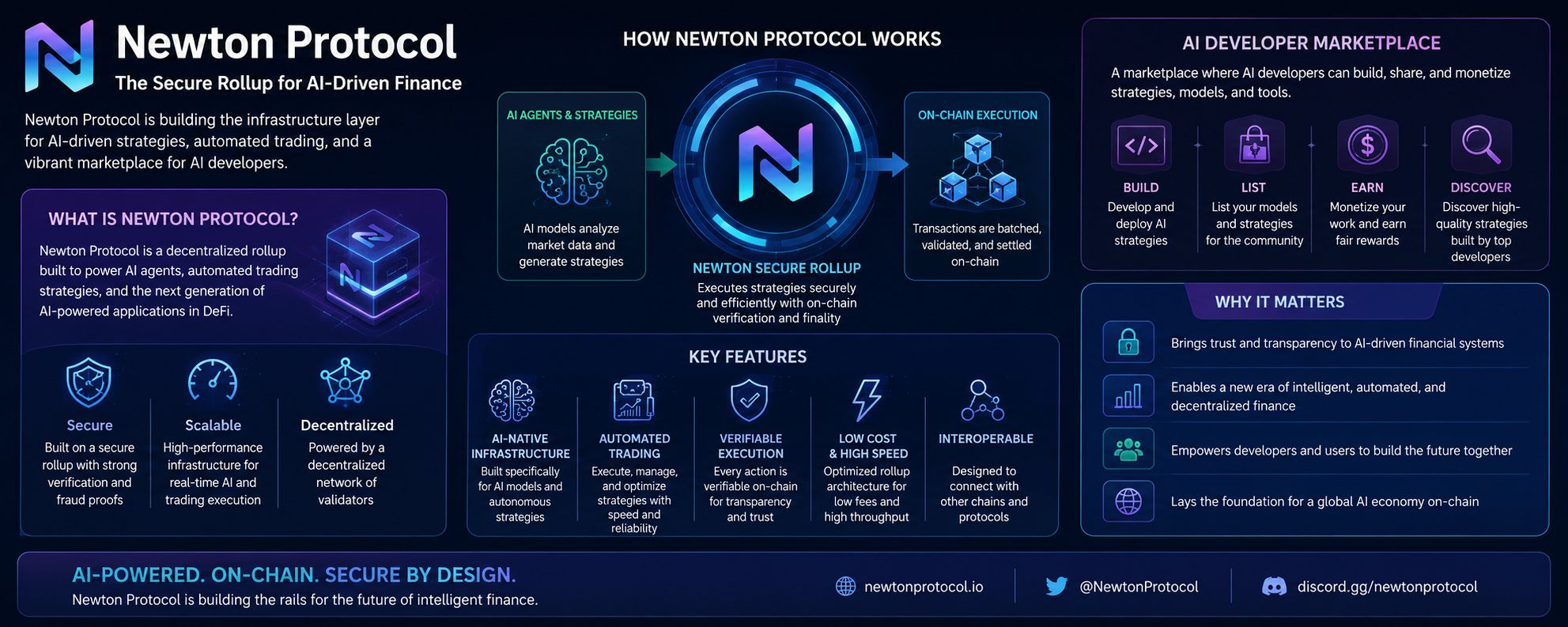
ما الذي يجعل بروتوكول نيوتن مختلفًا عن مشاريع العملات المشفرة الأخرى التي تعتمد على الذكاء الاصطناعي؟بروتوكول نيوتن هو واحد من تلك المشاريع التي لم أولِها اهتمامًا كبيرًا في البداية، لكن كلما تعمّقت فيه أكثر، بدأ يزداد وضوحًا. كنت أتابع الطريقة التي يتحرك بها الذكاء الاصطناعي تدريجيًا نحو البنية التحتية للعملات المشفرة، ولفتتني بروتوكول نيوتن لأنها لا تتحدث فقط عن أدوات الذكاء الاصطناعي. إنها تحاول بناء رول أب آمن يمكن لاستراتيجيات تقودها تقنيات الذكاء الاصطناعي، وأنظمة تداول آلية، وتطبيقات تُبنى بواسطة المطورين أن تعمل بالفعل داخله.
ما جعلني أتوقف وأفكر هو المشكلة التي يحاول بروتوكول نيوتن حلّها. يمكن للذكاء الاصطناعي معالجة البيانات بسرعة واتخاذ قرارات أسرع بكثير من الإنسان، لكن السرعة ليست هي نفسها الثقة. عندما يقوم نظام ذكاء اصطناعي بإدارة استراتيجية أو التفاعل مع تطبيقات مالية، يحتاج المستخدمون إلى معرفة كيف يتم تنفيذ تلك الإجراءات. لا ينبغي أن يضطرّوا للاعتماد بالكامل على نموذج «صندوق أسود» مع الأمل بأن كل شيء يعمل كما هو متوقع.
ما الذي يجعل بروتوكول نيوتن مختلفًا عن مشاريع العملات المشفرة الأخرى التي تعتمد على الذكاء الاصطناعي؟
بروتوكول نيوتن هو واحد من تلك المشاريع التي لم أولِها اهتمامًا كبيرًا في البداية، لكن كلما تعمّقت فيه أكثر، بدأ يزداد وضوحًا. كنت أتابع الطريقة التي يتحرك بها الذكاء الاصطناعي تدريجيًا نحو البنية التحتية للعملات المشفرة، ولفتتني بروتوكول نيوتن لأنها لا تتحدث فقط عن أدوات الذكاء الاصطناعي. إنها تحاول بناء رول أب آمن يمكن لاستراتيجيات تقودها تقنيات الذكاء الاصطناعي، وأنظمة تداول آلية، وتطبيقات تُبنى بواسطة المطورين أن تعمل بالفعل داخله.
ما جعلني أتوقف وأفكر هو المشكلة التي يحاول بروتوكول نيوتن حلّها. يمكن للذكاء الاصطناعي معالجة البيانات بسرعة واتخاذ قرارات أسرع بكثير من الإنسان، لكن السرعة ليست هي نفسها الثقة. عندما يقوم نظام ذكاء اصطناعي بإدارة استراتيجية أو التفاعل مع تطبيقات مالية، يحتاج المستخدمون إلى معرفة كيف يتم تنفيذ تلك الإجراءات. لا ينبغي أن يضطرّوا للاعتماد بالكامل على نموذج «صندوق أسود» مع الأمل بأن كل شيء يعمل كما هو متوقع.
ما جعلني أتوقف وأفكر هو المشكلة التي يحاول بروتوكول نيوتن حلّها. يمكن للذكاء الاصطناعي معالجة البيانات بسرعة واتخاذ قرارات أسرع بكثير من الإنسان، لكن السرعة ليست هي نفسها الثقة. عندما يقوم نظام ذكاء اصطناعي بإدارة استراتيجية أو التفاعل مع تطبيقات مالية، يحتاج المستخدمون إلى معرفة كيف يتم تنفيذ تلك الإجراءات. لا ينبغي أن يضطرّوا للاعتماد بالكامل على نموذج «صندوق أسود» مع الأمل بأن كل شيء يعمل كما هو متوقع.
14
11
161
·
--
$HEI تقترب من منطقة قرار حاسمة. راقب اختراقًا مؤكدًا فوق مستوى المقاومة مع حجم تداول قوي لصفقة طويلة. إذا ضعفت الزخم عند المقاومة، فالصبر هو المفتاح حتى ظهور التأكيد. إدارة مخاطر صارمة: وقف خسارة محدد أسفل الدعم، وأهداف ربح عند مستويات المقاومة التالية. التزم بالانضباط—أفضل الصفقات تأتي من انتظار التأكيد، وليس من مطاردة الشموع.
{spot}(HEIUSDT)
#BinanceTurns9
#JuneCPIFedHike20%
#US2YearYieldFalls14bpsBiggestDropSinceFebruary
#SilverDown52%FromJanuaryRecordHigh
#KospiStagesVShapedIntradayRebound
$HEI تقترب من منطقة قرار حاسمة. راقب اختراقًا مؤكدًا فوق مستوى المقاومة مع حجم تداول قوي لصفقة طويلة. إذا ضعفت الزخم عند المقاومة، فالصبر هو المفتاح حتى ظهور التأكيد. إدارة مخاطر صارمة: وقف خسارة محدد أسفل الدعم، وأهداف ربح عند مستويات المقاومة التالية. التزم بالانضباط—أفضل الصفقات تأتي من انتظار التأكيد، وليس من مطاردة الشموع.
#BinanceTurns9
#JuneCPIFedHike20%
#US2YearYieldFalls14bpsBiggestDropSinceFebruary
#SilverDown52%FromJanuaryRecordHigh
#KospiStagesVShapedIntradayRebound
#BinanceTurns9
#JuneCPIFedHike20%
#US2YearYieldFalls14bpsBiggestDropSinceFebruary
#SilverDown52%FromJanuaryRecordHigh
#KospiStagesVShapedIntradayRebound
90
·
--
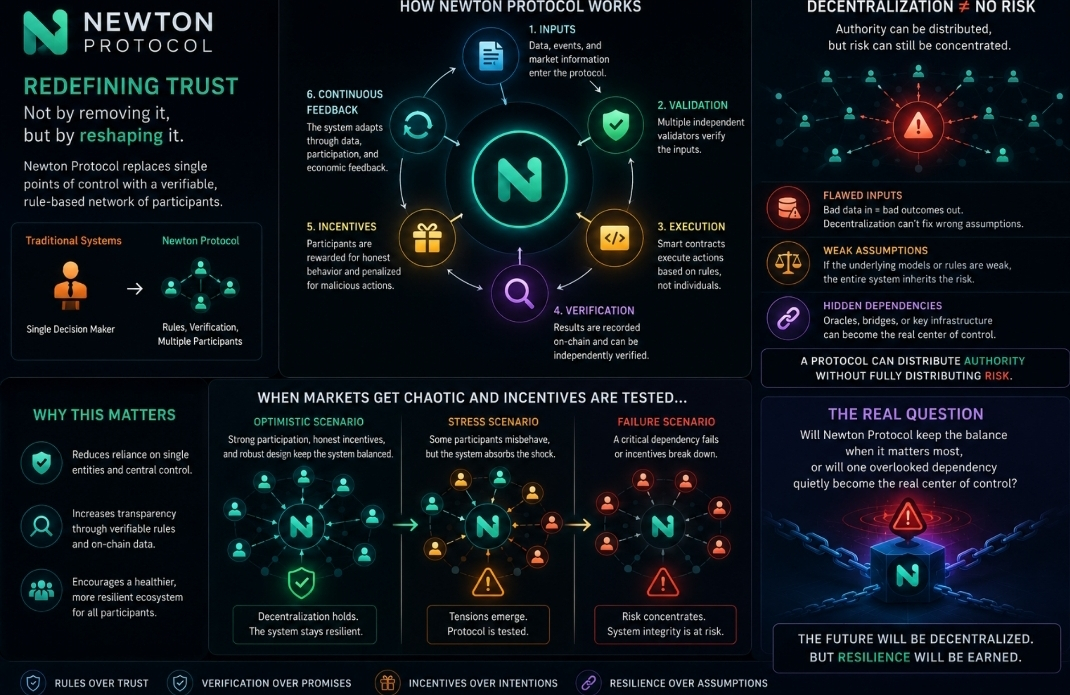
لقد كنت أبحث في @NewtonProtocol ، وما يلفت انتباهي ليس فقط ما إذا كان يزيل الثقة أم لا، بل كيف يحاول إعادة تشكيلها. إن استبدال صانع قرار واحد بقواعد والتحقق وإشراك أطراف متعددة يبدو اتجاهًا أكثر صحة، ومع ذلك لا يلغي إمكانية الفشل. إذا كانت المدخلات معيبة أو كانت الافتراضات الكامنة وراء النظام ضعيفة، فإن اللامركزية وحدها لا يمكن أن تضمن النتيجة الصحيحة. هذه هي النقطة الأكثر إثارة للاهتمام بالنسبة لي. يمكن لبروتوكول أن يوزّع السلطة دون أن يوزّع المخاطر بالكامل. عندما تصبح الأسواق فوضوية وتُختبَر الحوافز، هل سيحافظ بروتوكول نيوتن على هذا التوازن، أم أن اعتمادًا واحدًا مُفوّتًا قد يتحول بهدوء إلى مركز التحكم الحقيقي؟
@NewtonProtocol #newt $NEWT
{spot}(NEWTUSDT)
لقد كنت أبحث في @NewtonProtocol ، وما يلفت انتباهي ليس فقط ما إذا كان يزيل الثقة أم لا، بل كيف يحاول إعادة تشكيلها. إن استبدال صانع قرار واحد بقواعد والتحقق وإشراك أطراف متعددة يبدو اتجاهًا أكثر صحة، ومع ذلك لا يلغي إمكانية الفشل. إذا كانت المدخلات معيبة أو كانت الافتراضات الكامنة وراء النظام ضعيفة، فإن اللامركزية وحدها لا يمكن أن تضمن النتيجة الصحيحة. هذه هي النقطة الأكثر إثارة للاهتمام بالنسبة لي. يمكن لبروتوكول أن يوزّع السلطة دون أن يوزّع المخاطر بالكامل. عندما تصبح الأسواق فوضوية وتُختبَر الحوافز، هل سيحافظ بروتوكول نيوتن على هذا التوازن، أم أن اعتمادًا واحدًا مُفوّتًا قد يتحول بهدوء إلى مركز التحكم الحقيقي؟
@NewtonProtocol #newt $NEWT
@NewtonProtocol #newt $NEWT
23
12
695
·
--
$GRT يبدو أنه يبني ضغطًا تحت المقاومة. أنا أراقب اختراقًا واضحًا فوق النطاق المحلي قبل الدخول.
إعداد الصفقة:
الدخول: عند تأكيد الاختراق
الهدف 1: +8%
الهدف 2: +15%
وقف الخسارة: أسفل أدنى قاع للتأرجح الأخير
{spot}(GRTUSDT)
#BinanceTurns9
#TechSharesDragWallStreetLower
#TrumpReblocksStraitOfHormuz
#KoreaLeveragedChipETFFalls45%
#IranShips57MBarrelsBetweenUSBlockades
$GRT يبدو أنه يبني ضغطًا تحت المقاومة. أنا أراقب اختراقًا واضحًا فوق النطاق المحلي قبل الدخول.
إعداد الصفقة:
الدخول: عند تأكيد الاختراق
الهدف 1: +8%
الهدف 2: +15%
وقف الخسارة: أسفل أدنى قاع للتأرجح الأخير
#BinanceTurns9
#TechSharesDragWallStreetLower
#TrumpReblocksStraitOfHormuz
#KoreaLeveragedChipETFFalls45%
#IranShips57MBarrelsBetweenUSBlockades
إعداد الصفقة:
الدخول: عند تأكيد الاختراق
الهدف 1: +8%
الهدف 2: +15%
وقف الخسارة: أسفل أدنى قاع للتأرجح الأخير
#BinanceTurns9
#TechSharesDragWallStreetLower
#TrumpReblocksStraitOfHormuz
#KoreaLeveragedChipETFFalls45%
#IranShips57MBarrelsBetweenUSBlockades
137
·
--
🚨 $BILL إعداد صفقة
🟢 الدخول: أعلى مستوى الاختراق الرئيسي / عند إعادة اختبار مؤكدة
🎯 الأهداف: T1 +5% | T2 +10% | T3 +15%
🛑 وقف الخسارة: أسفل آخر قاع تأرجح
الزخم يتصاعد، وقد يؤدي اختراق مُؤكَّد إلى دفع الحركة التالية للأعلى. تحلَّ بالصبر حتى تتأكد الإشارة، أدِر مخاطرك، واترك الإعداد يُنفَّذ.
ليس نصيحة مالية.
{future}(BILLUSDT)
#BinanceTurns9
#MarketsPriceInOneFedHikeBeforeSeptember
#JuneCPIWarshTestimonyBankEarningsSameWeek
#BoliviaEvaluatesUSDTForNationalPayments
#USMegaCapTechStocksFallPremarket
🚨 $BILL إعداد صفقة
🟢 الدخول: أعلى مستوى الاختراق الرئيسي / عند إعادة اختبار مؤكدة
🎯 الأهداف: T1 +5% | T2 +10% | T3 +15%
🛑 وقف الخسارة: أسفل آخر قاع تأرجح
الزخم يتصاعد، وقد يؤدي اختراق مُؤكَّد إلى دفع الحركة التالية للأعلى. تحلَّ بالصبر حتى تتأكد الإشارة، أدِر مخاطرك، واترك الإعداد يُنفَّذ.
ليس نصيحة مالية.
#BinanceTurns9
#MarketsPriceInOneFedHikeBeforeSeptember
#JuneCPIWarshTestimonyBankEarningsSameWeek
#BoliviaEvaluatesUSDTForNationalPayments
#USMegaCapTechStocksFallPremarket
🟢 الدخول: أعلى مستوى الاختراق الرئيسي / عند إعادة اختبار مؤكدة
🎯 الأهداف: T1 +5% | T2 +10% | T3 +15%
🛑 وقف الخسارة: أسفل آخر قاع تأرجح
الزخم يتصاعد، وقد يؤدي اختراق مُؤكَّد إلى دفع الحركة التالية للأعلى. تحلَّ بالصبر حتى تتأكد الإشارة، أدِر مخاطرك، واترك الإعداد يُنفَّذ.
ليس نصيحة مالية.
#BinanceTurns9
#MarketsPriceInOneFedHikeBeforeSeptember
#JuneCPIWarshTestimonyBankEarningsSameWeek
#BoliviaEvaluatesUSDTForNationalPayments
#USMegaCapTechStocksFallPremarket
2
263
·
--
🚨 $ZBT إعداد صفقة
🟢 الدخول: $0.084–0.088
🎯 الأهداف: $0.095 | $0.108 | $0.125
🛑 وقف الخسارة: $0.079 (إغلاق يومي تحت المستوى)
الزخم يتزايد، حجم التداول في ارتفاع، والمتداولون/الشارون يبدأون بالدخول. اختراقٌ نظيف فوق مستوى المقاومة قد يؤدي إلى حركة حادة باتجاه الأهداف المذكورة. تحكّم بالمخاطر والتزم بخطتك.
ليست نصيحة مالية. قم دائمًا بإجراء بحثك الخاص.
{spot}(ZBTUSDT)
#BinanceTurns9
#MarketsPriceInOneFedHikeBeforeSeptember #BitcoinETFsFirstWeeklyInflowInNineWeeks
#BoliviaEvaluatesUSDTForNationalPayments
#USMegaCapTechStocksFallPremarket
🚨 $ZBT إعداد صفقة
🟢 الدخول: $0.084–0.088
🎯 الأهداف: $0.095 | $0.108 | $0.125
🛑 وقف الخسارة: $0.079 (إغلاق يومي تحت المستوى)
الزخم يتزايد، حجم التداول في ارتفاع، والمتداولون/الشارون يبدأون بالدخول. اختراقٌ نظيف فوق مستوى المقاومة قد يؤدي إلى حركة حادة باتجاه الأهداف المذكورة. تحكّم بالمخاطر والتزم بخطتك.
ليست نصيحة مالية. قم دائمًا بإجراء بحثك الخاص.
#BinanceTurns9
#MarketsPriceInOneFedHikeBeforeSeptember #BitcoinETFsFirstWeeklyInflowInNineWeeks
#BoliviaEvaluatesUSDTForNationalPayments
#USMegaCapTechStocksFallPremarket
🟢 الدخول: $0.084–0.088
🎯 الأهداف: $0.095 | $0.108 | $0.125
🛑 وقف الخسارة: $0.079 (إغلاق يومي تحت المستوى)
الزخم يتزايد، حجم التداول في ارتفاع، والمتداولون/الشارون يبدأون بالدخول. اختراقٌ نظيف فوق مستوى المقاومة قد يؤدي إلى حركة حادة باتجاه الأهداف المذكورة. تحكّم بالمخاطر والتزم بخطتك.
ليست نصيحة مالية. قم دائمًا بإجراء بحثك الخاص.
#BinanceTurns9
#MarketsPriceInOneFedHikeBeforeSeptember #BitcoinETFsFirstWeeklyInflowInNineWeeks
#BoliviaEvaluatesUSDTForNationalPayments
#USMegaCapTechStocksFallPremarket
186
·
--
مقالة
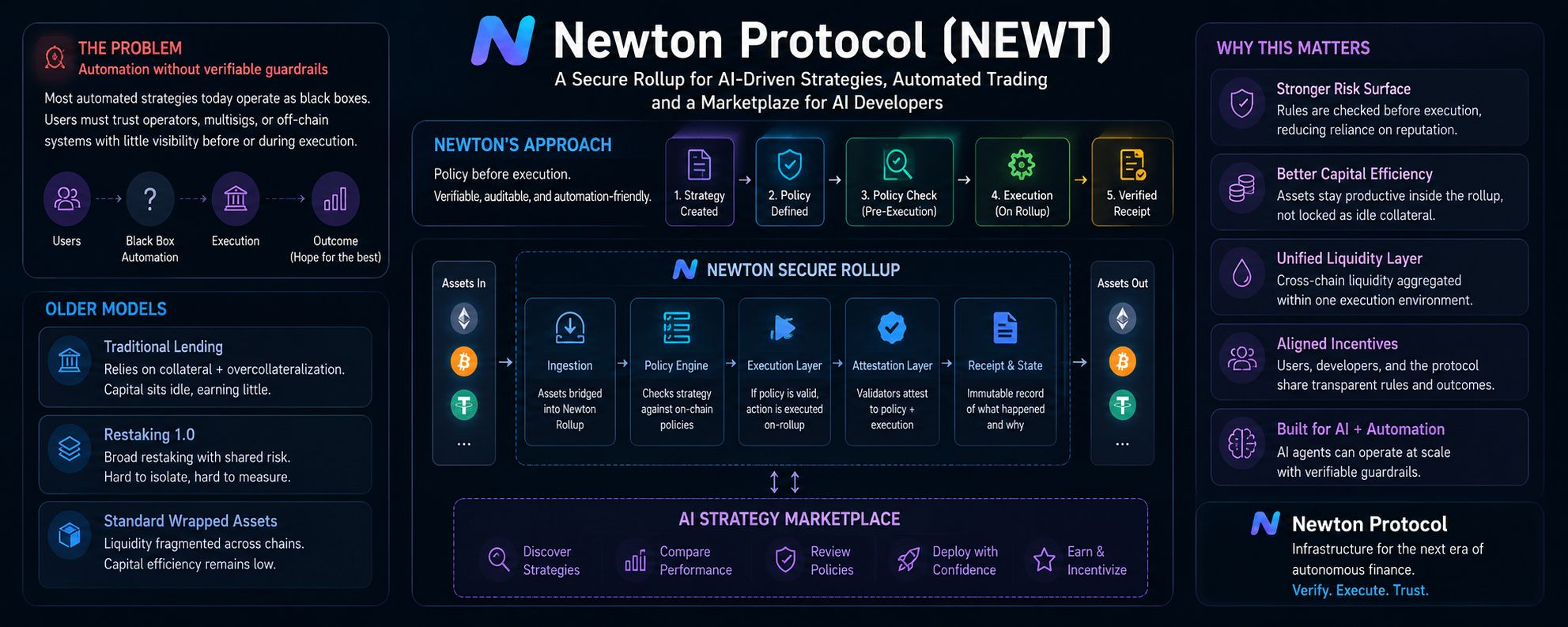
بروتوكول نيوتن يُعيد تعريف حوكمة رأس المال الآلي بهدوءكان بروتوكول نيوتن مثيرًا للاهتمام لأسباب كثيرة، لكن الملاحظة التي بقيت معي بعد قضاء بعض الوقت في دراسته لم تكن سردية الذكاء الاصطناعي أو سوق المطورين. ما كنت أعود إليه باستمرار هو محاولة البروتوكول فصل السياسة عن التنفيذ عبر معماره التجميعي الآمن. إنه اختيار معماري يبدو سهل التجاهل لأنه يقع تحت الأجزاء الأكثر قابلية للتسويق من المشروع، لكنه يغيّر بهدوء طريقة حوكمة رأس المال الآلي.
لم يكن اللافت فكرة عملاء الذكاء الاصطناعي باتخاذ قرارات عبر سلاسل متعددة. الجزء الأكثر إثارة للاهتمام كان كيف يمكن تقييد كل استراتيجية بقواعد محددة مسبقًا قبل التنفيذ، بدلًا من الاعتماد بالكامل على الثقة بعد وقوع الأمر. بدلًا من التعامل مع الأتمتة باعتبارها "صندوقًا أسود"، يقوم بروتوكول نيوتن ببناء بيئة يمكن فيها التحقق من التنفيذ مقابل سياسات واضحة. وهذا ينقل جزءًا من عملية اتخاذ القرار إلى البنية التحتية بدلًا من تركها بالكامل لمبدعي الاستراتيجيات أو للمشغّلين.
بروتوكول نيوتن يُعيد تعريف حوكمة رأس المال الآلي بهدوء
كان بروتوكول نيوتن مثيرًا للاهتمام لأسباب كثيرة، لكن الملاحظة التي بقيت معي بعد قضاء بعض الوقت في دراسته لم تكن سردية الذكاء الاصطناعي أو سوق المطورين. ما كنت أعود إليه باستمرار هو محاولة البروتوكول فصل السياسة عن التنفيذ عبر معماره التجميعي الآمن. إنه اختيار معماري يبدو سهل التجاهل لأنه يقع تحت الأجزاء الأكثر قابلية للتسويق من المشروع، لكنه يغيّر بهدوء طريقة حوكمة رأس المال الآلي.
لم يكن اللافت فكرة عملاء الذكاء الاصطناعي باتخاذ قرارات عبر سلاسل متعددة. الجزء الأكثر إثارة للاهتمام كان كيف يمكن تقييد كل استراتيجية بقواعد محددة مسبقًا قبل التنفيذ، بدلًا من الاعتماد بالكامل على الثقة بعد وقوع الأمر. بدلًا من التعامل مع الأتمتة باعتبارها "صندوقًا أسود"، يقوم بروتوكول نيوتن ببناء بيئة يمكن فيها التحقق من التنفيذ مقابل سياسات واضحة. وهذا ينقل جزءًا من عملية اتخاذ القرار إلى البنية التحتية بدلًا من تركها بالكامل لمبدعي الاستراتيجيات أو للمشغّلين.
لم يكن اللافت فكرة عملاء الذكاء الاصطناعي باتخاذ قرارات عبر سلاسل متعددة. الجزء الأكثر إثارة للاهتمام كان كيف يمكن تقييد كل استراتيجية بقواعد محددة مسبقًا قبل التنفيذ، بدلًا من الاعتماد بالكامل على الثقة بعد وقوع الأمر. بدلًا من التعامل مع الأتمتة باعتبارها "صندوقًا أسود"، يقوم بروتوكول نيوتن ببناء بيئة يمكن فيها التحقق من التنفيذ مقابل سياسات واضحة. وهذا ينقل جزءًا من عملية اتخاذ القرار إلى البنية التحتية بدلًا من تركها بالكامل لمبدعي الاستراتيجيات أو للمشغّلين.
2
2
56
·
--
$EPT تقوم بهدوء ببناء الأساس الذي يمكنه دعم ما هو قادم. كل ترقية، كل تكامل، كل محطة تعزز طبقة جديدة من اليقين.
غالبًا ما تبدأ أكثر التحركات ضجيجًا في الصمت.
تركيزنا على $EPT. القصة ما زالت في بدايتها. ⚡🚀
{alpha}(560x3dc8e2d80b6215a1bccae4d38715c3520581e77c)
#BinanceTurns9 #TSMCJuneRevenueUp67.9%YoY #SKHynixADRFalls10.4%PreMarket #SKHynixSinksRecord15% #BitcoinETFsSnapEightWeekOutflowStreak
$EPT تقوم بهدوء ببناء الأساس الذي يمكنه دعم ما هو قادم. كل ترقية، كل تكامل، كل محطة تعزز طبقة جديدة من اليقين.
غالبًا ما تبدأ أكثر التحركات ضجيجًا في الصمت.
تركيزنا على $EPT . القصة ما زالت في بدايتها. ⚡🚀
#BinanceTurns9 #TSMCJuneRevenueUp67.9%YoY #SKHynixADRFalls10.4%PreMarket #SKHynixSinksRecord15% #BitcoinETFsSnapEightWeekOutflowStreak
غالبًا ما تبدأ أكثر التحركات ضجيجًا في الصمت.
تركيزنا على $EPT . القصة ما زالت في بدايتها. ⚡🚀
#BinanceTurns9 #TSMCJuneRevenueUp67.9%YoY #SKHynixADRFalls10.4%PreMarket #SKHynixSinksRecord15% #BitcoinETFsSnapEightWeekOutflowStreak
216
·
--
صحيح جزئيًا
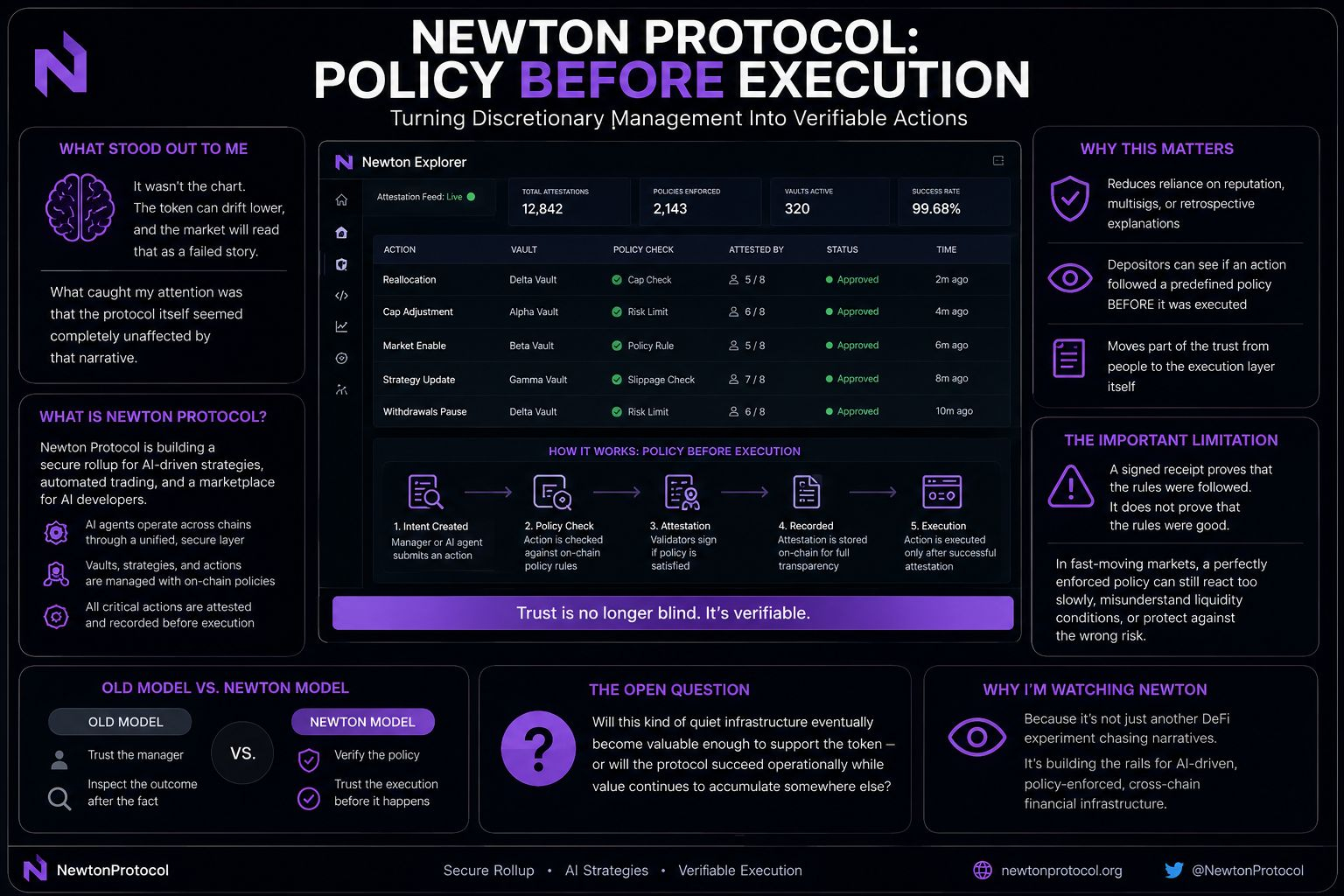
ما بقي في ذهني بعد الاطلاع على NewtonProtocol لم يكن الرسم البياني. يمكن للرمز أن يواصل الانخفاض، وسيقرأ السوق ذلك كقصة فاشلة. ما جذب انتباهي هو أن البروتوكول نفسه بدا غير متأثر تمامًا بهذه السردية.
داخل Newton Explorer، استمر تدفق الإشهادات في الحركة. كانت إجراءات VaultKit ما تزال تُفحَص وتُوقَّع وتُسجَّل قبل التنفيذ. إعادة تخصيص، تعديل للسقف، تمكين سوق جديد — كل إجراء كان يمر عبر طبقة سياسات واضحة قبل أن يمس رأس مال المستخدم.
ما لفت الانتباه لم يكن فكرة وكلاء الذكاء الاصطناعي الذين يعملون عبر سلاسل متعددة. ما يزال هذا هو الطموح الأكبر، لكنّه ليس الجزء الذي يقوم بأكثر الأعمال العملية اليوم. الجزء الأكثر إثارة للاهتمام هو كيفية استخدام Newton من قِبل أمناء/قيّمي الخزائن لجعل الإدارة التقديرية أكثر قابلية للتدقيق.
هذا يغيّر سطح المخاطر لأن المودعين لم يعودوا يعتمدون بالكامل على السمعة أو المفاتيح متعددة التوقيع (multisigs) أو الشروحات بأثرٍ رجعي. يمكنهم رؤية ما إذا كان الإجراء قد اتبع سياسة محددة مسبقًا قبل تنفيذه.
غالبًا ما تطلب نماذج الإقراض والخزائن الأقدم من المستخدمين الثقة بالمدير أولًا ثم فحص النتيجة لاحقًا. يحاول Newton نقل جزء من تلك الثقة إلى طبقة التنفيذ نفسها.
لا يزال هناك قيد مهم. الإيصال المُوقَّع يثبت أن القواعد قد تم اتباعها. لكنه لا يثبت أن القواعد كانت جيدة. وفي سوق يتحرك بسرعة، قد تظل السياسة المُطبَّقة بدقة لا تتفاعل بالسرعة الكافية، أو تساءل فهم ظروف السيولة، أو تحمي من المخاطر الخاطئة.
السؤال المفتوح الذي أعود إليه باستمرار هو ما إذا كانت هذه البنية التحتية الهادئة تصبح في النهاية ذات قيمة كافية لدعم الرمز — أم أن البروتوكول قد ينجح تشغيليًا بينما تستمر القيمة في التراكم في مكان آخر.
@NewtonProtocol #newt $NEWT
{spot}(NEWTUSDT)
ما بقي في ذهني بعد الاطلاع على NewtonProtocol لم يكن الرسم البياني. يمكن للرمز أن يواصل الانخفاض، وسيقرأ السوق ذلك كقصة فاشلة. ما جذب انتباهي هو أن البروتوكول نفسه بدا غير متأثر تمامًا بهذه السردية.
داخل Newton Explorer، استمر تدفق الإشهادات في الحركة. كانت إجراءات VaultKit ما تزال تُفحَص وتُوقَّع وتُسجَّل قبل التنفيذ. إعادة تخصيص، تعديل للسقف، تمكين سوق جديد — كل إجراء كان يمر عبر طبقة سياسات واضحة قبل أن يمس رأس مال المستخدم.
ما لفت الانتباه لم يكن فكرة وكلاء الذكاء الاصطناعي الذين يعملون عبر سلاسل متعددة. ما يزال هذا هو الطموح الأكبر، لكنّه ليس الجزء الذي يقوم بأكثر الأعمال العملية اليوم. الجزء الأكثر إثارة للاهتمام هو كيفية استخدام Newton من قِبل أمناء/قيّمي الخزائن لجعل الإدارة التقديرية أكثر قابلية للتدقيق.
هذا يغيّر سطح المخاطر لأن المودعين لم يعودوا يعتمدون بالكامل على السمعة أو المفاتيح متعددة التوقيع (multisigs) أو الشروحات بأثرٍ رجعي. يمكنهم رؤية ما إذا كان الإجراء قد اتبع سياسة محددة مسبقًا قبل تنفيذه.
غالبًا ما تطلب نماذج الإقراض والخزائن الأقدم من المستخدمين الثقة بالمدير أولًا ثم فحص النتيجة لاحقًا. يحاول Newton نقل جزء من تلك الثقة إلى طبقة التنفيذ نفسها.
لا يزال هناك قيد مهم. الإيصال المُوقَّع يثبت أن القواعد قد تم اتباعها. لكنه لا يثبت أن القواعد كانت جيدة. وفي سوق يتحرك بسرعة، قد تظل السياسة المُطبَّقة بدقة لا تتفاعل بالسرعة الكافية، أو تساءل فهم ظروف السيولة، أو تحمي من المخاطر الخاطئة.
السؤال المفتوح الذي أعود إليه باستمرار هو ما إذا كانت هذه البنية التحتية الهادئة تصبح في النهاية ذات قيمة كافية لدعم الرمز — أم أن البروتوكول قد ينجح تشغيليًا بينما تستمر القيمة في التراكم في مكان آخر.
@NewtonProtocol #newt $NEWT
داخل Newton Explorer، استمر تدفق الإشهادات في الحركة. كانت إجراءات VaultKit ما تزال تُفحَص وتُوقَّع وتُسجَّل قبل التنفيذ. إعادة تخصيص، تعديل للسقف، تمكين سوق جديد — كل إجراء كان يمر عبر طبقة سياسات واضحة قبل أن يمس رأس مال المستخدم.
ما لفت الانتباه لم يكن فكرة وكلاء الذكاء الاصطناعي الذين يعملون عبر سلاسل متعددة. ما يزال هذا هو الطموح الأكبر، لكنّه ليس الجزء الذي يقوم بأكثر الأعمال العملية اليوم. الجزء الأكثر إثارة للاهتمام هو كيفية استخدام Newton من قِبل أمناء/قيّمي الخزائن لجعل الإدارة التقديرية أكثر قابلية للتدقيق.
هذا يغيّر سطح المخاطر لأن المودعين لم يعودوا يعتمدون بالكامل على السمعة أو المفاتيح متعددة التوقيع (multisigs) أو الشروحات بأثرٍ رجعي. يمكنهم رؤية ما إذا كان الإجراء قد اتبع سياسة محددة مسبقًا قبل تنفيذه.
غالبًا ما تطلب نماذج الإقراض والخزائن الأقدم من المستخدمين الثقة بالمدير أولًا ثم فحص النتيجة لاحقًا. يحاول Newton نقل جزء من تلك الثقة إلى طبقة التنفيذ نفسها.
لا يزال هناك قيد مهم. الإيصال المُوقَّع يثبت أن القواعد قد تم اتباعها. لكنه لا يثبت أن القواعد كانت جيدة. وفي سوق يتحرك بسرعة، قد تظل السياسة المُطبَّقة بدقة لا تتفاعل بالسرعة الكافية، أو تساءل فهم ظروف السيولة، أو تحمي من المخاطر الخاطئة.
السؤال المفتوح الذي أعود إليه باستمرار هو ما إذا كانت هذه البنية التحتية الهادئة تصبح في النهاية ذات قيمة كافية لدعم الرمز — أم أن البروتوكول قد ينجح تشغيليًا بينما تستمر القيمة في التراكم في مكان آخر.
@NewtonProtocol #newt $NEWT
47
28
7.3k
·
--
$KAT إعداد التداولراقب اختراقًا مؤكدًا قبل الدخول في الصفقة.
الدخول: عند تأكيد الاختراق فوق مستوى المقاومة
الأهداف: TP1 +10% | TP2 +20% | TP3 +35%
وقف الخسارة: أسفل أقرب دعم رئيسي
يبدو الإعداد واعدًا، لكن يلزم التأكيد والحجم (السيولة). كن منضبطًا، التزم بخطتك، واحرص دائمًا على حماية رأس مالك.
{spot}(KATUSDT)
#AMDSharesSlideNearly10%
#SpaceXAnthropicOpenAIIPOsMayTopVCExitsSince2000
#USStrikesIranAfterHormuzShipAttack
#MorganStanleyAdds1000BTC
#GOPSeeksSenateVoteOnCLARITYActWeekOfJuly20
$KAT إعداد التداولراقب اختراقًا مؤكدًا قبل الدخول في الصفقة.
الدخول: عند تأكيد الاختراق فوق مستوى المقاومة
الأهداف: TP1 +10% | TP2 +20% | TP3 +35%
وقف الخسارة: أسفل أقرب دعم رئيسي
يبدو الإعداد واعدًا، لكن يلزم التأكيد والحجم (السيولة). كن منضبطًا، التزم بخطتك، واحرص دائمًا على حماية رأس مالك.
#AMDSharesSlideNearly10%
#SpaceXAnthropicOpenAIIPOsMayTopVCExitsSince2000
#USStrikesIranAfterHormuzShipAttack
#MorganStanleyAdds1000BTC
#GOPSeeksSenateVoteOnCLARITYActWeekOfJuly20
الدخول: عند تأكيد الاختراق فوق مستوى المقاومة
الأهداف: TP1 +10% | TP2 +20% | TP3 +35%
وقف الخسارة: أسفل أقرب دعم رئيسي
يبدو الإعداد واعدًا، لكن يلزم التأكيد والحجم (السيولة). كن منضبطًا، التزم بخطتك، واحرص دائمًا على حماية رأس مالك.
#AMDSharesSlideNearly10%
#SpaceXAnthropicOpenAIIPOsMayTopVCExitsSince2000
#USStrikesIranAfterHormuzShipAttack
#MorganStanleyAdds1000BTC
#GOPSeeksSenateVoteOnCLARITYActWeekOfJuly20
220
·
--
$TLM إعداد تداول راقب اختراقًا نظيفًا فوق مستوى المقاومة قبل الدخول.
الدخول: بعد تأكيد حدوث الاختراق
الأهداف: TP1 +8% | TP2 +15% | TP3 +25%
وقف الخسارة: أسفل آخر دعم (تحمّل فقط ما يمكنك خسارته)
الزخم يتزايد، والحجم هو التأكيد الرئيسي. تحلَّ بالصبر، وانتظر الإشارة، واترك السوق يأتي إليك. أدر المخاطر ولا تطارد الشموع الخضراء.
{spot}(TLMUSDT)
#AMDSharesSlideNearly10%
#SpaceXAnthropicOpenAIIPOsMayTopVCExitsSince2000
#USStrikesIranAfterHormuzShipAttack
#MorganStanleyAdds1000BTC
#GOPSeeksSenateVoteOnCLARITYActWeekOfJuly20
$TLM إعداد تداول راقب اختراقًا نظيفًا فوق مستوى المقاومة قبل الدخول.
الدخول: بعد تأكيد حدوث الاختراق
الأهداف: TP1 +8% | TP2 +15% | TP3 +25%
وقف الخسارة: أسفل آخر دعم (تحمّل فقط ما يمكنك خسارته)
الزخم يتزايد، والحجم هو التأكيد الرئيسي. تحلَّ بالصبر، وانتظر الإشارة، واترك السوق يأتي إليك. أدر المخاطر ولا تطارد الشموع الخضراء.
#AMDSharesSlideNearly10%
#SpaceXAnthropicOpenAIIPOsMayTopVCExitsSince2000
#USStrikesIranAfterHormuzShipAttack
#MorganStanleyAdds1000BTC
#GOPSeeksSenateVoteOnCLARITYActWeekOfJuly20
الدخول: بعد تأكيد حدوث الاختراق
الأهداف: TP1 +8% | TP2 +15% | TP3 +25%
وقف الخسارة: أسفل آخر دعم (تحمّل فقط ما يمكنك خسارته)
الزخم يتزايد، والحجم هو التأكيد الرئيسي. تحلَّ بالصبر، وانتظر الإشارة، واترك السوق يأتي إليك. أدر المخاطر ولا تطارد الشموع الخضراء.
#AMDSharesSlideNearly10%
#SpaceXAnthropicOpenAIIPOsMayTopVCExitsSince2000
#USStrikesIranAfterHormuzShipAttack
#MorganStanleyAdds1000BTC
#GOPSeeksSenateVoteOnCLARITYActWeekOfJuly20
198
·
--
مقالة
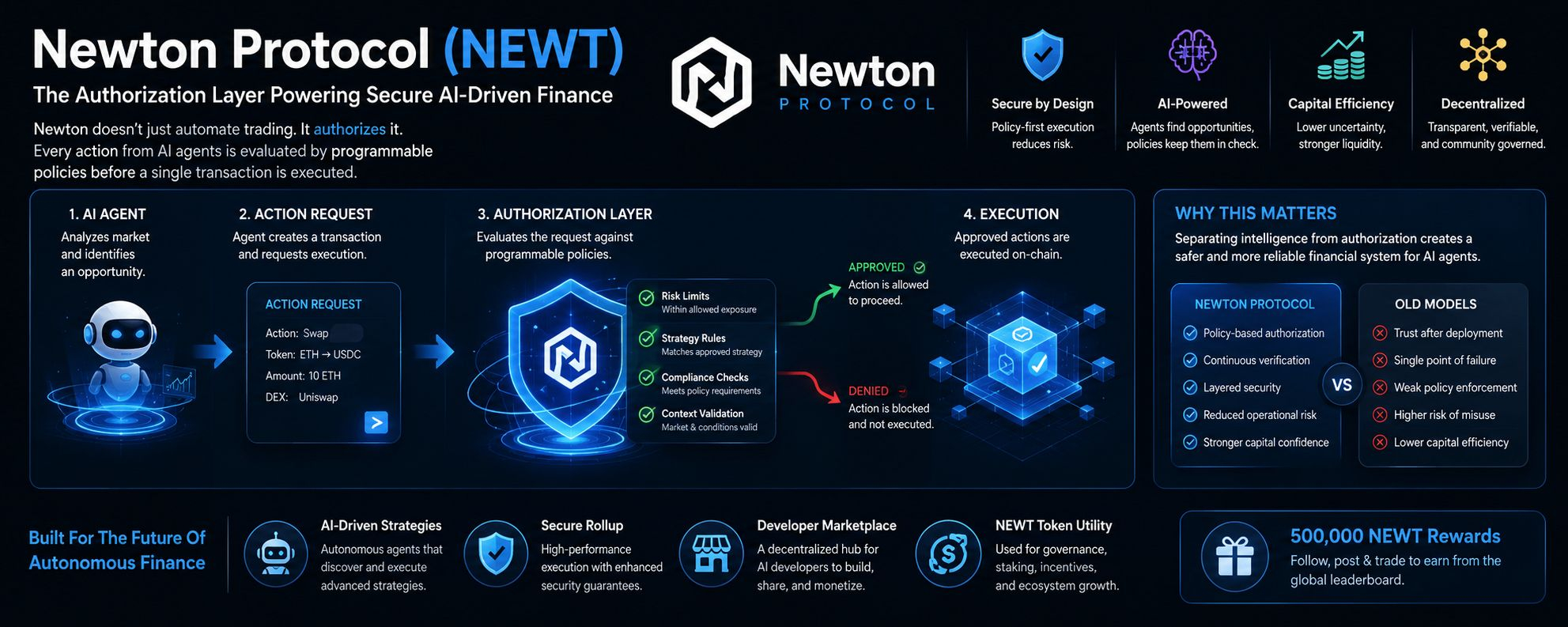
ليست هي تجارة الذكاء الاصطناعي... الابتكار الحقيقي في بروتوكول نيوتن هو طبقة التفويض التي تغيّر المشهد بهدوءما ظل يرافقني أثناء دراسة بروتوكول نيوتن لم يكن فكرة وكلاء الذكاء الاصطناعي الذين يديرون رأس المال. هذه السردية مألوفة بالفعل عبر عالم العملات المشفرة. ما كان يجذب انتباهي للعودة مرة بعد مرة كان شيئًا أكثر هدوءًا: طبقة التفويض التي تقع بين قرار الوكيل وتنفيذ ذلك القرار. إنها تفصيلة معمارية لا تصنع عناوين رئيسية، ومع ذلك قد يكون لها تأثير أكبر على كيفية تطور التمويل المستقل مقارنةً بنماذج الذكاء الاصطناعي نفسها.
الجزء الأكثر إثارة للاهتمام كان إدراك أن نيوتن لا يطلب من المستخدمين الثقة بشكل أعمى بوكيل ذكي. بدلًا من ذلك، يحاول أن تمر كل عملية عبر سياسات قابلة للبرمجة قبل أن يتحرك رأس المال فعليًا. هذا التمييز يبدو مهمًا. يمكن للذكاء أن يخلق فرصًا، لكن التفويض هو الذي يحدد ما إذا كان ينبغي السماح لهذه الفرص بالوصول إلى التنفيذ. هاتان مسؤوليتان مختلفتان للغاية، وفصلهما يخلق نموذج أمان أكثر وضوحًا.
ليست هي تجارة الذكاء الاصطناعي... الابتكار الحقيقي في بروتوكول نيوتن هو طبقة التفويض التي تغيّر المشهد بهدوء
ما ظل يرافقني أثناء دراسة بروتوكول نيوتن لم يكن فكرة وكلاء الذكاء الاصطناعي الذين يديرون رأس المال. هذه السردية مألوفة بالفعل عبر عالم العملات المشفرة. ما كان يجذب انتباهي للعودة مرة بعد مرة كان شيئًا أكثر هدوءًا: طبقة التفويض التي تقع بين قرار الوكيل وتنفيذ ذلك القرار. إنها تفصيلة معمارية لا تصنع عناوين رئيسية، ومع ذلك قد يكون لها تأثير أكبر على كيفية تطور التمويل المستقل مقارنةً بنماذج الذكاء الاصطناعي نفسها.
الجزء الأكثر إثارة للاهتمام كان إدراك أن نيوتن لا يطلب من المستخدمين الثقة بشكل أعمى بوكيل ذكي. بدلًا من ذلك، يحاول أن تمر كل عملية عبر سياسات قابلة للبرمجة قبل أن يتحرك رأس المال فعليًا. هذا التمييز يبدو مهمًا. يمكن للذكاء أن يخلق فرصًا، لكن التفويض هو الذي يحدد ما إذا كان ينبغي السماح لهذه الفرص بالوصول إلى التنفيذ. هاتان مسؤوليتان مختلفتان للغاية، وفصلهما يخلق نموذج أمان أكثر وضوحًا.
الجزء الأكثر إثارة للاهتمام كان إدراك أن نيوتن لا يطلب من المستخدمين الثقة بشكل أعمى بوكيل ذكي. بدلًا من ذلك، يحاول أن تمر كل عملية عبر سياسات قابلة للبرمجة قبل أن يتحرك رأس المال فعليًا. هذا التمييز يبدو مهمًا. يمكن للذكاء أن يخلق فرصًا، لكن التفويض هو الذي يحدد ما إذا كان ينبغي السماح لهذه الفرص بالوصول إلى التنفيذ. هاتان مسؤوليتان مختلفتان للغاية، وفصلهما يخلق نموذج أمان أكثر وضوحًا.
10
6
172
·
--
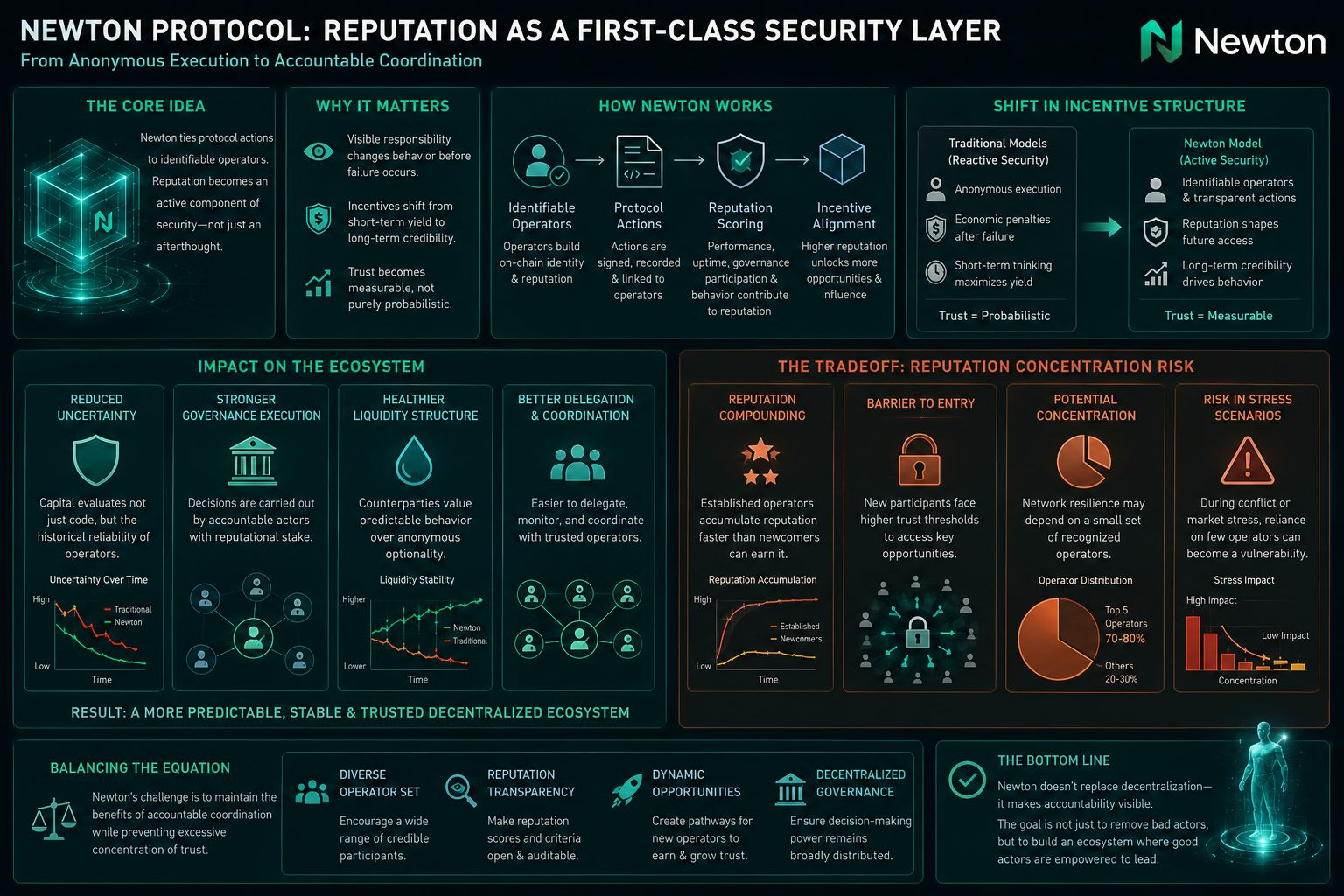
ما بقي معي أثناء دراسة نيوتن لم يكن طبقة الهوية نفسها، بل الطريقة التي تعيد بها المعاملات/المشغّلات المعروفة تشكيل المساءلة داخل التنسيق اللامركزي. تتركّز معظم المناقشات على الشفافية باعتبارها ميزة حوكمة. الجزء الأكثر إثارة للاهتمام كان كيف يمكن لمسؤوليةٍ أكثر وضوحًا أن تغيّر سلوك المشاركين قبل وقت طويل من حدوث نزاع أو فشل.
ما قضيتُ وقتًا أطول في فحصه هو الآلية التي تربط أفعال البروتوكول بمشغّلين يمكن تحديدهم، لا بالتنفيذ المجهول وحده. بخلاف الأنظمة التي تعتمد تقريبًا بالكامل على العقوبات الاقتصادية بعد وقوع خطأ، يقدم نيوتن السمعة بوصفها عنصرًا فعّالًا ضمن نموذج الأمان. وهذا ينقل الحوافز من مجرد تعظيم العائد قصير الأجل نحو الحفاظ على المصداقية طويلة الأجل. مقارنةً بنماذج التنسيق اللامركزي السابقة، تحاول البنية جعل الثقة قابلة للقياس بدلًا من كونها احتمالية فقط.
يغيّر ذلك سطح المخاطر لأن رأس المال لم يعد يقيم الكود بمعزلٍ عن غيره. بل يقيم أيضًا الموثوقية التاريخية للجهات التي تتفاعل مع هذا الكود. من الناحية النظرية، يمكن أن يقلل ذلك من حالة عدم اليقين حول تنفيذ الحوكمة، والعمليات المفوّضة، والمشاركة داخل النظام البيئي. قد تصبح بنية السيولة الناتجة أكثر استقرارًا إذا قيّم الطرفان المقابلان سلوكًا متوقعًا أكثر من تفضيل المرونة الاختيارية المجهولة.
في الوقت نفسه، يقدّم التصميم مفاضلةً مختلفة. يمكن لأنظمة السمعة أن تقوّي مواءمة الحوافز، لكنها أيضًا تخلق إمكانية التركّز. فإذا تراكمت الثقة لدى المشغّلين الراسخين بسرعة تفوق قدرة الوافدين الجدد على كسبها، فقد يعتمد تماسك الشبكة تدريجيًا على مجموعة صغيرة نسبيًا من المشاركين المعروفين. خلال فترات تعارض الحوكمة أو ضغوط السوق، قد يصبح هذا التركّز أكثر أهمية مما كان البروتوكول يقصده في البداية.
@NewtonProtocol #newt $NEWT
{spot}(NEWTUSDT)
ما بقي معي أثناء دراسة نيوتن لم يكن طبقة الهوية نفسها، بل الطريقة التي تعيد بها المعاملات/المشغّلات المعروفة تشكيل المساءلة داخل التنسيق اللامركزي. تتركّز معظم المناقشات على الشفافية باعتبارها ميزة حوكمة. الجزء الأكثر إثارة للاهتمام كان كيف يمكن لمسؤوليةٍ أكثر وضوحًا أن تغيّر سلوك المشاركين قبل وقت طويل من حدوث نزاع أو فشل.
ما قضيتُ وقتًا أطول في فحصه هو الآلية التي تربط أفعال البروتوكول بمشغّلين يمكن تحديدهم، لا بالتنفيذ المجهول وحده. بخلاف الأنظمة التي تعتمد تقريبًا بالكامل على العقوبات الاقتصادية بعد وقوع خطأ، يقدم نيوتن السمعة بوصفها عنصرًا فعّالًا ضمن نموذج الأمان. وهذا ينقل الحوافز من مجرد تعظيم العائد قصير الأجل نحو الحفاظ على المصداقية طويلة الأجل. مقارنةً بنماذج التنسيق اللامركزي السابقة، تحاول البنية جعل الثقة قابلة للقياس بدلًا من كونها احتمالية فقط.
يغيّر ذلك سطح المخاطر لأن رأس المال لم يعد يقيم الكود بمعزلٍ عن غيره. بل يقيم أيضًا الموثوقية التاريخية للجهات التي تتفاعل مع هذا الكود. من الناحية النظرية، يمكن أن يقلل ذلك من حالة عدم اليقين حول تنفيذ الحوكمة، والعمليات المفوّضة، والمشاركة داخل النظام البيئي. قد تصبح بنية السيولة الناتجة أكثر استقرارًا إذا قيّم الطرفان المقابلان سلوكًا متوقعًا أكثر من تفضيل المرونة الاختيارية المجهولة.
في الوقت نفسه، يقدّم التصميم مفاضلةً مختلفة. يمكن لأنظمة السمعة أن تقوّي مواءمة الحوافز، لكنها أيضًا تخلق إمكانية التركّز. فإذا تراكمت الثقة لدى المشغّلين الراسخين بسرعة تفوق قدرة الوافدين الجدد على كسبها، فقد يعتمد تماسك الشبكة تدريجيًا على مجموعة صغيرة نسبيًا من المشاركين المعروفين. خلال فترات تعارض الحوكمة أو ضغوط السوق، قد يصبح هذا التركّز أكثر أهمية مما كان البروتوكول يقصده في البداية.
@NewtonProtocol #newt $NEWT
ما قضيتُ وقتًا أطول في فحصه هو الآلية التي تربط أفعال البروتوكول بمشغّلين يمكن تحديدهم، لا بالتنفيذ المجهول وحده. بخلاف الأنظمة التي تعتمد تقريبًا بالكامل على العقوبات الاقتصادية بعد وقوع خطأ، يقدم نيوتن السمعة بوصفها عنصرًا فعّالًا ضمن نموذج الأمان. وهذا ينقل الحوافز من مجرد تعظيم العائد قصير الأجل نحو الحفاظ على المصداقية طويلة الأجل. مقارنةً بنماذج التنسيق اللامركزي السابقة، تحاول البنية جعل الثقة قابلة للقياس بدلًا من كونها احتمالية فقط.
يغيّر ذلك سطح المخاطر لأن رأس المال لم يعد يقيم الكود بمعزلٍ عن غيره. بل يقيم أيضًا الموثوقية التاريخية للجهات التي تتفاعل مع هذا الكود. من الناحية النظرية، يمكن أن يقلل ذلك من حالة عدم اليقين حول تنفيذ الحوكمة، والعمليات المفوّضة، والمشاركة داخل النظام البيئي. قد تصبح بنية السيولة الناتجة أكثر استقرارًا إذا قيّم الطرفان المقابلان سلوكًا متوقعًا أكثر من تفضيل المرونة الاختيارية المجهولة.
في الوقت نفسه، يقدّم التصميم مفاضلةً مختلفة. يمكن لأنظمة السمعة أن تقوّي مواءمة الحوافز، لكنها أيضًا تخلق إمكانية التركّز. فإذا تراكمت الثقة لدى المشغّلين الراسخين بسرعة تفوق قدرة الوافدين الجدد على كسبها، فقد يعتمد تماسك الشبكة تدريجيًا على مجموعة صغيرة نسبيًا من المشاركين المعروفين. خلال فترات تعارض الحوكمة أو ضغوط السوق، قد يصبح هذا التركّز أكثر أهمية مما كان البروتوكول يقصده في البداية.
@NewtonProtocol #newt $NEWT
32
21
2.2k
·
--
⚡ $ARX لا يُحدث ضجيجًا—إنه يكوّن ضغطًا.
أكبر التحركات تحدث قبل أن ينتبه الجمهور. ركّز على $ARX. 🚀🔥
{future}(ARXUSDT)
#BitcoinPlansECashHardFork
#AMDSharesSlideNearly10%
#SpaceXAnthropicOpenAIIPOsMayTopVCExitsSince2000
#MorganStanleyAdds1000BTC
#USStrikesIranAfterHormuzShipAttack
⚡ $ARX لا يُحدث ضجيجًا—إنه يكوّن ضغطًا.
أكبر التحركات تحدث قبل أن ينتبه الجمهور. ركّز على $ARX . 🚀🔥
#BitcoinPlansECashHardFork
#AMDSharesSlideNearly10%
#SpaceXAnthropicOpenAIIPOsMayTopVCExitsSince2000
#MorganStanleyAdds1000BTC
#USStrikesIranAfterHormuzShipAttack
أكبر التحركات تحدث قبل أن ينتبه الجمهور. ركّز على $ARX . 🚀🔥
#BitcoinPlansECashHardFork
#AMDSharesSlideNearly10%
#SpaceXAnthropicOpenAIIPOsMayTopVCExitsSince2000
#MorganStanleyAdds1000BTC
#USStrikesIranAfterHormuzShipAttack
257
·
--
يقترب $SLX من منطقة اختراق رئيسية ويبدأ الزخم في البناء.
الدخول: شراء عند تأكيد الاختراق مع حجم تداول قوي.
الهدف 1: +20%
الهدف 2: +40%
وقف الخسارة: أسفل أقرب مستوى دعم.
قد يؤدي الاختراق الواضح إلى حركة حادة. حافظ على الانضباط، وادِر المخاطر، وانتظر التأكيد.
{future}(SLXUSDT)
#BitcoinPlansECashHardFork
#EthereumFoundationAIAgentsFindNodeCrashBug
#BitcoinUp9.5%InJulyBestInFourYears
#XRPActiveWalletsHitSecondLowestOf2026
#IranRulesOutTalksUntilUSWithdraws
يقترب $SLX من منطقة اختراق رئيسية ويبدأ الزخم في البناء.
الدخول: شراء عند تأكيد الاختراق مع حجم تداول قوي.
الهدف 1: +20%
الهدف 2: +40%
وقف الخسارة: أسفل أقرب مستوى دعم.
قد يؤدي الاختراق الواضح إلى حركة حادة. حافظ على الانضباط، وادِر المخاطر، وانتظر التأكيد.
#BitcoinPlansECashHardFork
#EthereumFoundationAIAgentsFindNodeCrashBug
#BitcoinUp9.5%InJulyBestInFourYears
#XRPActiveWalletsHitSecondLowestOf2026
#IranRulesOutTalksUntilUSWithdraws
الدخول: شراء عند تأكيد الاختراق مع حجم تداول قوي.
الهدف 1: +20%
الهدف 2: +40%
وقف الخسارة: أسفل أقرب مستوى دعم.
قد يؤدي الاختراق الواضح إلى حركة حادة. حافظ على الانضباط، وادِر المخاطر، وانتظر التأكيد.
#BitcoinPlansECashHardFork
#EthereumFoundationAIAgentsFindNodeCrashBug
#BitcoinUp9.5%InJulyBestInFourYears
#XRPActiveWalletsHitSecondLowestOf2026
#IranRulesOutTalksUntilUSWithdraws
379
·
--
$CLO يتشدد بعد قاعدة نظيفة ويبدو جاهزًا للتوسع.
الدخول: اختراق مستوى المقاومة بحجم تداول قوي.
الهدف 1: +15%
الهدف 2: +30%
إيقاف الخسارة: أسفل أحدث مستوى دعم.
الزخم يتصاعد، والسيولة تتحسن، وقد يؤدي اختراق مؤكد إلى حركة سريعة. أدرِ مخاطرِك واترك الاتجاه يقوم بالمهمة.
{future}(CLOUSDT)
#BitcoinUp9.5%InJulyBestInFourYears
#XRPActiveWalletsHitSecondLowestOf2026
#SP500EndsJustBelowRecord
#IranRulesOutTalksUntilUSWithdraws
#RetailStockBuyingLowestSince2020
$CLO يتشدد بعد قاعدة نظيفة ويبدو جاهزًا للتوسع.
الدخول: اختراق مستوى المقاومة بحجم تداول قوي.
الهدف 1: +15%
الهدف 2: +30%
إيقاف الخسارة: أسفل أحدث مستوى دعم.
الزخم يتصاعد، والسيولة تتحسن، وقد يؤدي اختراق مؤكد إلى حركة سريعة. أدرِ مخاطرِك واترك الاتجاه يقوم بالمهمة.
#BitcoinUp9.5%InJulyBestInFourYears
#XRPActiveWalletsHitSecondLowestOf2026
#SP500EndsJustBelowRecord
#IranRulesOutTalksUntilUSWithdraws
#RetailStockBuyingLowestSince2020
الدخول: اختراق مستوى المقاومة بحجم تداول قوي.
الهدف 1: +15%
الهدف 2: +30%
إيقاف الخسارة: أسفل أحدث مستوى دعم.
الزخم يتصاعد، والسيولة تتحسن، وقد يؤدي اختراق مؤكد إلى حركة سريعة. أدرِ مخاطرِك واترك الاتجاه يقوم بالمهمة.
#BitcoinUp9.5%InJulyBestInFourYears
#XRPActiveWalletsHitSecondLowestOf2026
#SP500EndsJustBelowRecord
#IranRulesOutTalksUntilUSWithdraws
#RetailStockBuyingLowestSince2020
166
·
--
مقالة
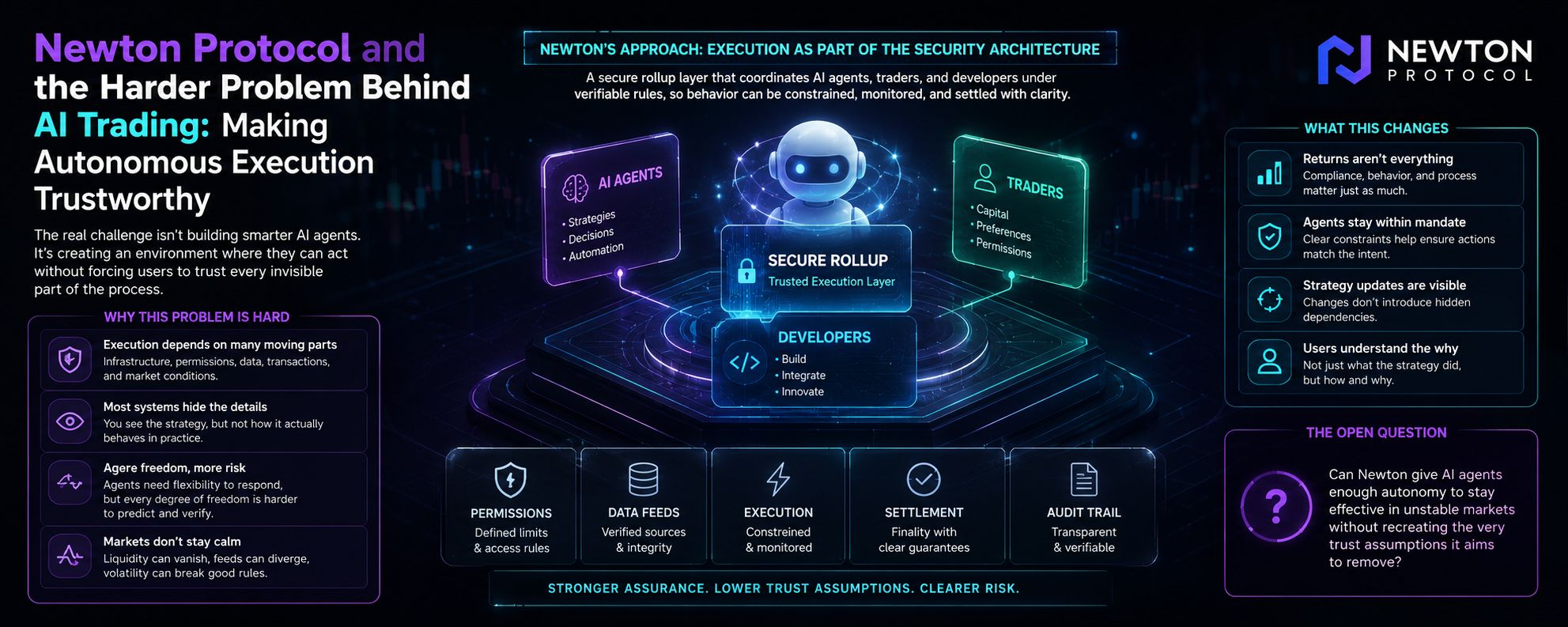
بروتوكول نيوتن والمشكلة الأصعب وراء تداول الذكاء الاصطناعي: جعل التنفيذ الذاتي جديراً بالثقةكان هناك شيء ظل يعود إليّ مراراً أثناء دراستي لبروتوكول نيوتن: ربما لا تكمن المشكلة الحقيقية في بناء وكلاء ذكاء اصطناعي أكثر ذكاءً. قد تتمثل في إنشاء بيئة يمكن لتلك الوكلاء أن تعمل فيها دون أن تضطر المستخدمين إلى الوثوق بكل جزء غير مرئي من العملية.
تدور معظم المحادثات حول التداول باستخدام الذكاء الاصطناعي حول الأداء. إشارات أفضل، تنفيذ أسرع، نماذج أقوى، ومزيد من الاستقلالية. لكن ما لفت انتباهي لم يكن أيّاً من ذلك. بل كانت قرارات نيوتن التي تعامل التنفيذ نفسه باعتباره جزءاً من بنية الأمان.
بروتوكول نيوتن والمشكلة الأصعب وراء تداول الذكاء الاصطناعي: جعل التنفيذ الذاتي جديراً بالثقة
كان هناك شيء ظل يعود إليّ مراراً أثناء دراستي لبروتوكول نيوتن: ربما لا تكمن المشكلة الحقيقية في بناء وكلاء ذكاء اصطناعي أكثر ذكاءً. قد تتمثل في إنشاء بيئة يمكن لتلك الوكلاء أن تعمل فيها دون أن تضطر المستخدمين إلى الوثوق بكل جزء غير مرئي من العملية.
تدور معظم المحادثات حول التداول باستخدام الذكاء الاصطناعي حول الأداء. إشارات أفضل، تنفيذ أسرع، نماذج أقوى، ومزيد من الاستقلالية. لكن ما لفت انتباهي لم يكن أيّاً من ذلك. بل كانت قرارات نيوتن التي تعامل التنفيذ نفسه باعتباره جزءاً من بنية الأمان.
تدور معظم المحادثات حول التداول باستخدام الذكاء الاصطناعي حول الأداء. إشارات أفضل، تنفيذ أسرع، نماذج أقوى، ومزيد من الاستقلالية. لكن ما لفت انتباهي لم يكن أيّاً من ذلك. بل كانت قرارات نيوتن التي تعامل التنفيذ نفسه باعتباره جزءاً من بنية الأمان.
9
4
247
·
--
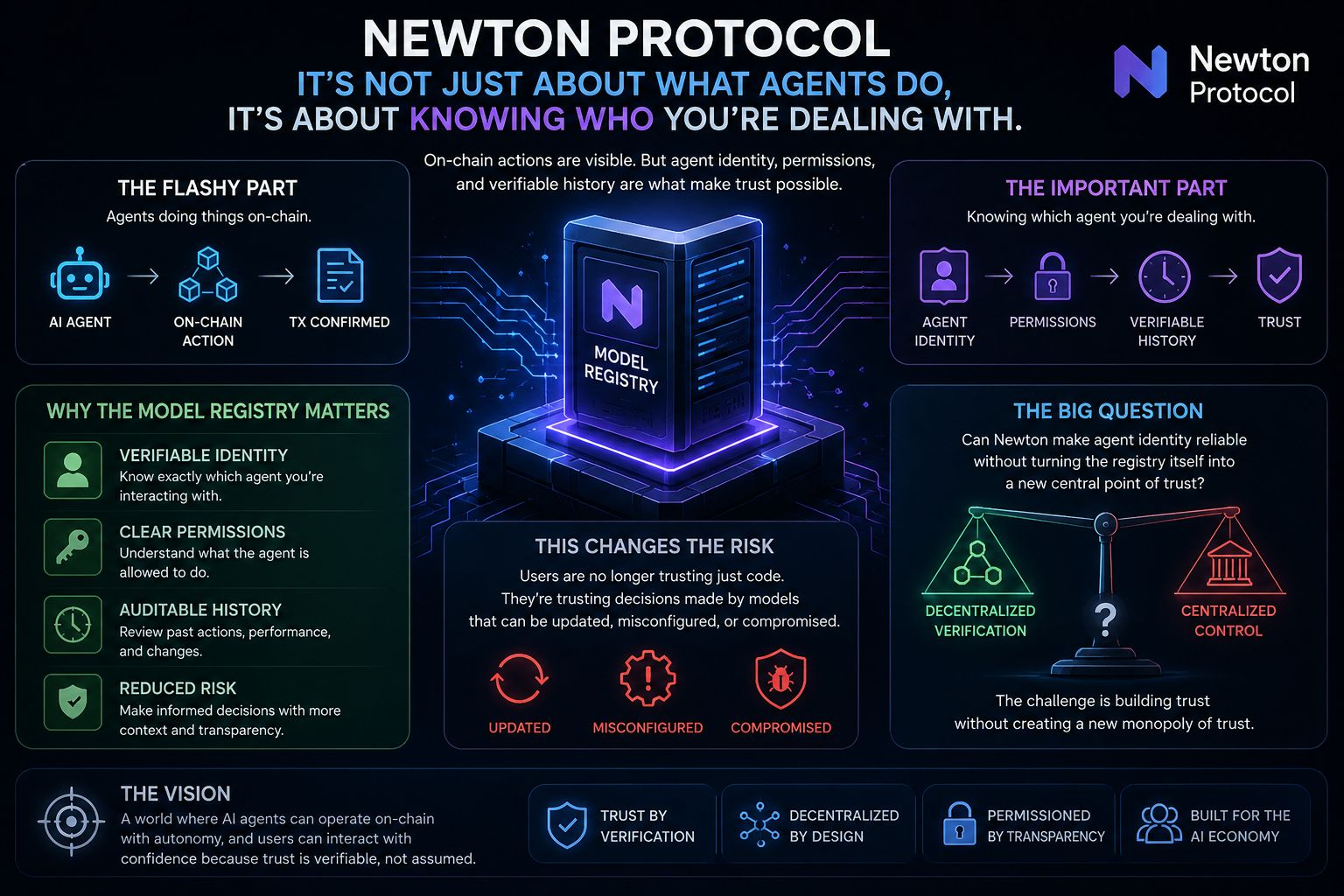
الشيء الذي ظل عالقًا في ذهني أثناء النظر إلى بروتوكول نيوتن هو سجلّ النماذج.
الجزء اللافت هو الوكلاء وهم يقومون بأشياء على السلسلة. لكن الجزء الأهم قد يكون معرفة أي وكيل نتعامل معه، وما هي الصلاحيات التي يملكها، وما إذا كان يمكن التحقق من تاريخه.
وهذا يغيّر مستوى المخاطر لأن المستخدمين لم يعودوا يثقون بالشفرة وحدها. بل صاروا يثقون بالقرارات التي تتخذها نماذج يمكن تحديثها أو إساءة تهيئتها أو اختراقها.
والسؤال الكبير هو ما إذا كان بإمكان نيوتن جعل هوية الوكيل موثوقة دون تحويل السجل نفسه إلى نقطة ثقة مركزية جديدة.
@NewtonProtocol #newt $NEWT
الشيء الذي ظل عالقًا في ذهني أثناء النظر إلى بروتوكول نيوتن هو سجلّ النماذج.
الجزء اللافت هو الوكلاء وهم يقومون بأشياء على السلسلة. لكن الجزء الأهم قد يكون معرفة أي وكيل نتعامل معه، وما هي الصلاحيات التي يملكها، وما إذا كان يمكن التحقق من تاريخه.
وهذا يغيّر مستوى المخاطر لأن المستخدمين لم يعودوا يثقون بالشفرة وحدها. بل صاروا يثقون بالقرارات التي تتخذها نماذج يمكن تحديثها أو إساءة تهيئتها أو اختراقها.
والسؤال الكبير هو ما إذا كان بإمكان نيوتن جعل هوية الوكيل موثوقة دون تحويل السجل نفسه إلى نقطة ثقة مركزية جديدة.
@NewtonProtocol #newt $NEWT
الجزء اللافت هو الوكلاء وهم يقومون بأشياء على السلسلة. لكن الجزء الأهم قد يكون معرفة أي وكيل نتعامل معه، وما هي الصلاحيات التي يملكها، وما إذا كان يمكن التحقق من تاريخه.
وهذا يغيّر مستوى المخاطر لأن المستخدمين لم يعودوا يثقون بالشفرة وحدها. بل صاروا يثقون بالقرارات التي تتخذها نماذج يمكن تحديثها أو إساءة تهيئتها أو اختراقها.
والسؤال الكبير هو ما إذا كان بإمكان نيوتن جعل هوية الوكيل موثوقة دون تحويل السجل نفسه إلى نقطة ثقة مركزية جديدة.
@NewtonProtocol #newt $NEWT
27
12
514
·
--
$BEE تقترب من مستوى محوري حيث قد تزيد التقلبات. إذا استعادت المبيعات طلب المقاومة بحجم تداول مقنع، فقد يتسارع الزخم. وإذا لم يحدث ذلك، فقد يؤدي إعادة اختبار الدعم إلى خلق فرصة دخول أقوى.
إعداد التداول
• نقطة الدخول: اختراق مؤكد فوق المقاومة أو ارتداد صعودي من الدعم
• وقف الخسارة: أسفل أدنى مستوى تأرجح حديث
• الأهداف: تأمين أرباح جزئية عند المقاومة التالية وتتبع الباقي طالما ظل الاتجاه قائمًا
الانضباط يفوز على الحماس. انتظر التأكيد، أدر مخاطر التداول، واترك للسوق القيام بالعمل.
{alpha}(560xdb6f1f098b55e36b036603c8e54663a8d907d6e1)
#BitcoinUp9.5%InJulyBestInFourYears
#XRPActiveWalletsHitSecondLowestOf2026
#IranRulesOutTalksUntilUSWithdraws
#RetailStockBuyingLowestSince2020
#JapanUrgesGPIFToBoostDomesticAssets
$BEE تقترب من مستوى محوري حيث قد تزيد التقلبات. إذا استعادت المبيعات طلب المقاومة بحجم تداول مقنع، فقد يتسارع الزخم. وإذا لم يحدث ذلك، فقد يؤدي إعادة اختبار الدعم إلى خلق فرصة دخول أقوى.
إعداد التداول
• نقطة الدخول: اختراق مؤكد فوق المقاومة أو ارتداد صعودي من الدعم
• وقف الخسارة: أسفل أدنى مستوى تأرجح حديث
• الأهداف: تأمين أرباح جزئية عند المقاومة التالية وتتبع الباقي طالما ظل الاتجاه قائمًا
الانضباط يفوز على الحماس. انتظر التأكيد، أدر مخاطر التداول، واترك للسوق القيام بالعمل.
#BitcoinUp9.5%InJulyBestInFourYears
#XRPActiveWalletsHitSecondLowestOf2026
#IranRulesOutTalksUntilUSWithdraws
#RetailStockBuyingLowestSince2020
#JapanUrgesGPIFToBoostDomesticAssets
إعداد التداول
• نقطة الدخول: اختراق مؤكد فوق المقاومة أو ارتداد صعودي من الدعم
• وقف الخسارة: أسفل أدنى مستوى تأرجح حديث
• الأهداف: تأمين أرباح جزئية عند المقاومة التالية وتتبع الباقي طالما ظل الاتجاه قائمًا
الانضباط يفوز على الحماس. انتظر التأكيد، أدر مخاطر التداول، واترك للسوق القيام بالعمل.
#BitcoinUp9.5%InJulyBestInFourYears
#XRPActiveWalletsHitSecondLowestOf2026
#IranRulesOutTalksUntilUSWithdraws
#RetailStockBuyingLowestSince2020
#JapanUrgesGPIFToBoostDomesticAssets
124
سجّل الدخول لاستكشاف المزيد من المُحتوى
انضم إلى مُستخدمي العملات الرقمية حول العالم على Binance Square
⚡️ احصل على أحدث المعلومات المفيدة عن العملات الرقمية.
💬 موثوقة من قبل أكبر منصّة لتداول العملات الرقمية في العالم.
👍 اكتشف الرؤى الحقيقية من صنّاع المُحتوى الموثوقين.
البريد الإلكتروني / رقم الهاتف
المواضيع الرائجة
FedMinutesFocusOnOctoberPause
172,198 مشاهدات
1,318 يقومون بالنقاش
🚨 قد يكون الاحتياطي الفيدرالي المحفّز الكبير التالي لبيتكوين 👀
Al-Sanani
·11 إعجاب
·16.8k مشاهدات
BinanceLaunchesBinanceIntelligence
1.1M مشاهدات
6,524 يقومون بالنقاش
EvernorthDelaysNasdaqDebutToOct12
14,342 مشاهدات
301 يقومون بالنقاش