
LedgerXpert 12
5.1k منشورات
LedgerXpert 12
إبلاغ
حظر المُستخدم
فتح تداول
مُتداول مُتكرر
2 سنوات
34 تتابع
14.4K+ المتابعون
9.8K+ إعجاب
منشورات
الحافظة الاستثمارية
الكل
اقتباسات
مقاطع فيديو
Live
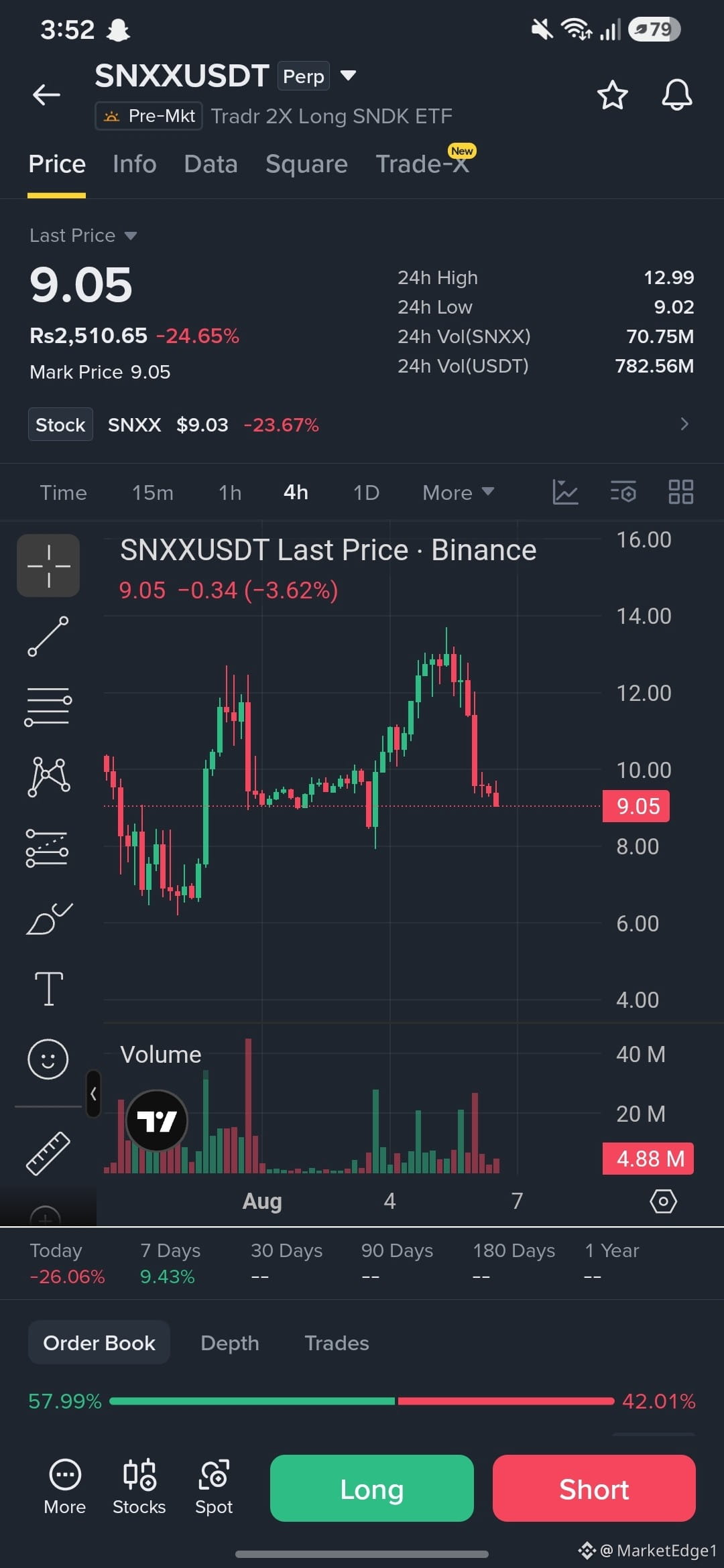
$SNXX مرة أخرى يقومون بإعادة التمركز—أغبياء تجار الأموال الكبيرة الذين يلعبون بالتزييف أغبياء! لقد تم ذبحِي بسبب المنتجات المقلدة—أكثر من 300 مرة! في كل مرة أذهب إلى صفقة كبيرة، ومع رأس المال الكبير، يكون كل شيء ميتًا. عندما أذهب طويلًا ينخفض؛ وعندما أذهب قصيرًا يرتفع! انظر إلى صناديق الاستثمار المتداولة في الأسهم الأمريكية هذه—عدا أنها لا تتداول في عطلات نهاية الأسبوع، فإن تذبذبها اليومي 20–50%! إذا خسرت في الأسهم الأمريكية، يمكنني فقط القول إنني كنت غير محظوظ. فوزًا أو خسارةً—فالأمر كذلك. إذا خسرت في المنتجات المقلدة، فهذا يُذبح—من السهل أن تنجرف!
$SNXX مرة أخرى يقومون بإعادة التمركز—أغبياء تجار الأموال الكبيرة الذين يلعبون بالتزييف أغبياء! لقد تم ذبحِي بسبب المنتجات المقلدة—أكثر من 300 مرة! في كل مرة أذهب إلى صفقة كبيرة، ومع رأس المال الكبير، يكون كل شيء ميتًا. عندما أذهب طويلًا ينخفض؛ وعندما أذهب قصيرًا يرتفع! انظر إلى صناديق الاستثمار المتداولة في الأسهم الأمريكية هذه—عدا أنها لا تتداول في عطلات نهاية الأسبوع، فإن تذبذبها اليومي 20–50%! إذا خسرت في الأسهم الأمريكية، يمكنني فقط القول إنني كنت غير محظوظ. فوزًا أو خسارةً—فالأمر كذلك. إذا خسرت في المنتجات المقلدة، فهذا يُذبح—من السهل أن تنجرف!
2
214
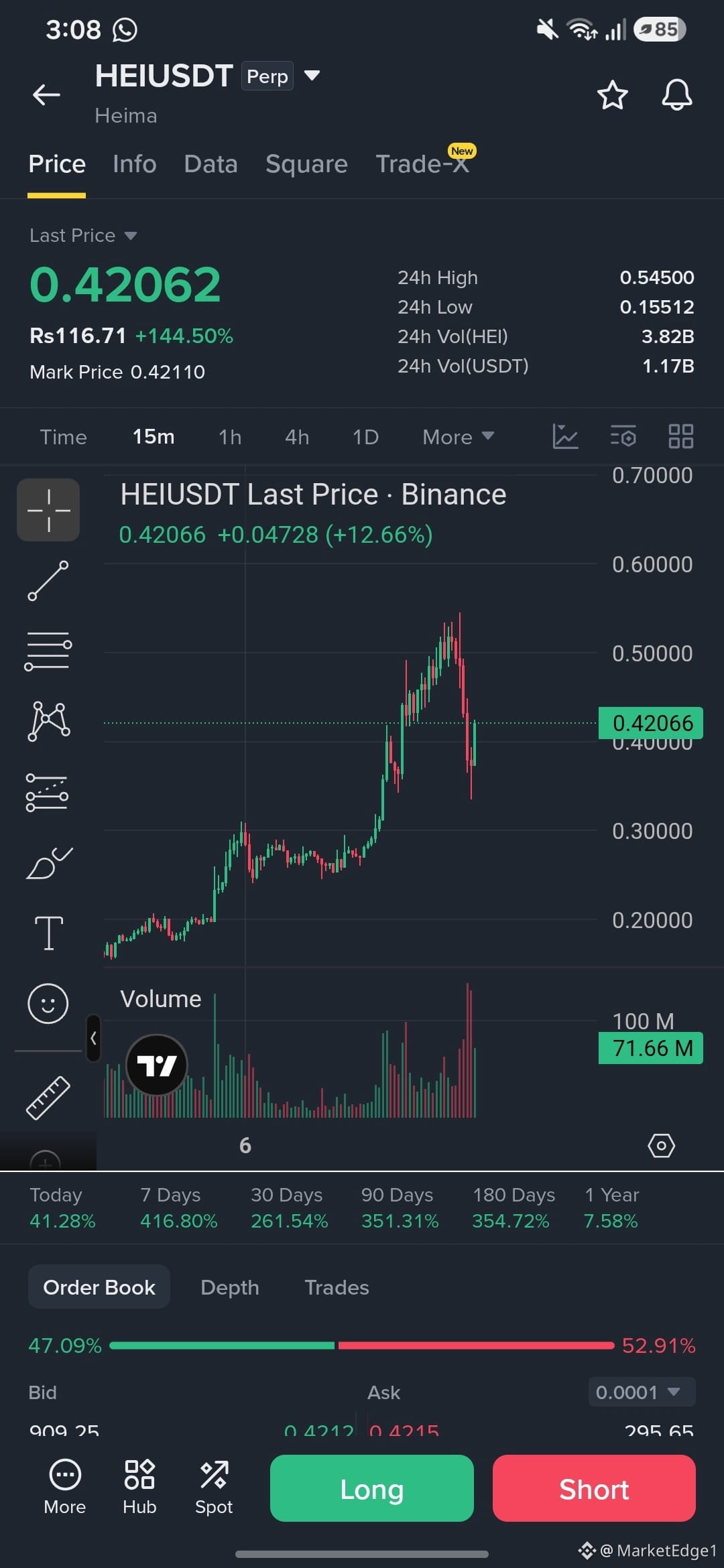
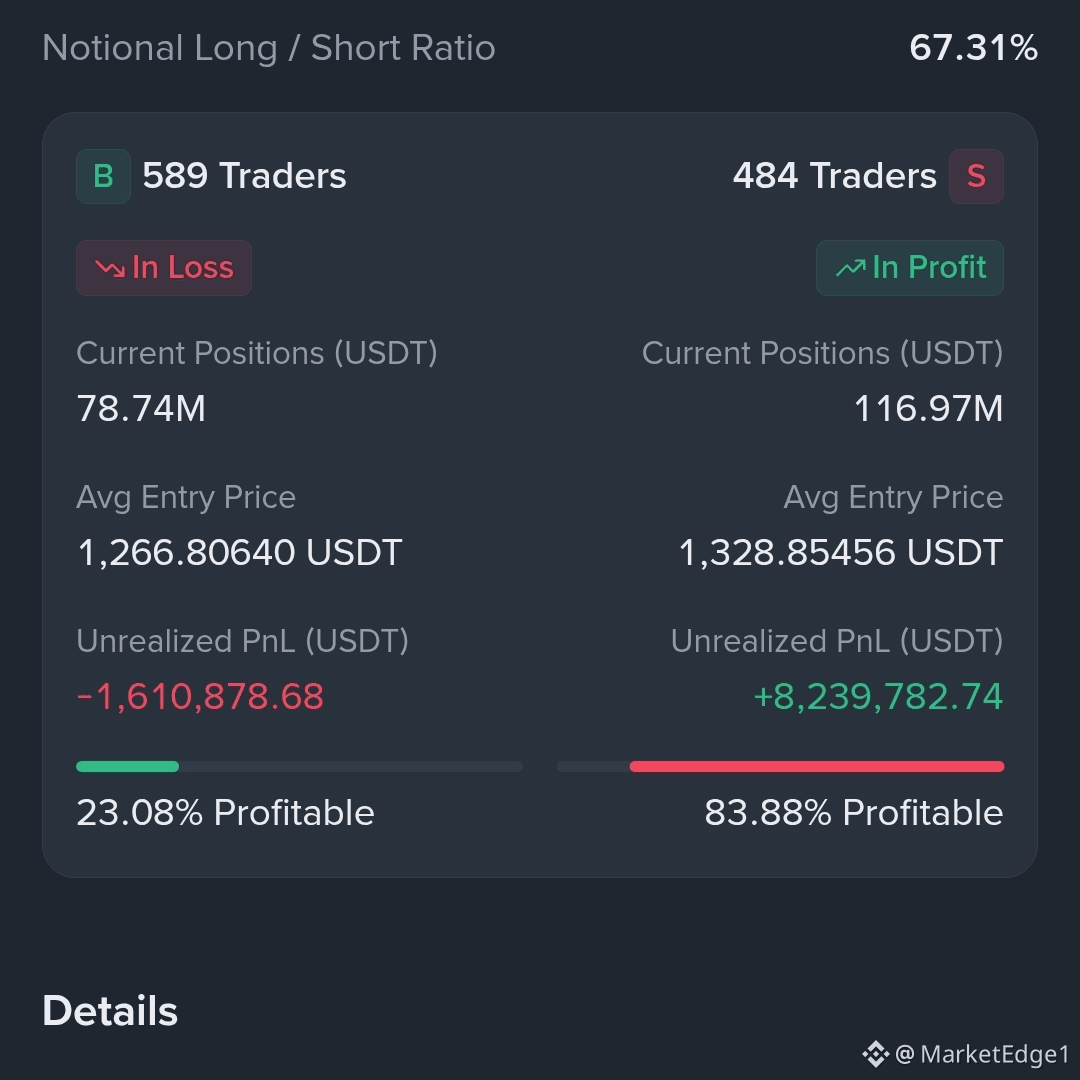
$HEI ⚠️⚠️يرى كثير من الناس شيئًا مثل مكسب يومي بنسبة 200% أو 300% ولا يستطيعون التحكم في أيديهم—يتسرّعون للدخول! يفكرون: «مجموعة الكلب والـحصان ضخت هذا العدد من المرات؛ حان الوقت للتوزيع!» 😅😅 في الحقيقة، الأمر كله هو أن مجموعة الكلب والـحصان هي التي ترسم المخطط. اليد اليسرى تبيع بينما اليد اليمنى تشتري—والمهدر فقط هو جزء بسيط من رسوم التداول. طالما أنها تريد، يمكنها ضخ 100,000% في يوم واحد! لماذا يحدث انفجار-ضخ بهذا القدر؟ لأنها تتحكم تمامًا بالسوق، وتمسك 99% من المعروض الفوري. هناك عدد قليل جدًا من الناس الذين يمتلكون مراكز شراء طويلة في العقود الآجلة! تسألني: هل سيتجه للصعود أم للهبوط بعد ذلك؟ يعتمد على عدد الناس الذين لديهم مراكز شراء طويلة في العقود. إذا كان المزيد من الناس في مراكز شراء طويلة، فسيهبط. إذا كان المزيد في مراكز بيع قصيرة، فسيصعد! إذا لم يكن هناك كثير من المشاركين، فسيستمر في الضخ—مرات متعددة مرة أخرى—لجذب متداولي التجزئة للانضمام! انظر إلى الصورة 1: أوامر السوق-صانع ذات مركز شراء طويلة هي 3.4 أضعاف أوامره ذات مركز بيع قصيرة. في هذين اليومين الماضيين، فتح سوق-صانع عددًا كبيرًا من المراكز الطويلة، في انتظار أن يذهب متداولو التجزئة في الاتجاه المعاكس (إلى مراكز بيع قصيرة) كمقابل له. يمكنك أيضًا التعامل مع ألتكوينز، لكن ليس مستحيلًا بالكامل—لا تتجاوز رافعة مالية 2x، ولا تضع أكثر من بضعة آلاف من USDT. تاجر بمركز خفيف، ضع وقف خسارة، واتبع الاتجاه! تذكّر: لا تخسر المال ثم تزوّد (توسّط) لتضيف المزيد!
{future}(HEIUSDT)
$HEI ⚠️⚠️يرى كثير من الناس شيئًا مثل مكسب يومي بنسبة 200% أو 300% ولا يستطيعون التحكم في أيديهم—يتسرّعون للدخول! يفكرون: «مجموعة الكلب والـحصان ضخت هذا العدد من المرات؛ حان الوقت للتوزيع!» 😅😅 في الحقيقة، الأمر كله هو أن مجموعة الكلب والـحصان هي التي ترسم المخطط. اليد اليسرى تبيع بينما اليد اليمنى تشتري—والمهدر فقط هو جزء بسيط من رسوم التداول. طالما أنها تريد، يمكنها ضخ 100,000% في يوم واحد! لماذا يحدث انفجار-ضخ بهذا القدر؟ لأنها تتحكم تمامًا بالسوق، وتمسك 99% من المعروض الفوري. هناك عدد قليل جدًا من الناس الذين يمتلكون مراكز شراء طويلة في العقود الآجلة! تسألني: هل سيتجه للصعود أم للهبوط بعد ذلك؟ يعتمد على عدد الناس الذين لديهم مراكز شراء طويلة في العقود. إذا كان المزيد من الناس في مراكز شراء طويلة، فسيهبط. إذا كان المزيد في مراكز بيع قصيرة، فسيصعد! إذا لم يكن هناك كثير من المشاركين، فسيستمر في الضخ—مرات متعددة مرة أخرى—لجذب متداولي التجزئة للانضمام! انظر إلى الصورة 1: أوامر السوق-صانع ذات مركز شراء طويلة هي 3.4 أضعاف أوامره ذات مركز بيع قصيرة. في هذين اليومين الماضيين، فتح سوق-صانع عددًا كبيرًا من المراكز الطويلة، في انتظار أن يذهب متداولو التجزئة في الاتجاه المعاكس (إلى مراكز بيع قصيرة) كمقابل له. يمكنك أيضًا التعامل مع ألتكوينز، لكن ليس مستحيلًا بالكامل—لا تتجاوز رافعة مالية 2x، ولا تضع أكثر من بضعة آلاف من USDT. تاجر بمركز خفيف، ضع وقف خسارة، واتبع الاتجاه! تذكّر: لا تخسر المال ثم تزوّد (توسّط) لتضيف المزيد!
1
202
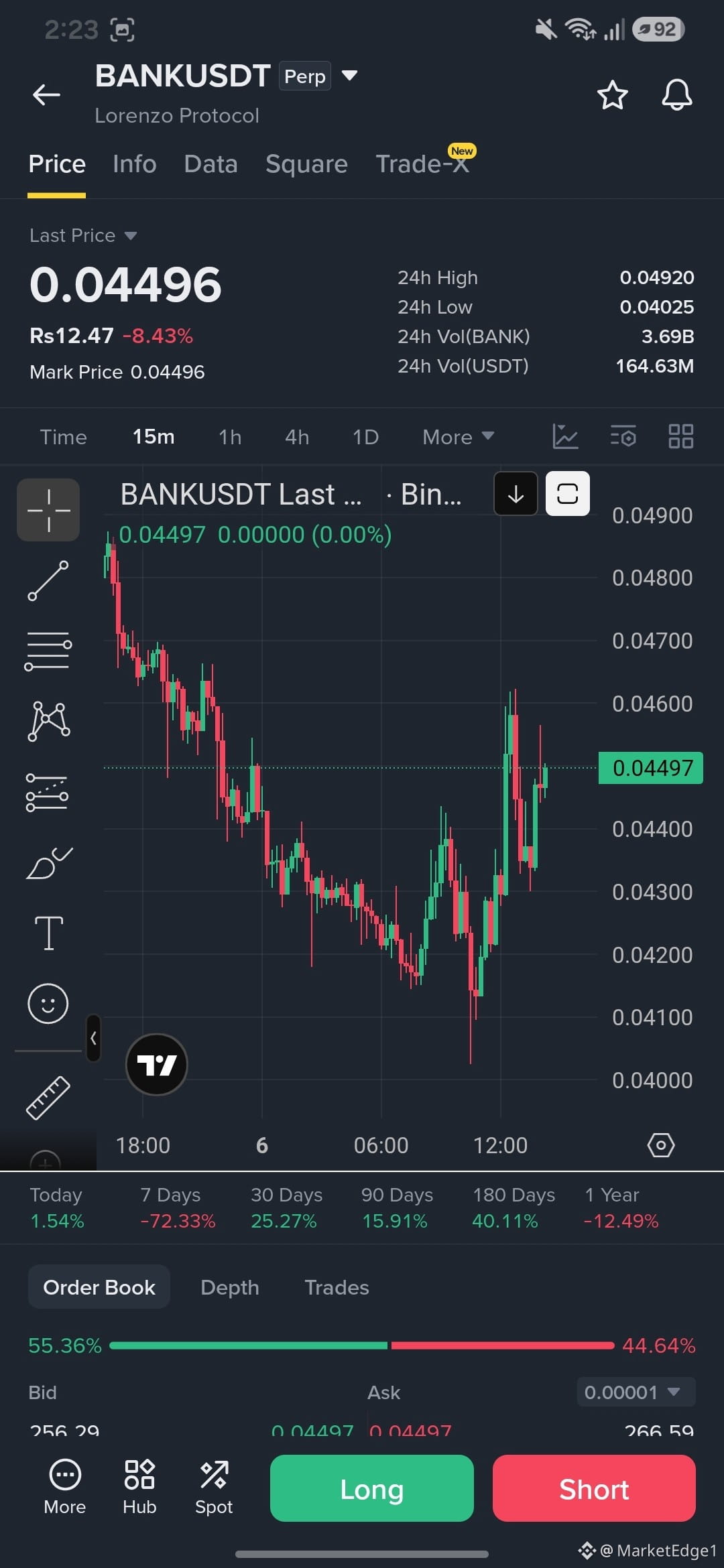
$BANK بالأمس، قال الكثير من الشخصيات الكبيرة إنني “بعتُ نفسي” مرة أخرى. واليوم، عندما تنظر إلى الوراء، يتضح أنني كنت على حق. لذلك عندما يحين وقت التزوير كي يتقدّم للأمام، هذا هو وقت أن تهرب—إذا لم تهرب، فستندم لاحقًا. بصراحة، هل تندم عليه الآن؟
{future}(BANKUSDT)
$BANK بالأمس، قال الكثير من الشخصيات الكبيرة إنني “بعتُ نفسي” مرة أخرى. واليوم، عندما تنظر إلى الوراء، يتضح أنني كنت على حق. لذلك عندما يحين وقت التزوير كي يتقدّم للأمام، هذا هو وقت أن تهرب—إذا لم تهرب، فستندم لاحقًا. بصراحة، هل تندم عليه الآن؟
1
147
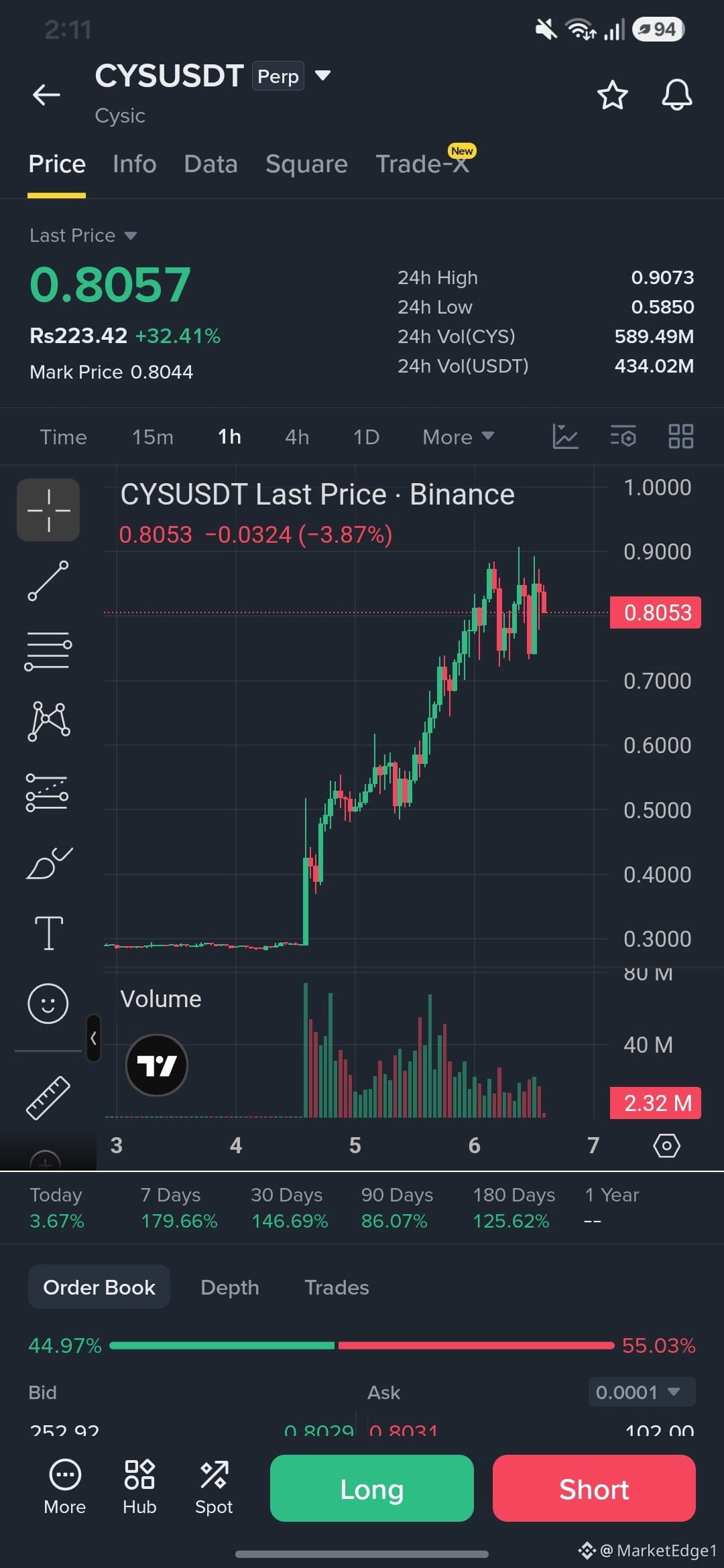
$CYS ما هذا النوع من الشياطين مرة أخرى؟ سأنتظر وأرى؛ دعنا نرى ما الذي يحدث. أرى تلك النسخ المزيفة ترتفع بشكل جنوني، وأريد أن أبيع على المكشوف. كلما ارتفع أكثر، زادت رغبتي في البيع على المكشوف. استخدم 30x واذهب تحت الماء $BLESS
{future}(CYSUSDT)
$CYS ما هذا النوع من الشياطين مرة أخرى؟ سأنتظر وأرى؛ دعنا نرى ما الذي يحدث. أرى تلك النسخ المزيفة ترتفع بشكل جنوني، وأريد أن أبيع على المكشوف. كلما ارتفع أكثر، زادت رغبتي في البيع على المكشوف. استخدم 30x واذهب تحت الماء $BLESS
1
147
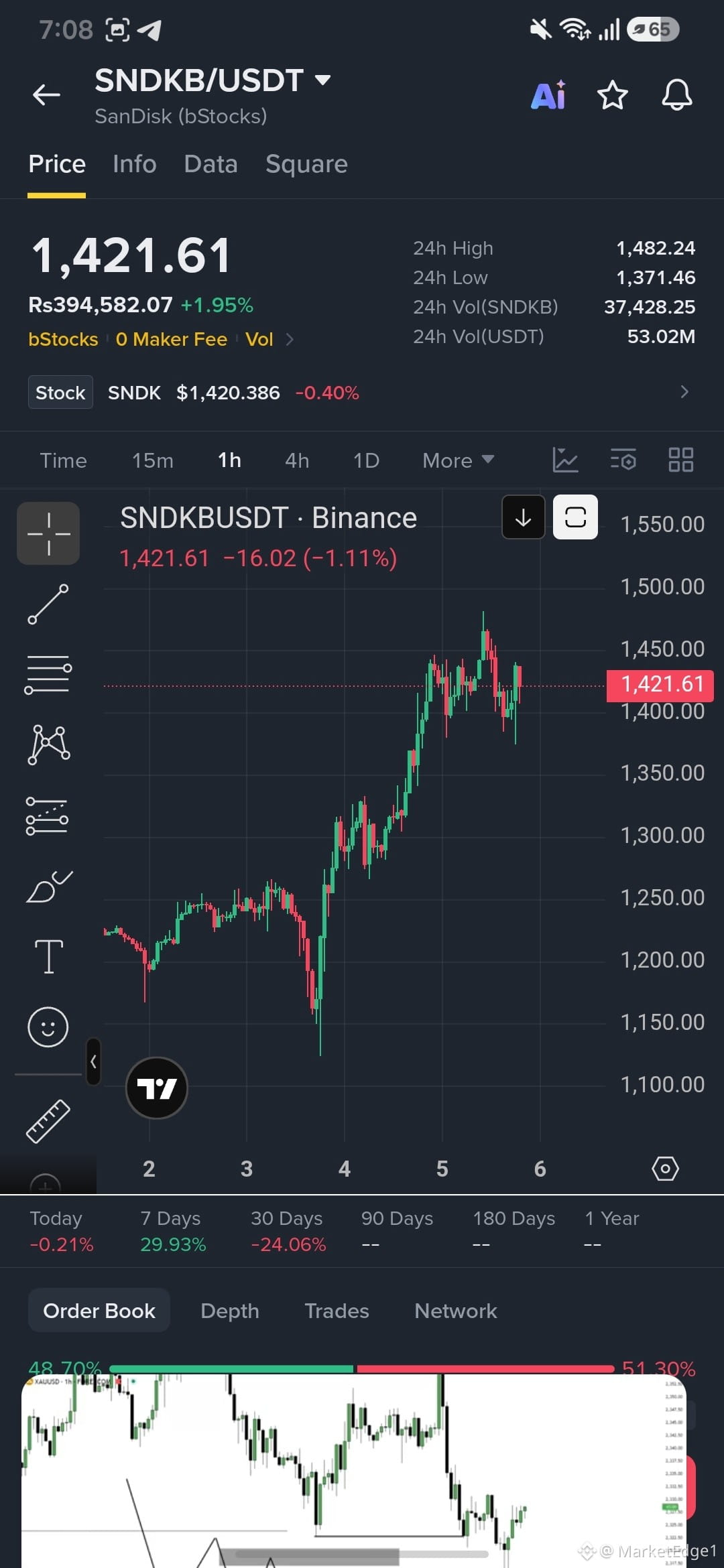
$SNDK قامت Sandisk بتخويف الجميع. ارتفاعات كبيرة، هبوط كبير، مثل المنتجات المقلدة تمامًا! ألقِ نظرة على Aoying Capital: القيام بالبيع على المكشوف هناك هو مجرد تحقيق بعض الأرباح ثم الهروب، وسيتسبب ذلك في المزيد من عمليات الإلقاء بعد ذلك. تم إطلاقه للإلقاء 😅
$BLESS $HEI
{future}(SNDKUSDT)
{future}(HEIUSDT)
$SNDK قامت Sandisk بتخويف الجميع. ارتفاعات كبيرة، هبوط كبير، مثل المنتجات المقلدة تمامًا! ألقِ نظرة على Aoying Capital: القيام بالبيع على المكشوف هناك هو مجرد تحقيق بعض الأرباح ثم الهروب، وسيتسبب ذلك في المزيد من عمليات الإلقاء بعد ذلك. تم إطلاقه للإلقاء 😅
$BLESS $HEI
$BLESS $HEI
131
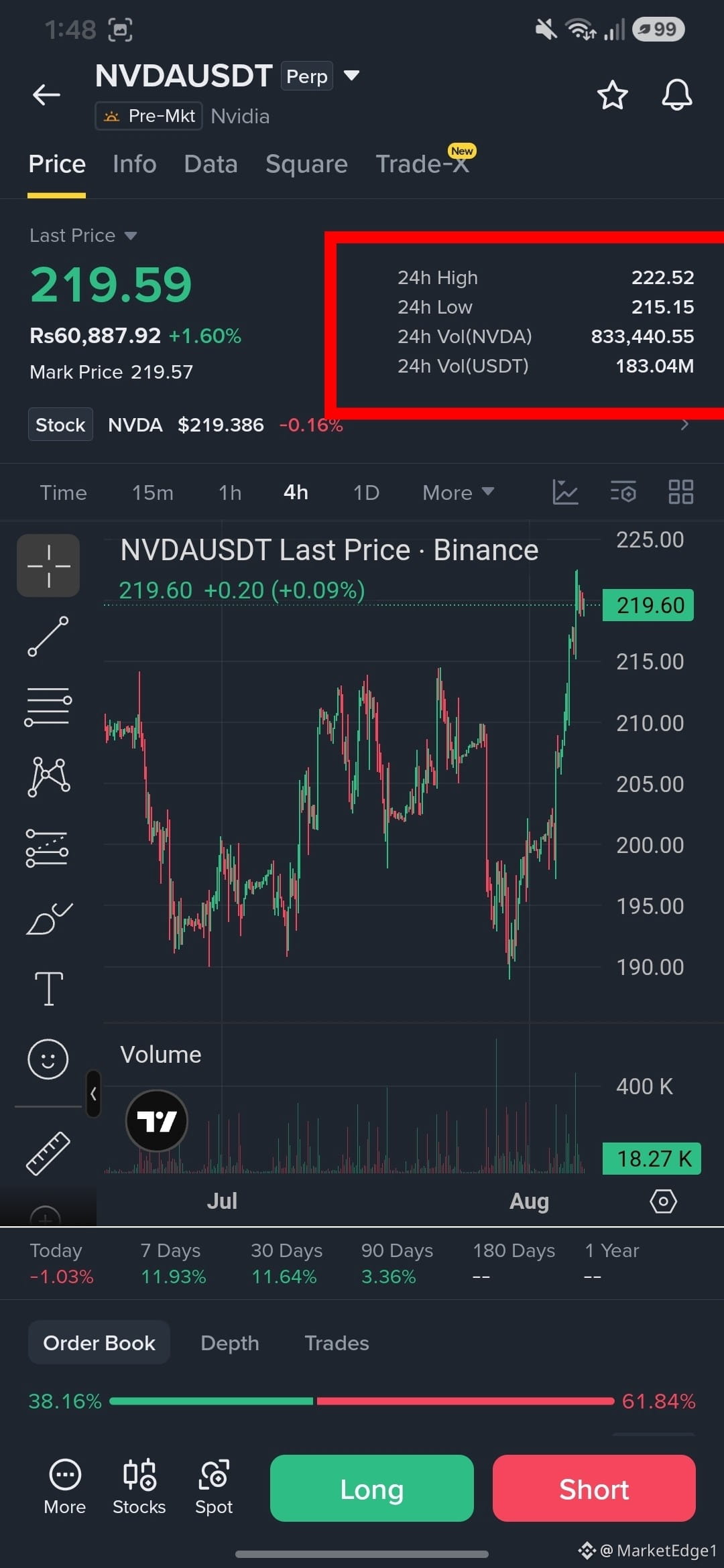
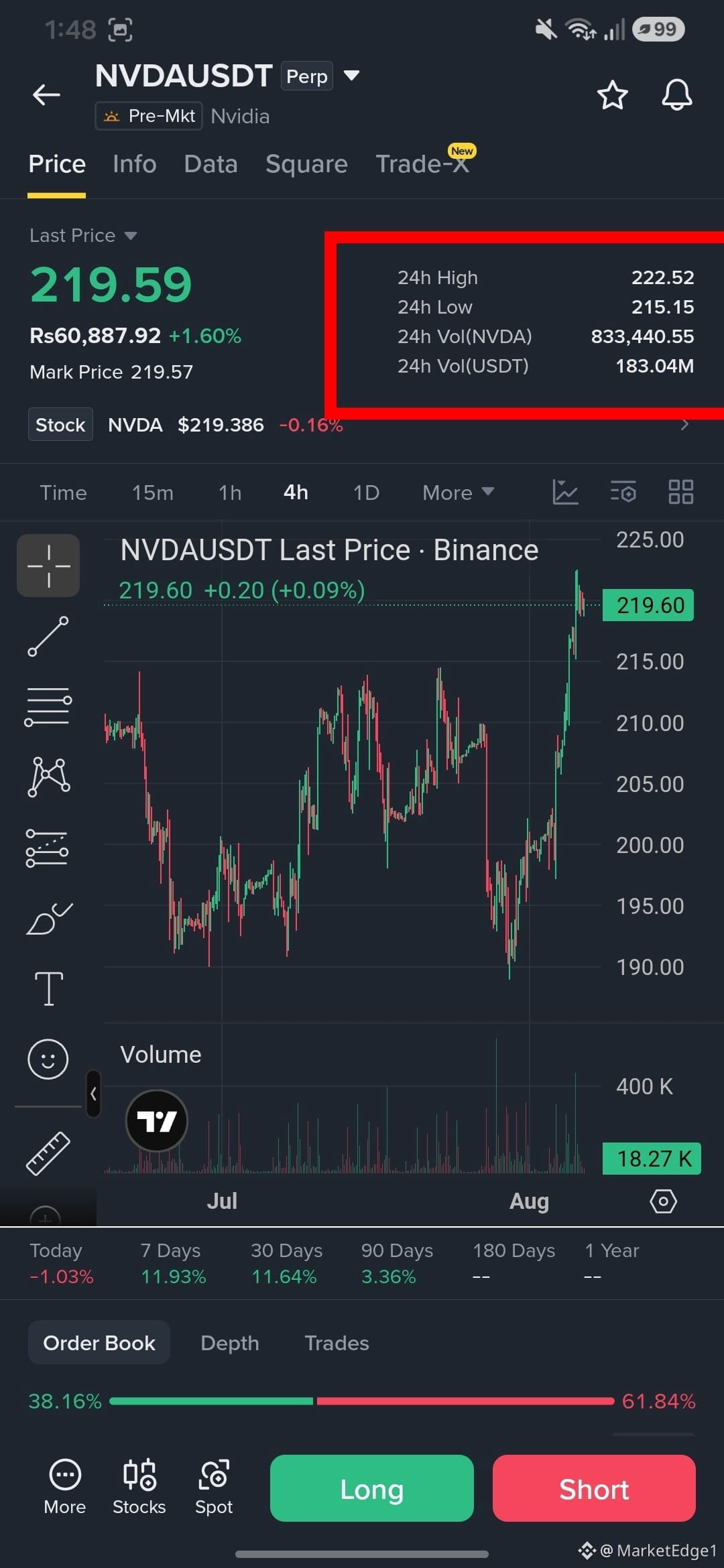
$NVDA أمس قلت: إذا أخذت عقلية القيام بـ“شينغزهاي” (قرصنة/تقليد) لمهاجمة/الاستهداف هذه الشركات ذات رسملة السوق التي تصل إلى عشرات التريليونات، فإن فرص تحقيق الربح لديك هي 99%! بعض الأصدقاء علقوا بأن رسملة السوق لا تهم؛ على سبيل المثال، يمكن أن ترتفع رسملة سوق نيفيديا إلى 100 تريليون، 200 تريليون! بالطبع، هذا ليس مستحيلاً. انظر إلى الرسم البياني: خلال العام الماضي، كان اتجاه سعر نيفيديا صعودًا وهبوطًا. وحتى لو في المستقبل نمت رسملة سوق نيفيديا لتصل إلى 100 تريليون أو 200 تريليون، فلن تستطيع فقط أن ترتفع مباشرة مثل عملات شينغزهاي؛ لا بد من حدوث تراجعات وتقلبات في الأثناء!
عندما نقوم بعمل شينغزهاي، لا يمكننا أن ندخل بكل المبلغ (all-in)؛ بل بالتأكيد نفعل ذلك بصفقة/مركز خفيف، ونتعامل بحذر شديد. إذا كانت قد ارتفعت كثيرًا بالفعل، أو انخفضت كثيرًا بالفعل، فسنضيف إلى المركز مرة واحدة فقط!
بالنسبة لأي شركة، وأي أصل حقيقي، “عندما يصل إلى الحدود القصوى، سيلكِ أو ينعكس”. نيفيديا تصنع الرقائق وبطاقات الرسوميات، وحصتها في السوق هي بالفعل رقم 1 في العالم. كم مساحة النمو المتبقية؟
$HEI $BLESS
{future}(BLESSUSDT)
{future}(HEIUSDT)
$NVDA أمس قلت: إذا أخذت عقلية القيام بـ“شينغزهاي” (قرصنة/تقليد) لمهاجمة/الاستهداف هذه الشركات ذات رسملة السوق التي تصل إلى عشرات التريليونات، فإن فرص تحقيق الربح لديك هي 99%! بعض الأصدقاء علقوا بأن رسملة السوق لا تهم؛ على سبيل المثال، يمكن أن ترتفع رسملة سوق نيفيديا إلى 100 تريليون، 200 تريليون! بالطبع، هذا ليس مستحيلاً. انظر إلى الرسم البياني: خلال العام الماضي، كان اتجاه سعر نيفيديا صعودًا وهبوطًا. وحتى لو في المستقبل نمت رسملة سوق نيفيديا لتصل إلى 100 تريليون أو 200 تريليون، فلن تستطيع فقط أن ترتفع مباشرة مثل عملات شينغزهاي؛ لا بد من حدوث تراجعات وتقلبات في الأثناء!
عندما نقوم بعمل شينغزهاي، لا يمكننا أن ندخل بكل المبلغ (all-in)؛ بل بالتأكيد نفعل ذلك بصفقة/مركز خفيف، ونتعامل بحذر شديد. إذا كانت قد ارتفعت كثيرًا بالفعل، أو انخفضت كثيرًا بالفعل، فسنضيف إلى المركز مرة واحدة فقط!
بالنسبة لأي شركة، وأي أصل حقيقي، “عندما يصل إلى الحدود القصوى، سيلكِ أو ينعكس”. نيفيديا تصنع الرقائق وبطاقات الرسوميات، وحصتها في السوق هي بالفعل رقم 1 في العالم. كم مساحة النمو المتبقية؟
$HEI $BLESS
عندما نقوم بعمل شينغزهاي، لا يمكننا أن ندخل بكل المبلغ (all-in)؛ بل بالتأكيد نفعل ذلك بصفقة/مركز خفيف، ونتعامل بحذر شديد. إذا كانت قد ارتفعت كثيرًا بالفعل، أو انخفضت كثيرًا بالفعل، فسنضيف إلى المركز مرة واحدة فقط!
بالنسبة لأي شركة، وأي أصل حقيقي، “عندما يصل إلى الحدود القصوى، سيلكِ أو ينعكس”. نيفيديا تصنع الرقائق وبطاقات الرسوميات، وحصتها في السوق هي بالفعل رقم 1 في العالم. كم مساحة النمو المتبقية؟
$HEI $BLESS
1
230
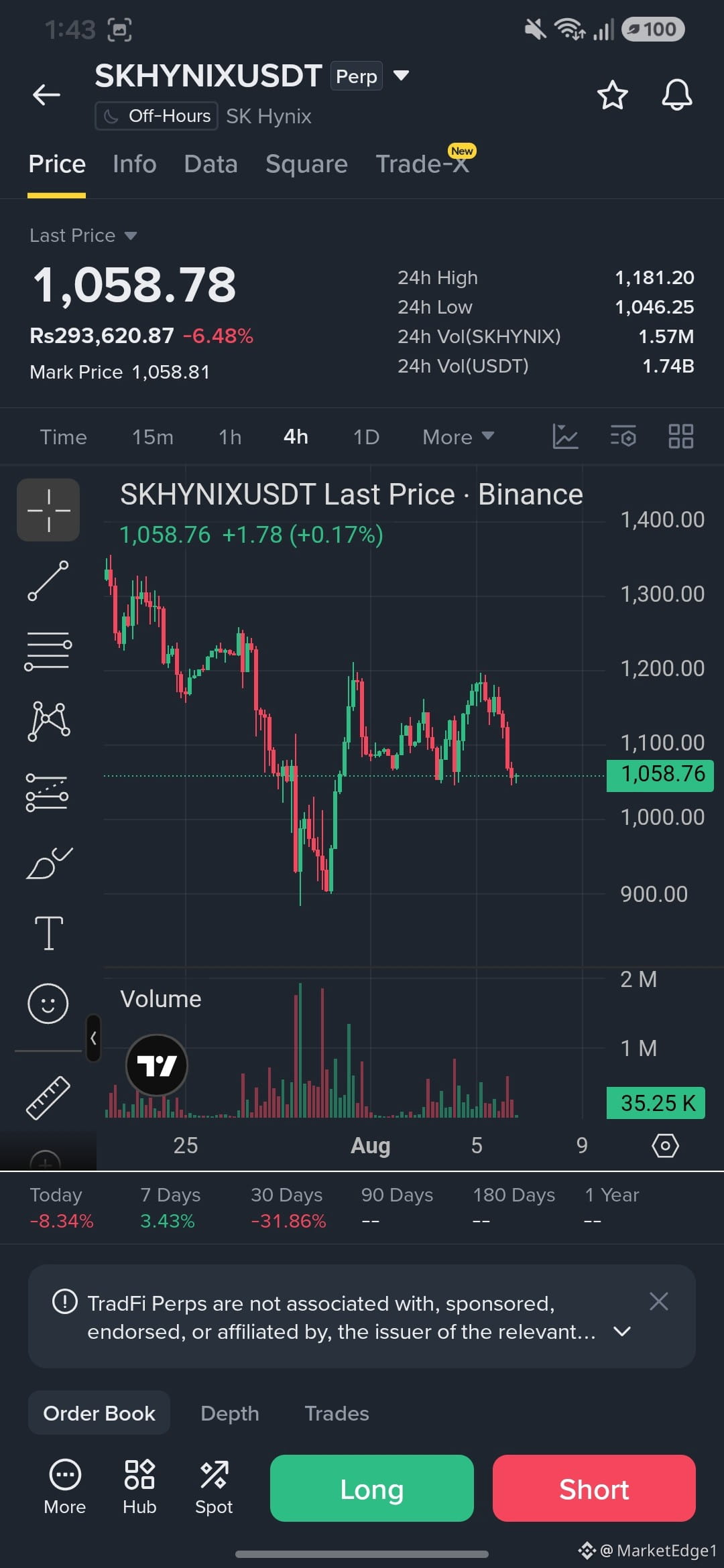
$SKHYNIX أحدث منشور من ماسك يقول إن نمو الطلب على التخزين أسرع بعشر مرات من نمو الإمدادات! $SAMSUNG وHynix، كونه <#2> رقم #1 في التخزين عالميًا، الأقوى يزداد قوة! نرى ضخًا من هذه النقطة لبعض الوقت!
{future}(SKHYNIXUSDT)
$SKHYNIX أحدث منشور من ماسك يقول إن نمو الطلب على التخزين أسرع بعشر مرات من نمو الإمدادات! $SAMSUNG وHynix، كونه <#2> رقم #1 في التخزين عالميًا، الأقوى يزداد قوة! نرى ضخًا من هذه النقطة لبعض الوقت!
2
140
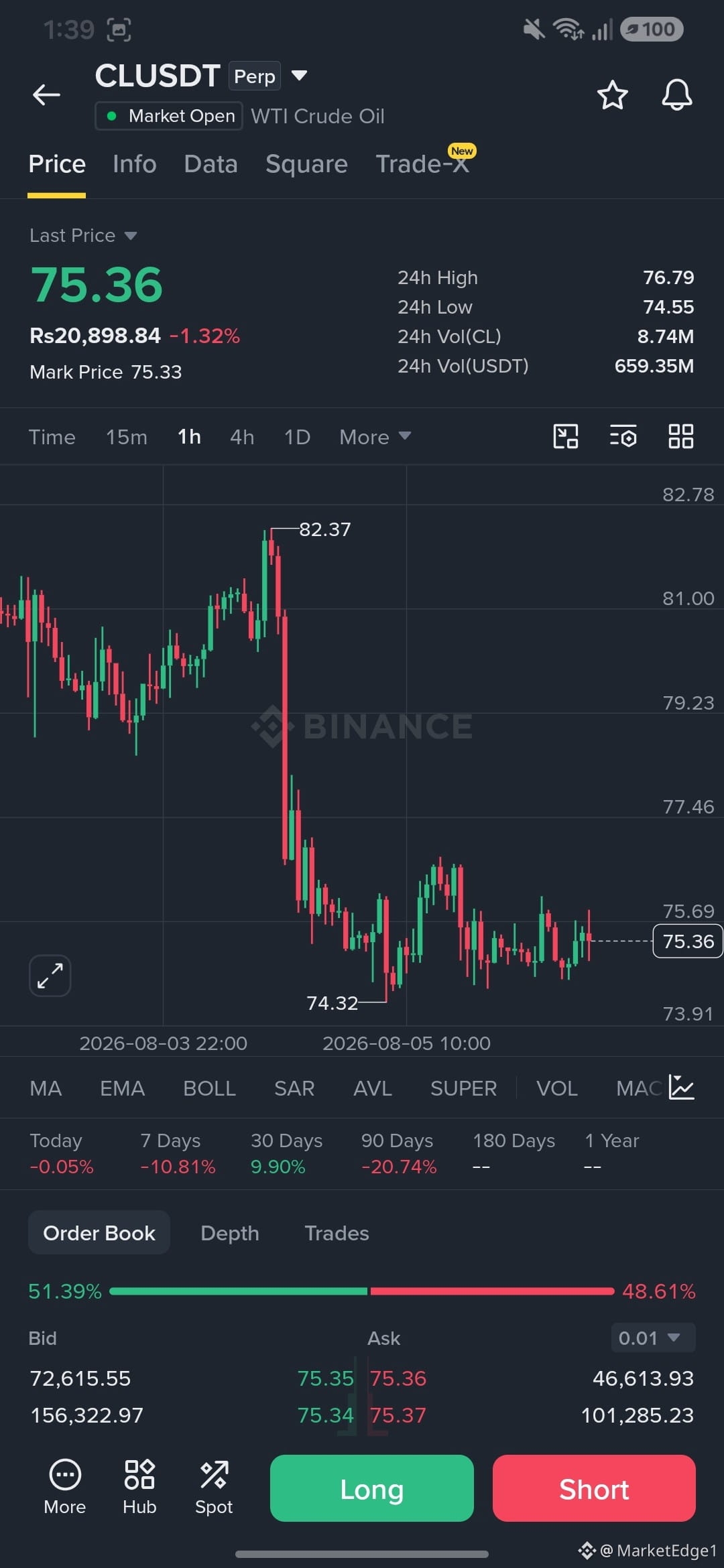
$CL الحرب مستمرة ونحن نرى أنه لا يوجد اتجاه كبير في السوق. لقد انخفض النفط إلى حوالي 75 وهو بالفعل أقل بنسبة 15%. بعد ذلك ستأتي فترة من التماسك/التداول الجانبي! يمكنك الشراء (Long) لفترة قصيرة!
$CL الحرب مستمرة ونحن نرى أنه لا يوجد اتجاه كبير في السوق. لقد انخفض النفط إلى حوالي 75 وهو بالفعل أقل بنسبة 15%. بعد ذلك ستأتي فترة من التماسك/التداول الجانبي! يمكنك الشراء (Long) لفترة قصيرة!
2
143
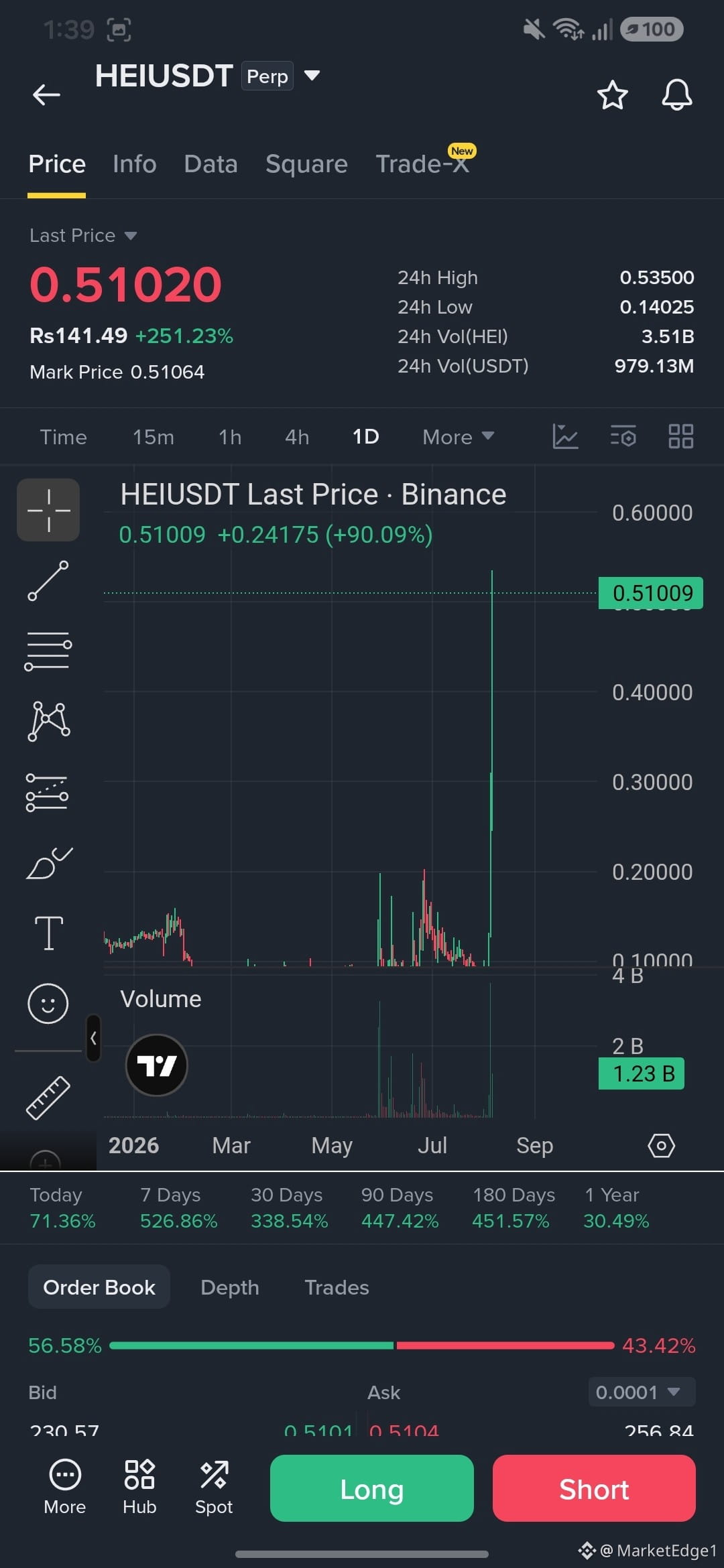
$HEI هل تعرف كيف تمسك بالعملات التي ارتفعت 10 أضعاف أو حتى عشرات المرات؟ إذا أمسكت بها، كيف تحافظ عليها؟ قسّم رأس مالك إلى 50 جزءًا، واستخدمه لشراء 50 عملة بديلة مختلفة، ثم افتح مراكز شراء (Long) برافعة 1x لجميعها—طالما أنها لا تنخفض إلى 0، فلن يتم تصفيتك! بعد ذلك حدّد هدفًا: لا تحقق الأرباح حتى تصل إلى 10x—بهذا تستطيع الاستمرار في الاحتفاظ بها! أي شيء تفعله، يجب أن يكون لديك أهداف وخطة!
$HEI هل تعرف كيف تمسك بالعملات التي ارتفعت 10 أضعاف أو حتى عشرات المرات؟ إذا أمسكت بها، كيف تحافظ عليها؟ قسّم رأس مالك إلى 50 جزءًا، واستخدمه لشراء 50 عملة بديلة مختلفة، ثم افتح مراكز شراء (Long) برافعة 1x لجميعها—طالما أنها لا تنخفض إلى 0، فلن يتم تصفيتك! بعد ذلك حدّد هدفًا: لا تحقق الأرباح حتى تصل إلى 10x—بهذا تستطيع الاستمرار في الاحتفاظ بها! أي شيء تفعله، يجب أن يكون لديك أهداف وخطة!
7
701
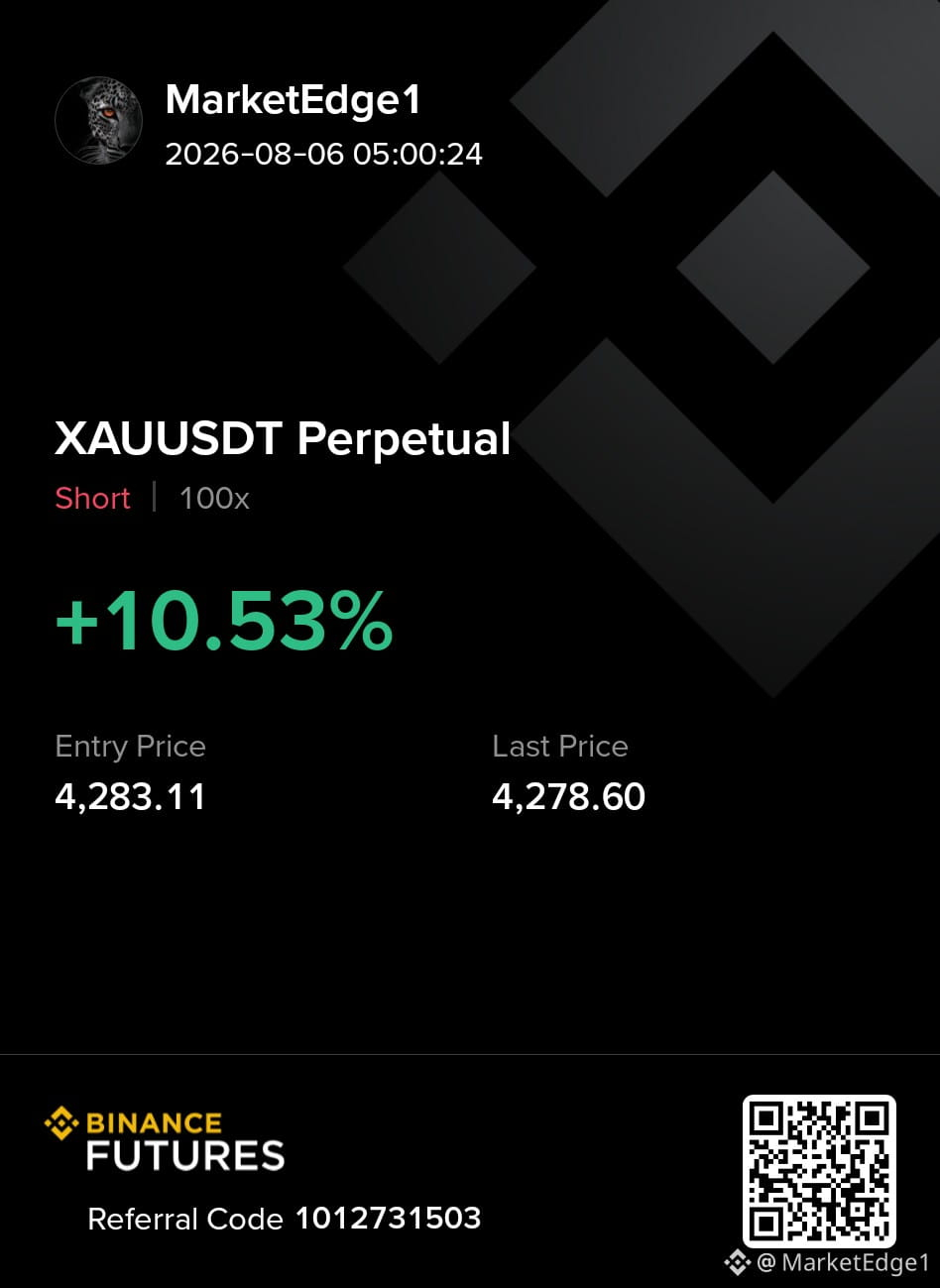
انتهى الانتظار! حان وقت البيع على السهم $XAU $XAG
TP 4150 SL 4300 ما رأيك؟
انتهى الانتظار! حان وقت البيع على السهم $XAU $XAG
TP 4150 SL 4300 ما رأيك؟
TP 4150 SL 4300 ما رأيك؟
1
326
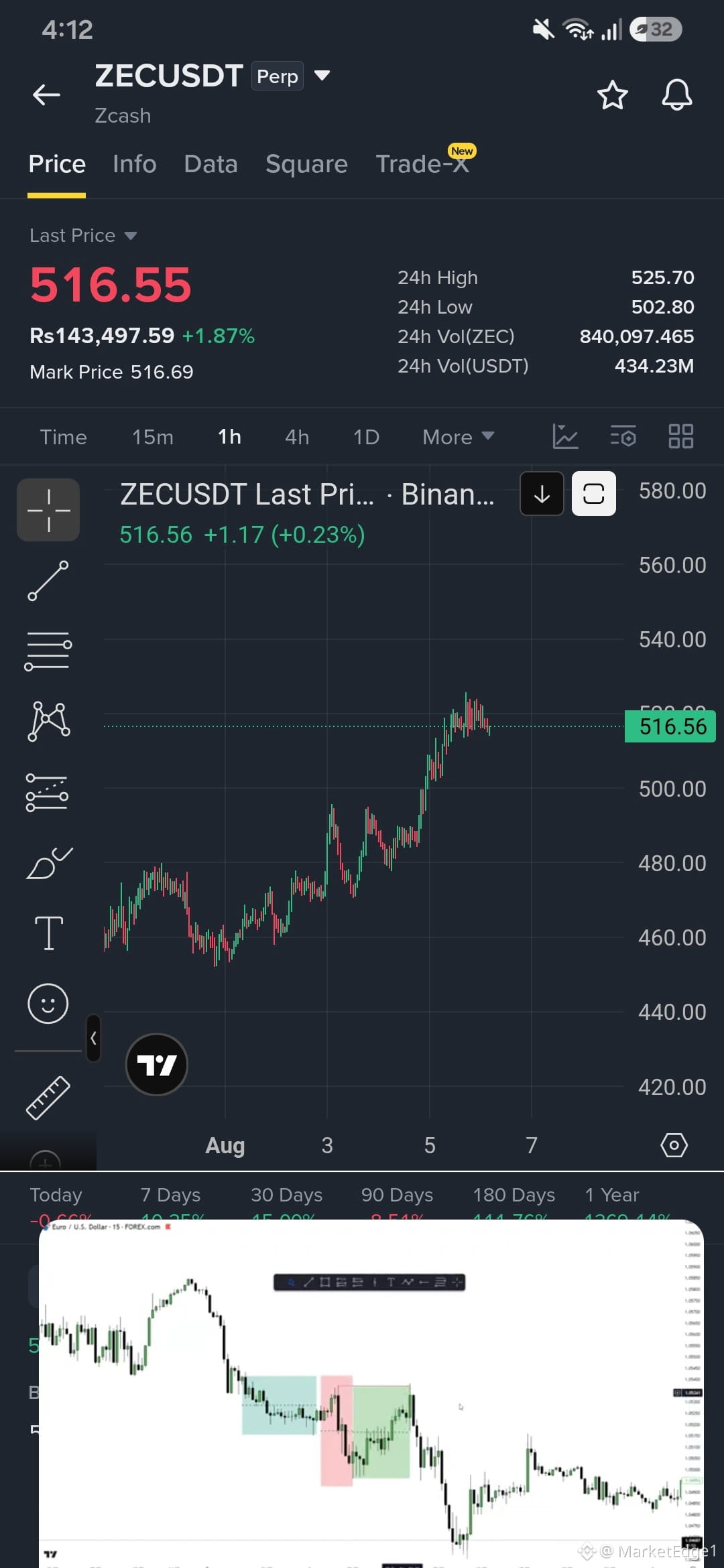
$ZEC يبني مثلثًا صاعدًا كبيرًا تحت مقاومة الإطار الزمني الأعلى (HTF).
طالما أن خط الاتجاه الصاعد ما زال قائمًا، فلا يوجد أي سبب على الإطلاق لأن تكون سلبيًا بشأن هذا الرسم البياني.
ومع ذلك، ما زال هناك أشخاص يحاولون إقناعي بأن $100 ZEC قادمة في سوق هذا الهابط.
حظًا سعيدًا لكم جميعًا. الآن كل شيء عنكم يا رفاق
$XAU $HEMI
{future}(ZECUSDT)
$ZEC يبني مثلثًا صاعدًا كبيرًا تحت مقاومة الإطار الزمني الأعلى (HTF).
طالما أن خط الاتجاه الصاعد ما زال قائمًا، فلا يوجد أي سبب على الإطلاق لأن تكون سلبيًا بشأن هذا الرسم البياني.
ومع ذلك، ما زال هناك أشخاص يحاولون إقناعي بأن $100 ZEC قادمة في سوق هذا الهابط.
حظًا سعيدًا لكم جميعًا. الآن كل شيء عنكم يا رفاق
$XAU $HEMI
طالما أن خط الاتجاه الصاعد ما زال قائمًا، فلا يوجد أي سبب على الإطلاق لأن تكون سلبيًا بشأن هذا الرسم البياني.
ومع ذلك، ما زال هناك أشخاص يحاولون إقناعي بأن $100 ZEC قادمة في سوق هذا الهابط.
حظًا سعيدًا لكم جميعًا. الآن كل شيء عنكم يا رفاق
$XAU $HEMI
55
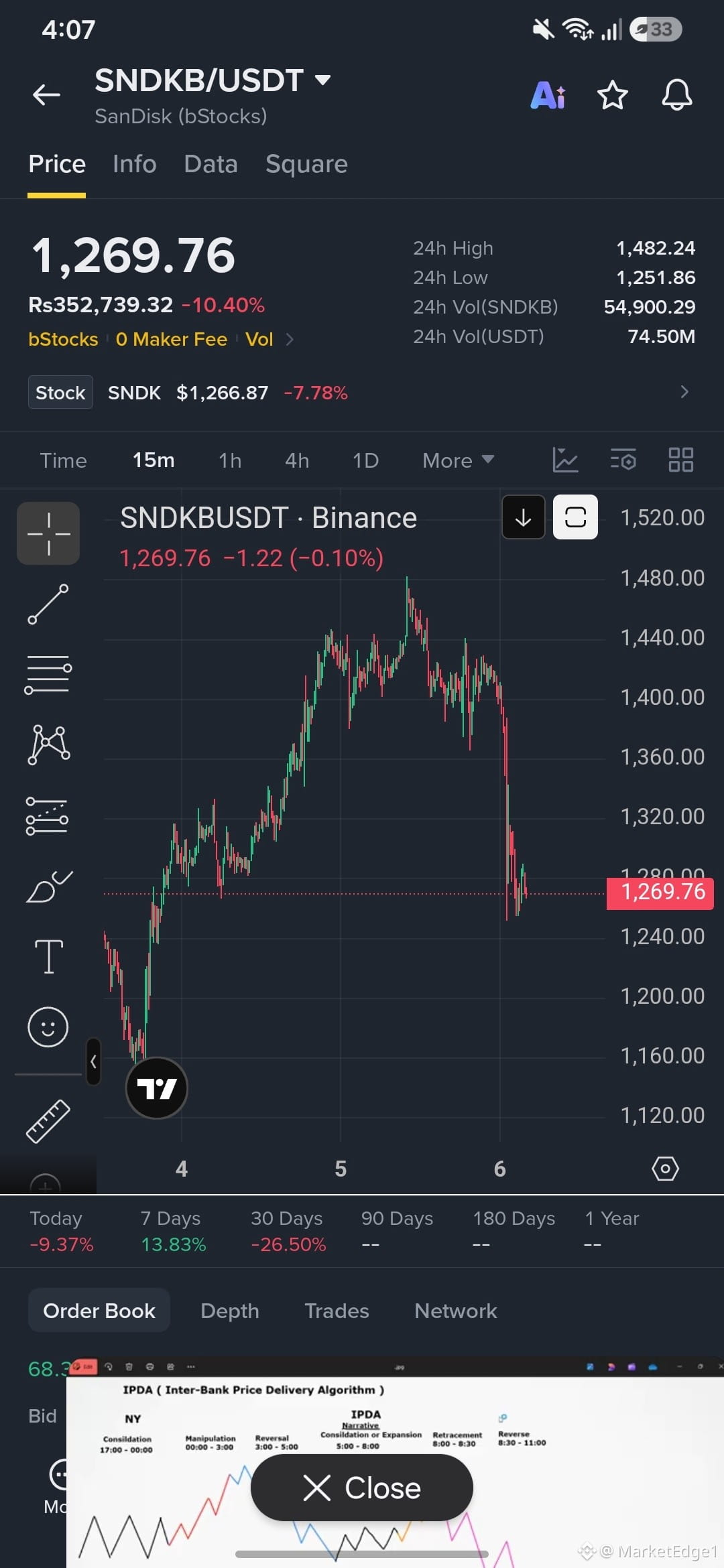
للأسف، $SNDK تسبب ذلك مباشرةً في أنني أخذت الأرباح.
عندما انخفض تقرير أرباح ويسترن ديجيتال 10%، كان يجب أن أنقل مستوى جني الأرباح.
لكن لا بأس—على الأقل وصل إلى أدنى مستوى جديد تحت الماء.$XAU $XAG
للأسف، $SNDK تسبب ذلك مباشرةً في أنني أخذت الأرباح.
عندما انخفض تقرير أرباح ويسترن ديجيتال 10%، كان يجب أن أنقل مستوى جني الأرباح.
لكن لا بأس—على الأقل وصل إلى أدنى مستوى جديد تحت الماء.$XAU $XAG
عندما انخفض تقرير أرباح ويسترن ديجيتال 10%، كان يجب أن أنقل مستوى جني الأرباح.
لكن لا بأس—على الأقل وصل إلى أدنى مستوى جديد تحت الماء.$XAU $XAG
2
1
253
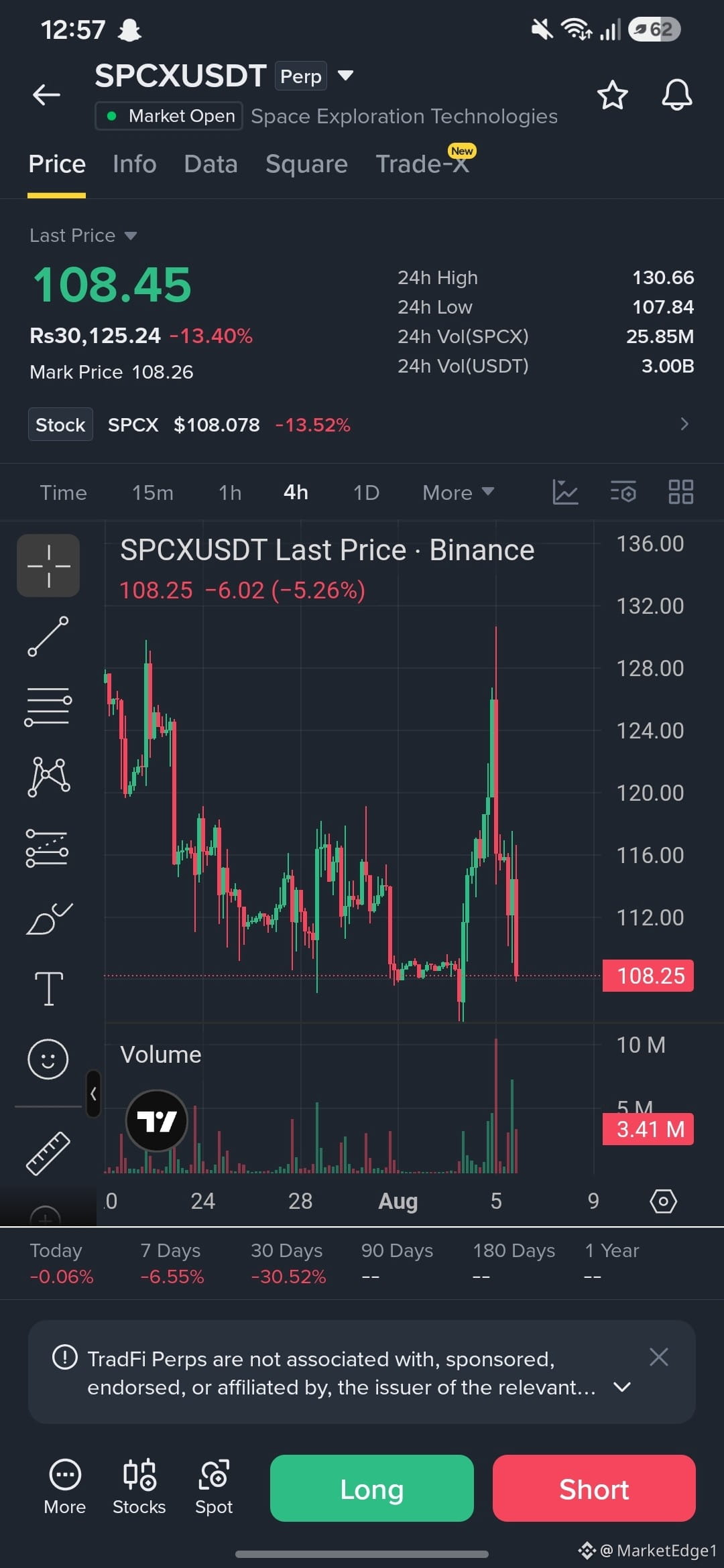
$SPCX الأسواق المالية كلها فُقاعات!
خلال شهر، خسر مُسك ما يعادل 2 من ثروة هوانغ رينكسون— ردي!
في الآونة الأخيرة، تعرض أغنى رجل في العالم، مُسك، إلى “يوليو أسود”. في شهر واحد تقلصت ثروته بمقدار 363 مليار دولار (نحو 2.45 تريليون يوان)، وهو ما يعادل خسارة صافي ثروة اثنين من الرؤساء التنفيذيين لشركة نفيديا، هوانغ رينكسون، ليثبت بذلك رقمًا قياسيًا جديدًا لأكبر خسارة شهرية على أساس شهر بشهر بين أغنى أغنياء العالم.
في 12 يونيو، نجحت سبيس إكس في الاكتتاب بنجاح. تصدر مُسك القائمة لفترة قصيرة ليصبح أول شخص في تاريخ البشرية تتجاوز ثروته الشخصية مليار دولار. لكن الأمر لم يدم طويلًا. إذ شهدت سبيس إكس وتيسلا انخفاضًا في أسعار أسهمهما خلال يوليو، فتعرضت ثروته بدورها لضربة قوية.
ومع ذلك، لا يزال مُسك ثابتًا في المركز الأول بثروة تزيد عن 69 مليار دولار، بينما يبقى لاري بيج صاحب الترتيب الثاني (نحو 292 مليار دولار) بعيدًا جدًا—ثروته أقل من نصف ثروة مُسك.
أمام هذا التلاشي الهائل في الثروة، نشر مُسك على منصة X مازحًا أنه كان “مليارديرًا سابقًا”، مُظهرًا سمة دعابته المعتادة.
$HEI $BLESS
$SPCX الأسواق المالية كلها فُقاعات!
خلال شهر، خسر مُسك ما يعادل 2 من ثروة هوانغ رينكسون— ردي!
في الآونة الأخيرة، تعرض أغنى رجل في العالم، مُسك، إلى “يوليو أسود”. في شهر واحد تقلصت ثروته بمقدار 363 مليار دولار (نحو 2.45 تريليون يوان)، وهو ما يعادل خسارة صافي ثروة اثنين من الرؤساء التنفيذيين لشركة نفيديا، هوانغ رينكسون، ليثبت بذلك رقمًا قياسيًا جديدًا لأكبر خسارة شهرية على أساس شهر بشهر بين أغنى أغنياء العالم.
في 12 يونيو، نجحت سبيس إكس في الاكتتاب بنجاح. تصدر مُسك القائمة لفترة قصيرة ليصبح أول شخص في تاريخ البشرية تتجاوز ثروته الشخصية مليار دولار. لكن الأمر لم يدم طويلًا. إذ شهدت سبيس إكس وتيسلا انخفاضًا في أسعار أسهمهما خلال يوليو، فتعرضت ثروته بدورها لضربة قوية.
ومع ذلك، لا يزال مُسك ثابتًا في المركز الأول بثروة تزيد عن 69 مليار دولار، بينما يبقى لاري بيج صاحب الترتيب الثاني (نحو 292 مليار دولار) بعيدًا جدًا—ثروته أقل من نصف ثروة مُسك.
أمام هذا التلاشي الهائل في الثروة، نشر مُسك على منصة X مازحًا أنه كان “مليارديرًا سابقًا”، مُظهرًا سمة دعابته المعتادة.
$HEI $BLESS
خلال شهر، خسر مُسك ما يعادل 2 من ثروة هوانغ رينكسون— ردي!
في الآونة الأخيرة، تعرض أغنى رجل في العالم، مُسك، إلى “يوليو أسود”. في شهر واحد تقلصت ثروته بمقدار 363 مليار دولار (نحو 2.45 تريليون يوان)، وهو ما يعادل خسارة صافي ثروة اثنين من الرؤساء التنفيذيين لشركة نفيديا، هوانغ رينكسون، ليثبت بذلك رقمًا قياسيًا جديدًا لأكبر خسارة شهرية على أساس شهر بشهر بين أغنى أغنياء العالم.
في 12 يونيو، نجحت سبيس إكس في الاكتتاب بنجاح. تصدر مُسك القائمة لفترة قصيرة ليصبح أول شخص في تاريخ البشرية تتجاوز ثروته الشخصية مليار دولار. لكن الأمر لم يدم طويلًا. إذ شهدت سبيس إكس وتيسلا انخفاضًا في أسعار أسهمهما خلال يوليو، فتعرضت ثروته بدورها لضربة قوية.
ومع ذلك، لا يزال مُسك ثابتًا في المركز الأول بثروة تزيد عن 69 مليار دولار، بينما يبقى لاري بيج صاحب الترتيب الثاني (نحو 292 مليار دولار) بعيدًا جدًا—ثروته أقل من نصف ثروة مُسك.
أمام هذا التلاشي الهائل في الثروة، نشر مُسك على منصة X مازحًا أنه كان “مليارديرًا سابقًا”، مُظهرًا سمة دعابته المعتادة.
$HEI $BLESS
1
68
أحقق ما يقارب 20 ألفًا في 4 أيام فقط 💀🔥
هل تريد الانضمام معي؟ فقط تحقق من الدليل
انضم بسرعة—عدد محدود من الأشخاص انضموا الآن، انقر أولاً، ثم ادفع بعد التحقق من بعض الأدلة بقيمة $HEI
$BANK $DEXE
أحقق ما يقارب 20 ألفًا في 4 أيام فقط 💀🔥
هل تريد الانضمام معي؟ فقط تحقق من الدليل
انضم بسرعة—عدد محدود من الأشخاص انضموا الآن، انقر أولاً، ثم ادفع بعد التحقق من بعض الأدلة بقيمة $HEI
$BANK $DEXE
هل تريد الانضمام معي؟ فقط تحقق من الدليل
انضم بسرعة—عدد محدود من الأشخاص انضموا الآن، انقر أولاً، ثم ادفع بعد التحقق من بعض الأدلة بقيمة $HEI
$BANK $DEXE
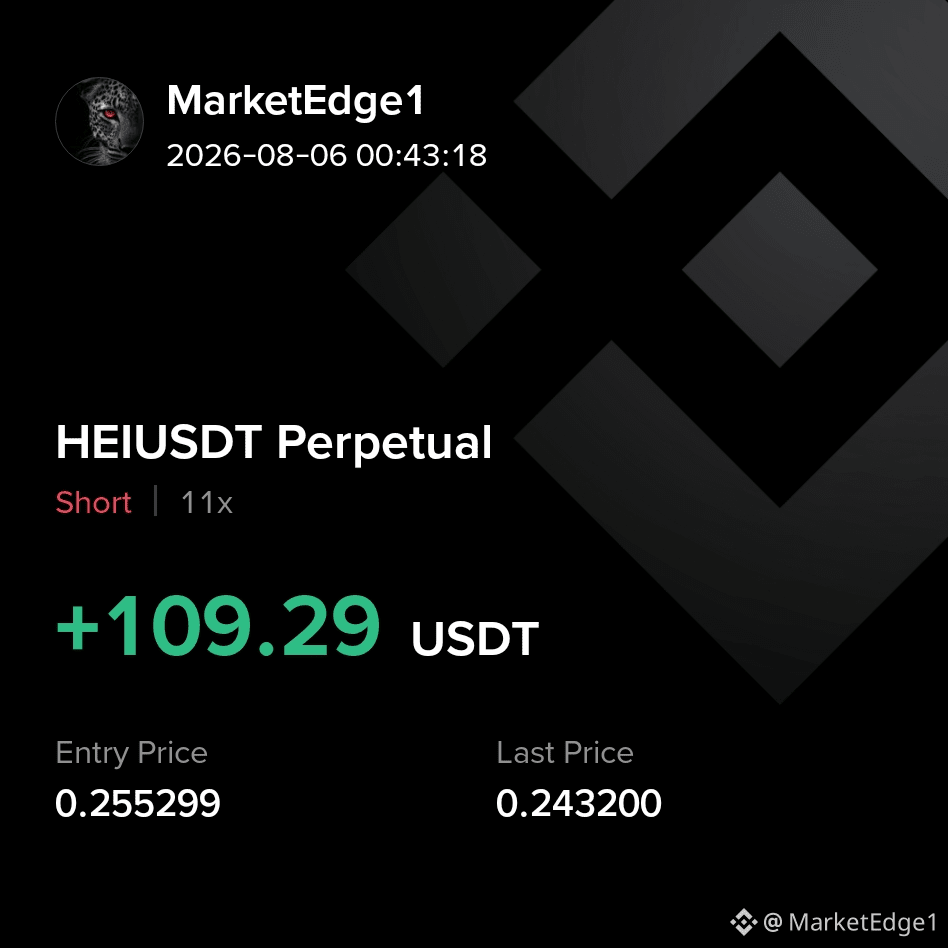
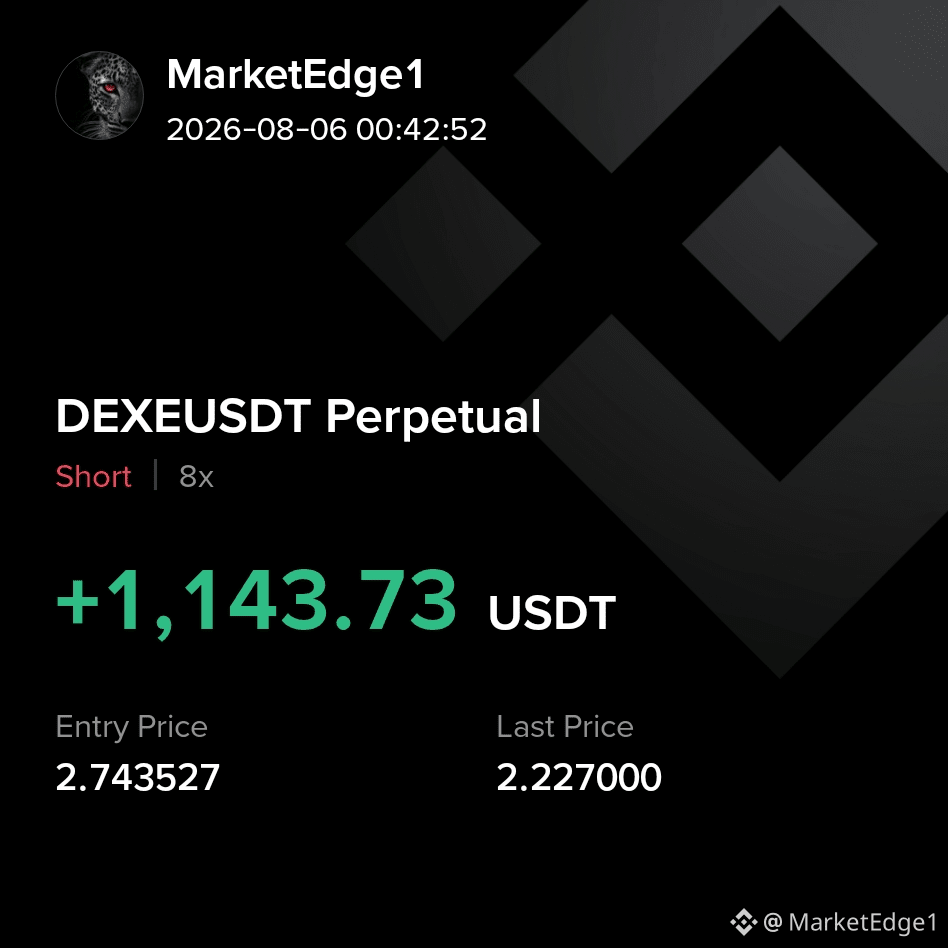
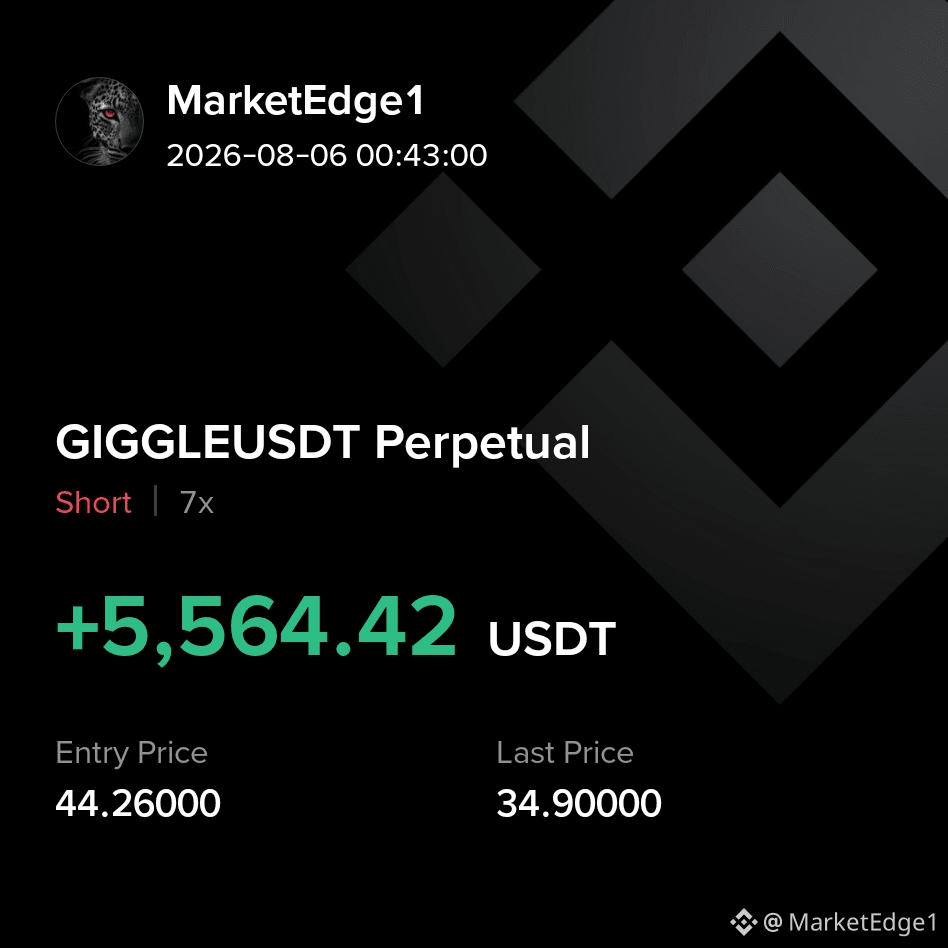
2
1
275
·
--
هابط
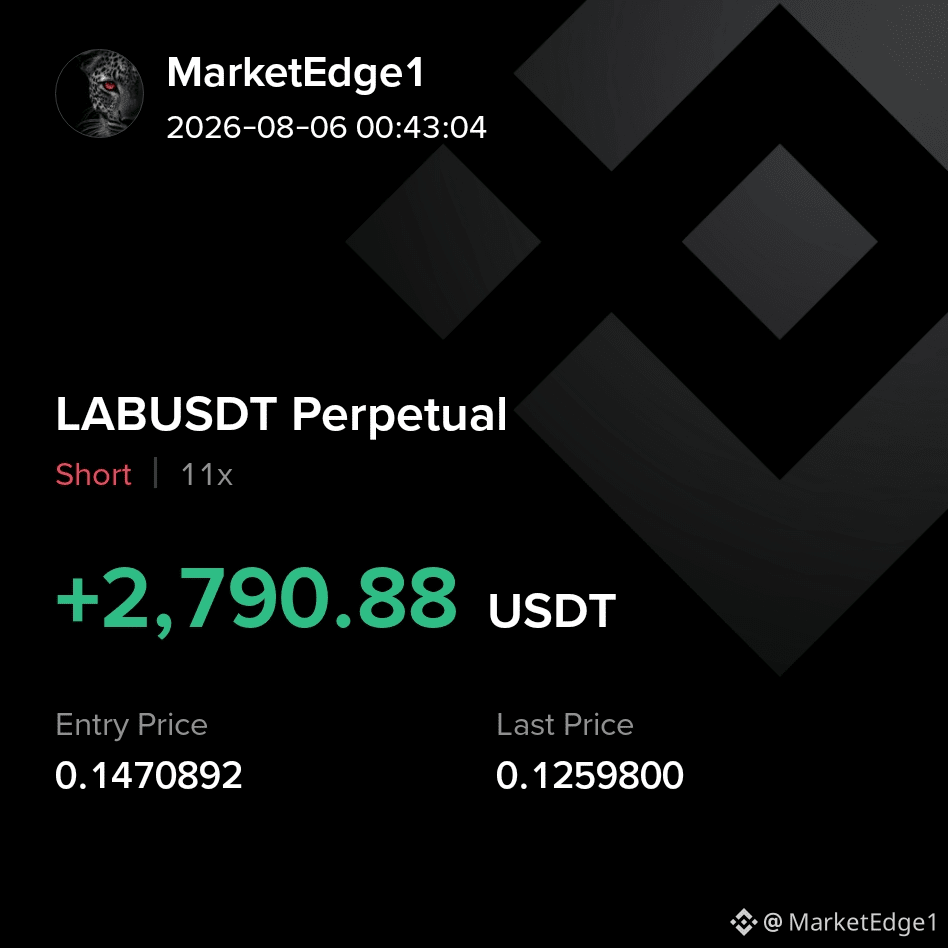
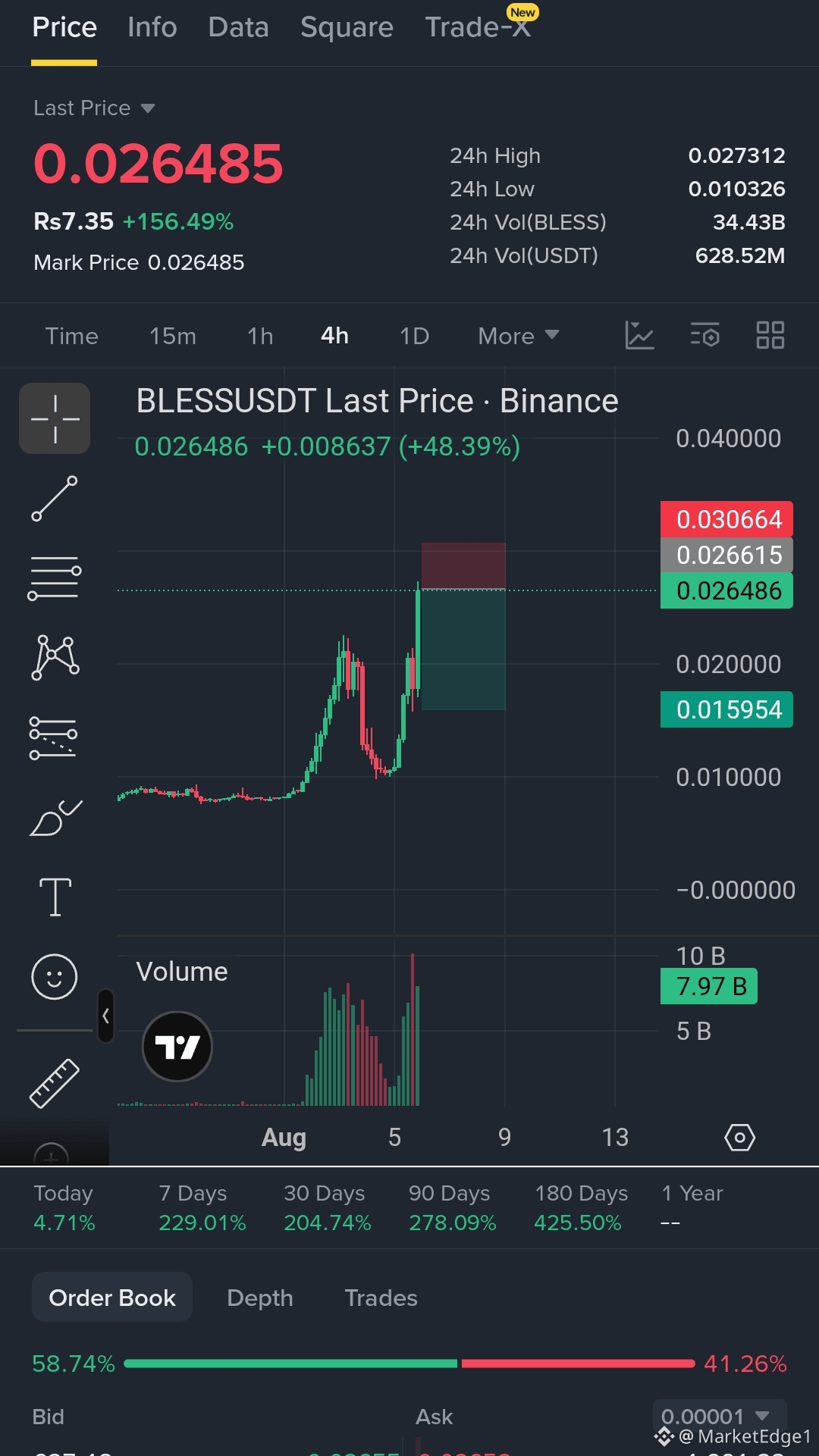
$BLESS أنت تشتاق إلى الرجال الأطول، لكنني أستعد لقليلٍ لطيف وقصير يا شباب.
لكن انتبه، هذا الرمز مفرط التقلب بشكلٍ استثنائي. إذا لم تكن قادرًا على التحكم في مشاعرك، فمن الأفضل الابتعاد عن تداوله.
احتفظ على المدى الطويل لانهيار مثل $BANK $LAB
{future}(BLESSUSDT)
$BLESS أنت تشتاق إلى الرجال الأطول، لكنني أستعد لقليلٍ لطيف وقصير يا شباب.
لكن انتبه، هذا الرمز مفرط التقلب بشكلٍ استثنائي. إذا لم تكن قادرًا على التحكم في مشاعرك، فمن الأفضل الابتعاد عن تداوله.
احتفظ على المدى الطويل لانهيار مثل $BANK $LAB
لكن انتبه، هذا الرمز مفرط التقلب بشكلٍ استثنائي. إذا لم تكن قادرًا على التحكم في مشاعرك، فمن الأفضل الابتعاد عن تداوله.
احتفظ على المدى الطويل لانهيار مثل $BANK $LAB
157
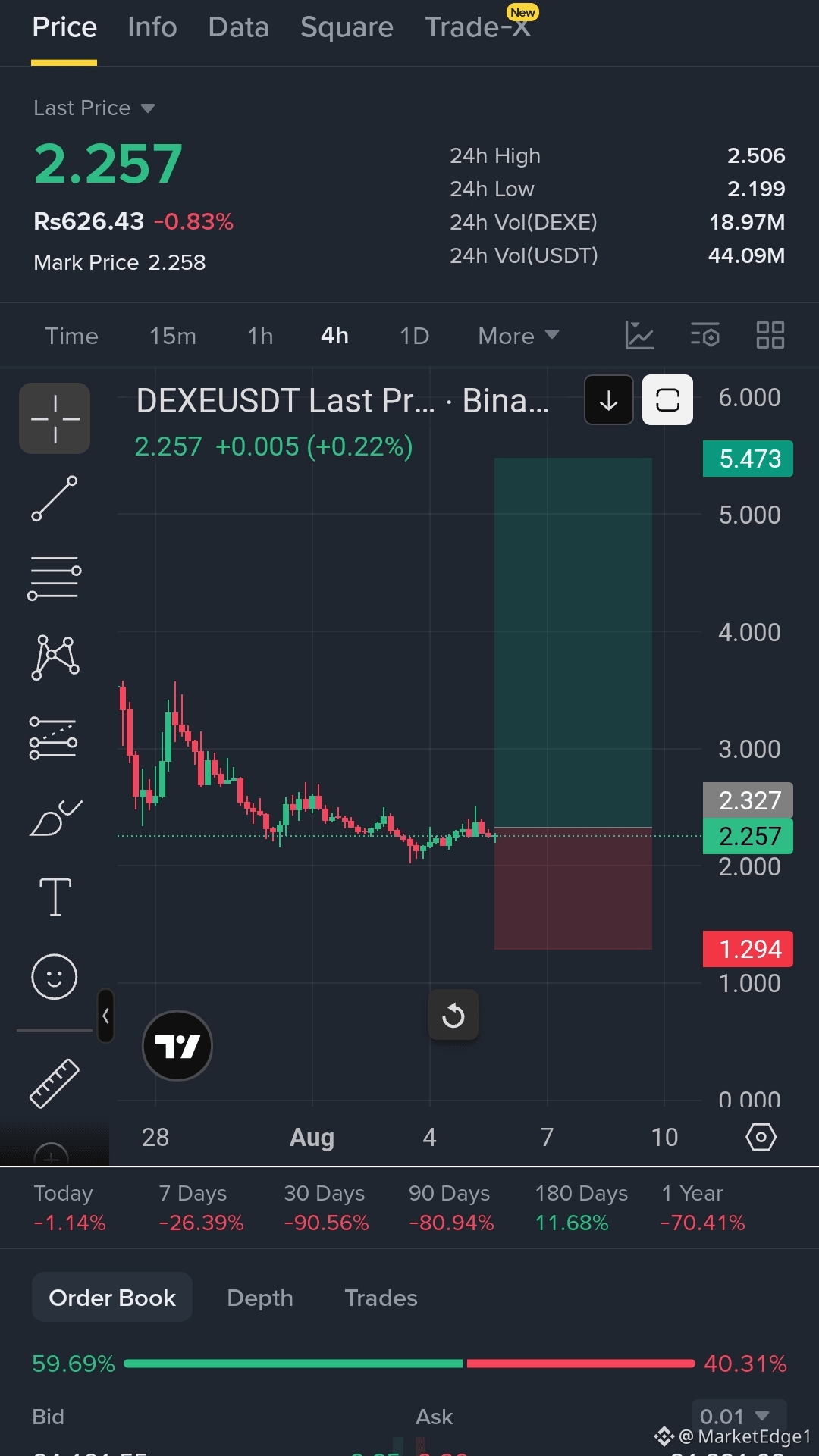
$DEXE لقد مرّ أكثر من 20 يومًا بالفعل. تم دفع معدل التمويل مرة كل ساعة، وكان معدل التمويل سلبيًا طوال الوقت! يتم تجهيز حركة كبيرة أخرى من قبل صانعي السوق غير النزيهين. إنهم لا يفعلون ذلك خيرًا—إذا وضعوا هذا القدر، فهم بالتأكيد سيستعيدون أموالهم مع الفائدة! $BANK $LAB
$DEXE لقد مرّ أكثر من 20 يومًا بالفعل. تم دفع معدل التمويل مرة كل ساعة، وكان معدل التمويل سلبيًا طوال الوقت! يتم تجهيز حركة كبيرة أخرى من قبل صانعي السوق غير النزيهين. إنهم لا يفعلون ذلك خيرًا—إذا وضعوا هذا القدر، فهم بالتأكيد سيستعيدون أموالهم مع الفائدة! $BANK $LAB
1
195
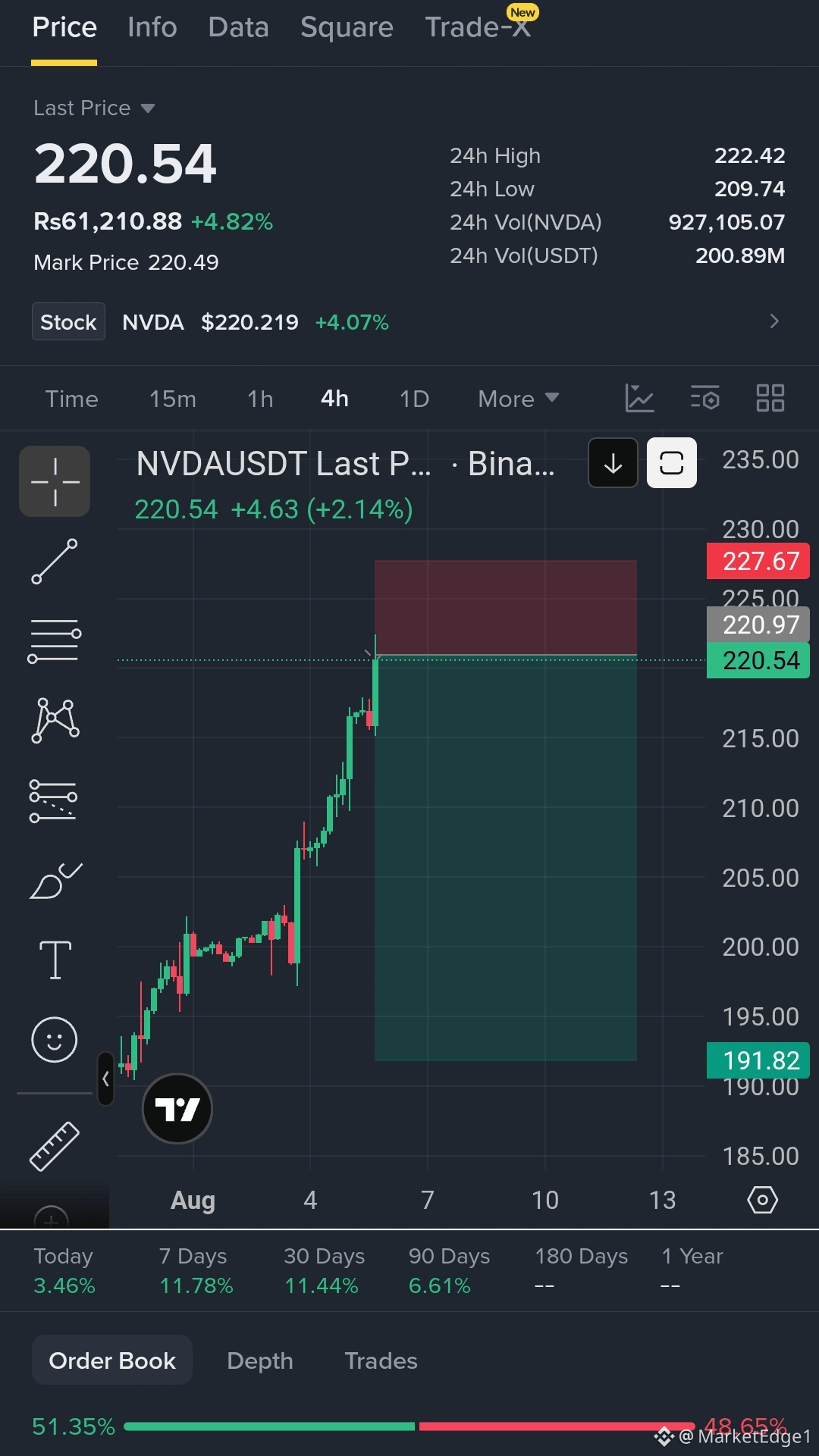
$NVDA عادت القيمة السوقية لشركة إنفيديا إلى 5.29 تريليون. بالنسبة إلى الشركات بهذه الضخامة، ومع وجود سقف كبير من المساهمين الذين يحصلون على الأرباح، فإن المجال لمزيد من الارتفاعات الإضافية محدود! وبما أنها بالفعل #1 في العالم من حيث القيمة السوقية، فإلى أي مدى يمكن أن ترتفع أكثر! $XAU $XAG
$NVDA عادت القيمة السوقية لشركة إنفيديا إلى 5.29 تريليون. بالنسبة إلى الشركات بهذه الضخامة، ومع وجود سقف كبير من المساهمين الذين يحصلون على الأرباح، فإن المجال لمزيد من الارتفاعات الإضافية محدود! وبما أنها بالفعل #1 في العالم من حيث القيمة السوقية، فإلى أي مدى يمكن أن ترتفع أكثر! $XAU $XAG
195
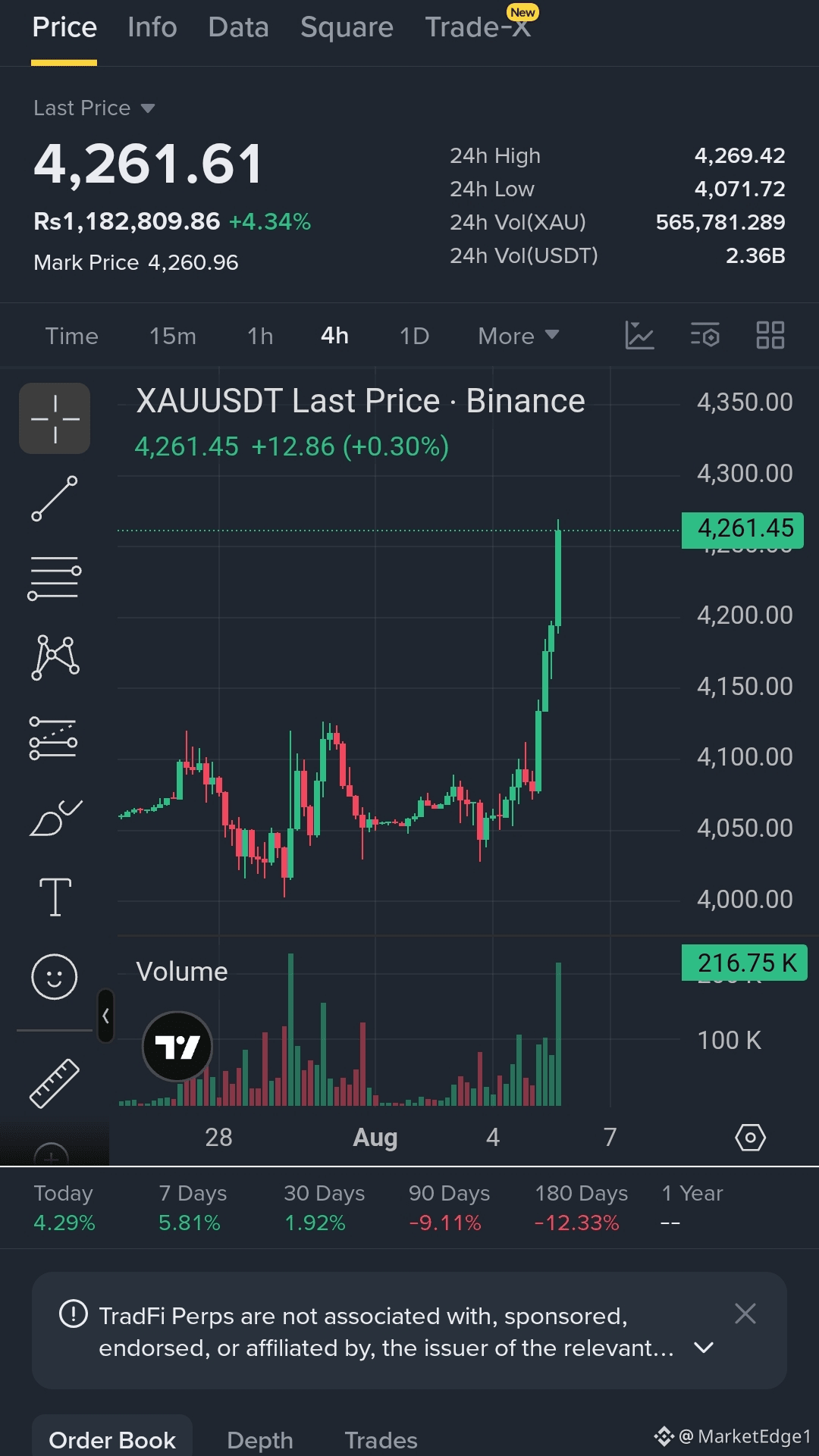
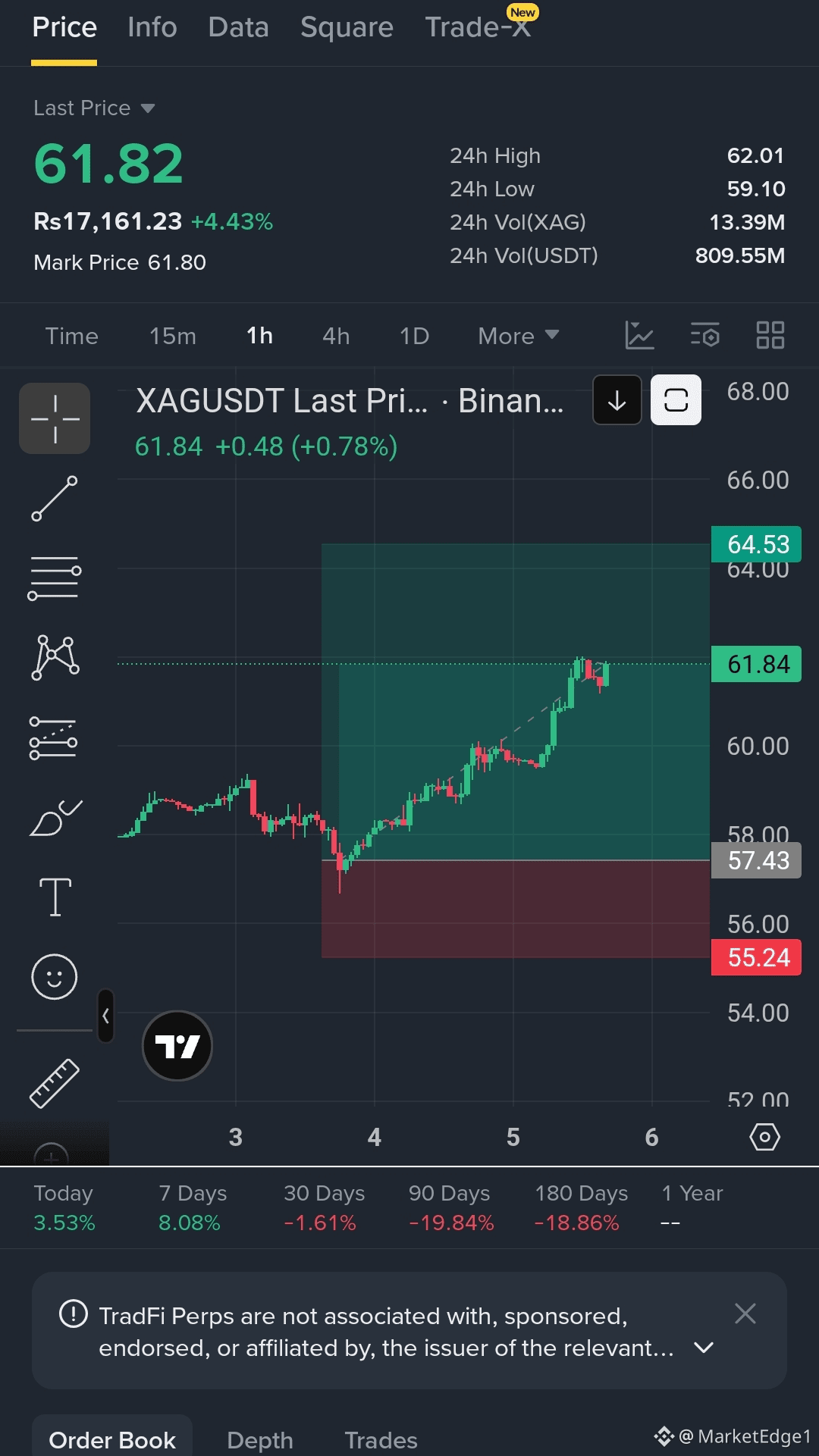
$XAU لقد حان الوقت تقريبًا لمجموعتي المستهدفة، الذهب 4320، $XAG 65! أفضل وقت للدخول، الآن الأمر لك ؟
{future}(XAGUSDT)
$XAU لقد حان الوقت تقريبًا لمجموعتي المستهدفة، الذهب 4320، $XAG 65! أفضل وقت للدخول، الآن الأمر لك ؟
177
$SNDK ⚠️⚠️ الديون الثلاثة التي تتكاثر تُرهقك—وعندما تبلغ الشاطئ ثلاث مرات! فهمت أخيرًا!
كثيرون استطاعوا كسب المال، لكنهم لم يحافظوا عليه! كل شيء واحد: تقطيع الخشب لألف يوم ثم حرقه كله في يوم واحد!
أولًا، تعامل مع التصفية كحدوث طبيعي ومتكرر—لأن كلما تداولت أكثر، زادت حتمًا ظهور “البجعة السوداء”!
مهما كان مدى جودة الخطة، فهي لا تُفيد. الناس نتاج العاطفة. عند كسب المال، يمكن للجميع أن يحافظ على عقلية جيدة ويعرف متى يأخذ الأرباح!
عند خسارة المال، تحتاج إلى السيطرة عليه—من أصل عشر مرات، سيطر على تسع مرات؛ ومع ذلك ستوجد مرة واحدة تفلت وسيُسحب بك الأمر
لذلك يجب فصل الأرباح عن رأس المال. والأهم: لا تخسر أبدًا كليهما معًا—لا رأس المال ولا الفائدة!
على سبيل المثال، ضع 50,000 في حسابك للتداول. بمجرد أن تربح 1,000 أو أكثر، بِع فورًا—لا تتردد أبدًا! المال الناتج عن البيع يجب أن يُعزل قسرًا: احتفظ فقط بقدر بسيط من مصاريف المعيشة على بطاقتك، وعلى Alipay، وعلى WeChat بحد أقصى.
لأنك عندما تنجرف، لن تستطيع السيطرة على نفسك—ستريد فقط أن تُضيف أموالًا وتحاول تعويض الخسائر!
ضع المال مع زوجتك ووالديك، وقل لهم مهما طلبوا منك، ستعطيهم بحد أقصى 10,000 لأنفسهم.
Alipay وWeChat والبطاقات… إلخ، في منتجات مالية بمدد ثابتة مثل 3 أشهر، 6 أشهر، سنة—منتجات لا يمكن استردادها مبكرًا!
الغرض من كل ذلك هو عزل أموالك قسرًا، وترك دائمًا لنفسك “خطة احتياط”. لذلك أنشأ أولئك الأثرياء المقتدرون صناديق ائتمان عائلية—ليستلموا مبلغًا شهريًا، لأنهم يخافون أن يضيّع أطفالهم المال!
وبالطبع، عندما تحدث التصفية—لنقل إن تصفيتك 50 ألف—فربما تكون قد بعت بالفعل 20 ألف و30 ألف و50 ألف و100 ألف أو 200 ألف، وحتى 500,000!
حتى لو حدثت التصفية، لن تُصاب بالهلع في الداخل، ثم امنح نفسك فترة “تهدئة” لمدة شهر لتبدأ من جديد من الصفر! دائمًا اترك لنفسك خطة احتياط
$XAU $BTC
{future}(XAUUSDT)
$SNDK ⚠️⚠️ الديون الثلاثة التي تتكاثر تُرهقك—وعندما تبلغ الشاطئ ثلاث مرات! فهمت أخيرًا!
كثيرون استطاعوا كسب المال، لكنهم لم يحافظوا عليه! كل شيء واحد: تقطيع الخشب لألف يوم ثم حرقه كله في يوم واحد!
أولًا، تعامل مع التصفية كحدوث طبيعي ومتكرر—لأن كلما تداولت أكثر، زادت حتمًا ظهور “البجعة السوداء”!
مهما كان مدى جودة الخطة، فهي لا تُفيد. الناس نتاج العاطفة. عند كسب المال، يمكن للجميع أن يحافظ على عقلية جيدة ويعرف متى يأخذ الأرباح!
عند خسارة المال، تحتاج إلى السيطرة عليه—من أصل عشر مرات، سيطر على تسع مرات؛ ومع ذلك ستوجد مرة واحدة تفلت وسيُسحب بك الأمر
لذلك يجب فصل الأرباح عن رأس المال. والأهم: لا تخسر أبدًا كليهما معًا—لا رأس المال ولا الفائدة!
على سبيل المثال، ضع 50,000 في حسابك للتداول. بمجرد أن تربح 1,000 أو أكثر، بِع فورًا—لا تتردد أبدًا! المال الناتج عن البيع يجب أن يُعزل قسرًا: احتفظ فقط بقدر بسيط من مصاريف المعيشة على بطاقتك، وعلى Alipay، وعلى WeChat بحد أقصى.
لأنك عندما تنجرف، لن تستطيع السيطرة على نفسك—ستريد فقط أن تُضيف أموالًا وتحاول تعويض الخسائر!
ضع المال مع زوجتك ووالديك، وقل لهم مهما طلبوا منك، ستعطيهم بحد أقصى 10,000 لأنفسهم.
Alipay وWeChat والبطاقات… إلخ، في منتجات مالية بمدد ثابتة مثل 3 أشهر، 6 أشهر، سنة—منتجات لا يمكن استردادها مبكرًا!
الغرض من كل ذلك هو عزل أموالك قسرًا، وترك دائمًا لنفسك “خطة احتياط”. لذلك أنشأ أولئك الأثرياء المقتدرون صناديق ائتمان عائلية—ليستلموا مبلغًا شهريًا، لأنهم يخافون أن يضيّع أطفالهم المال!
وبالطبع، عندما تحدث التصفية—لنقل إن تصفيتك 50 ألف—فربما تكون قد بعت بالفعل 20 ألف و30 ألف و50 ألف و100 ألف أو 200 ألف، وحتى 500,000!
حتى لو حدثت التصفية، لن تُصاب بالهلع في الداخل، ثم امنح نفسك فترة “تهدئة” لمدة شهر لتبدأ من جديد من الصفر! دائمًا اترك لنفسك خطة احتياط
$XAU $BTC
كثيرون استطاعوا كسب المال، لكنهم لم يحافظوا عليه! كل شيء واحد: تقطيع الخشب لألف يوم ثم حرقه كله في يوم واحد!
أولًا، تعامل مع التصفية كحدوث طبيعي ومتكرر—لأن كلما تداولت أكثر، زادت حتمًا ظهور “البجعة السوداء”!
مهما كان مدى جودة الخطة، فهي لا تُفيد. الناس نتاج العاطفة. عند كسب المال، يمكن للجميع أن يحافظ على عقلية جيدة ويعرف متى يأخذ الأرباح!
عند خسارة المال، تحتاج إلى السيطرة عليه—من أصل عشر مرات، سيطر على تسع مرات؛ ومع ذلك ستوجد مرة واحدة تفلت وسيُسحب بك الأمر
لذلك يجب فصل الأرباح عن رأس المال. والأهم: لا تخسر أبدًا كليهما معًا—لا رأس المال ولا الفائدة!
على سبيل المثال، ضع 50,000 في حسابك للتداول. بمجرد أن تربح 1,000 أو أكثر، بِع فورًا—لا تتردد أبدًا! المال الناتج عن البيع يجب أن يُعزل قسرًا: احتفظ فقط بقدر بسيط من مصاريف المعيشة على بطاقتك، وعلى Alipay، وعلى WeChat بحد أقصى.
لأنك عندما تنجرف، لن تستطيع السيطرة على نفسك—ستريد فقط أن تُضيف أموالًا وتحاول تعويض الخسائر!
ضع المال مع زوجتك ووالديك، وقل لهم مهما طلبوا منك، ستعطيهم بحد أقصى 10,000 لأنفسهم.
Alipay وWeChat والبطاقات… إلخ، في منتجات مالية بمدد ثابتة مثل 3 أشهر، 6 أشهر، سنة—منتجات لا يمكن استردادها مبكرًا!
الغرض من كل ذلك هو عزل أموالك قسرًا، وترك دائمًا لنفسك “خطة احتياط”. لذلك أنشأ أولئك الأثرياء المقتدرون صناديق ائتمان عائلية—ليستلموا مبلغًا شهريًا، لأنهم يخافون أن يضيّع أطفالهم المال!
وبالطبع، عندما تحدث التصفية—لنقل إن تصفيتك 50 ألف—فربما تكون قد بعت بالفعل 20 ألف و30 ألف و50 ألف و100 ألف أو 200 ألف، وحتى 500,000!
حتى لو حدثت التصفية، لن تُصاب بالهلع في الداخل، ثم امنح نفسك فترة “تهدئة” لمدة شهر لتبدأ من جديد من الصفر! دائمًا اترك لنفسك خطة احتياط
$XAU $BTC
2
1
1.8k
سجّل الدخول لاستكشاف المزيد من المُحتوى
انضم إلى مُستخدمي العملات الرقمية حول العالم على Binance Square
⚡️ احصل على أحدث المعلومات المفيدة عن العملات الرقمية.
💬 موثوقة من قبل أكبر منصّة لتداول العملات الرقمية في العالم.
👍 اكتشف الرؤى الحقيقية من صنّاع المُحتوى الموثوقين.
البريد الإلكتروني / رقم الهاتف
المواضيع الرائجة
SouthAfricaProposesCryptoExchangeControls
319 مشاهدات
108 يقومون بالنقاش
🚨 سؤال خروج العملات الرقمية في جنوب أفريقيا...
#SouthAfricaProposesCryptoExchangeControls
جنوب أفريقيا لا تقترح حظر العملات الرقمية.
بل تقترح إخضاع حركة العملات الرقمية عبر حدودها لقواعد تنظيم الصرف.
يبدو ذلك معقولًا — حتى تدرك أين يتم استخدام العملات الرقمية بشكل متزايد.
سيعامل الإطار المقترح عمليات التحويل من مزوّد محلي مرخّص للعملات الرقمية إلى مزوّد خارجي أو إلى محفظة غير وصيّة (non-custodial) باعتبارها أحداثًا عبر الحدود يجب الإبلاغ عنها إلى FinSurv.
سيحصل الأفراد على مسار لتحويل العملات الرقمية إلى الخارج من خلال بدل/سماحات قائمة متعلقة بالصرف الأجنبي.
لكن الشركات لن يكون لديها المسار نفسه المقترح.
وهنا تصبح المناقشة مثيرة للاهتمام.
قد تستخدم شركة جنوب أفريقية العملات الرقمية داخل البلاد، لكن الإطار المقترح سيقيّد تدفقات العملات الرقمية للشركات عبر الحدود — ما قد يؤثر على حالات استخدام مثل التسوية الدولية وأنشطة خزينة الأصول الرقمية في الخارج. وتجادل مجموعات صناعية بأن هذا قد يدفع النشاط نحو منصات خارجية بدلًا من إلغائه.
هدف الجهة التنظيمية مختلف: سدّ الثغرات المحتملة في تنظيم الصرف وتحسين الرؤية بشأن تدفقات رأس المال عبر الحدود وتمويل الأنشطة غير المشروعة.
لذا فإن السؤال الحقيقي ليس:
“هل جنوب أفريقيا تحظر العملات الرقمية؟”
لا.
السؤال هو:
هل يمكن أن تؤدي الضوابط الأكثر إحكامًا على القنوات الخاضعة للتنظيم للعملات الرقمية إلى زيادة مستوى الرؤية — أم أن بعض الأنشطة قد تنتقل ببساطة إلى خارج تلك القنوات؟
الاقتراح لا يزال مفتوحًا للتعليقات حتى 30 سبتمبر.
أين برأيك يجب رسم الخط؟
$BTC $SAGA $SUI
#CryptoRegulation #BinanceSquare #Stablecoins
Stink meaner
·1 إعجاب
·33 مشاهدات
SolanaCutsTargetSlotTimeTo250ms
1,972 مشاهدات
124 يقومون بالنقاش
EthereumSurpasses$2700
6,240 مشاهدات
150 يقومون بالنقاش