
gamerface84
55 منشورات

gamerface84
إبلاغ
حظر المُستخدم
Hey Binance community! Excited to be here and learn/share insights on the crypto space. Let's connect!
4 تتابع
22 المتابعون
22 إعجاب
منشورات
الكل
اقتباسات
·
--
عرض الترجمة
14
14

broke_asf
·
--
🚨فقط الأساطير يمكنهم رؤيته 😰🦆✨
كم عدد البط في هذه الصورة؟ 👀😱
لا تكذب... فقط آلهة الذكاء الحقيقية يمكنهم تخمينه بشكل صحيح 😇🧠
بركات لأصدقائي الأذكياء الجذابين 🌹💋 ابقوا حذرين 😈
ما هي إجابتك؟ 💭💭
أرسل تخمينك المجنون في التعليقات، لا تخجل 😘👇
أيضًا... المتاجر الحقيقية تتداول بأكثر العملات جنونًا على الإطلاق... $BB 😂💸🚀
#BounceBitPrime @BounceBit
كم عدد البط في هذه الصورة؟ 👀😱
لا تكذب... فقط آلهة الذكاء الحقيقية يمكنهم تخمينه بشكل صحيح 😇🧠
بركات لأصدقائي الأذكياء الجذابين 🌹💋 ابقوا حذرين 😈
ما هي إجابتك؟ 💭💭
أرسل تخمينك المجنون في التعليقات، لا تخجل 😘👇
أيضًا... المتاجر الحقيقية تتداول بأكثر العملات جنونًا على الإطلاق... $BB 😂💸🚀
#BounceBitPrime @BounceBit

1


·
--


4
·
--

مقالة
رمز OM (MANTRA)حركة الأسعار والتقلبات الأخيرة:
* شهدت عملة OM تقلبات سعرية ملحوظة مؤخرًا. في ١٣ أبريل ٢٠٢٥، انخفض سعرها بأكثر من ٩٠٪ في يوم واحد.
* أصدرت Binance تحذيرًا بشأن المخاطر المتعلقة بـ OM، مشيرة إلى التقلبات العالية والتغييرات في رموزها الاقتصادية التي أدت إلى زيادة العرض.
* على الرغم من التراجع، لا يزال هناك متداولون على Binance Square يشيرون إلى مكاسب محتملة على المدى القصير، في حين يعرب آخرون عن شكوك قوية بسبب الانهيار الأخير.
* اعتبارًا من اليوم، 5 مايو 2025، يبلغ سعر OM حوالي 0.42 دولارًا أمريكيًا - 0.45 دولارًا أمريكيًا، وهو أقل من أعلى مستوى له على الإطلاق.
رمز OM (MANTRA)
حركة الأسعار والتقلبات الأخيرة:
* شهدت عملة OM تقلبات سعرية ملحوظة مؤخرًا. في ١٣ أبريل ٢٠٢٥، انخفض سعرها بأكثر من ٩٠٪ في يوم واحد.
* أصدرت Binance تحذيرًا بشأن المخاطر المتعلقة بـ OM، مشيرة إلى التقلبات العالية والتغييرات في رموزها الاقتصادية التي أدت إلى زيادة العرض.
* على الرغم من التراجع، لا يزال هناك متداولون على Binance Square يشيرون إلى مكاسب محتملة على المدى القصير، في حين يعرب آخرون عن شكوك قوية بسبب الانهيار الأخير.
* اعتبارًا من اليوم، 5 مايو 2025، يبلغ سعر OM حوالي 0.42 دولارًا أمريكيًا - 0.45 دولارًا أمريكيًا، وهو أقل من أعلى مستوى له على الإطلاق.
* شهدت عملة OM تقلبات سعرية ملحوظة مؤخرًا. في ١٣ أبريل ٢٠٢٥، انخفض سعرها بأكثر من ٩٠٪ في يوم واحد.
* أصدرت Binance تحذيرًا بشأن المخاطر المتعلقة بـ OM، مشيرة إلى التقلبات العالية والتغييرات في رموزها الاقتصادية التي أدت إلى زيادة العرض.
* على الرغم من التراجع، لا يزال هناك متداولون على Binance Square يشيرون إلى مكاسب محتملة على المدى القصير، في حين يعرب آخرون عن شكوك قوية بسبب الانهيار الأخير.
* اعتبارًا من اليوم، 5 مايو 2025، يبلغ سعر OM حوالي 0.42 دولارًا أمريكيًا - 0.45 دولارًا أمريكيًا، وهو أقل من أعلى مستوى له على الإطلاق.
1
288
·
--
مقالة
عرض الترجمة
Daily Crypto QuizQuestion 1:
What term is used to describe the process of converting traditional fiat currency (like USD or EUR) into cryptocurrency, and vice versa?
Question 2:
What is a "smart contract" in the context of blockchain technology, and on which major blockchain platform did they gain significant traction?
Question 3:
What does "DeFi" stand for in the cryptocurrency and blockchain space?
Question 4:
What is a "blockchain fork," and what are the two main types of forks?
Question 5:
What is the purpose of a "wallet" in the context of cryptocurrency?
Daily Crypto Quiz
Question 1:
What term is used to describe the process of converting traditional fiat currency (like USD or EUR) into cryptocurrency, and vice versa?
Question 2:
What is a "smart contract" in the context of blockchain technology, and on which major blockchain platform did they gain significant traction?
Question 3:
What does "DeFi" stand for in the cryptocurrency and blockchain space?
Question 4:
What is a "blockchain fork," and what are the two main types of forks?
Question 5:
What is the purpose of a "wallet" in the context of cryptocurrency?
What term is used to describe the process of converting traditional fiat currency (like USD or EUR) into cryptocurrency, and vice versa?
Question 2:
What is a "smart contract" in the context of blockchain technology, and on which major blockchain platform did they gain significant traction?
Question 3:
What does "DeFi" stand for in the cryptocurrency and blockchain space?
Question 4:
What is a "blockchain fork," and what are the two main types of forks?
Question 5:
What is the purpose of a "wallet" in the context of cryptocurrency?
1
487
·
--
مقالة
عرض الترجمة
To the Moon and Back... to Grandma's AtticIt was a dark and stormy night... in my basement. Okay, maybe it was just Tuesday afternoon and the AC was on full blast, but the tension felt apocalyptic. My monitor glowed with the sickly green of a crypto chart, a digital EKG stubbornly flatlining.
I'd sunk my life savings (and maybe a little bit of my grandma's "rainy day fund," don't tell her!) into "DogeRocketMoonInu," a coin whose whitepaper consisted solely of emojis and the promise of "to the moon, but like, really moon."
My crypto guru, a teenager named "BlockchainBro69" I met on a Discord server, had assured me this was the next big thing. "It's got the memes, bro! The memes!" he'd evangelized.
Suddenly, the chart flickered. A tiny green candle, barely a blip, appeared. My heart leaped. Was this it? The rocket igniting? I leaned closer, eyes wide with anticipation.
Then, the news broke on CryptoTwitter: "DogeRocketMoonInu devs rug pull, buy lambos with investor funds."
My jaw dropped. Lambos? All I was hoping for was enough to fix the leaky faucet in the kitchen.
Just then, my grandma shuffled downstairs, peering at the screen. "What's all the commotion, dear?" she asked, her voice raspy.
I mumbled something about "digital assets" and "volatile markets."
She squinted at the chart, then at me. "You put my money in that?" she said, pointing a wrinkled finger at the now plummeting line.
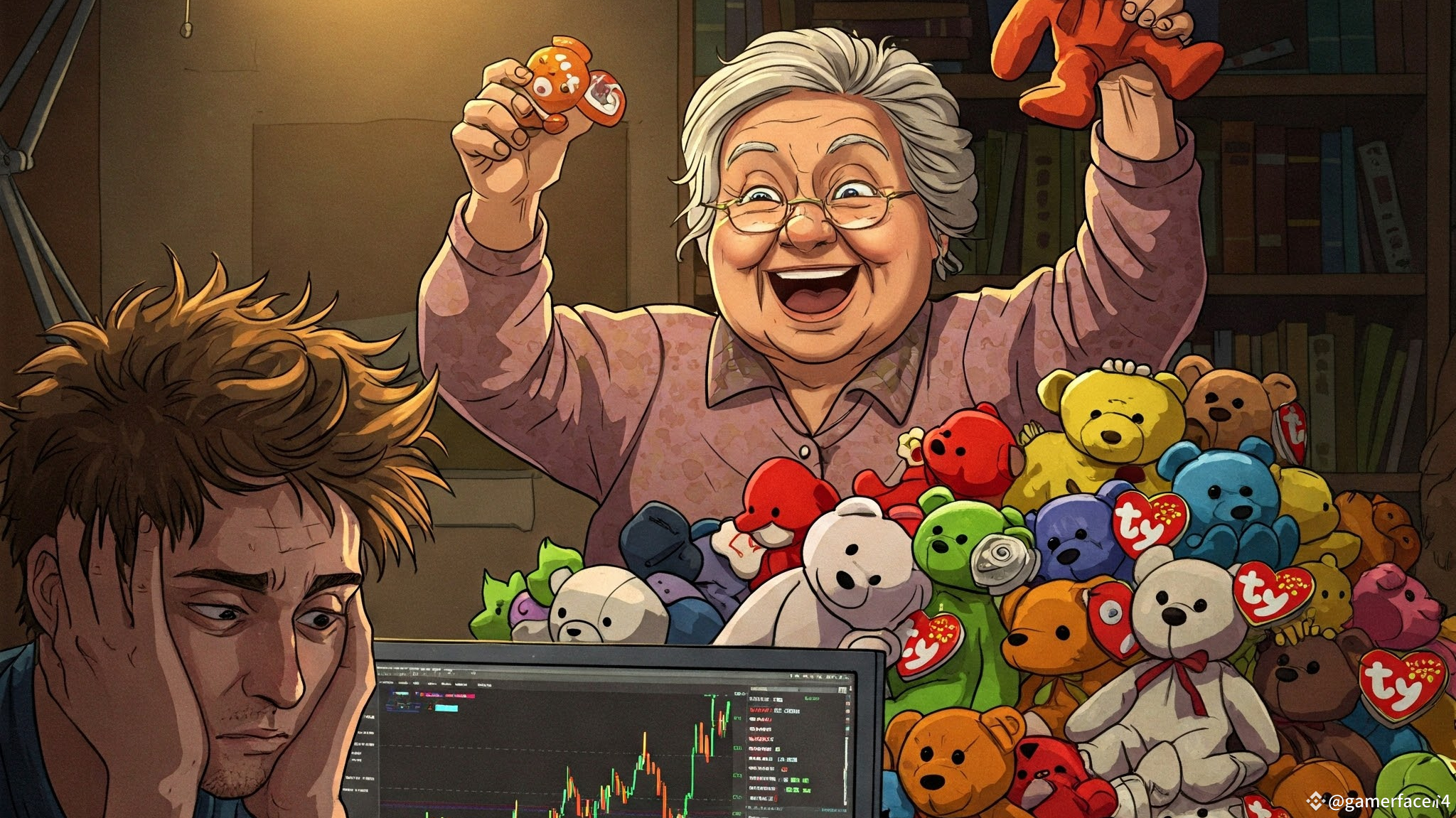
Before I could answer, she let out a surprisingly loud whoop. "Look!" she exclaimed, pointing at a new notification on my phone. "My Beanie Baby collection just sold for ten times what I paid for it!"
I stared at her, then at the screen, then back at her. "So... you're rich?"
She winked. "Looks like this old doge still had some moon potential after all."
And there I was, the crypto "genius," financially ruined by memes, while my grandma made a killing on plush toys. The irony hit me harder than any market crash. I guess the real moon shot was in the atti
c all along.
To the Moon and Back... to Grandma's Attic
It was a dark and stormy night... in my basement. Okay, maybe it was just Tuesday afternoon and the AC was on full blast, but the tension felt apocalyptic. My monitor glowed with the sickly green of a crypto chart, a digital EKG stubbornly flatlining.
I'd sunk my life savings (and maybe a little bit of my grandma's "rainy day fund," don't tell her!) into "DogeRocketMoonInu," a coin whose whitepaper consisted solely of emojis and the promise of "to the moon, but like, really moon."
My crypto guru, a teenager named "BlockchainBro69" I met on a Discord server, had assured me this was the next big thing. "It's got the memes, bro! The memes!" he'd evangelized.
Suddenly, the chart flickered. A tiny green candle, barely a blip, appeared. My heart leaped. Was this it? The rocket igniting? I leaned closer, eyes wide with anticipation.
Then, the news broke on CryptoTwitter: "DogeRocketMoonInu devs rug pull, buy lambos with investor funds."
My jaw dropped. Lambos? All I was hoping for was enough to fix the leaky faucet in the kitchen.
Just then, my grandma shuffled downstairs, peering at the screen. "What's all the commotion, dear?" she asked, her voice raspy.
I mumbled something about "digital assets" and "volatile markets."
She squinted at the chart, then at me. "You put my money in that?" she said, pointing a wrinkled finger at the now plummeting line.
Before I could answer, she let out a surprisingly loud whoop. "Look!" she exclaimed, pointing at a new notification on my phone. "My Beanie Baby collection just sold for ten times what I paid for it!"
I stared at her, then at the screen, then back at her. "So... you're rich?"
She winked. "Looks like this old doge still had some moon potential after all."
And there I was, the crypto "genius," financially ruined by memes, while my grandma made a killing on plush toys. The irony hit me harder than any market crash. I guess the real moon shot was in the atti
c all along.
I'd sunk my life savings (and maybe a little bit of my grandma's "rainy day fund," don't tell her!) into "DogeRocketMoonInu," a coin whose whitepaper consisted solely of emojis and the promise of "to the moon, but like, really moon."
My crypto guru, a teenager named "BlockchainBro69" I met on a Discord server, had assured me this was the next big thing. "It's got the memes, bro! The memes!" he'd evangelized.
Suddenly, the chart flickered. A tiny green candle, barely a blip, appeared. My heart leaped. Was this it? The rocket igniting? I leaned closer, eyes wide with anticipation.
Then, the news broke on CryptoTwitter: "DogeRocketMoonInu devs rug pull, buy lambos with investor funds."
My jaw dropped. Lambos? All I was hoping for was enough to fix the leaky faucet in the kitchen.
Just then, my grandma shuffled downstairs, peering at the screen. "What's all the commotion, dear?" she asked, her voice raspy.
I mumbled something about "digital assets" and "volatile markets."
She squinted at the chart, then at me. "You put my money in that?" she said, pointing a wrinkled finger at the now plummeting line.
Before I could answer, she let out a surprisingly loud whoop. "Look!" she exclaimed, pointing at a new notification on my phone. "My Beanie Baby collection just sold for ten times what I paid for it!"
I stared at her, then at the screen, then back at her. "So... you're rich?"
She winked. "Looks like this old doge still had some moon potential after all."
And there I was, the crypto "genius," financially ruined by memes, while my grandma made a killing on plush toys. The irony hit me harder than any market crash. I guess the real moon shot was in the atti
c all along.
165
·
--
مقالة
عرض الترجمة
Daily Crypto QuizQuestion 1: What is the smallest unit of Bitcoin called?
Question 2: Which cryptocurrency was initially created as a "joke" but has since gained significant popularity and market capitalization?
Question 3: What does the acronym DeFi stand for in the context of cryptocurrency and blockchain technology?
Question 4: What is a "hard fork" in the context of a blockchain?
Question 5: Which popular hardware wallet manufacturer is known for its devices like the Nano S and Nano X?
Daily Crypto Quiz
Question 1: What is the smallest unit of Bitcoin called?
Question 2: Which cryptocurrency was initially created as a "joke" but has since gained significant popularity and market capitalization?
Question 3: What does the acronym DeFi stand for in the context of cryptocurrency and blockchain technology?
Question 4: What is a "hard fork" in the context of a blockchain?
Question 5: Which popular hardware wallet manufacturer is known for its devices like the Nano S and Nano X?
Question 2: Which cryptocurrency was initially created as a "joke" but has since gained significant popularity and market capitalization?
Question 3: What does the acronym DeFi stand for in the context of cryptocurrency and blockchain technology?
Question 4: What is a "hard fork" in the context of a blockchain?
Question 5: Which popular hardware wallet manufacturer is known for its devices like the Nano S and Nano X?
555





·
--
مقالة
عرض الترجمة
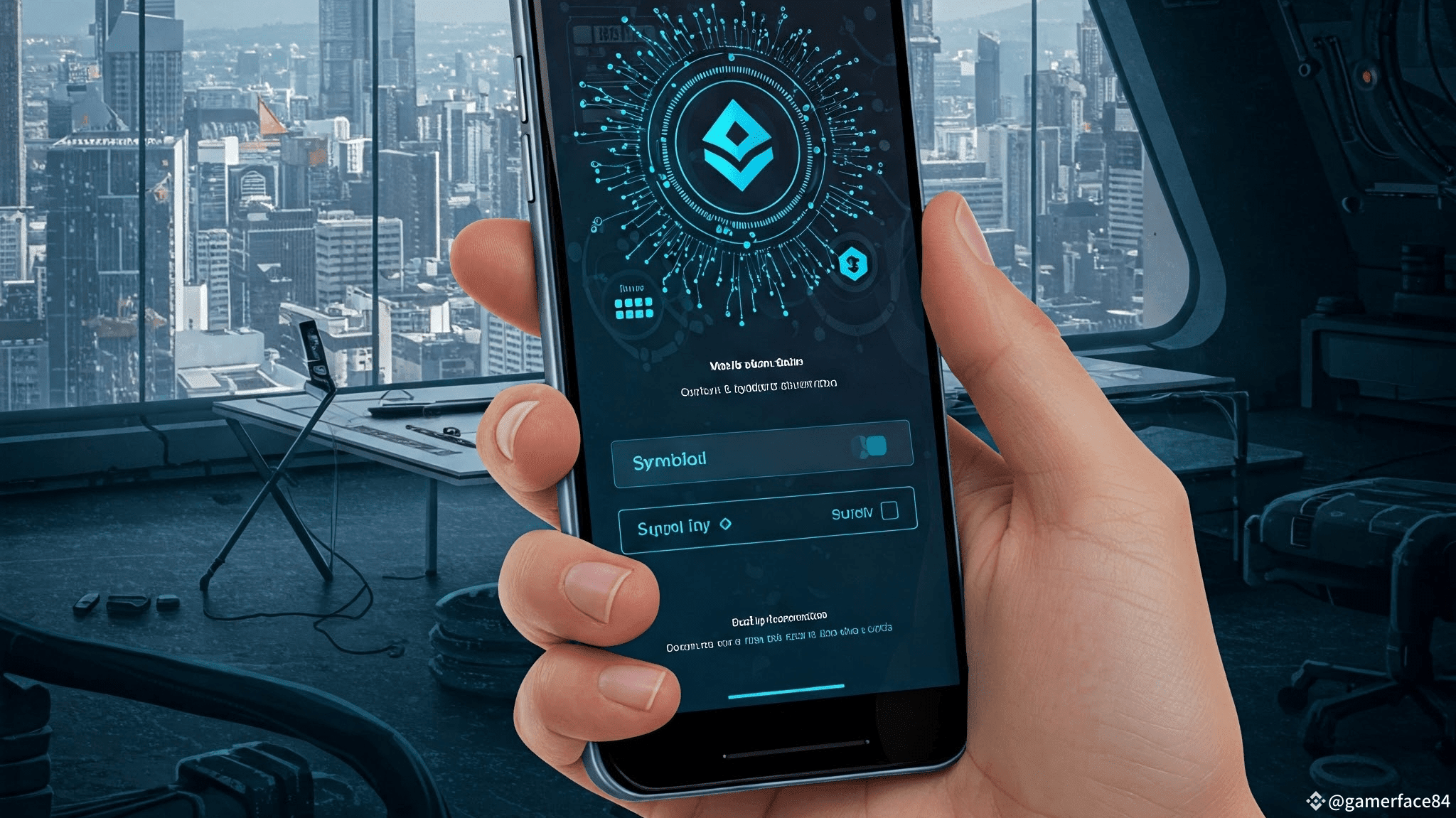
Unlock the Power of Your Own Crypto TokenCreating your own cryptocurrency token can be an exciting endeavor! It involves several key steps, ranging from initial concept to deployment and beyond. Here's a breakdown of the process:
1. Define Your Token's Purpose and Utility:
* What problem will your token solve? What unique value proposition does it offer? This is crucial for its long-term success and adoption.
* What will be its use cases? Will it be used for governance, access to a platform, rewards, payments, or something else entirely? A clear utility drives demand.
* Who is your target audience? Understanding your potential users will help you tailor your tokenomics and marketing efforts.
2. Choose a Blockchain Platform:
You'll need to build your token on an existing blockchain. Some popular choices include:
* Ethereum (ETH): The most popular platform for tokens (ERC-20 standard). It has a large developer community and robust infrastructure.
* Binance Smart Chain (BSC): A faster and cheaper alternative to Ethereum, also EVM-compatible.
* Solana (SOL): Known for its high speed and low transaction fees.
* Polygon (MATIC): A Layer-2 scaling solution for Ethereum, offering lower fees and faster transactions.
* Cardano (ADA): Focuses on peer-reviewed research and a layered architecture.
The choice of blockchain will impact transaction fees, speed, scalability, and the tools available for development.
3. Determine Your Tokenomics:
This involves the economic model of your token:
* Total Supply: How many tokens will ever exist?
* Distribution Method: How will the tokens be distributed (e.g., initial coin offering (ICO), airdrop, staking rewards, mining)?
* Allocation: How will the tokens be allocated (e.g., team, advisors, community, treasury)?
* Burning Mechanism (Optional): Will tokens be periodically removed from circulation to potentially increase scarcity?
* Inflation/Deflation: Will the supply of tokens change over time?
* Utility Mechanisms: How will the token's utility drive demand and value?
A well-thought-out tokenomics model is vital for the token's sustainability and appeal.
4. Choose a Token Standard:
Each blockchain has its own token standards that define the basic functionalities of your token:
* Ethereum: ERC-20 (fungible tokens), ERC-721 (non-fungible tokens - NFTs), ERC-1155 (semi-fungible tokens).
* Binance Smart Chain: BEP-20 (similar to ERC-20).
* Solana: SPL Token.
For most standard cryptocurrencies, you'll likely use a fungible token standard like ERC-20 or BEP-20.
5. Develop Your Smart Contract:
This is the core of your token. A smart contract is a self-executing contract with the terms of the agreement directly written into code. You'll need to write and deploy a smart contract that defines:
* Token name and symbol.
* Total supply.
* Transferability of tokens.
* Allowance mechanisms for third-party spending.
* Any custom functionalities you want to implement.
You can write smart contracts using languages like Solidity (for Ethereum and BSC) or Rust (for Solana). You can either hire a smart contract developer or use tools and templates if you have some coding knowledge.
6. Audit Your Smart Contract:
Security is paramount. Before deploying your smart contract to the mainnet (the live blockchain), it's crucial to have it audited by a reputable third-party smart contract audit firm. This will help identify and fix any potential vulnerabilities that hackers could exploit.
7. Deploy Your Smart Contract:
Once you're confident in the security of your smart contract, you can deploy it to the chosen blockchain network. This involves paying network fees (gas fees).
8. Create Necessary Infrastructure:
* Website: A professional website to explain your project, token utility, and roadmap.
* Whitepaper: A detailed document outlining your project's goals, technology, tokenomics, team, and future plans.
* Block Explorer Integration: Ensure your token is trackable on relevant block explorers (e.g., Etherscan, BscScan).
* Wallets: Users will need wallets that support your token.
9. Marketing and Community Building:
* Develop a marketing strategy: How will you reach your target audience?
* Build a community: Engage with potential users on social media, forums, and other platforms.
* Transparency and communication: Keep your community informed about the project's progress.
10. Listing on Exchanges (Optional but Important for Liquidity):
To allow users to buy and sell your token, you'll likely want to list it on cryptocurrency exchanges. This process can involve applications, fees, and meeting the exchange's requirements. Start with smaller decentralized exchanges (DEXs) and potentially move to centralized exchanges (CEXs) as your project grows.
11. Legal and Regulatory Compliance:
Cryptocurrency regulations vary significantly by jurisdiction. It's essential to understand and comply with the laws in the regions where you operate and where your users are located. Consult with legal professionals to ensure you're on the right side of the law.
Key Considerations and Potential Challenges:
* Security: Smart contract vulnerabilities can lead to loss of funds and damage to your project's reputation.
* Adoption: Getting people to use your token can be challenging. You need a strong value proposition and effective marketing.
* Liquidity: Ensuring there's enough trading volume for your token is crucial for price stability.
* Community Management: Building and maintaining a healthy and engaged community requires effort.
* Market Volatility: The cryptocurrency market is highly volatile, and the value of your token can fluctuate significantly.
* Competition: The crypto space is crowded. You'll need a unique and compelling offering to stand out.
* Scams: Be aware of the potential for your project to be perceived as a scam, especially during the initial stages. Transparency and trust-building are crucial.
In summary, creating a cryptocurrency token involves a blend of technical expertise, economic planning, marketing savvy, and legal awareness. It's a complex process that requires careful planning and execution.
Unlock the Power of Your Own Crypto Token
Creating your own cryptocurrency token can be an exciting endeavor! It involves several key steps, ranging from initial concept to deployment and beyond. Here's a breakdown of the process:
1. Define Your Token's Purpose and Utility:
* What problem will your token solve? What unique value proposition does it offer? This is crucial for its long-term success and adoption.
* What will be its use cases? Will it be used for governance, access to a platform, rewards, payments, or something else entirely? A clear utility drives demand.
* Who is your target audience? Understanding your potential users will help you tailor your tokenomics and marketing efforts.
2. Choose a Blockchain Platform:
You'll need to build your token on an existing blockchain. Some popular choices include:
* Ethereum (ETH): The most popular platform for tokens (ERC-20 standard). It has a large developer community and robust infrastructure.
* Binance Smart Chain (BSC): A faster and cheaper alternative to Ethereum, also EVM-compatible.
* Solana (SOL): Known for its high speed and low transaction fees.
* Polygon (MATIC): A Layer-2 scaling solution for Ethereum, offering lower fees and faster transactions.
* Cardano (ADA): Focuses on peer-reviewed research and a layered architecture.
The choice of blockchain will impact transaction fees, speed, scalability, and the tools available for development.
3. Determine Your Tokenomics:
This involves the economic model of your token:
* Total Supply: How many tokens will ever exist?
* Distribution Method: How will the tokens be distributed (e.g., initial coin offering (ICO), airdrop, staking rewards, mining)?
* Allocation: How will the tokens be allocated (e.g., team, advisors, community, treasury)?
* Burning Mechanism (Optional): Will tokens be periodically removed from circulation to potentially increase scarcity?
* Inflation/Deflation: Will the supply of tokens change over time?
* Utility Mechanisms: How will the token's utility drive demand and value?
A well-thought-out tokenomics model is vital for the token's sustainability and appeal.
4. Choose a Token Standard:
Each blockchain has its own token standards that define the basic functionalities of your token:
* Ethereum: ERC-20 (fungible tokens), ERC-721 (non-fungible tokens - NFTs), ERC-1155 (semi-fungible tokens).
* Binance Smart Chain: BEP-20 (similar to ERC-20).
* Solana: SPL Token.
For most standard cryptocurrencies, you'll likely use a fungible token standard like ERC-20 or BEP-20.
5. Develop Your Smart Contract:
This is the core of your token. A smart contract is a self-executing contract with the terms of the agreement directly written into code. You'll need to write and deploy a smart contract that defines:
* Token name and symbol.
* Total supply.
* Transferability of tokens.
* Allowance mechanisms for third-party spending.
* Any custom functionalities you want to implement.
You can write smart contracts using languages like Solidity (for Ethereum and BSC) or Rust (for Solana). You can either hire a smart contract developer or use tools and templates if you have some coding knowledge.
6. Audit Your Smart Contract:
Security is paramount. Before deploying your smart contract to the mainnet (the live blockchain), it's crucial to have it audited by a reputable third-party smart contract audit firm. This will help identify and fix any potential vulnerabilities that hackers could exploit.
7. Deploy Your Smart Contract:
Once you're confident in the security of your smart contract, you can deploy it to the chosen blockchain network. This involves paying network fees (gas fees).
8. Create Necessary Infrastructure:
* Website: A professional website to explain your project, token utility, and roadmap.
* Whitepaper: A detailed document outlining your project's goals, technology, tokenomics, team, and future plans.
* Block Explorer Integration: Ensure your token is trackable on relevant block explorers (e.g., Etherscan, BscScan).
* Wallets: Users will need wallets that support your token.
9. Marketing and Community Building:
* Develop a marketing strategy: How will you reach your target audience?
* Build a community: Engage with potential users on social media, forums, and other platforms.
* Transparency and communication: Keep your community informed about the project's progress.
10. Listing on Exchanges (Optional but Important for Liquidity):
To allow users to buy and sell your token, you'll likely want to list it on cryptocurrency exchanges. This process can involve applications, fees, and meeting the exchange's requirements. Start with smaller decentralized exchanges (DEXs) and potentially move to centralized exchanges (CEXs) as your project grows.
11. Legal and Regulatory Compliance:
Cryptocurrency regulations vary significantly by jurisdiction. It's essential to understand and comply with the laws in the regions where you operate and where your users are located. Consult with legal professionals to ensure you're on the right side of the law.
Key Considerations and Potential Challenges:
* Security: Smart contract vulnerabilities can lead to loss of funds and damage to your project's reputation.
* Adoption: Getting people to use your token can be challenging. You need a strong value proposition and effective marketing.
* Liquidity: Ensuring there's enough trading volume for your token is crucial for price stability.
* Community Management: Building and maintaining a healthy and engaged community requires effort.
* Market Volatility: The cryptocurrency market is highly volatile, and the value of your token can fluctuate significantly.
* Competition: The crypto space is crowded. You'll need a unique and compelling offering to stand out.
* Scams: Be aware of the potential for your project to be perceived as a scam, especially during the initial stages. Transparency and trust-building are crucial.
In summary, creating a cryptocurrency token involves a blend of technical expertise, economic planning, marketing savvy, and legal awareness. It's a complex process that requires careful planning and execution.
1. Define Your Token's Purpose and Utility:
* What problem will your token solve? What unique value proposition does it offer? This is crucial for its long-term success and adoption.
* What will be its use cases? Will it be used for governance, access to a platform, rewards, payments, or something else entirely? A clear utility drives demand.
* Who is your target audience? Understanding your potential users will help you tailor your tokenomics and marketing efforts.
2. Choose a Blockchain Platform:
You'll need to build your token on an existing blockchain. Some popular choices include:
* Ethereum (ETH): The most popular platform for tokens (ERC-20 standard). It has a large developer community and robust infrastructure.
* Binance Smart Chain (BSC): A faster and cheaper alternative to Ethereum, also EVM-compatible.
* Solana (SOL): Known for its high speed and low transaction fees.
* Polygon (MATIC): A Layer-2 scaling solution for Ethereum, offering lower fees and faster transactions.
* Cardano (ADA): Focuses on peer-reviewed research and a layered architecture.
The choice of blockchain will impact transaction fees, speed, scalability, and the tools available for development.
3. Determine Your Tokenomics:
This involves the economic model of your token:
* Total Supply: How many tokens will ever exist?
* Distribution Method: How will the tokens be distributed (e.g., initial coin offering (ICO), airdrop, staking rewards, mining)?
* Allocation: How will the tokens be allocated (e.g., team, advisors, community, treasury)?
* Burning Mechanism (Optional): Will tokens be periodically removed from circulation to potentially increase scarcity?
* Inflation/Deflation: Will the supply of tokens change over time?
* Utility Mechanisms: How will the token's utility drive demand and value?
A well-thought-out tokenomics model is vital for the token's sustainability and appeal.
4. Choose a Token Standard:
Each blockchain has its own token standards that define the basic functionalities of your token:
* Ethereum: ERC-20 (fungible tokens), ERC-721 (non-fungible tokens - NFTs), ERC-1155 (semi-fungible tokens).
* Binance Smart Chain: BEP-20 (similar to ERC-20).
* Solana: SPL Token.
For most standard cryptocurrencies, you'll likely use a fungible token standard like ERC-20 or BEP-20.
5. Develop Your Smart Contract:
This is the core of your token. A smart contract is a self-executing contract with the terms of the agreement directly written into code. You'll need to write and deploy a smart contract that defines:
* Token name and symbol.
* Total supply.
* Transferability of tokens.
* Allowance mechanisms for third-party spending.
* Any custom functionalities you want to implement.
You can write smart contracts using languages like Solidity (for Ethereum and BSC) or Rust (for Solana). You can either hire a smart contract developer or use tools and templates if you have some coding knowledge.
6. Audit Your Smart Contract:
Security is paramount. Before deploying your smart contract to the mainnet (the live blockchain), it's crucial to have it audited by a reputable third-party smart contract audit firm. This will help identify and fix any potential vulnerabilities that hackers could exploit.
7. Deploy Your Smart Contract:
Once you're confident in the security of your smart contract, you can deploy it to the chosen blockchain network. This involves paying network fees (gas fees).
8. Create Necessary Infrastructure:
* Website: A professional website to explain your project, token utility, and roadmap.
* Whitepaper: A detailed document outlining your project's goals, technology, tokenomics, team, and future plans.
* Block Explorer Integration: Ensure your token is trackable on relevant block explorers (e.g., Etherscan, BscScan).
* Wallets: Users will need wallets that support your token.
9. Marketing and Community Building:
* Develop a marketing strategy: How will you reach your target audience?
* Build a community: Engage with potential users on social media, forums, and other platforms.
* Transparency and communication: Keep your community informed about the project's progress.
10. Listing on Exchanges (Optional but Important for Liquidity):
To allow users to buy and sell your token, you'll likely want to list it on cryptocurrency exchanges. This process can involve applications, fees, and meeting the exchange's requirements. Start with smaller decentralized exchanges (DEXs) and potentially move to centralized exchanges (CEXs) as your project grows.
11. Legal and Regulatory Compliance:
Cryptocurrency regulations vary significantly by jurisdiction. It's essential to understand and comply with the laws in the regions where you operate and where your users are located. Consult with legal professionals to ensure you're on the right side of the law.
Key Considerations and Potential Challenges:
* Security: Smart contract vulnerabilities can lead to loss of funds and damage to your project's reputation.
* Adoption: Getting people to use your token can be challenging. You need a strong value proposition and effective marketing.
* Liquidity: Ensuring there's enough trading volume for your token is crucial for price stability.
* Community Management: Building and maintaining a healthy and engaged community requires effort.
* Market Volatility: The cryptocurrency market is highly volatile, and the value of your token can fluctuate significantly.
* Competition: The crypto space is crowded. You'll need a unique and compelling offering to stand out.
* Scams: Be aware of the potential for your project to be perceived as a scam, especially during the initial stages. Transparency and trust-building are crucial.
In summary, creating a cryptocurrency token involves a blend of technical expertise, economic planning, marketing savvy, and legal awareness. It's a complex process that requires careful planning and execution.
1
400
·
--
مقالة
عرض الترجمة
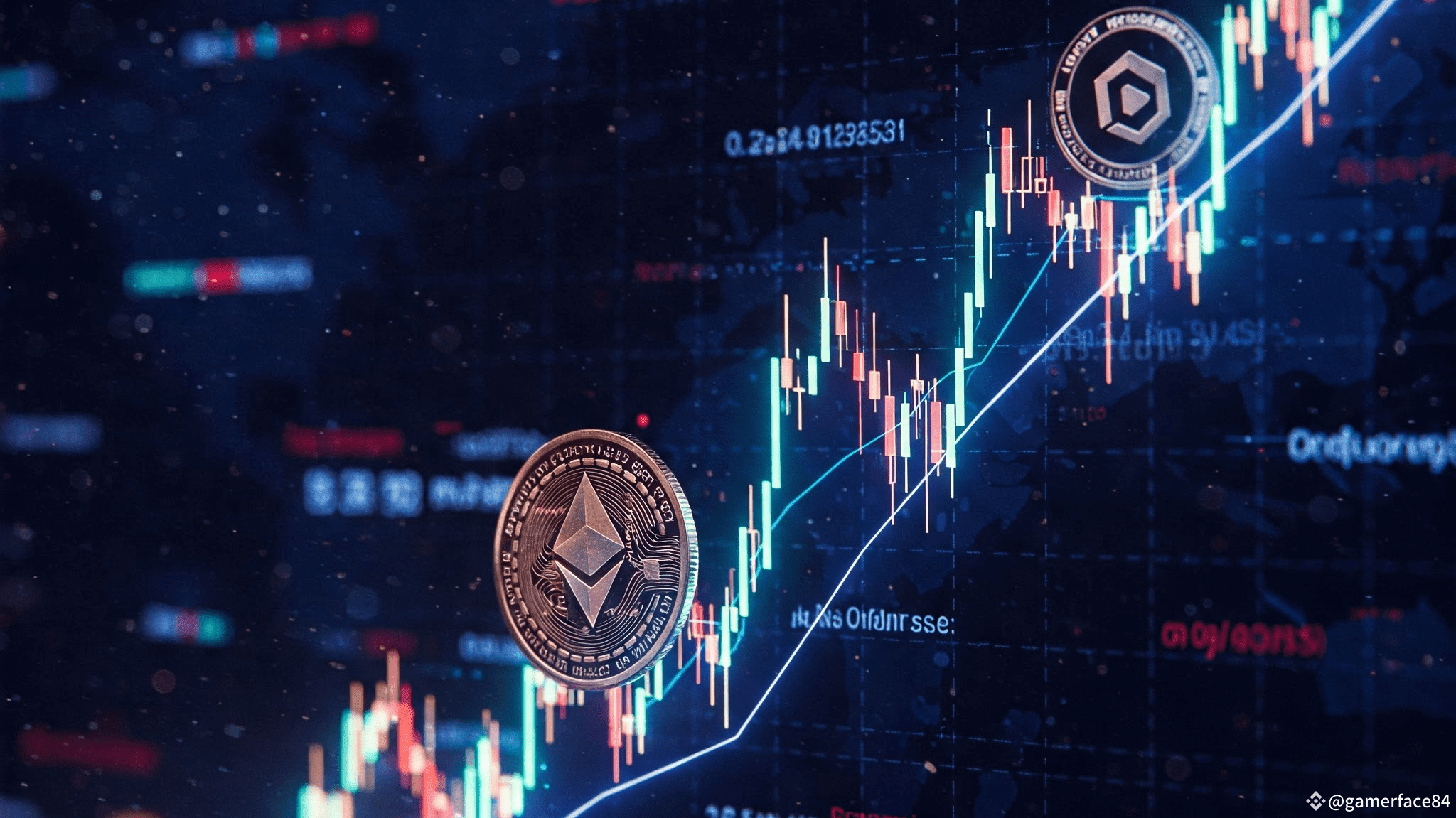
Movement in Crypto: Understanding Market DynamicsThe cryptocurrency market is characterized by its high volatility and rapid price fluctuations. Understanding the factors that drive these movements is crucial for anyone involved in crypto, whether as an investor, trader, or simply someone interested in this evolving financial landscape.
Factors Influencing Cryptocurrency Price Changes:
Several key factors contribute to the dynamic nature of cryptocurrency prices:
* Supply and Demand: This fundamental economic principle is a primary driver. Limited supply coupled with high demand typically leads to price increases, while abundant supply and low demand result in price decreases. For example, Bitcoin's fixed supply of 21 million coins contributes to its scarcity and potential for value appreciation.
* Market Sentiment: The overall feeling or attitude of investors towards a particular cryptocurrency or the market as a whole significantly impacts price. Positive news, adoption by institutions, or technological advancements can create bullish (positive) sentiment, driving prices up. Conversely, negative news, regulatory concerns, or security breaches can lead to bearish (negative) sentiment and price declines. The "Fear and Greed Index" is often used to gauge market sentiment.
* Adoption and Use Cases: The real-world utility and adoption of a cryptocurrency play a vital role in its valuation. Cryptocurrencies with practical applications in transactions, decentralized applications (dApps), or smart contracts tend to attract more interest and investment, increasing their value. For instance, Ethereum's utility in powering a vast ecosystem of dApps and its use for transaction fees contribute to its market value.
* Regulatory Landscape: Government regulations and policies significantly influence cryptocurrency prices. Positive regulatory developments that provide clarity and legitimacy can encourage wider adoption and increase prices. Conversely, restrictive regulations or outright bans in certain regions can negatively impact market confidence and lead to price drops. For example, announcements from the Securities and Exchange Commission (SEC) in the United States can significantly affect cryptocurrency prices.
* Media and News: Public perception and media coverage can have a substantial impact on cryptocurrency prices. Positive media attention can create hype and attract new investors, driving up demand. Negative news, even if unfounded, can trigger fear and lead to sell-offs.
* Whale Activity: Large cryptocurrency holders, often referred to as "whales," can influence prices by making significant buy or sell orders. These large trades can create sudden price swings due to their substantial impact on supply and demand.
* Technological Advancements: Developments in the underlying technology of a cryptocurrency, such as scalability improvements, enhanced security features, or the implementation of new functionalities, can positively affect its price by increasing its utility and attractiveness. For example, Layer 2 solutions built on top of existing blockchains like Ethereum aim to improve transaction speed and reduce costs, potentially increasing the value of the underlying cryptocurrency.
* Economic Performance: The broader economic climate can also influence cryptocurrency prices. In times of economic uncertainty, some investors may turn to cryptocurrencies as alternative assets, potentially increasing demand. Conversely, during economic downturns, investors may sell off riskier assets like cryptocurrencies.
* Central Bank Policies: While central banks do not directly control cryptocurrencies, their monetary policies, such as interest rate adjustments, can indirectly influence crypto prices. Some analysts believe that lower interest rates may make riskier assets like cryptocurrencies more attractive, while higher rates may have the opposite effect.
Understanding Cryptocurrency Market Dynamics:
Analyzing the movement in crypto requires understanding the interplay of these factors and recognizing certain market dynamics:
* Market Cycles: The cryptocurrency market often exhibits cyclical patterns characterized by bull markets (periods of sustained price increases) and bear markets (periods of sustained price decreases). Investor sentiment, technological advancements, and external events like Bitcoin halvings can influence these cycles.
* Volatility: High price volatility is a defining characteristic of the cryptocurrency market. Prices can experience significant and rapid fluctuations, offering both opportunities for high returns and risks of substantial losses.
* Global and 24/7 Trading: Unlike traditional financial markets with specific trading hours, cryptocurrency markets operate globally and continuously, 24 hours a day, seven days a week. This means that events happening in any part of the world can have an immediate impact on prices.
* Market Capitalization: Market capitalization, calculated by multiplying the current price of a cryptocurrency by its circulating supply, provides a measure of its overall value and relative size within the market. Cryptocurrencies with larger market caps tend to be less volatile than those with smaller market caps.
* Liquidity: Liquidity refers to the ease with which a cryptocurrency can be bought or sold without significantly affecting its price. Higher liquidity generally leads to more stable prices.
* Correlation: While cryptocurrencies are often considered independent assets, they can exhibit correlations in their price movements, particularly during periods of strong market sentiment or significant events. For example, Bitcoin's price movements can often influence the prices of other cryptocurrencies.
By understanding these factors and market dynamics, participants can gain a better perspective on the forces driving movement in the cryptocurrency market and make more informed decisions. However, it's crucial to remember that the cryptocurrency market is inherently risky, and past performance is not indicative of future results.
Movement in Crypto: Understanding Market Dynamics
The cryptocurrency market is characterized by its high volatility and rapid price fluctuations. Understanding the factors that drive these movements is crucial for anyone involved in crypto, whether as an investor, trader, or simply someone interested in this evolving financial landscape.
Factors Influencing Cryptocurrency Price Changes:
Several key factors contribute to the dynamic nature of cryptocurrency prices:
* Supply and Demand: This fundamental economic principle is a primary driver. Limited supply coupled with high demand typically leads to price increases, while abundant supply and low demand result in price decreases. For example, Bitcoin's fixed supply of 21 million coins contributes to its scarcity and potential for value appreciation.
* Market Sentiment: The overall feeling or attitude of investors towards a particular cryptocurrency or the market as a whole significantly impacts price. Positive news, adoption by institutions, or technological advancements can create bullish (positive) sentiment, driving prices up. Conversely, negative news, regulatory concerns, or security breaches can lead to bearish (negative) sentiment and price declines. The "Fear and Greed Index" is often used to gauge market sentiment.
* Adoption and Use Cases: The real-world utility and adoption of a cryptocurrency play a vital role in its valuation. Cryptocurrencies with practical applications in transactions, decentralized applications (dApps), or smart contracts tend to attract more interest and investment, increasing their value. For instance, Ethereum's utility in powering a vast ecosystem of dApps and its use for transaction fees contribute to its market value.
* Regulatory Landscape: Government regulations and policies significantly influence cryptocurrency prices. Positive regulatory developments that provide clarity and legitimacy can encourage wider adoption and increase prices. Conversely, restrictive regulations or outright bans in certain regions can negatively impact market confidence and lead to price drops. For example, announcements from the Securities and Exchange Commission (SEC) in the United States can significantly affect cryptocurrency prices.
* Media and News: Public perception and media coverage can have a substantial impact on cryptocurrency prices. Positive media attention can create hype and attract new investors, driving up demand. Negative news, even if unfounded, can trigger fear and lead to sell-offs.
* Whale Activity: Large cryptocurrency holders, often referred to as "whales," can influence prices by making significant buy or sell orders. These large trades can create sudden price swings due to their substantial impact on supply and demand.
* Technological Advancements: Developments in the underlying technology of a cryptocurrency, such as scalability improvements, enhanced security features, or the implementation of new functionalities, can positively affect its price by increasing its utility and attractiveness. For example, Layer 2 solutions built on top of existing blockchains like Ethereum aim to improve transaction speed and reduce costs, potentially increasing the value of the underlying cryptocurrency.
* Economic Performance: The broader economic climate can also influence cryptocurrency prices. In times of economic uncertainty, some investors may turn to cryptocurrencies as alternative assets, potentially increasing demand. Conversely, during economic downturns, investors may sell off riskier assets like cryptocurrencies.
* Central Bank Policies: While central banks do not directly control cryptocurrencies, their monetary policies, such as interest rate adjustments, can indirectly influence crypto prices. Some analysts believe that lower interest rates may make riskier assets like cryptocurrencies more attractive, while higher rates may have the opposite effect.
Understanding Cryptocurrency Market Dynamics:
Analyzing the movement in crypto requires understanding the interplay of these factors and recognizing certain market dynamics:
* Market Cycles: The cryptocurrency market often exhibits cyclical patterns characterized by bull markets (periods of sustained price increases) and bear markets (periods of sustained price decreases). Investor sentiment, technological advancements, and external events like Bitcoin halvings can influence these cycles.
* Volatility: High price volatility is a defining characteristic of the cryptocurrency market. Prices can experience significant and rapid fluctuations, offering both opportunities for high returns and risks of substantial losses.
* Global and 24/7 Trading: Unlike traditional financial markets with specific trading hours, cryptocurrency markets operate globally and continuously, 24 hours a day, seven days a week. This means that events happening in any part of the world can have an immediate impact on prices.
* Market Capitalization: Market capitalization, calculated by multiplying the current price of a cryptocurrency by its circulating supply, provides a measure of its overall value and relative size within the market. Cryptocurrencies with larger market caps tend to be less volatile than those with smaller market caps.
* Liquidity: Liquidity refers to the ease with which a cryptocurrency can be bought or sold without significantly affecting its price. Higher liquidity generally leads to more stable prices.
* Correlation: While cryptocurrencies are often considered independent assets, they can exhibit correlations in their price movements, particularly during periods of strong market sentiment or significant events. For example, Bitcoin's price movements can often influence the prices of other cryptocurrencies.
By understanding these factors and market dynamics, participants can gain a better perspective on the forces driving movement in the cryptocurrency market and make more informed decisions. However, it's crucial to remember that the cryptocurrency market is inherently risky, and past performance is not indicative of future results.
Factors Influencing Cryptocurrency Price Changes:
Several key factors contribute to the dynamic nature of cryptocurrency prices:
* Supply and Demand: This fundamental economic principle is a primary driver. Limited supply coupled with high demand typically leads to price increases, while abundant supply and low demand result in price decreases. For example, Bitcoin's fixed supply of 21 million coins contributes to its scarcity and potential for value appreciation.
* Market Sentiment: The overall feeling or attitude of investors towards a particular cryptocurrency or the market as a whole significantly impacts price. Positive news, adoption by institutions, or technological advancements can create bullish (positive) sentiment, driving prices up. Conversely, negative news, regulatory concerns, or security breaches can lead to bearish (negative) sentiment and price declines. The "Fear and Greed Index" is often used to gauge market sentiment.
* Adoption and Use Cases: The real-world utility and adoption of a cryptocurrency play a vital role in its valuation. Cryptocurrencies with practical applications in transactions, decentralized applications (dApps), or smart contracts tend to attract more interest and investment, increasing their value. For instance, Ethereum's utility in powering a vast ecosystem of dApps and its use for transaction fees contribute to its market value.
* Regulatory Landscape: Government regulations and policies significantly influence cryptocurrency prices. Positive regulatory developments that provide clarity and legitimacy can encourage wider adoption and increase prices. Conversely, restrictive regulations or outright bans in certain regions can negatively impact market confidence and lead to price drops. For example, announcements from the Securities and Exchange Commission (SEC) in the United States can significantly affect cryptocurrency prices.
* Media and News: Public perception and media coverage can have a substantial impact on cryptocurrency prices. Positive media attention can create hype and attract new investors, driving up demand. Negative news, even if unfounded, can trigger fear and lead to sell-offs.
* Whale Activity: Large cryptocurrency holders, often referred to as "whales," can influence prices by making significant buy or sell orders. These large trades can create sudden price swings due to their substantial impact on supply and demand.
* Technological Advancements: Developments in the underlying technology of a cryptocurrency, such as scalability improvements, enhanced security features, or the implementation of new functionalities, can positively affect its price by increasing its utility and attractiveness. For example, Layer 2 solutions built on top of existing blockchains like Ethereum aim to improve transaction speed and reduce costs, potentially increasing the value of the underlying cryptocurrency.
* Economic Performance: The broader economic climate can also influence cryptocurrency prices. In times of economic uncertainty, some investors may turn to cryptocurrencies as alternative assets, potentially increasing demand. Conversely, during economic downturns, investors may sell off riskier assets like cryptocurrencies.
* Central Bank Policies: While central banks do not directly control cryptocurrencies, their monetary policies, such as interest rate adjustments, can indirectly influence crypto prices. Some analysts believe that lower interest rates may make riskier assets like cryptocurrencies more attractive, while higher rates may have the opposite effect.
Understanding Cryptocurrency Market Dynamics:
Analyzing the movement in crypto requires understanding the interplay of these factors and recognizing certain market dynamics:
* Market Cycles: The cryptocurrency market often exhibits cyclical patterns characterized by bull markets (periods of sustained price increases) and bear markets (periods of sustained price decreases). Investor sentiment, technological advancements, and external events like Bitcoin halvings can influence these cycles.
* Volatility: High price volatility is a defining characteristic of the cryptocurrency market. Prices can experience significant and rapid fluctuations, offering both opportunities for high returns and risks of substantial losses.
* Global and 24/7 Trading: Unlike traditional financial markets with specific trading hours, cryptocurrency markets operate globally and continuously, 24 hours a day, seven days a week. This means that events happening in any part of the world can have an immediate impact on prices.
* Market Capitalization: Market capitalization, calculated by multiplying the current price of a cryptocurrency by its circulating supply, provides a measure of its overall value and relative size within the market. Cryptocurrencies with larger market caps tend to be less volatile than those with smaller market caps.
* Liquidity: Liquidity refers to the ease with which a cryptocurrency can be bought or sold without significantly affecting its price. Higher liquidity generally leads to more stable prices.
* Correlation: While cryptocurrencies are often considered independent assets, they can exhibit correlations in their price movements, particularly during periods of strong market sentiment or significant events. For example, Bitcoin's price movements can often influence the prices of other cryptocurrencies.
By understanding these factors and market dynamics, participants can gain a better perspective on the forces driving movement in the cryptocurrency market and make more informed decisions. However, it's crucial to remember that the cryptocurrency market is inherently risky, and past performance is not indicative of future results.
1k
·
--
مقالة
عرض الترجمة
SIGN Token It is associated with Sign Protocol, an omni-chain attestation protocol for credential verification and token distribution, and TokenTable, a platform for token distribution. The project aims to bring trust to trustless networks.
* Current Price (as of May 3, 2025): Approximately $0.091051 USD.
* Market Cap: Around $109.26 million USD.
* Circulating Supply: Approximately 1.20 billion SIGN coins.
* Total/Maximum Supply: 10.00 billion SIGN coins.
* 24-Hour Trading Volume: Around $112.69 million USD.
* Recent Price Change:
* Last 24 hours: Up by approximately 6.50%.
* Last 7 days: Up by approximately 33.02% (as of a couple of days ago).
* All-Time High: $0.129526 USD.
* Popularity Ranking: #324 (based on market cap).
* Exchanges: Listed on major exchanges like Binance and Bitget.
SIGN Token
It is associated with Sign Protocol, an omni-chain attestation protocol for credential verification and token distribution, and TokenTable, a platform for token distribution. The project aims to bring trust to trustless networks.
* Current Price (as of May 3, 2025): Approximately $0.091051 USD.
* Market Cap: Around $109.26 million USD.
* Circulating Supply: Approximately 1.20 billion SIGN coins.
* Total/Maximum Supply: 10.00 billion SIGN coins.
* 24-Hour Trading Volume: Around $112.69 million USD.
* Recent Price Change:
* Last 24 hours: Up by approximately 6.50%.
* Last 7 days: Up by approximately 33.02% (as of a couple of days ago).
* All-Time High: $0.129526 USD.
* Popularity Ranking: #324 (based on market cap).
* Exchanges: Listed on major exchanges like Binance and Bitget.
* Current Price (as of May 3, 2025): Approximately $0.091051 USD.
* Market Cap: Around $109.26 million USD.
* Circulating Supply: Approximately 1.20 billion SIGN coins.
* Total/Maximum Supply: 10.00 billion SIGN coins.
* 24-Hour Trading Volume: Around $112.69 million USD.
* Recent Price Change:
* Last 24 hours: Up by approximately 6.50%.
* Last 7 days: Up by approximately 33.02% (as of a couple of days ago).
* All-Time High: $0.129526 USD.
* Popularity Ranking: #324 (based on market cap).
* Exchanges: Listed on major exchanges like Binance and Bitget.
10k
·
--
مقالة
عرض الترجمة
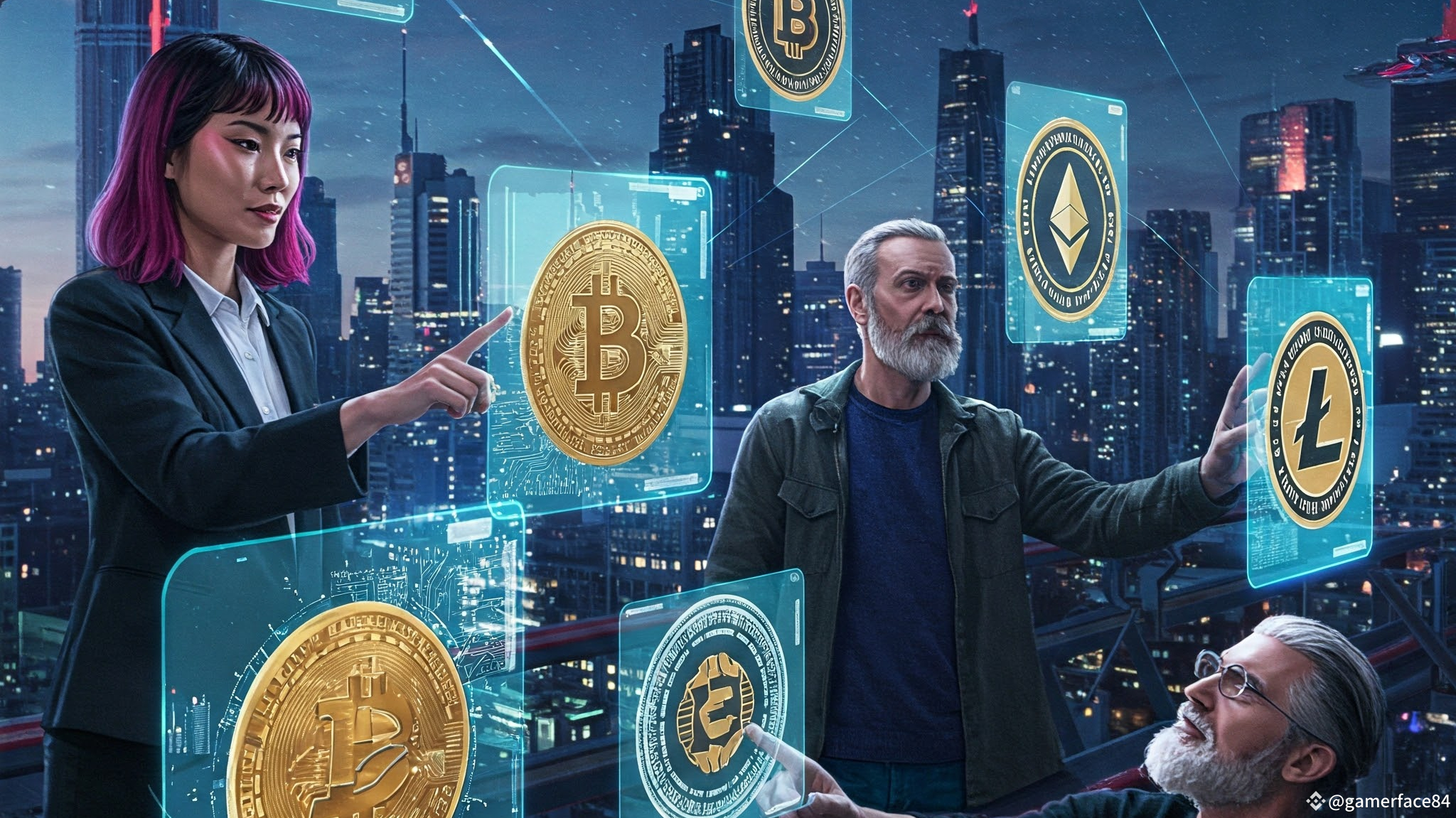
The Altcoin Advantage: Exploring New Frontiers in CryptoWhat are Altcoins?
The term "altcoin" is straightforward: it refers to any cryptocurrency that is not Bitcoin. Think of it as the "alternative coins" in the crypto market. Since Bitcoin's groundbreaking inception, thousands of other cryptocurrencies have emerged, each with its own unique features, purposes, and technological underpinnings.
Key Aspects of Altcoins:
* Variety of Purposes: Altcoins aren't just trying to be better versions of Bitcoin. They often aim to fulfill specific needs or introduce novel functionalities. This can range from faster transaction speeds and enhanced privacy features to enabling decentralized applications (dApps) and creating entire digital ecosystems.
* Different Mechanisms: Many altcoins differ from Bitcoin in their underlying technology. They might employ different consensus mechanisms to validate transactions (like Proof-of-Stake instead of Bitcoin's Proof-of-Work), have varying governance models, or focus on specific use cases like supply chain management or data storage.
* Innovation Drivers: Altcoins are often at the forefront of blockchain innovation. They experiment with new ideas and technologies that can eventually influence the broader cryptocurrency space.
* Investment Opportunities and Risks: Altcoins can present significant investment opportunities, potentially offering higher returns than more established cryptocurrencies. However, they also come with higher volatility and risk, and it's crucial to be aware of potential scams in this rapidly evolving market.
* Types of Altcoins: The landscape of altcoins is diverse. Some common categories include:
* Stablecoins: These aim to maintain a stable value by pegging their price to another asset like a fiat currency (e.g., USDT, USDC).
* Utility Tokens: These provide access to specific products or services within a particular blockchain ecosystem (e.g., Ether on Ethereum).
* Governance Tokens: Holding these tokens often grants users the right to vote on decisions related to the project's development (e.g., UNI for Uniswap).
* Privacy Coins: These focus on anonymizing transactions to a greater extent than Bitcoin (e.g., Monero, Zcash).
* Meme Coins: These are often community-driven and based on internet memes or viral trends (e.g., Dogecoin, Shiba Inu).
The Current Landscape (May 2025):
As we move through 2025, the altcoin market continues to be dynamic. Some narratives suggest a potential "bull run" where certain altcoins could see significant growth. Projects like Ethereum (ETH), Solana (SOL), Cardano (ADA), Chainlink (LINK), and Polygon (MATIC) are often highlighted as having strong potential due to their underlying technology, growing adoption, and the unique solutions they offer.
Newer altcoins are also emerging, sometimes focusing on specific niches like meme culture combined with utility (e.g., Solaxy), or aiming to simplify crypto management through comprehensive platforms (e.g., Best Wallet).
Important Considerations:
* Liquidity: Many altcoins have lower trading volume compared to Bitcoin, which can make it harder to buy or sell large amounts without affecting the price.
* Market Saturation: With thousands of altcoins available, it can be challenging to identify those with genuine potential and avoid those that might be scams or lack real-world use.
* Regulation: The regulatory landscape for cryptocurrencies, including altcoins, is still evolving and can impact their adoption and value.
In conclusion, the world of altcoins is a vibrant and constantly changing space. It offers a wide array of opportunities and challenges for investors and technology enthusiasts alike. Keeping informed about the different types of altcoins, their use cases, and the broader market trends is essential for navigating this exciting frontier.
The Altcoin Advantage: Exploring New Frontiers in Crypto
What are Altcoins?
The term "altcoin" is straightforward: it refers to any cryptocurrency that is not Bitcoin. Think of it as the "alternative coins" in the crypto market. Since Bitcoin's groundbreaking inception, thousands of other cryptocurrencies have emerged, each with its own unique features, purposes, and technological underpinnings.
Key Aspects of Altcoins:
* Variety of Purposes: Altcoins aren't just trying to be better versions of Bitcoin. They often aim to fulfill specific needs or introduce novel functionalities. This can range from faster transaction speeds and enhanced privacy features to enabling decentralized applications (dApps) and creating entire digital ecosystems.
* Different Mechanisms: Many altcoins differ from Bitcoin in their underlying technology. They might employ different consensus mechanisms to validate transactions (like Proof-of-Stake instead of Bitcoin's Proof-of-Work), have varying governance models, or focus on specific use cases like supply chain management or data storage.
* Innovation Drivers: Altcoins are often at the forefront of blockchain innovation. They experiment with new ideas and technologies that can eventually influence the broader cryptocurrency space.
* Investment Opportunities and Risks: Altcoins can present significant investment opportunities, potentially offering higher returns than more established cryptocurrencies. However, they also come with higher volatility and risk, and it's crucial to be aware of potential scams in this rapidly evolving market.
* Types of Altcoins: The landscape of altcoins is diverse. Some common categories include:
* Stablecoins: These aim to maintain a stable value by pegging their price to another asset like a fiat currency (e.g., USDT, USDC).
* Utility Tokens: These provide access to specific products or services within a particular blockchain ecosystem (e.g., Ether on Ethereum).
* Governance Tokens: Holding these tokens often grants users the right to vote on decisions related to the project's development (e.g., UNI for Uniswap).
* Privacy Coins: These focus on anonymizing transactions to a greater extent than Bitcoin (e.g., Monero, Zcash).
* Meme Coins: These are often community-driven and based on internet memes or viral trends (e.g., Dogecoin, Shiba Inu).
The Current Landscape (May 2025):
As we move through 2025, the altcoin market continues to be dynamic. Some narratives suggest a potential "bull run" where certain altcoins could see significant growth. Projects like Ethereum (ETH), Solana (SOL), Cardano (ADA), Chainlink (LINK), and Polygon (MATIC) are often highlighted as having strong potential due to their underlying technology, growing adoption, and the unique solutions they offer.
Newer altcoins are also emerging, sometimes focusing on specific niches like meme culture combined with utility (e.g., Solaxy), or aiming to simplify crypto management through comprehensive platforms (e.g., Best Wallet).
Important Considerations:
* Liquidity: Many altcoins have lower trading volume compared to Bitcoin, which can make it harder to buy or sell large amounts without affecting the price.
* Market Saturation: With thousands of altcoins available, it can be challenging to identify those with genuine potential and avoid those that might be scams or lack real-world use.
* Regulation: The regulatory landscape for cryptocurrencies, including altcoins, is still evolving and can impact their adoption and value.
In conclusion, the world of altcoins is a vibrant and constantly changing space. It offers a wide array of opportunities and challenges for investors and technology enthusiasts alike. Keeping informed about the different types of altcoins, their use cases, and the broader market trends is essential for navigating this exciting frontier.
The term "altcoin" is straightforward: it refers to any cryptocurrency that is not Bitcoin. Think of it as the "alternative coins" in the crypto market. Since Bitcoin's groundbreaking inception, thousands of other cryptocurrencies have emerged, each with its own unique features, purposes, and technological underpinnings.
Key Aspects of Altcoins:
* Variety of Purposes: Altcoins aren't just trying to be better versions of Bitcoin. They often aim to fulfill specific needs or introduce novel functionalities. This can range from faster transaction speeds and enhanced privacy features to enabling decentralized applications (dApps) and creating entire digital ecosystems.
* Different Mechanisms: Many altcoins differ from Bitcoin in their underlying technology. They might employ different consensus mechanisms to validate transactions (like Proof-of-Stake instead of Bitcoin's Proof-of-Work), have varying governance models, or focus on specific use cases like supply chain management or data storage.
* Innovation Drivers: Altcoins are often at the forefront of blockchain innovation. They experiment with new ideas and technologies that can eventually influence the broader cryptocurrency space.
* Investment Opportunities and Risks: Altcoins can present significant investment opportunities, potentially offering higher returns than more established cryptocurrencies. However, they also come with higher volatility and risk, and it's crucial to be aware of potential scams in this rapidly evolving market.
* Types of Altcoins: The landscape of altcoins is diverse. Some common categories include:
* Stablecoins: These aim to maintain a stable value by pegging their price to another asset like a fiat currency (e.g., USDT, USDC).
* Utility Tokens: These provide access to specific products or services within a particular blockchain ecosystem (e.g., Ether on Ethereum).
* Governance Tokens: Holding these tokens often grants users the right to vote on decisions related to the project's development (e.g., UNI for Uniswap).
* Privacy Coins: These focus on anonymizing transactions to a greater extent than Bitcoin (e.g., Monero, Zcash).
* Meme Coins: These are often community-driven and based on internet memes or viral trends (e.g., Dogecoin, Shiba Inu).
The Current Landscape (May 2025):
As we move through 2025, the altcoin market continues to be dynamic. Some narratives suggest a potential "bull run" where certain altcoins could see significant growth. Projects like Ethereum (ETH), Solana (SOL), Cardano (ADA), Chainlink (LINK), and Polygon (MATIC) are often highlighted as having strong potential due to their underlying technology, growing adoption, and the unique solutions they offer.
Newer altcoins are also emerging, sometimes focusing on specific niches like meme culture combined with utility (e.g., Solaxy), or aiming to simplify crypto management through comprehensive platforms (e.g., Best Wallet).
Important Considerations:
* Liquidity: Many altcoins have lower trading volume compared to Bitcoin, which can make it harder to buy or sell large amounts without affecting the price.
* Market Saturation: With thousands of altcoins available, it can be challenging to identify those with genuine potential and avoid those that might be scams or lack real-world use.
* Regulation: The regulatory landscape for cryptocurrencies, including altcoins, is still evolving and can impact their adoption and value.
In conclusion, the world of altcoins is a vibrant and constantly changing space. It offers a wide array of opportunities and challenges for investors and technology enthusiasts alike. Keeping informed about the different types of altcoins, their use cases, and the broader market trends is essential for navigating this exciting frontier.
1
537
·
--
مقالة
عرض الترجمة
Daily Crypto quizQuestion 1: What does the term "altcoin" stand for?
a) Alternative coin
b) Atomic coin
c) Alpha coin
d) Allied coin
Question 2: Which cryptocurrency is NOT considered an altcoin?
a) Ethereum (ETH)
b) Litecoin (LTC)
c) Bitcoin (BTC)
d) Dogecoin (DOGE)
Question 3: What is a primary reason for the creation of most altcoins?
a) To replace Bitcoin entirely.
b) To offer different features or functionalities compared to Bitcoin.
c) To confuse cryptocurrency investors.
d) To solely focus on faster transaction speeds.
Question 4: Which of the following is a type of altcoin that aims to maintain a stable value relative to an external asset like the US dollar?
a) Mining coin
b) Utility token
c) Stablecoin
d) Privacy coin
Question 5: What is a "fork" in the context of cryptocurrencies and blockchains, often leading to the creation of new altcoins?
a) A type of cryptocurrency wallet.
b) A fundamental rule governing the blockchain network.
c) A change in the blockchain's protocol that can result in two separate blockchains.
d) A method of mining new cryptocurrency.
Bonus Question: Name three examples of altcoins that have significant market capitalization (as of today, Saturday, May 3, 2025).
Good luck! Let me know when yo
u're ready for the answers.
Daily Crypto quiz
Question 1: What does the term "altcoin" stand for?
a) Alternative coin
b) Atomic coin
c) Alpha coin
d) Allied coin
Question 2: Which cryptocurrency is NOT considered an altcoin?
a) Ethereum (ETH)
b) Litecoin (LTC)
c) Bitcoin (BTC)
d) Dogecoin (DOGE)
Question 3: What is a primary reason for the creation of most altcoins?
a) To replace Bitcoin entirely.
b) To offer different features or functionalities compared to Bitcoin.
c) To confuse cryptocurrency investors.
d) To solely focus on faster transaction speeds.
Question 4: Which of the following is a type of altcoin that aims to maintain a stable value relative to an external asset like the US dollar?
a) Mining coin
b) Utility token
c) Stablecoin
d) Privacy coin
Question 5: What is a "fork" in the context of cryptocurrencies and blockchains, often leading to the creation of new altcoins?
a) A type of cryptocurrency wallet.
b) A fundamental rule governing the blockchain network.
c) A change in the blockchain's protocol that can result in two separate blockchains.
d) A method of mining new cryptocurrency.
Bonus Question: Name three examples of altcoins that have significant market capitalization (as of today, Saturday, May 3, 2025).
Good luck! Let me know when yo
u're ready for the answers.
a) Alternative coin
b) Atomic coin
c) Alpha coin
d) Allied coin
Question 2: Which cryptocurrency is NOT considered an altcoin?
a) Ethereum (ETH)
b) Litecoin (LTC)
c) Bitcoin (BTC)
d) Dogecoin (DOGE)
Question 3: What is a primary reason for the creation of most altcoins?
a) To replace Bitcoin entirely.
b) To offer different features or functionalities compared to Bitcoin.
c) To confuse cryptocurrency investors.
d) To solely focus on faster transaction speeds.
Question 4: Which of the following is a type of altcoin that aims to maintain a stable value relative to an external asset like the US dollar?
a) Mining coin
b) Utility token
c) Stablecoin
d) Privacy coin
Question 5: What is a "fork" in the context of cryptocurrencies and blockchains, often leading to the creation of new altcoins?
a) A type of cryptocurrency wallet.
b) A fundamental rule governing the blockchain network.
c) A change in the blockchain's protocol that can result in two separate blockchains.
d) A method of mining new cryptocurrency.
Bonus Question: Name three examples of altcoins that have significant market capitalization (as of today, Saturday, May 3, 2025).
Good luck! Let me know when yo
u're ready for the answers.
1
270
·
--

5
·
--
عرض الترجمة
if no one looses , then no one gains .
if no one looses , then no one gains .

Elayaa
·
--
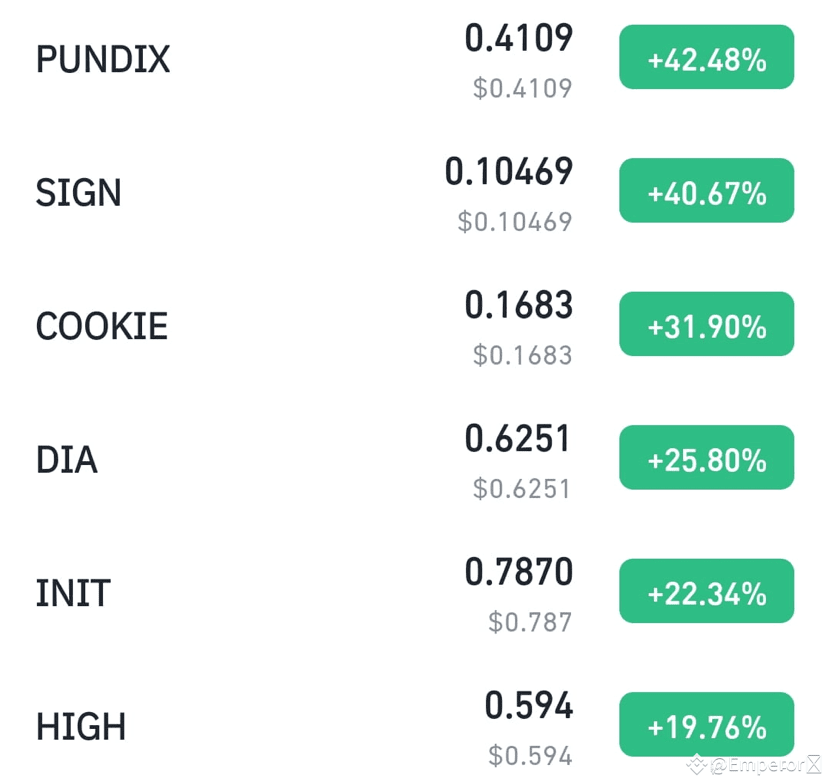
لماذا تنخفض قيمة كل عملة فور شرائها؟
السؤال الأكثر شيوعًا الذي يطرحه كل مبتدئ.
إليك الإجابة الصريحة:
ليست المشكلة في العملة، بل فيك.
لنبدأ بتحليلها.
⸻
الحقيقة المؤلمة:
اشتريتَ عملة بعد أن ارتفعت قيمتها.
طاردتَ شمعة خضراء.
دخلتَ قائمة أفضل 5 رابحين بسبب الخوف من تفويت الفرصة.
لكن إليكَ المشكلة:
إذا ارتفعت قيمتها بنسبة 20-40% خلال 24 ساعة...
فأنتَ مصدر السيولة.
⸻
ماذا تفعل إذًا؟
★ توقف عن مطاردة الضجيج
★ تعلم أساسيات إعدادات الرسم البياني
★ تجنب تبويبات "أكبر الرابحين والخاسرين"
★ تداول العملات الجاهزة، التي لم تصل إلى ذروتها
★ ماذا لو لم تقم بالتحليل الفني بعد؟
التزم بهذه القاعدة الذهبية:
اشترِ ما لا يشاهده أحد بعد - وليس ما يُشجعه الجميع.
⸻
الربح الحقيقي؟
يُجنى في صمت.
ليس بالدعاية.
ليس بتغريدات "مون بوي".
بل بالإعدادات والصبر والبحث.
⸻
أعجب بهذا إذا تعلمت الدرس بصعوبة.
شارك لتنقذ مبتدئًا من الانهيار.
علّق إذا توقفت أخيرًا عن كونك مصدر السيولة.
#BinanceHODLerSTO #DigitalAssetBill I #BTCRebound #StrategicBTCReserve
السؤال الأكثر شيوعًا الذي يطرحه كل مبتدئ.
إليك الإجابة الصريحة:
ليست المشكلة في العملة، بل فيك.
لنبدأ بتحليلها.
⸻
الحقيقة المؤلمة:
اشتريتَ عملة بعد أن ارتفعت قيمتها.
طاردتَ شمعة خضراء.
دخلتَ قائمة أفضل 5 رابحين بسبب الخوف من تفويت الفرصة.
لكن إليكَ المشكلة:
إذا ارتفعت قيمتها بنسبة 20-40% خلال 24 ساعة...
فأنتَ مصدر السيولة.
⸻
ماذا تفعل إذًا؟
★ توقف عن مطاردة الضجيج
★ تعلم أساسيات إعدادات الرسم البياني
★ تجنب تبويبات "أكبر الرابحين والخاسرين"
★ تداول العملات الجاهزة، التي لم تصل إلى ذروتها
★ ماذا لو لم تقم بالتحليل الفني بعد؟
التزم بهذه القاعدة الذهبية:
اشترِ ما لا يشاهده أحد بعد - وليس ما يُشجعه الجميع.
⸻
الربح الحقيقي؟
يُجنى في صمت.
ليس بالدعاية.
ليس بتغريدات "مون بوي".
بل بالإعدادات والصبر والبحث.
⸻
أعجب بهذا إذا تعلمت الدرس بصعوبة.
شارك لتنقذ مبتدئًا من الانهيار.
علّق إذا توقفت أخيرًا عن كونك مصدر السيولة.
#BinanceHODLerSTO #DigitalAssetBill I #BTCRebound #StrategicBTCReserve
7
·
--
مقالة
البحث عن العملة البديلة التالية التي ستنفجر على Binanceالعملات البديلة المدرجة حديثًا على Binance:
* SXT (StakeStone): أطلقت Binance Futures مؤخرًا تداول ما قبل السوق لعقد SXT/USDT الدائم (تم الإعلان عنه في 2 مايو 2025). يرتبط StakeStone بحلول التخزين السائل.
* INIT (Initia): أدرجت Binance عقد العقود الآجلة الدائمة المربوطة بـ USDT لـ Initia (INIT) في 16 أبريل 2025. يُوصف Initia بأنه مشروع بلوكشين يعتمد على rollups متعددة السلاسل.
* BABY (Babylon): تم إدراجه في 10 أبريل 2025، كجزء من برنامج توزيع هدايا HODLer في Binance. يتيح Babylon تخزين BTC مباشرة على شبكة Bitcoin.
البحث عن العملة البديلة التالية التي ستنفجر على Binance
العملات البديلة المدرجة حديثًا على Binance:
* SXT (StakeStone): أطلقت Binance Futures مؤخرًا تداول ما قبل السوق لعقد SXT/USDT الدائم (تم الإعلان عنه في 2 مايو 2025). يرتبط StakeStone بحلول التخزين السائل.
* INIT (Initia): أدرجت Binance عقد العقود الآجلة الدائمة المربوطة بـ USDT لـ Initia (INIT) في 16 أبريل 2025. يُوصف Initia بأنه مشروع بلوكشين يعتمد على rollups متعددة السلاسل.
* BABY (Babylon): تم إدراجه في 10 أبريل 2025، كجزء من برنامج توزيع هدايا HODLer في Binance. يتيح Babylon تخزين BTC مباشرة على شبكة Bitcoin.
* SXT (StakeStone): أطلقت Binance Futures مؤخرًا تداول ما قبل السوق لعقد SXT/USDT الدائم (تم الإعلان عنه في 2 مايو 2025). يرتبط StakeStone بحلول التخزين السائل.
* INIT (Initia): أدرجت Binance عقد العقود الآجلة الدائمة المربوطة بـ USDT لـ Initia (INIT) في 16 أبريل 2025. يُوصف Initia بأنه مشروع بلوكشين يعتمد على rollups متعددة السلاسل.
* BABY (Babylon): تم إدراجه في 10 أبريل 2025، كجزء من برنامج توزيع هدايا HODLer في Binance. يتيح Babylon تخزين BTC مباشرة على شبكة Bitcoin.
1.4k
·
--
مقالة
عرض الترجمة
Bitcoin on the Brink: Will New Heights Be Reached?Current Market Situation and Expert Opinions:
* Bitcoin is currently trading near $97,000 (as of late May 2, 2025).
* Several analysts predict a significant surge in Bitcoin's price within the next year.
* Optimistic Scenarios:
* Some forecasts suggest Bitcoin could reach $150,000 - $175,000 within the next 12 months if on-chain momentum and institutional demand continue to rise.
* Veteran trader Peter Brandt suggests a potential cycle peak between $125,000 and $150,000 by August or September 2025 if Bitcoin reclaims its broken parabolic trendline.
* Standard Chartered Bank has an even more bullish outlook, predicting $200,000 by the end of 2025.
* Finder.com's panel of experts has an average projection of $161,000 by the end of 2025.
* VanEck anticipates a peak around $180,000 in 2025 in a dual-cycle peak scenario.
* Factors Driving Potential Surge:
* Increased Institutional Investment: A strong influx of capital from institutions is seen as a key driver.
* Growing Investor Sentiment: Positive sentiment and accumulation by long-term holders are reducing sell pressure.
* Limited Supply: Bitcoin's capped supply of 21 million coins can drive the price up with increasing demand.
* Potential for a National Bitcoin Reserve: Plans by the Trump administration to establish a national Bitcoin reserve are viewed positively.
* Bitcoin ETF Flows: Continued inflows into Bitcoin ETFs are expected to exert upward pressure on the price.
* Weakening US Dollar: Some experts believe that skepticism towards the US dollar is contributing to Bitcoin's rise.
* Realized Capitalization ATH: Bitcoin's realized capitalization recently reached a new all-time high, which has historically been followed by bullish rallies.
* Potential Risks and Corrections:
* Peter Brandt warns of a potential sharp correction of over 50% after reaching the projected peak.
* Analysts note that if the Bitcoin Composite Index drops, a price correction to the $70,000 - $85,000 range is possible.
* The cryptocurrency market is known for its volatility, and unexpected events can lead to significant price swings.
Factors Influencing Bitcoin's Price:
* Supply and Demand: The fundamental economic principle where limited supply and increasing demand drive prices up.
* Investor Sentiment: Positive news and developments can boost confidence, while negative news can lead to price drops.
* Technological Advancements: Upgrades to the Bitcoin network that improve security and scalability can positively impact the price.
* Market Sentiment and News: Media coverage and overall market perception play a significant role.
* Limited Supply and Halving: Bitcoin's fixed supply and the halving events (reducing the rate at which new bitcoins are mined) can create supply shocks and affect price. The next halving is expected in 2028.
* Speculation: Bitcoin's price volatility encourages speculation, which can inflate demand and cause significant price fluctuations.
* Regulatory Changes: Government regulations and rulings on cryptocurrency can impact investor sentiment and price.
* Adoption: Increased adoption by companies, investment firms, and governments can positively affect the price.
* Economic Performance: Bitcoin, being a risk asset, can perform better when the economy is doing well.
* Market Capitalization: A larger market cap can lead to increased stability and demand.
In Conclusion:
The current market shows strong momentum for Bitcoin, with numerous experts predicting a surge to new heights within the coming months. Factors such as increasing institutional adoption, limited supply, and positive market sentiment are contributing to this bullish outlook. However, it's crucial to remember the inherent volatility of the cryptocurrency market and the possibility of significant corrections. While reaching new all-time highs seems plausible based on current predictions, investors should be awar
e of the potential risks involved.
Bitcoin on the Brink: Will New Heights Be Reached?
Current Market Situation and Expert Opinions:
* Bitcoin is currently trading near $97,000 (as of late May 2, 2025).
* Several analysts predict a significant surge in Bitcoin's price within the next year.
* Optimistic Scenarios:
* Some forecasts suggest Bitcoin could reach $150,000 - $175,000 within the next 12 months if on-chain momentum and institutional demand continue to rise.
* Veteran trader Peter Brandt suggests a potential cycle peak between $125,000 and $150,000 by August or September 2025 if Bitcoin reclaims its broken parabolic trendline.
* Standard Chartered Bank has an even more bullish outlook, predicting $200,000 by the end of 2025.
* Finder.com's panel of experts has an average projection of $161,000 by the end of 2025.
* VanEck anticipates a peak around $180,000 in 2025 in a dual-cycle peak scenario.
* Factors Driving Potential Surge:
* Increased Institutional Investment: A strong influx of capital from institutions is seen as a key driver.
* Growing Investor Sentiment: Positive sentiment and accumulation by long-term holders are reducing sell pressure.
* Limited Supply: Bitcoin's capped supply of 21 million coins can drive the price up with increasing demand.
* Potential for a National Bitcoin Reserve: Plans by the Trump administration to establish a national Bitcoin reserve are viewed positively.
* Bitcoin ETF Flows: Continued inflows into Bitcoin ETFs are expected to exert upward pressure on the price.
* Weakening US Dollar: Some experts believe that skepticism towards the US dollar is contributing to Bitcoin's rise.
* Realized Capitalization ATH: Bitcoin's realized capitalization recently reached a new all-time high, which has historically been followed by bullish rallies.
* Potential Risks and Corrections:
* Peter Brandt warns of a potential sharp correction of over 50% after reaching the projected peak.
* Analysts note that if the Bitcoin Composite Index drops, a price correction to the $70,000 - $85,000 range is possible.
* The cryptocurrency market is known for its volatility, and unexpected events can lead to significant price swings.
Factors Influencing Bitcoin's Price:
* Supply and Demand: The fundamental economic principle where limited supply and increasing demand drive prices up.
* Investor Sentiment: Positive news and developments can boost confidence, while negative news can lead to price drops.
* Technological Advancements: Upgrades to the Bitcoin network that improve security and scalability can positively impact the price.
* Market Sentiment and News: Media coverage and overall market perception play a significant role.
* Limited Supply and Halving: Bitcoin's fixed supply and the halving events (reducing the rate at which new bitcoins are mined) can create supply shocks and affect price. The next halving is expected in 2028.
* Speculation: Bitcoin's price volatility encourages speculation, which can inflate demand and cause significant price fluctuations.
* Regulatory Changes: Government regulations and rulings on cryptocurrency can impact investor sentiment and price.
* Adoption: Increased adoption by companies, investment firms, and governments can positively affect the price.
* Economic Performance: Bitcoin, being a risk asset, can perform better when the economy is doing well.
* Market Capitalization: A larger market cap can lead to increased stability and demand.
In Conclusion:
The current market shows strong momentum for Bitcoin, with numerous experts predicting a surge to new heights within the coming months. Factors such as increasing institutional adoption, limited supply, and positive market sentiment are contributing to this bullish outlook. However, it's crucial to remember the inherent volatility of the cryptocurrency market and the possibility of significant corrections. While reaching new all-time highs seems plausible based on current predictions, investors should be awar
e of the potential risks involved.
* Bitcoin is currently trading near $97,000 (as of late May 2, 2025).
* Several analysts predict a significant surge in Bitcoin's price within the next year.
* Optimistic Scenarios:
* Some forecasts suggest Bitcoin could reach $150,000 - $175,000 within the next 12 months if on-chain momentum and institutional demand continue to rise.
* Veteran trader Peter Brandt suggests a potential cycle peak between $125,000 and $150,000 by August or September 2025 if Bitcoin reclaims its broken parabolic trendline.
* Standard Chartered Bank has an even more bullish outlook, predicting $200,000 by the end of 2025.
* Finder.com's panel of experts has an average projection of $161,000 by the end of 2025.
* VanEck anticipates a peak around $180,000 in 2025 in a dual-cycle peak scenario.
* Factors Driving Potential Surge:
* Increased Institutional Investment: A strong influx of capital from institutions is seen as a key driver.
* Growing Investor Sentiment: Positive sentiment and accumulation by long-term holders are reducing sell pressure.
* Limited Supply: Bitcoin's capped supply of 21 million coins can drive the price up with increasing demand.
* Potential for a National Bitcoin Reserve: Plans by the Trump administration to establish a national Bitcoin reserve are viewed positively.
* Bitcoin ETF Flows: Continued inflows into Bitcoin ETFs are expected to exert upward pressure on the price.
* Weakening US Dollar: Some experts believe that skepticism towards the US dollar is contributing to Bitcoin's rise.
* Realized Capitalization ATH: Bitcoin's realized capitalization recently reached a new all-time high, which has historically been followed by bullish rallies.
* Potential Risks and Corrections:
* Peter Brandt warns of a potential sharp correction of over 50% after reaching the projected peak.
* Analysts note that if the Bitcoin Composite Index drops, a price correction to the $70,000 - $85,000 range is possible.
* The cryptocurrency market is known for its volatility, and unexpected events can lead to significant price swings.
Factors Influencing Bitcoin's Price:
* Supply and Demand: The fundamental economic principle where limited supply and increasing demand drive prices up.
* Investor Sentiment: Positive news and developments can boost confidence, while negative news can lead to price drops.
* Technological Advancements: Upgrades to the Bitcoin network that improve security and scalability can positively impact the price.
* Market Sentiment and News: Media coverage and overall market perception play a significant role.
* Limited Supply and Halving: Bitcoin's fixed supply and the halving events (reducing the rate at which new bitcoins are mined) can create supply shocks and affect price. The next halving is expected in 2028.
* Speculation: Bitcoin's price volatility encourages speculation, which can inflate demand and cause significant price fluctuations.
* Regulatory Changes: Government regulations and rulings on cryptocurrency can impact investor sentiment and price.
* Adoption: Increased adoption by companies, investment firms, and governments can positively affect the price.
* Economic Performance: Bitcoin, being a risk asset, can perform better when the economy is doing well.
* Market Capitalization: A larger market cap can lead to increased stability and demand.
In Conclusion:
The current market shows strong momentum for Bitcoin, with numerous experts predicting a surge to new heights within the coming months. Factors such as increasing institutional adoption, limited supply, and positive market sentiment are contributing to this bullish outlook. However, it's crucial to remember the inherent volatility of the cryptocurrency market and the possibility of significant corrections. While reaching new all-time highs seems plausible based on current predictions, investors should be awar
e of the potential risks involved.
538
·
--
مقالة
ما هو البيتكوين وكيف يعمل؟ما هو البيتكوين؟
بيتكوين (BTC) هي عملة رقمية لامركزية، أي أنها تعمل دون سلطة مركزية كالبنوك أو الحكومات. وهي نظام نقدي إلكتروني من نظير إلى نظير، يسمح للمستخدمين بإرسال واستقبال الأموال الرقمية مباشرةً عبر الإنترنت. أُنشئت بيتكوين عام ٢٠٠٩ على يد شخص أو مجموعة مجهولة الهوية تُدعى ساتوشي ناكاموتو.
الخصائص الرئيسية للبيتكوين:
* لامركزية: لا تتحكم جهة واحدة بالشبكة. يتم التحقق من المعاملات وتسجيلها عبر شبكة موزعة من أجهزة الكمبيوتر.
ما هو البيتكوين وكيف يعمل؟
ما هو البيتكوين؟
بيتكوين (BTC) هي عملة رقمية لامركزية، أي أنها تعمل دون سلطة مركزية كالبنوك أو الحكومات. وهي نظام نقدي إلكتروني من نظير إلى نظير، يسمح للمستخدمين بإرسال واستقبال الأموال الرقمية مباشرةً عبر الإنترنت. أُنشئت بيتكوين عام ٢٠٠٩ على يد شخص أو مجموعة مجهولة الهوية تُدعى ساتوشي ناكاموتو.
الخصائص الرئيسية للبيتكوين:
* لامركزية: لا تتحكم جهة واحدة بالشبكة. يتم التحقق من المعاملات وتسجيلها عبر شبكة موزعة من أجهزة الكمبيوتر.
بيتكوين (BTC) هي عملة رقمية لامركزية، أي أنها تعمل دون سلطة مركزية كالبنوك أو الحكومات. وهي نظام نقدي إلكتروني من نظير إلى نظير، يسمح للمستخدمين بإرسال واستقبال الأموال الرقمية مباشرةً عبر الإنترنت. أُنشئت بيتكوين عام ٢٠٠٩ على يد شخص أو مجموعة مجهولة الهوية تُدعى ساتوشي ناكاموتو.
الخصائص الرئيسية للبيتكوين:
* لامركزية: لا تتحكم جهة واحدة بالشبكة. يتم التحقق من المعاملات وتسجيلها عبر شبكة موزعة من أجهزة الكمبيوتر.
5
1.6k
سجّل الدخول لاستكشاف المزيد من المُحتوى
انضم إلى مُستخدمي العملات الرقمية حول العالم على Binance Square
⚡️ احصل على أحدث المعلومات المفيدة عن العملات الرقمية.
💬 موثوقة من قبل أكبر منصّة لتداول العملات الرقمية في العالم.
👍 اكتشف الرؤى الحقيقية من صنّاع المُحتوى الموثوقين.
البريد الإلكتروني / رقم الهاتف
المواضيع الرائجة
YenPasses160PerDollarToOneMonthLow
1,146 مشاهدات
62 يقومون بالنقاش
🇯🇵 الين يختبر حاجز الـ160 مجددًا
تراجع الين إلى ما دون 160 ينًا للدولار، مسجلًا أضعف مستوى له في نحو شهر، رغم التدخلات اليابانية الضخمة لدعم العملة.
لكن القصة هنا أكبر من مجرد رقم على الرسم البياني.
⚠️ مستوى 160 أصبح منطقة حساسة للغاية؛ تجاوزه مجددًا قد يعيد إلى الواجهة احتمالات تدخل السلطات اليابانية، خصوصًا مع استمرار الفارق في أسعار الفائدة بين الولايات المتحدة واليابان.
الأسواق لا تختبر السعر فقط… بل تختبر قدرة السياسات على تغييره.
ومع اقتراب اجتماع بنك اليابان، قد يكون الين أمام مرحلة حاسمة تحدد ما إذا كان الضعف الحالي سيستمر أم نشهد ارتدادًا قويًا.
#YenPasses160PerDollarToOneMonthLow
yosreia
·3 إعجاب
·237 مشاهدات
NYSilverFuturesDrop3%
14,778 مشاهدات
404 يقومون بالنقاش
SchwabPlansToAddSOLAVAXLINKTrading
17,962 مشاهدات
461 يقومون بالنقاش