

-X Y Z-
8.8k منشورات

-X Y Z-
إبلاغ
حظر المُستخدم
مُتداول عرضي
3.5 سنوات
4 تتابع
16.3K+ المتابعون
18.1K+ إعجاب
منشورات
الكل
اقتباسات
مقاطع فيديو
Live
·
--
أنا سعيد جدًا للانضمام إلى بثكم المباشر.. لقد قدّمتم معلومات رائعة جدًا عن $USD1 & $WLFI .. انضموا جميعًا فورًا
أنا سعيد جدًا للانضمام إلى بثكم المباشر.. لقد قدّمتم معلومات رائعة جدًا عن $USD1 & $WLFI .. انضموا جميعًا فورًا
تم حذف محتوى الاقتباس
1
316
·
--
تحديث سهم نتفليكس (NFLX)
يتداول سهم نتفليكس حاليًا قرب 73.9 دولارًا، وهو أدنى بكثير من أعلى مستوى خلال 52 أسبوعًا عند 126.71 دولارًا.
عوامل إيجابية:
التقييم جذاب بعد التراجع
التدفق النقدي الحر للشركة قوي
الخطة المدعومة بالإعلانات وإمكانية بث الرياضات مباشرة تفتح خيارات نمو جديدة
مخاوف:
نمو الإيرادات يتباطأ قليلًا
المنافسة في سوق البث عالية
بشكل عام، قد يكون هذا الانخفاض فرصة مثيرة للمستثمرين على المدى الطويل، لكن يُرجى إجراء بحثكم الخاص قبل اتخاذ أي قرار.
إخلاء المسؤولية: هذه مجرد معلومات وليست نصيحة مالية.$NFLXB
تحديث سهم نتفليكس (NFLX)
يتداول سهم نتفليكس حاليًا قرب 73.9 دولارًا، وهو أدنى بكثير من أعلى مستوى خلال 52 أسبوعًا عند 126.71 دولارًا.
عوامل إيجابية:
التقييم جذاب بعد التراجع
التدفق النقدي الحر للشركة قوي
الخطة المدعومة بالإعلانات وإمكانية بث الرياضات مباشرة تفتح خيارات نمو جديدة
مخاوف:
نمو الإيرادات يتباطأ قليلًا
المنافسة في سوق البث عالية
بشكل عام، قد يكون هذا الانخفاض فرصة مثيرة للمستثمرين على المدى الطويل، لكن يُرجى إجراء بحثكم الخاص قبل اتخاذ أي قرار.
إخلاء المسؤولية: هذه مجرد معلومات وليست نصيحة مالية.$NFLXB
يتداول سهم نتفليكس حاليًا قرب 73.9 دولارًا، وهو أدنى بكثير من أعلى مستوى خلال 52 أسبوعًا عند 126.71 دولارًا.
عوامل إيجابية:
التقييم جذاب بعد التراجع
التدفق النقدي الحر للشركة قوي
الخطة المدعومة بالإعلانات وإمكانية بث الرياضات مباشرة تفتح خيارات نمو جديدة
مخاوف:
نمو الإيرادات يتباطأ قليلًا
المنافسة في سوق البث عالية
بشكل عام، قد يكون هذا الانخفاض فرصة مثيرة للمستثمرين على المدى الطويل، لكن يُرجى إجراء بحثكم الخاص قبل اتخاذ أي قرار.
إخلاء المسؤولية: هذه مجرد معلومات وليست نصيحة مالية.$NFLXB
349
·
--
هل تعرف ما هذا؟ هذا شيء حقيقي—ما الذي أفعله وأنا أؤمن به مع بعض الأشياء المقرمشة..
$BLESS $HEI $KOMA
هل تعرف ما هذا؟ هذا شيء حقيقي—ما الذي أفعله وأنا أؤمن به مع بعض الأشياء المقرمشة..
$BLESS $HEI $KOMA
$BLESS $HEI $KOMA
497
·
--
$HEI
السوق ذاهب ليجعلك غبيًا مرة أخرى... لا أحد يعرف ماذا سيحدث الآن فقط 5% من المتداولين الحقيقيين في العالم يعرفون..
$KOMA
& أيضًا الأغلبية من الناس في كل البورصات يتم خداعهم يوميًا.. فقط لأنهم يشاهدون الآخرين ويشعرون أنهم يحققون أرباحًا جيدة.. & الأغبياء يقفزون إلى البيع بخسارة...
$BICO
$HEI
السوق ذاهب ليجعلك غبيًا مرة أخرى... لا أحد يعرف ماذا سيحدث الآن فقط 5% من المتداولين الحقيقيين في العالم يعرفون..
$KOMA
& أيضًا الأغلبية من الناس في كل البورصات يتم خداعهم يوميًا.. فقط لأنهم يشاهدون الآخرين ويشعرون أنهم يحققون أرباحًا جيدة.. & الأغبياء يقفزون إلى البيع بخسارة...
$BICO
السوق ذاهب ليجعلك غبيًا مرة أخرى... لا أحد يعرف ماذا سيحدث الآن فقط 5% من المتداولين الحقيقيين في العالم يعرفون..
$KOMA
& أيضًا الأغلبية من الناس في كل البورصات يتم خداعهم يوميًا.. فقط لأنهم يشاهدون الآخرين ويشعرون أنهم يحققون أرباحًا جيدة.. & الأغبياء يقفزون إلى البيع بخسارة...
$BICO
303
·
--
تكتب بشكل رائع، نُقدّر ذلك... استمر في إجراء المزيد من الأبحاث ومشاركتنا رؤى رائعة مثل هذه..$BABY $KOMA $BICO
تكتب بشكل رائع، نُقدّر ذلك... استمر في إجراء المزيد من الأبحاث ومشاركتنا رؤى رائعة مثل هذه..$BABY $KOMA $BICO

Crazy Hami
·
--
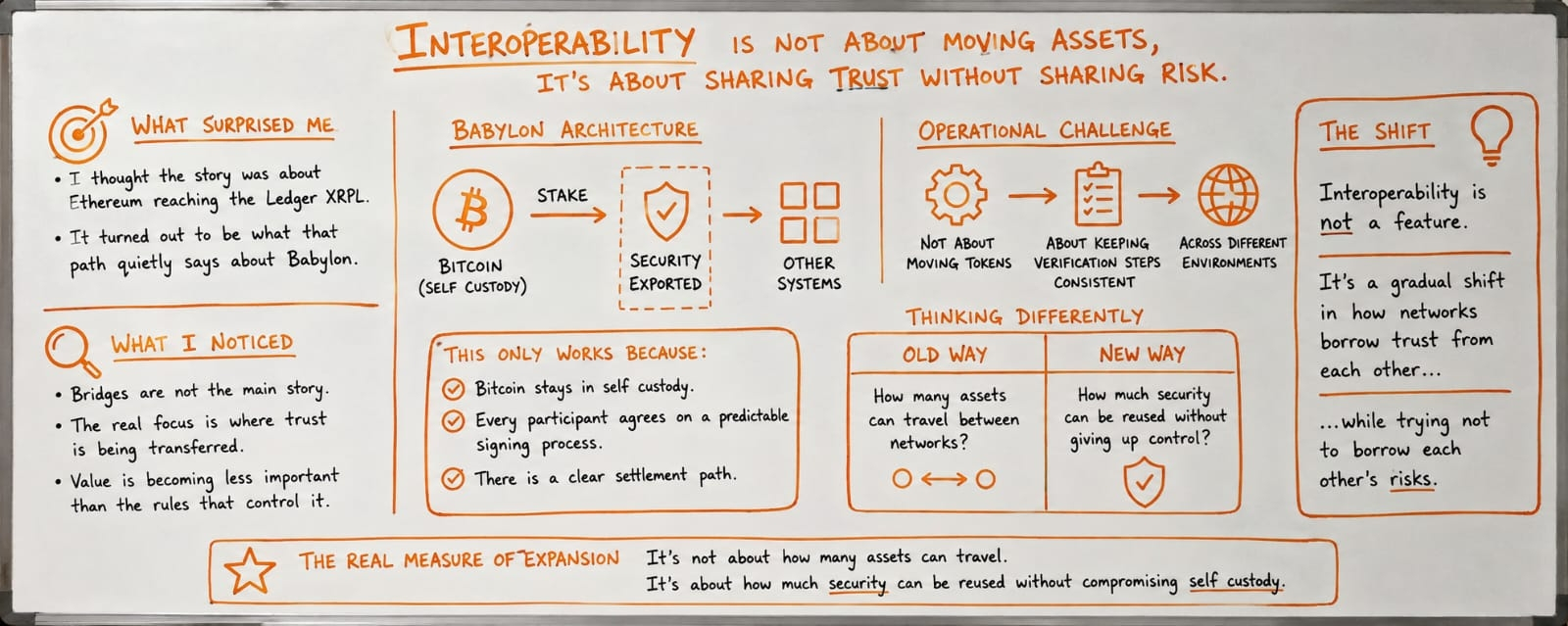
#baby كنت أظن أن الجزء المثير هو قيام Ethereum بالوصول إلى Ledger XRPL. لكن اتضح أن ما تكشفه تلك المسارات بهدوء عن Babylon هو ما يهم بدلًا من ذلك.
كلما قارنتُ معماريّة Babylon بالمناقشات الأخيرة حول البنية التحتية العابرة للشبكات، قلّ ما رأيته من الجسور كالقصة الرئيسية. بدأتُ أُولي اهتمامًا أكبر لما يتم نقله فعليًا من “ثقة”. بالفعل، تتعامل Babylon مع Bitcoin باعتبارها أمنًا اقتصاديًا يمكنه دعم أنظمة أخرى دون نقل الأصل نفسه. التوجّه نفسه الذي تمثّله Ethereum وهي تتوسع نحو Ledger XRPL يشير إلى اتجاه مشابه حيث تصبح القيمة أقل أهمية من القواعد التي تتحكم بها.
ثم عدتُ إلى تصميم “الـstaking” في Babylon وافتراضات المُدقّقين. يبقى Bitcoin تحت الحفظ الذاتي بينما يتم تصدير الأمان إلى أماكن أخرى. لا يعمل ذلك إلا لأن كل مشارك يوافق على عملية توقيع يمكن التنبؤ بها وعلى مسار تسوية واضح. وعندما تبدأ أنظمة بيئية مختلفة بالاتصال عبر تلك الافتراضات، تتحول التحديات التشغيلية بعيدًا عن نقل الرموز وإلى الحفاظ على أن كل خطوة تحقق تظل متسقة عبر بيئات مختلفة.
هذا جعلني أفكر بشكل مختلف أيضًا بشأن السيولة. يقيس معظم الناس التوسع بكمية الأصول التي يمكنها الانتقال بين الشبكات. لكنني أبدأ في الاعتقاد بأن الرقم الأكثر أهمية هو مقدار الأمان الذي يمكن إعادة استخدامه دون إجبار المستخدمين على التنازل عن السيطرة على أصولهم. وهذه حوافز مختلفة جدًا.
بعد قراءة كل شيء معًا، توقفت عن اعتبار التوافق البيني ميزة. يبدو الأمر أقرب إلى تحول تدريجي في كيفية قيام الشبكات باقتراض الثقة من بعضها البعض مع محاولة عدم اقتراض مخاطر بعضها. وهذا يبدو كأنه تغيير أكثر هدوءًا مما توحي به معظم الإعلانات.
@BabylonLabs_io
$BABY
كلما قارنتُ معماريّة Babylon بالمناقشات الأخيرة حول البنية التحتية العابرة للشبكات، قلّ ما رأيته من الجسور كالقصة الرئيسية. بدأتُ أُولي اهتمامًا أكبر لما يتم نقله فعليًا من “ثقة”. بالفعل، تتعامل Babylon مع Bitcoin باعتبارها أمنًا اقتصاديًا يمكنه دعم أنظمة أخرى دون نقل الأصل نفسه. التوجّه نفسه الذي تمثّله Ethereum وهي تتوسع نحو Ledger XRPL يشير إلى اتجاه مشابه حيث تصبح القيمة أقل أهمية من القواعد التي تتحكم بها.
ثم عدتُ إلى تصميم “الـstaking” في Babylon وافتراضات المُدقّقين. يبقى Bitcoin تحت الحفظ الذاتي بينما يتم تصدير الأمان إلى أماكن أخرى. لا يعمل ذلك إلا لأن كل مشارك يوافق على عملية توقيع يمكن التنبؤ بها وعلى مسار تسوية واضح. وعندما تبدأ أنظمة بيئية مختلفة بالاتصال عبر تلك الافتراضات، تتحول التحديات التشغيلية بعيدًا عن نقل الرموز وإلى الحفاظ على أن كل خطوة تحقق تظل متسقة عبر بيئات مختلفة.
هذا جعلني أفكر بشكل مختلف أيضًا بشأن السيولة. يقيس معظم الناس التوسع بكمية الأصول التي يمكنها الانتقال بين الشبكات. لكنني أبدأ في الاعتقاد بأن الرقم الأكثر أهمية هو مقدار الأمان الذي يمكن إعادة استخدامه دون إجبار المستخدمين على التنازل عن السيطرة على أصولهم. وهذه حوافز مختلفة جدًا.
بعد قراءة كل شيء معًا، توقفت عن اعتبار التوافق البيني ميزة. يبدو الأمر أقرب إلى تحول تدريجي في كيفية قيام الشبكات باقتراض الثقة من بعضها البعض مع محاولة عدم اقتراض مخاطر بعضها. وهذا يبدو كأنه تغيير أكثر هدوءًا مما توحي به معظم الإعلانات.
@BabylonLabs_io
$BABY
630
·
--
أحيانًا أقوى الناس هم أولئك الذين يخوضون معارك لا يراها أحد.
تختفي، فينسونك. تتألم، فيصمتون. تعود، فيكون كل شيء قد تغيّر.
لكن الألم يعلّم ما لا يمكن للراحة أبدًا.
مهما بدا أن الرحلة مكسورة، ما زلت أؤمن بأن أيامًا أفضل قادمة.
🖤 استمر، حتى لو لم يصفّق لك أحد.
أحيانًا أقوى الناس هم أولئك الذين يخوضون معارك لا يراها أحد.
تختفي، فينسونك. تتألم، فيصمتون. تعود، فيكون كل شيء قد تغيّر.
لكن الألم يعلّم ما لا يمكن للراحة أبدًا.
مهما بدا أن الرحلة مكسورة، ما زلت أؤمن بأن أيامًا أفضل قادمة.
🖤 استمر، حتى لو لم يصفّق لك أحد.
تختفي، فينسونك. تتألم، فيصمتون. تعود، فيكون كل شيء قد تغيّر.
لكن الألم يعلّم ما لا يمكن للراحة أبدًا.
مهما بدا أن الرحلة مكسورة، ما زلت أؤمن بأن أيامًا أفضل قادمة.
🖤 استمر، حتى لو لم يصفّق لك أحد.

1
2.8k
·
--
فريق بينانس سكوير العزيز،
إن أفعالك لا تتماشى مع أقوالك.
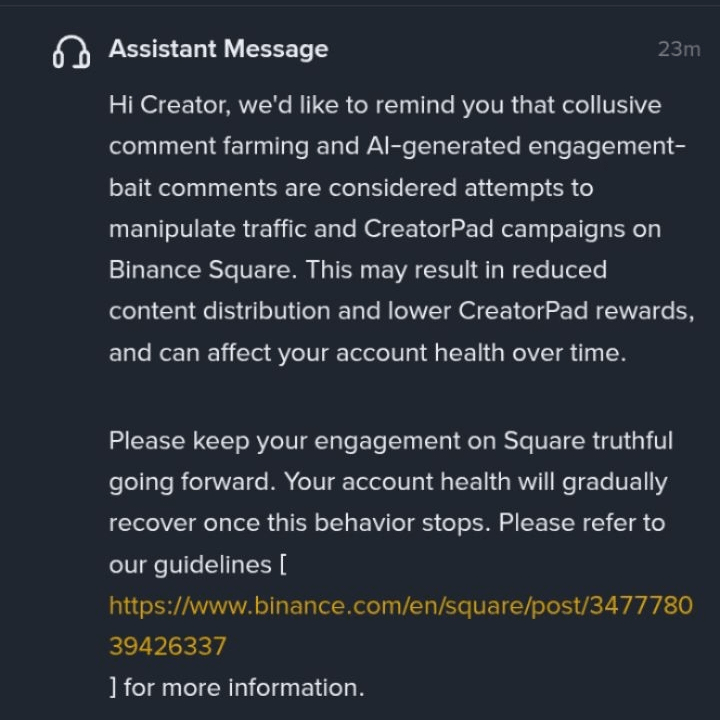
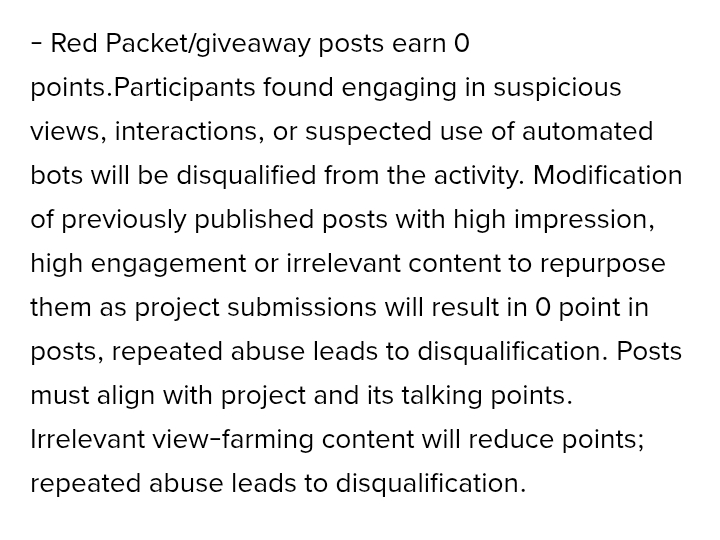
تستمرون في نشر القواعد وإطلاق وعود بحملات عادلة، لكن عندما يحين وقت تطبيقها، لا تفعلون شيئًا. كل حملة على حدة تغرق بتفاعل منسق. يتبادل الناس الإعجابات والتعليقات للتلاعب بالوصول، وحتى المحتوى منخفض الجودة في النهاية يحصل على نقاط أكثر من المنشورات التي تكون قيّمة فعلًا.
لقد ذكرتم بوضوح أن المستخدمين المشاركين في التفاعل الاصطناعي سيتم استبعادهم. وهذا لم يحدث. تواصل تلك الحسابات الاستفادة، بينما يُترك المبدعون الصادقون وراءهم. إذًا ما الهدف من تلك الإعلانات إذا لم يكن لديكم أي نية لتطبيقها؟
والأكثر إحباطًا أن أسلوب الإشراف/التحقق لديكم يبدو غير متسق على الإطلاق. بدلًا من اتخاذ إجراءات ضد الأشخاص الذين يسيئون استخدام النظام بشكل علني، غالبًا ما تنتهيون باستهداف المبدعين الذين يلتزمون بالقواعد.
توقفوا عن تقديم وعود لن تفووا بها. إذا كانت العدالة والاستحقاق تهم فعلًا في بينانس سكوير، فأثبتوا ذلك بالإجراءات لا بمجرد تصريحات فارغة.
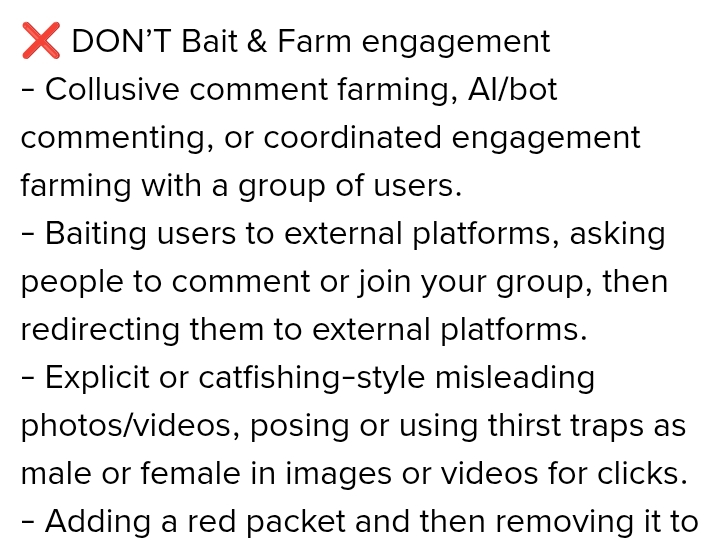
أرفقت صورتكم الخاصة بالقواعد التي أعلنتم عنها. اقرأها مجددًا، ثم قارنها بما يحدث فعليًا على المنصة. لا يمكن أن تكون الفجوة بين كلماتكم وأفعالكم أكثر وضوحًا.@Binance_Square_Official @Binance_Announcement @CZ @babylonlabs_io @BiBi
فريق بينانس سكوير العزيز،
إن أفعالك لا تتماشى مع أقوالك.
تستمرون في نشر القواعد وإطلاق وعود بحملات عادلة، لكن عندما يحين وقت تطبيقها، لا تفعلون شيئًا. كل حملة على حدة تغرق بتفاعل منسق. يتبادل الناس الإعجابات والتعليقات للتلاعب بالوصول، وحتى المحتوى منخفض الجودة في النهاية يحصل على نقاط أكثر من المنشورات التي تكون قيّمة فعلًا.
لقد ذكرتم بوضوح أن المستخدمين المشاركين في التفاعل الاصطناعي سيتم استبعادهم. وهذا لم يحدث. تواصل تلك الحسابات الاستفادة، بينما يُترك المبدعون الصادقون وراءهم. إذًا ما الهدف من تلك الإعلانات إذا لم يكن لديكم أي نية لتطبيقها؟
والأكثر إحباطًا أن أسلوب الإشراف/التحقق لديكم يبدو غير متسق على الإطلاق. بدلًا من اتخاذ إجراءات ضد الأشخاص الذين يسيئون استخدام النظام بشكل علني، غالبًا ما تنتهيون باستهداف المبدعين الذين يلتزمون بالقواعد.
توقفوا عن تقديم وعود لن تفووا بها. إذا كانت العدالة والاستحقاق تهم فعلًا في بينانس سكوير، فأثبتوا ذلك بالإجراءات لا بمجرد تصريحات فارغة.
أرفقت صورتكم الخاصة بالقواعد التي أعلنتم عنها. اقرأها مجددًا، ثم قارنها بما يحدث فعليًا على المنصة. لا يمكن أن تكون الفجوة بين كلماتكم وأفعالكم أكثر وضوحًا.@Binance Square Official @Binance Announcement @CZ @BabylonLabs_io @Binance BiBi
إن أفعالك لا تتماشى مع أقوالك.
تستمرون في نشر القواعد وإطلاق وعود بحملات عادلة، لكن عندما يحين وقت تطبيقها، لا تفعلون شيئًا. كل حملة على حدة تغرق بتفاعل منسق. يتبادل الناس الإعجابات والتعليقات للتلاعب بالوصول، وحتى المحتوى منخفض الجودة في النهاية يحصل على نقاط أكثر من المنشورات التي تكون قيّمة فعلًا.
لقد ذكرتم بوضوح أن المستخدمين المشاركين في التفاعل الاصطناعي سيتم استبعادهم. وهذا لم يحدث. تواصل تلك الحسابات الاستفادة، بينما يُترك المبدعون الصادقون وراءهم. إذًا ما الهدف من تلك الإعلانات إذا لم يكن لديكم أي نية لتطبيقها؟
والأكثر إحباطًا أن أسلوب الإشراف/التحقق لديكم يبدو غير متسق على الإطلاق. بدلًا من اتخاذ إجراءات ضد الأشخاص الذين يسيئون استخدام النظام بشكل علني، غالبًا ما تنتهيون باستهداف المبدعين الذين يلتزمون بالقواعد.
توقفوا عن تقديم وعود لن تفووا بها. إذا كانت العدالة والاستحقاق تهم فعلًا في بينانس سكوير، فأثبتوا ذلك بالإجراءات لا بمجرد تصريحات فارغة.
أرفقت صورتكم الخاصة بالقواعد التي أعلنتم عنها. اقرأها مجددًا، ثم قارنها بما يحدث فعليًا على المنصة. لا يمكن أن تكون الفجوة بين كلماتكم وأفعالكم أكثر وضوحًا.@Binance Square Official @Binance Announcement @CZ @BabylonLabs_io @Binance BiBi
5
12
1.8k
·
--
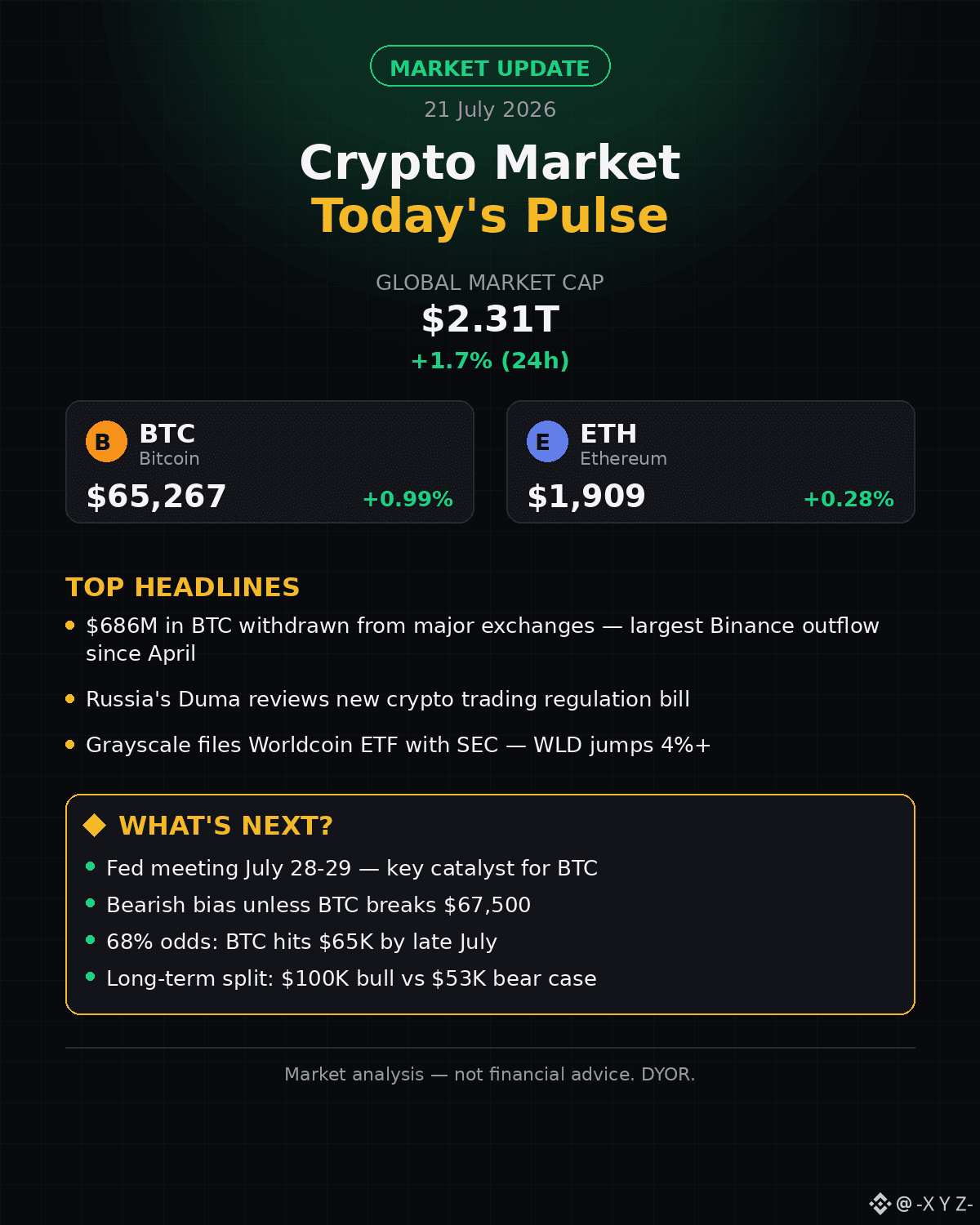
تحديث سوق العملات الرقمية — 21 يوليو 2026
القيمة السوقية: 2.31 تريليون دولار (+1.7% خلال 24 ساعة)
المعنويات: خوف شديد
هيمنة بيتكوين (BTC): 56.5%
الأسعار الآن
بيتكوين (BTC): ~65,267 دولار (+0.99%)
إيثريوم (ETH): ~1,909 دولار (+0.28%)
أبرز الرابحين: بولكادوت، منظومة XRP Ledger
أبرز العناوين
سحب 686 مليون دولار من بيتكوين من بينانس وCoinbase وBybit في يوم واحد — أكبر صافي تدفق خارج من بينانس منذ أبريل. إشارة إيجابية لانخفاض ضغط البيع.
تحركات تنظيمية: مجلس الدوما الروسي يراجع مشروع قانون لتداول العملات الرقمية؛ فيتنام تقدم إطار عقوبات جديد (ساري المفعول اعتبارًا من سبتمبر).
اهتمام مؤسسي: تم الاعتراف بـ Tether Gold من قِبل ADGM كسلعة مقبولة؛ وGrayscale تقدم طلبًا لصندوق ETF على Worldcoin (WLD) لدى هيئة SEC — WLD +4% خلال اليوم.
ما الذي سيحدث بعد ذلك؟
كل الأنظار على اجتماع الاحتياطي الفيدرالي (الـFed) في 28–29 يوليو — أكبر محفز منفرد لاتجاه BTC هذا الشهر.
يميل السيناريو الهبوطي للسيطرة ما لم يخترق BTC مستوى مقاومة 67,500 دولار
أسواق التوقعات: 68% من الاحتمالات أن يصل BTC إلى 65 ألف دولار بحلول أواخر يوليو، و64% أن يدعم 60 ألف دولار.
تقسيم على المدى الطويل: Standard Chartered تحتفظ بهدف 100 ألف دولار بنهاية العام؛ بنوك متشائمة ترى هبوطًا حتى 53 ألف دولار
هذه أخبار وتحليل للسوق وليست نصيحة مالية. قم دائمًا بإجراء بحثك الخاص (DYOR) قبل الاستثمار.
تحديث سوق العملات الرقمية — 21 يوليو 2026
القيمة السوقية: 2.31 تريليون دولار (+1.7% خلال 24 ساعة)
المعنويات: خوف شديد
هيمنة بيتكوين (BTC): 56.5%
الأسعار الآن
بيتكوين (BTC): ~65,267 دولار (+0.99%)
إيثريوم (ETH): ~1,909 دولار (+0.28%)
أبرز الرابحين: بولكادوت، منظومة XRP Ledger
أبرز العناوين
سحب 686 مليون دولار من بيتكوين من بينانس وCoinbase وBybit في يوم واحد — أكبر صافي تدفق خارج من بينانس منذ أبريل. إشارة إيجابية لانخفاض ضغط البيع.
تحركات تنظيمية: مجلس الدوما الروسي يراجع مشروع قانون لتداول العملات الرقمية؛ فيتنام تقدم إطار عقوبات جديد (ساري المفعول اعتبارًا من سبتمبر).
اهتمام مؤسسي: تم الاعتراف بـ Tether Gold من قِبل ADGM كسلعة مقبولة؛ وGrayscale تقدم طلبًا لصندوق ETF على Worldcoin (WLD) لدى هيئة SEC — WLD +4% خلال اليوم.
ما الذي سيحدث بعد ذلك؟
كل الأنظار على اجتماع الاحتياطي الفيدرالي (الـFed) في 28–29 يوليو — أكبر محفز منفرد لاتجاه BTC هذا الشهر.
يميل السيناريو الهبوطي للسيطرة ما لم يخترق BTC مستوى مقاومة 67,500 دولار
أسواق التوقعات: 68% من الاحتمالات أن يصل BTC إلى 65 ألف دولار بحلول أواخر يوليو، و64% أن يدعم 60 ألف دولار.
تقسيم على المدى الطويل: Standard Chartered تحتفظ بهدف 100 ألف دولار بنهاية العام؛ بنوك متشائمة ترى هبوطًا حتى 53 ألف دولار
هذه أخبار وتحليل للسوق وليست نصيحة مالية. قم دائمًا بإجراء بحثك الخاص (DYOR) قبل الاستثمار.
القيمة السوقية: 2.31 تريليون دولار (+1.7% خلال 24 ساعة)
المعنويات: خوف شديد
هيمنة بيتكوين (BTC): 56.5%
الأسعار الآن
بيتكوين (BTC): ~65,267 دولار (+0.99%)
إيثريوم (ETH): ~1,909 دولار (+0.28%)
أبرز الرابحين: بولكادوت، منظومة XRP Ledger
أبرز العناوين
سحب 686 مليون دولار من بيتكوين من بينانس وCoinbase وBybit في يوم واحد — أكبر صافي تدفق خارج من بينانس منذ أبريل. إشارة إيجابية لانخفاض ضغط البيع.
تحركات تنظيمية: مجلس الدوما الروسي يراجع مشروع قانون لتداول العملات الرقمية؛ فيتنام تقدم إطار عقوبات جديد (ساري المفعول اعتبارًا من سبتمبر).
اهتمام مؤسسي: تم الاعتراف بـ Tether Gold من قِبل ADGM كسلعة مقبولة؛ وGrayscale تقدم طلبًا لصندوق ETF على Worldcoin (WLD) لدى هيئة SEC — WLD +4% خلال اليوم.
ما الذي سيحدث بعد ذلك؟
كل الأنظار على اجتماع الاحتياطي الفيدرالي (الـFed) في 28–29 يوليو — أكبر محفز منفرد لاتجاه BTC هذا الشهر.
يميل السيناريو الهبوطي للسيطرة ما لم يخترق BTC مستوى مقاومة 67,500 دولار
أسواق التوقعات: 68% من الاحتمالات أن يصل BTC إلى 65 ألف دولار بحلول أواخر يوليو، و64% أن يدعم 60 ألف دولار.
تقسيم على المدى الطويل: Standard Chartered تحتفظ بهدف 100 ألف دولار بنهاية العام؛ بنوك متشائمة ترى هبوطًا حتى 53 ألف دولار
هذه أخبار وتحليل للسوق وليست نصيحة مالية. قم دائمًا بإجراء بحثك الخاص (DYOR) قبل الاستثمار.
10
208
·
--
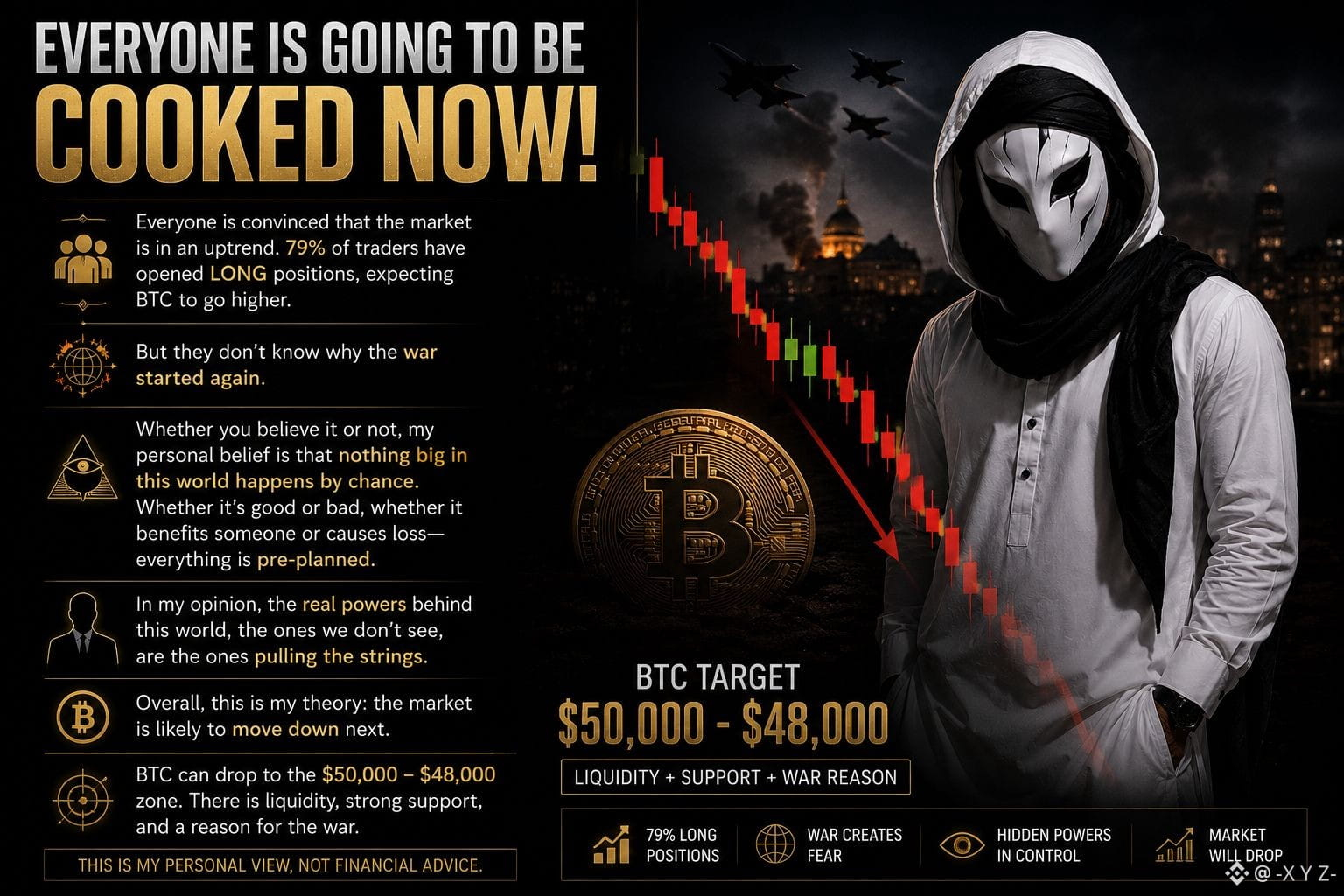
يبدو أن الجميع مقتنعون بأن السوق في اتجاه صاعد قوي. حاليًا، يحتفظ حوالي 79% من المتداولين بمراكز شراء طويلة، ويتوقعون أن يستمر سعر البيتكوين في الارتفاع.
لكن هذا ما أعتقده...
كثيرون يسألون لماذا بدأت حرب أخرى. سواء كنت توافقني الرأي أم لا، فأنا شخصيًا أؤمن بأن شيئًا مهمًا في هذا العالم لا يحدث بالصدفة تمامًا. فالأحداث الكبيرة—سواء كانت في صالح الناس أو تضرّهم—غالبًا ما تبدو وكأنها جزء من خطة أكبر بكثير. ومن وجهة نظري، فإن القوى التي تشكل هذه الأحداث ليست دائمًا تلك التي نراها علنًا.
أما بخصوص السوق، فهذا مجرد رأيي الشخصي: أعتقد أن البيتكوين قد يشهد موجة هبوط كبيرة أخرى قبل أي تعافٍ صاعد مستدام. إن منطقة 50,000 دولار–48,000 دولار لفتت انتباهي لأنها تتوافق مع سيولة قوية ودعم محوري، وكذلك حالة عدم اليقين الناشئة عن الوضع الجيوسياسي الحالي.
هذا مجرد منظور شخصي مني، وليس نصيحة مالية. قم دائمًا بإجراء بحثك الخاص وإدارة مخاطرك. $XEC #SanDiskFalls12.63% #HYPEFalls8%
يبدو أن الجميع مقتنعون بأن السوق في اتجاه صاعد قوي. حاليًا، يحتفظ حوالي 79% من المتداولين بمراكز شراء طويلة، ويتوقعون أن يستمر سعر البيتكوين في الارتفاع.
لكن هذا ما أعتقده...
كثيرون يسألون لماذا بدأت حرب أخرى. سواء كنت توافقني الرأي أم لا، فأنا شخصيًا أؤمن بأن شيئًا مهمًا في هذا العالم لا يحدث بالصدفة تمامًا. فالأحداث الكبيرة—سواء كانت في صالح الناس أو تضرّهم—غالبًا ما تبدو وكأنها جزء من خطة أكبر بكثير. ومن وجهة نظري، فإن القوى التي تشكل هذه الأحداث ليست دائمًا تلك التي نراها علنًا.
أما بخصوص السوق، فهذا مجرد رأيي الشخصي: أعتقد أن البيتكوين قد يشهد موجة هبوط كبيرة أخرى قبل أي تعافٍ صاعد مستدام. إن منطقة 50,000 دولار–48,000 دولار لفتت انتباهي لأنها تتوافق مع سيولة قوية ودعم محوري، وكذلك حالة عدم اليقين الناشئة عن الوضع الجيوسياسي الحالي.
هذا مجرد منظور شخصي مني، وليس نصيحة مالية. قم دائمًا بإجراء بحثك الخاص وإدارة مخاطرك. $XEC #SanDiskFalls12.63% #HYPEFalls8%
لكن هذا ما أعتقده...
كثيرون يسألون لماذا بدأت حرب أخرى. سواء كنت توافقني الرأي أم لا، فأنا شخصيًا أؤمن بأن شيئًا مهمًا في هذا العالم لا يحدث بالصدفة تمامًا. فالأحداث الكبيرة—سواء كانت في صالح الناس أو تضرّهم—غالبًا ما تبدو وكأنها جزء من خطة أكبر بكثير. ومن وجهة نظري، فإن القوى التي تشكل هذه الأحداث ليست دائمًا تلك التي نراها علنًا.
أما بخصوص السوق، فهذا مجرد رأيي الشخصي: أعتقد أن البيتكوين قد يشهد موجة هبوط كبيرة أخرى قبل أي تعافٍ صاعد مستدام. إن منطقة 50,000 دولار–48,000 دولار لفتت انتباهي لأنها تتوافق مع سيولة قوية ودعم محوري، وكذلك حالة عدم اليقين الناشئة عن الوضع الجيوسياسي الحالي.
هذا مجرد منظور شخصي مني، وليس نصيحة مالية. قم دائمًا بإجراء بحثك الخاص وإدارة مخاطرك. $XEC #SanDiskFalls12.63% #HYPEFalls8%
9
316
·
--
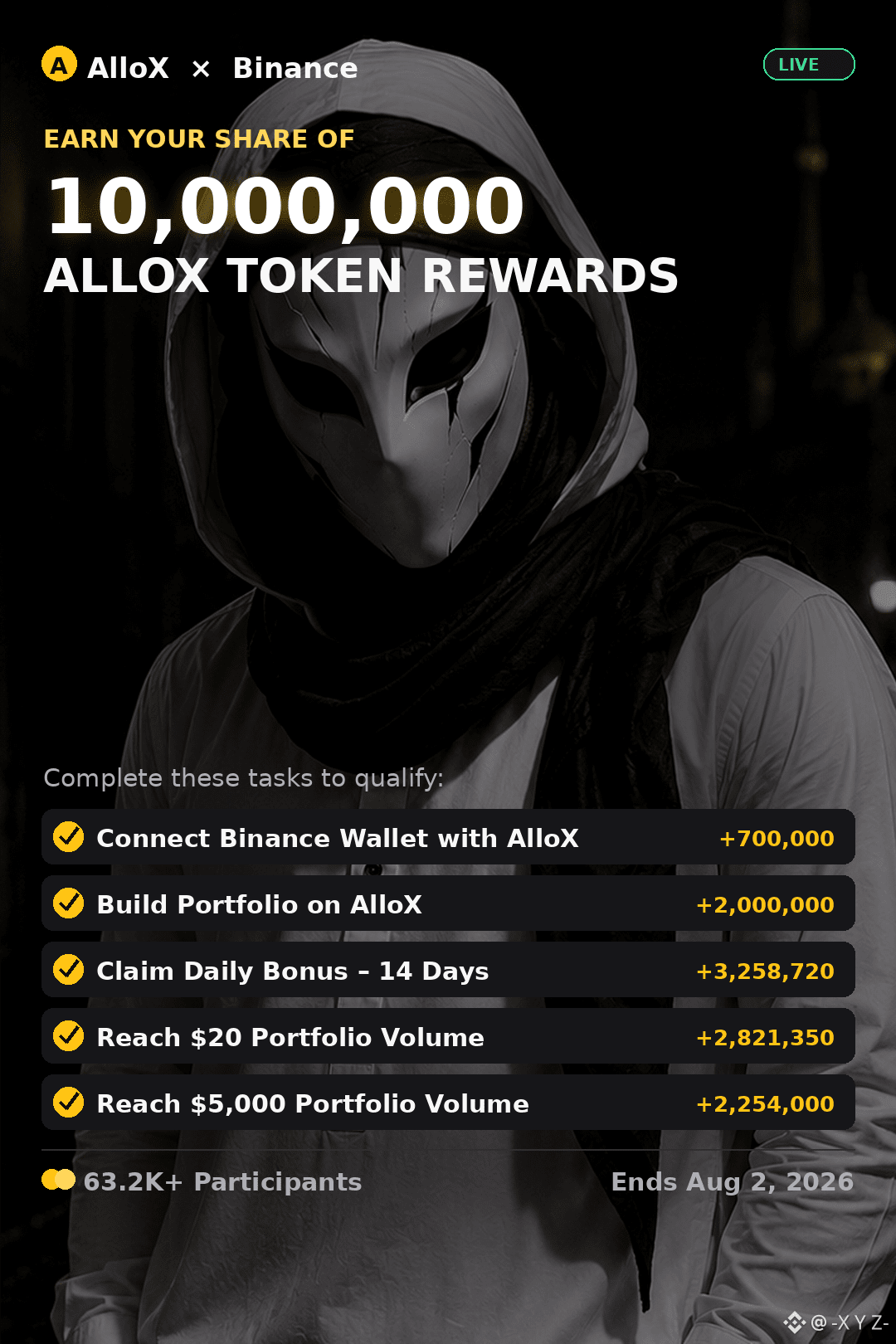
لقد قمت للتو بتوصيل محفظة Binance الخاصة بي بـ AlloX وإلغاء قفل الوصول إلى مجمّع مكافآت ضخم يضم 10,000,000 رمز ALLOX!
إليك ما قمت به:
♦️قمت بتوصيل محفظة Binance مع AlloX
♦️أنشأت محفظتي/بورتفوليو على AlloX
♦️قمت بالمطالبة بالمكافأة اليومية لمدة 14 يومًا
♦️وصلت إلى حجم بورتفوليو بقيمة 20 دولارًا
♦️وصلت إلى حجم بورتفوليو بقيمة 5,000 دولار
يوجد بالفعل أكثر من 63.2 ألف مستخدم داخل الحملة، وتستمر حتى 2 أغسطس 2026. إذا كنت نشطًا على BNB Chain، فهذه فرصة جيدة لكسب بعض رموز ALLOX الإضافية مقابل مهام قد تكون تقوم بها بالفعل.
جرّبها قبل الموعد النهائي!
#AlloX #Binance #Crypto #BNBChain #Airdrop
لقد قمت للتو بتوصيل محفظة Binance الخاصة بي بـ AlloX وإلغاء قفل الوصول إلى مجمّع مكافآت ضخم يضم 10,000,000 رمز ALLOX!
إليك ما قمت به:
♦️قمت بتوصيل محفظة Binance مع AlloX
♦️أنشأت محفظتي/بورتفوليو على AlloX
♦️قمت بالمطالبة بالمكافأة اليومية لمدة 14 يومًا
♦️وصلت إلى حجم بورتفوليو بقيمة 20 دولارًا
♦️وصلت إلى حجم بورتفوليو بقيمة 5,000 دولار
يوجد بالفعل أكثر من 63.2 ألف مستخدم داخل الحملة، وتستمر حتى 2 أغسطس 2026. إذا كنت نشطًا على BNB Chain، فهذه فرصة جيدة لكسب بعض رموز ALLOX الإضافية مقابل مهام قد تكون تقوم بها بالفعل.
جرّبها قبل الموعد النهائي!
#AlloX #Binance #Crypto #BNBChain #Airdrop
إليك ما قمت به:
♦️قمت بتوصيل محفظة Binance مع AlloX
♦️أنشأت محفظتي/بورتفوليو على AlloX
♦️قمت بالمطالبة بالمكافأة اليومية لمدة 14 يومًا
♦️وصلت إلى حجم بورتفوليو بقيمة 20 دولارًا
♦️وصلت إلى حجم بورتفوليو بقيمة 5,000 دولار
يوجد بالفعل أكثر من 63.2 ألف مستخدم داخل الحملة، وتستمر حتى 2 أغسطس 2026. إذا كنت نشطًا على BNB Chain، فهذه فرصة جيدة لكسب بعض رموز ALLOX الإضافية مقابل مهام قد تكون تقوم بها بالفعل.
جرّبها قبل الموعد النهائي!
#AlloX #Binance #Crypto #BNBChain #Airdrop
8
248
·
--
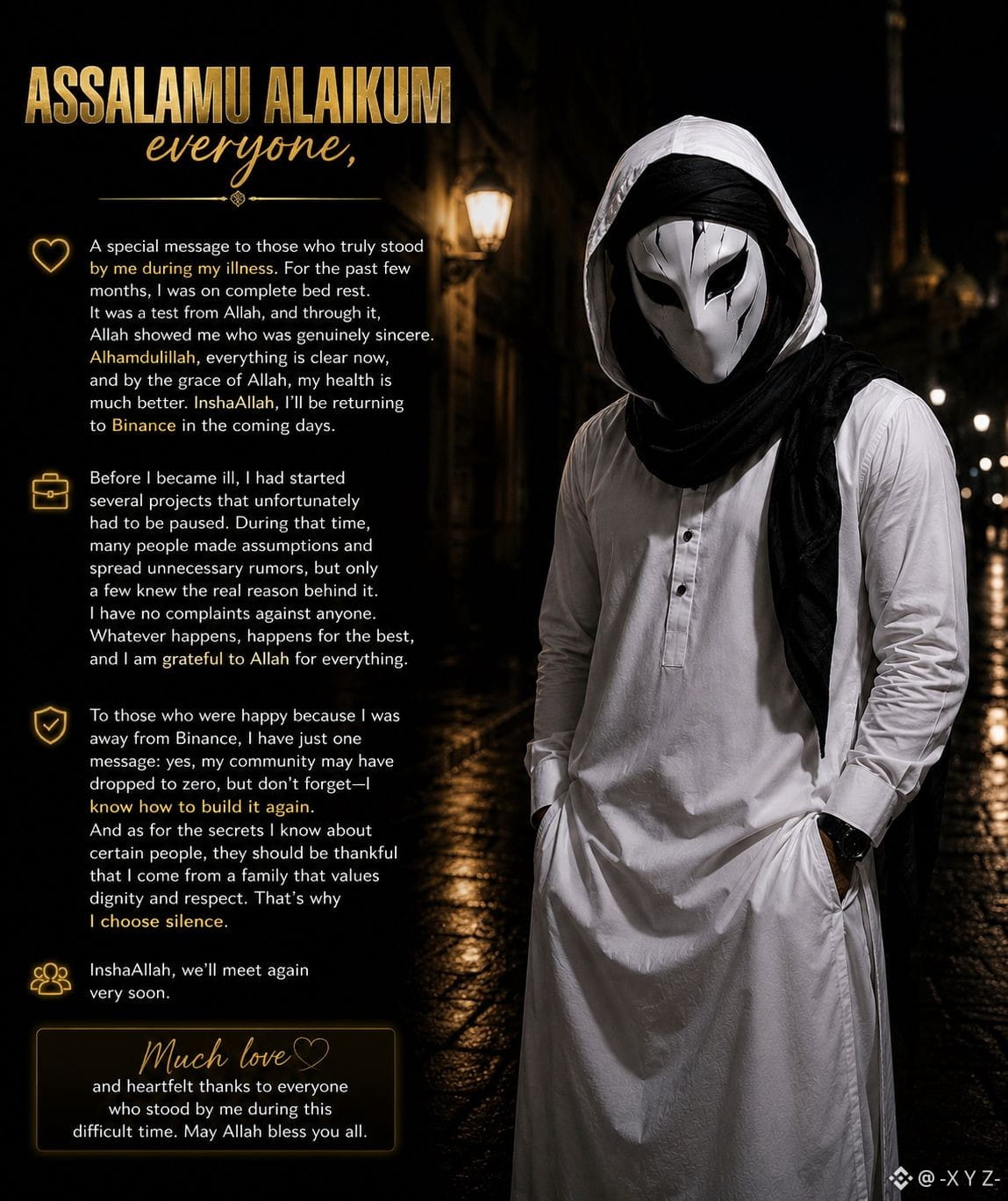
السلام عليكم ورحمة الله وبركاته جميعًا،
رسالة خاصة إلى أولئك الذين وقفوا حقًا إلى جانبي خلال مرضي. منذ بضعة أشهر، كنت على راحة تامة في السرير. لقد كانت ابتلاءً من الله، ومن خلاله أراني الله من كان صادقًا بالفعل. الحمد لله، كل شيء أصبح واضحًا الآن، وبفضل الله صحتي أفضل بكثير. إن شاء الله، سأعود إلى بينانس في الأيام القادمة.
قبل أن أُصاب بالمرض، كنت قد بدأت عدة مشاريع، لكن للأسف اضطررت إلى إيقافها. خلال ذلك الوقت، كوّن كثيرون افتراضات ونشروا شائعات غير ضرورية، لكن قلّة فقط كانت تعرف السبب الحقيقي وراء ذلك. ليس لدي أي شكوى من أحد. مهما حدث، فذلك للأفضل، وأنا ممتن لله على كل شيء.
أما أولئك الذين كانوا سعداء لأنني كنت بعيدًا عن بينانس، فلدّي رسالة واحدة: نعم، ربما انخفضت مجتمعي إلى الصفر، لكن لا تنسوا—أنا أعرف كيف يمكنني إعادة بنائه. وبخصوص الأسرار التي أعرفها عن بعض الأشخاص، يجب أن يكونوا ممتنين لأنني أتيت من عائلة تُقدّر الكرامة والاحترام. لذلك اخترت الصمت.
إن شاء الله، سنلتقي قريبًا جدًا.
مع خالص المحبة ووافر الشكر القلبي لكل من وقف إلى جانبي خلال هذه الفترة الصعبة. لعل الله يبارككم جميعًا.
السلام عليكم ورحمة الله وبركاته جميعًا،
رسالة خاصة إلى أولئك الذين وقفوا حقًا إلى جانبي خلال مرضي. منذ بضعة أشهر، كنت على راحة تامة في السرير. لقد كانت ابتلاءً من الله، ومن خلاله أراني الله من كان صادقًا بالفعل. الحمد لله، كل شيء أصبح واضحًا الآن، وبفضل الله صحتي أفضل بكثير. إن شاء الله، سأعود إلى بينانس في الأيام القادمة.
قبل أن أُصاب بالمرض، كنت قد بدأت عدة مشاريع، لكن للأسف اضطررت إلى إيقافها. خلال ذلك الوقت، كوّن كثيرون افتراضات ونشروا شائعات غير ضرورية، لكن قلّة فقط كانت تعرف السبب الحقيقي وراء ذلك. ليس لدي أي شكوى من أحد. مهما حدث، فذلك للأفضل، وأنا ممتن لله على كل شيء.
أما أولئك الذين كانوا سعداء لأنني كنت بعيدًا عن بينانس، فلدّي رسالة واحدة: نعم، ربما انخفضت مجتمعي إلى الصفر، لكن لا تنسوا—أنا أعرف كيف يمكنني إعادة بنائه. وبخصوص الأسرار التي أعرفها عن بعض الأشخاص، يجب أن يكونوا ممتنين لأنني أتيت من عائلة تُقدّر الكرامة والاحترام. لذلك اخترت الصمت.
إن شاء الله، سنلتقي قريبًا جدًا.
مع خالص المحبة ووافر الشكر القلبي لكل من وقف إلى جانبي خلال هذه الفترة الصعبة. لعل الله يبارككم جميعًا.
رسالة خاصة إلى أولئك الذين وقفوا حقًا إلى جانبي خلال مرضي. منذ بضعة أشهر، كنت على راحة تامة في السرير. لقد كانت ابتلاءً من الله، ومن خلاله أراني الله من كان صادقًا بالفعل. الحمد لله، كل شيء أصبح واضحًا الآن، وبفضل الله صحتي أفضل بكثير. إن شاء الله، سأعود إلى بينانس في الأيام القادمة.
قبل أن أُصاب بالمرض، كنت قد بدأت عدة مشاريع، لكن للأسف اضطررت إلى إيقافها. خلال ذلك الوقت، كوّن كثيرون افتراضات ونشروا شائعات غير ضرورية، لكن قلّة فقط كانت تعرف السبب الحقيقي وراء ذلك. ليس لدي أي شكوى من أحد. مهما حدث، فذلك للأفضل، وأنا ممتن لله على كل شيء.
أما أولئك الذين كانوا سعداء لأنني كنت بعيدًا عن بينانس، فلدّي رسالة واحدة: نعم، ربما انخفضت مجتمعي إلى الصفر، لكن لا تنسوا—أنا أعرف كيف يمكنني إعادة بنائه. وبخصوص الأسرار التي أعرفها عن بعض الأشخاص، يجب أن يكونوا ممتنين لأنني أتيت من عائلة تُقدّر الكرامة والاحترام. لذلك اخترت الصمت.
إن شاء الله، سنلتقي قريبًا جدًا.
مع خالص المحبة ووافر الشكر القلبي لكل من وقف إلى جانبي خلال هذه الفترة الصعبة. لعل الله يبارككم جميعًا.
4
6
351
·
--
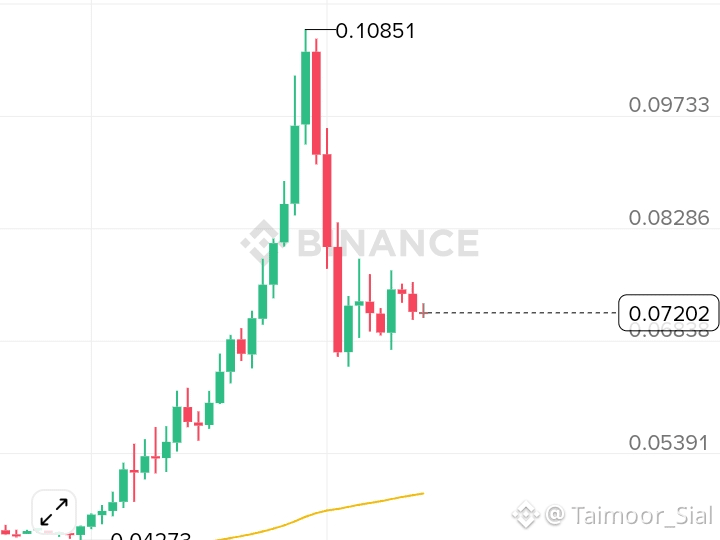
NIL قدمت حركة جنونية في وقت قصير.
من منطقة 0.04 مباشرة إلى ضخ انفجاري فوق 0.10... والآن يبدو أن السوق يدخل مرحلة التهدئة.
عادةً ما تكون هناك شيئين في مثل هذه الحركات:
• إما بعد توطيد قوي، الساق التالية للأعلى
• أو فخ لمشتري FOMO مع تصحيح عميق
حاليًا، الحجم والتقلبات كلاهما مرتفعان، لذا فإن الدخول العاطفي يمكن أن يكون خطيرًا.
التجار الأذكياء لا يلاحقون في هذا الوقت... ينتظرون التأكيدات.
NIL قد جذبت الآن انتباه السوق بالكامل.
NIL قدمت حركة جنونية في وقت قصير.
من منطقة 0.04 مباشرة إلى ضخ انفجاري فوق 0.10... والآن يبدو أن السوق يدخل مرحلة التهدئة.
عادةً ما تكون هناك شيئين في مثل هذه الحركات:
• إما بعد توطيد قوي، الساق التالية للأعلى
• أو فخ لمشتري FOMO مع تصحيح عميق
حاليًا، الحجم والتقلبات كلاهما مرتفعان، لذا فإن الدخول العاطفي يمكن أن يكون خطيرًا.
التجار الأذكياء لا يلاحقون في هذا الوقت... ينتظرون التأكيدات.
NIL قد جذبت الآن انتباه السوق بالكامل.
من منطقة 0.04 مباشرة إلى ضخ انفجاري فوق 0.10... والآن يبدو أن السوق يدخل مرحلة التهدئة.
عادةً ما تكون هناك شيئين في مثل هذه الحركات:
• إما بعد توطيد قوي، الساق التالية للأعلى
• أو فخ لمشتري FOMO مع تصحيح عميق
حاليًا، الحجم والتقلبات كلاهما مرتفعان، لذا فإن الدخول العاطفي يمكن أن يكون خطيرًا.
التجار الأذكياء لا يلاحقون في هذا الوقت... ينتظرون التأكيدات.
NIL قد جذبت الآن انتباه السوق بالكامل.
2
207
·
--
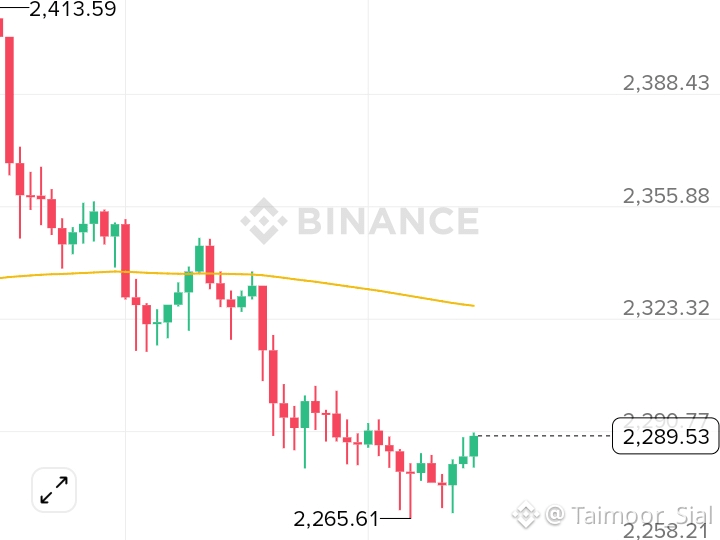
بعد ضغط بيع ثقيل على ETH، يبدو أنه أخيرًا بدأ يستقر قليلاً.
حصلنا على ارتداد من منطقة 2265، لكن السعر لا يزال يتداول تحت مقاومة EMA الرئيسية.
هذا يعني أن التعافي يحتاج إلى تأكيد.
إذا أظهر $ETH قوة، فقد يظهر زخم في العملات البديلة أيضًا،
لكن إذا جاء الرفض ضعيفًا، فقد يعود السوق إلى وضع الخوف مرة أخرى.
في هذه المرحلة، إدارة المخاطر الذكية أهم من التداولات العاطفية.
بعد ضغط بيع ثقيل على ETH، يبدو أنه أخيرًا بدأ يستقر قليلاً.
حصلنا على ارتداد من منطقة 2265، لكن السعر لا يزال يتداول تحت مقاومة EMA الرئيسية.
هذا يعني أن التعافي يحتاج إلى تأكيد.
إذا أظهر $ETH قوة، فقد يظهر زخم في العملات البديلة أيضًا،
لكن إذا جاء الرفض ضعيفًا، فقد يعود السوق إلى وضع الخوف مرة أخرى.
في هذه المرحلة، إدارة المخاطر الذكية أهم من التداولات العاطفية.
حصلنا على ارتداد من منطقة 2265، لكن السعر لا يزال يتداول تحت مقاومة EMA الرئيسية.
هذا يعني أن التعافي يحتاج إلى تأكيد.
إذا أظهر $ETH قوة، فقد يظهر زخم في العملات البديلة أيضًا،
لكن إذا جاء الرفض ضعيفًا، فقد يعود السوق إلى وضع الخوف مرة أخرى.
في هذه المرحلة، إدارة المخاطر الذكية أهم من التداولات العاطفية.
1
173
·
--
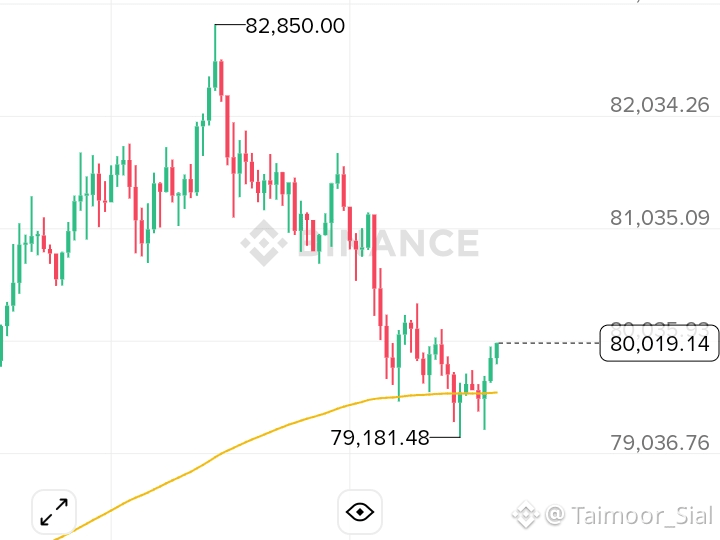
BTC الآن يتصارع حول منطقة 79K–80K.
السعر أخذ ارتداد مؤقت من EMA200، لكن هيكل السوق لا يزال غير آمن بالكامل.
في مثل هذه التحركات، غالبًا ما يصبح المتداولون متفائلين بسرعة... ثم تأتي التقلبات المفاجئة لتفاجئهم.
إذا أعطى $BTC إعادة قوية، فقد يتحول الزخم بسرعة،
وإلا، بعد انتزاع السيولة، من الممكن حدوث حركة حادة أخرى.
الآن، السوق يخضع لاختبار صبر المتداولين.
BTC الآن يتصارع حول منطقة 79K–80K.
السعر أخذ ارتداد مؤقت من EMA200، لكن هيكل السوق لا يزال غير آمن بالكامل.
في مثل هذه التحركات، غالبًا ما يصبح المتداولون متفائلين بسرعة... ثم تأتي التقلبات المفاجئة لتفاجئهم.
إذا أعطى $BTC إعادة قوية، فقد يتحول الزخم بسرعة،
وإلا، بعد انتزاع السيولة، من الممكن حدوث حركة حادة أخرى.
الآن، السوق يخضع لاختبار صبر المتداولين.
السعر أخذ ارتداد مؤقت من EMA200، لكن هيكل السوق لا يزال غير آمن بالكامل.
في مثل هذه التحركات، غالبًا ما يصبح المتداولون متفائلين بسرعة... ثم تأتي التقلبات المفاجئة لتفاجئهم.
إذا أعطى $BTC إعادة قوية، فقد يتحول الزخم بسرعة،
وإلا، بعد انتزاع السيولة، من الممكن حدوث حركة حادة أخرى.
الآن، السوق يخضع لاختبار صبر المتداولين.
1
197
·
--
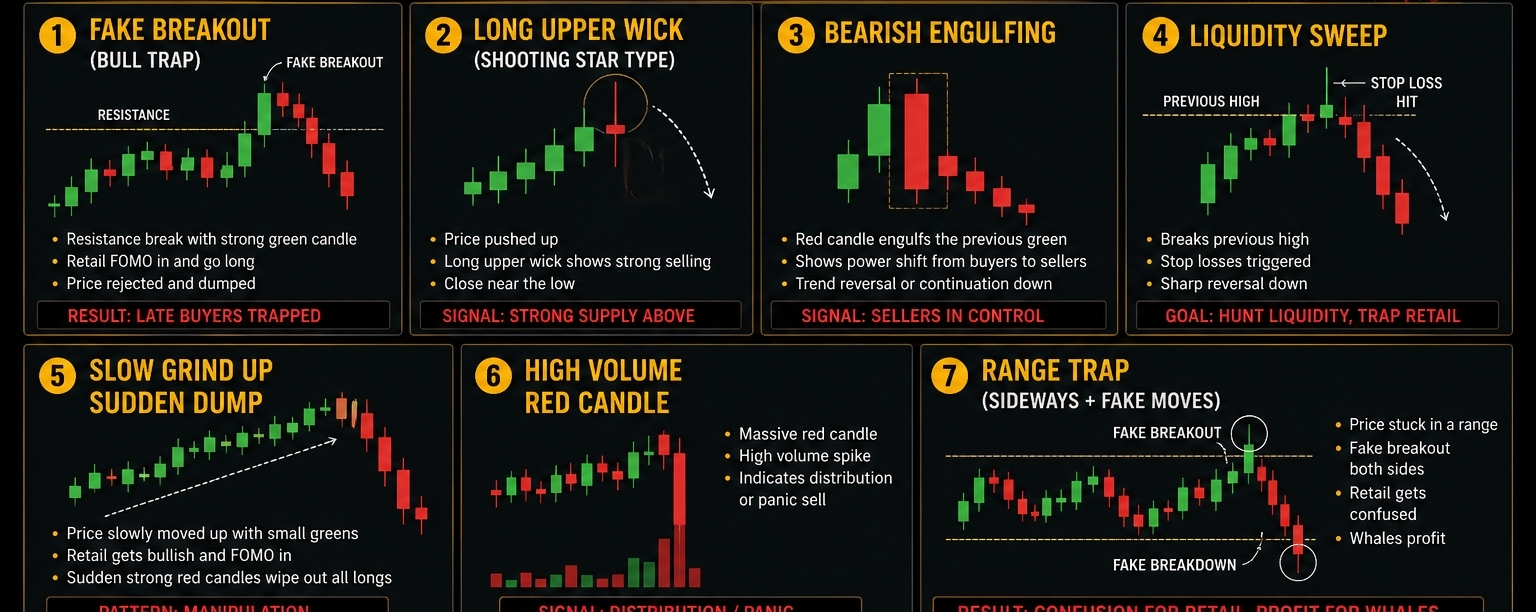
مقالة
شموع التلاعب بالبائعين: اللعبة المخفية في السوق التي يجب على كل متداول فهمهاسوق الكريبتو ليس مجرد لعبة مخططات ومؤشرات…
هذه ساحة معركة نفسية حيث تقوم الأموال الذكية (الحيتان) بالتلاعب بالمتداولين الأفراد.
إذا كنت تتداول فقط بناءً على السعر…
لذلك، هناك احتمالية كبيرة أنك قد أصبحت جزءًا من الفخ.
في هذه المقالة، سنفهم تلك الشموع المحددة التي يستخدمها البائعون للسيطرة على السوق.
⚠️ 1. انكسار زائف — أكبر فخ
هذه هي اللحظة التي يكسر فيها السعر المقاومة مع شمعة خضراء قوية...
شموع التلاعب بالبائعين: اللعبة المخفية في السوق التي يجب على كل متداول فهمها
سوق الكريبتو ليس مجرد لعبة مخططات ومؤشرات…
هذه ساحة معركة نفسية حيث تقوم الأموال الذكية (الحيتان) بالتلاعب بالمتداولين الأفراد.
إذا كنت تتداول فقط بناءً على السعر…
لذلك، هناك احتمالية كبيرة أنك قد أصبحت جزءًا من الفخ.
في هذه المقالة، سنفهم تلك الشموع المحددة التي يستخدمها البائعون للسيطرة على السوق.
⚠️ 1. انكسار زائف — أكبر فخ
هذه هي اللحظة التي يكسر فيها السعر المقاومة مع شمعة خضراء قوية...
هذه ساحة معركة نفسية حيث تقوم الأموال الذكية (الحيتان) بالتلاعب بالمتداولين الأفراد.
إذا كنت تتداول فقط بناءً على السعر…
لذلك، هناك احتمالية كبيرة أنك قد أصبحت جزءًا من الفخ.
في هذه المقالة، سنفهم تلك الشموع المحددة التي يستخدمها البائعون للسيطرة على السوق.
⚠️ 1. انكسار زائف — أكبر فخ
هذه هي اللحظة التي يكسر فيها السعر المقاومة مع شمعة خضراء قوية...
1
104
·
--
رؤية سوق NEAR
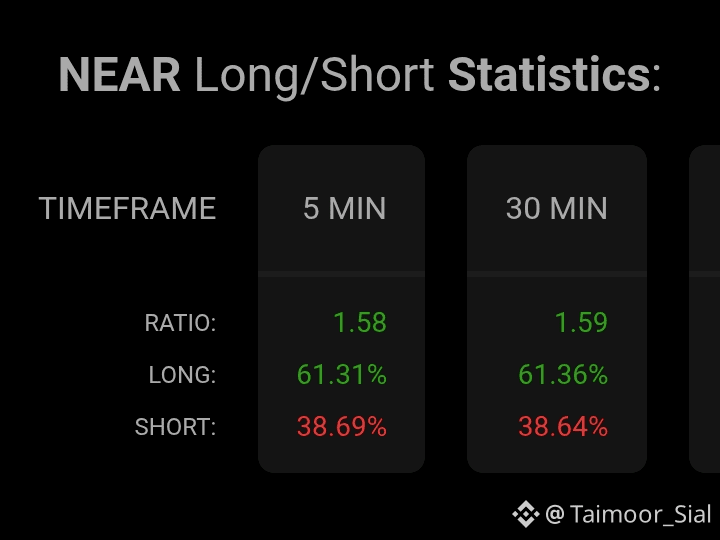
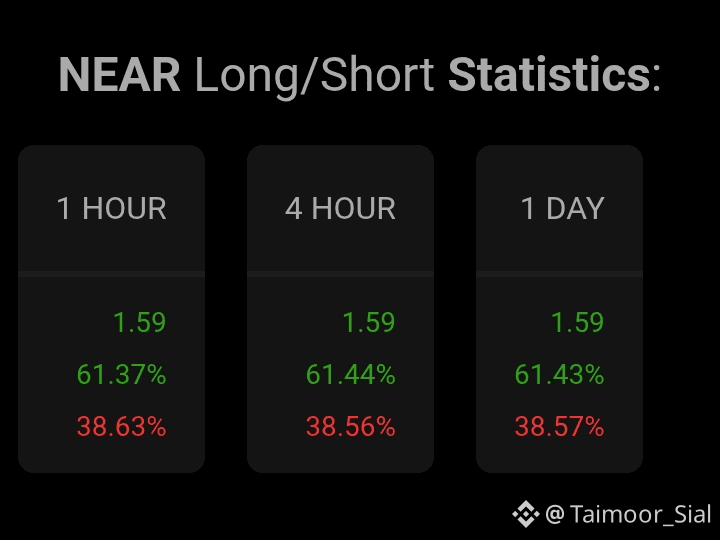
بيانات الوضع الحالي للمراكز الطويلة والقصيرة تظهر عدم توازن واضح في السوق:
• مراكز طويلة: 61%
• مراكز قصيرة: 39%
• النسبة: 1.59
هذا يشير إلى أن الغالبية من المتداولين حالياً في الجانب الطويل.
ماذا يعني هذا؟
عندما يصبح أحد الجانبين مزدحماً، غالباً ما يتحرك السوق ضده لالتقاط السيولة. هذا لا يضمن حركة، لكنه يزيد من احتمال:
• تقلبات قصيرة الأمد
• سحب سيولة محتمل للأسفل
• فخاخ للمداخل المتأخرة
اقتراب السوق بحذر
بدلاً من اتباع الحشد، من الأفضل:
• الانتظار للتأكيد
• إدارة المخاطر بشكل صحيح
• تجنب المداخل الاندفاعية
الأسواق تكافئ الصبر، لا المشاعر.$NEAR
رؤية سوق NEAR
بيانات الوضع الحالي للمراكز الطويلة والقصيرة تظهر عدم توازن واضح في السوق:
• مراكز طويلة: 61%
• مراكز قصيرة: 39%
• النسبة: 1.59
هذا يشير إلى أن الغالبية من المتداولين حالياً في الجانب الطويل.
ماذا يعني هذا؟
عندما يصبح أحد الجانبين مزدحماً، غالباً ما يتحرك السوق ضده لالتقاط السيولة. هذا لا يضمن حركة، لكنه يزيد من احتمال:
• تقلبات قصيرة الأمد
• سحب سيولة محتمل للأسفل
• فخاخ للمداخل المتأخرة
اقتراب السوق بحذر
بدلاً من اتباع الحشد، من الأفضل:
• الانتظار للتأكيد
• إدارة المخاطر بشكل صحيح
• تجنب المداخل الاندفاعية
الأسواق تكافئ الصبر، لا المشاعر.$NEAR
بيانات الوضع الحالي للمراكز الطويلة والقصيرة تظهر عدم توازن واضح في السوق:
• مراكز طويلة: 61%
• مراكز قصيرة: 39%
• النسبة: 1.59
هذا يشير إلى أن الغالبية من المتداولين حالياً في الجانب الطويل.
ماذا يعني هذا؟
عندما يصبح أحد الجانبين مزدحماً، غالباً ما يتحرك السوق ضده لالتقاط السيولة. هذا لا يضمن حركة، لكنه يزيد من احتمال:
• تقلبات قصيرة الأمد
• سحب سيولة محتمل للأسفل
• فخاخ للمداخل المتأخرة
اقتراب السوق بحذر
بدلاً من اتباع الحشد، من الأفضل:
• الانتظار للتأكيد
• إدارة المخاطر بشكل صحيح
• تجنب المداخل الاندفاعية
الأسواق تكافئ الصبر، لا المشاعر.$NEAR
1
280
·
--
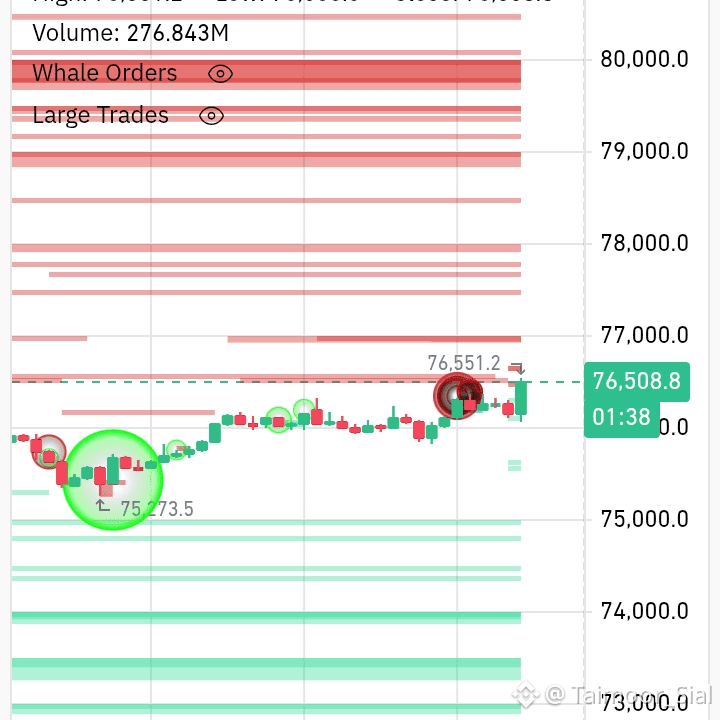
تحديث BTC — تنبيه نشاط الحيتان
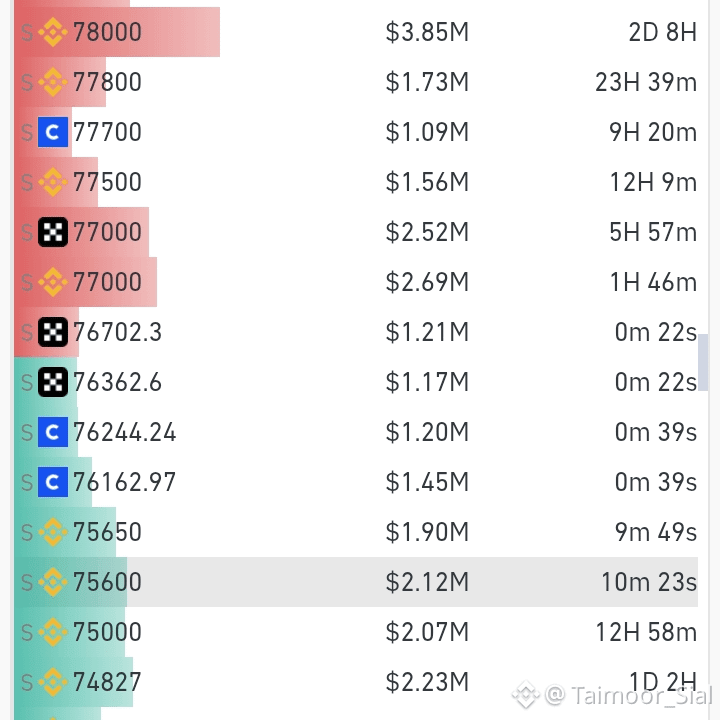
الرسم البياني واضح بول raha hai…
فوقه جدران بيع ثقيلة (77k – 79k)
أسفل دعم شراء قوي (منطقة 75k)
يعني أن السوق حاليا في وضع نطاق + فخ
➡️ قد يحدث اختراق زائف
➡️ الناس سوف يدخلون بمشاعر FOMO
➡️ ثم هبوط مفاجئ
يبدو أن هذه لعبة حيتان كاملة
التجار الأذكياء ينتظرون
التجزئة تدخل بسرعة
تداول بحذر، السوق ليس نظيفا الآن.$BTC
تحديث BTC — تنبيه نشاط الحيتان
الرسم البياني واضح بول raha hai…
فوقه جدران بيع ثقيلة (77k – 79k)
أسفل دعم شراء قوي (منطقة 75k)
يعني أن السوق حاليا في وضع نطاق + فخ
➡️ قد يحدث اختراق زائف
➡️ الناس سوف يدخلون بمشاعر FOMO
➡️ ثم هبوط مفاجئ
يبدو أن هذه لعبة حيتان كاملة
التجار الأذكياء ينتظرون
التجزئة تدخل بسرعة
تداول بحذر، السوق ليس نظيفا الآن.$BTC
الرسم البياني واضح بول raha hai…
فوقه جدران بيع ثقيلة (77k – 79k)
أسفل دعم شراء قوي (منطقة 75k)
يعني أن السوق حاليا في وضع نطاق + فخ
➡️ قد يحدث اختراق زائف
➡️ الناس سوف يدخلون بمشاعر FOMO
➡️ ثم هبوط مفاجئ
يبدو أن هذه لعبة حيتان كاملة
التجار الأذكياء ينتظرون
التجزئة تدخل بسرعة
تداول بحذر، السوق ليس نظيفا الآن.$BTC
1
123
·
--
أسهل طريقة لكسب المال هي فقط كتابة ABC & الحصول على مكافأة عشوائية.. تمت إضافة 20$ في رزم حمراء لذا أسرع في المطالبة...
$CHIP $HYPE $TRADOOR
أسهل طريقة لكسب المال هي فقط كتابة ABC & الحصول على مكافأة عشوائية.. تمت إضافة 20$ في رزم حمراء لذا أسرع في المطالبة...
$CHIP $HYPE $TRADOOR
$CHIP $HYPE $TRADOOR
14
3
172
سجّل الدخول لاستكشاف المزيد من المُحتوى
انضم إلى مُستخدمي العملات الرقمية حول العالم على Binance Square
⚡️ احصل على أحدث المعلومات المفيدة عن العملات الرقمية.
💬 موثوقة من قبل أكبر منصّة لتداول العملات الرقمية في العالم.
👍 اكتشف الرؤى الحقيقية من صنّاع المُحتوى الموثوقين.
البريد الإلكتروني / رقم الهاتف
المواضيع الرائجة
ZcashETFPostsFirstWeeklyOutflow$93.6M
33,809 مشاهدات
97 يقومون بالنقاش
#ZcashETFPostsFirstWeeklyOutflow$93.6M
🚨🚨🚨🚨🚨🚨🚨🚨🚨🚨🚨🚨🚨🚨✅ 🚨 تدفقات ZCASH ETF تتحول إلى السلبية لأول مرة! 📉
$ZEC يشهد تحولًا ملحوظًا في تدفقات الأموال المؤسسية، حيث سجّلت منتجات استثمار الزكاش أول صافي تدفق سلبي أسبوعي منذ إطلاقها في أغسطس.
ووفقًا لبيانات التدفقات، تم سحب حوالي 93.6 مليون دولار من منتجات الزكاش خلال الأسبوع الأخير، بينما تباطأت أيضًا حركة سعر ZEC بشكل ملحوظ.
📊 ماذا حدث؟
• خروج أسبوعي من Zcash ETF: 93.6 مليون دولار
• خروج يوم 30 سبتمبر: 30.25 مليون دولار
• ZCSH كان قد جذب سابقًا نحو 98.2 مليون دولار خلال أسبوع واحد
• ZEC يتداول قرب 1,300 دولار
• القمة الأخيرة: نحو 1,690 دولار
• الانخفاض الأسبوعي: حوالي 17%+
🔍 مستويات يجب مراقبتها
🟢 دعم: 1,280–1,300 دولار
🔴 مقاومة: 1,450–1,500 دولار
السؤال المحوري الآن هو ما إذا كانت منطقة 1,300 دولار يمكنها الصمود وجذب مشتريين جدد.
ستكون التدفقات المؤسسية مهمة أيضًا. قد يشير عودة التدفقات الإيجابية المنتظمة إلى تجدد الثقة، بينما قد تؤدي التدفقات الخارجة المستمرة إلى إبقاء الضغط على $ZEC .
👀 هل الأمر مجرد جني أرباح بعد الارتفاع الكبير الذي حققته ZEC، أم قد نشهد هبوطًا أعمق قبل عودة المشترين؟
شارك رأيك أدناه. 👇
#Zcash #ZEC #ZcashETF #Crypto
#analysis
owhggwiohsjowve
·0 إعجاب
·152 مشاهدات
GreekPoliceBustCryptoScamRingArrest17
67,790 مشاهدات
665 يقومون بالنقاش
BitcoinRejectedAt$87K
119,027 مشاهدات
156 يقومون بالنقاش