

DanniéX
10.2k منشورات

DanniéX
 تم التحقُّق من Square
إبلاغ
حظر المُستخدم
Binance KOL and Crypto Mentor ❎ Daniel_BNB1
527 تتابع
41.3K+ المتابعون
35.6K+ إعجاب
منشورات
الكل
اقتباسات
مقاطع فيديو
Live
·
--
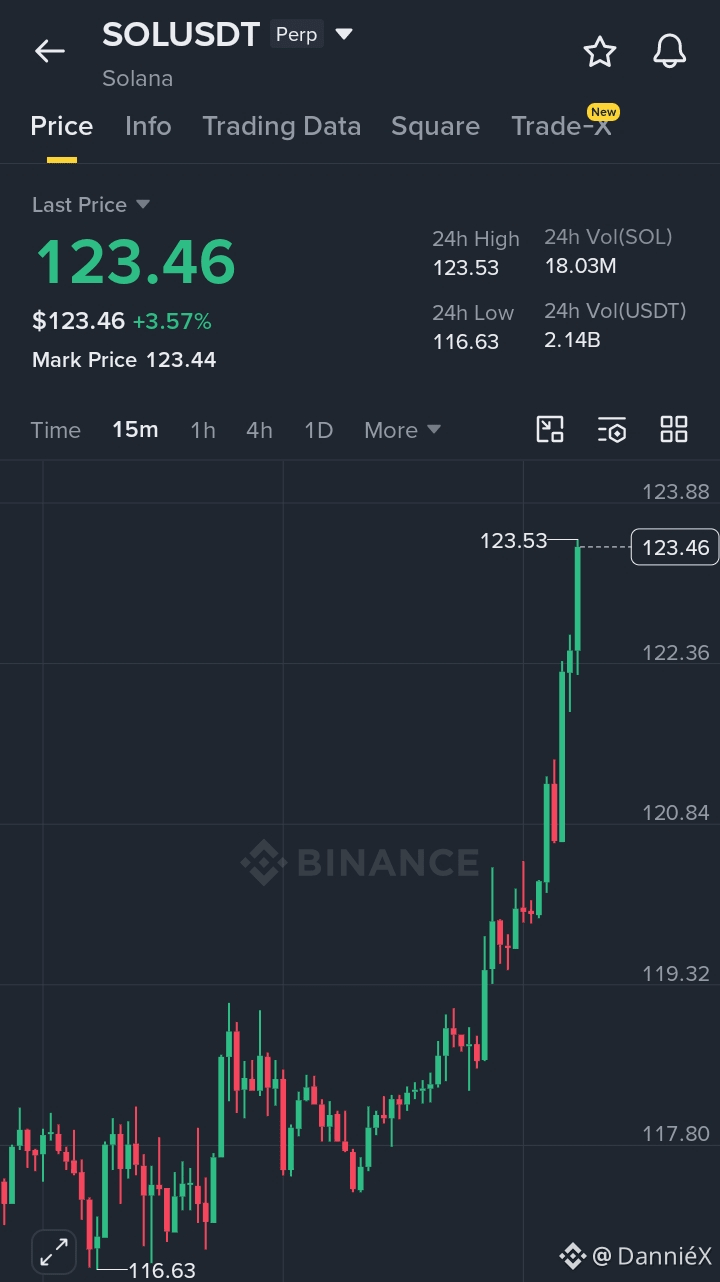
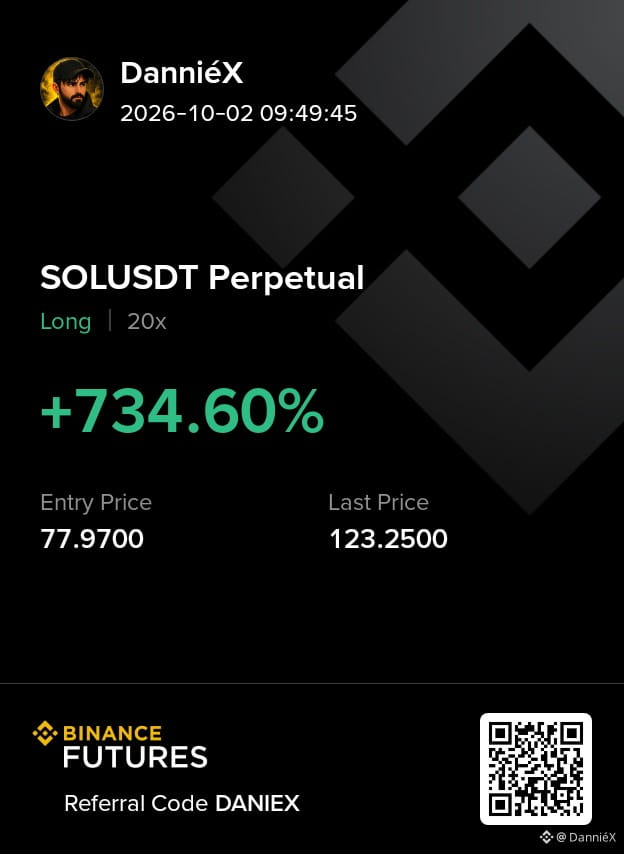
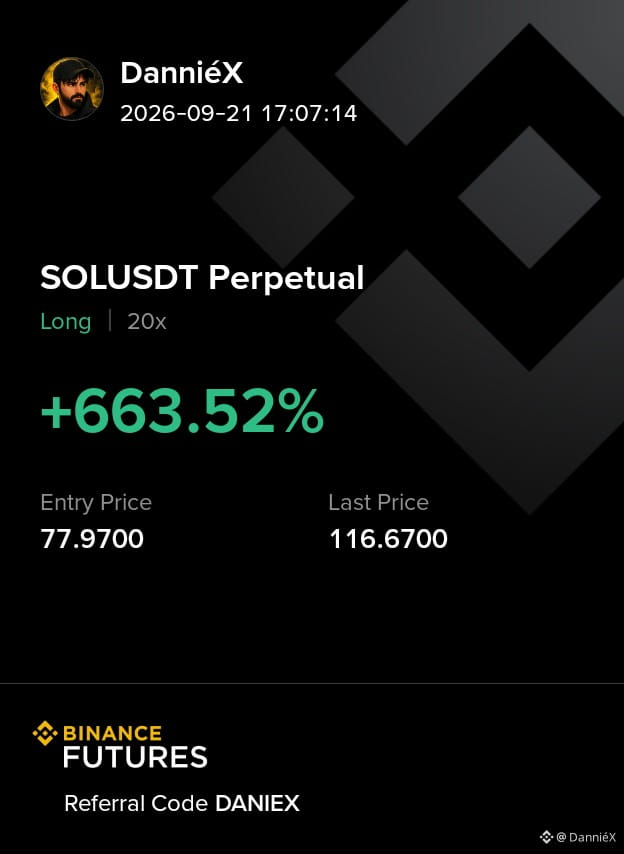
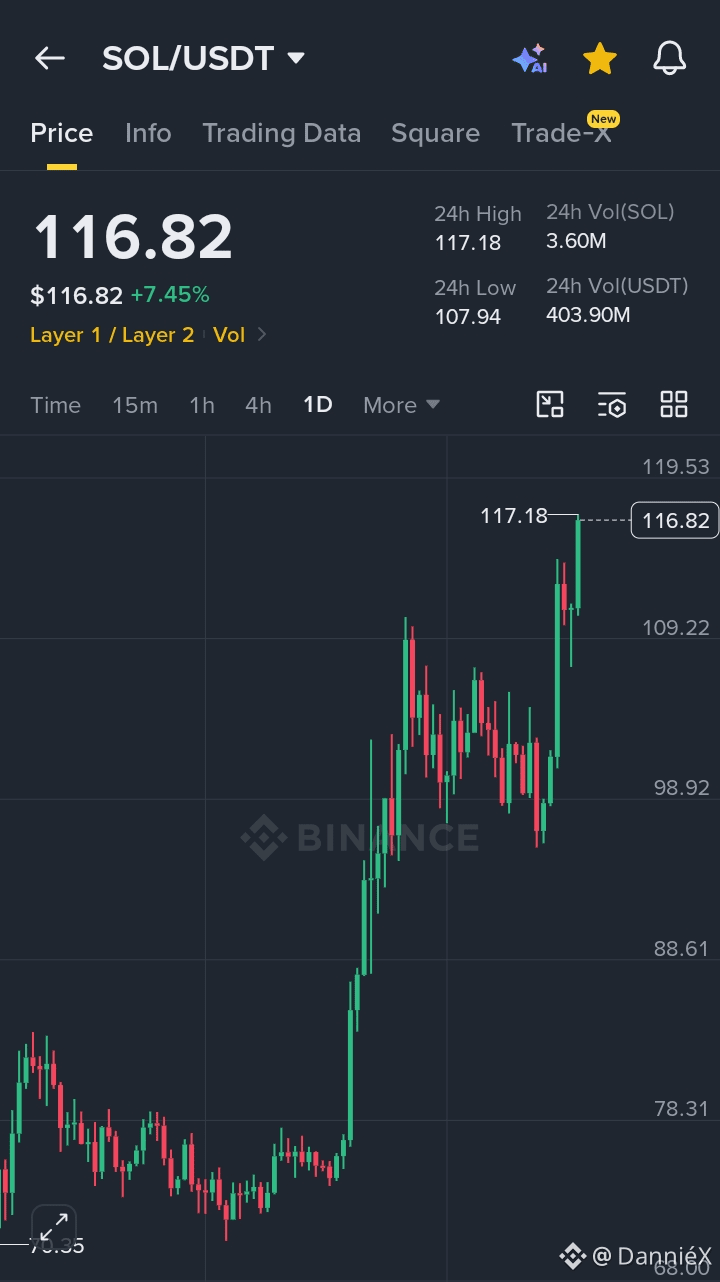
$SOL BUYERS DEFENDING SUPPORT
مشاركة هذا الإعداد متأخرة قليلًا، لكن الهيكل لا يزال يستحق المتابعة.
تُمسك SOL بمنطقة الدعم 116.70–117.50، حيث يتدخل المشترون ويحاولون إعادة بناء الزخم قصير الأجل.
إذا استمر هذا الدعم في الصمود، فالمستويات التالية التي أراقبها هي:
• الدخول: 117.50–118.00
• الهدف 1 (TP1): 119.00
• الهدف 2 (TP2): 120.50
• الهدف التالي: 122.00
• الهدف الممتد: 122.80
• وقف الخسارة (Stop Loss): 114.40
يبقى التفاعل حول 116.70–117.50 هو المنطقة الأهم. قد يؤدي استمرار الصمود إلى فتح الطريق نحو الأهداف الأعلى.
أتابع كيفية تطور SOL من هنا. 👀
DYOR. ليس نصيحة مالية.
$SOL BUYERS DEFENDING SUPPORT
مشاركة هذا الإعداد متأخرة قليلًا، لكن الهيكل لا يزال يستحق المتابعة.
تُمسك SOL بمنطقة الدعم 116.70–117.50، حيث يتدخل المشترون ويحاولون إعادة بناء الزخم قصير الأجل.
إذا استمر هذا الدعم في الصمود، فالمستويات التالية التي أراقبها هي:
• الدخول: 117.50–118.00
• الهدف 1 (TP1): 119.00
• الهدف 2 (TP2): 120.50
• الهدف التالي: 122.00
• الهدف الممتد: 122.80
• وقف الخسارة (Stop Loss): 114.40
يبقى التفاعل حول 116.70–117.50 هو المنطقة الأهم. قد يؤدي استمرار الصمود إلى فتح الطريق نحو الأهداف الأعلى.
أتابع كيفية تطور SOL من هنا. 👀
DYOR. ليس نصيحة مالية.
مشاركة هذا الإعداد متأخرة قليلًا، لكن الهيكل لا يزال يستحق المتابعة.
تُمسك SOL بمنطقة الدعم 116.70–117.50، حيث يتدخل المشترون ويحاولون إعادة بناء الزخم قصير الأجل.
إذا استمر هذا الدعم في الصمود، فالمستويات التالية التي أراقبها هي:
• الدخول: 117.50–118.00
• الهدف 1 (TP1): 119.00
• الهدف 2 (TP2): 120.50
• الهدف التالي: 122.00
• الهدف الممتد: 122.80
• وقف الخسارة (Stop Loss): 114.40
يبقى التفاعل حول 116.70–117.50 هو المنطقة الأهم. قد يؤدي استمرار الصمود إلى فتح الطريق نحو الأهداف الأعلى.
أتابع كيفية تطور SOL من هنا. 👀
DYOR. ليس نصيحة مالية.
336
·
--
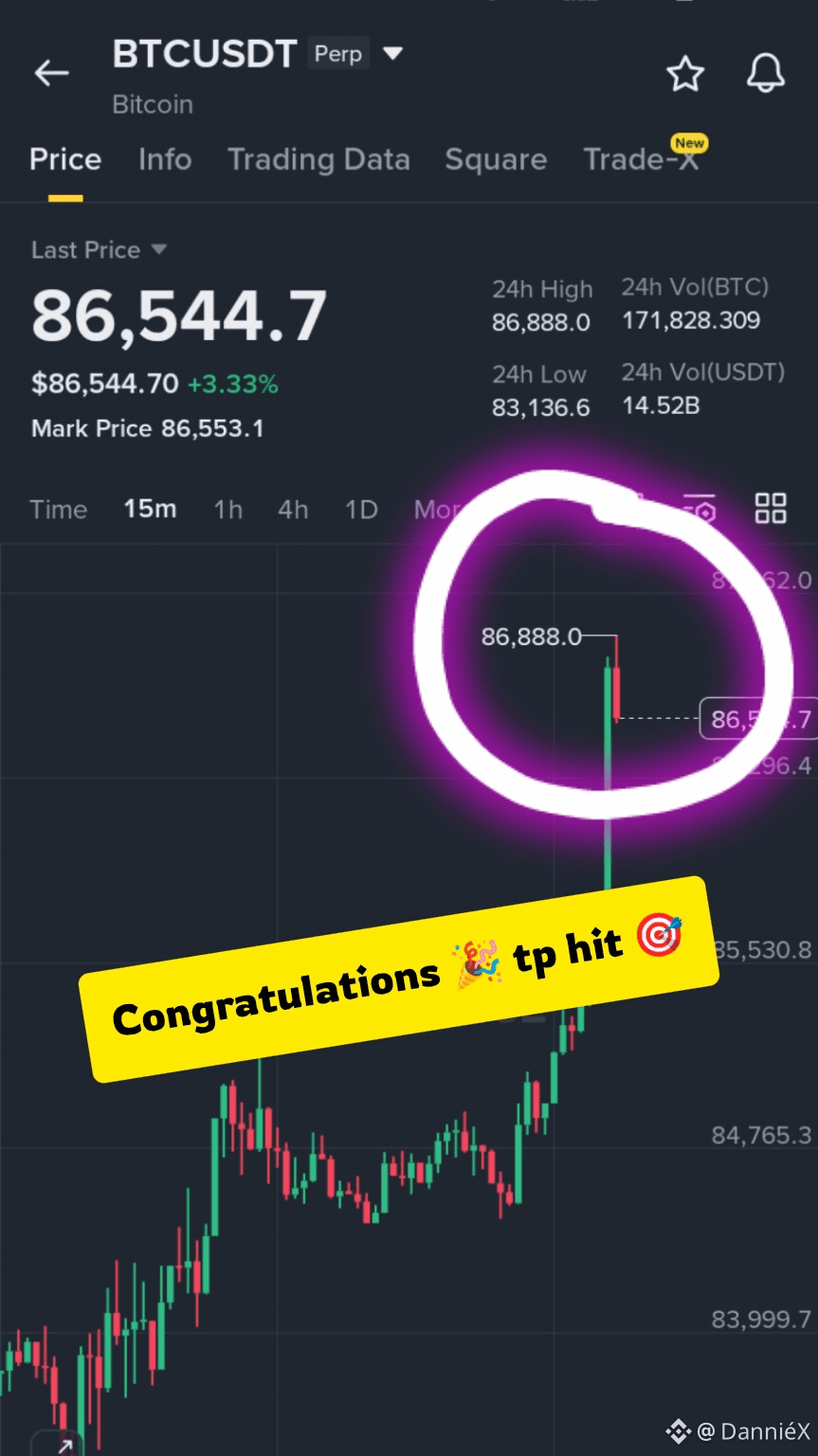
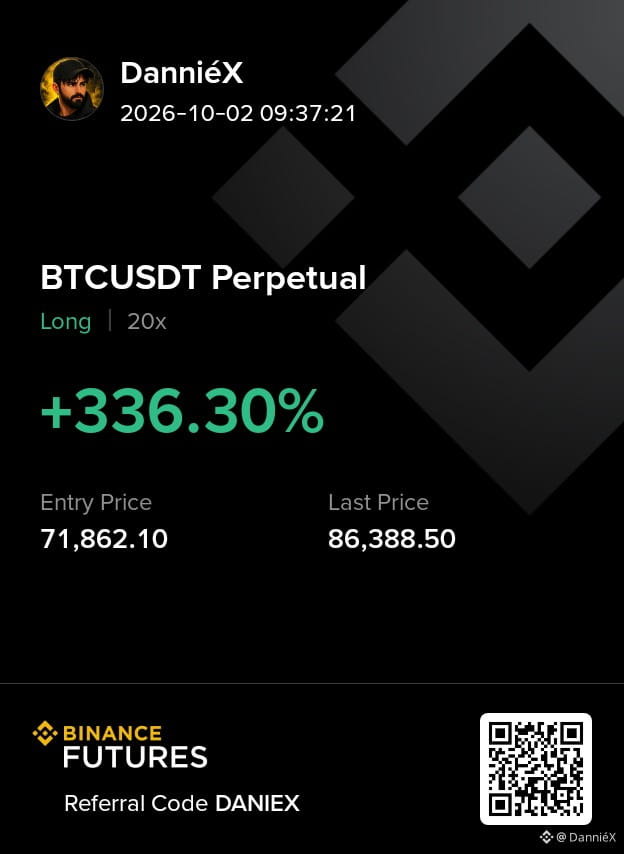
#CONGRATULATIONS🎉🎉🎉BOYS 🎉 يا أصدقاء، كل الأرشيف 🎯$BTC
#CONGRATULATIONS🎉🎉🎉BOYS 🎉 يا أصدقاء، كل الأرشيف 🎯$BTC
DanniéX
·
--
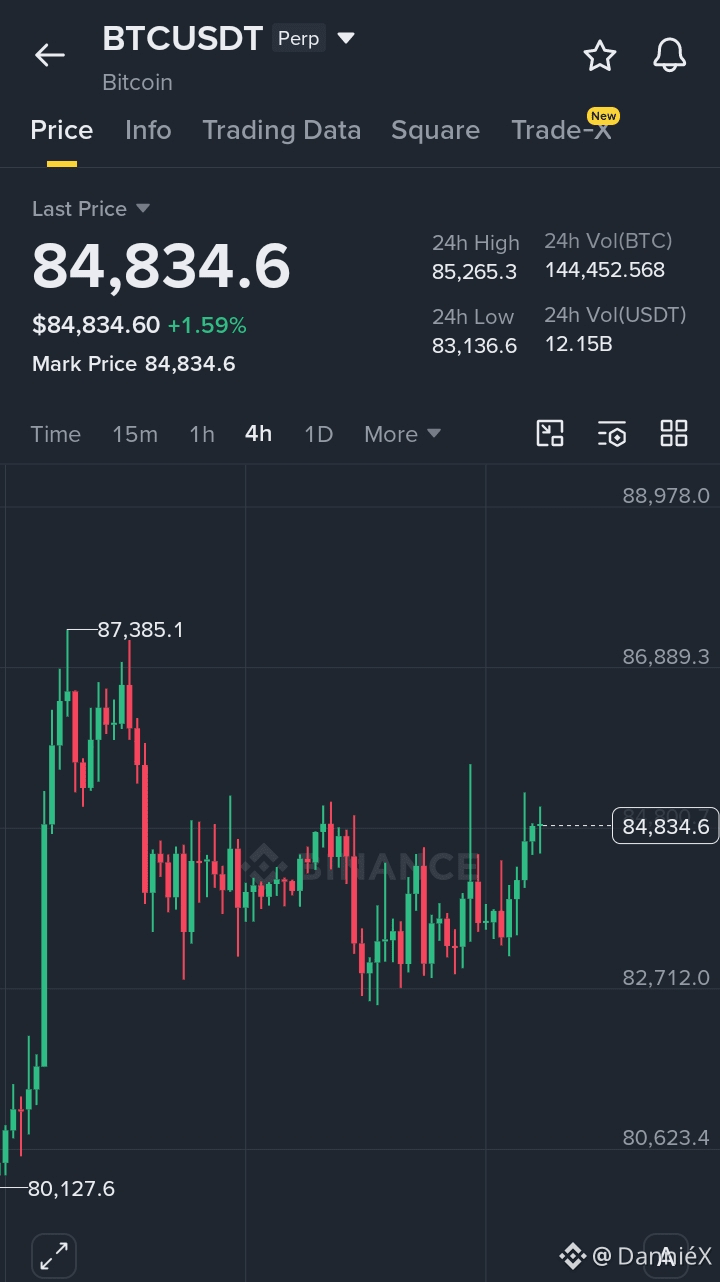
$BTC أنا أحب ما أراه هنا
يتداول البيتكوين قرب 84,700 دولار، ويدفع المشترون مرة أخرى باتجاه منطقة 85 ألف. 👀
أنا أراقب هذه المنطقة عن كثب. إذا احتفظ BTC بالمنطقة الحالية، يمكن أن يظل الهيكل على المدى القصير إيجابيًا.
🟢 دخول طويل: 84,500 – 84,750
🛑 وقف الخسارة: 83,950
🎯 الهدف 1: 85,050
🎯 الهدف 2: 85,400
🎯 الهدف 3: 85,800
المهم بالنسبة لي هو منطقة 85 ألف. قد يؤدي تثبيت واضح فوقها إلى موجة دفع أعلى أخرى.
لنرَ كيف سيتفاعل السعر هنا، لا داعي لمطاردة الشمعة.
اعملوا بالبحث الخاص بكم (DYOR) واديروا مخاطركم.
#BTC突破7万大关 #DannieX
يتداول البيتكوين قرب 84,700 دولار، ويدفع المشترون مرة أخرى باتجاه منطقة 85 ألف. 👀
أنا أراقب هذه المنطقة عن كثب. إذا احتفظ BTC بالمنطقة الحالية، يمكن أن يظل الهيكل على المدى القصير إيجابيًا.
🟢 دخول طويل: 84,500 – 84,750
🛑 وقف الخسارة: 83,950
🎯 الهدف 1: 85,050
🎯 الهدف 2: 85,400
🎯 الهدف 3: 85,800
المهم بالنسبة لي هو منطقة 85 ألف. قد يؤدي تثبيت واضح فوقها إلى موجة دفع أعلى أخرى.
لنرَ كيف سيتفاعل السعر هنا، لا داعي لمطاردة الشمعة.
اعملوا بالبحث الخاص بكم (DYOR) واديروا مخاطركم.
#BTC突破7万大关 #DannieX
293
·
--
$BTC أنا أحب ما أراه هنا
يتداول البيتكوين قرب 84,700 دولار، ويدفع المشترون مرة أخرى باتجاه منطقة 85 ألف. 👀
أنا أراقب هذه المنطقة عن كثب. إذا احتفظ BTC بالمنطقة الحالية، يمكن أن يظل الهيكل على المدى القصير إيجابيًا.
🟢 دخول طويل: 84,500 – 84,750
🛑 وقف الخسارة: 83,950
🎯 الهدف 1: 85,050
🎯 الهدف 2: 85,400
🎯 الهدف 3: 85,800
المهم بالنسبة لي هو منطقة 85 ألف. قد يؤدي تثبيت واضح فوقها إلى موجة دفع أعلى أخرى.
لنرَ كيف سيتفاعل السعر هنا، لا داعي لمطاردة الشمعة.
اعملوا بالبحث الخاص بكم (DYOR) واديروا مخاطركم.
#BTC突破7万大关 #DannieX
$BTC أنا أحب ما أراه هنا
يتداول البيتكوين قرب 84,700 دولار، ويدفع المشترون مرة أخرى باتجاه منطقة 85 ألف. 👀
أنا أراقب هذه المنطقة عن كثب. إذا احتفظ BTC بالمنطقة الحالية، يمكن أن يظل الهيكل على المدى القصير إيجابيًا.
🟢 دخول طويل: 84,500 – 84,750
🛑 وقف الخسارة: 83,950
🎯 الهدف 1: 85,050
🎯 الهدف 2: 85,400
🎯 الهدف 3: 85,800
المهم بالنسبة لي هو منطقة 85 ألف. قد يؤدي تثبيت واضح فوقها إلى موجة دفع أعلى أخرى.
لنرَ كيف سيتفاعل السعر هنا، لا داعي لمطاردة الشمعة.
اعملوا بالبحث الخاص بكم (DYOR) واديروا مخاطركم.
#BTC突破7万大关 #DannieX
يتداول البيتكوين قرب 84,700 دولار، ويدفع المشترون مرة أخرى باتجاه منطقة 85 ألف. 👀
أنا أراقب هذه المنطقة عن كثب. إذا احتفظ BTC بالمنطقة الحالية، يمكن أن يظل الهيكل على المدى القصير إيجابيًا.
🟢 دخول طويل: 84,500 – 84,750
🛑 وقف الخسارة: 83,950
🎯 الهدف 1: 85,050
🎯 الهدف 2: 85,400
🎯 الهدف 3: 85,800
المهم بالنسبة لي هو منطقة 85 ألف. قد يؤدي تثبيت واضح فوقها إلى موجة دفع أعلى أخرى.
لنرَ كيف سيتفاعل السعر هنا، لا داعي لمطاردة الشمعة.
اعملوا بالبحث الخاص بكم (DYOR) واديروا مخاطركم.
#BTC突破7万大关 #DannieX
1
2
411
·
--
$ETH يشير إلى قوة ثابتة، مرتفعًا بنحو 2.5% خلال الـ 24 ساعة الماضية.
أحد العوامل التي تحظى بالاهتمام هو التراكم المؤسسي، حيث يُشاع أن Bitmine يمتلك أكثر من 6M ETH، أي حوالي 4.9% من المعروض المتداول. ومع ذلك، فقد تباطأ وتيرة المشتريات الجديدة هذا الأسبوع، بينما يشير انخفاض حجم التداول نسبيًا إلى أن الارتفاع الحالي لا يزال يفتقر إلى زخم قوي.
توجد التمويلات قرب 0.0093%، ما يعني أن الرافعة المالية ما تزال تحت السيطرة نسبيًا وليست مفرطة.
بالنسبة لي، العامل الأهم الآن هو ما إذا كان بإمكان ETH جذب حجم تداول فوري أقوى والحفاظ على هذا الزخم.
#EarningsSeason
$ETH يشير إلى قوة ثابتة، مرتفعًا بنحو 2.5% خلال الـ 24 ساعة الماضية.
أحد العوامل التي تحظى بالاهتمام هو التراكم المؤسسي، حيث يُشاع أن Bitmine يمتلك أكثر من 6M ETH، أي حوالي 4.9% من المعروض المتداول. ومع ذلك، فقد تباطأ وتيرة المشتريات الجديدة هذا الأسبوع، بينما يشير انخفاض حجم التداول نسبيًا إلى أن الارتفاع الحالي لا يزال يفتقر إلى زخم قوي.
توجد التمويلات قرب 0.0093%، ما يعني أن الرافعة المالية ما تزال تحت السيطرة نسبيًا وليست مفرطة.
بالنسبة لي، العامل الأهم الآن هو ما إذا كان بإمكان ETH جذب حجم تداول فوري أقوى والحفاظ على هذا الزخم.
#EarningsSeason
أحد العوامل التي تحظى بالاهتمام هو التراكم المؤسسي، حيث يُشاع أن Bitmine يمتلك أكثر من 6M ETH، أي حوالي 4.9% من المعروض المتداول. ومع ذلك، فقد تباطأ وتيرة المشتريات الجديدة هذا الأسبوع، بينما يشير انخفاض حجم التداول نسبيًا إلى أن الارتفاع الحالي لا يزال يفتقر إلى زخم قوي.
توجد التمويلات قرب 0.0093%، ما يعني أن الرافعة المالية ما تزال تحت السيطرة نسبيًا وليست مفرطة.
بالنسبة لي، العامل الأهم الآن هو ما إذا كان بإمكان ETH جذب حجم تداول فوري أقوى والحفاظ على هذا الزخم.
#EarningsSeason
347
·
--
$BTC تحديث صباحي لسوق العملات — تراجع نحو الطلب
يفتتح البيتكوين الأسبوع داخل نطاق قصير الأجل مهم، حيث يقوم السعر حاليًا باختبار الحد السفلي للبنية.
📌 النطاق الرئيسي: 83.7K$ – 85.2K$
🛡️ دعم رئيسي: 83.7K$
⚔️ مقاومة: 85.2K$
📍 الإبطال: تحت 82.7K$
تم اختبار منطقة 83.7K$ عدة مرات وما زالت تعمل كمنطقة دعم مهمة. كما أن قناة EMA 144–169 تتمركز أيضًا حول هذه المنطقة، ما يضيف أهمية فنية إضافية.
📈 إعداد محتمل للشراء الطويل
يمكن النظر في مركز شراء طويل خفيف حول منطقة الطلب 83.7K$، بشرط أن يستمر BTC في الحفاظ على المنطقة.
🎯 الهدف 1: 84.7K$
🎯 الهدف 2: 85.2K$
🛑 الإبطال: تحت 82.7K$
تأكيد محافظ
بدلًا من الدخول مباشرة عند الدعم، يمكن للمتداولين انتظار عملية مسح تحت 83.7K$ ثم استعادة المستوى (reclaim). قد توفر عملية الاستعادة الناجحة تأكيدًا أقوى على عودة الزخم إلى المشترين.
وحتى الآن، يبقى التركيز على دعم 83.7K$ مقابل مقاومة 85.2K$.
$BTC تحديث صباحي لسوق العملات — تراجع نحو الطلب
يفتتح البيتكوين الأسبوع داخل نطاق قصير الأجل مهم، حيث يقوم السعر حاليًا باختبار الحد السفلي للبنية.
📌 النطاق الرئيسي: 83.7K$ – 85.2K$
🛡️ دعم رئيسي: 83.7K$
⚔️ مقاومة: 85.2K$
📍 الإبطال: تحت 82.7K$
تم اختبار منطقة 83.7K$ عدة مرات وما زالت تعمل كمنطقة دعم مهمة. كما أن قناة EMA 144–169 تتمركز أيضًا حول هذه المنطقة، ما يضيف أهمية فنية إضافية.
📈 إعداد محتمل للشراء الطويل
يمكن النظر في مركز شراء طويل خفيف حول منطقة الطلب 83.7K$، بشرط أن يستمر BTC في الحفاظ على المنطقة.
🎯 الهدف 1: 84.7K$
🎯 الهدف 2: 85.2K$
🛑 الإبطال: تحت 82.7K$
تأكيد محافظ
بدلًا من الدخول مباشرة عند الدعم، يمكن للمتداولين انتظار عملية مسح تحت 83.7K$ ثم استعادة المستوى (reclaim). قد توفر عملية الاستعادة الناجحة تأكيدًا أقوى على عودة الزخم إلى المشترين.
وحتى الآن، يبقى التركيز على دعم 83.7K$ مقابل مقاومة 85.2K$.
يفتتح البيتكوين الأسبوع داخل نطاق قصير الأجل مهم، حيث يقوم السعر حاليًا باختبار الحد السفلي للبنية.
📌 النطاق الرئيسي: 83.7K$ – 85.2K$
🛡️ دعم رئيسي: 83.7K$
⚔️ مقاومة: 85.2K$
📍 الإبطال: تحت 82.7K$
تم اختبار منطقة 83.7K$ عدة مرات وما زالت تعمل كمنطقة دعم مهمة. كما أن قناة EMA 144–169 تتمركز أيضًا حول هذه المنطقة، ما يضيف أهمية فنية إضافية.
📈 إعداد محتمل للشراء الطويل
يمكن النظر في مركز شراء طويل خفيف حول منطقة الطلب 83.7K$، بشرط أن يستمر BTC في الحفاظ على المنطقة.
🎯 الهدف 1: 84.7K$
🎯 الهدف 2: 85.2K$
🛑 الإبطال: تحت 82.7K$
تأكيد محافظ
بدلًا من الدخول مباشرة عند الدعم، يمكن للمتداولين انتظار عملية مسح تحت 83.7K$ ثم استعادة المستوى (reclaim). قد توفر عملية الاستعادة الناجحة تأكيدًا أقوى على عودة الزخم إلى المشترين.
وحتى الآن، يبقى التركيز على دعم 83.7K$ مقابل مقاومة 85.2K$.
383
·
--
$ZEC on في الرحلة لأنه اجعل جديد $BTC
أغمض عينيك....
$ZEC on في الرحلة لأنه اجعل جديد $BTC
أغمض عينيك....
أغمض عينيك....

68
2
2
317
·
--
مقالة
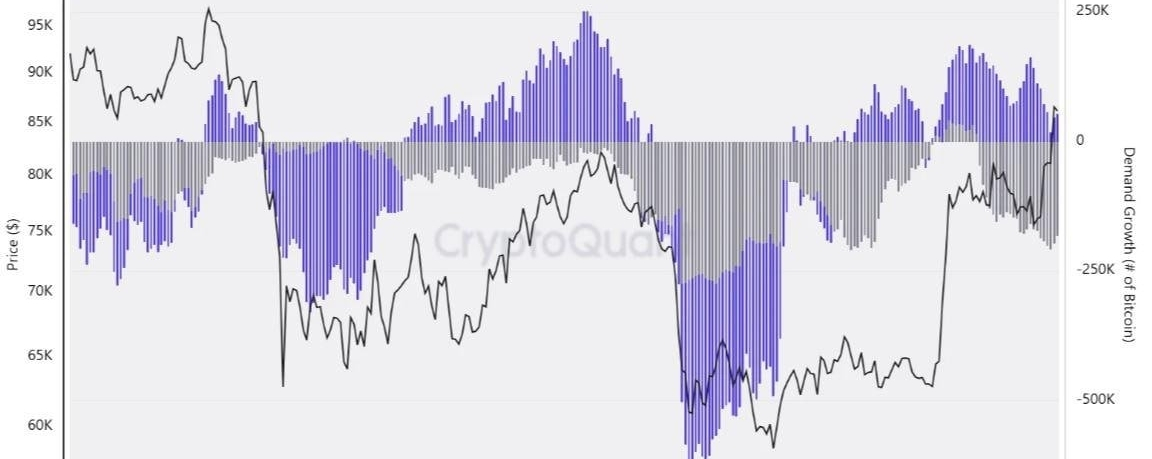
BTC | الطلب يبدأ في التعافيتتداول بيتكوين حول $84,300، مع ظهور علامات مبكرة على تحسن هيكل الطلب.
ظل الطلب الفوري سالباً، لكن التراجع يتباطأ، بينما لا يزال طلب العقود الآجلة إيجابياً. كما أن إجمالي الطلب يتعافى أيضاً من مستويات سلبية أعمق.
📊 إعداد التداول
السعر الحالي: ~$84,300
الدعم: $82,000–$84,000
المقاومة: $86,000–$87,000
منطقة الاختراق: أعلى من $87,000
السيناريو الصعودي:
إذا حافظت BTC على منطقة الدعم $82K–$84K ثم اخترقت فوق $87K مع تأكيد، فقد يتعزز الزخم باتجاه مستويات أعلى.
BTC | الطلب يبدأ في التعافي
تتداول بيتكوين حول $84,300، مع ظهور علامات مبكرة على تحسن هيكل الطلب.
ظل الطلب الفوري سالباً، لكن التراجع يتباطأ، بينما لا يزال طلب العقود الآجلة إيجابياً. كما أن إجمالي الطلب يتعافى أيضاً من مستويات سلبية أعمق.
📊 إعداد التداول
السعر الحالي: ~$84,300
الدعم: $82,000–$84,000
المقاومة: $86,000–$87,000
منطقة الاختراق: أعلى من $87,000
السيناريو الصعودي:
إذا حافظت BTC على منطقة الدعم $82K–$84K ثم اخترقت فوق $87K مع تأكيد، فقد يتعزز الزخم باتجاه مستويات أعلى.
ظل الطلب الفوري سالباً، لكن التراجع يتباطأ، بينما لا يزال طلب العقود الآجلة إيجابياً. كما أن إجمالي الطلب يتعافى أيضاً من مستويات سلبية أعمق.
📊 إعداد التداول
السعر الحالي: ~$84,300
الدعم: $82,000–$84,000
المقاومة: $86,000–$87,000
منطقة الاختراق: أعلى من $87,000
السيناريو الصعودي:
إذا حافظت BTC على منطقة الدعم $82K–$84K ثم اخترقت فوق $87K مع تأكيد، فقد يتعزز الزخم باتجاه مستويات أعلى.
207
·
--
🎙️ بناء ساحة بينانس، وامتلاك BNB|الأحد، يبدو أن BTC متذبذب عند 84000 منذ أيام، فهل يجري التحضير لبدء جولة طيران جديدة؟ لنتحدث~

إنهاء
05 ساعة 23 دقيقة 43 ثانية
14.8k
43
53
·
--
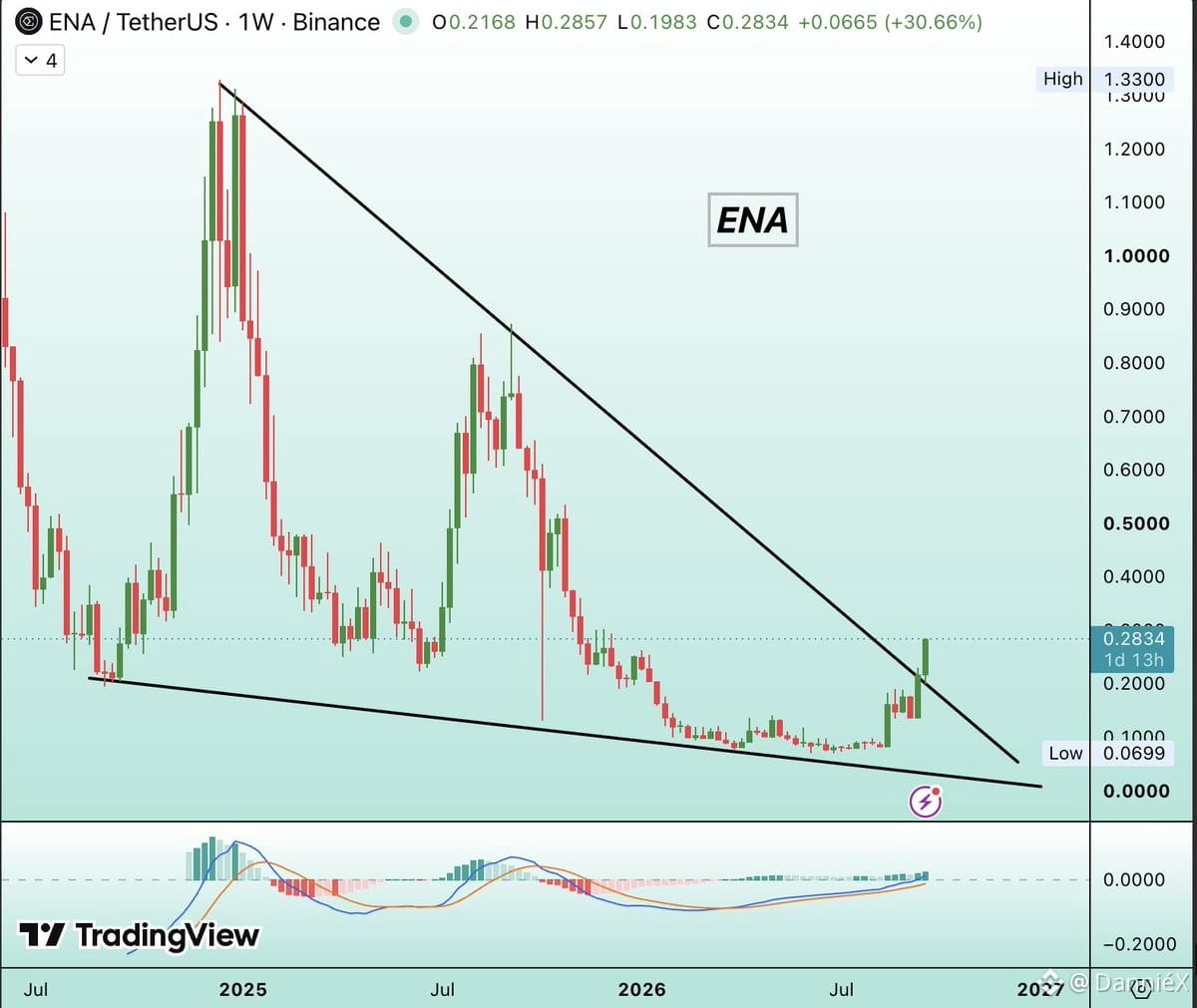
$ENA المنظور الأسبوعي للرسم البياني
هذا رسم بياني أسبوعي، لذلك لا ينبغي الخلط بين التقلبات قصيرة الأجل والاتجاه الأوسع.
قد توفر أي تصحيح صحي أو تراجع فرصة للتجميع عند مستويات أفضل. المفتاح هو التركيز على بنية الإطار الزمني الأعلى بدلًا من الاستجابة لتحركات داخل اليوم.
الصبر مهم عند التداول من أجل الصورة الأكبر.
قم بالبحث بنفسك. ليس نصيحة مالية.
$ENA المنظور الأسبوعي للرسم البياني
هذا رسم بياني أسبوعي، لذلك لا ينبغي الخلط بين التقلبات قصيرة الأجل والاتجاه الأوسع.
قد توفر أي تصحيح صحي أو تراجع فرصة للتجميع عند مستويات أفضل. المفتاح هو التركيز على بنية الإطار الزمني الأعلى بدلًا من الاستجابة لتحركات داخل اليوم.
الصبر مهم عند التداول من أجل الصورة الأكبر.
قم بالبحث بنفسك. ليس نصيحة مالية.
هذا رسم بياني أسبوعي، لذلك لا ينبغي الخلط بين التقلبات قصيرة الأجل والاتجاه الأوسع.
قد توفر أي تصحيح صحي أو تراجع فرصة للتجميع عند مستويات أفضل. المفتاح هو التركيز على بنية الإطار الزمني الأعلى بدلًا من الاستجابة لتحركات داخل اليوم.
الصبر مهم عند التداول من أجل الصورة الأكبر.
قم بالبحث بنفسك. ليس نصيحة مالية.
1
939
·
--
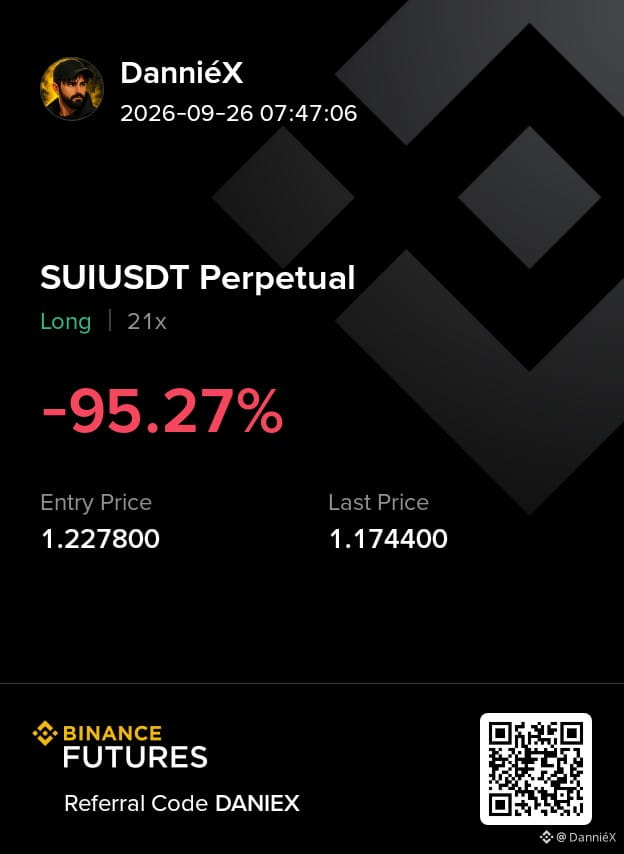
🔥 $SUI WOW، الثيران تتحرك!
يتم تداول SUI حول 1.13 دولار، وبصراحة، يعجبني ما أراه. 👀
الاختراق جلب حجم شراء قوي، والبنية على المدى القصير تميل بوضوح إلى الاتجاه الصعودي.
🟢 دخول طويل: 1.11 – 1.14 دولار
🛑 وقف الخسارة: 1.08 دولار
🎯 الهدف 1: 1.16
🎯 الهدف 2: 1.18
🎯 الهدف 3: 1.21
أنا أراقب منطقة 1.11 عن كثب. إذا استمر المشترون في الدفاع عنها، فسأحب أن يستمر SUI نحو القمم الأخيرة.
يا لها من زخم قوي — لكنني لا ألاحق شمعة عمودية. لنعرف كيف ستتطور الخطوة التالية. 🚀
DYOR وادِر مخاطرك.
🔥 $SUI WOW، الثيران تتحرك!
يتم تداول SUI حول 1.13 دولار، وبصراحة، يعجبني ما أراه. 👀
الاختراق جلب حجم شراء قوي، والبنية على المدى القصير تميل بوضوح إلى الاتجاه الصعودي.
🟢 دخول طويل: 1.11 – 1.14 دولار
🛑 وقف الخسارة: 1.08 دولار
🎯 الهدف 1: 1.16
🎯 الهدف 2: 1.18
🎯 الهدف 3: 1.21
أنا أراقب منطقة 1.11 عن كثب. إذا استمر المشترون في الدفاع عنها، فسأحب أن يستمر SUI نحو القمم الأخيرة.
يا لها من زخم قوي — لكنني لا ألاحق شمعة عمودية. لنعرف كيف ستتطور الخطوة التالية. 🚀
DYOR وادِر مخاطرك.
يتم تداول SUI حول 1.13 دولار، وبصراحة، يعجبني ما أراه. 👀
الاختراق جلب حجم شراء قوي، والبنية على المدى القصير تميل بوضوح إلى الاتجاه الصعودي.
🟢 دخول طويل: 1.11 – 1.14 دولار
🛑 وقف الخسارة: 1.08 دولار
🎯 الهدف 1: 1.16
🎯 الهدف 2: 1.18
🎯 الهدف 3: 1.21
أنا أراقب منطقة 1.11 عن كثب. إذا استمر المشترون في الدفاع عنها، فسأحب أن يستمر SUI نحو القمم الأخيرة.
يا لها من زخم قوي — لكنني لا ألاحق شمعة عمودية. لنعرف كيف ستتطور الخطوة التالية. 🚀
DYOR وادِر مخاطرك.
1
791
·
--
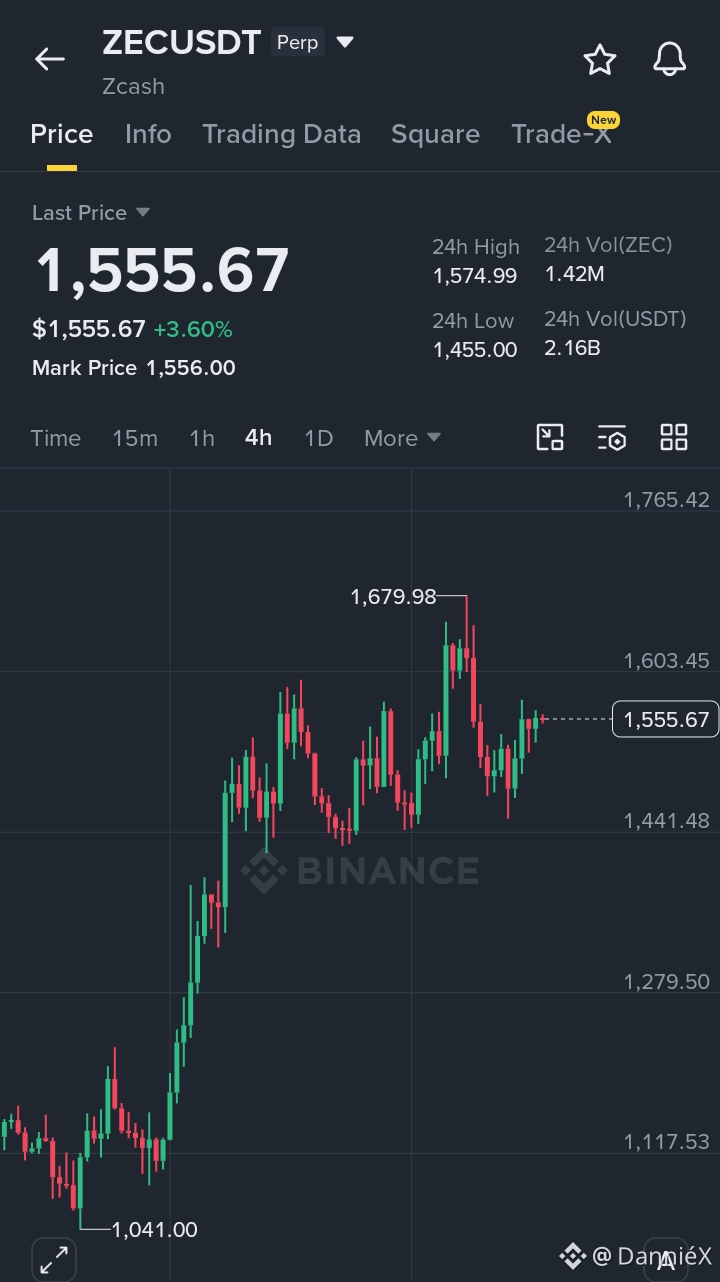
$ZEC أنا أتابع هذه الحركة عن كثب
تتداول ZEC قرب 1,550 دولارًا، وواو… التقلبات هنا جدّية.
بعد التقلبات الحادة خلال الجلسات القليلة الماضية، يعجبني ما أراه طالما يستمر المشترون في الدفاع عن منطقة 1,500.
👀 1,500–1,520 → منطقة دعم رئيسية
📈 1,570–1,600 → المنطقة التالية التي أراقبها
🔥 1,630+ → قد تتسارع الزخمات إذا تم استعادتها
الأهم بالنسبة لي الآن ليس مجرد شمعة خضراء قادمة — بل ما إذا كانت ZEC قادرة على الحفاظ على البنية الأعلى بعد تصحيح.
إذا واصل المشترون التدخل عند منطقة الدعم، يمكن أن يبقى الزخم الصعودي مثيرًا للاهتمام.
لكن إذا تم كسر 1,500 بشكل حاسم، أتوقع أن يبرد الرسم البياني أولًا.
أنا أراقب شموع الأربع ساعات القادمة عن كثب. لنرَ ماذا تقدم لنا ZEC.
DYOR.
$ZEC أنا أتابع هذه الحركة عن كثب
تتداول ZEC قرب 1,550 دولارًا، وواو… التقلبات هنا جدّية.
بعد التقلبات الحادة خلال الجلسات القليلة الماضية، يعجبني ما أراه طالما يستمر المشترون في الدفاع عن منطقة 1,500.
👀 1,500–1,520 → منطقة دعم رئيسية
📈 1,570–1,600 → المنطقة التالية التي أراقبها
🔥 1,630+ → قد تتسارع الزخمات إذا تم استعادتها
الأهم بالنسبة لي الآن ليس مجرد شمعة خضراء قادمة — بل ما إذا كانت ZEC قادرة على الحفاظ على البنية الأعلى بعد تصحيح.
إذا واصل المشترون التدخل عند منطقة الدعم، يمكن أن يبقى الزخم الصعودي مثيرًا للاهتمام.
لكن إذا تم كسر 1,500 بشكل حاسم، أتوقع أن يبرد الرسم البياني أولًا.
أنا أراقب شموع الأربع ساعات القادمة عن كثب. لنرَ ماذا تقدم لنا ZEC.
DYOR.
تتداول ZEC قرب 1,550 دولارًا، وواو… التقلبات هنا جدّية.
بعد التقلبات الحادة خلال الجلسات القليلة الماضية، يعجبني ما أراه طالما يستمر المشترون في الدفاع عن منطقة 1,500.
👀 1,500–1,520 → منطقة دعم رئيسية
📈 1,570–1,600 → المنطقة التالية التي أراقبها
🔥 1,630+ → قد تتسارع الزخمات إذا تم استعادتها
الأهم بالنسبة لي الآن ليس مجرد شمعة خضراء قادمة — بل ما إذا كانت ZEC قادرة على الحفاظ على البنية الأعلى بعد تصحيح.
إذا واصل المشترون التدخل عند منطقة الدعم، يمكن أن يبقى الزخم الصعودي مثيرًا للاهتمام.
لكن إذا تم كسر 1,500 بشكل حاسم، أتوقع أن يبرد الرسم البياني أولًا.
أنا أراقب شموع الأربع ساعات القادمة عن كثب. لنرَ ماذا تقدم لنا ZEC.
DYOR.
1
732
·
--
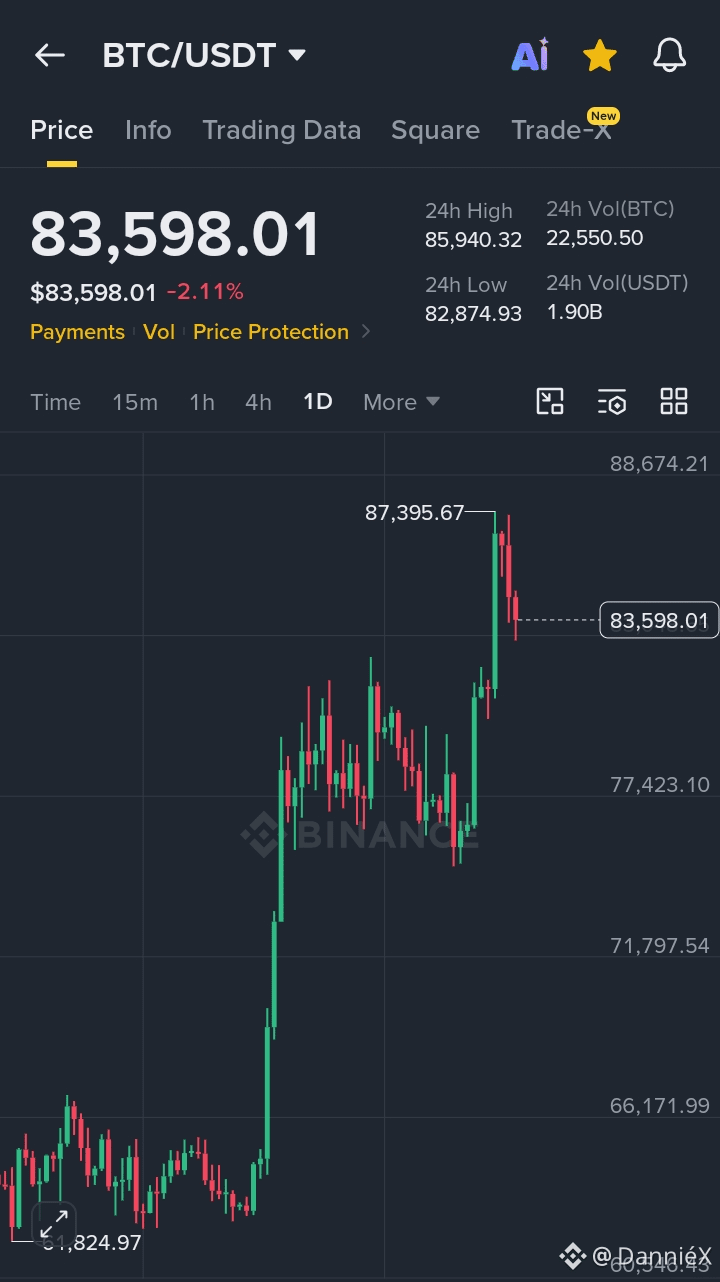
$BTC I’m Watching This Zone Closely
الآن البيتكوين حوالي 84.1 ألف دولار، وبصراحة إن هذا التصحيح لفت انتباهي. 👀
بعد أن دفع باتجاه 87 ألف دولار، فشل BTC في الثبات عند المستويات الأعلى، ثم عاد الآن إلى ما دون 85 ألف دولار.
إليك ما أتابعه:
📉 83.5 ألف–84 ألف دولار → منطقة دعم مهمة
👀 85 ألف–86 ألف دولار → منطقة استعادة لصالح الثيران
🔥 87 ألف دولار → مقاومة رئيسية من الحركة الأخيرة
إذا استطاع BTC أن يحافظ على 83.5 ألف–84 ألف دولار وأن يستعيد 85 ألف دولار، فأود أن أرى ما إذا كان بإمكان المشترين إعادة بناء الزخم مرة أخرى.
لكن إذا تم كسر 83.5 ألف دولار بشكل واضح، فقد يضعف الهيكل الحالي على المدى القصير أكثر.
واو — عادت التقلبات. أنا أتابع الشموع الأربع-ساعات القادمة عن كثب.
$BTC I’m Watching This Zone Closely
الآن البيتكوين حوالي 84.1 ألف دولار، وبصراحة إن هذا التصحيح لفت انتباهي. 👀
بعد أن دفع باتجاه 87 ألف دولار، فشل BTC في الثبات عند المستويات الأعلى، ثم عاد الآن إلى ما دون 85 ألف دولار.
إليك ما أتابعه:
📉 83.5 ألف–84 ألف دولار → منطقة دعم مهمة
👀 85 ألف–86 ألف دولار → منطقة استعادة لصالح الثيران
🔥 87 ألف دولار → مقاومة رئيسية من الحركة الأخيرة
إذا استطاع BTC أن يحافظ على 83.5 ألف–84 ألف دولار وأن يستعيد 85 ألف دولار، فأود أن أرى ما إذا كان بإمكان المشترين إعادة بناء الزخم مرة أخرى.
لكن إذا تم كسر 83.5 ألف دولار بشكل واضح، فقد يضعف الهيكل الحالي على المدى القصير أكثر.
واو — عادت التقلبات. أنا أتابع الشموع الأربع-ساعات القادمة عن كثب.
الآن البيتكوين حوالي 84.1 ألف دولار، وبصراحة إن هذا التصحيح لفت انتباهي. 👀
بعد أن دفع باتجاه 87 ألف دولار، فشل BTC في الثبات عند المستويات الأعلى، ثم عاد الآن إلى ما دون 85 ألف دولار.
إليك ما أتابعه:
📉 83.5 ألف–84 ألف دولار → منطقة دعم مهمة
👀 85 ألف–86 ألف دولار → منطقة استعادة لصالح الثيران
🔥 87 ألف دولار → مقاومة رئيسية من الحركة الأخيرة
إذا استطاع BTC أن يحافظ على 83.5 ألف–84 ألف دولار وأن يستعيد 85 ألف دولار، فأود أن أرى ما إذا كان بإمكان المشترين إعادة بناء الزخم مرة أخرى.
لكن إذا تم كسر 83.5 ألف دولار بشكل واضح، فقد يضعف الهيكل الحالي على المدى القصير أكثر.
واو — عادت التقلبات. أنا أتابع الشموع الأربع-ساعات القادمة عن كثب.
405
·
--
$BTC
{future}(BTCUSDT)
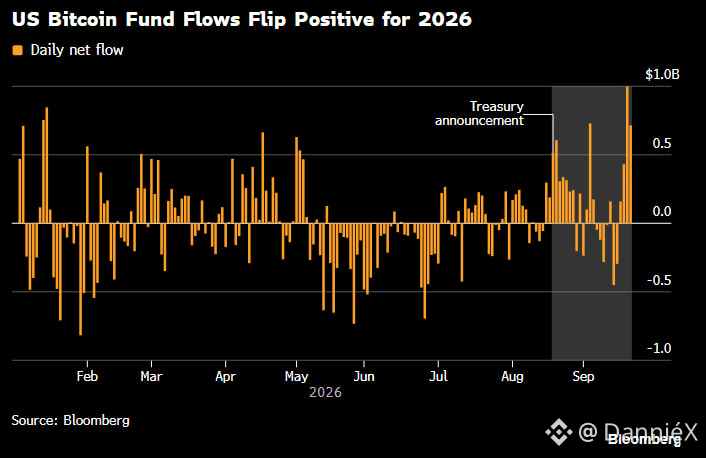
تدفقات صناديق الاستثمار المتداولة (ETF) عادت إلى الإيجابية لعام 2026 بعد ضخ 4.6 مليار دولار خلال الشهر الماضي، وفقًا لإريك بالتشوناس.
$BTC
تدفقات صناديق الاستثمار المتداولة (ETF) عادت إلى الإيجابية لعام 2026 بعد ضخ 4.6 مليار دولار خلال الشهر الماضي، وفقًا لإريك بالتشوناس.
تدفقات صناديق الاستثمار المتداولة (ETF) عادت إلى الإيجابية لعام 2026 بعد ضخ 4.6 مليار دولار خلال الشهر الماضي، وفقًا لإريك بالتشوناس.
1
379
·
--

مقالة
BitMine يضيف ما قيمته 75 مليون دولار من الإيثيريوم — توقعات الربع الرابع تحظى باهتماميُذكر أن BitMine قد أضاف 27,562 ETH أخرى إلى حيازاته، بلغت قيمة عملية الشراء حوالي 75 مليون دولار. وتُبرز هذه الخطوة مدى استمرار كبار اللاعبين المؤسسيين في تجميع الإيثيريوم بشكل مكثف.
وصلت إجمالي حيازات BitMine من ETH الآن إلى نحو 6 ملايين ETH، ما يمثل قرابة 5% من إجمالي المعروض من إيثيريوم.
وفي الوقت نفسه، لا يزال توم لي متفائلًا بشأن السوق التشفير الأوسع، ويتوقع إمكانية حدوث تحرك أقوى في الربع الرابع، خصوصًا مع استمرار تطور مشاركة المؤسسات.
BitMine يضيف ما قيمته 75 مليون دولار من الإيثيريوم — توقعات الربع الرابع تحظى باهتمام
يُذكر أن BitMine قد أضاف 27,562 ETH أخرى إلى حيازاته، بلغت قيمة عملية الشراء حوالي 75 مليون دولار. وتُبرز هذه الخطوة مدى استمرار كبار اللاعبين المؤسسيين في تجميع الإيثيريوم بشكل مكثف.
وصلت إجمالي حيازات BitMine من ETH الآن إلى نحو 6 ملايين ETH، ما يمثل قرابة 5% من إجمالي المعروض من إيثيريوم.
وفي الوقت نفسه، لا يزال توم لي متفائلًا بشأن السوق التشفير الأوسع، ويتوقع إمكانية حدوث تحرك أقوى في الربع الرابع، خصوصًا مع استمرار تطور مشاركة المؤسسات.
وصلت إجمالي حيازات BitMine من ETH الآن إلى نحو 6 ملايين ETH، ما يمثل قرابة 5% من إجمالي المعروض من إيثيريوم.
وفي الوقت نفسه، لا يزال توم لي متفائلًا بشأن السوق التشفير الأوسع، ويتوقع إمكانية حدوث تحرك أقوى في الربع الرابع، خصوصًا مع استمرار تطور مشاركة المؤسسات.
413
·
--
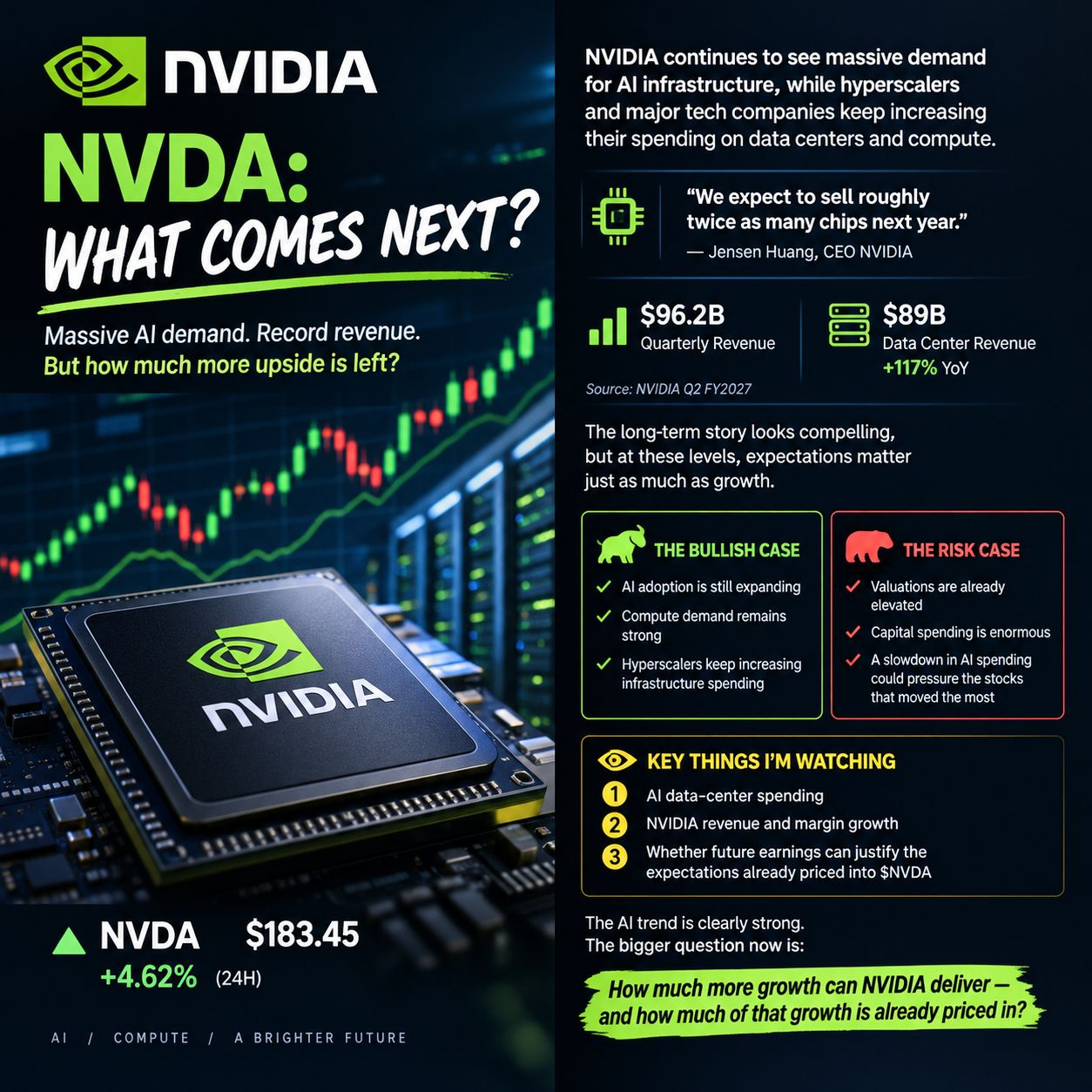
$NVDA كانت واحدة من أكبر المستفيدين من طفرة الذكاء الاصطناعي، لكن الجزء المثير للاهتمام هو أن القصة لم تعد تتعلق فقط بطلبات الرقائق — بل بكيفية استمرار هذا الطلب في النمو بنفس الوتيرة لفترة أطول.
تواصل NVIDIA رؤية طلب هائل على البنية التحتية للذكاء الاصطناعي، بينما تستمر شركات المنصات السحابية الكبرى والشركات التقنية الرئيسية في زيادة إنفاقها على مراكز البيانات والحوسبة.
هذا يجعل القصة طويلة الأجل جذّابة، لكن عند هذه المستويات، تلعب التوقعات دورًا مهمًا بقدر ما تلعبه وتيرة النمو.
إذا استطاعت NVIDIA الاستمرار في تحويل الطلب المتزايد على الذكاء الاصطناعي إلى إيرادات وتدفقات نقدية أقوى، فقد يكون للزخم الحالي مجال للاستمرار.
لكن إذا بدأ إنفاق البنية التحتية للذكاء الاصطناعي في التباطؤ، أو جاء النمو أقل من ما تتوقعه السوق بالفعل، فقد تصبح NVDA أكثر حساسية تجاه المفاجآت السلبية.
لذلك أراقب ثلاثة أمور عن كثب:
• إنفاق مراكز بيانات الذكاء الاصطناعي
• نمو إيرادات NVIDIA وهامش الربح
• ما إذا كانت الأرباح المستقبلية يمكنها تبرير التوقعات التي تم تسعيرها بالفعل في $NVDA
الاتجاه الخاص بالذكاء الاصطناعي قوي بوضوح.
والسؤال الأكبر الآن هو:
كم نموًا إضافيًا يمكن أن تقدمه NVIDIA، وكم جزء من هذا النمو مُسعّر بالفعل؟
#AIStocksWhatNext
$NVDA كانت واحدة من أكبر المستفيدين من طفرة الذكاء الاصطناعي، لكن الجزء المثير للاهتمام هو أن القصة لم تعد تتعلق فقط بطلبات الرقائق — بل بكيفية استمرار هذا الطلب في النمو بنفس الوتيرة لفترة أطول.
تواصل NVIDIA رؤية طلب هائل على البنية التحتية للذكاء الاصطناعي، بينما تستمر شركات المنصات السحابية الكبرى والشركات التقنية الرئيسية في زيادة إنفاقها على مراكز البيانات والحوسبة.
هذا يجعل القصة طويلة الأجل جذّابة، لكن عند هذه المستويات، تلعب التوقعات دورًا مهمًا بقدر ما تلعبه وتيرة النمو.
إذا استطاعت NVIDIA الاستمرار في تحويل الطلب المتزايد على الذكاء الاصطناعي إلى إيرادات وتدفقات نقدية أقوى، فقد يكون للزخم الحالي مجال للاستمرار.
لكن إذا بدأ إنفاق البنية التحتية للذكاء الاصطناعي في التباطؤ، أو جاء النمو أقل من ما تتوقعه السوق بالفعل، فقد تصبح NVDA أكثر حساسية تجاه المفاجآت السلبية.
لذلك أراقب ثلاثة أمور عن كثب:
• إنفاق مراكز بيانات الذكاء الاصطناعي
• نمو إيرادات NVIDIA وهامش الربح
• ما إذا كانت الأرباح المستقبلية يمكنها تبرير التوقعات التي تم تسعيرها بالفعل في $NVDA
الاتجاه الخاص بالذكاء الاصطناعي قوي بوضوح.
والسؤال الأكبر الآن هو:
كم نموًا إضافيًا يمكن أن تقدمه NVIDIA، وكم جزء من هذا النمو مُسعّر بالفعل؟
#AIStocksWhatNext
تواصل NVIDIA رؤية طلب هائل على البنية التحتية للذكاء الاصطناعي، بينما تستمر شركات المنصات السحابية الكبرى والشركات التقنية الرئيسية في زيادة إنفاقها على مراكز البيانات والحوسبة.
هذا يجعل القصة طويلة الأجل جذّابة، لكن عند هذه المستويات، تلعب التوقعات دورًا مهمًا بقدر ما تلعبه وتيرة النمو.
إذا استطاعت NVIDIA الاستمرار في تحويل الطلب المتزايد على الذكاء الاصطناعي إلى إيرادات وتدفقات نقدية أقوى، فقد يكون للزخم الحالي مجال للاستمرار.
لكن إذا بدأ إنفاق البنية التحتية للذكاء الاصطناعي في التباطؤ، أو جاء النمو أقل من ما تتوقعه السوق بالفعل، فقد تصبح NVDA أكثر حساسية تجاه المفاجآت السلبية.
لذلك أراقب ثلاثة أمور عن كثب:
• إنفاق مراكز بيانات الذكاء الاصطناعي
• نمو إيرادات NVIDIA وهامش الربح
• ما إذا كانت الأرباح المستقبلية يمكنها تبرير التوقعات التي تم تسعيرها بالفعل في $NVDA
الاتجاه الخاص بالذكاء الاصطناعي قوي بوضوح.
والسؤال الأكبر الآن هو:
كم نموًا إضافيًا يمكن أن تقدمه NVIDIA، وكم جزء من هذا النمو مُسعّر بالفعل؟
#AIStocksWhatNext
435
·
--
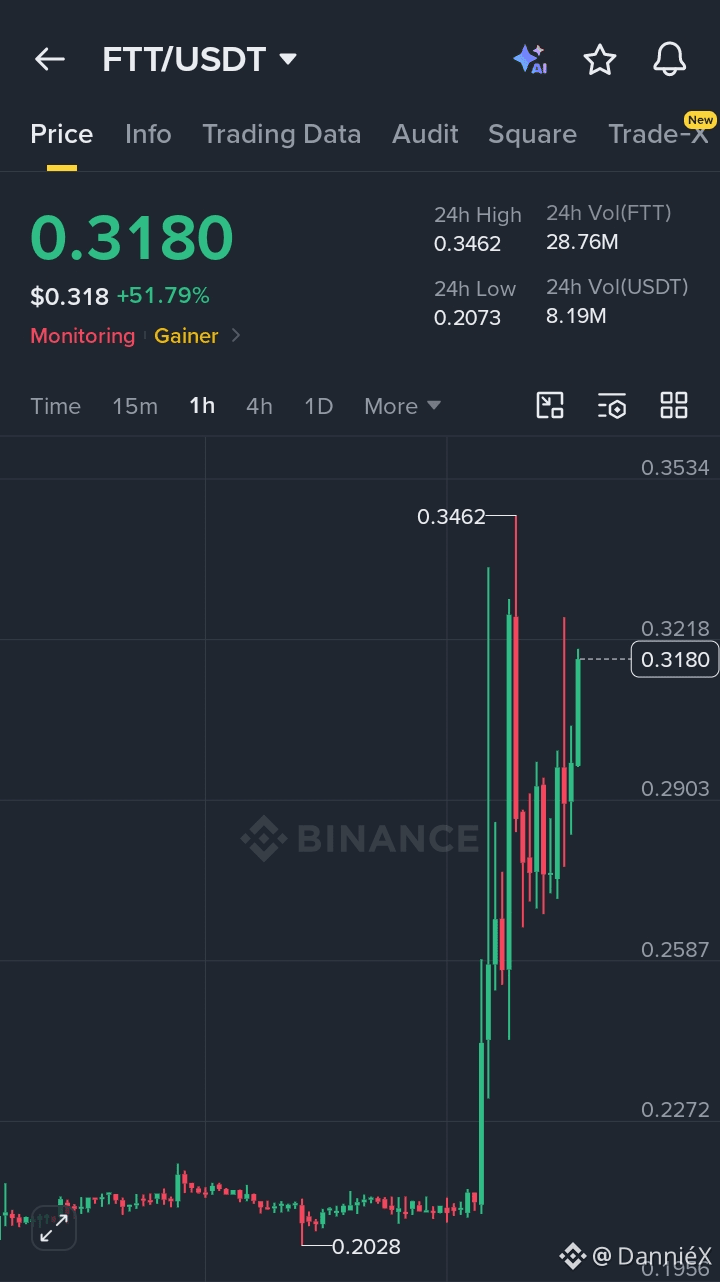
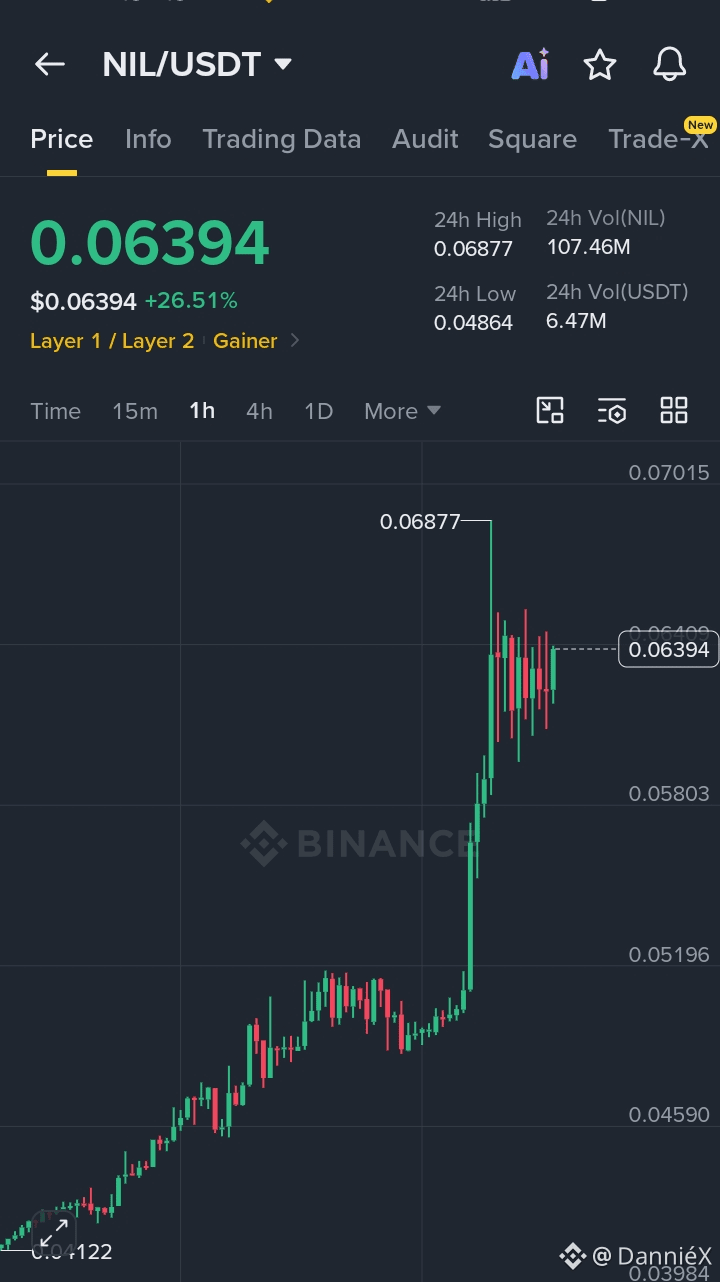
متابعة زخم الإثنين: $FTT + $NIL
الإثنين يبدأ ببعض الزخم القوي جدًا 👀
أنا سأبقي FTT وNIL ضمن قائمة المراقبة لمدّة 15M بعد تحركاتهما القوية.
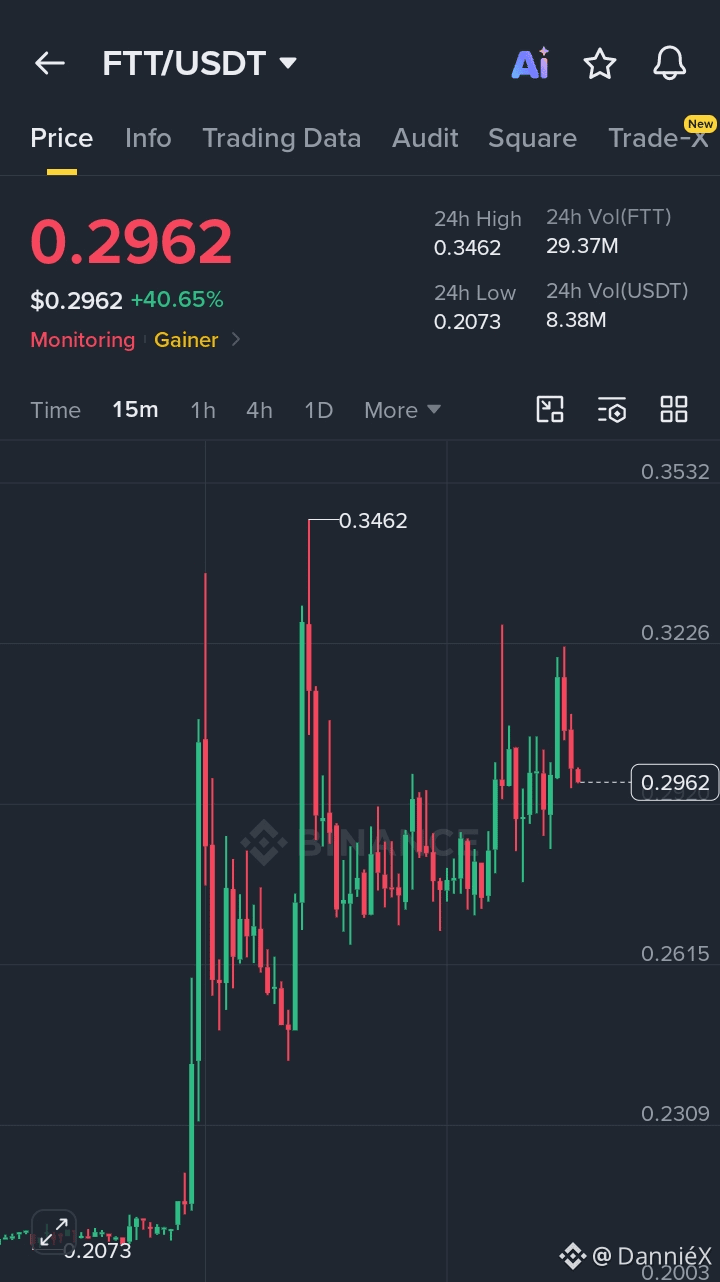
📌 FTT — 0.2962
الدخول: 0.292–0.298
🎯 الهدف: 0.307 / 0.322 / 0.338
🛑 وقف الخسارة: 0.284
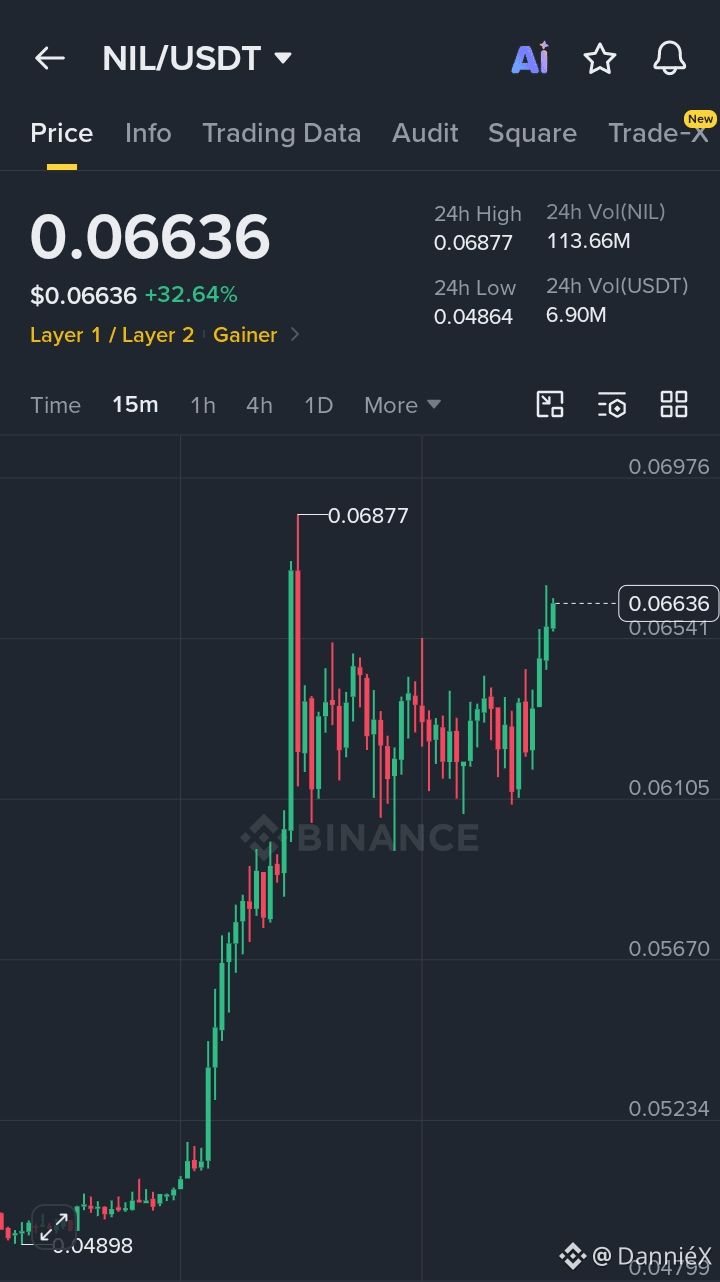
🚀 NIL— 0.06636
الدخول: 0.0653–0.0664
🎯 الهدف: 0.0687 / 0.071 / 0.074
🛑 وقف الخسارة: 0.0628
كال الشارتين يُظهران زخم شراء قوي، لكن بعد هذا الارتفاع السريع، أفضّل رؤية إعادة اختبار واضحة بدل ملاحقة الاندفاع.
لنرَ أيهما يصل أولًا. 👀🔥
راجع قبل التداول (DYOR). إدارة المخاطر.
#BitcoinMarketCapTopsTesla
متابعة زخم الإثنين: $FTT + $NIL
الإثنين يبدأ ببعض الزخم القوي جدًا 👀
أنا سأبقي FTT وNIL ضمن قائمة المراقبة لمدّة 15M بعد تحركاتهما القوية.
📌 FTT — 0.2962
الدخول: 0.292–0.298
🎯 الهدف: 0.307 / 0.322 / 0.338
🛑 وقف الخسارة: 0.284
🚀 NIL— 0.06636
الدخول: 0.0653–0.0664
🎯 الهدف: 0.0687 / 0.071 / 0.074
🛑 وقف الخسارة: 0.0628
كال الشارتين يُظهران زخم شراء قوي، لكن بعد هذا الارتفاع السريع، أفضّل رؤية إعادة اختبار واضحة بدل ملاحقة الاندفاع.
لنرَ أيهما يصل أولًا. 👀🔥
راجع قبل التداول (DYOR). إدارة المخاطر.
#BitcoinMarketCapTopsTesla
الإثنين يبدأ ببعض الزخم القوي جدًا 👀
أنا سأبقي FTT وNIL ضمن قائمة المراقبة لمدّة 15M بعد تحركاتهما القوية.
📌 FTT — 0.2962
الدخول: 0.292–0.298
🎯 الهدف: 0.307 / 0.322 / 0.338
🛑 وقف الخسارة: 0.284
🚀 NIL— 0.06636
الدخول: 0.0653–0.0664
🎯 الهدف: 0.0687 / 0.071 / 0.074
🛑 وقف الخسارة: 0.0628
كال الشارتين يُظهران زخم شراء قوي، لكن بعد هذا الارتفاع السريع، أفضّل رؤية إعادة اختبار واضحة بدل ملاحقة الاندفاع.
لنرَ أيهما يصل أولًا. 👀🔥
راجع قبل التداول (DYOR). إدارة المخاطر.
#BitcoinMarketCapTopsTesla
319
·
--
مراقبة تداول الإثنين 🔎
$FTT
{spot}(FTTUSDT)
+ $NIL
{future}(NILUSDT)
بداية الأسبوع مع رمزَين على قائمة المتابعة.
$NIL يُظهر زخمًا قويًا بعد حركة حادة، لذا سأراقب التراجع/إعادة الاختبار القادمة بدلًا من ملاحقة الاندفاع.
$FIT هو إعداد عالي المخاطر مع حجم تداول منخفض جدًا، لذلك سأنتظر تأكيدًا قبل اتخاذ أي مركز.
#BTCBreaks80K
مراقبة تداول الإثنين 🔎
$FTT
+ $NIL
بداية الأسبوع مع رمزَين على قائمة المتابعة.
$NIL يُظهر زخمًا قويًا بعد حركة حادة، لذا سأراقب التراجع/إعادة الاختبار القادمة بدلًا من ملاحقة الاندفاع.
$FIT هو إعداد عالي المخاطر مع حجم تداول منخفض جدًا، لذلك سأنتظر تأكيدًا قبل اتخاذ أي مركز.
#BTCBreaks80K
$FTT
+ $NIL
بداية الأسبوع مع رمزَين على قائمة المتابعة.
$NIL يُظهر زخمًا قويًا بعد حركة حادة، لذا سأراقب التراجع/إعادة الاختبار القادمة بدلًا من ملاحقة الاندفاع.
$FIT هو إعداد عالي المخاطر مع حجم تداول منخفض جدًا، لذلك سأنتظر تأكيدًا قبل اتخاذ أي مركز.
#BTCBreaks80K
515
·
--
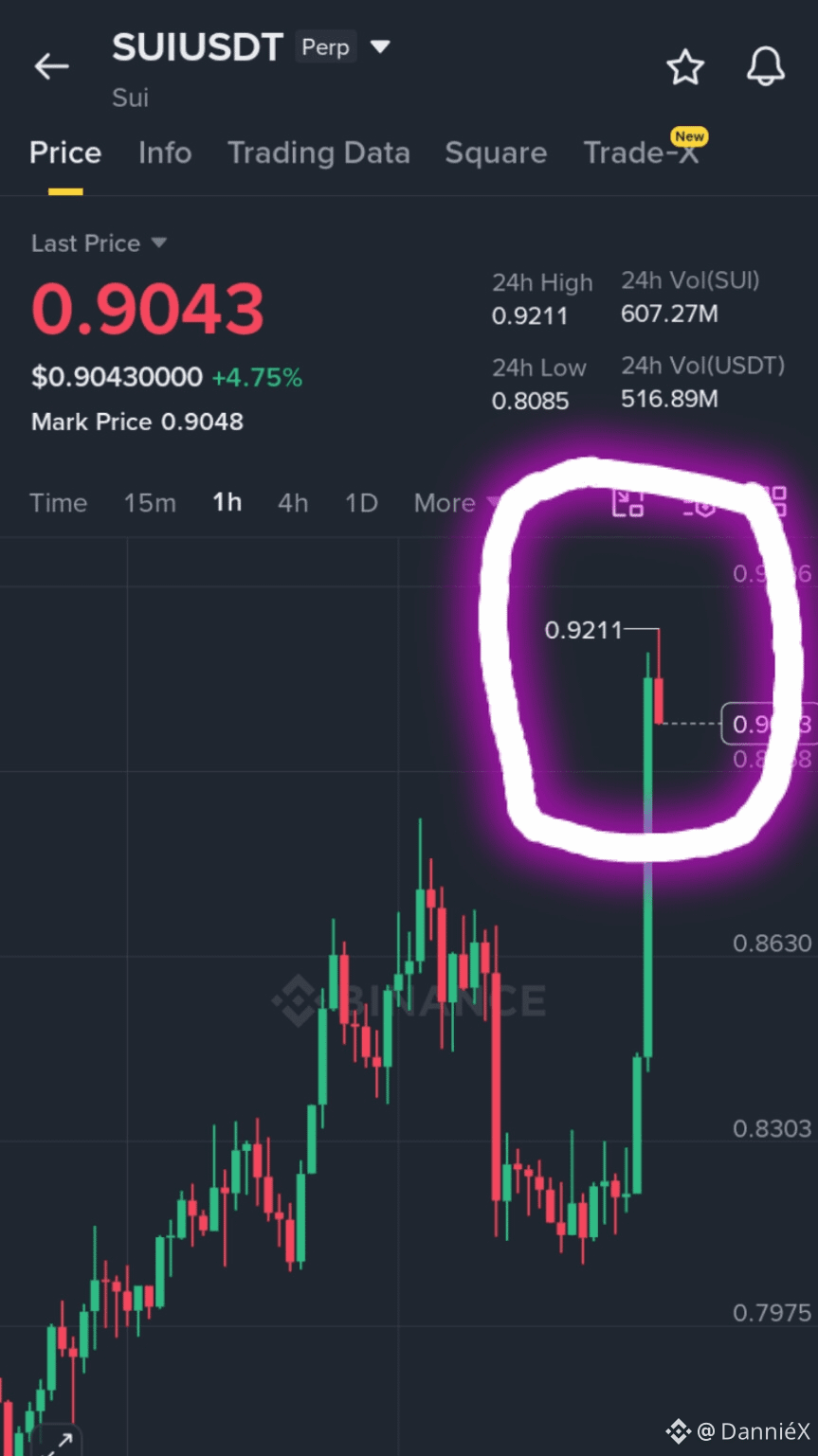
أمس، شاركت خطة $SUI
— والآن تمّت ✅
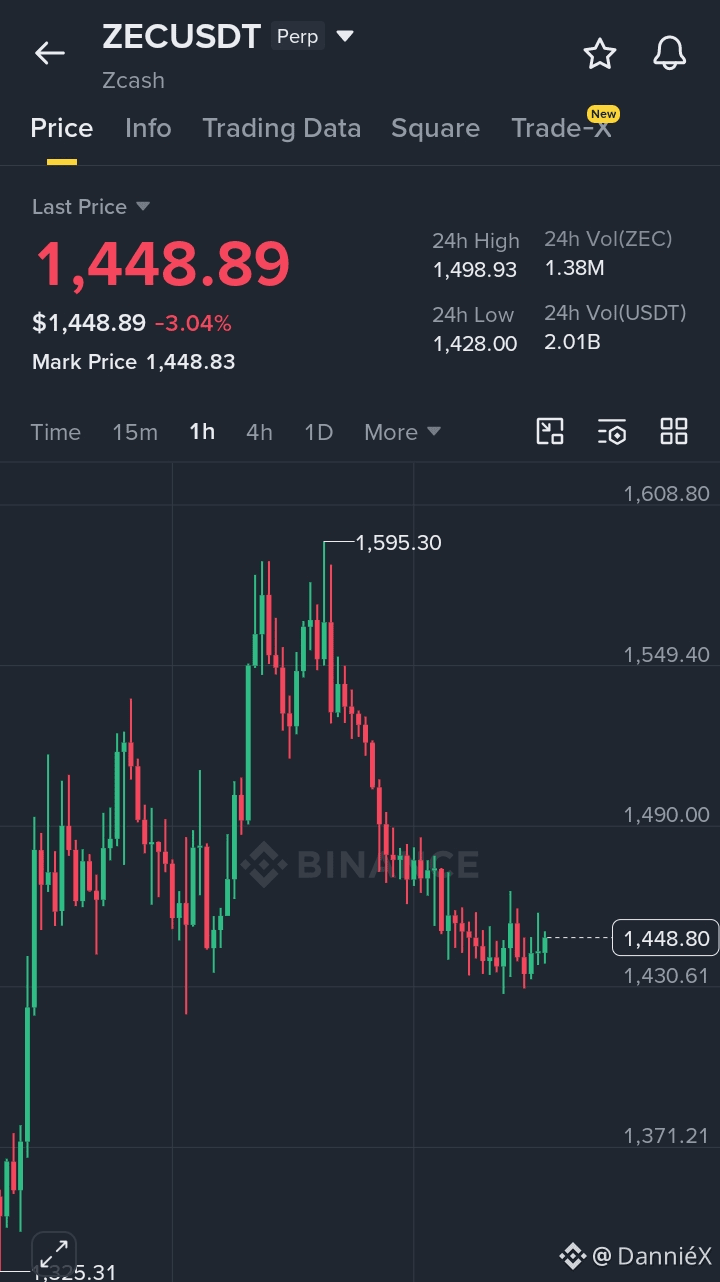
الخطوة التالية في قائمة المراقبة: $ZEC للتحرك القادم لمدة يوم واحد.
أراقب حركة السعر الحالية عن قرب بحثًا عن إعداد واضح. إذا تأكد الزخم، فقد تصبح ZEC مثيرة للاهتمام خلال الـ 24 ساعة القادمة.
لا استعجال، ولا دخول عشوائي— أنتظر التأكيد أولاً.
أصبح $ZEC الآن في قائمة المراقبة. 👀
اعمل بحثك بنفسك. ليس نصيحة مالية.
أمس، شاركت خطة $SUI
— والآن تمّت ✅
الخطوة التالية في قائمة المراقبة: $ZEC للتحرك القادم لمدة يوم واحد.
أراقب حركة السعر الحالية عن قرب بحثًا عن إعداد واضح. إذا تأكد الزخم، فقد تصبح ZEC مثيرة للاهتمام خلال الـ 24 ساعة القادمة.
لا استعجال، ولا دخول عشوائي— أنتظر التأكيد أولاً.
أصبح $ZEC الآن في قائمة المراقبة. 👀
اعمل بحثك بنفسك. ليس نصيحة مالية.
— والآن تمّت ✅
الخطوة التالية في قائمة المراقبة: $ZEC للتحرك القادم لمدة يوم واحد.
أراقب حركة السعر الحالية عن قرب بحثًا عن إعداد واضح. إذا تأكد الزخم، فقد تصبح ZEC مثيرة للاهتمام خلال الـ 24 ساعة القادمة.
لا استعجال، ولا دخول عشوائي— أنتظر التأكيد أولاً.
أصبح $ZEC الآن في قائمة المراقبة. 👀
اعمل بحثك بنفسك. ليس نصيحة مالية.
DanniéX
·
--
$SUI واو، هذه الحركة بدأت تبدو مثيرة للاهتمام!
أنا أتابع SUI عن كثب قرب 0.86 دولار 👀
يعجبني ما أراه هنا — المشترون يدخلون بقوة والبنية قصيرة المدى تبدو أقوى.
🟢 دخول طويل: 0.850 – 0.865
🛑 وقف الخسارة: 0.825
🎯 الهدف 1: 0.880
🎯 الهدف 2: 0.900
🎯 الهدف 3: 0.920
إذا ظل SUI ثابتًا ضمن هذه المنطقة، سأحب أن أرى المشترين يدفعونه نحو تلك الأهداف القريبة.
لنرَ ما إذا كانت القوة الشرائية (الثيران) قادرة على الاستمرار بهذه الزخم.
اعمل بحثك بنفسك (DYOR) & أدرِس مخاطرك.
#BTCBreaks80K
أنا أتابع SUI عن كثب قرب 0.86 دولار 👀
يعجبني ما أراه هنا — المشترون يدخلون بقوة والبنية قصيرة المدى تبدو أقوى.
🟢 دخول طويل: 0.850 – 0.865
🛑 وقف الخسارة: 0.825
🎯 الهدف 1: 0.880
🎯 الهدف 2: 0.900
🎯 الهدف 3: 0.920
إذا ظل SUI ثابتًا ضمن هذه المنطقة، سأحب أن أرى المشترين يدفعونه نحو تلك الأهداف القريبة.
لنرَ ما إذا كانت القوة الشرائية (الثيران) قادرة على الاستمرار بهذه الزخم.
اعمل بحثك بنفسك (DYOR) & أدرِس مخاطرك.
#BTCBreaks80K
498
·
--
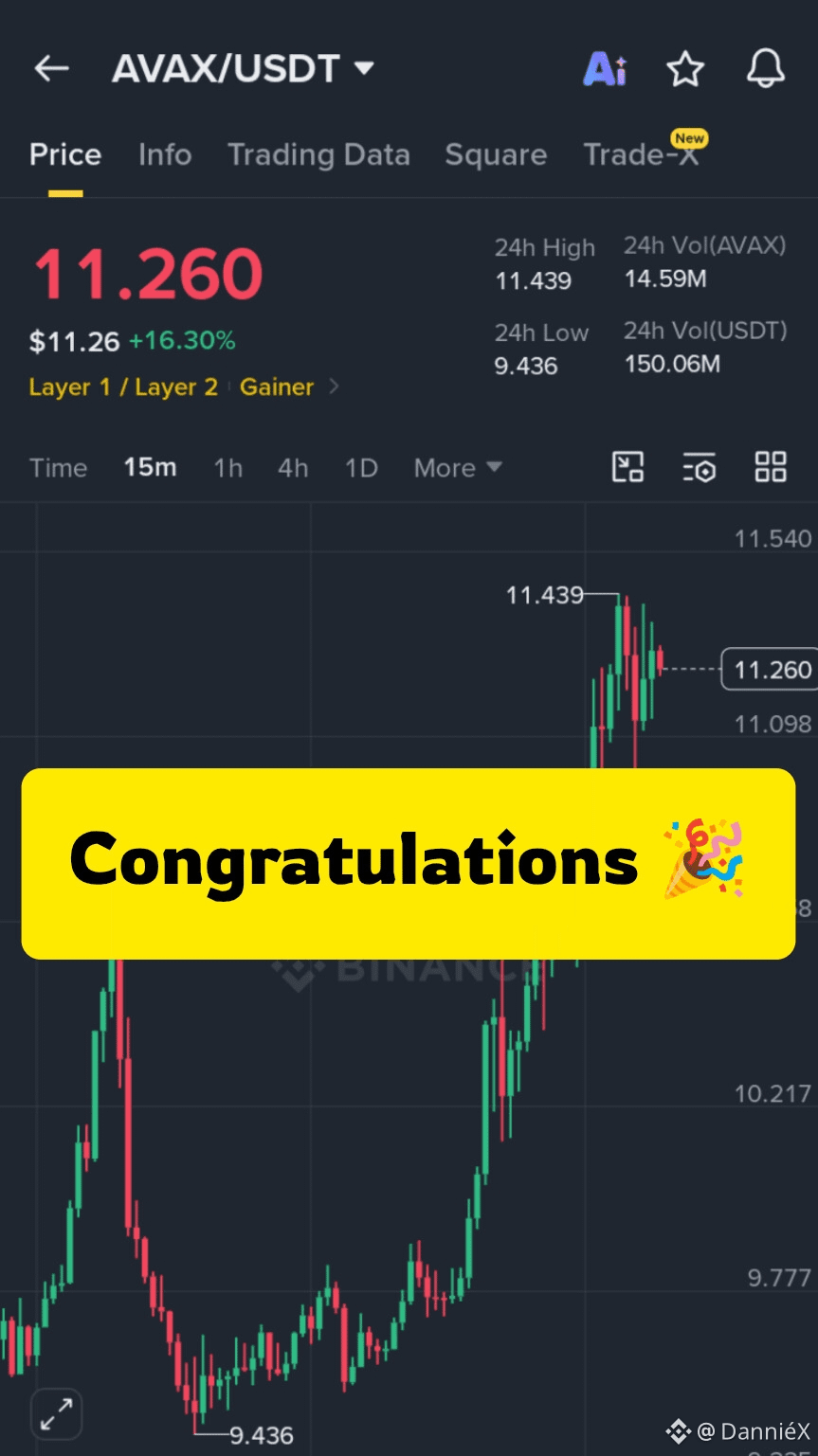
$AVAX ALL TPs HIT!
تم تسليم إعداد آخر. الآن أنا أركز على الفرص التالية. 👀
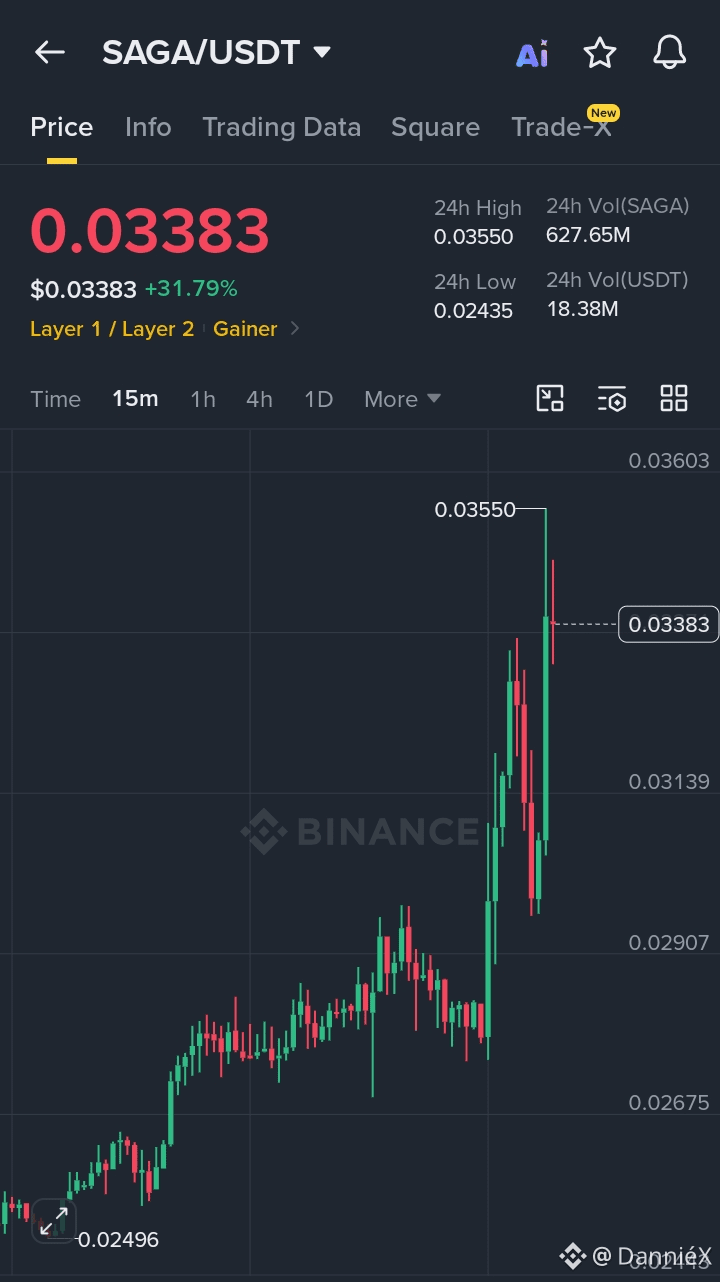
🔥 $SAGA
{future}(SAGAUSDT)
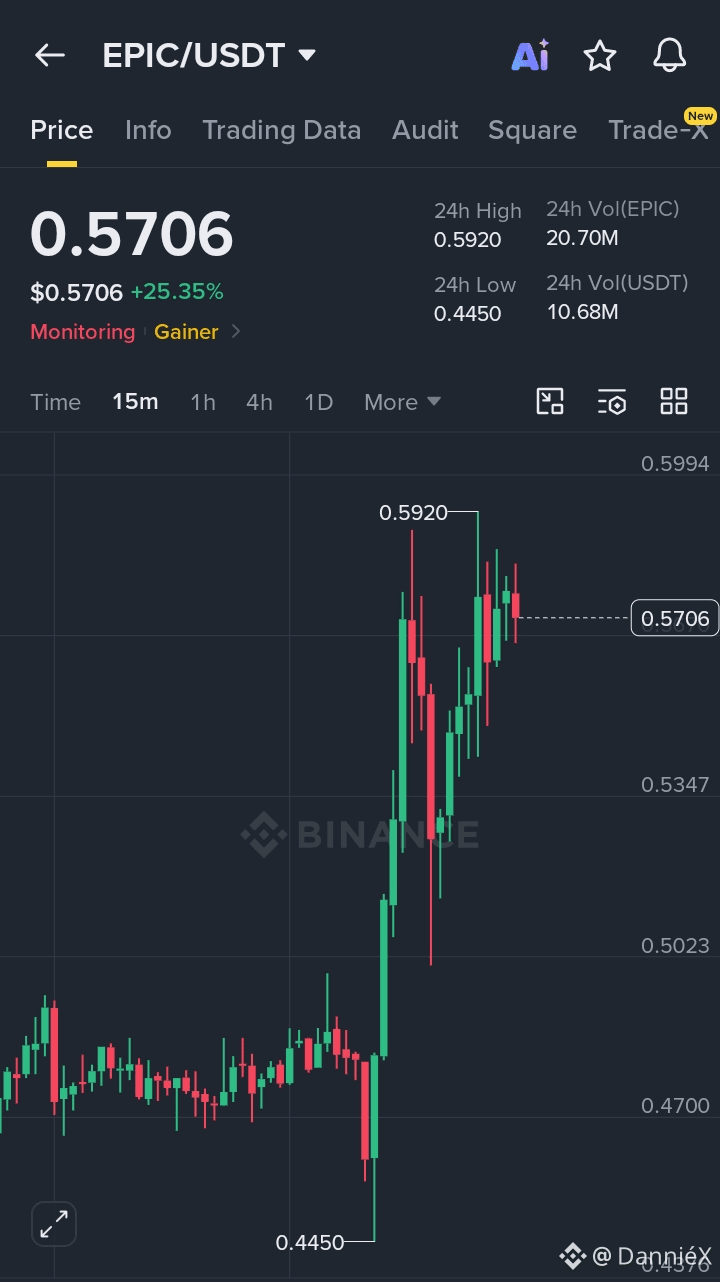
🔥 $EPIC
{future}(EPICUSDT)
كلاهما الآن ضمن قائمة المتابعة الخاصة بي. أنا أراقب الرسوم البيانية عن كثب للحصول على تأكيد وإعداد نظيف قبل اتخاذ أي خطوة.
كان AVAX مجرد البداية…
SAGA & EPIC — دعنا نرى ماذا سيأتي بعد ذلك. 👀📈
ابقَ صبورًا. ابقَ جاهزًا.
DYOR — ليس نصيحة مالية.
#BTCBreaks80K
$AVAX ALL TPs HIT!
تم تسليم إعداد آخر. الآن أنا أركز على الفرص التالية. 👀
🔥 $SAGA
🔥 $EPIC
كلاهما الآن ضمن قائمة المتابعة الخاصة بي. أنا أراقب الرسوم البيانية عن كثب للحصول على تأكيد وإعداد نظيف قبل اتخاذ أي خطوة.
كان AVAX مجرد البداية…
SAGA & EPIC — دعنا نرى ماذا سيأتي بعد ذلك. 👀📈
ابقَ صبورًا. ابقَ جاهزًا.
DYOR — ليس نصيحة مالية.
#BTCBreaks80K
تم تسليم إعداد آخر. الآن أنا أركز على الفرص التالية. 👀
🔥 $SAGA
🔥 $EPIC
كلاهما الآن ضمن قائمة المتابعة الخاصة بي. أنا أراقب الرسوم البيانية عن كثب للحصول على تأكيد وإعداد نظيف قبل اتخاذ أي خطوة.
كان AVAX مجرد البداية…
SAGA & EPIC — دعنا نرى ماذا سيأتي بعد ذلك. 👀📈
ابقَ صبورًا. ابقَ جاهزًا.
DYOR — ليس نصيحة مالية.
#BTCBreaks80K
DanniéX
·
--
يترقّب الرجال: شاهد الأرشيف التالي لـ Tp، تمّ أخيرًا ✅$AVAX الآن تحقّق من 1 دقيقة على الإطار الزمني لمدة 3 دقائق مضت #Congratulations99+
272
سجّل الدخول لاستكشاف المزيد من المُحتوى
انضم إلى مُستخدمي العملات الرقمية حول العالم على Binance Square
⚡️ احصل على أحدث المعلومات المفيدة عن العملات الرقمية.
💬 موثوقة من قبل أكبر منصّة لتداول العملات الرقمية في العالم.
👍 اكتشف الرؤى الحقيقية من صنّاع المُحتوى الموثوقين.
البريد الإلكتروني / رقم الهاتف
المواضيع الرائجة
BitcoinRejectedAt$87K
24,882 مشاهدات
58 يقومون بالنقاش
$BTC تحديث 🚨 🐼 تخطِّ هذه التحذيرات على مسؤوليتك ⚠️
البيتكوين يطرق 87K كأنه يملك المكان بالفعل 😂 المضاربون الصاعدون مستيقظون… لكن عادةً البيتكوين يحب أن يهزّ بعض الناس قبل الحركة الحقيقية.
بشكل عام، البيتكوين يخترق بالفعل، والصورة على الأطر الزمنية الأعلى ما تزال صعودية. بنية 4H واليومي قوية، السعر ما زال محافظًا فوق المتوسطات الرئيسية، والزخم ما يزال يدعم الحركة.
83K كانت بالفعل منطقة شراء جميلة. كانت تلك المنطقة حيث كانت نسبة المخاطرة إلى العائد منطقية. أي شخص اشترى هناك موجود الآن وهو يستمتع بالأرباح
الآن إلى الجزء الرئيسي
البيتكوين متواجد مباشرة تحت القمة السابقة قرب 87K. لذا لن أستغرب إذا رأينا أولًا عملية سحب سيولة بسيطة إلى الأسفل، وتصفيّة للصفقات الطويلة المتأخرة، ثم يقرر البيتكوين ما إذا كان يريد الاختراق الحقيقي.
لسكالب اليوم، هذا هو خطتي 👇
سكالب SHORT للبيتكوين: 86,550–86,900
TP1: 85,650
TP2: 84,850
TP3: 84,050
SL: 87,800
أنا لا أحب هذا السيناريو إلا إذا حصل رفض واضح قرب القمم. لا تفتح صفقة قصيرة بشكل أعمى.
أما بالنسبة للصورة الأكبر، فأنا ما زلت صعوديًا طالما منطقة 82.5K–83K مستمرة في التماسك. إذا حصل اختراق واضح وبدأ البيتكوين في القبول فوق 87.4K، عندها سيفشل هذا الطرح القصير بالكامل وستصبح الخطوة الصعودية التالية أكثر إثارة للاهتمام.
إذًا باختصار: أكتوبر هو شهر تاريخي صعودي للبيتكوين.
دائمًا قم ببحثك الخاص (DYOR)
Panda Traders
·31 إعجاب
·12.9k مشاهدات
FedOctoberRateHikeOddsFallTo17%
17,330 مشاهدات
305 يقومون بالنقاش
NvidiaHitsRecordHighUp2.4%
4,418 مشاهدات
196 يقومون بالنقاش