

Only Cryptos
2.9k منشورات

Only Cryptos
إبلاغ
حظر المُستخدم
DP _ Binancian | Square Creator | Trade | Know Your Crypto | News & Updates | Earn Crypto / Fiat without Investment | Others
3.5K+ تتابع
1.4K+ المتابعون
7.8K+ إعجاب
منشورات
الكل
اقتباسات
مقاطع فيديو
Live
PINNED
·
--
صاعد
@devang28546 _ DP _ بينانس | منشئ المربعات | تداول | تعرف على عملتك الرقمية | أخبار & تحديثات | كسب العملات الرقمية / العملات الورقية بدون استثمار | أخرى
علق "#onlycryptos" للمطالبة 🎁
"قم بإجراء صفقة معنا عبر هذا المنشور المذكور عملة & ادعم الوصول إلى أكبر جمهور من خلال المتابعة، الإعجاب، التعليق، المشاركة، إعادة النشر، المزيد من المحتوى المعلوماتي مثل هذا" _ نشكركم مسبقًا 🤗
#OnlyCryptos #Follow_Like_Comment #Share_or_Quote_This_Post #TrendingTopic #viralpost
$BTC $ETH $BNB
{spot}(XRPUSDT)
{spot}(SOLUSDT)
{spot}(USDCUSDT)
@Only Cryptos _ DP _ بينانس | منشئ المربعات | تداول | تعرف على عملتك الرقمية | أخبار & تحديثات | كسب العملات الرقمية / العملات الورقية بدون استثمار | أخرى
علق "#onlycryptos" للمطالبة 🎁
"قم بإجراء صفقة معنا عبر هذا المنشور المذكور عملة & ادعم الوصول إلى أكبر جمهور من خلال المتابعة، الإعجاب، التعليق، المشاركة، إعادة النشر، المزيد من المحتوى المعلوماتي مثل هذا" _ نشكركم مسبقًا 🤗
#OnlyCryptos #Follow_Like_Comment #Share_or_Quote_This_Post #TrendingTopic #viralpost
$BTC $ETH $BNB
علق "#onlycryptos" للمطالبة 🎁
"قم بإجراء صفقة معنا عبر هذا المنشور المذكور عملة & ادعم الوصول إلى أكبر جمهور من خلال المتابعة، الإعجاب، التعليق، المشاركة، إعادة النشر، المزيد من المحتوى المعلوماتي مثل هذا" _ نشكركم مسبقًا 🤗
#OnlyCryptos #Follow_Like_Comment #Share_or_Quote_This_Post #TrendingTopic #viralpost
$BTC $ETH $BNB

10
2
61
4k
·
--
نبض السوقنظرة عامة على السوق
استراتيجية مايكل سايلور تكتسب 1,142 BTC بإجمالي 90 مليون دولار، مما يرفع إجمالي ممتلكاتهم إلى 714,644 BTC.
أكملت Binance شريحة الشراء النهائية من BTC باستخدام احتياطياتها من العملات المستقرة SAFU، مع إجمالي 15,000 BTC تم الحصول عليها، تساوي حوالي 1 مليار دولار.
تدمج Stripe المدفوعات باستخدام بروتوكول x402، مما يتيح لوكلاء الذكاء الاصطناعي إجراء المدفوعات باستخدام USDC على Base برمجيًا.
السرد الأسبوعي
أعلنت LayerZero عن بلوكتشين مؤسسي خاص بها، Zero، مع شراكات مع DTCC و ICE/NYSE و Citadel Securities و ARK Invest والمزيد.
نبض السوق
نظرة عامة على السوق
استراتيجية مايكل سايلور تكتسب 1,142 BTC بإجمالي 90 مليون دولار، مما يرفع إجمالي ممتلكاتهم إلى 714,644 BTC.
أكملت Binance شريحة الشراء النهائية من BTC باستخدام احتياطياتها من العملات المستقرة SAFU، مع إجمالي 15,000 BTC تم الحصول عليها، تساوي حوالي 1 مليار دولار.
تدمج Stripe المدفوعات باستخدام بروتوكول x402، مما يتيح لوكلاء الذكاء الاصطناعي إجراء المدفوعات باستخدام USDC على Base برمجيًا.
السرد الأسبوعي
أعلنت LayerZero عن بلوكتشين مؤسسي خاص بها، Zero، مع شراكات مع DTCC و ICE/NYSE و Citadel Securities و ARK Invest والمزيد.
استراتيجية مايكل سايلور تكتسب 1,142 BTC بإجمالي 90 مليون دولار، مما يرفع إجمالي ممتلكاتهم إلى 714,644 BTC.
أكملت Binance شريحة الشراء النهائية من BTC باستخدام احتياطياتها من العملات المستقرة SAFU، مع إجمالي 15,000 BTC تم الحصول عليها، تساوي حوالي 1 مليار دولار.
تدمج Stripe المدفوعات باستخدام بروتوكول x402، مما يتيح لوكلاء الذكاء الاصطناعي إجراء المدفوعات باستخدام USDC على Base برمجيًا.
السرد الأسبوعي
أعلنت LayerZero عن بلوكتشين مؤسسي خاص بها، Zero، مع شراكات مع DTCC و ICE/NYSE و Citadel Securities و ARK Invest والمزيد.
116
·
--
نبض السوقنظرة عامة على السوق
استراتيجية مايكل سايلور تشتري 2,486 BTC مقابل 168.4 مليون دولار، مما يزيد إجمالي ممتلكاتهم إلى 717,131 BTC.
يُطلق صانع السوق الرائد في مجال العملات المشفرة، Wintermute، تداول الذهب المميز على مدار الساعة (PAXG و XAUt)، عبر مكتبهم OTC.
يغادر بيتر ثيل بشكل كامل منصبه في شركة ETH treasury، ETHZilla، حيث تتجه الشركة مرة أخرى نحو الأصول الجوية المميزة.
سرد الأسبوع
تقدم DeBridge deBridge MCP، وهو واجهة برمجة تطبيقات عالمية تمكّن نماذج الذكاء الاصطناعي والوكلاء من أتمتة المهام المعقدة عبر السلاسل بما في ذلك التداول، ومراقبة المراكز، والبحث والمزيد.
نبض السوق
نظرة عامة على السوق
استراتيجية مايكل سايلور تشتري 2,486 BTC مقابل 168.4 مليون دولار، مما يزيد إجمالي ممتلكاتهم إلى 717,131 BTC.
يُطلق صانع السوق الرائد في مجال العملات المشفرة، Wintermute، تداول الذهب المميز على مدار الساعة (PAXG و XAUt)، عبر مكتبهم OTC.
يغادر بيتر ثيل بشكل كامل منصبه في شركة ETH treasury، ETHZilla، حيث تتجه الشركة مرة أخرى نحو الأصول الجوية المميزة.
سرد الأسبوع
تقدم DeBridge deBridge MCP، وهو واجهة برمجة تطبيقات عالمية تمكّن نماذج الذكاء الاصطناعي والوكلاء من أتمتة المهام المعقدة عبر السلاسل بما في ذلك التداول، ومراقبة المراكز، والبحث والمزيد.
استراتيجية مايكل سايلور تشتري 2,486 BTC مقابل 168.4 مليون دولار، مما يزيد إجمالي ممتلكاتهم إلى 717,131 BTC.
يُطلق صانع السوق الرائد في مجال العملات المشفرة، Wintermute، تداول الذهب المميز على مدار الساعة (PAXG و XAUt)، عبر مكتبهم OTC.
يغادر بيتر ثيل بشكل كامل منصبه في شركة ETH treasury، ETHZilla، حيث تتجه الشركة مرة أخرى نحو الأصول الجوية المميزة.
سرد الأسبوع
تقدم DeBridge deBridge MCP، وهو واجهة برمجة تطبيقات عالمية تمكّن نماذج الذكاء الاصطناعي والوكلاء من أتمتة المهام المعقدة عبر السلاسل بما في ذلك التداول، ومراقبة المراكز، والبحث والمزيد.
123
·
--
نبض السوقنظرة عامة على السوق
بيتكوين يرتد نحو 68 ألف دولار مع عودة تدفقات ETF القوية، مما يشير إلى تجدد الطلب المؤسسي الذي يدخل السوق.
تقوم 21Shares بإدراج استراتيجية العائد ETP (STRC) في يورونكست أمستردام، مقدمة للمستثمرين الأوروبيين تعرض عائدات تقريبًا 11% مرتبطة بهيكل الأسهم المفضلة المدعومة من BTC الخاصة بالاستراتيجية.
تغير علامة ETHZilla إلى Forum بينما تبيع أجزاء من ممتلكاتها من ETH، مما يشير إلى ضعف الثقة في نموذج خزينة إيثيريوم الخالص.
رواية الأسبوع
توافق لجنة الأوراق المالية والبورصات على خطة WisdomTree لتمكين التداول على مدار الساعة وطوال أيام الأسبوع والتسوية الفورية لصندوق سوق المال الرقمي الخاص به (WTGXX)، جنبًا إلى جنب مع تراكم الأرباح المستمر على السلسلة من أجل تخصيص العائدات بشكل أكثر دقة.
نبض السوق
نظرة عامة على السوق
بيتكوين يرتد نحو 68 ألف دولار مع عودة تدفقات ETF القوية، مما يشير إلى تجدد الطلب المؤسسي الذي يدخل السوق.
تقوم 21Shares بإدراج استراتيجية العائد ETP (STRC) في يورونكست أمستردام، مقدمة للمستثمرين الأوروبيين تعرض عائدات تقريبًا 11% مرتبطة بهيكل الأسهم المفضلة المدعومة من BTC الخاصة بالاستراتيجية.
تغير علامة ETHZilla إلى Forum بينما تبيع أجزاء من ممتلكاتها من ETH، مما يشير إلى ضعف الثقة في نموذج خزينة إيثيريوم الخالص.
رواية الأسبوع
توافق لجنة الأوراق المالية والبورصات على خطة WisdomTree لتمكين التداول على مدار الساعة وطوال أيام الأسبوع والتسوية الفورية لصندوق سوق المال الرقمي الخاص به (WTGXX)، جنبًا إلى جنب مع تراكم الأرباح المستمر على السلسلة من أجل تخصيص العائدات بشكل أكثر دقة.
بيتكوين يرتد نحو 68 ألف دولار مع عودة تدفقات ETF القوية، مما يشير إلى تجدد الطلب المؤسسي الذي يدخل السوق.
تقوم 21Shares بإدراج استراتيجية العائد ETP (STRC) في يورونكست أمستردام، مقدمة للمستثمرين الأوروبيين تعرض عائدات تقريبًا 11% مرتبطة بهيكل الأسهم المفضلة المدعومة من BTC الخاصة بالاستراتيجية.
تغير علامة ETHZilla إلى Forum بينما تبيع أجزاء من ممتلكاتها من ETH، مما يشير إلى ضعف الثقة في نموذج خزينة إيثيريوم الخالص.
رواية الأسبوع
توافق لجنة الأوراق المالية والبورصات على خطة WisdomTree لتمكين التداول على مدار الساعة وطوال أيام الأسبوع والتسوية الفورية لصندوق سوق المال الرقمي الخاص به (WTGXX)، جنبًا إلى جنب مع تراكم الأرباح المستمر على السلسلة من أجل تخصيص العائدات بشكل أكثر دقة.
100
·
--
نبض السوقنظرة عامة على السوق
استراتيجية مايكل سايلور تشتري 3,015 BTC مقابل 204.1 مليون دولار، مما يزيد إجمالي حيازاتها إلى 720,737 BTC.
شركة خزانة الإيثيريوم، BitMine، تشتري 50,928 ETH إضافية في الأسبوع الماضي، مما يزيد إجمالي حيازاتها إلى 4.473M ETH.
الشركة الأم لبورصة NYSE، ICE، تستثمر في بورصة العملات الرقمية، OKX، بتقييم 25 مليار دولار، في ظل دفع نحو الأسهم المتعلقة بتكنولوجيا البلوك تشين.
سرد الأسبوع
اقتراح "Aave Will Win" قد تم اعتماده رسميًا في تصويت حوكمة ضيق، مع 622K صوت لصالحه مقابل 497K صوت ضده.
نبض السوق
نظرة عامة على السوق
استراتيجية مايكل سايلور تشتري 3,015 BTC مقابل 204.1 مليون دولار، مما يزيد إجمالي حيازاتها إلى 720,737 BTC.
شركة خزانة الإيثيريوم، BitMine، تشتري 50,928 ETH إضافية في الأسبوع الماضي، مما يزيد إجمالي حيازاتها إلى 4.473M ETH.
الشركة الأم لبورصة NYSE، ICE، تستثمر في بورصة العملات الرقمية، OKX، بتقييم 25 مليار دولار، في ظل دفع نحو الأسهم المتعلقة بتكنولوجيا البلوك تشين.
سرد الأسبوع
اقتراح "Aave Will Win" قد تم اعتماده رسميًا في تصويت حوكمة ضيق، مع 622K صوت لصالحه مقابل 497K صوت ضده.
استراتيجية مايكل سايلور تشتري 3,015 BTC مقابل 204.1 مليون دولار، مما يزيد إجمالي حيازاتها إلى 720,737 BTC.
شركة خزانة الإيثيريوم، BitMine، تشتري 50,928 ETH إضافية في الأسبوع الماضي، مما يزيد إجمالي حيازاتها إلى 4.473M ETH.
الشركة الأم لبورصة NYSE، ICE، تستثمر في بورصة العملات الرقمية، OKX، بتقييم 25 مليار دولار، في ظل دفع نحو الأسهم المتعلقة بتكنولوجيا البلوك تشين.
سرد الأسبوع
اقتراح "Aave Will Win" قد تم اعتماده رسميًا في تصويت حوكمة ضيق، مع 622K صوت لصالحه مقابل 497K صوت ضده.
1
97
·
--
نبض السوقنظرة عامة على السوق
استراتيجية مايكل سايلور اكتسبت 17.884 BTC مقابل 1.28 مليار دولار، ليصل إجمالي ممتلكاتهم إلى 738,731 BTC.
تقدم ماستركارد برنامج الشراكة الجديد مع العملات المشفرة، حيث تجمع 85 شركة مشفرة للتعاون ومحاذاة الابتكار.
تقدم ويلز فارجو طلب علامة تجارية لـ WFUSD، تغطي خدمات تداول العملات المشفرة والمدفوعات والتوكن.
رواية الأسبوع
ارتفعت الفائدة المفتوحة في أسواق HIP-3 التابعة لـ Hyperliquid فوق 1.2 مليار دولار حيث يتكهن المتداولون بشأن النفط والذهب وسط تصاعد الأزمة.
نبض السوق
نظرة عامة على السوق
استراتيجية مايكل سايلور اكتسبت 17.884 BTC مقابل 1.28 مليار دولار، ليصل إجمالي ممتلكاتهم إلى 738,731 BTC.
تقدم ماستركارد برنامج الشراكة الجديد مع العملات المشفرة، حيث تجمع 85 شركة مشفرة للتعاون ومحاذاة الابتكار.
تقدم ويلز فارجو طلب علامة تجارية لـ WFUSD، تغطي خدمات تداول العملات المشفرة والمدفوعات والتوكن.
رواية الأسبوع
ارتفعت الفائدة المفتوحة في أسواق HIP-3 التابعة لـ Hyperliquid فوق 1.2 مليار دولار حيث يتكهن المتداولون بشأن النفط والذهب وسط تصاعد الأزمة.
استراتيجية مايكل سايلور اكتسبت 17.884 BTC مقابل 1.28 مليار دولار، ليصل إجمالي ممتلكاتهم إلى 738,731 BTC.
تقدم ماستركارد برنامج الشراكة الجديد مع العملات المشفرة، حيث تجمع 85 شركة مشفرة للتعاون ومحاذاة الابتكار.
تقدم ويلز فارجو طلب علامة تجارية لـ WFUSD، تغطي خدمات تداول العملات المشفرة والمدفوعات والتوكن.
رواية الأسبوع
ارتفعت الفائدة المفتوحة في أسواق HIP-3 التابعة لـ Hyperliquid فوق 1.2 مليار دولار حيث يتكهن المتداولون بشأن النفط والذهب وسط تصاعد الأزمة.
208
·
--
نبض السوقنظرة عامة على السوق
تستحوذ استراتيجية مايكل سايلور على 22,337 BTC مقابل 1.57 مليار دولار، مما يرفع إجمالي ممتلكاتهم إلى 761,068 BTC.
توقف كراكن عن خطط طرحه العام الأول المرتقب بشدة، مشيرًا إلى ظروف السوق السيئة.
أكبر مدير أصول في أوروبا، أماندي، يطلق صندوقه الأول المرمز، صندوق سبيكو أماندي للتبادل الليلي (SAFO)، بالتعاون مع سبيكو على إيثريوم وستيلر.
سرد الأسبوع
تعلن ماستركارد عن نيتها الاستحواذ على حل مدفوعات العملة المستقرة، BVNK، مقابل 1.8 مليار دولار.
تعلن GSR عن استحواذها على 57 مليون دولار من Autonomous وArchitech، وهما شركتان ناشئتان لتوسيع عروض منتجاتها إلى استشارات التوكن، ودعم السوق، وأكثر.
نبض السوق
نظرة عامة على السوق
تستحوذ استراتيجية مايكل سايلور على 22,337 BTC مقابل 1.57 مليار دولار، مما يرفع إجمالي ممتلكاتهم إلى 761,068 BTC.
توقف كراكن عن خطط طرحه العام الأول المرتقب بشدة، مشيرًا إلى ظروف السوق السيئة.
أكبر مدير أصول في أوروبا، أماندي، يطلق صندوقه الأول المرمز، صندوق سبيكو أماندي للتبادل الليلي (SAFO)، بالتعاون مع سبيكو على إيثريوم وستيلر.
سرد الأسبوع
تعلن ماستركارد عن نيتها الاستحواذ على حل مدفوعات العملة المستقرة، BVNK، مقابل 1.8 مليار دولار.
تعلن GSR عن استحواذها على 57 مليون دولار من Autonomous وArchitech، وهما شركتان ناشئتان لتوسيع عروض منتجاتها إلى استشارات التوكن، ودعم السوق، وأكثر.
تستحوذ استراتيجية مايكل سايلور على 22,337 BTC مقابل 1.57 مليار دولار، مما يرفع إجمالي ممتلكاتهم إلى 761,068 BTC.
توقف كراكن عن خطط طرحه العام الأول المرتقب بشدة، مشيرًا إلى ظروف السوق السيئة.
أكبر مدير أصول في أوروبا، أماندي، يطلق صندوقه الأول المرمز، صندوق سبيكو أماندي للتبادل الليلي (SAFO)، بالتعاون مع سبيكو على إيثريوم وستيلر.
سرد الأسبوع
تعلن ماستركارد عن نيتها الاستحواذ على حل مدفوعات العملة المستقرة، BVNK، مقابل 1.8 مليار دولار.
تعلن GSR عن استحواذها على 57 مليون دولار من Autonomous وArchitech، وهما شركتان ناشئتان لتوسيع عروض منتجاتها إلى استشارات التوكن، ودعم السوق، وأكثر.
64
·
--
صاعد
أخبار سوق العملات المشفرة، التحديثات & العملات المتداولة في بينانس بإيجاز بالدولار الأمريكي بتاريخ 31 مارس 2026
أظهر سوق العملات المشفرة في 31 مارس 2026 مزيجًا من التعافي والتقلب المستمر حيث تفاعل المتداولون مع الأخبار الجيوسياسية المتغيرة بشأن الصراع الإيراني والتطورات التنظيمية الكبرى.
لمحة عن السوق (بالدولار الأمريكي)
بيتكوين (BTC): يتم التداول بحوالي 67,738.93 دولار، بزيادة 1.51% خلال 24 ساعة.
إيثيريوم (ETH): وصلت إلى 2,102.35 دولار، بزيادة 1.81% خلال 24 ساعة، محاولًة إغلاق شهري إيجابي لأول مرة منذ أغسطس 2025.
عملة بينانس (BNB): انخفضت إلى 599.36 دولار، بتراجع 3.00%.
إجمالي القيمة السوقية: كانت 2.33 تريليون دولار، بزيادة يومية قدرها 1.20%.
العملات المتداولة في بينانس
KERNEL: زادت بنسبة 34%.
G: زادت بنسبة 19%.
SKL: ارتفعت بنسبة 18%.
FTT: قفزت بنسبة 9% بعد أخبار إعادة توزيع FTX بقيمة 2.2 مليار دولار إلى الدائنين.
AMP: ارتفعت بنسبة 9%، من المحتمل أن يكون ذلك بسبب خطأ في التداول الآلي المدفوع بالذكاء الاصطناعي متعلق بأخبار حول رمز AMP.
أهم الأخبار والتحديثات
الجيوسياسة والماكرو: زادت مشاعر السوق على تقارير تفيد بأن دونالد ترامب مستعد لإنهاء الحرب دون إعادة فتح مضيق هرمز، مما تسبب في ارتفاع بيتكوين مع العقود الآجلة للأسهم الأمريكية.
مخاوف الأمان الكمومي: حذرت ورقة بحثية من جوجل من أن أجهزة الكمبيوتر الكمومية قد تكسر تشفير بيتكوين وإيثيريوم باستخدام 10,000 كيوبيت فقط، مما أدى إلى مناقشات جديدة حول الحماية ما بعد الكم.
التنظيم: قدمت هيئة VARA في دبي إطارًا تنظيميًا جديدًا لمشتقات العملات المشفرة.
التشريعات الأمريكية: من المقرر أن تقدم السيناتور سينثيا لومييس مشروع قانون "تم تعدينه في أمريكا"، الذي سيقدم إعفاء ضريبي على الأرباح الرأسمالية للمنقبين الذين يبيعون بيتكوين للحكومة.
قوائم الرموز: أضافت بينانس مارجن أزواج جديدة، بما في ذلك APT/USDT وFET/USDT وWLD/USDT.
"قم بإجراء صفقة معنا عبر هذا المنشور المخصص للعملة المذكورة & ادعم للوصول إلى أكبر جمهور من خلال المتابعة، الإعجاب، التعليق، المشاركة، إعادة النشر، المزيد من المحتوى المعلوماتي القادم"
$BTC $ETH $BNB #G #AMP #APT #FET WLD #OnlyCryptos
{spot}(KERNELUSDT)
{spot}(SKLUSDT)
{spot}(FTTUSDT)
أخبار سوق العملات المشفرة، التحديثات & العملات المتداولة في بينانس بإيجاز بالدولار الأمريكي بتاريخ 31 مارس 2026
أظهر سوق العملات المشفرة في 31 مارس 2026 مزيجًا من التعافي والتقلب المستمر حيث تفاعل المتداولون مع الأخبار الجيوسياسية المتغيرة بشأن الصراع الإيراني والتطورات التنظيمية الكبرى.
لمحة عن السوق (بالدولار الأمريكي)
بيتكوين (BTC): يتم التداول بحوالي 67,738.93 دولار، بزيادة 1.51% خلال 24 ساعة.
إيثيريوم (ETH): وصلت إلى 2,102.35 دولار، بزيادة 1.81% خلال 24 ساعة، محاولًة إغلاق شهري إيجابي لأول مرة منذ أغسطس 2025.
عملة بينانس (BNB): انخفضت إلى 599.36 دولار، بتراجع 3.00%.
إجمالي القيمة السوقية: كانت 2.33 تريليون دولار، بزيادة يومية قدرها 1.20%.
العملات المتداولة في بينانس
KERNEL: زادت بنسبة 34%.
G: زادت بنسبة 19%.
SKL: ارتفعت بنسبة 18%.
FTT: قفزت بنسبة 9% بعد أخبار إعادة توزيع FTX بقيمة 2.2 مليار دولار إلى الدائنين.
AMP: ارتفعت بنسبة 9%، من المحتمل أن يكون ذلك بسبب خطأ في التداول الآلي المدفوع بالذكاء الاصطناعي متعلق بأخبار حول رمز AMP.
أهم الأخبار والتحديثات
الجيوسياسة والماكرو: زادت مشاعر السوق على تقارير تفيد بأن دونالد ترامب مستعد لإنهاء الحرب دون إعادة فتح مضيق هرمز، مما تسبب في ارتفاع بيتكوين مع العقود الآجلة للأسهم الأمريكية.
مخاوف الأمان الكمومي: حذرت ورقة بحثية من جوجل من أن أجهزة الكمبيوتر الكمومية قد تكسر تشفير بيتكوين وإيثيريوم باستخدام 10,000 كيوبيت فقط، مما أدى إلى مناقشات جديدة حول الحماية ما بعد الكم.
التنظيم: قدمت هيئة VARA في دبي إطارًا تنظيميًا جديدًا لمشتقات العملات المشفرة.
التشريعات الأمريكية: من المقرر أن تقدم السيناتور سينثيا لومييس مشروع قانون "تم تعدينه في أمريكا"، الذي سيقدم إعفاء ضريبي على الأرباح الرأسمالية للمنقبين الذين يبيعون بيتكوين للحكومة.
قوائم الرموز: أضافت بينانس مارجن أزواج جديدة، بما في ذلك APT/USDT وFET/USDT وWLD/USDT.
"قم بإجراء صفقة معنا عبر هذا المنشور المخصص للعملة المذكورة & ادعم للوصول إلى أكبر جمهور من خلال المتابعة، الإعجاب، التعليق، المشاركة، إعادة النشر، المزيد من المحتوى المعلوماتي القادم"
$BTC $ETH $BNB #G #AMP #APT #FET WLD #OnlyCryptos
أظهر سوق العملات المشفرة في 31 مارس 2026 مزيجًا من التعافي والتقلب المستمر حيث تفاعل المتداولون مع الأخبار الجيوسياسية المتغيرة بشأن الصراع الإيراني والتطورات التنظيمية الكبرى.
لمحة عن السوق (بالدولار الأمريكي)
بيتكوين (BTC): يتم التداول بحوالي 67,738.93 دولار، بزيادة 1.51% خلال 24 ساعة.
إيثيريوم (ETH): وصلت إلى 2,102.35 دولار، بزيادة 1.81% خلال 24 ساعة، محاولًة إغلاق شهري إيجابي لأول مرة منذ أغسطس 2025.
عملة بينانس (BNB): انخفضت إلى 599.36 دولار، بتراجع 3.00%.
إجمالي القيمة السوقية: كانت 2.33 تريليون دولار، بزيادة يومية قدرها 1.20%.
العملات المتداولة في بينانس
KERNEL: زادت بنسبة 34%.
G: زادت بنسبة 19%.
SKL: ارتفعت بنسبة 18%.
FTT: قفزت بنسبة 9% بعد أخبار إعادة توزيع FTX بقيمة 2.2 مليار دولار إلى الدائنين.
AMP: ارتفعت بنسبة 9%، من المحتمل أن يكون ذلك بسبب خطأ في التداول الآلي المدفوع بالذكاء الاصطناعي متعلق بأخبار حول رمز AMP.
أهم الأخبار والتحديثات
الجيوسياسة والماكرو: زادت مشاعر السوق على تقارير تفيد بأن دونالد ترامب مستعد لإنهاء الحرب دون إعادة فتح مضيق هرمز، مما تسبب في ارتفاع بيتكوين مع العقود الآجلة للأسهم الأمريكية.
مخاوف الأمان الكمومي: حذرت ورقة بحثية من جوجل من أن أجهزة الكمبيوتر الكمومية قد تكسر تشفير بيتكوين وإيثيريوم باستخدام 10,000 كيوبيت فقط، مما أدى إلى مناقشات جديدة حول الحماية ما بعد الكم.
التنظيم: قدمت هيئة VARA في دبي إطارًا تنظيميًا جديدًا لمشتقات العملات المشفرة.
التشريعات الأمريكية: من المقرر أن تقدم السيناتور سينثيا لومييس مشروع قانون "تم تعدينه في أمريكا"، الذي سيقدم إعفاء ضريبي على الأرباح الرأسمالية للمنقبين الذين يبيعون بيتكوين للحكومة.
قوائم الرموز: أضافت بينانس مارجن أزواج جديدة، بما في ذلك APT/USDT وFET/USDT وWLD/USDT.
"قم بإجراء صفقة معنا عبر هذا المنشور المخصص للعملة المذكورة & ادعم للوصول إلى أكبر جمهور من خلال المتابعة، الإعجاب، التعليق، المشاركة، إعادة النشر، المزيد من المحتوى المعلوماتي القادم"
$BTC $ETH $BNB #G #AMP #APT #FET WLD #OnlyCryptos
99
·
--

مقالة
دراسة Google حول تحديات أمان العملات المشفرةفي دراسة كبرى صدرت في 31 مارس 2026، حذرت Google Quantum AI من أن أجهزة الكمبيوتر الكمومية يمكن أن تكسر التشفير الذي يؤمن Bitcoin وEthereum في وقت أقرب بكثير مما تم تقديره سابقًا. تكشف الورقة البيضاء، المعنونة "حماية العملات المشفرة من خلال الكشف عن الثغرات الكمومية بشكل مسؤول"، أن التقدم في كفاءة الخوارزميات قد قلل من الموارد الكمومية المطلوبة بمقدار 20 مرة.
تهديدات الحوسبة الكمومية
حدد باحثو Google سيناريوهات معينة حيث يمكن أن تضر الآلات الكمومية بالأصول الرقمية:
دراسة Google حول تحديات أمان العملات المشفرة
في دراسة كبرى صدرت في 31 مارس 2026، حذرت Google Quantum AI من أن أجهزة الكمبيوتر الكمومية يمكن أن تكسر التشفير الذي يؤمن Bitcoin وEthereum في وقت أقرب بكثير مما تم تقديره سابقًا. تكشف الورقة البيضاء، المعنونة "حماية العملات المشفرة من خلال الكشف عن الثغرات الكمومية بشكل مسؤول"، أن التقدم في كفاءة الخوارزميات قد قلل من الموارد الكمومية المطلوبة بمقدار 20 مرة.
تهديدات الحوسبة الكمومية
حدد باحثو Google سيناريوهات معينة حيث يمكن أن تضر الآلات الكمومية بالأصول الرقمية:
تهديدات الحوسبة الكمومية
حدد باحثو Google سيناريوهات معينة حيث يمكن أن تضر الآلات الكمومية بالأصول الرقمية:
41
·
--
صاعد
أحدث الأخبار
إريك ترامب تعدين البيتكوين الخاص به يغرق _ التعدين يعمل. فلماذا كل شيء آخر يتفكك؟
برنشتاين يرى قاعًا لأسهم العملات المشفرة _ كم من النمو تنظر إليه هذه الأسهم الثلاثة حتى عام 2027؟
نصف البيتكوين تحت الماء _ ما الذي يمنع البيتكوين من الانهيار الكامل الآن؟
بيتمين قامت بأكبر عملية شراء ETH لهذا العام _ لماذا تقوم بيتمين بشراء المزيد من ETH بينما الجميع الآخر يفر؟
مايداس جمع للتو خمسين مليونًا لإصلاح DeFi _ ولكن ما الذي يجعل هيكليتهم مختلفة عن الجميع الذين يتعقبون نفس المشكلة؟
المصدر: #CoinMarketCap
"قم بإجراء صفقة معنا عبر هذا المنشور المذكور في العملة & ادعم للوصول إلى أكبر جمهور من خلال المتابعة، الإعجاب، التعليق، المشاركة، إعادة النشر، مزيد من مثل هذه المحتويات المفيدة في المستقبل"
$BTC $ETH
{future}(BTCUSDT)
{future}(ETHUSDT)
أحدث الأخبار
إريك ترامب تعدين البيتكوين الخاص به يغرق _ التعدين يعمل. فلماذا كل شيء آخر يتفكك؟
برنشتاين يرى قاعًا لأسهم العملات المشفرة _ كم من النمو تنظر إليه هذه الأسهم الثلاثة حتى عام 2027؟
نصف البيتكوين تحت الماء _ ما الذي يمنع البيتكوين من الانهيار الكامل الآن؟
بيتمين قامت بأكبر عملية شراء ETH لهذا العام _ لماذا تقوم بيتمين بشراء المزيد من ETH بينما الجميع الآخر يفر؟
مايداس جمع للتو خمسين مليونًا لإصلاح DeFi _ ولكن ما الذي يجعل هيكليتهم مختلفة عن الجميع الذين يتعقبون نفس المشكلة؟
المصدر: #CoinMarketCap
"قم بإجراء صفقة معنا عبر هذا المنشور المذكور في العملة & ادعم للوصول إلى أكبر جمهور من خلال المتابعة، الإعجاب، التعليق، المشاركة، إعادة النشر، مزيد من مثل هذه المحتويات المفيدة في المستقبل"
$BTC $ETH
إريك ترامب تعدين البيتكوين الخاص به يغرق _ التعدين يعمل. فلماذا كل شيء آخر يتفكك؟
برنشتاين يرى قاعًا لأسهم العملات المشفرة _ كم من النمو تنظر إليه هذه الأسهم الثلاثة حتى عام 2027؟
نصف البيتكوين تحت الماء _ ما الذي يمنع البيتكوين من الانهيار الكامل الآن؟
بيتمين قامت بأكبر عملية شراء ETH لهذا العام _ لماذا تقوم بيتمين بشراء المزيد من ETH بينما الجميع الآخر يفر؟
مايداس جمع للتو خمسين مليونًا لإصلاح DeFi _ ولكن ما الذي يجعل هيكليتهم مختلفة عن الجميع الذين يتعقبون نفس المشكلة؟
المصدر: #CoinMarketCap
"قم بإجراء صفقة معنا عبر هذا المنشور المذكور في العملة & ادعم للوصول إلى أكبر جمهور من خلال المتابعة، الإعجاب، التعليق، المشاركة، إعادة النشر، مزيد من مثل هذه المحتويات المفيدة في المستقبل"
$BTC $ETH
61
·
--
صاعد
أفضل القصص في اليوم:
دبي توسع تداول العملات المشفرة مع مواجهة بيتكوين لضغوط ماكرو، وزيادة التبني وظهور المخاطر الكمومية
دبي تقدم إطارًا تنظيميًا لتداول مشتقات العملات المشفرة
تنخفض نسبة تجزئة بيتكوين بنسبة 6% بسبب النزاع في إيران، وارتفاع العوائد يؤثر على سوق العملات المشفرة
حجم مدفوعات بطاقة العملات المشفرة يتجاوز 125 مليون دولار في نوفمبر
السيناتور لومييس سيقدم قانون 'تم تعدينه في أمريكا' لتعزيز تعدين BTC
فريق الذكاء الاصطناعي الكمومي في جوجل يسلط الضوء على ثغرة التشفير في بيتكوين وإيثيريوم
المصدر: #BinanceNews
"قم بإجراء صفقة معنا عبر هذا المنشور المذكور لعملة & وادعم للوصول إلى أكبر جمهور من خلال المتابعة، الإعجاب، التعليق، المشاركة، إعادة النشر، المزيد من المحتوى المعلوماتي قادم"
$BTC $ETH
{future}(BTCUSDT)
{future}(ETHUSDT)
أفضل القصص في اليوم:
دبي توسع تداول العملات المشفرة مع مواجهة بيتكوين لضغوط ماكرو، وزيادة التبني وظهور المخاطر الكمومية
دبي تقدم إطارًا تنظيميًا لتداول مشتقات العملات المشفرة
تنخفض نسبة تجزئة بيتكوين بنسبة 6% بسبب النزاع في إيران، وارتفاع العوائد يؤثر على سوق العملات المشفرة
حجم مدفوعات بطاقة العملات المشفرة يتجاوز 125 مليون دولار في نوفمبر
السيناتور لومييس سيقدم قانون 'تم تعدينه في أمريكا' لتعزيز تعدين BTC
فريق الذكاء الاصطناعي الكمومي في جوجل يسلط الضوء على ثغرة التشفير في بيتكوين وإيثيريوم
المصدر: #BinanceNews
"قم بإجراء صفقة معنا عبر هذا المنشور المذكور لعملة & وادعم للوصول إلى أكبر جمهور من خلال المتابعة، الإعجاب، التعليق، المشاركة، إعادة النشر، المزيد من المحتوى المعلوماتي قادم"
$BTC $ETH
دبي توسع تداول العملات المشفرة مع مواجهة بيتكوين لضغوط ماكرو، وزيادة التبني وظهور المخاطر الكمومية
دبي تقدم إطارًا تنظيميًا لتداول مشتقات العملات المشفرة
تنخفض نسبة تجزئة بيتكوين بنسبة 6% بسبب النزاع في إيران، وارتفاع العوائد يؤثر على سوق العملات المشفرة
حجم مدفوعات بطاقة العملات المشفرة يتجاوز 125 مليون دولار في نوفمبر
السيناتور لومييس سيقدم قانون 'تم تعدينه في أمريكا' لتعزيز تعدين BTC
فريق الذكاء الاصطناعي الكمومي في جوجل يسلط الضوء على ثغرة التشفير في بيتكوين وإيثيريوم
المصدر: #BinanceNews
"قم بإجراء صفقة معنا عبر هذا المنشور المذكور لعملة & وادعم للوصول إلى أكبر جمهور من خلال المتابعة، الإعجاب، التعليق، المشاركة، إعادة النشر، المزيد من المحتوى المعلوماتي قادم"
$BTC $ETH
72
·
--
صاعد
ارتفعت أسعار النفط فوق
ارتفعت أسعار النفط بشكل كبير في 31 مارس 2026، حيث تم تداول خام برنت فوق 115 دولارًا للبرميل في وقت سابق من اليوم بسبب تضييق الإمدادات الناتج عن تصاعد النزاع في غرب آسيا. على الرغم من أن الأسعار قد شهدت تقلبات منذ ذلك الحين، إلا أنها تظل قريبة من أعلى مستوياتها خلال عدة أسابيع.
أسعار السوق الحالية (31 مارس 2026)
خام برنت: يتم التداول حول 107.69 دولار للبرميل (ارتفاع 0.28%) بعد الوصول إلى أعلى مستويات يومية فوق 115.
خام WTI: يتم التداول عند 103.37 دولار للبرميل (ارتفاع 0.48%).
نفط الأورال: ارتفع إلى 115.98 دولار للبرميل اعتبارًا من 30 مارس.
العوامل الرئيسية لارتفاع الأسعار
النزاع الجيوسياسي: أدت الأعمال العسكرية المستمرة التي تشمل الولايات المتحدة وإسرائيل وإيران إلى خلق أكبر اضطراب في الإمدادات في التاريخ.
إغلاق مضيق هرمز: أدى الإغلاق الفعّال لهذه النقطة الحرجة للطاقة إلى تقييد تدفقات النفط العالمية بشدة.
الأداء الشهري: يسير كل من خام برنت و WTI على المسار الصحيح لتحقيق مكاسب شهرية تاريخية، حيث ارتفعت بنحو 55–59% خلال مارس 2026.
توقعات السوق
عجز في الإمدادات: من المتوقع أن ينخفض الإمداد العالمي من النفط بمقدار 8 ملايين برميل يوميًا في مارس 2026.
تدابير طوارئ: اتفقت الدول الأعضاء في الوكالة الدولية للطاقة في 11 مارس على إطلاق 400 مليون برميل من الاحتياطيات الطارئة للتخفيف من التأثير الاقتصادي.
تقلب الأسعار: يحذر المحللون من Société Générale من أن الأسعار قد
تصل إلى 150 دولارًا للبرميل إذا استمرت الاضطرابات.
"قم بإجراء صفقة معنا من خلال هذا المنشور المذكور بعملة & ادعم للوصول إلى أكبر جمهور من خلال المتابعة، الإعجاب، التعليق، المشاركة، إعادة النشر، المزيد من المحتوى المعلوماتي في المستقبل"
#OilRisesAbove$116 #oil #Rise #above $BTC $ETH $BNB
{spot}(XRPUSDT)
{spot}(SOLUSDT)
ارتفعت أسعار النفط فوق
ارتفعت أسعار النفط بشكل كبير في 31 مارس 2026، حيث تم تداول خام برنت فوق 115 دولارًا للبرميل في وقت سابق من اليوم بسبب تضييق الإمدادات الناتج عن تصاعد النزاع في غرب آسيا. على الرغم من أن الأسعار قد شهدت تقلبات منذ ذلك الحين، إلا أنها تظل قريبة من أعلى مستوياتها خلال عدة أسابيع.
أسعار السوق الحالية (31 مارس 2026)
خام برنت: يتم التداول حول 107.69 دولار للبرميل (ارتفاع 0.28%) بعد الوصول إلى أعلى مستويات يومية فوق 115.
خام WTI: يتم التداول عند 103.37 دولار للبرميل (ارتفاع 0.48%).
نفط الأورال: ارتفع إلى 115.98 دولار للبرميل اعتبارًا من 30 مارس.
العوامل الرئيسية لارتفاع الأسعار
النزاع الجيوسياسي: أدت الأعمال العسكرية المستمرة التي تشمل الولايات المتحدة وإسرائيل وإيران إلى خلق أكبر اضطراب في الإمدادات في التاريخ.
إغلاق مضيق هرمز: أدى الإغلاق الفعّال لهذه النقطة الحرجة للطاقة إلى تقييد تدفقات النفط العالمية بشدة.
الأداء الشهري: يسير كل من خام برنت و WTI على المسار الصحيح لتحقيق مكاسب شهرية تاريخية، حيث ارتفعت بنحو 55–59% خلال مارس 2026.
توقعات السوق
عجز في الإمدادات: من المتوقع أن ينخفض الإمداد العالمي من النفط بمقدار 8 ملايين برميل يوميًا في مارس 2026.
تدابير طوارئ: اتفقت الدول الأعضاء في الوكالة الدولية للطاقة في 11 مارس على إطلاق 400 مليون برميل من الاحتياطيات الطارئة للتخفيف من التأثير الاقتصادي.
تقلب الأسعار: يحذر المحللون من Société Générale من أن الأسعار قد
تصل إلى 150 دولارًا للبرميل إذا استمرت الاضطرابات.
"قم بإجراء صفقة معنا من خلال هذا المنشور المذكور بعملة & ادعم للوصول إلى أكبر جمهور من خلال المتابعة، الإعجاب، التعليق، المشاركة، إعادة النشر، المزيد من المحتوى المعلوماتي في المستقبل"
#OilRisesAbove$116 #oil #Rise #above $BTC $ETH $BNB
ارتفعت أسعار النفط بشكل كبير في 31 مارس 2026، حيث تم تداول خام برنت فوق 115 دولارًا للبرميل في وقت سابق من اليوم بسبب تضييق الإمدادات الناتج عن تصاعد النزاع في غرب آسيا. على الرغم من أن الأسعار قد شهدت تقلبات منذ ذلك الحين، إلا أنها تظل قريبة من أعلى مستوياتها خلال عدة أسابيع.
أسعار السوق الحالية (31 مارس 2026)
خام برنت: يتم التداول حول 107.69 دولار للبرميل (ارتفاع 0.28%) بعد الوصول إلى أعلى مستويات يومية فوق 115.
خام WTI: يتم التداول عند 103.37 دولار للبرميل (ارتفاع 0.48%).
نفط الأورال: ارتفع إلى 115.98 دولار للبرميل اعتبارًا من 30 مارس.
العوامل الرئيسية لارتفاع الأسعار
النزاع الجيوسياسي: أدت الأعمال العسكرية المستمرة التي تشمل الولايات المتحدة وإسرائيل وإيران إلى خلق أكبر اضطراب في الإمدادات في التاريخ.
إغلاق مضيق هرمز: أدى الإغلاق الفعّال لهذه النقطة الحرجة للطاقة إلى تقييد تدفقات النفط العالمية بشدة.
الأداء الشهري: يسير كل من خام برنت و WTI على المسار الصحيح لتحقيق مكاسب شهرية تاريخية، حيث ارتفعت بنحو 55–59% خلال مارس 2026.
توقعات السوق
عجز في الإمدادات: من المتوقع أن ينخفض الإمداد العالمي من النفط بمقدار 8 ملايين برميل يوميًا في مارس 2026.
تدابير طوارئ: اتفقت الدول الأعضاء في الوكالة الدولية للطاقة في 11 مارس على إطلاق 400 مليون برميل من الاحتياطيات الطارئة للتخفيف من التأثير الاقتصادي.
تقلب الأسعار: يحذر المحللون من Société Générale من أن الأسعار قد
تصل إلى 150 دولارًا للبرميل إذا استمرت الاضطرابات.
"قم بإجراء صفقة معنا من خلال هذا المنشور المذكور بعملة & ادعم للوصول إلى أكبر جمهور من خلال المتابعة، الإعجاب، التعليق، المشاركة، إعادة النشر، المزيد من المحتوى المعلوماتي في المستقبل"
#OilRisesAbove$116 #oil #Rise #above $BTC $ETH $BNB

1
62
·
--
صاعد
لا للملوك الاحتجاجات
احتجاجات "لا للملوك" هي سلسلة من التظاهرات الضخمة على مستوى البلاد في الولايات المتحدة موجهة ضد الرئاسة الثانية لدونالد ترامب. يعكس اسم الحركة، الذي ابتكرته حركة 50501، المعارضة لما يصفه المحتجون بأسلوب ترامب "الاستبدادي في الحكم" وتوسع السلطة التنفيذية.
التطورات الأخيرة (مارس 2026)
اعتبارًا من 31 مارس 2026، وصلت الحركة إلى أعلى مستوى من النشاط حتى الآن:
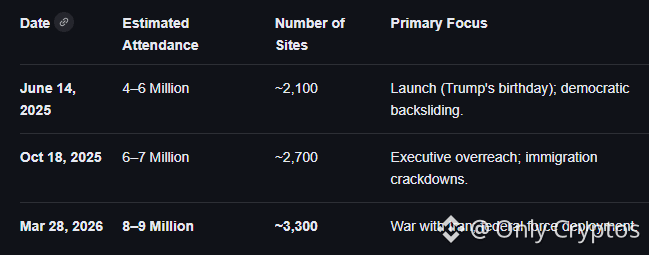
الموجة الكبرى الثالثة: في 28 مارس 2026، شارك ما يُقدر بـ 8 إلى 9 ملايين شخص في تجمعات عبر حوالي 3,300 موقع في جميع الولايات الخمسين.
الشكوى الأساسية: بينما كانت تركز في الأصل على القضايا الداخلية، كانت احتجاجات مارس 2026 مدفوعة بشدة بالمعارضة للحرب التي تقودها الولايات المتحدة مع إيران. تشمل القضايا الرئيسية الأخرى:
تطبيق صارم لقوانين الهجرة وعمليات ICE.
نشر القوات الفيدرالية داخل المدن الأمريكية.
تراجع حقوق المتحولين وزيادة تكلفة المعيشة.
الأحداث البارزة:
كانت ولاية مينيسوتا بمثابة الموقع الرائد الوطني، حيث تجمع الآلاف في مبنى الكابيتول بالولاية في سانت بول.
الدعم البارز: شمل الفنانون والمتحدثون في التجمعات الأخيرة بروس سبرينغستين، وبيرني ساندرز، وجين فوندا، وروبرت دي نيرو.
تاريخ الاحتجاجات وحجمها _ لقد نمت حركة "لا للملوك" بشكل كبير منذ انطلاقها في 2025:
التنظيم والأثر
المنظمون: يتم تنسيق التجمعات من قبل تحالف من المجموعات التقدمية بما في ذلك إنديفيسبل، موف أون، وحركة 50501.
الانتشار العالمي: انتشرت احتجاجات التضامن دوليًا إلى مدن مثل روما وباريس، حيث يُشار إليها أحيانًا باسم "لا للطغاة" أو "لا للدكتاتوريين".
الرد السياسي: استبعد البيت الأبيض والمسؤولون الجمهوريون الاحتجاجات باعتبارها "احتجاجات كراهية أمريكا" ممولة من "شبكات يسارية".
"قم بإجراء صفقة معنا عبر هذه المشاركة المذكورة للعملة & دعم للوصول إلى أكبر جمهور من خلال المتابعة، الإعجاب، التعليق، المشاركة، إعادة النشر، المزيد من المحتوى المعلوماتي مثل هذا في المستقبل"
#USNoKingsProtests #US #NoKings #protests $BTC $ETH $BNB
{spot}(XRPUSDT)
{spot}(SOLUSDT)
لا للملوك الاحتجاجات
احتجاجات "لا للملوك" هي سلسلة من التظاهرات الضخمة على مستوى البلاد في الولايات المتحدة موجهة ضد الرئاسة الثانية لدونالد ترامب. يعكس اسم الحركة، الذي ابتكرته حركة 50501، المعارضة لما يصفه المحتجون بأسلوب ترامب "الاستبدادي في الحكم" وتوسع السلطة التنفيذية.
التطورات الأخيرة (مارس 2026)
اعتبارًا من 31 مارس 2026، وصلت الحركة إلى أعلى مستوى من النشاط حتى الآن:
الموجة الكبرى الثالثة: في 28 مارس 2026، شارك ما يُقدر بـ 8 إلى 9 ملايين شخص في تجمعات عبر حوالي 3,300 موقع في جميع الولايات الخمسين.
الشكوى الأساسية: بينما كانت تركز في الأصل على القضايا الداخلية، كانت احتجاجات مارس 2026 مدفوعة بشدة بالمعارضة للحرب التي تقودها الولايات المتحدة مع إيران. تشمل القضايا الرئيسية الأخرى:
تطبيق صارم لقوانين الهجرة وعمليات ICE.
نشر القوات الفيدرالية داخل المدن الأمريكية.
تراجع حقوق المتحولين وزيادة تكلفة المعيشة.
الأحداث البارزة:
كانت ولاية مينيسوتا بمثابة الموقع الرائد الوطني، حيث تجمع الآلاف في مبنى الكابيتول بالولاية في سانت بول.
الدعم البارز: شمل الفنانون والمتحدثون في التجمعات الأخيرة بروس سبرينغستين، وبيرني ساندرز، وجين فوندا، وروبرت دي نيرو.
تاريخ الاحتجاجات وحجمها _ لقد نمت حركة "لا للملوك" بشكل كبير منذ انطلاقها في 2025:
التنظيم والأثر
المنظمون: يتم تنسيق التجمعات من قبل تحالف من المجموعات التقدمية بما في ذلك إنديفيسبل، موف أون، وحركة 50501.
الانتشار العالمي: انتشرت احتجاجات التضامن دوليًا إلى مدن مثل روما وباريس، حيث يُشار إليها أحيانًا باسم "لا للطغاة" أو "لا للدكتاتوريين".
الرد السياسي: استبعد البيت الأبيض والمسؤولون الجمهوريون الاحتجاجات باعتبارها "احتجاجات كراهية أمريكا" ممولة من "شبكات يسارية".
"قم بإجراء صفقة معنا عبر هذه المشاركة المذكورة للعملة & دعم للوصول إلى أكبر جمهور من خلال المتابعة، الإعجاب، التعليق، المشاركة، إعادة النشر، المزيد من المحتوى المعلوماتي مثل هذا في المستقبل"
#USNoKingsProtests #US #NoKings #protests $BTC $ETH $BNB
احتجاجات "لا للملوك" هي سلسلة من التظاهرات الضخمة على مستوى البلاد في الولايات المتحدة موجهة ضد الرئاسة الثانية لدونالد ترامب. يعكس اسم الحركة، الذي ابتكرته حركة 50501، المعارضة لما يصفه المحتجون بأسلوب ترامب "الاستبدادي في الحكم" وتوسع السلطة التنفيذية.
التطورات الأخيرة (مارس 2026)
اعتبارًا من 31 مارس 2026، وصلت الحركة إلى أعلى مستوى من النشاط حتى الآن:
الموجة الكبرى الثالثة: في 28 مارس 2026، شارك ما يُقدر بـ 8 إلى 9 ملايين شخص في تجمعات عبر حوالي 3,300 موقع في جميع الولايات الخمسين.
الشكوى الأساسية: بينما كانت تركز في الأصل على القضايا الداخلية، كانت احتجاجات مارس 2026 مدفوعة بشدة بالمعارضة للحرب التي تقودها الولايات المتحدة مع إيران. تشمل القضايا الرئيسية الأخرى:
تطبيق صارم لقوانين الهجرة وعمليات ICE.
نشر القوات الفيدرالية داخل المدن الأمريكية.
تراجع حقوق المتحولين وزيادة تكلفة المعيشة.
الأحداث البارزة:
كانت ولاية مينيسوتا بمثابة الموقع الرائد الوطني، حيث تجمع الآلاف في مبنى الكابيتول بالولاية في سانت بول.
الدعم البارز: شمل الفنانون والمتحدثون في التجمعات الأخيرة بروس سبرينغستين، وبيرني ساندرز، وجين فوندا، وروبرت دي نيرو.
تاريخ الاحتجاجات وحجمها _ لقد نمت حركة "لا للملوك" بشكل كبير منذ انطلاقها في 2025:
التنظيم والأثر
المنظمون: يتم تنسيق التجمعات من قبل تحالف من المجموعات التقدمية بما في ذلك إنديفيسبل، موف أون، وحركة 50501.
الانتشار العالمي: انتشرت احتجاجات التضامن دوليًا إلى مدن مثل روما وباريس، حيث يُشار إليها أحيانًا باسم "لا للطغاة" أو "لا للدكتاتوريين".
الرد السياسي: استبعد البيت الأبيض والمسؤولون الجمهوريون الاحتجاجات باعتبارها "احتجاجات كراهية أمريكا" ممولة من "شبكات يسارية".
"قم بإجراء صفقة معنا عبر هذه المشاركة المذكورة للعملة & دعم للوصول إلى أكبر جمهور من خلال المتابعة، الإعجاب، التعليق، المشاركة، إعادة النشر، المزيد من المحتوى المعلوماتي مثل هذا في المستقبل"
#USNoKingsProtests #US #NoKings #protests $BTC $ETH $BNB
1
55
·
--
صاعد
أخبار سوق العملات المشفرة، التحديثات و العملات الرائجة في بينانس بإيجاز بالدولار الأمريكي بتاريخ 30 مارس 2026
تبلغ القيمة الإجمالية لسوق العملات المشفرة العالمي حوالي 2.30 تريليون دولار، بزيادة طفيفة قدرها 0.33% خلال الـ 24 ساعة الماضية. لا تزال مشاعر السوق في منطقة "خوف شديد" (المؤشر: 23)، متأثرة بشدة بالتوترات الجيوسياسية المستمرة في الشرق الأوسط واحتفاظ الاحتياطي الفيدرالي بمعدلات الفائدة عند 3.50–3.75%.
لمحة عن السوق (30 مارس 2026)
شهدت الأصول الرئيسية انتعاشًا معتدلًا لكنها لا تزال تحت ضغط تقني.
بتكوين (BTC): 67,515 دولار (+1.26%)
تم التداول في نطاق 24 ساعة من 65,000 دولار إلى 67,946 دولار.
إيثيريوم (ETH): 2,056.54 دولار (+2.71%)
استعادت مؤخرًا مستوى 2,000 دولار بعد خمسة أيام من تدفقات ETF.
عملة بينانس (BNB): 617.95 دولار (+0.67%)
سولانا (SOL): 84.26 دولار (+2.27%)
XRP: 1.355 دولار (+1.37%)
العملات الرائجة في بينانس و أعلى الرابحين
المتفوقون في بينانس بتاريخ 30 مارس 2026، تشمل:
D: +36%
NOM: +24%
ONT: +20%
Gravity (G): +23.34%
FTT: +10.04%
التحديثات الرئيسية و القوائم الجديدة
قائمة جديدة: أدرجت بينانس ألفا رمز BASED، الذي بدأ التداول بحوالي 0.115 دولار.
عقود جديدة: أطلقت بينانس فيوتشرز عقد BASEDUSDT الدائم المقوم بالدولار الأمريكي مع رافعة مالية تصل إلى 50x.
الأحداث القادمة: من المقرر أن تعيد FTX توزيع 2.2 مليار دولار على الدائنين في 31 مارس 2026.
تحركات المؤسسات: كشفت مورغان ستانلي عن رسوم بنسبة 0.14% لعرضها المقترح لصندوق ETF بتكوين الفوري، بهدف أن تكون الأقل تكلفة في الولايات المتحدة.
"قم بإجراء صفقة معنا عبر هذا المنشور المذكور وادعم للوصول إلى أكبر جمهور من خلال المتابعة، الإعجاب، التعليق، المشاركة، إعادة النشر، المزيد من المحتوى المعلوماتي في المستقبل"
$BTC $ETH $BNB #D #ONT #G #BASED #OnlyCryptos
{spot}(SOLUSDT)
{spot}(XRPUSDT)
{spot}(NOMUSDT)
أخبار سوق العملات المشفرة، التحديثات و العملات الرائجة في بينانس بإيجاز بالدولار الأمريكي بتاريخ 30 مارس 2026
تبلغ القيمة الإجمالية لسوق العملات المشفرة العالمي حوالي 2.30 تريليون دولار، بزيادة طفيفة قدرها 0.33% خلال الـ 24 ساعة الماضية. لا تزال مشاعر السوق في منطقة "خوف شديد" (المؤشر: 23)، متأثرة بشدة بالتوترات الجيوسياسية المستمرة في الشرق الأوسط واحتفاظ الاحتياطي الفيدرالي بمعدلات الفائدة عند 3.50–3.75%.
لمحة عن السوق (30 مارس 2026)
شهدت الأصول الرئيسية انتعاشًا معتدلًا لكنها لا تزال تحت ضغط تقني.
بتكوين (BTC): 67,515 دولار (+1.26%)
تم التداول في نطاق 24 ساعة من 65,000 دولار إلى 67,946 دولار.
إيثيريوم (ETH): 2,056.54 دولار (+2.71%)
استعادت مؤخرًا مستوى 2,000 دولار بعد خمسة أيام من تدفقات ETF.
عملة بينانس (BNB): 617.95 دولار (+0.67%)
سولانا (SOL): 84.26 دولار (+2.27%)
XRP: 1.355 دولار (+1.37%)
العملات الرائجة في بينانس و أعلى الرابحين
المتفوقون في بينانس بتاريخ 30 مارس 2026، تشمل:
D: +36%
NOM: +24%
ONT: +20%
Gravity (G): +23.34%
FTT: +10.04%
التحديثات الرئيسية و القوائم الجديدة
قائمة جديدة: أدرجت بينانس ألفا رمز BASED، الذي بدأ التداول بحوالي 0.115 دولار.
عقود جديدة: أطلقت بينانس فيوتشرز عقد BASEDUSDT الدائم المقوم بالدولار الأمريكي مع رافعة مالية تصل إلى 50x.
الأحداث القادمة: من المقرر أن تعيد FTX توزيع 2.2 مليار دولار على الدائنين في 31 مارس 2026.
تحركات المؤسسات: كشفت مورغان ستانلي عن رسوم بنسبة 0.14% لعرضها المقترح لصندوق ETF بتكوين الفوري، بهدف أن تكون الأقل تكلفة في الولايات المتحدة.
"قم بإجراء صفقة معنا عبر هذا المنشور المذكور وادعم للوصول إلى أكبر جمهور من خلال المتابعة، الإعجاب، التعليق، المشاركة، إعادة النشر، المزيد من المحتوى المعلوماتي في المستقبل"
$BTC $ETH $BNB #D #ONT #G #BASED #OnlyCryptos
تبلغ القيمة الإجمالية لسوق العملات المشفرة العالمي حوالي 2.30 تريليون دولار، بزيادة طفيفة قدرها 0.33% خلال الـ 24 ساعة الماضية. لا تزال مشاعر السوق في منطقة "خوف شديد" (المؤشر: 23)، متأثرة بشدة بالتوترات الجيوسياسية المستمرة في الشرق الأوسط واحتفاظ الاحتياطي الفيدرالي بمعدلات الفائدة عند 3.50–3.75%.
لمحة عن السوق (30 مارس 2026)
شهدت الأصول الرئيسية انتعاشًا معتدلًا لكنها لا تزال تحت ضغط تقني.
بتكوين (BTC): 67,515 دولار (+1.26%)
تم التداول في نطاق 24 ساعة من 65,000 دولار إلى 67,946 دولار.
إيثيريوم (ETH): 2,056.54 دولار (+2.71%)
استعادت مؤخرًا مستوى 2,000 دولار بعد خمسة أيام من تدفقات ETF.
عملة بينانس (BNB): 617.95 دولار (+0.67%)
سولانا (SOL): 84.26 دولار (+2.27%)
XRP: 1.355 دولار (+1.37%)
العملات الرائجة في بينانس و أعلى الرابحين
المتفوقون في بينانس بتاريخ 30 مارس 2026، تشمل:
D: +36%
NOM: +24%
ONT: +20%
Gravity (G): +23.34%
FTT: +10.04%
التحديثات الرئيسية و القوائم الجديدة
قائمة جديدة: أدرجت بينانس ألفا رمز BASED، الذي بدأ التداول بحوالي 0.115 دولار.
عقود جديدة: أطلقت بينانس فيوتشرز عقد BASEDUSDT الدائم المقوم بالدولار الأمريكي مع رافعة مالية تصل إلى 50x.
الأحداث القادمة: من المقرر أن تعيد FTX توزيع 2.2 مليار دولار على الدائنين في 31 مارس 2026.
تحركات المؤسسات: كشفت مورغان ستانلي عن رسوم بنسبة 0.14% لعرضها المقترح لصندوق ETF بتكوين الفوري، بهدف أن تكون الأقل تكلفة في الولايات المتحدة.
"قم بإجراء صفقة معنا عبر هذا المنشور المذكور وادعم للوصول إلى أكبر جمهور من خلال المتابعة، الإعجاب، التعليق، المشاركة، إعادة النشر، المزيد من المحتوى المعلوماتي في المستقبل"
$BTC $ETH $BNB #D #ONT #G #BASED #OnlyCryptos
84
·
--
صاعد
سباق رسوم صناديق الاستثمار المتداولة في البيتكوين
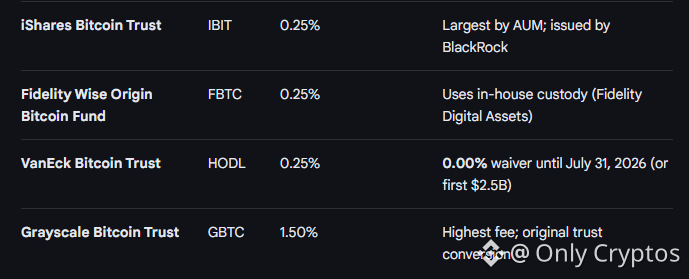
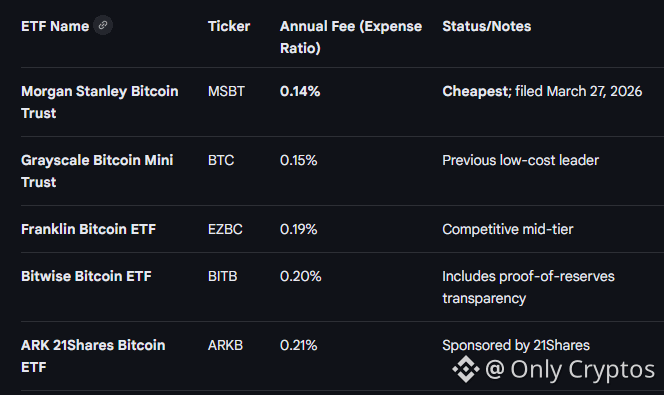
اعتبارًا من أواخر مارس 2026، وصل سباق رسوم صناديق الاستثمار المتداولة في البيتكوين إلى أدنى مستوى جديد مع تقديم مورغان ستانلي طلبًا لإطلاق صندوق الاستثمار المتداول في البيتكوين الخاص به (MSBT) بنسبة مصروفات رائدة في السوق تبلغ 0.14%. هذه الخطوة تقلل بشكل كبير من الرسوم التي يحتفظ بها اللاعبون المعروفون مثل بلاك روك وفيديلتي، الذين حافظوا على رسوم حوالي 0.25%.
مقارنة رسوم صناديق الاستثمار المتداولة في البيتكوين الحالية (مارس 2026)
ت outlines الجدول التالي المشهد الحالي للرسوم لصناديق الاستثمار المتداولة الرئيسية في البيتكوين في سوق الولايات المتحدة:
تحولات السوق الرئيسية
دخول البنوك: يعتبر صندوق مورغان ستانلي MSBT هو أول صندوق استثمار متداول في البيتكوين يتم إصداره مباشرةً من قبل بنك أمريكي كبير. هذا يستفيد من شبكتهم من 16,000 مستشار مالي يشرفون على تريليونات من الأصول.
إعفاءات الرسوم: تواصل العديد من الجهات المصدرة استخدام إعفاءات مؤقتة لجذب رأس المال الأولي. على سبيل المثال، تم إعفاء رسوم صندوق فان إيك HODL تمامًا للأصول التي تصل قيمتها إلى 2.5 مليار دولار حتى يوليو 2026.
ميزة التوزيع: يقترح المحللون أن سباق الرسوم يتحول من "الأول في السوق" إلى صراع حول التوزيع والوصول إلى المستشارين. تجعل الرسوم المنخفضة من السهل على مديري الثروات تبرير التخصيصات للعملاء.
لماذا تهم الرسوم الآن
نظرًا لأن صناديق الاستثمار المتداولة في البيتكوين تقدم تعرضًا شبه متطابق للأصل الأساسي، أصبحت رسوم الإدارة هي الفارق الأساسي للمستثمرين على المدى الطويل. يمكن أن يؤدي الفرق حتى 10 نقاط أساس إلى عوائد مركبة كبيرة على مدى فترة زمنية متعددة السنوات.
"قم بإجراء صفقة معنا عبر هذه المشاركة المذكورة من العملة & دعم الوصول إلى أكبر جمهور من خلال المتابعة، الإعجاب، التعليق، المشاركة، إعادة النشر، المزيد من المحتوى المفيد مثل هذا في المستقبل"
#BTCETFFeeRace #bitcoin #etf #fee #race $BTC
{spot}(BTCUSDT)
{future}(BTCUSDT)
سباق رسوم صناديق الاستثمار المتداولة في البيتكوين
اعتبارًا من أواخر مارس 2026، وصل سباق رسوم صناديق الاستثمار المتداولة في البيتكوين إلى أدنى مستوى جديد مع تقديم مورغان ستانلي طلبًا لإطلاق صندوق الاستثمار المتداول في البيتكوين الخاص به (MSBT) بنسبة مصروفات رائدة في السوق تبلغ 0.14%. هذه الخطوة تقلل بشكل كبير من الرسوم التي يحتفظ بها اللاعبون المعروفون مثل بلاك روك وفيديلتي، الذين حافظوا على رسوم حوالي 0.25%.
مقارنة رسوم صناديق الاستثمار المتداولة في البيتكوين الحالية (مارس 2026)
ت outlines الجدول التالي المشهد الحالي للرسوم لصناديق الاستثمار المتداولة الرئيسية في البيتكوين في سوق الولايات المتحدة:
تحولات السوق الرئيسية
دخول البنوك: يعتبر صندوق مورغان ستانلي MSBT هو أول صندوق استثمار متداول في البيتكوين يتم إصداره مباشرةً من قبل بنك أمريكي كبير. هذا يستفيد من شبكتهم من 16,000 مستشار مالي يشرفون على تريليونات من الأصول.
إعفاءات الرسوم: تواصل العديد من الجهات المصدرة استخدام إعفاءات مؤقتة لجذب رأس المال الأولي. على سبيل المثال، تم إعفاء رسوم صندوق فان إيك HODL تمامًا للأصول التي تصل قيمتها إلى 2.5 مليار دولار حتى يوليو 2026.
ميزة التوزيع: يقترح المحللون أن سباق الرسوم يتحول من "الأول في السوق" إلى صراع حول التوزيع والوصول إلى المستشارين. تجعل الرسوم المنخفضة من السهل على مديري الثروات تبرير التخصيصات للعملاء.
لماذا تهم الرسوم الآن
نظرًا لأن صناديق الاستثمار المتداولة في البيتكوين تقدم تعرضًا شبه متطابق للأصل الأساسي، أصبحت رسوم الإدارة هي الفارق الأساسي للمستثمرين على المدى الطويل. يمكن أن يؤدي الفرق حتى 10 نقاط أساس إلى عوائد مركبة كبيرة على مدى فترة زمنية متعددة السنوات.
"قم بإجراء صفقة معنا عبر هذه المشاركة المذكورة من العملة & دعم الوصول إلى أكبر جمهور من خلال المتابعة، الإعجاب، التعليق، المشاركة، إعادة النشر، المزيد من المحتوى المفيد مثل هذا في المستقبل"
#BTCETFFeeRace #bitcoin #etf #fee #race $BTC
اعتبارًا من أواخر مارس 2026، وصل سباق رسوم صناديق الاستثمار المتداولة في البيتكوين إلى أدنى مستوى جديد مع تقديم مورغان ستانلي طلبًا لإطلاق صندوق الاستثمار المتداول في البيتكوين الخاص به (MSBT) بنسبة مصروفات رائدة في السوق تبلغ 0.14%. هذه الخطوة تقلل بشكل كبير من الرسوم التي يحتفظ بها اللاعبون المعروفون مثل بلاك روك وفيديلتي، الذين حافظوا على رسوم حوالي 0.25%.
مقارنة رسوم صناديق الاستثمار المتداولة في البيتكوين الحالية (مارس 2026)
ت outlines الجدول التالي المشهد الحالي للرسوم لصناديق الاستثمار المتداولة الرئيسية في البيتكوين في سوق الولايات المتحدة:
تحولات السوق الرئيسية
دخول البنوك: يعتبر صندوق مورغان ستانلي MSBT هو أول صندوق استثمار متداول في البيتكوين يتم إصداره مباشرةً من قبل بنك أمريكي كبير. هذا يستفيد من شبكتهم من 16,000 مستشار مالي يشرفون على تريليونات من الأصول.
إعفاءات الرسوم: تواصل العديد من الجهات المصدرة استخدام إعفاءات مؤقتة لجذب رأس المال الأولي. على سبيل المثال، تم إعفاء رسوم صندوق فان إيك HODL تمامًا للأصول التي تصل قيمتها إلى 2.5 مليار دولار حتى يوليو 2026.
ميزة التوزيع: يقترح المحللون أن سباق الرسوم يتحول من "الأول في السوق" إلى صراع حول التوزيع والوصول إلى المستشارين. تجعل الرسوم المنخفضة من السهل على مديري الثروات تبرير التخصيصات للعملاء.
لماذا تهم الرسوم الآن
نظرًا لأن صناديق الاستثمار المتداولة في البيتكوين تقدم تعرضًا شبه متطابق للأصل الأساسي، أصبحت رسوم الإدارة هي الفارق الأساسي للمستثمرين على المدى الطويل. يمكن أن يؤدي الفرق حتى 10 نقاط أساس إلى عوائد مركبة كبيرة على مدى فترة زمنية متعددة السنوات.
"قم بإجراء صفقة معنا عبر هذه المشاركة المذكورة من العملة & دعم الوصول إلى أكبر جمهور من خلال المتابعة، الإعجاب، التعليق، المشاركة، إعادة النشر، المزيد من المحتوى المفيد مثل هذا في المستقبل"
#BTCETFFeeRace #bitcoin #etf #fee #race $BTC
130
·
--
صاعد
أسعار البيتكوين
سعر البيتكوين (BTC) هو تقريبًا 67,717.37 دولار أمريكي اعتبارًا من 30 مارس 2026.
ملخص السوق الحالي
السعر المباشر: ~67,715 – 67,898 حسب البورصة.
التغيير خلال 24 ساعة: ارتفاع تقريبًا 1.6% إلى 2.6%.
مدى اليوم: 64,966 – 68,094 دولار.
القيمة السوقية: ~1.35 تريليون دولار.
حجم التداول خلال 24 ساعة: ~32.3 مليار دولار.
السياق التاريخي
أعلى سعر على الإطلاق: 126,272 دولار (تم الوصول إليه في 5 أكتوبر 2025).
مدى 52 أسبوعًا: 60,057 – 126,273 دولار.
الأداء الأخير:
1-أسبوع: انخفاض ~1.8%.
1-شهر: ارتفاع ~1.1%.
1-سنة: انخفاض ~18% – 20%.
محركات السوق الأخيرة
التوترات الجيوسياسية: تأثرت الأسعار بالصراعات المستمرة في الشرق الأوسط، مع مراقبة المتداولين للتهديدات للبنية التحتية للطاقة.
النشاط المؤسسي: تواصل شركات كبرى مثل Strategy Inc. (MicroStrategy) و Bitmine Immersion Technologies الاحتفاظ باحتياطيات كبيرة.
التحولات التنظيمية: يتأثر الشعور في السوق حاليًا بمشروع "Project Crypto" في الولايات المتحدة والتشريعات المتوقعة للأصول الرقمية.
"قم بإجراء صفقة معنا عبر هذا المنشور المذكور لعملة & ادعم للوصول إلى أكبر جمهور من خلال المتابعة والإعجاب والتعليق والمشاركة وإعادة النشر، المزيد من المحتوى المعلوماتي في المستقبل"
#BitcoinPrices #bitcoin #prices $BTC
{spot}(BTCUSDT)
{future}(BTCUSDT)
أسعار البيتكوين
سعر البيتكوين (BTC) هو تقريبًا 67,717.37 دولار أمريكي اعتبارًا من 30 مارس 2026.
ملخص السوق الحالي
السعر المباشر: ~67,715 – 67,898 حسب البورصة.
التغيير خلال 24 ساعة: ارتفاع تقريبًا 1.6% إلى 2.6%.
مدى اليوم: 64,966 – 68,094 دولار.
القيمة السوقية: ~1.35 تريليون دولار.
حجم التداول خلال 24 ساعة: ~32.3 مليار دولار.
السياق التاريخي
أعلى سعر على الإطلاق: 126,272 دولار (تم الوصول إليه في 5 أكتوبر 2025).
مدى 52 أسبوعًا: 60,057 – 126,273 دولار.
الأداء الأخير:
1-أسبوع: انخفاض ~1.8%.
1-شهر: ارتفاع ~1.1%.
1-سنة: انخفاض ~18% – 20%.
محركات السوق الأخيرة
التوترات الجيوسياسية: تأثرت الأسعار بالصراعات المستمرة في الشرق الأوسط، مع مراقبة المتداولين للتهديدات للبنية التحتية للطاقة.
النشاط المؤسسي: تواصل شركات كبرى مثل Strategy Inc. (MicroStrategy) و Bitmine Immersion Technologies الاحتفاظ باحتياطيات كبيرة.
التحولات التنظيمية: يتأثر الشعور في السوق حاليًا بمشروع "Project Crypto" في الولايات المتحدة والتشريعات المتوقعة للأصول الرقمية.
"قم بإجراء صفقة معنا عبر هذا المنشور المذكور لعملة & ادعم للوصول إلى أكبر جمهور من خلال المتابعة والإعجاب والتعليق والمشاركة وإعادة النشر، المزيد من المحتوى المعلوماتي في المستقبل"
#BitcoinPrices #bitcoin #prices $BTC
سعر البيتكوين (BTC) هو تقريبًا 67,717.37 دولار أمريكي اعتبارًا من 30 مارس 2026.
ملخص السوق الحالي
السعر المباشر: ~67,715 – 67,898 حسب البورصة.
التغيير خلال 24 ساعة: ارتفاع تقريبًا 1.6% إلى 2.6%.
مدى اليوم: 64,966 – 68,094 دولار.
القيمة السوقية: ~1.35 تريليون دولار.
حجم التداول خلال 24 ساعة: ~32.3 مليار دولار.
السياق التاريخي
أعلى سعر على الإطلاق: 126,272 دولار (تم الوصول إليه في 5 أكتوبر 2025).
مدى 52 أسبوعًا: 60,057 – 126,273 دولار.
الأداء الأخير:
1-أسبوع: انخفاض ~1.8%.
1-شهر: ارتفاع ~1.1%.
1-سنة: انخفاض ~18% – 20%.
محركات السوق الأخيرة
التوترات الجيوسياسية: تأثرت الأسعار بالصراعات المستمرة في الشرق الأوسط، مع مراقبة المتداولين للتهديدات للبنية التحتية للطاقة.
النشاط المؤسسي: تواصل شركات كبرى مثل Strategy Inc. (MicroStrategy) و Bitmine Immersion Technologies الاحتفاظ باحتياطيات كبيرة.
التحولات التنظيمية: يتأثر الشعور في السوق حاليًا بمشروع "Project Crypto" في الولايات المتحدة والتشريعات المتوقعة للأصول الرقمية.
"قم بإجراء صفقة معنا عبر هذا المنشور المذكور لعملة & ادعم للوصول إلى أكبر جمهور من خلال المتابعة والإعجاب والتعليق والمشاركة وإعادة النشر، المزيد من المحتوى المعلوماتي في المستقبل"
#BitcoinPrices #bitcoin #prices $BTC
1
41
·
--
مقالة
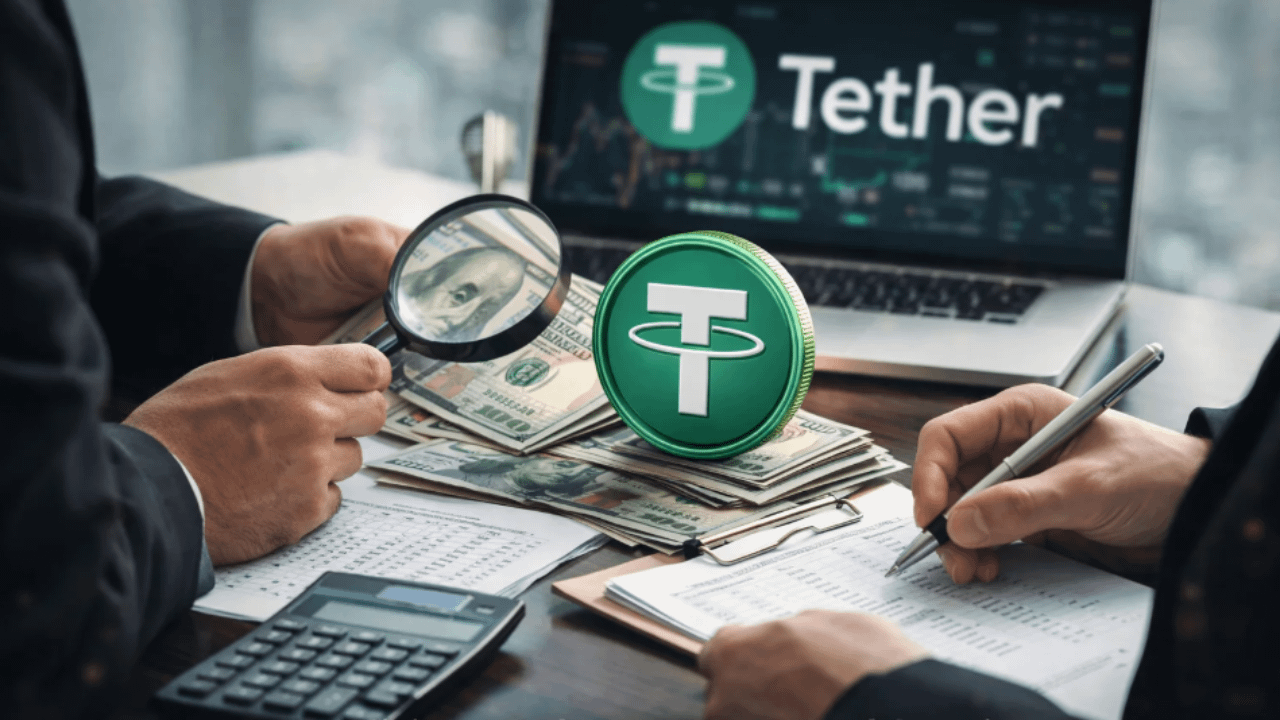
تدقيق Tetherاعتبارًا من 30 مارس 2026، قامت Tether رسميًا بتكليف KPMG لإجراء أول تدقيق شامل ومستقل للبيانات المالية للاحتياطيات التي تدعم عملة USDT المستقرة الخاصة بها. يمثل هذا تحولًا كبيرًا عن "التأكيدات في وقت معين" التي استخدمتها الشركة لسنوات.
تطورات التدقيق 2026
اختيار المدقق: بعد عملية تنافسية، أكدت Tether أنها قد وقعت مع شركة "Big Four"، حيث تشير التقارير إلى أن الشركة هي KPMG.
تحضير النظام: قامت Tether أيضًا بتوظيف PwC للمساعدة في إعداد أنظمتها الداخلية والضوابط قبل المراجعة الكاملة.
تدقيق Tether
اعتبارًا من 30 مارس 2026، قامت Tether رسميًا بتكليف KPMG لإجراء أول تدقيق شامل ومستقل للبيانات المالية للاحتياطيات التي تدعم عملة USDT المستقرة الخاصة بها. يمثل هذا تحولًا كبيرًا عن "التأكيدات في وقت معين" التي استخدمتها الشركة لسنوات.
تطورات التدقيق 2026
اختيار المدقق: بعد عملية تنافسية، أكدت Tether أنها قد وقعت مع شركة "Big Four"، حيث تشير التقارير إلى أن الشركة هي KPMG.
تحضير النظام: قامت Tether أيضًا بتوظيف PwC للمساعدة في إعداد أنظمتها الداخلية والضوابط قبل المراجعة الكاملة.
تطورات التدقيق 2026
اختيار المدقق: بعد عملية تنافسية، أكدت Tether أنها قد وقعت مع شركة "Big Four"، حيث تشير التقارير إلى أن الشركة هي KPMG.
تحضير النظام: قامت Tether أيضًا بتوظيف PwC للمساعدة في إعداد أنظمتها الداخلية والضوابط قبل المراجعة الكاملة.
65
·
--
صاعد
آخر الأخبار
WLD لقد وصل للتو إلى أدنى مستوى له على الإطلاق _ كم من العرض الجديد على وشك غمر السوق، ومتى؟
مورغان ستانلي على وشك إحداث تحول في صناديق استثمار البيتكوين _ كم من أموال العملاء يمكن أن تتدفق فعليًا إلى البيتكوين؟
الإيثريوم يفقد مركزه الثاني _ ما السعر الذي يراقبه المحللون كهدف رئيسي التالي؟
BNP Paribas تضيف العملات المشفرة للبيع بالتجزئة _ لماذا قد يختار المستثمر بالتجزئة ETN بدلاً من شراء العملات المشفرة مباشرة؟
الرئيس التنفيذي لشركة Ripple يقول إن العملات المستقرة هي لحظة ChatGPT للعملات المشفرة _ ما الذي يعوق ذلك، وكيف يمكن أن يؤثر على XRP؟
المصدر: BinanceNews / Coinmarketcap
"قم بإجراء صفقة معنا من خلال هذا المنشور المذكور للعملة & قدم الدعم للوصول إلى أقصى جمهور من خلال المتابعة، الإعجاب، التعليق، المشاركة، إعادة النشر، المزيد من المحتوى الإعلامي مثل هذا في المستقبل"
$WLD $BTC $ETH
{spot}(XRPUSDT)
آخر الأخبار
WLD لقد وصل للتو إلى أدنى مستوى له على الإطلاق _ كم من العرض الجديد على وشك غمر السوق، ومتى؟
مورغان ستانلي على وشك إحداث تحول في صناديق استثمار البيتكوين _ كم من أموال العملاء يمكن أن تتدفق فعليًا إلى البيتكوين؟
الإيثريوم يفقد مركزه الثاني _ ما السعر الذي يراقبه المحللون كهدف رئيسي التالي؟
BNP Paribas تضيف العملات المشفرة للبيع بالتجزئة _ لماذا قد يختار المستثمر بالتجزئة ETN بدلاً من شراء العملات المشفرة مباشرة؟
الرئيس التنفيذي لشركة Ripple يقول إن العملات المستقرة هي لحظة ChatGPT للعملات المشفرة _ ما الذي يعوق ذلك، وكيف يمكن أن يؤثر على XRP؟
المصدر: BinanceNews / Coinmarketcap
"قم بإجراء صفقة معنا من خلال هذا المنشور المذكور للعملة & قدم الدعم للوصول إلى أقصى جمهور من خلال المتابعة، الإعجاب، التعليق، المشاركة، إعادة النشر، المزيد من المحتوى الإعلامي مثل هذا في المستقبل"
$WLD $BTC $ETH
WLD لقد وصل للتو إلى أدنى مستوى له على الإطلاق _ كم من العرض الجديد على وشك غمر السوق، ومتى؟
مورغان ستانلي على وشك إحداث تحول في صناديق استثمار البيتكوين _ كم من أموال العملاء يمكن أن تتدفق فعليًا إلى البيتكوين؟
الإيثريوم يفقد مركزه الثاني _ ما السعر الذي يراقبه المحللون كهدف رئيسي التالي؟
BNP Paribas تضيف العملات المشفرة للبيع بالتجزئة _ لماذا قد يختار المستثمر بالتجزئة ETN بدلاً من شراء العملات المشفرة مباشرة؟
الرئيس التنفيذي لشركة Ripple يقول إن العملات المستقرة هي لحظة ChatGPT للعملات المشفرة _ ما الذي يعوق ذلك، وكيف يمكن أن يؤثر على XRP؟
المصدر: BinanceNews / Coinmarketcap
"قم بإجراء صفقة معنا من خلال هذا المنشور المذكور للعملة & قدم الدعم للوصول إلى أقصى جمهور من خلال المتابعة، الإعجاب، التعليق، المشاركة، إعادة النشر، المزيد من المحتوى الإعلامي مثل هذا في المستقبل"
$WLD $BTC $ETH
272
·
--
صاعد
أهم القصص لهذا اليوم:
العاصفة الاقتصادية تضرب الأسواق مع إشارات الاحتياطي الفيدرالي، ومخاطر إيران، وتدفقات العملات الرقمية تزيد من التقلبات
خطابات الاحتياطي الفيدرالي، وبيانات الوظائف ستدفع البيتكوين والأسواق العالمية في أسبوع ماكرو رئيسي
انخفض مؤشر S&P 500 بنسبة 9%، وشكل تقاطع الموت مع تزايد الصراع في إيران وبيانات NFP التي تثقل كاهل الأسواق
رؤية صناديق العملات الرقمية تدفقات بقيمة 414 مليون دولار مع عكس صناديق البيتكوين والإيثيريوم في ظل مخاطر الاحتياطي الفيدرالي، التضخم، ومخاطر إيران
من المتوقع أن يتم استجواب المرشح لرئاسة الاحتياطي الفيدرالي كيفن وورش في منتصف أبريل وسط ردود فعل سياسية
صندوق استعادة FTX سيقوم بتوزيع 2.2 مليار دولار على الدائنين في ظل التقارير الاقتصادية
المصدر: #BinanceNews
"قم بإجراء صفقة معنا من خلال هذه المشاركة المذكورة للعملة & قدم الدعم للوصول إلى أكبر عدد ممكن من الجمهور من خلال المتابعة، الإعجاب، التعليق، المشاركة، إعادة النشر، المزيد من المحتوى الإعلامي مثل هذا في المستقبل"
$BTC $ETH $FTT
{future}(BTCUSDT)
{future}(ETHUSDT)
{spot}(FTTUSDT)
أهم القصص لهذا اليوم:
العاصفة الاقتصادية تضرب الأسواق مع إشارات الاحتياطي الفيدرالي، ومخاطر إيران، وتدفقات العملات الرقمية تزيد من التقلبات
خطابات الاحتياطي الفيدرالي، وبيانات الوظائف ستدفع البيتكوين والأسواق العالمية في أسبوع ماكرو رئيسي
انخفض مؤشر S&P 500 بنسبة 9%، وشكل تقاطع الموت مع تزايد الصراع في إيران وبيانات NFP التي تثقل كاهل الأسواق
رؤية صناديق العملات الرقمية تدفقات بقيمة 414 مليون دولار مع عكس صناديق البيتكوين والإيثيريوم في ظل مخاطر الاحتياطي الفيدرالي، التضخم، ومخاطر إيران
من المتوقع أن يتم استجواب المرشح لرئاسة الاحتياطي الفيدرالي كيفن وورش في منتصف أبريل وسط ردود فعل سياسية
صندوق استعادة FTX سيقوم بتوزيع 2.2 مليار دولار على الدائنين في ظل التقارير الاقتصادية
المصدر: #BinanceNews
"قم بإجراء صفقة معنا من خلال هذه المشاركة المذكورة للعملة & قدم الدعم للوصول إلى أكبر عدد ممكن من الجمهور من خلال المتابعة، الإعجاب، التعليق، المشاركة، إعادة النشر، المزيد من المحتوى الإعلامي مثل هذا في المستقبل"
$BTC $ETH $FTT
العاصفة الاقتصادية تضرب الأسواق مع إشارات الاحتياطي الفيدرالي، ومخاطر إيران، وتدفقات العملات الرقمية تزيد من التقلبات
خطابات الاحتياطي الفيدرالي، وبيانات الوظائف ستدفع البيتكوين والأسواق العالمية في أسبوع ماكرو رئيسي
انخفض مؤشر S&P 500 بنسبة 9%، وشكل تقاطع الموت مع تزايد الصراع في إيران وبيانات NFP التي تثقل كاهل الأسواق
رؤية صناديق العملات الرقمية تدفقات بقيمة 414 مليون دولار مع عكس صناديق البيتكوين والإيثيريوم في ظل مخاطر الاحتياطي الفيدرالي، التضخم، ومخاطر إيران
من المتوقع أن يتم استجواب المرشح لرئاسة الاحتياطي الفيدرالي كيفن وورش في منتصف أبريل وسط ردود فعل سياسية
صندوق استعادة FTX سيقوم بتوزيع 2.2 مليار دولار على الدائنين في ظل التقارير الاقتصادية
المصدر: #BinanceNews
"قم بإجراء صفقة معنا من خلال هذه المشاركة المذكورة للعملة & قدم الدعم للوصول إلى أكبر عدد ممكن من الجمهور من خلال المتابعة، الإعجاب، التعليق، المشاركة، إعادة النشر، المزيد من المحتوى الإعلامي مثل هذا في المستقبل"
$BTC $ETH $FTT
153
·
--
صاعد
أخبار سوق العملات المشفرة، التحديثات & العملة المتداولة في بينانس بإيجاز بالدولار الأمريكي في 29 مارس 2026
شهد سوق العملات المشفرة في 29 مارس 2026 انكماشًا طفيفًا، حيث انخفضت القيمة السوقية العالمية بنسبة تقارب 0.31% لتستقر عند 2.3 تريليون دولار. لا يزال شعور السوق حذرًا، حيث يتأرجح في "خوف شديد" (مستوى المؤشر ~10) مع تقييم المستثمرين للتوترات الجيوسياسية والبيانات الاقتصادية الأمريكية القادمة.
لمحة عن السوق (29 مارس 2026)
بيتكوين (BTC): أغلقت اليوم عند حوالي 65,845 دولار، بانخفاض 1.32% في 24 ساعة بعد فشلها في الحفاظ على مستويات فوق 67,000 دولار.
إيثريوم (ETH): تم التداول عند 2,000 دولار، مما يعكس انخفاضًا بنسبة 1.17%.
BNB: انخفضت إلى 599.65 دولار، بانخفاض 2.62% خلال 24 ساعة.
سولانا (SOL): انخفضت تحت علامة 80 دولار، حيث تم التداول عند 79.99 دولار (-2.56%).
العملات المتداولة & أعلى العملات الرابحة على بينانس
نومينا (NOM): الرابح الرائد، بزيادة 45% إلى 0.00396 دولار.
ستيكستون (STO): قفزت بنسبة 45% (وصولًا إلى 0.149 دولار في التداول المبكر).
أونتولوجي (ONT): زادت بنسبة 15.52% إلى 0.0739 دولار.
هيمي (HEMI): زادت بنسبة 16%.
سينت (SENT): ارتفعت بنسبة 13.13% إلى 0.0183 دولار.
التحديثات الرئيسية للسوق
التحركات التنظيمية: قدمت الكونغرس الأمريكي قانون الأصول الرقمية PARITY، الذي يقترح تمديد قاعدة بيع الغسل لمدة 30 يومًا للأصول الرقمية فور enactment.
التحول المؤسسي: أوقفت استراتيجية (MicroStrategy) على ما يبدو سلسلة شراء بيتكوين التي استمرت 13 أسبوعًا؛ حيث يبلغ إجمالي حيازاتها الآن 762,099 BTC بسعر متوسط قدره 75,694 دولار.
عائدات العملات المستقرة: أثار اتفاق جديد من حيث المبدأ لعائدات العملات المستقرة ردود فعل مختلطة من الصناعة مع اقترابها من إمكانية تعديل في مجلس الشيوخ في أبريل 2026.
نشاط الحيتان: تشير بيانات السلسلة إلى تراكم كبير من قبل حاملي الكميات الكبيرة خلال مرحلة التوحيد هذه، حيث أضافت الحيتان حوالي 270,000 BTC إلى مراكزها مؤخرًا.
"قم بإجراء صفقة معنا عبر هذا المنشور المذكور للعملة & قم بدعمنا للوصول إلى أكبر جمهور من خلال المتابعة، الإعجاب، التعليق، المشاركة، إعادة النشر، والمزيد من المحتوى المفيد في المستقبل"
$BTC $ETH $BNB #ONT #HEMI #SENT #MSTR #OnlyCryptos
{spot}(SOLUSDT)
{spot}(NOMUSDT)
{spot}(STOUSDT)
أخبار سوق العملات المشفرة، التحديثات & العملة المتداولة في بينانس بإيجاز بالدولار الأمريكي في 29 مارس 2026
شهد سوق العملات المشفرة في 29 مارس 2026 انكماشًا طفيفًا، حيث انخفضت القيمة السوقية العالمية بنسبة تقارب 0.31% لتستقر عند 2.3 تريليون دولار. لا يزال شعور السوق حذرًا، حيث يتأرجح في "خوف شديد" (مستوى المؤشر ~10) مع تقييم المستثمرين للتوترات الجيوسياسية والبيانات الاقتصادية الأمريكية القادمة.
لمحة عن السوق (29 مارس 2026)
بيتكوين (BTC): أغلقت اليوم عند حوالي 65,845 دولار، بانخفاض 1.32% في 24 ساعة بعد فشلها في الحفاظ على مستويات فوق 67,000 دولار.
إيثريوم (ETH): تم التداول عند 2,000 دولار، مما يعكس انخفاضًا بنسبة 1.17%.
BNB: انخفضت إلى 599.65 دولار، بانخفاض 2.62% خلال 24 ساعة.
سولانا (SOL): انخفضت تحت علامة 80 دولار، حيث تم التداول عند 79.99 دولار (-2.56%).
العملات المتداولة & أعلى العملات الرابحة على بينانس
نومينا (NOM): الرابح الرائد، بزيادة 45% إلى 0.00396 دولار.
ستيكستون (STO): قفزت بنسبة 45% (وصولًا إلى 0.149 دولار في التداول المبكر).
أونتولوجي (ONT): زادت بنسبة 15.52% إلى 0.0739 دولار.
هيمي (HEMI): زادت بنسبة 16%.
سينت (SENT): ارتفعت بنسبة 13.13% إلى 0.0183 دولار.
التحديثات الرئيسية للسوق
التحركات التنظيمية: قدمت الكونغرس الأمريكي قانون الأصول الرقمية PARITY، الذي يقترح تمديد قاعدة بيع الغسل لمدة 30 يومًا للأصول الرقمية فور enactment.
التحول المؤسسي: أوقفت استراتيجية (MicroStrategy) على ما يبدو سلسلة شراء بيتكوين التي استمرت 13 أسبوعًا؛ حيث يبلغ إجمالي حيازاتها الآن 762,099 BTC بسعر متوسط قدره 75,694 دولار.
عائدات العملات المستقرة: أثار اتفاق جديد من حيث المبدأ لعائدات العملات المستقرة ردود فعل مختلطة من الصناعة مع اقترابها من إمكانية تعديل في مجلس الشيوخ في أبريل 2026.
نشاط الحيتان: تشير بيانات السلسلة إلى تراكم كبير من قبل حاملي الكميات الكبيرة خلال مرحلة التوحيد هذه، حيث أضافت الحيتان حوالي 270,000 BTC إلى مراكزها مؤخرًا.
"قم بإجراء صفقة معنا عبر هذا المنشور المذكور للعملة & قم بدعمنا للوصول إلى أكبر جمهور من خلال المتابعة، الإعجاب، التعليق، المشاركة، إعادة النشر، والمزيد من المحتوى المفيد في المستقبل"
$BTC $ETH $BNB #ONT #HEMI #SENT #MSTR #OnlyCryptos
شهد سوق العملات المشفرة في 29 مارس 2026 انكماشًا طفيفًا، حيث انخفضت القيمة السوقية العالمية بنسبة تقارب 0.31% لتستقر عند 2.3 تريليون دولار. لا يزال شعور السوق حذرًا، حيث يتأرجح في "خوف شديد" (مستوى المؤشر ~10) مع تقييم المستثمرين للتوترات الجيوسياسية والبيانات الاقتصادية الأمريكية القادمة.
لمحة عن السوق (29 مارس 2026)
بيتكوين (BTC): أغلقت اليوم عند حوالي 65,845 دولار، بانخفاض 1.32% في 24 ساعة بعد فشلها في الحفاظ على مستويات فوق 67,000 دولار.
إيثريوم (ETH): تم التداول عند 2,000 دولار، مما يعكس انخفاضًا بنسبة 1.17%.
BNB: انخفضت إلى 599.65 دولار، بانخفاض 2.62% خلال 24 ساعة.
سولانا (SOL): انخفضت تحت علامة 80 دولار، حيث تم التداول عند 79.99 دولار (-2.56%).
العملات المتداولة & أعلى العملات الرابحة على بينانس
نومينا (NOM): الرابح الرائد، بزيادة 45% إلى 0.00396 دولار.
ستيكستون (STO): قفزت بنسبة 45% (وصولًا إلى 0.149 دولار في التداول المبكر).
أونتولوجي (ONT): زادت بنسبة 15.52% إلى 0.0739 دولار.
هيمي (HEMI): زادت بنسبة 16%.
سينت (SENT): ارتفعت بنسبة 13.13% إلى 0.0183 دولار.
التحديثات الرئيسية للسوق
التحركات التنظيمية: قدمت الكونغرس الأمريكي قانون الأصول الرقمية PARITY، الذي يقترح تمديد قاعدة بيع الغسل لمدة 30 يومًا للأصول الرقمية فور enactment.
التحول المؤسسي: أوقفت استراتيجية (MicroStrategy) على ما يبدو سلسلة شراء بيتكوين التي استمرت 13 أسبوعًا؛ حيث يبلغ إجمالي حيازاتها الآن 762,099 BTC بسعر متوسط قدره 75,694 دولار.
عائدات العملات المستقرة: أثار اتفاق جديد من حيث المبدأ لعائدات العملات المستقرة ردود فعل مختلطة من الصناعة مع اقترابها من إمكانية تعديل في مجلس الشيوخ في أبريل 2026.
نشاط الحيتان: تشير بيانات السلسلة إلى تراكم كبير من قبل حاملي الكميات الكبيرة خلال مرحلة التوحيد هذه، حيث أضافت الحيتان حوالي 270,000 BTC إلى مراكزها مؤخرًا.
"قم بإجراء صفقة معنا عبر هذا المنشور المذكور للعملة & قم بدعمنا للوصول إلى أكبر جمهور من خلال المتابعة، الإعجاب، التعليق، المشاركة، إعادة النشر، والمزيد من المحتوى المفيد في المستقبل"
$BTC $ETH $BNB #ONT #HEMI #SENT #MSTR #OnlyCryptos
1
26
سجّل الدخول لاستكشاف المزيد من المُحتوى
انضم إلى مُستخدمي العملات الرقمية حول العالم على Binance Square
⚡️ احصل على أحدث المعلومات المفيدة عن العملات الرقمية.
💬 موثوقة من قبل أكبر منصّة لتداول العملات الرقمية في العالم.
👍 اكتشف الرؤى الحقيقية من صنّاع المُحتوى الموثوقين.
البريد الإلكتروني / رقم الهاتف
المواضيع الرائجة
BitcoinClears$85200
14,009 مشاهدات
224 يقومون بالنقاش
لقد قمنا بالحركة، و{$BTC } يقف تمامًا في المكان نفسه الذي كنا فيه قبل البيانات. هذا ما يشبهه الصبر الحقيقي في التداول.
وصلت البيانات بشكل مختلط لكن مع بعض الأرقام المهمة. جاء تقرير ADP للتوظيف خارج القطاع الزراعي عند 90 ألف مقابل توقع 73 ألف، بينما جاء مؤشر Core PCE عند 0.2% مقابل 0.3% المتوقعة. كما كان الناتج المحلي الإجمالي النهائي أقوى أيضًا عند 2.2% مقابل توقع 1.5%، بينما جاء إنفاق الأفراد عند 0.9% مقابل 0.8% المتوقعة. وفي الوقت نفسه، فشل دخل الأفراد عند 0.2% مقابل توقع 0.5%.
ارتفع سعر البيتكوين في البداية إلى 85,600 دولار ثم عاد الآن إلى المكان الذي نحتاج أن يكون فيه. ما زلت أنظر نحو النطاقات الأدنى عند 82,759 دولار و0% سيولة 80,000 دولار، لأن سيولة الأعلى انتهت وصارت منتهية.
أجرينا جلسة مباشرة أثناء صدور البيانات، وخلال تلك الجلسة رأينا السوق عند 83,800 دولار ثم 85,600 دولار ثم عاد باتجاه 83,000 دولار، ومع ذلك لم ندخل صفقة.
هذا هو الصبر.
لا يمكننا إجبار الدخول عندما لا يكون لدى السوق اتجاه واضح. ما زال نفس النطاق محل اهتمام، وسننتظر أن يعطي السوق لنا الإعداد.
أخبروني يا شباب، كيف كانت الجلسة؟ وهل ينبغي أن تكون لدينا جلسات أكثر انتظامًا مع أعضائنا الموقّرين حتى نتمكن من إجراء مناقشات مناسبة بخصوص السوق؟
#BitcoinClears$85200 #AltcoinSeasonIndexHoldsAbove60For5Days #USADPAdds90000JobsInSeptember #BitcoinSlipsBelow$84000 #SECToClarifyOnChainFundraisingRules
Crypto_LUX
·26 إعجاب
·20.7k مشاهدات
AltcoinSeasonIndexHoldsAbove60For5Days
67,686 مشاهدات
1,220 يقومون بالنقاش
USADPAdds90000JobsInSeptember
31,181 مشاهدات
684 يقومون بالنقاش