

DAVID FURI
8.4k منشورات

DAVID FURI
إبلاغ
حظر المُستخدم
RISK IT ALL MATE OF WORTH CJASE GOALS
فتح تداول
مُتداول عرضي
1.2 سنوات
74 تتابع
23.0K+ المتابعون
17.7K+ إعجاب
منشورات
الحافظة الاستثمارية
الكل
اقتباسات
Live
PINNED
·
--
مقالة
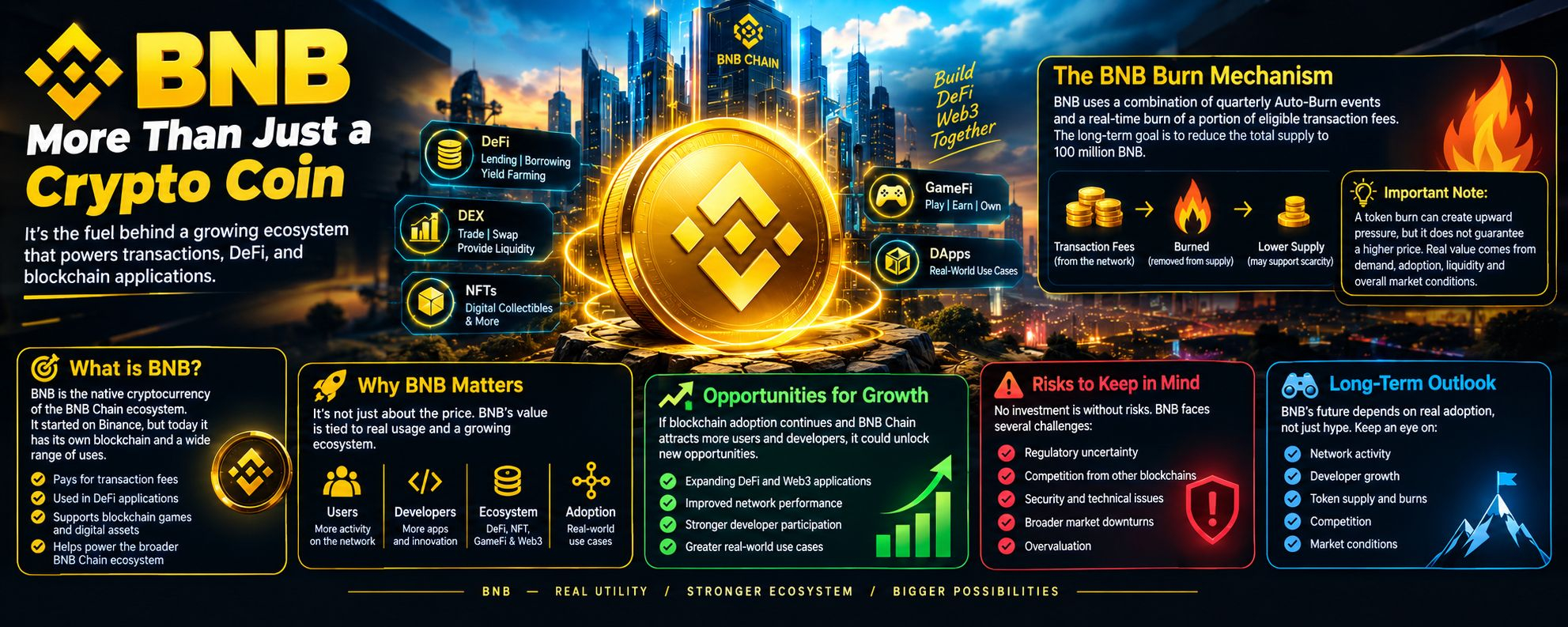
BNB أكثر من مجرد عملة مشفرة: القصة الحقيقية وراء مستقبلهايمتلئ سوق العملات المشفرة بمشاريع تعد بتحقيق إنجازات كبيرة، لكن ليس كل مشروع ينجح في بناء شيء يستخدمه الناس فعليًا. وتكتسب BNB أهميتها لسبب مختلف: فقصة قيمتها ترتبط بمنظومة تتيح للناس التداول وإجراء المعاملات واستخدام التمويل اللامركزي وتطبيقات البلوك تشين.
لكن إليك ما يستحق التفكير فيه: لا يعني وجود منظومة قوية تلقائيًا ارتفاع سعر الرمز.
تجاوزت BNB هويتها الأصلية بوصفها رمزًا مرتبطًا بمنصة Binance. وهي اليوم العملة المشفرة الأصلية لسلسلة BNB، وتُستخدم لدفع رسوم معاملات الشبكة والتفاعل مع التطبيقات اللامركزية المدعومة. وهذا يمنحها دورًا عمليًا يتجاوز مجرد كونها أصلًا يشتريه الناس ويبيعونه.
BNB أكثر من مجرد عملة مشفرة: القصة الحقيقية وراء مستقبلها
يمتلئ سوق العملات المشفرة بمشاريع تعد بتحقيق إنجازات كبيرة، لكن ليس كل مشروع ينجح في بناء شيء يستخدمه الناس فعليًا. وتكتسب BNB أهميتها لسبب مختلف: فقصة قيمتها ترتبط بمنظومة تتيح للناس التداول وإجراء المعاملات واستخدام التمويل اللامركزي وتطبيقات البلوك تشين.
لكن إليك ما يستحق التفكير فيه: لا يعني وجود منظومة قوية تلقائيًا ارتفاع سعر الرمز.
تجاوزت BNB هويتها الأصلية بوصفها رمزًا مرتبطًا بمنصة Binance. وهي اليوم العملة المشفرة الأصلية لسلسلة BNB، وتُستخدم لدفع رسوم معاملات الشبكة والتفاعل مع التطبيقات اللامركزية المدعومة. وهذا يمنحها دورًا عمليًا يتجاوز مجرد كونها أصلًا يشتريه الناس ويبيعونه.
لكن إليك ما يستحق التفكير فيه: لا يعني وجود منظومة قوية تلقائيًا ارتفاع سعر الرمز.
تجاوزت BNB هويتها الأصلية بوصفها رمزًا مرتبطًا بمنصة Binance. وهي اليوم العملة المشفرة الأصلية لسلسلة BNB، وتُستخدم لدفع رسوم معاملات الشبكة والتفاعل مع التطبيقات اللامركزية المدعومة. وهذا يمنحها دورًا عمليًا يتجاوز مجرد كونها أصلًا يشتريه الناس ويبيعونه.
128
·
--
BNB قد تكون الخطوة الكبيرة التالية أقرب مما تتصور!
$BNB تظل عملة تستحق المتابعة، بينما يبحث المتداولون عن الخطوة الحاسمة التالية. الأمر بسيط: انتظر التأكيد، وراقب مستويات الدعم والمقاومة المهمة، وتجنب ملاحقة الاختراق من دون حجم تداول كافٍ.
📈 السيناريو الصعودي: قد يفتح الاختراق المؤكد فوق المقاومة الباب لمزيد من الارتفاع.
📉 السيناريو الهبوطي: قد يؤدي فقدان الدعم المهم إلى تراجع أعمق.
🎯 استراتيجية التداول: انتظر التأكيد قبل الدخول. حدّد مستوى واضحًا لوقف الخسارة وأدِر المخاطر بحذر.
BNB على قائمة المتابعة — فهل سيسيطر المشترون، أم سيعود البائعون للهجوم؟
{spot}(BNBUSDT)
#BinancePick
#ArgentineCourtDismissesLIBRACaseAgainstMilei
#USQ3GDPAndSeptemberPCEDueNextWeek
#ElectrumFixesHighRiskExploitInVersionsBefore4.8.3
#ElectrumFixesHighRiskExploitInVersionsBefore4.8.3
BNB قد تكون الخطوة الكبيرة التالية أقرب مما تتصور!
$BNB تظل عملة تستحق المتابعة، بينما يبحث المتداولون عن الخطوة الحاسمة التالية. الأمر بسيط: انتظر التأكيد، وراقب مستويات الدعم والمقاومة المهمة، وتجنب ملاحقة الاختراق من دون حجم تداول كافٍ.
📈 السيناريو الصعودي: قد يفتح الاختراق المؤكد فوق المقاومة الباب لمزيد من الارتفاع.
📉 السيناريو الهبوطي: قد يؤدي فقدان الدعم المهم إلى تراجع أعمق.
🎯 استراتيجية التداول: انتظر التأكيد قبل الدخول. حدّد مستوى واضحًا لوقف الخسارة وأدِر المخاطر بحذر.
BNB على قائمة المتابعة — فهل سيسيطر المشترون، أم سيعود البائعون للهجوم؟
#BinancePick
#ArgentineCourtDismissesLIBRACaseAgainstMilei
#USQ3GDPAndSeptemberPCEDueNextWeek
#ElectrumFixesHighRiskExploitInVersionsBefore4.8.3
#ElectrumFixesHighRiskExploitInVersionsBefore4.8.3
$BNB تظل عملة تستحق المتابعة، بينما يبحث المتداولون عن الخطوة الحاسمة التالية. الأمر بسيط: انتظر التأكيد، وراقب مستويات الدعم والمقاومة المهمة، وتجنب ملاحقة الاختراق من دون حجم تداول كافٍ.
📈 السيناريو الصعودي: قد يفتح الاختراق المؤكد فوق المقاومة الباب لمزيد من الارتفاع.
📉 السيناريو الهبوطي: قد يؤدي فقدان الدعم المهم إلى تراجع أعمق.
🎯 استراتيجية التداول: انتظر التأكيد قبل الدخول. حدّد مستوى واضحًا لوقف الخسارة وأدِر المخاطر بحذر.
BNB على قائمة المتابعة — فهل سيسيطر المشترون، أم سيعود البائعون للهجوم؟
#BinancePick
#ArgentineCourtDismissesLIBRACaseAgainstMilei
#USQ3GDPAndSeptemberPCEDueNextWeek
#ElectrumFixesHighRiskExploitInVersionsBefore4.8.3
#ElectrumFixesHighRiskExploitInVersionsBefore4.8.3
57
·
--
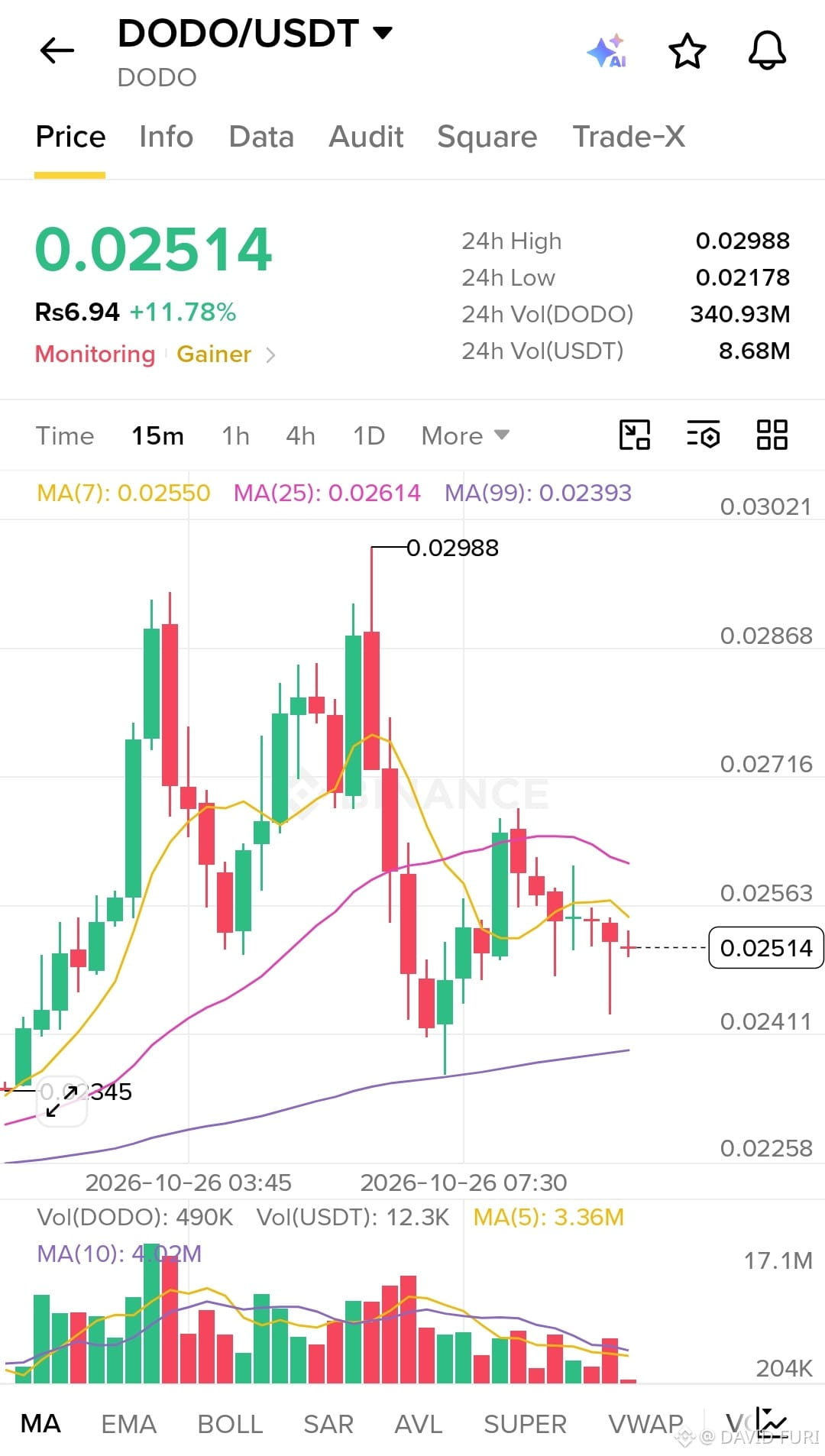
$DODO /USDT هل يفقد الثيران زخمهم؟ راقب هذا المستوى!
السعر الحالي: $0.02514 (+11.78%)
خطة التداول | مخطط 15 دقيقة
🟢 دخول شراء: $0.02500–$0.02520 (بعد تأكيد صعودي فقط)
🎯 الهدف 1: $0.02563
🎯 الهدف 2: $0.02614
🎯 الهدف 3: $0.02716
🔴 وقف الخسارة: $0.02470
🔑 المستويات الرئيسية:
الدعم: $0.02411–$0.02470
المقاومة: $0.02563–$0.02614
📈 السيناريو الصعودي: استعادة مستوى $0.02563 والثبات فوقه لاستهداف $0.02614، ثم $0.02716.
📉 السيناريو الهبوطي: استمرار الرفض دون المقاومة قد يدفع DODO نحو $0.02411. كسر الدعم يضعف احتمالات الصعود.
⚠️ السعر أدنى من MA(7) عند $0.02550 وMA(25) عند $0.02614، ما يشير إلى ضعف على المدى القصير رغم المكاسب اليومية. انتظر التأكيد وأدر المخاطر.
{future}(DODOXUSDT)
#BinancePick
#ArgentineCourtDismissesLIBRACaseAgainstMilei
#MARCUSB
#SouthKoreaDelaysCryptoIncomeTax
#ElectrumFixesHighRiskExploitInVersionsBefore4.8.3
$DODO /USDT هل يفقد الثيران زخمهم؟ راقب هذا المستوى!
السعر الحالي: $0.02514 (+11.78%)
خطة التداول | مخطط 15 دقيقة
🟢 دخول شراء: $0.02500–$0.02520 (بعد تأكيد صعودي فقط)
🎯 الهدف 1: $0.02563
🎯 الهدف 2: $0.02614
🎯 الهدف 3: $0.02716
🔴 وقف الخسارة: $0.02470
🔑 المستويات الرئيسية:
الدعم: $0.02411–$0.02470
المقاومة: $0.02563–$0.02614
📈 السيناريو الصعودي: استعادة مستوى $0.02563 والثبات فوقه لاستهداف $0.02614، ثم $0.02716.
📉 السيناريو الهبوطي: استمرار الرفض دون المقاومة قد يدفع DODO نحو $0.02411. كسر الدعم يضعف احتمالات الصعود.
⚠️ السعر أدنى من MA(7) عند $0.02550 وMA(25) عند $0.02614، ما يشير إلى ضعف على المدى القصير رغم المكاسب اليومية. انتظر التأكيد وأدر المخاطر.
#BinancePick
#ArgentineCourtDismissesLIBRACaseAgainstMilei
#MARCUSB
#SouthKoreaDelaysCryptoIncomeTax
#ElectrumFixesHighRiskExploitInVersionsBefore4.8.3
السعر الحالي: $0.02514 (+11.78%)
خطة التداول | مخطط 15 دقيقة
🟢 دخول شراء: $0.02500–$0.02520 (بعد تأكيد صعودي فقط)
🎯 الهدف 1: $0.02563
🎯 الهدف 2: $0.02614
🎯 الهدف 3: $0.02716
🔴 وقف الخسارة: $0.02470
🔑 المستويات الرئيسية:
الدعم: $0.02411–$0.02470
المقاومة: $0.02563–$0.02614
📈 السيناريو الصعودي: استعادة مستوى $0.02563 والثبات فوقه لاستهداف $0.02614، ثم $0.02716.
📉 السيناريو الهبوطي: استمرار الرفض دون المقاومة قد يدفع DODO نحو $0.02411. كسر الدعم يضعف احتمالات الصعود.
⚠️ السعر أدنى من MA(7) عند $0.02550 وMA(25) عند $0.02614، ما يشير إلى ضعف على المدى القصير رغم المكاسب اليومية. انتظر التأكيد وأدر المخاطر.
#BinancePick
#ArgentineCourtDismissesLIBRACaseAgainstMilei
#MARCUSB
#SouthKoreaDelaysCryptoIncomeTax
#ElectrumFixesHighRiskExploitInVersionsBefore4.8.3
84
·
--
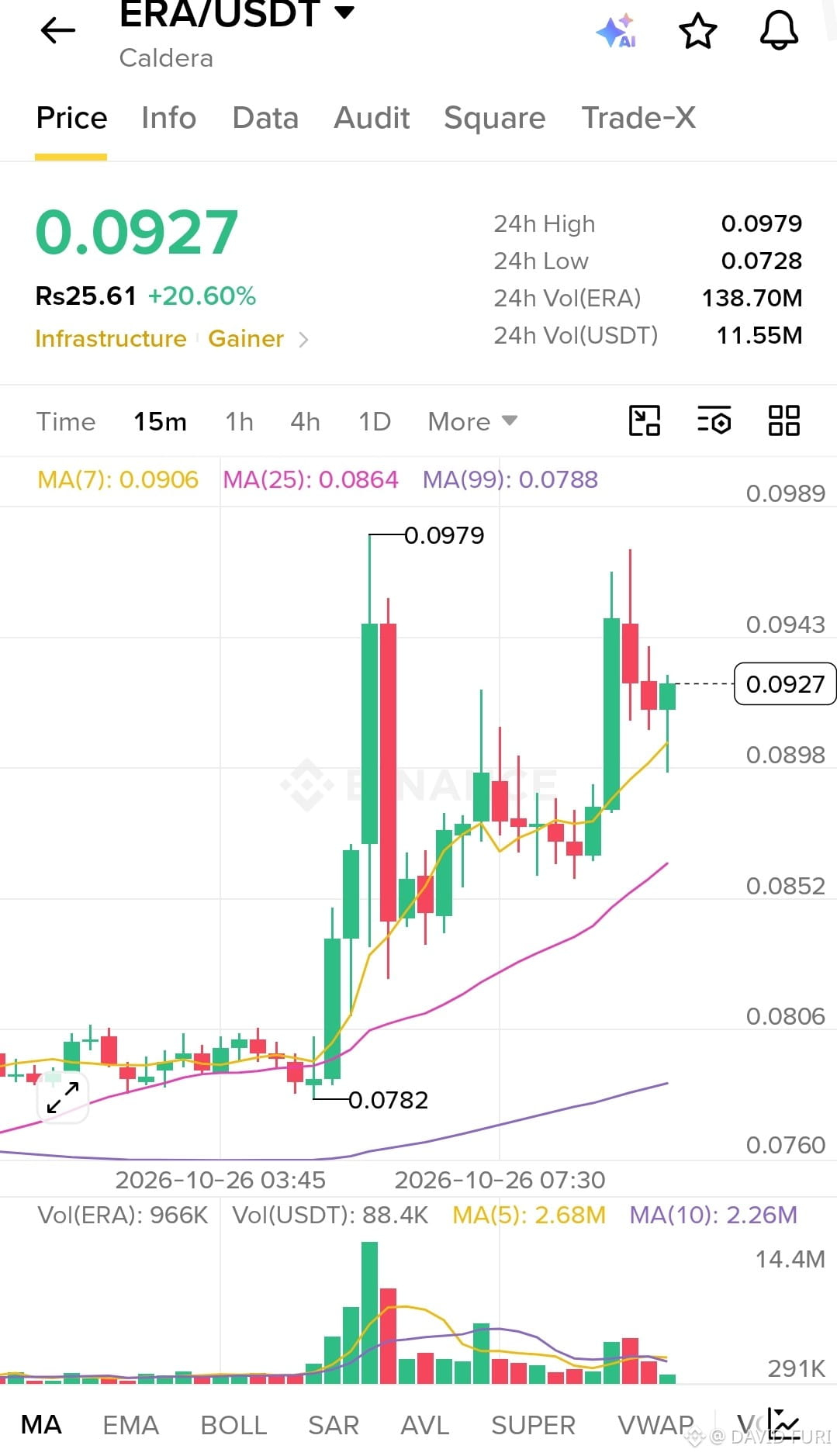
$ERA /USDT الثيران يعودون إلى النشاط!
السعر الحالي: $0.0927 (+20.60%)
خطة التداول (مخطط 15 دقيقة)
🟢 دخول شراء: $0.0910–$0.0925
🎯 الهدف 1: $0.0943
🎯 الهدف 2: $0.0960
🎯 الهدف 3: $0.0979
🛑 وقف الخسارة: $0.0895
🔑 مستويات مهمة: المقاومة عند $0.0943 و$0.0979. الدعم بين $0.0898 و$0.0906 تقريبًا.
ما زال المشترون يسيطرون ما دام السعر فوق مستوى الدعم، لكن الرفض قرب المقاومة قد يؤدي إلى تراجع. وقد يمهد الاختراق فوق $0.0943 الطريق نحو $0.0979.
⚠️ انتظر التأكيد قبل الدخول. أدر المخاطر بحذر—فالتقلبات مرتفعة.
{future}(ERAUSDT)
#BinancePick
#ArgentineCourtDismissesLIBRACaseAgainstMilei
#MARCUSB
#SouthKoreaDelaysCryptoIncomeTax
#ElectrumFixesHighRiskExploitInVersionsBefore4.8.3
$ERA /USDT الثيران يعودون إلى النشاط!
السعر الحالي: $0.0927 (+20.60%)
خطة التداول (مخطط 15 دقيقة)
🟢 دخول شراء: $0.0910–$0.0925
🎯 الهدف 1: $0.0943
🎯 الهدف 2: $0.0960
🎯 الهدف 3: $0.0979
🛑 وقف الخسارة: $0.0895
🔑 مستويات مهمة: المقاومة عند $0.0943 و$0.0979. الدعم بين $0.0898 و$0.0906 تقريبًا.
ما زال المشترون يسيطرون ما دام السعر فوق مستوى الدعم، لكن الرفض قرب المقاومة قد يؤدي إلى تراجع. وقد يمهد الاختراق فوق $0.0943 الطريق نحو $0.0979.
⚠️ انتظر التأكيد قبل الدخول. أدر المخاطر بحذر—فالتقلبات مرتفعة.
#BinancePick
#ArgentineCourtDismissesLIBRACaseAgainstMilei
#MARCUSB
#SouthKoreaDelaysCryptoIncomeTax
#ElectrumFixesHighRiskExploitInVersionsBefore4.8.3
السعر الحالي: $0.0927 (+20.60%)
خطة التداول (مخطط 15 دقيقة)
🟢 دخول شراء: $0.0910–$0.0925
🎯 الهدف 1: $0.0943
🎯 الهدف 2: $0.0960
🎯 الهدف 3: $0.0979
🛑 وقف الخسارة: $0.0895
🔑 مستويات مهمة: المقاومة عند $0.0943 و$0.0979. الدعم بين $0.0898 و$0.0906 تقريبًا.
ما زال المشترون يسيطرون ما دام السعر فوق مستوى الدعم، لكن الرفض قرب المقاومة قد يؤدي إلى تراجع. وقد يمهد الاختراق فوق $0.0943 الطريق نحو $0.0979.
⚠️ انتظر التأكيد قبل الدخول. أدر المخاطر بحذر—فالتقلبات مرتفعة.
#BinancePick
#ArgentineCourtDismissesLIBRACaseAgainstMilei
#MARCUSB
#SouthKoreaDelaysCryptoIncomeTax
#ElectrumFixesHighRiskExploitInVersionsBefore4.8.3
141
·
--
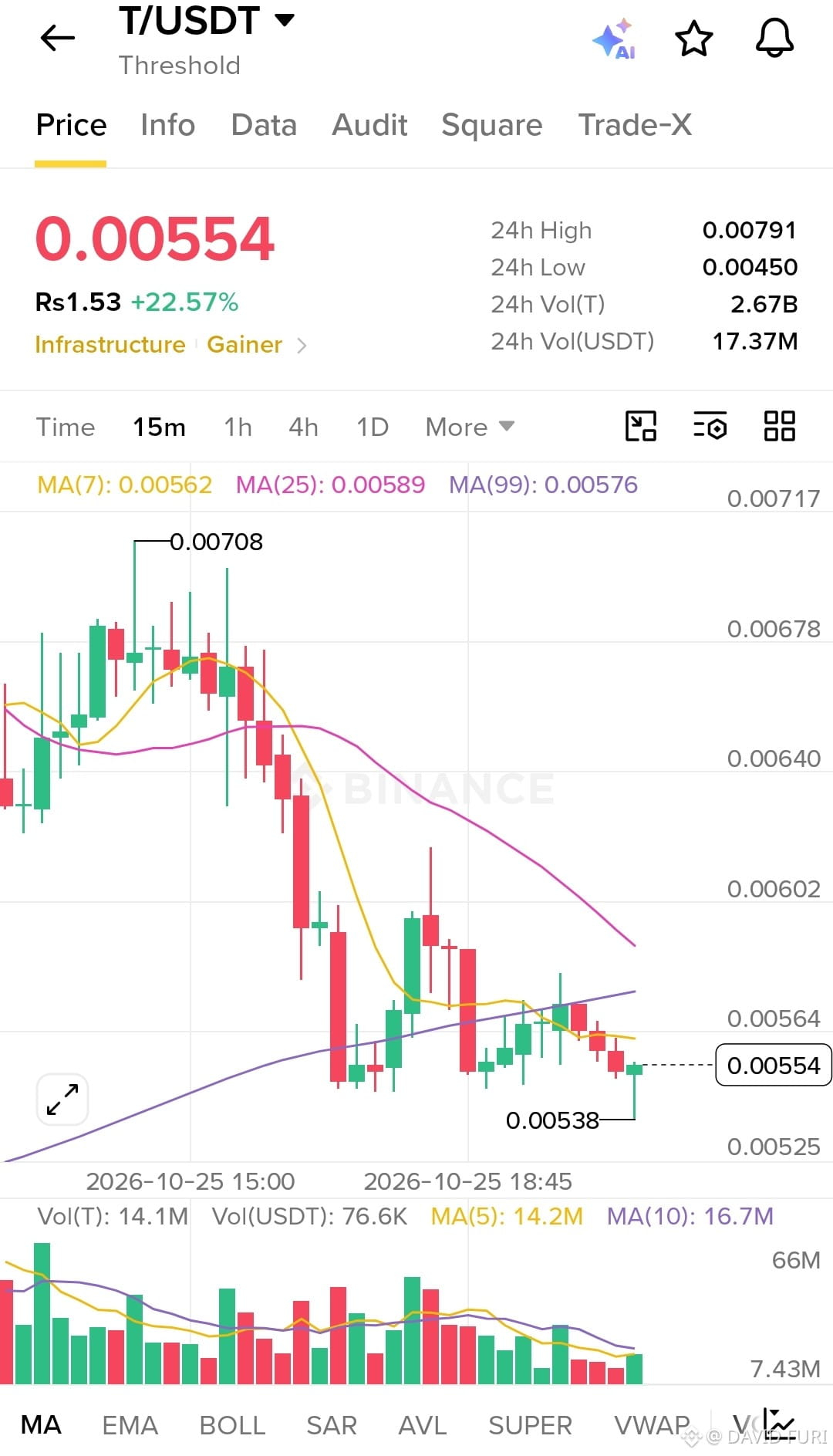
يتداول $TWST عند $0.00554، مرتفعًا بنسبة 22.57% خلال 24 ساعة، لكن مخطط 15m يُظهر ضغط بيع قويًا بعد الرفض من مستوى $0.00708.
إعداد الصفقة — ميل إلى البيع على المكشوف
- الدخول: $0.00555–$0.00565
- وقف الخسارة: $0.00580
- الهدف 1: $0.00538
- الهدف 2: $0.00525
- الهدف 3: $0.00500
السيناريو الصعودي: استعادة مستوى $0.00576–$0.00589 قد تشير إلى تعافٍ محتمل.
المحفّز الهبوطي: الهبوط دون $0.00538 قد يمهّد لمزيد من التراجع.
السعر أدنى من MA(7) وMA(25) وMA(99)—ولا يزال الزخم ضعيفًا.
هل سيرتد $T من مستوى الدعم أم سيواصل الهبوط؟
{spot}(TUSDT)
#MARCUSB
#USQ3GDPAndSeptemberPCEDueNextWeek
#SouthKoreaDelaysCryptoIncomeTax
#ElectrumFixesHighRiskExploitInVersionsBefore4.8.3
#SouthKoreaPlansToRegulateStablecoinsUnderFXLaw
يتداول $TWST عند $0.00554، مرتفعًا بنسبة 22.57% خلال 24 ساعة، لكن مخطط 15m يُظهر ضغط بيع قويًا بعد الرفض من مستوى $0.00708.
إعداد الصفقة — ميل إلى البيع على المكشوف
- الدخول: $0.00555–$0.00565
- وقف الخسارة: $0.00580
- الهدف 1: $0.00538
- الهدف 2: $0.00525
- الهدف 3: $0.00500
السيناريو الصعودي: استعادة مستوى $0.00576–$0.00589 قد تشير إلى تعافٍ محتمل.
المحفّز الهبوطي: الهبوط دون $0.00538 قد يمهّد لمزيد من التراجع.
السعر أدنى من MA(7) وMA(25) وMA(99)—ولا يزال الزخم ضعيفًا.
هل سيرتد $T من مستوى الدعم أم سيواصل الهبوط؟
#MARCUSB
#USQ3GDPAndSeptemberPCEDueNextWeek
#SouthKoreaDelaysCryptoIncomeTax
#ElectrumFixesHighRiskExploitInVersionsBefore4.8.3
#SouthKoreaPlansToRegulateStablecoinsUnderFXLaw
إعداد الصفقة — ميل إلى البيع على المكشوف
- الدخول: $0.00555–$0.00565
- وقف الخسارة: $0.00580
- الهدف 1: $0.00538
- الهدف 2: $0.00525
- الهدف 3: $0.00500
السيناريو الصعودي: استعادة مستوى $0.00576–$0.00589 قد تشير إلى تعافٍ محتمل.
المحفّز الهبوطي: الهبوط دون $0.00538 قد يمهّد لمزيد من التراجع.
السعر أدنى من MA(7) وMA(25) وMA(99)—ولا يزال الزخم ضعيفًا.
هل سيرتد $T من مستوى الدعم أم سيواصل الهبوط؟
#MARCUSB
#USQ3GDPAndSeptemberPCEDueNextWeek
#SouthKoreaDelaysCryptoIncomeTax
#ElectrumFixesHighRiskExploitInVersionsBefore4.8.3
#SouthKoreaPlansToRegulateStablecoinsUnderFXLaw
144
·
--

مقالة
بيتكوين مقابل BNB: قصتان مختلفتان في عالم العملات المشفرة تستحقان المتابعةلا يظل سوق العملات المشفرة هادئًا طويلًا. ففي يوم، يتحدث الجميع عن اختراق صعودي، وفي اليوم التالي، يدفع هبوط مفاجئ المتداولين إلى التشكيك في كل شيء. لكن عندما تنظر إلى ما وراء تحركات الأسعار اليومية، تبدأ بملاحظة أمر أكثر إثارة للاهتمام: ليس كل نمو للعملات المشفرة نابعًا من السبب نفسه.
تُعد بيتكوين (BTC) وBNB مثالين جيدين على ذلك.
بنى بيتكوين سمعته على الندرة واللامركزية وفكرة أن الناس ينبغي أن يتمكنوا من الوصول إلى أموال لا تعتمد على سلطة مركزية. أما BNB، فلها قصة مختلفة؛ إذ ترتبط قيمتها ارتباطًا وثيقًا بالنشاط الذي يجري في منظومة سلسلة BNB.
بيتكوين مقابل BNB: قصتان مختلفتان في عالم العملات المشفرة تستحقان المتابعة
لا يظل سوق العملات المشفرة هادئًا طويلًا. ففي يوم، يتحدث الجميع عن اختراق صعودي، وفي اليوم التالي، يدفع هبوط مفاجئ المتداولين إلى التشكيك في كل شيء. لكن عندما تنظر إلى ما وراء تحركات الأسعار اليومية، تبدأ بملاحظة أمر أكثر إثارة للاهتمام: ليس كل نمو للعملات المشفرة نابعًا من السبب نفسه.
تُعد بيتكوين (BTC) وBNB مثالين جيدين على ذلك.
بنى بيتكوين سمعته على الندرة واللامركزية وفكرة أن الناس ينبغي أن يتمكنوا من الوصول إلى أموال لا تعتمد على سلطة مركزية. أما BNB، فلها قصة مختلفة؛ إذ ترتبط قيمتها ارتباطًا وثيقًا بالنشاط الذي يجري في منظومة سلسلة BNB.
تُعد بيتكوين (BTC) وBNB مثالين جيدين على ذلك.
بنى بيتكوين سمعته على الندرة واللامركزية وفكرة أن الناس ينبغي أن يتمكنوا من الوصول إلى أموال لا تعتمد على سلطة مركزية. أما BNB، فلها قصة مختلفة؛ إذ ترتبط قيمتها ارتباطًا وثيقًا بالنشاط الذي يجري في منظومة سلسلة BNB.
1
72
·
--
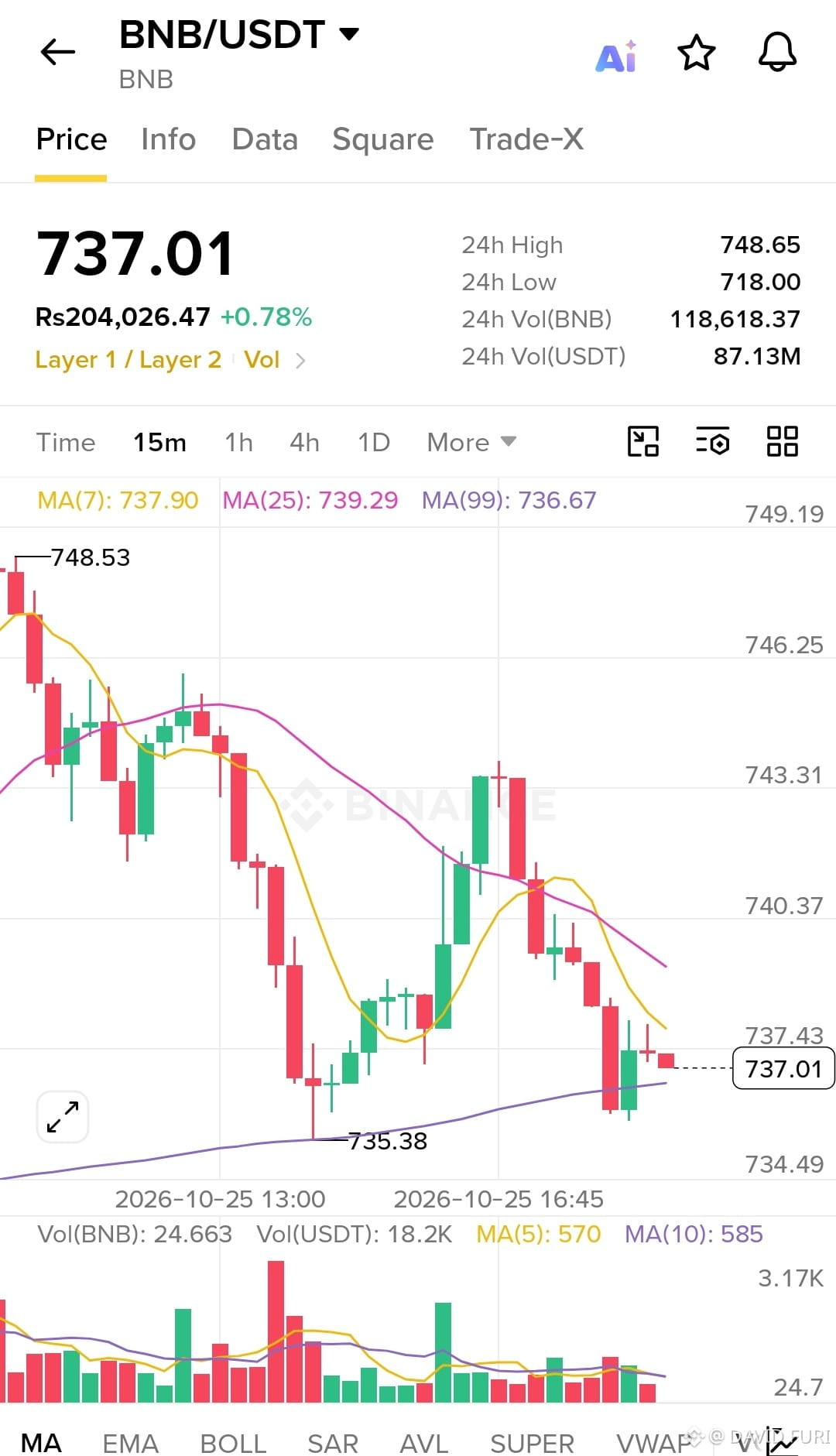
يتداول $BNB عند 737.01 دولار (+0.78%) على الرسم البياني لـ15 دقيقة، ويواجه صعوبة دون المتوسطات المتحركة الرئيسية.
إعداد الصفقة: بيع على المكشوف
سعر الدخول: 737.00–738.00 دولار
وقف الخسارة: 740.50 دولار
الهدف الأول: 735.40 دولار
الهدف الثاني: 733.50 دولار
الهدف الثالث: 731.50 دولار
السيناريو الصعودي: استعادة مستوى 739.30–740.40 دولار لاختبار مقاومة أعلى.
الدعم الرئيسي: 735.38 دولار
قد يؤدي كسر هذا المستوى إلى حركة هبوطية أخرى. وقد تؤدي ارتدادة إلى إبطال إعداد البيع على المكشوف.
{spot}(BNBUSDT)
#EarningsSeason
#MARCUSB
#ElectrumFixesHighRiskExploitInVersionsBefore4.8.3
#SouthKoreaPlansToRegulateStablecoinsUnderFXLaw
#OCCRemovesStablecoinSevenDayRedemptionExtension
يتداول $BNB عند 737.01 دولار (+0.78%) على الرسم البياني لـ15 دقيقة، ويواجه صعوبة دون المتوسطات المتحركة الرئيسية.
إعداد الصفقة: بيع على المكشوف
سعر الدخول: 737.00–738.00 دولار
وقف الخسارة: 740.50 دولار
الهدف الأول: 735.40 دولار
الهدف الثاني: 733.50 دولار
الهدف الثالث: 731.50 دولار
السيناريو الصعودي: استعادة مستوى 739.30–740.40 دولار لاختبار مقاومة أعلى.
الدعم الرئيسي: 735.38 دولار
قد يؤدي كسر هذا المستوى إلى حركة هبوطية أخرى. وقد تؤدي ارتدادة إلى إبطال إعداد البيع على المكشوف.
#EarningsSeason
#MARCUSB
#ElectrumFixesHighRiskExploitInVersionsBefore4.8.3
#SouthKoreaPlansToRegulateStablecoinsUnderFXLaw
#OCCRemovesStablecoinSevenDayRedemptionExtension
إعداد الصفقة: بيع على المكشوف
سعر الدخول: 737.00–738.00 دولار
وقف الخسارة: 740.50 دولار
الهدف الأول: 735.40 دولار
الهدف الثاني: 733.50 دولار
الهدف الثالث: 731.50 دولار
السيناريو الصعودي: استعادة مستوى 739.30–740.40 دولار لاختبار مقاومة أعلى.
الدعم الرئيسي: 735.38 دولار
قد يؤدي كسر هذا المستوى إلى حركة هبوطية أخرى. وقد تؤدي ارتدادة إلى إبطال إعداد البيع على المكشوف.
#EarningsSeason
#MARCUSB
#ElectrumFixesHighRiskExploitInVersionsBefore4.8.3
#SouthKoreaPlansToRegulateStablecoinsUnderFXLaw
#OCCRemovesStablecoinSevenDayRedemptionExtension
56
·
--
بتكوين عند الحافة: كسر أم ارتداد
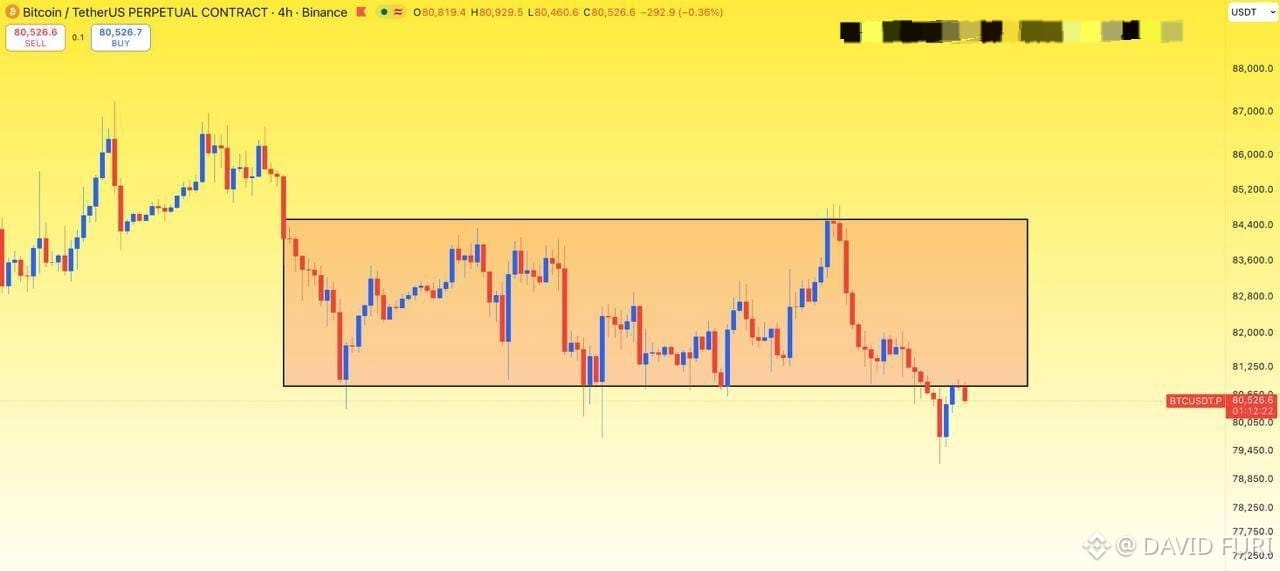
يتداول $BTC قرب $80,526 على الرسم البياني لأربع ساعات، بعد هبوطه دون نطاق تماسك رئيسي. يجب على المشترين استعادة مستوى الدعم المكسور سريعًا، وإلا فقد يدفع البائعون السعر إلى مزيد من الانخفاض.
خطة التداول — BTCUSDT
- السعر الحالي: $80,526
- المقاومة: $81,250–$81,500
- المقاومة الرئيسية: $84,400
- الدعم: $80,000–$79,450
- نقطة الدخول الهبوطية: كسر مستوى $80,000 وفشل إعادة اختباره
- وقف الخسارة: $80,650
- جني الأرباح: $79,450 / $78,850 / $77,750
- السيناريو الصعودي: استعادة مستوى $81,250 والثبات فوقه، مع احتمال التحرك نحو $82,000.
المحفّز الرئيسي: فشل استعادة المستوى يرجّح كفة البائعين؛ وقد يؤدي تعافٍ قوي على إطار الأربع ساعات إلى محاصرة المتأخرين في صفقات البيع.
{spot}(BTCUSDT)
#MARCUSB
#USQ3GDPAndSeptemberPCEDueNextWeek
#ElectrumFixesHighRiskExploitInVersionsBefore4.8.3
#SouthKoreaPlansToRegulateStablecoinsUnderFXLaw
#DowDrops653Points
بتكوين عند الحافة: كسر أم ارتداد
يتداول $BTC قرب $80,526 على الرسم البياني لأربع ساعات، بعد هبوطه دون نطاق تماسك رئيسي. يجب على المشترين استعادة مستوى الدعم المكسور سريعًا، وإلا فقد يدفع البائعون السعر إلى مزيد من الانخفاض.
خطة التداول — BTCUSDT
- السعر الحالي: $80,526
- المقاومة: $81,250–$81,500
- المقاومة الرئيسية: $84,400
- الدعم: $80,000–$79,450
- نقطة الدخول الهبوطية: كسر مستوى $80,000 وفشل إعادة اختباره
- وقف الخسارة: $80,650
- جني الأرباح: $79,450 / $78,850 / $77,750
- السيناريو الصعودي: استعادة مستوى $81,250 والثبات فوقه، مع احتمال التحرك نحو $82,000.
المحفّز الرئيسي: فشل استعادة المستوى يرجّح كفة البائعين؛ وقد يؤدي تعافٍ قوي على إطار الأربع ساعات إلى محاصرة المتأخرين في صفقات البيع.
#MARCUSB
#USQ3GDPAndSeptemberPCEDueNextWeek
#ElectrumFixesHighRiskExploitInVersionsBefore4.8.3
#SouthKoreaPlansToRegulateStablecoinsUnderFXLaw
#DowDrops653Points
يتداول $BTC قرب $80,526 على الرسم البياني لأربع ساعات، بعد هبوطه دون نطاق تماسك رئيسي. يجب على المشترين استعادة مستوى الدعم المكسور سريعًا، وإلا فقد يدفع البائعون السعر إلى مزيد من الانخفاض.
خطة التداول — BTCUSDT
- السعر الحالي: $80,526
- المقاومة: $81,250–$81,500
- المقاومة الرئيسية: $84,400
- الدعم: $80,000–$79,450
- نقطة الدخول الهبوطية: كسر مستوى $80,000 وفشل إعادة اختباره
- وقف الخسارة: $80,650
- جني الأرباح: $79,450 / $78,850 / $77,750
- السيناريو الصعودي: استعادة مستوى $81,250 والثبات فوقه، مع احتمال التحرك نحو $82,000.
المحفّز الرئيسي: فشل استعادة المستوى يرجّح كفة البائعين؛ وقد يؤدي تعافٍ قوي على إطار الأربع ساعات إلى محاصرة المتأخرين في صفقات البيع.
#MARCUSB
#USQ3GDPAndSeptemberPCEDueNextWeek
#ElectrumFixesHighRiskExploitInVersionsBefore4.8.3
#SouthKoreaPlansToRegulateStablecoinsUnderFXLaw
#DowDrops653Points
92
·
--
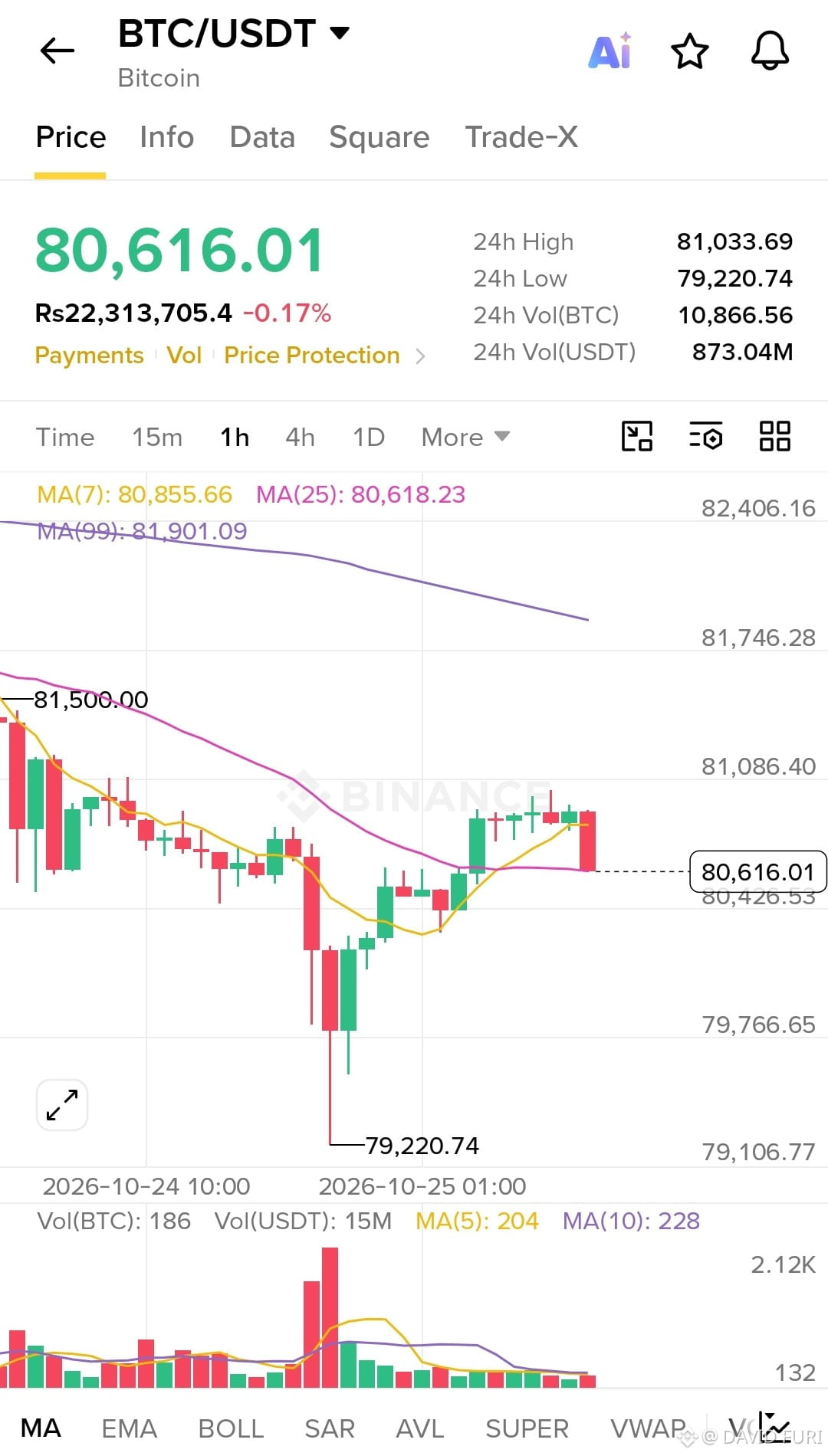
$BTC /USDT: الدببة تردّ الهجوم عند 80.6 ألف دولار! يتداول Bitcoin عند 80,616.01 دولار (-0.17%) على الرسم البياني للساعة، بعد ارتداده من 79,220.74 دولار ومواجهته ضغوط بيع جديدة.
خطة التداول — بيع على المكشوف
- منطقة الدخول: 80,600–80,850 دولار
- وقف الخسارة: 81,100 دولار
- الهدف الأول: 80,426 دولار
- الهدف الثاني: 79,766 دولار
- الهدف الثالث: 79,220 دولار
المقاومة: 80,850–81,086 دولار
الدعم: 80,426 دولار، ثم 79,766 دولار
السيناريو الهبوطي: قد يؤدي الهبوط المؤكد دون 80,426 دولار إلى اختبار مستويات دعم أدنى.
السيناريو الصعودي: قد تؤدي استعادة مستوى 80,850 دولار وتجاوز 81,086 دولار إلى إبطال التوقعات الهبوطية قصيرة الأجل.
⚠️ يتداول BTC دون MA(7) عند 80,855 دولار وMA(99) عند 81,901 دولار. انتظر التأكيد قبل الدخول؛ هذه المستويات مبنية على الرسم البياني المقدم.
#MARCUSB
#SouthKoreaDelaysCryptoIncomeTax
#SouthKoreaPlansToRegulateStablecoinsUnderFXLaw
#DowDrops653Points #MarketsPriceJust10%ChanceOfFedHikeNextWeek
$BTC /USDT: الدببة تردّ الهجوم عند 80.6 ألف دولار! يتداول Bitcoin عند 80,616.01 دولار (-0.17%) على الرسم البياني للساعة، بعد ارتداده من 79,220.74 دولار ومواجهته ضغوط بيع جديدة.
خطة التداول — بيع على المكشوف
- منطقة الدخول: 80,600–80,850 دولار
- وقف الخسارة: 81,100 دولار
- الهدف الأول: 80,426 دولار
- الهدف الثاني: 79,766 دولار
- الهدف الثالث: 79,220 دولار
المقاومة: 80,850–81,086 دولار
الدعم: 80,426 دولار، ثم 79,766 دولار
السيناريو الهبوطي: قد يؤدي الهبوط المؤكد دون 80,426 دولار إلى اختبار مستويات دعم أدنى.
السيناريو الصعودي: قد تؤدي استعادة مستوى 80,850 دولار وتجاوز 81,086 دولار إلى إبطال التوقعات الهبوطية قصيرة الأجل.
⚠️ يتداول BTC دون MA(7) عند 80,855 دولار وMA(99) عند 81,901 دولار. انتظر التأكيد قبل الدخول؛ هذه المستويات مبنية على الرسم البياني المقدم.
#MARCUSB
#SouthKoreaDelaysCryptoIncomeTax
#SouthKoreaPlansToRegulateStablecoinsUnderFXLaw
#DowDrops653Points #MarketsPriceJust10%ChanceOfFedHikeNextWeek
خطة التداول — بيع على المكشوف
- منطقة الدخول: 80,600–80,850 دولار
- وقف الخسارة: 81,100 دولار
- الهدف الأول: 80,426 دولار
- الهدف الثاني: 79,766 دولار
- الهدف الثالث: 79,220 دولار
المقاومة: 80,850–81,086 دولار
الدعم: 80,426 دولار، ثم 79,766 دولار
السيناريو الهبوطي: قد يؤدي الهبوط المؤكد دون 80,426 دولار إلى اختبار مستويات دعم أدنى.
السيناريو الصعودي: قد تؤدي استعادة مستوى 80,850 دولار وتجاوز 81,086 دولار إلى إبطال التوقعات الهبوطية قصيرة الأجل.
⚠️ يتداول BTC دون MA(7) عند 80,855 دولار وMA(99) عند 81,901 دولار. انتظر التأكيد قبل الدخول؛ هذه المستويات مبنية على الرسم البياني المقدم.
#MARCUSB
#SouthKoreaDelaysCryptoIncomeTax
#SouthKoreaPlansToRegulateStablecoinsUnderFXLaw
#DowDrops653Points #MarketsPriceJust10%ChanceOfFedHikeNextWeek
64
·
--
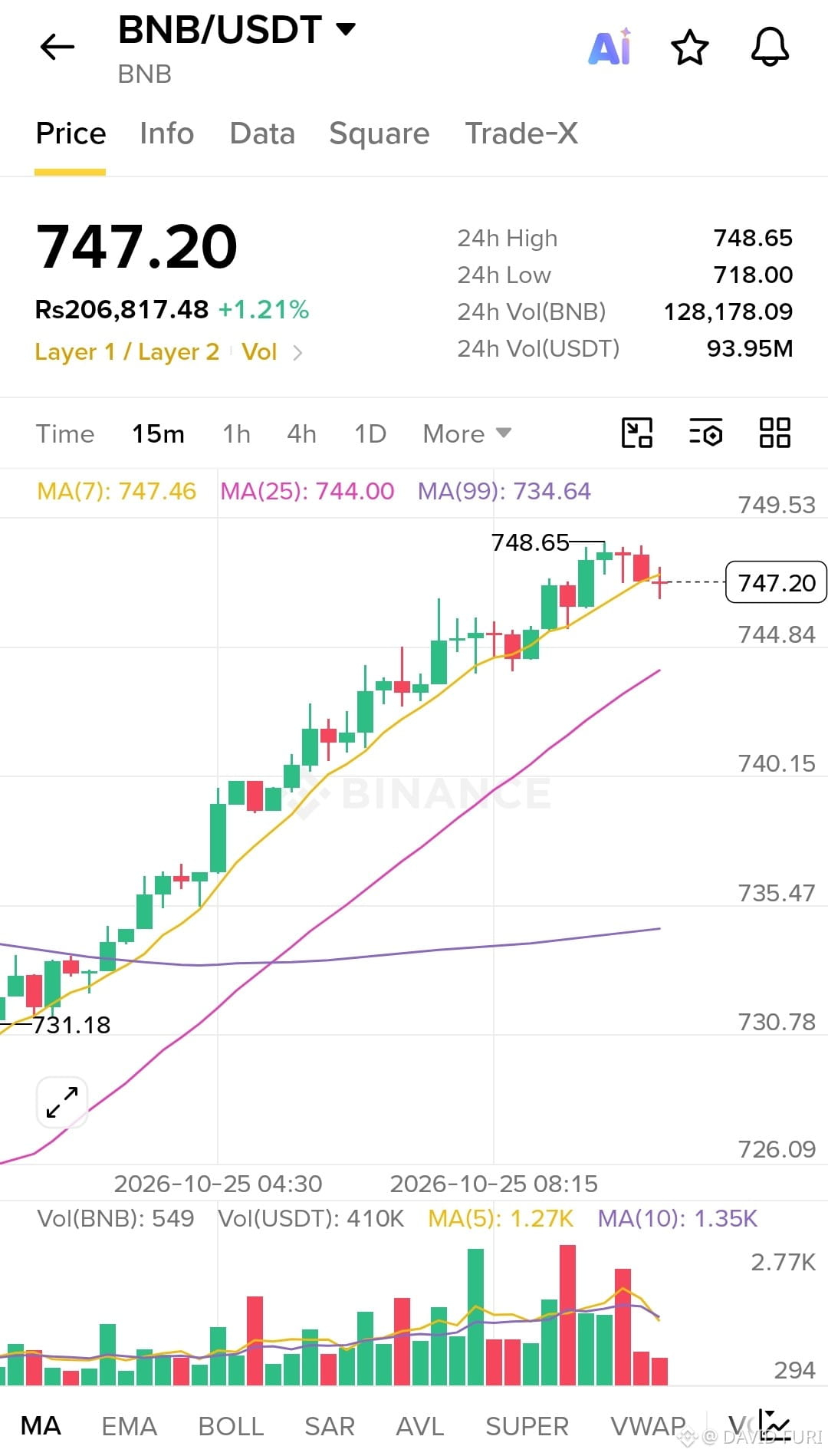
BNB/USDT: الثيران تستهدف اختراقًا جديدًا!$BNB يتداول عند $747.20 (+1.21%) على الرسم البياني لفاصل 15 دقيقة، بعد صعوده من $731.18 إلى قمة جديدة خلال 24 ساعة عند $748.65. ما زال الثيران يسيطرون، لكن المقاومة تقترب!
خطة التداول — شراء (LONG)
- منطقة الدخول: $745.00–$747.00
- وقف الخسارة: $743.80
- الهدف الأول (TP1): $748.65
- الهدف الثاني (TP2): $751.00
- الهدف الثالث (TP3): $754.00
المقاومة الرئيسية: $748.65
الدعم الرئيسي: $744.00–$745.00
السيناريو الصعودي: قد يفتح الاختراق القوي فوق $748.65 الطريق نحو $751–$754.
السيناريو الهبوطي: قد يؤدي الهبوط دون $744 إلى تراجع نحو $740.
⚠️ انتظر تأكيد الاختراق — يقترب BNB من المقاومة، وملاحقة الحركة تنطوي على مخاطر.
{spot}(BNBUSDT)
#BinancePick
#SouthKoreaDelaysCryptoIncomeTax
#SouthKoreaPlansToRegulateStablecoinsUnderFXLaw #MARCUSB
#MarketsPriceJust10%ChanceOfFedHikeNextWeek
BNB/USDT: الثيران تستهدف اختراقًا جديدًا!$BNB يتداول عند $747.20 (+1.21%) على الرسم البياني لفاصل 15 دقيقة، بعد صعوده من $731.18 إلى قمة جديدة خلال 24 ساعة عند $748.65. ما زال الثيران يسيطرون، لكن المقاومة تقترب!
خطة التداول — شراء (LONG)
- منطقة الدخول: $745.00–$747.00
- وقف الخسارة: $743.80
- الهدف الأول (TP1): $748.65
- الهدف الثاني (TP2): $751.00
- الهدف الثالث (TP3): $754.00
المقاومة الرئيسية: $748.65
الدعم الرئيسي: $744.00–$745.00
السيناريو الصعودي: قد يفتح الاختراق القوي فوق $748.65 الطريق نحو $751–$754.
السيناريو الهبوطي: قد يؤدي الهبوط دون $744 إلى تراجع نحو $740.
⚠️ انتظر تأكيد الاختراق — يقترب BNB من المقاومة، وملاحقة الحركة تنطوي على مخاطر.
#BinancePick
#SouthKoreaDelaysCryptoIncomeTax
#SouthKoreaPlansToRegulateStablecoinsUnderFXLaw #MARCUSB
#MarketsPriceJust10%ChanceOfFedHikeNextWeek
خطة التداول — شراء (LONG)
- منطقة الدخول: $745.00–$747.00
- وقف الخسارة: $743.80
- الهدف الأول (TP1): $748.65
- الهدف الثاني (TP2): $751.00
- الهدف الثالث (TP3): $754.00
المقاومة الرئيسية: $748.65
الدعم الرئيسي: $744.00–$745.00
السيناريو الصعودي: قد يفتح الاختراق القوي فوق $748.65 الطريق نحو $751–$754.
السيناريو الهبوطي: قد يؤدي الهبوط دون $744 إلى تراجع نحو $740.
⚠️ انتظر تأكيد الاختراق — يقترب BNB من المقاومة، وملاحقة الحركة تنطوي على مخاطر.
#BinancePick
#SouthKoreaDelaysCryptoIncomeTax
#SouthKoreaPlansToRegulateStablecoinsUnderFXLaw #MARCUSB
#MarketsPriceJust10%ChanceOfFedHikeNextWeek
83
·
--
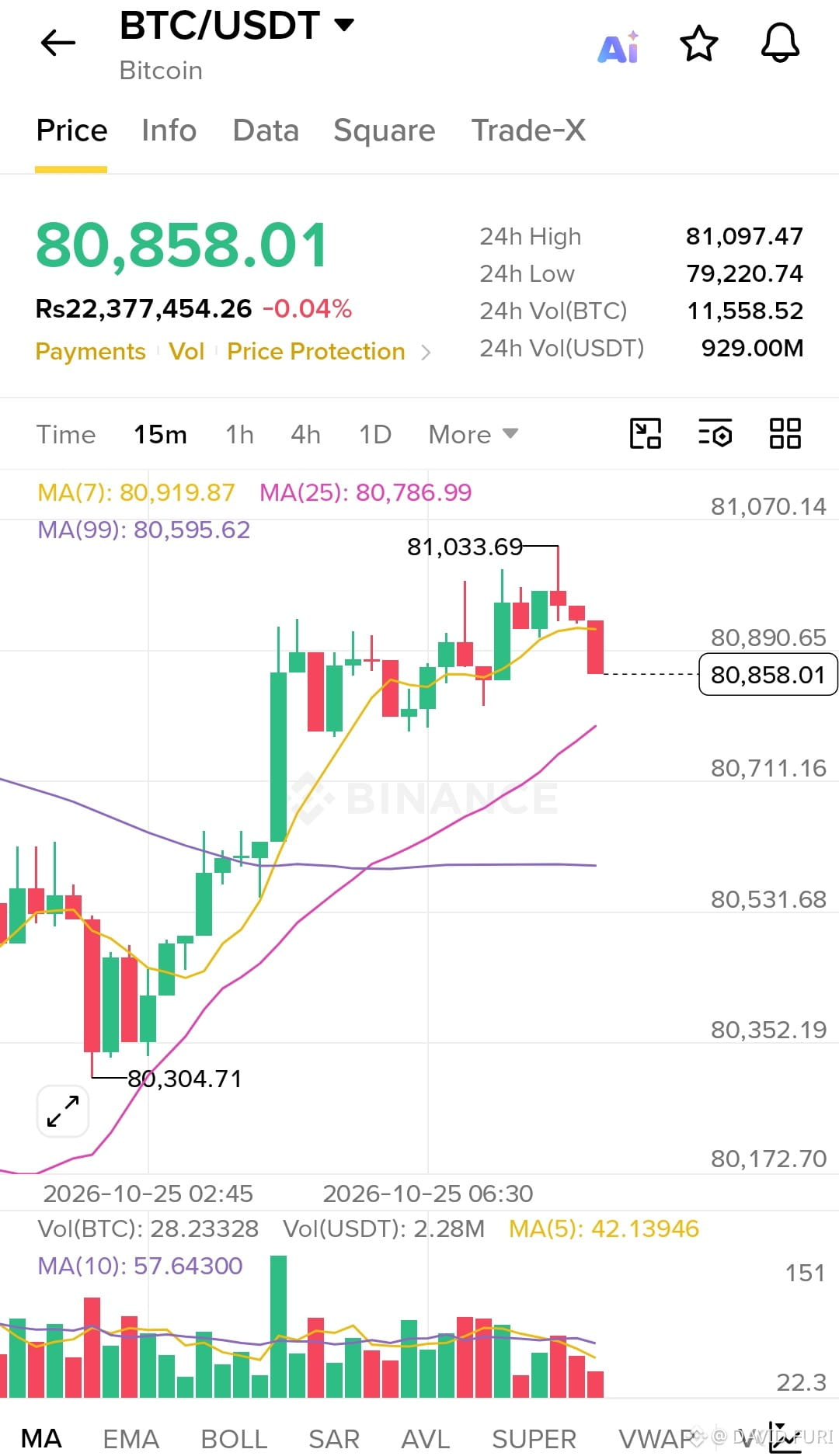
BTC/USDT: صراع المشترين والبائعين عند 80,858 دولارًا!
$BTC يهدأ بعد ارتفاع قوي، مع دخول البائعين قرب مستوى المقاومة عند 81,033 دولارًا. وقد تحدد الحركة التالية الاتجاه على المدى القصير.
السعر الحالي: 80,858.01 دولارًا
المقاومة: 80,900–81,033 دولارًا
الدعم: 80,787 / 80,596 دولارًا
الدعم الرئيسي: 80,531 دولارًا
🟢 إعداد شراء
الدخول: فوق 80,920 دولارًا بعد التأكيد
الهدف الأول: 81,000 دولار
الهدف الثاني: 81,100 دولار
وقف الخسارة: 80,780 دولارًا
🔴 إعداد بيع
الدخول: تحت 80,780 دولارًا بعد التأكيد
الهدف الأول: 80,711 دولارًا
الهدف الثاني: 80,596 دولارًا
وقف الخسارة: 80,920 دولارًا
اتجاه السوق: ميل صعودي بحذر فوق مستوى الدعم، لكن ضغوط البيع على المدى القصير واضحة. من الضروري تأكيد الاختراق أو الهبوط.
⚠️ هذا الإعداد مخصص لمخطط 15 دقيقة فقط. المستويات مشروطة وليست مضمونة. أدر المخاطر بعناية.
{spot}(BTCUSDT)
#BinancePick
#SouthKoreaPlansToRegulateStablecoinsUnderFXLaw
#MARCUSB
#OCCRemovesStablecoinSevenDayRedemptionExtension
#IRSPlansLowerTaxDisclosurePenaltiesForCryptoCases
BTC/USDT: صراع المشترين والبائعين عند 80,858 دولارًا!
$BTC يهدأ بعد ارتفاع قوي، مع دخول البائعين قرب مستوى المقاومة عند 81,033 دولارًا. وقد تحدد الحركة التالية الاتجاه على المدى القصير.
السعر الحالي: 80,858.01 دولارًا
المقاومة: 80,900–81,033 دولارًا
الدعم: 80,787 / 80,596 دولارًا
الدعم الرئيسي: 80,531 دولارًا
🟢 إعداد شراء
الدخول: فوق 80,920 دولارًا بعد التأكيد
الهدف الأول: 81,000 دولار
الهدف الثاني: 81,100 دولار
وقف الخسارة: 80,780 دولارًا
🔴 إعداد بيع
الدخول: تحت 80,780 دولارًا بعد التأكيد
الهدف الأول: 80,711 دولارًا
الهدف الثاني: 80,596 دولارًا
وقف الخسارة: 80,920 دولارًا
اتجاه السوق: ميل صعودي بحذر فوق مستوى الدعم، لكن ضغوط البيع على المدى القصير واضحة. من الضروري تأكيد الاختراق أو الهبوط.
⚠️ هذا الإعداد مخصص لمخطط 15 دقيقة فقط. المستويات مشروطة وليست مضمونة. أدر المخاطر بعناية.
#BinancePick
#SouthKoreaPlansToRegulateStablecoinsUnderFXLaw
#MARCUSB
#OCCRemovesStablecoinSevenDayRedemptionExtension
#IRSPlansLowerTaxDisclosurePenaltiesForCryptoCases
$BTC يهدأ بعد ارتفاع قوي، مع دخول البائعين قرب مستوى المقاومة عند 81,033 دولارًا. وقد تحدد الحركة التالية الاتجاه على المدى القصير.
السعر الحالي: 80,858.01 دولارًا
المقاومة: 80,900–81,033 دولارًا
الدعم: 80,787 / 80,596 دولارًا
الدعم الرئيسي: 80,531 دولارًا
🟢 إعداد شراء
الدخول: فوق 80,920 دولارًا بعد التأكيد
الهدف الأول: 81,000 دولار
الهدف الثاني: 81,100 دولار
وقف الخسارة: 80,780 دولارًا
🔴 إعداد بيع
الدخول: تحت 80,780 دولارًا بعد التأكيد
الهدف الأول: 80,711 دولارًا
الهدف الثاني: 80,596 دولارًا
وقف الخسارة: 80,920 دولارًا
اتجاه السوق: ميل صعودي بحذر فوق مستوى الدعم، لكن ضغوط البيع على المدى القصير واضحة. من الضروري تأكيد الاختراق أو الهبوط.
⚠️ هذا الإعداد مخصص لمخطط 15 دقيقة فقط. المستويات مشروطة وليست مضمونة. أدر المخاطر بعناية.
#BinancePick
#SouthKoreaPlansToRegulateStablecoinsUnderFXLaw
#MARCUSB
#OCCRemovesStablecoinSevenDayRedemptionExtension
#IRSPlansLowerTaxDisclosurePenaltiesForCryptoCases
260
·
--
قد يكون مؤشر أسعار المستهلك (CPI) هو المحفّز الكبير التالي لاتخاذ الاحتياطي الفيدرالي قراره. جاء تقرير الوظائف غير الزراعية (NFP) لشهر أغسطس قويًا عند 162 ألف وظيفة، بينما بقي معدل البطالة عند 4.1%. والآن تتجه الأنظار نحو مؤشر CPI.
قد تؤدي قراءة أحرّ من المتوقع إلى إبقاء الاحتياطي الفيدرالي متشدّدًا، ما يدفع العوائد والدولار للارتفاع بينما يضغط على الأسهم.
لكن إذا تباطأت وتيرة التضخم، فقد تتراجع توقعات رفع الفائدة، وقد تجد الأصول ذات المخاطر دعمًا.
أنا أراقب مؤشر أسعار المستهلكين الأساسي (core CPI) عن كثب.
🟢 CPI منخفض/متراخي → يخف ضغط الاحتياطي الفيدرالي → إيجابي للأصول ذات المخاطر
🔴 CPI مرتفع/حار → احتياطي فيدرالي متشدّد → ارتفاع USD/العوائد → ضغوط على الأسهم
قد يكون الذهب مثيرًا للاهتمام بشكل خاص إذا فاجأ مؤشر CPI.
#CPIWatch
$TFUEL
{spot}(TFUELUSDT)
$MET
{spot}(METUSDT)
$MEME
{spot}(MEMEUSDT)
قد يكون مؤشر أسعار المستهلك (CPI) هو المحفّز الكبير التالي لاتخاذ الاحتياطي الفيدرالي قراره. جاء تقرير الوظائف غير الزراعية (NFP) لشهر أغسطس قويًا عند 162 ألف وظيفة، بينما بقي معدل البطالة عند 4.1%. والآن تتجه الأنظار نحو مؤشر CPI.
قد تؤدي قراءة أحرّ من المتوقع إلى إبقاء الاحتياطي الفيدرالي متشدّدًا، ما يدفع العوائد والدولار للارتفاع بينما يضغط على الأسهم.
لكن إذا تباطأت وتيرة التضخم، فقد تتراجع توقعات رفع الفائدة، وقد تجد الأصول ذات المخاطر دعمًا.
أنا أراقب مؤشر أسعار المستهلكين الأساسي (core CPI) عن كثب.
🟢 CPI منخفض/متراخي → يخف ضغط الاحتياطي الفيدرالي → إيجابي للأصول ذات المخاطر
🔴 CPI مرتفع/حار → احتياطي فيدرالي متشدّد → ارتفاع USD/العوائد → ضغوط على الأسهم
قد يكون الذهب مثيرًا للاهتمام بشكل خاص إذا فاجأ مؤشر CPI.
#CPIWatch
$TFUEL
$MET
$MEME
قد تؤدي قراءة أحرّ من المتوقع إلى إبقاء الاحتياطي الفيدرالي متشدّدًا، ما يدفع العوائد والدولار للارتفاع بينما يضغط على الأسهم.
لكن إذا تباطأت وتيرة التضخم، فقد تتراجع توقعات رفع الفائدة، وقد تجد الأصول ذات المخاطر دعمًا.
أنا أراقب مؤشر أسعار المستهلكين الأساسي (core CPI) عن كثب.
🟢 CPI منخفض/متراخي → يخف ضغط الاحتياطي الفيدرالي → إيجابي للأصول ذات المخاطر
🔴 CPI مرتفع/حار → احتياطي فيدرالي متشدّد → ارتفاع USD/العوائد → ضغوط على الأسهم
قد يكون الذهب مثيرًا للاهتمام بشكل خاص إذا فاجأ مؤشر CPI.
#CPIWatch
$TFUEL
$MET
$MEME
Strong Potential
50%
Smart Technology
0%
Growing Community
0%
Future Ready
50%
4 الأصوات • تمّ إغلاق التصويت
2
479
·
--
$RAY /USDT يسخن! 🚀
السعر: 1.6761 (+28.64%)
أعلى مستوى خلال 24 ساعة: 1.7900 | أدنى مستوى: 1.2835
اتجاه 15 دقيقة صاعد، حيث السعر فوق MA7 1.6347 و MA25 1.5921 و MA99 1.4988.
الدخول: 1.67–1.65
الأهداف: 1.72 → 1.79
الوقف: 1.59
راقب حجم التداول لتأكيد الاختراق.
{spot}(RAYUSDT)
#CPIWatch
#USCoreCPIRises0.3%InAugustBeatingForecasts
#OracleJumpsOver6%OnEarningsBeat
#CLARITYActRevisionToRuleNonDeFiControllers
#TrumpDeclinesSaudiRequestToStrikeHouthis
$RAY /USDT يسخن! 🚀
السعر: 1.6761 (+28.64%)
أعلى مستوى خلال 24 ساعة: 1.7900 | أدنى مستوى: 1.2835
اتجاه 15 دقيقة صاعد، حيث السعر فوق MA7 1.6347 و MA25 1.5921 و MA99 1.4988.
الدخول: 1.67–1.65
الأهداف: 1.72 → 1.79
الوقف: 1.59
راقب حجم التداول لتأكيد الاختراق.
#CPIWatch
#USCoreCPIRises0.3%InAugustBeatingForecasts
#OracleJumpsOver6%OnEarningsBeat
#CLARITYActRevisionToRuleNonDeFiControllers
#TrumpDeclinesSaudiRequestToStrikeHouthis
السعر: 1.6761 (+28.64%)
أعلى مستوى خلال 24 ساعة: 1.7900 | أدنى مستوى: 1.2835
اتجاه 15 دقيقة صاعد، حيث السعر فوق MA7 1.6347 و MA25 1.5921 و MA99 1.4988.
الدخول: 1.67–1.65
الأهداف: 1.72 → 1.79
الوقف: 1.59
راقب حجم التداول لتأكيد الاختراق.
#CPIWatch
#USCoreCPIRises0.3%InAugustBeatingForecasts
#OracleJumpsOver6%OnEarningsBeat
#CLARITYActRevisionToRuleNonDeFiControllers
#TrumpDeclinesSaudiRequestToStrikeHouthis

123
·
--
$AXTIB إعداد تداول
الدخول: $0.0115–0.0125
الهدف 1: $0.0140
الهدف 2: $0.0165
الهدف 3: $0.0190
وقف الخسارة: تحت $0.0108
$AXTIB يحافظ على منطقة تجميع قوية. قد يؤدي اختراق مع ارتفاع في حجم التداول إلى حركة صعودية سريعة باتجاه الأهداف. التزم بالانضباط، وانتظر التأكيد، وأدر مخاطرَك.
{spot}(AXTIBUSDT)
#AppleChipShortageHurtsSalesForecast
#KospiHitsIntradayRecordUp17%
#NasdaqRebounds2.8%EndingSixDaySlide
#AnthropicClaudeModelsGainedUnauthorizedAccess
#USStocksOpenHigherStorageSharesRebound
$AXTIB إعداد تداول
الدخول: $0.0115–0.0125
الهدف 1: $0.0140
الهدف 2: $0.0165
الهدف 3: $0.0190
وقف الخسارة: تحت $0.0108
$AXTIB يحافظ على منطقة تجميع قوية. قد يؤدي اختراق مع ارتفاع في حجم التداول إلى حركة صعودية سريعة باتجاه الأهداف. التزم بالانضباط، وانتظر التأكيد، وأدر مخاطرَك.
#AppleChipShortageHurtsSalesForecast
#KospiHitsIntradayRecordUp17%
#NasdaqRebounds2.8%EndingSixDaySlide
#AnthropicClaudeModelsGainedUnauthorizedAccess
#USStocksOpenHigherStorageSharesRebound
الدخول: $0.0115–0.0125
الهدف 1: $0.0140
الهدف 2: $0.0165
الهدف 3: $0.0190
وقف الخسارة: تحت $0.0108
$AXTIB يحافظ على منطقة تجميع قوية. قد يؤدي اختراق مع ارتفاع في حجم التداول إلى حركة صعودية سريعة باتجاه الأهداف. التزم بالانضباط، وانتظر التأكيد، وأدر مخاطرَك.
#AppleChipShortageHurtsSalesForecast
#KospiHitsIntradayRecordUp17%
#NasdaqRebounds2.8%EndingSixDaySlide
#AnthropicClaudeModelsGainedUnauthorizedAccess
#USStocksOpenHigherStorageSharesRebound
1
1
81
·
--
$SNXXB إعداد تداول
الدخول: $0.024–0.026
الهدف 1: $0.030
الهدف 2: $0.036
الهدف 3: $0.042
وقف الخسارة: أقل من $0.022
$SNXXB يتداول في نطاقات ضيقة فوق منطقة دعم محورية. قد يؤدي اختراق بحجم تداول قوي إلى تحرك صعودي حاد باتجاه الأهداف. حافظ على الانضباط، وانتظر التأكيد، وادِر مخاطرك.
{spot}(SNXXBUSDT)
#AppleChipShortageHurtsSalesForecast
#KospiHitsIntradayRecordUp17%
#NasdaqRebounds2.8%EndingSixDaySlide
#AnthropicClaudeModelsGainedUnauthorizedAccess
#USStocksOpenHigherStorageSharesRebound
$SNXXB إعداد تداول
الدخول: $0.024–0.026
الهدف 1: $0.030
الهدف 2: $0.036
الهدف 3: $0.042
وقف الخسارة: أقل من $0.022
$SNXXB يتداول في نطاقات ضيقة فوق منطقة دعم محورية. قد يؤدي اختراق بحجم تداول قوي إلى تحرك صعودي حاد باتجاه الأهداف. حافظ على الانضباط، وانتظر التأكيد، وادِر مخاطرك.
#AppleChipShortageHurtsSalesForecast
#KospiHitsIntradayRecordUp17%
#NasdaqRebounds2.8%EndingSixDaySlide
#AnthropicClaudeModelsGainedUnauthorizedAccess
#USStocksOpenHigherStorageSharesRebound
الدخول: $0.024–0.026
الهدف 1: $0.030
الهدف 2: $0.036
الهدف 3: $0.042
وقف الخسارة: أقل من $0.022
$SNXXB يتداول في نطاقات ضيقة فوق منطقة دعم محورية. قد يؤدي اختراق بحجم تداول قوي إلى تحرك صعودي حاد باتجاه الأهداف. حافظ على الانضباط، وانتظر التأكيد، وادِر مخاطرك.
#AppleChipShortageHurtsSalesForecast
#KospiHitsIntradayRecordUp17%
#NasdaqRebounds2.8%EndingSixDaySlide
#AnthropicClaudeModelsGainedUnauthorizedAccess
#USStocksOpenHigherStorageSharesRebound
1
91
·
--
$HOLO إعداد تداول
الدخول: $0.17–0.19
الهدف 1: $0.22
الهدف 2: $0.27
الهدف 3: $0.33
وقف الخسارة: تحت $0.16
$HOLO يستحوذ على منطقة طلب محورية. قد يؤدي الاختراق بحجم شراء قوي إلى إشعال حركة صعودية سريعة نحو الأهداف. تحلَّ بالصبر، وتداول مع التأكيد، وأدر مخاطرك.
{spot}(HOLOUSDT)
#AppleChipShortageHurtsSalesForecast
#KospiHitsIntradayRecordUp17%
#NasdaqRebounds2.8%EndingSixDaySlide
#AnthropicClaudeModelsGainedUnauthorizedAccess
#USStocksOpenHigherStorageSharesRebound
$HOLO إعداد تداول
الدخول: $0.17–0.19
الهدف 1: $0.22
الهدف 2: $0.27
الهدف 3: $0.33
وقف الخسارة: تحت $0.16
$HOLO يستحوذ على منطقة طلب محورية. قد يؤدي الاختراق بحجم شراء قوي إلى إشعال حركة صعودية سريعة نحو الأهداف. تحلَّ بالصبر، وتداول مع التأكيد، وأدر مخاطرك.
#AppleChipShortageHurtsSalesForecast
#KospiHitsIntradayRecordUp17%
#NasdaqRebounds2.8%EndingSixDaySlide
#AnthropicClaudeModelsGainedUnauthorizedAccess
#USStocksOpenHigherStorageSharesRebound
الدخول: $0.17–0.19
الهدف 1: $0.22
الهدف 2: $0.27
الهدف 3: $0.33
وقف الخسارة: تحت $0.16
$HOLO يستحوذ على منطقة طلب محورية. قد يؤدي الاختراق بحجم شراء قوي إلى إشعال حركة صعودية سريعة نحو الأهداف. تحلَّ بالصبر، وتداول مع التأكيد، وأدر مخاطرك.
#AppleChipShortageHurtsSalesForecast
#KospiHitsIntradayRecordUp17%
#NasdaqRebounds2.8%EndingSixDaySlide
#AnthropicClaudeModelsGainedUnauthorizedAccess
#USStocksOpenHigherStorageSharesRebound
167
·
--
$GIGGLE إعداد تداول
الدخول: 0.028–0.031 دولار
الهدف 1: 0.036 دولار
الهدف 2: 0.043 دولار
الهدف 3: 0.052 دولار
وقف الخسارة: تحت 0.026 دولار
$GIGGLE تحتجز منطقة تجميع مفاتيح. قد يؤدي الاختراق بدعم من حجم تداول قوي إلى حركة صعودية سريعة باتجاه الأهداف. حافظ على الانضباط، انتظر التأكيد، وادِر مخاطرك.
{spot}(GIGGLEUSDT)
#AppleChipShortageHurtsSalesForecast
#KospiHitsIntradayRecordUp17%
#NasdaqRebounds2.8%EndingSixDaySlide
#AnthropicClaudeModelsGainedUnauthorizedAccess
#KospiJumpsRecord15%
$GIGGLE إعداد تداول
الدخول: 0.028–0.031 دولار
الهدف 1: 0.036 دولار
الهدف 2: 0.043 دولار
الهدف 3: 0.052 دولار
وقف الخسارة: تحت 0.026 دولار
$GIGGLE تحتجز منطقة تجميع مفاتيح. قد يؤدي الاختراق بدعم من حجم تداول قوي إلى حركة صعودية سريعة باتجاه الأهداف. حافظ على الانضباط، انتظر التأكيد، وادِر مخاطرك.
#AppleChipShortageHurtsSalesForecast
#KospiHitsIntradayRecordUp17%
#NasdaqRebounds2.8%EndingSixDaySlide
#AnthropicClaudeModelsGainedUnauthorizedAccess
#KospiJumpsRecord15%
الدخول: 0.028–0.031 دولار
الهدف 1: 0.036 دولار
الهدف 2: 0.043 دولار
الهدف 3: 0.052 دولار
وقف الخسارة: تحت 0.026 دولار
$GIGGLE تحتجز منطقة تجميع مفاتيح. قد يؤدي الاختراق بدعم من حجم تداول قوي إلى حركة صعودية سريعة باتجاه الأهداف. حافظ على الانضباط، انتظر التأكيد، وادِر مخاطرك.
#AppleChipShortageHurtsSalesForecast
#KospiHitsIntradayRecordUp17%
#NasdaqRebounds2.8%EndingSixDaySlide
#AnthropicClaudeModelsGainedUnauthorizedAccess
#KospiJumpsRecord15%
244
·
--
$MUUB إعداد تداول
الدخول: $0.038–0.042
الهدف 1: $0.048
الهدف 2: $0.056
الهدف 3: $0.065
وقف الخسارة: تحت $0.035
$MUUB يقوم ببناء زخم بالقرب من منطقة طلب رئيسية. قد يؤدي الاختراق بحجم شراء قوي إلى موجة صعود سريعة باتجاه الأهداف. التزم بالانضباط، انتظر التأكيد، وادِر مخاطرك.
{spot}(MUUBUSDT)
#AppleChipShortageHurtsSalesForecast
#KospiHitsIntradayRecordUp17%
#NasdaqRebounds2.8%EndingSixDaySlide
#AnthropicClaudeModelsGainedUnauthorizedAccess
#KospiJumpsRecord15%
$MUUB إعداد تداول
الدخول: $0.038–0.042
الهدف 1: $0.048
الهدف 2: $0.056
الهدف 3: $0.065
وقف الخسارة: تحت $0.035
$MUUB يقوم ببناء زخم بالقرب من منطقة طلب رئيسية. قد يؤدي الاختراق بحجم شراء قوي إلى موجة صعود سريعة باتجاه الأهداف. التزم بالانضباط، انتظر التأكيد، وادِر مخاطرك.
#AppleChipShortageHurtsSalesForecast
#KospiHitsIntradayRecordUp17%
#NasdaqRebounds2.8%EndingSixDaySlide
#AnthropicClaudeModelsGainedUnauthorizedAccess
#KospiJumpsRecord15%
الدخول: $0.038–0.042
الهدف 1: $0.048
الهدف 2: $0.056
الهدف 3: $0.065
وقف الخسارة: تحت $0.035
$MUUB يقوم ببناء زخم بالقرب من منطقة طلب رئيسية. قد يؤدي الاختراق بحجم شراء قوي إلى موجة صعود سريعة باتجاه الأهداف. التزم بالانضباط، انتظر التأكيد، وادِر مخاطرك.
#AppleChipShortageHurtsSalesForecast
#KospiHitsIntradayRecordUp17%
#NasdaqRebounds2.8%EndingSixDaySlide
#AnthropicClaudeModelsGainedUnauthorizedAccess
#KospiJumpsRecord15%
115
·
--
$NBISB إعداد صفقة
الدخول: 0.014–0.015 دولار
الهدف 1: 0.017 دولار
الهدف 2: 0.020 دولار
الهدف 3: 0.024 دولار
إيقاف الخسارة: تحت 0.0132 دولار
$NBISB يحافظ على منطقة دعم قوية. قد يؤدي الاختراق مع زيادة في حجم التداول إلى حركة صعودية حادة باتجاه الأهداف. تحلَّ بالصبر، وتداول بعد تأكيد الإشارة، وادِر مخاطرك.
{spot}(NBISBUSDT)
#SpaceXExtendsSlide
#ZhongjiInnolightFalls12.77%OnHKDebut
#SouthKoreaProposesSuspiciousCryptoAccountFreeze
#KoreanStocksReboundOnSamsungResults
#FOMCWatching
$NBISB إعداد صفقة
الدخول: 0.014–0.015 دولار
الهدف 1: 0.017 دولار
الهدف 2: 0.020 دولار
الهدف 3: 0.024 دولار
إيقاف الخسارة: تحت 0.0132 دولار
$NBISB يحافظ على منطقة دعم قوية. قد يؤدي الاختراق مع زيادة في حجم التداول إلى حركة صعودية حادة باتجاه الأهداف. تحلَّ بالصبر، وتداول بعد تأكيد الإشارة، وادِر مخاطرك.
#SpaceXExtendsSlide
#ZhongjiInnolightFalls12.77%OnHKDebut
#SouthKoreaProposesSuspiciousCryptoAccountFreeze
#KoreanStocksReboundOnSamsungResults
#FOMCWatching
الدخول: 0.014–0.015 دولار
الهدف 1: 0.017 دولار
الهدف 2: 0.020 دولار
الهدف 3: 0.024 دولار
إيقاف الخسارة: تحت 0.0132 دولار
$NBISB يحافظ على منطقة دعم قوية. قد يؤدي الاختراق مع زيادة في حجم التداول إلى حركة صعودية حادة باتجاه الأهداف. تحلَّ بالصبر، وتداول بعد تأكيد الإشارة، وادِر مخاطرك.
#SpaceXExtendsSlide
#ZhongjiInnolightFalls12.77%OnHKDebut
#SouthKoreaProposesSuspiciousCryptoAccountFreeze
#KoreanStocksReboundOnSamsungResults
#FOMCWatching
1
41
·
--
$CAP إعداد صفقة
الدخول: 0.18–0.20 دولار
الهدف 1: 0.23 دولار
الهدف 2: 0.27 دولار
الهدف 3: 0.32 دولار
إيقاف الخسارة: تحت 0.17 دولار
$CAP يحتفظ بمنطقة تجميع رئيسية. قد يؤدي اختراق بحجم تداول قوي إلى إشعال صعود قوي نحو الأهداف. ابقَ منضبطًا، انتظر التأكيد، وقم بإدارة مخاطرك.
{future}(CAPUSDT)
#USGDPGrows1.5%InQ2
#SpaceXExtendsSlide
#ZhongjiInnolightFalls12.77%OnHKDebut
#FOMCWatching
#SouthKoreaProposesSuspiciousCryptoAccountFreeze
$CAP إعداد صفقة
الدخول: 0.18–0.20 دولار
الهدف 1: 0.23 دولار
الهدف 2: 0.27 دولار
الهدف 3: 0.32 دولار
إيقاف الخسارة: تحت 0.17 دولار
$CAP يحتفظ بمنطقة تجميع رئيسية. قد يؤدي اختراق بحجم تداول قوي إلى إشعال صعود قوي نحو الأهداف. ابقَ منضبطًا، انتظر التأكيد، وقم بإدارة مخاطرك.
#USGDPGrows1.5%InQ2
#SpaceXExtendsSlide
#ZhongjiInnolightFalls12.77%OnHKDebut
#FOMCWatching
#SouthKoreaProposesSuspiciousCryptoAccountFreeze
الدخول: 0.18–0.20 دولار
الهدف 1: 0.23 دولار
الهدف 2: 0.27 دولار
الهدف 3: 0.32 دولار
إيقاف الخسارة: تحت 0.17 دولار
$CAP يحتفظ بمنطقة تجميع رئيسية. قد يؤدي اختراق بحجم تداول قوي إلى إشعال صعود قوي نحو الأهداف. ابقَ منضبطًا، انتظر التأكيد، وقم بإدارة مخاطرك.
#USGDPGrows1.5%InQ2
#SpaceXExtendsSlide
#ZhongjiInnolightFalls12.77%OnHKDebut
#FOMCWatching
#SouthKoreaProposesSuspiciousCryptoAccountFreeze
1
146
سجّل الدخول لاستكشاف المزيد من المُحتوى
انضم إلى مُستخدمي العملات الرقمية حول العالم على Binance Square
⚡️ احصل على أحدث المعلومات المفيدة عن العملات الرقمية.
💬 موثوقة من قبل أكبر منصّة لتداول العملات الرقمية في العالم.
👍 اكتشف الرؤى الحقيقية من صنّاع المُحتوى الموثوقين.
البريد الإلكتروني / رقم الهاتف
المواضيع الرائجة
BinancePick
2.6M مشاهدات
142,481 يقومون بالنقاش
انضم إلى #موسم_الأرباح: توقّع الأرباح على Binance Pick وشاركنا رأيك على Binance Square!
Binance Square Official
·401 إعجاب
·338.7k مشاهدات
EarningsSeason
5M مشاهدات
24,451 يقومون بالنقاش
SouthKoreaReportedlyWeighsFourthCryptoTaxDelay
0 مشاهدات
0 يقومون بالنقاش