

CryptoZeno
6.3k منشورات

CryptoZeno
إبلاغ
حظر المُستخدم
Verified Creator on #BinanceSquare #CoinMarketCap and #CryptoQuant | On Chain Research and Market Insights with Smart Trading Signals
مُتداول مُتكرر
5.5 سنوات
32 تتابع
8.8K+ المتابعون
35.6K+ إعجاب
منشورات
الكل
اقتباسات
مقاطع فيديو
PINNED
·
--
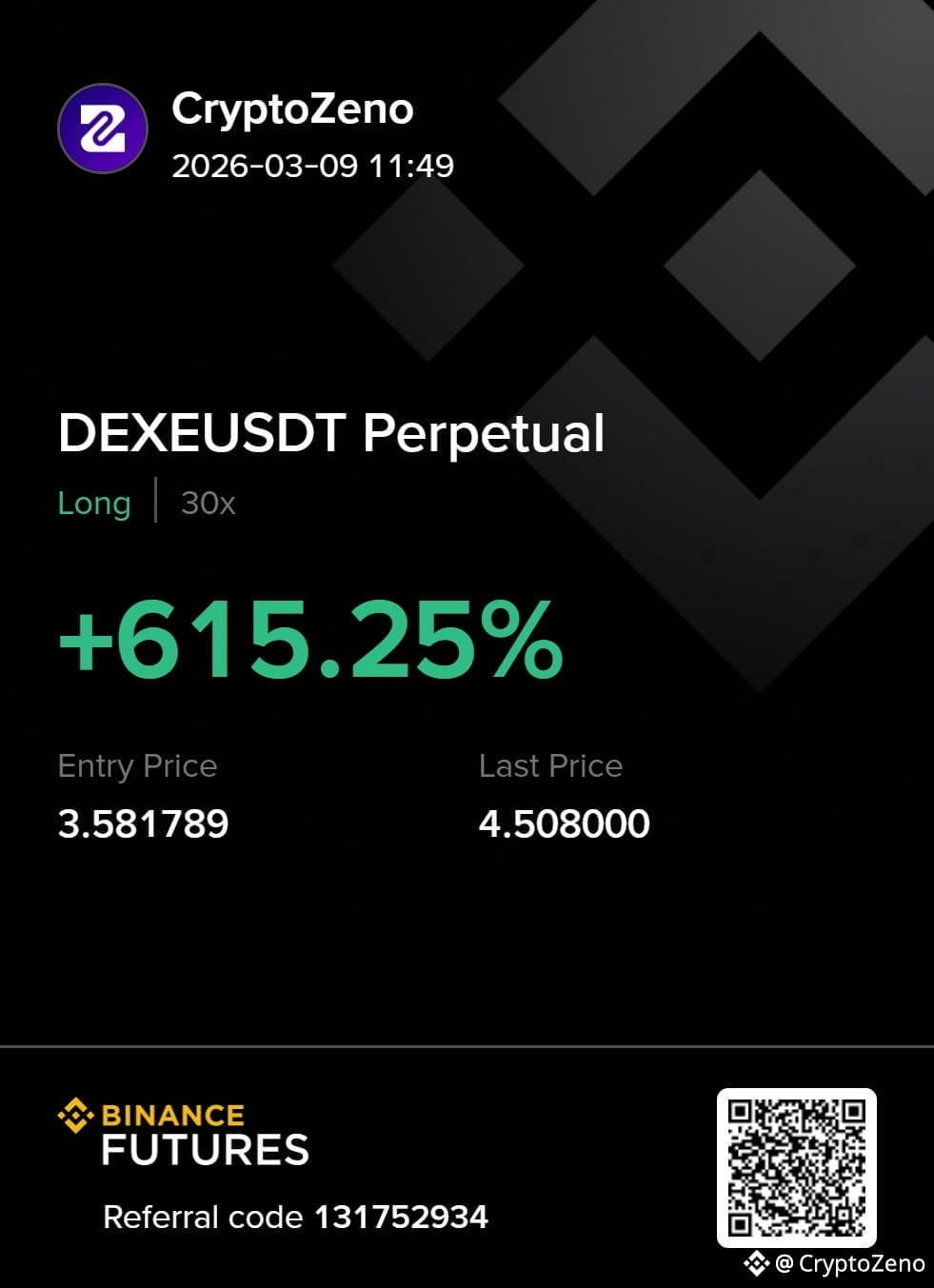
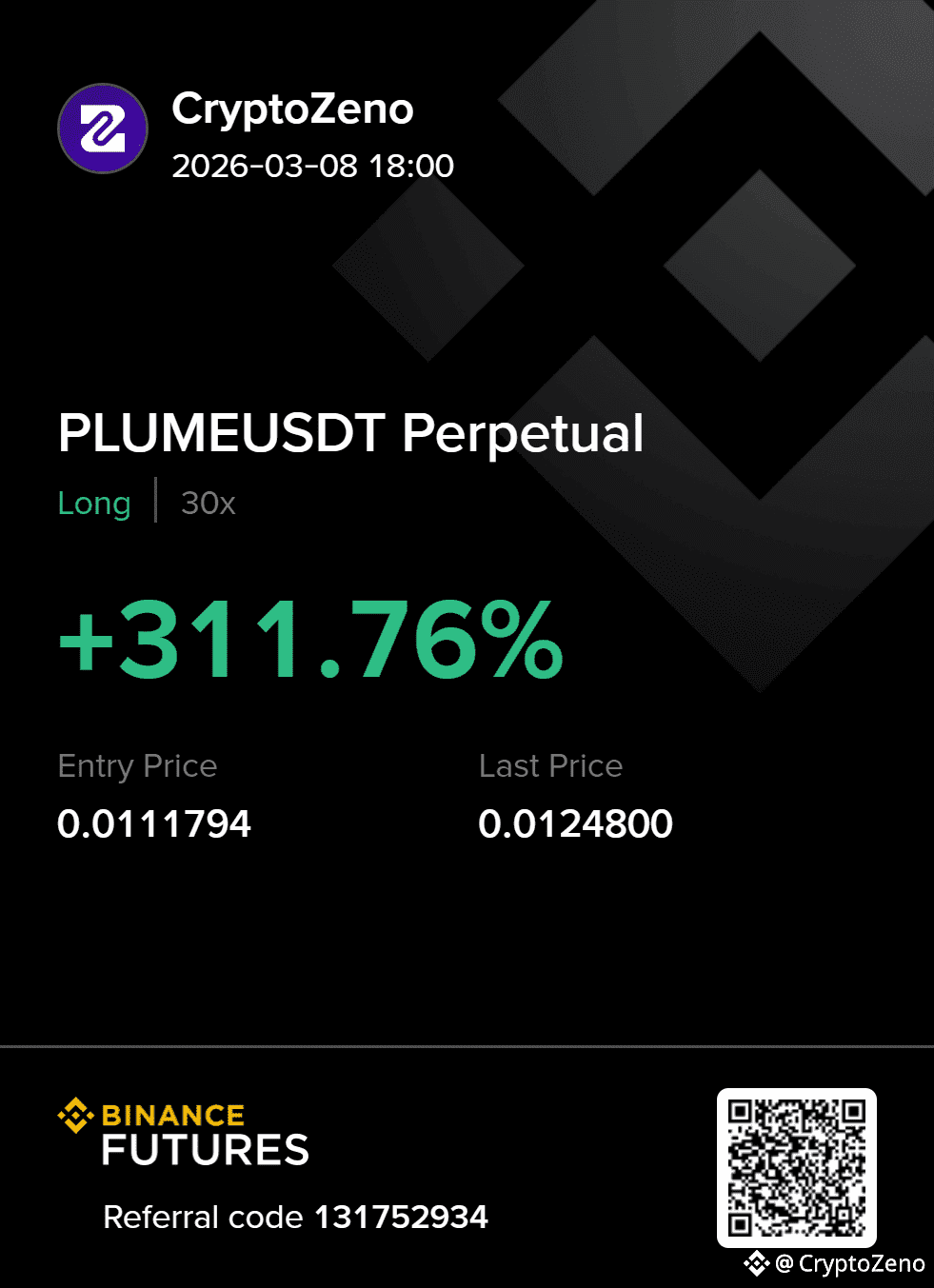
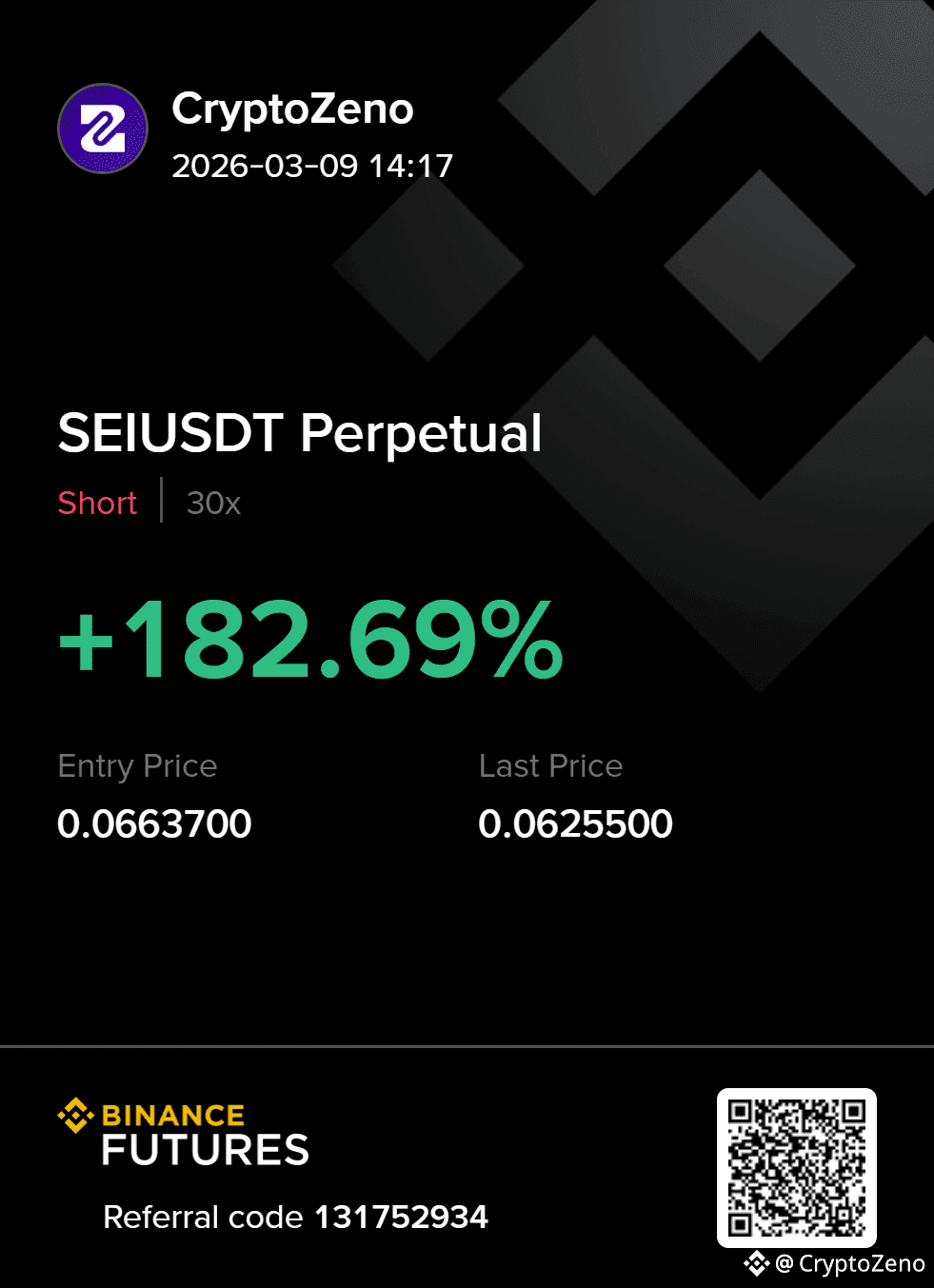
انضم إلى المجموعة للتداول في المراكز التي نقوم بتشغيلها حاليًا معنا.
لنتطور معًا. 🚀
[Claim your red packet](https://app.binance.com/uni-qr/RAcEqFrY) 🧧
انضم إلى المجموعة للتداول في المراكز التي نقوم بتشغيلها حاليًا معنا.
لنتطور معًا. 🚀
Claim your red packet 🧧
لنتطور معًا. 🚀
Claim your red packet 🧧
1
7
1.2k
PINNED
·
--
مقالة
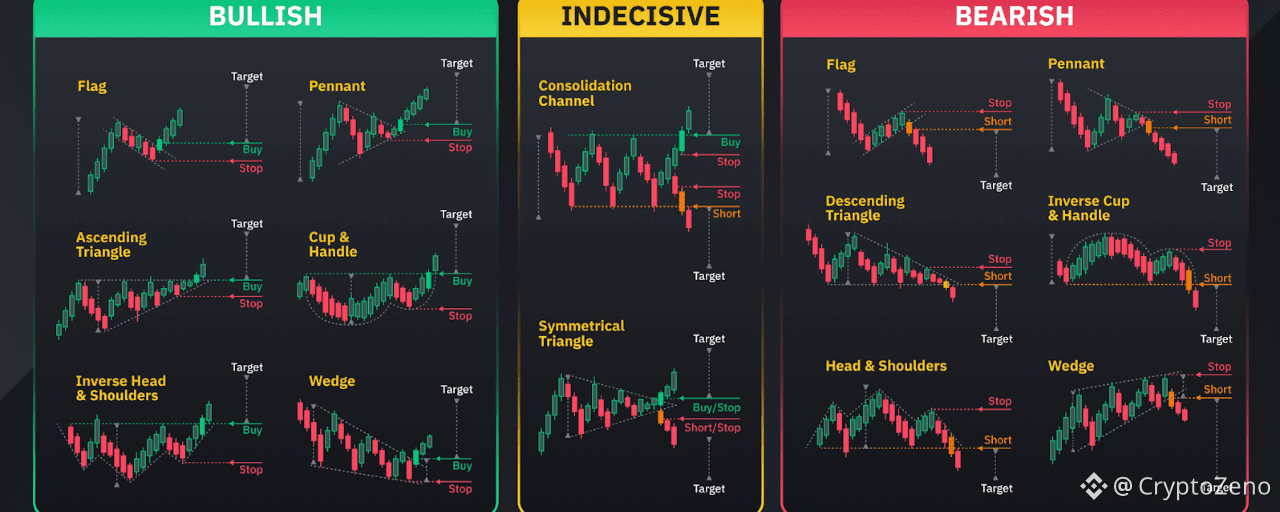
استراتيجية تداول الاختراق التي أستخدمها لالتقاط التحركات الكبيرةلقد قمت بعمليات شراء عند المقاومة وعمليات بيع عند الدعم لمدة 9 سنوات... هذا هو العكس تمامًا لما يحاول كل متداول القيام به.
في هذه المقالة، سأشارك استراتيجيتي بالكامل حتى تتمكن من تجاوز سنوات من الاختبار والخسائر.
هذا شيء سترغب في وضع إشارة مرجعية عليه، وتدوين الملاحظات، وتخصيص الوقت للتفكير فيه.
الدرس 1: الاستراتيجيتان الوحيدتان للتداول
قبل أن تتمكن من تحديد إعدادات الزخم الجيدة، تحتاج إلى فهم ما هو تداول الزخم في الواقع.
الزخم والعودة إلى المتوسط هما استراتيجيتان مت opposites مبنيتان على افتراضات متعاكسة.
استراتيجية تداول الاختراق التي أستخدمها لالتقاط التحركات الكبيرة
لقد قمت بعمليات شراء عند المقاومة وعمليات بيع عند الدعم لمدة 9 سنوات... هذا هو العكس تمامًا لما يحاول كل متداول القيام به.
في هذه المقالة، سأشارك استراتيجيتي بالكامل حتى تتمكن من تجاوز سنوات من الاختبار والخسائر.
هذا شيء سترغب في وضع إشارة مرجعية عليه، وتدوين الملاحظات، وتخصيص الوقت للتفكير فيه.
الدرس 1: الاستراتيجيتان الوحيدتان للتداول
قبل أن تتمكن من تحديد إعدادات الزخم الجيدة، تحتاج إلى فهم ما هو تداول الزخم في الواقع.
الزخم والعودة إلى المتوسط هما استراتيجيتان مت opposites مبنيتان على افتراضات متعاكسة.
في هذه المقالة، سأشارك استراتيجيتي بالكامل حتى تتمكن من تجاوز سنوات من الاختبار والخسائر.
هذا شيء سترغب في وضع إشارة مرجعية عليه، وتدوين الملاحظات، وتخصيص الوقت للتفكير فيه.
الدرس 1: الاستراتيجيتان الوحيدتان للتداول
قبل أن تتمكن من تحديد إعدادات الزخم الجيدة، تحتاج إلى فهم ما هو تداول الزخم في الواقع.
الزخم والعودة إلى المتوسط هما استراتيجيتان مت opposites مبنيتان على افتراضات متعاكسة.
40
16
119
75.4k
·
--
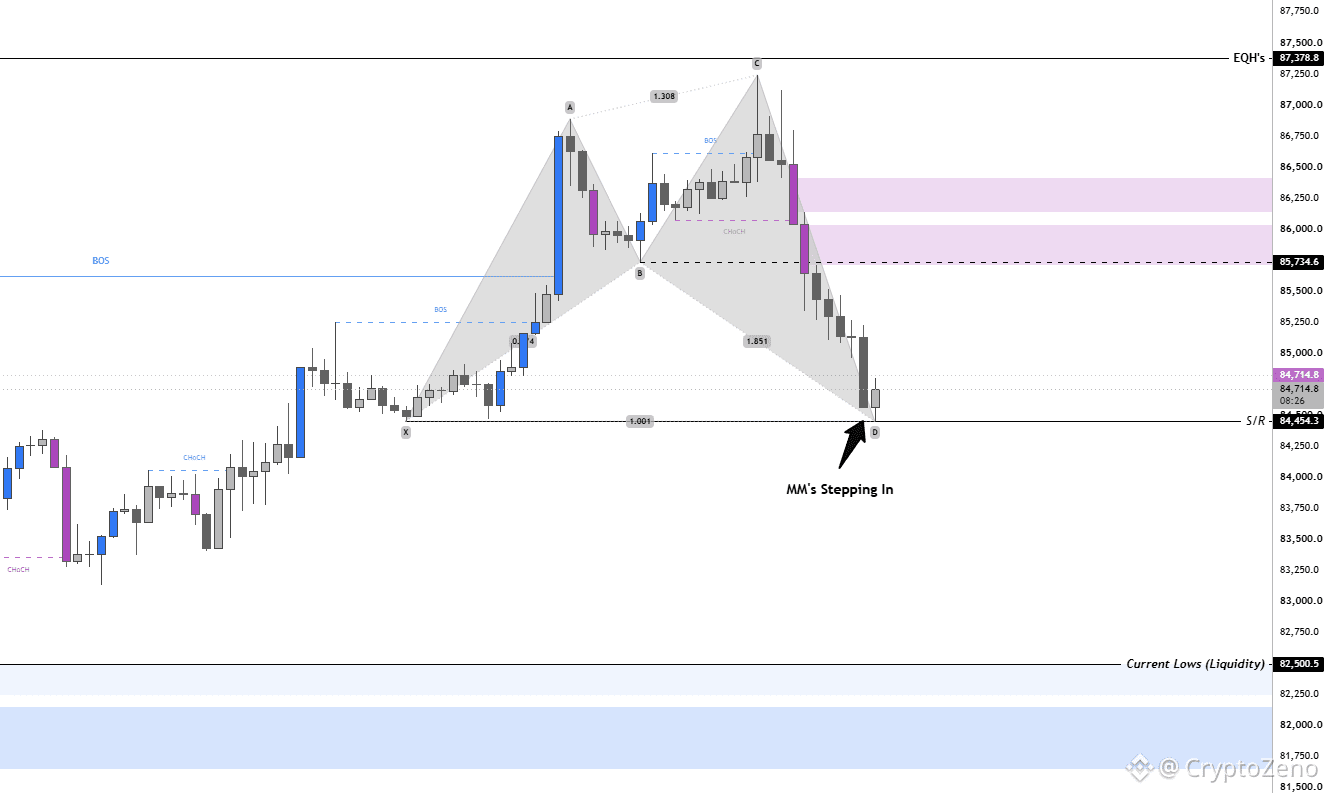
$BTC لقد قمنا بالهجوم على قمم EQH عند 87.3k ثم رأينا 9 شموع هابطة متتالية على فاصل 30M.
{future}(BTCUSDT)
هذا يبيّن أن الـ MM قد أخذوا زمام الأمور وقاموا بالهجوم على القمم ليتمكنوا من التخلص من المتأخرين الذين كانوا يطاردون هذا الاندفاع في وقت سابق.
والآن، سبب حدوث هذه الحركة إلى الأسفل هو أنها مجرد هزّ/Shakeout ببساطة لأن لم يكن هناك أي حركة صعودية طوال فترة الهبوط.
هبوط مباشر بنسبة 3% دون أن يمنح ذلك أي فرصة للثيران للسيطرة.
وبالتالي، هذا يعني أن السيولة/الاختلال لم تتراكم باتجاه الصعود، إذ لم يتم استهداف أي مراكز قصيرة (shorts) خلال هذا الهبوط.
الآن، رأينا إغلاق شمعة آخر 30M كـ “قاع محلوق” ممثلًا لدخول Smart Money مرة أخرى، ولهذا السبب فإن الشمعة الحالية تُغلق باللون الأخضر.
الـ MM سيقومون بدفع السعر للأعلى من هنا ببساطة لأنهم صنعوا سيولة إضافية باتجاه الصعود خلال هذا الهبوط.
إعادة اختبار 85.7k من المرجح جدًا هنا إذا استمررنا في الحفاظ على 84.4k.
إذا تمكّنا من استعادة 85.7k، فستساعد هذه السيولة على دفع السعر مجددًا نحو قمم EQH التي تم تركها دون أخذ.
ليس الـ MM فقط يصطادون السيولة، بل يقومون أيضًا بصناعتها.
$BTC لقد قمنا بالهجوم على قمم EQH عند 87.3k ثم رأينا 9 شموع هابطة متتالية على فاصل 30M.
هذا يبيّن أن الـ MM قد أخذوا زمام الأمور وقاموا بالهجوم على القمم ليتمكنوا من التخلص من المتأخرين الذين كانوا يطاردون هذا الاندفاع في وقت سابق.
والآن، سبب حدوث هذه الحركة إلى الأسفل هو أنها مجرد هزّ/Shakeout ببساطة لأن لم يكن هناك أي حركة صعودية طوال فترة الهبوط.
هبوط مباشر بنسبة 3% دون أن يمنح ذلك أي فرصة للثيران للسيطرة.
وبالتالي، هذا يعني أن السيولة/الاختلال لم تتراكم باتجاه الصعود، إذ لم يتم استهداف أي مراكز قصيرة (shorts) خلال هذا الهبوط.
الآن، رأينا إغلاق شمعة آخر 30M كـ “قاع محلوق” ممثلًا لدخول Smart Money مرة أخرى، ولهذا السبب فإن الشمعة الحالية تُغلق باللون الأخضر.
الـ MM سيقومون بدفع السعر للأعلى من هنا ببساطة لأنهم صنعوا سيولة إضافية باتجاه الصعود خلال هذا الهبوط.
إعادة اختبار 85.7k من المرجح جدًا هنا إذا استمررنا في الحفاظ على 84.4k.
إذا تمكّنا من استعادة 85.7k، فستساعد هذه السيولة على دفع السعر مجددًا نحو قمم EQH التي تم تركها دون أخذ.
ليس الـ MM فقط يصطادون السيولة، بل يقومون أيضًا بصناعتها.
هذا يبيّن أن الـ MM قد أخذوا زمام الأمور وقاموا بالهجوم على القمم ليتمكنوا من التخلص من المتأخرين الذين كانوا يطاردون هذا الاندفاع في وقت سابق.
والآن، سبب حدوث هذه الحركة إلى الأسفل هو أنها مجرد هزّ/Shakeout ببساطة لأن لم يكن هناك أي حركة صعودية طوال فترة الهبوط.
هبوط مباشر بنسبة 3% دون أن يمنح ذلك أي فرصة للثيران للسيطرة.
وبالتالي، هذا يعني أن السيولة/الاختلال لم تتراكم باتجاه الصعود، إذ لم يتم استهداف أي مراكز قصيرة (shorts) خلال هذا الهبوط.
الآن، رأينا إغلاق شمعة آخر 30M كـ “قاع محلوق” ممثلًا لدخول Smart Money مرة أخرى، ولهذا السبب فإن الشمعة الحالية تُغلق باللون الأخضر.
الـ MM سيقومون بدفع السعر للأعلى من هنا ببساطة لأنهم صنعوا سيولة إضافية باتجاه الصعود خلال هذا الهبوط.
إعادة اختبار 85.7k من المرجح جدًا هنا إذا استمررنا في الحفاظ على 84.4k.
إذا تمكّنا من استعادة 85.7k، فستساعد هذه السيولة على دفع السعر مجددًا نحو قمم EQH التي تم تركها دون أخذ.
ليس الـ MM فقط يصطادون السيولة، بل يقومون أيضًا بصناعتها.
2
311
·
--
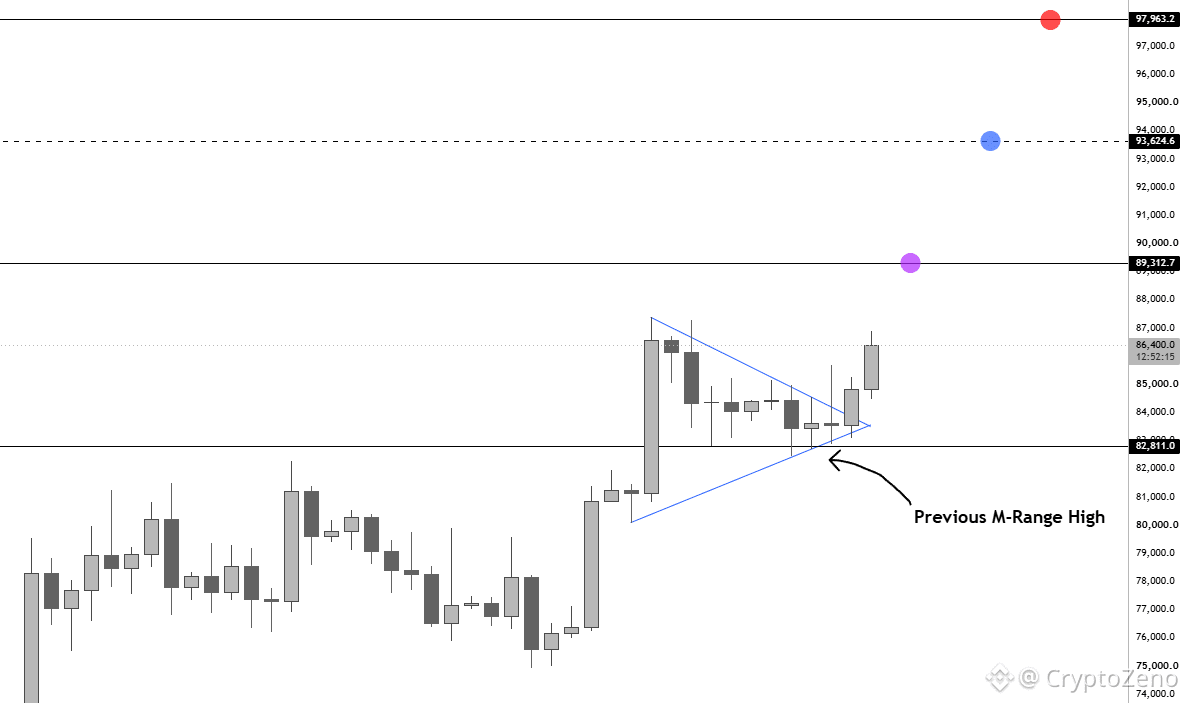
$BTC Pennant Breakout + ارتداد من أعلى نطاق M السابق.
{future}(BTCUSDT)
بدأ الشهر الجديد للتو، ونحن بالفعل ندفع باتجاه الصعود في بداية الشهر.
عادةً، فإن أول حركة بعد بدء شهر جديد تكون حركة كاذبة لتصنيع سيولة وفخ المستثمرين التجزئة قبل أن يحدث انعكاس.
إذا كان هذا هو الحال هنا، فينبغي أن نرى رفضًا بعد مسح منطقة القمة المحلية الحالية (87.5K-89.3K).
سيؤكد ذلك حدوث دفع إلى الأسفل لاختراق أدنى النطاق الحالي قبل أن تعاود الحركة الصعود.
ومع ذلك، وبما أننا أيضًا اخترقنا نمط وتد/مستطيل (Pennant)، فهناك احتمال أن تتحقق حركة اختراق محسوبة كاملة باتجاه منطقة 93.6K قبل حدوث انعكاس.
الاتجاه صاعد، ومن الأكثر ربحية بكثير أن نقوم بالشراء (Long) لكل هبوط بدلًا من محاولة البيع القصير لقمة صغيرة والتقاط تراجع بسيط.
وجهة نظري الحالية هي أننا سنشهد دفعًا إلى منطقة 93.6K-97.9K خلال الأسبوعين القادمين قبل الدخول في نطاق تداول ممتد، والذي من المحتمل أن يمتد إلى العام المقبل، قبل الرفع التالي باتجاه الصعود.
سأكون حذرًا قليلًا مع الصفقات القصيرة (Shorts)، لكن بمجرد أن نتجه إلى نطاق التسعينات (90K)، سأبدأ بالميل إلى فتح صفقات تحوط بيع قصيرة، وتأمين الأرباح من الصفقات الطويلة، ثم إعادة تحميل تلك الصفقات الطويلة مرة أخرى عند حدوث الهبوط.
$BTC Pennant Breakout + ارتداد من أعلى نطاق M السابق.
بدأ الشهر الجديد للتو، ونحن بالفعل ندفع باتجاه الصعود في بداية الشهر.
عادةً، فإن أول حركة بعد بدء شهر جديد تكون حركة كاذبة لتصنيع سيولة وفخ المستثمرين التجزئة قبل أن يحدث انعكاس.
إذا كان هذا هو الحال هنا، فينبغي أن نرى رفضًا بعد مسح منطقة القمة المحلية الحالية (87.5K-89.3K).
سيؤكد ذلك حدوث دفع إلى الأسفل لاختراق أدنى النطاق الحالي قبل أن تعاود الحركة الصعود.
ومع ذلك، وبما أننا أيضًا اخترقنا نمط وتد/مستطيل (Pennant)، فهناك احتمال أن تتحقق حركة اختراق محسوبة كاملة باتجاه منطقة 93.6K قبل حدوث انعكاس.
الاتجاه صاعد، ومن الأكثر ربحية بكثير أن نقوم بالشراء (Long) لكل هبوط بدلًا من محاولة البيع القصير لقمة صغيرة والتقاط تراجع بسيط.
وجهة نظري الحالية هي أننا سنشهد دفعًا إلى منطقة 93.6K-97.9K خلال الأسبوعين القادمين قبل الدخول في نطاق تداول ممتد، والذي من المحتمل أن يمتد إلى العام المقبل، قبل الرفع التالي باتجاه الصعود.
سأكون حذرًا قليلًا مع الصفقات القصيرة (Shorts)، لكن بمجرد أن نتجه إلى نطاق التسعينات (90K)، سأبدأ بالميل إلى فتح صفقات تحوط بيع قصيرة، وتأمين الأرباح من الصفقات الطويلة، ثم إعادة تحميل تلك الصفقات الطويلة مرة أخرى عند حدوث الهبوط.
بدأ الشهر الجديد للتو، ونحن بالفعل ندفع باتجاه الصعود في بداية الشهر.
عادةً، فإن أول حركة بعد بدء شهر جديد تكون حركة كاذبة لتصنيع سيولة وفخ المستثمرين التجزئة قبل أن يحدث انعكاس.
إذا كان هذا هو الحال هنا، فينبغي أن نرى رفضًا بعد مسح منطقة القمة المحلية الحالية (87.5K-89.3K).
سيؤكد ذلك حدوث دفع إلى الأسفل لاختراق أدنى النطاق الحالي قبل أن تعاود الحركة الصعود.
ومع ذلك، وبما أننا أيضًا اخترقنا نمط وتد/مستطيل (Pennant)، فهناك احتمال أن تتحقق حركة اختراق محسوبة كاملة باتجاه منطقة 93.6K قبل حدوث انعكاس.
الاتجاه صاعد، ومن الأكثر ربحية بكثير أن نقوم بالشراء (Long) لكل هبوط بدلًا من محاولة البيع القصير لقمة صغيرة والتقاط تراجع بسيط.
وجهة نظري الحالية هي أننا سنشهد دفعًا إلى منطقة 93.6K-97.9K خلال الأسبوعين القادمين قبل الدخول في نطاق تداول ممتد، والذي من المحتمل أن يمتد إلى العام المقبل، قبل الرفع التالي باتجاه الصعود.
سأكون حذرًا قليلًا مع الصفقات القصيرة (Shorts)، لكن بمجرد أن نتجه إلى نطاق التسعينات (90K)، سأبدأ بالميل إلى فتح صفقات تحوط بيع قصيرة، وتأمين الأرباح من الصفقات الطويلة، ثم إعادة تحميل تلك الصفقات الطويلة مرة أخرى عند حدوث الهبوط.
1
2
8
994
·
--
$BTC لقد كنتُ مخطئًا.
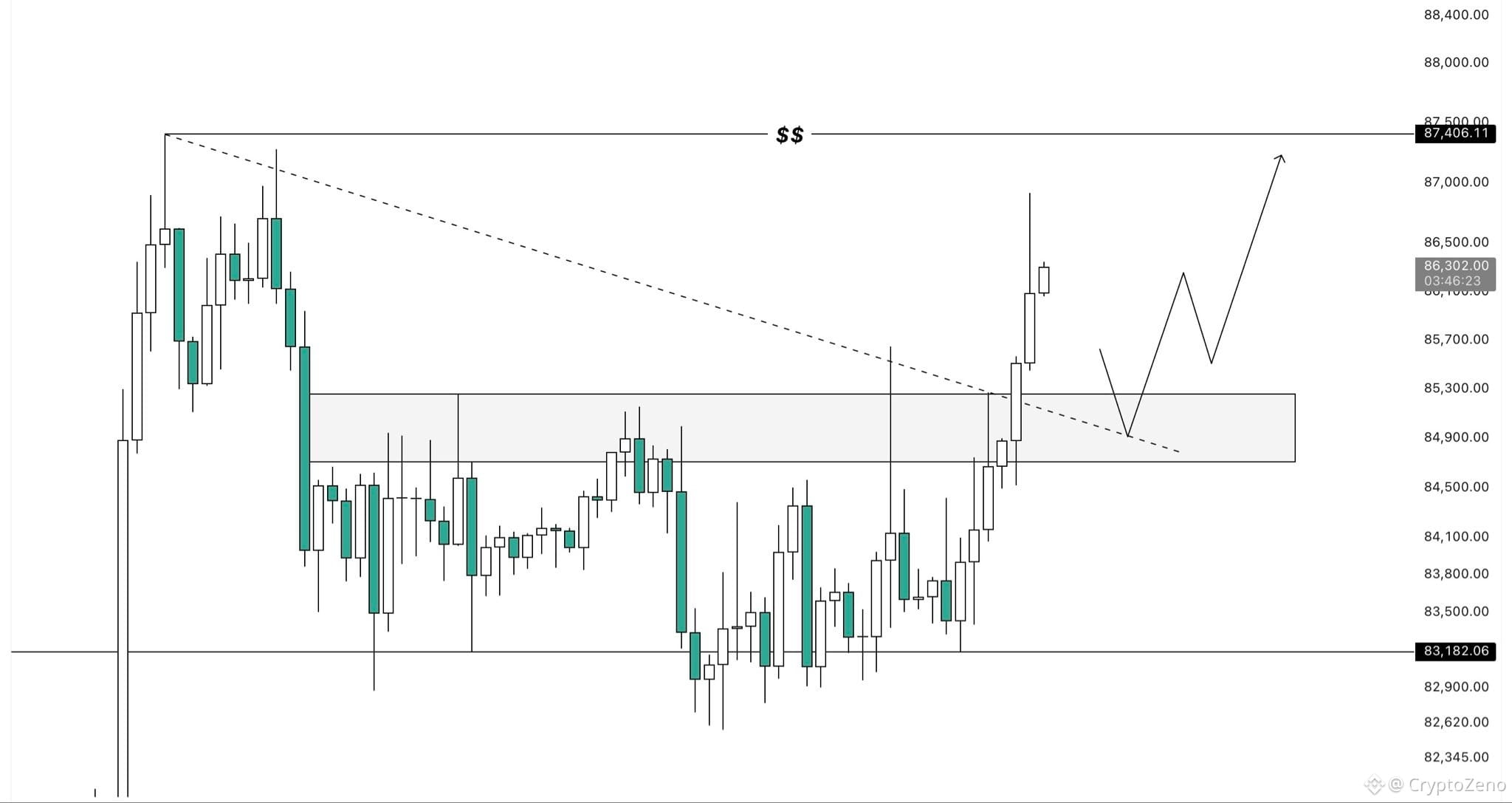
باعتبار أن BTC ما زالت تتداول داخل نطاق، وأن السعر كان يقترب من قمم النطاق وكذلك من خط الاتجاه الهابط، كنت أتوقع حدوث رفض آخر.
بدلًا من ذلك، اخترق السعر تلك المنطقة بقوة واستمر حتى وصل إلى 86.9 ألف دولار.
وعلى الرغم من هذه الحركة، فإن القمم قرب 87.3 ألف دولار ما زالت دون أن يتمكن السعر من اجتيازها، كما أن كتلة السيولة الموجودة فوقها لم يتم لمسها بعد.
وهذا يترك لنا سيناريوهين محتملين من هنا. إما أن يستمر BTC في الارتفاع مباشرةً بهدف مسح تلك القمم، أو نرى أولًا إعادة اختبار قمم النطاق قبل أن تحدث حركة صعود أخرى.
وعلى أي حال، ما زلت أتوقع أن يتم أخذ تلك القمم قريبًا.
{future}(BTCUSDT)
$BTC لقد كنتُ مخطئًا.
باعتبار أن BTC ما زالت تتداول داخل نطاق، وأن السعر كان يقترب من قمم النطاق وكذلك من خط الاتجاه الهابط، كنت أتوقع حدوث رفض آخر.
بدلًا من ذلك، اخترق السعر تلك المنطقة بقوة واستمر حتى وصل إلى 86.9 ألف دولار.
وعلى الرغم من هذه الحركة، فإن القمم قرب 87.3 ألف دولار ما زالت دون أن يتمكن السعر من اجتيازها، كما أن كتلة السيولة الموجودة فوقها لم يتم لمسها بعد.
وهذا يترك لنا سيناريوهين محتملين من هنا. إما أن يستمر BTC في الارتفاع مباشرةً بهدف مسح تلك القمم، أو نرى أولًا إعادة اختبار قمم النطاق قبل أن تحدث حركة صعود أخرى.
وعلى أي حال، ما زلت أتوقع أن يتم أخذ تلك القمم قريبًا.
باعتبار أن BTC ما زالت تتداول داخل نطاق، وأن السعر كان يقترب من قمم النطاق وكذلك من خط الاتجاه الهابط، كنت أتوقع حدوث رفض آخر.
بدلًا من ذلك، اخترق السعر تلك المنطقة بقوة واستمر حتى وصل إلى 86.9 ألف دولار.
وعلى الرغم من هذه الحركة، فإن القمم قرب 87.3 ألف دولار ما زالت دون أن يتمكن السعر من اجتيازها، كما أن كتلة السيولة الموجودة فوقها لم يتم لمسها بعد.
وهذا يترك لنا سيناريوهين محتملين من هنا. إما أن يستمر BTC في الارتفاع مباشرةً بهدف مسح تلك القمم، أو نرى أولًا إعادة اختبار قمم النطاق قبل أن تحدث حركة صعود أخرى.
وعلى أي حال، ما زلت أتوقع أن يتم أخذ تلك القمم قريبًا.
3
1k
·
--
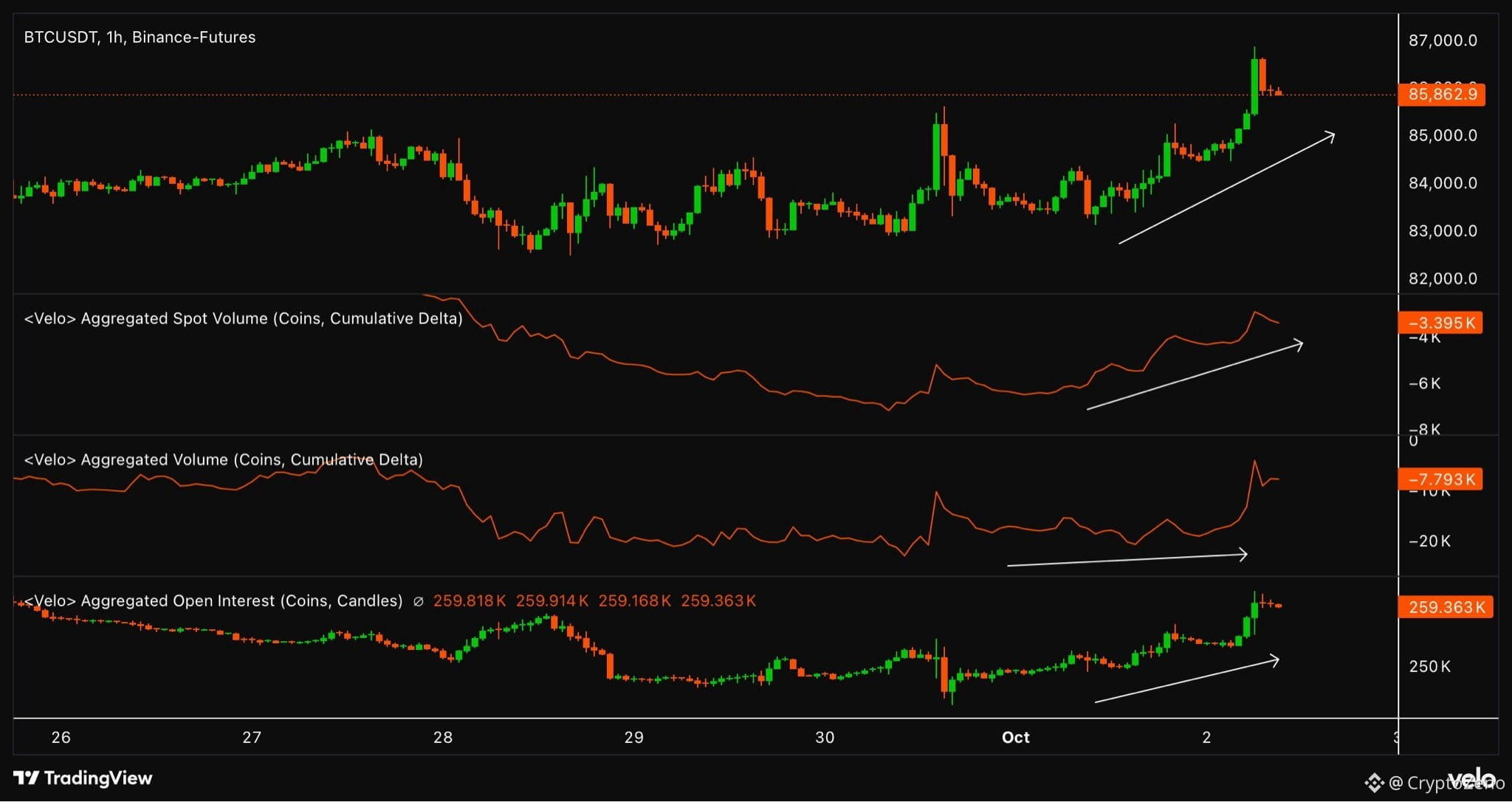
$BTC يبدو هذا قويًا.
{future}(BTCUSDT)
سعر كسر النطاق ويقوم السعر بالشراء مرة أخرى.
ظلت العقود الدائمة محايدة إلى حدّ كبير، ومع ذلك تمكن المشترون في النهاية من السيطرة.
الآن نحتاج فقط إلى تراجع بسيط، وتصفية/تنظيف OI (الاهتمام المفتوح)، ثم نرسله.
$BTC يبدو هذا قويًا.
سعر كسر النطاق ويقوم السعر بالشراء مرة أخرى.
ظلت العقود الدائمة محايدة إلى حدّ كبير، ومع ذلك تمكن المشترون في النهاية من السيطرة.
الآن نحتاج فقط إلى تراجع بسيط، وتصفية/تنظيف OI (الاهتمام المفتوح)، ثم نرسله.
سعر كسر النطاق ويقوم السعر بالشراء مرة أخرى.
ظلت العقود الدائمة محايدة إلى حدّ كبير، ومع ذلك تمكن المشترون في النهاية من السيطرة.
الآن نحتاج فقط إلى تراجع بسيط، وتصفية/تنظيف OI (الاهتمام المفتوح)، ثم نرسله.
1
4
587
·
--
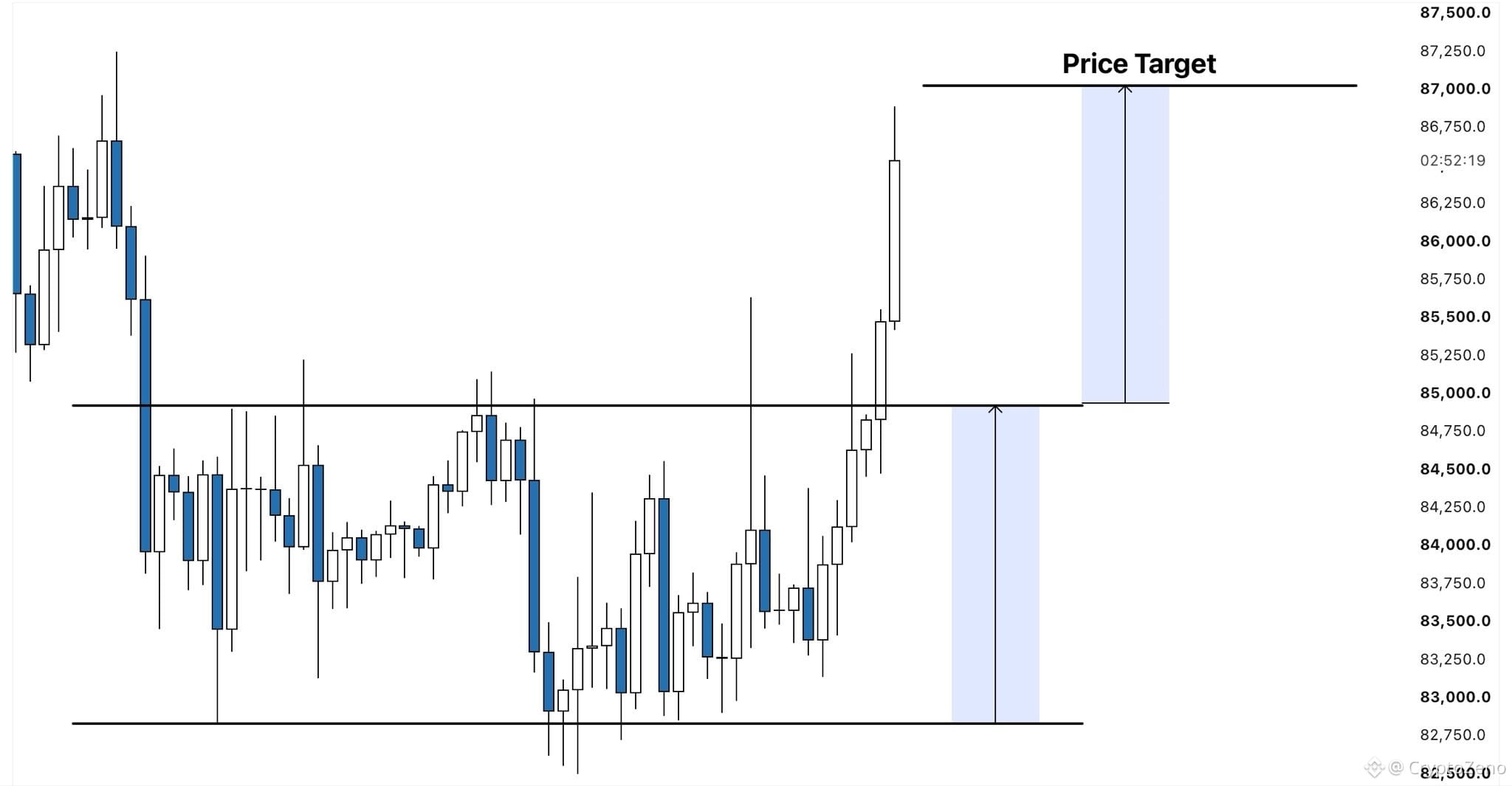
$BTC لقد اخترق السعر أخيرًا النطاق.
أمس قلت إن هذه ستكون حركة شديدة الانفجار، وحدث بالضبط ذلك.
الهدف الأول يتمركز عند 87 ألف.
من هنا، يُرجّح حدوث تصحيح/ارتداد، وسيكون ذلك فرصة رائعة للشراء بهدف طويل.
إذا كنت تريد أن ترى كيف أتداول ذلك، انضم إلى Discord التابعة لـ Vantage.
{future}(BTCUSDT)
$BTC لقد اخترق السعر أخيرًا النطاق.
أمس قلت إن هذه ستكون حركة شديدة الانفجار، وحدث بالضبط ذلك.
الهدف الأول يتمركز عند 87 ألف.
من هنا، يُرجّح حدوث تصحيح/ارتداد، وسيكون ذلك فرصة رائعة للشراء بهدف طويل.
إذا كنت تريد أن ترى كيف أتداول ذلك، انضم إلى Discord التابعة لـ Vantage.
أمس قلت إن هذه ستكون حركة شديدة الانفجار، وحدث بالضبط ذلك.
الهدف الأول يتمركز عند 87 ألف.
من هنا، يُرجّح حدوث تصحيح/ارتداد، وسيكون ذلك فرصة رائعة للشراء بهدف طويل.
إذا كنت تريد أن ترى كيف أتداول ذلك، انضم إلى Discord التابعة لـ Vantage.
CryptoZeno
·
--
$BTC Bullish Breakout تم!
لدينا EQH عند منطقة 87.3 ألف والتي يُفترض أن تكون الخطوة التالية.
لدينا EQH عند منطقة 87.3 ألف والتي يُفترض أن تكون الخطوة التالية.
1
2
286
·
--
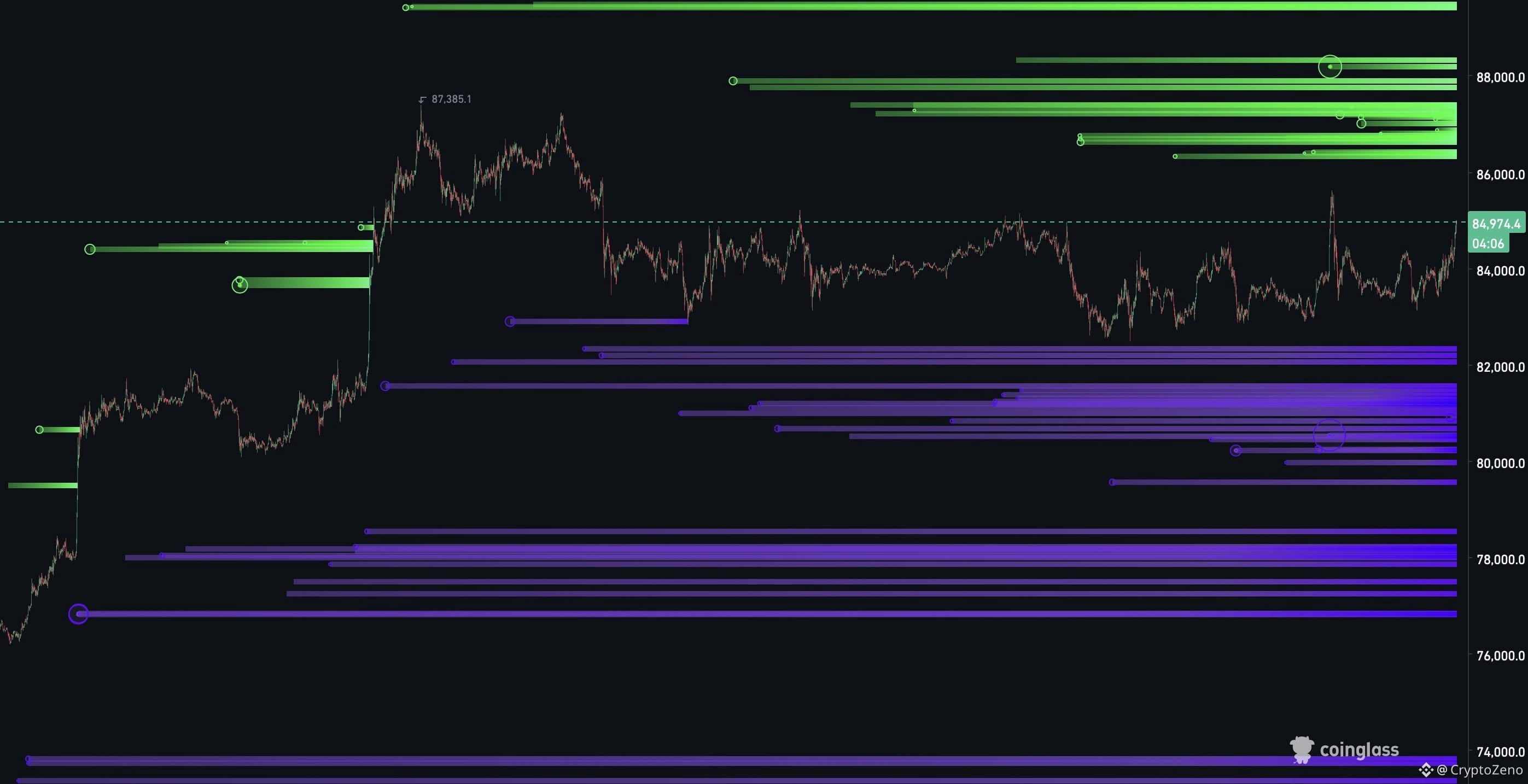
$BTC لقد بدأنا ببطء ببناء السيولة على الجانب الصاعد بسبب الكثير من عمليات الشورت التي بدأت بالفتح على نطاق هذا الإطار الزمني الأصغر (LTF)،
{future}(BTCUSDT)
لذا فمن الممكن أن نحصل على إعادة اختبار أخرى للقمم أو الافتتاح السنوي لإسقاطهم قبل أن نواصل في النهاية الهبوط للأسفل،
إذا وصلنا إلى حوالي 87-88 ألف، فسأقوم بإضافة المزيد إلى شورتاتي كما خططنا في الأصل،
بشكل عام، ما زلت أتوقع أن بداية أكتوبر ستكون هبوطية وأن يحدث هبوط إلى حوالي 75 ألف قبل أن يعطينا ذلك المرحلة التالية الصاعدة.
$BTC لقد بدأنا ببطء ببناء السيولة على الجانب الصاعد بسبب الكثير من عمليات الشورت التي بدأت بالفتح على نطاق هذا الإطار الزمني الأصغر (LTF)،
لذا فمن الممكن أن نحصل على إعادة اختبار أخرى للقمم أو الافتتاح السنوي لإسقاطهم قبل أن نواصل في النهاية الهبوط للأسفل،
إذا وصلنا إلى حوالي 87-88 ألف، فسأقوم بإضافة المزيد إلى شورتاتي كما خططنا في الأصل،
بشكل عام، ما زلت أتوقع أن بداية أكتوبر ستكون هبوطية وأن يحدث هبوط إلى حوالي 75 ألف قبل أن يعطينا ذلك المرحلة التالية الصاعدة.
لذا فمن الممكن أن نحصل على إعادة اختبار أخرى للقمم أو الافتتاح السنوي لإسقاطهم قبل أن نواصل في النهاية الهبوط للأسفل،
إذا وصلنا إلى حوالي 87-88 ألف، فسأقوم بإضافة المزيد إلى شورتاتي كما خططنا في الأصل،
بشكل عام، ما زلت أتوقع أن بداية أكتوبر ستكون هبوطية وأن يحدث هبوط إلى حوالي 75 ألف قبل أن يعطينا ذلك المرحلة التالية الصاعدة.
1
3
589
·
--
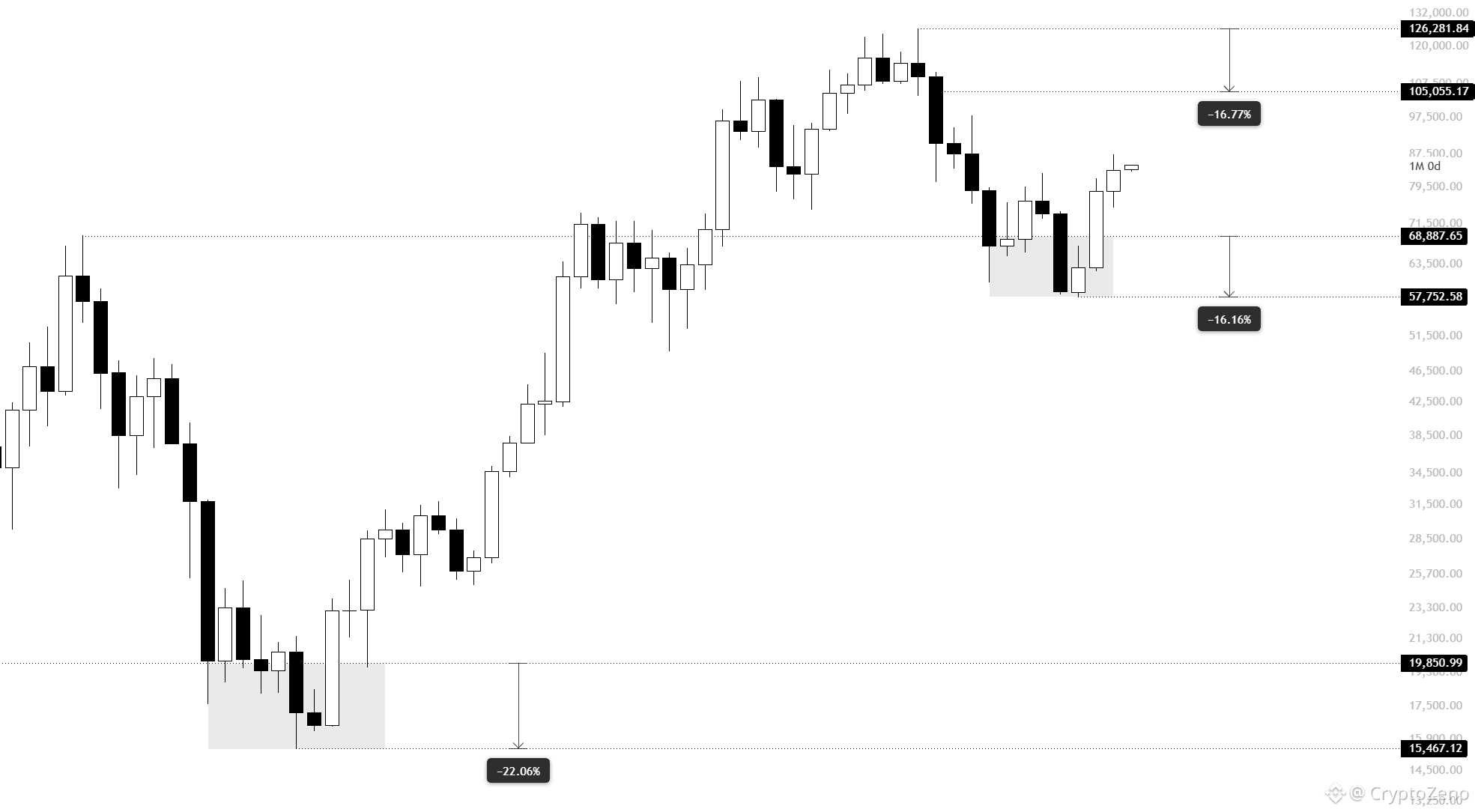
فقط تذكّر من قالها أولًا.
هذه هي آخر دورة ستتمكن فيها على الإطلاق من شراء $BTC أقل من 100 ألف مرة أخرى.
84 ألف رخيصة من منظور لاحق. إذا كانت -54% هي القاع لهذه الدورة، فمن المرجح أن يكون سوق هبوط الدورة القادمة -40%.
وهذا يعني أنه إذا وصلنا إلى 160-180 ألف، فلن تحصل أبدًا على فرصة شراء بيتكوين ذات رقمين-خمسة مرة أخرى.
لذلك أقترح أن تبدأ بإعادة تقييم الأمور قبل فوات الأوان.
{future}(BTCUSDT)
فقط تذكّر من قالها أولًا.
هذه هي آخر دورة ستتمكن فيها على الإطلاق من شراء $BTC أقل من 100 ألف مرة أخرى.
84 ألف رخيصة من منظور لاحق. إذا كانت -54% هي القاع لهذه الدورة، فمن المرجح أن يكون سوق هبوط الدورة القادمة -40%.
وهذا يعني أنه إذا وصلنا إلى 160-180 ألف، فلن تحصل أبدًا على فرصة شراء بيتكوين ذات رقمين-خمسة مرة أخرى.
لذلك أقترح أن تبدأ بإعادة تقييم الأمور قبل فوات الأوان.
هذه هي آخر دورة ستتمكن فيها على الإطلاق من شراء $BTC أقل من 100 ألف مرة أخرى.
84 ألف رخيصة من منظور لاحق. إذا كانت -54% هي القاع لهذه الدورة، فمن المرجح أن يكون سوق هبوط الدورة القادمة -40%.
وهذا يعني أنه إذا وصلنا إلى 160-180 ألف، فلن تحصل أبدًا على فرصة شراء بيتكوين ذات رقمين-خمسة مرة أخرى.
لذلك أقترح أن تبدأ بإعادة تقييم الأمور قبل فوات الأوان.
1
2
431
·
--
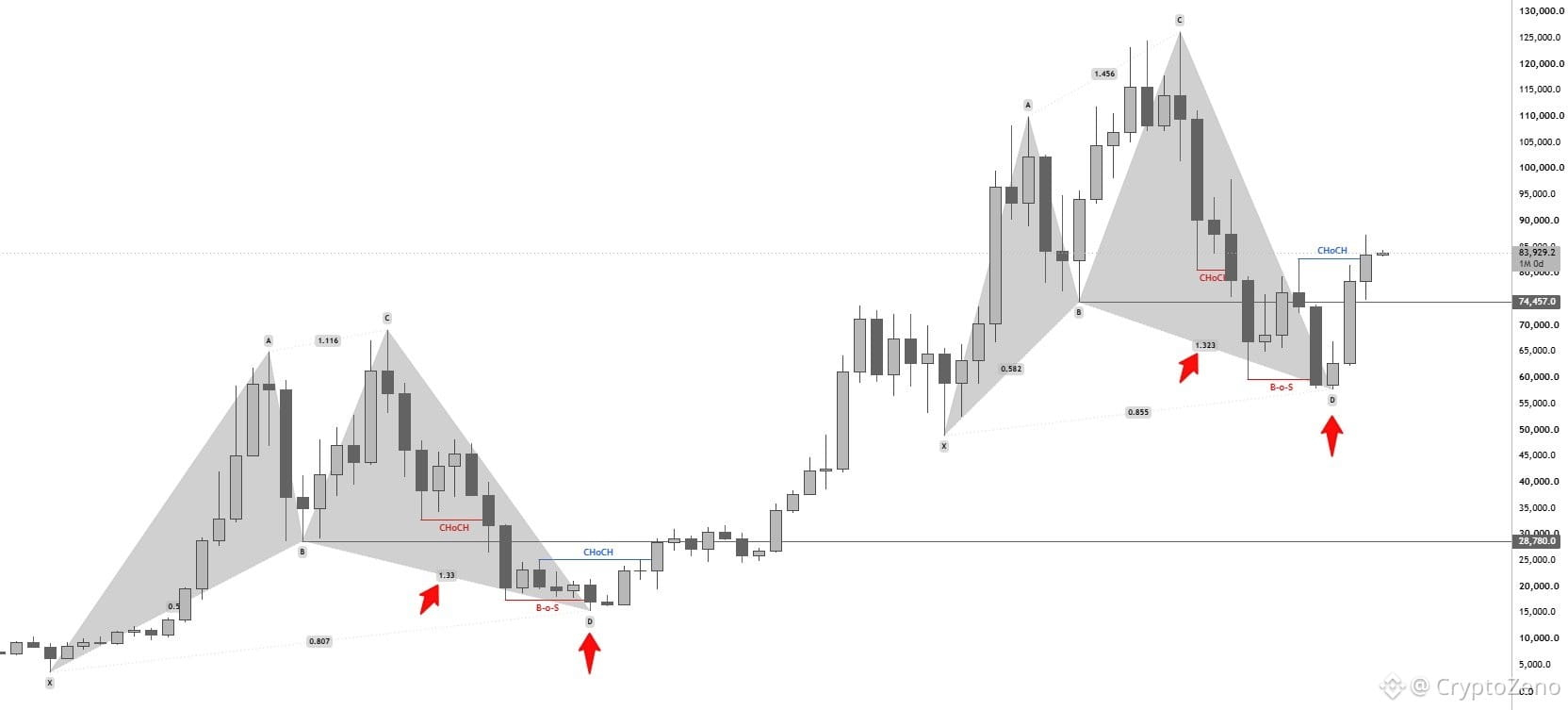
$BTC كان الأمر مجرد مسألة وقت...
إن مؤشر CHoCH الشهري هو الآن <span></span> IN و& الاتجاه رسميًا صاعد على الإطار الزمني الشهري.
لقد تنبأنا به LONG قبل أن يحدث.
حان وقت الركوب الآن.
{future}(BTCUSDT)
$BTC كان الأمر مجرد مسألة وقت...
إن مؤشر CHoCH الشهري هو الآن <span></span> IN و& الاتجاه رسميًا صاعد على الإطار الزمني الشهري.
لقد تنبأنا به LONG قبل أن يحدث.
حان وقت الركوب الآن.
إن مؤشر CHoCH الشهري هو الآن <span></span> IN و& الاتجاه رسميًا صاعد على الإطار الزمني الشهري.
لقد تنبأنا به LONG قبل أن يحدث.
حان وقت الركوب الآن.
3
400
·
--
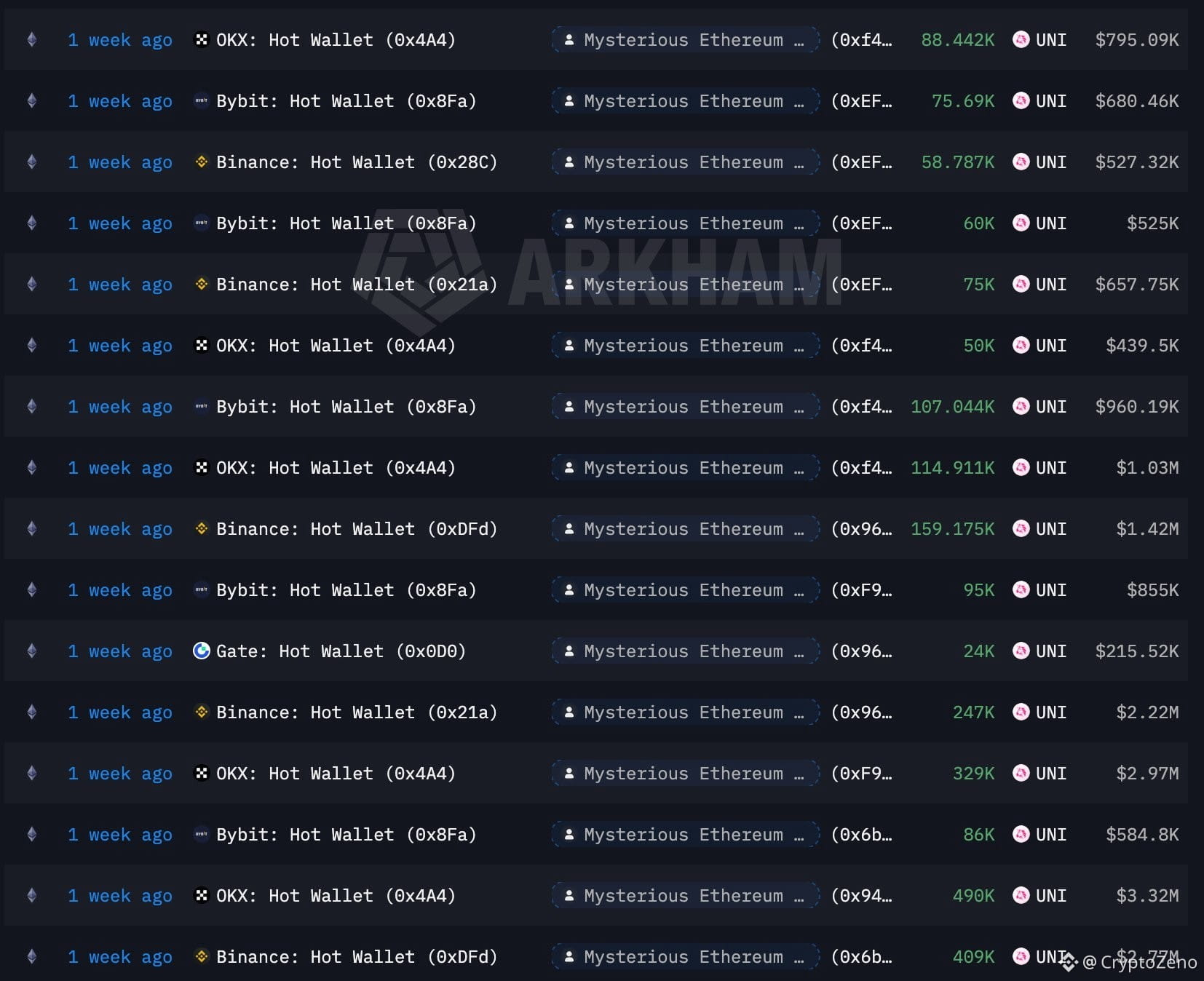
الحوت الغامض الذي سبق أن باع 167,855 $ETH ($408M) اشترى 3.125M $UNI ($24.2M) بسعر متوسط قدره 7.75 دولارًا قبل أسبوع واشترى الآن وهو جالس على ربح غير محقق بقيمة 3.8M.
{future}(ETHUSDT)
{future}(UNIUSDT)
الحوت الغامض الذي سبق أن باع 167,855 $ETH ($408M) اشترى 3.125M $UNI ($24.2M) بسعر متوسط قدره 7.75 دولارًا قبل أسبوع واشترى الآن وهو جالس على ربح غير محقق بقيمة 3.8M.
2
500
·
--
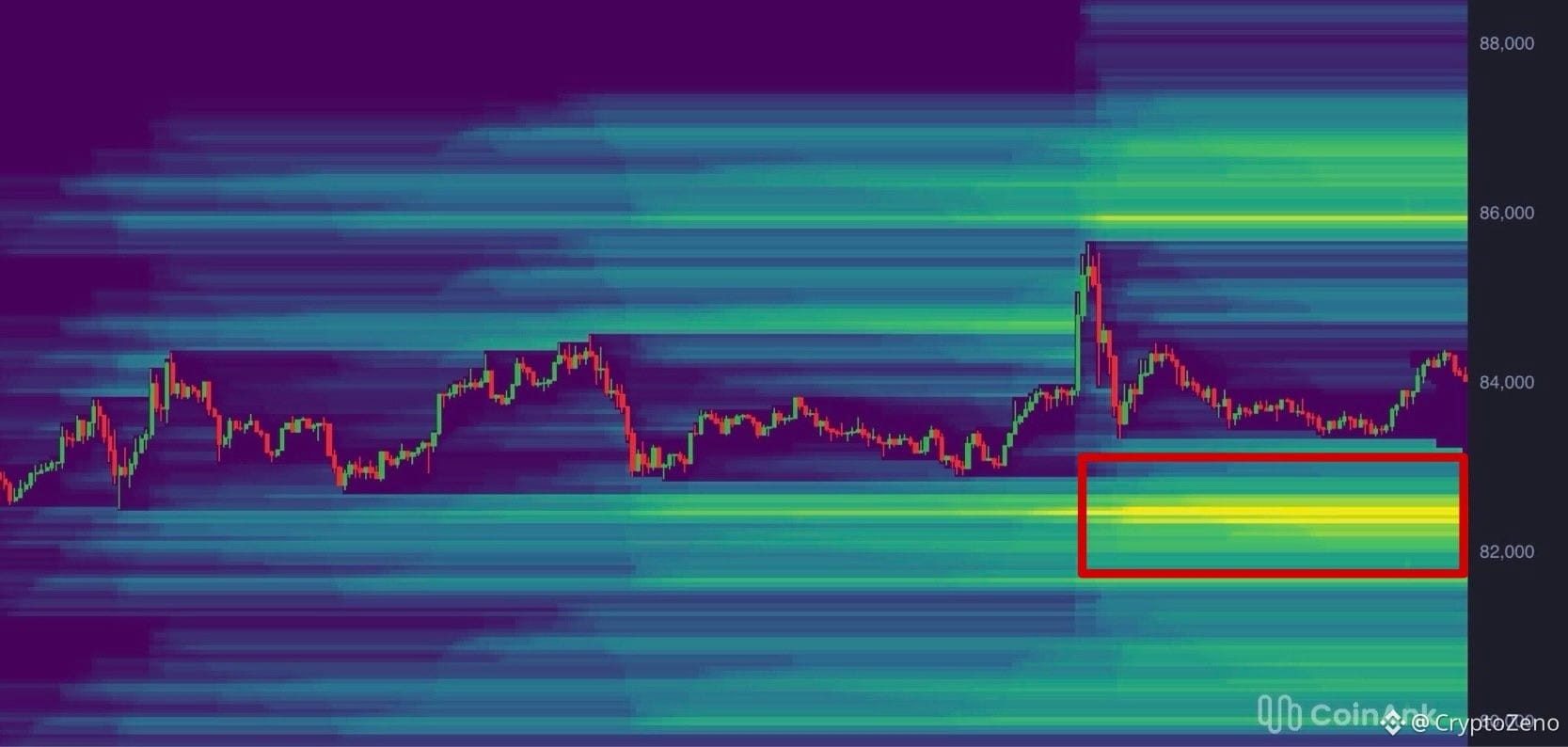
$BTC لا يزال هناك تجمع كبير من عمليات التصفية الطويلة تحت.
{future}(BTCUSDT)
82k هو حاليًا الهدف الأكثر احتمالًا للسيولة التي يتم مسحها، وهو أيضًا من أهم مناطق الدعم.
إذا اختبرنا تلك المستوى، أتوقع ارتدادًا.
$BTC لا يزال هناك تجمع كبير من عمليات التصفية الطويلة تحت.
82k هو حاليًا الهدف الأكثر احتمالًا للسيولة التي يتم مسحها، وهو أيضًا من أهم مناطق الدعم.
إذا اختبرنا تلك المستوى، أتوقع ارتدادًا.
82k هو حاليًا الهدف الأكثر احتمالًا للسيولة التي يتم مسحها، وهو أيضًا من أهم مناطق الدعم.
إذا اختبرنا تلك المستوى، أتوقع ارتدادًا.
1
2
320
·
--
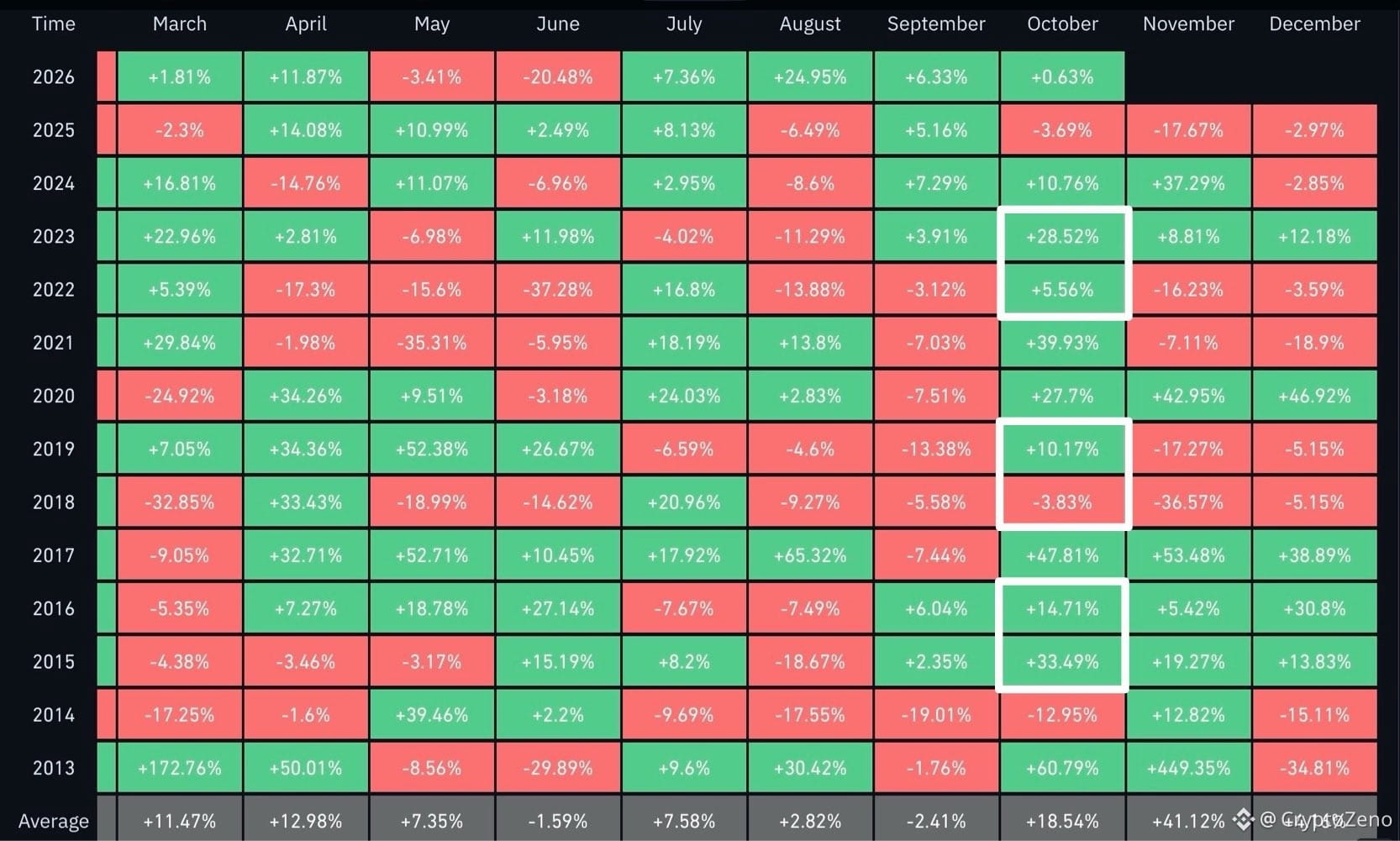
$BTC شهر صاعد قادم.
{future}(BTCUSDT)
تاريخيًا، كان شهر أكتوبر شهرًا صاعدًا، بمتوسط عائد يقارب 18%.
وبالنظر إلى التحولات السابقة من الأسواق الهابطة إلى الأسواق الصاعدة، أغلق أكتوبر أيضًا باللون الأخضر في معظم الأوقات.
وبناءً على ذلك، فإن حدوث موجة صعود أخرى هذا الشهر لن يكون أمرًا مفاجئًا.
$BTC شهر صاعد قادم.
تاريخيًا، كان شهر أكتوبر شهرًا صاعدًا، بمتوسط عائد يقارب 18%.
وبالنظر إلى التحولات السابقة من الأسواق الهابطة إلى الأسواق الصاعدة، أغلق أكتوبر أيضًا باللون الأخضر في معظم الأوقات.
وبناءً على ذلك، فإن حدوث موجة صعود أخرى هذا الشهر لن يكون أمرًا مفاجئًا.
تاريخيًا، كان شهر أكتوبر شهرًا صاعدًا، بمتوسط عائد يقارب 18%.
وبالنظر إلى التحولات السابقة من الأسواق الهابطة إلى الأسواق الصاعدة، أغلق أكتوبر أيضًا باللون الأخضر في معظم الأوقات.
وبناءً على ذلك، فإن حدوث موجة صعود أخرى هذا الشهر لن يكون أمرًا مفاجئًا.
1
3
285
·
--
الحوت يطوّل $ETH ويقصّر $BTC في نفس الوقت.
لقد فتح مركز شراء طويل بقيمة 40,600,000 دولار من إيثريوم ETH ومركز بيع قصير بقيمة 33,620,000 دولار من بيتكوين BTC.
{future}(ETHUSDT)
{future}(BTCUSDT)
الحوت يطوّل $ETH ويقصّر $BTC في نفس الوقت.
لقد فتح مركز شراء طويل بقيمة 40,600,000 دولار من إيثريوم ETH ومركز بيع قصير بقيمة 33,620,000 دولار من بيتكوين BTC.
لقد فتح مركز شراء طويل بقيمة 40,600,000 دولار من إيثريوم ETH ومركز بيع قصير بقيمة 33,620,000 دولار من بيتكوين BTC.
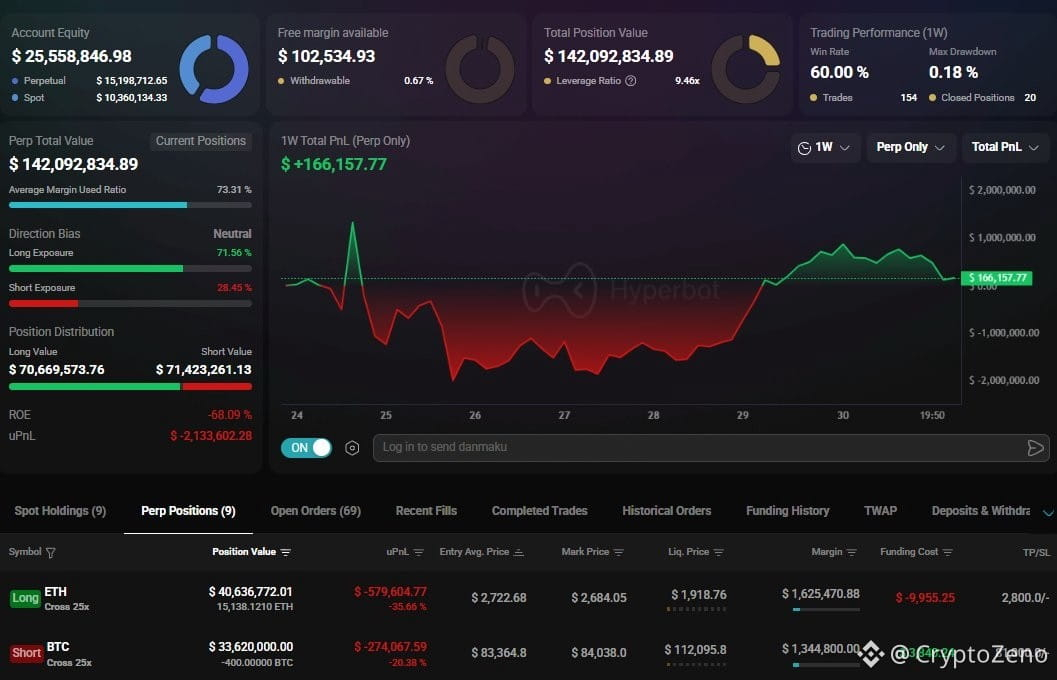
3
245
·
--
$BTC Bullish Breakout تم!
{future}(BTCUSDT)
لدينا EQH عند منطقة 87.3 ألف والتي يُفترض أن تكون الخطوة التالية.
$BTC Bullish Breakout تم!
لدينا EQH عند منطقة 87.3 ألف والتي يُفترض أن تكون الخطوة التالية.
لدينا EQH عند منطقة 87.3 ألف والتي يُفترض أن تكون الخطوة التالية.
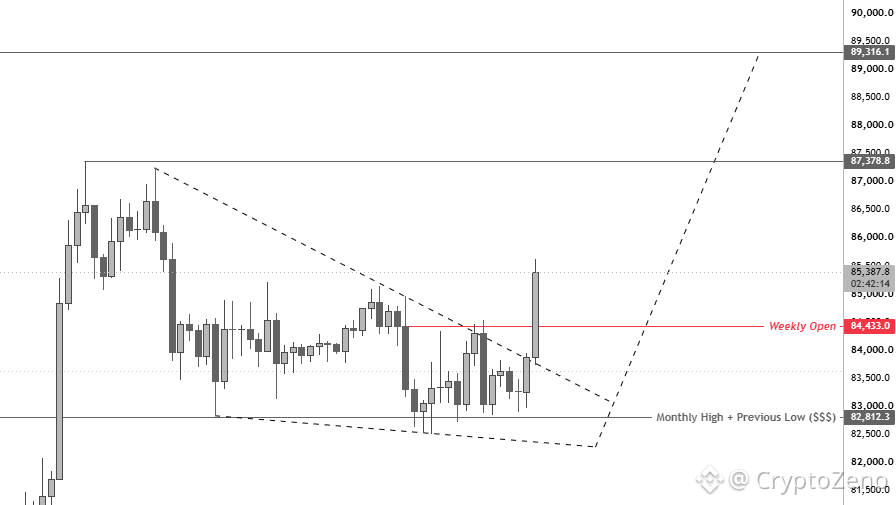
2
2
4
4.3k
·
--
$BTC نحن نتداول بين مجموعتي سيولة كبيرتين (منطقتي تصفية) .
{future}(BTCUSDT)
عادةً، عندما يتم حصر السعر بهذه الطريقة، فإن ذلك يؤدي إلى حركة تصفية انفجارية.
$BTC نحن نتداول بين مجموعتي سيولة كبيرتين (منطقتي تصفية) .
عادةً، عندما يتم حصر السعر بهذه الطريقة، فإن ذلك يؤدي إلى حركة تصفية انفجارية.
عادةً، عندما يتم حصر السعر بهذه الطريقة، فإن ذلك يؤدي إلى حركة تصفية انفجارية.
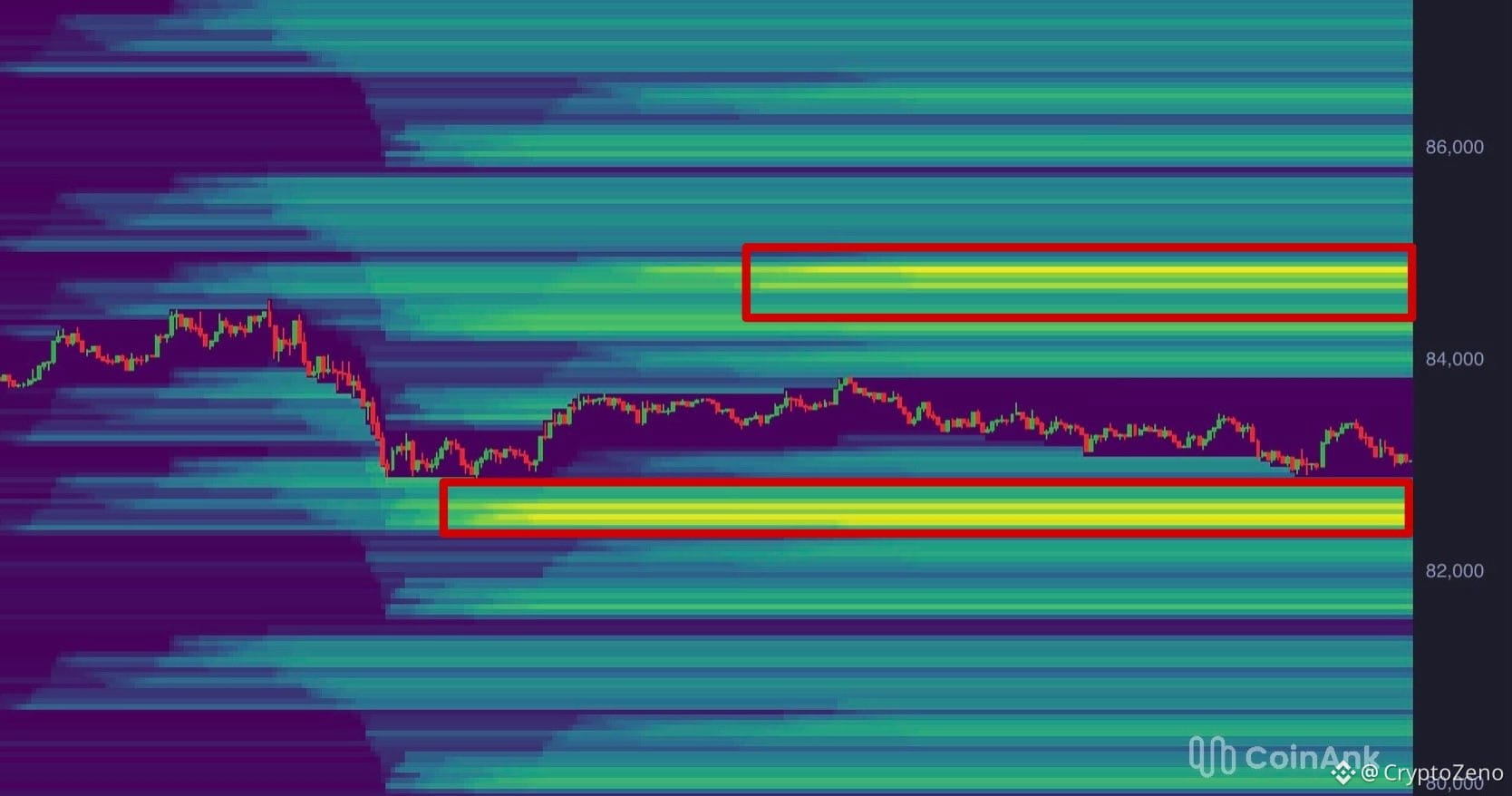
1
2
380
·
--
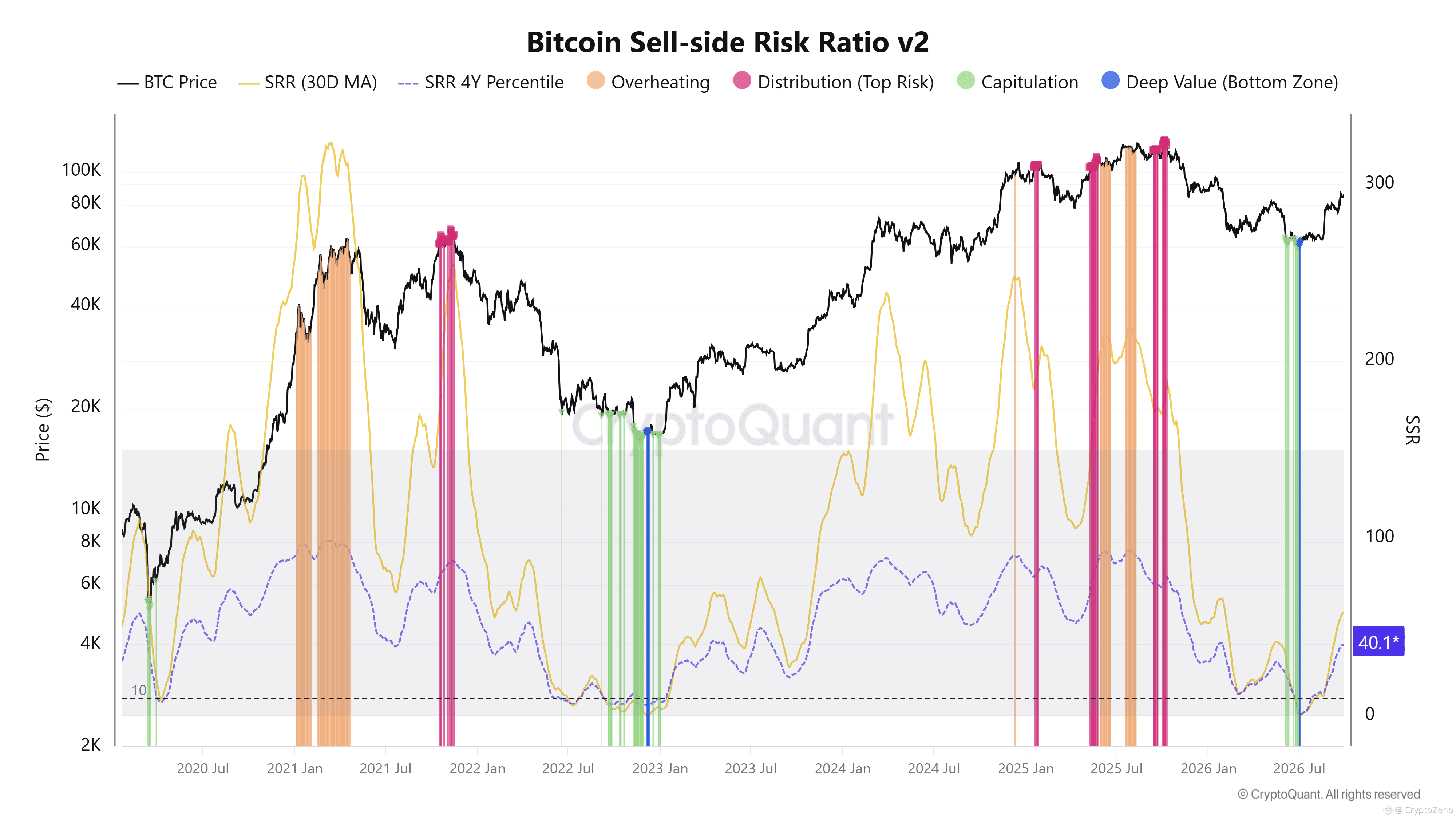
بيتكوين تستعيد التعافي بينما يظل خطر السلسلة على السلسلة محدودًا
استعادت BTC نحو نطاق 84 ألف دولار، لكن البنية على السلسلة لا تزال تبدو بعيدة عن الظروف التي رافقت تاريخيًا حالات سخونة دورة متأخرة. يعكس الإعداد الحالي مزيدًا من الاتساق مع سوق يعيد بناء قوته بعد فترة مطولة من إعادة الضبط في الأرباح المحققة وضغط البيع من جهة المالكين.
تبلغ الإمدادات في نسبة الربح/الخسارة الآن قرابة 2.5، أي أعلى بكثير من مستوى 1.0 الذي كان يشير سابقًا إلى فترات استسلام واسعة النطاق، لكنه ما يزال بعيدًا عن قراءات 10+ التي شوهدت خلال مراحل جني الأرباح الأقوى. وهذا مهم لأن التعافي السعري الأخير لم يدفع النسبة بعد إلى منطقة تصبح فيها الإمدادات المربحة مصدرًا واضحًا لتوزيع عدواني. كما أن متوسطات 7 أيام و30 يومًا تتجه أيضًا إلى الأعلى، ما يُظهر أن التحسن يكتسب قدرًا من الاستمرارية وليس مجرد حركة ليوم واحد.
تضيف نسبة مخاطر جهة البيع طبقة أخرى إلى الصورة. تبلغ قراءتها الحالية نحو 40.1، بعد أن انخفضت بشكل حاد إلى النطاق الأدنى في وقت مبكر من عام 2026. تاريخيًا، كانت الانخفاضات العميقة في هذا المؤشر تظهر عندما يكون السوق قد استنفد جزءًا كبيرًا من مبيعاته القسرية أو المبيعات العاطفية. لذلك يشير الارتداد الأخير إلى عودة جني الأرباح المحقق مع تعافي السعر، لكن المؤشر يظل أقل بكثير من المستويات المرتفعة المرتبطة بالاحماء وتوزيع رئيسي.
وهذا يترك بيتكوين في انتقال مثير للاهتمام. فقد استعاد السعر زخمه، بينما لم تصل مقاييس المخاطر على السلسلة بعد إلى التطرف الذي عادةً ما يحدد مرحلة مضاربة ناضجة. هذا لا يُلغي إمكانية حدوث تصحيح آخر، خصوصًا إذا تدهورت السيولة الكلية أو ضعف شهية المخاطرة، لكنه يوحي بأن هذا التقدم الحالي يحدث دون وجود فائض واضح على السلسلة. الإشارة التالية التي يجب مراقبتها هي ما إذا كانت هذه النِّسَب تستمر في الارتفاع مع السعر أم تبدأ في التسارع نحو مناطق المخاطر التاريخية.
{future}(BTCUSDT)
بيتكوين تستعيد التعافي بينما يظل خطر السلسلة على السلسلة محدودًا
استعادت BTC نحو نطاق 84 ألف دولار، لكن البنية على السلسلة لا تزال تبدو بعيدة عن الظروف التي رافقت تاريخيًا حالات سخونة دورة متأخرة. يعكس الإعداد الحالي مزيدًا من الاتساق مع سوق يعيد بناء قوته بعد فترة مطولة من إعادة الضبط في الأرباح المحققة وضغط البيع من جهة المالكين.
تبلغ الإمدادات في نسبة الربح/الخسارة الآن قرابة 2.5، أي أعلى بكثير من مستوى 1.0 الذي كان يشير سابقًا إلى فترات استسلام واسعة النطاق، لكنه ما يزال بعيدًا عن قراءات 10+ التي شوهدت خلال مراحل جني الأرباح الأقوى. وهذا مهم لأن التعافي السعري الأخير لم يدفع النسبة بعد إلى منطقة تصبح فيها الإمدادات المربحة مصدرًا واضحًا لتوزيع عدواني. كما أن متوسطات 7 أيام و30 يومًا تتجه أيضًا إلى الأعلى، ما يُظهر أن التحسن يكتسب قدرًا من الاستمرارية وليس مجرد حركة ليوم واحد.
تضيف نسبة مخاطر جهة البيع طبقة أخرى إلى الصورة. تبلغ قراءتها الحالية نحو 40.1، بعد أن انخفضت بشكل حاد إلى النطاق الأدنى في وقت مبكر من عام 2026. تاريخيًا، كانت الانخفاضات العميقة في هذا المؤشر تظهر عندما يكون السوق قد استنفد جزءًا كبيرًا من مبيعاته القسرية أو المبيعات العاطفية. لذلك يشير الارتداد الأخير إلى عودة جني الأرباح المحقق مع تعافي السعر، لكن المؤشر يظل أقل بكثير من المستويات المرتفعة المرتبطة بالاحماء وتوزيع رئيسي.
وهذا يترك بيتكوين في انتقال مثير للاهتمام. فقد استعاد السعر زخمه، بينما لم تصل مقاييس المخاطر على السلسلة بعد إلى التطرف الذي عادةً ما يحدد مرحلة مضاربة ناضجة. هذا لا يُلغي إمكانية حدوث تصحيح آخر، خصوصًا إذا تدهورت السيولة الكلية أو ضعف شهية المخاطرة، لكنه يوحي بأن هذا التقدم الحالي يحدث دون وجود فائض واضح على السلسلة. الإشارة التالية التي يجب مراقبتها هي ما إذا كانت هذه النِّسَب تستمر في الارتفاع مع السعر أم تبدأ في التسارع نحو مناطق المخاطر التاريخية.
استعادت BTC نحو نطاق 84 ألف دولار، لكن البنية على السلسلة لا تزال تبدو بعيدة عن الظروف التي رافقت تاريخيًا حالات سخونة دورة متأخرة. يعكس الإعداد الحالي مزيدًا من الاتساق مع سوق يعيد بناء قوته بعد فترة مطولة من إعادة الضبط في الأرباح المحققة وضغط البيع من جهة المالكين.
تبلغ الإمدادات في نسبة الربح/الخسارة الآن قرابة 2.5، أي أعلى بكثير من مستوى 1.0 الذي كان يشير سابقًا إلى فترات استسلام واسعة النطاق، لكنه ما يزال بعيدًا عن قراءات 10+ التي شوهدت خلال مراحل جني الأرباح الأقوى. وهذا مهم لأن التعافي السعري الأخير لم يدفع النسبة بعد إلى منطقة تصبح فيها الإمدادات المربحة مصدرًا واضحًا لتوزيع عدواني. كما أن متوسطات 7 أيام و30 يومًا تتجه أيضًا إلى الأعلى، ما يُظهر أن التحسن يكتسب قدرًا من الاستمرارية وليس مجرد حركة ليوم واحد.
تضيف نسبة مخاطر جهة البيع طبقة أخرى إلى الصورة. تبلغ قراءتها الحالية نحو 40.1، بعد أن انخفضت بشكل حاد إلى النطاق الأدنى في وقت مبكر من عام 2026. تاريخيًا، كانت الانخفاضات العميقة في هذا المؤشر تظهر عندما يكون السوق قد استنفد جزءًا كبيرًا من مبيعاته القسرية أو المبيعات العاطفية. لذلك يشير الارتداد الأخير إلى عودة جني الأرباح المحقق مع تعافي السعر، لكن المؤشر يظل أقل بكثير من المستويات المرتفعة المرتبطة بالاحماء وتوزيع رئيسي.
وهذا يترك بيتكوين في انتقال مثير للاهتمام. فقد استعاد السعر زخمه، بينما لم تصل مقاييس المخاطر على السلسلة بعد إلى التطرف الذي عادةً ما يحدد مرحلة مضاربة ناضجة. هذا لا يُلغي إمكانية حدوث تصحيح آخر، خصوصًا إذا تدهورت السيولة الكلية أو ضعف شهية المخاطرة، لكنه يوحي بأن هذا التقدم الحالي يحدث دون وجود فائض واضح على السلسلة. الإشارة التالية التي يجب مراقبتها هي ما إذا كانت هذه النِّسَب تستمر في الارتفاع مع السعر أم تبدأ في التسارع نحو مناطق المخاطر التاريخية.
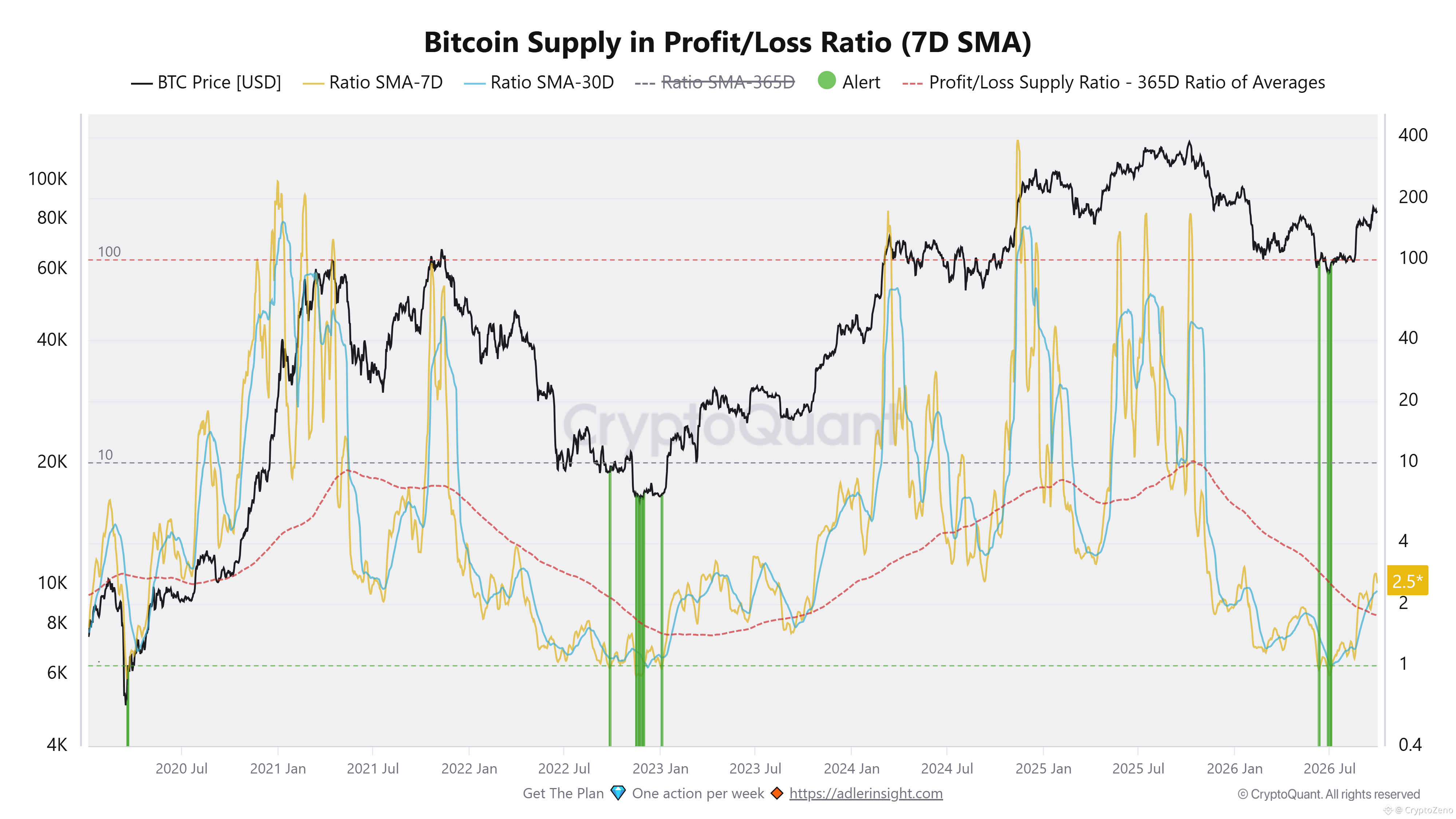
3
260
·
--
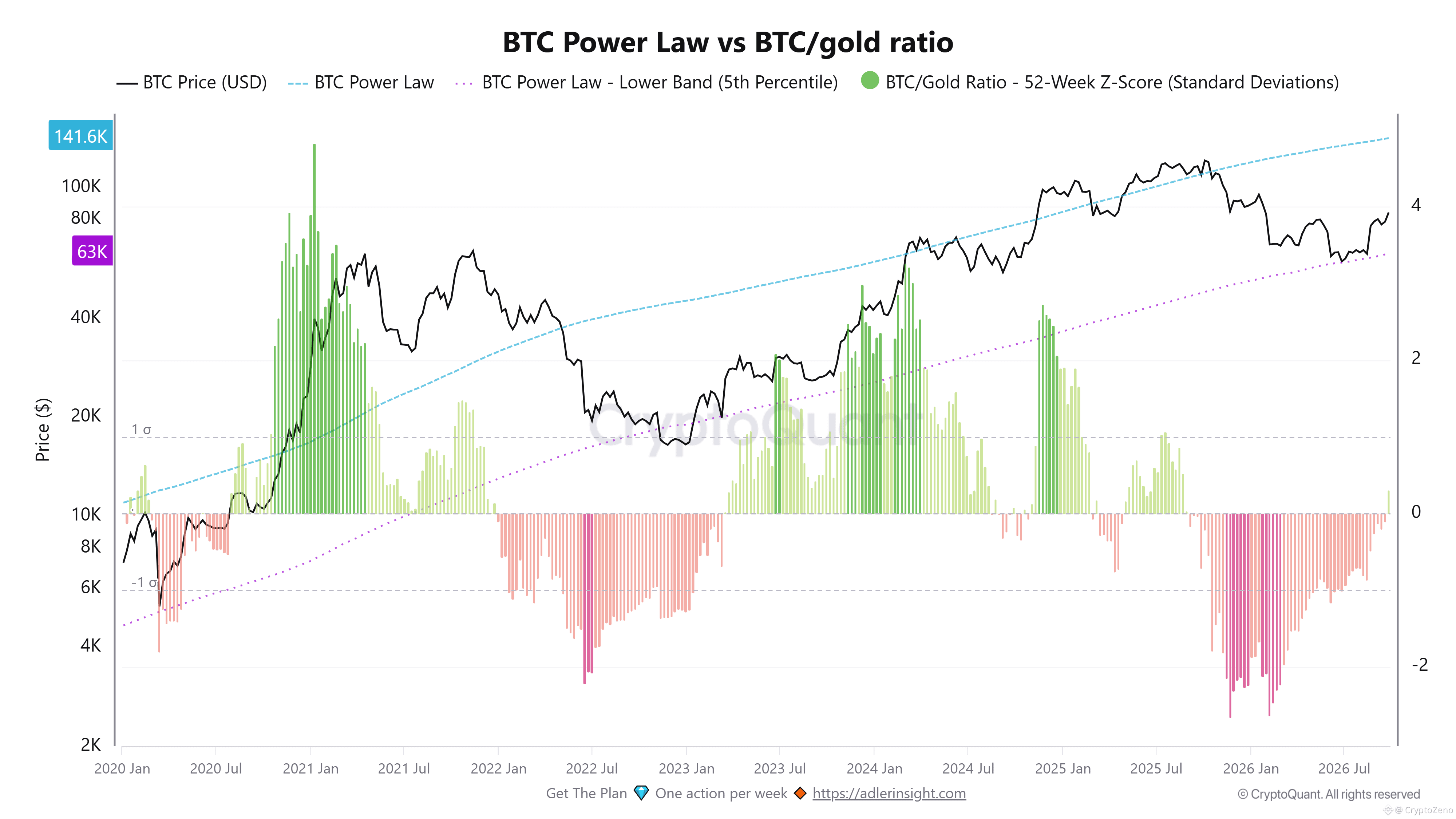
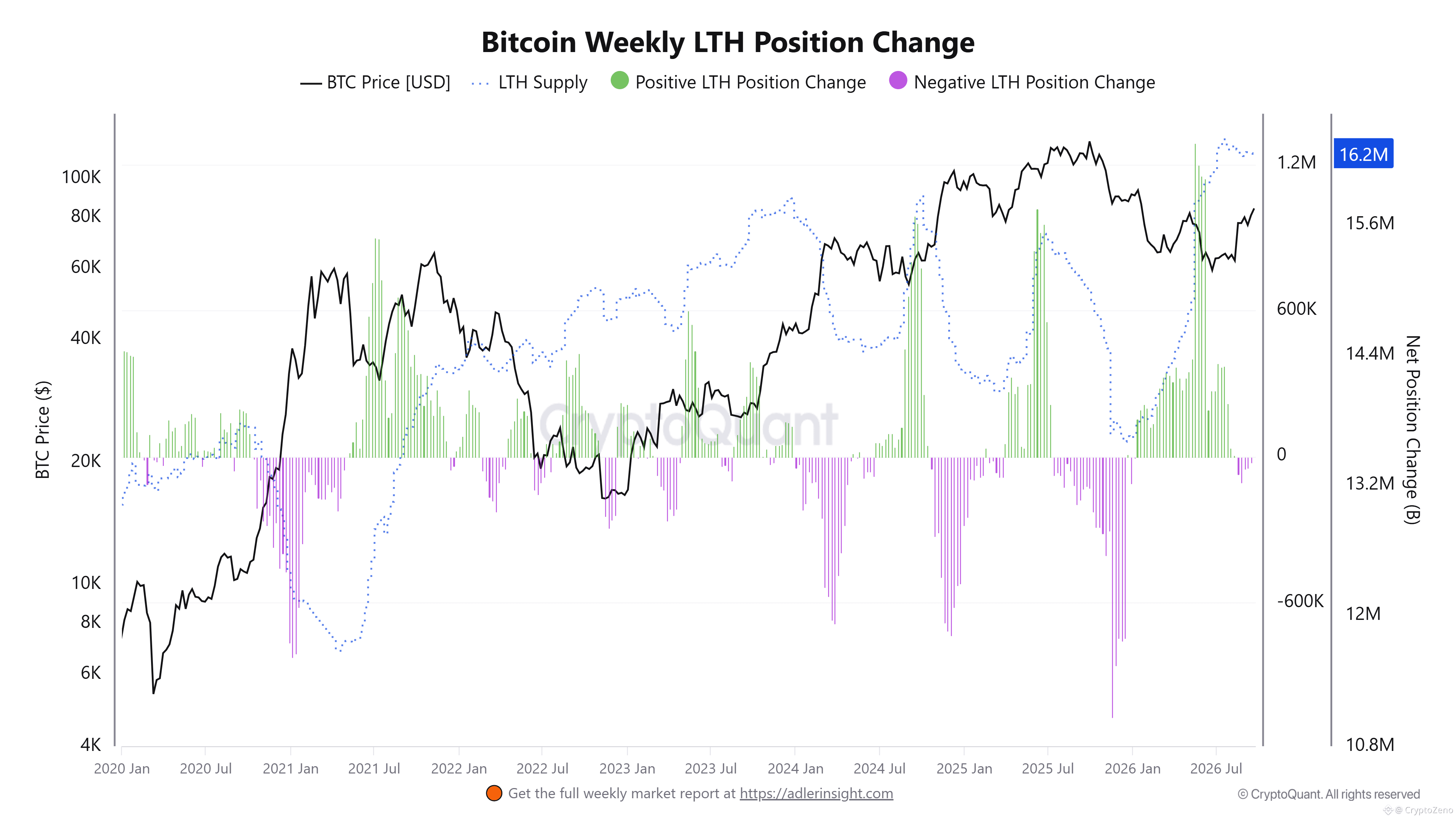
بيتكوين تستعيد الزخم بينما يشدّ المستثمرون على المدى الطويل قبضتهم على الإمداد
$BTC يتم تداولها حاليًا قرب 83 ألف دولار، وما زالت أعلى بكثير من الحدّ السفلي لقانون القوة قرب 63 ألف دولار، لكنها أقل من اتجاه النموذج الذي يدور حول 140 ألف دولار. وهذا يضع عملة البيتكوين في نطاق تقييم مدعوم بشكل بنيوي وليس ضمن نظام مبالغة تقييمية متطرفة. كما أن مؤشر 52 أسبوعًا للـ BTC/الذهب عبر Z-Score ما زال منخفضًا بعمق بعد فترة سلبية طويلة، ما يُظهر أن البيتكوين تراجعت بشكل كبير مقارنةً بالذهب على أساس نسبي ولم تعد بعد إلى مستويات التطرف التاريخية.
الإشارة الأكثر أهمية تأتي من سلوك حاملي المدى الطويل. فقد تحوّلت تغيّرات حيازة حاملي المدى الطويل على أساس أسبوعي مؤخرًا بقوة إلى الاتجاه الإيجابي، مع ظهور عدة موجات تجميع كبيرة بينما تعافى سعر BTC من منطقة 60 ألف دولار. وفي الوقت نفسه، ارتفع المعروض لدى حاملي المدى الطويل نحو 16.2 مليون BTC، ما يشير إلى أن العملات تتحرك بشكل متزايد إلى حيازات أطول مدة بدلًا من أن يتم توزيعها باستمرار في السوق.
يخلق ذلك تباينًا مثيرًا بين التقييم النسبي وقناعة البيانات على السلسلة (on-chain). إذ ما زالت BTC بعيدة عن مسار قانون القوة، بينما ما زت نسبة BTC/الذهب مضغوطة، لكن حاملو المدى الطويل يقومون بتوسيع مراكزهم. تاريخيًا، قد تؤدي الزيادات المستمرة في معروض حاملي المدى الطويل إلى خفض المعروض السائل المتاح للبيع الفوري، ما يكوّن أساسًا أقوى عندما يبدأ الطلب في التسارع.
البنية الرئيسية التي ينبغي مراقبتها هي ما إذا كان تجميع حاملي المدى الطويل يستمر بينما يبقى سعر BTC فوق الحد السفلي لقانون القوة قرب 63 ألف دولار. فإن تعافٍ مستمر في نسبة BTC/الذهب إلى جانب استمرار تجميع حاملي المدى الطويل سيشير إلى تحسّن القوة النسبية وتشديد ظروف العرض. وحتى ذلك الحين، تشير البيانات إلى أن السوق يتعافى من فترة ضعف نسبي حادة، لكنه لم يصل بعد إلى نوع حالات التطرف في التقييم التي ترتبط عادةً بمرحلة السخونة في نهاية الدورة.
{future}(BTCUSDT)
بيتكوين تستعيد الزخم بينما يشدّ المستثمرون على المدى الطويل قبضتهم على الإمداد
$BTC يتم تداولها حاليًا قرب 83 ألف دولار، وما زالت أعلى بكثير من الحدّ السفلي لقانون القوة قرب 63 ألف دولار، لكنها أقل من اتجاه النموذج الذي يدور حول 140 ألف دولار. وهذا يضع عملة البيتكوين في نطاق تقييم مدعوم بشكل بنيوي وليس ضمن نظام مبالغة تقييمية متطرفة. كما أن مؤشر 52 أسبوعًا للـ BTC/الذهب عبر Z-Score ما زال منخفضًا بعمق بعد فترة سلبية طويلة، ما يُظهر أن البيتكوين تراجعت بشكل كبير مقارنةً بالذهب على أساس نسبي ولم تعد بعد إلى مستويات التطرف التاريخية.
الإشارة الأكثر أهمية تأتي من سلوك حاملي المدى الطويل. فقد تحوّلت تغيّرات حيازة حاملي المدى الطويل على أساس أسبوعي مؤخرًا بقوة إلى الاتجاه الإيجابي، مع ظهور عدة موجات تجميع كبيرة بينما تعافى سعر BTC من منطقة 60 ألف دولار. وفي الوقت نفسه، ارتفع المعروض لدى حاملي المدى الطويل نحو 16.2 مليون BTC، ما يشير إلى أن العملات تتحرك بشكل متزايد إلى حيازات أطول مدة بدلًا من أن يتم توزيعها باستمرار في السوق.
يخلق ذلك تباينًا مثيرًا بين التقييم النسبي وقناعة البيانات على السلسلة (on-chain). إذ ما زالت BTC بعيدة عن مسار قانون القوة، بينما ما زت نسبة BTC/الذهب مضغوطة، لكن حاملو المدى الطويل يقومون بتوسيع مراكزهم. تاريخيًا، قد تؤدي الزيادات المستمرة في معروض حاملي المدى الطويل إلى خفض المعروض السائل المتاح للبيع الفوري، ما يكوّن أساسًا أقوى عندما يبدأ الطلب في التسارع.
البنية الرئيسية التي ينبغي مراقبتها هي ما إذا كان تجميع حاملي المدى الطويل يستمر بينما يبقى سعر BTC فوق الحد السفلي لقانون القوة قرب 63 ألف دولار. فإن تعافٍ مستمر في نسبة BTC/الذهب إلى جانب استمرار تجميع حاملي المدى الطويل سيشير إلى تحسّن القوة النسبية وتشديد ظروف العرض. وحتى ذلك الحين، تشير البيانات إلى أن السوق يتعافى من فترة ضعف نسبي حادة، لكنه لم يصل بعد إلى نوع حالات التطرف في التقييم التي ترتبط عادةً بمرحلة السخونة في نهاية الدورة.
$BTC يتم تداولها حاليًا قرب 83 ألف دولار، وما زالت أعلى بكثير من الحدّ السفلي لقانون القوة قرب 63 ألف دولار، لكنها أقل من اتجاه النموذج الذي يدور حول 140 ألف دولار. وهذا يضع عملة البيتكوين في نطاق تقييم مدعوم بشكل بنيوي وليس ضمن نظام مبالغة تقييمية متطرفة. كما أن مؤشر 52 أسبوعًا للـ BTC/الذهب عبر Z-Score ما زال منخفضًا بعمق بعد فترة سلبية طويلة، ما يُظهر أن البيتكوين تراجعت بشكل كبير مقارنةً بالذهب على أساس نسبي ولم تعد بعد إلى مستويات التطرف التاريخية.
الإشارة الأكثر أهمية تأتي من سلوك حاملي المدى الطويل. فقد تحوّلت تغيّرات حيازة حاملي المدى الطويل على أساس أسبوعي مؤخرًا بقوة إلى الاتجاه الإيجابي، مع ظهور عدة موجات تجميع كبيرة بينما تعافى سعر BTC من منطقة 60 ألف دولار. وفي الوقت نفسه، ارتفع المعروض لدى حاملي المدى الطويل نحو 16.2 مليون BTC، ما يشير إلى أن العملات تتحرك بشكل متزايد إلى حيازات أطول مدة بدلًا من أن يتم توزيعها باستمرار في السوق.
يخلق ذلك تباينًا مثيرًا بين التقييم النسبي وقناعة البيانات على السلسلة (on-chain). إذ ما زالت BTC بعيدة عن مسار قانون القوة، بينما ما زت نسبة BTC/الذهب مضغوطة، لكن حاملو المدى الطويل يقومون بتوسيع مراكزهم. تاريخيًا، قد تؤدي الزيادات المستمرة في معروض حاملي المدى الطويل إلى خفض المعروض السائل المتاح للبيع الفوري، ما يكوّن أساسًا أقوى عندما يبدأ الطلب في التسارع.
البنية الرئيسية التي ينبغي مراقبتها هي ما إذا كان تجميع حاملي المدى الطويل يستمر بينما يبقى سعر BTC فوق الحد السفلي لقانون القوة قرب 63 ألف دولار. فإن تعافٍ مستمر في نسبة BTC/الذهب إلى جانب استمرار تجميع حاملي المدى الطويل سيشير إلى تحسّن القوة النسبية وتشديد ظروف العرض. وحتى ذلك الحين، تشير البيانات إلى أن السوق يتعافى من فترة ضعف نسبي حادة، لكنه لم يصل بعد إلى نوع حالات التطرف في التقييم التي ترتبط عادةً بمرحلة السخونة في نهاية الدورة.
2
229
·
--
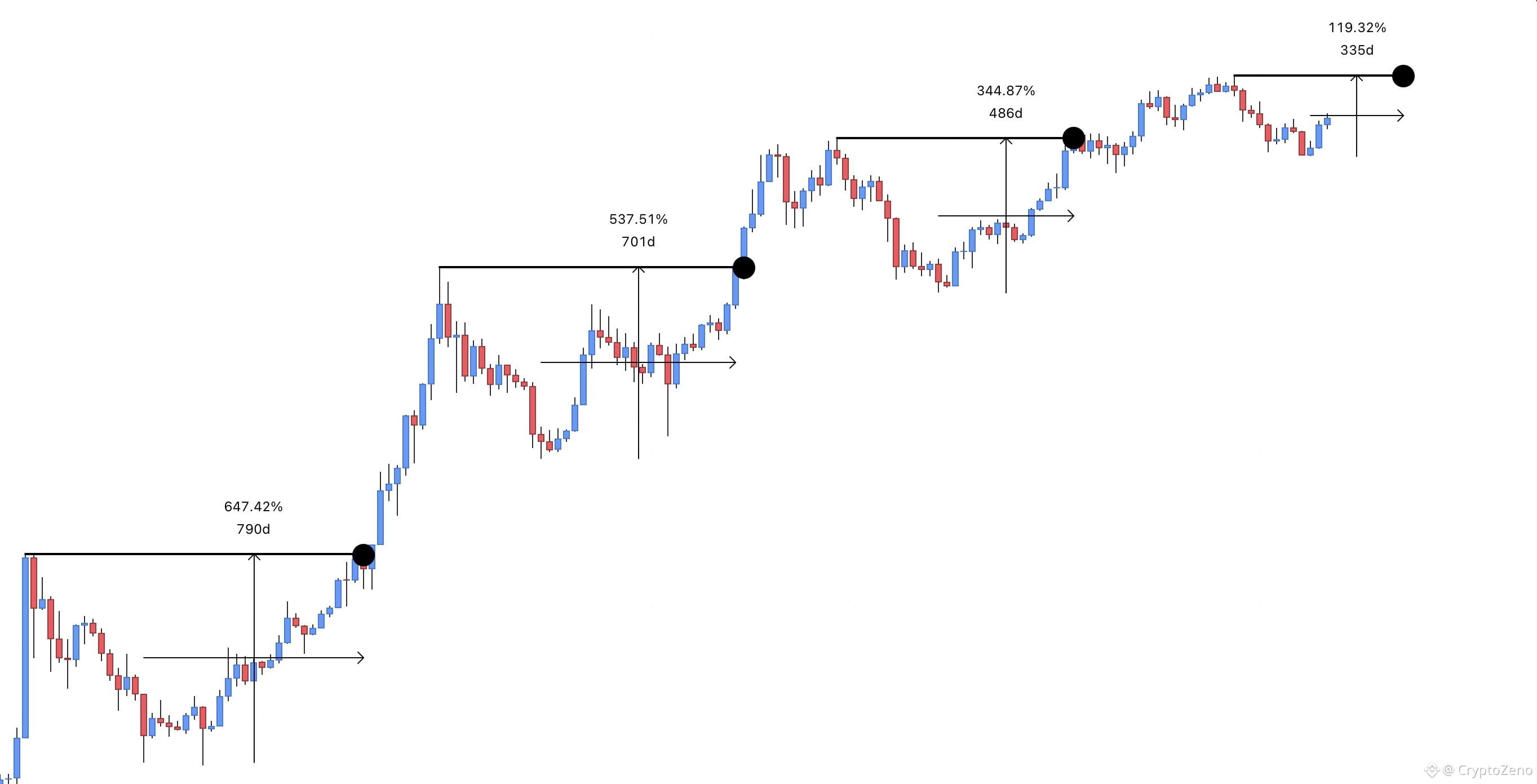
$BTC إن الانتقال من قاع سوق الدب إلى مستوى ATH جديد يستمر في أن يصبح أقل عمقًا وأقصر في كل دورة.
{future}(BTCUSDT)
وهذا يعني في النهاية أن الدورات تتقلص، مما قد يؤدي إلى تحقيق ATH جديد في وقت أبكر بكثير مما يتوقعه معظم الناس.
الربع الثالث–الربع الرابع 2027.⏳
$BTC إن الانتقال من قاع سوق الدب إلى مستوى ATH جديد يستمر في أن يصبح أقل عمقًا وأقصر في كل دورة.
وهذا يعني في النهاية أن الدورات تتقلص، مما قد يؤدي إلى تحقيق ATH جديد في وقت أبكر بكثير مما يتوقعه معظم الناس.
الربع الثالث–الربع الرابع 2027.⏳
وهذا يعني في النهاية أن الدورات تتقلص، مما قد يؤدي إلى تحقيق ATH جديد في وقت أبكر بكثير مما يتوقعه معظم الناس.
الربع الثالث–الربع الرابع 2027.⏳
1
3
715
·
--
$BTC Soon another swing long will be opened...
{future}(BTCUSDT)
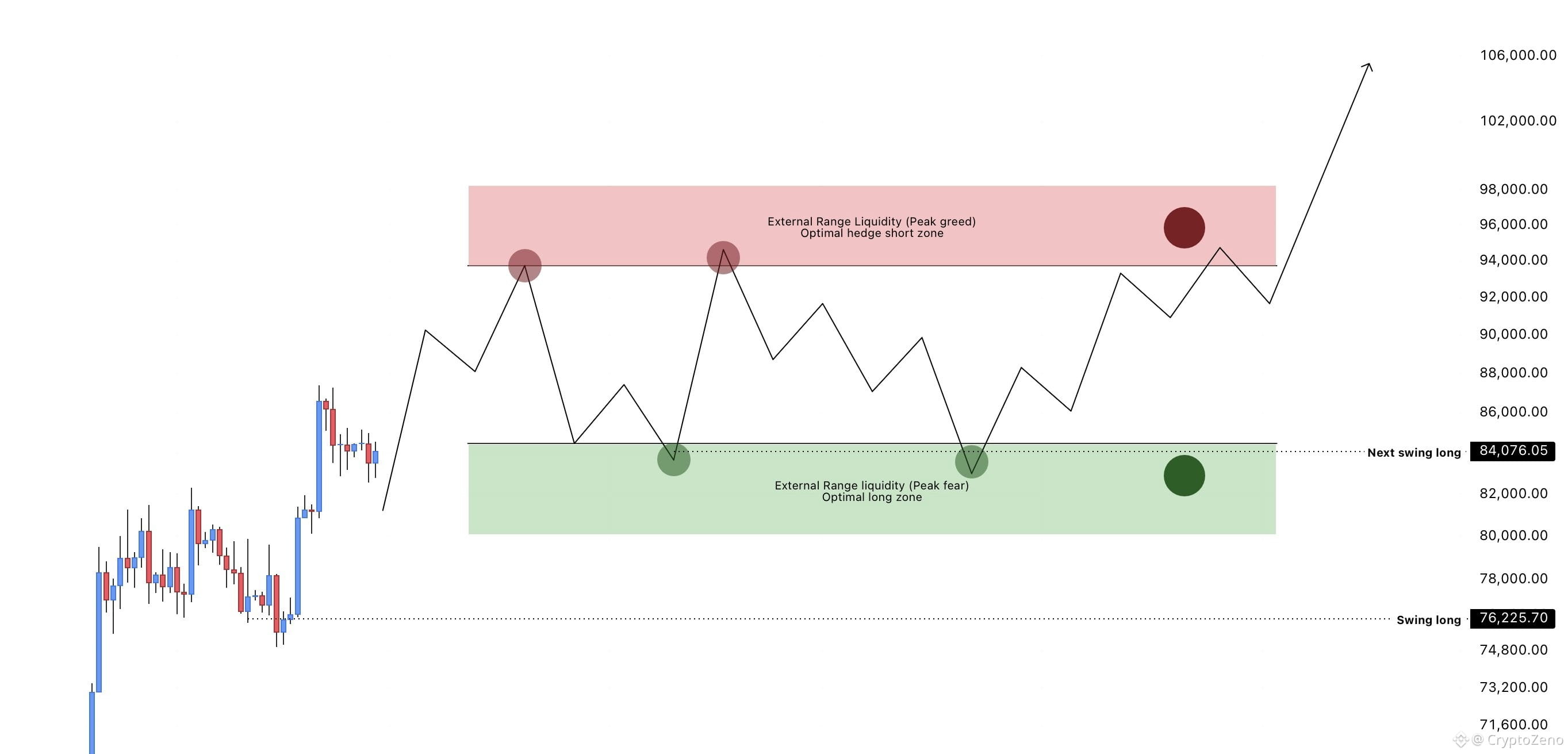
بعد التحركات الكبيرة، يحتاج السعر دائمًا إلى بعض الوقت ليتماسك قبل حدوث توسّع رئيسي آخر. في هذه الحالة، سيكون هذا التوسّع باتجاه ATH جديد.
تمامًا كما استثمرنا في أدنى الحدود الخارجية في المرة السابقة وقمنا بفتح صفقة Swing Long عند 76.2K، سنفعل الشيء نفسه في النطاق التالي. عادةً ما تكون أدنى الحدود الخارجية هي الأماكن التي يصبح فيها الدببة شديدة الجشع وصاخبين للغاية.
خلال فترات إعادة التجميع هذه، يكون التموضع مع اتجاه HTF أمرًا أساسيًا. السعر حاليًا في اتجاه صاعد، لذلك أنا أبحث عن تموضع بصفقات Long أكبر حجمًا.
اترك النطاق يتشكل أولًا. بمجرد تثبيت أدنى حدود النطاق، تتمثل الخطوة الأخيرة في فتح صفقات Swing Long عند مسح تلك القيعان، مع استهداف ATH جديد.
$BTC Soon another swing long will be opened...
بعد التحركات الكبيرة، يحتاج السعر دائمًا إلى بعض الوقت ليتماسك قبل حدوث توسّع رئيسي آخر. في هذه الحالة، سيكون هذا التوسّع باتجاه ATH جديد.
تمامًا كما استثمرنا في أدنى الحدود الخارجية في المرة السابقة وقمنا بفتح صفقة Swing Long عند 76.2K، سنفعل الشيء نفسه في النطاق التالي. عادةً ما تكون أدنى الحدود الخارجية هي الأماكن التي يصبح فيها الدببة شديدة الجشع وصاخبين للغاية.
خلال فترات إعادة التجميع هذه، يكون التموضع مع اتجاه HTF أمرًا أساسيًا. السعر حاليًا في اتجاه صاعد، لذلك أنا أبحث عن تموضع بصفقات Long أكبر حجمًا.
اترك النطاق يتشكل أولًا. بمجرد تثبيت أدنى حدود النطاق، تتمثل الخطوة الأخيرة في فتح صفقات Swing Long عند مسح تلك القيعان، مع استهداف ATH جديد.
بعد التحركات الكبيرة، يحتاج السعر دائمًا إلى بعض الوقت ليتماسك قبل حدوث توسّع رئيسي آخر. في هذه الحالة، سيكون هذا التوسّع باتجاه ATH جديد.
تمامًا كما استثمرنا في أدنى الحدود الخارجية في المرة السابقة وقمنا بفتح صفقة Swing Long عند 76.2K، سنفعل الشيء نفسه في النطاق التالي. عادةً ما تكون أدنى الحدود الخارجية هي الأماكن التي يصبح فيها الدببة شديدة الجشع وصاخبين للغاية.
خلال فترات إعادة التجميع هذه، يكون التموضع مع اتجاه HTF أمرًا أساسيًا. السعر حاليًا في اتجاه صاعد، لذلك أنا أبحث عن تموضع بصفقات Long أكبر حجمًا.
اترك النطاق يتشكل أولًا. بمجرد تثبيت أدنى حدود النطاق، تتمثل الخطوة الأخيرة في فتح صفقات Swing Long عند مسح تلك القيعان، مع استهداف ATH جديد.
1
3
762
سجّل الدخول لاستكشاف المزيد من المُحتوى
انضم إلى مُستخدمي العملات الرقمية حول العالم على Binance Square
⚡️ احصل على أحدث المعلومات المفيدة عن العملات الرقمية.
💬 موثوقة من قبل أكبر منصّة لتداول العملات الرقمية في العالم.
👍 اكتشف الرؤى الحقيقية من صنّاع المُحتوى الموثوقين.
البريد الإلكتروني / رقم الهاتف
المواضيع الرائجة
NFPWatch
10.8M مشاهدات
19,023 يقومون بالنقاش
أخبار العملات الرقمية | البيتكوين تقترب من 85 ألف دولار مع تراجع عوائد الخزانة الأميركية قبيل تقرير الوظائف الأميركي غير الزراعي
Binance News
·36 إعجاب
·47.3k مشاهدات
BitcoinFundingRateTriplesTo10%
120,122 مشاهدات
1,019 يقومون بالنقاش
BitcoinSurpasses$86KUp2.99%
36,479 مشاهدات
99 يقومون بالنقاش