
Crypto Solutions
2.9k منشورات

Crypto Solutions
 تحقُّق Binance Square الإضافي
إبلاغ
حظر المُستخدم
Event Coordinator | X: @creptosolutions | Content Creator | Community Builder

Creator Awards 2024

Top Voices

Level 2 Creator
52 تتابع
95.5K+ المتابعون
70.1K+ إعجاب
3 الشارات
منشورات
الكل
اقتباسات
مقاطع فيديو
Live
رائج

مقالة
Binance تقدم قائمة Bonk (BONK) مع تطبيق علامة البذور الفريدةفي خطوة مهمة لعشاق العملات المشفرة، تستعد منصة Binance لإدراج Bonk (BONK)، مما يمثل خطوة استراتيجية في المشهد المتطور باستمرار للأصول الرقمية. من المقرر أن يبدأ التداول الفوري في 15 ديسمبر 2023، الساعة 08:00 (التوقيت العالمي المنسق)، فإن تقديم BONK على Binance يوفر فرصًا مثيرة للمتداولين في جميع أنحاء العالم.أزواج التداول الفوري والودائعيمكن لمستخدمي Binance توقع توفر أزواج التداول الفوري، بما في ذلك BONK/USDT وBONK/FDUSD وBONK/TRY. خيار الإيداع لـ BONK مفتوح بالفعل، مما يسمح للمستخدمين بالتحضير لأنشطة التداول.
Binance تقدم قائمة Bonk (BONK) مع تطبيق علامة البذور الفريدة
في خطوة مهمة لعشاق العملات المشفرة، تستعد منصة Binance لإدراج Bonk (BONK)، مما يمثل خطوة استراتيجية في المشهد المتطور باستمرار للأصول الرقمية. من المقرر أن يبدأ التداول الفوري في 15 ديسمبر 2023، الساعة 08:00 (التوقيت العالمي المنسق)، فإن تقديم BONK على Binance يوفر فرصًا مثيرة للمتداولين في جميع أنحاء العالم.أزواج التداول الفوري والودائعيمكن لمستخدمي Binance توقع توفر أزواج التداول الفوري، بما في ذلك BONK/USDT وBONK/FDUSD وBONK/TRY. خيار الإيداع لـ BONK مفتوح بالفعل، مما يسمح للمستخدمين بالتحضير لأنشطة التداول.
45
34
486
20.3k
رائج

مقالة
القصة المذهلة لتشاو تونغ وبيتكوينيكافي عام 2010، اشترى مراهق صيني يدعى تشاو تونغ بيتكوين مقابل 10 دولارات. مفتونًا بفكرة العملة الرقمية العالمية، انطلق تشاو، وهو في السادسة عشرة من عمره فقط، إلى عالم العملات المشفرة.
الاهتمام المبكر والتحديات
كان تشاو مفتونًا بإمكانيات البيتكوين وشارك حماسه بفارغ الصبر مع الأصدقاء. ومع ذلك، لم يكن شراء البيتكوين في عام 2011 سهلاً. وكثيرًا ما توقفت أكبر بورصة، Mt.Gox، عن الاتصال بالإنترنت، بل وشهدت انهيارًا مفاجئًا أدى إلى انخفاض سعر البيتكوين إلى 0.01 دولار بعد وقت قصير من شراء تشاو.
القصة المذهلة لتشاو تونغ وبيتكوينيكا
في عام 2010، اشترى مراهق صيني يدعى تشاو تونغ بيتكوين مقابل 10 دولارات. مفتونًا بفكرة العملة الرقمية العالمية، انطلق تشاو، وهو في السادسة عشرة من عمره فقط، إلى عالم العملات المشفرة.
الاهتمام المبكر والتحديات
كان تشاو مفتونًا بإمكانيات البيتكوين وشارك حماسه بفارغ الصبر مع الأصدقاء. ومع ذلك، لم يكن شراء البيتكوين في عام 2011 سهلاً. وكثيرًا ما توقفت أكبر بورصة، Mt.Gox، عن الاتصال بالإنترنت، بل وشهدت انهيارًا مفاجئًا أدى إلى انخفاض سعر البيتكوين إلى 0.01 دولار بعد وقت قصير من شراء تشاو.
الاهتمام المبكر والتحديات
كان تشاو مفتونًا بإمكانيات البيتكوين وشارك حماسه بفارغ الصبر مع الأصدقاء. ومع ذلك، لم يكن شراء البيتكوين في عام 2011 سهلاً. وكثيرًا ما توقفت أكبر بورصة، Mt.Gox، عن الاتصال بالإنترنت، بل وشهدت انهيارًا مفاجئًا أدى إلى انخفاض سعر البيتكوين إلى 0.01 دولار بعد وقت قصير من شراء تشاو.
9
3
257
113.1k
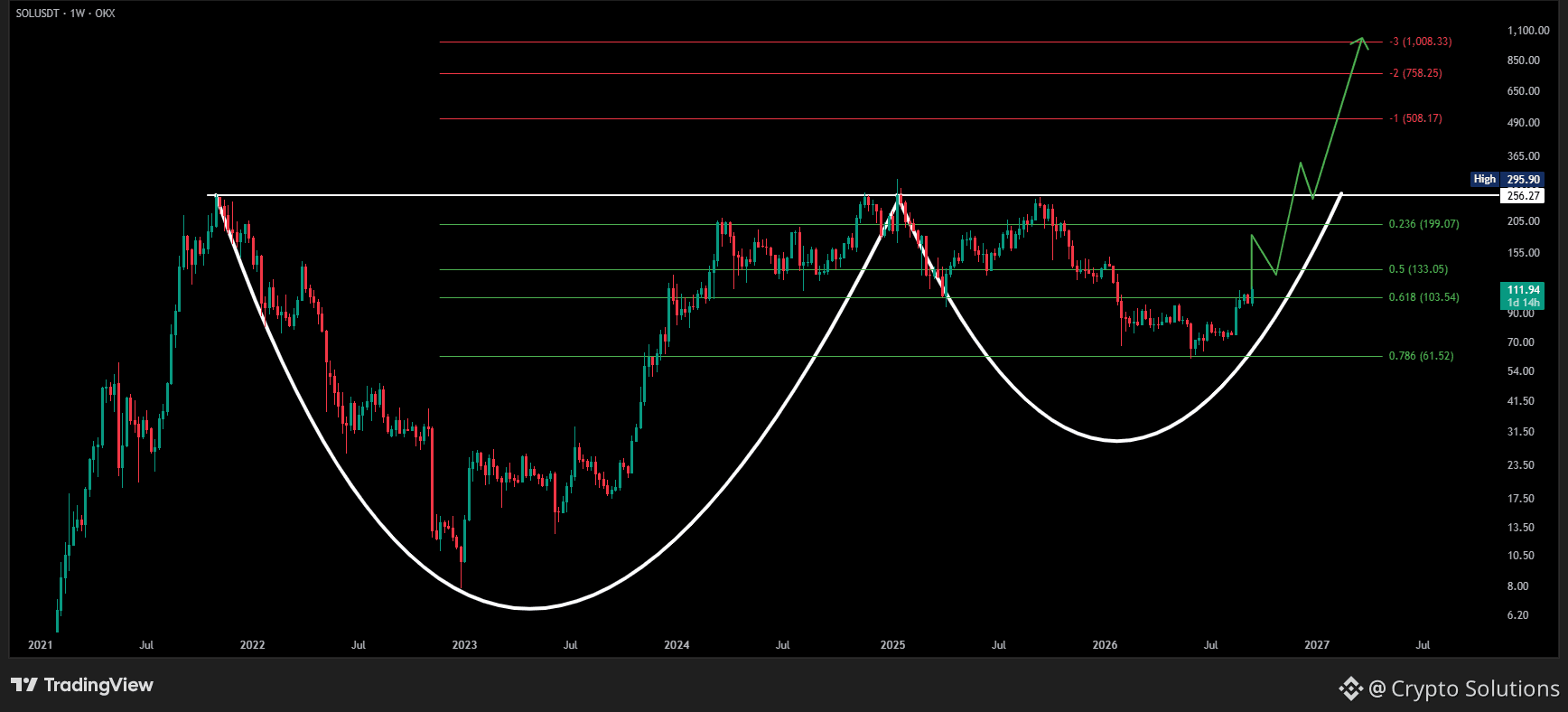
التراجع على $SOL وبنية الحركة تصبح مجنونة. 👀
يبدو أن هذه الحركة كاملة تشبه نموذج كأس ومقبض واحدًا عملاقًا.
إذا تم كسر خط الرقبة، سيفتح الرسم البياني باتجاه منطقة $1,000+ . 🔥
التراجع على $SOL وبنية الحركة تصبح مجنونة. 👀
يبدو أن هذه الحركة كاملة تشبه نموذج كأس ومقبض واحدًا عملاقًا.
إذا تم كسر خط الرقبة، سيفتح الرسم البياني باتجاه منطقة $1,000+ . 🔥
يبدو أن هذه الحركة كاملة تشبه نموذج كأس ومقبض واحدًا عملاقًا.
إذا تم كسر خط الرقبة، سيفتح الرسم البياني باتجاه منطقة $1,000+ . 🔥
2
577
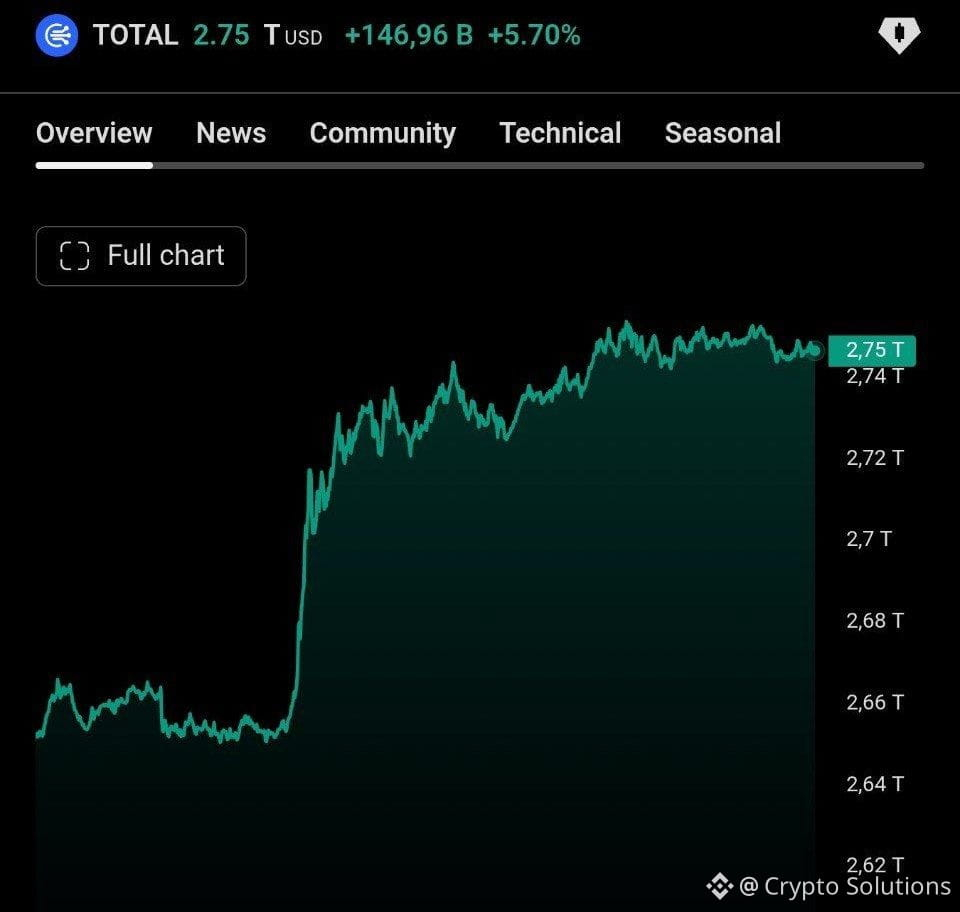
أخبار كبيرة: شهد سوق العملات الرقمية ارتفاعًا بقيمة 148 مليار دولار خلال 24 ساعة، حيث حدثت حوالي 70% من هذا النمو خلال الساعة الأولى.
أخبار كبيرة: شهد سوق العملات الرقمية ارتفاعًا بقيمة 148 مليار دولار خلال 24 ساعة، حيث حدثت حوالي 70% من هذا النمو خلال الساعة الأولى.
1
419
عاجل: تخطط أنثروبي لإطلاق طرحها العام الأولي (IPO) في نوفمبر، وفقًا لصحيفة وول ستريت جورنال.
عاجل: تخطط أنثروبي لإطلاق طرحها العام الأولي (IPO) في نوفمبر، وفقًا لصحيفة وول ستريت جورنال.

2
781
صحيح جزئيًا
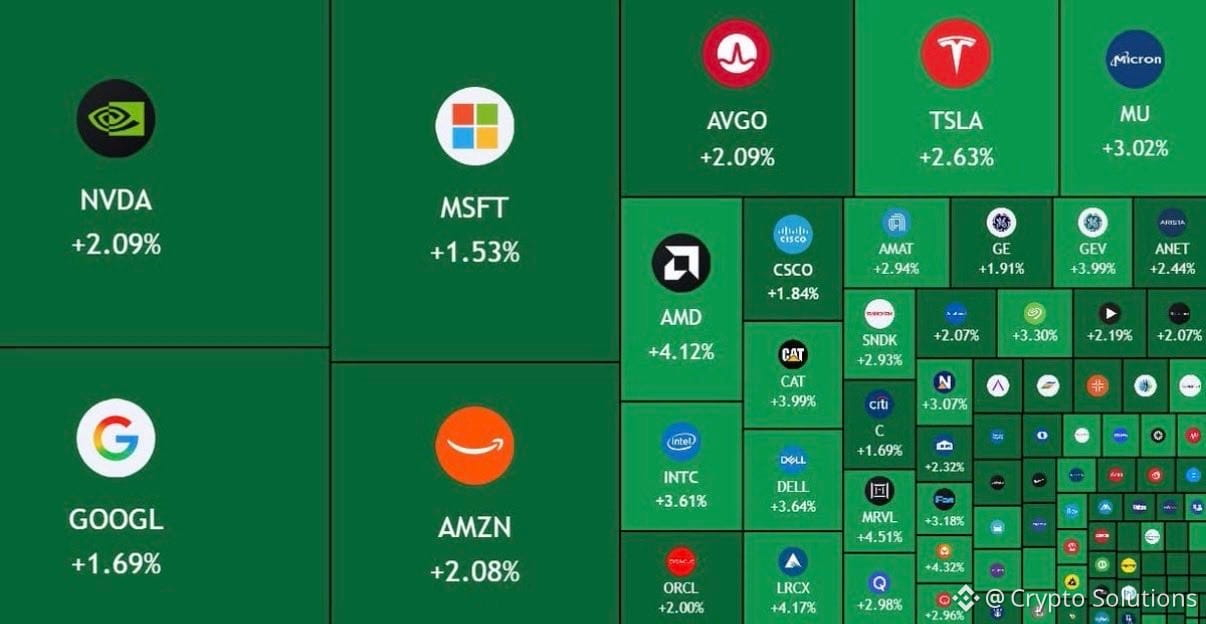
900 مليار دولار فقط تدفّقت إلى سوق الأسهم الأمريكية عند الافتتاح.
وهذا يعني إضافة 900.000.000.000 دولار في جلسة واحدة.
وذلك لا يحدث بمعزل عن غيره.
تواصل الأسواق ركوب موجة قوية من التفاؤل، مدفوعة بتوقعات خفض الفائدة، وأرباح الشركات المرنة، ووتيرة لا تتوقف
900 مليار دولار فقط تدفّقت إلى سوق الأسهم الأمريكية عند الافتتاح.
وهذا يعني إضافة 900.000.000.000 دولار في جلسة واحدة.
وذلك لا يحدث بمعزل عن غيره.
تواصل الأسواق ركوب موجة قوية من التفاؤل، مدفوعة بتوقعات خفض الفائدة، وأرباح الشركات المرنة، ووتيرة لا تتوقف
وهذا يعني إضافة 900.000.000.000 دولار في جلسة واحدة.
وذلك لا يحدث بمعزل عن غيره.
تواصل الأسواق ركوب موجة قوية من التفاؤل، مدفوعة بتوقعات خفض الفائدة، وأرباح الشركات المرنة، ووتيرة لا تتوقف
1
712
مقالة
DDDD: الميم الذي جاء من يي هي نفسها“من يفهم يفهم.” في عالم الكريبتو، توجد عبارات تُصنع بواسطة فرق التسويق. غير أن أخرى تولد من المجتمع. ثم توجد عبارات تصبح جزءًا من الثقافة لأن شخصًا مؤثرًا يقولها، فيلتقطها المجتمع، وفجأةً يعرف الجميع معناها.
DDDD واحدة من تلك العبارات.
ما يجعل DDDD مثيرًا للاهتمام هو أن جذوره يمكن تتبعها مباشرةً إلى يي هي نفسها.
في 18 مارس 2025، نشرت يي هي:
“ما تكرهه وتنفر منه يكشف عن أعمق مخاوفك. تعلّم MEME، افهم MEME، واصبح MEME. الآن أنا مشغول بنشر تعليقات في كل مكان أخبر الجميع: ‘DDDD’ (带带弟弟). DDDD (懂得都懂).”
DDDD: الميم الذي جاء من يي هي نفسها
“من يفهم يفهم.” في عالم الكريبتو، توجد عبارات تُصنع بواسطة فرق التسويق. غير أن أخرى تولد من المجتمع. ثم توجد عبارات تصبح جزءًا من الثقافة لأن شخصًا مؤثرًا يقولها، فيلتقطها المجتمع، وفجأةً يعرف الجميع معناها.
DDDD واحدة من تلك العبارات.
ما يجعل DDDD مثيرًا للاهتمام هو أن جذوره يمكن تتبعها مباشرةً إلى يي هي نفسها.
في 18 مارس 2025، نشرت يي هي:
“ما تكرهه وتنفر منه يكشف عن أعمق مخاوفك. تعلّم MEME، افهم MEME، واصبح MEME. الآن أنا مشغول بنشر تعليقات في كل مكان أخبر الجميع: ‘DDDD’ (带带弟弟). DDDD (懂得都懂).”
DDDD واحدة من تلك العبارات.
ما يجعل DDDD مثيرًا للاهتمام هو أن جذوره يمكن تتبعها مباشرةً إلى يي هي نفسها.
في 18 مارس 2025، نشرت يي هي:
“ما تكرهه وتنفر منه يكشف عن أعمق مخاوفك. تعلّم MEME، افهم MEME، واصبح MEME. الآن أنا مشغول بنشر تعليقات في كل مكان أخبر الجميع: ‘DDDD’ (带带弟弟). DDDD (懂得都懂).”
2
3
592
تمّ التحقق
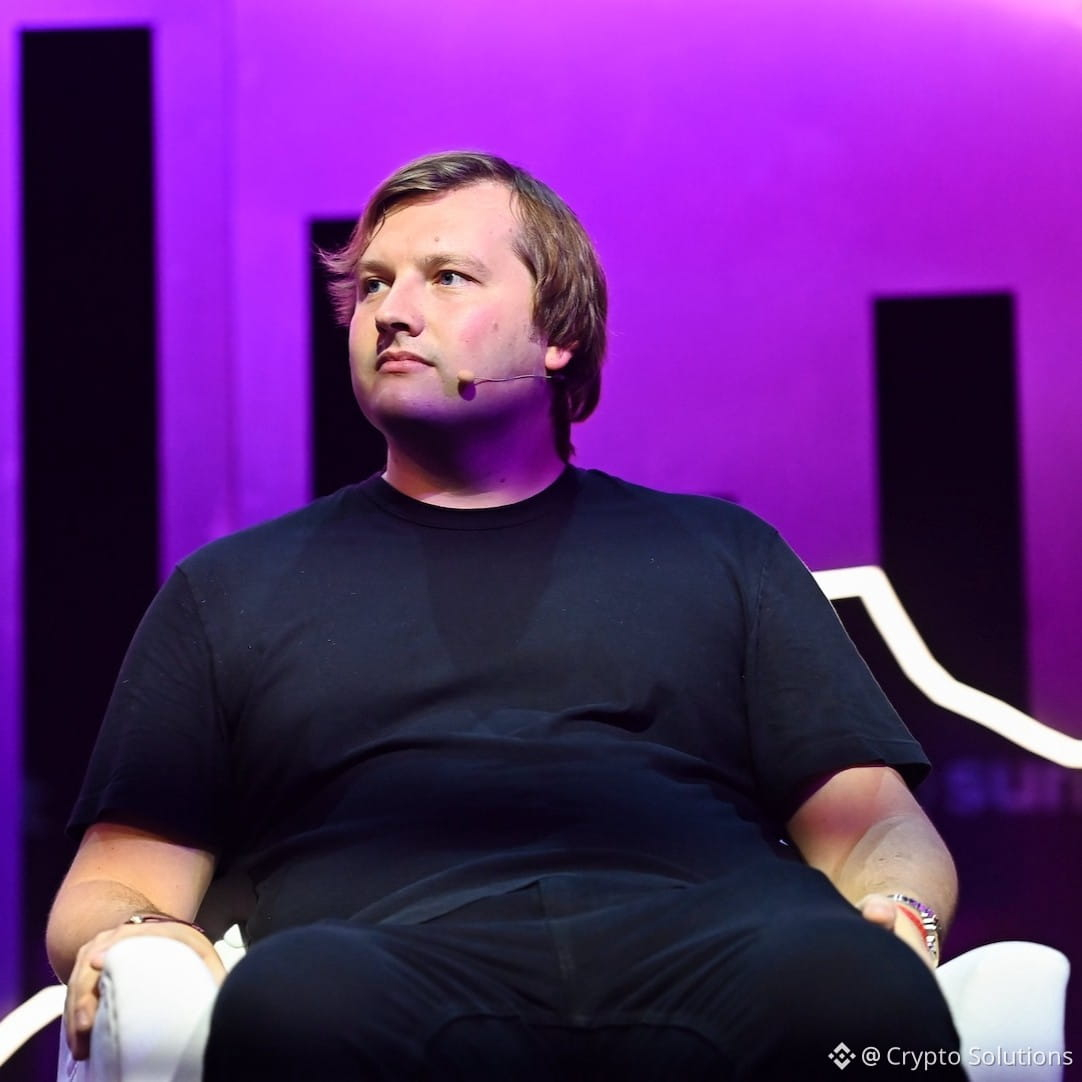
الأحدث: ⚡ قال مؤسس Aave ستاني كوليتشوف لصحيفة The Block إن على التمويل اللامركزي (DeFi) أن يسلك "طريق أوبر"، وذلك من خلال تطوير منتجات تُستخدم على نطاق واسع لدرجة أن على المشرّعين التحرك.
الأحدث: ⚡ قال مؤسس Aave ستاني كوليتشوف لصحيفة The Block إن على التمويل اللامركزي (DeFi) أن يسلك "طريق أوبر"، وذلك من خلال تطوير منتجات تُستخدم على نطاق واسع لدرجة أن على المشرّعين التحرك.
1
865
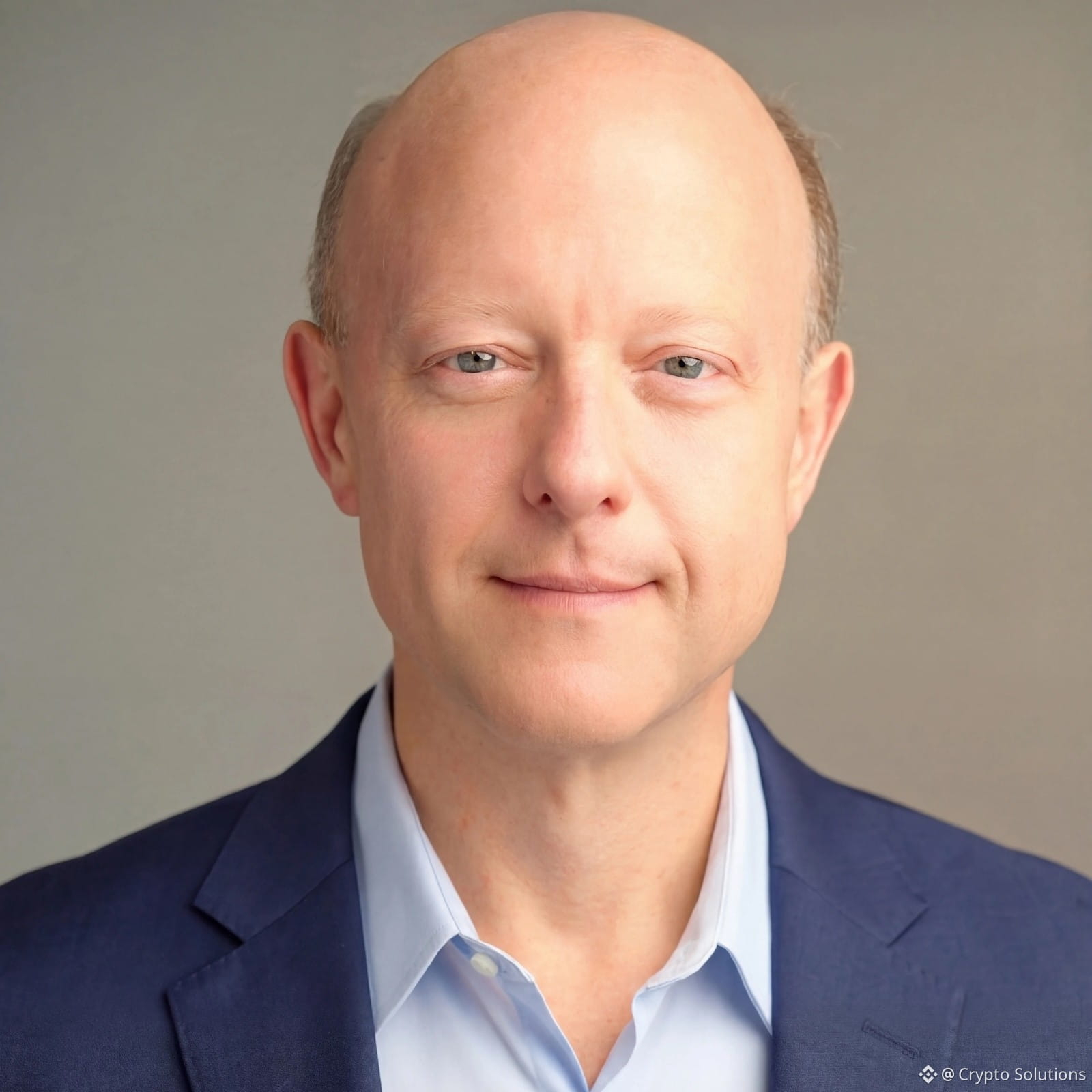
الأحدث: ⚡️ قال الرئيس التنفيذي لشركة Circle، جيريمي ألاير، لوكالة بلومبرغ إن تبنّي العملات الرقمية هو "اتجاه ضخم لا رجعة فيه وسيعيد بالكامل تشكيل النظام المالي"، سواء مع قانون CLARITY Act أم بدونه.
الأحدث: ⚡️ قال الرئيس التنفيذي لشركة Circle، جيريمي ألاير، لوكالة بلومبرغ إن تبنّي العملات الرقمية هو "اتجاه ضخم لا رجعة فيه وسيعيد بالكامل تشكيل النظام المالي"، سواء مع قانون CLARITY Act أم بدونه.
1
242
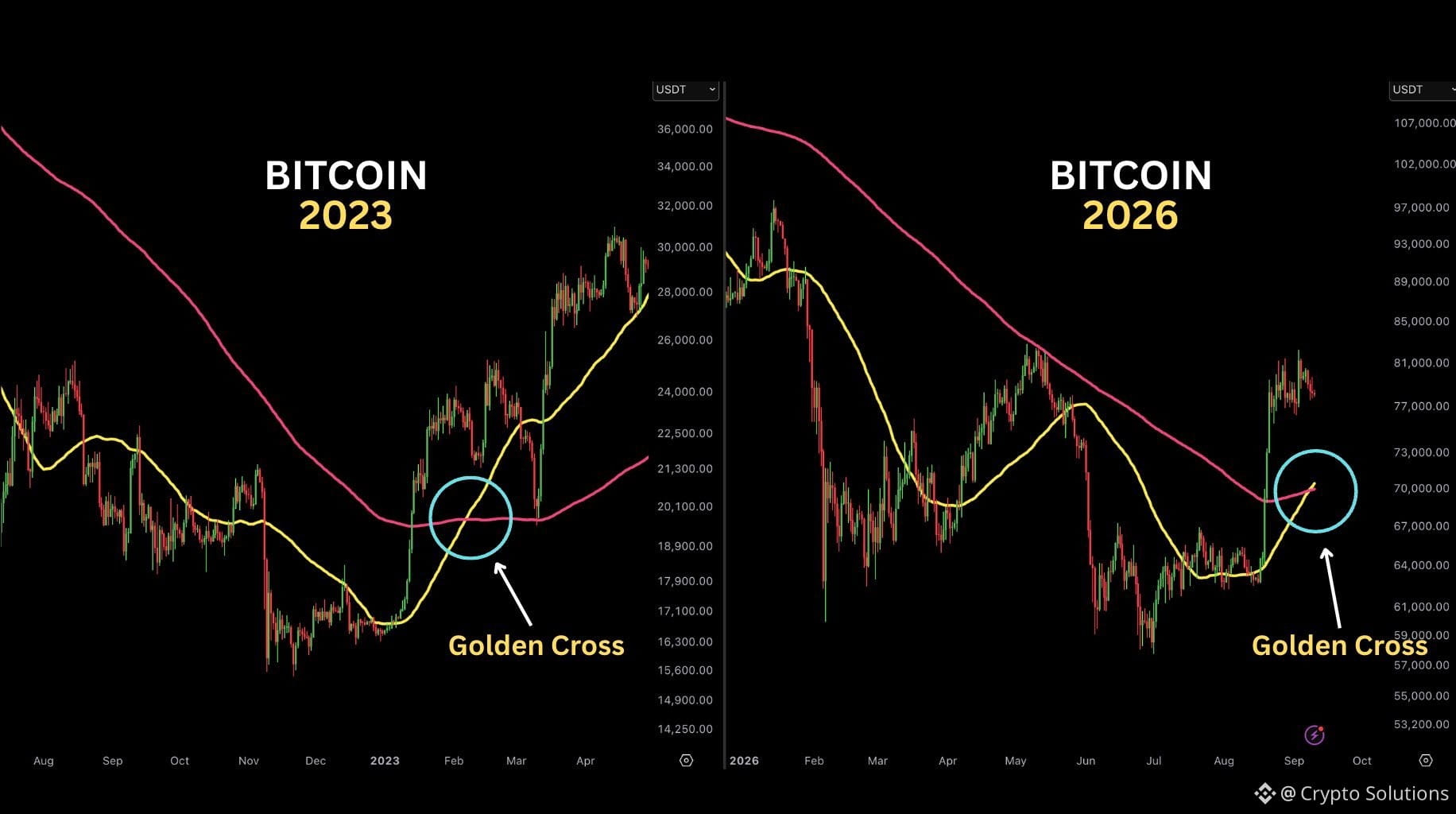
آخر مرة شكل فيها $BTC أول Golden Cross بعد أن بدأت السوق الهابطة في عام 2022، كانت علامة على انعكاس كبير في السوق.
الآن، نرى الإعداد نفسه مرة أخرى.
آخر مرة شكل فيها $BTC أول Golden Cross بعد أن بدأت السوق الهابطة في عام 2022، كانت علامة على انعكاس كبير في السوق.
الآن، نرى الإعداد نفسه مرة أخرى.
الآن، نرى الإعداد نفسه مرة أخرى.
609
عاجل: تم تصفية صفقات كريبتو بقيمة 255,000,000 دولار خلال آخر 60 دقيقة.
🔴
عاجل: تم تصفية صفقات كريبتو بقيمة 255,000,000 دولار خلال آخر 60 دقيقة.
🔴
🔴
2
5
428
لا بأس إذا فاتك $ANSEM ميم بول سولانا الثور الأسود
لا بأس إذا فاتك $CASHCAT في سلسلة روبن هود، إذا فاتك منصة إطلاق $PONS، إذا فاتك Artificial Inu $Ai
لا بأس، إذا فاتك $SKR توكن سولانا Web3 للهواتف المحمولة
لا بأس، إذا فاتك $USELESS ميم سولانا آخر
بل حتى لا بأس إذا فاتك $MARSCOIN، ميم BSC أُطلق قبل أيام.
لا تكره نفسك، لا تدخل في FOMO، ما زلت مبكرًا. لكن إذا كنت لا تريد أن تفوّت انطلاقة أخرى بمقدار 100X، فعليك أن تُقفل رأس مالك.
ابقَ هنا على X دائمًا، تواصل مع الأصدقاء الذين التزموا، والأهم من ذلك، أبقِ عينيك مفتوحتين بحثًا عن الفرصة التالية ورأس مالك جاهز.
لا بأس إذا فاتك $ANSEM ميم بول سولانا الثور الأسود
لا بأس إذا فاتك $CASHCAT في سلسلة روبن هود، إذا فاتك منصة إطلاق $PONS، إذا فاتك Artificial Inu $Ai
لا بأس، إذا فاتك $SKR توكن سولانا Web3 للهواتف المحمولة
لا بأس، إذا فاتك $USELESS ميم سولانا آخر
بل حتى لا بأس إذا فاتك $MARSCOIN، ميم BSC أُطلق قبل أيام.
لا تكره نفسك، لا تدخل في FOMO، ما زلت مبكرًا. لكن إذا كنت لا تريد أن تفوّت انطلاقة أخرى بمقدار 100X، فعليك أن تُقفل رأس مالك.
ابقَ هنا على X دائمًا، تواصل مع الأصدقاء الذين التزموا، والأهم من ذلك، أبقِ عينيك مفتوحتين بحثًا عن الفرصة التالية ورأس مالك جاهز.
لا بأس إذا فاتك $CASHCAT في سلسلة روبن هود، إذا فاتك منصة إطلاق $PONS، إذا فاتك Artificial Inu $Ai
لا بأس، إذا فاتك $SKR توكن سولانا Web3 للهواتف المحمولة
لا بأس، إذا فاتك $USELESS ميم سولانا آخر
بل حتى لا بأس إذا فاتك $MARSCOIN، ميم BSC أُطلق قبل أيام.
لا تكره نفسك، لا تدخل في FOMO، ما زلت مبكرًا. لكن إذا كنت لا تريد أن تفوّت انطلاقة أخرى بمقدار 100X، فعليك أن تُقفل رأس مالك.
ابقَ هنا على X دائمًا، تواصل مع الأصدقاء الذين التزموا، والأهم من ذلك، أبقِ عينيك مفتوحتين بحثًا عن الفرصة التالية ورأس مالك جاهز.
4
1.2k
@CZ قبل أن يناديك العالم صاحب رؤية، يبدو أن أمك كانت لديها وصف أبسط بكثير:
傻孩子 - طفل غبي.
هذا ما يجعل القصة إنسانية جدًا.
كل بَنّاء يصل في النهاية إلى نقطة تبدو فيها رؤيته غير منطقية للجميع من حوله.
قصتك فقط صادف أن ارتبط بها لقب لا يُنسى.
هل ما زالت أمك تستخدم 傻孩子 حتى اليوم، أم أنها قامت أخيرًا بترقية لقبك؟ 😂
@CZ قبل أن يناديك العالم صاحب رؤية، يبدو أن أمك كانت لديها وصف أبسط بكثير:
傻孩子 - طفل غبي.
هذا ما يجعل القصة إنسانية جدًا.
كل بَنّاء يصل في النهاية إلى نقطة تبدو فيها رؤيته غير منطقية للجميع من حوله.
قصتك فقط صادف أن ارتبط بها لقب لا يُنسى.
هل ما زالت أمك تستخدم 傻孩子 حتى اليوم، أم أنها قامت أخيرًا بترقية لقبك؟ 😂
傻孩子 - طفل غبي.
هذا ما يجعل القصة إنسانية جدًا.
كل بَنّاء يصل في النهاية إلى نقطة تبدو فيها رؤيته غير منطقية للجميع من حوله.
قصتك فقط صادف أن ارتبط بها لقب لا يُنسى.
هل ما زالت أمك تستخدم 傻孩子 حتى اليوم، أم أنها قامت أخيرًا بترقية لقبك؟ 😂
1
430
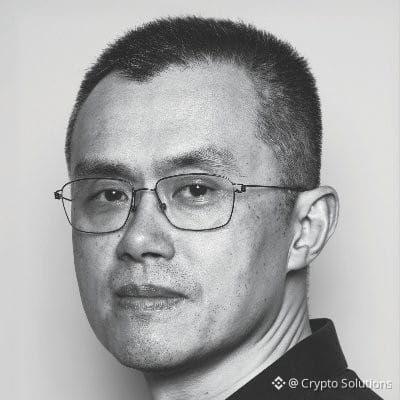
@CZ قبل المليارات، قبل Binance، كانت هناك ببساطة أم تتساءل عمّا كان يفعله ابنها. ماذا قالت عندما نجحت الأمور أخيرًا؟
@CZ قبل المليارات، قبل Binance، كانت هناك ببساطة أم تتساءل عمّا كان يفعله ابنها. ماذا قالت عندما نجحت الأمور أخيرًا؟
1
2
334
$AI $10m → $300m في 12 يومًا
$AMC $1m → $150m في 5 ساعات
$FATCOIN $0 → $50m في 3 أيام
$BONER $2m → $80m في 3 أيام
$Basecat $15m → $65m في 5 أيام
$PONS $30m → $500m في 11 يومًا
$MARSCOIN $30m → $200m في 10 أيام
$USELESS $40m → $300m في أسبوعين
ما التالي؟
$AI $10m → $300m في 12 يومًا
$AMC $1m → $150m في 5 ساعات
$FATCOIN $0 → $50m في 3 أيام
$BONER $2m → $80m في 3 أيام
$Basecat $15m → $65m في 5 أيام
$PONS $30m → $500m في 11 يومًا
$MARSCOIN $30m → $200m في 10 أيام
$USELESS $40m → $300m في أسبوعين
ما التالي؟
$AMC $1m → $150m في 5 ساعات
$FATCOIN $0 → $50m في 3 أيام
$BONER $2m → $80m في 3 أيام
$Basecat $15m → $65m في 5 أيام
$PONS $30m → $500m في 11 يومًا
$MARSCOIN $30m → $200m في 10 أيام
$USELESS $40m → $300m في أسبوعين
ما التالي؟
1
486
@CZ زار alem.ai في كازاخستان، مسلطًا الضوء على طموح البلاد المتزايد لتصبح مركزًا إقليميًا للبلوكتشين والذكاء الاصطناعي والتمويل الرقمي.
خلال الزيارة، عرضت Binance و Alatau City Bank مدفوعات مشفرة مباشرة، بينما تم تقديم مشاريع CryptoCity AI ومراكز البيانات الجديدة.
واختتمت الزيارة بتوقيع مذكرة تفاهم جديدة، مما يعزز التعاون ويدعم سعي كازاخستان لبناء البنية التحتية للجيل التالي من التمويل الرقمي.
العملات المشفرة والذكاء الاصطناعي والخدمات المصرفية والبنية التحتية تلتقي جميعها، وتريد كازاخستان أن تكون في قلب هذا التحول.
@CZ زار alem.ai في كازاخستان، مسلطًا الضوء على طموح البلاد المتزايد لتصبح مركزًا إقليميًا للبلوكتشين والذكاء الاصطناعي والتمويل الرقمي.
خلال الزيارة، عرضت Binance و Alatau City Bank مدفوعات مشفرة مباشرة، بينما تم تقديم مشاريع CryptoCity AI ومراكز البيانات الجديدة.
واختتمت الزيارة بتوقيع مذكرة تفاهم جديدة، مما يعزز التعاون ويدعم سعي كازاخستان لبناء البنية التحتية للجيل التالي من التمويل الرقمي.
العملات المشفرة والذكاء الاصطناعي والخدمات المصرفية والبنية التحتية تلتقي جميعها، وتريد كازاخستان أن تكون في قلب هذا التحول.
خلال الزيارة، عرضت Binance و Alatau City Bank مدفوعات مشفرة مباشرة، بينما تم تقديم مشاريع CryptoCity AI ومراكز البيانات الجديدة.
واختتمت الزيارة بتوقيع مذكرة تفاهم جديدة، مما يعزز التعاون ويدعم سعي كازاخستان لبناء البنية التحتية للجيل التالي من التمويل الرقمي.
العملات المشفرة والذكاء الاصطناعي والخدمات المصرفية والبنية التحتية تلتقي جميعها، وتريد كازاخستان أن تكون في قلب هذا التحول.
131
مقالة
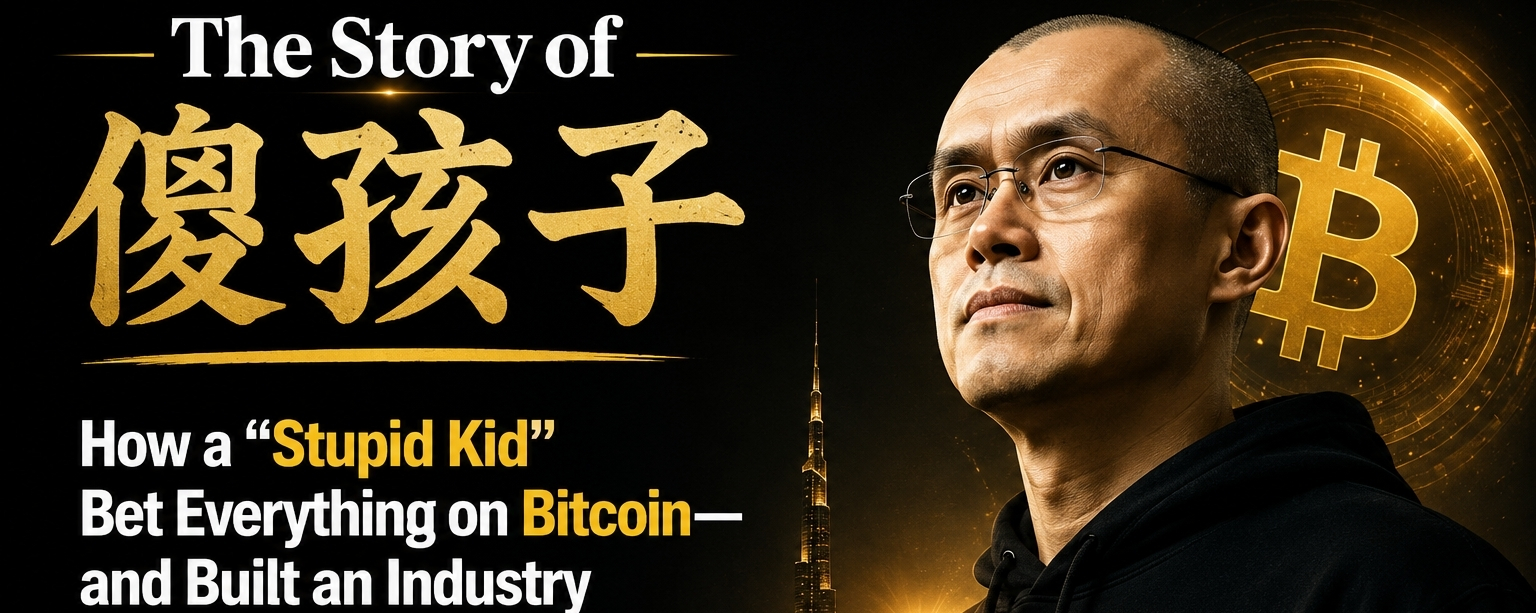
قصة 傻孩子: كيف راهن «طفل غبي» بكل شيء على بيتكوين وبنى صناعةقبل أن يصبح تشانغبينغ تشاو CZ، وقبل أن تصبح Binance قوة عالمية في عالم العملات المشفرة، كانت هناك شقة، وقرار محفوف بالمخاطر، وأم ظنت أن ابنها قد فقد عقله.
نادته 傻孩子.
وترجمتها حرفيًا تعني «طفل غبي».
لكن في بعض الأحيان، يكون للتاريخ طريقة غريبة لتحويل الإهانة إلى وسام شرف.
الشقة
في عام 2014، @CZ اتخذ قرارًا كان سيبدو متهورًا لمعظم من كانوا يشاهدون من الخارج.
باع شقته واستخدم المال لشراء بيتكوين.
قصة 傻孩子: كيف راهن «طفل غبي» بكل شيء على بيتكوين وبنى صناعة
قبل أن يصبح تشانغبينغ تشاو CZ، وقبل أن تصبح Binance قوة عالمية في عالم العملات المشفرة، كانت هناك شقة، وقرار محفوف بالمخاطر، وأم ظنت أن ابنها قد فقد عقله.
نادته 傻孩子.
وترجمتها حرفيًا تعني «طفل غبي».
لكن في بعض الأحيان، يكون للتاريخ طريقة غريبة لتحويل الإهانة إلى وسام شرف.
الشقة
في عام 2014، @CZ اتخذ قرارًا كان سيبدو متهورًا لمعظم من كانوا يشاهدون من الخارج.
باع شقته واستخدم المال لشراء بيتكوين.
نادته 傻孩子.
وترجمتها حرفيًا تعني «طفل غبي».
لكن في بعض الأحيان، يكون للتاريخ طريقة غريبة لتحويل الإهانة إلى وسام شرف.
الشقة
في عام 2014، @CZ اتخذ قرارًا كان سيبدو متهورًا لمعظم من كانوا يشاهدون من الخارج.
باع شقته واستخدم المال لشراء بيتكوين.
4
4
11
618
فقد بعض الناس كل شيء وهم يطاردون وعدًا ما. وآخرون لم يُؤخذوا على محمل الجد، ومع ذلك بنوا شيئًا استثنائيًا.
باع كثير من الناس أراضيهم، ومنازلهم، وممتلكاتهم، وحتى أفرغوا مدخراتهم للاستثمار في مخططات بونزي، واليوم عادوا إلى نقطة الصفر.
ثم هناك @CZ .
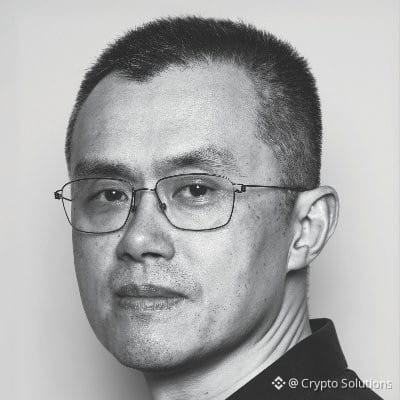
لقد شارك كيف كانت أمه تناديه يومًا ما بـ“الطفل الغبي”. لكن بدلًا من أن يسمح لهذا الوصف بأن يحدده، واصل التعلم، والبناء، والمخاطرة، والسعي وراء رؤيته.
واليوم، تُعد رحلته تذكيرًا بأن التقليل من شأنك لا يعني أنك عاجز.
العبرة؟
يمكن لطفل غبي يملك رؤية ضخمة أن يصبح عبقريًا.
أما العبقري الذي لا يملك رؤية، فقد يصبح في النهاية مجرد طفل غبي آخر.
لا تدع رأي أحد فيك يصبح سقف إمكاناتك.
الرؤية تغيّر المسار.
فقد بعض الناس كل شيء وهم يطاردون وعدًا ما. وآخرون لم يُؤخذوا على محمل الجد، ومع ذلك بنوا شيئًا استثنائيًا.
باع كثير من الناس أراضيهم، ومنازلهم، وممتلكاتهم، وحتى أفرغوا مدخراتهم للاستثمار في مخططات بونزي، واليوم عادوا إلى نقطة الصفر.
ثم هناك @CZ .
لقد شارك كيف كانت أمه تناديه يومًا ما بـ“الطفل الغبي”. لكن بدلًا من أن يسمح لهذا الوصف بأن يحدده، واصل التعلم، والبناء، والمخاطرة، والسعي وراء رؤيته.
واليوم، تُعد رحلته تذكيرًا بأن التقليل من شأنك لا يعني أنك عاجز.
العبرة؟
يمكن لطفل غبي يملك رؤية ضخمة أن يصبح عبقريًا.
أما العبقري الذي لا يملك رؤية، فقد يصبح في النهاية مجرد طفل غبي آخر.
لا تدع رأي أحد فيك يصبح سقف إمكاناتك.
الرؤية تغيّر المسار.
باع كثير من الناس أراضيهم، ومنازلهم، وممتلكاتهم، وحتى أفرغوا مدخراتهم للاستثمار في مخططات بونزي، واليوم عادوا إلى نقطة الصفر.
ثم هناك @CZ .
لقد شارك كيف كانت أمه تناديه يومًا ما بـ“الطفل الغبي”. لكن بدلًا من أن يسمح لهذا الوصف بأن يحدده، واصل التعلم، والبناء، والمخاطرة، والسعي وراء رؤيته.
واليوم، تُعد رحلته تذكيرًا بأن التقليل من شأنك لا يعني أنك عاجز.
العبرة؟
يمكن لطفل غبي يملك رؤية ضخمة أن يصبح عبقريًا.
أما العبقري الذي لا يملك رؤية، فقد يصبح في النهاية مجرد طفل غبي آخر.
لا تدع رأي أحد فيك يصبح سقف إمكاناتك.
الرؤية تغيّر المسار.
1
227
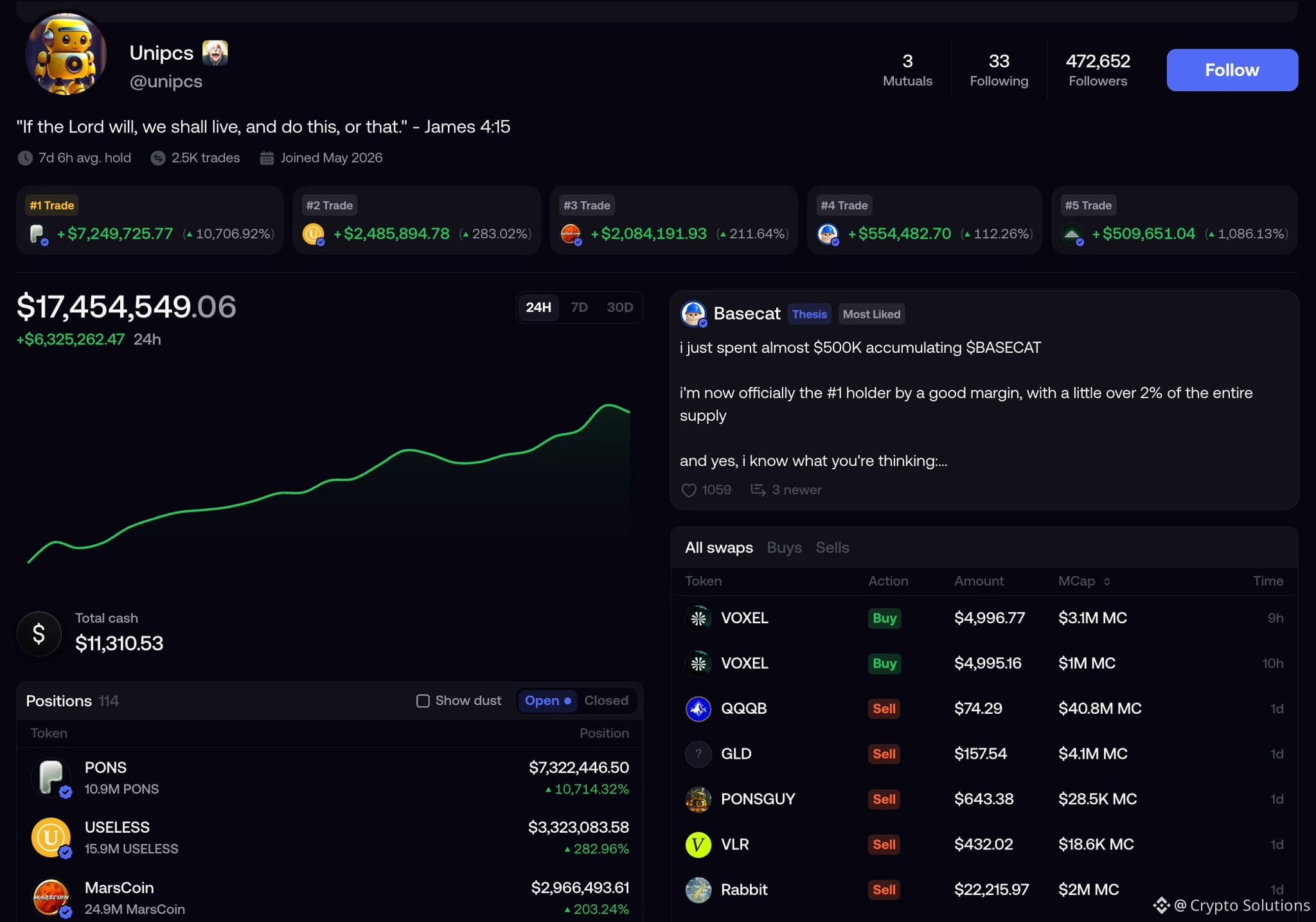
على الأرجح هذه هي أكثر الأجزاء جنونًا في تداول PONS:
قام متداول بإيداع 67.7 ألف دولار، ولم يبع أبدًا.
والآن تبلغ قيمة الصفقة 7.52 مليون دولار.
وهذا بالفعل نمو بمقدار 110x. 🔥
لكن خلال الـ 24 ساعة الماضية فقط، نما محفظته بمبلغ إضافي 6.3 ملايين دولار. 🤯
مبالغ العمر عند الشخص العادي في يوم واحد، ومن مجرد مركز واحد في عملة ميم واحدة.
إن الخنادق تمتلك اقتصادها الخاص حقًا.
على الأرجح هذه هي أكثر الأجزاء جنونًا في تداول PONS:
قام متداول بإيداع 67.7 ألف دولار، ولم يبع أبدًا.
والآن تبلغ قيمة الصفقة 7.52 مليون دولار.
وهذا بالفعل نمو بمقدار 110x. 🔥
لكن خلال الـ 24 ساعة الماضية فقط، نما محفظته بمبلغ إضافي 6.3 ملايين دولار. 🤯
مبالغ العمر عند الشخص العادي في يوم واحد، ومن مجرد مركز واحد في عملة ميم واحدة.
إن الخنادق تمتلك اقتصادها الخاص حقًا.
قام متداول بإيداع 67.7 ألف دولار، ولم يبع أبدًا.
والآن تبلغ قيمة الصفقة 7.52 مليون دولار.
وهذا بالفعل نمو بمقدار 110x. 🔥
لكن خلال الـ 24 ساعة الماضية فقط، نما محفظته بمبلغ إضافي 6.3 ملايين دولار. 🤯
مبالغ العمر عند الشخص العادي في يوم واحد، ومن مجرد مركز واحد في عملة ميم واحدة.
إن الخنادق تمتلك اقتصادها الخاص حقًا.
1
400
سجّل الدخول لاستكشاف المزيد من المُحتوى
انضم إلى مُستخدمي العملات الرقمية حول العالم على Binance Square
⚡️ احصل على أحدث المعلومات المفيدة عن العملات الرقمية.
💬 موثوقة من قبل أكبر منصّة لتداول العملات الرقمية في العالم.
👍 اكتشف الرؤى الحقيقية من صنّاع المُحتوى الموثوقين.
البريد الإلكتروني / رقم الهاتف
المواضيع الرائجة
AIStocksWhatNext
62,133 مشاهدات
616 يقومون بالنقاش
شارك واربح مكافأة حركة المرور في حملة الهاشتاغ الرائجة لدينا
✨الموضوع: ما فرص الاستثمار الأخرى التي ما زالت قائمة مع استمرار ارتفاع أسهم الذكاء الاصطناعي؟
👉كيفية الانضمام:
انشر منشورًا قصيرًا أو مقالًا باستخدام هاشتاغ #AIStocksWhatNext
شارك ما إذا كنت متفائلًا أم متشائمًا، وانشر مقتنياتك من أسهم الذكاء الاصطناعي أو تداولك — قد يؤدي استخدام أداة التداول إلى تحسين أهليتك.
يمكنك أيضًا تعزيز منشورك بمشاركة بيانات أو مخططات، وتجنب الصور المُولدة بالذكاء الاصطناعي.
✍️أنشئ محتوى بناءً على الزوايا التالية:
- يقول نِفيديا إن مبيعات الرقائق ستتضاعف العام القادم، وتواصل كبرى شركات الذكاء الاصطناعي تحقيق إيرادات قياسية؛ إن إنفاق الحوسبة وراء ذلك مثير للإعجاب بنفس القدر. هل طلب الذكاء الاصطناعي يتصاعد فعلًا؟ وكم يمكن أن يستمر؟ أسهم الذكاء الاصطناعي مرتفعة على نطاق واسع. هل هذا اختراق حقيقي أم مجرد ارتداد قصير الأجل؟
- يدعو قادة الصناعة إلى إبطاء تطوير الذكاء الاصطناعي، بينما يخطط ترامب لبناء "قوة ذكاء اصطناعي"، مدعيًا أن الذكاء الاصطناعي قد يمثل 25% من الناتج المحلي الإجمالي الأمريكي في المستقبل. في أي جانب أنت؟ وهل الدعم على مستوى الولايات سيكون فوزًا طويل الأمد لأسهم الذكاء الاصطناعي؟
- هل تشتري أسهم الذكاء الاصطناعي؟ شارك تداولك/مقتنياتك المتعلقة بالذكاء الاصطناعي معنا عبر أداة مشاركة التداول.
⏰فترة الحملة:
- 2026-09-22 7:00 - 2026-09-24 4:00 بالتوقيت العالمي
🎁المكافأة:
- سيتم مراجعة المنشورات المؤهلة التي تلتزم بالإرشادات أعلاه وتتضمن أكثر من 100 كلمة، وقد تحصل على تعزيز عشوائي لحركة المرور من 500 إلى 3,000 مشاهدة. ستصلك إشعار من سكرتير موجزك إذا تم اختيار منشورك.
- احصل على فرصة لعرض مقالك في Binance Square Official
هل تحتاج إلى أفكار لمنشورك؟ تفضل بزيارة صفحة الموضوع #AIStocksWhatNext أو Square Guide on How to Post for Better Reach.
Binance Square Official
·172 إعجاب
·222.6k مشاهدات
DogecoinRises15%
8 مشاهدات
4 يقومون بالنقاش
$14BBitcoinOptionsExpireFriday
0 مشاهدات
0 يقومون بالنقاش