
CryptoQuant Quicktake
8.9k منشورات

CryptoQuant Quicktake
 تحقُّق Binance Square الإضافي
إبلاغ
حظر المُستخدم
CryptoQuant.com - Leading On-chain Data/Analytics Provider
0 تتابع
22.9K+ المتابعون
27.1K+ إعجاب
منشورات
مقالة
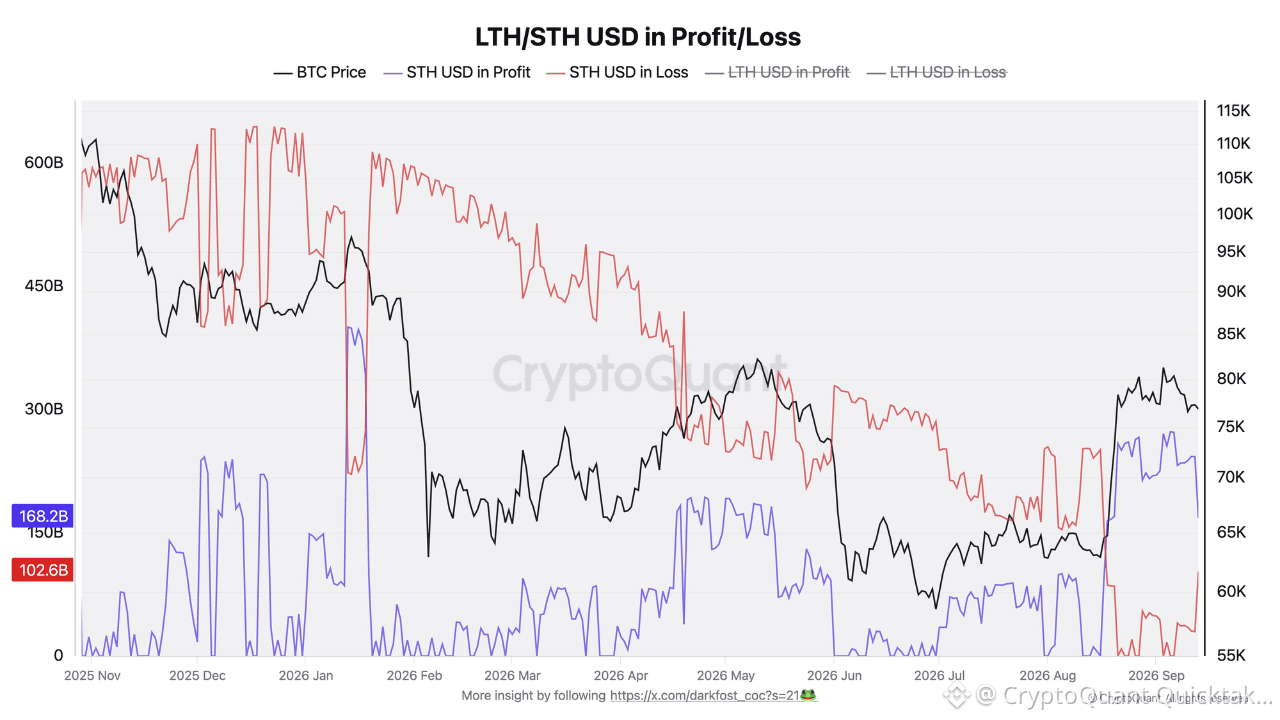
إشارة STH التي وُثِّقت تاريخيًا على أنها أنهت الأسواق الهابطةهذه هي المرة الأولى التي تجلس فيها STH في منطقة الأرباح لفترة ممتدة منذ قمة السوق.
كانت المرة الأخيرة في يناير، لكن تلك الحادثة لم تستمر أكثر من أسبوع. في مايو، بقيت الخسائر التي تتكبدها STH مسيطرة.
منذ ما يقرب من شهر، كانت STH في الغالب تحقق أرباحًا، وهو تطور مهم يستحق الإبراز. في هذا المخطط، تم التعبير عن هذه الأرباح والخسائر بالدولار الأمريكي (USD) لعرض حجمها الحقيقي بشكل صحيح ومقارنتها بالقيمة السوقية الحالية.
يُقدَّر أن أرباح STH تبلغ 168 مليار دولار أمريكي (168B)، بينما الخسائر تقفز فقط فوق 100 مليار دولار أمريكي (100B).
إشارة STH التي وُثِّقت تاريخيًا على أنها أنهت الأسواق الهابطة
هذه هي المرة الأولى التي تجلس فيها STH في منطقة الأرباح لفترة ممتدة منذ قمة السوق.
كانت المرة الأخيرة في يناير، لكن تلك الحادثة لم تستمر أكثر من أسبوع. في مايو، بقيت الخسائر التي تتكبدها STH مسيطرة.
منذ ما يقرب من شهر، كانت STH في الغالب تحقق أرباحًا، وهو تطور مهم يستحق الإبراز. في هذا المخطط، تم التعبير عن هذه الأرباح والخسائر بالدولار الأمريكي (USD) لعرض حجمها الحقيقي بشكل صحيح ومقارنتها بالقيمة السوقية الحالية.
يُقدَّر أن أرباح STH تبلغ 168 مليار دولار أمريكي (168B)، بينما الخسائر تقفز فقط فوق 100 مليار دولار أمريكي (100B).
كانت المرة الأخيرة في يناير، لكن تلك الحادثة لم تستمر أكثر من أسبوع. في مايو، بقيت الخسائر التي تتكبدها STH مسيطرة.
منذ ما يقرب من شهر، كانت STH في الغالب تحقق أرباحًا، وهو تطور مهم يستحق الإبراز. في هذا المخطط، تم التعبير عن هذه الأرباح والخسائر بالدولار الأمريكي (USD) لعرض حجمها الحقيقي بشكل صحيح ومقارنتها بالقيمة السوقية الحالية.
يُقدَّر أن أرباح STH تبلغ 168 مليار دولار أمريكي (168B)، بينما الخسائر تقفز فقط فوق 100 مليار دولار أمريكي (100B).
91
مقالة
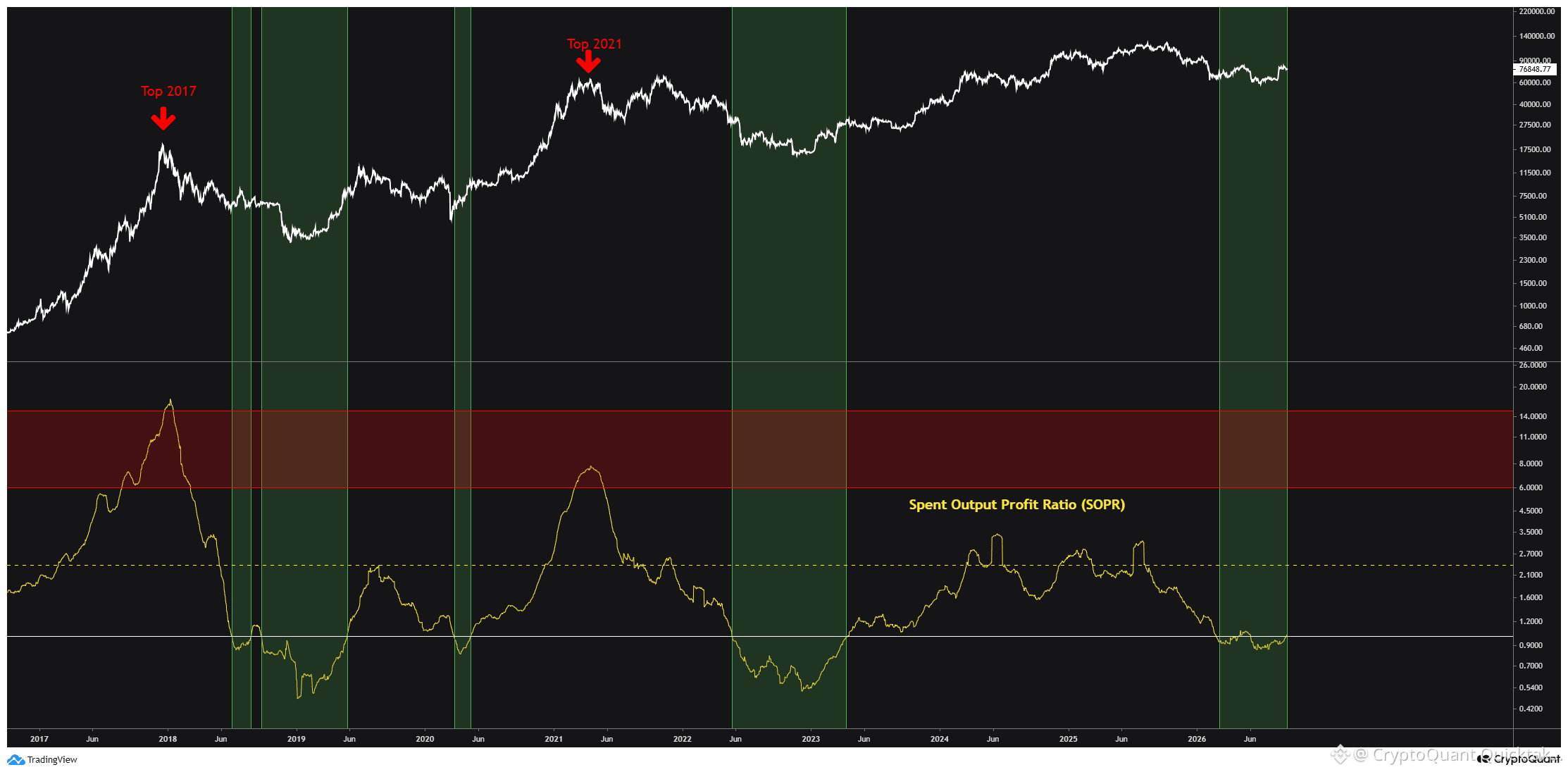
بيتكوين تخترق قاعها وتبدأ موجة صعود.يواصل مقياس نسبة الربح المنصرف لمخرجات حاملي البيتكوين على المدى الطويل (SOPR) الارتفاع فوق 1.
يتحوّل السوق من مرحلة هبوطية إلى حالة محايدة، والآن بدأت موجة صعود كاملة النطاق.
من المهم بشكل خاص ملاحظة أنه، خلال هذه الدورة، لم يتجاوز مؤشر SOPR بعدُ مستوى 6.
تاريخياً، تَكوَّنت قمم الدورات ضمن هذا النطاق. ومع ذلك، خلال هذه الدورة، لم تكن هناك أي مرحلة قام فيها حاملو المدى الطويل بجني الأرباح. وبعبارة أخرى، لم يحدث بعدُ موجة صعود حقيقية.
كل ما سبق حتى هذه النقطة كان مرحلة تحضيرية للموجة الصعودية التي بدأت الآن. إن حيازات حاملي بيتكوين على المدى الطويل (LTH) من $BTC عند مستوى قياسي مرتفع للغاية، وقد استمروا في التراكم حتى وقت قريب.
بيتكوين تخترق قاعها وتبدأ موجة صعود.
يواصل مقياس نسبة الربح المنصرف لمخرجات حاملي البيتكوين على المدى الطويل (SOPR) الارتفاع فوق 1.
يتحوّل السوق من مرحلة هبوطية إلى حالة محايدة، والآن بدأت موجة صعود كاملة النطاق.
من المهم بشكل خاص ملاحظة أنه، خلال هذه الدورة، لم يتجاوز مؤشر SOPR بعدُ مستوى 6.
تاريخياً، تَكوَّنت قمم الدورات ضمن هذا النطاق. ومع ذلك، خلال هذه الدورة، لم تكن هناك أي مرحلة قام فيها حاملو المدى الطويل بجني الأرباح. وبعبارة أخرى، لم يحدث بعدُ موجة صعود حقيقية.
كل ما سبق حتى هذه النقطة كان مرحلة تحضيرية للموجة الصعودية التي بدأت الآن. إن حيازات حاملي بيتكوين على المدى الطويل (LTH) من $BTC عند مستوى قياسي مرتفع للغاية، وقد استمروا في التراكم حتى وقت قريب.
يتحوّل السوق من مرحلة هبوطية إلى حالة محايدة، والآن بدأت موجة صعود كاملة النطاق.
من المهم بشكل خاص ملاحظة أنه، خلال هذه الدورة، لم يتجاوز مؤشر SOPR بعدُ مستوى 6.
تاريخياً، تَكوَّنت قمم الدورات ضمن هذا النطاق. ومع ذلك، خلال هذه الدورة، لم تكن هناك أي مرحلة قام فيها حاملو المدى الطويل بجني الأرباح. وبعبارة أخرى، لم يحدث بعدُ موجة صعود حقيقية.
كل ما سبق حتى هذه النقطة كان مرحلة تحضيرية للموجة الصعودية التي بدأت الآن. إن حيازات حاملي بيتكوين على المدى الطويل (LTH) من $BTC عند مستوى قياسي مرتفع للغاية، وقد استمروا في التراكم حتى وقت قريب.
1
111
مقالة
إيثريوم 2025 مقابل 2026 ↓1) السعر
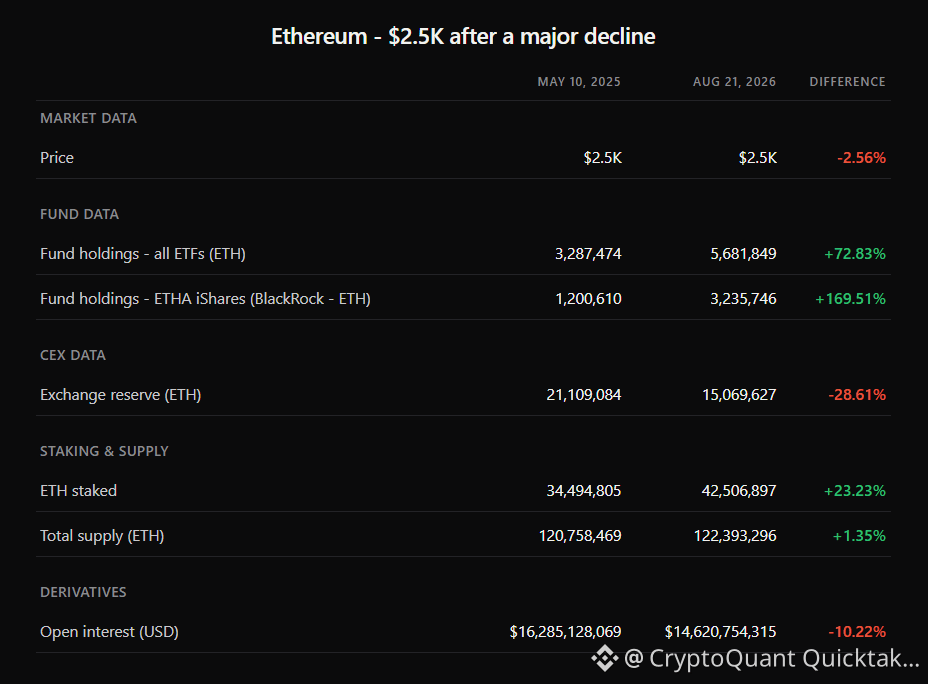
تعافى ETH مرة أخرى ووصل إلى 2.5 ألف دولار بعد أن كان مُباعًا بأقل من قيمته وتداول حول AVWAP المرتكز على إدراجه في Binance. دعونا نرى ما الذي تغيّر على السلسلة بين تعافي مايو 2025 وتعافي أغسطس 2026.
2) حيازات الصناديق
ارتفعت وتيرة الطلب عبر المركبات المؤسسية بشكل كبير: فقد صعد إجمالي ETH المحتفظ به في صناديق الاستثمار المتداولة (ETFs) بنسبة 72%، وعلى وجه التحديد، قفزت حيازات BlackRock's ETHA بنحو 170%.
3) بيانات CEX
كانت احتياطيات البورصات أقل بنسبة 28% في أغسطس 2026 مقارنةً بما كانت عليه في مايو 2025. وهذا يعني أن كمية أقل من ETH كانت محتفظًا بها في البورصات المركزية وربما كانت متاحة للبيع عبر هذه المنصات.
إيثريوم 2025 مقابل 2026 ↓
1) السعر
تعافى ETH مرة أخرى ووصل إلى 2.5 ألف دولار بعد أن كان مُباعًا بأقل من قيمته وتداول حول AVWAP المرتكز على إدراجه في Binance. دعونا نرى ما الذي تغيّر على السلسلة بين تعافي مايو 2025 وتعافي أغسطس 2026.
2) حيازات الصناديق
ارتفعت وتيرة الطلب عبر المركبات المؤسسية بشكل كبير: فقد صعد إجمالي ETH المحتفظ به في صناديق الاستثمار المتداولة (ETFs) بنسبة 72%، وعلى وجه التحديد، قفزت حيازات BlackRock's ETHA بنحو 170%.
3) بيانات CEX
كانت احتياطيات البورصات أقل بنسبة 28% في أغسطس 2026 مقارنةً بما كانت عليه في مايو 2025. وهذا يعني أن كمية أقل من ETH كانت محتفظًا بها في البورصات المركزية وربما كانت متاحة للبيع عبر هذه المنصات.
تعافى ETH مرة أخرى ووصل إلى 2.5 ألف دولار بعد أن كان مُباعًا بأقل من قيمته وتداول حول AVWAP المرتكز على إدراجه في Binance. دعونا نرى ما الذي تغيّر على السلسلة بين تعافي مايو 2025 وتعافي أغسطس 2026.
2) حيازات الصناديق
ارتفعت وتيرة الطلب عبر المركبات المؤسسية بشكل كبير: فقد صعد إجمالي ETH المحتفظ به في صناديق الاستثمار المتداولة (ETFs) بنسبة 72%، وعلى وجه التحديد، قفزت حيازات BlackRock's ETHA بنحو 170%.
3) بيانات CEX
كانت احتياطيات البورصات أقل بنسبة 28% في أغسطس 2026 مقارنةً بما كانت عليه في مايو 2025. وهذا يعني أن كمية أقل من ETH كانت محتفظًا بها في البورصات المركزية وربما كانت متاحة للبيع عبر هذه المنصات.
ETH+1.37%
ETHAETF+0.23%
123
مقالة
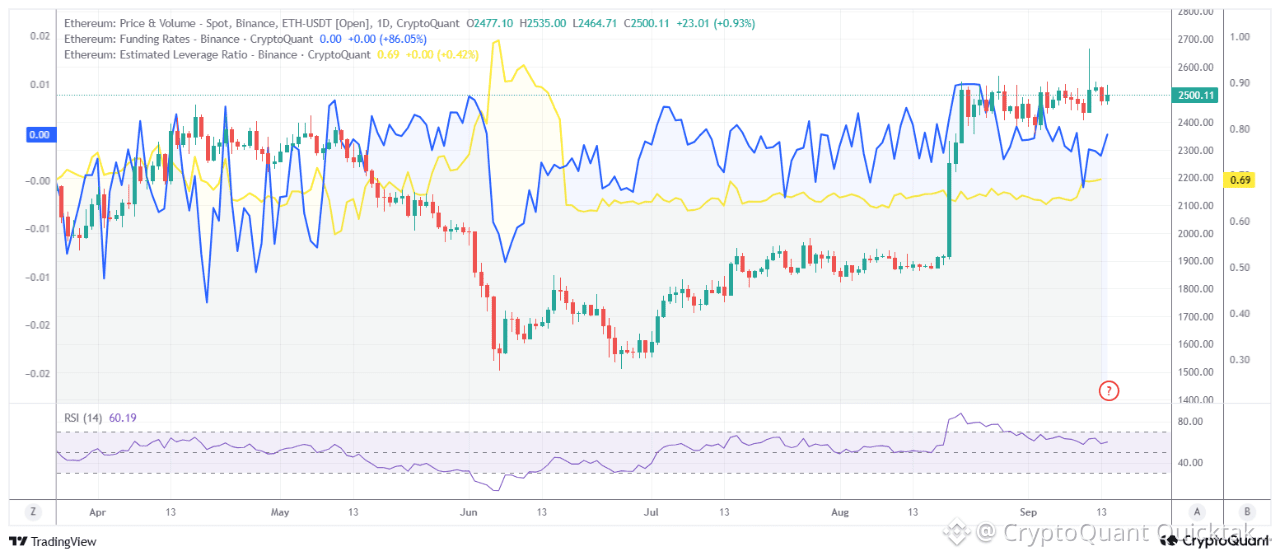
هل سيؤثر قرار سعر الفائدة الأمريكي على نسبة رافعة إيثريوم؟أغلق إيثريوم مؤخرًا عند نحو 2,500 دولار، بينما يتراوح نطاق التداول داخل اليوم بين 2,464-2,535 دولار. بعد الاختراق القوي في نهاية أغسطس، كان السعر يتماسك أفقياً ضمن نطاق 2,400–2,550 دولار. في هذه المرحلة، تبدو النظرة متجهة إلى التذبذب الأفقي بعد الارتفاع الحاد.
معدل التمويل قريب جدًا من الصفر. هذا مهم لأن الجانب الطويل ليس مزدحمًا بشكل مفرط في سوق العقود الآجلة؛ لذلك فإن خطر حدوث ضغط هبوطي مفاجئ ناتج عن التصفّيات الطويلة أثناء ارتفاع السعر منخفض للغاية. ومع وجود تمويل إيجابي، يدفع المشترون على المراكز الطويلة للمراكز القصيرة؛ وبقاء التمويل قريبًا من الصفر يشير إلى أن الارتفاع لم يتم تضخيمه بشكل مفرط باستخدام الرافعة المالية.
هل سيؤثر قرار سعر الفائدة الأمريكي على نسبة رافعة إيثريوم؟
أغلق إيثريوم مؤخرًا عند نحو 2,500 دولار، بينما يتراوح نطاق التداول داخل اليوم بين 2,464-2,535 دولار. بعد الاختراق القوي في نهاية أغسطس، كان السعر يتماسك أفقياً ضمن نطاق 2,400–2,550 دولار. في هذه المرحلة، تبدو النظرة متجهة إلى التذبذب الأفقي بعد الارتفاع الحاد.
معدل التمويل قريب جدًا من الصفر. هذا مهم لأن الجانب الطويل ليس مزدحمًا بشكل مفرط في سوق العقود الآجلة؛ لذلك فإن خطر حدوث ضغط هبوطي مفاجئ ناتج عن التصفّيات الطويلة أثناء ارتفاع السعر منخفض للغاية. ومع وجود تمويل إيجابي، يدفع المشترون على المراكز الطويلة للمراكز القصيرة؛ وبقاء التمويل قريبًا من الصفر يشير إلى أن الارتفاع لم يتم تضخيمه بشكل مفرط باستخدام الرافعة المالية.
معدل التمويل قريب جدًا من الصفر. هذا مهم لأن الجانب الطويل ليس مزدحمًا بشكل مفرط في سوق العقود الآجلة؛ لذلك فإن خطر حدوث ضغط هبوطي مفاجئ ناتج عن التصفّيات الطويلة أثناء ارتفاع السعر منخفض للغاية. ومع وجود تمويل إيجابي، يدفع المشترون على المراكز الطويلة للمراكز القصيرة؛ وبقاء التمويل قريبًا من الصفر يشير إلى أن الارتفاع لم يتم تضخيمه بشكل مفرط باستخدام الرافعة المالية.
124
مقالة
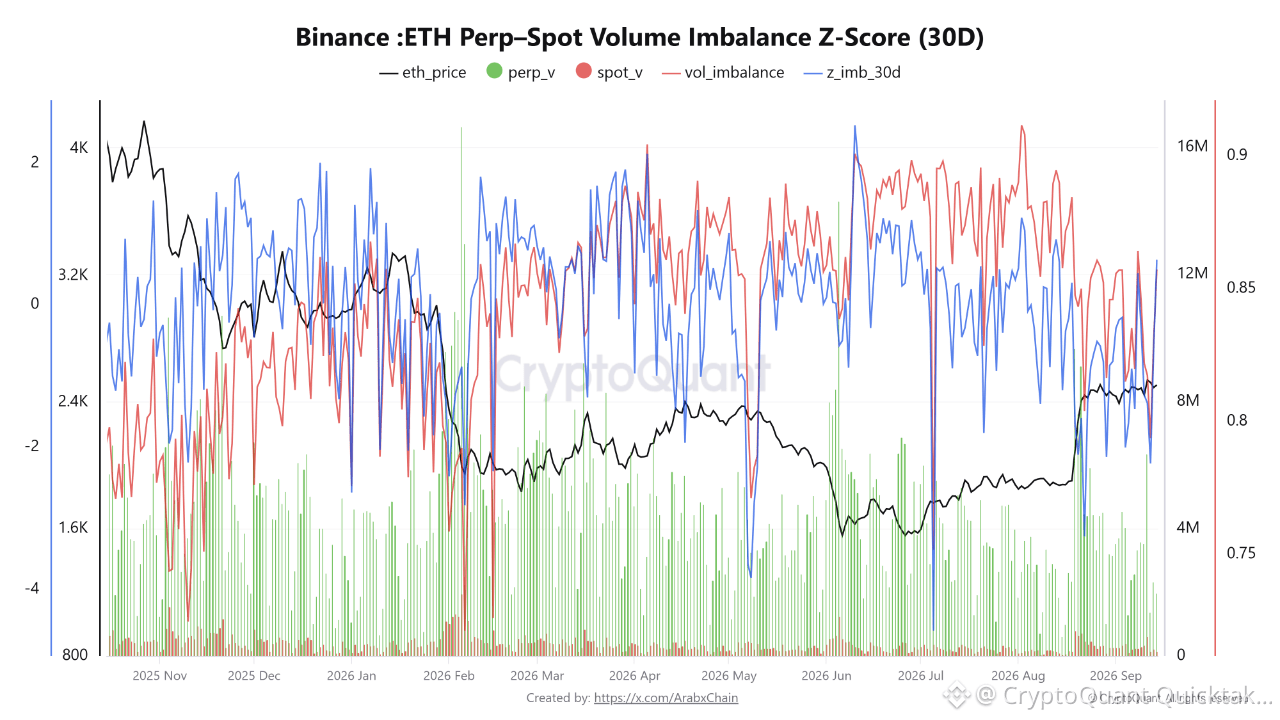
اختلال نشاط تداول إيثريوم بين أسواق السبوت والدوام (Perpetual) على بينانستكشف بيانات منصة بينانس عن وجود تباين كبير بين نشاط التداول في سوق إيثريوم الفوري (السبوت) وسوق العقود الآجلة الدائمة (Perpetual). فقد بلغ حجم تداول عقود الدوام حوالي 1.99 مليون ETH، مقارنةً بنحو 153,000 ETH في سوق السبوت.
ويعني ذلك أن حجم تداول عقود الدوام (Perpetual) يبلغ حاليًا قرابة 13 مرة أعلى من حجم سوق التداول الفوري (السبوت). وتشير هذه الفجوة إلى أن الجزء الأكبر من نشاط تداول إيثريوم ينبع من سوق المشتقات، وليس من عمليات الشراء والبيع الفعلية للأصل في سوق السبوت.
اختلال نشاط تداول إيثريوم بين أسواق السبوت والدوام (Perpetual) على بينانس
تكشف بيانات منصة بينانس عن وجود تباين كبير بين نشاط التداول في سوق إيثريوم الفوري (السبوت) وسوق العقود الآجلة الدائمة (Perpetual). فقد بلغ حجم تداول عقود الدوام حوالي 1.99 مليون ETH، مقارنةً بنحو 153,000 ETH في سوق السبوت.
ويعني ذلك أن حجم تداول عقود الدوام (Perpetual) يبلغ حاليًا قرابة 13 مرة أعلى من حجم سوق التداول الفوري (السبوت). وتشير هذه الفجوة إلى أن الجزء الأكبر من نشاط تداول إيثريوم ينبع من سوق المشتقات، وليس من عمليات الشراء والبيع الفعلية للأصل في سوق السبوت.
ويعني ذلك أن حجم تداول عقود الدوام (Perpetual) يبلغ حاليًا قرابة 13 مرة أعلى من حجم سوق التداول الفوري (السبوت). وتشير هذه الفجوة إلى أن الجزء الأكبر من نشاط تداول إيثريوم ينبع من سوق المشتقات، وليس من عمليات الشراء والبيع الفعلية للأصل في سوق السبوت.
79
مقالة
تتجاوز تدفقات التجزئة لبيتكوين تدفقات الحيتان بنسبة 106% قبل اجتماع الاحتياطي الفيدرالي، ما يكشف انقسامًا حادًا في السلوكيجتمع الاحتياطي الفيدرالي في 15–16 سبتمبر، حيث تسعّر الأسواق فرصة تقارب 90% لرفع سعر الفائدة بمقدار 25 نقطة أساس بعد بيانات التضخم للأسبوع الماضي.
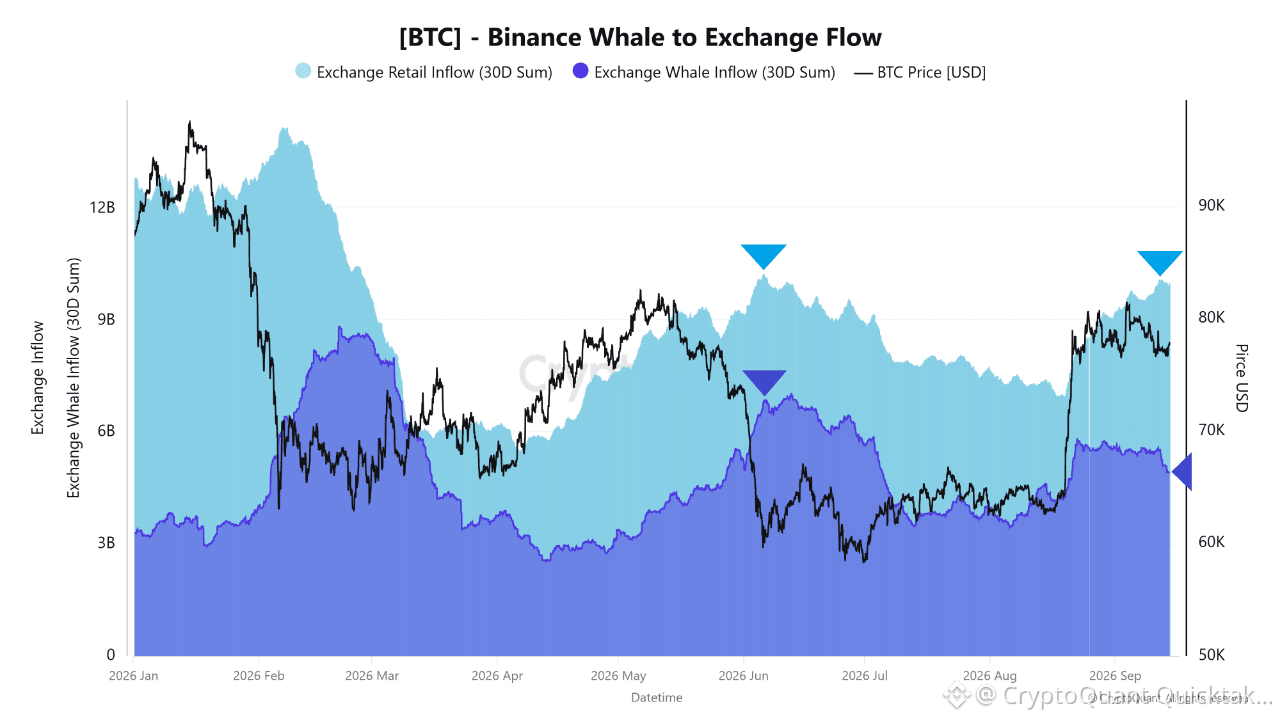
وبناءً على ذلك، تُظهر بيانات «بينانس» تباينًا واضحًا بين تدفقات البيتكوين الخاصة بالتجزئة والحيتان عندما يتداول بيتكوين فوق 77 ألف دولار.
بلغ مجموع تدفقات التجزئة على مدار 30 يومًا في «بينانس» 10.11 مليار دولار في 12 سبتمبر، وهو ما يقارب مبلغ 10.17 مليار دولار في 6 يونيو.
الفجوة أقل من 1%، على الرغم من أن بيتكوين ارتفع من نحو 60.7 ألف دولار إلى 77 ألف دولار، بزيادة تقارب 27%.
تحركت تدفقات الحيتان بشكل مختلف.
بلغ مجموع تدفقات الحيتان على مدار 30 يومًا في «بينانس» نحو 4.9 مليارات دولار في 14 سبتمبر مقابل 6.8 مليارات دولار في 6 يونيو، بانخفاض يقارب 28% رغم ارتفاع سعر البيتكوين (BTC).
تتجاوز تدفقات التجزئة لبيتكوين تدفقات الحيتان بنسبة 106% قبل اجتماع الاحتياطي الفيدرالي، ما يكشف انقسامًا حادًا في السلوك
يجتمع الاحتياطي الفيدرالي في 15–16 سبتمبر، حيث تسعّر الأسواق فرصة تقارب 90% لرفع سعر الفائدة بمقدار 25 نقطة أساس بعد بيانات التضخم للأسبوع الماضي.
وبناءً على ذلك، تُظهر بيانات «بينانس» تباينًا واضحًا بين تدفقات البيتكوين الخاصة بالتجزئة والحيتان عندما يتداول بيتكوين فوق 77 ألف دولار.
بلغ مجموع تدفقات التجزئة على مدار 30 يومًا في «بينانس» 10.11 مليار دولار في 12 سبتمبر، وهو ما يقارب مبلغ 10.17 مليار دولار في 6 يونيو.
الفجوة أقل من 1%، على الرغم من أن بيتكوين ارتفع من نحو 60.7 ألف دولار إلى 77 ألف دولار، بزيادة تقارب 27%.
تحركت تدفقات الحيتان بشكل مختلف.
بلغ مجموع تدفقات الحيتان على مدار 30 يومًا في «بينانس» نحو 4.9 مليارات دولار في 14 سبتمبر مقابل 6.8 مليارات دولار في 6 يونيو، بانخفاض يقارب 28% رغم ارتفاع سعر البيتكوين (BTC).
وبناءً على ذلك، تُظهر بيانات «بينانس» تباينًا واضحًا بين تدفقات البيتكوين الخاصة بالتجزئة والحيتان عندما يتداول بيتكوين فوق 77 ألف دولار.
بلغ مجموع تدفقات التجزئة على مدار 30 يومًا في «بينانس» 10.11 مليار دولار في 12 سبتمبر، وهو ما يقارب مبلغ 10.17 مليار دولار في 6 يونيو.
الفجوة أقل من 1%، على الرغم من أن بيتكوين ارتفع من نحو 60.7 ألف دولار إلى 77 ألف دولار، بزيادة تقارب 27%.
تحركت تدفقات الحيتان بشكل مختلف.
بلغ مجموع تدفقات الحيتان على مدار 30 يومًا في «بينانس» نحو 4.9 مليارات دولار في 14 سبتمبر مقابل 6.8 مليارات دولار في 6 يونيو، بانخفاض يقارب 28% رغم ارتفاع سعر البيتكوين (BTC).
91
مقالة
بينانس تحتفظ بقدْرٍ مهيمن من السيولة الجافة للعملات المستقرة بينما تظل عملية الإصدار الجديدة محدودةيتم تداول البيتكوين ضمن نطاق حوالي 77 ألف دولار إلى 78 ألف دولار، بينما تتداول إيثيريوم قرب 2,500 دولار. يوفر مشهد العملات المستقرة على بينانس نظرة مهمة على القوة الشرائية المتاحة في السوق.
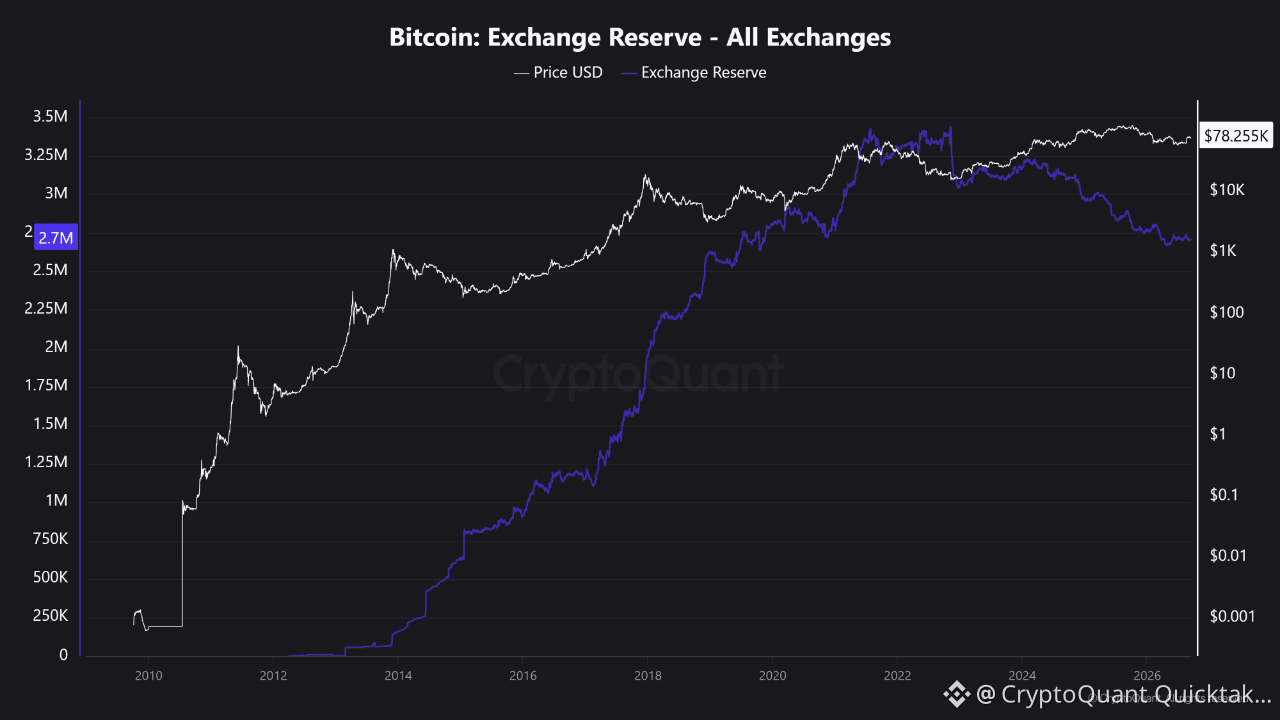
تُظهر بيانات CryptoQuant وتدفقات البورصات أن بينانس تواصل الاحتفاظ بحصة كبيرة بشكل غير متناسب من احتياطيات العملات المستقرة عبر البورصات المركزية، إذ تراوحت تاريخيًا من حوالي نسبة 50% المرتفعة إلى ما يتجاوز 60%. تعني هذه التركز أن جزءًا كبيرًا من سيولة الدولار القابلة للنشر في السوق لا يزال متمركزًا لدى منصة واحدة.
بينانس تحتفظ بقدْرٍ مهيمن من السيولة الجافة للعملات المستقرة بينما تظل عملية الإصدار الجديدة محدودة
يتم تداول البيتكوين ضمن نطاق حوالي 77 ألف دولار إلى 78 ألف دولار، بينما تتداول إيثيريوم قرب 2,500 دولار. يوفر مشهد العملات المستقرة على بينانس نظرة مهمة على القوة الشرائية المتاحة في السوق.
تُظهر بيانات CryptoQuant وتدفقات البورصات أن بينانس تواصل الاحتفاظ بحصة كبيرة بشكل غير متناسب من احتياطيات العملات المستقرة عبر البورصات المركزية، إذ تراوحت تاريخيًا من حوالي نسبة 50% المرتفعة إلى ما يتجاوز 60%. تعني هذه التركز أن جزءًا كبيرًا من سيولة الدولار القابلة للنشر في السوق لا يزال متمركزًا لدى منصة واحدة.
تُظهر بيانات CryptoQuant وتدفقات البورصات أن بينانس تواصل الاحتفاظ بحصة كبيرة بشكل غير متناسب من احتياطيات العملات المستقرة عبر البورصات المركزية، إذ تراوحت تاريخيًا من حوالي نسبة 50% المرتفعة إلى ما يتجاوز 60%. تعني هذه التركز أن جزءًا كبيرًا من سيولة الدولار القابلة للنشر في السوق لا يزال متمركزًا لدى منصة واحدة.
1
124
مقالة
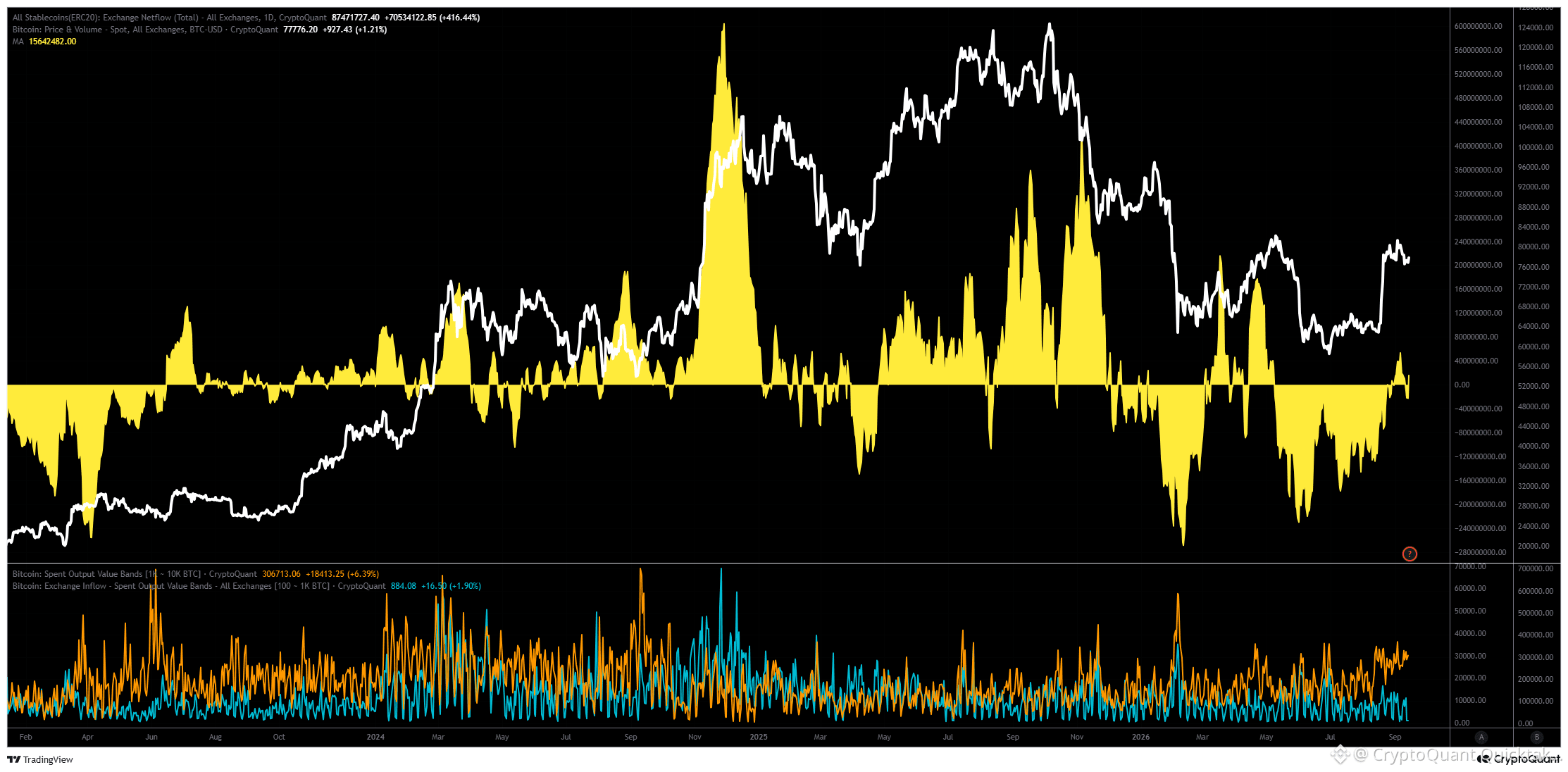
انتهى اتجاه تدفقات الأموال الخارجة قصير الأجل.بعد أن ارتفع سعر البيتكوين إلى نطاق 81 ألفًا، ظهر اتجاه صافي تدفقات خارجية قصير الأجل من الاستبل كوين.
وفي الوقت نفسه، يمرّ البيتكوين بفترة تصحيح قصيرة بعد ارتفاعه.
ومع ذلك، فقد انتهى اتجاه صافي التدفقات الخارجة قصير الأجل هذا، ويستأنف الآن اتجاه صافي التدفقات الداخلة.
تشير التدفقات الداخلة للأموال إلى السوق إلى تزايد ضغط الشراء.
توجد احتمالية كبيرة أن الانخفاض قصير الأجل قد انتهى، وأن الزخم الصعودي يتراكم مرة أخرى.
حدث الاتجاه الصعودي السابق للبيتكوين في ظل حالة من تدفقات مستقرة لصناديق الاستبل كوين (stablecoin) صافيًا. وتتكوّن هذه التدفقات مرة أخرى.
انتهى اتجاه تدفقات الأموال الخارجة قصير الأجل.
بعد أن ارتفع سعر البيتكوين إلى نطاق 81 ألفًا، ظهر اتجاه صافي تدفقات خارجية قصير الأجل من الاستبل كوين.
وفي الوقت نفسه، يمرّ البيتكوين بفترة تصحيح قصيرة بعد ارتفاعه.
ومع ذلك، فقد انتهى اتجاه صافي التدفقات الخارجة قصير الأجل هذا، ويستأنف الآن اتجاه صافي التدفقات الداخلة.
تشير التدفقات الداخلة للأموال إلى السوق إلى تزايد ضغط الشراء.
توجد احتمالية كبيرة أن الانخفاض قصير الأجل قد انتهى، وأن الزخم الصعودي يتراكم مرة أخرى.
حدث الاتجاه الصعودي السابق للبيتكوين في ظل حالة من تدفقات مستقرة لصناديق الاستبل كوين (stablecoin) صافيًا. وتتكوّن هذه التدفقات مرة أخرى.
وفي الوقت نفسه، يمرّ البيتكوين بفترة تصحيح قصيرة بعد ارتفاعه.
ومع ذلك، فقد انتهى اتجاه صافي التدفقات الخارجة قصير الأجل هذا، ويستأنف الآن اتجاه صافي التدفقات الداخلة.
تشير التدفقات الداخلة للأموال إلى السوق إلى تزايد ضغط الشراء.
توجد احتمالية كبيرة أن الانخفاض قصير الأجل قد انتهى، وأن الزخم الصعودي يتراكم مرة أخرى.
حدث الاتجاه الصعودي السابق للبيتكوين في ظل حالة من تدفقات مستقرة لصناديق الاستبل كوين (stablecoin) صافيًا. وتتكوّن هذه التدفقات مرة أخرى.
100
مقالة
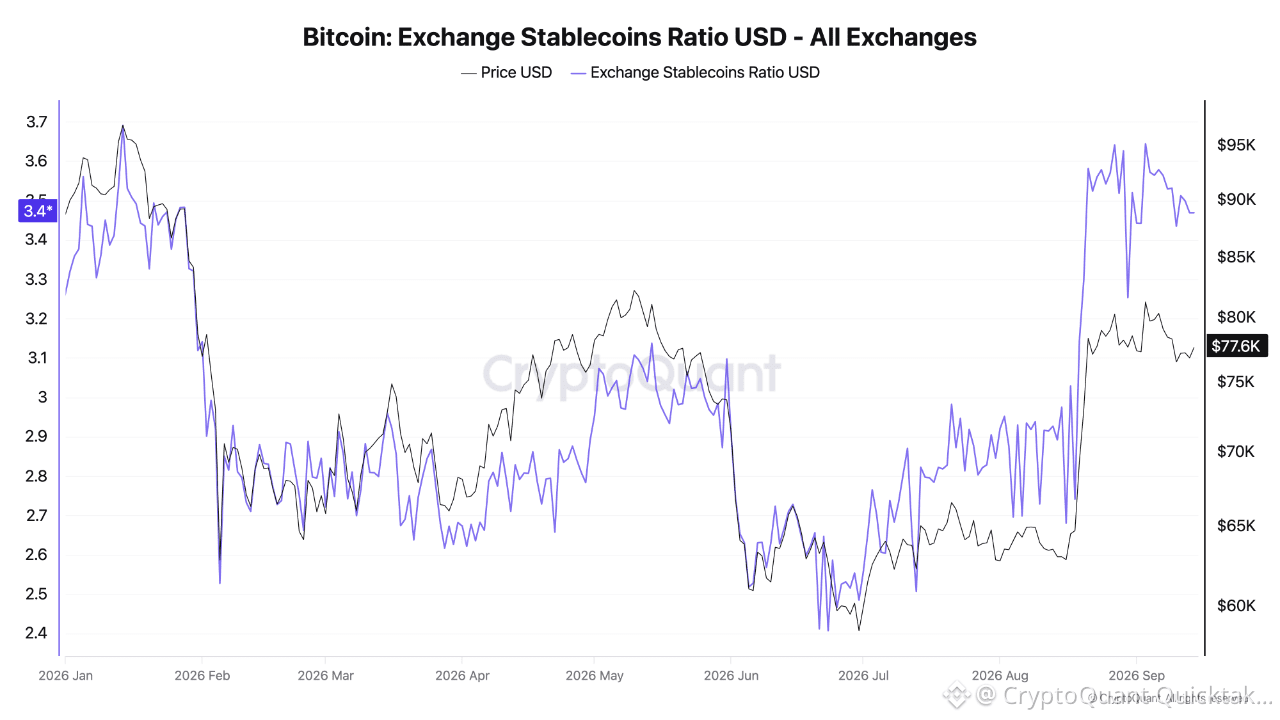
BTC تصبح أقوى لكن السيولة ليست كذلكمؤخرًا، دفعت BTC من حوالي 65 ألف دولار إلى حوالي 80 ألف دولار، لكنها منذ ذلك الحين تراجعت إلى حوالي 77 ألف دولار.
خلال هذه الحركة، ارتفع مؤشر نسبة عملات الاستبل كوين (Exchange Stablecoins Ratio) من حوالي 2.5 إلى 3.0+.
بالطبع، هذا لا يعني أن BTC لا يمكن أن يستمر في الارتفاع.
تنخفض النسبة عندما تنمو سيولة عملات الاستبل كوين مقارنةً ببيتكوين (BTC) في البورصات، وترتفع عندما ينمو عامل قيمة BTC في البورصات أسرع من سيولة الاستبل كوين.
لذلك، بينما كان BTC يدفع للأعلى، كانت النسبة تتحرك للأعلى أيضًا.
بالنسبة لي، هذه إشارة تباعد تستحق أخذها في الحسبان.
إما أن النسبة تبدأ بالارتداد/التجاوز إلى قيمة جديدة، أو أن بيتكوين (BTC) يبدأ في إظهار ضعف في النهاية.
BTC تصبح أقوى لكن السيولة ليست كذلك
مؤخرًا، دفعت BTC من حوالي 65 ألف دولار إلى حوالي 80 ألف دولار، لكنها منذ ذلك الحين تراجعت إلى حوالي 77 ألف دولار.
خلال هذه الحركة، ارتفع مؤشر نسبة عملات الاستبل كوين (Exchange Stablecoins Ratio) من حوالي 2.5 إلى 3.0+.
بالطبع، هذا لا يعني أن BTC لا يمكن أن يستمر في الارتفاع.
تنخفض النسبة عندما تنمو سيولة عملات الاستبل كوين مقارنةً ببيتكوين (BTC) في البورصات، وترتفع عندما ينمو عامل قيمة BTC في البورصات أسرع من سيولة الاستبل كوين.
لذلك، بينما كان BTC يدفع للأعلى، كانت النسبة تتحرك للأعلى أيضًا.
بالنسبة لي، هذه إشارة تباعد تستحق أخذها في الحسبان.
إما أن النسبة تبدأ بالارتداد/التجاوز إلى قيمة جديدة، أو أن بيتكوين (BTC) يبدأ في إظهار ضعف في النهاية.
خلال هذه الحركة، ارتفع مؤشر نسبة عملات الاستبل كوين (Exchange Stablecoins Ratio) من حوالي 2.5 إلى 3.0+.
بالطبع، هذا لا يعني أن BTC لا يمكن أن يستمر في الارتفاع.
تنخفض النسبة عندما تنمو سيولة عملات الاستبل كوين مقارنةً ببيتكوين (BTC) في البورصات، وترتفع عندما ينمو عامل قيمة BTC في البورصات أسرع من سيولة الاستبل كوين.
لذلك، بينما كان BTC يدفع للأعلى، كانت النسبة تتحرك للأعلى أيضًا.
بالنسبة لي، هذه إشارة تباعد تستحق أخذها في الحسبان.
إما أن النسبة تبدأ بالارتداد/التجاوز إلى قيمة جديدة، أو أن بيتكوين (BTC) يبدأ في إظهار ضعف في النهاية.
148
مقالة
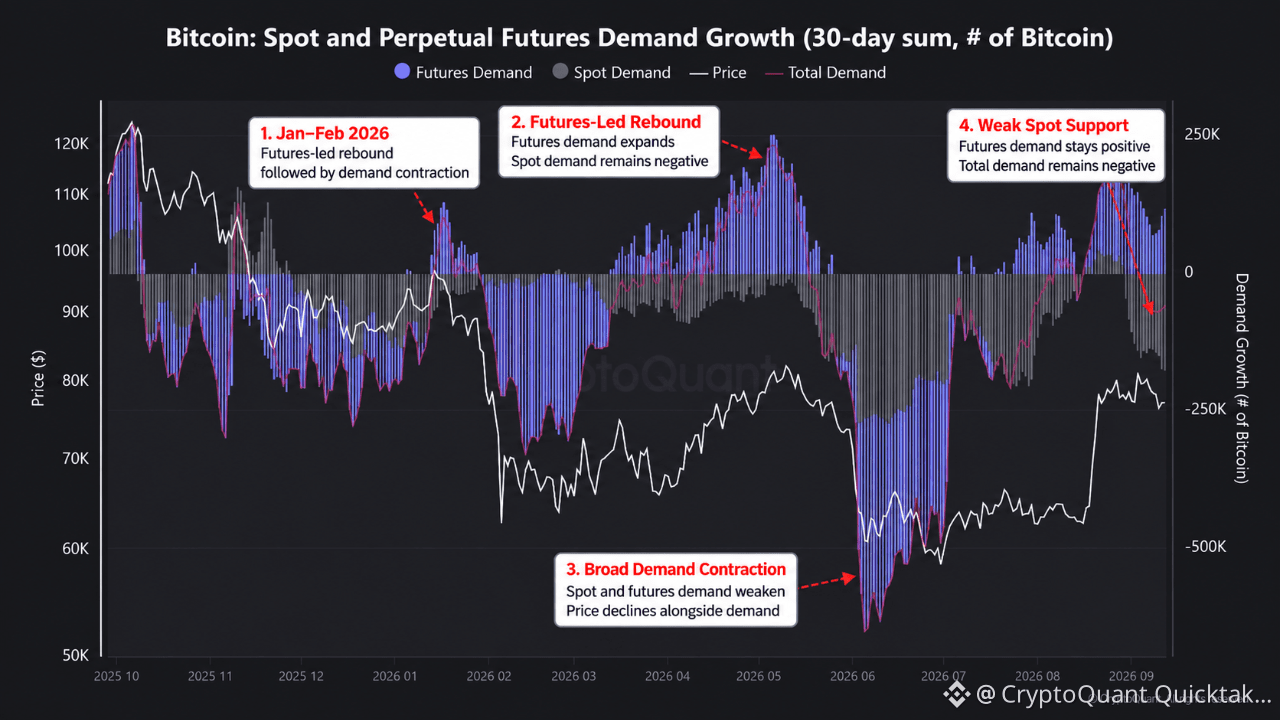
لا يفتقر رالي بيتكوين إلى القناعة دون دعم فوري١. يشبه هيكل الحركة الحالي الأنماط التي شوهدت في يناير–فبراير ومارس ٢٠٢٦، ما يشير إلى انتقال إلى مرحلة يقودها سوق المشتقات.
٢. تكون موجات الصعود دون طلب فوري مستمر أقل إقناعًا. يبقى الطلب الفوري ضعيفًا، ما يترك التقدم الحالي دون دعم قويّ من الأساس.
٣. في هذه البيئة، تتقدم إدارة المخاطر على توقعات استمرار موجة صعود طويلة.
كتب بواسطة COINDREAM
لا يفتقر رالي بيتكوين إلى القناعة دون دعم فوري
١. يشبه هيكل الحركة الحالي الأنماط التي شوهدت في يناير–فبراير ومارس ٢٠٢٦، ما يشير إلى انتقال إلى مرحلة يقودها سوق المشتقات.
٢. تكون موجات الصعود دون طلب فوري مستمر أقل إقناعًا. يبقى الطلب الفوري ضعيفًا، ما يترك التقدم الحالي دون دعم قويّ من الأساس.
٣. في هذه البيئة، تتقدم إدارة المخاطر على توقعات استمرار موجة صعود طويلة.
كتب بواسطة COINDREAM
٢. تكون موجات الصعود دون طلب فوري مستمر أقل إقناعًا. يبقى الطلب الفوري ضعيفًا، ما يترك التقدم الحالي دون دعم قويّ من الأساس.
٣. في هذه البيئة، تتقدم إدارة المخاطر على توقعات استمرار موجة صعود طويلة.
كتب بواسطة COINDREAM
113
مقالة
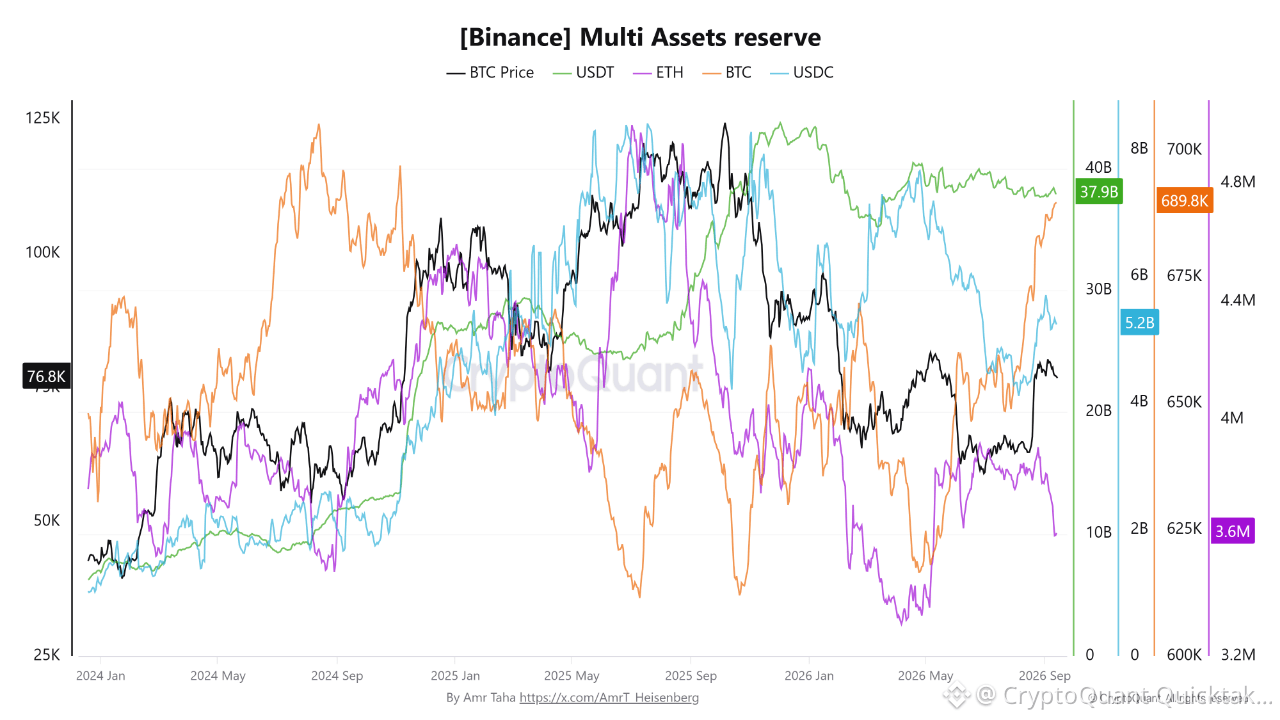
قبل اجتماع مجلس الاحتياطي الفيدرالي، تقترب احتياطيات بيتكوين في بينانس من أعلى مستوياتها في 2024 بينما تظل احتياطيات الإيثريوم ثابتة كما...تُظهر احتياطيات بينانس المتعددة الأصول تباينًا حادًا تمهيدًا لقرار هذا الأسبوع من مجلس الاحتياطي الفيدرالي.
قفزت احتياطيات بيتكوين في بينانس إلى نحو 690,000 بيتكوين في 13 أغسطس، أي حوالي 3% أعلى من قمة 22 فبراير قرب 670,000 بيتكوين، وأقل بنحو 2% فقط من مستوى 704,000 بيتكوين الذي شوهد في أغسطس 2024.
تُعد هذه المقارنة التاريخية أمرًا مهمًا.
إن ارتفاع احتياطيات بيتكوين لدى بينانس لا يعني بالضرورة أن ذلك يعد عاملًا سلبيًا للأسعار.
في أغسطس 2024، بلغت الاحتياطيات نحو 704,000 بيتكوين، بينما كان تداول البيتكوين قرب 59,000 دولار.
على الرغم من مستوى الاحتياطيات المرتفع هذا، ارتفع سعر البيتكوين لاحقًا فوق 120,000 دولار بحلول أكتوبر 2025، ما يوضح أن ارتفاع الاحتياطيات لدى البورصات لا يمثل بالضرورة تهديدًا للسعر.
قبل اجتماع مجلس الاحتياطي الفيدرالي، تقترب احتياطيات بيتكوين في بينانس من أعلى مستوياتها في 2024 بينما تظل احتياطيات الإيثريوم ثابتة كما...
تُظهر احتياطيات بينانس المتعددة الأصول تباينًا حادًا تمهيدًا لقرار هذا الأسبوع من مجلس الاحتياطي الفيدرالي.
قفزت احتياطيات بيتكوين في بينانس إلى نحو 690,000 بيتكوين في 13 أغسطس، أي حوالي 3% أعلى من قمة 22 فبراير قرب 670,000 بيتكوين، وأقل بنحو 2% فقط من مستوى 704,000 بيتكوين الذي شوهد في أغسطس 2024.
تُعد هذه المقارنة التاريخية أمرًا مهمًا.
إن ارتفاع احتياطيات بيتكوين لدى بينانس لا يعني بالضرورة أن ذلك يعد عاملًا سلبيًا للأسعار.
في أغسطس 2024، بلغت الاحتياطيات نحو 704,000 بيتكوين، بينما كان تداول البيتكوين قرب 59,000 دولار.
على الرغم من مستوى الاحتياطيات المرتفع هذا، ارتفع سعر البيتكوين لاحقًا فوق 120,000 دولار بحلول أكتوبر 2025، ما يوضح أن ارتفاع الاحتياطيات لدى البورصات لا يمثل بالضرورة تهديدًا للسعر.
قفزت احتياطيات بيتكوين في بينانس إلى نحو 690,000 بيتكوين في 13 أغسطس، أي حوالي 3% أعلى من قمة 22 فبراير قرب 670,000 بيتكوين، وأقل بنحو 2% فقط من مستوى 704,000 بيتكوين الذي شوهد في أغسطس 2024.
تُعد هذه المقارنة التاريخية أمرًا مهمًا.
إن ارتفاع احتياطيات بيتكوين لدى بينانس لا يعني بالضرورة أن ذلك يعد عاملًا سلبيًا للأسعار.
في أغسطس 2024، بلغت الاحتياطيات نحو 704,000 بيتكوين، بينما كان تداول البيتكوين قرب 59,000 دولار.
على الرغم من مستوى الاحتياطيات المرتفع هذا، ارتفع سعر البيتكوين لاحقًا فوق 120,000 دولار بحلول أكتوبر 2025، ما يوضح أن ارتفاع الاحتياطيات لدى البورصات لا يمثل بالضرورة تهديدًا للسعر.
124
مقالة
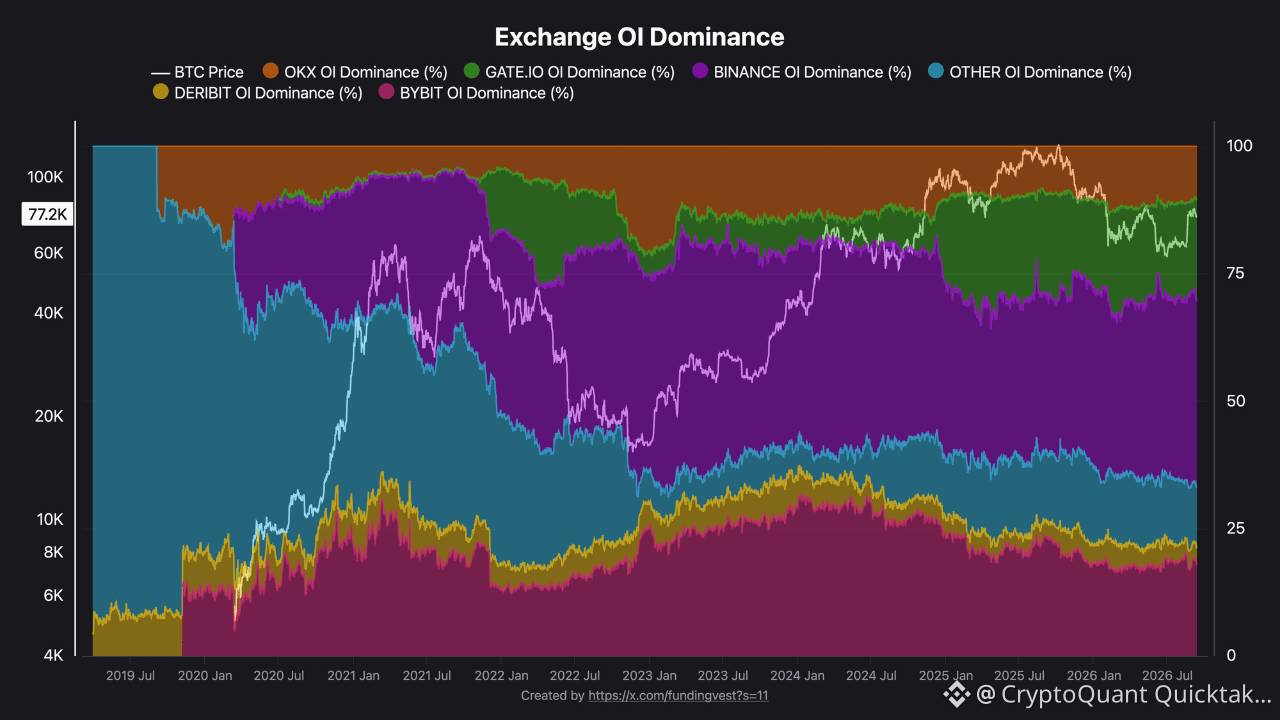
تحولات السيولة في بيتكوين: صعود Gate.io وهيمنة Binanceمع توسّع بيتكوين واكتسابها اعتمادًا عالميًا، لم يعد سيولة التداول في البورصات تتركّز في مركز واحد فحسب، بل بدأت تنتشر عبر شبكة أوسع. ويعكس هذا التوزيع للسيولة والمنافسة بين البورصات بوضوح التحوّل في ديناميكيات القوة ضمن مقاييس الفائدة المفتوحة (OI).
قبل عام 2020، وقبل أن يصل بيتكوين إلى جمهور واسع على هذا النحو، كان عدد البورصات النشطة محدودًا. ومع ذلك، خلال طفرة 2021 الصاعدة، نما سريعًا كلٌّ من وعي المستخدمين بالبورصات وقواعد مستخدميها. وخلال هذه الفترة، عزّزت كل من Bybit وBinance هيمنتهما على الفائدة المفتوحة (Open Interest)، ما سحب رأسمالًا كبيرًا بعيدًا عن البورصات الأصغر. ورغم أن Gate.io كان يمتلك في ذلك الوقت سيولة منخفضة نسبيًا، فقد نضج السوق مع مرور الوقت ليصبح بنيةً أكثر ديناميكية.
تحولات السيولة في بيتكوين: صعود Gate.io وهيمنة Binance
مع توسّع بيتكوين واكتسابها اعتمادًا عالميًا، لم يعد سيولة التداول في البورصات تتركّز في مركز واحد فحسب، بل بدأت تنتشر عبر شبكة أوسع. ويعكس هذا التوزيع للسيولة والمنافسة بين البورصات بوضوح التحوّل في ديناميكيات القوة ضمن مقاييس الفائدة المفتوحة (OI).
قبل عام 2020، وقبل أن يصل بيتكوين إلى جمهور واسع على هذا النحو، كان عدد البورصات النشطة محدودًا. ومع ذلك، خلال طفرة 2021 الصاعدة، نما سريعًا كلٌّ من وعي المستخدمين بالبورصات وقواعد مستخدميها. وخلال هذه الفترة، عزّزت كل من Bybit وBinance هيمنتهما على الفائدة المفتوحة (Open Interest)، ما سحب رأسمالًا كبيرًا بعيدًا عن البورصات الأصغر. ورغم أن Gate.io كان يمتلك في ذلك الوقت سيولة منخفضة نسبيًا، فقد نضج السوق مع مرور الوقت ليصبح بنيةً أكثر ديناميكية.
قبل عام 2020، وقبل أن يصل بيتكوين إلى جمهور واسع على هذا النحو، كان عدد البورصات النشطة محدودًا. ومع ذلك، خلال طفرة 2021 الصاعدة، نما سريعًا كلٌّ من وعي المستخدمين بالبورصات وقواعد مستخدميها. وخلال هذه الفترة، عزّزت كل من Bybit وBinance هيمنتهما على الفائدة المفتوحة (Open Interest)، ما سحب رأسمالًا كبيرًا بعيدًا عن البورصات الأصغر. ورغم أن Gate.io كان يمتلك في ذلك الوقت سيولة منخفضة نسبيًا، فقد نضج السوق مع مرور الوقت ليصبح بنيةً أكثر ديناميكية.
157
بيتكوين تواجه أسبوعًا حاسمًا من قرارات السياسة مع اختبار متانة السوق لقرارات الفيدرالي وبنك اليابانيدخل البيتكوين أسبوعًا حاسمًا مع قيام مجلس الاحتياطي الفيدرالي وبنك اليابان بإصدار قرارات سياسات متتالية. يجتمع لجنة السوق المفتوحة الفيدرالية (FOMC) في 15–16 سبتمبر، بينما يجتمع بنك اليابان (BOJ) في 17–18 سبتمبر.
كانت الأسواق قد تسعّرَت احتمالًا يقارب 85% لرفع فائدة من الاحتياطي الفيدرالي بمقدار 25 نقطة أساس، في حين تشير التوقعات أيضًا إلى زيادة من بنك اليابان إلى 1.25%. القضية الأساسية ليست فقط ما إذا كانت المعدلات سترتفع، بل أيضًا مدى تشدّد كلا البنكين المركزيين بعد الإعلان.
أكبر خطر على البيتكوين هو حدوث ارتفاع متزامن في عوائد الولايات المتحدة وتقدير حاد للين. يمكن لارتفاع معدلات الفائدة في الولايات المتحدة أن يشدّ السيولة العالمية، في حين أن قوة الين قد تُسرّع تفكيك صفقات الكاري الممولة بالين. إذا حدث الأمران معًا، فقد يخفض المستثمرون المخاطر عبر الأسهم والواقع الرقمي (كريبتو).
بيتكوين تواجه أسبوعًا حاسمًا من قرارات السياسة مع اختبار متانة السوق لقرارات الفيدرالي وبنك اليابان
يدخل البيتكوين أسبوعًا حاسمًا مع قيام مجلس الاحتياطي الفيدرالي وبنك اليابان بإصدار قرارات سياسات متتالية. يجتمع لجنة السوق المفتوحة الفيدرالية (FOMC) في 15–16 سبتمبر، بينما يجتمع بنك اليابان (BOJ) في 17–18 سبتمبر.
كانت الأسواق قد تسعّرَت احتمالًا يقارب 85% لرفع فائدة من الاحتياطي الفيدرالي بمقدار 25 نقطة أساس، في حين تشير التوقعات أيضًا إلى زيادة من بنك اليابان إلى 1.25%. القضية الأساسية ليست فقط ما إذا كانت المعدلات سترتفع، بل أيضًا مدى تشدّد كلا البنكين المركزيين بعد الإعلان.
أكبر خطر على البيتكوين هو حدوث ارتفاع متزامن في عوائد الولايات المتحدة وتقدير حاد للين. يمكن لارتفاع معدلات الفائدة في الولايات المتحدة أن يشدّ السيولة العالمية، في حين أن قوة الين قد تُسرّع تفكيك صفقات الكاري الممولة بالين. إذا حدث الأمران معًا، فقد يخفض المستثمرون المخاطر عبر الأسهم والواقع الرقمي (كريبتو).
كانت الأسواق قد تسعّرَت احتمالًا يقارب 85% لرفع فائدة من الاحتياطي الفيدرالي بمقدار 25 نقطة أساس، في حين تشير التوقعات أيضًا إلى زيادة من بنك اليابان إلى 1.25%. القضية الأساسية ليست فقط ما إذا كانت المعدلات سترتفع، بل أيضًا مدى تشدّد كلا البنكين المركزيين بعد الإعلان.
أكبر خطر على البيتكوين هو حدوث ارتفاع متزامن في عوائد الولايات المتحدة وتقدير حاد للين. يمكن لارتفاع معدلات الفائدة في الولايات المتحدة أن يشدّ السيولة العالمية، في حين أن قوة الين قد تُسرّع تفكيك صفقات الكاري الممولة بالين. إذا حدث الأمران معًا، فقد يخفض المستثمرون المخاطر عبر الأسهم والواقع الرقمي (كريبتو).
1
215
مقالة
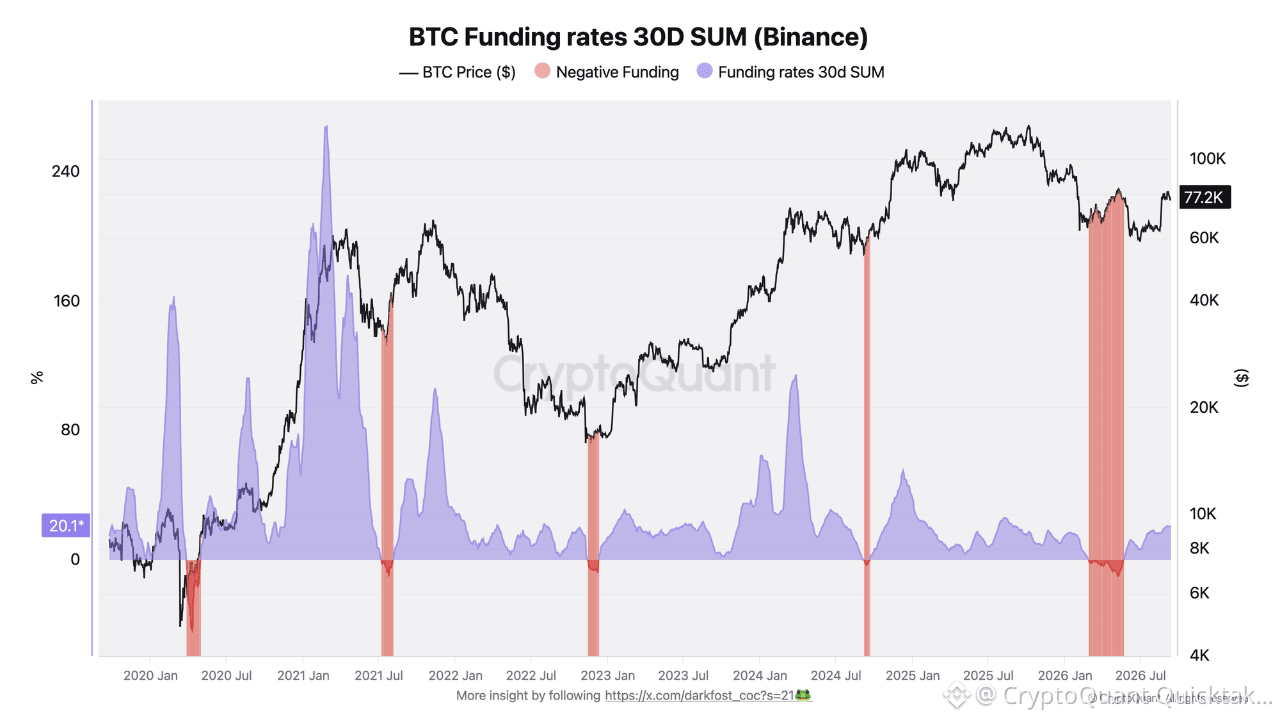
سوق مشتقات البيتكوين أرسل إشارة تستحق المتابعةمنذ نهاية مايو، تحسّنت الظروف والمزاج العام في أسواق العقود الآجلة بشكل ملحوظ.
يظهر هذا في تطور معدلات التمويل، حيث يتم تمثيله كمجموع لمدة 30 يومًا على منصة Binance. يتيح تجميع معدلات التمويل على أساس شهري تحديد اتجاه أساسي، بدلًا من الانجراف وراء الضوضاء المعتادة لهذا المؤشر شديد التقلب على أساس يومي.
بعد مرحلة من عدم التصديق، كانت معدلات التمويل تعكس واحدة من أشدّ مشاعر الهبوط التي شوهدت على الإطلاق في مشتقات Binance، وانتهى الأمر بأن تراكم المراكز القصيرة الذي تلا هبوطًا بنسبة -52% قد غذّى صعود مايو.
سوق مشتقات البيتكوين أرسل إشارة تستحق المتابعة
منذ نهاية مايو، تحسّنت الظروف والمزاج العام في أسواق العقود الآجلة بشكل ملحوظ.
يظهر هذا في تطور معدلات التمويل، حيث يتم تمثيله كمجموع لمدة 30 يومًا على منصة Binance. يتيح تجميع معدلات التمويل على أساس شهري تحديد اتجاه أساسي، بدلًا من الانجراف وراء الضوضاء المعتادة لهذا المؤشر شديد التقلب على أساس يومي.
بعد مرحلة من عدم التصديق، كانت معدلات التمويل تعكس واحدة من أشدّ مشاعر الهبوط التي شوهدت على الإطلاق في مشتقات Binance، وانتهى الأمر بأن تراكم المراكز القصيرة الذي تلا هبوطًا بنسبة -52% قد غذّى صعود مايو.
يظهر هذا في تطور معدلات التمويل، حيث يتم تمثيله كمجموع لمدة 30 يومًا على منصة Binance. يتيح تجميع معدلات التمويل على أساس شهري تحديد اتجاه أساسي، بدلًا من الانجراف وراء الضوضاء المعتادة لهذا المؤشر شديد التقلب على أساس يومي.
بعد مرحلة من عدم التصديق، كانت معدلات التمويل تعكس واحدة من أشدّ مشاعر الهبوط التي شوهدت على الإطلاق في مشتقات Binance، وانتهى الأمر بأن تراكم المراكز القصيرة الذي تلا هبوطًا بنسبة -52% قد غذّى صعود مايو.
123
مقالة
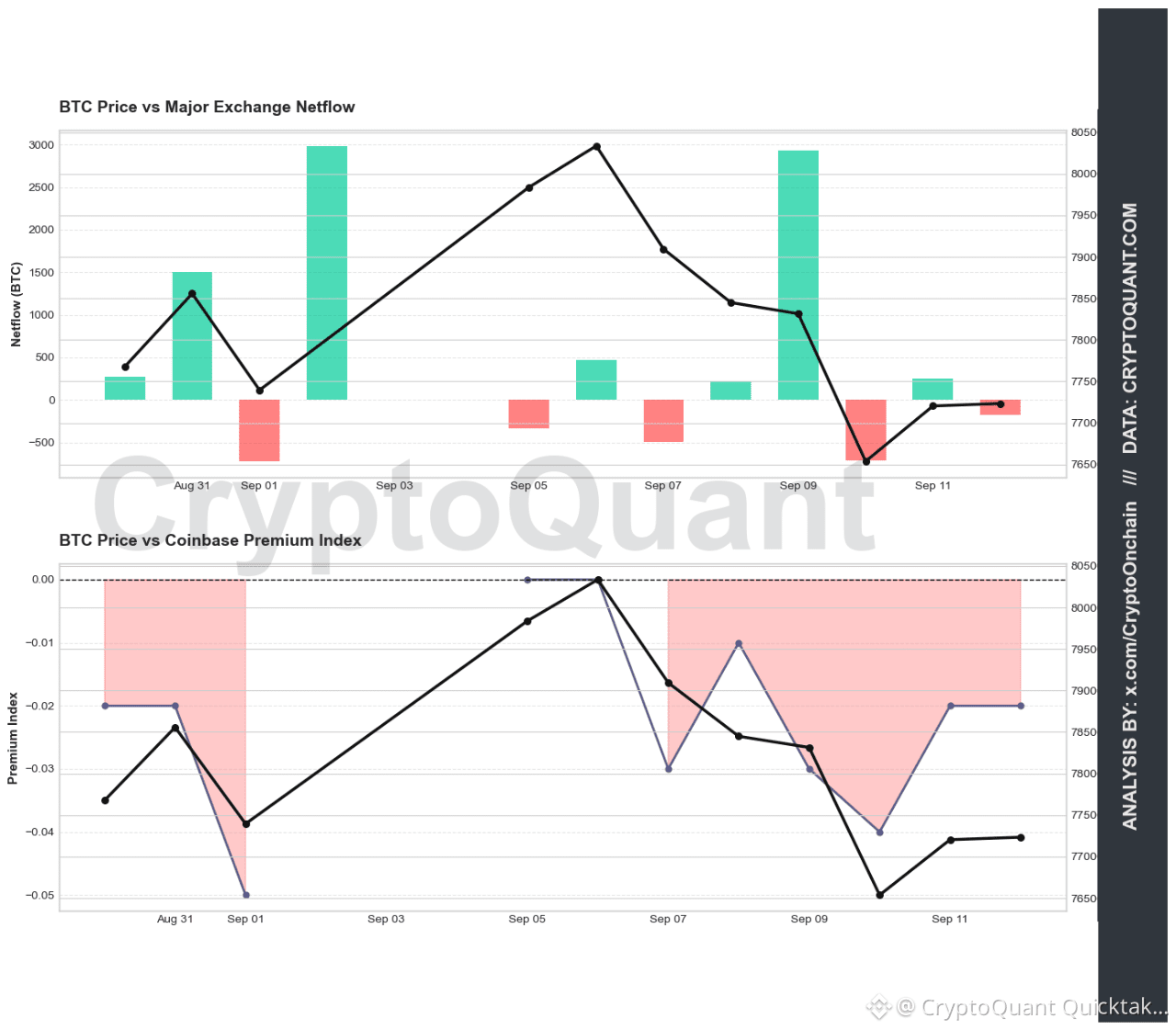
بلغ صافي تدفقات البورصة (Aggregate Exchange Netflow) 772% فوق خط الأساس في 12 سبتمبربلغ متوسط صافي تدفقات البورصات (Aggregate exchange netflow) 717+ بيتكوين يوميًا خلال السبعة أيام اللاحقة. سجّل مؤشر NVT Golden Cross قراءة بلغت 0.80 في 12 سبتمبر. وتراوحت تدفقات Coinbase الداخلة من جهات تمتلك 1 ألف–10 آلاف بيتكوين بمتوسط 712 بيتكوين يوميًا عبر نافذة الرصد.
حملت الفترة نفسها أيضًا بيانات مؤشر أسعار المنتجين (PPI) في 10 سبتمبر ومؤشر أسعار المستهلكين (CPI) في 11 سبتمبر. فقد سجل الـCPI الرئيسي 3.4% على أساس سنوي لشهر أغسطس 2026، مع صدوره في 11 سبتمبر، بينما بلغ معدل الـCPI الأساسي 2.4%. وبلغت طلبيات PPI النهائية 5.4% على أساس سنوي لشهر أغسطس 2026، مع صدوره في 10 سبتمبر. وأغلق عائد السندات لأجل 10 سنوات عند 4.95%، محافظًا على هامش +39 نقطة أساس مقارنة بعائد سنتين. كما خفّض مؤشر الدولار بنسبة 1.9% عبر نافذة الـ60 يومًا. أحد التفسيرات المحتملة، غير المؤكدة: قد تعكس عملية إعادة التموضع التحوط والترتيب قبل صدور CPI بدلًا من أن تكون استجابة له.
بلغ صافي تدفقات البورصة (Aggregate Exchange Netflow) 772% فوق خط الأساس في 12 سبتمبر
بلغ متوسط صافي تدفقات البورصات (Aggregate exchange netflow) 717+ بيتكوين يوميًا خلال السبعة أيام اللاحقة. سجّل مؤشر NVT Golden Cross قراءة بلغت 0.80 في 12 سبتمبر. وتراوحت تدفقات Coinbase الداخلة من جهات تمتلك 1 ألف–10 آلاف بيتكوين بمتوسط 712 بيتكوين يوميًا عبر نافذة الرصد.
حملت الفترة نفسها أيضًا بيانات مؤشر أسعار المنتجين (PPI) في 10 سبتمبر ومؤشر أسعار المستهلكين (CPI) في 11 سبتمبر. فقد سجل الـCPI الرئيسي 3.4% على أساس سنوي لشهر أغسطس 2026، مع صدوره في 11 سبتمبر، بينما بلغ معدل الـCPI الأساسي 2.4%. وبلغت طلبيات PPI النهائية 5.4% على أساس سنوي لشهر أغسطس 2026، مع صدوره في 10 سبتمبر. وأغلق عائد السندات لأجل 10 سنوات عند 4.95%، محافظًا على هامش +39 نقطة أساس مقارنة بعائد سنتين. كما خفّض مؤشر الدولار بنسبة 1.9% عبر نافذة الـ60 يومًا. أحد التفسيرات المحتملة، غير المؤكدة: قد تعكس عملية إعادة التموضع التحوط والترتيب قبل صدور CPI بدلًا من أن تكون استجابة له.
حملت الفترة نفسها أيضًا بيانات مؤشر أسعار المنتجين (PPI) في 10 سبتمبر ومؤشر أسعار المستهلكين (CPI) في 11 سبتمبر. فقد سجل الـCPI الرئيسي 3.4% على أساس سنوي لشهر أغسطس 2026، مع صدوره في 11 سبتمبر، بينما بلغ معدل الـCPI الأساسي 2.4%. وبلغت طلبيات PPI النهائية 5.4% على أساس سنوي لشهر أغسطس 2026، مع صدوره في 10 سبتمبر. وأغلق عائد السندات لأجل 10 سنوات عند 4.95%، محافظًا على هامش +39 نقطة أساس مقارنة بعائد سنتين. كما خفّض مؤشر الدولار بنسبة 1.9% عبر نافذة الـ60 يومًا. أحد التفسيرات المحتملة، غير المؤكدة: قد تعكس عملية إعادة التموضع التحوط والترتيب قبل صدور CPI بدلًا من أن تكون استجابة له.
1
85
مقالة
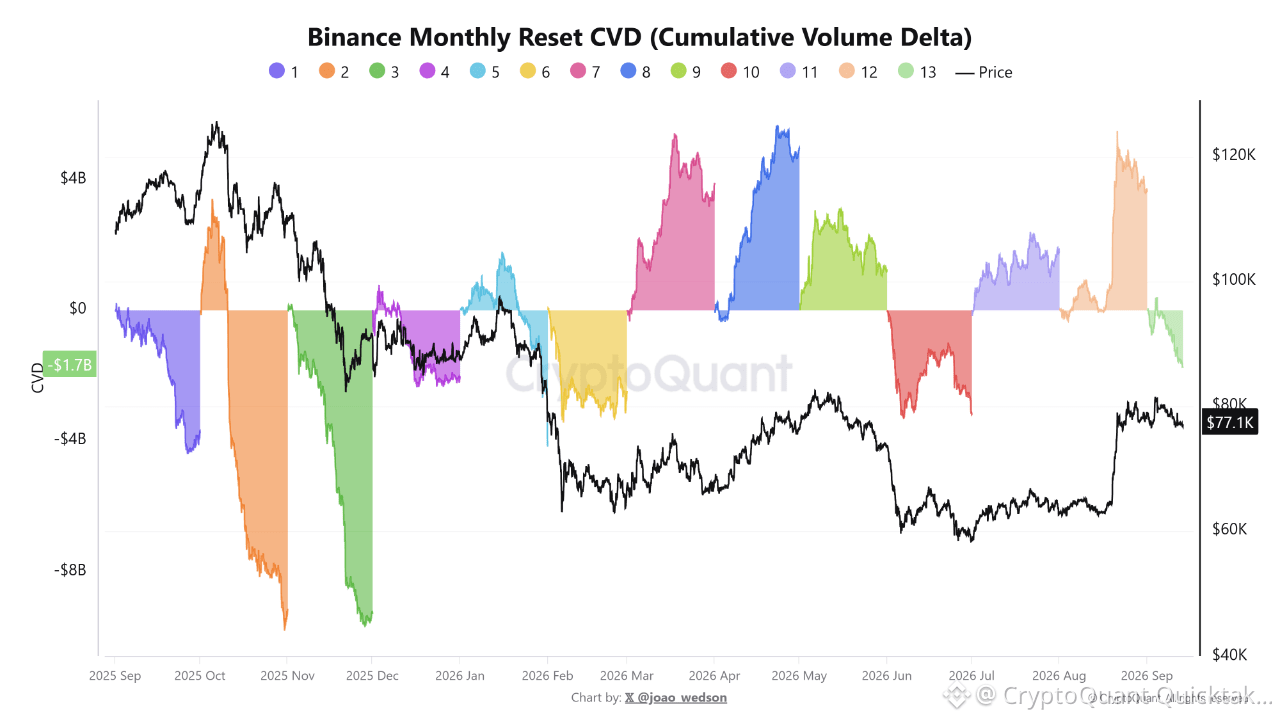
إعادة ضبط CVD الشهرية على بينانس: قراءة تدفق أوامر البيتكوينيوضح هذا الرسم دلتا الحجم التراكمي (Cumulative Volume Delta) على بينانس، والمُحسب من حجم شراء المتداولين الآخذين ناقص حجم بيع المتداولين الآخذين، حيث تتم إعادة تعيين CVD إلى الصفر في بداية كل شهر.
ما يجعل هذا العرض مثيرًا للاهتمام هو أن كل إعادة ضبط شهرية تُنشئ لقطة جديدة من تدفق أوامر البيتكوين. بعض الأشهر تتطور بسرعة إلى زخم إيجابي قوي في CVD، بينما تبقى أشهر أخرى سلبية بعمق، وغالبًا ما تعكس هذه التحولات سلوك المتداولين العدوانيين من المشترين والبائعين خلال المراحل المختلفة من السوق.
هذا الشهر الحالي سلبي، ما يعني أن حجم البيع من المتداولين الآخذين (taker) قد تجاوز حجم الشراء من المتداولين الآخذين حتى الآن. ومع ذلك، لا ينبغي تفسير CVD السلبية تلقائيًا على أنها هبوطية. السؤال الأهم هو كيفية استجابة السعر لضغط البيع هذا.
إعادة ضبط CVD الشهرية على بينانس: قراءة تدفق أوامر البيتكوين
يوضح هذا الرسم دلتا الحجم التراكمي (Cumulative Volume Delta) على بينانس، والمُحسب من حجم شراء المتداولين الآخذين ناقص حجم بيع المتداولين الآخذين، حيث تتم إعادة تعيين CVD إلى الصفر في بداية كل شهر.
ما يجعل هذا العرض مثيرًا للاهتمام هو أن كل إعادة ضبط شهرية تُنشئ لقطة جديدة من تدفق أوامر البيتكوين. بعض الأشهر تتطور بسرعة إلى زخم إيجابي قوي في CVD، بينما تبقى أشهر أخرى سلبية بعمق، وغالبًا ما تعكس هذه التحولات سلوك المتداولين العدوانيين من المشترين والبائعين خلال المراحل المختلفة من السوق.
هذا الشهر الحالي سلبي، ما يعني أن حجم البيع من المتداولين الآخذين (taker) قد تجاوز حجم الشراء من المتداولين الآخذين حتى الآن. ومع ذلك، لا ينبغي تفسير CVD السلبية تلقائيًا على أنها هبوطية. السؤال الأهم هو كيفية استجابة السعر لضغط البيع هذا.
ما يجعل هذا العرض مثيرًا للاهتمام هو أن كل إعادة ضبط شهرية تُنشئ لقطة جديدة من تدفق أوامر البيتكوين. بعض الأشهر تتطور بسرعة إلى زخم إيجابي قوي في CVD، بينما تبقى أشهر أخرى سلبية بعمق، وغالبًا ما تعكس هذه التحولات سلوك المتداولين العدوانيين من المشترين والبائعين خلال المراحل المختلفة من السوق.
هذا الشهر الحالي سلبي، ما يعني أن حجم البيع من المتداولين الآخذين (taker) قد تجاوز حجم الشراء من المتداولين الآخذين حتى الآن. ومع ذلك، لا ينبغي تفسير CVD السلبية تلقائيًا على أنها هبوطية. السؤال الأهم هو كيفية استجابة السعر لضغط البيع هذا.
116
مقالة
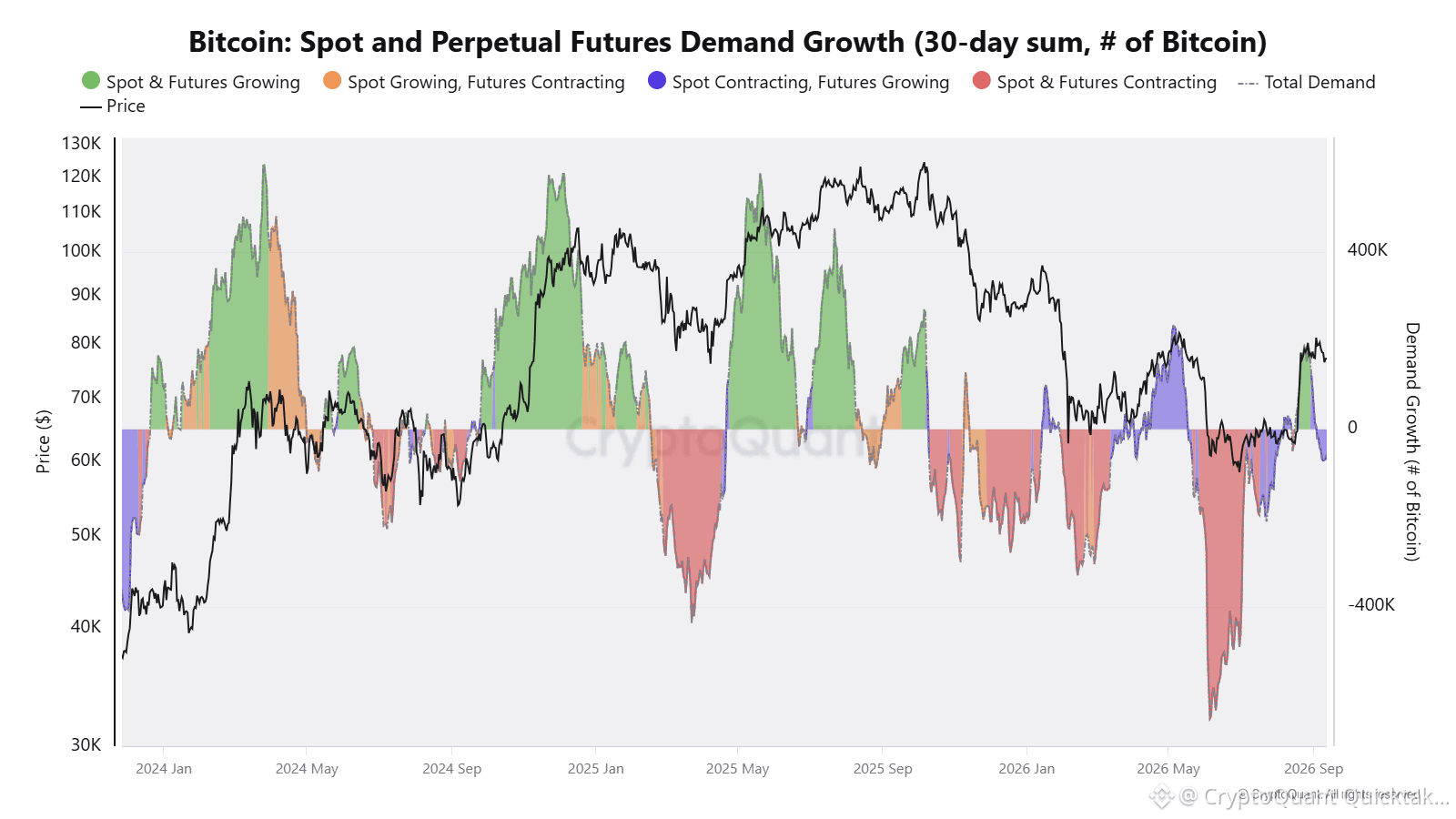
لقد بلغ الطلب السلبي على البيتكوين ذروته وهو يُظهر ارتدادًا طفيفًا.يبدأ طلب $BTC في إظهار ارتداد طفيف.
حجم صافي التدفقات الخارجة ينخفض قليلًا، مما يشير إلى أن الاتجاه الهبوطي قصير الأجل قد بلغ ذروته.
إن طلب عقود $BTC الآجلة يرتفع بسرعة، لكن الطلب الفوري لا يزال في المنطقة السلبية.
إن هذه الزيادة في الطلب على العقود الآجلة تؤدي إلى انتعاش في إجمالي الطلب.
يواصل $BTC الخضوع لتصحيح قصير الأجل مع استمرار التدفقات الخارجة من سوق الفوري.
ومع ذلك، فإن زيادة الطلب على العقود الآجلة تشير إلى عودة الضغط الصعودي في سوق العقود الآجلة.
لقد بلغ الطلب السلبي على البيتكوين ذروته وهو يُظهر ارتدادًا طفيفًا.
يبدأ طلب $BTC في إظهار ارتداد طفيف.
حجم صافي التدفقات الخارجة ينخفض قليلًا، مما يشير إلى أن الاتجاه الهبوطي قصير الأجل قد بلغ ذروته.
إن طلب عقود $BTC الآجلة يرتفع بسرعة، لكن الطلب الفوري لا يزال في المنطقة السلبية.
إن هذه الزيادة في الطلب على العقود الآجلة تؤدي إلى انتعاش في إجمالي الطلب.
يواصل $BTC الخضوع لتصحيح قصير الأجل مع استمرار التدفقات الخارجة من سوق الفوري.
ومع ذلك، فإن زيادة الطلب على العقود الآجلة تشير إلى عودة الضغط الصعودي في سوق العقود الآجلة.
حجم صافي التدفقات الخارجة ينخفض قليلًا، مما يشير إلى أن الاتجاه الهبوطي قصير الأجل قد بلغ ذروته.
إن طلب عقود $BTC الآجلة يرتفع بسرعة، لكن الطلب الفوري لا يزال في المنطقة السلبية.
إن هذه الزيادة في الطلب على العقود الآجلة تؤدي إلى انتعاش في إجمالي الطلب.
يواصل $BTC الخضوع لتصحيح قصير الأجل مع استمرار التدفقات الخارجة من سوق الفوري.
ومع ذلك، فإن زيادة الطلب على العقود الآجلة تشير إلى عودة الضغط الصعودي في سوق العقود الآجلة.
1
216
مقالة
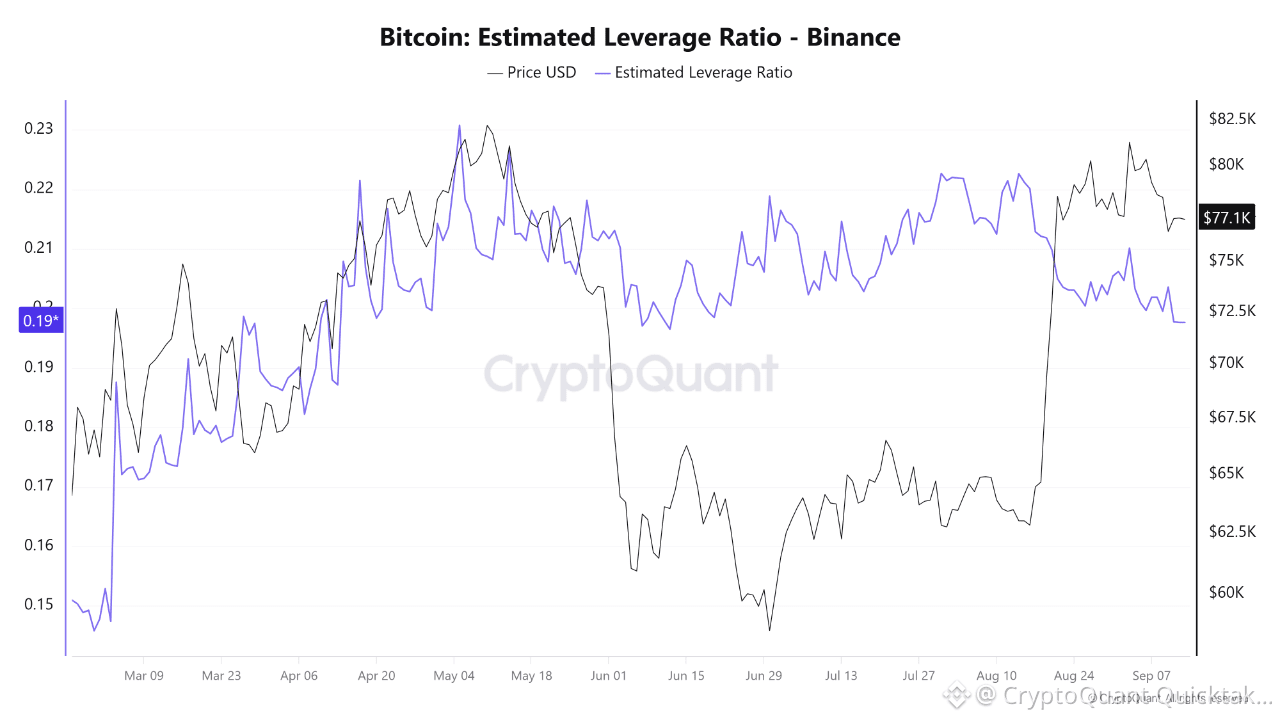
رافعة بيتكوين المالية التقديرية على Binance تصل لأدنى مستوى منذ يونيوالبيانات الخاصة بنسبة الرافعة المالية التقديرية لبيتكوين على منصة Binance تُظهر تراجعًا إلى حوالي 0.1976، وهو أدنى مستوى لها منذ يونيو الماضي. يأتي هذا التراجع بينما يتداول بيتكوين قرب 76,000 دولار، ما يعكس تحولًا ملحوظًا في سلوك المشاركين في سوق المشتقات.
يشير انخفاض نسبة الرافعة المالية التقديرية عمومًا إلى أن المتداولين يعتمدون على رافعة مالية أقل مقارنة بالفترات السابقة، إما بسبب إغلاق مراكز عالية المخاطر أو نتيجة انخفاض شهية المضاربة باستخدام الرافعة. ومن منظور استقرار السوق، يُعد ذلك إشارة إيجابية، لأنه يوحي بتقليل عدد المراكز الهشة التي قد تتعرض لعمليات تصفية قسرية خلال التقلبات الحادة في الأسعار.
رافعة بيتكوين المالية التقديرية على Binance تصل لأدنى مستوى منذ يونيو
البيانات الخاصة بنسبة الرافعة المالية التقديرية لبيتكوين على منصة Binance تُظهر تراجعًا إلى حوالي 0.1976، وهو أدنى مستوى لها منذ يونيو الماضي. يأتي هذا التراجع بينما يتداول بيتكوين قرب 76,000 دولار، ما يعكس تحولًا ملحوظًا في سلوك المشاركين في سوق المشتقات.
يشير انخفاض نسبة الرافعة المالية التقديرية عمومًا إلى أن المتداولين يعتمدون على رافعة مالية أقل مقارنة بالفترات السابقة، إما بسبب إغلاق مراكز عالية المخاطر أو نتيجة انخفاض شهية المضاربة باستخدام الرافعة. ومن منظور استقرار السوق، يُعد ذلك إشارة إيجابية، لأنه يوحي بتقليل عدد المراكز الهشة التي قد تتعرض لعمليات تصفية قسرية خلال التقلبات الحادة في الأسعار.
يشير انخفاض نسبة الرافعة المالية التقديرية عمومًا إلى أن المتداولين يعتمدون على رافعة مالية أقل مقارنة بالفترات السابقة، إما بسبب إغلاق مراكز عالية المخاطر أو نتيجة انخفاض شهية المضاربة باستخدام الرافعة. ومن منظور استقرار السوق، يُعد ذلك إشارة إيجابية، لأنه يوحي بتقليل عدد المراكز الهشة التي قد تتعرض لعمليات تصفية قسرية خلال التقلبات الحادة في الأسعار.
147
مقالة
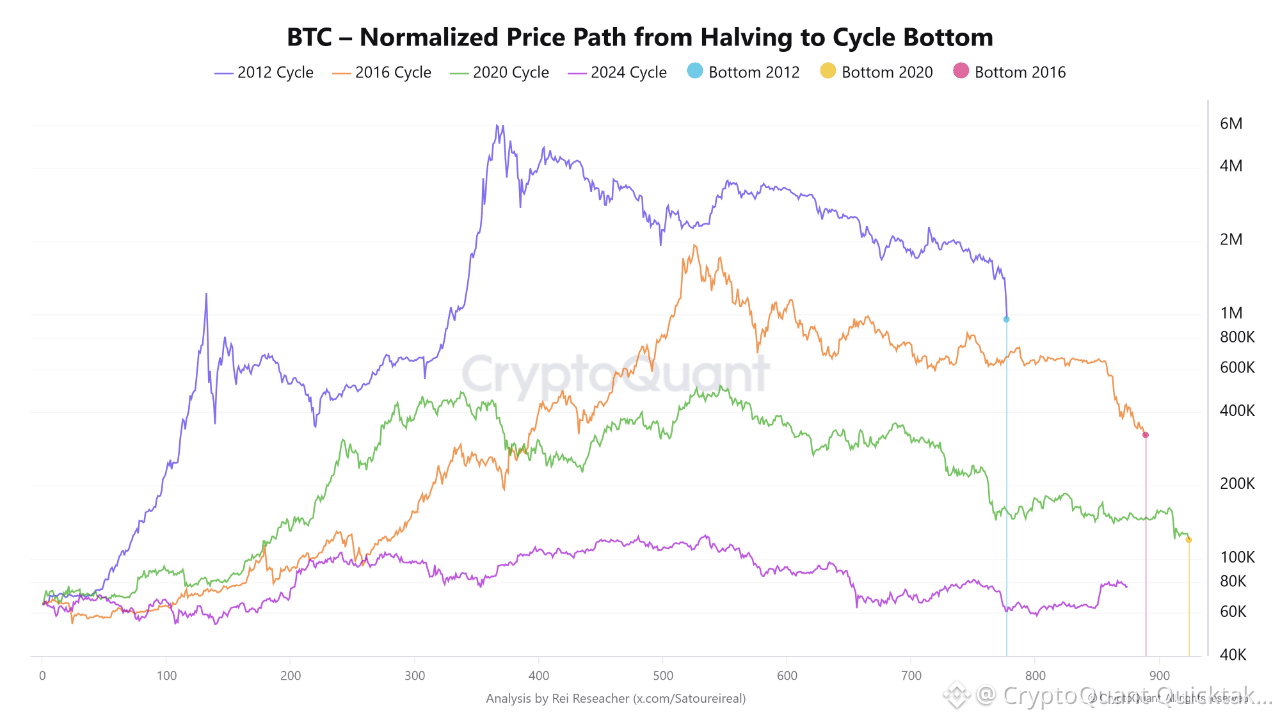
هل انكسرت دورة الأربع سنوات؟عند النظر إلى بيانات CryptoQuant، غالبًا ما هبطت قيعان الدورة السابقة في عامي 2012 و2016 و2020 عند حوالي اليوم 770 إلى ما يقارب 900 بعد عملية النصف. ما زال كثيرون ينظرون إلى التاريخ، متوقعين أن تتكرر نفس الطريقة مع موجة صعود برابولية أخرى. لكن برأيي، هناك عدة عوامل تجعل هذه الدورة مختلفة تمامًا:
أولاً هو هيكل رأس المال. دفعت موافقات صناديق الاستثمار المتداولة الفورية (Spot ETF) إلى تسجيل قمة تاريخية جديدة قبل عملية النصف—شيئًا لم نره من قبل. عندما تتولى الأموال المؤسسية زمام الأمور، فإنها توزع استثماراتها بناءً على السياسة النقدية وأسعار الفائدة والسيولة على مستوى الاقتصاد الكلي. لا تتداول وفقًا لعدّ الأيام بعد عملية النصف.
هل انكسرت دورة الأربع سنوات؟
عند النظر إلى بيانات CryptoQuant، غالبًا ما هبطت قيعان الدورة السابقة في عامي 2012 و2016 و2020 عند حوالي اليوم 770 إلى ما يقارب 900 بعد عملية النصف. ما زال كثيرون ينظرون إلى التاريخ، متوقعين أن تتكرر نفس الطريقة مع موجة صعود برابولية أخرى. لكن برأيي، هناك عدة عوامل تجعل هذه الدورة مختلفة تمامًا:
أولاً هو هيكل رأس المال. دفعت موافقات صناديق الاستثمار المتداولة الفورية (Spot ETF) إلى تسجيل قمة تاريخية جديدة قبل عملية النصف—شيئًا لم نره من قبل. عندما تتولى الأموال المؤسسية زمام الأمور، فإنها توزع استثماراتها بناءً على السياسة النقدية وأسعار الفائدة والسيولة على مستوى الاقتصاد الكلي. لا تتداول وفقًا لعدّ الأيام بعد عملية النصف.
أولاً هو هيكل رأس المال. دفعت موافقات صناديق الاستثمار المتداولة الفورية (Spot ETF) إلى تسجيل قمة تاريخية جديدة قبل عملية النصف—شيئًا لم نره من قبل. عندما تتولى الأموال المؤسسية زمام الأمور، فإنها توزع استثماراتها بناءً على السياسة النقدية وأسعار الفائدة والسيولة على مستوى الاقتصاد الكلي. لا تتداول وفقًا لعدّ الأيام بعد عملية النصف.
1
266
مقالة
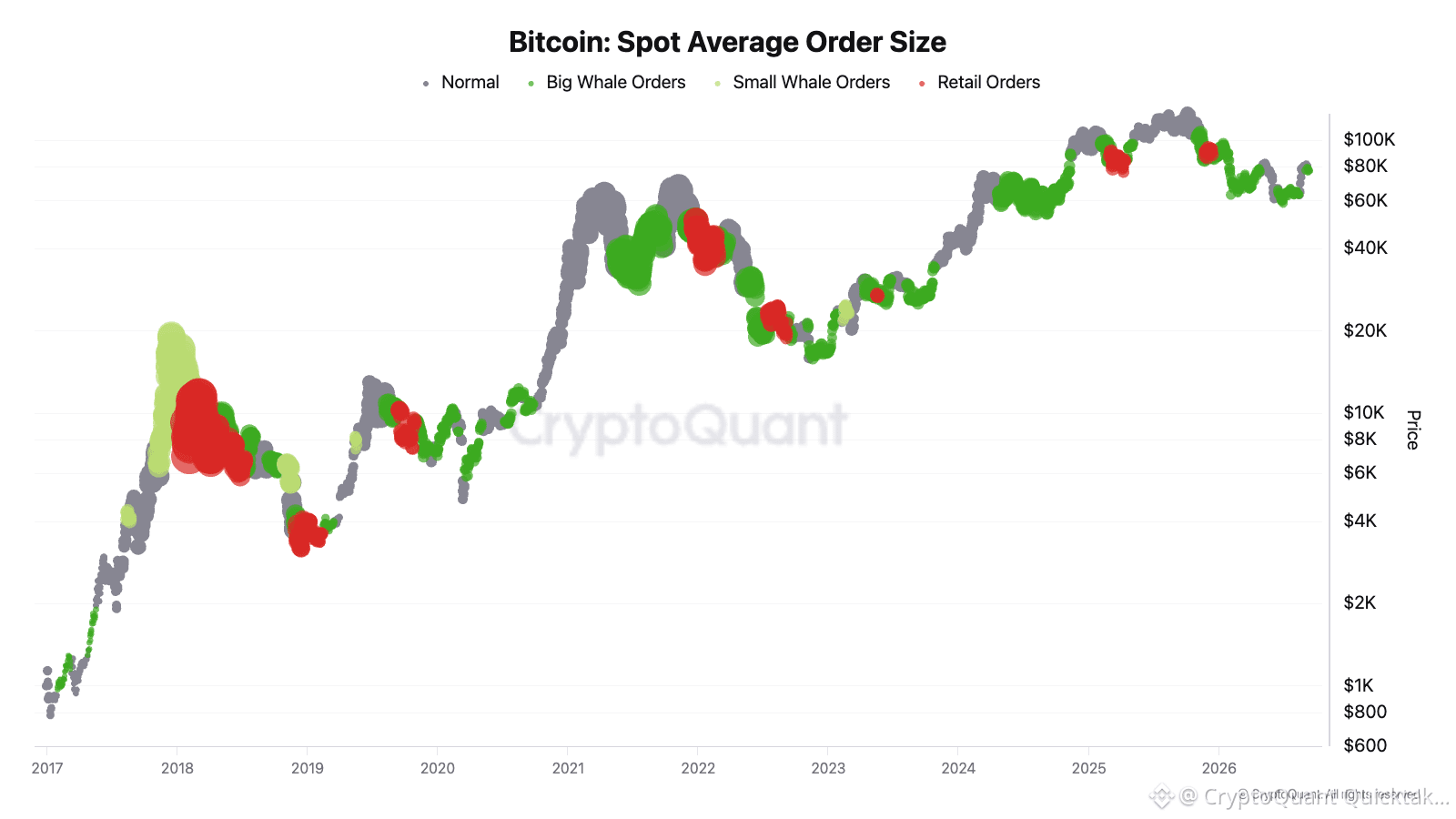
حجم متوسط أمر البيتكوين الفوري: نشاط الحيتان والتجزئةيعرض مخطط الأسعار الحركة. ولا يقول شيئاً عن من قام بها. يملأ حجم متوسط طلبات Spot لدى CryptoQuant هذه النسبة/الجزء المفقود.
ما الذي يقيسه. يتم تداول كل صفقة في بورصة فورية بقيمة بالدولار. يأخذ هذا المؤشر متوسط تلك القيم ويضعه فوق السعر. عندما يرتفع المتوسط، فهذا يعني أن الحجم يدخل السوق — أموال، خزائن شركات، وطاولات تداول كبيرة. وعندما ينخفض، يكون الحجم آتياً من جمهور من تذاكر صغيرة، ما يعني التجزئة.
ينقسم الناتج إلى أربع نطاقات: علامات أخضر غامق لطلبات الحيتان الكبيرة، وأخضر فاتح للحيتان الصغيرة، وأحمر للمتاجر/التجزئة، ورمادي محايد.
حجم متوسط أمر البيتكوين الفوري: نشاط الحيتان والتجزئة
يعرض مخطط الأسعار الحركة. ولا يقول شيئاً عن من قام بها. يملأ حجم متوسط طلبات Spot لدى CryptoQuant هذه النسبة/الجزء المفقود.
ما الذي يقيسه. يتم تداول كل صفقة في بورصة فورية بقيمة بالدولار. يأخذ هذا المؤشر متوسط تلك القيم ويضعه فوق السعر. عندما يرتفع المتوسط، فهذا يعني أن الحجم يدخل السوق — أموال، خزائن شركات، وطاولات تداول كبيرة. وعندما ينخفض، يكون الحجم آتياً من جمهور من تذاكر صغيرة، ما يعني التجزئة.
ينقسم الناتج إلى أربع نطاقات: علامات أخضر غامق لطلبات الحيتان الكبيرة، وأخضر فاتح للحيتان الصغيرة، وأحمر للمتاجر/التجزئة، ورمادي محايد.
ما الذي يقيسه. يتم تداول كل صفقة في بورصة فورية بقيمة بالدولار. يأخذ هذا المؤشر متوسط تلك القيم ويضعه فوق السعر. عندما يرتفع المتوسط، فهذا يعني أن الحجم يدخل السوق — أموال، خزائن شركات، وطاولات تداول كبيرة. وعندما ينخفض، يكون الحجم آتياً من جمهور من تذاكر صغيرة، ما يعني التجزئة.
ينقسم الناتج إلى أربع نطاقات: علامات أخضر غامق لطلبات الحيتان الكبيرة، وأخضر فاتح للحيتان الصغيرة، وأحمر للمتاجر/التجزئة، ورمادي محايد.
243
سجّل الدخول لاستكشاف المزيد من المُحتوى
انضم إلى مُستخدمي العملات الرقمية حول العالم على Binance Square
⚡️ احصل على أحدث المعلومات المفيدة عن العملات الرقمية.
💬 موثوقة من قبل أكبر منصّة لتداول العملات الرقمية في العالم.
👍 اكتشف الرؤى الحقيقية من صنّاع المُحتوى الموثوقين.
البريد الإلكتروني / رقم الهاتف