
Crypto Breaking
19.7k منشورات

Crypto Breaking
 تحقُّق Binance Square الإضافي
إبلاغ
حظر المُستخدم
Get real-time cryptocurrency news, blockchain updates, market analysis, and expert insights. Explore the latest trends in Bitcoin, Ethereum, DeFi, and Web3.
6 تتابع
32.8K+ المتابعون
31.6K+ إعجاب
منشورات
الكل
اقتباسات
مقالة
عرض الترجمة
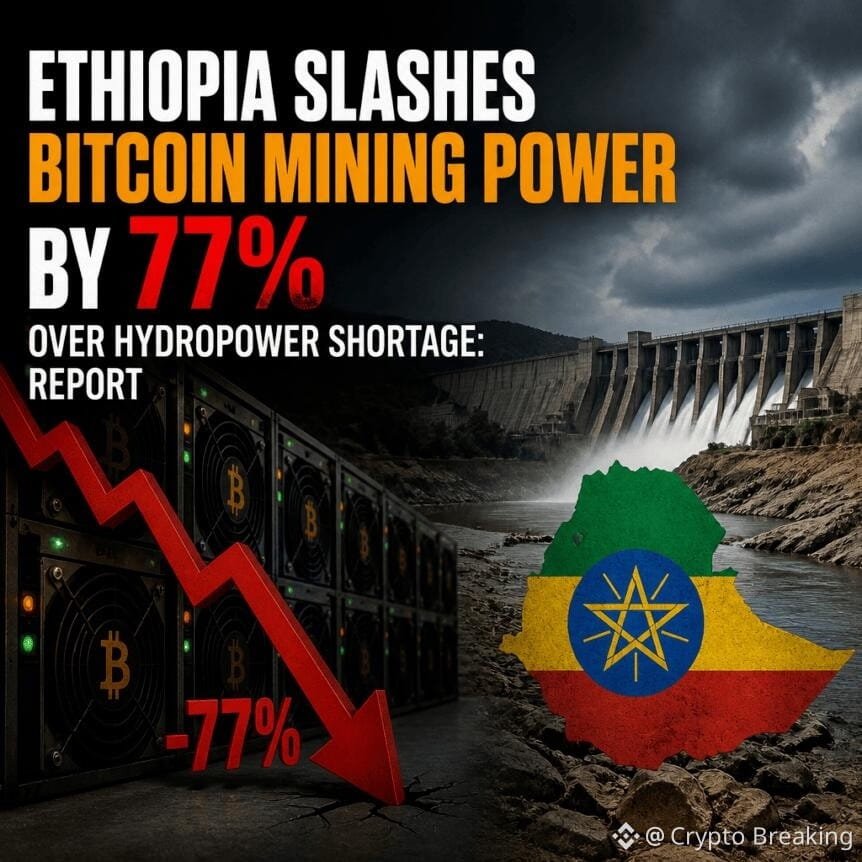
Ethiopia slashes Bitcoin mining power by 77% over hydropower shortage: reportEthiopia has reportedly cut the electricity it delivers to Bitcoin mining operations amid worsening drought conditions tied to El Niño, according to Bloomberg. The reduction reportedly brought miner power down to 23% of contracted levels as lower water inflows strained the country’s hydroelectric system.
In a Tuesday report, Bloomberg said El Niño intensified dry weather across eastern Africa, reducing reservoir inflows by 20%. Ethiopian Electric Power (EEP) chief executive Ashebir Balcha told the outlet that the utility prioritized households and industrial customers as hydropower availability fell.
Key takeaways
Ethiopia reportedly reduced Bitcoin mining power deliveries to 23% of contracted levels due to a 20% drop in reservoir inflows, according to Bloomberg.
EEP says it cut miner supply in stages—initially to 75% of contracted levels—before easing further to 50% and then 23%.
With miners reportedly taking 35% of EEP revenue last fiscal year and using close to one-third of national electricity output, the decision highlights how mining supply depends on hydrology.
EEP plans a reassessment in October, with potential for deeper reductions or electricity export restrictions.
Hydropower shortage forces EEP to prioritize demand
EEP’s decision underscores the vulnerability of mining operations that rely on affordable, flexible electricity sourced from hydropower. Bloomberg reported that EEP began by cutting deliveries to 75% of contracted levels, then lowered deliveries to 50%, before ultimately reaching 23% as reservoir inflows continued to weaken.
The executive’s rationale was straightforward: in periods of constrained hydropower generation, utilities typically must allocate electricity to essential consumption first. Balcha indicated that EEP would reassess conditions in October, and that the company could respond with additional reductions or even restrict electricity exports to neighboring countries if supply tightness persists.
For miners with long-term power arrangements, staged curtailments can materially affect operating costs and uptime. They may also raise questions about how renewable-leaning power contracts are structured during extreme weather—especially when the same electricity must serve both residential and industrial users.
Why Ethiopia’s mining share makes curtailments consequential
Bitcoin mining’s footprint in Ethiopia is unusually large relative to many jurisdictions, which is why a hydro-driven cut can ripple through both energy economics and broader mining capacity decisions.
Bloomberg reported that miners accounted for 35% of EEP’s revenue in the last fiscal year and consume almost one-third of Ethiopia’s electricity output. That concentration means a contraction in deliveries affects EEP’s income stream, while also demonstrating how miners’ ability to operate can be limited by national supply constraints.
The country’s low-cost hydropower has also helped attract overseas mining capacity. Bloomberg noted international interest, including Phoenix Group, which expanded its Ethiopian mining capacity to 132 megawatts in April 2025, following earlier additions covered by Cointelegraph. Earlier buildouts suggest investors have been willing to underwrite costs based on access to relatively inexpensive electricity—an assumption now directly challenged by drought conditions.
More restrictive mining economics after Bitcoin halvings
Beyond Ethiopia’s immediate supply pressures, a separate discussion among Bitcoin analysts is pointing to broader headwinds for mining demand for electricity and capital. Economist Saifedean Ammous, author of The Bitcoin Standard, argued in a Tuesday post on X that global Bitcoin mining electricity consumption and capital expenditure may have peaked in 2024 to 2025.
Ammous’s reasoning centers on Bitcoin’s halving mechanism, which cuts the block reward miners receive by half roughly every four years. He suggested that if mining rewards keep shrinking in dollar terms, mining operations could slow or contract unless there is a significant counterweight—such as a sustained rise in Bitcoin’s price.
In the same post, Ammous said Bitcoin would need to increase more than 18.92% per year to keep the dollar value of newly mined coins growing, even before accounting for dollar depreciation. The argument effectively ties mining profitability to two variables: the mechanical reduction in issuance and the market price offsetting that reduction.
He also referenced price weakness, noting that Yahoo Finance data shows Bitcoin is down more than 35% over the past 12 months. In that context, Ammous said it would be expected for mining activity to slow, contract, or at least not expand—unless mining metrics improve.
AI computing competition may further complicate mining’s power equation
Ammous also raised a competitive angle: artificial intelligence data centers may provide an alternative use for power and infrastructure that miners otherwise monetize. The logic is that when mining returns weaken, electricity access and specialized connectivity can become more attractive for other high-demand compute consumers.
To support that perspective, he cited VanEck data, and Miner Weekly’s June estimate that public miners could require around $50 billion to build planned AI infrastructure. The implication is not that miners abandon Bitcoin entirely overnight, but that weaker mining economics may encourage some companies to redirect capital toward AI-related opportunities.
Ammous framed his conclusions as a testable hypothesis. He acknowledged that significantly higher transaction fees—or a sustained recovery above Bitcoin’s previous electricity-consumption peak—could invalidate the view that mining power demand has topped out.
For now, Ethiopia’s curtailment adds a concrete, near-term reminder that mining depends not only on market prices and halving cycles, but also on local energy availability and national policy tradeoffs. Readers should watch EEP’s October reassessment for potential additional constraints, alongside broader industry signals on whether global mining electricity use stabilizes or declines as reward economics continue to tighten.
This article was originally published as Ethiopia slashes Bitcoin mining power by 77% over hydropower shortage: report on Crypto Breaking News – your trusted source for crypto news, Bitcoin news, and blockchain updates.
Ethiopia slashes Bitcoin mining power by 77% over hydropower shortage: report
Ethiopia has reportedly cut the electricity it delivers to Bitcoin mining operations amid worsening drought conditions tied to El Niño, according to Bloomberg. The reduction reportedly brought miner power down to 23% of contracted levels as lower water inflows strained the country’s hydroelectric system.
In a Tuesday report, Bloomberg said El Niño intensified dry weather across eastern Africa, reducing reservoir inflows by 20%. Ethiopian Electric Power (EEP) chief executive Ashebir Balcha told the outlet that the utility prioritized households and industrial customers as hydropower availability fell.
Key takeaways
Ethiopia reportedly reduced Bitcoin mining power deliveries to 23% of contracted levels due to a 20% drop in reservoir inflows, according to Bloomberg.
EEP says it cut miner supply in stages—initially to 75% of contracted levels—before easing further to 50% and then 23%.
With miners reportedly taking 35% of EEP revenue last fiscal year and using close to one-third of national electricity output, the decision highlights how mining supply depends on hydrology.
EEP plans a reassessment in October, with potential for deeper reductions or electricity export restrictions.
Hydropower shortage forces EEP to prioritize demand
EEP’s decision underscores the vulnerability of mining operations that rely on affordable, flexible electricity sourced from hydropower. Bloomberg reported that EEP began by cutting deliveries to 75% of contracted levels, then lowered deliveries to 50%, before ultimately reaching 23% as reservoir inflows continued to weaken.
The executive’s rationale was straightforward: in periods of constrained hydropower generation, utilities typically must allocate electricity to essential consumption first. Balcha indicated that EEP would reassess conditions in October, and that the company could respond with additional reductions or even restrict electricity exports to neighboring countries if supply tightness persists.
For miners with long-term power arrangements, staged curtailments can materially affect operating costs and uptime. They may also raise questions about how renewable-leaning power contracts are structured during extreme weather—especially when the same electricity must serve both residential and industrial users.
Why Ethiopia’s mining share makes curtailments consequential
Bitcoin mining’s footprint in Ethiopia is unusually large relative to many jurisdictions, which is why a hydro-driven cut can ripple through both energy economics and broader mining capacity decisions.
Bloomberg reported that miners accounted for 35% of EEP’s revenue in the last fiscal year and consume almost one-third of Ethiopia’s electricity output. That concentration means a contraction in deliveries affects EEP’s income stream, while also demonstrating how miners’ ability to operate can be limited by national supply constraints.
The country’s low-cost hydropower has also helped attract overseas mining capacity. Bloomberg noted international interest, including Phoenix Group, which expanded its Ethiopian mining capacity to 132 megawatts in April 2025, following earlier additions covered by Cointelegraph. Earlier buildouts suggest investors have been willing to underwrite costs based on access to relatively inexpensive electricity—an assumption now directly challenged by drought conditions.
More restrictive mining economics after Bitcoin halvings
Beyond Ethiopia’s immediate supply pressures, a separate discussion among Bitcoin analysts is pointing to broader headwinds for mining demand for electricity and capital. Economist Saifedean Ammous, author of The Bitcoin Standard, argued in a Tuesday post on X that global Bitcoin mining electricity consumption and capital expenditure may have peaked in 2024 to 2025.
Ammous’s reasoning centers on Bitcoin’s halving mechanism, which cuts the block reward miners receive by half roughly every four years. He suggested that if mining rewards keep shrinking in dollar terms, mining operations could slow or contract unless there is a significant counterweight—such as a sustained rise in Bitcoin’s price.
In the same post, Ammous said Bitcoin would need to increase more than 18.92% per year to keep the dollar value of newly mined coins growing, even before accounting for dollar depreciation. The argument effectively ties mining profitability to two variables: the mechanical reduction in issuance and the market price offsetting that reduction.
He also referenced price weakness, noting that Yahoo Finance data shows Bitcoin is down more than 35% over the past 12 months. In that context, Ammous said it would be expected for mining activity to slow, contract, or at least not expand—unless mining metrics improve.
AI computing competition may further complicate mining’s power equation
Ammous also raised a competitive angle: artificial intelligence data centers may provide an alternative use for power and infrastructure that miners otherwise monetize. The logic is that when mining returns weaken, electricity access and specialized connectivity can become more attractive for other high-demand compute consumers.
To support that perspective, he cited VanEck data, and Miner Weekly’s June estimate that public miners could require around $50 billion to build planned AI infrastructure. The implication is not that miners abandon Bitcoin entirely overnight, but that weaker mining economics may encourage some companies to redirect capital toward AI-related opportunities.
Ammous framed his conclusions as a testable hypothesis. He acknowledged that significantly higher transaction fees—or a sustained recovery above Bitcoin’s previous electricity-consumption peak—could invalidate the view that mining power demand has topped out.
For now, Ethiopia’s curtailment adds a concrete, near-term reminder that mining depends not only on market prices and halving cycles, but also on local energy availability and national policy tradeoffs. Readers should watch EEP’s October reassessment for potential additional constraints, alongside broader industry signals on whether global mining electricity use stabilizes or declines as reward economics continue to tighten.
This article was originally published as Ethiopia slashes Bitcoin mining power by 77% over hydropower shortage: report on Crypto Breaking News – your trusted source for crypto news, Bitcoin news, and blockchain updates.
In a Tuesday report, Bloomberg said El Niño intensified dry weather across eastern Africa, reducing reservoir inflows by 20%. Ethiopian Electric Power (EEP) chief executive Ashebir Balcha told the outlet that the utility prioritized households and industrial customers as hydropower availability fell.
Key takeaways
Ethiopia reportedly reduced Bitcoin mining power deliveries to 23% of contracted levels due to a 20% drop in reservoir inflows, according to Bloomberg.
EEP says it cut miner supply in stages—initially to 75% of contracted levels—before easing further to 50% and then 23%.
With miners reportedly taking 35% of EEP revenue last fiscal year and using close to one-third of national electricity output, the decision highlights how mining supply depends on hydrology.
EEP plans a reassessment in October, with potential for deeper reductions or electricity export restrictions.
Hydropower shortage forces EEP to prioritize demand
EEP’s decision underscores the vulnerability of mining operations that rely on affordable, flexible electricity sourced from hydropower. Bloomberg reported that EEP began by cutting deliveries to 75% of contracted levels, then lowered deliveries to 50%, before ultimately reaching 23% as reservoir inflows continued to weaken.
The executive’s rationale was straightforward: in periods of constrained hydropower generation, utilities typically must allocate electricity to essential consumption first. Balcha indicated that EEP would reassess conditions in October, and that the company could respond with additional reductions or even restrict electricity exports to neighboring countries if supply tightness persists.
For miners with long-term power arrangements, staged curtailments can materially affect operating costs and uptime. They may also raise questions about how renewable-leaning power contracts are structured during extreme weather—especially when the same electricity must serve both residential and industrial users.
Why Ethiopia’s mining share makes curtailments consequential
Bitcoin mining’s footprint in Ethiopia is unusually large relative to many jurisdictions, which is why a hydro-driven cut can ripple through both energy economics and broader mining capacity decisions.
Bloomberg reported that miners accounted for 35% of EEP’s revenue in the last fiscal year and consume almost one-third of Ethiopia’s electricity output. That concentration means a contraction in deliveries affects EEP’s income stream, while also demonstrating how miners’ ability to operate can be limited by national supply constraints.
The country’s low-cost hydropower has also helped attract overseas mining capacity. Bloomberg noted international interest, including Phoenix Group, which expanded its Ethiopian mining capacity to 132 megawatts in April 2025, following earlier additions covered by Cointelegraph. Earlier buildouts suggest investors have been willing to underwrite costs based on access to relatively inexpensive electricity—an assumption now directly challenged by drought conditions.
More restrictive mining economics after Bitcoin halvings
Beyond Ethiopia’s immediate supply pressures, a separate discussion among Bitcoin analysts is pointing to broader headwinds for mining demand for electricity and capital. Economist Saifedean Ammous, author of The Bitcoin Standard, argued in a Tuesday post on X that global Bitcoin mining electricity consumption and capital expenditure may have peaked in 2024 to 2025.
Ammous’s reasoning centers on Bitcoin’s halving mechanism, which cuts the block reward miners receive by half roughly every four years. He suggested that if mining rewards keep shrinking in dollar terms, mining operations could slow or contract unless there is a significant counterweight—such as a sustained rise in Bitcoin’s price.
In the same post, Ammous said Bitcoin would need to increase more than 18.92% per year to keep the dollar value of newly mined coins growing, even before accounting for dollar depreciation. The argument effectively ties mining profitability to two variables: the mechanical reduction in issuance and the market price offsetting that reduction.
He also referenced price weakness, noting that Yahoo Finance data shows Bitcoin is down more than 35% over the past 12 months. In that context, Ammous said it would be expected for mining activity to slow, contract, or at least not expand—unless mining metrics improve.
AI computing competition may further complicate mining’s power equation
Ammous also raised a competitive angle: artificial intelligence data centers may provide an alternative use for power and infrastructure that miners otherwise monetize. The logic is that when mining returns weaken, electricity access and specialized connectivity can become more attractive for other high-demand compute consumers.
To support that perspective, he cited VanEck data, and Miner Weekly’s June estimate that public miners could require around $50 billion to build planned AI infrastructure. The implication is not that miners abandon Bitcoin entirely overnight, but that weaker mining economics may encourage some companies to redirect capital toward AI-related opportunities.
Ammous framed his conclusions as a testable hypothesis. He acknowledged that significantly higher transaction fees—or a sustained recovery above Bitcoin’s previous electricity-consumption peak—could invalidate the view that mining power demand has topped out.
For now, Ethiopia’s curtailment adds a concrete, near-term reminder that mining depends not only on market prices and halving cycles, but also on local energy availability and national policy tradeoffs. Readers should watch EEP’s October reassessment for potential additional constraints, alongside broader industry signals on whether global mining electricity use stabilizes or declines as reward economics continue to tighten.
This article was originally published as Ethiopia slashes Bitcoin mining power by 77% over hydropower shortage: report on Crypto Breaking News – your trusted source for crypto news, Bitcoin news, and blockchain updates.
3
مقالة
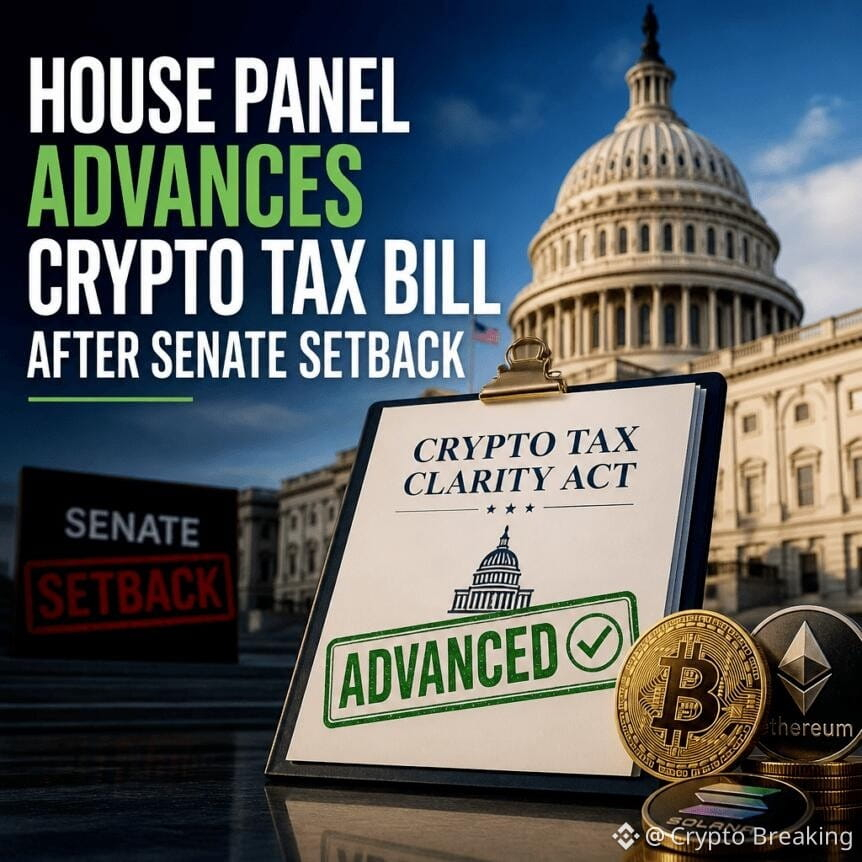
تقدّم لجنة مجلس النواب مشروع قانون ضريبة العملات المشفرة بعد تعثر في مجلس الشيوخوافق مجلس النواب ولجنة "الطرق والوسائل" على مشروع قانون جديد لضرائب العملات المشفرة يوم الثلاثاء. وقد مرّ التشريع بأغلبية 38 مقابل 5. ووصل مشروع قانون ضريبة العملات المشفرة بعد يوم واحد من تعثر مشروع قانون منفصل يخص هيكل السوق في مجلس الشيوخ.
اللجنة توافق على مشروع قانون ضريبة العملات المشفرة
أيد نواب من الحزب الجمهوري والديمقراطي مشروع قانون ضريبة العملات المشفرة بعد أكثر من عام من المفاوضات. يضع التشريع أول إطار ضريبي اتحادي مصمم خصيصًا للأصول الرقمية. ووصف قادة اللجنة التصويت بأنه إنجاز بارز بالنسبة للجنة.
تقدّم لجنة مجلس النواب مشروع قانون ضريبة العملات المشفرة بعد تعثر في مجلس الشيوخ
وافق مجلس النواب ولجنة "الطرق والوسائل" على مشروع قانون جديد لضرائب العملات المشفرة يوم الثلاثاء. وقد مرّ التشريع بأغلبية 38 مقابل 5. ووصل مشروع قانون ضريبة العملات المشفرة بعد يوم واحد من تعثر مشروع قانون منفصل يخص هيكل السوق في مجلس الشيوخ.
اللجنة توافق على مشروع قانون ضريبة العملات المشفرة
أيد نواب من الحزب الجمهوري والديمقراطي مشروع قانون ضريبة العملات المشفرة بعد أكثر من عام من المفاوضات. يضع التشريع أول إطار ضريبي اتحادي مصمم خصيصًا للأصول الرقمية. ووصف قادة اللجنة التصويت بأنه إنجاز بارز بالنسبة للجنة.
اللجنة توافق على مشروع قانون ضريبة العملات المشفرة
أيد نواب من الحزب الجمهوري والديمقراطي مشروع قانون ضريبة العملات المشفرة بعد أكثر من عام من المفاوضات. يضع التشريع أول إطار ضريبي اتحادي مصمم خصيصًا للأصول الرقمية. ووصف قادة اللجنة التصويت بأنه إنجاز بارز بالنسبة للجنة.
37

مقالة
هيئة السلوك المالي في المملكة المتحدة (FCA) تصدر إرشادات ترخيص العملات المشفرة لنافذة سبتمبرنشرت هيئة السلوك المالي في المملكة المتحدة (<FCA>) إرشادات نهائية توضح متى ستندرج أنشطة محددة مرتبطة بالعملات المشفرة ضمن نطاق نظام الترخيص المستقبلي في البلاد. وتهدف هذه التحديثات إلى مساعدة الشركات على تقييم ما إذا كانت بحاجة إلى التقدم بطلب للحصول على إذن من <FCA>، ونوع الترخيص الذي قد يتطلبه الأمر، بينما تستعد المملكة المتحدة لإخضاع أصول التشفير بشكل أكثر شمولًا للتنظيم المالي.
في الإرشادات الصادرة هذا الأسبوع، يوضح <FCA> مجموعة من أنشطة العملات المشفرة التي قد تتطلب ترخيصًا بموجب الإطار الجديد، بما في ذلك إصدار العملات المستقرة المؤهلة، وتشغيل منصات تداول أصول التشفير، والتعامل في أصول التشفير وترتيب المعاملات، وحماية أصول التشفير، وترتيب خدمات استـ(خ)دام التشفير.
هيئة السلوك المالي في المملكة المتحدة (FCA) تصدر إرشادات ترخيص العملات المشفرة لنافذة سبتمبر
نشرت هيئة السلوك المالي في المملكة المتحدة (<FCA>) إرشادات نهائية توضح متى ستندرج أنشطة محددة مرتبطة بالعملات المشفرة ضمن نطاق نظام الترخيص المستقبلي في البلاد. وتهدف هذه التحديثات إلى مساعدة الشركات على تقييم ما إذا كانت بحاجة إلى التقدم بطلب للحصول على إذن من <FCA>، ونوع الترخيص الذي قد يتطلبه الأمر، بينما تستعد المملكة المتحدة لإخضاع أصول التشفير بشكل أكثر شمولًا للتنظيم المالي.
في الإرشادات الصادرة هذا الأسبوع، يوضح <FCA> مجموعة من أنشطة العملات المشفرة التي قد تتطلب ترخيصًا بموجب الإطار الجديد، بما في ذلك إصدار العملات المستقرة المؤهلة، وتشغيل منصات تداول أصول التشفير، والتعامل في أصول التشفير وترتيب المعاملات، وحماية أصول التشفير، وترتيب خدمات استـ(خ)دام التشفير.
في الإرشادات الصادرة هذا الأسبوع، يوضح <FCA> مجموعة من أنشطة العملات المشفرة التي قد تتطلب ترخيصًا بموجب الإطار الجديد، بما في ذلك إصدار العملات المستقرة المؤهلة، وتشغيل منصات تداول أصول التشفير، والتعامل في أصول التشفير وترتيب المعاملات، وحماية أصول التشفير، وترتيب خدمات استـ(خ)دام التشفير.
23

مقالة
يتداول البيتكوين تحت 76 ألف دولار قبيل قرار الفدرالي مع تسعير الأسواق لنتيجة أكثر مراعاة للتيسير
ظلّ البيتكوين قريبًا من أدنى مستوياته الشهرية بينما كان المتداولون يترقبون قرار بنك الاحتياطي الفيدرالي الأمريكي بشأن سعر الفائدة. جاء التراجع بينما كان تداول البيتكوين تحت 76,000 دولار، لينزلق إلى ضعف جديد في سبتمبر في اليوم السابق، ما جعل المحفز التالي في دائرة الضوء بشكل واضح: هل سيُقدم الاحتياطي الفيدرالي زيادة أخرى—أم سيفاجئ الأسواق عبر الإبقاء على الفائدة دون تغيير.
وفي الوقت نفسه، أشارت بيانات السلسلة إلى أن المشترين كانوا يقتربون أكثر من السوق الفورية. أفادت Glassnode بأن الطلبات القائمة في دفتر أوامر السوق الفورية قد تقلّصت إلى نطاق حول مستويات السعر الحالية، مع تشكّل شريحة سيولة مهمة في منطقة 60,000 دولار المرتفعة—وهو مؤشر مهم على المكان الذي قد يلتقي فيه ضغط البيع بطلب مُجدَّد إذا عادت الأسعار لاختبار تلك الدعوم.
يتداول البيتكوين تحت 76 ألف دولار قبيل قرار الفدرالي مع تسعير الأسواق لنتيجة أكثر مراعاة للتيسير
ظلّ البيتكوين قريبًا من أدنى مستوياته الشهرية بينما كان المتداولون يترقبون قرار بنك الاحتياطي الفيدرالي الأمريكي بشأن سعر الفائدة. جاء التراجع بينما كان تداول البيتكوين تحت 76,000 دولار، لينزلق إلى ضعف جديد في سبتمبر في اليوم السابق، ما جعل المحفز التالي في دائرة الضوء بشكل واضح: هل سيُقدم الاحتياطي الفيدرالي زيادة أخرى—أم سيفاجئ الأسواق عبر الإبقاء على الفائدة دون تغيير.
وفي الوقت نفسه، أشارت بيانات السلسلة إلى أن المشترين كانوا يقتربون أكثر من السوق الفورية. أفادت Glassnode بأن الطلبات القائمة في دفتر أوامر السوق الفورية قد تقلّصت إلى نطاق حول مستويات السعر الحالية، مع تشكّل شريحة سيولة مهمة في منطقة 60,000 دولار المرتفعة—وهو مؤشر مهم على المكان الذي قد يلتقي فيه ضغط البيع بطلب مُجدَّد إذا عادت الأسعار لاختبار تلك الدعوم.
وفي الوقت نفسه، أشارت بيانات السلسلة إلى أن المشترين كانوا يقتربون أكثر من السوق الفورية. أفادت Glassnode بأن الطلبات القائمة في دفتر أوامر السوق الفورية قد تقلّصت إلى نطاق حول مستويات السعر الحالية، مع تشكّل شريحة سيولة مهمة في منطقة 60,000 دولار المرتفعة—وهو مؤشر مهم على المكان الذي قد يلتقي فيه ضغط البيع بطلب مُجدَّد إذا عادت الأسعار لاختبار تلك الدعوم.
238
مقالة
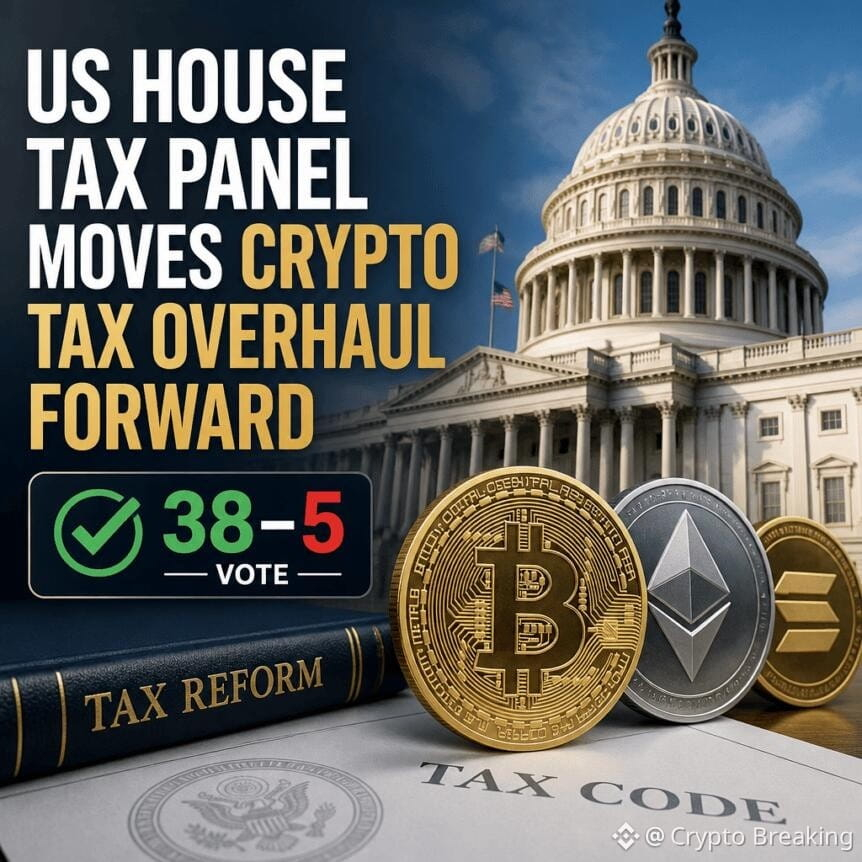
لجنة ضرائب مجلس النواب الأميركي تدفع بإصلاح ضرائب العملات المشفرة إلى الأمام، تصويت 38–5تقدمت لجنة مجلس النواب الأميركي للسبل والوسائل بمشروع قانون اليقين الضريبي للأصول الرقمية (Digital Asset Tax Certainty Act)، وهو جهد ثنائي الحزبين يهدف إلى إعادة هيكلة كيفية تطبيق الضرائب الفيدرالية على مجموعة من الأنشطة المتعلقة بالعملات المشفرة. وتقدم الإجراء يوم الأربعاء في تصويت 38–5، ومن ثم يتجه الآن إلى مجلس النواب بكامله للنظر فيه.
من شأن مشروع القانون أن يعالج المعاملة الضريبية للعملات المستقرة والاقتراض المشفّر والتعدين والستيكينغ، كما يتضمن أحكامًا تؤثر على رسوم المعاملات وكيفية التعامل مع بعض الخسائر من خلال إطار «غسل البيع» في قانون الضرائب.
لجنة ضرائب مجلس النواب الأميركي تدفع بإصلاح ضرائب العملات المشفرة إلى الأمام، تصويت 38–5
تقدمت لجنة مجلس النواب الأميركي للسبل والوسائل بمشروع قانون اليقين الضريبي للأصول الرقمية (Digital Asset Tax Certainty Act)، وهو جهد ثنائي الحزبين يهدف إلى إعادة هيكلة كيفية تطبيق الضرائب الفيدرالية على مجموعة من الأنشطة المتعلقة بالعملات المشفرة. وتقدم الإجراء يوم الأربعاء في تصويت 38–5، ومن ثم يتجه الآن إلى مجلس النواب بكامله للنظر فيه.
من شأن مشروع القانون أن يعالج المعاملة الضريبية للعملات المستقرة والاقتراض المشفّر والتعدين والستيكينغ، كما يتضمن أحكامًا تؤثر على رسوم المعاملات وكيفية التعامل مع بعض الخسائر من خلال إطار «غسل البيع» في قانون الضرائب.
من شأن مشروع القانون أن يعالج المعاملة الضريبية للعملات المستقرة والاقتراض المشفّر والتعدين والستيكينغ، كما يتضمن أحكامًا تؤثر على رسوم المعاملات وكيفية التعامل مع بعض الخسائر من خلال إطار «غسل البيع» في قانون الضرائب.
31
مقالة
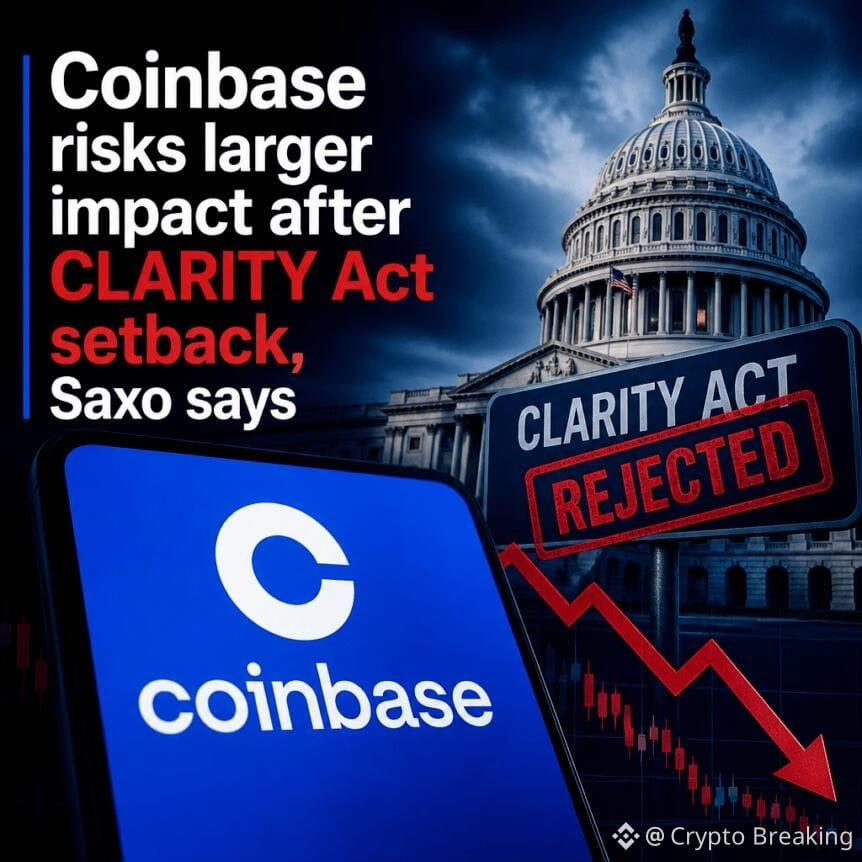
Coinbase معرضة لتأثير أكبر بعد تعثر قانون CLARITY، كما يقول ساكسوتراجعت الأسهم المرتبطة بالعملات المشفرة مرة أخرى بعد أن فشل مجلس الشيوخ الأمريكي في المضي قدمًا في مشروع قانون وضوح سوق الأصول الرقمية (CLARITY) من خلال تصويت إجرائي محوري، ما يترك الجدول الزمني للمشروع محل شك كبير. ووفقًا لبيانات ياهو فاينانس التي استشهدت بها التغطية، واصلت أسهم كل من Coinbase وCircle وStrategy الانخفاض خلال يوم الأربعاء.
في حين أن عمليات البيع أدّت إلى التأثير في عدة أجزاء من سوق العملات المشفرة، قالت ساكسو بنك إن الأثر ليس موحدًا—إذ تواجه جهات تشغيل منصات تداول مثل Coinbase تعرضًا تنظيميًا مباشرًا أكثر، لأن قواعد بنية السوق يمكن أن تشكل متطلبات التسجيل، والأصول المؤهلة، ومن يُسمح له بالمشاركة في أسواق العملات المشفرة الأمريكية.
Coinbase معرضة لتأثير أكبر بعد تعثر قانون CLARITY، كما يقول ساكسو
تراجعت الأسهم المرتبطة بالعملات المشفرة مرة أخرى بعد أن فشل مجلس الشيوخ الأمريكي في المضي قدمًا في مشروع قانون وضوح سوق الأصول الرقمية (CLARITY) من خلال تصويت إجرائي محوري، ما يترك الجدول الزمني للمشروع محل شك كبير. ووفقًا لبيانات ياهو فاينانس التي استشهدت بها التغطية، واصلت أسهم كل من Coinbase وCircle وStrategy الانخفاض خلال يوم الأربعاء.
في حين أن عمليات البيع أدّت إلى التأثير في عدة أجزاء من سوق العملات المشفرة، قالت ساكسو بنك إن الأثر ليس موحدًا—إذ تواجه جهات تشغيل منصات تداول مثل Coinbase تعرضًا تنظيميًا مباشرًا أكثر، لأن قواعد بنية السوق يمكن أن تشكل متطلبات التسجيل، والأصول المؤهلة، ومن يُسمح له بالمشاركة في أسواق العملات المشفرة الأمريكية.
في حين أن عمليات البيع أدّت إلى التأثير في عدة أجزاء من سوق العملات المشفرة، قالت ساكسو بنك إن الأثر ليس موحدًا—إذ تواجه جهات تشغيل منصات تداول مثل Coinbase تعرضًا تنظيميًا مباشرًا أكثر، لأن قواعد بنية السوق يمكن أن تشكل متطلبات التسجيل، والأصول المؤهلة، ومن يُسمح له بالمشاركة في أسواق العملات المشفرة الأمريكية.
78

مقالة
Circle تطلق شبكة Arc الرئيسية وتجعل USDC رمز الغاز الأصليأعلنت شركة Circle رسميًا إطلاق الشبكة الرئيسية (mainnet) لـ Arc، وهو بلوكشين طبقة أولى جديد مصمم حول مدفوعات العملات المستقرة وحالات استخدام أسواق المال—خصوصًا المعاملات المدفوعة بالأتمتة وأنظمة «ذاتية التوجيه» (agentic). ويقول مُصدر USDC إن Arc مصمم لجعل نقل القيمة المستند إلى العملات المستقرة أكثر قابلية للتنبؤ للمطورين والمؤسسات، مع تموضع الشبكة كطبقة بنية تحتية للأموال القابلة للبرمجة.
وفقًا لمنشور مدونة على موقع Arc نُشر هذا الأسبوع، تستخدم الشبكة USDC كأصل غازها الأصلي (native gas asset)، وتوفر توافقًا مع آلة افتراضية من إيثريوم (EVM)، إلى جانب حتمية إنهاء المعاملات خلال أقل من ثانية واحدة. كما تدعم Arc أكثر من 20 عملة مستقرة مدعومة بالسيولة الورقية (fiat)، بما في ذلك USDC وEURC، وتوفر وصولًا أصليًا إلى الأصول الممثلة رقميًا (tokenized) مثل BUIDL التابعة لـ BlackRock وUSYC التابعة لـ Circle.
Circle تطلق شبكة Arc الرئيسية وتجعل USDC رمز الغاز الأصلي
أعلنت شركة Circle رسميًا إطلاق الشبكة الرئيسية (mainnet) لـ Arc، وهو بلوكشين طبقة أولى جديد مصمم حول مدفوعات العملات المستقرة وحالات استخدام أسواق المال—خصوصًا المعاملات المدفوعة بالأتمتة وأنظمة «ذاتية التوجيه» (agentic). ويقول مُصدر USDC إن Arc مصمم لجعل نقل القيمة المستند إلى العملات المستقرة أكثر قابلية للتنبؤ للمطورين والمؤسسات، مع تموضع الشبكة كطبقة بنية تحتية للأموال القابلة للبرمجة.
وفقًا لمنشور مدونة على موقع Arc نُشر هذا الأسبوع، تستخدم الشبكة USDC كأصل غازها الأصلي (native gas asset)، وتوفر توافقًا مع آلة افتراضية من إيثريوم (EVM)، إلى جانب حتمية إنهاء المعاملات خلال أقل من ثانية واحدة. كما تدعم Arc أكثر من 20 عملة مستقرة مدعومة بالسيولة الورقية (fiat)، بما في ذلك USDC وEURC، وتوفر وصولًا أصليًا إلى الأصول الممثلة رقميًا (tokenized) مثل BUIDL التابعة لـ BlackRock وUSYC التابعة لـ Circle.
وفقًا لمنشور مدونة على موقع Arc نُشر هذا الأسبوع، تستخدم الشبكة USDC كأصل غازها الأصلي (native gas asset)، وتوفر توافقًا مع آلة افتراضية من إيثريوم (EVM)، إلى جانب حتمية إنهاء المعاملات خلال أقل من ثانية واحدة. كما تدعم Arc أكثر من 20 عملة مستقرة مدعومة بالسيولة الورقية (fiat)، بما في ذلك USDC وEURC، وتوفر وصولًا أصليًا إلى الأصول الممثلة رقميًا (tokenized) مثل BUIDL التابعة لـ BlackRock وUSYC التابعة لـ Circle.
25
مقالة
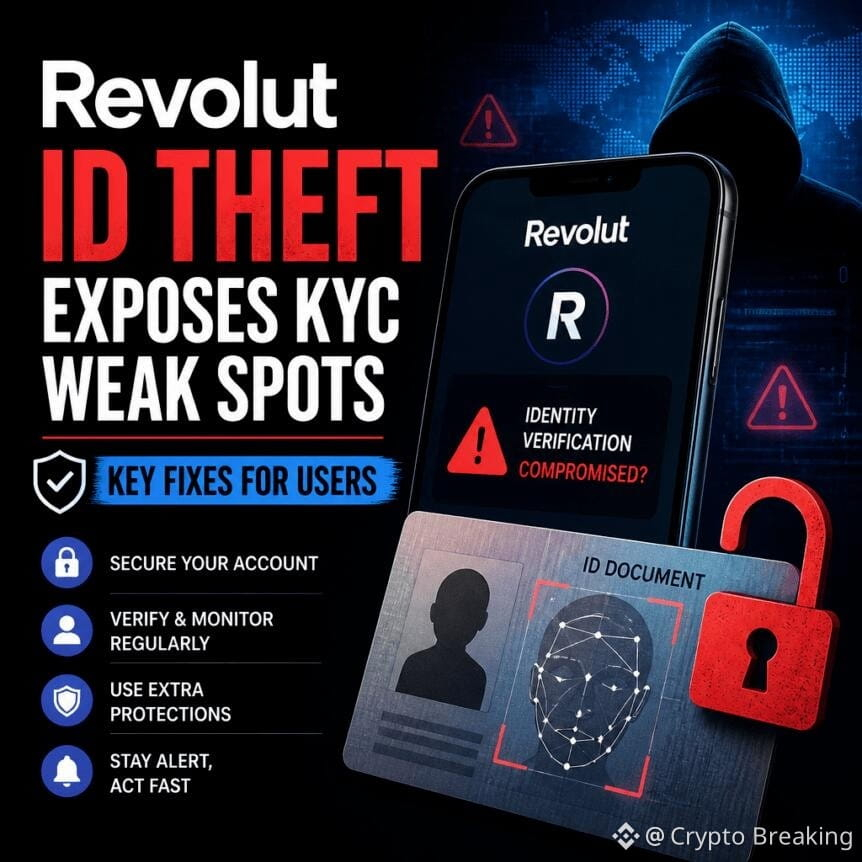
سرقة Revolut ID تكشف نقاط الضعف في KYC—إصلاحات رئيسية للمستخدمينوقعت خلال هذا الشهر حادثتان أمنيتان منفصلتان—إحداهما تتعلق بملايين رخص القيادة والأخرى تستهدف طلبات التحقق من الهوية—وتفرضان سؤالاً صعباً على صناعة العملات المشفرة وما وراءها: إذا كان من المفترض أن تجعل إجراءات اعرف عميلك (KYC) الأنظمة المالية أكثر أماناً، فلماذا كثيراً ما تخلق بيانات عالية القيمة على شكل «طُعوم» يستفيد منها المجرمون؟
وفقاً لوكالة رويترز، تحقق مكتب التحقيقات الفيدرالي (FBI) في تقارير تفيد بأن أكثر من 153 مليون رخصة قيادة أمريكية وكندية تم تعريضها عبر الإنترنت، حيث يُزعم أن المعرفات المسربة انتهت في خدمة هوية على الويب المظلم تُسمى Nexus. وفي قضية منفصلة، كشفت شركة التكنولوجيا المالية Revolut أنها تعرضت للخداع للإفراج عن معلومات حساسة للعملاء، بما في ذلك جوازات السفر ولقطات التحقق الذاتية، وأن هاكر يقوم بتغذية مستمرة للوثائق التي تعود إلى 680 عميلاً بينما يحاول تأمين فدية قدرها 10,000 بيتكوين، كما ورد سابقاً في موقع Cointelegraph.
سرقة Revolut ID تكشف نقاط الضعف في KYC—إصلاحات رئيسية للمستخدمين
وقعت خلال هذا الشهر حادثتان أمنيتان منفصلتان—إحداهما تتعلق بملايين رخص القيادة والأخرى تستهدف طلبات التحقق من الهوية—وتفرضان سؤالاً صعباً على صناعة العملات المشفرة وما وراءها: إذا كان من المفترض أن تجعل إجراءات اعرف عميلك (KYC) الأنظمة المالية أكثر أماناً، فلماذا كثيراً ما تخلق بيانات عالية القيمة على شكل «طُعوم» يستفيد منها المجرمون؟
وفقاً لوكالة رويترز، تحقق مكتب التحقيقات الفيدرالي (FBI) في تقارير تفيد بأن أكثر من 153 مليون رخصة قيادة أمريكية وكندية تم تعريضها عبر الإنترنت، حيث يُزعم أن المعرفات المسربة انتهت في خدمة هوية على الويب المظلم تُسمى Nexus. وفي قضية منفصلة، كشفت شركة التكنولوجيا المالية Revolut أنها تعرضت للخداع للإفراج عن معلومات حساسة للعملاء، بما في ذلك جوازات السفر ولقطات التحقق الذاتية، وأن هاكر يقوم بتغذية مستمرة للوثائق التي تعود إلى 680 عميلاً بينما يحاول تأمين فدية قدرها 10,000 بيتكوين، كما ورد سابقاً في موقع Cointelegraph.
وفقاً لوكالة رويترز، تحقق مكتب التحقيقات الفيدرالي (FBI) في تقارير تفيد بأن أكثر من 153 مليون رخصة قيادة أمريكية وكندية تم تعريضها عبر الإنترنت، حيث يُزعم أن المعرفات المسربة انتهت في خدمة هوية على الويب المظلم تُسمى Nexus. وفي قضية منفصلة، كشفت شركة التكنولوجيا المالية Revolut أنها تعرضت للخداع للإفراج عن معلومات حساسة للعملاء، بما في ذلك جوازات السفر ولقطات التحقق الذاتية، وأن هاكر يقوم بتغذية مستمرة للوثائق التي تعود إلى 680 عميلاً بينما يحاول تأمين فدية قدرها 10,000 بيتكوين، كما ورد سابقاً في موقع Cointelegraph.
74
مقالة
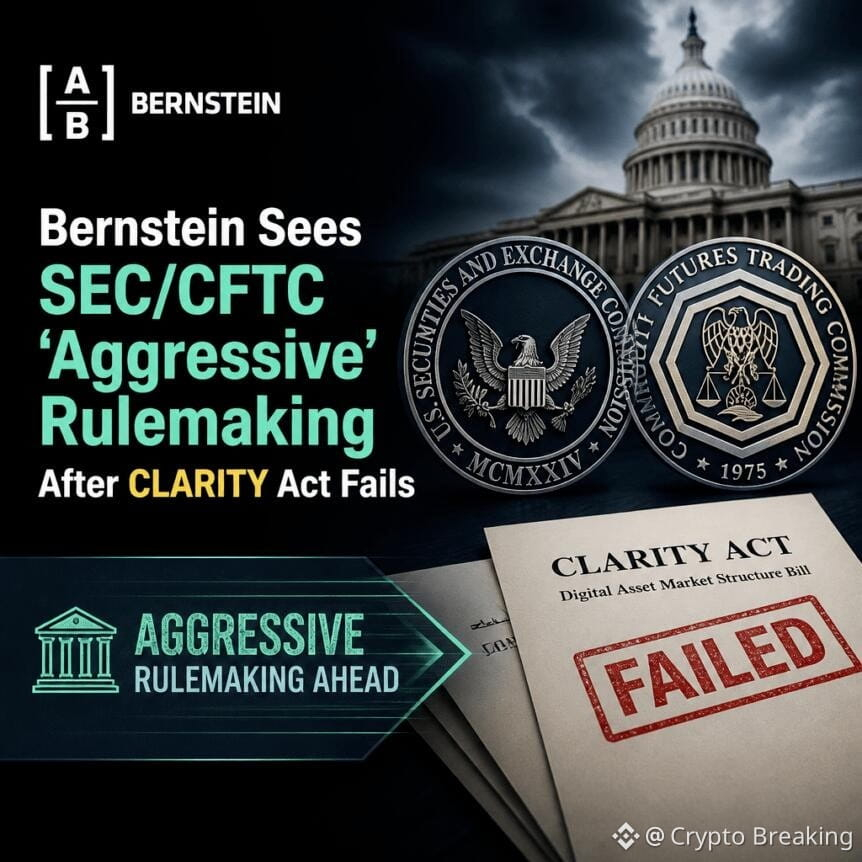
بيرنشتاين يرى أن هيئة SEC/CFTC ستُجري “وضع قواعد صارمًا” بعد فشل قانون CLARITYفشل مجلس الشيوخ الأميركي في المضي قدمًا بمشروع قانون وضوح أسواق الأصول الرقمية (CLARITY) دفع إلى توقعات بصدور قواعد أسرع وأكثر مباشرة من هيئة الأوراق المالية والبورصات (SEC) ولجنة تداول السلع الآجلة (CFTC)، وفقًا لمحللين لدى بيرنشتاين. ومع عدم المضي في مشروع القانون بعد تصويت الإغلاق (cloture) يوم الثلاثاء، قال بيرنشتاين إن الجهات التنظيمية يُرجّح أن “تعوّض الوقت الضائع” من خلال تطوير أطرها الخاصة لأسواق العملات المشفرة.
في ملاحظة أُرسلت يوم الأربعاء بالتشارك مع كوينتيليغراف، جادل بيرنشتاين بأن التحول لا يزال يمكن أن يقدّم إرشادات تنظيمية ذات مغزى للصناعة، حتى إذا لم تتحقق المقاربة التشريعية التي كان من شأنها أن “تضمن الحماية الشاملة للصناعة من التحولات المرتبطة بالأنظمة السياسية”. يتوقع المحللون أن تتناول قواعد الوكالات الجديدة قضايا تتراوح بين كيفية تصنيف الرموز إلى كيفية التعامل مع بعض أنشطة التمويل اللامركزي (DeFi).
بيرنشتاين يرى أن هيئة SEC/CFTC ستُجري “وضع قواعد صارمًا” بعد فشل قانون CLARITY
فشل مجلس الشيوخ الأميركي في المضي قدمًا بمشروع قانون وضوح أسواق الأصول الرقمية (CLARITY) دفع إلى توقعات بصدور قواعد أسرع وأكثر مباشرة من هيئة الأوراق المالية والبورصات (SEC) ولجنة تداول السلع الآجلة (CFTC)، وفقًا لمحللين لدى بيرنشتاين. ومع عدم المضي في مشروع القانون بعد تصويت الإغلاق (cloture) يوم الثلاثاء، قال بيرنشتاين إن الجهات التنظيمية يُرجّح أن “تعوّض الوقت الضائع” من خلال تطوير أطرها الخاصة لأسواق العملات المشفرة.
في ملاحظة أُرسلت يوم الأربعاء بالتشارك مع كوينتيليغراف، جادل بيرنشتاين بأن التحول لا يزال يمكن أن يقدّم إرشادات تنظيمية ذات مغزى للصناعة، حتى إذا لم تتحقق المقاربة التشريعية التي كان من شأنها أن “تضمن الحماية الشاملة للصناعة من التحولات المرتبطة بالأنظمة السياسية”. يتوقع المحللون أن تتناول قواعد الوكالات الجديدة قضايا تتراوح بين كيفية تصنيف الرموز إلى كيفية التعامل مع بعض أنشطة التمويل اللامركزي (DeFi).
في ملاحظة أُرسلت يوم الأربعاء بالتشارك مع كوينتيليغراف، جادل بيرنشتاين بأن التحول لا يزال يمكن أن يقدّم إرشادات تنظيمية ذات مغزى للصناعة، حتى إذا لم تتحقق المقاربة التشريعية التي كان من شأنها أن “تضمن الحماية الشاملة للصناعة من التحولات المرتبطة بالأنظمة السياسية”. يتوقع المحللون أن تتناول قواعد الوكالات الجديدة قضايا تتراوح بين كيفية تصنيف الرموز إلى كيفية التعامل مع بعض أنشطة التمويل اللامركزي (DeFi).
22
مقالة
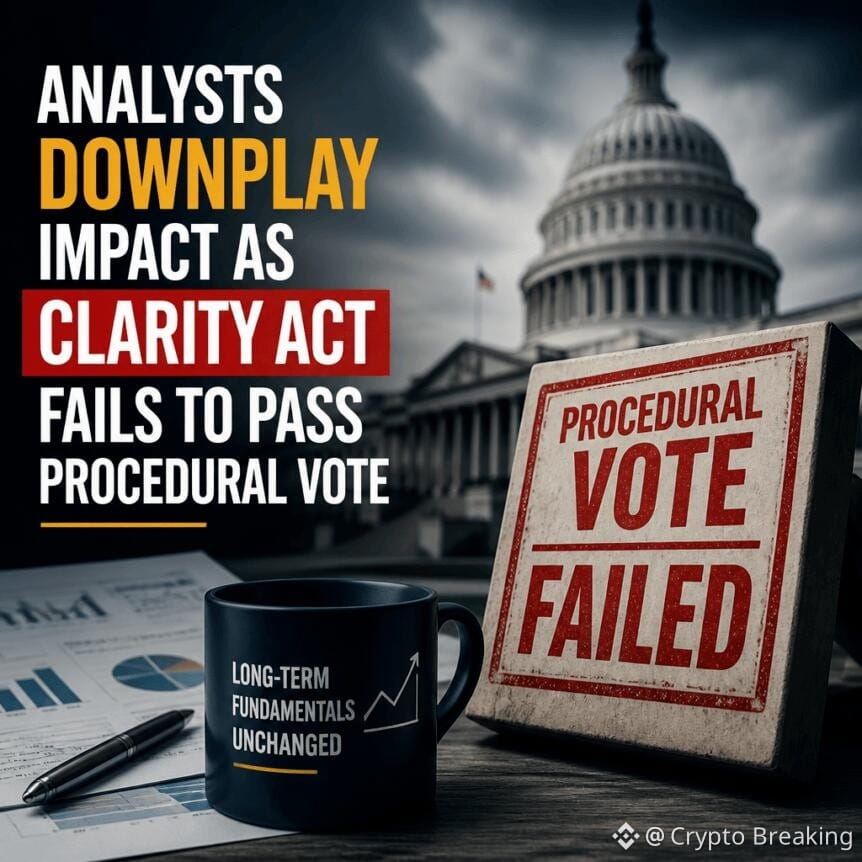
المحللون يقللون من الأثر مع فشل قانون Clarity في تمرير التصويت الإجرائيمحللون في أسواق العملات المشفرة ينتقلون إلى التقليل من تأثير التصويت الإجرائي الفاشل لقانون <c-1/> CLARITY، قائلين إن الأسواق ستواصل التقدم رغم “الجدول الزمني المعاد ضبطه”.
تراجعت سوق العملات المشفرة بشكل حاد بعد التصويت، حيث انخفضت قيمة بيتكوين (BTC) بأكثر من 3% يوم الثلاثاء. وسجلت العملة المشفرة الرائدة أدنى مستوى عند 74,887 دولارًا قبل أن تغلق عند 75,584 دولارًا. وفي الوقت نفسه، انخفضت إيثيريوم (ETH) بنحو 5% إلى 2,396 دولارًا، بينما هبطت ريبل (XRP) بنسبة 8% خلال 24 ساعة إلى 1.30 دولار.
تراجُع في سوق العملات المشفرة
المحللون يقللون من الأثر مع فشل قانون Clarity في تمرير التصويت الإجرائي
محللون في أسواق العملات المشفرة ينتقلون إلى التقليل من تأثير التصويت الإجرائي الفاشل لقانون <c-1/> CLARITY، قائلين إن الأسواق ستواصل التقدم رغم “الجدول الزمني المعاد ضبطه”.
تراجعت سوق العملات المشفرة بشكل حاد بعد التصويت، حيث انخفضت قيمة بيتكوين (BTC) بأكثر من 3% يوم الثلاثاء. وسجلت العملة المشفرة الرائدة أدنى مستوى عند 74,887 دولارًا قبل أن تغلق عند 75,584 دولارًا. وفي الوقت نفسه، انخفضت إيثيريوم (ETH) بنحو 5% إلى 2,396 دولارًا، بينما هبطت ريبل (XRP) بنسبة 8% خلال 24 ساعة إلى 1.30 دولار.
تراجُع في سوق العملات المشفرة
تراجعت سوق العملات المشفرة بشكل حاد بعد التصويت، حيث انخفضت قيمة بيتكوين (BTC) بأكثر من 3% يوم الثلاثاء. وسجلت العملة المشفرة الرائدة أدنى مستوى عند 74,887 دولارًا قبل أن تغلق عند 75,584 دولارًا. وفي الوقت نفسه، انخفضت إيثيريوم (ETH) بنحو 5% إلى 2,396 دولارًا، بينما هبطت ريبل (XRP) بنسبة 8% خلال 24 ساعة إلى 1.30 دولار.
تراجُع في سوق العملات المشفرة
228
تمّ التحقق
مقالة
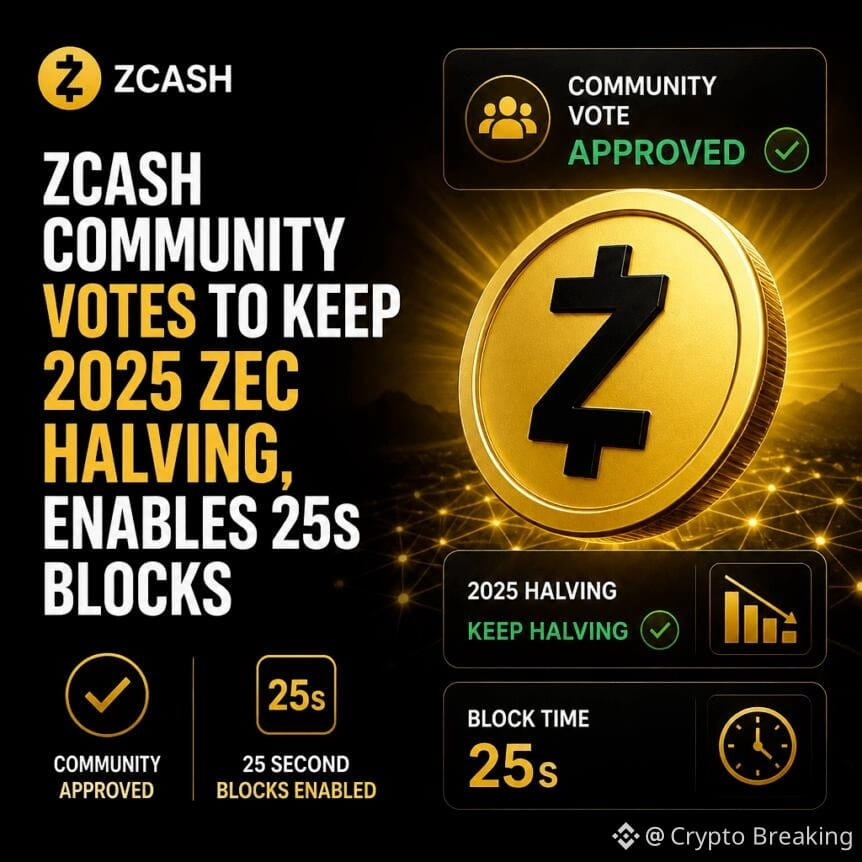
تصويت مجتمع زكاش للحفاظ على خفض 2025 لـ ZEC، وتمكين كتل لمدة 25 ثانيةإن ترقية زكاش الرئيسية القادمة NU7 تحظى بدعم قوي من حاملي الرموز—وخاصةً من أجل تسريع إيقاع الكتل مع الحفاظ على جدول النصف الحالي للبروتوكول دون تغيير. في استطلاع لمالكي العملات نُشر يوم الاثنين، أيّد الناخبون المرجّحون عبر ZEC خفض زمن الكتلة المستهدف إلى 25 ثانية من 75 ثانية بموافقة ساحقة، كما اختاروا أيضًا الحفاظ على تخفيضات الإصدار المجدولة.
وفي الوقت نفسه، تُظهر المناقشة الأوسع حول NU7 انقسامًا داخل المجتمع بشأن كيفية تعامل زكاش مع التغييرات الاقتصادية بما يتجاوز مكافآت الكتل. فقد أشارت استطلاعات مشاعر منفصلة، شملت مجموعات حوكمة مختلفة، إلى انقسام أضيق حول ما إذا كان ينبغي استبدال عمليات النصف بمنحنى إصدار بديل.
تصويت مجتمع زكاش للحفاظ على خفض 2025 لـ ZEC، وتمكين كتل لمدة 25 ثانية
إن ترقية زكاش الرئيسية القادمة NU7 تحظى بدعم قوي من حاملي الرموز—وخاصةً من أجل تسريع إيقاع الكتل مع الحفاظ على جدول النصف الحالي للبروتوكول دون تغيير. في استطلاع لمالكي العملات نُشر يوم الاثنين، أيّد الناخبون المرجّحون عبر ZEC خفض زمن الكتلة المستهدف إلى 25 ثانية من 75 ثانية بموافقة ساحقة، كما اختاروا أيضًا الحفاظ على تخفيضات الإصدار المجدولة.
وفي الوقت نفسه، تُظهر المناقشة الأوسع حول NU7 انقسامًا داخل المجتمع بشأن كيفية تعامل زكاش مع التغييرات الاقتصادية بما يتجاوز مكافآت الكتل. فقد أشارت استطلاعات مشاعر منفصلة، شملت مجموعات حوكمة مختلفة، إلى انقسام أضيق حول ما إذا كان ينبغي استبدال عمليات النصف بمنحنى إصدار بديل.
وفي الوقت نفسه، تُظهر المناقشة الأوسع حول NU7 انقسامًا داخل المجتمع بشأن كيفية تعامل زكاش مع التغييرات الاقتصادية بما يتجاوز مكافآت الكتل. فقد أشارت استطلاعات مشاعر منفصلة، شملت مجموعات حوكمة مختلفة، إلى انقسام أضيق حول ما إذا كان ينبغي استبدال عمليات النصف بمنحنى إصدار بديل.
1
649

مقالة
ينخفض الإيثريوم 11% من 2,600 دولار مع ظهور 1,800 دولار في الأفقيتداول الإيثريوم حول 2,400 دولار بعد أن تم رفضه من منطقة المقاومة 2,550–2,660 دولار. وقد أدت عملية الرفض هذه بالفعل إلى خفض قيمة الإيثريوم بنحو 11% عن قمته الأخيرة القريبة من 2,600 دولار. فإلى أين يتجه الإيثريوم من هنا؟ قد تتوقف الإجابة على عدة مستويات سعرية رئيسية، خاصة 2,350 و2,000 و1,800 دولار.
تم رفض $ETH من مستوى المقاومة | هل $1,800 هو التالي؟
أخيرًا، أظهر الإيثريوم تفاعلًا من منطقة المقاومة 2,550–2,660 دولار التي تم تسليط الضوء عليها في تحليل أمس.
يتداول $ETH الآن تحت مستوى 2,400 دولار، مسجلًا انخفاضًا يقارب 11% عن قمته الأخيرة.
ينخفض الإيثريوم 11% من 2,600 دولار مع ظهور 1,800 دولار في الأفق
يتداول الإيثريوم حول 2,400 دولار بعد أن تم رفضه من منطقة المقاومة 2,550–2,660 دولار. وقد أدت عملية الرفض هذه بالفعل إلى خفض قيمة الإيثريوم بنحو 11% عن قمته الأخيرة القريبة من 2,600 دولار. فإلى أين يتجه الإيثريوم من هنا؟ قد تتوقف الإجابة على عدة مستويات سعرية رئيسية، خاصة 2,350 و2,000 و1,800 دولار.
تم رفض $ETH من مستوى المقاومة | هل $1,800 هو التالي؟
أخيرًا، أظهر الإيثريوم تفاعلًا من منطقة المقاومة 2,550–2,660 دولار التي تم تسليط الضوء عليها في تحليل أمس.
يتداول $ETH الآن تحت مستوى 2,400 دولار، مسجلًا انخفاضًا يقارب 11% عن قمته الأخيرة.
تم رفض $ETH من مستوى المقاومة | هل $1,800 هو التالي؟
أخيرًا، أظهر الإيثريوم تفاعلًا من منطقة المقاومة 2,550–2,660 دولار التي تم تسليط الضوء عليها في تحليل أمس.
يتداول $ETH الآن تحت مستوى 2,400 دولار، مسجلًا انخفاضًا يقارب 11% عن قمته الأخيرة.
22

مقالة
دويتشه بنك سيبدأ حفظ العملات المشفرة المؤسسية بعد موافقة الجهة التنظيميةقالت دويتشه بنك إنها تستعد لإطلاق خدمة حفظ أصول رقمية منظّمة للعملاء من المؤسسات والشركات عبر أوروبا، ومن المتوقع أن يتم ضم أول العملاء هذا العام بعد أن ينجز البنك عملية التنظيمات المطلوبة.
في إعلان صدر يوم الأربعاء، قال المُقرض الألماني إن خدمة الحفظ ستدعم في البداية بيتكوين وإيثريوم، إلى جانب عملات مستقرة مُنظَّمة محددة—Circle USDC وCircle EURC وAllUnity EUR (EURAU). كما أشار البنك إلى أن دعم الأدوات المالية المرمّزة سيأتي لاحقًا.
دويتشه بنك سيبدأ حفظ العملات المشفرة المؤسسية بعد موافقة الجهة التنظيمية
قالت دويتشه بنك إنها تستعد لإطلاق خدمة حفظ أصول رقمية منظّمة للعملاء من المؤسسات والشركات عبر أوروبا، ومن المتوقع أن يتم ضم أول العملاء هذا العام بعد أن ينجز البنك عملية التنظيمات المطلوبة.
في إعلان صدر يوم الأربعاء، قال المُقرض الألماني إن خدمة الحفظ ستدعم في البداية بيتكوين وإيثريوم، إلى جانب عملات مستقرة مُنظَّمة محددة—Circle USDC وCircle EURC وAllUnity EUR (EURAU). كما أشار البنك إلى أن دعم الأدوات المالية المرمّزة سيأتي لاحقًا.
في إعلان صدر يوم الأربعاء، قال المُقرض الألماني إن خدمة الحفظ ستدعم في البداية بيتكوين وإيثريوم، إلى جانب عملات مستقرة مُنظَّمة محددة—Circle USDC وCircle EURC وAllUnity EUR (EURAU). كما أشار البنك إلى أن دعم الأدوات المالية المرمّزة سيأتي لاحقًا.
25
مقالة
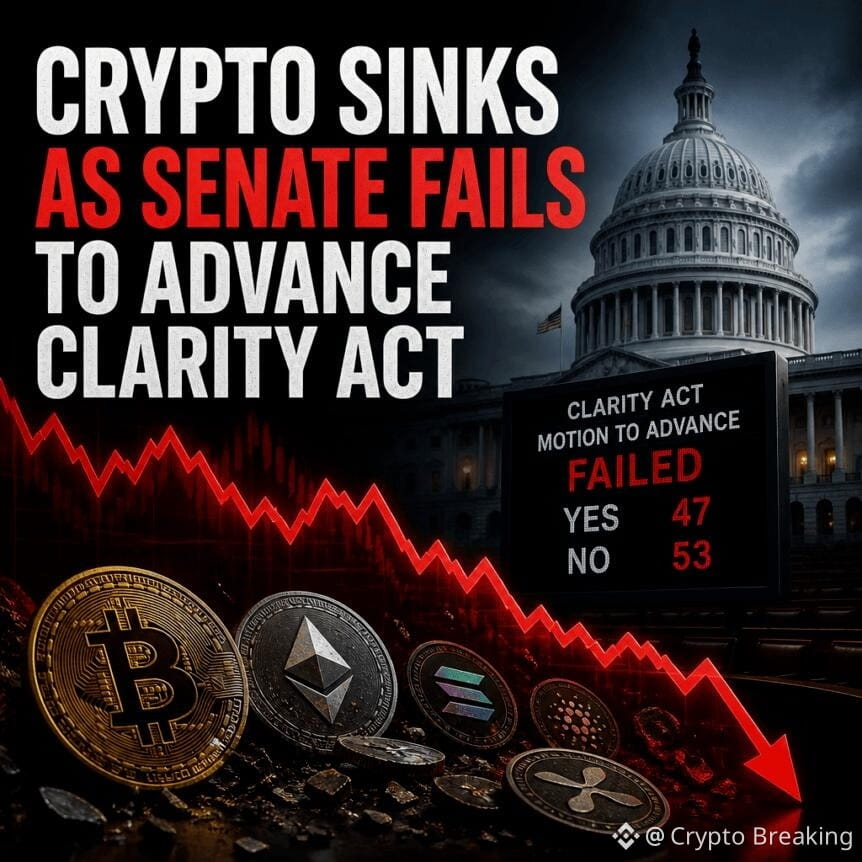
العملات المشفرة تغوص مع فشل مجلس الشيوخ في المضي قدمًا بقانون CLARITYهبطت عملة البيتكوين (BTC) والسوق الأوسع للعملات المشفرة بشكل حاد بعد فشل مجلس الشيوخ في تمرير قانون CLARITY. صوّت أعضاء مجلس الشيوخ بنتيجة 49-50 في تصويت إجرائي حاسم، دون الحصول على 60 صوتًا المطلوبة لتمرير التشريع.
تفاعل السوق بسرعة، إذ انخفضت عملة BTC بأكثر من 3% إلى أدنى مستوى عند 74,887 دولارًا يوم الثلاثاء، قبل أن تغلق في نهاية المطاف عند 75,584 دولارًا. وسجّلت إيثريوم (ETH) تراجعًا أكبر، إذ هبطت بنحو 5% إلى أدنى مستوى عند 2,356 دولارًا قبل أن تغلق عند 2,396 دولارًا. وتراجعت ريبل (XRP) بأكثر من 8% خلال 24 ساعة وتتداول حاليًا حول 1.30 دولار. وسجّلت عملات أخرى انخفاضات مماثلة، مع هبوط إجمالي القيمة السوقية للعملات المشفرة بنسبة 2.31%.
العملات المشفرة تغوص مع فشل مجلس الشيوخ في المضي قدمًا بقانون CLARITY
هبطت عملة البيتكوين (BTC) والسوق الأوسع للعملات المشفرة بشكل حاد بعد فشل مجلس الشيوخ في تمرير قانون CLARITY. صوّت أعضاء مجلس الشيوخ بنتيجة 49-50 في تصويت إجرائي حاسم، دون الحصول على 60 صوتًا المطلوبة لتمرير التشريع.
تفاعل السوق بسرعة، إذ انخفضت عملة BTC بأكثر من 3% إلى أدنى مستوى عند 74,887 دولارًا يوم الثلاثاء، قبل أن تغلق في نهاية المطاف عند 75,584 دولارًا. وسجّلت إيثريوم (ETH) تراجعًا أكبر، إذ هبطت بنحو 5% إلى أدنى مستوى عند 2,356 دولارًا قبل أن تغلق عند 2,396 دولارًا. وتراجعت ريبل (XRP) بأكثر من 8% خلال 24 ساعة وتتداول حاليًا حول 1.30 دولار. وسجّلت عملات أخرى انخفاضات مماثلة، مع هبوط إجمالي القيمة السوقية للعملات المشفرة بنسبة 2.31%.
تفاعل السوق بسرعة، إذ انخفضت عملة BTC بأكثر من 3% إلى أدنى مستوى عند 74,887 دولارًا يوم الثلاثاء، قبل أن تغلق في نهاية المطاف عند 75,584 دولارًا. وسجّلت إيثريوم (ETH) تراجعًا أكبر، إذ هبطت بنحو 5% إلى أدنى مستوى عند 2,356 دولارًا قبل أن تغلق عند 2,396 دولارًا. وتراجعت ريبل (XRP) بأكثر من 8% خلال 24 ساعة وتتداول حاليًا حول 1.30 دولار. وسجّلت عملات أخرى انخفاضات مماثلة، مع هبوط إجمالي القيمة السوقية للعملات المشفرة بنسبة 2.31%.
30
مقالة
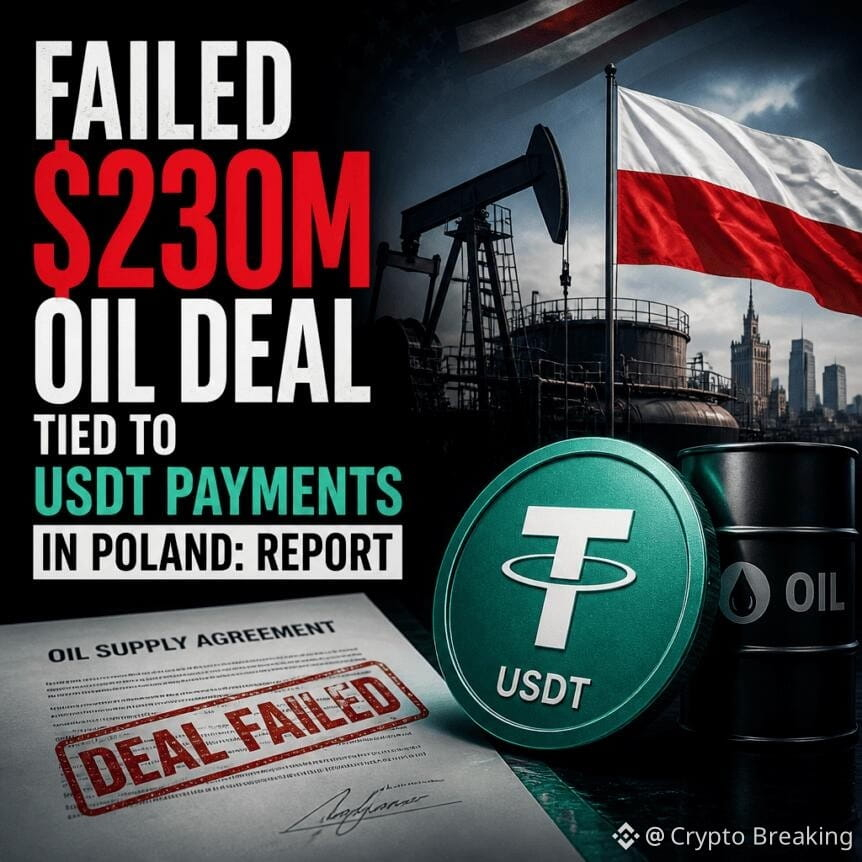
صفقة نفط فاشلة بقيمة 230 مليون دولار مرتبطة بمدفوعات USDT في بولندا: تقريرظهرت عملة Tether الرقمية USDt (USDT) مجددًا في نزاع دولي حول التمويل: فقد ذكرت صحيفة فايننشال تايمز أن أكبر عملة مستقرة (stablecoin) من حيث القيمة السوقية استخدمت في صفقة نفط فنزويلية أدت في النهاية إلى تكبد شركة الطاقة الأكبر في بولندا، Orlen، خسارة قدرها 230 مليون دولار في أواخر عام 2023.
وفقًا لصحيفة فايننشال تايمز، يعود هذا الحادث إلى ضغوط فرض العقوبات على فنزويلا. ويُفترض أن شركة PDVSA، وهي الشركة النفطية الحكومية، بدأت في طلب مدفوعات جزئية باستخدام USDT كوسيلة لتقليل الاعتماد على النظام المصرفي المهيمن عليه من الولايات المتحدة. ثم دفعت وحدة التداول التابعة لشركة Orlen مبلغ 230 مليون دولار مرتبطًا بعقد لشراء 6 ملايين برميل من النفط الخام الفنزويلي، قبل أن تتلقى في النهاية جزءًا صغيرًا فقط من النفط.
صفقة نفط فاشلة بقيمة 230 مليون دولار مرتبطة بمدفوعات USDT في بولندا: تقرير
ظهرت عملة Tether الرقمية USDt (USDT) مجددًا في نزاع دولي حول التمويل: فقد ذكرت صحيفة فايننشال تايمز أن أكبر عملة مستقرة (stablecoin) من حيث القيمة السوقية استخدمت في صفقة نفط فنزويلية أدت في النهاية إلى تكبد شركة الطاقة الأكبر في بولندا، Orlen، خسارة قدرها 230 مليون دولار في أواخر عام 2023.
وفقًا لصحيفة فايننشال تايمز، يعود هذا الحادث إلى ضغوط فرض العقوبات على فنزويلا. ويُفترض أن شركة PDVSA، وهي الشركة النفطية الحكومية، بدأت في طلب مدفوعات جزئية باستخدام USDT كوسيلة لتقليل الاعتماد على النظام المصرفي المهيمن عليه من الولايات المتحدة. ثم دفعت وحدة التداول التابعة لشركة Orlen مبلغ 230 مليون دولار مرتبطًا بعقد لشراء 6 ملايين برميل من النفط الخام الفنزويلي، قبل أن تتلقى في النهاية جزءًا صغيرًا فقط من النفط.
وفقًا لصحيفة فايننشال تايمز، يعود هذا الحادث إلى ضغوط فرض العقوبات على فنزويلا. ويُفترض أن شركة PDVSA، وهي الشركة النفطية الحكومية، بدأت في طلب مدفوعات جزئية باستخدام USDT كوسيلة لتقليل الاعتماد على النظام المصرفي المهيمن عليه من الولايات المتحدة. ثم دفعت وحدة التداول التابعة لشركة Orlen مبلغ 230 مليون دولار مرتبطًا بعقد لشراء 6 ملايين برميل من النفط الخام الفنزويلي، قبل أن تتلقى في النهاية جزءًا صغيرًا فقط من النفط.
33

مقالة
إعداد صعودي لسعر شيب مع سيناريوهين مهمين في الأفقيبدو أن شيب (شيبّا إينو) يمتلك بنية غامضة على السلسلة قد تؤثر على تحركات سعره القادمة. إن تدفقات خروج الرموز من البورصات آخذة في الازدياد بشكل ملحوظ خلال الأيام السبعة الأخيرة، ما يشير إلى اتجاه لنقل الرموز من محافظ البورصة.
ومع ذلك، لا يمكن اعتبار بيانات تدفقات التبادل إيجابية بالكامل، إذ توجد أيضًا زيادة في التدفقات الداخلة في بعض المقاييس الأخرى، ما يزوّد المتداولين بإشارات متضاربة. لذلك، لدى شيب سيناريوهان مختلفان اعتمادًا على من سيسيطر على الأصل.
إعداد صعودي لسعر شيب مع سيناريوهين مهمين في الأفق
يبدو أن شيب (شيبّا إينو) يمتلك بنية غامضة على السلسلة قد تؤثر على تحركات سعره القادمة. إن تدفقات خروج الرموز من البورصات آخذة في الازدياد بشكل ملحوظ خلال الأيام السبعة الأخيرة، ما يشير إلى اتجاه لنقل الرموز من محافظ البورصة.
ومع ذلك، لا يمكن اعتبار بيانات تدفقات التبادل إيجابية بالكامل، إذ توجد أيضًا زيادة في التدفقات الداخلة في بعض المقاييس الأخرى، ما يزوّد المتداولين بإشارات متضاربة. لذلك، لدى شيب سيناريوهان مختلفان اعتمادًا على من سيسيطر على الأصل.
ومع ذلك، لا يمكن اعتبار بيانات تدفقات التبادل إيجابية بالكامل، إذ توجد أيضًا زيادة في التدفقات الداخلة في بعض المقاييس الأخرى، ما يزوّد المتداولين بإشارات متضاربة. لذلك، لدى شيب سيناريوهان مختلفان اعتمادًا على من سيسيطر على الأصل.
1
105

مقالة
الولايات المتحدة ترفع اتهامات ضد مهندسين سابقين في روبن هود بسبب صفقات كريبتو مزعومة قبل الإدراجاتهم مدعون أمريكيون سابقين مهندسين اثنين في شركة روبن هود بارتكاب احتيال في مجال السلع وغسل أموال/احتيال بالأسلاك، مدعين أنهم استخدموا معلومات سرية حول إدراج وشيك للعملات المشفرة لتحقيق الربح من صفقات العقود الآجلة الدائمة على منصة التداول اللامركزية Hyperliquid.
وفقًا لوزارة العدل الأمريكية (DOJ)، يُفترض أن هيفو تشاي وآوياسونغ “جيري” شيانغ اشتروا عقودًا دائمة مرتبطة برموز رقمية قبل وقت قصير من إدراج روبن هود كريبتو بين عامي 2025 و2026. وتقول وزارة العدل إن كل متهم حقق أرباحًا تتجاوز 50000 دولار من الصفقات.
الولايات المتحدة ترفع اتهامات ضد مهندسين سابقين في روبن هود بسبب صفقات كريبتو مزعومة قبل الإدراج
اتهم مدعون أمريكيون سابقين مهندسين اثنين في شركة روبن هود بارتكاب احتيال في مجال السلع وغسل أموال/احتيال بالأسلاك، مدعين أنهم استخدموا معلومات سرية حول إدراج وشيك للعملات المشفرة لتحقيق الربح من صفقات العقود الآجلة الدائمة على منصة التداول اللامركزية Hyperliquid.
وفقًا لوزارة العدل الأمريكية (DOJ)، يُفترض أن هيفو تشاي وآوياسونغ “جيري” شيانغ اشتروا عقودًا دائمة مرتبطة برموز رقمية قبل وقت قصير من إدراج روبن هود كريبتو بين عامي 2025 و2026. وتقول وزارة العدل إن كل متهم حقق أرباحًا تتجاوز 50000 دولار من الصفقات.
وفقًا لوزارة العدل الأمريكية (DOJ)، يُفترض أن هيفو تشاي وآوياسونغ “جيري” شيانغ اشتروا عقودًا دائمة مرتبطة برموز رقمية قبل وقت قصير من إدراج روبن هود كريبتو بين عامي 2025 و2026. وتقول وزارة العدل إن كل متهم حقق أرباحًا تتجاوز 50000 دولار من الصفقات.
19

مقالة
الرئيس التنفيذي لـPhemex: الذكاء الاصطناعي «أثره سلبي صافي» على العملات المشفرة، ويمهّد لهجمات وتكاليفاتخذ الرئيس التنفيذي لشركة Phemex، فيديريكو فاريولا، موقفًا نقديًا تجاه الدور المتنامي للذكاء الاصطناعي في مجال العملات المشفرة، معتبرًا أن التكنولوجيا تعمل حاليًا بشكل أكبر كـ“عائق” بدلًا من كونها محفزًا للقطاع. وفي تصريحات ضمن حلقة Chain Reaction على Cointelegraph، قال فاريولا إن الذكاء الاصطناعي أعاد توجيه السيولة بعيدًا عن العملات المشفرة وزاد من مخاطر الأمن—خصوصًا على الفرق الأصغر التي لا تستطيع بسهولة امتصاص ارتفاع تكاليف الدفاع.
بينما كانت Phemex قد أوضحت في وقت سابق من هذا العام تحولًا تقوده تقنيات الذكاء الاصطناعي داخل منتجاتها وإجراءاتها الداخلية، وسّعت تصريحات Variola الأحدث نطاق التركيز ليشمل الصناعة الأوسع. وأشار إلى أن الأثر الصافي للذكاء الاصطناعي قد يكون دفع قطاع العملات المشفرة إلى مزيد من المركزية بدلًا من تعزيز اللامركزية.
الرئيس التنفيذي لـPhemex: الذكاء الاصطناعي «أثره سلبي صافي» على العملات المشفرة، ويمهّد لهجمات وتكاليف
اتخذ الرئيس التنفيذي لشركة Phemex، فيديريكو فاريولا، موقفًا نقديًا تجاه الدور المتنامي للذكاء الاصطناعي في مجال العملات المشفرة، معتبرًا أن التكنولوجيا تعمل حاليًا بشكل أكبر كـ“عائق” بدلًا من كونها محفزًا للقطاع. وفي تصريحات ضمن حلقة Chain Reaction على Cointelegraph، قال فاريولا إن الذكاء الاصطناعي أعاد توجيه السيولة بعيدًا عن العملات المشفرة وزاد من مخاطر الأمن—خصوصًا على الفرق الأصغر التي لا تستطيع بسهولة امتصاص ارتفاع تكاليف الدفاع.
بينما كانت Phemex قد أوضحت في وقت سابق من هذا العام تحولًا تقوده تقنيات الذكاء الاصطناعي داخل منتجاتها وإجراءاتها الداخلية، وسّعت تصريحات Variola الأحدث نطاق التركيز ليشمل الصناعة الأوسع. وأشار إلى أن الأثر الصافي للذكاء الاصطناعي قد يكون دفع قطاع العملات المشفرة إلى مزيد من المركزية بدلًا من تعزيز اللامركزية.
بينما كانت Phemex قد أوضحت في وقت سابق من هذا العام تحولًا تقوده تقنيات الذكاء الاصطناعي داخل منتجاتها وإجراءاتها الداخلية، وسّعت تصريحات Variola الأحدث نطاق التركيز ليشمل الصناعة الأوسع. وأشار إلى أن الأثر الصافي للذكاء الاصطناعي قد يكون دفع قطاع العملات المشفرة إلى مزيد من المركزية بدلًا من تعزيز اللامركزية.
1
63

مقالة
Mara Holdings تضيف 1,292 بيتكوين مع دفع قادة الذكاء الاصطناعي نحو تطوير أبطأقامت شركة <c-1/> MARA Holdings بشراء 1,292 بيتكوين بقيمة تقارب 98.64 مليون دولار يوم الأربعاء. ونفذت شركة تعدين البيتكوين الصفقة عبر FalconX، حيث أفادت منصة تحليل البيانات على السلسلة Lookonchain بوقوع العملية في 16 سبتمبر. وأجرت MARA Holdings عملية الشراء بعد أن دعا قادة قطاع الذكاء الاصطناعي إلى وتيرة أبطأ وأكثر إشرافًا وتدرّجًا في التطوير.
MARA Holdings تعود إلى تجميع البيتكوين
أنفقت MARA Holdings معظم هذا العام في بيع البيتكوين بدلًا من شرائه. وقد نقلت الشركة تركيزها إلى خدمات البنية التحتية للذكاء الاصطناعي، وباعت 23,093 بيتكوين بقيمة تقارب 1.63 مليار دولار. ويُعدّ شراء يوم الأربعاء واحدًا من أكبر عمليات تجميع البيتكوين على السلسلة لدى MARA Holdings في ما يقرب من عام.
Mara Holdings تضيف 1,292 بيتكوين مع دفع قادة الذكاء الاصطناعي نحو تطوير أبطأ
قامت شركة <c-1/> MARA Holdings بشراء 1,292 بيتكوين بقيمة تقارب 98.64 مليون دولار يوم الأربعاء. ونفذت شركة تعدين البيتكوين الصفقة عبر FalconX، حيث أفادت منصة تحليل البيانات على السلسلة Lookonchain بوقوع العملية في 16 سبتمبر. وأجرت MARA Holdings عملية الشراء بعد أن دعا قادة قطاع الذكاء الاصطناعي إلى وتيرة أبطأ وأكثر إشرافًا وتدرّجًا في التطوير.
MARA Holdings تعود إلى تجميع البيتكوين
أنفقت MARA Holdings معظم هذا العام في بيع البيتكوين بدلًا من شرائه. وقد نقلت الشركة تركيزها إلى خدمات البنية التحتية للذكاء الاصطناعي، وباعت 23,093 بيتكوين بقيمة تقارب 1.63 مليار دولار. ويُعدّ شراء يوم الأربعاء واحدًا من أكبر عمليات تجميع البيتكوين على السلسلة لدى MARA Holdings في ما يقرب من عام.
MARA Holdings تعود إلى تجميع البيتكوين
أنفقت MARA Holdings معظم هذا العام في بيع البيتكوين بدلًا من شرائه. وقد نقلت الشركة تركيزها إلى خدمات البنية التحتية للذكاء الاصطناعي، وباعت 23,093 بيتكوين بقيمة تقارب 1.63 مليار دولار. ويُعدّ شراء يوم الأربعاء واحدًا من أكبر عمليات تجميع البيتكوين على السلسلة لدى MARA Holdings في ما يقرب من عام.
79

مقالة
الرئيس التنفيذي لـ Phemex يحذر من أن تبنّي الذكاء الاصطناعي كان “صافيًا سلبيًا” بالنسبة للعملات المشفرةيدفع الرئيس التنفيذي لشركة Phemex، فيديريكو فاريولا، بالرد على فكرة أن الذكاء الاصطناعي سيكون مفيدًا تلقائيًا للعملات المشفرة. إذ يرى أن التقنية حتى الآن عملت كـ“صافي سلبي” عبر سحب السيولة بعيدًا عن القطاع وزيادة نطاق وتعقيد الهجمات الإلكترونية. وخلال حديثه في برنامج Chain Reaction لدى Cointelegraph، حذّر فاريولا من أن الدورات الأسرع للاستغلال وارتفاع تكاليف الأمن قد تضغط الصناعة نحو مزيد من المركزية.
تأتي تعليقاته بعد أن أعلنت Phemex عن تحول بالذكاء الاصطناعي في وقت سابق من هذا العام، بما في ذلك خطط لدمج الذكاء الاصطناعي في تطوير المنتجات والعمليات الداخلية. إلا أن تعليقات فاريولا الأخيرة تركز على التداعيات الأوسع لتقنية الذكاء الاصطناعي بالنسبة لأمن العملات المشفرة واللامركزية—لا سيما بالنسبة للفرق التي تبني البروتوكولات وللمستخدمين الأفراد الذين يحاولون استخدام DeFi بأمان.
الرئيس التنفيذي لـ Phemex يحذر من أن تبنّي الذكاء الاصطناعي كان “صافيًا سلبيًا” بالنسبة للعملات المشفرة
يدفع الرئيس التنفيذي لشركة Phemex، فيديريكو فاريولا، بالرد على فكرة أن الذكاء الاصطناعي سيكون مفيدًا تلقائيًا للعملات المشفرة. إذ يرى أن التقنية حتى الآن عملت كـ“صافي سلبي” عبر سحب السيولة بعيدًا عن القطاع وزيادة نطاق وتعقيد الهجمات الإلكترونية. وخلال حديثه في برنامج Chain Reaction لدى Cointelegraph، حذّر فاريولا من أن الدورات الأسرع للاستغلال وارتفاع تكاليف الأمن قد تضغط الصناعة نحو مزيد من المركزية.
تأتي تعليقاته بعد أن أعلنت Phemex عن تحول بالذكاء الاصطناعي في وقت سابق من هذا العام، بما في ذلك خطط لدمج الذكاء الاصطناعي في تطوير المنتجات والعمليات الداخلية. إلا أن تعليقات فاريولا الأخيرة تركز على التداعيات الأوسع لتقنية الذكاء الاصطناعي بالنسبة لأمن العملات المشفرة واللامركزية—لا سيما بالنسبة للفرق التي تبني البروتوكولات وللمستخدمين الأفراد الذين يحاولون استخدام DeFi بأمان.
تأتي تعليقاته بعد أن أعلنت Phemex عن تحول بالذكاء الاصطناعي في وقت سابق من هذا العام، بما في ذلك خطط لدمج الذكاء الاصطناعي في تطوير المنتجات والعمليات الداخلية. إلا أن تعليقات فاريولا الأخيرة تركز على التداعيات الأوسع لتقنية الذكاء الاصطناعي بالنسبة لأمن العملات المشفرة واللامركزية—لا سيما بالنسبة للفرق التي تبني البروتوكولات وللمستخدمين الأفراد الذين يحاولون استخدام DeFi بأمان.
20
سجّل الدخول لاستكشاف المزيد من المُحتوى
انضم إلى مُستخدمي العملات الرقمية حول العالم على Binance Square
⚡️ احصل على أحدث المعلومات المفيدة عن العملات الرقمية.
💬 موثوقة من قبل أكبر منصّة لتداول العملات الرقمية في العالم.
👍 اكتشف الرؤى الحقيقية من صنّاع المُحتوى الموثوقين.
البريد الإلكتروني / رقم الهاتف
المواضيع الرائجة
FedRateWatch
1.5M مشاهدات
6,699 يقومون بالنقاش
شارك واربح مكافأة حركة المرور في حملة الهاشتاغ الرائجة لدينا
✨الموضوع: سبتمبر FOMC، ما الخطوة التالية للاحتياطي الفيدرالي؟
👉كيفية الانضمام:
انشر منشورًا قصيرًا أو مقالًا باستخدام هاشتاغ #FedRateWatch
أنشئ محتوى بناءً على الزوايا التالية:
- ارتفع مؤشر أسعار المستهلكين الأساسي (CPI) في أغسطس بنسبة 0.3% على أساس شهري، وأصبحت احتمالات رفع الفائدة بمقدار 25 نقطة أساس هذا الأسبوع الآن قريبة من 90%. هل تتوقع رفع الفائدة هذا الأسبوع؟ هل هي حالة منفردة أم بداية دورة أطول لرفع الفائدة؟
- إذا حدثت الزيادة، كيف سيؤثر ذلك على البيتكوين (BTC) وأسهم التكنولوجيا والذهب؟ هل سيكون تأثيرًا صعوديًا أم هبوطيًا؟
- كيف تخطط للتداول بعد ذلك؟ شارك صفقاتك أو ممتلكاتك من BTC أو الأسهم أو الذهب عبر أداة مشاركة التداول لدينا.
⏰فترة الحملة:
- 2026-09-15 11:00 - 2026-09-17 3:00 بالتوقيت العالمي (UTC)
🎁المكافأة:
- سيتم مراجعة المشاركات المؤهلة التي تلتزم بالإرشادات المذكورة أعلاه وتحتوي على أكثر من 100 كلمة، وقد تحصل على دفعة عشوائية في حركة المرور تتراوح بين 500 و3,000 مشاهدة. ستتلقى إشعارًا من مسؤول موجز الأخبار إذا تم اختيار منشورك.
- احصل على فرصة لعرض مقالك على Binance Square Official
هل تحتاج إلى أفكار لمنشورك؟ قم بزيارة صفحة الموضوع #FedRateWatch أو Square Guide on How to Post for Better Reach.
Binance Square Official
·647 إعجاب
·1.7M مشاهدات
ZcashRises6%
50,767 مشاهدات
643 يقومون بالنقاش
XRPSinks10%
34,125 مشاهدات
421 يقومون بالنقاش