

Crypto Eagles
12.2k منشورات

Crypto Eagles
 تحقُّق Binance Square الإضافي
إبلاغ
حظر المُستخدم
Square Content Creator | X: @CryptoProject6

Creator Awards 2024

#BinanceTurns7

Top Voices
مُتداول عرضي
6.1 سنوات
131 تتابع
123.3K+ المتابعون
166.6K+ إعجاب
3 الشارات
منشورات
الكل
اقتباسات
مقاطع فيديو
Live
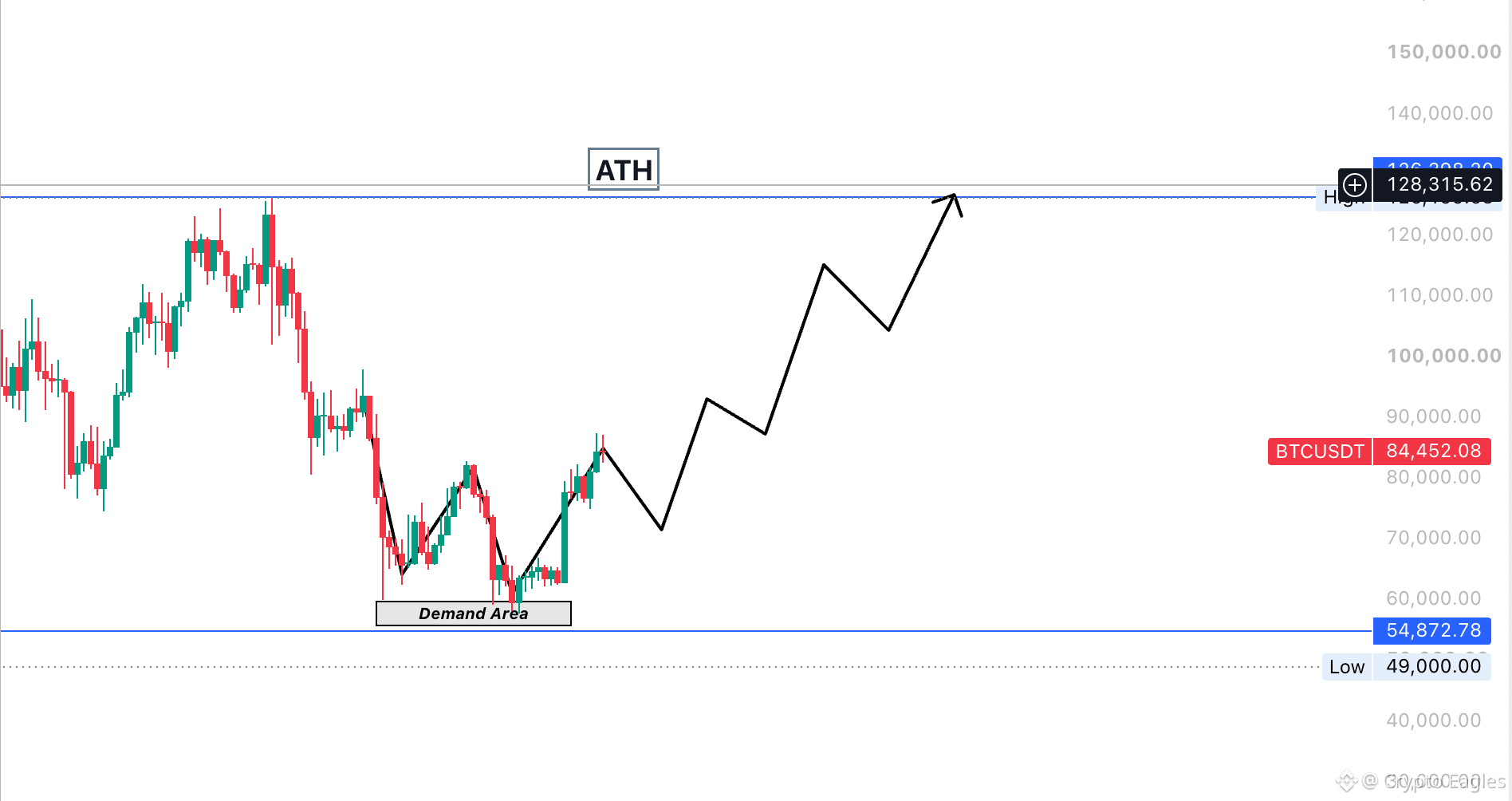
آمل أن يكون الجميع بخير وأن يكونوا في أمان في منازلهم مع $BTC .
لقد كنت أراقب تحرك البيتكوين وفقًا لهذا النمط منذ بضعة أشهر. أرى رقمًا قياسيًا جديدًا لارتفاعه في مارس 2027.
من المهم الحفاظ على هذه المنطقة حول 80,000 دولار.
{future}(BTCUSDT)
آمل أن يكون الجميع بخير وأن يكونوا في أمان في منازلهم مع $BTC .
لقد كنت أراقب تحرك البيتكوين وفقًا لهذا النمط منذ بضعة أشهر. أرى رقمًا قياسيًا جديدًا لارتفاعه في مارس 2027.
من المهم الحفاظ على هذه المنطقة حول 80,000 دولار.
لقد كنت أراقب تحرك البيتكوين وفقًا لهذا النمط منذ بضعة أشهر. أرى رقمًا قياسيًا جديدًا لارتفاعه في مارس 2027.
من المهم الحفاظ على هذه المنطقة حول 80,000 دولار.
2
6
1.5k
تمّ التحقق
$PYTH يبني ما يتجاوز السرد المعتاد للـ oracle.
مع أكثر من 710 شركة، و125+ ناشرًا مؤسسيًا، و114+ بلوكتشين، وأكثر من 3.25 تريليون دولار في حجم تراكمي مُؤمَّن، باتت Pyth تصبح طبقة بيانات سوقية جدّية للتمويل الأصلي للإنترنت.
بينما يركز $LINK على بنية الـ oracle، و$ONDO على الأصول الواقعية (RWAs)، و$HYPE على العقود الدائمة (perpetuals)، و$UMA على أسواق التنبؤ، تربط Pyth هذه الأسواق عبر بيانات مالية من طرف أول.
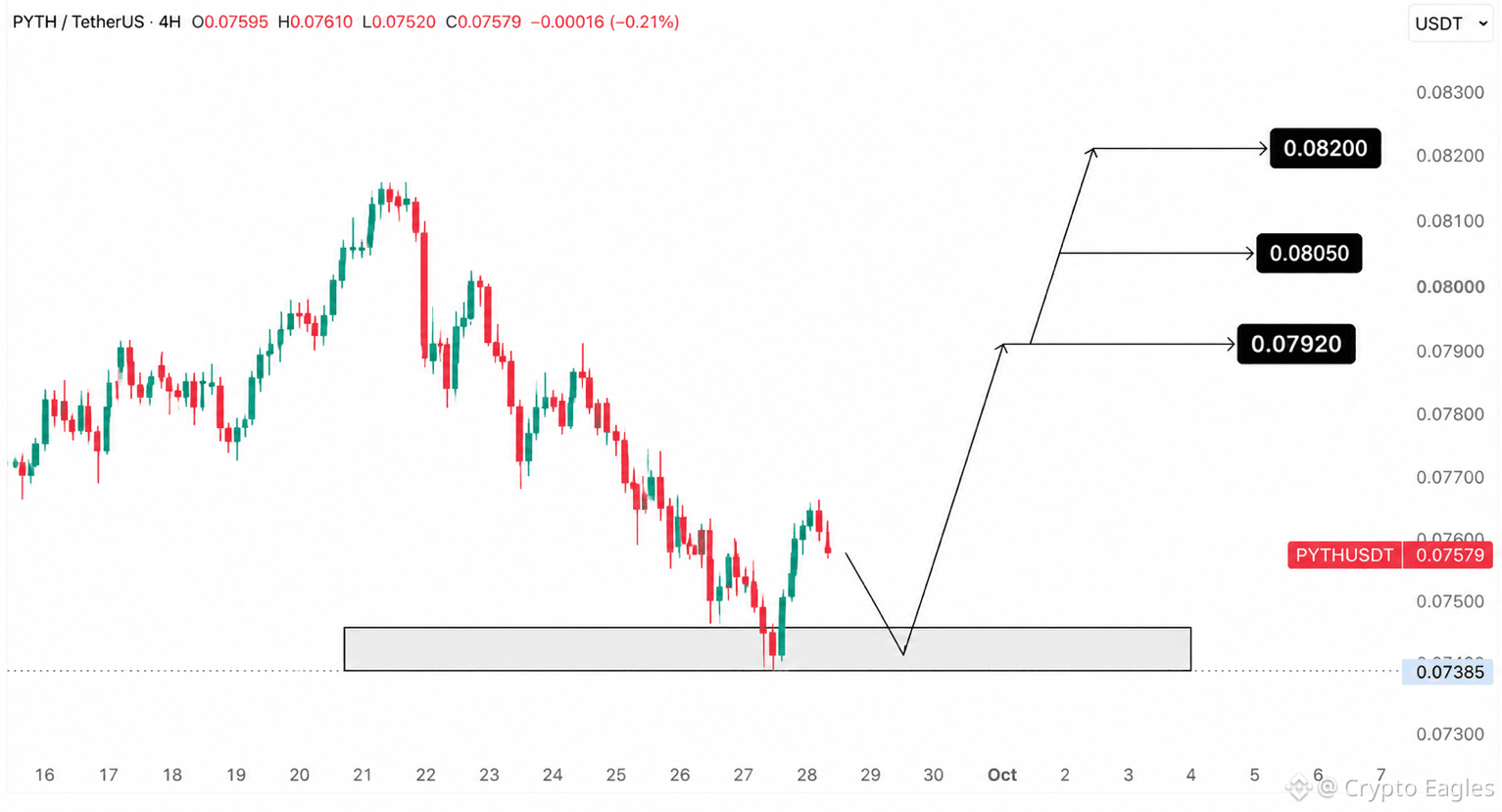
منظور تقني: يحتفظ PYTH بمنطقة الطلب 0.0738–0.0745$. إذا دافع المشترون عنها، فالمستويات التالية التي يجب مراقبتها هي 0.0792$ و0.0805$ و0.0820$.
محتوى معلوماتي فقط. لا يُعد نصيحة مالية.
$PYTH يبني ما يتجاوز السرد المعتاد للـ oracle.
مع أكثر من 710 شركة، و125+ ناشرًا مؤسسيًا، و114+ بلوكتشين، وأكثر من 3.25 تريليون دولار في حجم تراكمي مُؤمَّن، باتت Pyth تصبح طبقة بيانات سوقية جدّية للتمويل الأصلي للإنترنت.
بينما يركز $LINK على بنية الـ oracle، و$ONDO على الأصول الواقعية (RWAs)، و$HYPE على العقود الدائمة (perpetuals)، و$UMA على أسواق التنبؤ، تربط Pyth هذه الأسواق عبر بيانات مالية من طرف أول.
منظور تقني: يحتفظ PYTH بمنطقة الطلب 0.0738–0.0745$. إذا دافع المشترون عنها، فالمستويات التالية التي يجب مراقبتها هي 0.0792$ و0.0805$ و0.0820$.
محتوى معلوماتي فقط. لا يُعد نصيحة مالية.
مع أكثر من 710 شركة، و125+ ناشرًا مؤسسيًا، و114+ بلوكتشين، وأكثر من 3.25 تريليون دولار في حجم تراكمي مُؤمَّن، باتت Pyth تصبح طبقة بيانات سوقية جدّية للتمويل الأصلي للإنترنت.
بينما يركز $LINK على بنية الـ oracle، و$ONDO على الأصول الواقعية (RWAs)، و$HYPE على العقود الدائمة (perpetuals)، و$UMA على أسواق التنبؤ، تربط Pyth هذه الأسواق عبر بيانات مالية من طرف أول.
منظور تقني: يحتفظ PYTH بمنطقة الطلب 0.0738–0.0745$. إذا دافع المشترون عنها، فالمستويات التالية التي يجب مراقبتها هي 0.0792$ و0.0805$ و0.0820$.
محتوى معلوماتي فقط. لا يُعد نصيحة مالية.
45
39
5.1k
تُعدّ الأسهم المُرمّزة (Tokenized stocks) واحدةً من أهم أجزاء الاقتصاد على السلسلة (on-chain).
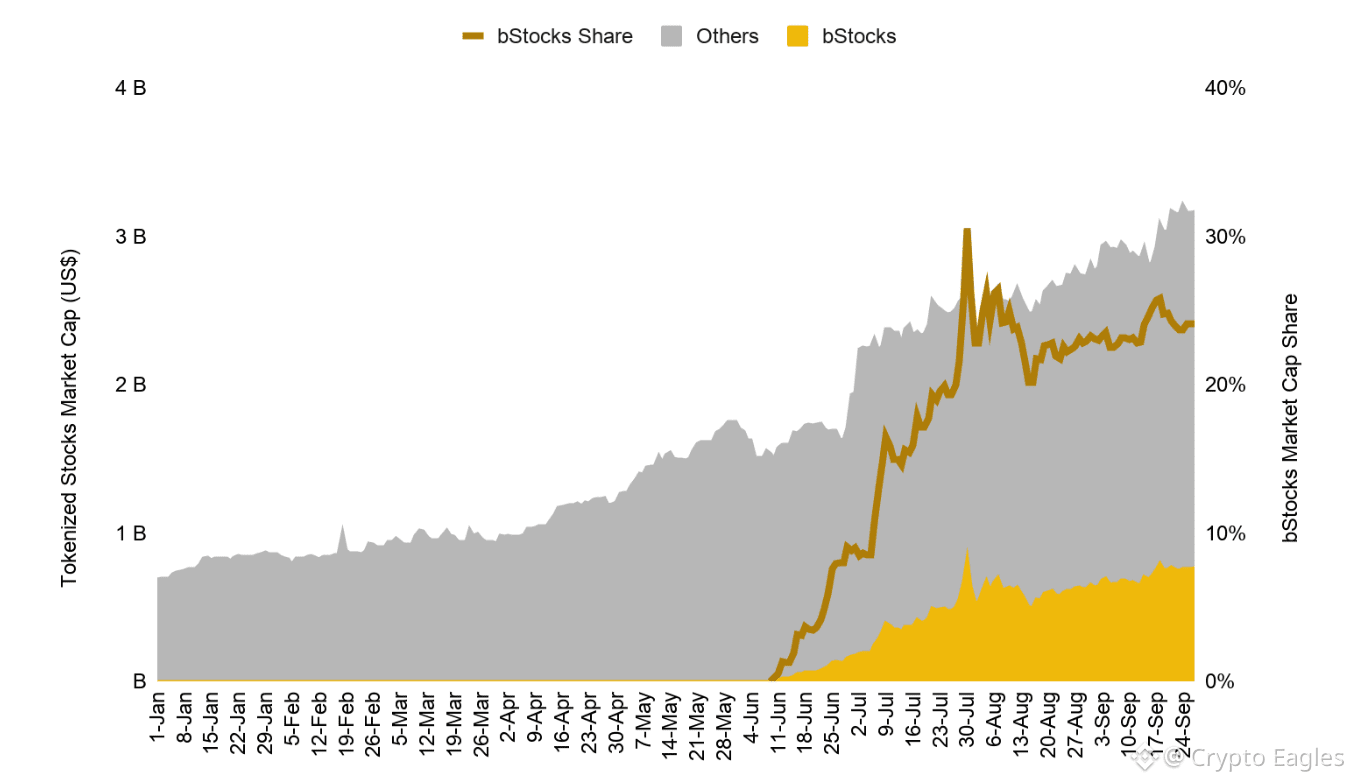
وفقًا لبحث Binance Research، تجاوزت الأسهم المُرمّزة 3 مليارات دولار أمريكي في سبتمبر، مقارنةً بنحو 0.7 مليار دولار أمريكي في بداية 2026. وهذا يجعل الأسهم فئة (RWA) الأسرع نموًا هذا العام.
لكن القصة الحقيقية ليست الإصدار فحسب، بل الاستخدام.
فقد تحرّك أكثر من 100 مليار دولار أمريكي في عمليات نقل الأسهم المُرمّزة على السلسلة خلال الربع الثالث، أي أكثر من 16 مرة مقارنة بمستوى الربع الأول. وتُتداول هذه الأصول الآن، وتُضاف إلى مجمّعات السيولة، وتُقرض، وتُستخدم كضمان.
وتقود BNB Chain هذا التحوّل عبر:
• أكثر من 1 مليار دولار أمريكي في قيمة الأسهم المُرمّزة
• 34% من إجمالي السوق
• 1.8 مليون حامل
• 45% من إجمالي حصة الحاملين
كما وصلت bStocks أيضًا إلى نحو 0.8 مليار دولار أمريكي منذ إطلاقها في أواخر يونيو، بما يمثل قرابة ربع القطاع.
ما يلفتني هو أن الأسهم المُرمّزة لم تعد مجرد نسخ رقمية من الأسهم. بل أصبحت أصولًا مالية نشطة يمكنها التحرك والعمل على السلسلة.
إن وجود ضمان واضح، وسيولة أعمق، واستخدامات أكثر في عالم التمويل اللامركزي (DeFi) سيجعلني أكثر ارتياحًا لنقل حصة أكبر من محفظتي إلى السلسلة.
ماذا ستقوم بترميزِه بعد ذلك: السندات، العقارات، الذهب، أم شيئًا مختلفًا تمامًا؟
اقرأ التقرير الكامل لـ Binance Research:
[https://www.binance.com/en/research/analysis/rewriting-the-on-chain-economy](https://www.binance.com/en/research/analysis/rewriting-the-on-chain-economy)
تُعدّ الأسهم المُرمّزة (Tokenized stocks) واحدةً من أهم أجزاء الاقتصاد على السلسلة (on-chain).
وفقًا لبحث Binance Research، تجاوزت الأسهم المُرمّزة 3 مليارات دولار أمريكي في سبتمبر، مقارنةً بنحو 0.7 مليار دولار أمريكي في بداية 2026. وهذا يجعل الأسهم فئة (RWA) الأسرع نموًا هذا العام.
لكن القصة الحقيقية ليست الإصدار فحسب، بل الاستخدام.
فقد تحرّك أكثر من 100 مليار دولار أمريكي في عمليات نقل الأسهم المُرمّزة على السلسلة خلال الربع الثالث، أي أكثر من 16 مرة مقارنة بمستوى الربع الأول. وتُتداول هذه الأصول الآن، وتُضاف إلى مجمّعات السيولة، وتُقرض، وتُستخدم كضمان.
وتقود BNB Chain هذا التحوّل عبر:
• أكثر من 1 مليار دولار أمريكي في قيمة الأسهم المُرمّزة
• 34% من إجمالي السوق
• 1.8 مليون حامل
• 45% من إجمالي حصة الحاملين
كما وصلت bStocks أيضًا إلى نحو 0.8 مليار دولار أمريكي منذ إطلاقها في أواخر يونيو، بما يمثل قرابة ربع القطاع.
ما يلفتني هو أن الأسهم المُرمّزة لم تعد مجرد نسخ رقمية من الأسهم. بل أصبحت أصولًا مالية نشطة يمكنها التحرك والعمل على السلسلة.
إن وجود ضمان واضح، وسيولة أعمق، واستخدامات أكثر في عالم التمويل اللامركزي (DeFi) سيجعلني أكثر ارتياحًا لنقل حصة أكبر من محفظتي إلى السلسلة.
ماذا ستقوم بترميزِه بعد ذلك: السندات، العقارات، الذهب، أم شيئًا مختلفًا تمامًا؟
اقرأ التقرير الكامل لـ Binance Research:
https://www.binance.com/en/research/analysis/rewriting-the-on-chain-economy
وفقًا لبحث Binance Research، تجاوزت الأسهم المُرمّزة 3 مليارات دولار أمريكي في سبتمبر، مقارنةً بنحو 0.7 مليار دولار أمريكي في بداية 2026. وهذا يجعل الأسهم فئة (RWA) الأسرع نموًا هذا العام.
لكن القصة الحقيقية ليست الإصدار فحسب، بل الاستخدام.
فقد تحرّك أكثر من 100 مليار دولار أمريكي في عمليات نقل الأسهم المُرمّزة على السلسلة خلال الربع الثالث، أي أكثر من 16 مرة مقارنة بمستوى الربع الأول. وتُتداول هذه الأصول الآن، وتُضاف إلى مجمّعات السيولة، وتُقرض، وتُستخدم كضمان.
وتقود BNB Chain هذا التحوّل عبر:
• أكثر من 1 مليار دولار أمريكي في قيمة الأسهم المُرمّزة
• 34% من إجمالي السوق
• 1.8 مليون حامل
• 45% من إجمالي حصة الحاملين
كما وصلت bStocks أيضًا إلى نحو 0.8 مليار دولار أمريكي منذ إطلاقها في أواخر يونيو، بما يمثل قرابة ربع القطاع.
ما يلفتني هو أن الأسهم المُرمّزة لم تعد مجرد نسخ رقمية من الأسهم. بل أصبحت أصولًا مالية نشطة يمكنها التحرك والعمل على السلسلة.
إن وجود ضمان واضح، وسيولة أعمق، واستخدامات أكثر في عالم التمويل اللامركزي (DeFi) سيجعلني أكثر ارتياحًا لنقل حصة أكبر من محفظتي إلى السلسلة.
ماذا ستقوم بترميزِه بعد ذلك: السندات، العقارات، الذهب، أم شيئًا مختلفًا تمامًا؟
اقرأ التقرير الكامل لـ Binance Research:
https://www.binance.com/en/research/analysis/rewriting-the-on-chain-economy
1
1.2k
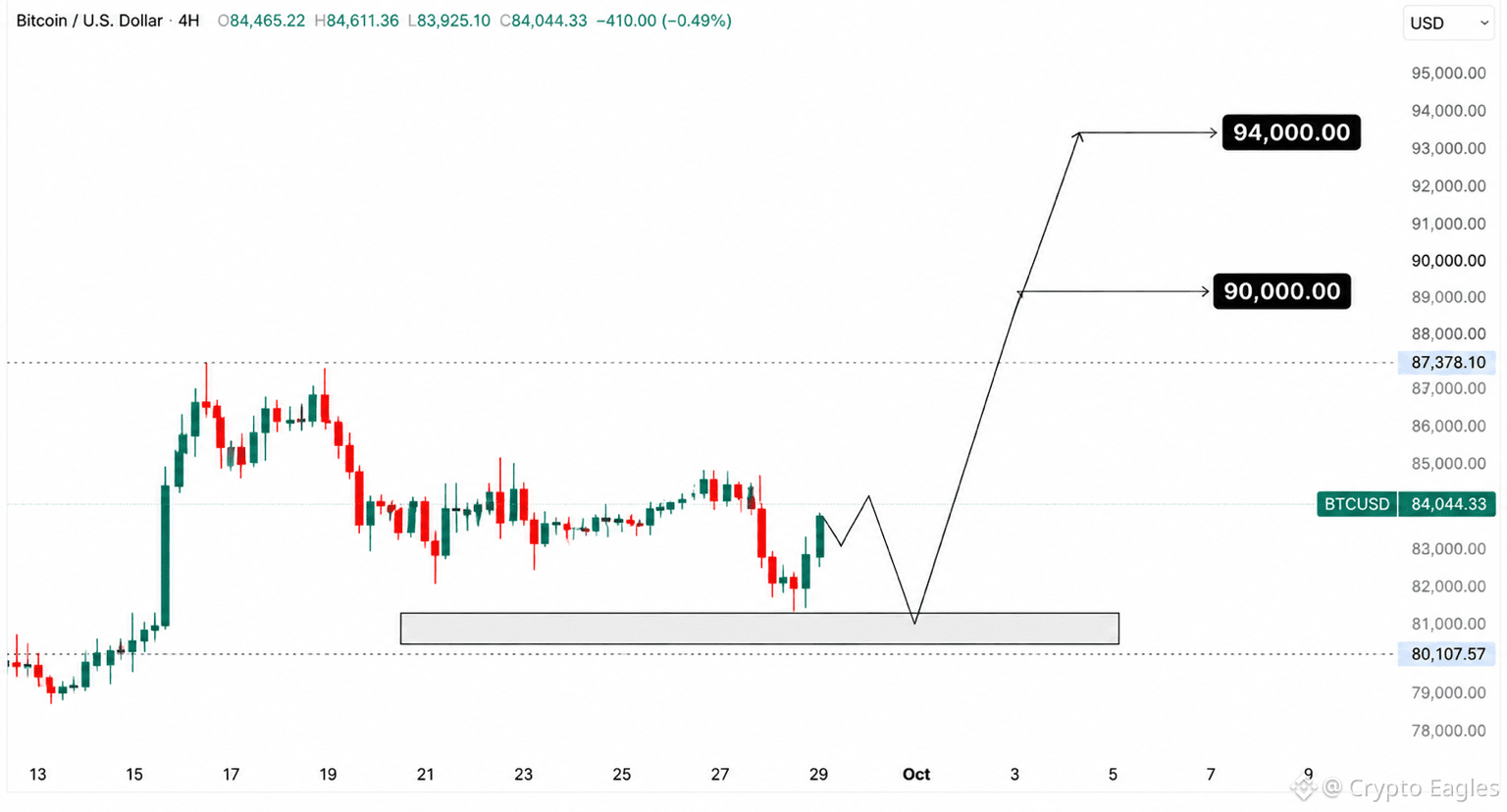
$BTC يحافظ على مستوى أعلى من منطقة الطلب 80K–81K، لكن السعر ما زال يحتاج إلى إعادة استحواذ قوية فوق 87K.
إذا دافع المشترون عن هذه المنطقة، فإن 90K و94K تبقيان كأهداف الصعود القادمة.
{future}(BTCUSDT)
$BTC يحافظ على مستوى أعلى من منطقة الطلب 80K–81K، لكن السعر ما زال يحتاج إلى إعادة استحواذ قوية فوق 87K.
إذا دافع المشترون عن هذه المنطقة، فإن 90K و94K تبقيان كأهداف الصعود القادمة.
إذا دافع المشترون عن هذه المنطقة، فإن 90K و94K تبقيان كأهداف الصعود القادمة.
5
2.3k
يبدو الحجم الكبير جيدًا، لكن من أين يأتي هذا الحجم؟
يبدأ هذا السؤال الآن تلقّي اهتمامًا أكبر بعد أن درس بني بيانات التداول العامة لدى كالشي.
ظهر عدد كبير من صفقات الإيثيريوم حول نفس مستوى 5,500 دولار تقريبًا، وقد وصلت القصة الآن إلى وسائل الإعلام المالية الكبرى.
رفضت كالشي مزاعم التداول الوهمي (wash-trading) وتقول إن برنامج السيولة الخاص بها يفسر النشاط.
بالنسبة لي، يجعل هذا النقاش حول أسواق التنبؤ أكثر أهمية من أي وقت مضى.
يريد المستخدمون أسواقًا بسيطة، ومشاركة حقيقية، ومعلومات يمكنهم الوثوق بها.
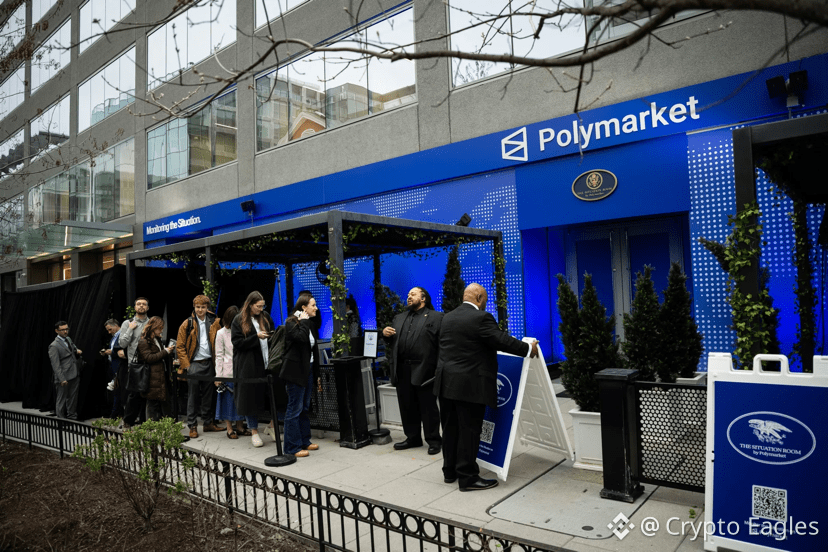
وهنا يواصل <@polymarket > التميز.
عندما أفكر في أسواق التنبؤ، ما زال Polymarket هو المنصة التي أراقبها أولًا.
يبدو الحجم الكبير جيدًا، لكن من أين يأتي هذا الحجم؟
يبدأ هذا السؤال الآن تلقّي اهتمامًا أكبر بعد أن درس بني بيانات التداول العامة لدى كالشي.
ظهر عدد كبير من صفقات الإيثيريوم حول نفس مستوى 5,500 دولار تقريبًا، وقد وصلت القصة الآن إلى وسائل الإعلام المالية الكبرى.
رفضت كالشي مزاعم التداول الوهمي (wash-trading) وتقول إن برنامج السيولة الخاص بها يفسر النشاط.
بالنسبة لي، يجعل هذا النقاش حول أسواق التنبؤ أكثر أهمية من أي وقت مضى.
يريد المستخدمون أسواقًا بسيطة، ومشاركة حقيقية، ومعلومات يمكنهم الوثوق بها.
وهنا يواصل <@Polymarket > التميز.
عندما أفكر في أسواق التنبؤ، ما زال Polymarket هو المنصة التي أراقبها أولًا.
يبدأ هذا السؤال الآن تلقّي اهتمامًا أكبر بعد أن درس بني بيانات التداول العامة لدى كالشي.
ظهر عدد كبير من صفقات الإيثيريوم حول نفس مستوى 5,500 دولار تقريبًا، وقد وصلت القصة الآن إلى وسائل الإعلام المالية الكبرى.
رفضت كالشي مزاعم التداول الوهمي (wash-trading) وتقول إن برنامج السيولة الخاص بها يفسر النشاط.
بالنسبة لي، يجعل هذا النقاش حول أسواق التنبؤ أكثر أهمية من أي وقت مضى.
يريد المستخدمون أسواقًا بسيطة، ومشاركة حقيقية، ومعلومات يمكنهم الوثوق بها.
وهنا يواصل <@Polymarket > التميز.
عندما أفكر في أسواق التنبؤ، ما زال Polymarket هو المنصة التي أراقبها أولًا.
60
12
60
9.8k
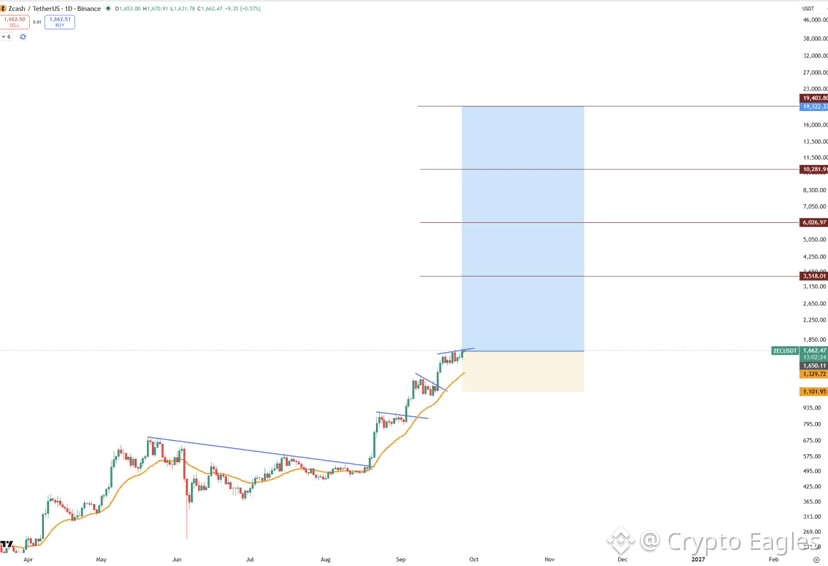
$ZEC أكثر صعودًا. يمكننا رؤية زكاش حول 6000$ خلال الأشهر الثلاثة القادمة.
كل التوفيق..
$ZEC أكثر صعودًا. يمكننا رؤية زكاش حول 6000$ خلال الأشهر الثلاثة القادمة.
كل التوفيق..
كل التوفيق..
1
12
2.9k
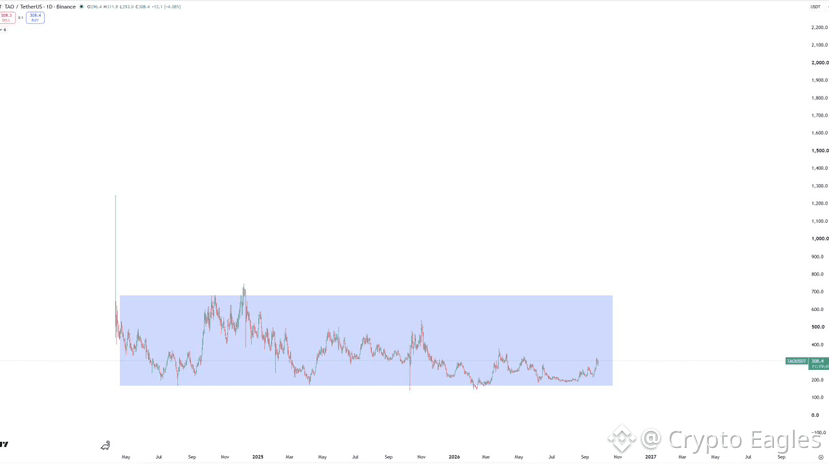
لقد انتقلت عملات كثيرة بالفعل، لكن لا يزال هناك عملاق نائم.
تراكم هائل
كل ما يحتاجه هو محفّز في التوقيت المناسب
$TAO جيد لإضافته إلى الموقع والانتظار حتى يتحرك عموديًا 8x-10x.
لقد انتقلت عملات كثيرة بالفعل، لكن لا يزال هناك عملاق نائم.
تراكم هائل
كل ما يحتاجه هو محفّز في التوقيت المناسب
$TAO جيد لإضافته إلى الموقع والانتظار حتى يتحرك عموديًا 8x-10x.
تراكم هائل
كل ما يحتاجه هو محفّز في التوقيت المناسب
$TAO جيد لإضافته إلى الموقع والانتظار حتى يتحرك عموديًا 8x-10x.
1
1.4k
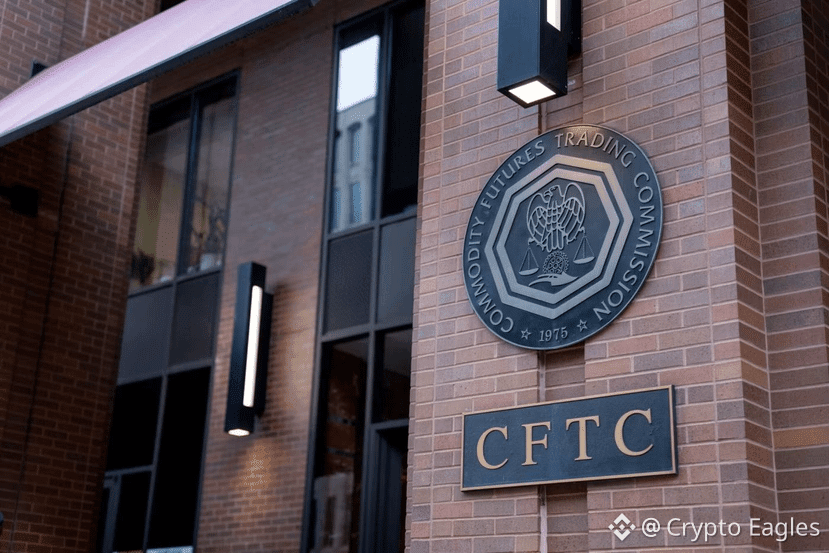
@polymarket الأسواق تحتاج إلى ثقة، لا مجرد أرقام ضخمة.
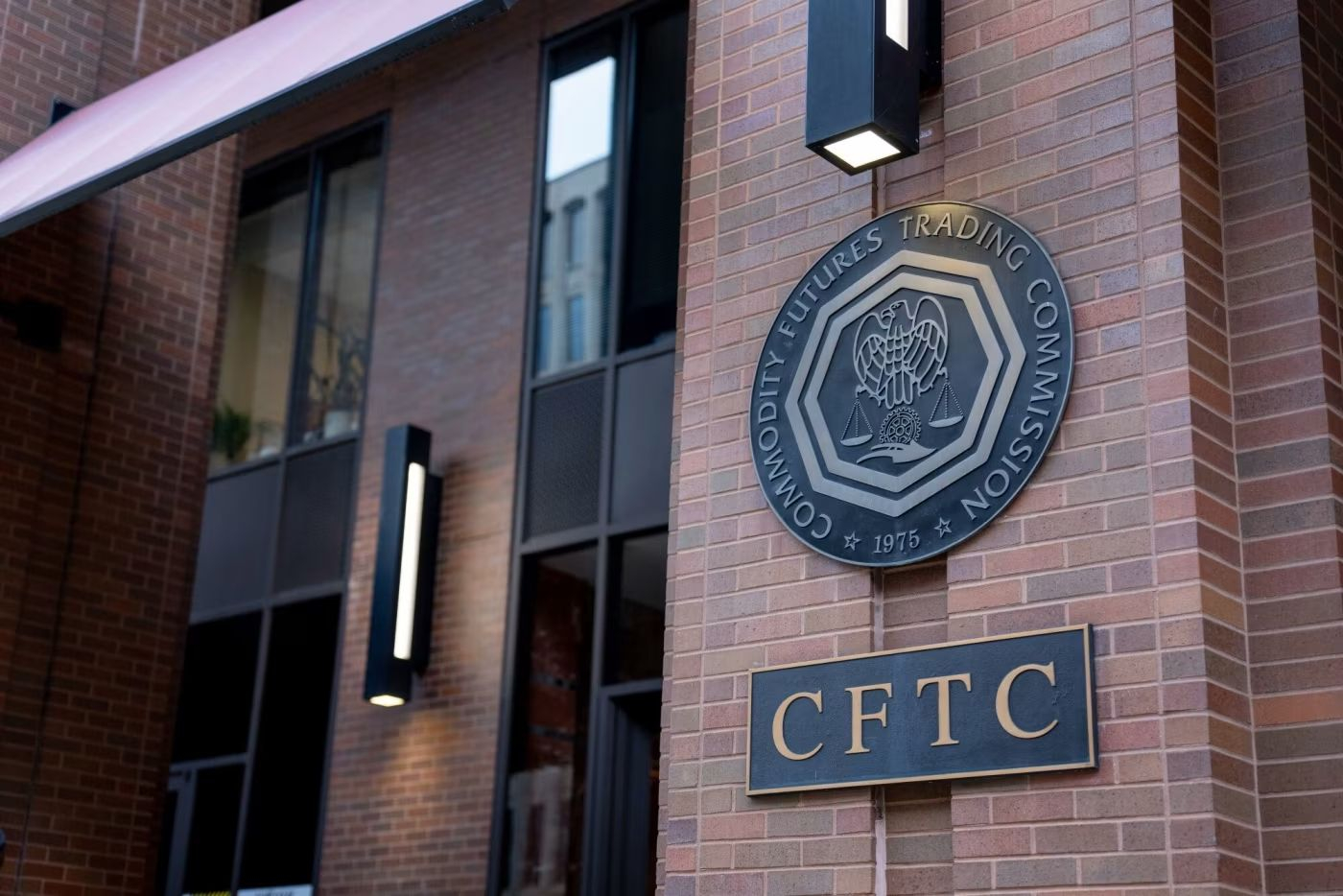
أثار بيِّني مؤخرًا أسئلة حول نشاط كالبشي في مجال العملات المشفرة، بعد ملاحظة العديد من صفقات ETH تتكرر حول الحجم نفسه تقريبًا وهو 5,500 دولار.
وقد وصلت القصة الآن إلى وول ستريت جورنال، حيث حظيت انتباهًا من تداولات مماثلة بمليارات الدولارات.
تقول كالبشي إن هذا أمر طبيعي يتعلق بصناعة السوق، لكن النقاش يوضح نقطة واحدة مهمة:
النشاط الحقيقي والشفافية أمران حاسمان.
لهذا ما زالت بوليمارك تبرز بالنسبة إليّ كأقوى منصة لسوق التوقعات.
أحداث حقيقية. آراء حقيقية. أسواق بسيطة.
ما زالت بوليمارك هي اختياري الأول في هذا المجال.
@Polymarket الأسواق تحتاج إلى ثقة، لا مجرد أرقام ضخمة.
أثار بيِّني مؤخرًا أسئلة حول نشاط كالبشي في مجال العملات المشفرة، بعد ملاحظة العديد من صفقات ETH تتكرر حول الحجم نفسه تقريبًا وهو 5,500 دولار.
وقد وصلت القصة الآن إلى وول ستريت جورنال، حيث حظيت انتباهًا من تداولات مماثلة بمليارات الدولارات.
تقول كالبشي إن هذا أمر طبيعي يتعلق بصناعة السوق، لكن النقاش يوضح نقطة واحدة مهمة:
النشاط الحقيقي والشفافية أمران حاسمان.
لهذا ما زالت بوليمارك تبرز بالنسبة إليّ كأقوى منصة لسوق التوقعات.
أحداث حقيقية. آراء حقيقية. أسواق بسيطة.
ما زالت بوليمارك هي اختياري الأول في هذا المجال.
أثار بيِّني مؤخرًا أسئلة حول نشاط كالبشي في مجال العملات المشفرة، بعد ملاحظة العديد من صفقات ETH تتكرر حول الحجم نفسه تقريبًا وهو 5,500 دولار.
وقد وصلت القصة الآن إلى وول ستريت جورنال، حيث حظيت انتباهًا من تداولات مماثلة بمليارات الدولارات.
تقول كالبشي إن هذا أمر طبيعي يتعلق بصناعة السوق، لكن النقاش يوضح نقطة واحدة مهمة:
النشاط الحقيقي والشفافية أمران حاسمان.
لهذا ما زالت بوليمارك تبرز بالنسبة إليّ كأقوى منصة لسوق التوقعات.
أحداث حقيقية. آراء حقيقية. أسواق بسيطة.
ما زالت بوليمارك هي اختياري الأول في هذا المجال.
48
14
55
8.6k
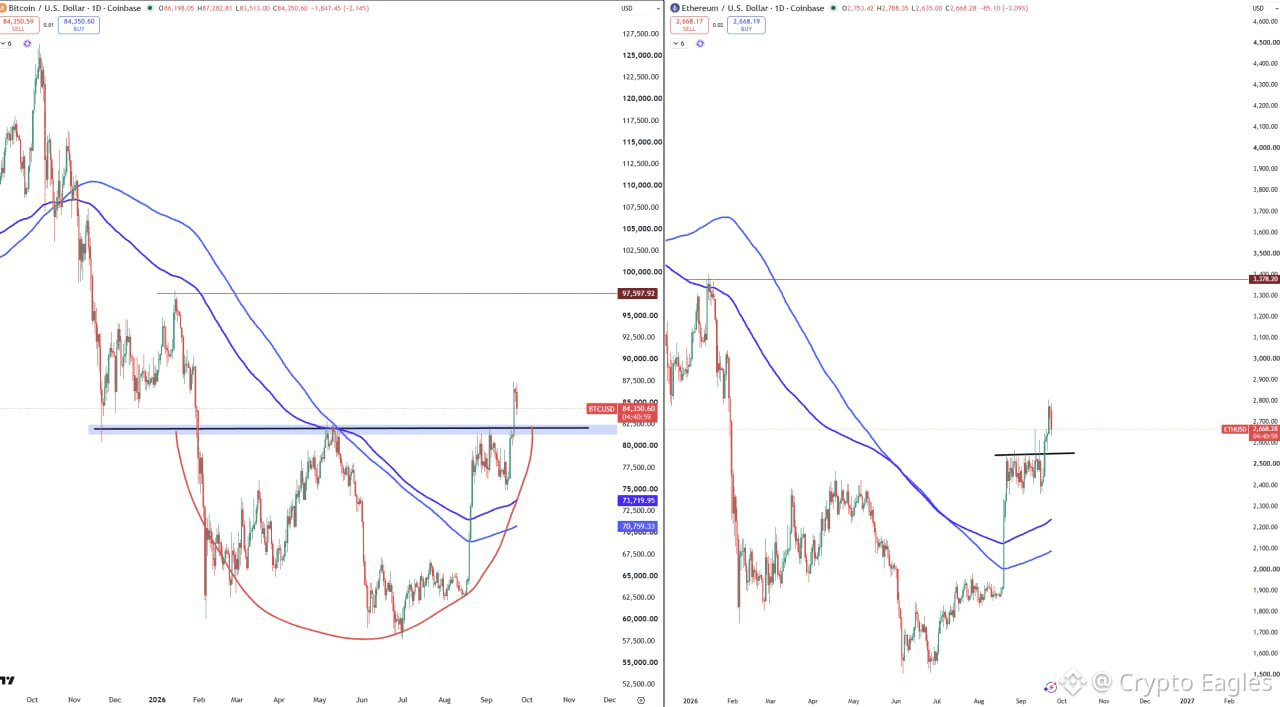
الاتجاه صاعد
السعر كسر بالفعل منطقة تراكم ضخمة للأعلى
التصحيح هو جزء من الاتجاه الرئيسي.
الاتجاه صاعد
السعر كسر بالفعل منطقة تراكم ضخمة للأعلى
التصحيح هو جزء من الاتجاه الرئيسي.
السعر كسر بالفعل منطقة تراكم ضخمة للأعلى
التصحيح هو جزء من الاتجاه الرئيسي.
2
2
1.3k
يمكن أن تتحول فكرة سوق جيدة إلى صفقة رهان سيئة.
قد تكون على حق بشأن الاتجاه، لكن شمعة واحدة حادة قد تُغلق مركزك قبل أن يبدأ التحرك الحقيقي.
لهذا أفضّل استخدام الخيارات لبعض إعدادات $BTC و $ETH و $HYPE . تكون مخاطرتي القصوى واضحة قبل الدخول، بينما يبقى الجانب الإيجابي مفتوحًا.
باستخدام وضع السهولة في Aevo Options Easy Mode، أختار ببساطة الاتجاه والهدف والإطار الزمني، ثم أراجع أين سأربح أو أخسر قبل التأكيد.
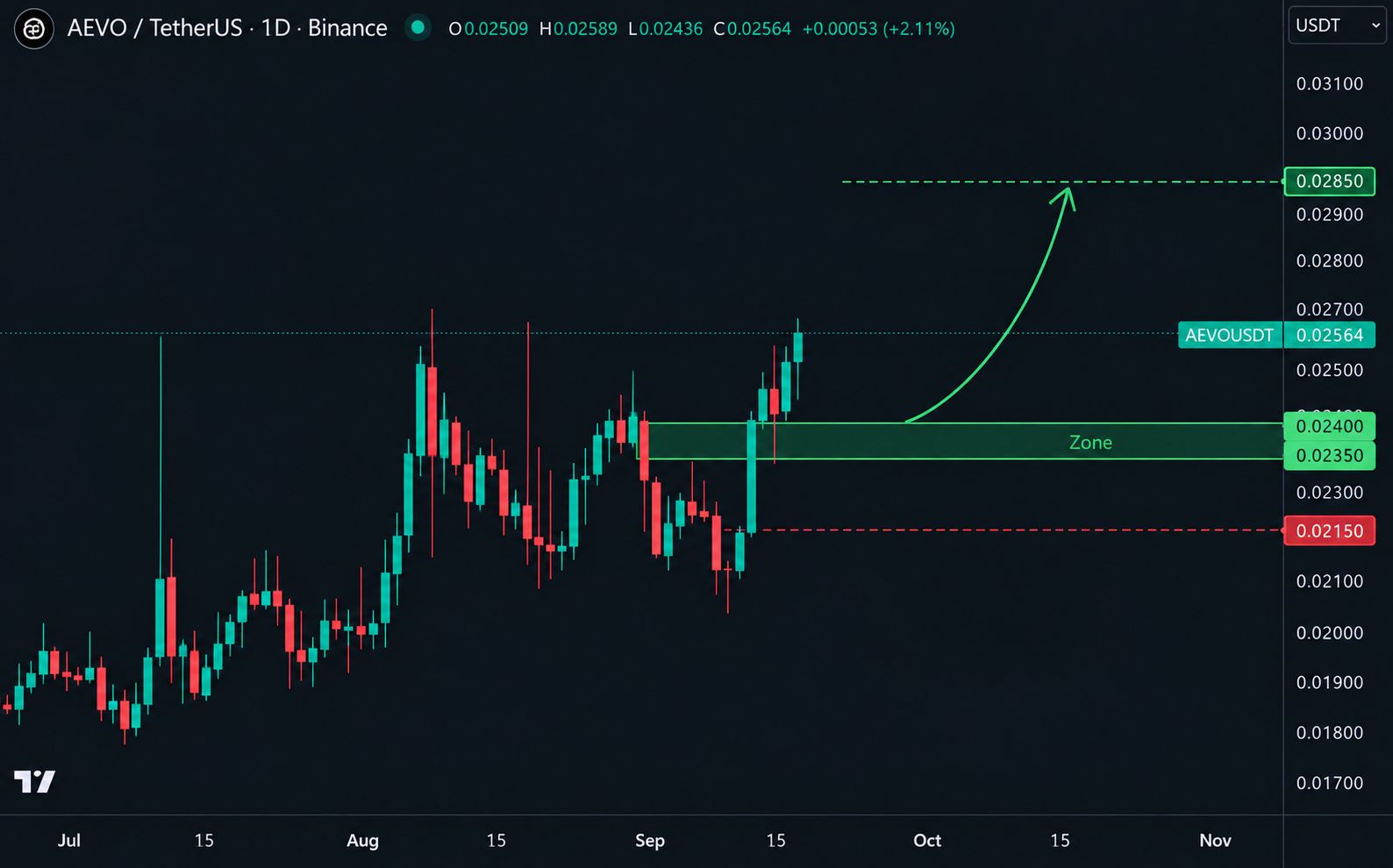
فنيًا، $AEVO يتمسك فوق نطاق 0.0235 إلى 0.0240 بعد تعافٍ يومي قوي. طالما ظل هذا النطاق قائمًا، تبقى البنية قصيرة الأجل إيجابية.
نفس نظرة السوق. تحكم أفضل في المخاطر.
الخيارات، سهلة على @Aevoxyz . #Aevo $AEVO
يمكن أن تتحول فكرة سوق جيدة إلى صفقة رهان سيئة.
قد تكون على حق بشأن الاتجاه، لكن شمعة واحدة حادة قد تُغلق مركزك قبل أن يبدأ التحرك الحقيقي.
لهذا أفضّل استخدام الخيارات لبعض إعدادات $BTC و $ETH و $HYPE . تكون مخاطرتي القصوى واضحة قبل الدخول، بينما يبقى الجانب الإيجابي مفتوحًا.
باستخدام وضع السهولة في Aevo Options Easy Mode، أختار ببساطة الاتجاه والهدف والإطار الزمني، ثم أراجع أين سأربح أو أخسر قبل التأكيد.
فنيًا، $AEVO يتمسك فوق نطاق 0.0235 إلى 0.0240 بعد تعافٍ يومي قوي. طالما ظل هذا النطاق قائمًا، تبقى البنية قصيرة الأجل إيجابية.
نفس نظرة السوق. تحكم أفضل في المخاطر.
الخيارات، سهلة على @Aevo . #Aevo $AEVO
قد تكون على حق بشأن الاتجاه، لكن شمعة واحدة حادة قد تُغلق مركزك قبل أن يبدأ التحرك الحقيقي.
لهذا أفضّل استخدام الخيارات لبعض إعدادات $BTC و $ETH و $HYPE . تكون مخاطرتي القصوى واضحة قبل الدخول، بينما يبقى الجانب الإيجابي مفتوحًا.
باستخدام وضع السهولة في Aevo Options Easy Mode، أختار ببساطة الاتجاه والهدف والإطار الزمني، ثم أراجع أين سأربح أو أخسر قبل التأكيد.
فنيًا، $AEVO يتمسك فوق نطاق 0.0235 إلى 0.0240 بعد تعافٍ يومي قوي. طالما ظل هذا النطاق قائمًا، تبقى البنية قصيرة الأجل إيجابية.
نفس نظرة السوق. تحكم أفضل في المخاطر.
الخيارات، سهلة على @Aevo . #Aevo $AEVO
51
7
57
11.6k
تمّ التحقق
تقوم بينانس بخطوة طويلة الأمد في سوق العملات المستقرة.
استثمرت الشركة 100 مليون دولار في Circle وتجدد شراكتها مع USDC لمدة خمس سنوات. هذا ليس مجرد استثمار. بل إنه يدل على ثقة قوية في مستقبل الدولارات الرقمية.
تتيح بينانس التوزيع العالمي، بينما توفر Circle البنية التحتية لـ USDC. معًا، يمكنهما جعل العملات المستقرة أكثر فائدة وإتاحة على مستوى العالم.
لا ينبغي أن تكون قيمة الدولار الرقمي مقيدة بالجغرافيا. تتحرك العملات المستقرة خارج نطاق تداول العملات المشفرة لتصبح جزءًا من الخدمات المالية السائدة.
الإعلان الكامل:
[https://www.binance.com/en/blog/ecosystem/167890448134073062](https://www.binance.com/en/blog/ecosystem/167890448134073062)
تقوم بينانس بخطوة طويلة الأمد في سوق العملات المستقرة.
استثمرت الشركة 100 مليون دولار في Circle وتجدد شراكتها مع USDC لمدة خمس سنوات. هذا ليس مجرد استثمار. بل إنه يدل على ثقة قوية في مستقبل الدولارات الرقمية.
تتيح بينانس التوزيع العالمي، بينما توفر Circle البنية التحتية لـ USDC. معًا، يمكنهما جعل العملات المستقرة أكثر فائدة وإتاحة على مستوى العالم.
لا ينبغي أن تكون قيمة الدولار الرقمي مقيدة بالجغرافيا. تتحرك العملات المستقرة خارج نطاق تداول العملات المشفرة لتصبح جزءًا من الخدمات المالية السائدة.
الإعلان الكامل:
https://www.binance.com/en/blog/ecosystem/167890448134073062
استثمرت الشركة 100 مليون دولار في Circle وتجدد شراكتها مع USDC لمدة خمس سنوات. هذا ليس مجرد استثمار. بل إنه يدل على ثقة قوية في مستقبل الدولارات الرقمية.
تتيح بينانس التوزيع العالمي، بينما توفر Circle البنية التحتية لـ USDC. معًا، يمكنهما جعل العملات المستقرة أكثر فائدة وإتاحة على مستوى العالم.
لا ينبغي أن تكون قيمة الدولار الرقمي مقيدة بالجغرافيا. تتحرك العملات المستقرة خارج نطاق تداول العملات المشفرة لتصبح جزءًا من الخدمات المالية السائدة.
الإعلان الكامل:
https://www.binance.com/en/blog/ecosystem/167890448134073062
4
861
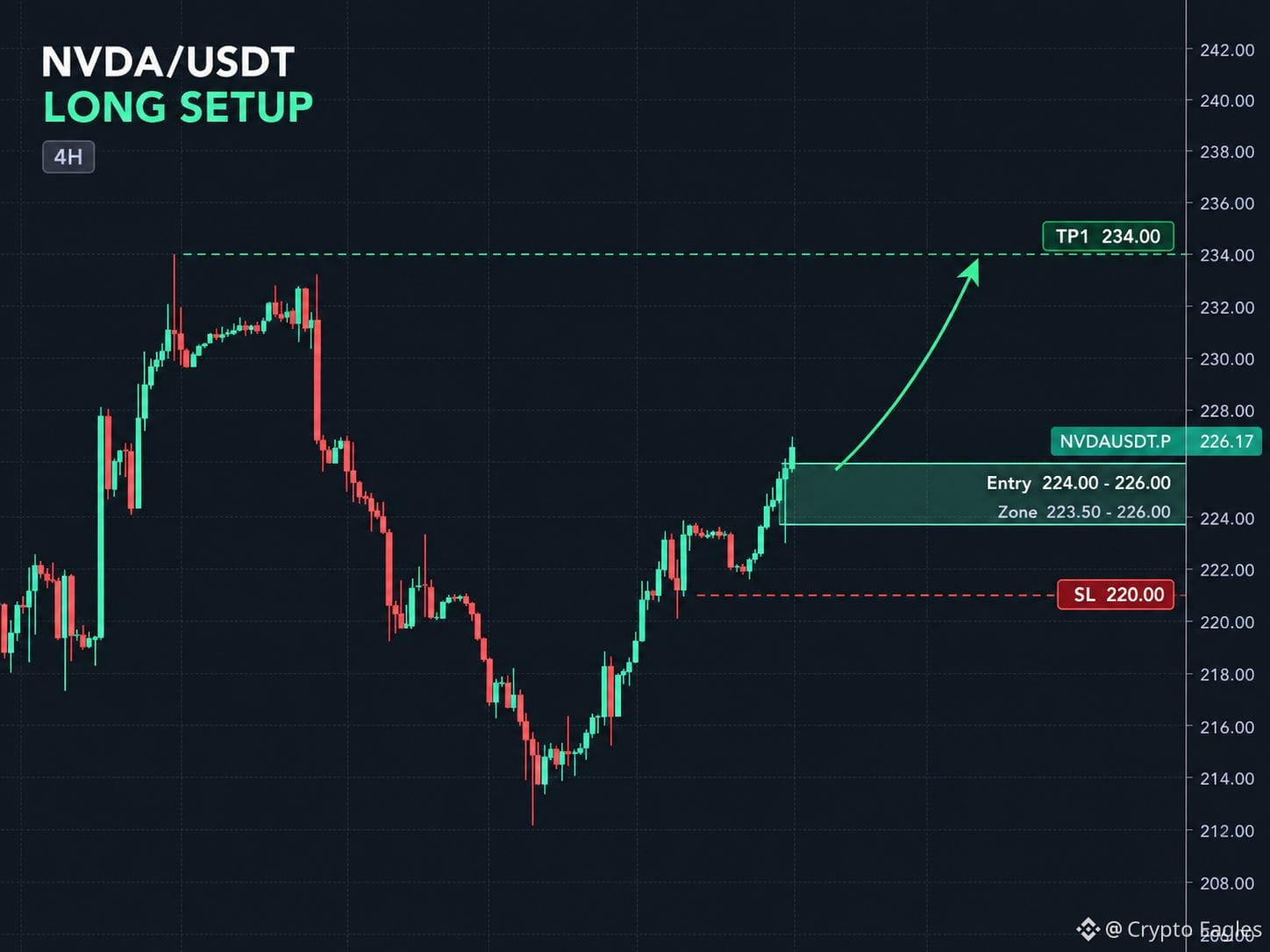
$NVDA الطويلة
السعر يتعافى بشكل جيد، ويُظهر المشترون قوة.
الدخول: 224–226
وقف الخسارة: 220
أخذ الربح: 234
أبحث عن أن يحافظ السعر على منطقة الدخول ويستمر للأعلى باتجاه 234.
$NVDA الطويلة
السعر يتعافى بشكل جيد، ويُظهر المشترون قوة.
الدخول: 224–226
وقف الخسارة: 220
أخذ الربح: 234
أبحث عن أن يحافظ السعر على منطقة الدخول ويستمر للأعلى باتجاه 234.
السعر يتعافى بشكل جيد، ويُظهر المشترون قوة.
الدخول: 224–226
وقف الخسارة: 220
أخذ الربح: 234
أبحث عن أن يحافظ السعر على منطقة الدخول ويستمر للأعلى باتجاه 234.
4
1.7k
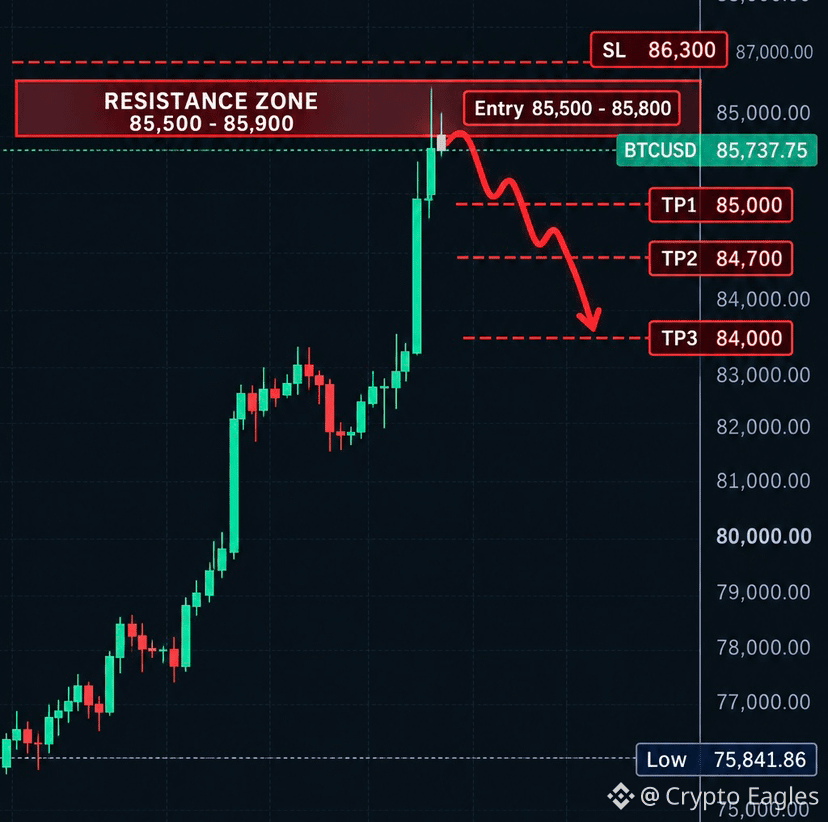
$BTC
{future}(BTCUSDT)
إدخال 85800$
TP1: 85000$
TP2: 84700$
TP3: 84000$
SL: 86300$
$BTC
إدخال 85800$
TP1: 85000$
TP2: 84700$
TP3: 84000$
SL: 86300$
إدخال 85800$
TP1: 85000$
TP2: 84700$
TP3: 84000$
SL: 86300$
6
2k
مرحبًا
ما رأيك في BNB؟
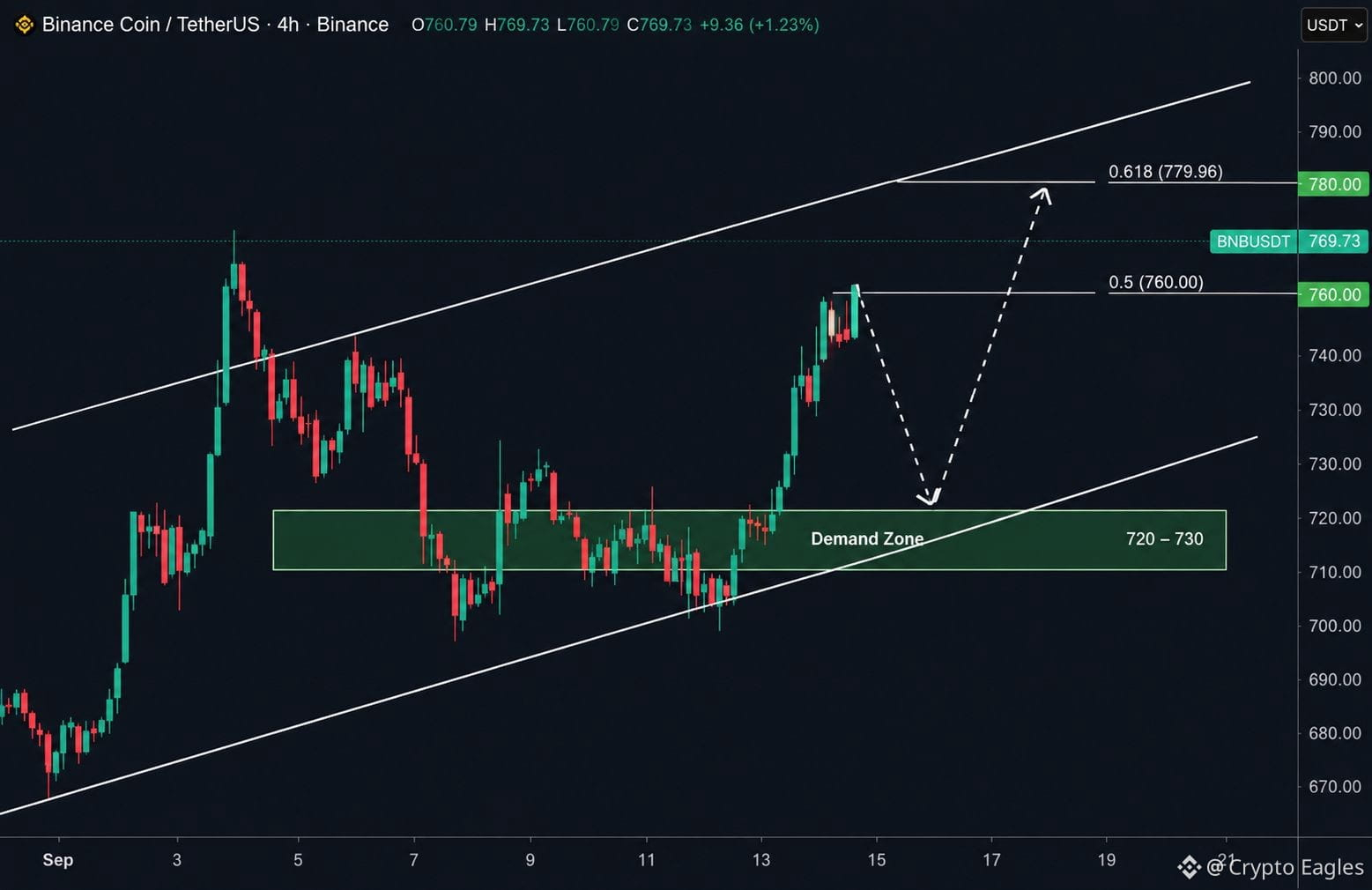
BNB يتحرك داخل قناة صاعدة على مخطط 4H، والبنية العامة ما زالت تبدو صعودية.
ارتد السعر مؤخرًا بقوة من منطقة الطلب $720–$730 وانتقل فوق منطقة $760. وهذا يدل على أن المشترين ما زالوا نشطين.
حاليًا، يقترب BNB من مستوى المقاومة $780، والذي يتوافق أيضًا مع مستوى فيبوناتشي 0.618.
من هنا، قد نرى أولًا تراجعًا بسيطًا. إذا عاد السعر إلى منطقة الطلب $720–$730 وثبت عندها، فقد يبدأ BNB موجة جديدة صعودًا.
الهدف الرئيسي الصعودي يقع حول $780. إذا اخترق BNB هذا المستوى، فإن المنطقة التالية التي يجب مراقبتها ستكون قرب $800، بالقرب من الجانب العلوي للقناة.
طالما بقي السعر فوق $720–$730، يظل السيناريو الصعودي صالحًا.
إذا انكسر هذا الدعم، فقد يشهد BNB تصحيحًا أعمق.
في الوقت الحالي، يُظهر الرسم البياني احتمال تراجع أولًا، ثم حركة صعودية أخرى إذا استمر الدعم.
$BNB
{future}(BNBUSDT)
مرحبًا
ما رأيك في BNB؟
BNB يتحرك داخل قناة صاعدة على مخطط 4H، والبنية العامة ما زالت تبدو صعودية.
ارتد السعر مؤخرًا بقوة من منطقة الطلب $720–$730 وانتقل فوق منطقة $760. وهذا يدل على أن المشترين ما زالوا نشطين.
حاليًا، يقترب BNB من مستوى المقاومة $780، والذي يتوافق أيضًا مع مستوى فيبوناتشي 0.618.
من هنا، قد نرى أولًا تراجعًا بسيطًا. إذا عاد السعر إلى منطقة الطلب $720–$730 وثبت عندها، فقد يبدأ BNB موجة جديدة صعودًا.
الهدف الرئيسي الصعودي يقع حول $780. إذا اخترق BNB هذا المستوى، فإن المنطقة التالية التي يجب مراقبتها ستكون قرب $800، بالقرب من الجانب العلوي للقناة.
طالما بقي السعر فوق $720–$730، يظل السيناريو الصعودي صالحًا.
إذا انكسر هذا الدعم، فقد يشهد BNB تصحيحًا أعمق.
في الوقت الحالي، يُظهر الرسم البياني احتمال تراجع أولًا، ثم حركة صعودية أخرى إذا استمر الدعم.
$BNB
ما رأيك في BNB؟
BNB يتحرك داخل قناة صاعدة على مخطط 4H، والبنية العامة ما زالت تبدو صعودية.
ارتد السعر مؤخرًا بقوة من منطقة الطلب $720–$730 وانتقل فوق منطقة $760. وهذا يدل على أن المشترين ما زالوا نشطين.
حاليًا، يقترب BNB من مستوى المقاومة $780، والذي يتوافق أيضًا مع مستوى فيبوناتشي 0.618.
من هنا، قد نرى أولًا تراجعًا بسيطًا. إذا عاد السعر إلى منطقة الطلب $720–$730 وثبت عندها، فقد يبدأ BNB موجة جديدة صعودًا.
الهدف الرئيسي الصعودي يقع حول $780. إذا اخترق BNB هذا المستوى، فإن المنطقة التالية التي يجب مراقبتها ستكون قرب $800، بالقرب من الجانب العلوي للقناة.
طالما بقي السعر فوق $720–$730، يظل السيناريو الصعودي صالحًا.
إذا انكسر هذا الدعم، فقد يشهد BNB تصحيحًا أعمق.
في الوقت الحالي، يُظهر الرسم البياني احتمال تراجع أولًا، ثم حركة صعودية أخرى إذا استمر الدعم.
$BNB
31
24
3.6k
يصبح بوليماركت أكثر شعبية في عالم الويب 3.
يتيح للناس التداول بما يعتقدون أنه سيحدث بعد ذلك في العملات المشفرة والذكاء الاصطناعي والسياسة والرياضة والاقتصاد.
يعرض التقرير 250 ألف إلى 500 ألف متداول نشط شهريًا و17 مليونًا+ من زيارات الموقع الشهرية.
$GNO أيضًا هو توكن مدرج في بينانس ضمن قطاع أسواق التنبؤ الأوسع.
أنا أحب @polymarket لأنه يحوّل الأحداث الواقعية إلى أسواق بسيطة يسهل فهمها.
تحظى أسواق التنبؤ باهتمام متزايد، وبوليماركت هو أحد المنصات التي أتابعها عن كثب.
DYOR.
يصبح بوليماركت أكثر شعبية في عالم الويب 3.
يتيح للناس التداول بما يعتقدون أنه سيحدث بعد ذلك في العملات المشفرة والذكاء الاصطناعي والسياسة والرياضة والاقتصاد.
يعرض التقرير 250 ألف إلى 500 ألف متداول نشط شهريًا و17 مليونًا+ من زيارات الموقع الشهرية.
$GNO أيضًا هو توكن مدرج في بينانس ضمن قطاع أسواق التنبؤ الأوسع.
أنا أحب @Polymarket لأنه يحوّل الأحداث الواقعية إلى أسواق بسيطة يسهل فهمها.
تحظى أسواق التنبؤ باهتمام متزايد، وبوليماركت هو أحد المنصات التي أتابعها عن كثب.
DYOR.
يتيح للناس التداول بما يعتقدون أنه سيحدث بعد ذلك في العملات المشفرة والذكاء الاصطناعي والسياسة والرياضة والاقتصاد.
يعرض التقرير 250 ألف إلى 500 ألف متداول نشط شهريًا و17 مليونًا+ من زيارات الموقع الشهرية.
$GNO أيضًا هو توكن مدرج في بينانس ضمن قطاع أسواق التنبؤ الأوسع.
أنا أحب @Polymarket لأنه يحوّل الأحداث الواقعية إلى أسواق بسيطة يسهل فهمها.
تحظى أسواق التنبؤ باهتمام متزايد، وبوليماركت هو أحد المنصات التي أتابعها عن كثب.
DYOR.
36
10
35
9.1k
·
--
صاعد
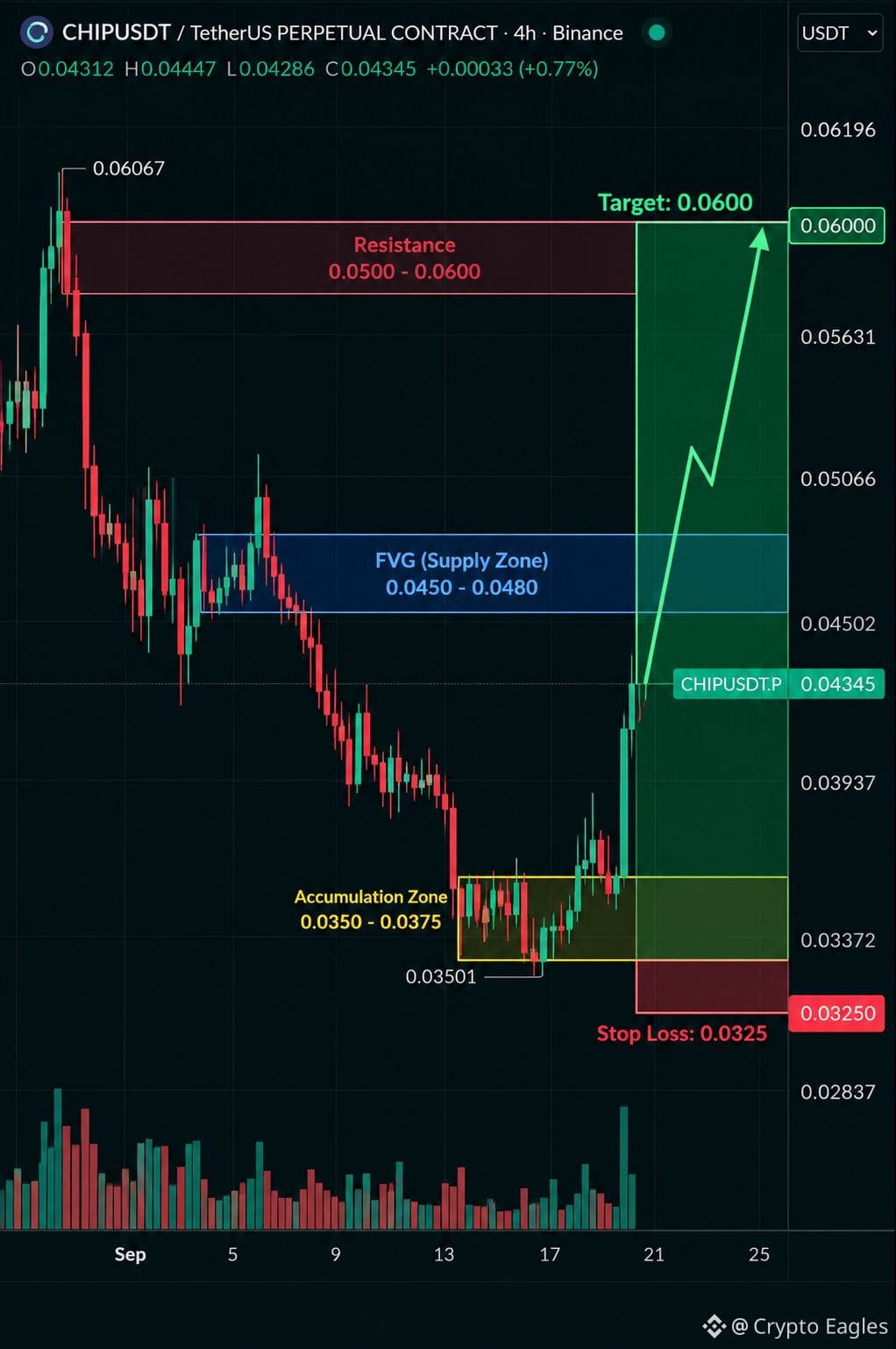
$CHIP التهيئة الطويلة
الدخول: 0.0430 – 0.0450
SL: 0.0325
TP1: 0.0500
TP2: 0.0550
TP3: 0.0600
ارتدّ السعر بقوة من منطقة تجميع 0.0350–0.0375 ودفعه ذلك إلى منطقة FVG/العرض بين 0.0450–0.0480. قد يؤدي اختراقٌ واضح مع الاستمرار فوق هذه المنطقة إلى فتح الطريق نحو 0.0500، تليه 0.0550–0.0600.
يبقى الهيكل الصعودي صالحًا طالما السعر يحافظ فوق منطقة التجميع. إن حدثت حركة أسفل 0.0325 فسيؤدي ذلك إلى إبطال السيناريو.
{future}(CHIPUSDT)
$ONE
{future}(ONEUSDT)
$G
{future}(GUSDT)
$CHIP التهيئة الطويلة
الدخول: 0.0430 – 0.0450
SL: 0.0325
TP1: 0.0500
TP2: 0.0550
TP3: 0.0600
ارتدّ السعر بقوة من منطقة تجميع 0.0350–0.0375 ودفعه ذلك إلى منطقة FVG/العرض بين 0.0450–0.0480. قد يؤدي اختراقٌ واضح مع الاستمرار فوق هذه المنطقة إلى فتح الطريق نحو 0.0500، تليه 0.0550–0.0600.
يبقى الهيكل الصعودي صالحًا طالما السعر يحافظ فوق منطقة التجميع. إن حدثت حركة أسفل 0.0325 فسيؤدي ذلك إلى إبطال السيناريو.
$ONE
$G
الدخول: 0.0430 – 0.0450
SL: 0.0325
TP1: 0.0500
TP2: 0.0550
TP3: 0.0600
ارتدّ السعر بقوة من منطقة تجميع 0.0350–0.0375 ودفعه ذلك إلى منطقة FVG/العرض بين 0.0450–0.0480. قد يؤدي اختراقٌ واضح مع الاستمرار فوق هذه المنطقة إلى فتح الطريق نحو 0.0500، تليه 0.0550–0.0600.
يبقى الهيكل الصعودي صالحًا طالما السعر يحافظ فوق منطقة التجميع. إن حدثت حركة أسفل 0.0325 فسيؤدي ذلك إلى إبطال السيناريو.
$ONE
$G
6
2k
·
--
صاعد
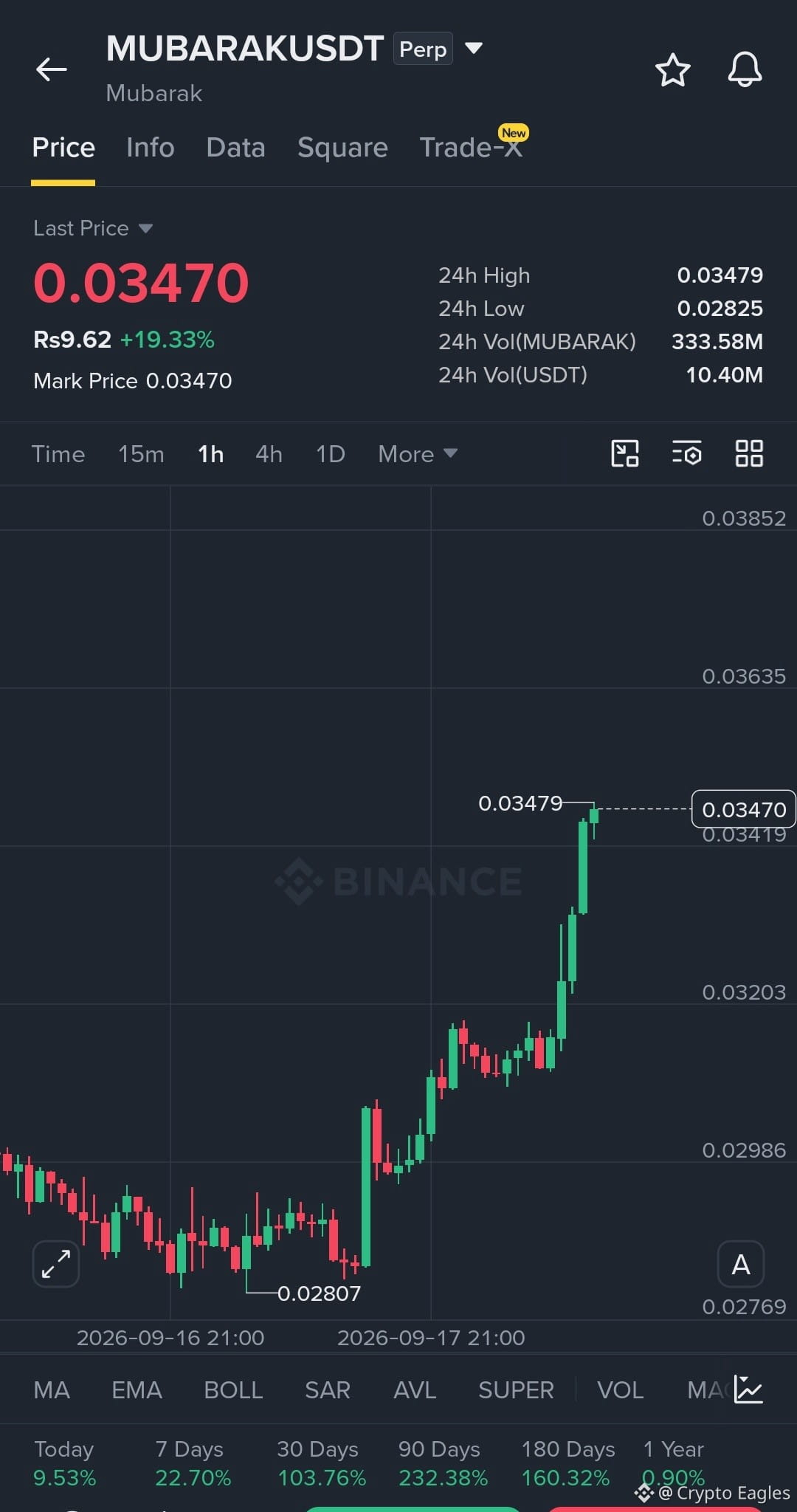
$MUBARAK LONG SETUP
الدخول: 0.03380 – 0.03450
إيقاف الخسارة: 0.03200
TP1: 0.03635
TP2: 0.03850
TP3: 0.04100
MUBARAK يُظهر توسعًا صعوديًا قويًا على إطار ساعة واحدة (1H)، متحركًا بشكل حاد من قاعدة 0.02807 باتجاه القمة 0.03479. النقطة الأهم الآن هي ما إذا كان السعر يمكنه الحفاظ على منطقة الاختراق حول 0.0338–0.0342 بعد الحركة السريعة.
التأكيد: الإغلاق/الثبات فوق 0.0342 وكسر 0.03479.
الإبطال: اختراق مستمر أسفل 0.03200.
{future}(MUBARAKUSDT)
$ONE
{future}(ONEUSDT)
$G
{future}(GUSDT)
$MUBARAK LONG SETUP
الدخول: 0.03380 – 0.03450
إيقاف الخسارة: 0.03200
TP1: 0.03635
TP2: 0.03850
TP3: 0.04100
MUBARAK يُظهر توسعًا صعوديًا قويًا على إطار ساعة واحدة (1H)، متحركًا بشكل حاد من قاعدة 0.02807 باتجاه القمة 0.03479. النقطة الأهم الآن هي ما إذا كان السعر يمكنه الحفاظ على منطقة الاختراق حول 0.0338–0.0342 بعد الحركة السريعة.
التأكيد: الإغلاق/الثبات فوق 0.0342 وكسر 0.03479.
الإبطال: اختراق مستمر أسفل 0.03200.
$ONE
$G
الدخول: 0.03380 – 0.03450
إيقاف الخسارة: 0.03200
TP1: 0.03635
TP2: 0.03850
TP3: 0.04100
MUBARAK يُظهر توسعًا صعوديًا قويًا على إطار ساعة واحدة (1H)، متحركًا بشكل حاد من قاعدة 0.02807 باتجاه القمة 0.03479. النقطة الأهم الآن هي ما إذا كان السعر يمكنه الحفاظ على منطقة الاختراق حول 0.0338–0.0342 بعد الحركة السريعة.
التأكيد: الإغلاق/الثبات فوق 0.0342 وكسر 0.03479.
الإبطال: اختراق مستمر أسفل 0.03200.
$ONE
$G
1
1
3
1.3k
·
--
صاعد
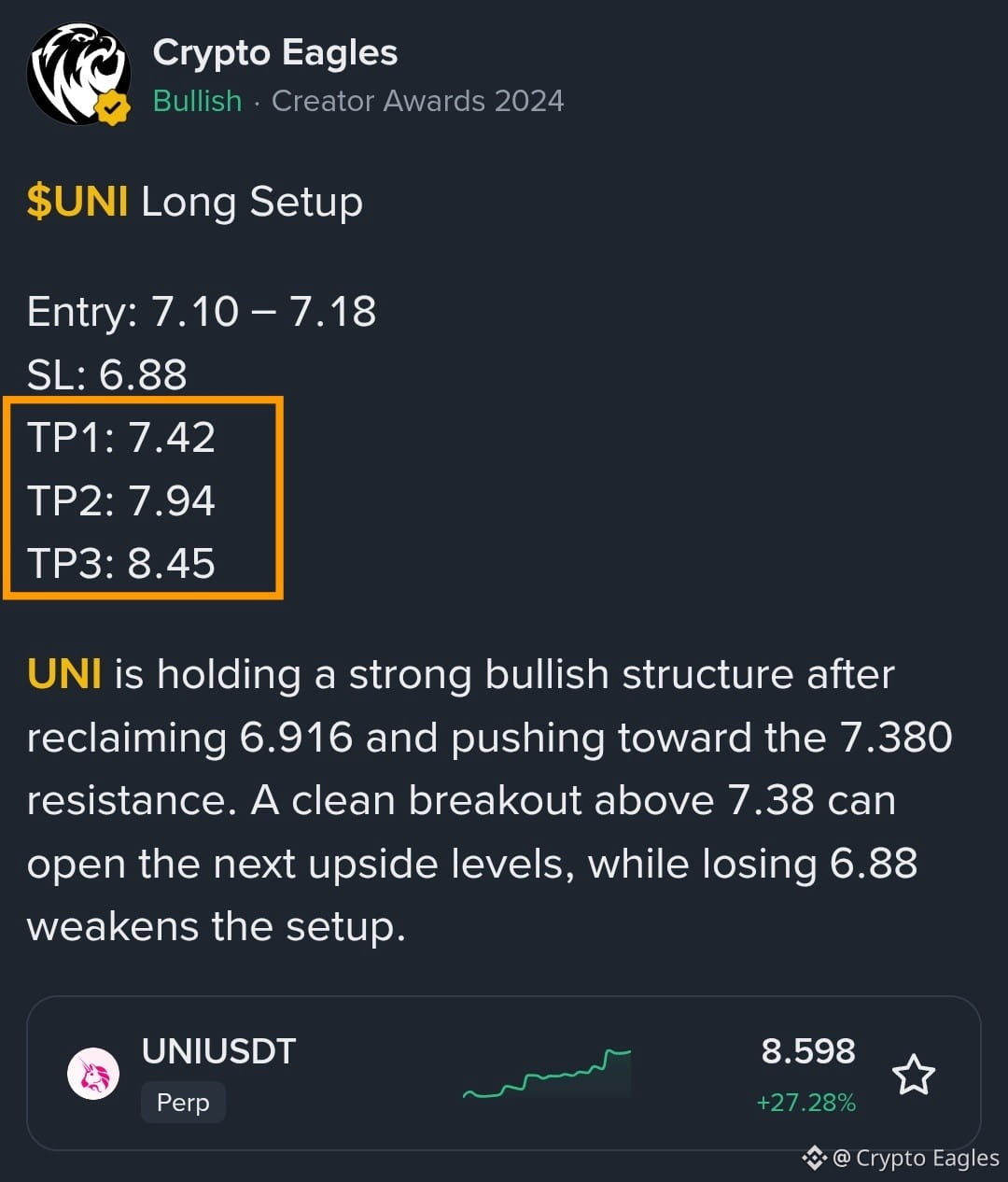
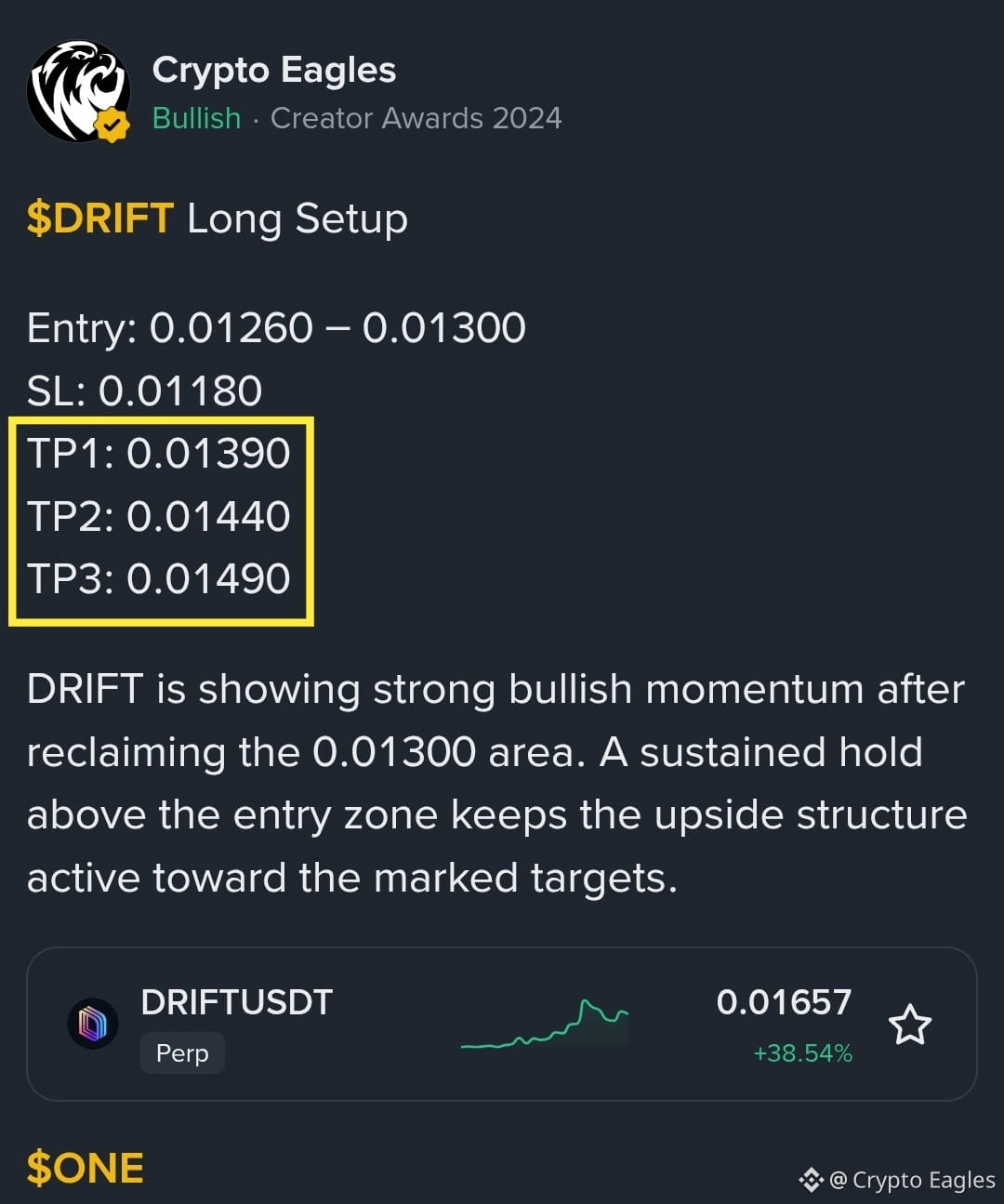
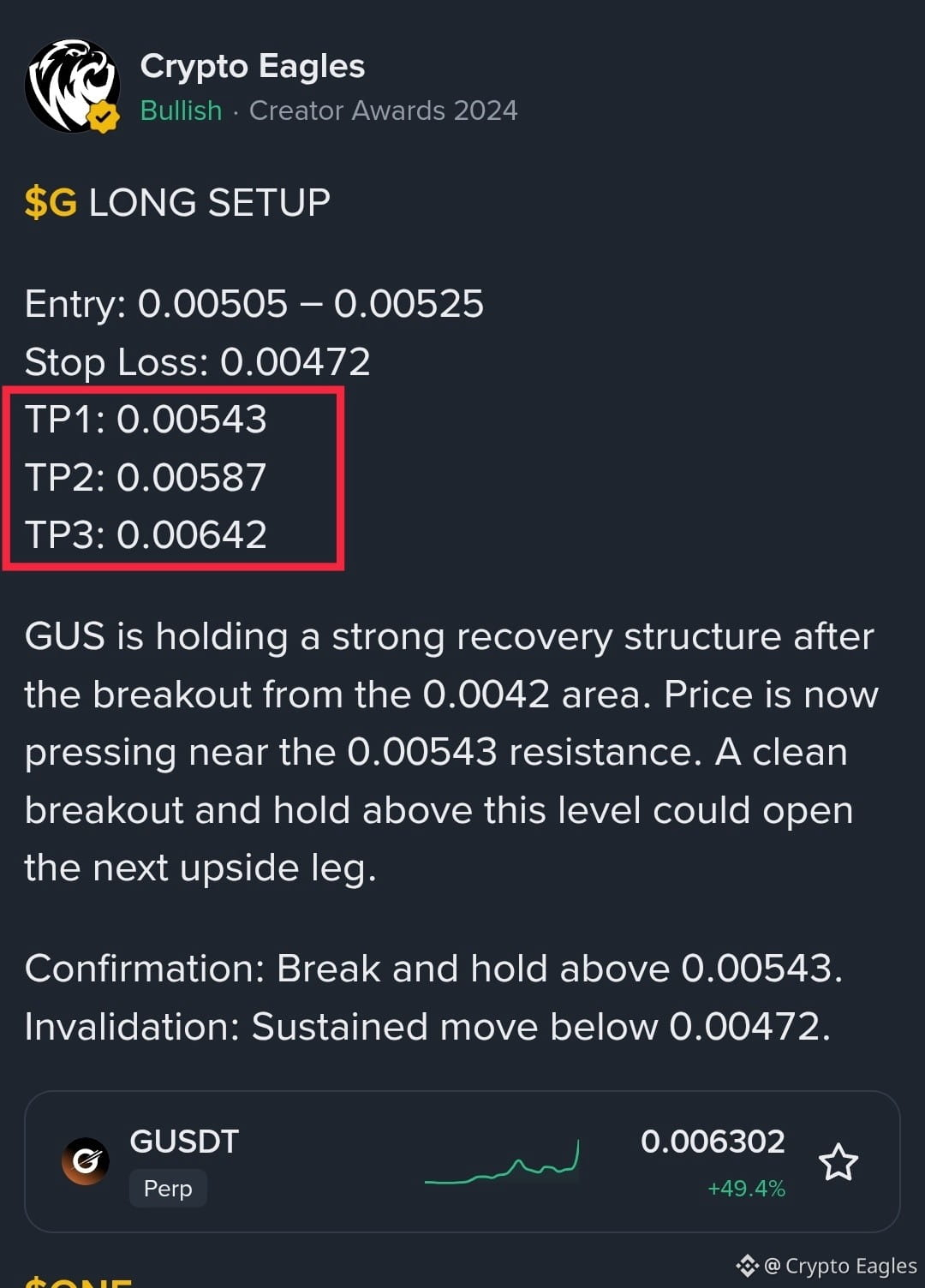
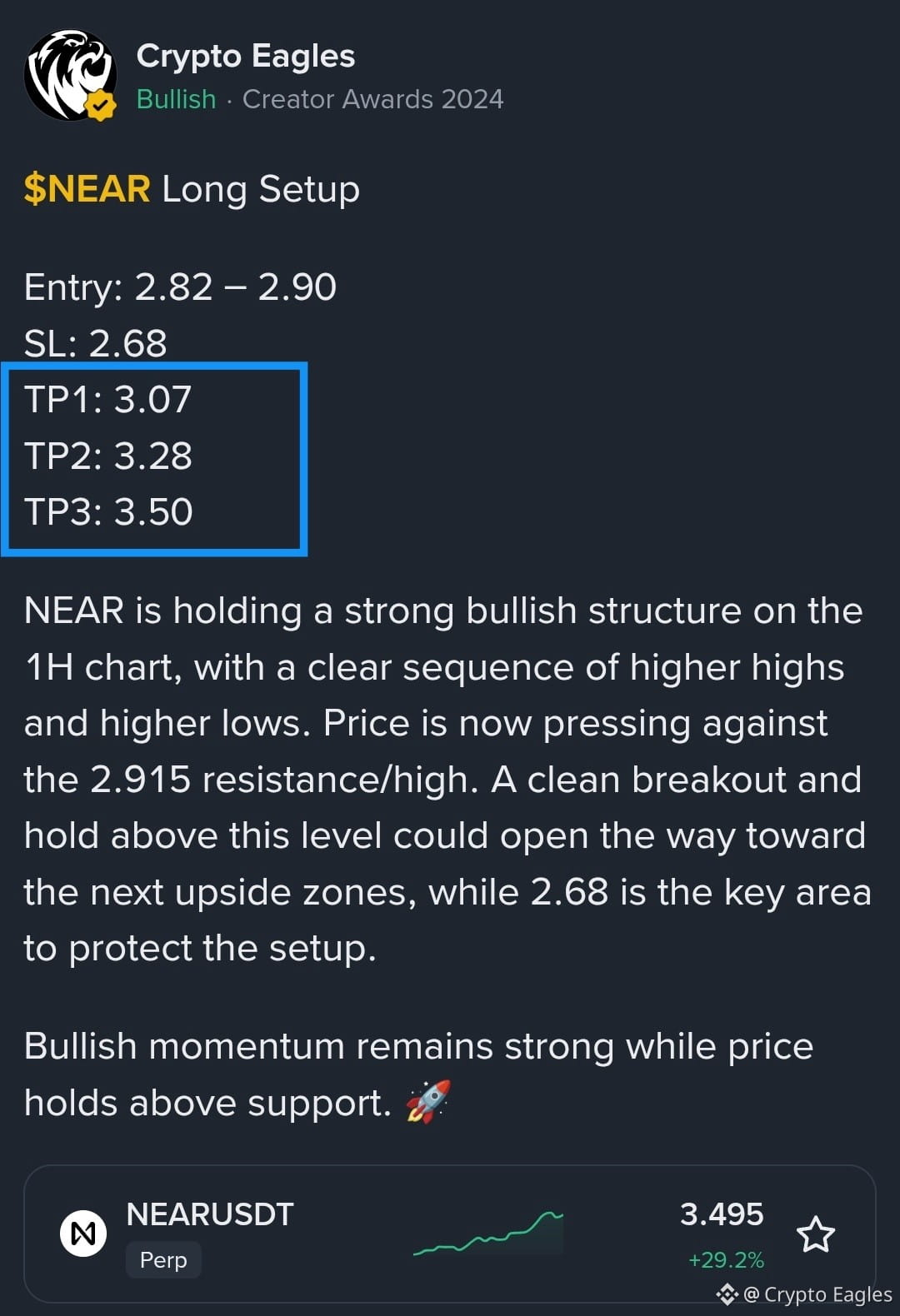
$G $NEAR $UNI تهانينا الحارة للجميع على تحقيق جميع الأهداف
{future}(UNIUSDT)
{future}(NEARUSDT)
{future}(GUSDT)
$G $NEAR $UNI تهانينا الحارة للجميع على تحقيق جميع الأهداف
3
913
·
--
صاعد
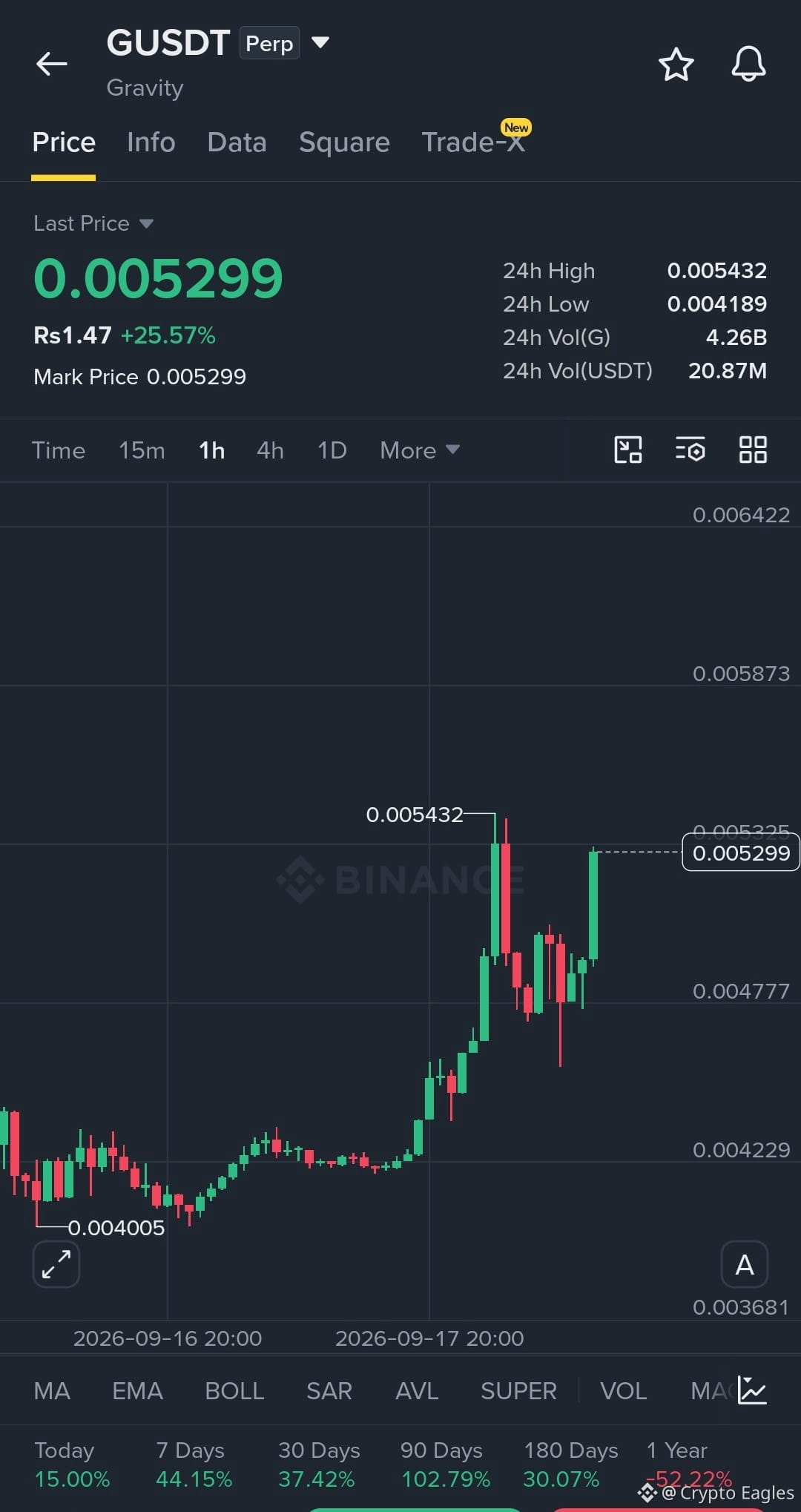
$G LONG SETUP
الدخول: 0.00505 – 0.00525
إيقاف الخسارة: 0.00472
TP1: 0.00543
TP2: 0.00587
TP3: 0.00642
يحافظ GUS على هيكل تعافٍ قوي بعد الاختراق من منطقة 0.0042. السعر الآن يضغط قرب مقاومة 0.00543. يمكن أن يؤدي اختراق واضح والثبات فوق هذا المستوى إلى فتح موجة صعودية تالية.
التأكيد: اختراق والثبات فوق 0.00543.
الإبطال: حركة مستمرة أسفل 0.00472.
{future}(GUSDT)
$ONE
{future}(ONEUSDT)
$TRUMP
{future}(TRUMPUSDT)
$G LONG SETUP
الدخول: 0.00505 – 0.00525
إيقاف الخسارة: 0.00472
TP1: 0.00543
TP2: 0.00587
TP3: 0.00642
يحافظ GUS على هيكل تعافٍ قوي بعد الاختراق من منطقة 0.0042. السعر الآن يضغط قرب مقاومة 0.00543. يمكن أن يؤدي اختراق واضح والثبات فوق هذا المستوى إلى فتح موجة صعودية تالية.
التأكيد: اختراق والثبات فوق 0.00543.
الإبطال: حركة مستمرة أسفل 0.00472.
$ONE
$TRUMP
الدخول: 0.00505 – 0.00525
إيقاف الخسارة: 0.00472
TP1: 0.00543
TP2: 0.00587
TP3: 0.00642
يحافظ GUS على هيكل تعافٍ قوي بعد الاختراق من منطقة 0.0042. السعر الآن يضغط قرب مقاومة 0.00543. يمكن أن يؤدي اختراق واضح والثبات فوق هذا المستوى إلى فتح موجة صعودية تالية.
التأكيد: اختراق والثبات فوق 0.00543.
الإبطال: حركة مستمرة أسفل 0.00472.
$ONE
$TRUMP
2
1.3k
سجّل الدخول لاستكشاف المزيد من المُحتوى
انضم إلى مُستخدمي العملات الرقمية حول العالم على Binance Square
⚡️ احصل على أحدث المعلومات المفيدة عن العملات الرقمية.
💬 موثوقة من قبل أكبر منصّة لتداول العملات الرقمية في العالم.
👍 اكتشف الرؤى الحقيقية من صنّاع المُحتوى الموثوقين.
البريد الإلكتروني / رقم الهاتف
المواضيع الرائجة
ZcashETFPostsFirstWeeklyOutflow$93.6M
35,557 مشاهدات
101 يقومون بالنقاش
#ZcashETFPostsFirstWeeklyOutflow$93.6M
🚨🚨🚨🚨🚨🚨🚨🚨🚨🚨🚨🚨🚨🚨✅ 🚨 تدفقات ZCASH ETF تتحول إلى السلبية لأول مرة! 📉
$ZEC يشهد تحولًا ملحوظًا في تدفقات الأموال المؤسسية، حيث سجّلت منتجات استثمار الزكاش أول صافي تدفق سلبي أسبوعي منذ إطلاقها في أغسطس.
ووفقًا لبيانات التدفقات، تم سحب حوالي 93.6 مليون دولار من منتجات الزكاش خلال الأسبوع الأخير، بينما تباطأت أيضًا حركة سعر ZEC بشكل ملحوظ.
📊 ماذا حدث؟
• خروج أسبوعي من Zcash ETF: 93.6 مليون دولار
• خروج يوم 30 سبتمبر: 30.25 مليون دولار
• ZCSH كان قد جذب سابقًا نحو 98.2 مليون دولار خلال أسبوع واحد
• ZEC يتداول قرب 1,300 دولار
• القمة الأخيرة: نحو 1,690 دولار
• الانخفاض الأسبوعي: حوالي 17%+
🔍 مستويات يجب مراقبتها
🟢 دعم: 1,280–1,300 دولار
🔴 مقاومة: 1,450–1,500 دولار
السؤال المحوري الآن هو ما إذا كانت منطقة 1,300 دولار يمكنها الصمود وجذب مشتريين جدد.
ستكون التدفقات المؤسسية مهمة أيضًا. قد يشير عودة التدفقات الإيجابية المنتظمة إلى تجدد الثقة، بينما قد تؤدي التدفقات الخارجة المستمرة إلى إبقاء الضغط على $ZEC .
👀 هل الأمر مجرد جني أرباح بعد الارتفاع الكبير الذي حققته ZEC، أم قد نشهد هبوطًا أعمق قبل عودة المشترين؟
شارك رأيك أدناه. 👇
#Zcash #ZEC #ZcashETF #Crypto
#analysis
owhggwiohsjowve
·0 إعجاب
·164 مشاهدات
GreekPoliceBustCryptoScamRingArrest17
79,876 مشاهدات
698 يقومون بالنقاش
BitcoinRejectedAt$87K
123,109 مشاهدات
161 يقومون بالنقاش