
Ade_Krypt
1.7k منشورات

Ade_Krypt
إبلاغ
حظر المُستخدم
16 تتابع
2.2K+ المتابعون
4.1K+ إعجاب
منشورات
الكل
اقتباسات
PINNED
·
--
$BTC نظرة عامة على السوق
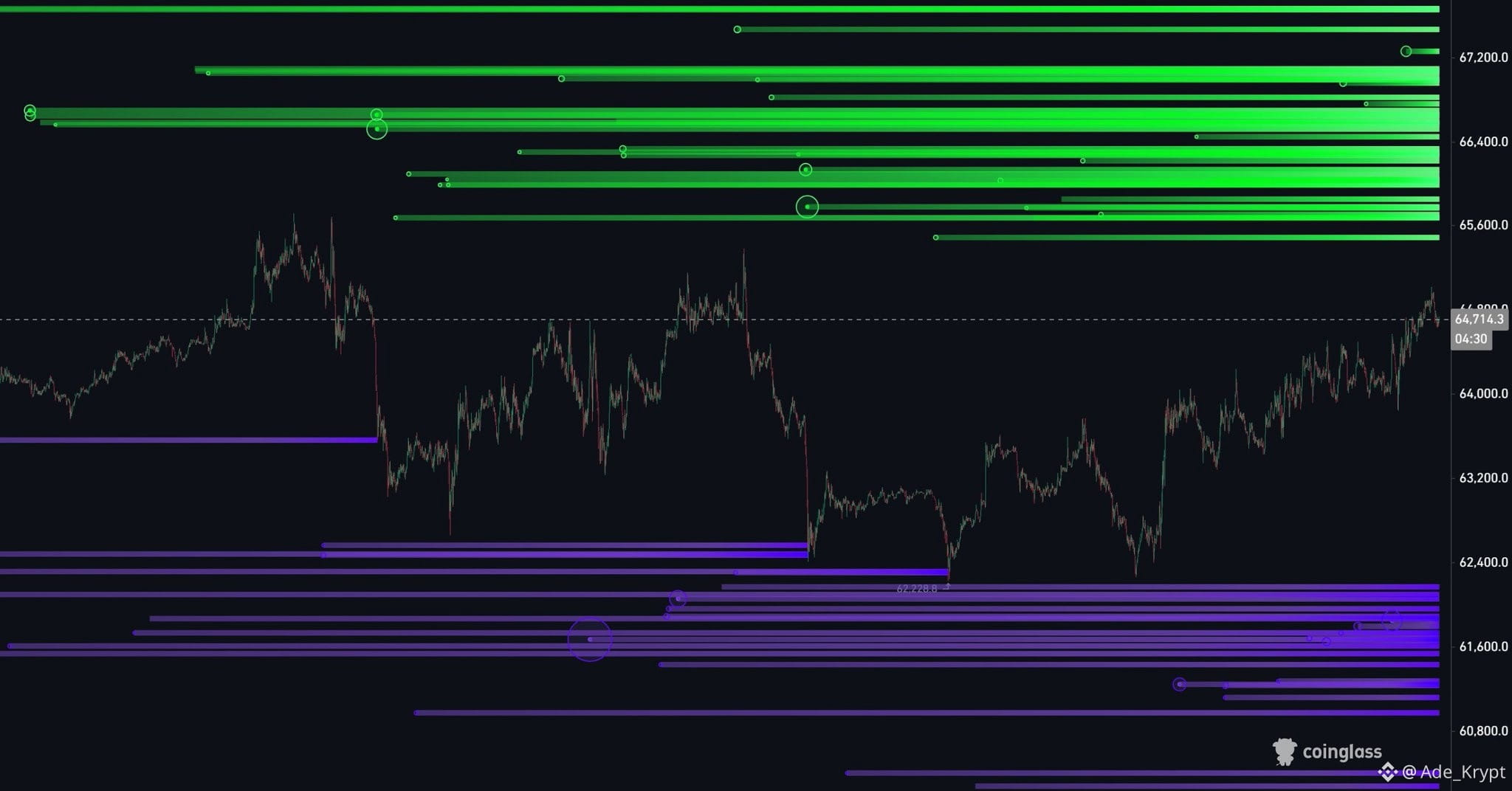
يواصل البيتكوين الارتفاع بثبات، وقد وصل الآن إلى منطقة قرار محورية قرب 65 ألف.
آخر مرة تم تداول السعر عند هذا المستوى، تم رفضه ثم تحرك إلى الأسفل. أميل إلى نتيجة مشابهة ما لم يتمكن $BTC من كسر والتمسك فوق نطاق 65.2 ألف–65.6 ألف.
إن تأكد حدوث اختراق فوق هذا المستوى من المقاومة، فسيبطل السيناريو الهبوطي الحالي، ويحوّل بنية السوق إلى صعودية، ومن المرجح أن يطلق موجة من عمليات تصفية المراكز القصيرة. عندها قد يرتفع سعر BTC باتجاه نطاق 67 ألف–68 ألف خلال الأيام المقبلة.
حتى الآن، أبقي مراكز البيع (short) الخاصة بي مع مستويات وقف خسارة محددة بوضوح أعلى المقاومة. إذا تم رفض السعر من هذه المنطقة مرة أخرى، أتوقع زيادة في التقلبات وتحركًا باتجاه 61.3 ألف.
باختصار، البيتكوين يقف عند نقطة قرار رئيسية. ستحدد الخطوة التالية على الأرجح ما إذا كنا سنشهد هبوطًا إلى 61.3 ألف، أو اختراقًا يدفع السعر إلى منطقة mFVG بين 67 ألف–68 ألف.
#ChinaLaunchesBroadestTradeRetaliationOnUSFirms #ADPJulyPrivatePayrollsMissedExpectations
$BTC نظرة عامة على السوق
يواصل البيتكوين الارتفاع بثبات، وقد وصل الآن إلى منطقة قرار محورية قرب 65 ألف.
آخر مرة تم تداول السعر عند هذا المستوى، تم رفضه ثم تحرك إلى الأسفل. أميل إلى نتيجة مشابهة ما لم يتمكن $BTC من كسر والتمسك فوق نطاق 65.2 ألف–65.6 ألف.
إن تأكد حدوث اختراق فوق هذا المستوى من المقاومة، فسيبطل السيناريو الهبوطي الحالي، ويحوّل بنية السوق إلى صعودية، ومن المرجح أن يطلق موجة من عمليات تصفية المراكز القصيرة. عندها قد يرتفع سعر BTC باتجاه نطاق 67 ألف–68 ألف خلال الأيام المقبلة.
حتى الآن، أبقي مراكز البيع (short) الخاصة بي مع مستويات وقف خسارة محددة بوضوح أعلى المقاومة. إذا تم رفض السعر من هذه المنطقة مرة أخرى، أتوقع زيادة في التقلبات وتحركًا باتجاه 61.3 ألف.
باختصار، البيتكوين يقف عند نقطة قرار رئيسية. ستحدد الخطوة التالية على الأرجح ما إذا كنا سنشهد هبوطًا إلى 61.3 ألف، أو اختراقًا يدفع السعر إلى منطقة mFVG بين 67 ألف–68 ألف.
#ChinaLaunchesBroadestTradeRetaliationOnUSFirms #ADPJulyPrivatePayrollsMissedExpectations
يواصل البيتكوين الارتفاع بثبات، وقد وصل الآن إلى منطقة قرار محورية قرب 65 ألف.
آخر مرة تم تداول السعر عند هذا المستوى، تم رفضه ثم تحرك إلى الأسفل. أميل إلى نتيجة مشابهة ما لم يتمكن $BTC من كسر والتمسك فوق نطاق 65.2 ألف–65.6 ألف.
إن تأكد حدوث اختراق فوق هذا المستوى من المقاومة، فسيبطل السيناريو الهبوطي الحالي، ويحوّل بنية السوق إلى صعودية، ومن المرجح أن يطلق موجة من عمليات تصفية المراكز القصيرة. عندها قد يرتفع سعر BTC باتجاه نطاق 67 ألف–68 ألف خلال الأيام المقبلة.
حتى الآن، أبقي مراكز البيع (short) الخاصة بي مع مستويات وقف خسارة محددة بوضوح أعلى المقاومة. إذا تم رفض السعر من هذه المنطقة مرة أخرى، أتوقع زيادة في التقلبات وتحركًا باتجاه 61.3 ألف.
باختصار، البيتكوين يقف عند نقطة قرار رئيسية. ستحدد الخطوة التالية على الأرجح ما إذا كنا سنشهد هبوطًا إلى 61.3 ألف، أو اختراقًا يدفع السعر إلى منطقة mFVG بين 67 ألف–68 ألف.
#ChinaLaunchesBroadestTradeRetaliationOnUSFirms #ADPJulyPrivatePayrollsMissedExpectations
24
1
149
434.2k
PINNED
·
--
تمّ التحقق
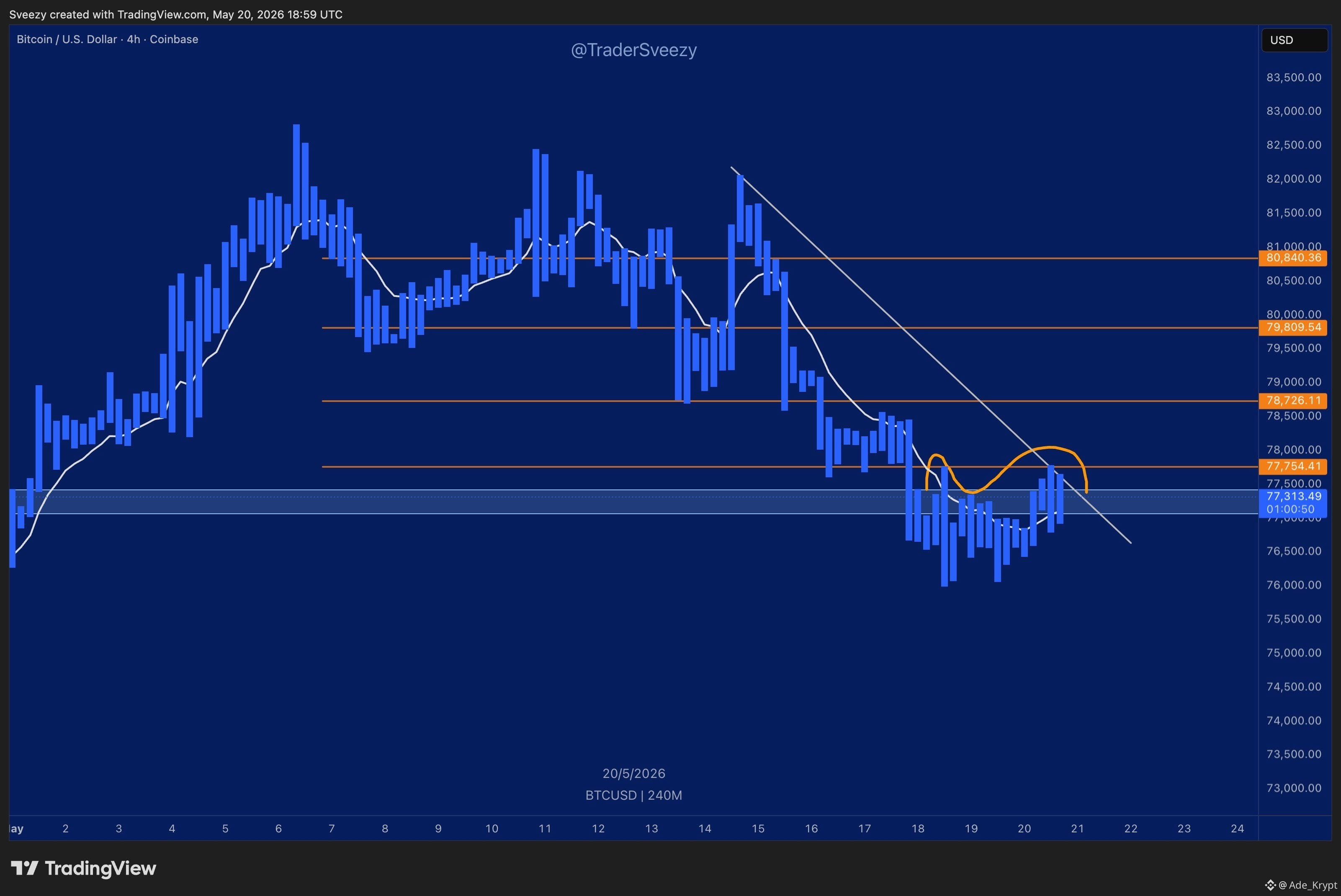
$BTC لا تزال تكافح حول منطقة المقاومة عند 77.75 ألف دولار.
في الوقت الحالي، تحد من الزخم الصاعد، لكن ما يبرز هو أن البائعين لم يتمكنوا بعد من إجبار السعر على تراجع حقيقي.
السعر يتماسك أسفل المقاومة لعدة ساعات الآن.
عادةً، عندما يواصل السعر الضغط تحت مستوى المقاومة دون رفض قوي، فهذا يشير إلى أن الزخم يتراكم لفرصة اختراق محتملة.
إذا حصلت $BTC على حركة نظيفة فوق 77.75 ألف دولار، فهناك فرصة جيدة أن يتسارع السعر نحو السيولة المتواجدة أعلى.
في الوقت الحالي، تظل المقاومة قائمة، لكن مع هذا النوع من الانضغاط، ليس مستوى سأقوم بالبيع ضده بثقة.
#GoogleLaunchesGemini3.5Flash #Trump'sIranAttackDelayed
$BTC لا تزال تكافح حول منطقة المقاومة عند 77.75 ألف دولار.
في الوقت الحالي، تحد من الزخم الصاعد، لكن ما يبرز هو أن البائعين لم يتمكنوا بعد من إجبار السعر على تراجع حقيقي.
السعر يتماسك أسفل المقاومة لعدة ساعات الآن.
عادةً، عندما يواصل السعر الضغط تحت مستوى المقاومة دون رفض قوي، فهذا يشير إلى أن الزخم يتراكم لفرصة اختراق محتملة.
إذا حصلت $BTC على حركة نظيفة فوق 77.75 ألف دولار، فهناك فرصة جيدة أن يتسارع السعر نحو السيولة المتواجدة أعلى.
في الوقت الحالي، تظل المقاومة قائمة، لكن مع هذا النوع من الانضغاط، ليس مستوى سأقوم بالبيع ضده بثقة.
#GoogleLaunchesGemini3.5Flash #Trump'sIranAttackDelayed
في الوقت الحالي، تحد من الزخم الصاعد، لكن ما يبرز هو أن البائعين لم يتمكنوا بعد من إجبار السعر على تراجع حقيقي.
السعر يتماسك أسفل المقاومة لعدة ساعات الآن.
عادةً، عندما يواصل السعر الضغط تحت مستوى المقاومة دون رفض قوي، فهذا يشير إلى أن الزخم يتراكم لفرصة اختراق محتملة.
إذا حصلت $BTC على حركة نظيفة فوق 77.75 ألف دولار، فهناك فرصة جيدة أن يتسارع السعر نحو السيولة المتواجدة أعلى.
في الوقت الحالي، تظل المقاومة قائمة، لكن مع هذا النوع من الانضغاط، ليس مستوى سأقوم بالبيع ضده بثقة.
#GoogleLaunchesGemini3.5Flash #Trump'sIranAttackDelayed
41
19
193
746k
·
--
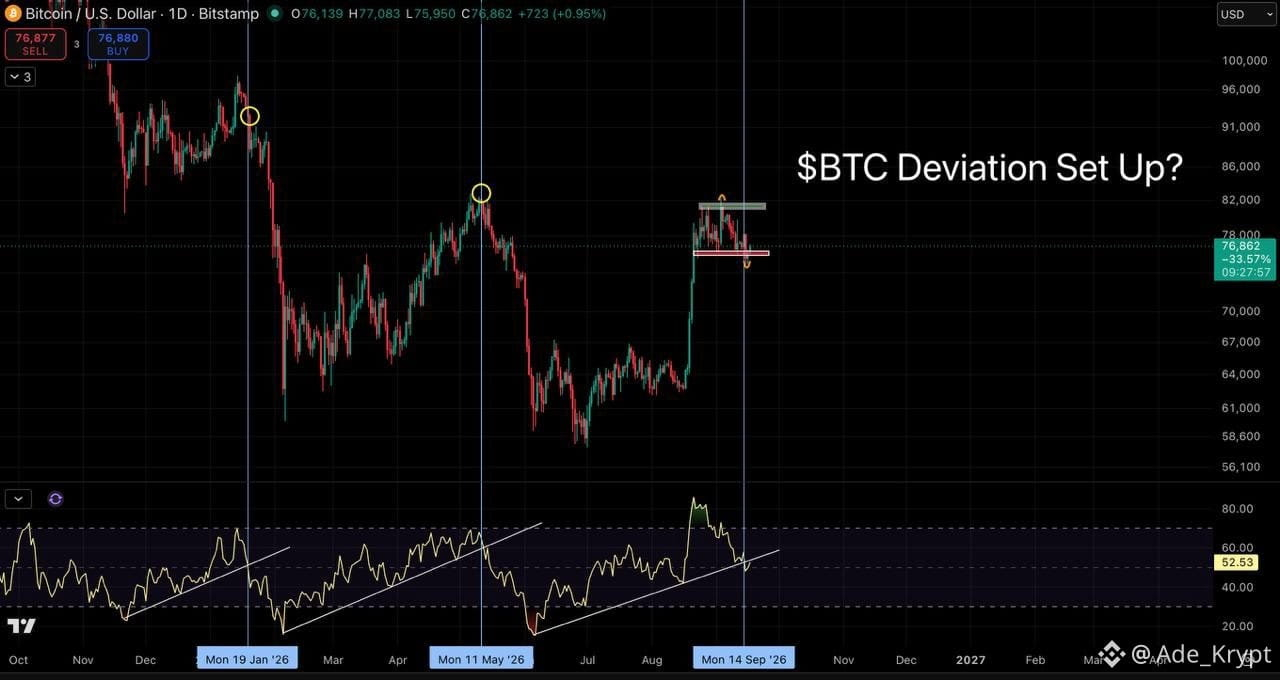
$BTC قد يكون يُشكّل إعداد الانحراف الذي ذكرته أمس.
بعد أن اخترق السعر للأسفل تحت اتجاه RSI التصاعدي وفقد دعم 76 ألف دولار، لم نحصل على التقلب الهبوطي الذي كنت أتوقعه. هذا أثار احتمال حدوث انحراف، مشابهًا لما رأيناه عندما اخترق $BTC فوق 82 ألف دولار.
الآن بعد أن استعاد السعر 76 ألف دولار، قد نرى إعدادًا مشابهًا يتكشف.
في الوقت الحالي، ما زال يبدو كأنه نطاق تجميع جانبي مماثل لما كنت أراقبه منذ أسابيع.
حتى نحصل على كسر قوي للأسفل تحت 76 ألف دولار أو اختراق حاسم فوق 82 ألف دولار، يبقى السوق محايدًا داخل هذا النطاق.
أنا أراقب عن كثب إغلاق اليوم اليومي للحصول على تأكيد.
#USWeeklyJoblessClaimsFallTo196K #HyperliquidUSDCSupplyOvertakesSolana
$BTC قد يكون يُشكّل إعداد الانحراف الذي ذكرته أمس.
بعد أن اخترق السعر للأسفل تحت اتجاه RSI التصاعدي وفقد دعم 76 ألف دولار، لم نحصل على التقلب الهبوطي الذي كنت أتوقعه. هذا أثار احتمال حدوث انحراف، مشابهًا لما رأيناه عندما اخترق $BTC فوق 82 ألف دولار.
الآن بعد أن استعاد السعر 76 ألف دولار، قد نرى إعدادًا مشابهًا يتكشف.
في الوقت الحالي، ما زال يبدو كأنه نطاق تجميع جانبي مماثل لما كنت أراقبه منذ أسابيع.
حتى نحصل على كسر قوي للأسفل تحت 76 ألف دولار أو اختراق حاسم فوق 82 ألف دولار، يبقى السوق محايدًا داخل هذا النطاق.
أنا أراقب عن كثب إغلاق اليوم اليومي للحصول على تأكيد.
#USWeeklyJoblessClaimsFallTo196K #HyperliquidUSDCSupplyOvertakesSolana
بعد أن اخترق السعر للأسفل تحت اتجاه RSI التصاعدي وفقد دعم 76 ألف دولار، لم نحصل على التقلب الهبوطي الذي كنت أتوقعه. هذا أثار احتمال حدوث انحراف، مشابهًا لما رأيناه عندما اخترق $BTC فوق 82 ألف دولار.
الآن بعد أن استعاد السعر 76 ألف دولار، قد نرى إعدادًا مشابهًا يتكشف.
في الوقت الحالي، ما زال يبدو كأنه نطاق تجميع جانبي مماثل لما كنت أراقبه منذ أسابيع.
حتى نحصل على كسر قوي للأسفل تحت 76 ألف دولار أو اختراق حاسم فوق 82 ألف دولار، يبقى السوق محايدًا داخل هذا النطاق.
أنا أراقب عن كثب إغلاق اليوم اليومي للحصول على تأكيد.
#USWeeklyJoblessClaimsFallTo196K #HyperliquidUSDCSupplyOvertakesSolana
563
·
--
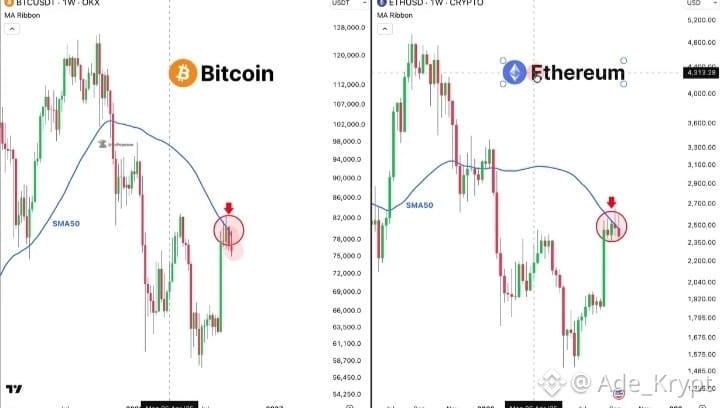
بيتكوين وETHEREUM تواجه الرفض عند المتوسط المتحرك لمدة 50 أسبوعًا
يواجه $BTC و$ETH صعوبة في استعادة المتوسط المتحرك لمدة 50 أسبوعًا، والذي لا يزال يعمل كمقاومة رئيسية مع اقتراب عدة محفزات اقتصادية كلية.
أمس، 15 سبتمبر، فشل مجلس الشيوخ الأمريكي في المضي قدمًا بقانون CLARITY Act، ما أزال أحد أبرز المحفزات التشريعية الرئيسية في السوق.
الآن، تتجه الأنظار إلى قرار الاحتياطي الفيدرالي بشأن الفائدة والمؤتمر الصحفي اليوم، 16 سبتمبر.
وفي 18 سبتمبر، سيعلن بنك اليابان عن قراره السياسي، وقد يؤدي أي مفاجأة حادة في لهجته إلى زيادة الضغط على الأسواق العالمية عبر تفكيك صفقات الاقتراض/المبادلة (carry-trade).
التواريخ الرئيسية:
• 15 سبتمبر — فشل قانون CLARITY Act
• 16 سبتمبر — قرار الفائدة من الفيدرالي
• 18 سبتمبر — اجتماع سياسة بنك اليابان
ومع استمرار المتوسط المتحرك لمدة 50 أسبوعًا كمقاومة علويّة، قد يظل المزيد من الهبوط ممكنًا إذا قدّمت البنوك المركزية إشارات أكثر تشددًا.
بالنسبة للمشترين/الثيران، قد يكون الإغلاق الأسبوعي القوي فوق المتوسط المتحرك لمدة 50 أسبوعًا تأكيدًا مهمًا على أن التعافي يكتسب زخمًا.
#FedRateWatch #ZcashRises6%
بيتكوين وETHEREUM تواجه الرفض عند المتوسط المتحرك لمدة 50 أسبوعًا
يواجه $BTC و$ETH صعوبة في استعادة المتوسط المتحرك لمدة 50 أسبوعًا، والذي لا يزال يعمل كمقاومة رئيسية مع اقتراب عدة محفزات اقتصادية كلية.
أمس، 15 سبتمبر، فشل مجلس الشيوخ الأمريكي في المضي قدمًا بقانون CLARITY Act، ما أزال أحد أبرز المحفزات التشريعية الرئيسية في السوق.
الآن، تتجه الأنظار إلى قرار الاحتياطي الفيدرالي بشأن الفائدة والمؤتمر الصحفي اليوم، 16 سبتمبر.
وفي 18 سبتمبر، سيعلن بنك اليابان عن قراره السياسي، وقد يؤدي أي مفاجأة حادة في لهجته إلى زيادة الضغط على الأسواق العالمية عبر تفكيك صفقات الاقتراض/المبادلة (carry-trade).
التواريخ الرئيسية:
• 15 سبتمبر — فشل قانون CLARITY Act
• 16 سبتمبر — قرار الفائدة من الفيدرالي
• 18 سبتمبر — اجتماع سياسة بنك اليابان
ومع استمرار المتوسط المتحرك لمدة 50 أسبوعًا كمقاومة علويّة، قد يظل المزيد من الهبوط ممكنًا إذا قدّمت البنوك المركزية إشارات أكثر تشددًا.
بالنسبة للمشترين/الثيران، قد يكون الإغلاق الأسبوعي القوي فوق المتوسط المتحرك لمدة 50 أسبوعًا تأكيدًا مهمًا على أن التعافي يكتسب زخمًا.
#FedRateWatch #ZcashRises6%
يواجه $BTC و$ETH صعوبة في استعادة المتوسط المتحرك لمدة 50 أسبوعًا، والذي لا يزال يعمل كمقاومة رئيسية مع اقتراب عدة محفزات اقتصادية كلية.
أمس، 15 سبتمبر، فشل مجلس الشيوخ الأمريكي في المضي قدمًا بقانون CLARITY Act، ما أزال أحد أبرز المحفزات التشريعية الرئيسية في السوق.
الآن، تتجه الأنظار إلى قرار الاحتياطي الفيدرالي بشأن الفائدة والمؤتمر الصحفي اليوم، 16 سبتمبر.
وفي 18 سبتمبر، سيعلن بنك اليابان عن قراره السياسي، وقد يؤدي أي مفاجأة حادة في لهجته إلى زيادة الضغط على الأسواق العالمية عبر تفكيك صفقات الاقتراض/المبادلة (carry-trade).
التواريخ الرئيسية:
• 15 سبتمبر — فشل قانون CLARITY Act
• 16 سبتمبر — قرار الفائدة من الفيدرالي
• 18 سبتمبر — اجتماع سياسة بنك اليابان
ومع استمرار المتوسط المتحرك لمدة 50 أسبوعًا كمقاومة علويّة، قد يظل المزيد من الهبوط ممكنًا إذا قدّمت البنوك المركزية إشارات أكثر تشددًا.
بالنسبة للمشترين/الثيران، قد يكون الإغلاق الأسبوعي القوي فوق المتوسط المتحرك لمدة 50 أسبوعًا تأكيدًا مهمًا على أن التعافي يكتسب زخمًا.
#FedRateWatch #ZcashRises6%
330
·
--
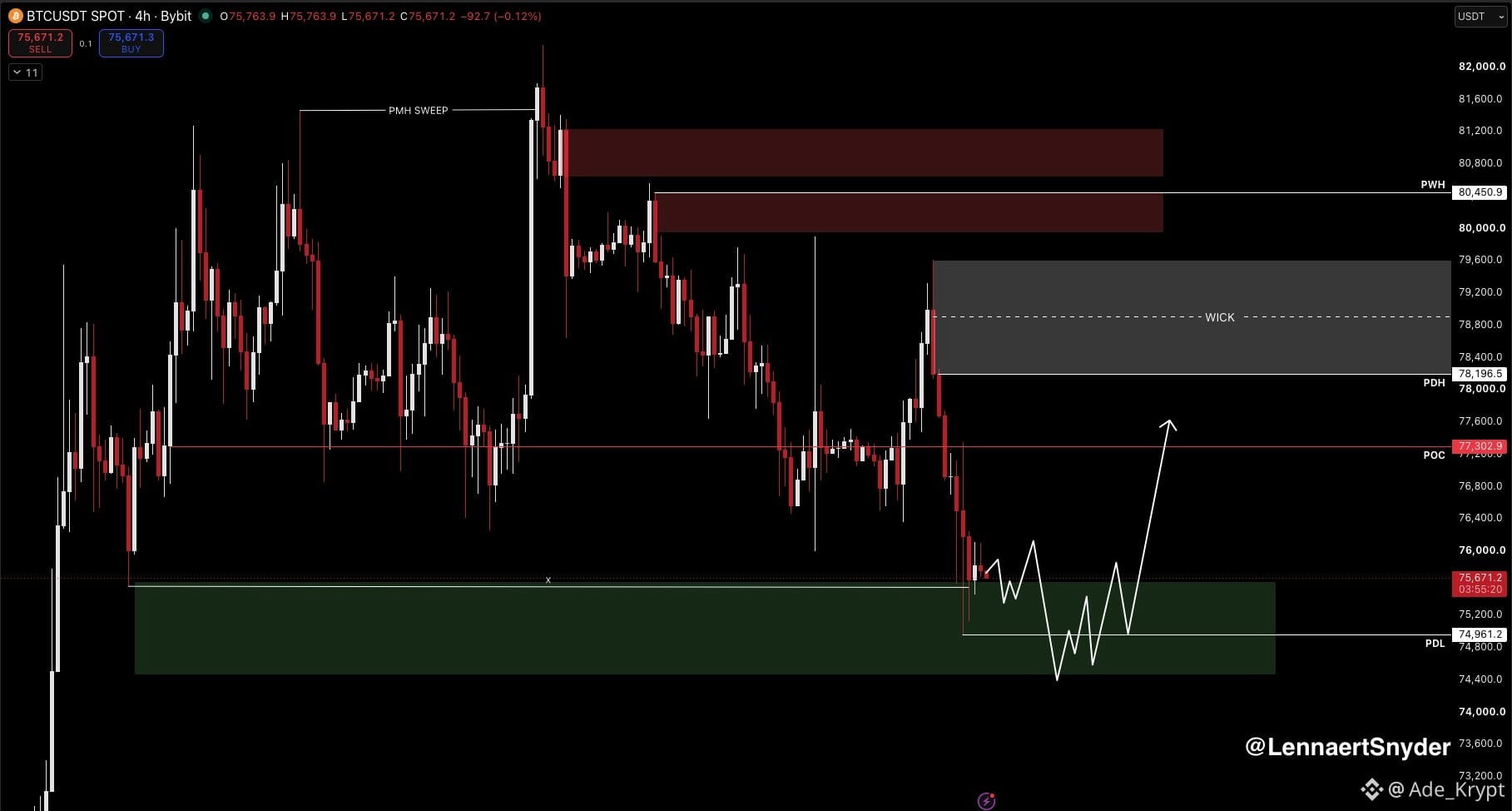
$BTC هبط تحت مستوى 75.5 ألف دولار بعد فشل التصويت على قانون CLARITY.
كما ذكرت أمس، كانت الحركة الهبوطية تحت 75.5 ألف دولار هي رد الفعل الذي كنت أراقبه، وقد تحقق الآن.
مع اجتماع FOMC اليوم، لا أتوقع تقلبات كبيرة قبل الإعلان. ويفضل أن يتداول البيتكوين في نطاق قبل الحدث، مع قيام الإصدار بإطلاق جولة أخرى من تجريف السيولة.
إذا حدث ذلك، سأراقب احتمال حركة تصحيحية صعودًا وإعدادية للشراء طويلة.
الأساس هو الصبر: دع حركة السعر والسبريد تتطبع بعد الإعلان قبل الدخول.
في الوقت الحالي، قد تكون عمليات سكالب محلية ممكنة، لكنني لست مهتمًا بشكل خاص. إذا كنت تحتفظ بمراكز خلال FOMC، فقم بإدارة مخاطرك وفقًا لذلك.
#FedRateWatch #BitcoinFalls4%
$BTC هبط تحت مستوى 75.5 ألف دولار بعد فشل التصويت على قانون CLARITY.
كما ذكرت أمس، كانت الحركة الهبوطية تحت 75.5 ألف دولار هي رد الفعل الذي كنت أراقبه، وقد تحقق الآن.
مع اجتماع FOMC اليوم، لا أتوقع تقلبات كبيرة قبل الإعلان. ويفضل أن يتداول البيتكوين في نطاق قبل الحدث، مع قيام الإصدار بإطلاق جولة أخرى من تجريف السيولة.
إذا حدث ذلك، سأراقب احتمال حركة تصحيحية صعودًا وإعدادية للشراء طويلة.
الأساس هو الصبر: دع حركة السعر والسبريد تتطبع بعد الإعلان قبل الدخول.
في الوقت الحالي، قد تكون عمليات سكالب محلية ممكنة، لكنني لست مهتمًا بشكل خاص. إذا كنت تحتفظ بمراكز خلال FOMC، فقم بإدارة مخاطرك وفقًا لذلك.
#FedRateWatch #BitcoinFalls4%
كما ذكرت أمس، كانت الحركة الهبوطية تحت 75.5 ألف دولار هي رد الفعل الذي كنت أراقبه، وقد تحقق الآن.
مع اجتماع FOMC اليوم، لا أتوقع تقلبات كبيرة قبل الإعلان. ويفضل أن يتداول البيتكوين في نطاق قبل الحدث، مع قيام الإصدار بإطلاق جولة أخرى من تجريف السيولة.
إذا حدث ذلك، سأراقب احتمال حركة تصحيحية صعودًا وإعدادية للشراء طويلة.
الأساس هو الصبر: دع حركة السعر والسبريد تتطبع بعد الإعلان قبل الدخول.
في الوقت الحالي، قد تكون عمليات سكالب محلية ممكنة، لكنني لست مهتمًا بشكل خاص. إذا كنت تحتفظ بمراكز خلال FOMC، فقم بإدارة مخاطرك وفقًا لذلك.
#FedRateWatch #BitcoinFalls4%
205
·
--
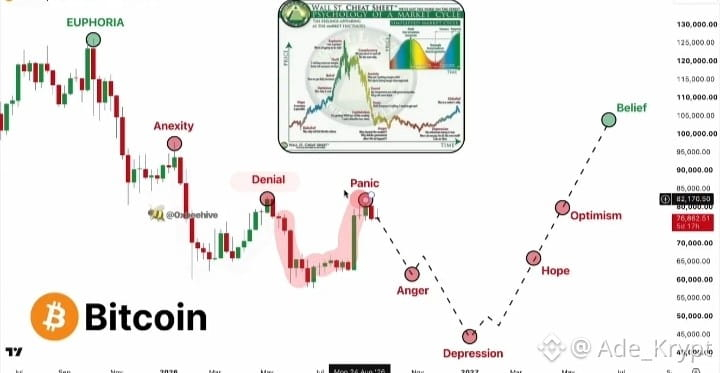
قد تَكون الخطوة التالية البالغة $BTC مثيرة للاهتمام
لقد رأينا بالفعل الارتداد. والآن السؤال الحقيقي هو ما إذا كان بإمكان البيتكوين الحفاظ عليه.
عند 77 ألفًا–78 ألف دولار، ما زلت غير مقتنع بأن الجانب السلبي انتهى تمامًا.
المحرك الأكبر الذي أراقبه هو قانون CLARITY.
يتصوّت مجلس الشيوخ على مشروع القانون اليوم، وقد تؤثر النتيجة بشكل كبير في توقعات السوق بشأن تنظيم العملات الرقمية في الولايات المتحدة.
لذلك أراقب كلا الجانبين:
• هل يمكن لـ BTC الحفاظ على بنيته الحالية؟
• هل يمكن لـ CLARITY إعادة ضخ طلب جديد إلى السوق؟
إذا جاء الجانب السلبي أولًا، فستصبح منطقة 60 ألف–50 ألف دولار مجالًا سأراقبه عن كثب.
وإذا أعيد ضبط المعنويات هناك، فقد يوفر التصويت الناجح على CLARITY المحفز للخطوة الكبرى التالية.
قد لا يكون هذا الاحتمال مسعّرًا بالكامل بعد.
#FedRateWatch #StrategyMarketCapPassesFord
قد تَكون الخطوة التالية البالغة $BTC مثيرة للاهتمام
لقد رأينا بالفعل الارتداد. والآن السؤال الحقيقي هو ما إذا كان بإمكان البيتكوين الحفاظ عليه.
عند 77 ألفًا–78 ألف دولار، ما زلت غير مقتنع بأن الجانب السلبي انتهى تمامًا.
المحرك الأكبر الذي أراقبه هو قانون CLARITY.
يتصوّت مجلس الشيوخ على مشروع القانون اليوم، وقد تؤثر النتيجة بشكل كبير في توقعات السوق بشأن تنظيم العملات الرقمية في الولايات المتحدة.
لذلك أراقب كلا الجانبين:
• هل يمكن لـ BTC الحفاظ على بنيته الحالية؟
• هل يمكن لـ CLARITY إعادة ضخ طلب جديد إلى السوق؟
إذا جاء الجانب السلبي أولًا، فستصبح منطقة 60 ألف–50 ألف دولار مجالًا سأراقبه عن كثب.
وإذا أعيد ضبط المعنويات هناك، فقد يوفر التصويت الناجح على CLARITY المحفز للخطوة الكبرى التالية.
قد لا يكون هذا الاحتمال مسعّرًا بالكامل بعد.
#FedRateWatch #StrategyMarketCapPassesFord
لقد رأينا بالفعل الارتداد. والآن السؤال الحقيقي هو ما إذا كان بإمكان البيتكوين الحفاظ عليه.
عند 77 ألفًا–78 ألف دولار، ما زلت غير مقتنع بأن الجانب السلبي انتهى تمامًا.
المحرك الأكبر الذي أراقبه هو قانون CLARITY.
يتصوّت مجلس الشيوخ على مشروع القانون اليوم، وقد تؤثر النتيجة بشكل كبير في توقعات السوق بشأن تنظيم العملات الرقمية في الولايات المتحدة.
لذلك أراقب كلا الجانبين:
• هل يمكن لـ BTC الحفاظ على بنيته الحالية؟
• هل يمكن لـ CLARITY إعادة ضخ طلب جديد إلى السوق؟
إذا جاء الجانب السلبي أولًا، فستصبح منطقة 60 ألف–50 ألف دولار مجالًا سأراقبه عن كثب.
وإذا أعيد ضبط المعنويات هناك، فقد يوفر التصويت الناجح على CLARITY المحفز للخطوة الكبرى التالية.
قد لا يكون هذا الاحتمال مسعّرًا بالكامل بعد.
#FedRateWatch #StrategyMarketCapPassesFord
250
·
--
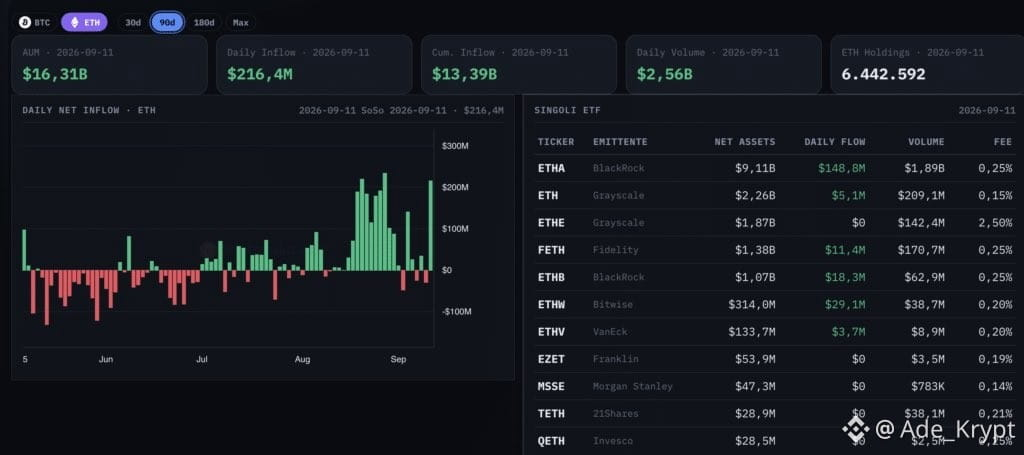
$ETH شهدت صناديق الاستثمار المتداولة (ETFs) تدفقات داخلية بقيمة 216.4 مليون دولار يوم الجمعة الماضي، مسجلة أقوى يوم لها منذ 27 أغسطس.
وفي الوقت نفسه، سجلت $BTC صناديق الاستثمار المتداولة يومًا رابعًا متتاليًا من التدفقات الخارجة خلال الجلسة نفسها.
كما قامت شركة بلاك روك بشراء 250 مليون دولار من الإيثريوم (ETH) مباشرة في ذلك اليوم، منفصلًا عن نشاط صناديق الاستثمار المتداولة.
ويزداد نشاط السلسلة أيضًا؛ إذ ارتفعت المعاملات التي تتجاوز 1 مليون دولار بنسبة 14% خلال 24 ساعة فقط.
ظهرت ثلاث إشارات صعودية تقريبًا في الوقت نفسه.
لكن الرسم البياني لا يزال غير واضح. $ETH كوّنت شمعة doji أسبوعية بامتداد جسم صغير جدًا، وتمركزت مباشرة حول متوسطها المتحرك البسيط لمدة 50 أسبوعًا بعد رفض مستوى المقاومة 2,450 دولارًا.
بعد صعود بنسبة 32.6% في أغسطس، هل يمكن أن يكون ETH على وشك تهيئة انعكاس؟
#AnthropicCEOCallsForAISlowdown
#BitcoinThirdSingleBlockReorgInFourWeeks
$ETH شهدت صناديق الاستثمار المتداولة (ETFs) تدفقات داخلية بقيمة 216.4 مليون دولار يوم الجمعة الماضي، مسجلة أقوى يوم لها منذ 27 أغسطس.
وفي الوقت نفسه، سجلت $BTC صناديق الاستثمار المتداولة يومًا رابعًا متتاليًا من التدفقات الخارجة خلال الجلسة نفسها.
كما قامت شركة بلاك روك بشراء 250 مليون دولار من الإيثريوم (ETH) مباشرة في ذلك اليوم، منفصلًا عن نشاط صناديق الاستثمار المتداولة.
ويزداد نشاط السلسلة أيضًا؛ إذ ارتفعت المعاملات التي تتجاوز 1 مليون دولار بنسبة 14% خلال 24 ساعة فقط.
ظهرت ثلاث إشارات صعودية تقريبًا في الوقت نفسه.
لكن الرسم البياني لا يزال غير واضح. $ETH كوّنت شمعة doji أسبوعية بامتداد جسم صغير جدًا، وتمركزت مباشرة حول متوسطها المتحرك البسيط لمدة 50 أسبوعًا بعد رفض مستوى المقاومة 2,450 دولارًا.
بعد صعود بنسبة 32.6% في أغسطس، هل يمكن أن يكون ETH على وشك تهيئة انعكاس؟
#AnthropicCEOCallsForAISlowdown
#BitcoinThirdSingleBlockReorgInFourWeeks
وفي الوقت نفسه، سجلت $BTC صناديق الاستثمار المتداولة يومًا رابعًا متتاليًا من التدفقات الخارجة خلال الجلسة نفسها.
كما قامت شركة بلاك روك بشراء 250 مليون دولار من الإيثريوم (ETH) مباشرة في ذلك اليوم، منفصلًا عن نشاط صناديق الاستثمار المتداولة.
ويزداد نشاط السلسلة أيضًا؛ إذ ارتفعت المعاملات التي تتجاوز 1 مليون دولار بنسبة 14% خلال 24 ساعة فقط.
ظهرت ثلاث إشارات صعودية تقريبًا في الوقت نفسه.
لكن الرسم البياني لا يزال غير واضح. $ETH كوّنت شمعة doji أسبوعية بامتداد جسم صغير جدًا، وتمركزت مباشرة حول متوسطها المتحرك البسيط لمدة 50 أسبوعًا بعد رفض مستوى المقاومة 2,450 دولارًا.
بعد صعود بنسبة 32.6% في أغسطس، هل يمكن أن يكون ETH على وشك تهيئة انعكاس؟
#AnthropicCEOCallsForAISlowdown
#BitcoinThirdSingleBlockReorgInFourWeeks
190
·
--
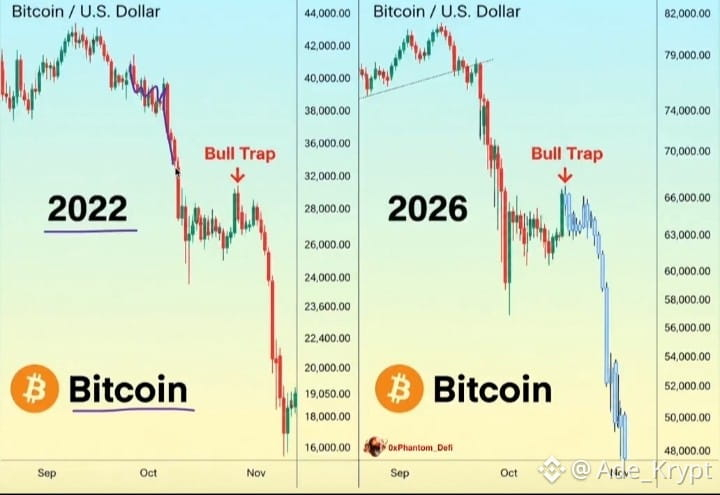
قد يكون البيتكوين على بعد 25 يومًا فقط من الاستسلام الكامل
فخ الـ $79K الذي حذرتُ عنه يبدو أنه قد انتهى.
الآن، $BTC
يُظهر بنية تبدو مشابهة بشكل مزعج للغاية للإعداد الذي أدى إلى البيع العنيف في 2022.
إذا استمر هذا النمط في التكرار، فقد ينخفض البيتكوين إلى ما دون $50K خلال الـ 25 يومًا القادمة.
ليس العام القادم.
ليس في وقتٍ لاحق.
25 يومًا.
التسلسل بسيط:
فخ الثيران → التوزيع → الانهيار → الاستسلام
$79K كان الفخ.
$48K قد يكون المكان الذي يبدأ فيه الذعر الحقيقي.
وأخطر جزء؟ كل ارتداد على الطريق قد يقنع المتداولين بأن القاع أصبح بالفعل في مكانه.
احفظ هذا.
إذا تداول $BTC أقل من $50K، عُد إلى هذه المشاركة.
سأراقب البنية عن كثب وسأشارك مستوياتي عندما أعتقد أن نسبة المخاطرة/العائد تبدأ في تحقيق منطقٍ.
لا تخلط بين كل ارتداد وبين قاعٍ مؤكد.
#SECReceivesGrayscaleLitecoinTrustETFFiling #US10YearTreasuryYieldNears5%
قد يكون البيتكوين على بعد 25 يومًا فقط من الاستسلام الكامل
فخ الـ $79K الذي حذرتُ عنه يبدو أنه قد انتهى.
الآن، $BTC
يُظهر بنية تبدو مشابهة بشكل مزعج للغاية للإعداد الذي أدى إلى البيع العنيف في 2022.
إذا استمر هذا النمط في التكرار، فقد ينخفض البيتكوين إلى ما دون $50K خلال الـ 25 يومًا القادمة.
ليس العام القادم.
ليس في وقتٍ لاحق.
25 يومًا.
التسلسل بسيط:
فخ الثيران → التوزيع → الانهيار → الاستسلام
$79K كان الفخ.
$48K قد يكون المكان الذي يبدأ فيه الذعر الحقيقي.
وأخطر جزء؟ كل ارتداد على الطريق قد يقنع المتداولين بأن القاع أصبح بالفعل في مكانه.
احفظ هذا.
إذا تداول $BTC أقل من $50K، عُد إلى هذه المشاركة.
سأراقب البنية عن كثب وسأشارك مستوياتي عندما أعتقد أن نسبة المخاطرة/العائد تبدأ في تحقيق منطقٍ.
لا تخلط بين كل ارتداد وبين قاعٍ مؤكد.
#SECReceivesGrayscaleLitecoinTrustETFFiling #US10YearTreasuryYieldNears5%
فخ الـ $79K الذي حذرتُ عنه يبدو أنه قد انتهى.
الآن، $BTC
يُظهر بنية تبدو مشابهة بشكل مزعج للغاية للإعداد الذي أدى إلى البيع العنيف في 2022.
إذا استمر هذا النمط في التكرار، فقد ينخفض البيتكوين إلى ما دون $50K خلال الـ 25 يومًا القادمة.
ليس العام القادم.
ليس في وقتٍ لاحق.
25 يومًا.
التسلسل بسيط:
فخ الثيران → التوزيع → الانهيار → الاستسلام
$79K كان الفخ.
$48K قد يكون المكان الذي يبدأ فيه الذعر الحقيقي.
وأخطر جزء؟ كل ارتداد على الطريق قد يقنع المتداولين بأن القاع أصبح بالفعل في مكانه.
احفظ هذا.
إذا تداول $BTC أقل من $50K، عُد إلى هذه المشاركة.
سأراقب البنية عن كثب وسأشارك مستوياتي عندما أعتقد أن نسبة المخاطرة/العائد تبدأ في تحقيق منطقٍ.
لا تخلط بين كل ارتداد وبين قاعٍ مؤكد.
#SECReceivesGrayscaleLitecoinTrustETFFiling #US10YearTreasuryYieldNears5%
1
1
247
·
--
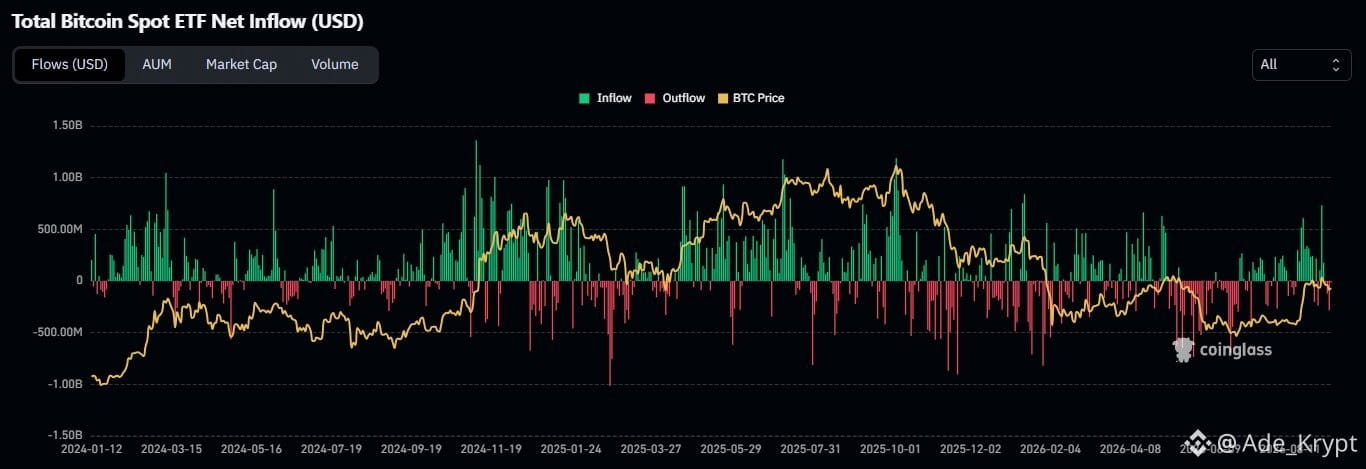
يبدو أن الطلب على صندوق بتكوين المتداول (ETF) في طريقه إلى الانتعاش مجددًا.
تشير بيانات حديثة إلى واحدة من أقوى جلسات التدفق اليومي خلال أشهر، ومع ذلك لم تُظهر $BTC سعرًا سوى تفاعل محدود حتى الآن.
يستحق هذا التباين المتابعة. قد يشير إلى زيادة تراكم من المؤسسات من جديد بينما يظل السوق الأوسع حذرًا. ومع ذلك، فإن يوم تدفق قوي واحد لا يكفي لتأكيد اتجاه.
إذا استمر تدفق صناديق الاستثمار المتداولة بشكل إيجابي خلال جلسات التداول القادمة، فقد يكتسب البيتكوين الطلب اللازم لتحركه التالي ذي الأهمية.
#SECReceivesGrayscaleLitecoinTrustETFFiling #US10YearTreasuryYieldNears5%
يبدو أن الطلب على صندوق بتكوين المتداول (ETF) في طريقه إلى الانتعاش مجددًا.
تشير بيانات حديثة إلى واحدة من أقوى جلسات التدفق اليومي خلال أشهر، ومع ذلك لم تُظهر $BTC سعرًا سوى تفاعل محدود حتى الآن.
يستحق هذا التباين المتابعة. قد يشير إلى زيادة تراكم من المؤسسات من جديد بينما يظل السوق الأوسع حذرًا. ومع ذلك، فإن يوم تدفق قوي واحد لا يكفي لتأكيد اتجاه.
إذا استمر تدفق صناديق الاستثمار المتداولة بشكل إيجابي خلال جلسات التداول القادمة، فقد يكتسب البيتكوين الطلب اللازم لتحركه التالي ذي الأهمية.
#SECReceivesGrayscaleLitecoinTrustETFFiling #US10YearTreasuryYieldNears5%
تشير بيانات حديثة إلى واحدة من أقوى جلسات التدفق اليومي خلال أشهر، ومع ذلك لم تُظهر $BTC سعرًا سوى تفاعل محدود حتى الآن.
يستحق هذا التباين المتابعة. قد يشير إلى زيادة تراكم من المؤسسات من جديد بينما يظل السوق الأوسع حذرًا. ومع ذلك، فإن يوم تدفق قوي واحد لا يكفي لتأكيد اتجاه.
إذا استمر تدفق صناديق الاستثمار المتداولة بشكل إيجابي خلال جلسات التداول القادمة، فقد يكتسب البيتكوين الطلب اللازم لتحركه التالي ذي الأهمية.
#SECReceivesGrayscaleLitecoinTrustETFFiling #US10YearTreasuryYieldNears5%
1
316
·
--
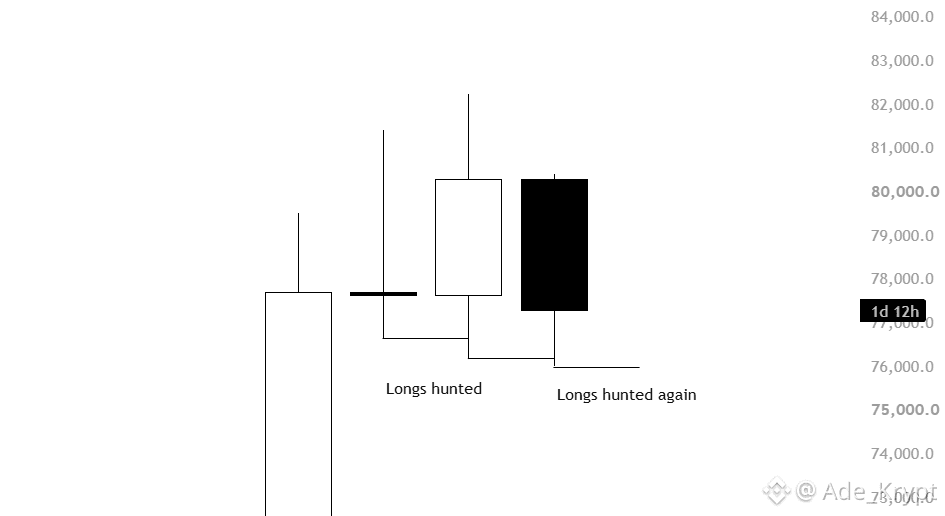
رغم قطع LTF على $BTC ، ظل السوق باستمرار يطارد الصفقات الشرائية (اللونغ) تحت القيعان السابقة.
لذا فإن السؤال الأكبر هو: لماذا الاستمرار في استهداف نفس الجهة؟
عندما يتم مسح جهةٍ ما بشكل متكرر، فغالبًا يوجد سبب. قد يكون السوق يقوم بتصفية السيولة، وتقليل الرافعة المالية، وبشكل تدريجي تدمير الثقة باللونغ.
وبمرور الوقت، يصبح المتداولون مُهيَّئين على توقع أن كل هبوط تحت القيعان سيؤدي إلى انهيارٍ آخر.
وهنا قد تتغير الأمور.
قد يتحول المسح النهائي إلى القاع المحلي، ثم يحدث توسّع في الحركة باتجاه القمم.
الفكرة بسيطة: اجعل الجهة الرابحة في النهاية غير مريحة قدر الإمكان. اهزمهم من خلال هزّ الثقة، وكسر قناعتهم، وجعلهم يصدقون أنهم مخطئون.
إن مسح القيعان بشكل متكرر بعد اندفاع قوي هو بالضبط كيف يمكن أن يتطور هذا السيناريو.
#USBankCompletesCrossBorderPaymentPilotOnStellar #EtherRalliesAsBearishBetsLiquidate
رغم قطع LTF على $BTC ، ظل السوق باستمرار يطارد الصفقات الشرائية (اللونغ) تحت القيعان السابقة.
لذا فإن السؤال الأكبر هو: لماذا الاستمرار في استهداف نفس الجهة؟
عندما يتم مسح جهةٍ ما بشكل متكرر، فغالبًا يوجد سبب. قد يكون السوق يقوم بتصفية السيولة، وتقليل الرافعة المالية، وبشكل تدريجي تدمير الثقة باللونغ.
وبمرور الوقت، يصبح المتداولون مُهيَّئين على توقع أن كل هبوط تحت القيعان سيؤدي إلى انهيارٍ آخر.
وهنا قد تتغير الأمور.
قد يتحول المسح النهائي إلى القاع المحلي، ثم يحدث توسّع في الحركة باتجاه القمم.
الفكرة بسيطة: اجعل الجهة الرابحة في النهاية غير مريحة قدر الإمكان. اهزمهم من خلال هزّ الثقة، وكسر قناعتهم، وجعلهم يصدقون أنهم مخطئون.
إن مسح القيعان بشكل متكرر بعد اندفاع قوي هو بالضبط كيف يمكن أن يتطور هذا السيناريو.
#USBankCompletesCrossBorderPaymentPilotOnStellar #EtherRalliesAsBearishBetsLiquidate
لذا فإن السؤال الأكبر هو: لماذا الاستمرار في استهداف نفس الجهة؟
عندما يتم مسح جهةٍ ما بشكل متكرر، فغالبًا يوجد سبب. قد يكون السوق يقوم بتصفية السيولة، وتقليل الرافعة المالية، وبشكل تدريجي تدمير الثقة باللونغ.
وبمرور الوقت، يصبح المتداولون مُهيَّئين على توقع أن كل هبوط تحت القيعان سيؤدي إلى انهيارٍ آخر.
وهنا قد تتغير الأمور.
قد يتحول المسح النهائي إلى القاع المحلي، ثم يحدث توسّع في الحركة باتجاه القمم.
الفكرة بسيطة: اجعل الجهة الرابحة في النهاية غير مريحة قدر الإمكان. اهزمهم من خلال هزّ الثقة، وكسر قناعتهم، وجعلهم يصدقون أنهم مخطئون.
إن مسح القيعان بشكل متكرر بعد اندفاع قوي هو بالضبط كيف يمكن أن يتطور هذا السيناريو.
#USBankCompletesCrossBorderPaymentPilotOnStellar #EtherRalliesAsBearishBetsLiquidate
147
·
--
$BTC shorts ارتفعت بمقدار 2,000 نقطة، W’s وراء W’s.
تم الوصول إلى TP2، ما يثبت إضافة 30% أخرى بينما تصل الصفقة إلى حوالي 3.7R. الآن ننتظر بصبر منطقة 76 ألف دولار.
انتهت الخطة تقريبًا بشكل مثالي. قمنا بنداء شراء عند 77K، ثم قلبنا بيعًا عند حوالي 79.5K، كل ذلك في نفس اليوم.
لا داعي لتعقيد الأمور. تم تحديد كل شيء مباشرةً، وهذا هو الأهم.
صفقة قوية أخرى تم تأمينها. أتمنى أن تكون قد التقطت الحركة أو استفدت شيئًا مفيدًا من العملية.
W’s وراء W’s. لنواصل الزخم.
#CPIWatch #BNBTops730USDT
$BTC shorts ارتفعت بمقدار 2,000 نقطة، W’s وراء W’s.
تم الوصول إلى TP2، ما يثبت إضافة 30% أخرى بينما تصل الصفقة إلى حوالي 3.7R. الآن ننتظر بصبر منطقة 76 ألف دولار.
انتهت الخطة تقريبًا بشكل مثالي. قمنا بنداء شراء عند 77K، ثم قلبنا بيعًا عند حوالي 79.5K، كل ذلك في نفس اليوم.
لا داعي لتعقيد الأمور. تم تحديد كل شيء مباشرةً، وهذا هو الأهم.
صفقة قوية أخرى تم تأمينها. أتمنى أن تكون قد التقطت الحركة أو استفدت شيئًا مفيدًا من العملية.
W’s وراء W’s. لنواصل الزخم.
#CPIWatch #BNBTops730USDT
تم الوصول إلى TP2، ما يثبت إضافة 30% أخرى بينما تصل الصفقة إلى حوالي 3.7R. الآن ننتظر بصبر منطقة 76 ألف دولار.
انتهت الخطة تقريبًا بشكل مثالي. قمنا بنداء شراء عند 77K، ثم قلبنا بيعًا عند حوالي 79.5K، كل ذلك في نفس اليوم.
لا داعي لتعقيد الأمور. تم تحديد كل شيء مباشرةً، وهذا هو الأهم.
صفقة قوية أخرى تم تأمينها. أتمنى أن تكون قد التقطت الحركة أو استفدت شيئًا مفيدًا من العملية.
W’s وراء W’s. لنواصل الزخم.
#CPIWatch #BNBTops730USDT

209
·
--
$BTC يطفو حول أدنى مستوى أسبوعي سابق قدره 76.2 ألف دولار قبل تقرير مؤشر أسعار المستهلك (CPI).
بصراحة، يبدو هذا النطاق ميتًا إلى حد كبير، وأتوقع أن يستمر ذلك حتى صدور تقرير CPI.
البيتكوين يبني سيولة حول 76.2 ألف دولار، بينما هذه الارتدة لا تبدو مقنعة جدًا. تشير الفائدة المفتوحة (OI) إلى أن عملية البيع الأخيرة اجتذبت عددًا كبيرًا من المراكز القصيرة، والحركة الصعودية الحالية تبدو مدفوعة إلى حد كبير بتغطية قسرية للمراكز القصيرة.
بالنسبة لليوم، أراقب سيناريوهين بعد CPI (08:30 بتوقيت ET).
أولًا: مسح لمستوى 76.2 ألف دولار (PWL) يؤدي إلى مزيد من البيع وتصفيات مراكز الشراء الطويلة. سأبحث عن فرص شراء طويلة إذا حدث ذلك.
ثانيًا، وهو السيناريو المفضل لدي: ذيل حاد مدفوع بـ CPI تحت 75.5 ألف دولار. قد يؤدي ذلك إلى طرد المشترين المتبقين وتوفير السيولة اللازمة لصفقات طويلة أقوى على إطار زمني أعلى.
تظل مناطق POI القصيرة بين 80 ألف–81 ألف دولار صحيحة، لكن لا أتوقع أن يصل إليها BTC اليوم.
#CPIWatch #CLARITYActRevisionToRuleNonDeFiControllers
$BTC يطفو حول أدنى مستوى أسبوعي سابق قدره 76.2 ألف دولار قبل تقرير مؤشر أسعار المستهلك (CPI).
بصراحة، يبدو هذا النطاق ميتًا إلى حد كبير، وأتوقع أن يستمر ذلك حتى صدور تقرير CPI.
البيتكوين يبني سيولة حول 76.2 ألف دولار، بينما هذه الارتدة لا تبدو مقنعة جدًا. تشير الفائدة المفتوحة (OI) إلى أن عملية البيع الأخيرة اجتذبت عددًا كبيرًا من المراكز القصيرة، والحركة الصعودية الحالية تبدو مدفوعة إلى حد كبير بتغطية قسرية للمراكز القصيرة.
بالنسبة لليوم، أراقب سيناريوهين بعد CPI (08:30 بتوقيت ET).
أولًا: مسح لمستوى 76.2 ألف دولار (PWL) يؤدي إلى مزيد من البيع وتصفيات مراكز الشراء الطويلة. سأبحث عن فرص شراء طويلة إذا حدث ذلك.
ثانيًا، وهو السيناريو المفضل لدي: ذيل حاد مدفوع بـ CPI تحت 75.5 ألف دولار. قد يؤدي ذلك إلى طرد المشترين المتبقين وتوفير السيولة اللازمة لصفقات طويلة أقوى على إطار زمني أعلى.
تظل مناطق POI القصيرة بين 80 ألف–81 ألف دولار صحيحة، لكن لا أتوقع أن يصل إليها BTC اليوم.
#CPIWatch #CLARITYActRevisionToRuleNonDeFiControllers
بصراحة، يبدو هذا النطاق ميتًا إلى حد كبير، وأتوقع أن يستمر ذلك حتى صدور تقرير CPI.
البيتكوين يبني سيولة حول 76.2 ألف دولار، بينما هذه الارتدة لا تبدو مقنعة جدًا. تشير الفائدة المفتوحة (OI) إلى أن عملية البيع الأخيرة اجتذبت عددًا كبيرًا من المراكز القصيرة، والحركة الصعودية الحالية تبدو مدفوعة إلى حد كبير بتغطية قسرية للمراكز القصيرة.
بالنسبة لليوم، أراقب سيناريوهين بعد CPI (08:30 بتوقيت ET).
أولًا: مسح لمستوى 76.2 ألف دولار (PWL) يؤدي إلى مزيد من البيع وتصفيات مراكز الشراء الطويلة. سأبحث عن فرص شراء طويلة إذا حدث ذلك.
ثانيًا، وهو السيناريو المفضل لدي: ذيل حاد مدفوع بـ CPI تحت 75.5 ألف دولار. قد يؤدي ذلك إلى طرد المشترين المتبقين وتوفير السيولة اللازمة لصفقات طويلة أقوى على إطار زمني أعلى.
تظل مناطق POI القصيرة بين 80 ألف–81 ألف دولار صحيحة، لكن لا أتوقع أن يصل إليها BTC اليوم.
#CPIWatch #CLARITYActRevisionToRuleNonDeFiControllers

223
·
--
$BTC بيتكوين — تحديث
باستخدام المنطق نفسه الذي تنبأ بشكل صحيح في 1 مارس بأن أبريل سيغلق فوق 70,202 دولار، تشير النمذجة الحالية إلى أن مايو 2027 قد يغلق دون 87,496 دولار.
يُفترض ذلك أن إطار 2M قد بدأ بتشكيل دورة هابطة من شموع كيوشو آشي (Kyushu Ashi)، مع مدة دورة دنيا تبلغ 7–9–2 شموع.
يتوافق ذلك أيضًا مع سيناريو الحالة الأساسية لدي: $BTC قد يقضي أكثر من سنة في نطاق تداول قبل أن يبدأ السوق الصاعد الرئيسي التالي.
قد تُبطل هذه الأطروحة إذا أغلق ديسمبر 2026 فوق 99.8 ألف دولار، أو إذا تشكلت شمعة KA صاعدة أخرى على مخطط 2M وكَسرت الدورة الهابطة الحالية.
#USAugustPPIRisesLessThanExpected #USContinuingJoblessClaims1.774M
$BTC بيتكوين — تحديث
باستخدام المنطق نفسه الذي تنبأ بشكل صحيح في 1 مارس بأن أبريل سيغلق فوق 70,202 دولار، تشير النمذجة الحالية إلى أن مايو 2027 قد يغلق دون 87,496 دولار.
يُفترض ذلك أن إطار 2M قد بدأ بتشكيل دورة هابطة من شموع كيوشو آشي (Kyushu Ashi)، مع مدة دورة دنيا تبلغ 7–9–2 شموع.
يتوافق ذلك أيضًا مع سيناريو الحالة الأساسية لدي: $BTC قد يقضي أكثر من سنة في نطاق تداول قبل أن يبدأ السوق الصاعد الرئيسي التالي.
قد تُبطل هذه الأطروحة إذا أغلق ديسمبر 2026 فوق 99.8 ألف دولار، أو إذا تشكلت شمعة KA صاعدة أخرى على مخطط 2M وكَسرت الدورة الهابطة الحالية.
#USAugustPPIRisesLessThanExpected #USContinuingJoblessClaims1.774M
باستخدام المنطق نفسه الذي تنبأ بشكل صحيح في 1 مارس بأن أبريل سيغلق فوق 70,202 دولار، تشير النمذجة الحالية إلى أن مايو 2027 قد يغلق دون 87,496 دولار.
يُفترض ذلك أن إطار 2M قد بدأ بتشكيل دورة هابطة من شموع كيوشو آشي (Kyushu Ashi)، مع مدة دورة دنيا تبلغ 7–9–2 شموع.
يتوافق ذلك أيضًا مع سيناريو الحالة الأساسية لدي: $BTC قد يقضي أكثر من سنة في نطاق تداول قبل أن يبدأ السوق الصاعد الرئيسي التالي.
قد تُبطل هذه الأطروحة إذا أغلق ديسمبر 2026 فوق 99.8 ألف دولار، أو إذا تشكلت شمعة KA صاعدة أخرى على مخطط 2M وكَسرت الدورة الهابطة الحالية.
#USAugustPPIRisesLessThanExpected #USContinuingJoblessClaims1.774M

16
31
51.3k
·
--
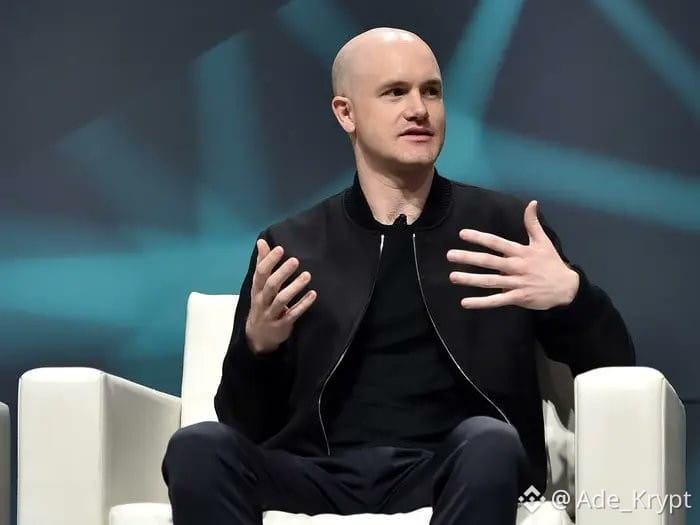
يعتقد برايان أرمسترونغ أن $BTC يمكن أن يصل بشكل واقعي إلى 400,000 دولار بحلول عام 2030.
في البداية، تبدو هذه الغاية طموحة للغاية.
لكن مكانة بيتكوين في النظام المالي العالمي تتغير بسرعة.
لقد سهلت صناديق الاستثمار المتداولة الفورية (Spot ETFs) الوصول المؤسسي، ويستمر تبنّي الشركات في التوسع، كما يُنظر إلى بيتكوين بشكل متزايد على أنها أصل ماكرو وليست مجرد صفقة مضاربية.
ثم يأتي جانب العرض.
فقط 21 مليون $BTC سيُوجد منها على الإطلاق، بينما تواصل كمية رأس المال التي يمكنها اكتساب تعرض لها في النمو.
لن يكون الوصول إلى 400 ألف دولار بالأمر السهل، ومن المؤكد أن الرحلة لن تكون مستقيمة.
لكن إذا استمر الطلب المؤسسي في التسارع، فقد تبدو الأهداف الطموحة اليوم أكثر معقولية بكثير بحلول 2030.
قد تتمثل المخاطرة الأكبر في التقليل من مقدار رأس المال الذي قد يسعى في نهاية المطاف إلى التعرض لبيتكوين.
#AppleDebutsFoldablePhone #TSMCAugustRevenueUp53.3%YoY
يعتقد برايان أرمسترونغ أن $BTC يمكن أن يصل بشكل واقعي إلى 400,000 دولار بحلول عام 2030.
في البداية، تبدو هذه الغاية طموحة للغاية.
لكن مكانة بيتكوين في النظام المالي العالمي تتغير بسرعة.
لقد سهلت صناديق الاستثمار المتداولة الفورية (Spot ETFs) الوصول المؤسسي، ويستمر تبنّي الشركات في التوسع، كما يُنظر إلى بيتكوين بشكل متزايد على أنها أصل ماكرو وليست مجرد صفقة مضاربية.
ثم يأتي جانب العرض.
فقط 21 مليون $BTC سيُوجد منها على الإطلاق، بينما تواصل كمية رأس المال التي يمكنها اكتساب تعرض لها في النمو.
لن يكون الوصول إلى 400 ألف دولار بالأمر السهل، ومن المؤكد أن الرحلة لن تكون مستقيمة.
لكن إذا استمر الطلب المؤسسي في التسارع، فقد تبدو الأهداف الطموحة اليوم أكثر معقولية بكثير بحلول 2030.
قد تتمثل المخاطرة الأكبر في التقليل من مقدار رأس المال الذي قد يسعى في نهاية المطاف إلى التعرض لبيتكوين.
#AppleDebutsFoldablePhone #TSMCAugustRevenueUp53.3%YoY
في البداية، تبدو هذه الغاية طموحة للغاية.
لكن مكانة بيتكوين في النظام المالي العالمي تتغير بسرعة.
لقد سهلت صناديق الاستثمار المتداولة الفورية (Spot ETFs) الوصول المؤسسي، ويستمر تبنّي الشركات في التوسع، كما يُنظر إلى بيتكوين بشكل متزايد على أنها أصل ماكرو وليست مجرد صفقة مضاربية.
ثم يأتي جانب العرض.
فقط 21 مليون $BTC سيُوجد منها على الإطلاق، بينما تواصل كمية رأس المال التي يمكنها اكتساب تعرض لها في النمو.
لن يكون الوصول إلى 400 ألف دولار بالأمر السهل، ومن المؤكد أن الرحلة لن تكون مستقيمة.
لكن إذا استمر الطلب المؤسسي في التسارع، فقد تبدو الأهداف الطموحة اليوم أكثر معقولية بكثير بحلول 2030.
قد تتمثل المخاطرة الأكبر في التقليل من مقدار رأس المال الذي قد يسعى في نهاية المطاف إلى التعرض لبيتكوين.
#AppleDebutsFoldablePhone #TSMCAugustRevenueUp53.3%YoY
2
5
4.5k
·
--
تمّ التحقق
تواجه مناظرةُ مركزيةِ XRP تحديًا كبيرًا
دفعت شركةُ إدارةِ الأصول 21Shares ردًا على إحدى الانتقادات الراسخة المرتبطة بـ $XRP وتأثير Ripple على XRP Ledger.
وبحسب 21Shares، تعمل Ripple كمُدققٍ واحد فقط ضمن ما يقرب من 35 مُدققًا في القائمة الافتراضية الموثوقة، بينما يحتوي XRP Ledger على أكثر من 150 مُدققًا إجمالًا.
كما تتطلب تغييرات البروتوكول موافقة ما لا يقل عن 80% من المُدققين، ما يحدّ أكثر من قدرة أي جهة واحدة على التحكم في الشبكة.
الخلاصة الأساسية: إن الحضورَ الكبيرَ لـ Ripple في نظام $XRP البيئي لا يعني بالضرورة السيطرة على التحقق من المعاملات.
#RippleLobbiesToAdvanceCLARITYActVote #DowFallsOver600Points
تواجه مناظرةُ مركزيةِ XRP تحديًا كبيرًا
دفعت شركةُ إدارةِ الأصول 21Shares ردًا على إحدى الانتقادات الراسخة المرتبطة بـ $XRP وتأثير Ripple على XRP Ledger.
وبحسب 21Shares، تعمل Ripple كمُدققٍ واحد فقط ضمن ما يقرب من 35 مُدققًا في القائمة الافتراضية الموثوقة، بينما يحتوي XRP Ledger على أكثر من 150 مُدققًا إجمالًا.
كما تتطلب تغييرات البروتوكول موافقة ما لا يقل عن 80% من المُدققين، ما يحدّ أكثر من قدرة أي جهة واحدة على التحكم في الشبكة.
الخلاصة الأساسية: إن الحضورَ الكبيرَ لـ Ripple في نظام $XRP البيئي لا يعني بالضرورة السيطرة على التحقق من المعاملات.
#RippleLobbiesToAdvanceCLARITYActVote #DowFallsOver600Points
دفعت شركةُ إدارةِ الأصول 21Shares ردًا على إحدى الانتقادات الراسخة المرتبطة بـ $XRP وتأثير Ripple على XRP Ledger.
وبحسب 21Shares، تعمل Ripple كمُدققٍ واحد فقط ضمن ما يقرب من 35 مُدققًا في القائمة الافتراضية الموثوقة، بينما يحتوي XRP Ledger على أكثر من 150 مُدققًا إجمالًا.
كما تتطلب تغييرات البروتوكول موافقة ما لا يقل عن 80% من المُدققين، ما يحدّ أكثر من قدرة أي جهة واحدة على التحكم في الشبكة.
الخلاصة الأساسية: إن الحضورَ الكبيرَ لـ Ripple في نظام $XRP البيئي لا يعني بالضرورة السيطرة على التحقق من المعاملات.
#RippleLobbiesToAdvanceCLARITYActVote #DowFallsOver600Points
1
2
2.1k
·
--
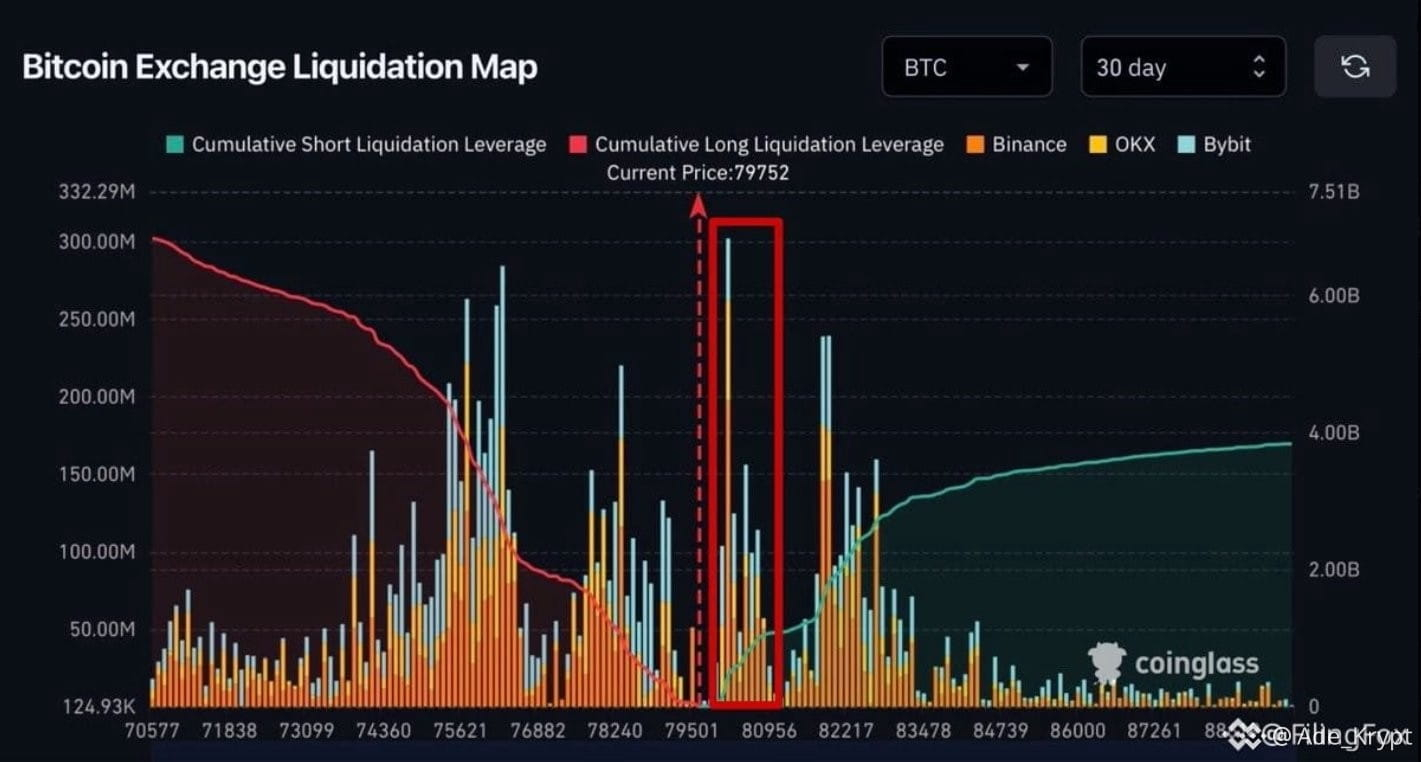
يُظهر مخطط سيولة التصفية لمدة 30 يومًا المرقم $BTC صراعًا واضحًا يشبه شدّ الحبل حول مستوى 80,000 دولار.
يتداول البيتكوين حاليًا قرب 79,752 دولارًا، مع وجود كتلة كثيفة من عمليات التصفية القصيرة المتمركزة فوق نطاق 80 ألف–81 ألف دولار. وفي الوقت نفسه، توجد أيضًا سيولة طويلة كبيرة أسفل ذلك يمكن أن تُستَخدم/تُجتاح إذا اتخذ $BTC حركة حادة إلى الأسفل.
السيولة مُكدّسة على الجانبين، ما يعني أن حركة قوية واحدة قد تُشعل سلسلة تصفيات وتُسرّع حركة السعر بسرعة.
إذًا السؤال الكبير هو:
هل سيدفع البيتكوين للأعلى أولًا للبحث عن المراكز القصيرة (shorts)، أم سينخفض أولًا لمسح المراكز الطويلة (longs)؟
#ChinaAugustCPIRises0.8%YoY #USStrikesTargetsNearHormuzAndJask
يُظهر مخطط سيولة التصفية لمدة 30 يومًا المرقم $BTC صراعًا واضحًا يشبه شدّ الحبل حول مستوى 80,000 دولار.
يتداول البيتكوين حاليًا قرب 79,752 دولارًا، مع وجود كتلة كثيفة من عمليات التصفية القصيرة المتمركزة فوق نطاق 80 ألف–81 ألف دولار. وفي الوقت نفسه، توجد أيضًا سيولة طويلة كبيرة أسفل ذلك يمكن أن تُستَخدم/تُجتاح إذا اتخذ $BTC حركة حادة إلى الأسفل.
السيولة مُكدّسة على الجانبين، ما يعني أن حركة قوية واحدة قد تُشعل سلسلة تصفيات وتُسرّع حركة السعر بسرعة.
إذًا السؤال الكبير هو:
هل سيدفع البيتكوين للأعلى أولًا للبحث عن المراكز القصيرة (shorts)، أم سينخفض أولًا لمسح المراكز الطويلة (longs)؟
#ChinaAugustCPIRises0.8%YoY #USStrikesTargetsNearHormuzAndJask
يتداول البيتكوين حاليًا قرب 79,752 دولارًا، مع وجود كتلة كثيفة من عمليات التصفية القصيرة المتمركزة فوق نطاق 80 ألف–81 ألف دولار. وفي الوقت نفسه، توجد أيضًا سيولة طويلة كبيرة أسفل ذلك يمكن أن تُستَخدم/تُجتاح إذا اتخذ $BTC حركة حادة إلى الأسفل.
السيولة مُكدّسة على الجانبين، ما يعني أن حركة قوية واحدة قد تُشعل سلسلة تصفيات وتُسرّع حركة السعر بسرعة.
إذًا السؤال الكبير هو:
هل سيدفع البيتكوين للأعلى أولًا للبحث عن المراكز القصيرة (shorts)، أم سينخفض أولًا لمسح المراكز الطويلة (longs)؟
#ChinaAugustCPIRises0.8%YoY #USStrikesTargetsNearHormuzAndJask
1
1.5k
·
--
يبدو أن الأمور أصبحت مثيرة للاهتمام مرة أخرى.
$BTC انخفضت من 82,300 دولار إلى 78,600 دولار خلال عطلة نهاية الأسبوع، مما أدى إلى تصفية سيولة بنحو 1.4 مليار دولار.
النقطة الرئيسية: كان مستوى الاختراق الحاسم هو 80,000 دولار، وبمجرد فشله، انكشفت السيولة التي تحتَه تمامًا كما كان متوقعًا.
الآن تمتلك البيتكوين تقريبًا 2.3 مليار دولار من السيولة تحت مستوى 76,500–78,500 دولار، بينما توجد 2.3 مليار دولار أخرى فوقه بين 80,500–83,000 دولار. سيولة الـ HTF أصبحت متوازنة تقريبًا بشكل مثالي، ما لا يمنح أي طرف ميزة واضحة.
على الـ LTF، توجد تكتلات سيولة رئيسية عند 78,400–78,900 دولار تحت السعر، وعند 79,900–81,000 دولار فوقه، ما يجعل مسح أي من المنطقتين أمرًا مرجحًا بشكل متزايد.
تواصل الحيتان إظهار اهتمام قوي بالشراء حول 78 ألف–79 ألف دولار، بينما لا تزال جدران البيع الثقيلة قائمة فوق 80 ألف دولار حتى 83 ألفًا. المشترون يدافعون عن الجانب السلبي، لكن الثيران ما زالوا بحاجة إلى امتصاص قدر كبير من العرض قبل أن أثق في اختراقٍ آخر.
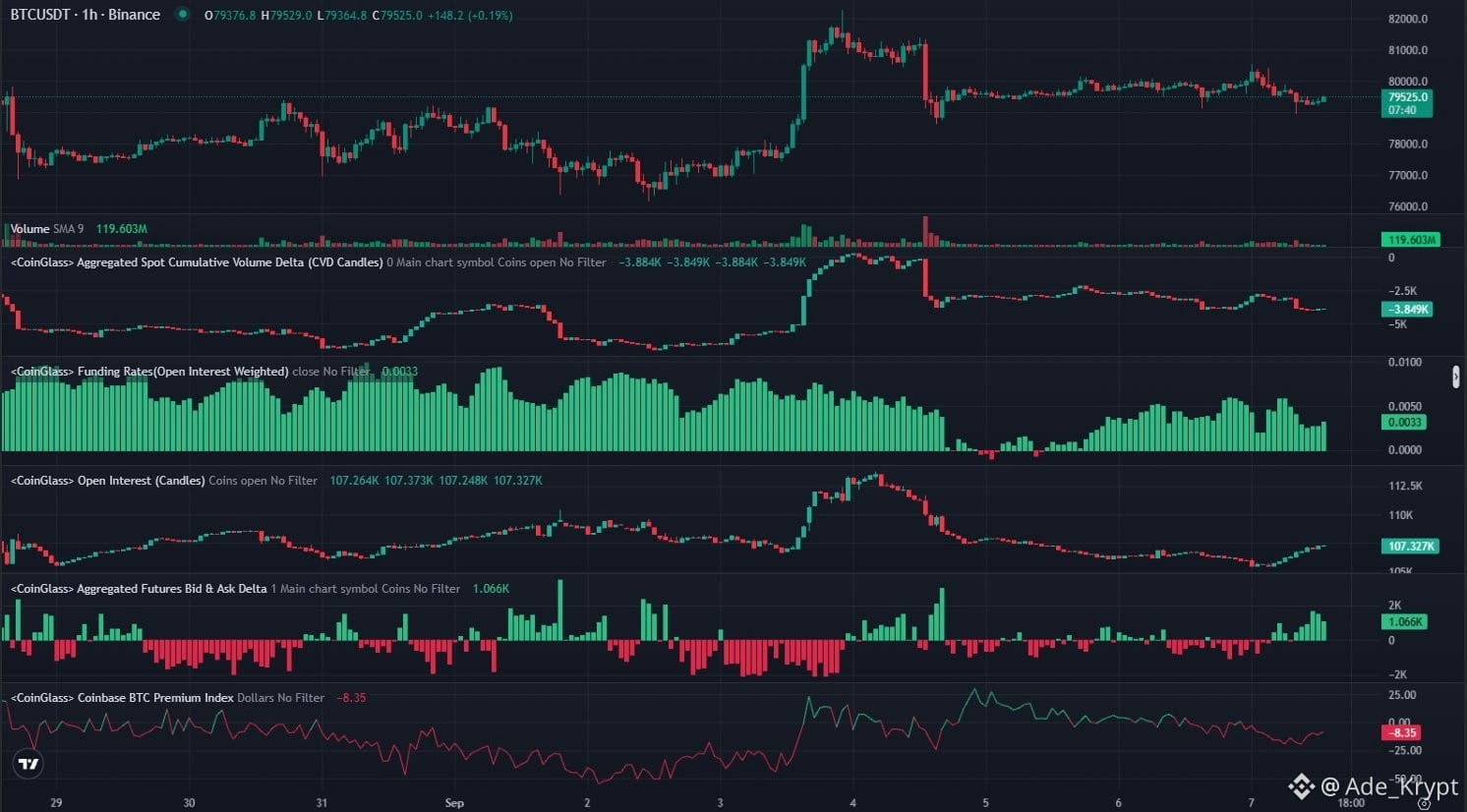
الطلب الفوري قد تراجع، وبقي Coinbase Premium سلبيًا، وبدأ OI فقط في التعافي بينما يعود متداولو العقود الآجلة إلى النزعة الصعودية. الرافعة المالية تعود، لكن ما زلت أريد طلبًا أقوى في السوق الفوري قبل أن أميل مجددًا إلى الصعود.
المستويات الرئيسية:
- فشل دعم 79 ألف–80 ألف دولار
- اكتمل مسح الهبوط عند 78.6 ألف دولار
- 78.9 ألف و79.9 ألف هما مناطق LTF الرئيسية
- سيولة الـ HTF متوازنة
- استعادة 80 ألف–81 ألف = تعود السيطرة للثيران
- خسارة 78.4 ألف = يصبح مسح هبوطي آخر مرجحًا
$BTC #USIranTradeTankerStrikesEscalate #CanadaToImpose15%To50%TariffsOnUSGoods
يبدو أن الأمور أصبحت مثيرة للاهتمام مرة أخرى.
$BTC انخفضت من 82,300 دولار إلى 78,600 دولار خلال عطلة نهاية الأسبوع، مما أدى إلى تصفية سيولة بنحو 1.4 مليار دولار.
النقطة الرئيسية: كان مستوى الاختراق الحاسم هو 80,000 دولار، وبمجرد فشله، انكشفت السيولة التي تحتَه تمامًا كما كان متوقعًا.
الآن تمتلك البيتكوين تقريبًا 2.3 مليار دولار من السيولة تحت مستوى 76,500–78,500 دولار، بينما توجد 2.3 مليار دولار أخرى فوقه بين 80,500–83,000 دولار. سيولة الـ HTF أصبحت متوازنة تقريبًا بشكل مثالي، ما لا يمنح أي طرف ميزة واضحة.
على الـ LTF، توجد تكتلات سيولة رئيسية عند 78,400–78,900 دولار تحت السعر، وعند 79,900–81,000 دولار فوقه، ما يجعل مسح أي من المنطقتين أمرًا مرجحًا بشكل متزايد.
تواصل الحيتان إظهار اهتمام قوي بالشراء حول 78 ألف–79 ألف دولار، بينما لا تزال جدران البيع الثقيلة قائمة فوق 80 ألف دولار حتى 83 ألفًا. المشترون يدافعون عن الجانب السلبي، لكن الثيران ما زالوا بحاجة إلى امتصاص قدر كبير من العرض قبل أن أثق في اختراقٍ آخر.
الطلب الفوري قد تراجع، وبقي Coinbase Premium سلبيًا، وبدأ OI فقط في التعافي بينما يعود متداولو العقود الآجلة إلى النزعة الصعودية. الرافعة المالية تعود، لكن ما زلت أريد طلبًا أقوى في السوق الفوري قبل أن أميل مجددًا إلى الصعود.
المستويات الرئيسية:
- فشل دعم 79 ألف–80 ألف دولار
- اكتمل مسح الهبوط عند 78.6 ألف دولار
- 78.9 ألف و79.9 ألف هما مناطق LTF الرئيسية
- سيولة الـ HTF متوازنة
- استعادة 80 ألف–81 ألف = تعود السيطرة للثيران
- خسارة 78.4 ألف = يصبح مسح هبوطي آخر مرجحًا
$BTC #USIranTradeTankerStrikesEscalate #CanadaToImpose15%To50%TariffsOnUSGoods
$BTC انخفضت من 82,300 دولار إلى 78,600 دولار خلال عطلة نهاية الأسبوع، مما أدى إلى تصفية سيولة بنحو 1.4 مليار دولار.
النقطة الرئيسية: كان مستوى الاختراق الحاسم هو 80,000 دولار، وبمجرد فشله، انكشفت السيولة التي تحتَه تمامًا كما كان متوقعًا.
الآن تمتلك البيتكوين تقريبًا 2.3 مليار دولار من السيولة تحت مستوى 76,500–78,500 دولار، بينما توجد 2.3 مليار دولار أخرى فوقه بين 80,500–83,000 دولار. سيولة الـ HTF أصبحت متوازنة تقريبًا بشكل مثالي، ما لا يمنح أي طرف ميزة واضحة.
على الـ LTF، توجد تكتلات سيولة رئيسية عند 78,400–78,900 دولار تحت السعر، وعند 79,900–81,000 دولار فوقه، ما يجعل مسح أي من المنطقتين أمرًا مرجحًا بشكل متزايد.
تواصل الحيتان إظهار اهتمام قوي بالشراء حول 78 ألف–79 ألف دولار، بينما لا تزال جدران البيع الثقيلة قائمة فوق 80 ألف دولار حتى 83 ألفًا. المشترون يدافعون عن الجانب السلبي، لكن الثيران ما زالوا بحاجة إلى امتصاص قدر كبير من العرض قبل أن أثق في اختراقٍ آخر.
الطلب الفوري قد تراجع، وبقي Coinbase Premium سلبيًا، وبدأ OI فقط في التعافي بينما يعود متداولو العقود الآجلة إلى النزعة الصعودية. الرافعة المالية تعود، لكن ما زلت أريد طلبًا أقوى في السوق الفوري قبل أن أميل مجددًا إلى الصعود.
المستويات الرئيسية:
- فشل دعم 79 ألف–80 ألف دولار
- اكتمل مسح الهبوط عند 78.6 ألف دولار
- 78.9 ألف و79.9 ألف هما مناطق LTF الرئيسية
- سيولة الـ HTF متوازنة
- استعادة 80 ألف–81 ألف = تعود السيطرة للثيران
- خسارة 78.4 ألف = يصبح مسح هبوطي آخر مرجحًا
$BTC #USIranTradeTankerStrikesEscalate #CanadaToImpose15%To50%TariffsOnUSGoods
1
3
2.9k
·
--
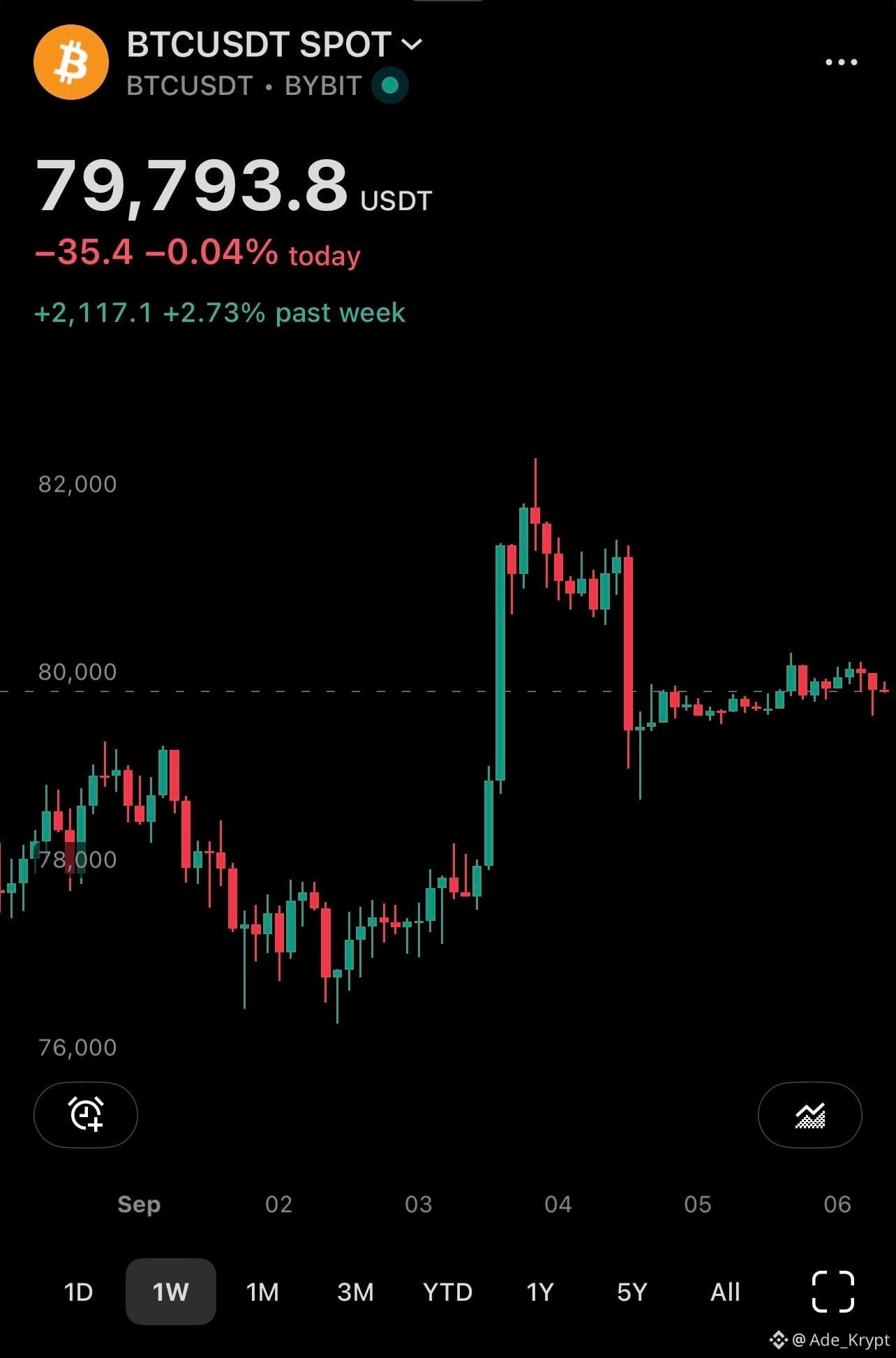
$BTC يتداول حول 79.8 ألف دولار بعد عطلة نهاية أسبوع هادئة.
الخطة لا تزال كما كانت منذ الأمس. أنا أنتظر افتتاح الغد لأرى الاتجاه الذي سيختاره بيتكوين.
السيناريو الأكثر ترجيحًا هو إعادة اختبار الارتفاع الصغير الذي حدث خلال عطلة نهاية الأسبوع قبل أن تتشكل الحركة التالية.
قد يوفر إعادة اختبار القيعان فرصة قوية لبناء مراكز شراء طويلة، بينما يظل إعداد البيع على المكشوف صالحًا إذا عاد $BTC إلى منطقة 81 ألف دولار.
قد يجلب الأسبوع المقبل زخمًا قويًا وربما قممًا جديدة.
ومع ذلك، ومع تبدو الخلفية الاقتصادية الكلية أكثر ميلاً إلى الهبوط، يبقى احتمال حدوث تراجع أعمق مرتفعًا للغاية.
بالنسبة لي، لن يكون ذلك سوى فرصة لتوسيع مراكز الشراء المتأرجحة عند نقاط اهتمام الإطار الزمني الأعلى.
الأنظار على افتتاح الغد.
#RussiaUkraine72-hourCeasefire #LululemonTumbles20%OnWeakGuidance
$BTC يتداول حول 79.8 ألف دولار بعد عطلة نهاية أسبوع هادئة.
الخطة لا تزال كما كانت منذ الأمس. أنا أنتظر افتتاح الغد لأرى الاتجاه الذي سيختاره بيتكوين.
السيناريو الأكثر ترجيحًا هو إعادة اختبار الارتفاع الصغير الذي حدث خلال عطلة نهاية الأسبوع قبل أن تتشكل الحركة التالية.
قد يوفر إعادة اختبار القيعان فرصة قوية لبناء مراكز شراء طويلة، بينما يظل إعداد البيع على المكشوف صالحًا إذا عاد $BTC إلى منطقة 81 ألف دولار.
قد يجلب الأسبوع المقبل زخمًا قويًا وربما قممًا جديدة.
ومع ذلك، ومع تبدو الخلفية الاقتصادية الكلية أكثر ميلاً إلى الهبوط، يبقى احتمال حدوث تراجع أعمق مرتفعًا للغاية.
بالنسبة لي، لن يكون ذلك سوى فرصة لتوسيع مراكز الشراء المتأرجحة عند نقاط اهتمام الإطار الزمني الأعلى.
الأنظار على افتتاح الغد.
#RussiaUkraine72-hourCeasefire #LululemonTumbles20%OnWeakGuidance
الخطة لا تزال كما كانت منذ الأمس. أنا أنتظر افتتاح الغد لأرى الاتجاه الذي سيختاره بيتكوين.
السيناريو الأكثر ترجيحًا هو إعادة اختبار الارتفاع الصغير الذي حدث خلال عطلة نهاية الأسبوع قبل أن تتشكل الحركة التالية.
قد يوفر إعادة اختبار القيعان فرصة قوية لبناء مراكز شراء طويلة، بينما يظل إعداد البيع على المكشوف صالحًا إذا عاد $BTC إلى منطقة 81 ألف دولار.
قد يجلب الأسبوع المقبل زخمًا قويًا وربما قممًا جديدة.
ومع ذلك، ومع تبدو الخلفية الاقتصادية الكلية أكثر ميلاً إلى الهبوط، يبقى احتمال حدوث تراجع أعمق مرتفعًا للغاية.
بالنسبة لي، لن يكون ذلك سوى فرصة لتوسيع مراكز الشراء المتأرجحة عند نقاط اهتمام الإطار الزمني الأعلى.
الأنظار على افتتاح الغد.
#RussiaUkraine72-hourCeasefire #LululemonTumbles20%OnWeakGuidance
1
1
78
129.2k
·
--
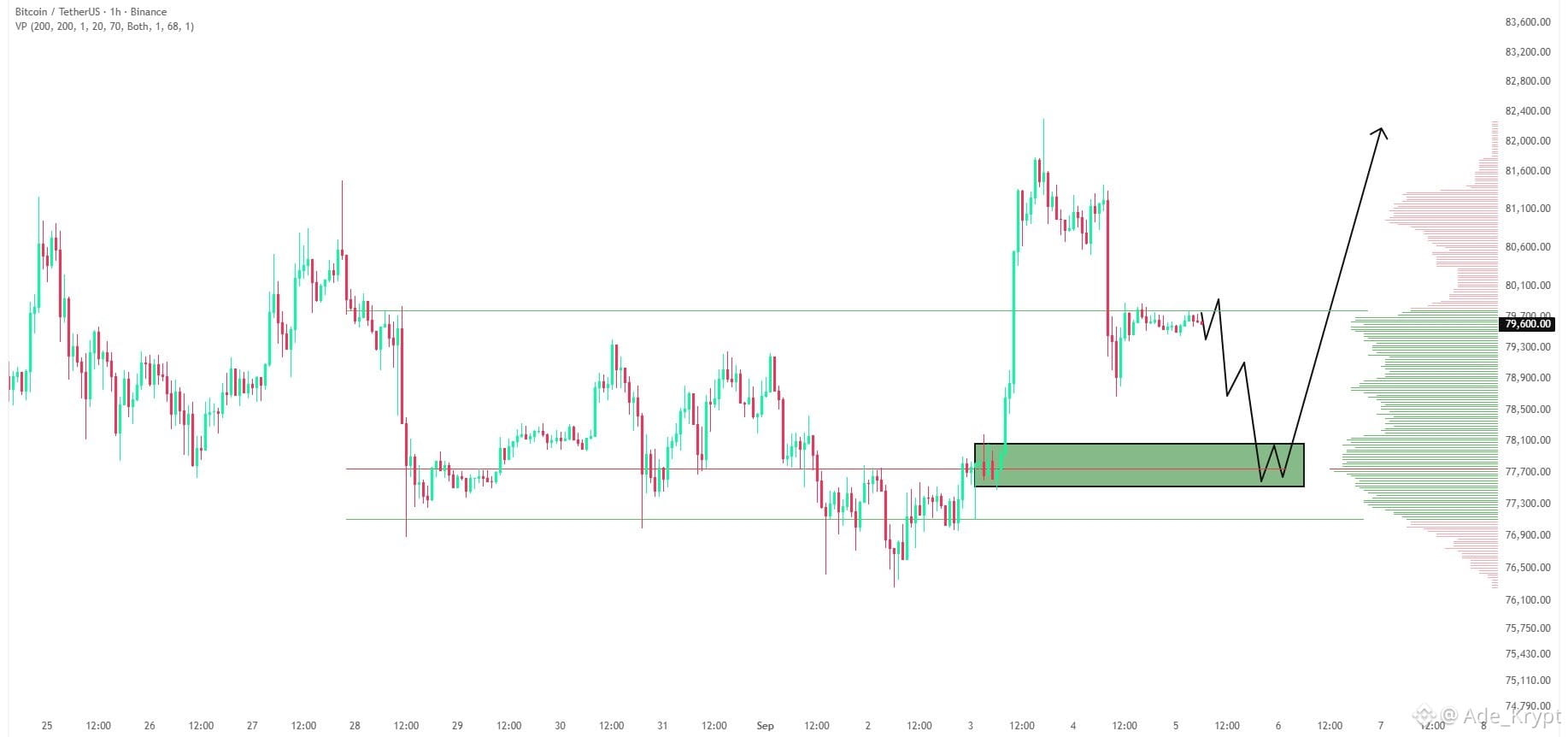
$BTC يتماسك أسفل مقاومة $80K بعد حركته الاندفاعية الأخيرة صعودًا.
لا يزال السعر ضيقًا نسبيًا، مما يشير إلى أن السوق قد يكون يستعد لتوسع جديد في السيولة.
منطقة الهبوط الرئيسية هي $77.5K–$78.1K، حيث يظهر طلب قوي.
إن امتداد الحركة إلى هذه المنطقة لن يكسر بالضرورة البنية الصعودية؛ فقد يكون مجرد اصطياد للسيولة قبل مواصلة الصعود.
إذا تمكن $BTC من الحفاظ على المنطقة واستعادة $80K بزخم، فستصبح $82K الهدف الصعودي الرئيسي التالي.
بالنسبة لي، فإن التفاعل حول $77.5K–$78.1K هو التأكيد الرئيسي الذي يجب مراقبته.
#ZECHitsANewAllTimeHigh #LululemonTumbles20%OnWeakGuidance
$BTC يتماسك أسفل مقاومة $80K بعد حركته الاندفاعية الأخيرة صعودًا.
لا يزال السعر ضيقًا نسبيًا، مما يشير إلى أن السوق قد يكون يستعد لتوسع جديد في السيولة.
منطقة الهبوط الرئيسية هي $77.5K–$78.1K، حيث يظهر طلب قوي.
إن امتداد الحركة إلى هذه المنطقة لن يكسر بالضرورة البنية الصعودية؛ فقد يكون مجرد اصطياد للسيولة قبل مواصلة الصعود.
إذا تمكن $BTC من الحفاظ على المنطقة واستعادة $80K بزخم، فستصبح $82K الهدف الصعودي الرئيسي التالي.
بالنسبة لي، فإن التفاعل حول $77.5K–$78.1K هو التأكيد الرئيسي الذي يجب مراقبته.
#ZECHitsANewAllTimeHigh #LululemonTumbles20%OnWeakGuidance
لا يزال السعر ضيقًا نسبيًا، مما يشير إلى أن السوق قد يكون يستعد لتوسع جديد في السيولة.
منطقة الهبوط الرئيسية هي $77.5K–$78.1K، حيث يظهر طلب قوي.
إن امتداد الحركة إلى هذه المنطقة لن يكسر بالضرورة البنية الصعودية؛ فقد يكون مجرد اصطياد للسيولة قبل مواصلة الصعود.
إذا تمكن $BTC من الحفاظ على المنطقة واستعادة $80K بزخم، فستصبح $82K الهدف الصعودي الرئيسي التالي.
بالنسبة لي، فإن التفاعل حول $77.5K–$78.1K هو التأكيد الرئيسي الذي يجب مراقبته.
#ZECHitsANewAllTimeHigh #LululemonTumbles20%OnWeakGuidance
1
2
1.9k
·
--
يبدأ البيتكوين في الظهور بمظهر أكثر صعودًا من جديد.
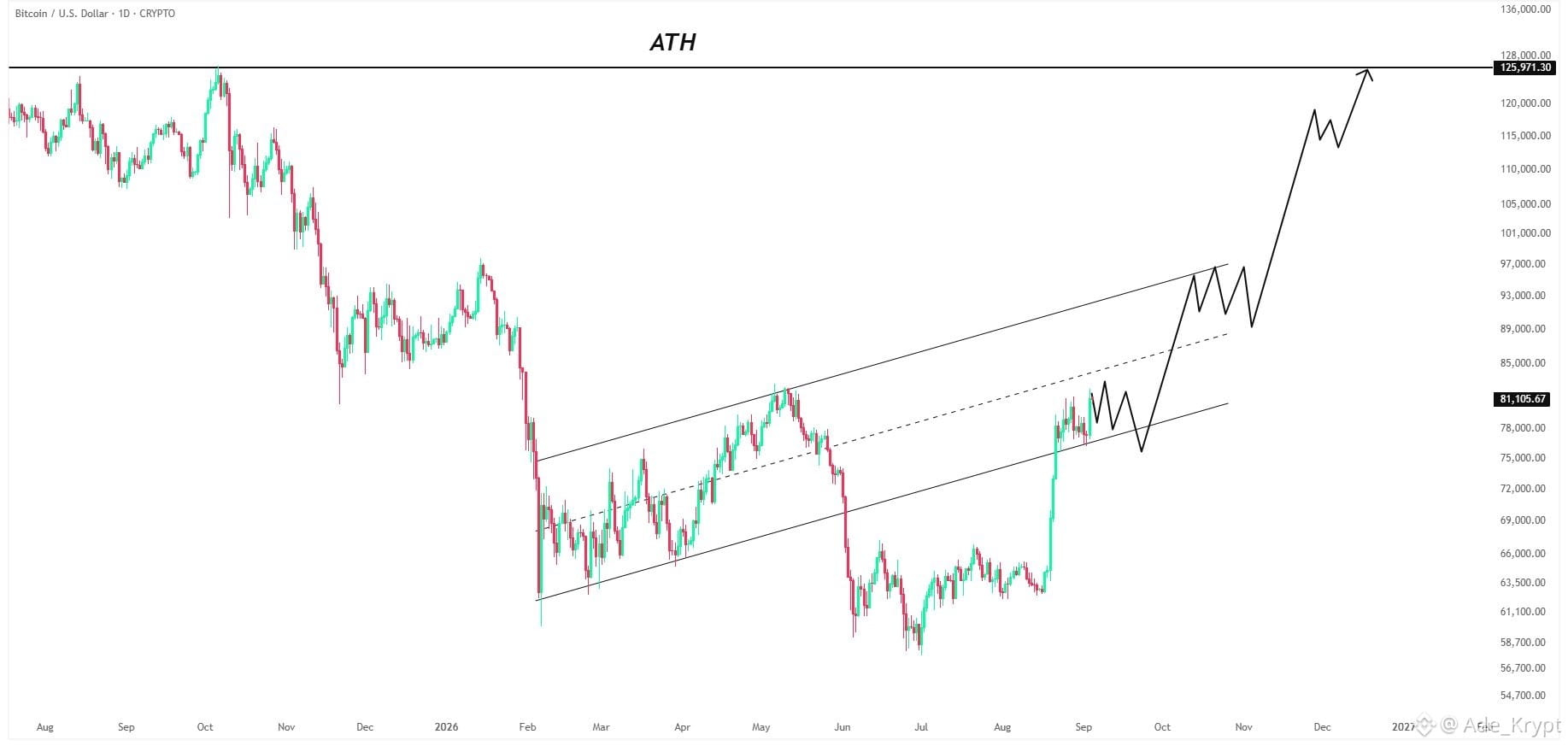
لقد صمدت منطقة 61 ألف دولار مرتين، مما أسس قاعدة دعم قوية، بينما دفعت الارتداد الأخير $BTC مرة أخرى فوق 80 ألف دولار وداخل هيكله الصاعد الأوسع.
إذا ظل هذا الإعداد قائمًا واستعاد $BTC بقوة نطاق 80 ألف–81 ألف دولار، فقد يكون الهدف الرئيسي التالي 97 ألف دولار.
قد يعيد اختراق حاسم فوق 97 ألف دولار التركيز إلى أعلى مستوى تاريخي عند 125 ألف دولار.
ولا تزال الصورة الأكبر تشبه إلى حد كبير هيكل تجميع كبير، ما قد يمهد الطريق للحركة الصاعدة الرئيسية التالية.
#LululemonTumbles20%OnWeakGuidance #USAugustJobGrowthNearlyTriplesForecast
يبدأ البيتكوين في الظهور بمظهر أكثر صعودًا من جديد.
لقد صمدت منطقة 61 ألف دولار مرتين، مما أسس قاعدة دعم قوية، بينما دفعت الارتداد الأخير $BTC مرة أخرى فوق 80 ألف دولار وداخل هيكله الصاعد الأوسع.
إذا ظل هذا الإعداد قائمًا واستعاد $BTC بقوة نطاق 80 ألف–81 ألف دولار، فقد يكون الهدف الرئيسي التالي 97 ألف دولار.
قد يعيد اختراق حاسم فوق 97 ألف دولار التركيز إلى أعلى مستوى تاريخي عند 125 ألف دولار.
ولا تزال الصورة الأكبر تشبه إلى حد كبير هيكل تجميع كبير، ما قد يمهد الطريق للحركة الصاعدة الرئيسية التالية.
#LululemonTumbles20%OnWeakGuidance #USAugustJobGrowthNearlyTriplesForecast
لقد صمدت منطقة 61 ألف دولار مرتين، مما أسس قاعدة دعم قوية، بينما دفعت الارتداد الأخير $BTC مرة أخرى فوق 80 ألف دولار وداخل هيكله الصاعد الأوسع.
إذا ظل هذا الإعداد قائمًا واستعاد $BTC بقوة نطاق 80 ألف–81 ألف دولار، فقد يكون الهدف الرئيسي التالي 97 ألف دولار.
قد يعيد اختراق حاسم فوق 97 ألف دولار التركيز إلى أعلى مستوى تاريخي عند 125 ألف دولار.
ولا تزال الصورة الأكبر تشبه إلى حد كبير هيكل تجميع كبير، ما قد يمهد الطريق للحركة الصاعدة الرئيسية التالية.
#LululemonTumbles20%OnWeakGuidance #USAugustJobGrowthNearlyTriplesForecast
2
2k
سجّل الدخول لاستكشاف المزيد من المُحتوى
انضم إلى مُستخدمي العملات الرقمية حول العالم على Binance Square
⚡️ احصل على أحدث المعلومات المفيدة عن العملات الرقمية.
💬 موثوقة من قبل أكبر منصّة لتداول العملات الرقمية في العالم.
👍 اكتشف الرؤى الحقيقية من صنّاع المُحتوى الموثوقين.
البريد الإلكتروني / رقم الهاتف
المواضيع الرائجة
BitcoinSurpasses$77000
9,131 مشاهدات
147 يقومون بالنقاش
$BTC يتجه للأعلى بعنف رغم كل شيء. 🚀
اليوم شهدنا أول رفع لأسعار الفائدة منذ أكثر من 3 سنوات، بينما تعثّر قانون CLARITY مجددًا أمس.
التهيئة: دخول طويل كبير مرة أخرى — شكرًا لي لاحقًا
الدخول : $75500 - $76500
إيقاف الخسارة : $74900
جني الربح : $77000 - $78000
استعدوا لدورة نمو مجنونة. 🔥
TF_bnb
·16 إعجاب
·6.6k مشاهدات
ParadigmDisclosesZECHolding
30,286 مشاهدات
670 يقومون بالنقاش
BitcoinETFsShed$450M
19,411 مشاهدات
175 يقومون بالنقاش