

NovaXplorer
32 منشورات

NovaXplorer
إبلاغ
حظر المُستخدم
🚀 Daily crypto insights | 📚 Simplifying blockchain for all | 🔍 In-depth project research & market analysis | 💬 Let’s grow and learn together in Web3!
1 تتابع
18 المتابعون
73 إعجاب
منشورات
·
--
مقالة
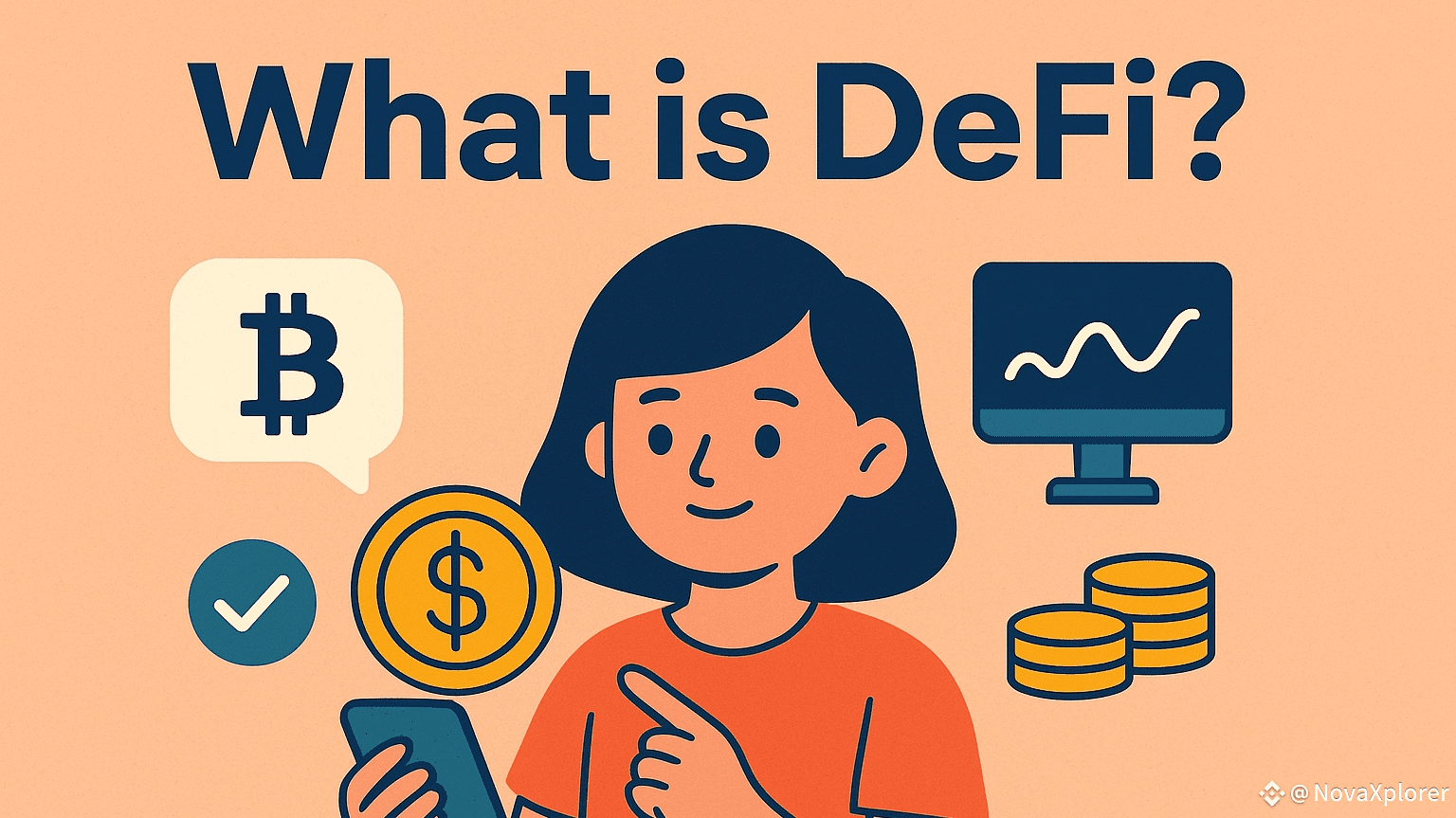
شرح DeFi (المالية اللامركزية)تخيل أنك تملك حصالة في المنزل. عادة، إذا كنت تريد اقتراض المال أو كسب الفائدة، سيتعين عليك الذهاب إلى البنك. لكن ماذا لو كانت حصالتك يمكن أن تفعل كل ذلك بمفردها؟ 🤔
هذا هو ما يشبه DeFi! 🚀
🔹 1. ما هو DeFi؟
تعني DeFi المالية اللامركزية.
إنه مثل وجود بنك على الإنترنت يعمل بدون مصرفيين.
بدلاً من الأشخاص، تستخدم الروبوتات الذكية (العقود الذكية) لأداء المهمة بأمان.
🔹 2. كيف يعمل؟
على تطبيقات DeFi، يمكنك:
✅ ادخر المال (مثل وضع العملات في حصالتك)
شرح DeFi (المالية اللامركزية)
تخيل أنك تملك حصالة في المنزل. عادة، إذا كنت تريد اقتراض المال أو كسب الفائدة، سيتعين عليك الذهاب إلى البنك. لكن ماذا لو كانت حصالتك يمكن أن تفعل كل ذلك بمفردها؟ 🤔
هذا هو ما يشبه DeFi! 🚀
🔹 1. ما هو DeFi؟
تعني DeFi المالية اللامركزية.
إنه مثل وجود بنك على الإنترنت يعمل بدون مصرفيين.
بدلاً من الأشخاص، تستخدم الروبوتات الذكية (العقود الذكية) لأداء المهمة بأمان.
🔹 2. كيف يعمل؟
على تطبيقات DeFi، يمكنك:
✅ ادخر المال (مثل وضع العملات في حصالتك)
هذا هو ما يشبه DeFi! 🚀
🔹 1. ما هو DeFi؟
تعني DeFi المالية اللامركزية.
إنه مثل وجود بنك على الإنترنت يعمل بدون مصرفيين.
بدلاً من الأشخاص، تستخدم الروبوتات الذكية (العقود الذكية) لأداء المهمة بأمان.
🔹 2. كيف يعمل؟
على تطبيقات DeFi، يمكنك:
✅ ادخر المال (مثل وضع العملات في حصالتك)
1
159
·
--
مقالة
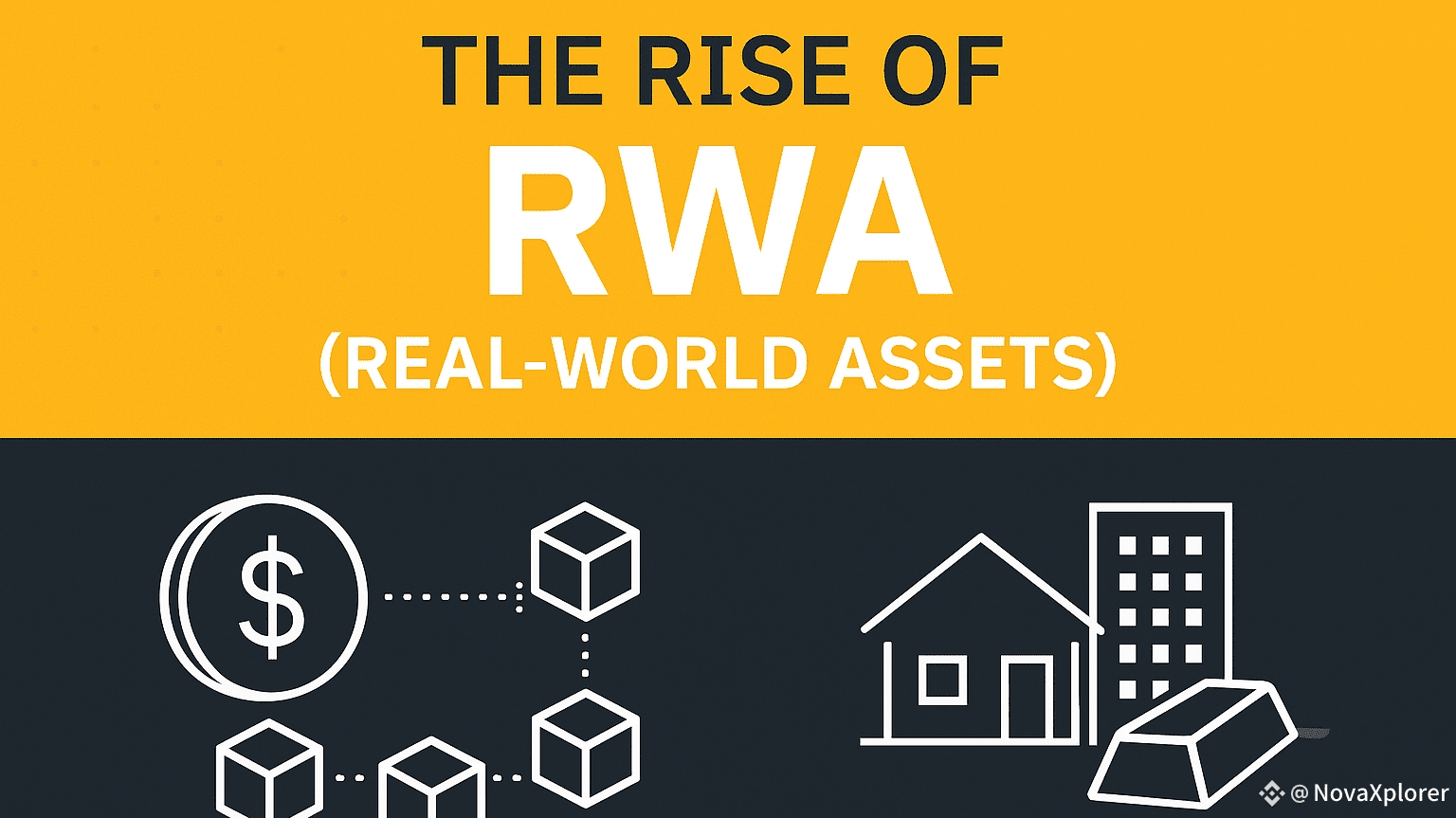
ظهور RWA (الأصول الواقعية) في عالم العملات الرقمية: جسر بين الاقتصاديات المادية والرقميةما هي الأصول الواقعية (RWA)؟
الأصول الواقعية هي أصول ملموسة، خارج السلسلة — مثل العقارات، والسلع، والسندات، أو الفواتير — التي تم ترميزها وإدخالها على سلسلة الكتل. هذا يسمح بتداولها، واستخدامها كضمان، أو دمجها في نظم التمويل اللامركزي.
لماذا يعتبر ترميز RWA مهمًا؟
تقليديًا، يتطلب الاستثمار في أصول مثل العقارات أو السندات الحكومية رأس مال كبير ويقتصر على الجغرافيا، واللوائح، والوسطاء. تغير ترميز RWA ذلك من خلال:
ظهور RWA (الأصول الواقعية) في عالم العملات الرقمية: جسر بين الاقتصاديات المادية والرقمية
ما هي الأصول الواقعية (RWA)؟
الأصول الواقعية هي أصول ملموسة، خارج السلسلة — مثل العقارات، والسلع، والسندات، أو الفواتير — التي تم ترميزها وإدخالها على سلسلة الكتل. هذا يسمح بتداولها، واستخدامها كضمان، أو دمجها في نظم التمويل اللامركزي.
لماذا يعتبر ترميز RWA مهمًا؟
تقليديًا، يتطلب الاستثمار في أصول مثل العقارات أو السندات الحكومية رأس مال كبير ويقتصر على الجغرافيا، واللوائح، والوسطاء. تغير ترميز RWA ذلك من خلال:
الأصول الواقعية هي أصول ملموسة، خارج السلسلة — مثل العقارات، والسلع، والسندات، أو الفواتير — التي تم ترميزها وإدخالها على سلسلة الكتل. هذا يسمح بتداولها، واستخدامها كضمان، أو دمجها في نظم التمويل اللامركزي.
لماذا يعتبر ترميز RWA مهمًا؟
تقليديًا، يتطلب الاستثمار في أصول مثل العقارات أو السندات الحكومية رأس مال كبير ويقتصر على الجغرافيا، واللوائح، والوسطاء. تغير ترميز RWA ذلك من خلال:
2
208
·
--
مقالة
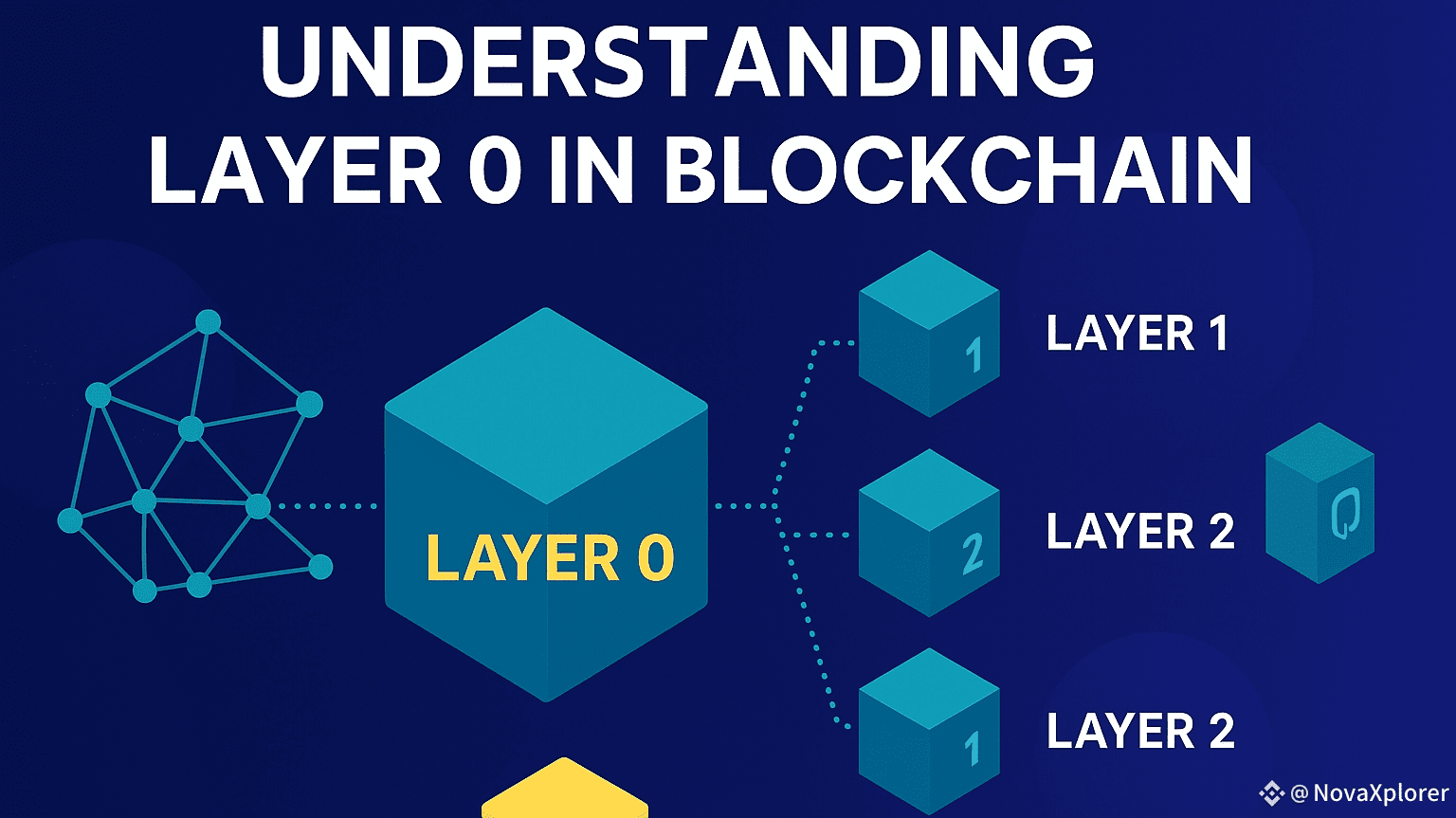
فهم الطبقة 0 في البلوكشين - الأساس الذي تقوم عليه السلسلةعندما يتحدث معظم الناس عن تقنية البلوك تشين، يركزون على الطبقة الأولى (مثل بيتكوين، وإيثريوم، وسولانا) أو الطبقة الثانية (مثل أربيتروم، وأوبتيزم، وبوليغون). لكن قليلين يدركون وجود الطبقة صفر - الأساس الخفي الذي يُمكّن منظومة البلوك تشين بأكملها.
ما هي الطبقة 0؟
الطبقة صفر هي طبقة البنية التحتية التي تُمكّن من بناء سلاسل كتل متعددة، وربطها، والتواصل فيما بينها. وليست سلسلة كتل بحد ذاتها، بل هي البروتوكول الأساسي الذي تُنشأ عليه سلاسل الكتل.
فهم الطبقة 0 في البلوكشين - الأساس الذي تقوم عليه السلسلة
عندما يتحدث معظم الناس عن تقنية البلوك تشين، يركزون على الطبقة الأولى (مثل بيتكوين، وإيثريوم، وسولانا) أو الطبقة الثانية (مثل أربيتروم، وأوبتيزم، وبوليغون). لكن قليلين يدركون وجود الطبقة صفر - الأساس الخفي الذي يُمكّن منظومة البلوك تشين بأكملها.
ما هي الطبقة 0؟
الطبقة صفر هي طبقة البنية التحتية التي تُمكّن من بناء سلاسل كتل متعددة، وربطها، والتواصل فيما بينها. وليست سلسلة كتل بحد ذاتها، بل هي البروتوكول الأساسي الذي تُنشأ عليه سلاسل الكتل.
ما هي الطبقة 0؟
الطبقة صفر هي طبقة البنية التحتية التي تُمكّن من بناء سلاسل كتل متعددة، وربطها، والتواصل فيما بينها. وليست سلسلة كتل بحد ذاتها، بل هي البروتوكول الأساسي الذي تُنشأ عليه سلاسل الكتل.
2
257
·
--
مقالة
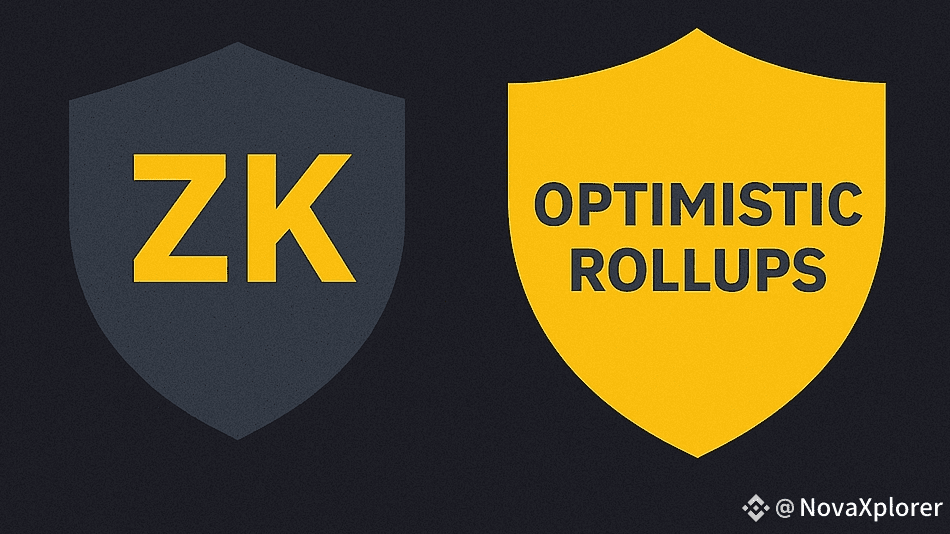
⚡ ZK-Rollups مقابل Optimistic Rollups: المعركة من أجل توسيع EthereumEthereum قوية, لكنها بطيئة ومكلفة عندما تزداد حركة المرور.
لهذا السبب يتحول المطورون إلى حلول توسيع الطبقة 2, وأحد أكثر الحلول التي تم الحديث عنها هي ZK-Rollups و Optimistic Rollups.
📌 ما هي Rollups؟
تقوم Rollups بمعالجة المعاملات خارج سلسلة Ethereum الرئيسية (الطبقة 1), تجمعها معًا, ثم تعيد نشرها إلى Ethereum بشكل مضغوط.
هذا يعني:
رسوم غاز أقل
معاملات أسرع
نفس أمان Ethereum
🔍 Optimistic Rollups
كيف تعمل:
يفترض أن جميع المعاملات صالحة بشكل افتراضي (“متفائل”), ولكن يعطي فترة تحدٍ (عادة 7 أيام) لأي شخص لإثبات الاحتيال.
⚡ ZK-Rollups مقابل Optimistic Rollups: المعركة من أجل توسيع Ethereum
Ethereum قوية, لكنها بطيئة ومكلفة عندما تزداد حركة المرور.
لهذا السبب يتحول المطورون إلى حلول توسيع الطبقة 2, وأحد أكثر الحلول التي تم الحديث عنها هي ZK-Rollups و Optimistic Rollups.
📌 ما هي Rollups؟
تقوم Rollups بمعالجة المعاملات خارج سلسلة Ethereum الرئيسية (الطبقة 1), تجمعها معًا, ثم تعيد نشرها إلى Ethereum بشكل مضغوط.
هذا يعني:
رسوم غاز أقل
معاملات أسرع
نفس أمان Ethereum
🔍 Optimistic Rollups
كيف تعمل:
يفترض أن جميع المعاملات صالحة بشكل افتراضي (“متفائل”), ولكن يعطي فترة تحدٍ (عادة 7 أيام) لأي شخص لإثبات الاحتيال.
لهذا السبب يتحول المطورون إلى حلول توسيع الطبقة 2, وأحد أكثر الحلول التي تم الحديث عنها هي ZK-Rollups و Optimistic Rollups.
📌 ما هي Rollups؟
تقوم Rollups بمعالجة المعاملات خارج سلسلة Ethereum الرئيسية (الطبقة 1), تجمعها معًا, ثم تعيد نشرها إلى Ethereum بشكل مضغوط.
هذا يعني:
رسوم غاز أقل
معاملات أسرع
نفس أمان Ethereum
🔍 Optimistic Rollups
كيف تعمل:
يفترض أن جميع المعاملات صالحة بشكل افتراضي (“متفائل”), ولكن يعطي فترة تحدٍ (عادة 7 أيام) لأي شخص لإثبات الاحتيال.
1
154
·
--
مقالة
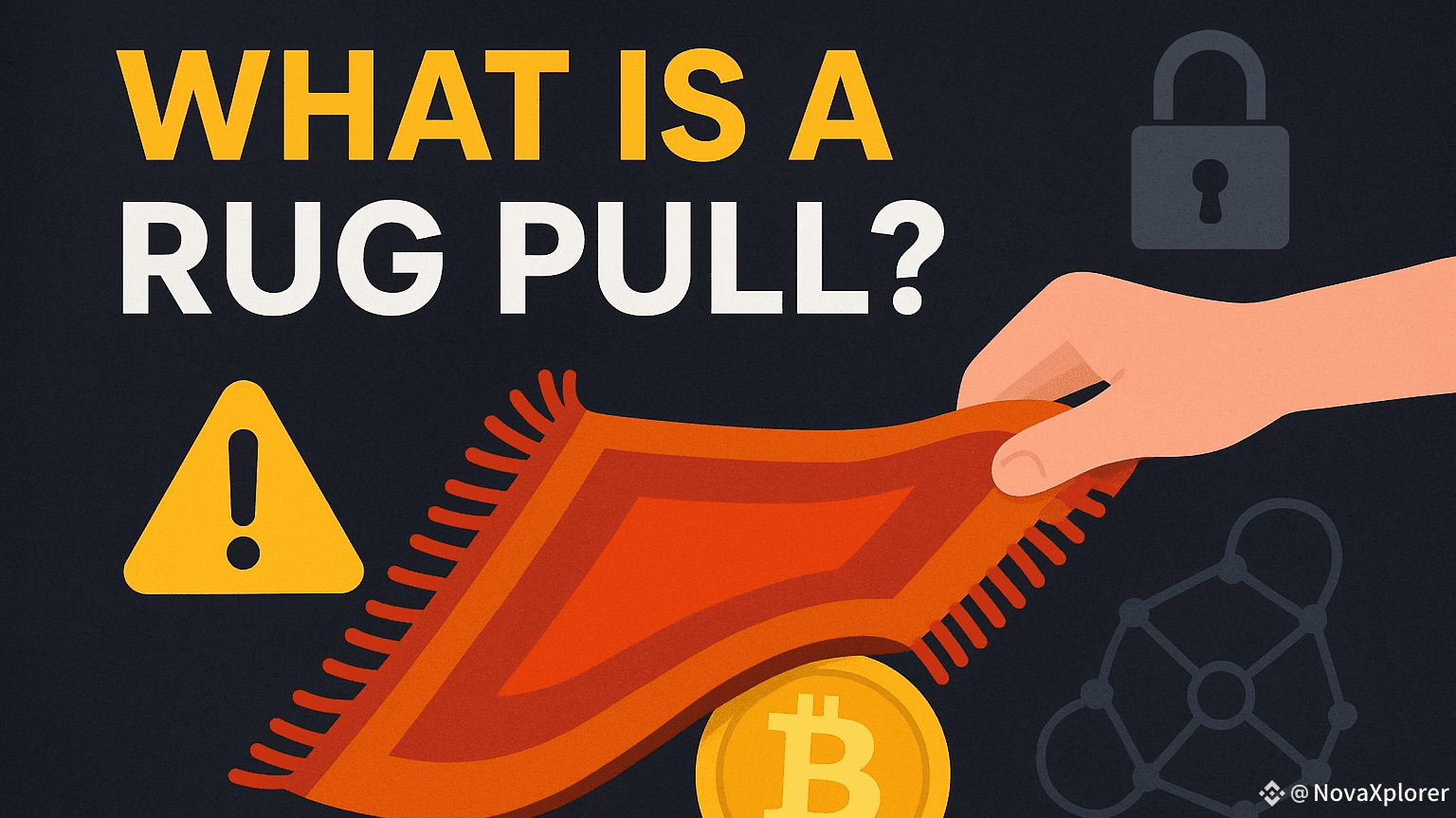
🛡 ما هو سحب السجادة؟ كيف تكتشفها وتتجنب عمليات الاحتيال في التشفيرمساحة التشفير مليئة بالابتكار... ولكنها مليئة أيضًا بالفخاخ. واحدة من أكثر عمليات الاحتيال ضررًا تُسمى سحب السجادة - وقد استنزفت المليارات من المستثمرين غير المدركين.
📌 ما هو سحب السجادة؟
يحدث سحب السجادة عندما يقوم الفريق وراء مشروع التشفير بسحب السيولة فجأة أو التخلي عن المشروع، مما يترك المستثمرين مع رموز بلا قيمة.
المصطلح يأتي من "سحب السجادة" من تحت شخص ما.
⚠️ أنواع سحب السجادات
1. سحب السجادة بالسيولة
يقوم المطورون بإزالة جميع السيولة من تجمع التداول، مما يجعل من المستحيل بيع الرمز.
🛡 ما هو سحب السجادة؟ كيف تكتشفها وتتجنب عمليات الاحتيال في التشفير
مساحة التشفير مليئة بالابتكار... ولكنها مليئة أيضًا بالفخاخ. واحدة من أكثر عمليات الاحتيال ضررًا تُسمى سحب السجادة - وقد استنزفت المليارات من المستثمرين غير المدركين.
📌 ما هو سحب السجادة؟
يحدث سحب السجادة عندما يقوم الفريق وراء مشروع التشفير بسحب السيولة فجأة أو التخلي عن المشروع، مما يترك المستثمرين مع رموز بلا قيمة.
المصطلح يأتي من "سحب السجادة" من تحت شخص ما.
⚠️ أنواع سحب السجادات
1. سحب السجادة بالسيولة
يقوم المطورون بإزالة جميع السيولة من تجمع التداول، مما يجعل من المستحيل بيع الرمز.
📌 ما هو سحب السجادة؟
يحدث سحب السجادة عندما يقوم الفريق وراء مشروع التشفير بسحب السيولة فجأة أو التخلي عن المشروع، مما يترك المستثمرين مع رموز بلا قيمة.
المصطلح يأتي من "سحب السجادة" من تحت شخص ما.
⚠️ أنواع سحب السجادات
1. سحب السجادة بالسيولة
يقوم المطورون بإزالة جميع السيولة من تجمع التداول، مما يجعل من المستحيل بيع الرمز.
1
3
298
·
--
مقالة
سولانا (SOL) – أسرع من في عالم البلوكشين 🚀عندما يتحدث الناس عن السرعة في عالم العملات المشفرة، غالبًا ما يكون سولانا هو الاسم الأول الذي يتبادر إلى الذهن. معروف بمعاملاته السريعة للغاية ورسومه المنخفضة للغاية، يقوم سولانا بتموضع نفسه كأحد أقوى المتنافسين على الإيثيريوم في السباق لتشغيل التطبيقات اللامركزية (dApps).
ما هو سولانا؟
سولانا هو بلوكشين من الطبقة 1 مصمم للتعامل مع آلاف المعاملات في الثانية دون المساس بالأمان أو اللامركزية. يستخدم مزيجًا فريدًا من إثبات الحصة (PoS) وإثبات التاريخ (PoH) لتحقيق أداء عالي.
سولانا (SOL) – أسرع من في عالم البلوكشين 🚀
عندما يتحدث الناس عن السرعة في عالم العملات المشفرة، غالبًا ما يكون سولانا هو الاسم الأول الذي يتبادر إلى الذهن. معروف بمعاملاته السريعة للغاية ورسومه المنخفضة للغاية، يقوم سولانا بتموضع نفسه كأحد أقوى المتنافسين على الإيثيريوم في السباق لتشغيل التطبيقات اللامركزية (dApps).
ما هو سولانا؟
سولانا هو بلوكشين من الطبقة 1 مصمم للتعامل مع آلاف المعاملات في الثانية دون المساس بالأمان أو اللامركزية. يستخدم مزيجًا فريدًا من إثبات الحصة (PoS) وإثبات التاريخ (PoH) لتحقيق أداء عالي.
ما هو سولانا؟
سولانا هو بلوكشين من الطبقة 1 مصمم للتعامل مع آلاف المعاملات في الثانية دون المساس بالأمان أو اللامركزية. يستخدم مزيجًا فريدًا من إثبات الحصة (PoS) وإثبات التاريخ (PoH) لتحقيق أداء عالي.
61
·
--
مقالة
لنفهم BTTCملخص سريع:
سلسلة BitTorrent (BTTC) هي سلسلة بلوكشين متعددة السلاسل، متوافقة مع EVM، تم بناؤها من قبل فريق BitTorrent (جزء من نظام TRON البيئي) لجعل تطبيقات الويب 3 سريعة ورخيصة وقابلة للتشغيل المتداخل. تم تصميمها كحل على شكل سلسلة جانبية / طبقة 2 يربط بين TRON وEthereum وBNB Chain وسلاسل أخرى بحيث يمكن للأصول وdApps التحرك والتوسع بسهولة أكبر.
1) لماذا توجد BTTC (المشكلة التي تحلها)
السلاسل الكتل مثل Ethereum آمنة ولكن يمكن أن تكون بطيئة ومكلفة عندما تزداد حركة المرور. هدف BTTC هو إعطاء المطورين مكانًا لتشغيل العقود الذكية وdApps مع رسوم أقل بكثير وأوقات تأكيد أسرع، مع السماح بالأصول بالتحرك ذهابًا وإيابًا إلى الشبكات الكبرى (TRON وEthereum وBSC). مما يجعلها مفيدة للاستخدامات في DeFi وNFTs والألعاب والتخزين اللامركزي.
لنفهم BTTC
ملخص سريع:
سلسلة BitTorrent (BTTC) هي سلسلة بلوكشين متعددة السلاسل، متوافقة مع EVM، تم بناؤها من قبل فريق BitTorrent (جزء من نظام TRON البيئي) لجعل تطبيقات الويب 3 سريعة ورخيصة وقابلة للتشغيل المتداخل. تم تصميمها كحل على شكل سلسلة جانبية / طبقة 2 يربط بين TRON وEthereum وBNB Chain وسلاسل أخرى بحيث يمكن للأصول وdApps التحرك والتوسع بسهولة أكبر.
1) لماذا توجد BTTC (المشكلة التي تحلها)
السلاسل الكتل مثل Ethereum آمنة ولكن يمكن أن تكون بطيئة ومكلفة عندما تزداد حركة المرور. هدف BTTC هو إعطاء المطورين مكانًا لتشغيل العقود الذكية وdApps مع رسوم أقل بكثير وأوقات تأكيد أسرع، مع السماح بالأصول بالتحرك ذهابًا وإيابًا إلى الشبكات الكبرى (TRON وEthereum وBSC). مما يجعلها مفيدة للاستخدامات في DeFi وNFTs والألعاب والتخزين اللامركزي.
سلسلة BitTorrent (BTTC) هي سلسلة بلوكشين متعددة السلاسل، متوافقة مع EVM، تم بناؤها من قبل فريق BitTorrent (جزء من نظام TRON البيئي) لجعل تطبيقات الويب 3 سريعة ورخيصة وقابلة للتشغيل المتداخل. تم تصميمها كحل على شكل سلسلة جانبية / طبقة 2 يربط بين TRON وEthereum وBNB Chain وسلاسل أخرى بحيث يمكن للأصول وdApps التحرك والتوسع بسهولة أكبر.
1) لماذا توجد BTTC (المشكلة التي تحلها)
السلاسل الكتل مثل Ethereum آمنة ولكن يمكن أن تكون بطيئة ومكلفة عندما تزداد حركة المرور. هدف BTTC هو إعطاء المطورين مكانًا لتشغيل العقود الذكية وdApps مع رسوم أقل بكثير وأوقات تأكيد أسرع، مع السماح بالأصول بالتحرك ذهابًا وإيابًا إلى الشبكات الكبرى (TRON وEthereum وBSC). مما يجعلها مفيدة للاستخدامات في DeFi وNFTs والألعاب والتخزين اللامركزي.
17
·
--
مقالة
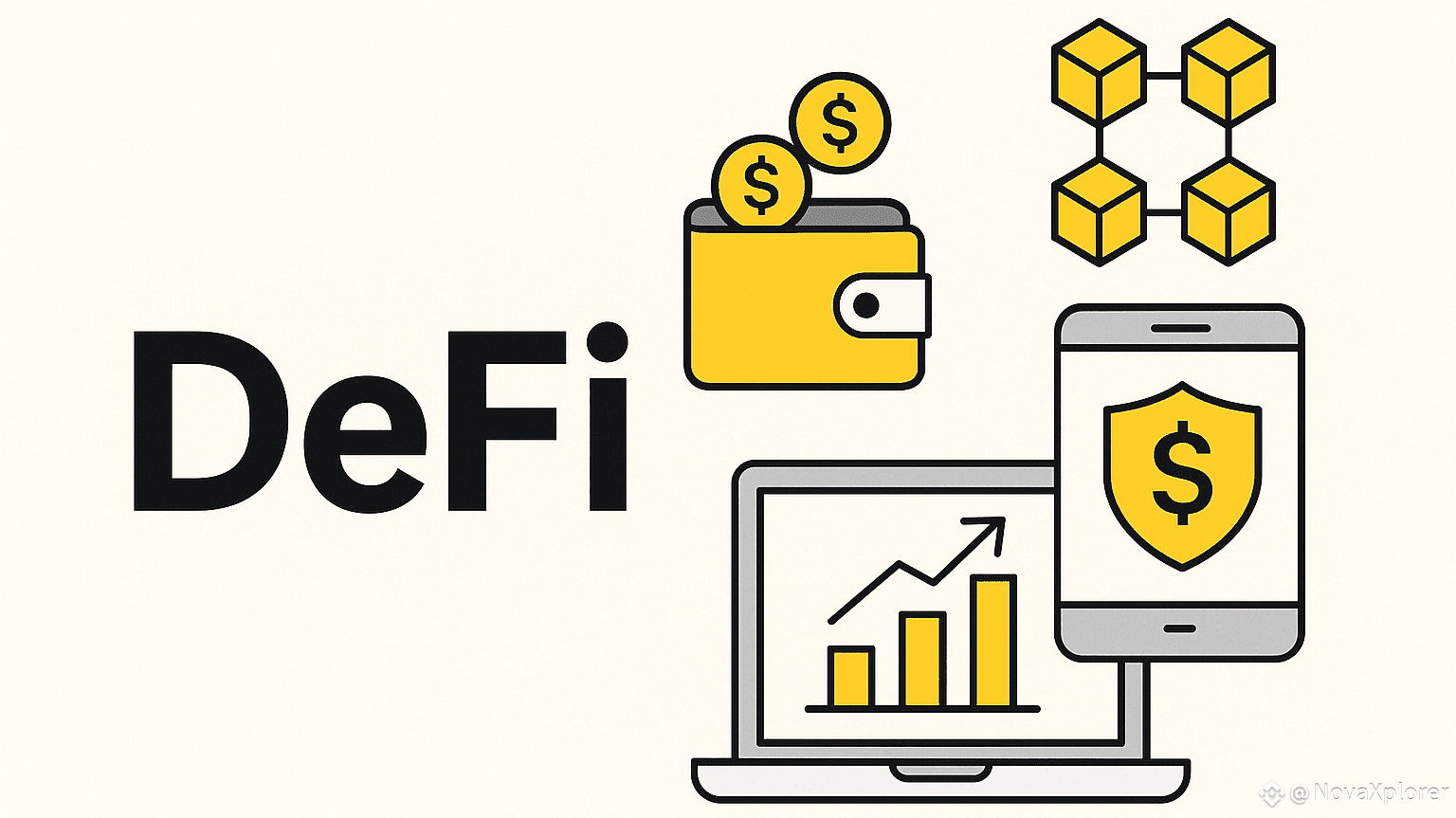
ما هو DeFi؟ مستقبل البنوك بدون بنوكتخيل إرسال المال، كسب الفوائد، أو الحصول على قرض — كل ذلك دون الحاجة للدخول إلى بنك. هذا بالضبط ما يفعله DeFi (التمويل اللامركزي).
DeFi هو نظام مالي مبني على البلوكشين، يستخدم بشكل رئيسي العملات المشفرة والعقود الذكية لاستبدال البنوك التقليدية والوسطاء.
كيف يعمل DeFi
بدلاً من الذهاب إلى بنك، تستخدم تطبيقًا لامركزي (dApp) يعمل على شبكات البلوكشين مثل Ethereum و Binance Smart Chain أو Solana.
العقود الذكية: برامج تنفذ المعاملات تلقائيًا عندما يتم استيفاء الشروط.
ما هو DeFi؟ مستقبل البنوك بدون بنوك
تخيل إرسال المال، كسب الفوائد، أو الحصول على قرض — كل ذلك دون الحاجة للدخول إلى بنك. هذا بالضبط ما يفعله DeFi (التمويل اللامركزي).
DeFi هو نظام مالي مبني على البلوكشين، يستخدم بشكل رئيسي العملات المشفرة والعقود الذكية لاستبدال البنوك التقليدية والوسطاء.
كيف يعمل DeFi
بدلاً من الذهاب إلى بنك، تستخدم تطبيقًا لامركزي (dApp) يعمل على شبكات البلوكشين مثل Ethereum و Binance Smart Chain أو Solana.
العقود الذكية: برامج تنفذ المعاملات تلقائيًا عندما يتم استيفاء الشروط.
DeFi هو نظام مالي مبني على البلوكشين، يستخدم بشكل رئيسي العملات المشفرة والعقود الذكية لاستبدال البنوك التقليدية والوسطاء.
كيف يعمل DeFi
بدلاً من الذهاب إلى بنك، تستخدم تطبيقًا لامركزي (dApp) يعمل على شبكات البلوكشين مثل Ethereum و Binance Smart Chain أو Solana.
العقود الذكية: برامج تنفذ المعاملات تلقائيًا عندما يتم استيفاء الشروط.
3
2
381
·
--
مقالة
Ethereum 2.0 - الترقية التي تغير عالم التشفير إلى الأبدEthereum $ETH ليست مجرد عملة مشفرة - إنها العمود الفقري لآلاف تطبيقات blockchain و NFTs ومشاريع DeFi. لكن حتى وقت قريب، كانت تواجه مشاكل كبيرة: معاملات بطيئة، ورسوم مرتفعة، واستهلاك طاقة مرتفع.
ادخل Ethereum 2.0، المعروف أيضًا باسم The Merge - ترقية ضخمة تهدف إلى جعل Ethereum أسرع وأرخص وأكثر صداقة للبيئة.
من إثبات العمل إلى إثبات الحصة
قبل الترقية، كانت Ethereum تستخدم نظام إثبات العمل (PoW) مثل Bitcoin، الذي يتطلب كميات هائلة من الكهرباء. انتقلت Ethereum 2.0 إلى إثبات الحصة (PoS)، حيث يحل المدققون مكان المعدنين.
Ethereum 2.0 - الترقية التي تغير عالم التشفير إلى الأبد
Ethereum $ETH ليست مجرد عملة مشفرة - إنها العمود الفقري لآلاف تطبيقات blockchain و NFTs ومشاريع DeFi. لكن حتى وقت قريب، كانت تواجه مشاكل كبيرة: معاملات بطيئة، ورسوم مرتفعة، واستهلاك طاقة مرتفع.
ادخل Ethereum 2.0، المعروف أيضًا باسم The Merge - ترقية ضخمة تهدف إلى جعل Ethereum أسرع وأرخص وأكثر صداقة للبيئة.
من إثبات العمل إلى إثبات الحصة
قبل الترقية، كانت Ethereum تستخدم نظام إثبات العمل (PoW) مثل Bitcoin، الذي يتطلب كميات هائلة من الكهرباء. انتقلت Ethereum 2.0 إلى إثبات الحصة (PoS)، حيث يحل المدققون مكان المعدنين.
ادخل Ethereum 2.0، المعروف أيضًا باسم The Merge - ترقية ضخمة تهدف إلى جعل Ethereum أسرع وأرخص وأكثر صداقة للبيئة.
من إثبات العمل إلى إثبات الحصة
قبل الترقية، كانت Ethereum تستخدم نظام إثبات العمل (PoW) مثل Bitcoin، الذي يتطلب كميات هائلة من الكهرباء. انتقلت Ethereum 2.0 إلى إثبات الحصة (PoS)، حيث يحل المدققون مكان المعدنين.
3
161
·
--
مقالة
ريبل (XRP) - الناقل السريع للأموالتخيل أنك تريد إرسال أموال إلى صديقك في دولة أخرى. عادة، تستغرق البنوك من 3 إلى 5 أيام، وتفرض رسومًا عالية، وأحيانًا تفقد حتى تتبع التحويل في الطريق. هذا بطيء ومكلف وم frustrating.
الآن، تخيل أن هناك قطارًا فائق السرعة يمكنه توصيل أموالك في بضع ثوان إلى أي دولة في العالم - بأمان، وبسعر رخيص، وبدون تأخير.
هذا هو ريبل.
ما هو ريبل؟
ريبل هو شبكة دفع مصممة لجعل إرسال الأموال إلى أي مكان في العالم سريعًا ورخيصًا وموثوقًا.
ريبل (XRP) - الناقل السريع للأموال
تخيل أنك تريد إرسال أموال إلى صديقك في دولة أخرى. عادة، تستغرق البنوك من 3 إلى 5 أيام، وتفرض رسومًا عالية، وأحيانًا تفقد حتى تتبع التحويل في الطريق. هذا بطيء ومكلف وم frustrating.
الآن، تخيل أن هناك قطارًا فائق السرعة يمكنه توصيل أموالك في بضع ثوان إلى أي دولة في العالم - بأمان، وبسعر رخيص، وبدون تأخير.
هذا هو ريبل.
ما هو ريبل؟
ريبل هو شبكة دفع مصممة لجعل إرسال الأموال إلى أي مكان في العالم سريعًا ورخيصًا وموثوقًا.
الآن، تخيل أن هناك قطارًا فائق السرعة يمكنه توصيل أموالك في بضع ثوان إلى أي دولة في العالم - بأمان، وبسعر رخيص، وبدون تأخير.
هذا هو ريبل.
ما هو ريبل؟
ريبل هو شبكة دفع مصممة لجعل إرسال الأموال إلى أي مكان في العالم سريعًا ورخيصًا وموثوقًا.
5
4
32
8.4k
·
--
مقالة
فهم العملات المستقرة: الهدوء في عاصفة العملات المشفرةفي عالم العملات المشفرة، تتأرجح الأسعار صعودًا وهبوطًا كالأفعوانية. ولكن هناك نوع واحد من العملات صُمم ليبقى ثابتًا: العملات المستقرة.
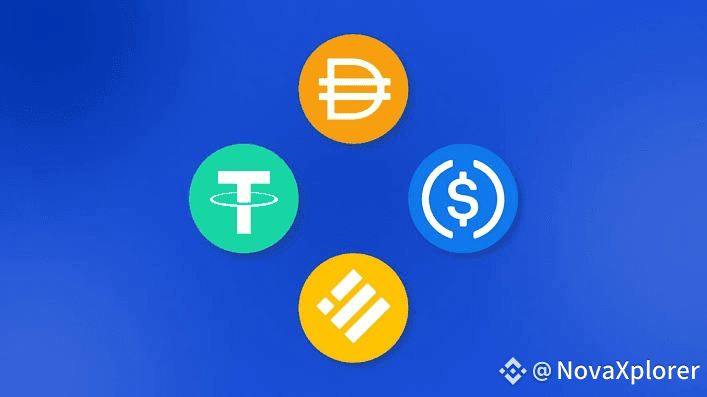
العملة المستقرة هي عملة رقمية مصممة للحفاظ على استقرار قيمتها، عادةً من خلال ربطها بأصل تقليدي مثل الدولار الأمريكي. ومن الأمثلة على ذلك $USDT (Tether)، و$USDC (USD Coin)، و$BUSD (Binance USD).
لماذا تعد العملات المستقرة مهمة؟
الملاذ الآمن: يستخدمه المتداولون لحماية أرباحهم عندما يصبح السوق متقلبًا.
التحويلات السريعة: تسمح بإجراء مدفوعات سريعة ورخيصة عبر الحدود دون تأخير البنوك التقليدية.
فهم العملات المستقرة: الهدوء في عاصفة العملات المشفرة
في عالم العملات المشفرة، تتأرجح الأسعار صعودًا وهبوطًا كالأفعوانية. ولكن هناك نوع واحد من العملات صُمم ليبقى ثابتًا: العملات المستقرة.
العملة المستقرة هي عملة رقمية مصممة للحفاظ على استقرار قيمتها، عادةً من خلال ربطها بأصل تقليدي مثل الدولار الأمريكي. ومن الأمثلة على ذلك $USDT (Tether)، و$USDC (USD Coin)، و$BUSD (Binance USD).
لماذا تعد العملات المستقرة مهمة؟
الملاذ الآمن: يستخدمه المتداولون لحماية أرباحهم عندما يصبح السوق متقلبًا.
التحويلات السريعة: تسمح بإجراء مدفوعات سريعة ورخيصة عبر الحدود دون تأخير البنوك التقليدية.
العملة المستقرة هي عملة رقمية مصممة للحفاظ على استقرار قيمتها، عادةً من خلال ربطها بأصل تقليدي مثل الدولار الأمريكي. ومن الأمثلة على ذلك $USDT (Tether)، و$USDC (USD Coin)، و$BUSD (Binance USD).
لماذا تعد العملات المستقرة مهمة؟
الملاذ الآمن: يستخدمه المتداولون لحماية أرباحهم عندما يصبح السوق متقلبًا.
التحويلات السريعة: تسمح بإجراء مدفوعات سريعة ورخيصة عبر الحدود دون تأخير البنوك التقليدية.
2
167
·
--
مقالة
نظام IoTeX البيئي: بناء مستقبل DePIN وMachineFi1. حجم النظام البيئي والزخم
الآن يدعم IoTeX 218 مشروعًا، بما في ذلك 51 مبادرة تركز على DePIN، مما يضعه كواحد من أفضل ثلاثة أنظمة بيئية لـ DePIN بعد Ethereum وSolana.
يُظهر نمو النظام البيئي بشكل أكبر من خلال مستكشف DePINscan، الذي يتتبع أكثر من 280 مشروعًا و18 مليون جهاز متصل.
في عام 2024، سجل IoTeX أكثر من 150 مليون معاملة، وأمن 3.6 مليار IOTX مرهونة (~40% من العرض)، وشهد 714 ألف حساب، واستقطب 2000 مطور.
2. البنية التحتية الأساسية: IoTeX 2.0
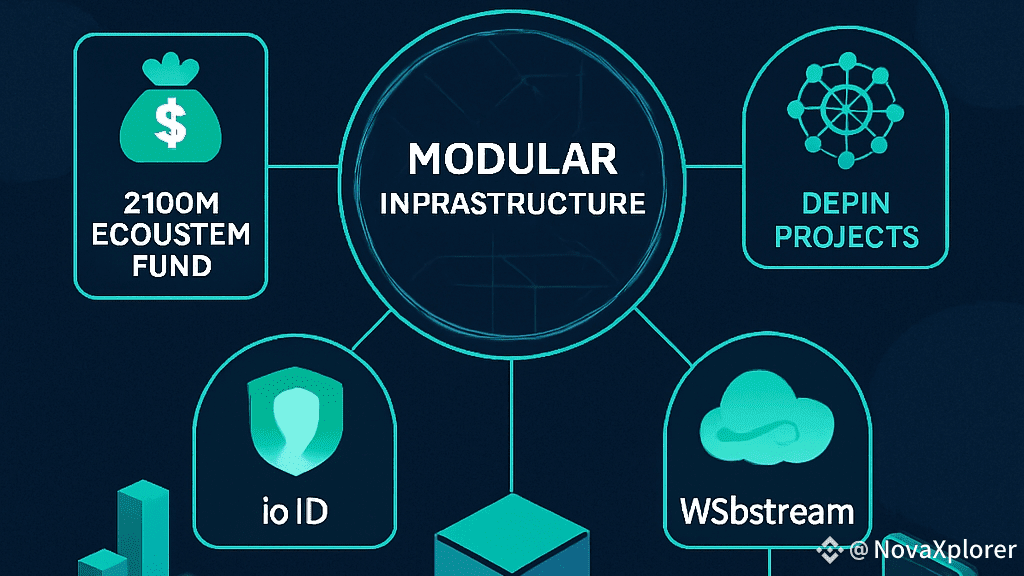
IoTeX 2.0 يقدم بنية تحتية مودولية مصممة لبناة DePIN:
نظام IoTeX البيئي: بناء مستقبل DePIN وMachineFi
1. حجم النظام البيئي والزخم
الآن يدعم IoTeX 218 مشروعًا، بما في ذلك 51 مبادرة تركز على DePIN، مما يضعه كواحد من أفضل ثلاثة أنظمة بيئية لـ DePIN بعد Ethereum وSolana.
يُظهر نمو النظام البيئي بشكل أكبر من خلال مستكشف DePINscan، الذي يتتبع أكثر من 280 مشروعًا و18 مليون جهاز متصل.
في عام 2024، سجل IoTeX أكثر من 150 مليون معاملة، وأمن 3.6 مليار IOTX مرهونة (~40% من العرض)، وشهد 714 ألف حساب، واستقطب 2000 مطور.
2. البنية التحتية الأساسية: IoTeX 2.0
IoTeX 2.0 يقدم بنية تحتية مودولية مصممة لبناة DePIN:
الآن يدعم IoTeX 218 مشروعًا، بما في ذلك 51 مبادرة تركز على DePIN، مما يضعه كواحد من أفضل ثلاثة أنظمة بيئية لـ DePIN بعد Ethereum وSolana.
يُظهر نمو النظام البيئي بشكل أكبر من خلال مستكشف DePINscan، الذي يتتبع أكثر من 280 مشروعًا و18 مليون جهاز متصل.
في عام 2024، سجل IoTeX أكثر من 150 مليون معاملة، وأمن 3.6 مليار IOTX مرهونة (~40% من العرض)، وشهد 714 ألف حساب، واستقطب 2000 مطور.
2. البنية التحتية الأساسية: IoTeX 2.0
IoTeX 2.0 يقدم بنية تحتية مودولية مصممة لبناة DePIN:
2
337
·
--
مقالة
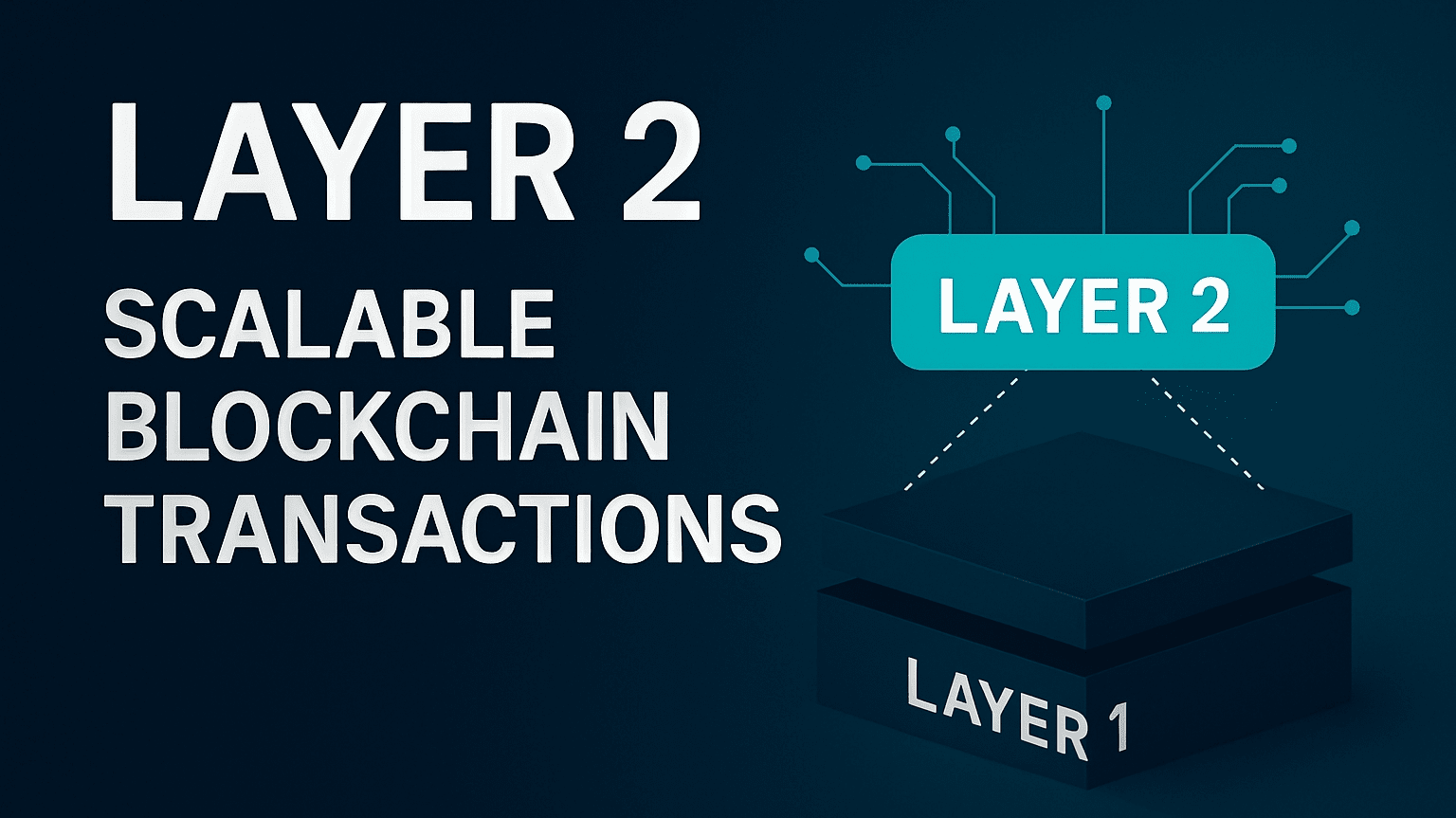
سلاسل الكتل Layer-2: نظرة عميقة على مستقبل التوسع1. ما هي حلول Layer-2؟
تم بناء حلول Layer-2 فوق سلاسل الكتل Layer-1 (مثل Ethereum أو Bitcoin) لتعزيز قدرة المعاملات وتقليل التكاليف. من خلال معالجة المعاملات خارج السلسلة وتجميعها، تقوم Layer-2 بشكل دوري بتثبيت النتائج مرة أخرى على السلسلة الرئيسية، مما يحافظ على الأمان واللامركزية.
---
2. لماذا نحتاجها؟
مشكلة قابلية التوسع: غالباً ما تكافح سلاسل الكتل لتقديم اللامركزية، والأمان، والقابلية للتوسع في آن واحد. تساعد Layer-2 في معالجة قابلية التوسع دون التضحية بالاثنين الآخرين.
سلاسل الكتل Layer-2: نظرة عميقة على مستقبل التوسع
1. ما هي حلول Layer-2؟
تم بناء حلول Layer-2 فوق سلاسل الكتل Layer-1 (مثل Ethereum أو Bitcoin) لتعزيز قدرة المعاملات وتقليل التكاليف. من خلال معالجة المعاملات خارج السلسلة وتجميعها، تقوم Layer-2 بشكل دوري بتثبيت النتائج مرة أخرى على السلسلة الرئيسية، مما يحافظ على الأمان واللامركزية.
---
2. لماذا نحتاجها؟
مشكلة قابلية التوسع: غالباً ما تكافح سلاسل الكتل لتقديم اللامركزية، والأمان، والقابلية للتوسع في آن واحد. تساعد Layer-2 في معالجة قابلية التوسع دون التضحية بالاثنين الآخرين.
تم بناء حلول Layer-2 فوق سلاسل الكتل Layer-1 (مثل Ethereum أو Bitcoin) لتعزيز قدرة المعاملات وتقليل التكاليف. من خلال معالجة المعاملات خارج السلسلة وتجميعها، تقوم Layer-2 بشكل دوري بتثبيت النتائج مرة أخرى على السلسلة الرئيسية، مما يحافظ على الأمان واللامركزية.
---
2. لماذا نحتاجها؟
مشكلة قابلية التوسع: غالباً ما تكافح سلاسل الكتل لتقديم اللامركزية، والأمان، والقابلية للتوسع في آن واحد. تساعد Layer-2 في معالجة قابلية التوسع دون التضحية بالاثنين الآخرين.
1
1
5
956
·
--
مقالة
IoTeX: ثورة في إنترنت الثقة1. ما هو IoTeX؟
IoTeX هي سلسلة كتل عالية الأداء من الطبقة الأولى، متوافقة مع آلات القيمة الإلكترونية (EVM)، مصممة خصيصًا لإنترنت الأشياء (IoT) واقتصاد MachineFi الناشئ. تأسست عام ٢٠١٧ على يد خبراء في هذا المجال من جوجل وأوبر وإنتل وغيرها، وتتمثل مهمتها في ربط الآلات والمستخدمين الفعليين بالخصوصية وقابلية التوسع والاستقلالية.
---
2. التكنولوجيا الأساسية والهندسة المعمارية
إجماع Roll-DPoS: آلية قابلة للتطوير وتوفر الطاقة بشكل فعال وتضمن إنتاج كتلة سريع وآمن.
معدل TPS مرتفع للغاية: يحقق IoTeX 2.0 ما يصل إلى 100000 معاملة في الثانية، مع إنهاء فوري (~5 ثوانٍ).
IoTeX: ثورة في إنترنت الثقة
1. ما هو IoTeX؟
IoTeX هي سلسلة كتل عالية الأداء من الطبقة الأولى، متوافقة مع آلات القيمة الإلكترونية (EVM)، مصممة خصيصًا لإنترنت الأشياء (IoT) واقتصاد MachineFi الناشئ. تأسست عام ٢٠١٧ على يد خبراء في هذا المجال من جوجل وأوبر وإنتل وغيرها، وتتمثل مهمتها في ربط الآلات والمستخدمين الفعليين بالخصوصية وقابلية التوسع والاستقلالية.
---
2. التكنولوجيا الأساسية والهندسة المعمارية
إجماع Roll-DPoS: آلية قابلة للتطوير وتوفر الطاقة بشكل فعال وتضمن إنتاج كتلة سريع وآمن.
معدل TPS مرتفع للغاية: يحقق IoTeX 2.0 ما يصل إلى 100000 معاملة في الثانية، مع إنهاء فوري (~5 ثوانٍ).
IoTeX هي سلسلة كتل عالية الأداء من الطبقة الأولى، متوافقة مع آلات القيمة الإلكترونية (EVM)، مصممة خصيصًا لإنترنت الأشياء (IoT) واقتصاد MachineFi الناشئ. تأسست عام ٢٠١٧ على يد خبراء في هذا المجال من جوجل وأوبر وإنتل وغيرها، وتتمثل مهمتها في ربط الآلات والمستخدمين الفعليين بالخصوصية وقابلية التوسع والاستقلالية.
---
2. التكنولوجيا الأساسية والهندسة المعمارية
إجماع Roll-DPoS: آلية قابلة للتطوير وتوفر الطاقة بشكل فعال وتضمن إنتاج كتلة سريع وآمن.
معدل TPS مرتفع للغاية: يحقق IoTeX 2.0 ما يصل إلى 100000 معاملة في الثانية، مع إنهاء فوري (~5 ثوانٍ).
7
792
·
--
💰 العملات الرقمية في حساب 401(k): فكرة جيدة أم خطوة محفوفة بالمخاطر؟
إليك نظرة سريعة:
✅ الإيجابيات:
• 🚀 إمكانيات نمو عالية
• 📊 مزيد من التنوع
• 🌱 تعرض مبكر لسوق متنامي
⚠️ السلبيات:
• 📉 متقلبة للغاية
• ⚖️ قد تتغير القواعد
• 🏦 ليست متاحة على نطاق واسع بعد
⚠️ العواقب: قد تؤثر الأزمة بشدة على تقاعدك. من الأفضل أن تحتفظ بها كنسبة صغيرة من محفظتك.
---
💡 العملات الرقمية في حساب 401(k) = مثيرة، ولكن ليست لمن يخاف بسهولة!
#CryptoIn401(k)
💰 العملات الرقمية في حساب 401(k): فكرة جيدة أم خطوة محفوفة بالمخاطر؟
إليك نظرة سريعة:
✅ الإيجابيات:
• 🚀 إمكانيات نمو عالية
• 📊 مزيد من التنوع
• 🌱 تعرض مبكر لسوق متنامي
⚠️ السلبيات:
• 📉 متقلبة للغاية
• ⚖️ قد تتغير القواعد
• 🏦 ليست متاحة على نطاق واسع بعد
⚠️ العواقب: قد تؤثر الأزمة بشدة على تقاعدك. من الأفضل أن تحتفظ بها كنسبة صغيرة من محفظتك.
---
💡 العملات الرقمية في حساب 401(k) = مثيرة، ولكن ليست لمن يخاف بسهولة!
#CryptoIn401(k)
إليك نظرة سريعة:
✅ الإيجابيات:
• 🚀 إمكانيات نمو عالية
• 📊 مزيد من التنوع
• 🌱 تعرض مبكر لسوق متنامي
⚠️ السلبيات:
• 📉 متقلبة للغاية
• ⚖️ قد تتغير القواعد
• 🏦 ليست متاحة على نطاق واسع بعد
⚠️ العواقب: قد تؤثر الأزمة بشدة على تقاعدك. من الأفضل أن تحتفظ بها كنسبة صغيرة من محفظتك.
---
💡 العملات الرقمية في حساب 401(k) = مثيرة، ولكن ليست لمن يخاف بسهولة!
#CryptoIn401(k)
1
12
·
--
🎨 ما هو NFT؟
تخيل أنك ترسم صورة 🖌 وتنشرها على الإنترنت.
يمكن للناس نسخها، لكن شخصًا واحدًا فقط يمكنه امتلاك الأصل 🏆.
هذا هو ما يعنيه NFT - إنه مثل شهادة رقمية تثبت أن شيئًا ما على الإنترنت هو ملكك.
---
💡 ما الذي يمكن أن يكون NFT؟
فن 🎨
موسيقى 🎵
عناصر الألعاب 🎮
قطع التحصيل 🃏
يتم تخزين كل NFT على سلسلة الكتل بحيث يمكن للجميع رؤية من يمتلكه، ولا يمكن لأحد تزييفه.
---
بكلمات بسيطة:
NFT هو عنصر رقمي خاص يمكنك فقط امتلاكه - حتى لو كان بإمكان الآخرين رؤيته أو نسخه.
إذا كان بإمكانك تحويل أي شيء إلى NFT، ماذا سيكون؟ 🤔
#NFT #Web3 #CryptoBasics #BinanceFeed
🎨 ما هو NFT؟
تخيل أنك ترسم صورة 🖌 وتنشرها على الإنترنت.
يمكن للناس نسخها، لكن شخصًا واحدًا فقط يمكنه امتلاك الأصل 🏆.
هذا هو ما يعنيه NFT - إنه مثل شهادة رقمية تثبت أن شيئًا ما على الإنترنت هو ملكك.
---
💡 ما الذي يمكن أن يكون NFT؟
فن 🎨
موسيقى 🎵
عناصر الألعاب 🎮
قطع التحصيل 🃏
يتم تخزين كل NFT على سلسلة الكتل بحيث يمكن للجميع رؤية من يمتلكه، ولا يمكن لأحد تزييفه.
---
بكلمات بسيطة:
NFT هو عنصر رقمي خاص يمكنك فقط امتلاكه - حتى لو كان بإمكان الآخرين رؤيته أو نسخه.
إذا كان بإمكانك تحويل أي شيء إلى NFT، ماذا سيكون؟ 🤔
#NFT #Web3 #CryptoBasics #BinanceFeed
تخيل أنك ترسم صورة 🖌 وتنشرها على الإنترنت.
يمكن للناس نسخها، لكن شخصًا واحدًا فقط يمكنه امتلاك الأصل 🏆.
هذا هو ما يعنيه NFT - إنه مثل شهادة رقمية تثبت أن شيئًا ما على الإنترنت هو ملكك.
---
💡 ما الذي يمكن أن يكون NFT؟
فن 🎨
موسيقى 🎵
عناصر الألعاب 🎮
قطع التحصيل 🃏
يتم تخزين كل NFT على سلسلة الكتل بحيث يمكن للجميع رؤية من يمتلكه، ولا يمكن لأحد تزييفه.
---
بكلمات بسيطة:
NFT هو عنصر رقمي خاص يمكنك فقط امتلاكه - حتى لو كان بإمكان الآخرين رؤيته أو نسخه.
إذا كان بإمكانك تحويل أي شيء إلى NFT، ماذا سيكون؟ 🤔
#NFT #Web3 #CryptoBasics #BinanceFeed
1
11
·
--
🤝 ما هو DAO؟
تخيل نادٍ حيث:
لا يوجد رئيس 🧑💼
يمكن للجميع التصويت على ما يحدث 🗳
القواعد مكتوبة في كود الكمبيوتر بحيث لا يمكن لأحد الغش 💻
هذا هو DAO — اختصار لمنظمة مستقلة لامركزية.
---
💡 كيف يعمل:
ينضم الناس من خلال امتلاك رموز خاصة 🎟
كلما كان لديك المزيد من الرموز، كلما حصلت على المزيد من الأصوات 📊
تقرر المجموعة معًا كيفية استخدام المال، بدء المشاريع، أو تغيير القواعد
إنه مثل إدارة نادٍ مدرسي حيث لكل شخص رأي — ولكن بدلاً من الورق والاجتماعات، يتم كل شيء على البلوكتشين. 🔗
---
بكلمات بسيطة:
DAO هو مجموعة على الإنترنت حيث يعمل الناس معًا ويتخذون قرارات دون قائد واحد.
إذا كان بإمكانك إنشاء DAO خاص بك، فما الذي سيكون له؟ 🤔
#DAO #Web3 #أساسيات_العملات_المشفرة #البلوكتشين_للمبتدئين #BinanceFeed
🤝 ما هو DAO؟
تخيل نادٍ حيث:
لا يوجد رئيس 🧑💼
يمكن للجميع التصويت على ما يحدث 🗳
القواعد مكتوبة في كود الكمبيوتر بحيث لا يمكن لأحد الغش 💻
هذا هو DAO — اختصار لمنظمة مستقلة لامركزية.
---
💡 كيف يعمل:
ينضم الناس من خلال امتلاك رموز خاصة 🎟
كلما كان لديك المزيد من الرموز، كلما حصلت على المزيد من الأصوات 📊
تقرر المجموعة معًا كيفية استخدام المال، بدء المشاريع، أو تغيير القواعد
إنه مثل إدارة نادٍ مدرسي حيث لكل شخص رأي — ولكن بدلاً من الورق والاجتماعات، يتم كل شيء على البلوكتشين. 🔗
---
بكلمات بسيطة:
DAO هو مجموعة على الإنترنت حيث يعمل الناس معًا ويتخذون قرارات دون قائد واحد.
إذا كان بإمكانك إنشاء DAO خاص بك، فما الذي سيكون له؟ 🤔
#DAO #Web3 #أساسيات_العملات_المشفرة #البلوكتشين_للمبتدئين #BinanceFeed
تخيل نادٍ حيث:
لا يوجد رئيس 🧑💼
يمكن للجميع التصويت على ما يحدث 🗳
القواعد مكتوبة في كود الكمبيوتر بحيث لا يمكن لأحد الغش 💻
هذا هو DAO — اختصار لمنظمة مستقلة لامركزية.
---
💡 كيف يعمل:
ينضم الناس من خلال امتلاك رموز خاصة 🎟
كلما كان لديك المزيد من الرموز، كلما حصلت على المزيد من الأصوات 📊
تقرر المجموعة معًا كيفية استخدام المال، بدء المشاريع، أو تغيير القواعد
إنه مثل إدارة نادٍ مدرسي حيث لكل شخص رأي — ولكن بدلاً من الورق والاجتماعات، يتم كل شيء على البلوكتشين. 🔗
---
بكلمات بسيطة:
DAO هو مجموعة على الإنترنت حيث يعمل الناس معًا ويتخذون قرارات دون قائد واحد.
إذا كان بإمكانك إنشاء DAO خاص بك، فما الذي سيكون له؟ 🤔
#DAO #Web3 #أساسيات_العملات_المشفرة #البلوكتشين_للمبتدئين #BinanceFeed
12
·
--
💻 ما هو الإيثريوم؟
تخيل جهاز كمبيوتر عملاق يعيش على الإنترنت 🌍.
ولكن هنا السحر — هذا الكمبيوتر ليس مملوكًا لشخص أو شركة واحدة.
إنه مملوك للجميع الذين يستخدمونه! 🙌
على الإيثريوم، يمكن للناس:
إنشاء أموالهم الخاصة 💰 (توكنات)
بناء ألعاب 🎮
إنشاء فن رقمي 🎨
تشغيل تطبيقات لا يمكن لأحد إيقافها 🔒
وكل ذلك يعمل باستخدام عملته الخاصة المسماة $ETH .
تستخدم $ETH للدفع مقابل الأشياء على هذا الكمبيوتر العملاق — نوع من استخدام التذاكر 🎟 في مدينة الملاهي.
بكلمات بسيطة:
الإيثريوم هو جهاز الكمبيوتر العالمي حيث يمكنك البناء واللعب وامتلاك الأشياء دون الحاجة إلى إذن.
إذا كان لديك تطبيق خاص بك على الإيثريوم، ماذا ستصنع؟ 🤔
#الإيثريوم #ETH #أساسيات_التشفير #بلوكشين_للمبتدئين #BinanceFeed
💻 ما هو الإيثريوم؟
تخيل جهاز كمبيوتر عملاق يعيش على الإنترنت 🌍.
ولكن هنا السحر — هذا الكمبيوتر ليس مملوكًا لشخص أو شركة واحدة.
إنه مملوك للجميع الذين يستخدمونه! 🙌
على الإيثريوم، يمكن للناس:
إنشاء أموالهم الخاصة 💰 (توكنات)
بناء ألعاب 🎮
إنشاء فن رقمي 🎨
تشغيل تطبيقات لا يمكن لأحد إيقافها 🔒
وكل ذلك يعمل باستخدام عملته الخاصة المسماة $ETH .
تستخدم $ETH للدفع مقابل الأشياء على هذا الكمبيوتر العملاق — نوع من استخدام التذاكر 🎟 في مدينة الملاهي.
بكلمات بسيطة:
الإيثريوم هو جهاز الكمبيوتر العالمي حيث يمكنك البناء واللعب وامتلاك الأشياء دون الحاجة إلى إذن.
إذا كان لديك تطبيق خاص بك على الإيثريوم، ماذا ستصنع؟ 🤔
#الإيثريوم #ETH #أساسيات_التشفير #بلوكشين_للمبتدئين #BinanceFeed
تخيل جهاز كمبيوتر عملاق يعيش على الإنترنت 🌍.
ولكن هنا السحر — هذا الكمبيوتر ليس مملوكًا لشخص أو شركة واحدة.
إنه مملوك للجميع الذين يستخدمونه! 🙌
على الإيثريوم، يمكن للناس:
إنشاء أموالهم الخاصة 💰 (توكنات)
بناء ألعاب 🎮
إنشاء فن رقمي 🎨
تشغيل تطبيقات لا يمكن لأحد إيقافها 🔒
وكل ذلك يعمل باستخدام عملته الخاصة المسماة $ETH .
تستخدم $ETH للدفع مقابل الأشياء على هذا الكمبيوتر العملاق — نوع من استخدام التذاكر 🎟 في مدينة الملاهي.
بكلمات بسيطة:
الإيثريوم هو جهاز الكمبيوتر العالمي حيث يمكنك البناء واللعب وامتلاك الأشياء دون الحاجة إلى إذن.
إذا كان لديك تطبيق خاص بك على الإيثريوم، ماذا ستصنع؟ 🤔
#الإيثريوم #ETH #أساسيات_التشفير #بلوكشين_للمبتدئين #BinanceFeed
10
·
--
🎈 ما هو BOB Crypto؟ عملة الميم التي انتشرت بشكل فيروسي
$BOB ليست مجرد اسم — إنها عملة ميم مستوحاة من الروبوت الفيروسي على تويتر @ExplainThisBob 🤖
أصبح الروبوت مشهورًا لردوده على التغريدات بشرح بسيط... وحتى جذب انتباه إيلون ماسك. 🚀
عندما قال إيلون "أحب بوب"، جن جنون الإنترنت — وكذلك سعر الرمز 📈 (لفترة قصيرة).
---
💡 حول $BOB Token
النوع: عملة ميم 🐸
الغرض: مبنية على حماس المجتمع، وليس على تقنيات عميقة
التقلب: مرتفع جدًا — يمكن أن يرتفع أو ينخفض بسرعة
الاستخدام: في الغالب للمتعة + الضجة الاجتماعية
---
⚠️ قبل أن تقفز:
$BOB استثمار مضاربي — مما يعني أنه يعتمد على الحماس، وليس على أساسيات قوية. رائع لعشاق الميم، ولكنه عالي المخاطر للمستثمرين.
دائمًا قم بإجراء بحثك الخاص (DYOR) ولا تستثمر أكثر مما يمكنك تحمل خسارته.
---
🤔 هل تعتقد أن عملات الميم مثل BOB يمكن أن تبقى على المدى الطويل، أم أنها فقط للربح السريع؟
#BOB #عملة_الميم #تشفير_للمبتدئين #تغذية_بينانس #DYOR
🎈 ما هو BOB Crypto؟ عملة الميم التي انتشرت بشكل فيروسي
$BOB ليست مجرد اسم — إنها عملة ميم مستوحاة من الروبوت الفيروسي على تويتر @ExplainThisBob 🤖
أصبح الروبوت مشهورًا لردوده على التغريدات بشرح بسيط... وحتى جذب انتباه إيلون ماسك. 🚀
عندما قال إيلون "أحب بوب"، جن جنون الإنترنت — وكذلك سعر الرمز 📈 (لفترة قصيرة).
---
💡 حول $BOB Token
النوع: عملة ميم 🐸
الغرض: مبنية على حماس المجتمع، وليس على تقنيات عميقة
التقلب: مرتفع جدًا — يمكن أن يرتفع أو ينخفض بسرعة
الاستخدام: في الغالب للمتعة + الضجة الاجتماعية
---
⚠️ قبل أن تقفز:
$BOB استثمار مضاربي — مما يعني أنه يعتمد على الحماس، وليس على أساسيات قوية. رائع لعشاق الميم، ولكنه عالي المخاطر للمستثمرين.
دائمًا قم بإجراء بحثك الخاص (DYOR) ولا تستثمر أكثر مما يمكنك تحمل خسارته.
---
🤔 هل تعتقد أن عملات الميم مثل BOB يمكن أن تبقى على المدى الطويل، أم أنها فقط للربح السريع؟
#BOB #عملة_الميم #تشفير_للمبتدئين #تغذية_بينانس #DYOR
$BOB ليست مجرد اسم — إنها عملة ميم مستوحاة من الروبوت الفيروسي على تويتر @ExplainThisBob 🤖
أصبح الروبوت مشهورًا لردوده على التغريدات بشرح بسيط... وحتى جذب انتباه إيلون ماسك. 🚀
عندما قال إيلون "أحب بوب"، جن جنون الإنترنت — وكذلك سعر الرمز 📈 (لفترة قصيرة).
---
💡 حول $BOB Token
النوع: عملة ميم 🐸
الغرض: مبنية على حماس المجتمع، وليس على تقنيات عميقة
التقلب: مرتفع جدًا — يمكن أن يرتفع أو ينخفض بسرعة
الاستخدام: في الغالب للمتعة + الضجة الاجتماعية
---
⚠️ قبل أن تقفز:
$BOB استثمار مضاربي — مما يعني أنه يعتمد على الحماس، وليس على أساسيات قوية. رائع لعشاق الميم، ولكنه عالي المخاطر للمستثمرين.
دائمًا قم بإجراء بحثك الخاص (DYOR) ولا تستثمر أكثر مما يمكنك تحمل خسارته.
---
🤔 هل تعتقد أن عملات الميم مثل BOB يمكن أن تبقى على المدى الطويل، أم أنها فقط للربح السريع؟
#BOB #عملة_الميم #تشفير_للمبتدئين #تغذية_بينانس #DYOR
2
296
·
--
🌐 ما هو Web3؟
لنأخذ رحلة سريعة عبر قصة الإنترنت 🧳
1️⃣ Web1 (التسعينيات):
مجرد قراءة 📖
كان بإمكانك زيارة المواقع، لكن لم يكن بإمكانك القيام بالكثير غير ذلك.
مثل صحيفة على الإنترنت.
2️⃣ Web2 (2000s–الآن):
قراءة + كتابة 📝
يمكنك النشر، التعليق، المشاركة — لكن الشركات الكبرى تتحكم في كل شيء (فيسبوك، جوجل، إلخ.)
3️⃣ Web3 (المستقبل):
قراءة + كتابة + امتلاك 💡
مع Web3، يمكنك:
امتلاك بياناتك
استخدام محافظ العملات المشفرة
الانضمام إلى DAOs
شراء NFTs
اللعب وكسب المكافآت
...ولا يمكن لأحد إيقاف ذلك!
🚀 Web3 مدعوم بتقنية البلوكشين والعملات المشفرة. إنه يتعلق بالحرية، الخصوصية، وإعادة القوة للمستخدمين مثلك.
👛 لا تحتاج إلى بريد إلكتروني أو هاتف — فقط محفظة، وأنت في الداخل.
🤔 هل أنت مستعد لمستقبل الإنترنت؟
#Web3 #أساسيات_العملات_المشفرة #البلوكشين #تغذية_باينانس #NFTs #DeFi #اقتصاد_الملكية
🌐 ما هو Web3؟
لنأخذ رحلة سريعة عبر قصة الإنترنت 🧳
1️⃣ Web1 (التسعينيات):
مجرد قراءة 📖
كان بإمكانك زيارة المواقع، لكن لم يكن بإمكانك القيام بالكثير غير ذلك.
مثل صحيفة على الإنترنت.
2️⃣ Web2 (2000s–الآن):
قراءة + كتابة 📝
يمكنك النشر، التعليق، المشاركة — لكن الشركات الكبرى تتحكم في كل شيء (فيسبوك، جوجل، إلخ.)
3️⃣ Web3 (المستقبل):
قراءة + كتابة + امتلاك 💡
مع Web3، يمكنك:
امتلاك بياناتك
استخدام محافظ العملات المشفرة
الانضمام إلى DAOs
شراء NFTs
اللعب وكسب المكافآت
...ولا يمكن لأحد إيقاف ذلك!
🚀 Web3 مدعوم بتقنية البلوكشين والعملات المشفرة. إنه يتعلق بالحرية، الخصوصية، وإعادة القوة للمستخدمين مثلك.
👛 لا تحتاج إلى بريد إلكتروني أو هاتف — فقط محفظة، وأنت في الداخل.
🤔 هل أنت مستعد لمستقبل الإنترنت؟
#Web3 #أساسيات_العملات_المشفرة #البلوكشين #تغذية_باينانس #NFTs #DeFi #اقتصاد_الملكية
لنأخذ رحلة سريعة عبر قصة الإنترنت 🧳
1️⃣ Web1 (التسعينيات):
مجرد قراءة 📖
كان بإمكانك زيارة المواقع، لكن لم يكن بإمكانك القيام بالكثير غير ذلك.
مثل صحيفة على الإنترنت.
2️⃣ Web2 (2000s–الآن):
قراءة + كتابة 📝
يمكنك النشر، التعليق، المشاركة — لكن الشركات الكبرى تتحكم في كل شيء (فيسبوك، جوجل، إلخ.)
3️⃣ Web3 (المستقبل):
قراءة + كتابة + امتلاك 💡
مع Web3، يمكنك:
امتلاك بياناتك
استخدام محافظ العملات المشفرة
الانضمام إلى DAOs
شراء NFTs
اللعب وكسب المكافآت
...ولا يمكن لأحد إيقاف ذلك!
🚀 Web3 مدعوم بتقنية البلوكشين والعملات المشفرة. إنه يتعلق بالحرية، الخصوصية، وإعادة القوة للمستخدمين مثلك.
👛 لا تحتاج إلى بريد إلكتروني أو هاتف — فقط محفظة، وأنت في الداخل.
🤔 هل أنت مستعد لمستقبل الإنترنت؟
#Web3 #أساسيات_العملات_المشفرة #البلوكشين #تغذية_باينانس #NFTs #DeFi #اقتصاد_الملكية
1
15
سجّل الدخول لاستكشاف المزيد من المُحتوى
انضم إلى مُستخدمي العملات الرقمية حول العالم على Binance Square
⚡️ احصل على أحدث المعلومات المفيدة عن العملات الرقمية.
💬 موثوقة من قبل أكبر منصّة لتداول العملات الرقمية في العالم.
👍 اكتشف الرؤى الحقيقية من صنّاع المُحتوى الموثوقين.
البريد الإلكتروني / رقم الهاتف
المواضيع الرائجة
BNBSurpasses$790
17,430 مشاهدات
142 يقومون بالنقاش
$BNB strategic long plan -> FOCUS NOW
أنشأ BNB قاعين قويين بعد إزالة السيولة الداخلية
أتوقع حركة باتجاه القمة التأرجحية $815-$830 وأبحث عن صفقة شراء عند إعادة اختبار المربع الأخضر
#BNBSurpasses$790 #bnb
Ghost Writer
·6 إعجاب
·8.9k مشاهدات
ZamaRises15.99%ToIntradayHigh$0.09
15,132 مشاهدات
105 يقومون بالنقاش
BitcoinSpotETFsDraw$6.34BInflowsInQ3
5,718 مشاهدات
90 يقومون بالنقاش