

WISSEY 1
150 منشورات

WISSEY 1
إبلاغ
حظر المُستخدم
Prev @Binance @LBank @Bitrue | @BitgetIndiaKOC
0 تتابع
2 المتابعون
6 إعجاب
منشورات
·
--
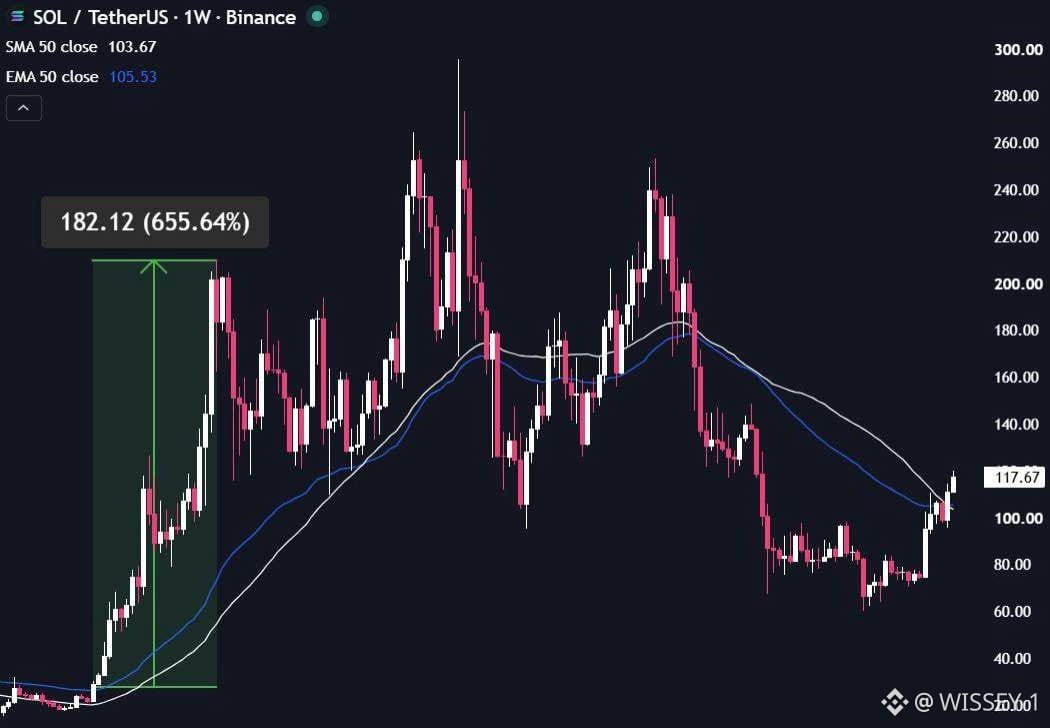
عندما استعاد $SOL مستويي 50W MA و50W EMA في عام 2023، ارتفع بنسبة 650% في الأشهر الستة التالية
الآن استعاد SOL هذه المستويات مرة أخرى
هل يمكننا القول إن حدوث ضخّة بنسبة 650% سيحدث بعد ذلك، أو أن 200 دولار لـ SOL بحلول الربع الأول من عام 2026 قد يحدث؟
عندما استعاد $SOL مستويي 50W MA و50W EMA في عام 2023، ارتفع بنسبة 650% في الأشهر الستة التالية
الآن استعاد SOL هذه المستويات مرة أخرى
هل يمكننا القول إن حدوث ضخّة بنسبة 650% سيحدث بعد ذلك، أو أن 200 دولار لـ SOL بحلول الربع الأول من عام 2026 قد يحدث؟
الآن استعاد SOL هذه المستويات مرة أخرى
هل يمكننا القول إن حدوث ضخّة بنسبة 650% سيحدث بعد ذلك، أو أن 200 دولار لـ SOL بحلول الربع الأول من عام 2026 قد يحدث؟
26
·
--
عندما استعاد سولانا مستويات 50W MA و50W EMA في عام 2023، حققت ارتفاعًا بنسبة 650% خلال الأشهر الستة التالية
والآن استعاد SOL هذه المستويات مرة أخرى
لا أقول إن ضخّة بنسبة 650% ستحدث في المرة القادمة، لكن وصول SOL إلى 200 دولار بحلول الربع الأول من عام 2026 ممكن $SOL
عندما استعاد سولانا مستويات 50W MA و50W EMA في عام 2023، حققت ارتفاعًا بنسبة 650% خلال الأشهر الستة التالية
والآن استعاد SOL هذه المستويات مرة أخرى
لا أقول إن ضخّة بنسبة 650% ستحدث في المرة القادمة، لكن وصول SOL إلى 200 دولار بحلول الربع الأول من عام 2026 ممكن $SOL
والآن استعاد SOL هذه المستويات مرة أخرى
لا أقول إن ضخّة بنسبة 650% ستحدث في المرة القادمة، لكن وصول SOL إلى 200 دولار بحلول الربع الأول من عام 2026 ممكن $SOL
43
·
--
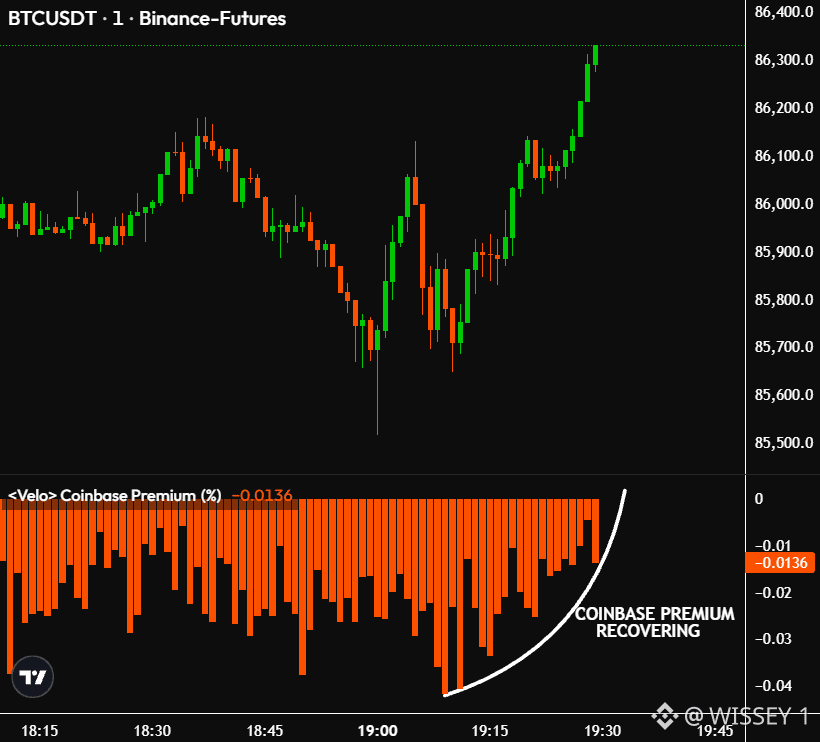
افتتحت سوق الولايات المتحدة وبدأت المؤسسات بالمزايدة على $BTC.
افتتحت سوق الولايات المتحدة وبدأت المؤسسات بالمزايدة على $BTC.
44
·
--
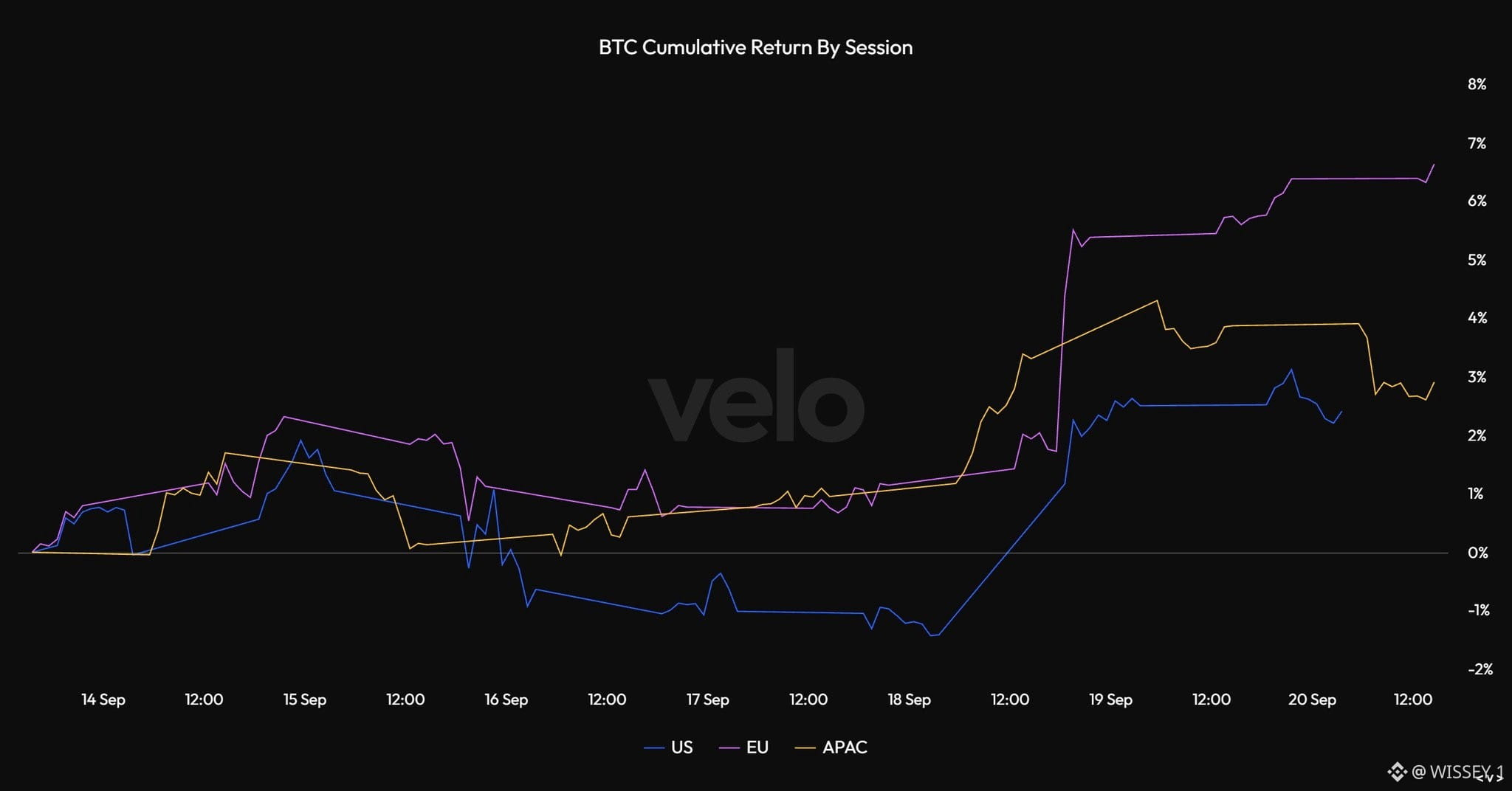
اشترت أوروبا عملة بيتكوين.
اشترت آسيا بيتكوين.
اشترت الولايات المتحدة بيتكوين.
اشترى الجميع بيتكوين هذا الأسبوع. $BTC
اشترت أوروبا عملة بيتكوين.
اشترت آسيا بيتكوين.
اشترت الولايات المتحدة بيتكوين.
اشترى الجميع بيتكوين هذا الأسبوع. $BTC
اشترت آسيا بيتكوين.
اشترت الولايات المتحدة بيتكوين.
اشترى الجميع بيتكوين هذا الأسبوع. $BTC
61
·
--
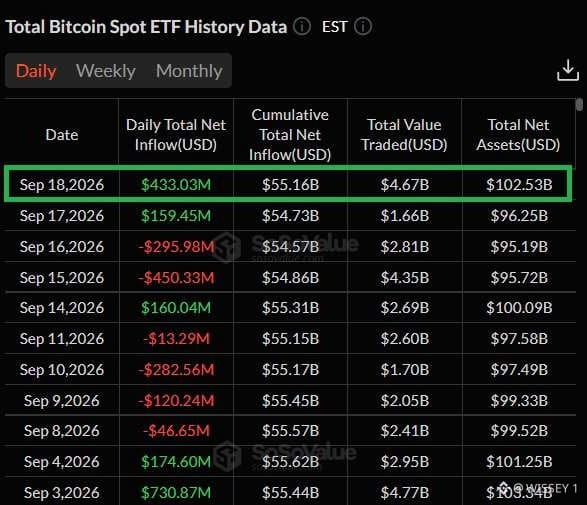
اشترت صناديق الاستثمار المتداولة (ETFs) 433,030,000 دولارًا في بيتكوين ($BTC) أمس.
فيديليتي وحدها اشترت 310,720,000 دولارًا في البيتكوين.
اشترت صناديق الاستثمار المتداولة (ETFs) 433,030,000 دولارًا في بيتكوين ($BTC) أمس.
فيديليتي وحدها اشترت 310,720,000 دولارًا في البيتكوين.
فيديليتي وحدها اشترت 310,720,000 دولارًا في البيتكوين.
63
·
--
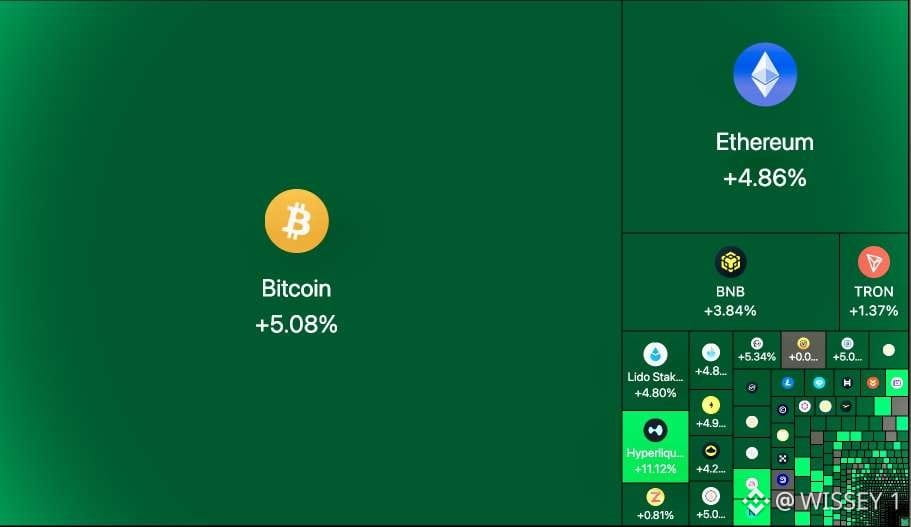
تمت إضافة 135,000,000,000 دولار إلى القيمة السوقية للعملات المشفرة حتى الآن اليوم.
تم تصفية 400,000,000 دولار في مراكز بيع قصيرة بالرافعة المالية خلال الـ 12 ساعة الماضية.
يأتي ذلك بعد موافقة هيئة الأوراق المالية والبورصات (SEC) على تداول محدود عبر السلسلة لأسهم مُرمّزة، وتقديم هيئة تداول السلع الآجلة (CFTC) لإجراءات وضع قواعد جديدة لتنظيم سوق العملات المشفرة.
وفي الوقت نفسه، من المتوقع أن ترفع الاحتياطي الفيدرالي أسعار الفائدة بمقدار 25 نقطة أساس إضافية الشهر المقبل. $BTC
#BTC Price Analysis# #Macro Insights#
تمت إضافة 135,000,000,000 دولار إلى القيمة السوقية للعملات المشفرة حتى الآن اليوم.
تم تصفية 400,000,000 دولار في مراكز بيع قصيرة بالرافعة المالية خلال الـ 12 ساعة الماضية.
يأتي ذلك بعد موافقة هيئة الأوراق المالية والبورصات (SEC) على تداول محدود عبر السلسلة لأسهم مُرمّزة، وتقديم هيئة تداول السلع الآجلة (CFTC) لإجراءات وضع قواعد جديدة لتنظيم سوق العملات المشفرة.
وفي الوقت نفسه، من المتوقع أن ترفع الاحتياطي الفيدرالي أسعار الفائدة بمقدار 25 نقطة أساس إضافية الشهر المقبل. $BTC
#BTC Price Analysis# #Macro Insights#
تم تصفية 400,000,000 دولار في مراكز بيع قصيرة بالرافعة المالية خلال الـ 12 ساعة الماضية.
يأتي ذلك بعد موافقة هيئة الأوراق المالية والبورصات (SEC) على تداول محدود عبر السلسلة لأسهم مُرمّزة، وتقديم هيئة تداول السلع الآجلة (CFTC) لإجراءات وضع قواعد جديدة لتنظيم سوق العملات المشفرة.
وفي الوقت نفسه، من المتوقع أن ترفع الاحتياطي الفيدرالي أسعار الفائدة بمقدار 25 نقطة أساس إضافية الشهر المقبل. $BTC
#BTC Price Analysis# #Macro Insights#
53
·
--
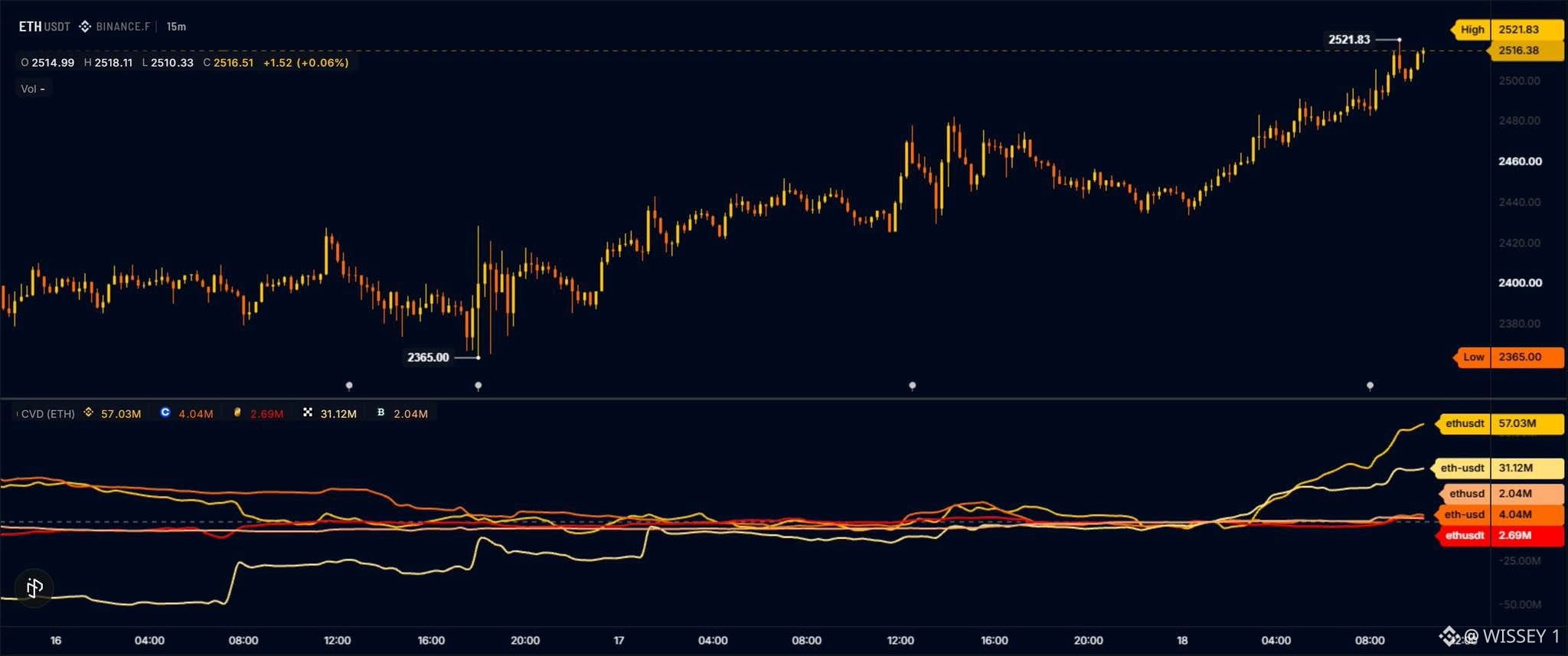
يحدث شراء قوي لـ $ETH في جميع البورصات.
يبدو هذا جيدًا.
يحدث شراء قوي لـ $ETH في جميع البورصات.
يبدو هذا جيدًا.
يبدو هذا جيدًا.
51
·
--
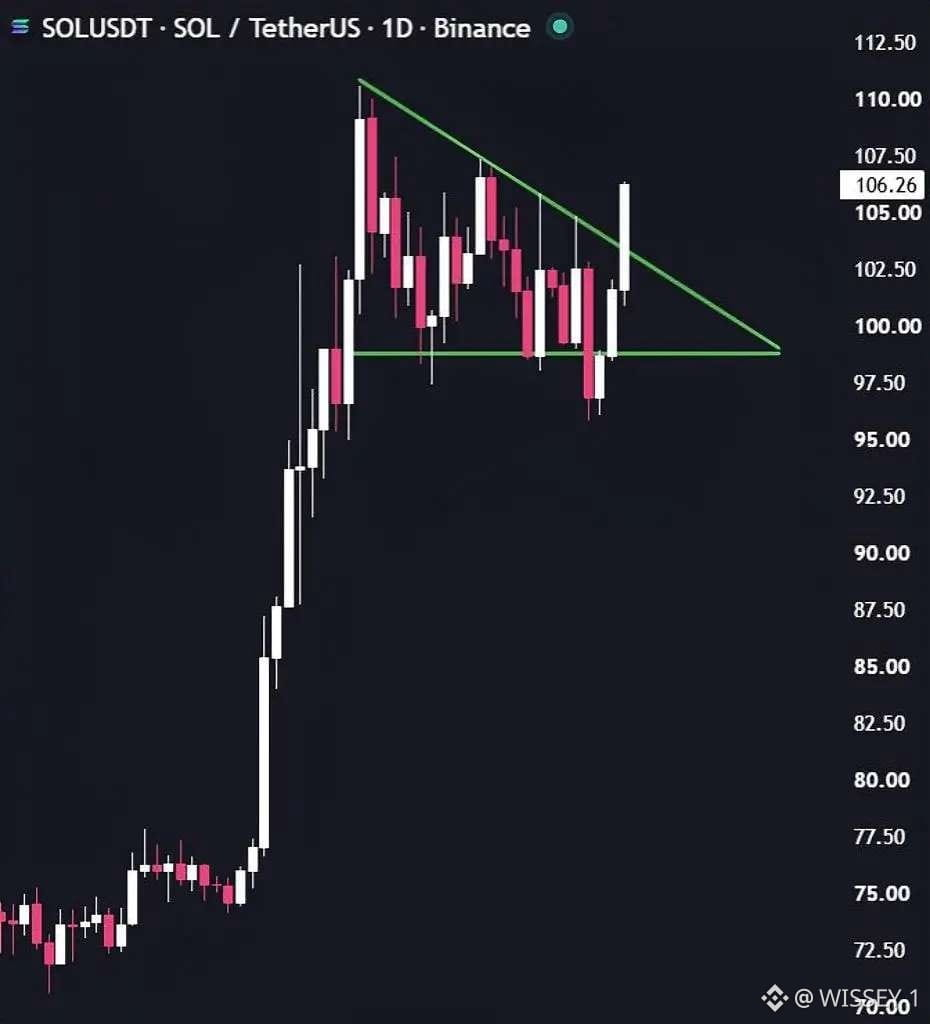
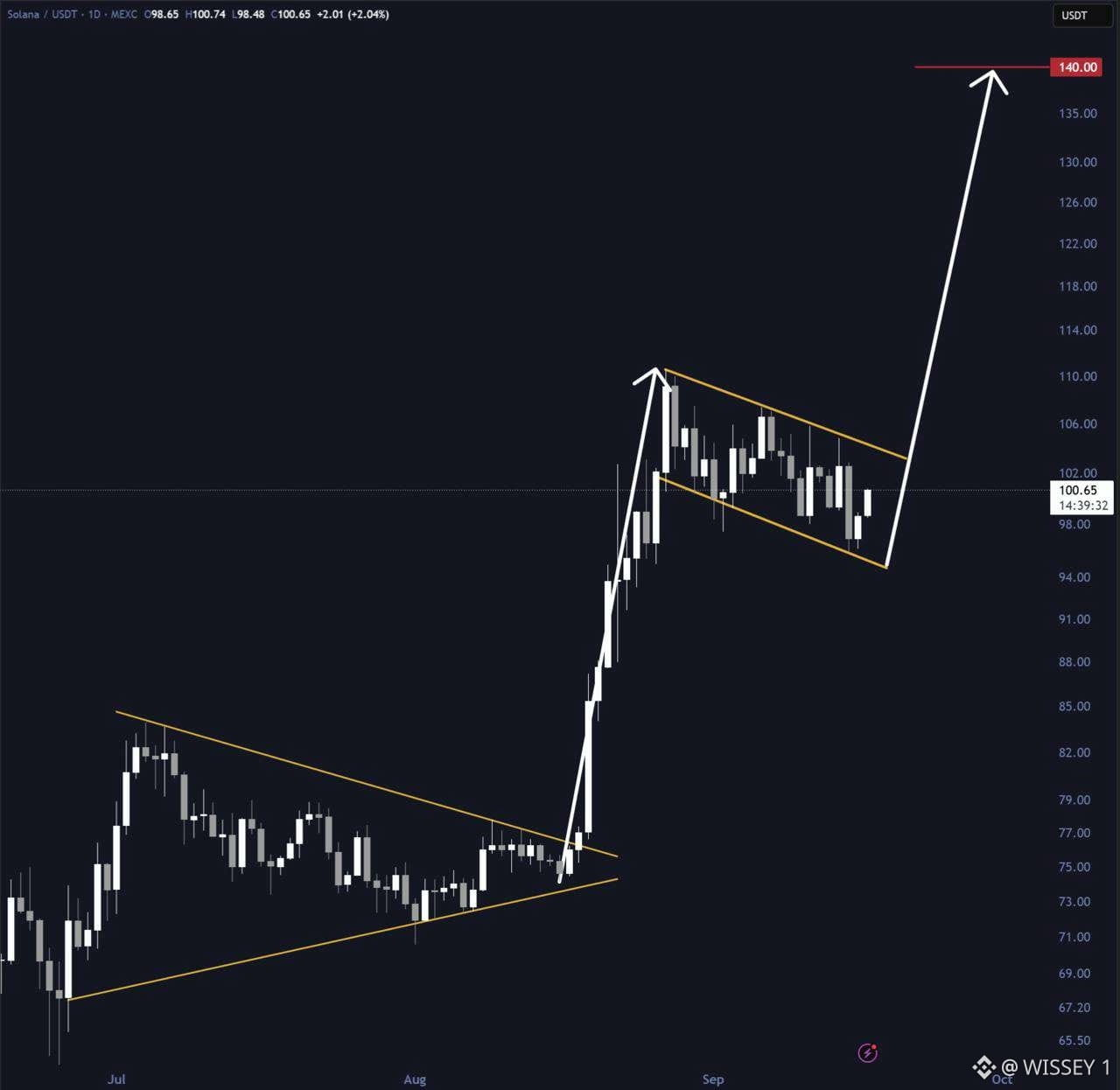
كسرَت سولانا نطاقَ هبوطها
حان الوقت للخطوة التالية إلى الأعلى. $SOL
كسرَت سولانا نطاقَ هبوطها
حان الوقت للخطوة التالية إلى الأعلى. $SOL
حان الوقت للخطوة التالية إلى الأعلى. $SOL
55
·
--
$SOL شكّل علمًا عملاقًا على شكل قُبّة ثور
قد يؤدي الاختراق والإغلاق فوق $104 إلى بدء موجة صعود أخرى
$SOL شكّل علمًا عملاقًا على شكل قُبّة ثور
قد يؤدي الاختراق والإغلاق فوق $104 إلى بدء موجة صعود أخرى
قد يؤدي الاختراق والإغلاق فوق $104 إلى بدء موجة صعود أخرى
1
67
·
--
$BTC يتجه إلى واحد من أكبر الأحداث الاقتصادية الكلية في شهر سبتمبر.
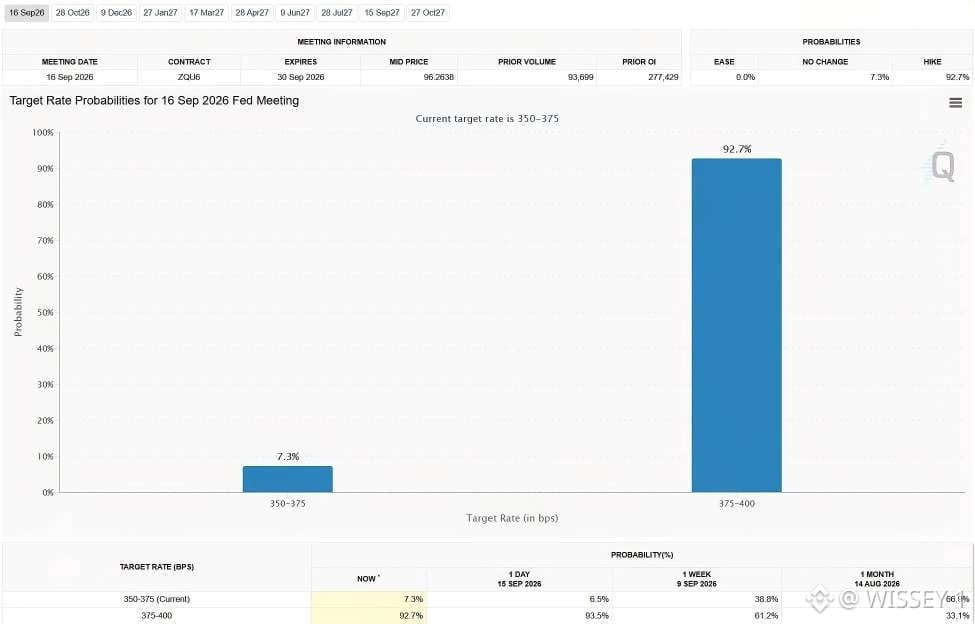
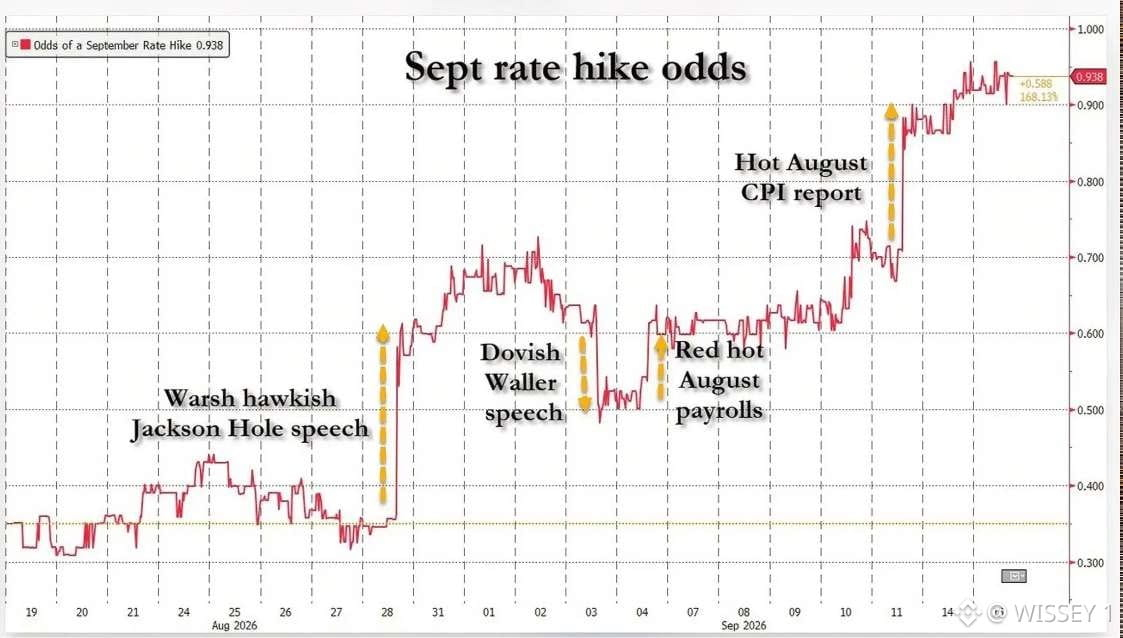
يعلن الاحتياطي الفيدرالي قراره بشأن سعر الفائدة اليوم، 16 سبتمبر، وتكون الأسواق مهيأة بشكل كبير لرفع قدره 25 نقطة أساس.
يضع تسعير السوق الحالي احتمال الرفع بنحو 93%، ما سيأخذ النطاق المستهدف لدى الاحتياطي الفيدرالي من 3.50%–3.75% إلى 3.75%–4.00%.
كما سيكون أول زيادة في سعر الفائدة لدى الاحتياطي الفيدرالي منذ يوليو 2023.
لكن الجزء المثير للاهتمام هو أن محفز البيتكوين الأكبر قد لا يكون قرار الفائدة نفسه.
قد يكون ما يقوله الاحتياطي الفيدرالي بعد ذلك.
السيناريو 1: الاحتياطي الفيدرالي يُبقي على الفائدة بشكل غير متوقع.
في النظرة الأولى، قد يبدو الإبقاء المفاجئ داعمًا للبيتكوين.
قد تفسر الأسواق ذلك على أنه خطوة أقل تشددًا في السياسة، ما قد يدفع عوائد سندات الخزانة والدولار إلى الانخفاض ويمنح الأصول عالية المخاطر بعض الراحة.
لكن التضخم ما زال مرتفعًا.
سجل مؤشر أسعار المستهلكين لشهر أغسطس 3.4% على أساس سنوي، مع ارتفاع مؤشر أسعار المستهلكين الشهري بنسبة 0.4%.
كما ارتفعت أسعار الطاقة، حيث كان خام برنت يتداول مؤخرًا قرب 107 دولارات للبرميل.
إذا فسر المستثمرون الإبقاء المفاجئ على أنه تسامح مفرط من الاحتياطي الفيدرالي تجاه التضخم، فقد ترتفع بالفعل عوائد سندات الخزانة طويلة الأجل.
وهذا سيخلق حالة غير معتادة ترتفع فيها البيتكوين أولًا، ثم تقفز عوائد السندات، وتصبح الأصول عالية المخاطر أكثر تقلبًا.
لذلك فإن الإبقاء المفاجئ لا يعني تلقائيًا ضخًا للسيولة في العملات المشفرة.
السيناريو 2: الاحتياطي الفيدرالي يرفع 25 نقطة أساس.
هذا هو السيناريو الذي تتوقعه الأسواق بالفعل.
وهو أمر مهم لأن إذا كان الرفع مسعّرًا بالكامل مسبقًا، فقد لا يؤدي قرار العنوان وحده إلى عمليات بيع كبيرة للبيتكوين.
بدلًا من ذلك، سيركز المتداولون على:
1. التوقعات الاقتصادية للاحتياطي الفيدرالي
2. عدد الزيادات الإضافية التي يتم الإشارة إليها
3. تعليقات وورش خلال مؤتمر الصحافة
4. عوائد سندات الخزانة
5. الدولار الأمريكي
قد يؤدي رفع 25 نقطة أساس مع توجيهات أكثر تحفظًا نسبيًا إلى نتيجة "شراء حقيقة" حتى لو كان المتداولون قد تموضعوا بشكل دفاعي بشكل زائد قبل الاجتماع.
#تحليل سعر #BTC# #رؤى اقتصادية كلية#
$BTC يتجه إلى واحد من أكبر الأحداث الاقتصادية الكلية في شهر سبتمبر.
يعلن الاحتياطي الفيدرالي قراره بشأن سعر الفائدة اليوم، 16 سبتمبر، وتكون الأسواق مهيأة بشكل كبير لرفع قدره 25 نقطة أساس.
يضع تسعير السوق الحالي احتمال الرفع بنحو 93%، ما سيأخذ النطاق المستهدف لدى الاحتياطي الفيدرالي من 3.50%–3.75% إلى 3.75%–4.00%.
كما سيكون أول زيادة في سعر الفائدة لدى الاحتياطي الفيدرالي منذ يوليو 2023.
لكن الجزء المثير للاهتمام هو أن محفز البيتكوين الأكبر قد لا يكون قرار الفائدة نفسه.
قد يكون ما يقوله الاحتياطي الفيدرالي بعد ذلك.
السيناريو 1: الاحتياطي الفيدرالي يُبقي على الفائدة بشكل غير متوقع.
في النظرة الأولى، قد يبدو الإبقاء المفاجئ داعمًا للبيتكوين.
قد تفسر الأسواق ذلك على أنه خطوة أقل تشددًا في السياسة، ما قد يدفع عوائد سندات الخزانة والدولار إلى الانخفاض ويمنح الأصول عالية المخاطر بعض الراحة.
لكن التضخم ما زال مرتفعًا.
سجل مؤشر أسعار المستهلكين لشهر أغسطس 3.4% على أساس سنوي، مع ارتفاع مؤشر أسعار المستهلكين الشهري بنسبة 0.4%.
كما ارتفعت أسعار الطاقة، حيث كان خام برنت يتداول مؤخرًا قرب 107 دولارات للبرميل.
إذا فسر المستثمرون الإبقاء المفاجئ على أنه تسامح مفرط من الاحتياطي الفيدرالي تجاه التضخم، فقد ترتفع بالفعل عوائد سندات الخزانة طويلة الأجل.
وهذا سيخلق حالة غير معتادة ترتفع فيها البيتكوين أولًا، ثم تقفز عوائد السندات، وتصبح الأصول عالية المخاطر أكثر تقلبًا.
لذلك فإن الإبقاء المفاجئ لا يعني تلقائيًا ضخًا للسيولة في العملات المشفرة.
السيناريو 2: الاحتياطي الفيدرالي يرفع 25 نقطة أساس.
هذا هو السيناريو الذي تتوقعه الأسواق بالفعل.
وهو أمر مهم لأن إذا كان الرفع مسعّرًا بالكامل مسبقًا، فقد لا يؤدي قرار العنوان وحده إلى عمليات بيع كبيرة للبيتكوين.
بدلًا من ذلك، سيركز المتداولون على:
1. التوقعات الاقتصادية للاحتياطي الفيدرالي
2. عدد الزيادات الإضافية التي يتم الإشارة إليها
3. تعليقات وورش خلال مؤتمر الصحافة
4. عوائد سندات الخزانة
5. الدولار الأمريكي
قد يؤدي رفع 25 نقطة أساس مع توجيهات أكثر تحفظًا نسبيًا إلى نتيجة "شراء حقيقة" حتى لو كان المتداولون قد تموضعوا بشكل دفاعي بشكل زائد قبل الاجتماع.
#تحليل سعر #BTC# #رؤى اقتصادية كلية#
يعلن الاحتياطي الفيدرالي قراره بشأن سعر الفائدة اليوم، 16 سبتمبر، وتكون الأسواق مهيأة بشكل كبير لرفع قدره 25 نقطة أساس.
يضع تسعير السوق الحالي احتمال الرفع بنحو 93%، ما سيأخذ النطاق المستهدف لدى الاحتياطي الفيدرالي من 3.50%–3.75% إلى 3.75%–4.00%.
كما سيكون أول زيادة في سعر الفائدة لدى الاحتياطي الفيدرالي منذ يوليو 2023.
لكن الجزء المثير للاهتمام هو أن محفز البيتكوين الأكبر قد لا يكون قرار الفائدة نفسه.
قد يكون ما يقوله الاحتياطي الفيدرالي بعد ذلك.
السيناريو 1: الاحتياطي الفيدرالي يُبقي على الفائدة بشكل غير متوقع.
في النظرة الأولى، قد يبدو الإبقاء المفاجئ داعمًا للبيتكوين.
قد تفسر الأسواق ذلك على أنه خطوة أقل تشددًا في السياسة، ما قد يدفع عوائد سندات الخزانة والدولار إلى الانخفاض ويمنح الأصول عالية المخاطر بعض الراحة.
لكن التضخم ما زال مرتفعًا.
سجل مؤشر أسعار المستهلكين لشهر أغسطس 3.4% على أساس سنوي، مع ارتفاع مؤشر أسعار المستهلكين الشهري بنسبة 0.4%.
كما ارتفعت أسعار الطاقة، حيث كان خام برنت يتداول مؤخرًا قرب 107 دولارات للبرميل.
إذا فسر المستثمرون الإبقاء المفاجئ على أنه تسامح مفرط من الاحتياطي الفيدرالي تجاه التضخم، فقد ترتفع بالفعل عوائد سندات الخزانة طويلة الأجل.
وهذا سيخلق حالة غير معتادة ترتفع فيها البيتكوين أولًا، ثم تقفز عوائد السندات، وتصبح الأصول عالية المخاطر أكثر تقلبًا.
لذلك فإن الإبقاء المفاجئ لا يعني تلقائيًا ضخًا للسيولة في العملات المشفرة.
السيناريو 2: الاحتياطي الفيدرالي يرفع 25 نقطة أساس.
هذا هو السيناريو الذي تتوقعه الأسواق بالفعل.
وهو أمر مهم لأن إذا كان الرفع مسعّرًا بالكامل مسبقًا، فقد لا يؤدي قرار العنوان وحده إلى عمليات بيع كبيرة للبيتكوين.
بدلًا من ذلك، سيركز المتداولون على:
1. التوقعات الاقتصادية للاحتياطي الفيدرالي
2. عدد الزيادات الإضافية التي يتم الإشارة إليها
3. تعليقات وورش خلال مؤتمر الصحافة
4. عوائد سندات الخزانة
5. الدولار الأمريكي
قد يؤدي رفع 25 نقطة أساس مع توجيهات أكثر تحفظًا نسبيًا إلى نتيجة "شراء حقيقة" حتى لو كان المتداولون قد تموضعوا بشكل دفاعي بشكل زائد قبل الاجتماع.
#تحليل سعر #BTC# #رؤى اقتصادية كلية#
39
·
--
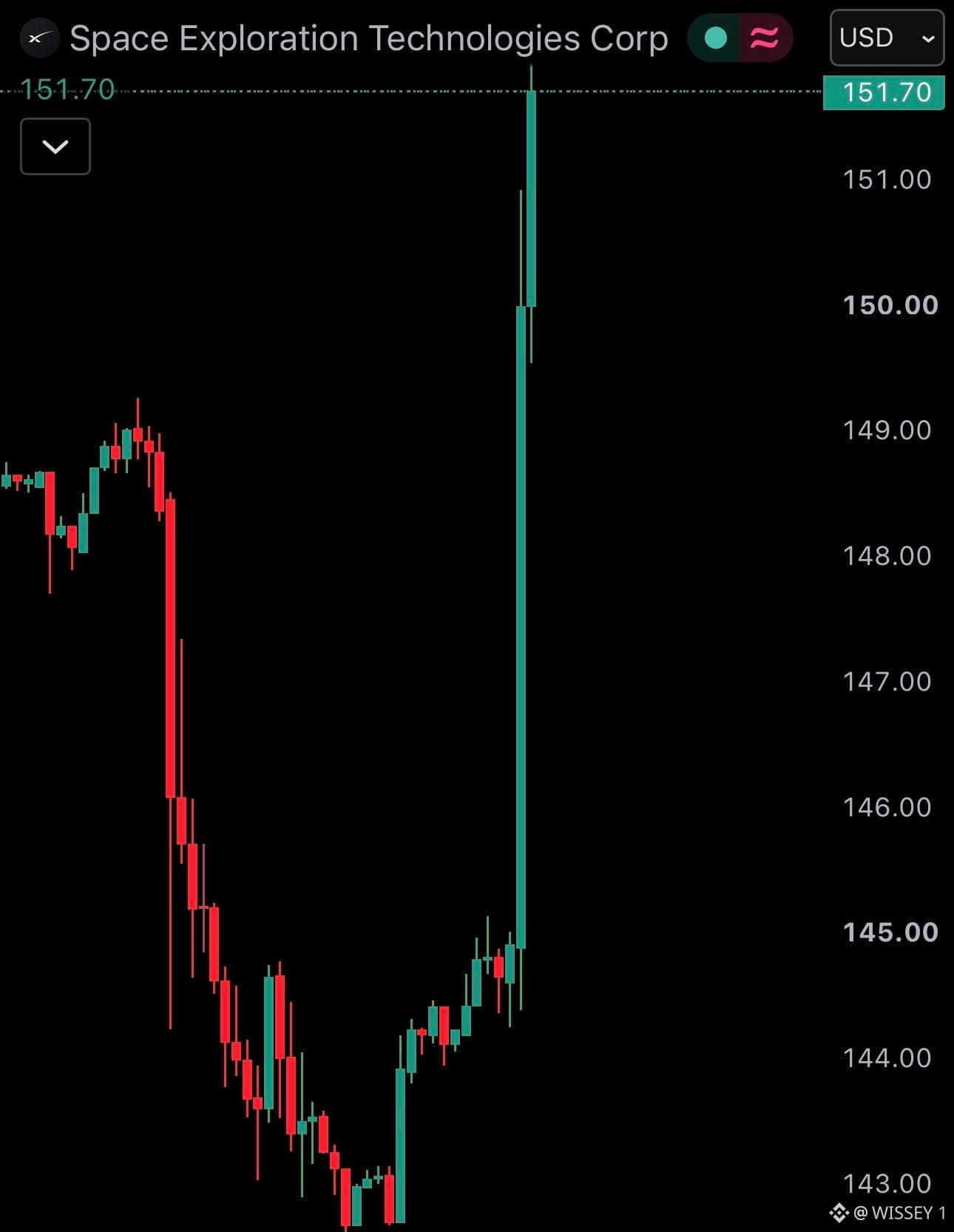
يتجاوز سهم "سبيس إكس" $SPCX نسبة 5% ليصل إلى 151 دولارًا.
يتجاوز سهم "سبيس إكس" $SPCX نسبة 5% ليصل إلى 151 دولارًا.
92
·
--
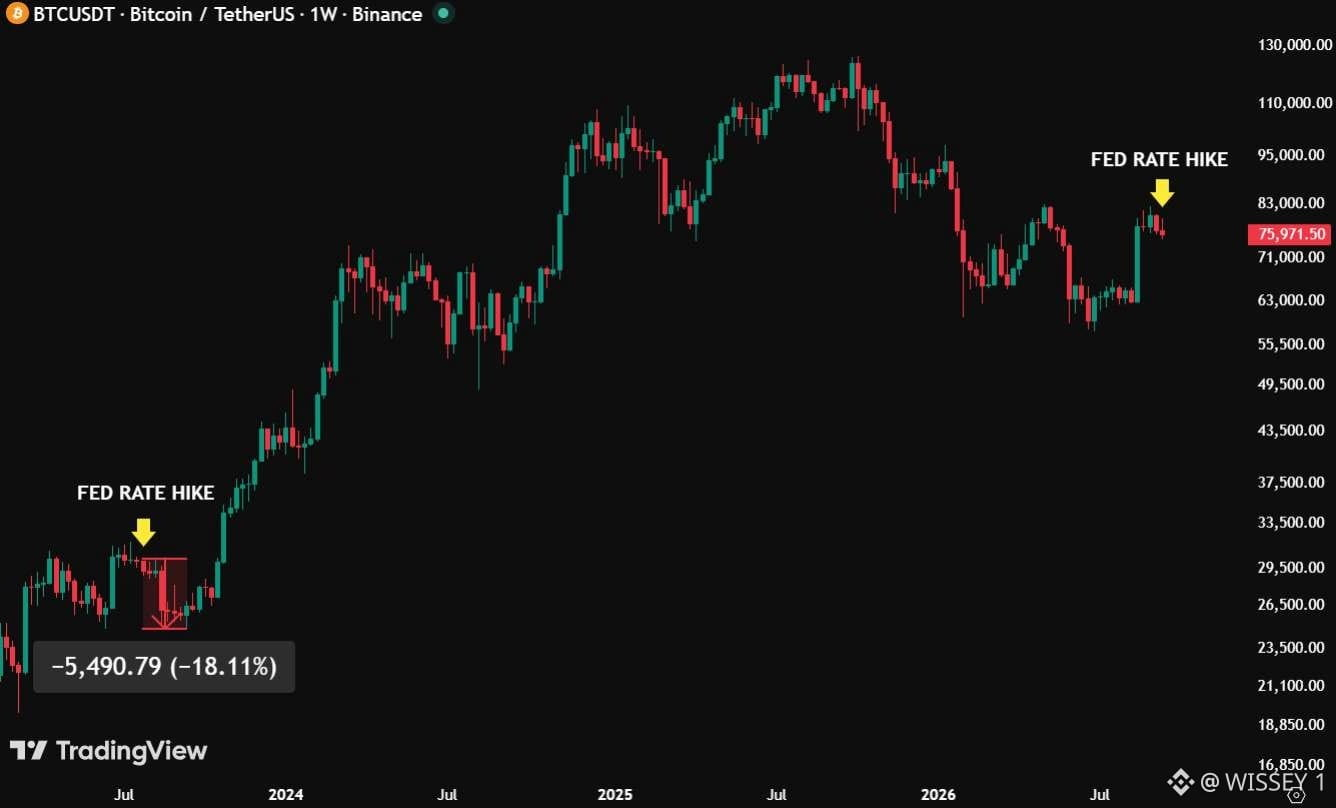
آخر مرة قام فيها الاحتياطي الفيدرالي برفع الفائدة، انخفض $BTC بنسبة 18%.
واليوم، يُتوقع أن يواصل الاحتياطي الفيدرالي رفع الفائدة مرة أخرى.
فماذا سيحدث هذه المرة؟
#تحليل_سعر_BTC# #رؤى_ماكرو#
آخر مرة قام فيها الاحتياطي الفيدرالي برفع الفائدة، انخفض $BTC بنسبة 18%.
واليوم، يُتوقع أن يواصل الاحتياطي الفيدرالي رفع الفائدة مرة أخرى.
فماذا سيحدث هذه المرة؟
#تحليل_سعر_BTC# #رؤى_ماكرو#
واليوم، يُتوقع أن يواصل الاحتياطي الفيدرالي رفع الفائدة مرة أخرى.
فماذا سيحدث هذه المرة؟
#تحليل_سعر_BTC# #رؤى_ماكرو#
77
·
--
25
·
--
قانون CLARITY كان من المفترض أن يكون أحد أكبر محفزات التنظيم في عالم العملات المشفرة لعام 2026.
لكن بدلًا من ذلك، تدهورت آفاقه بشكل حاد قبل ساعات فقط من التصويت الحاسم اليوم في مجلس الشيوخ.
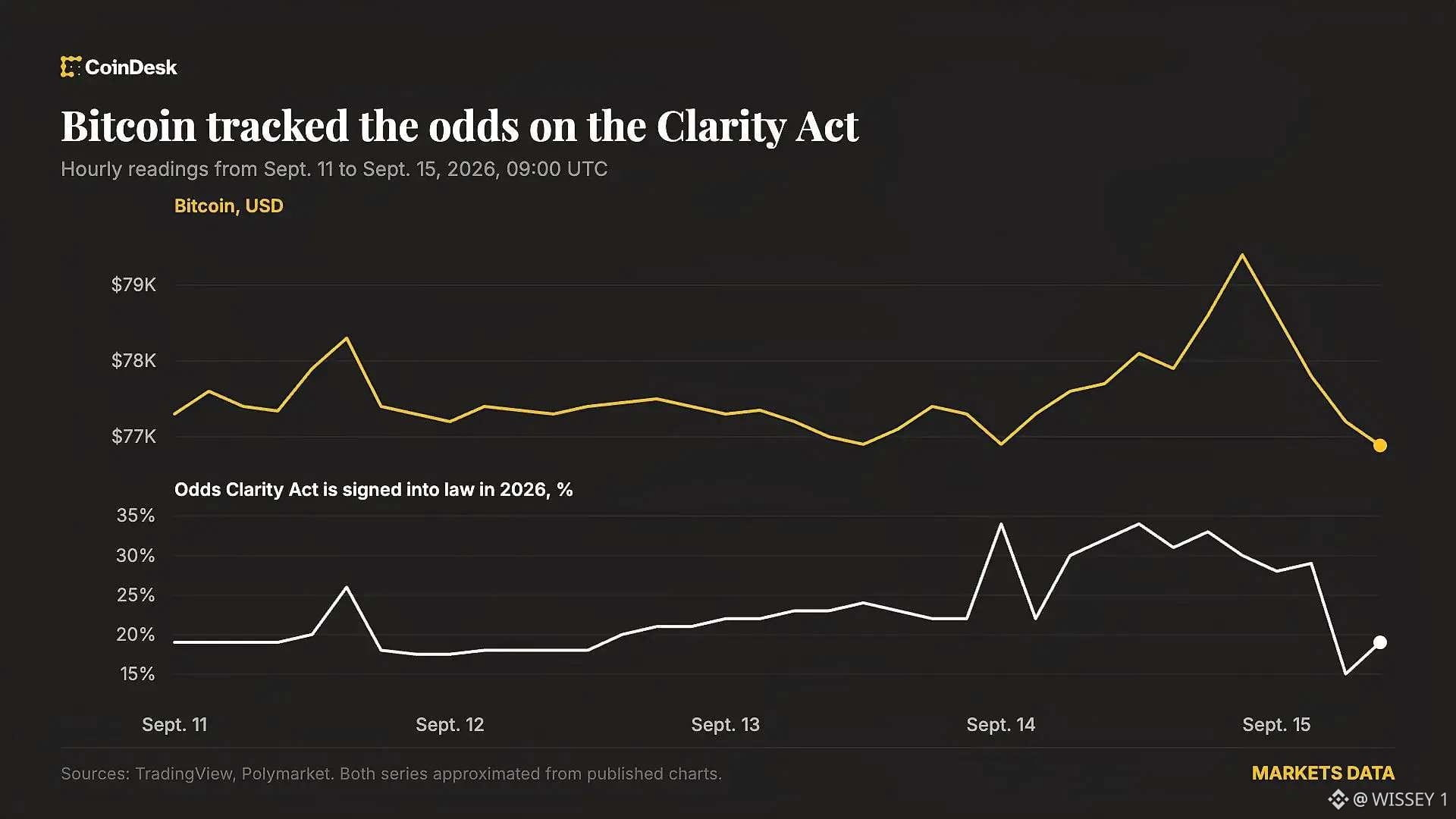
وتتبع بيانات من CoinDesk مسار <c-1/> BTC مع انخفاض احتمالات قانون CLARITY من 30% إلى 14% وهبط البيتكوين إلى ما دون 77 ألف دولار.
مشكلة الـ 60 صوتًا.
ومن المقرر أن يصوّت مجلس الشيوخ اليوم على الإنهاء الإجرائي (cloture) بشأن مقترح المضي قدمًا في مشروع القانون <a>H.R 3633</a>، قانون CLARITY.
توجد هنا نقطة تمييز: يحتاج مشروع القانون إلى 60 صوتًا لتجاوز العائق الإجرائي والتحرك نحو نظر مجلس الشيوخ بكامل هيئته.
ويتحكم الجمهوريون في 53 مقعدًا بمجلس الشيوخ، ما يعني أنهم يحتاجون إلى دعم ديمقراطي للوصول إلى هذا العدد.
ويبدو أن الحصول على هذا الدعم أصبح أكثر صعوبة من أي وقت مضى.
لماذا تعثرت المفاوضات.
أصدر مشرّعون جمهوريون نسخة مُعدّلة من مشروع القانون تضمنت 126 تعديلًا موضوعيًا طلبها الديمقراطيون.
كما تضمن الحزمة أحكامًا أخلاقية أكثر صرامة تشمل مسؤولين حكوميين كبارًا ومقتنيات العملات المشفرة.
لكن الديمقراطيين لم يكونوا راضين.
فقد جادل كل من السيناتورَين مارك وارن وإليزابيث وارن بأن أحكام الأخلاقيات المُعدلة لا تذهب بعيدًا بما يكفي، خصوصًا فيما يتعلق بآليات الإنفاذ وإمكانية تعارض المصالح المتعلقة بمصالح الرئيس دونالد ترامب في مجال العملات المشفرة.
وبعد ذلك، أرسل الديمقراطيون إلى الجمهوريين مقترحًا مضادًا لكن الجمهوريين رفضوه.
وهذا ترك الجانبين متباعدين للغاية قبيل تصويت اليوم.
ماذا يحدث بعد ذلك؟
1. 60+ صوتًا.
يتقدم مشروع القانون إلى مرحلة نظر مجلس الشيوخ.
ومن المرجح تفسير ذلك على أنه مفاجأة إيجابية كبيرة، لأن تسعير سوق التنبؤات الحالي يشير إلى أن السوق بات أكثر تشاؤمًا بشكل متزايد.
2. أقل من 60 صوتًا.
يفشل مشروع القانون في تجاوز العائق الإجرائي اليوم.
وهذا لن يعني تقنيًا أن قانون CLARITY مستحيل إلى الأبد، لكنه سيكون ضربة كبيرة لفرص أن يصبح القانون نافذًا هذا العام.
قانون CLARITY كان من المفترض أن يكون أحد أكبر محفزات التنظيم في عالم العملات المشفرة لعام 2026.
لكن بدلًا من ذلك، تدهورت آفاقه بشكل حاد قبل ساعات فقط من التصويت الحاسم اليوم في مجلس الشيوخ.
وتتبع بيانات من CoinDesk مسار <c-1/> BTC مع انخفاض احتمالات قانون CLARITY من 30% إلى 14% وهبط البيتكوين إلى ما دون 77 ألف دولار.
مشكلة الـ 60 صوتًا.
ومن المقرر أن يصوّت مجلس الشيوخ اليوم على الإنهاء الإجرائي (cloture) بشأن مقترح المضي قدمًا في مشروع القانون <a>H.R 3633</a>، قانون CLARITY.
توجد هنا نقطة تمييز: يحتاج مشروع القانون إلى 60 صوتًا لتجاوز العائق الإجرائي والتحرك نحو نظر مجلس الشيوخ بكامل هيئته.
ويتحكم الجمهوريون في 53 مقعدًا بمجلس الشيوخ، ما يعني أنهم يحتاجون إلى دعم ديمقراطي للوصول إلى هذا العدد.
ويبدو أن الحصول على هذا الدعم أصبح أكثر صعوبة من أي وقت مضى.
لماذا تعثرت المفاوضات.
أصدر مشرّعون جمهوريون نسخة مُعدّلة من مشروع القانون تضمنت 126 تعديلًا موضوعيًا طلبها الديمقراطيون.
كما تضمن الحزمة أحكامًا أخلاقية أكثر صرامة تشمل مسؤولين حكوميين كبارًا ومقتنيات العملات المشفرة.
لكن الديمقراطيين لم يكونوا راضين.
فقد جادل كل من السيناتورَين مارك وارن وإليزابيث وارن بأن أحكام الأخلاقيات المُعدلة لا تذهب بعيدًا بما يكفي، خصوصًا فيما يتعلق بآليات الإنفاذ وإمكانية تعارض المصالح المتعلقة بمصالح الرئيس دونالد ترامب في مجال العملات المشفرة.
وبعد ذلك، أرسل الديمقراطيون إلى الجمهوريين مقترحًا مضادًا لكن الجمهوريين رفضوه.
وهذا ترك الجانبين متباعدين للغاية قبيل تصويت اليوم.
ماذا يحدث بعد ذلك؟
1. 60+ صوتًا.
يتقدم مشروع القانون إلى مرحلة نظر مجلس الشيوخ.
ومن المرجح تفسير ذلك على أنه مفاجأة إيجابية كبيرة، لأن تسعير سوق التنبؤات الحالي يشير إلى أن السوق بات أكثر تشاؤمًا بشكل متزايد.
2. أقل من 60 صوتًا.
يفشل مشروع القانون في تجاوز العائق الإجرائي اليوم.
وهذا لن يعني تقنيًا أن قانون CLARITY مستحيل إلى الأبد، لكنه سيكون ضربة كبيرة لفرص أن يصبح القانون نافذًا هذا العام.
لكن بدلًا من ذلك، تدهورت آفاقه بشكل حاد قبل ساعات فقط من التصويت الحاسم اليوم في مجلس الشيوخ.
وتتبع بيانات من CoinDesk مسار <c-1/> BTC مع انخفاض احتمالات قانون CLARITY من 30% إلى 14% وهبط البيتكوين إلى ما دون 77 ألف دولار.
مشكلة الـ 60 صوتًا.
ومن المقرر أن يصوّت مجلس الشيوخ اليوم على الإنهاء الإجرائي (cloture) بشأن مقترح المضي قدمًا في مشروع القانون <a>H.R 3633</a>، قانون CLARITY.
توجد هنا نقطة تمييز: يحتاج مشروع القانون إلى 60 صوتًا لتجاوز العائق الإجرائي والتحرك نحو نظر مجلس الشيوخ بكامل هيئته.
ويتحكم الجمهوريون في 53 مقعدًا بمجلس الشيوخ، ما يعني أنهم يحتاجون إلى دعم ديمقراطي للوصول إلى هذا العدد.
ويبدو أن الحصول على هذا الدعم أصبح أكثر صعوبة من أي وقت مضى.
لماذا تعثرت المفاوضات.
أصدر مشرّعون جمهوريون نسخة مُعدّلة من مشروع القانون تضمنت 126 تعديلًا موضوعيًا طلبها الديمقراطيون.
كما تضمن الحزمة أحكامًا أخلاقية أكثر صرامة تشمل مسؤولين حكوميين كبارًا ومقتنيات العملات المشفرة.
لكن الديمقراطيين لم يكونوا راضين.
فقد جادل كل من السيناتورَين مارك وارن وإليزابيث وارن بأن أحكام الأخلاقيات المُعدلة لا تذهب بعيدًا بما يكفي، خصوصًا فيما يتعلق بآليات الإنفاذ وإمكانية تعارض المصالح المتعلقة بمصالح الرئيس دونالد ترامب في مجال العملات المشفرة.
وبعد ذلك، أرسل الديمقراطيون إلى الجمهوريين مقترحًا مضادًا لكن الجمهوريين رفضوه.
وهذا ترك الجانبين متباعدين للغاية قبيل تصويت اليوم.
ماذا يحدث بعد ذلك؟
1. 60+ صوتًا.
يتقدم مشروع القانون إلى مرحلة نظر مجلس الشيوخ.
ومن المرجح تفسير ذلك على أنه مفاجأة إيجابية كبيرة، لأن تسعير سوق التنبؤات الحالي يشير إلى أن السوق بات أكثر تشاؤمًا بشكل متزايد.
2. أقل من 60 صوتًا.
يفشل مشروع القانون في تجاوز العائق الإجرائي اليوم.
وهذا لن يعني تقنيًا أن قانون CLARITY مستحيل إلى الأبد، لكنه سيكون ضربة كبيرة لفرص أن يصبح القانون نافذًا هذا العام.

27
·
--
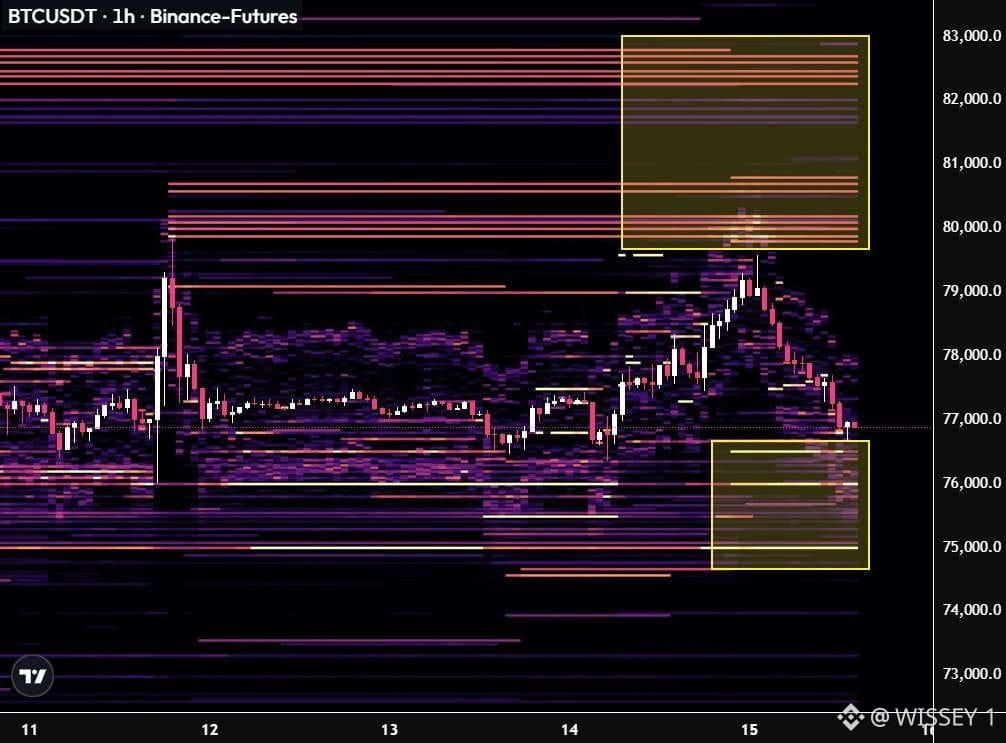
$BTC has found a clear range right now
Sell orders are sitting around $80K-$83K and buy orders are sitting around $75K-$76.5K
If Bitcoin smashes above $83K the bear market bottom will be confirmed
If BTC loses $75K the downtrend will accelerate
#تحليل سعر #BTC# #الرؤى الكلية#
$BTC has found a clear range right now
Sell orders are sitting around $80K-$83K and buy orders are sitting around $75K-$76.5K
If Bitcoin smashes above $83K the bear market bottom will be confirmed
If BTC loses $75K the downtrend will accelerate
#تحليل سعر #BTC# #الرؤى الكلية#
Sell orders are sitting around $80K-$83K and buy orders are sitting around $75K-$76.5K
If Bitcoin smashes above $83K the bear market bottom will be confirmed
If BTC loses $75K the downtrend will accelerate
#تحليل سعر #BTC# #الرؤى الكلية#
59
·
--
بيتكوين متجهة إلى واحدة من أكبر أسابيعها على مستوى «الماكرو» في 2026.
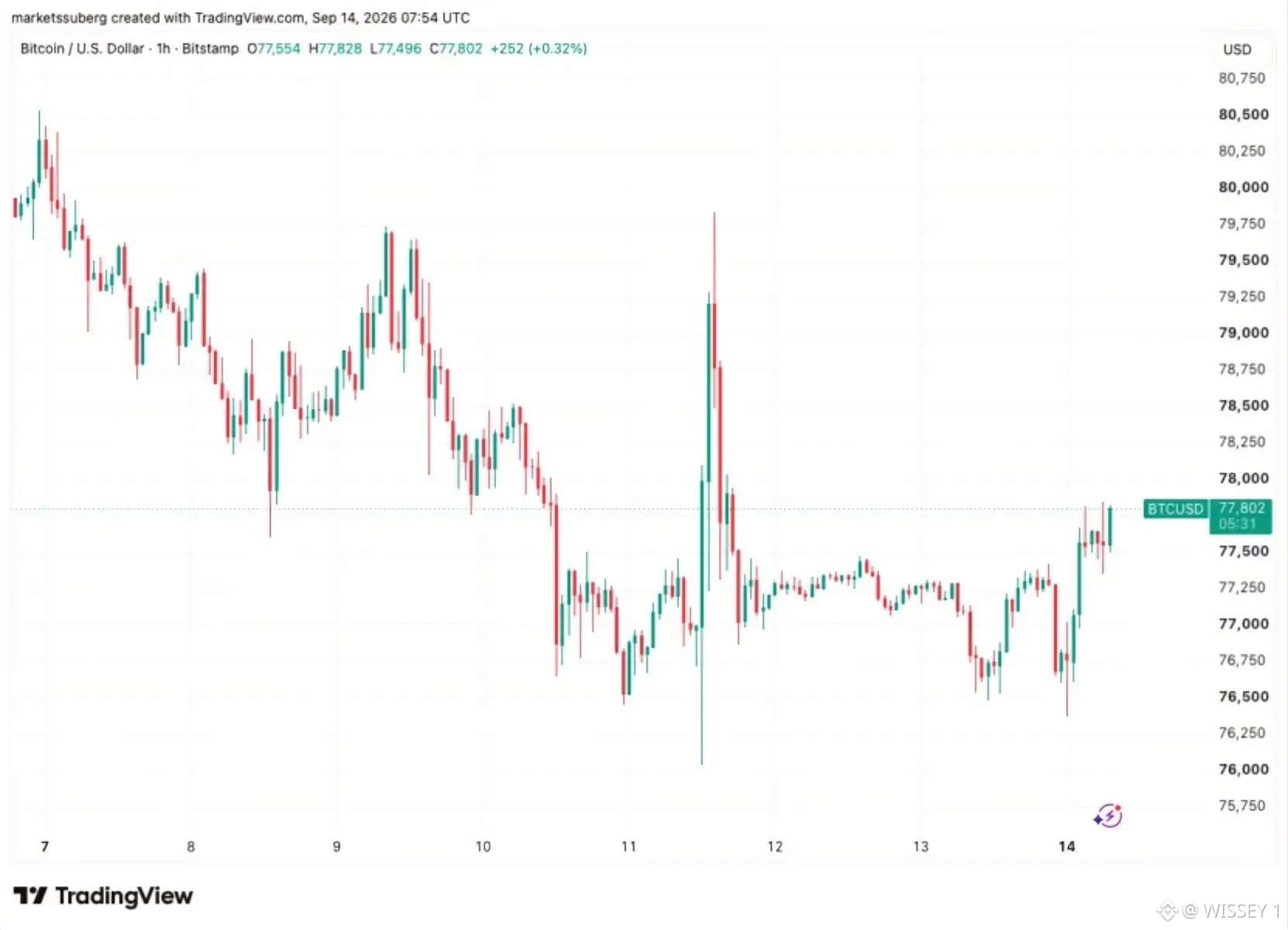
$BTC تتحوم حول 77,800 دولار، بينما حدثان رئيسيان على وشك الاصطدام:
الثلاثاء: تصويت الإغلاق بشأن مشروع قانون CLARITY في مجلس الشيوخ.
الأربعاء: قرار مجلس الاحتياطي الفيدرالي بشأن الفائدة.
يمكن أن يكون المرء صعوديًا للعملات المشفرة، والآخر قد يخلق ضغطًا شديدًا.
حصل قانون CLARITY على دفعة قوية.
أطلق الجمهوريون في مجلس الشيوخ نسخة منقحة من قانون CLARITY بطول 635 صفحة بعد التوصل إلى حل وسط بشأن عدة قضايا كانت تعيق الدعم عبر الحزبين.
كما وافق الرئيس ترامب على أحكام أخلاقيات محورية تتعلق بحيازات العملات المشفرة وتضارب المصالح.
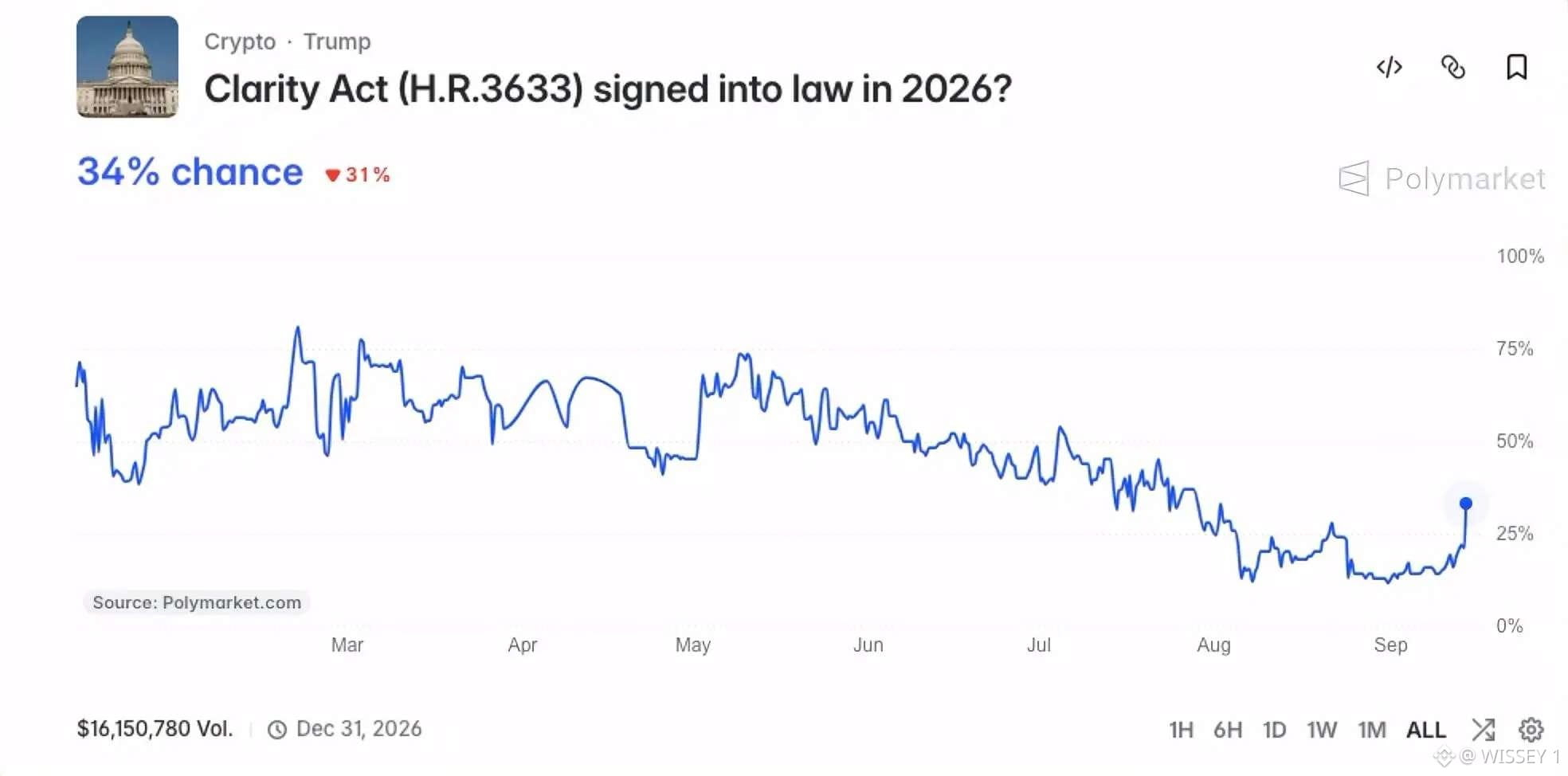
وقد ساعد ذلك في دفع احتمالات السوق التنبؤية بأن يصبح مشروع القانون قانونًا في 2026 إلى نحو 31–32%.
لكن ما يزال هناك عائق كبير: يحتاج مجلس الشيوخ إلى 60 صوتًا لاستدعاء الإغلاق.
لذلك، تصويت الثلاثاء ليس هو الإقرار النهائي لقانون CLARITY.
ثم يأتي دور «الفِد».
بعد 24 ساعة فقط، يعلن الاحتياطي الفيدرالي قراره الخاص بسياسات سبتمبر.
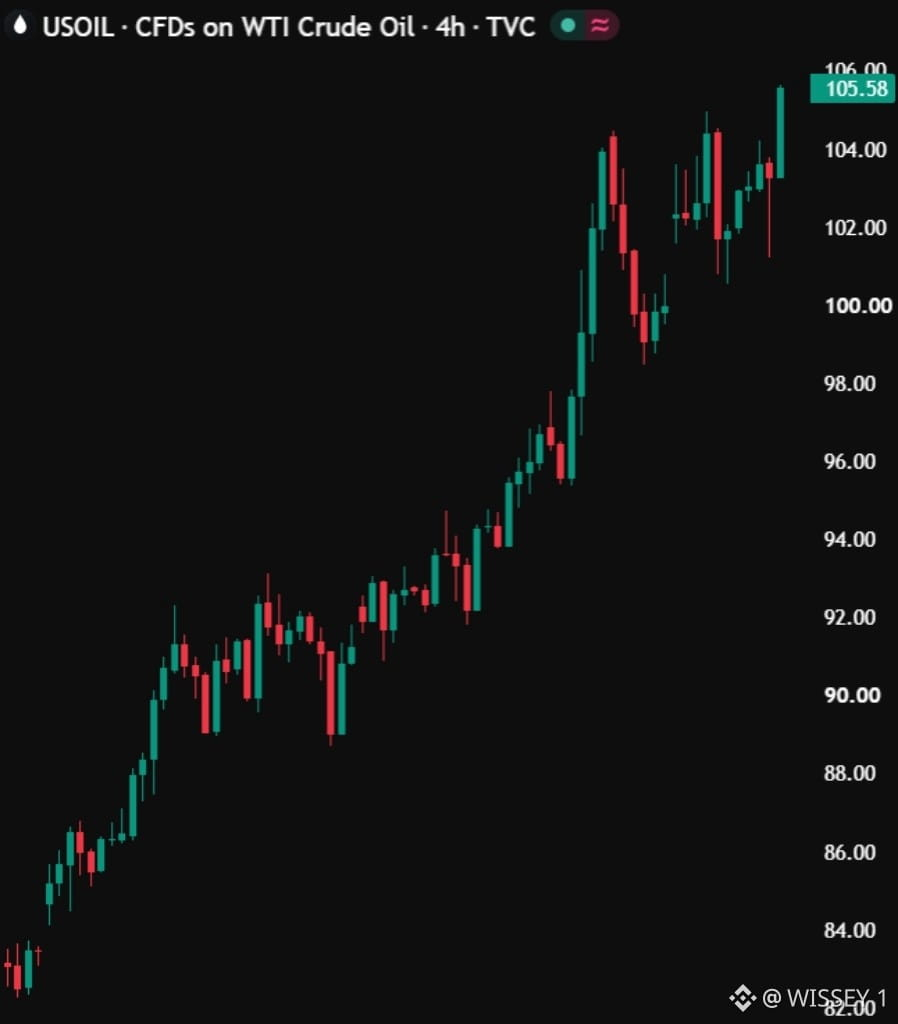
ظل التضخم في الولايات المتحدة مرتفعًا عند 3.4% سنويًا في أغسطس، بينما قفزت أسعار النفط فوق 100 دولار للبرميل وسط توترات في الشرق الأوسط.
تميل الأسواق الآن بقوة إلى رفع الفائدة بمقدار 25 نقطة أساس إلى نطاق 3.75%–4.00%، رغم أن القرار غير مضمون.
دعونا ندرس هذه السيناريوهات:
1) يمر قانون CLARITY بتصويت الإغلاق + يحتفظ «الفِد» بالفائدة.
سيكون هذا هو أنظف سيناريو صعودي.
زخم تنظيمي مع تخفيف مفاجئ على مستوى «الماكرو» قد يمنح BTC محفزًا قويًا.
2) يمر قانون CLARITY بتصويت الإغلاق + يرفع «الفِد» الفائدة.
قد ينتج عن ذلك رد فعل أكثر تعقيدًا.
قد ترتفع العملات المشفرة مبدئيًا استنادًا إلى الاختراق التنظيمي، لكن ارتفاع الفائدة قد يحد من استمرار الزخم.
3) يفشل قانون CLARITY + يحتفظ «الفِد» بالفائدة.
قد تشهد بيتكوين بعض خيبة الأمل على المدى القصير بسبب التعثر التشريعي، لكن سياسة نقدية أسهل من المتوقع يمكن أن تخفف الجانب السلبي.
4) يفشل قانون CLARITY + يرفع «الفِد» الفائدة.
يُعد هذا، على الأرجح، أصعب مزيج بالنسبة لـ BTC. سيتعين على السوق استيعاب خيبة التنظيم وظروف نقدية أكثر تشددًا في الوقت نفسه.
#Macro Insights#
بيتكوين متجهة إلى واحدة من أكبر أسابيعها على مستوى «الماكرو» في 2026.
$BTC تتحوم حول 77,800 دولار، بينما حدثان رئيسيان على وشك الاصطدام:
الثلاثاء: تصويت الإغلاق بشأن مشروع قانون CLARITY في مجلس الشيوخ.
الأربعاء: قرار مجلس الاحتياطي الفيدرالي بشأن الفائدة.
يمكن أن يكون المرء صعوديًا للعملات المشفرة، والآخر قد يخلق ضغطًا شديدًا.
حصل قانون CLARITY على دفعة قوية.
أطلق الجمهوريون في مجلس الشيوخ نسخة منقحة من قانون CLARITY بطول 635 صفحة بعد التوصل إلى حل وسط بشأن عدة قضايا كانت تعيق الدعم عبر الحزبين.
كما وافق الرئيس ترامب على أحكام أخلاقيات محورية تتعلق بحيازات العملات المشفرة وتضارب المصالح.
وقد ساعد ذلك في دفع احتمالات السوق التنبؤية بأن يصبح مشروع القانون قانونًا في 2026 إلى نحو 31–32%.
لكن ما يزال هناك عائق كبير: يحتاج مجلس الشيوخ إلى 60 صوتًا لاستدعاء الإغلاق.
لذلك، تصويت الثلاثاء ليس هو الإقرار النهائي لقانون CLARITY.
ثم يأتي دور «الفِد».
بعد 24 ساعة فقط، يعلن الاحتياطي الفيدرالي قراره الخاص بسياسات سبتمبر.
ظل التضخم في الولايات المتحدة مرتفعًا عند 3.4% سنويًا في أغسطس، بينما قفزت أسعار النفط فوق 100 دولار للبرميل وسط توترات في الشرق الأوسط.
تميل الأسواق الآن بقوة إلى رفع الفائدة بمقدار 25 نقطة أساس إلى نطاق 3.75%–4.00%، رغم أن القرار غير مضمون.
دعونا ندرس هذه السيناريوهات:
1) يمر قانون CLARITY بتصويت الإغلاق + يحتفظ «الفِد» بالفائدة.
سيكون هذا هو أنظف سيناريو صعودي.
زخم تنظيمي مع تخفيف مفاجئ على مستوى «الماكرو» قد يمنح BTC محفزًا قويًا.
2) يمر قانون CLARITY بتصويت الإغلاق + يرفع «الفِد» الفائدة.
قد ينتج عن ذلك رد فعل أكثر تعقيدًا.
قد ترتفع العملات المشفرة مبدئيًا استنادًا إلى الاختراق التنظيمي، لكن ارتفاع الفائدة قد يحد من استمرار الزخم.
3) يفشل قانون CLARITY + يحتفظ «الفِد» بالفائدة.
قد تشهد بيتكوين بعض خيبة الأمل على المدى القصير بسبب التعثر التشريعي، لكن سياسة نقدية أسهل من المتوقع يمكن أن تخفف الجانب السلبي.
4) يفشل قانون CLARITY + يرفع «الفِد» الفائدة.
يُعد هذا، على الأرجح، أصعب مزيج بالنسبة لـ BTC. سيتعين على السوق استيعاب خيبة التنظيم وظروف نقدية أكثر تشددًا في الوقت نفسه.
#Macro Insights#
$BTC تتحوم حول 77,800 دولار، بينما حدثان رئيسيان على وشك الاصطدام:
الثلاثاء: تصويت الإغلاق بشأن مشروع قانون CLARITY في مجلس الشيوخ.
الأربعاء: قرار مجلس الاحتياطي الفيدرالي بشأن الفائدة.
يمكن أن يكون المرء صعوديًا للعملات المشفرة، والآخر قد يخلق ضغطًا شديدًا.
حصل قانون CLARITY على دفعة قوية.
أطلق الجمهوريون في مجلس الشيوخ نسخة منقحة من قانون CLARITY بطول 635 صفحة بعد التوصل إلى حل وسط بشأن عدة قضايا كانت تعيق الدعم عبر الحزبين.
كما وافق الرئيس ترامب على أحكام أخلاقيات محورية تتعلق بحيازات العملات المشفرة وتضارب المصالح.
وقد ساعد ذلك في دفع احتمالات السوق التنبؤية بأن يصبح مشروع القانون قانونًا في 2026 إلى نحو 31–32%.
لكن ما يزال هناك عائق كبير: يحتاج مجلس الشيوخ إلى 60 صوتًا لاستدعاء الإغلاق.
لذلك، تصويت الثلاثاء ليس هو الإقرار النهائي لقانون CLARITY.
ثم يأتي دور «الفِد».
بعد 24 ساعة فقط، يعلن الاحتياطي الفيدرالي قراره الخاص بسياسات سبتمبر.
ظل التضخم في الولايات المتحدة مرتفعًا عند 3.4% سنويًا في أغسطس، بينما قفزت أسعار النفط فوق 100 دولار للبرميل وسط توترات في الشرق الأوسط.
تميل الأسواق الآن بقوة إلى رفع الفائدة بمقدار 25 نقطة أساس إلى نطاق 3.75%–4.00%، رغم أن القرار غير مضمون.
دعونا ندرس هذه السيناريوهات:
1) يمر قانون CLARITY بتصويت الإغلاق + يحتفظ «الفِد» بالفائدة.
سيكون هذا هو أنظف سيناريو صعودي.
زخم تنظيمي مع تخفيف مفاجئ على مستوى «الماكرو» قد يمنح BTC محفزًا قويًا.
2) يمر قانون CLARITY بتصويت الإغلاق + يرفع «الفِد» الفائدة.
قد ينتج عن ذلك رد فعل أكثر تعقيدًا.
قد ترتفع العملات المشفرة مبدئيًا استنادًا إلى الاختراق التنظيمي، لكن ارتفاع الفائدة قد يحد من استمرار الزخم.
3) يفشل قانون CLARITY + يحتفظ «الفِد» بالفائدة.
قد تشهد بيتكوين بعض خيبة الأمل على المدى القصير بسبب التعثر التشريعي، لكن سياسة نقدية أسهل من المتوقع يمكن أن تخفف الجانب السلبي.
4) يفشل قانون CLARITY + يرفع «الفِد» الفائدة.
يُعد هذا، على الأرجح، أصعب مزيج بالنسبة لـ BTC. سيتعين على السوق استيعاب خيبة التنظيم وظروف نقدية أكثر تشددًا في الوقت نفسه.
#Macro Insights#
26
·
--
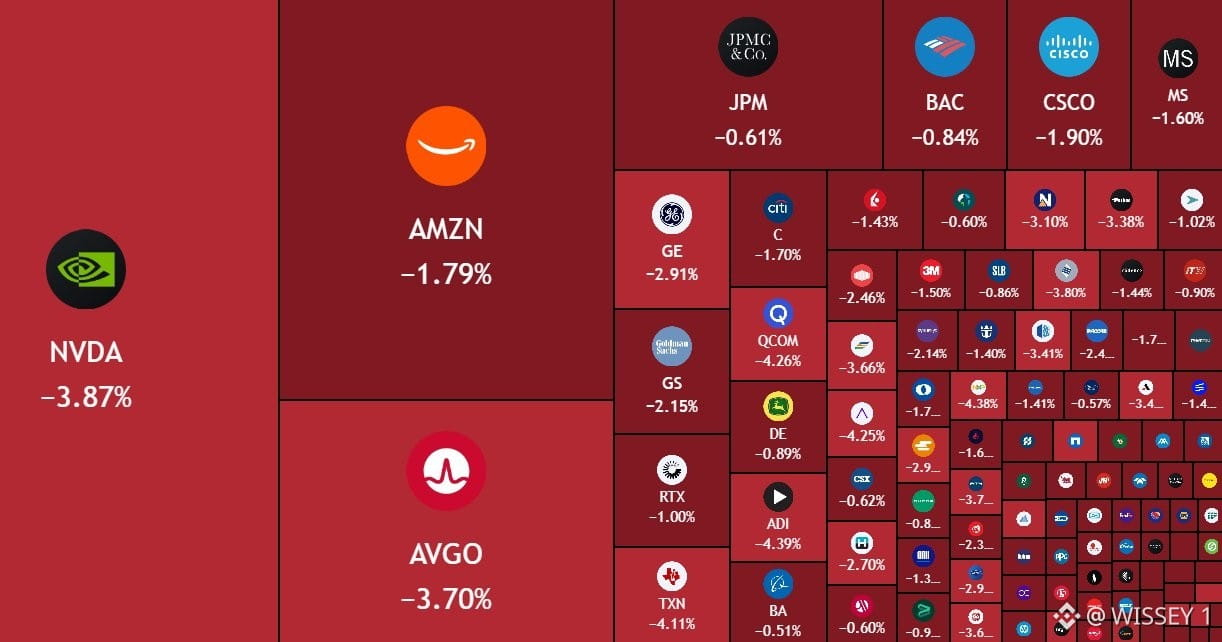
تم محو 595,000,000,000 دولار من الأسهم الأمريكية عند افتتاح السوق.
$BTC و $ETH يواصلان الثبات بشكل جيد، ما يشير إلى أن السيولة تنتقل من الأسهم إلى العملات المشفرة.
#تحليل سعر #BTC# #رؤى الاقتصاد الكلي#
تم محو 595,000,000,000 دولار من الأسهم الأمريكية عند افتتاح السوق.
$BTC و $ETH يواصلان الثبات بشكل جيد، ما يشير إلى أن السيولة تنتقل من الأسهم إلى العملات المشفرة.
#تحليل سعر #BTC# #رؤى الاقتصاد الكلي#
$BTC و $ETH يواصلان الثبات بشكل جيد، ما يشير إلى أن السيولة تنتقل من الأسهم إلى العملات المشفرة.
#تحليل سعر #BTC# #رؤى الاقتصاد الكلي#
62
·
--
تُشترِي «سَعْي» فيفيك راماسوامي 469 دولارًا بقيمة 36 مليون دولار من عملات بيتكوين.
#تحليل سعر #BTC# #رؤى اقتصادية كلية#
تُشترِي «سَعْي» فيفيك راماسوامي 469 دولارًا بقيمة 36 مليون دولار من عملات بيتكوين.
#تحليل سعر #BTC# #رؤى اقتصادية كلية#
#تحليل سعر #BTC# #رؤى اقتصادية كلية#
37
سجّل الدخول لاستكشاف المزيد من المُحتوى
انضم إلى مُستخدمي العملات الرقمية حول العالم على Binance Square
⚡️ احصل على أحدث المعلومات المفيدة عن العملات الرقمية.
💬 موثوقة من قبل أكبر منصّة لتداول العملات الرقمية في العالم.
👍 اكتشف الرؤى الحقيقية من صنّاع المُحتوى الموثوقين.
البريد الإلكتروني / رقم الهاتف
المواضيع الرائجة
BitcoinSpotETFsNetInflow$191M
775 مشاهدات
74 يقومون بالنقاش
🚨 وول ستريت ما زالت تشتري البيتكوين.
سحبت صناديق تداول بيتكوين الفورية (ETFs) في الولايات المتحدة تدفقات صافية أخرى بقيمة 191 مليون دولار في 24 سبتمبر، لتطيل سلسلة إيجابية إلى 6 جلسات تداول متتالية.
ومن هو أكبر مشتري؟
IBIT التابعة لـ BlackRock — حوالي 163 مليون دولار في يوم واحد.
أضافت Fidelity’s FBTC 12.9 مليون دولار أخرى، بينما ارتفعت الأصول الصافية الإجمالية عبر صناديق بيتكوين الفورية في الولايات المتحدة إلى نحو 108.9 مليار دولار.
الصورة الأكبر أكثر إثارة للاهتمام:
خلال آخر 6 جلسات، استوعبت صناديق بيتكوين أكثر من 2.8 مليار دولار — حتى مع أن البيتكوين هدأ بعد أن تم تداوله لفترة وجيزة فوق 87 ألف دولار.
وهذا يعني أن الطلب المؤسسي لم يختفِ مع التراجع.
الوتيرة تباطأت مقارنة بتدفق الاثنين الضخم ~999 مليون دولار، لكن الأموال ما زالت تتجه إلى البيتكوين بدل الهروب من المخارج.
والسؤال الآن بسيط:
إذا كان طلب صناديق الاستثمار المتداولة يستمر في امتصاص المعروض بينما البيتكوين يتماسك… ماذا يحدث عندما يعود الزخم؟ 👀
$BTC $ZEC $XAU
#BitcoinSpotETFsNetInflow$191M #CFTCUpdatesGuidanceOnTokenizedAssets #BitgetSays$352MAffectedInHack #BinanceWillListHyperliquid(HYPE) #FedProposesRulesForBankIssuedStablecoins
KimHotbae
·0 إعجاب
·4 مشاهدات
CFTCUpdatesGuidanceOnTokenizedAssets
11,442 مشاهدات
559 يقومون بالنقاش
BitgetSays$352MAffectedInHack
2,585 مشاهدات
39 يقومون بالنقاش