

bull_club
2.4k منشورات

bull_club
إبلاغ
حظر المُستخدم
Daily crypto articles & market breakdowns
On-chain charts • Weekly recap • Risk-first
فتح تداول
مُتداول عرضي
3.5 سنوات
143 تتابع
26.4K+ المتابعون
15.3K+ إعجاب
منشورات
الحافظة الاستثمارية
الكل
اقتباسات
مقاطع فيديو
Live
·
--
صاعد
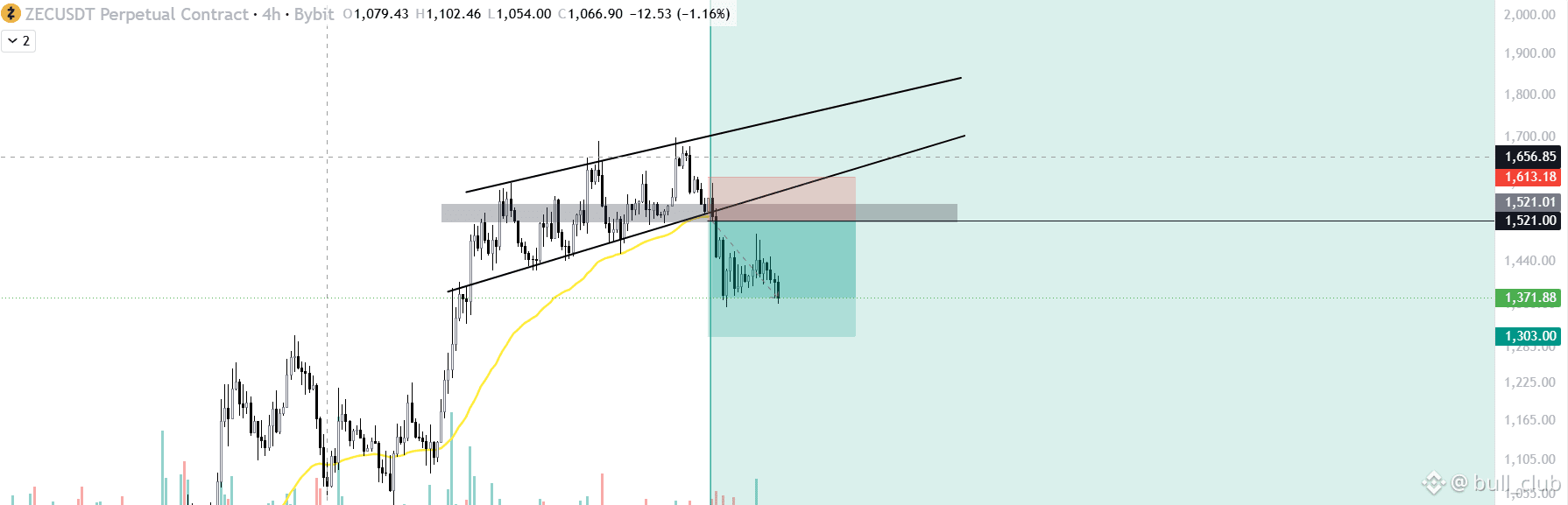
دعنا نتحدث عن $ZEC
بعد إطلاق التوكن في أحدث وقت، وصلت قيمة التوكن إلى 1698$
ووصلت القيمة السوقية تقريبًا إلى 24B
لدى Zcash بعض الاستخدامات الفريدة، ولهذا السبب يُعدّ التوكن هو الأكثر شهرة لدى المتداولين
> عندما ترسل USDT إلى أشخاص آخرين، يجب أن تكون كمية معاملة التوكن مخفية عن البلوكشين
> باستخدام Zcash، يمكن أيضًا تحويل مبالغ كبيرة من التوكن في غضون ثوانٍ قليلة، ومع رسوم معاملات منخفضة يمكن إرسالها
هذه هي النقاط التي يمكنكم الإشارة إليها، ويجب أن تتعلموها قبل اتخاذ أي صفقة
من جهتي أنا متفائل بهذه الصفقة
دعنا نتحدث عن $ZEC
بعد إطلاق التوكن في أحدث وقت، وصلت قيمة التوكن إلى 1698$
ووصلت القيمة السوقية تقريبًا إلى 24B
لدى Zcash بعض الاستخدامات الفريدة، ولهذا السبب يُعدّ التوكن هو الأكثر شهرة لدى المتداولين
> عندما ترسل USDT إلى أشخاص آخرين، يجب أن تكون كمية معاملة التوكن مخفية عن البلوكشين
> باستخدام Zcash، يمكن أيضًا تحويل مبالغ كبيرة من التوكن في غضون ثوانٍ قليلة، ومع رسوم معاملات منخفضة يمكن إرسالها
هذه هي النقاط التي يمكنكم الإشارة إليها، ويجب أن تتعلموها قبل اتخاذ أي صفقة
من جهتي أنا متفائل بهذه الصفقة
بعد إطلاق التوكن في أحدث وقت، وصلت قيمة التوكن إلى 1698$
ووصلت القيمة السوقية تقريبًا إلى 24B
لدى Zcash بعض الاستخدامات الفريدة، ولهذا السبب يُعدّ التوكن هو الأكثر شهرة لدى المتداولين
> عندما ترسل USDT إلى أشخاص آخرين، يجب أن تكون كمية معاملة التوكن مخفية عن البلوكشين
> باستخدام Zcash، يمكن أيضًا تحويل مبالغ كبيرة من التوكن في غضون ثوانٍ قليلة، ومع رسوم معاملات منخفضة يمكن إرسالها
هذه هي النقاط التي يمكنكم الإشارة إليها، ويجب أن تتعلموها قبل اتخاذ أي صفقة
من جهتي أنا متفائل بهذه الصفقة
2
1
740
·
--
صاعد
قال تشي زِي:
إن صناعتنا تمرّ بحالة فوضوية.
> يتهافت الناس على المال بحثًا عن أرباح سريعة، ويريدون عائدًا بمقدار 10x خلال ليلة واحدة، أو 100x. وعندما لا يستطيعون العثور على ذلك، يشتكون.
ومن الطرف الآخر، يشعر البنّاؤون الحقيقيون بالإقصاء. لا يمكنهم تحقيق 10x بين ليلة وضحاها. فبناء قيمة حقيقية وملموس يستغرق وقتًا.
وعندما يرى الآخرون مشكلات، نرى نحن فرصًا. دعونا نساعد البنّائين على البناء.
ليس لدي ما أقدمه كثيرًا، لكنني سأبذل قصارى جهدي لأن أكون مرشدًا جيدًا.
> ابنِ!
@CZ >>
$ASTER
قال تشي زِي:
إن صناعتنا تمرّ بحالة فوضوية.
> يتهافت الناس على المال بحثًا عن أرباح سريعة، ويريدون عائدًا بمقدار 10x خلال ليلة واحدة، أو 100x. وعندما لا يستطيعون العثور على ذلك، يشتكون.
ومن الطرف الآخر، يشعر البنّاؤون الحقيقيون بالإقصاء. لا يمكنهم تحقيق 10x بين ليلة وضحاها. فبناء قيمة حقيقية وملموس يستغرق وقتًا.
وعندما يرى الآخرون مشكلات، نرى نحن فرصًا. دعونا نساعد البنّائين على البناء.
ليس لدي ما أقدمه كثيرًا، لكنني سأبذل قصارى جهدي لأن أكون مرشدًا جيدًا.
> ابنِ!
@CZ >>
$ASTER
إن صناعتنا تمرّ بحالة فوضوية.
> يتهافت الناس على المال بحثًا عن أرباح سريعة، ويريدون عائدًا بمقدار 10x خلال ليلة واحدة، أو 100x. وعندما لا يستطيعون العثور على ذلك، يشتكون.
ومن الطرف الآخر، يشعر البنّاؤون الحقيقيون بالإقصاء. لا يمكنهم تحقيق 10x بين ليلة وضحاها. فبناء قيمة حقيقية وملموس يستغرق وقتًا.
وعندما يرى الآخرون مشكلات، نرى نحن فرصًا. دعونا نساعد البنّائين على البناء.
ليس لدي ما أقدمه كثيرًا، لكنني سأبذل قصارى جهدي لأن أكون مرشدًا جيدًا.
> ابنِ!
@CZ >>
$ASTER
2
537
·
--
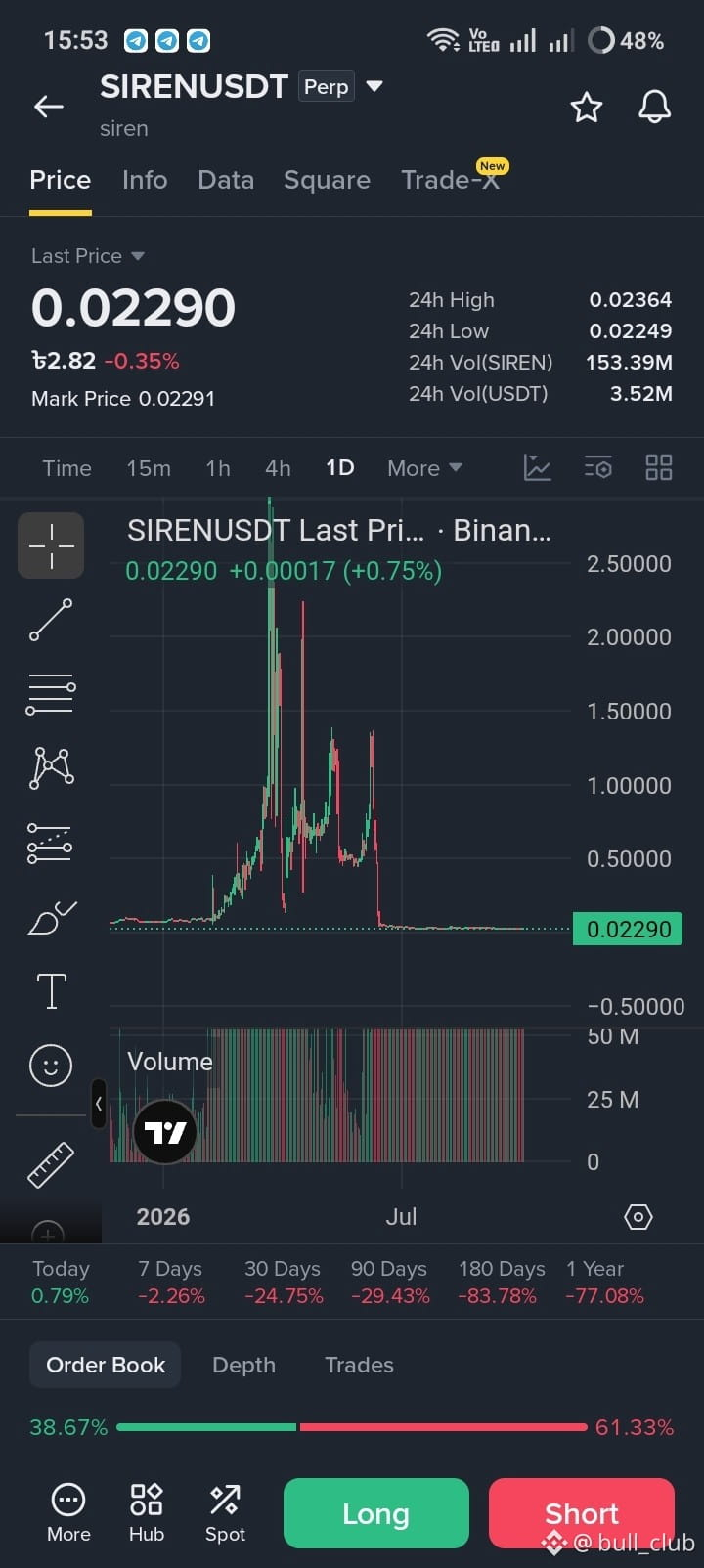
$SIREN أعتقد أن بينانس تحتاج إلى حظر هذه الأنواع من العملات المشفرة السيئة وإزالتها من القائمة ....
$SIREN أعتقد أن بينانس تحتاج إلى حظر هذه الأنواع من العملات المشفرة السيئة وإزالتها من القائمة ....
2
703
·
--
صاعد
اليوم، سنناقش Bitway، أو رمز المميز الذي يحمل الرقم $BTW .
لذا، تبدو بنية التوكنومكس (Tokenomics) هنا على النحو التالي: تخصص المجتمع ما يقارب 26% من إجمالي المعروض، وجزء من ذلك يتم بالفعل إطلاقه شهريًا.
ثم لدينا حوالي 20% مخصصة للنظام البيئي والفريق. هذه حصة كبيرة نسبيًا، لكن التوكنات تكون مقفلة لمدة تقارب 36 شهرًا.
إجمالي المعروض هو 10 مليارات توكن، وجدول إطلاق التوكنات مُنظم على مدار خمس سنوات. يُتوقع إطلاق حوالي 33% من إجمالي المعروض خلال السنة الأولى.
كما أنه مشروع مدرج ضمن Alpha، وبنفس ما رأيناه مع $QNT ، توجد بعض الإشارات الإيجابية (Bullish) المرتبطة به، خصوصًا مع الإطلاقات والتطورات الدورية.
لذا، بشكل عام، فإن هذه العوامل تعطي المشروع بعض الإشارات الإيجابية.
اليوم، سنناقش Bitway، أو رمز المميز الذي يحمل الرقم $BTW .
لذا، تبدو بنية التوكنومكس (Tokenomics) هنا على النحو التالي: تخصص المجتمع ما يقارب 26% من إجمالي المعروض، وجزء من ذلك يتم بالفعل إطلاقه شهريًا.
ثم لدينا حوالي 20% مخصصة للنظام البيئي والفريق. هذه حصة كبيرة نسبيًا، لكن التوكنات تكون مقفلة لمدة تقارب 36 شهرًا.
إجمالي المعروض هو 10 مليارات توكن، وجدول إطلاق التوكنات مُنظم على مدار خمس سنوات. يُتوقع إطلاق حوالي 33% من إجمالي المعروض خلال السنة الأولى.
كما أنه مشروع مدرج ضمن Alpha، وبنفس ما رأيناه مع $QNT ، توجد بعض الإشارات الإيجابية (Bullish) المرتبطة به، خصوصًا مع الإطلاقات والتطورات الدورية.
لذا، بشكل عام، فإن هذه العوامل تعطي المشروع بعض الإشارات الإيجابية.
لذا، تبدو بنية التوكنومكس (Tokenomics) هنا على النحو التالي: تخصص المجتمع ما يقارب 26% من إجمالي المعروض، وجزء من ذلك يتم بالفعل إطلاقه شهريًا.
ثم لدينا حوالي 20% مخصصة للنظام البيئي والفريق. هذه حصة كبيرة نسبيًا، لكن التوكنات تكون مقفلة لمدة تقارب 36 شهرًا.
إجمالي المعروض هو 10 مليارات توكن، وجدول إطلاق التوكنات مُنظم على مدار خمس سنوات. يُتوقع إطلاق حوالي 33% من إجمالي المعروض خلال السنة الأولى.
كما أنه مشروع مدرج ضمن Alpha، وبنفس ما رأيناه مع $QNT ، توجد بعض الإشارات الإيجابية (Bullish) المرتبطة به، خصوصًا مع الإطلاقات والتطورات الدورية.
لذا، بشكل عام، فإن هذه العوامل تعطي المشروع بعض الإشارات الإيجابية.
489
·
--
صاعد
صحيح جزئيًا
هل من الممكن حقًا أن تحقق شركة Micron هامش ربح إجمالي يتجاوز 80%؟
> نعم، هذا ممكن بالتأكيد؛ في الواقع، خلال مكالمة أرباح الربع الثالث، قدموا توجيهات بهامش ربح إجمالي بنسبة 80% للربع الرابع من السنة المالية 2026، إلى جانب توقعات للإيرادات تبلغ حوالي 50 مليار دولار.
والآن، ماذا يعني بالضبط "هامش الربح الإجمالي"؟ إنه يمثل الربح المتبقي بعد خصم التكاليف اللازمة لتصنيع منتج.
أنت تعرف بالفعل لماذا هذا مهم.
فيما يتعلق بشركات البنية التحتية للذكاء الاصطناعي مثل Nvidia فهي تحظى بشعبية في بناء microchips، وتؤدي Micron أيضًا أداءً جيدًا في الوقت الحالي.
هناك أيضًا تزايد في الطلب على HBM (الذاكرة عالية النطاق الترددي)، وهو نوع من DRAM.
تقوم Micron بتصنيع هذه الذاكرة عالية الحجم وعالية النطاق الترددي في سوق تهيمن عليه حاليًا جهات رئيسية مثل SK Hynix وSamsung.
وتوجد هذه الشركات الكبرى في الولايات المتحدة وكوريا الجنوبية.
العامل الحاسم الآن هو أن الشركات التي تستطيع فقط توسيع قدرات الإنتاج بسرعة لتلبية متطلبات عملاء الذكاء الاصطناعي هي التي ستنجو في هذا السوق.
أرى أن Micron تقود الطريق في سعة HBM لأنها تستطيع تصنيع هذه المنتجات بسرعة كبيرة؛ وتتموضع Micron بشكل جيد للفوز بهذه السباق في مجال البنية التحتية للذكاء الاصطناعي. تتقدم Micron بشكل كبير على SK Hynix وSamsung من حيث دورات الذاكرة.
عند النظر في الإمدادات الأولية والعوامل الأخرى، يتضح أن Micron تمتلك تفوقًا قويًا. في حين أن شركات مثل Samsung وSK Hynix تحاولان المنافسة، وهو ما قد يطرح بعض التحديات، فإن Micron تتموضع بشكل جيد للتغلب عليها.
وهذا يقدّم سيناريو متفائل: إذا زاد الطلب على الذكاء الاصطناعي، فسيزداد أيضًا الطلب على HBM وDRAM. سترتفع الأسعار، مما يؤدي إلى هوامش ربح أعلى. أعتقد أن هذا هو أفضل تصور، لأن Micron من المتوقع أن تستفيد كثيرًا من سباق HBM ودورة الذاكرة فائقة النمو. ومن وجهة نظري، فإن الصورة بالنسبة لـ Micron متفائلة؛ ومن المرجح أن يشهد السهم زخمًا صعوديًا كبيرًا.
$MU
{future}(MUUSDT)
#EarningsSeason
هل من الممكن حقًا أن تحقق شركة Micron هامش ربح إجمالي يتجاوز 80%؟
> نعم، هذا ممكن بالتأكيد؛ في الواقع، خلال مكالمة أرباح الربع الثالث، قدموا توجيهات بهامش ربح إجمالي بنسبة 80% للربع الرابع من السنة المالية 2026، إلى جانب توقعات للإيرادات تبلغ حوالي 50 مليار دولار.
والآن، ماذا يعني بالضبط "هامش الربح الإجمالي"؟ إنه يمثل الربح المتبقي بعد خصم التكاليف اللازمة لتصنيع منتج.
أنت تعرف بالفعل لماذا هذا مهم.
فيما يتعلق بشركات البنية التحتية للذكاء الاصطناعي مثل Nvidia فهي تحظى بشعبية في بناء microchips، وتؤدي Micron أيضًا أداءً جيدًا في الوقت الحالي.
هناك أيضًا تزايد في الطلب على HBM (الذاكرة عالية النطاق الترددي)، وهو نوع من DRAM.
تقوم Micron بتصنيع هذه الذاكرة عالية الحجم وعالية النطاق الترددي في سوق تهيمن عليه حاليًا جهات رئيسية مثل SK Hynix وSamsung.
وتوجد هذه الشركات الكبرى في الولايات المتحدة وكوريا الجنوبية.
العامل الحاسم الآن هو أن الشركات التي تستطيع فقط توسيع قدرات الإنتاج بسرعة لتلبية متطلبات عملاء الذكاء الاصطناعي هي التي ستنجو في هذا السوق.
أرى أن Micron تقود الطريق في سعة HBM لأنها تستطيع تصنيع هذه المنتجات بسرعة كبيرة؛ وتتموضع Micron بشكل جيد للفوز بهذه السباق في مجال البنية التحتية للذكاء الاصطناعي. تتقدم Micron بشكل كبير على SK Hynix وSamsung من حيث دورات الذاكرة.
عند النظر في الإمدادات الأولية والعوامل الأخرى، يتضح أن Micron تمتلك تفوقًا قويًا. في حين أن شركات مثل Samsung وSK Hynix تحاولان المنافسة، وهو ما قد يطرح بعض التحديات، فإن Micron تتموضع بشكل جيد للتغلب عليها.
وهذا يقدّم سيناريو متفائل: إذا زاد الطلب على الذكاء الاصطناعي، فسيزداد أيضًا الطلب على HBM وDRAM. سترتفع الأسعار، مما يؤدي إلى هوامش ربح أعلى. أعتقد أن هذا هو أفضل تصور، لأن Micron من المتوقع أن تستفيد كثيرًا من سباق HBM ودورة الذاكرة فائقة النمو. ومن وجهة نظري، فإن الصورة بالنسبة لـ Micron متفائلة؛ ومن المرجح أن يشهد السهم زخمًا صعوديًا كبيرًا.
$MU
#EarningsSeason
> نعم، هذا ممكن بالتأكيد؛ في الواقع، خلال مكالمة أرباح الربع الثالث، قدموا توجيهات بهامش ربح إجمالي بنسبة 80% للربع الرابع من السنة المالية 2026، إلى جانب توقعات للإيرادات تبلغ حوالي 50 مليار دولار.
والآن، ماذا يعني بالضبط "هامش الربح الإجمالي"؟ إنه يمثل الربح المتبقي بعد خصم التكاليف اللازمة لتصنيع منتج.
أنت تعرف بالفعل لماذا هذا مهم.
فيما يتعلق بشركات البنية التحتية للذكاء الاصطناعي مثل Nvidia فهي تحظى بشعبية في بناء microchips، وتؤدي Micron أيضًا أداءً جيدًا في الوقت الحالي.
هناك أيضًا تزايد في الطلب على HBM (الذاكرة عالية النطاق الترددي)، وهو نوع من DRAM.
تقوم Micron بتصنيع هذه الذاكرة عالية الحجم وعالية النطاق الترددي في سوق تهيمن عليه حاليًا جهات رئيسية مثل SK Hynix وSamsung.
وتوجد هذه الشركات الكبرى في الولايات المتحدة وكوريا الجنوبية.
العامل الحاسم الآن هو أن الشركات التي تستطيع فقط توسيع قدرات الإنتاج بسرعة لتلبية متطلبات عملاء الذكاء الاصطناعي هي التي ستنجو في هذا السوق.
أرى أن Micron تقود الطريق في سعة HBM لأنها تستطيع تصنيع هذه المنتجات بسرعة كبيرة؛ وتتموضع Micron بشكل جيد للفوز بهذه السباق في مجال البنية التحتية للذكاء الاصطناعي. تتقدم Micron بشكل كبير على SK Hynix وSamsung من حيث دورات الذاكرة.
عند النظر في الإمدادات الأولية والعوامل الأخرى، يتضح أن Micron تمتلك تفوقًا قويًا. في حين أن شركات مثل Samsung وSK Hynix تحاولان المنافسة، وهو ما قد يطرح بعض التحديات، فإن Micron تتموضع بشكل جيد للتغلب عليها.
وهذا يقدّم سيناريو متفائل: إذا زاد الطلب على الذكاء الاصطناعي، فسيزداد أيضًا الطلب على HBM وDRAM. سترتفع الأسعار، مما يؤدي إلى هوامش ربح أعلى. أعتقد أن هذا هو أفضل تصور، لأن Micron من المتوقع أن تستفيد كثيرًا من سباق HBM ودورة الذاكرة فائقة النمو. ومن وجهة نظري، فإن الصورة بالنسبة لـ Micron متفائلة؛ ومن المرجح أن يشهد السهم زخمًا صعوديًا كبيرًا.
$MU
#EarningsSeason
2
3
1.1k
·
--
صاعد
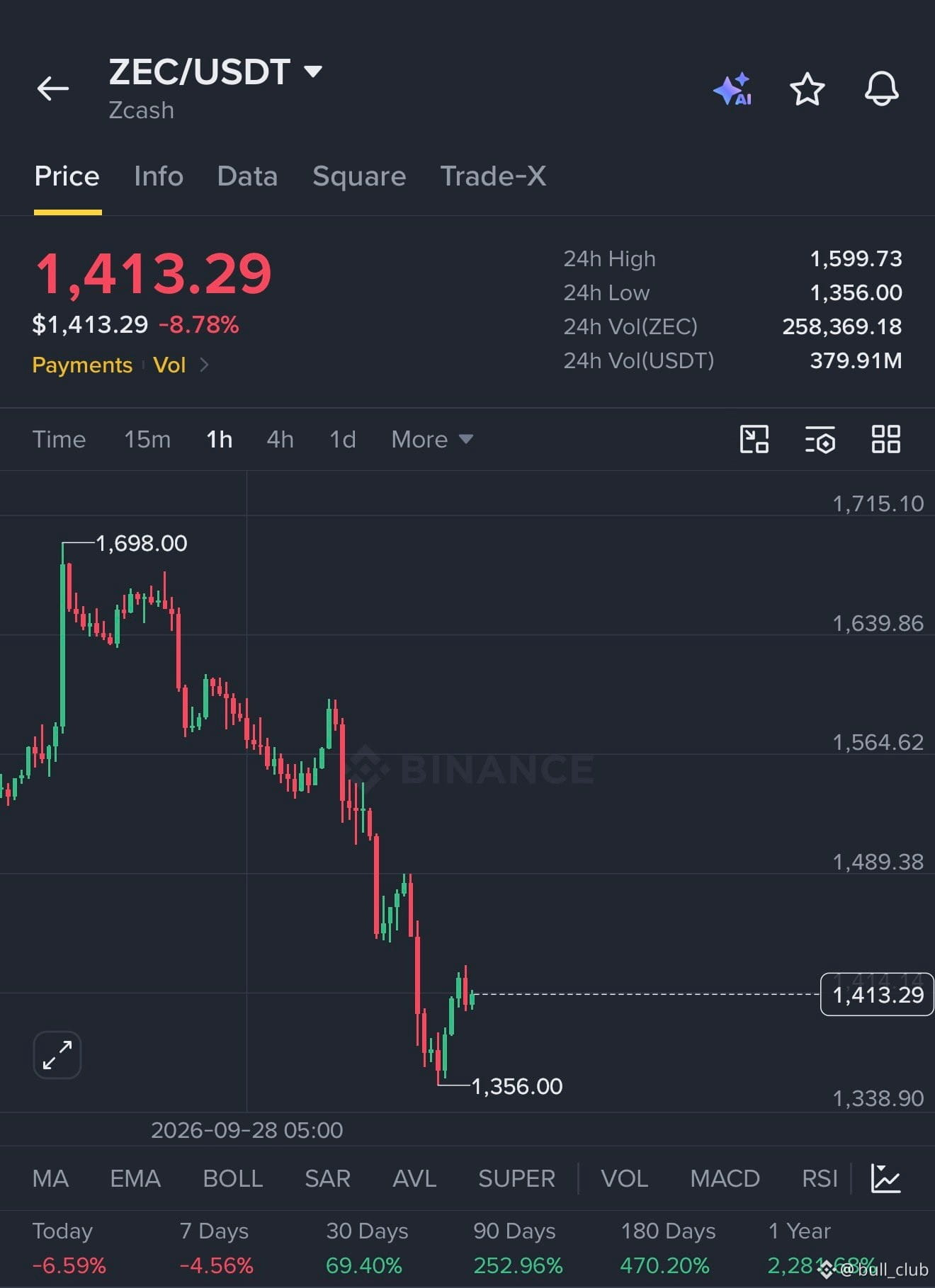
أنا بصراحة أشعر بالأسف تجاه مشجعي $ZEC 😭
قلتُ بوضوح إن نطاق 1,400–1,600 يمكن أن يكون منطقة القمة لـ ZEC. بعد ذلك، توقعت حدوث تصحيح باتجاه 1,000.
كنتُ بالفعل قد حققت أكثر من 60 ألف دولار ربحًا من موقفي الطويل. لكن بعد أن فتحتُ مركزًا قصيرًا، صار توقيتي مليئًا بحاملي ZEC يقولون إنه سيصل إلى 5K، ثم 10K، بل وحتى ينافس البيتكوين 😂
هذه هي مشكلة المشجعين. إنهم لا يتداولون السوق؛ إنهم يتداولون الحماس.
يتبعون الأخبار والسرديات والشموع الخضراء، لكنهم ينسون ما الذي يمكن أن يحدث عندما يختفي الحماس.
لقد رأيت هذه الدورات كثيرًا. أحيانًا، أفضل وقت لأخذ الأرباح هو عندما يعتقد الجميع أن السعر لا يمكنه إلا الصعود.
برأيك، هل ما زال ZEC قويًا، أم أن الحماس يهدأ أخيرًا؟
$ZEC
{future}(ZECUSDT)
أنا بصراحة أشعر بالأسف تجاه مشجعي $ZEC 😭
قلتُ بوضوح إن نطاق 1,400–1,600 يمكن أن يكون منطقة القمة لـ ZEC. بعد ذلك، توقعت حدوث تصحيح باتجاه 1,000.
كنتُ بالفعل قد حققت أكثر من 60 ألف دولار ربحًا من موقفي الطويل. لكن بعد أن فتحتُ مركزًا قصيرًا، صار توقيتي مليئًا بحاملي ZEC يقولون إنه سيصل إلى 5K، ثم 10K، بل وحتى ينافس البيتكوين 😂
هذه هي مشكلة المشجعين. إنهم لا يتداولون السوق؛ إنهم يتداولون الحماس.
يتبعون الأخبار والسرديات والشموع الخضراء، لكنهم ينسون ما الذي يمكن أن يحدث عندما يختفي الحماس.
لقد رأيت هذه الدورات كثيرًا. أحيانًا، أفضل وقت لأخذ الأرباح هو عندما يعتقد الجميع أن السعر لا يمكنه إلا الصعود.
برأيك، هل ما زال ZEC قويًا، أم أن الحماس يهدأ أخيرًا؟
$ZEC
قلتُ بوضوح إن نطاق 1,400–1,600 يمكن أن يكون منطقة القمة لـ ZEC. بعد ذلك، توقعت حدوث تصحيح باتجاه 1,000.
كنتُ بالفعل قد حققت أكثر من 60 ألف دولار ربحًا من موقفي الطويل. لكن بعد أن فتحتُ مركزًا قصيرًا، صار توقيتي مليئًا بحاملي ZEC يقولون إنه سيصل إلى 5K، ثم 10K، بل وحتى ينافس البيتكوين 😂
هذه هي مشكلة المشجعين. إنهم لا يتداولون السوق؛ إنهم يتداولون الحماس.
يتبعون الأخبار والسرديات والشموع الخضراء، لكنهم ينسون ما الذي يمكن أن يحدث عندما يختفي الحماس.
لقد رأيت هذه الدورات كثيرًا. أحيانًا، أفضل وقت لأخذ الأرباح هو عندما يعتقد الجميع أن السعر لا يمكنه إلا الصعود.
برأيك، هل ما زال ZEC قويًا، أم أن الحماس يهدأ أخيرًا؟
$ZEC
134
·
--
صاعد
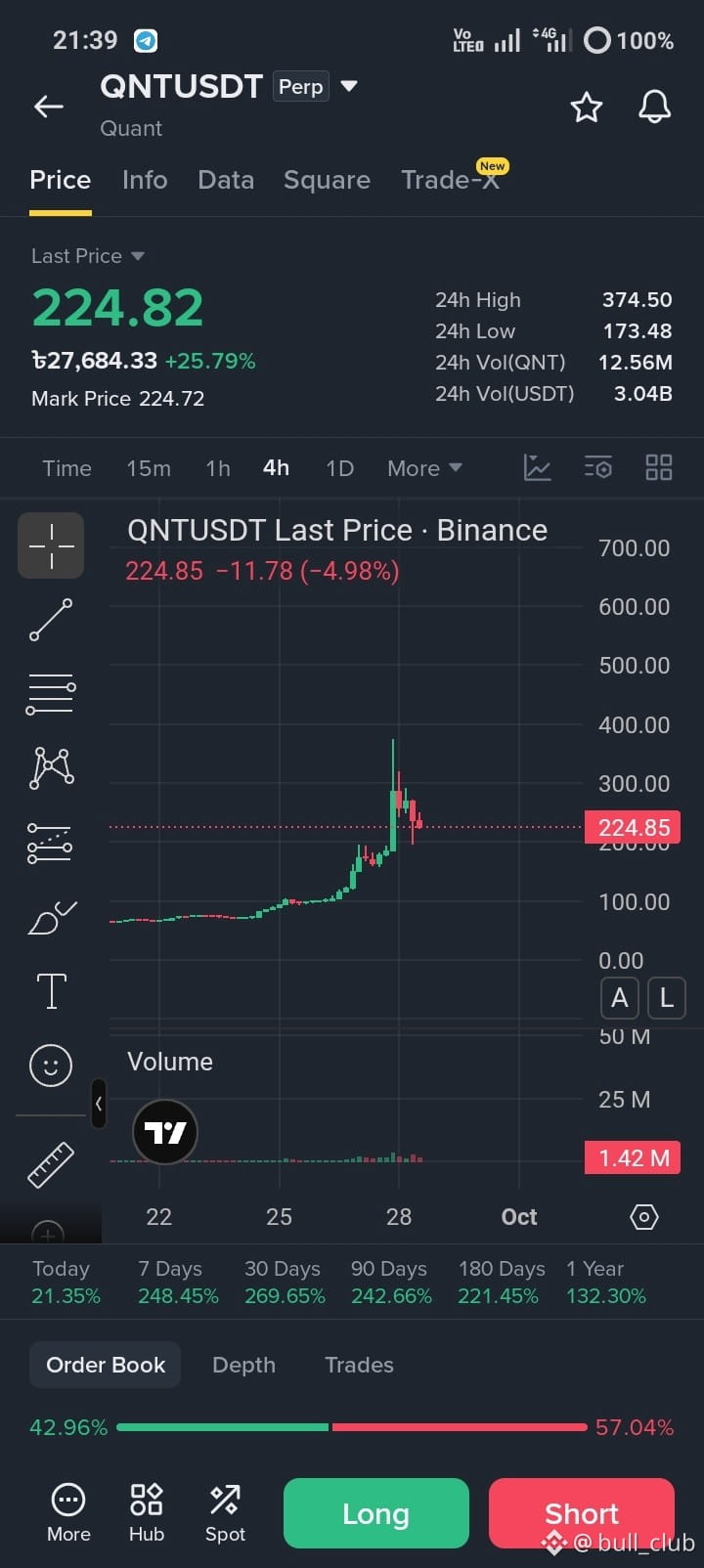
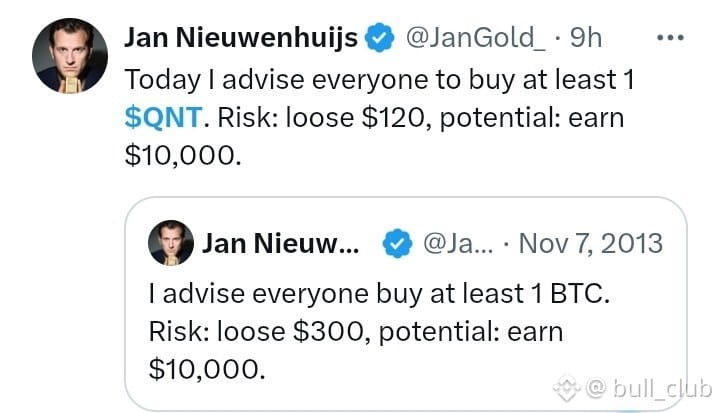
حقائق ممتعة ✅
هذا هو الرجل الذي قال 2013 لشراء $BTC مقابل 300$ وإعطاء هدف 10000$
والآن يقوم بإعادة تغريد/اقتباستغريدة لشراء $QNT !
{future}(QNTUSDT)
حقائق ممتعة ✅
هذا هو الرجل الذي قال 2013 لشراء $BTC مقابل 300$ وإعطاء هدف 10000$
والآن يقوم بإعادة تغريد/اقتباستغريدة لشراء $QNT !
هذا هو الرجل الذي قال 2013 لشراء $BTC مقابل 300$ وإعطاء هدف 10000$
والآن يقوم بإعادة تغريد/اقتباستغريدة لشراء $QNT !
1
715
·
--
هابط
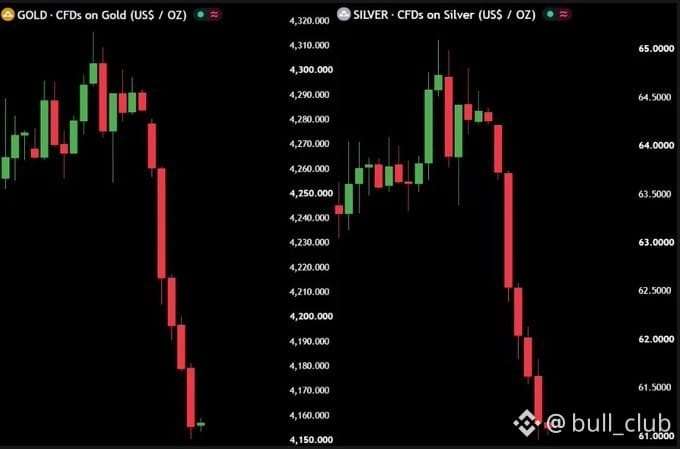
الذهب والفضة يشهدان عمليات بيع على شكل هلع. كما يتم التخلص من المعادن.
تم سحب 1.1 تريليون دولار خلال آخر 10 ساعات. هل هناك أي أخبار سيئة قادمة؟
$XAU
{future}(XAUUSDT)
الذهب والفضة يشهدان عمليات بيع على شكل هلع. كما يتم التخلص من المعادن.
تم سحب 1.1 تريليون دولار خلال آخر 10 ساعات. هل هناك أي أخبار سيئة قادمة؟
$XAU
تم سحب 1.1 تريليون دولار خلال آخر 10 ساعات. هل هناك أي أخبار سيئة قادمة؟
$XAU
503
·
--
صاعد
الهدف لعام 2027 !!
$BTC $67000
$ETH $1700
لا تنخدع ولا تنفعل حتى في أكتوبر
الهدف لعام 2027 !!
$BTC $67000
$ETH $1700
لا تنخدع ولا تنفعل حتى في أكتوبر
$BTC $67000
$ETH $1700
لا تنخدع ولا تنفعل حتى في أكتوبر
222
·
--
صاعد
🚨 تم اختراق Bitget وسرقة 350 مليون دولار 🚨
$BNB صعودي بشأن هذا
🚨 تم اختراق Bitget وسرقة 350 مليون دولار 🚨
$BNB صعودي بشأن هذا
$BNB صعودي بشأن هذا
2
1
406
·
--
صاعد
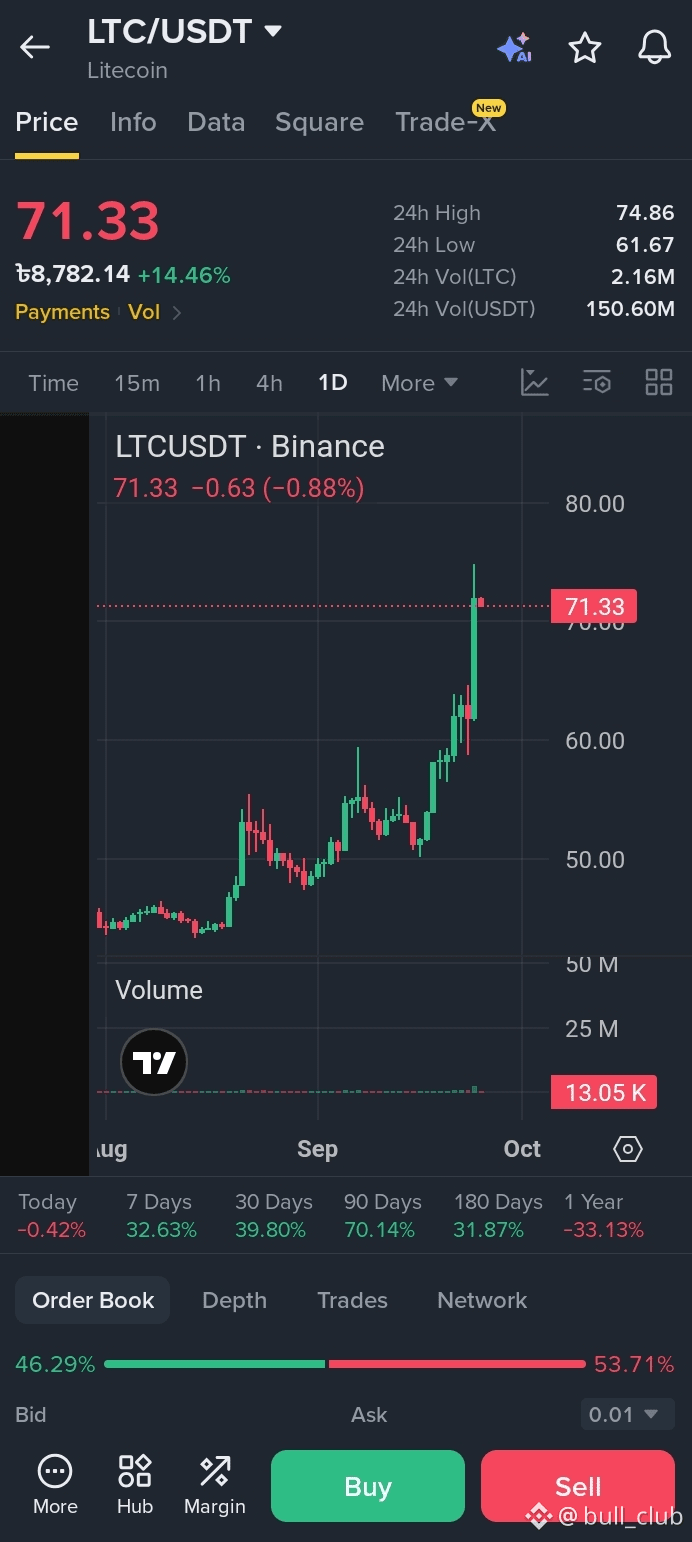
حُلْمٌ سعيدٌ للجميع!
> $LTC iS يضخّ مثل شخص يخرج نارًا من هذا الزوج.
أعلى مستوى على الإطلاق هو 450$ + .
ومع ذلك، لا يزال يرتفع للعودة.
> الآن $LTC G سأعود إلى منطقة الدعم، سأقوم بعمل صفقة بيع عليه
{future}(LTCUSDT)
حُلْمٌ سعيدٌ للجميع!
> $LTC iS يضخّ مثل شخص يخرج نارًا من هذا الزوج.
أعلى مستوى على الإطلاق هو 450$ + .
ومع ذلك، لا يزال يرتفع للعودة.
> الآن $LTC G سأعود إلى منطقة الدعم، سأقوم بعمل صفقة بيع عليه
> $LTC iS يضخّ مثل شخص يخرج نارًا من هذا الزوج.
أعلى مستوى على الإطلاق هو 450$ + .
ومع ذلك، لا يزال يرتفع للعودة.
> الآن $LTC G سأعود إلى منطقة الدعم، سأقوم بعمل صفقة بيع عليه
420
·
--
صاعد
قد لا تربح كل يوم، لكن يمكنك أن تتعلم كل يوم.
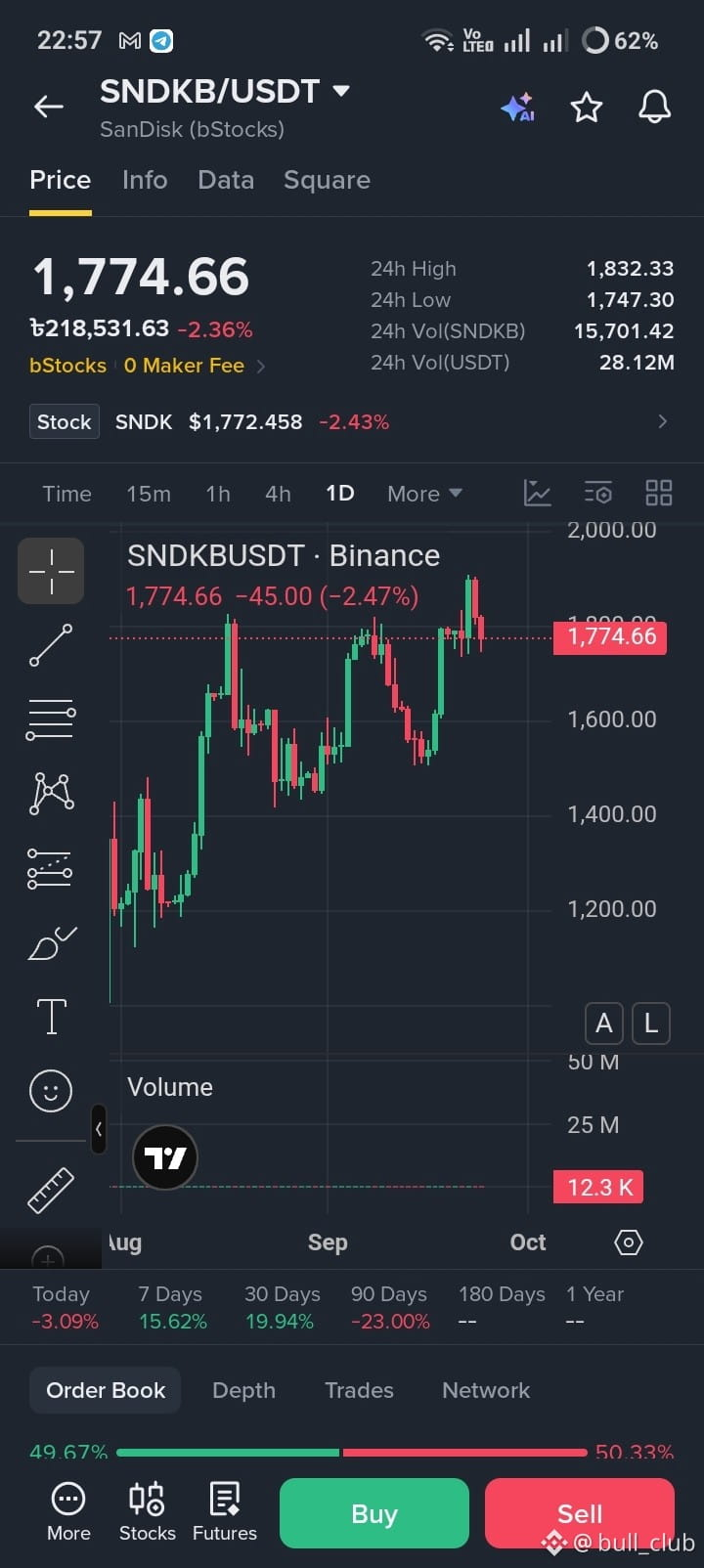
اليوم، دعنا نتحدث عن سهم $SNDKB .
يتشارك الناس النكات والمبالغة في الحماس، لكنهم ليسوا مسؤولين عن أموالك. لا تتداول فقط لأن شخصًا يبدو واثقًا.
تحقق من الشركة والأخبار والرسوم البيانية والمخاطر قبل اتخاذ قرار.
ما رأيك: هل يقوم المتداولون بالبحث، أم أنهم يتبعون مجرد الضجة؟
قد لا تربح كل يوم، لكن يمكنك أن تتعلم كل يوم.
اليوم، دعنا نتحدث عن سهم $SNDKB .
يتشارك الناس النكات والمبالغة في الحماس، لكنهم ليسوا مسؤولين عن أموالك. لا تتداول فقط لأن شخصًا يبدو واثقًا.
تحقق من الشركة والأخبار والرسوم البيانية والمخاطر قبل اتخاذ قرار.
ما رأيك: هل يقوم المتداولون بالبحث، أم أنهم يتبعون مجرد الضجة؟
اليوم، دعنا نتحدث عن سهم $SNDKB .
يتشارك الناس النكات والمبالغة في الحماس، لكنهم ليسوا مسؤولين عن أموالك. لا تتداول فقط لأن شخصًا يبدو واثقًا.
تحقق من الشركة والأخبار والرسوم البيانية والمخاطر قبل اتخاذ قرار.
ما رأيك: هل يقوم المتداولون بالبحث، أم أنهم يتبعون مجرد الضجة؟
1
597
·
--
$HYPE يتجه نحو الصدارة بعد إدراج بينانس لكن الوسم الخاص بالبذرة مهم
أدرجت بينانس عملة Hyperliquid (HYPE) مع ثلاث أزواج فورية: HYPE/USDT وHYPE/USDC وHYPE/TRY. بدأ التداول في 24 سبتمبر الساعة 11:00 بالتوقيت العالمي المنسق (UTC)، بينما يُتوقع فتح عمليات السحب في 25 سبتمبر الساعة 11:00 بالتوقيت العالمي المنسق (UTC).
التفصيل المهم هو أن بينانس طبّقت وسم Seed Tag على HYPE. وهذا يعني أن الرمز يُنظر إليه على أنه مشروع جديد نسبيًا مع تقلبات أعلى من المعتاد ومخاطر أكبر. كما تطلب بينانس من المستخدمين إكمال اختبار مخاطر قبل التداول بأصول وسم Seed Tag.
يُحسّن الإدراج إمكانية الوصول، لكنه لا يزيل مخاطر المشروع. بعد إدراج في بورصة كبرى، يمكن أن ترتفع بسرعة الاهتمامات والسيولة والتقلبات قصيرة الأجل. أنا أميل إلى التركيز على ما إذا كانت HYPE تحافظ على سيولة صحية واعتمادًا بعد أن تخفت حماسة الإدراج الأولية.
هل إدراج بينانس أكثر أهمية لظهور HYPE، أم لنمو المدى الطويل لنظام Hyperliquid البيئي؟
$HYPE يتجه نحو الصدارة بعد إدراج بينانس لكن الوسم الخاص بالبذرة مهم
أدرجت بينانس عملة Hyperliquid (HYPE) مع ثلاث أزواج فورية: HYPE/USDT وHYPE/USDC وHYPE/TRY. بدأ التداول في 24 سبتمبر الساعة 11:00 بالتوقيت العالمي المنسق (UTC)، بينما يُتوقع فتح عمليات السحب في 25 سبتمبر الساعة 11:00 بالتوقيت العالمي المنسق (UTC).
التفصيل المهم هو أن بينانس طبّقت وسم Seed Tag على HYPE. وهذا يعني أن الرمز يُنظر إليه على أنه مشروع جديد نسبيًا مع تقلبات أعلى من المعتاد ومخاطر أكبر. كما تطلب بينانس من المستخدمين إكمال اختبار مخاطر قبل التداول بأصول وسم Seed Tag.
يُحسّن الإدراج إمكانية الوصول، لكنه لا يزيل مخاطر المشروع. بعد إدراج في بورصة كبرى، يمكن أن ترتفع بسرعة الاهتمامات والسيولة والتقلبات قصيرة الأجل. أنا أميل إلى التركيز على ما إذا كانت HYPE تحافظ على سيولة صحية واعتمادًا بعد أن تخفت حماسة الإدراج الأولية.
هل إدراج بينانس أكثر أهمية لظهور HYPE، أم لنمو المدى الطويل لنظام Hyperliquid البيئي؟
أدرجت بينانس عملة Hyperliquid (HYPE) مع ثلاث أزواج فورية: HYPE/USDT وHYPE/USDC وHYPE/TRY. بدأ التداول في 24 سبتمبر الساعة 11:00 بالتوقيت العالمي المنسق (UTC)، بينما يُتوقع فتح عمليات السحب في 25 سبتمبر الساعة 11:00 بالتوقيت العالمي المنسق (UTC).
التفصيل المهم هو أن بينانس طبّقت وسم Seed Tag على HYPE. وهذا يعني أن الرمز يُنظر إليه على أنه مشروع جديد نسبيًا مع تقلبات أعلى من المعتاد ومخاطر أكبر. كما تطلب بينانس من المستخدمين إكمال اختبار مخاطر قبل التداول بأصول وسم Seed Tag.
يُحسّن الإدراج إمكانية الوصول، لكنه لا يزيل مخاطر المشروع. بعد إدراج في بورصة كبرى، يمكن أن ترتفع بسرعة الاهتمامات والسيولة والتقلبات قصيرة الأجل. أنا أميل إلى التركيز على ما إذا كانت HYPE تحافظ على سيولة صحية واعتمادًا بعد أن تخفت حماسة الإدراج الأولية.
هل إدراج بينانس أكثر أهمية لظهور HYPE، أم لنمو المدى الطويل لنظام Hyperliquid البيئي؟
174
·
--
صاعد
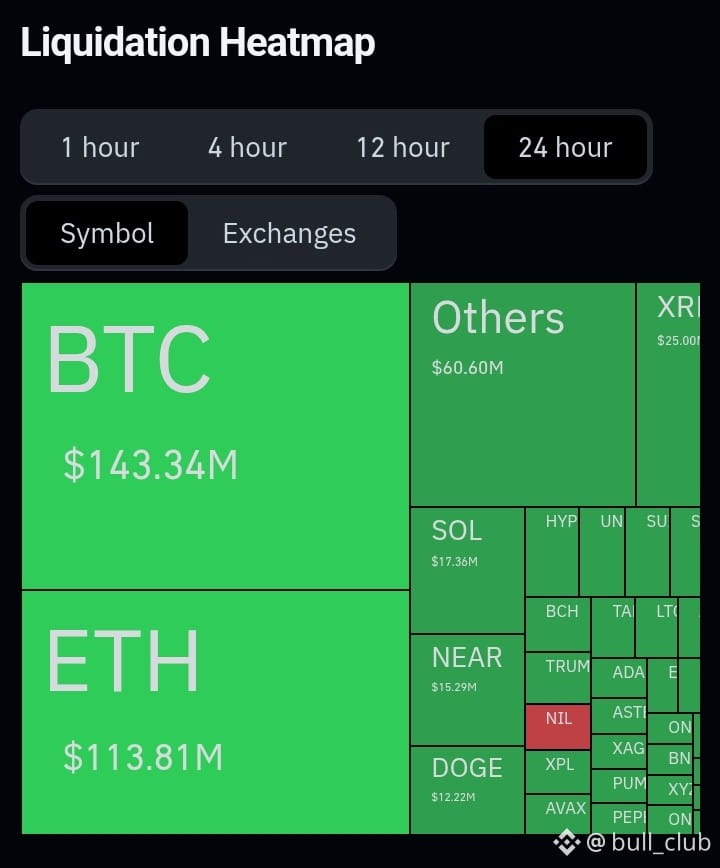
آخر 24 ساعة تم تصفية مركز طويل بقيمة 446.47 مليون دولار !!
وهذا هو السبب في انهيار السوق. لذلك يا أصدقاء، حان الوقت الآن للتوقف عن التداول على المراكز الطويلة
و
يمكنك البدء في البيع (Short) على $BTC $ETH $SOL
NFA | تابعني لمثل هذا النوع من المحتوى
آخر 24 ساعة تم تصفية مركز طويل بقيمة 446.47 مليون دولار !!
وهذا هو السبب في انهيار السوق. لذلك يا أصدقاء، حان الوقت الآن للتوقف عن التداول على المراكز الطويلة
و
يمكنك البدء في البيع (Short) على $BTC $ETH $SOL
NFA | تابعني لمثل هذا النوع من المحتوى
وهذا هو السبب في انهيار السوق. لذلك يا أصدقاء، حان الوقت الآن للتوقف عن التداول على المراكز الطويلة
و
يمكنك البدء في البيع (Short) على $BTC $ETH $SOL
NFA | تابعني لمثل هذا النوع من المحتوى
242
·
--
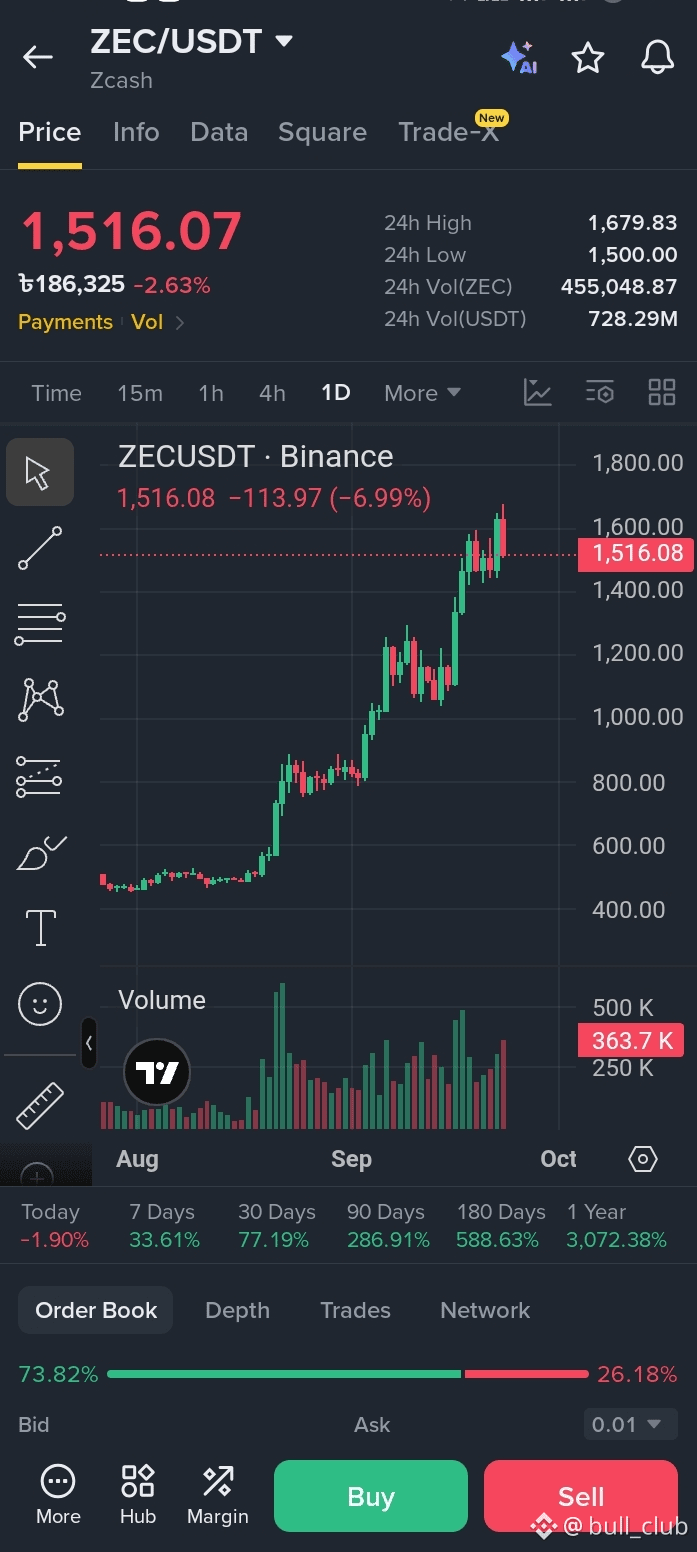
هل حققت ربحًا من $ZEC ؟
الجميع يدخل التداول ويحقق أرباحًا ....
من 600 دولار إلى 1500$ + إنها ليست مجرد مخطط، إنها أموال حقيقية 2x، لدي معرفة بحيتان حصلت على أكثر من ملايين الدولارات من خلال هذه العملة
اذهب للتداول مع ZEC
و
لنتحدث عن $SUI
هل يمكننا الوصول إلى 2$ هذا العام؟
أعتقد أنه لا يمكن الوصول إلى 2$ لأن Sui
خلال الأيام الثلاثة الماضية، حصل مخطط Sui على بعض التدفقات الخضراء
ليس هناك ضخّ مثل ذلك، لذلك أنا متشائم تجاه SUI
dyor | NFA
تابع لمزيد من محتوى التداول
{future}(SUIUSDT)
{future}(ZECUSDT)
هل حققت ربحًا من $ZEC ؟
الجميع يدخل التداول ويحقق أرباحًا ....
من 600 دولار إلى 1500$ + إنها ليست مجرد مخطط، إنها أموال حقيقية 2x، لدي معرفة بحيتان حصلت على أكثر من ملايين الدولارات من خلال هذه العملة
اذهب للتداول مع ZEC
و
لنتحدث عن $SUI
هل يمكننا الوصول إلى 2$ هذا العام؟
أعتقد أنه لا يمكن الوصول إلى 2$ لأن Sui
خلال الأيام الثلاثة الماضية، حصل مخطط Sui على بعض التدفقات الخضراء
ليس هناك ضخّ مثل ذلك، لذلك أنا متشائم تجاه SUI
dyor | NFA
تابع لمزيد من محتوى التداول
الجميع يدخل التداول ويحقق أرباحًا ....
من 600 دولار إلى 1500$ + إنها ليست مجرد مخطط، إنها أموال حقيقية 2x، لدي معرفة بحيتان حصلت على أكثر من ملايين الدولارات من خلال هذه العملة
اذهب للتداول مع ZEC
و
لنتحدث عن $SUI
هل يمكننا الوصول إلى 2$ هذا العام؟
أعتقد أنه لا يمكن الوصول إلى 2$ لأن Sui
خلال الأيام الثلاثة الماضية، حصل مخطط Sui على بعض التدفقات الخضراء
ليس هناك ضخّ مثل ذلك، لذلك أنا متشائم تجاه SUI
dyor | NFA
تابع لمزيد من محتوى التداول
2
1
2.4k
·
--
صاعد
$ONE واجهت شركة Harmony ثلاث حوادث رئيسية لأمان إمدادات الرموز:
> اختراق جسر Horizon في عام 2022 (100 مليون دولار، مرتبط بمجموعة Lazarus التابعة لكوريا الشمالية)
> خلل في عملية السكّ في عام 2023 (مستمر)
> استغلال في أغسطس 2026 حيث قام المهاجمون بِنْتْ ~2.4 تريليون توكن ONE غير مصرح به.
كان رد الفريق هو الإعلان عن إيقاف السلسلة بالكامل، وذكر أن تكلفة الدفاع عنها لم تعد مستدامة، وترحيل حَمَلة الرموز إلى Ethereum عبر airdrop لقطات (snapshot).
يمكن أن ينهار الأمر كأنه لم يكن موجودًا أبدًا في أي وقت…..$ONE
لذا، أنا متشائم بشأن هذه الصفقة وأفعلها
{future}(ONEUSDT)
$ONE واجهت شركة Harmony ثلاث حوادث رئيسية لأمان إمدادات الرموز:
> اختراق جسر Horizon في عام 2022 (100 مليون دولار، مرتبط بمجموعة Lazarus التابعة لكوريا الشمالية)
> خلل في عملية السكّ في عام 2023 (مستمر)
> استغلال في أغسطس 2026 حيث قام المهاجمون بِنْتْ ~2.4 تريليون توكن ONE غير مصرح به.
كان رد الفريق هو الإعلان عن إيقاف السلسلة بالكامل، وذكر أن تكلفة الدفاع عنها لم تعد مستدامة، وترحيل حَمَلة الرموز إلى Ethereum عبر airdrop لقطات (snapshot).
يمكن أن ينهار الأمر كأنه لم يكن موجودًا أبدًا في أي وقت…..$ONE
لذا، أنا متشائم بشأن هذه الصفقة وأفعلها
> اختراق جسر Horizon في عام 2022 (100 مليون دولار، مرتبط بمجموعة Lazarus التابعة لكوريا الشمالية)
> خلل في عملية السكّ في عام 2023 (مستمر)
> استغلال في أغسطس 2026 حيث قام المهاجمون بِنْتْ ~2.4 تريليون توكن ONE غير مصرح به.
كان رد الفريق هو الإعلان عن إيقاف السلسلة بالكامل، وذكر أن تكلفة الدفاع عنها لم تعد مستدامة، وترحيل حَمَلة الرموز إلى Ethereum عبر airdrop لقطات (snapshot).
يمكن أن ينهار الأمر كأنه لم يكن موجودًا أبدًا في أي وقت…..$ONE
لذا، أنا متشائم بشأن هذه الصفقة وأفعلها
291
·
--
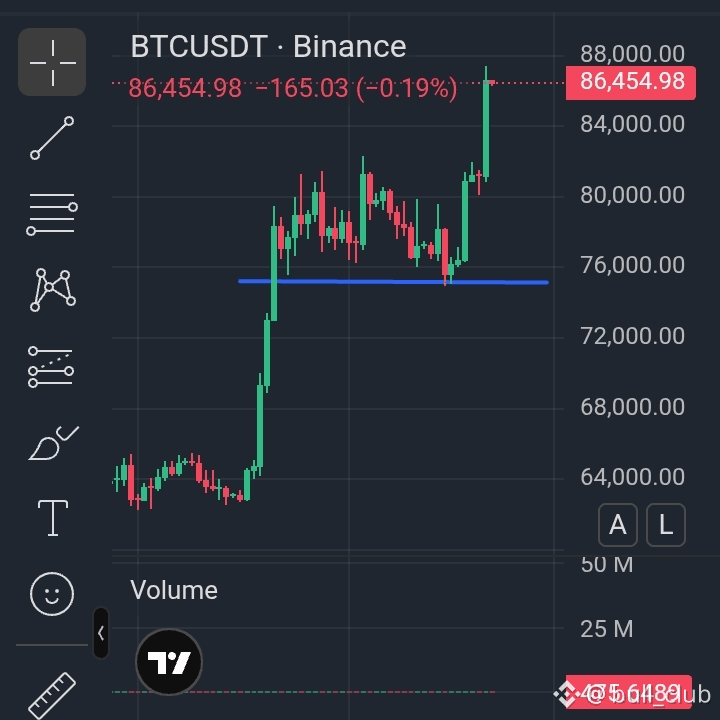
يقول الرسم إن السوق أموال مجانية
$BTC اكسر الدعم عند 76 ألف واستمر في الضخ، والإشارة خارقة للطبيعة .أخذت الحيتان الأرباح
$BTC
{future}(BTCUSDT)
#NEARRisesNearly80%InAWeek
يقول الرسم إن السوق أموال مجانية
$BTC اكسر الدعم عند 76 ألف واستمر في الضخ، والإشارة خارقة للطبيعة .أخذت الحيتان الأرباح
$BTC
#NEARRisesNearly80%InAWeek
$BTC اكسر الدعم عند 76 ألف واستمر في الضخ، والإشارة خارقة للطبيعة .أخذت الحيتان الأرباح
$BTC
#NEARRisesNearly80%InAWeek
272
·
--
صاعد
يا شباب GM!
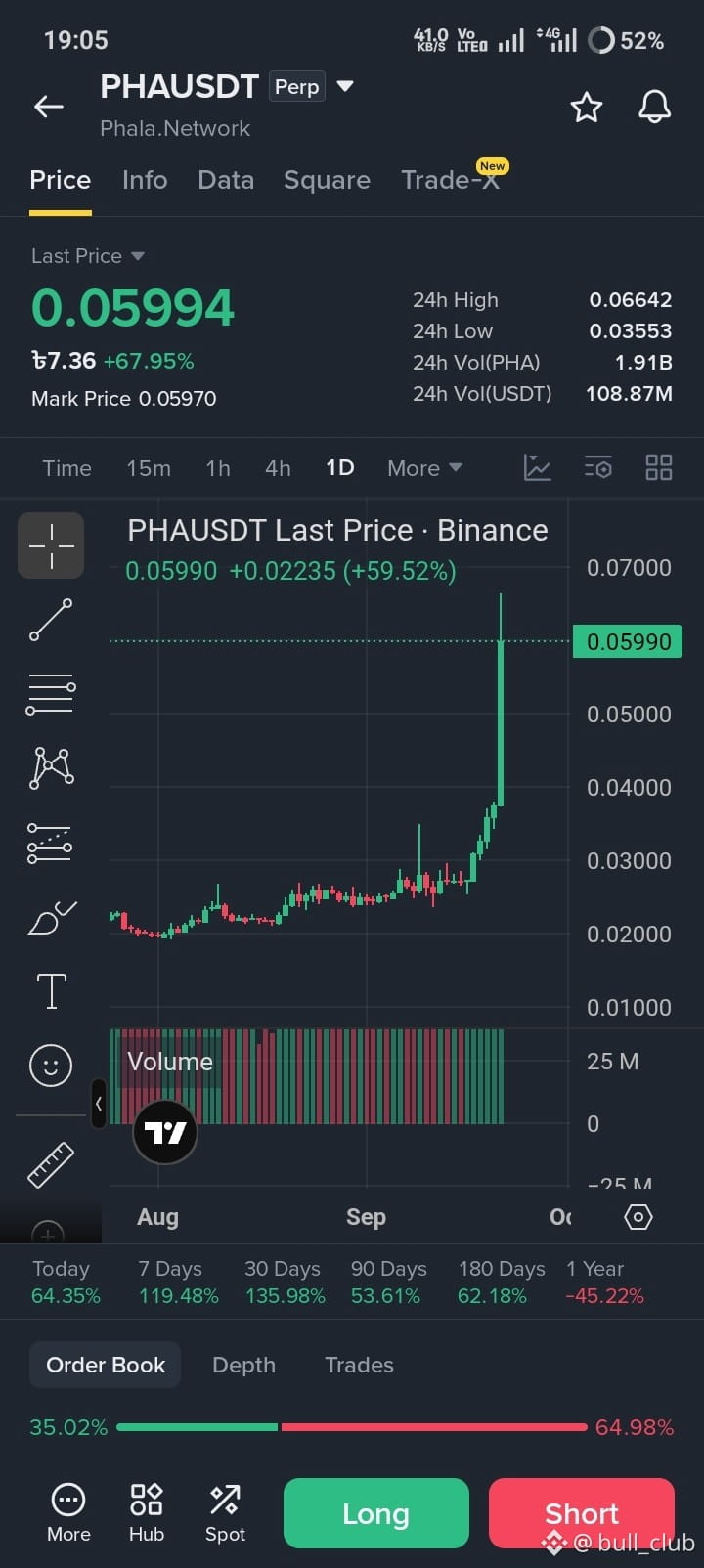
لنتحدث عن $PHA
> الاقتصاديات الرمزية
إجمالي العرض: 1,000,000,000 PHA
العرض المتداول: 840,496,260 PHA
توقعاتي للسعر هي 0.03 - 0.05 بحلول عام 2027
لهذا السبب أنا متفائل جدًا بشأن هذه الصفقة..
تابعني بهذا النوع من المحتوى
$PHA
يا شباب GM!
لنتحدث عن $PHA
> الاقتصاديات الرمزية
إجمالي العرض: 1,000,000,000 PHA
العرض المتداول: 840,496,260 PHA
توقعاتي للسعر هي 0.03 - 0.05 بحلول عام 2027
لهذا السبب أنا متفائل جدًا بشأن هذه الصفقة..
تابعني بهذا النوع من المحتوى
$PHA
لنتحدث عن $PHA
> الاقتصاديات الرمزية
إجمالي العرض: 1,000,000,000 PHA
العرض المتداول: 840,496,260 PHA
توقعاتي للسعر هي 0.03 - 0.05 بحلول عام 2027
لهذا السبب أنا متفائل جدًا بشأن هذه الصفقة..
تابعني بهذا النوع من المحتوى
$PHA
1
1.1k
·
--
صاعد
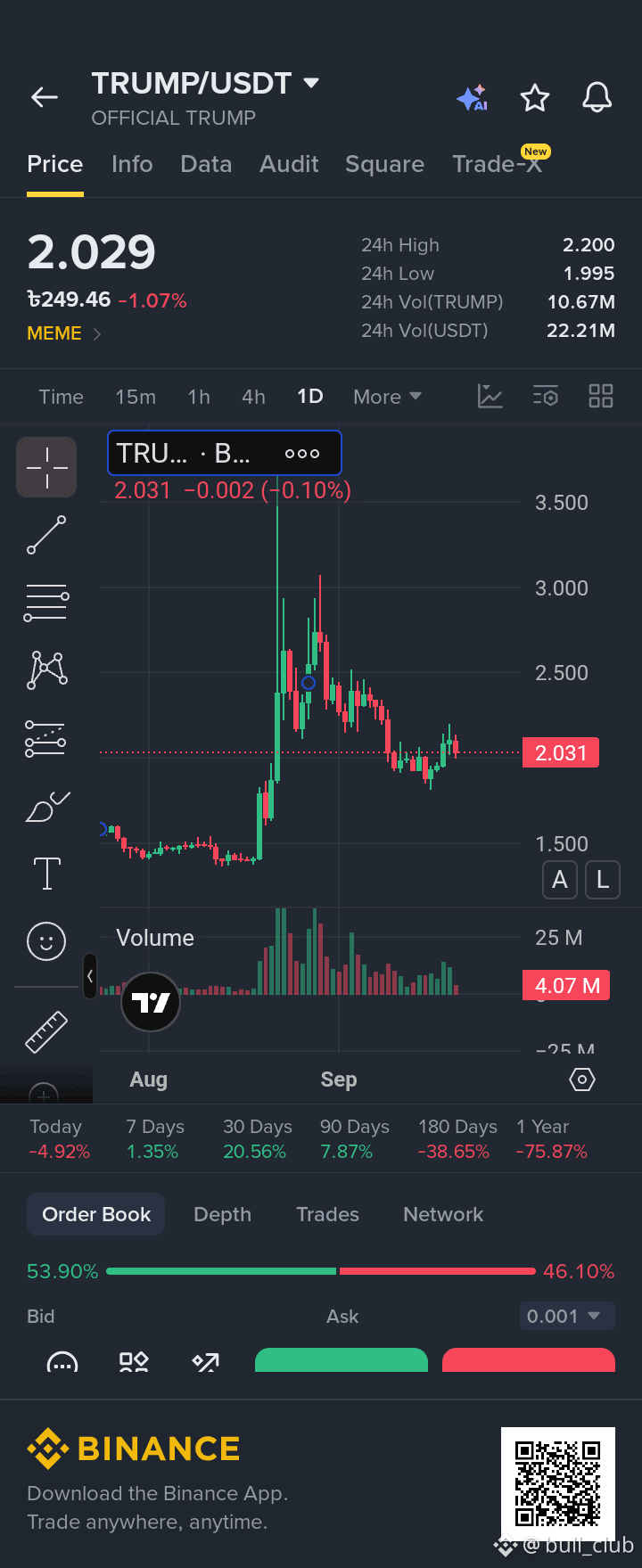
لنتحدث عن $TRUMP Token .
بعد إطلاق ترامب ت َوْكِن وصلت إلى أعلى مستوى على الإطلاق قدره 73 دولارًا.
مشاعر وسائل التواصل الاجتماعي ...
37% متفائلون تجاه ترامب و10% متشائمون تجاه ترامب .
كثير من الحاملين يتوقعون على المدى الطويل ويمّنون توقع 70$+ بحلول عام 2030
لكن، توقعّي هو أن ترامب لن يضخّ .
{future}(TRUMPUSDT)
لنتحدث عن $TRUMP Token .
بعد إطلاق ترامب ت َوْكِن وصلت إلى أعلى مستوى على الإطلاق قدره 73 دولارًا.
مشاعر وسائل التواصل الاجتماعي ...
37% متفائلون تجاه ترامب و10% متشائمون تجاه ترامب .
كثير من الحاملين يتوقعون على المدى الطويل ويمّنون توقع 70$+ بحلول عام 2030
لكن، توقعّي هو أن ترامب لن يضخّ .
بعد إطلاق ترامب ت َوْكِن وصلت إلى أعلى مستوى على الإطلاق قدره 73 دولارًا.
مشاعر وسائل التواصل الاجتماعي ...
37% متفائلون تجاه ترامب و10% متشائمون تجاه ترامب .
كثير من الحاملين يتوقعون على المدى الطويل ويمّنون توقع 70$+ بحلول عام 2030
لكن، توقعّي هو أن ترامب لن يضخّ .
16
1
13
36.5k

سجّل الدخول لاستكشاف المزيد من المُحتوى
انضم إلى مُستخدمي العملات الرقمية حول العالم على Binance Square
⚡️ احصل على أحدث المعلومات المفيدة عن العملات الرقمية.
💬 موثوقة من قبل أكبر منصّة لتداول العملات الرقمية في العالم.
👍 اكتشف الرؤى الحقيقية من صنّاع المُحتوى الموثوقين.
البريد الإلكتروني / رقم الهاتف
المواضيع الرائجة
EtherGains70.9%InQ3
114,671 مشاهدات
999 يقومون بالنقاش
🧭🧭🧭 تحليل 🧭🧭🧭
💡 مؤشر موسم العملات البديلة 💡
🚨🚨🚨 لقد أغلق الربع الثالث (T3). ارتفع سعر ETH بنسبة 71% وBTC بنسبة 43%. 🚨🚨🚨
هل كان هذا بداية موسم العملات البديلة؟
من بين أفضل 100:
🌐🌐🌐 57 تفوقت على BTC خلال 90 يومًا
يبدأ موسم العملات البديلة عند 75، لذا ما زال
كما أنه يتقدم بـ 10 نقاط فقط من قمته السنوية عند 67 🌐🌐
💥💥💥 لكن مهلاً، قبل شهر كان المؤشر عند 23 فقط!
هل يمكن أن يدفعه أكتوبر إلى 75؟ 👀💥💥💥
متابعة من فضلكم
#EtherGains70.9%InQ3
$GRAM
Shamika Metting
·2 إعجاب
·1k مشاهدات
TreasuryLetsStatesFileStablecoinCertificationsEarly
6,179 مشاهدات
70 يقومون بالنقاش
US10YearYieldNears5.3%
129,372 مشاهدات
1,040 يقومون بالنقاش