

bronJ
163 منشورات

bronJ
إبلاغ
حظر المُستخدم
Im a hunter
56 تتابع
36 المتابعون
94 إعجاب
منشورات
الكل
اقتباسات
·
--
كعكة القمر بالمنتصف الخريفي من باينانس
يُعدّ مهرجان منتصف الخريف كله عن اللمّ الشمل والامتنان ومشاركة اللحظات مع الأشخاص الذين يهمّوننا. لذلك تخيّلت كعكة قمر مخصّصة لمجتمع باينانس—ذهبية ومتوهّجة ومستلهمة من روح Web3. 🌕
الإبداع يجمع المجتمعات معًا بقدر ما تفعل التكنولوجيا. أتمنى للجميع مهرجانًا سعيدًا مليئًا بالسعادة والازدهار والكثير من كعكات القمر!
إذا كنت تشارك في تحدّي كعكة القمر من باينانس، فلا تنسَ مشاركة تصميمك أنت أيضًا. 🎨✨ مع المجتمع 😌😇🧘
#BinanceMidAutumn #BinanceSquareTG
كعكة القمر بالمنتصف الخريفي من باينانس
يُعدّ مهرجان منتصف الخريف كله عن اللمّ الشمل والامتنان ومشاركة اللحظات مع الأشخاص الذين يهمّوننا. لذلك تخيّلت كعكة قمر مخصّصة لمجتمع باينانس—ذهبية ومتوهّجة ومستلهمة من روح Web3. 🌕
الإبداع يجمع المجتمعات معًا بقدر ما تفعل التكنولوجيا. أتمنى للجميع مهرجانًا سعيدًا مليئًا بالسعادة والازدهار والكثير من كعكات القمر!
إذا كنت تشارك في تحدّي كعكة القمر من باينانس، فلا تنسَ مشاركة تصميمك أنت أيضًا. 🎨✨ مع المجتمع 😌😇🧘
#BinanceMidAutumn #BinanceSquareTG
يُعدّ مهرجان منتصف الخريف كله عن اللمّ الشمل والامتنان ومشاركة اللحظات مع الأشخاص الذين يهمّوننا. لذلك تخيّلت كعكة قمر مخصّصة لمجتمع باينانس—ذهبية ومتوهّجة ومستلهمة من روح Web3. 🌕
الإبداع يجمع المجتمعات معًا بقدر ما تفعل التكنولوجيا. أتمنى للجميع مهرجانًا سعيدًا مليئًا بالسعادة والازدهار والكثير من كعكات القمر!
إذا كنت تشارك في تحدّي كعكة القمر من باينانس، فلا تنسَ مشاركة تصميمك أنت أيضًا. 🎨✨ مع المجتمع 😌😇🧘
#BinanceMidAutumn #BinanceSquareTG

3
1
3
3
·
--
14
·
--
مقالة
قد يُبنى الفصل التالي من عالم العملات المشفرة على منصات هجينةهناك تحول مثير للاهتمام يحدث في قطاع الأصول الرقمية، ولا أعتقد أنه يحظى بالاهتمام الكافي. لسنوات، كانت المحادثات تدور حول سؤال واحد: أين يجب أن أتداول؟ لكن في الآونة الأخيرة، وجدت نفسي أطرح سؤالًا مختلفًا: كيف يمكن لرأسمالي أن يظل ذا فائدة حتى عندما لا أكون أُجري تداولًا بنشاط؟
أدى ذلك السؤال إلى أن أتعرف أكثر على @grvt_io، وما لفت انتباهي لم يكن وعدًا آخر بعوائد أكبر أو مكاسب أسرع. بل كان منظورًا مختلفًا حول الطريقة التي ينبغي أن تعمل بها منصة التداول. إن فكرة الجمع بين مرونة التمويل اللامركزي وسرعة ومرونة التعاملات في البورصات المركزية تبدو خطوة منطقية تالية لصناعة هذا القطاع.
قد يُبنى الفصل التالي من عالم العملات المشفرة على منصات هجينة
هناك تحول مثير للاهتمام يحدث في قطاع الأصول الرقمية، ولا أعتقد أنه يحظى بالاهتمام الكافي. لسنوات، كانت المحادثات تدور حول سؤال واحد: أين يجب أن أتداول؟ لكن في الآونة الأخيرة، وجدت نفسي أطرح سؤالًا مختلفًا: كيف يمكن لرأسمالي أن يظل ذا فائدة حتى عندما لا أكون أُجري تداولًا بنشاط؟
أدى ذلك السؤال إلى أن أتعرف أكثر على @grvt_io، وما لفت انتباهي لم يكن وعدًا آخر بعوائد أكبر أو مكاسب أسرع. بل كان منظورًا مختلفًا حول الطريقة التي ينبغي أن تعمل بها منصة التداول. إن فكرة الجمع بين مرونة التمويل اللامركزي وسرعة ومرونة التعاملات في البورصات المركزية تبدو خطوة منطقية تالية لصناعة هذا القطاع.
أدى ذلك السؤال إلى أن أتعرف أكثر على @grvt_io، وما لفت انتباهي لم يكن وعدًا آخر بعوائد أكبر أو مكاسب أسرع. بل كان منظورًا مختلفًا حول الطريقة التي ينبغي أن تعمل بها منصة التداول. إن فكرة الجمع بين مرونة التمويل اللامركزي وسرعة ومرونة التعاملات في البورصات المركزية تبدو خطوة منطقية تالية لصناعة هذا القطاع.
49
·
--
هناك شيء واحد أُقدّره حول @NewtonProtocol وهو تركيزه على جعل أتمتة السلسلة (on-chain) شفافة وقابلة للتحكم من قبل المستخدم. تمثل Newton Mainnet Beta فرصة لرؤية كيف يمكن للأذونات القابلة للبرمجة والتنفيذ القابل للتحقق أن تبسّط التفاعلات المتكررة على البلوك تشين دون التضحية بالتحكم الذاتي.
بدلًا من الاعتماد على الثقة وحدها، يمكن للمستخدمين تحديد كيفية ومتى تحدث الإجراءات الآلية. ومع نمو Web3، قد تصبح الحلول التي تُحسن قابلية الاستخدام مع الحفاظ على اللامركزية ذات قيمة متزايدة. أتطلع إلى رؤية كيف سيقوم المطورون والمجتمع ببناء تطبيقات واقعية على منظومة Newton. $NEWT
{future}(NEWTUSDT)
#Newt
هناك شيء واحد أُقدّره حول @NewtonProtocol وهو تركيزه على جعل أتمتة السلسلة (on-chain) شفافة وقابلة للتحكم من قبل المستخدم. تمثل Newton Mainnet Beta فرصة لرؤية كيف يمكن للأذونات القابلة للبرمجة والتنفيذ القابل للتحقق أن تبسّط التفاعلات المتكررة على البلوك تشين دون التضحية بالتحكم الذاتي.
بدلًا من الاعتماد على الثقة وحدها، يمكن للمستخدمين تحديد كيفية ومتى تحدث الإجراءات الآلية. ومع نمو Web3، قد تصبح الحلول التي تُحسن قابلية الاستخدام مع الحفاظ على اللامركزية ذات قيمة متزايدة. أتطلع إلى رؤية كيف سيقوم المطورون والمجتمع ببناء تطبيقات واقعية على منظومة Newton. $NEWT
#Newt
بدلًا من الاعتماد على الثقة وحدها، يمكن للمستخدمين تحديد كيفية ومتى تحدث الإجراءات الآلية. ومع نمو Web3، قد تصبح الحلول التي تُحسن قابلية الاستخدام مع الحفاظ على اللامركزية ذات قيمة متزايدة. أتطلع إلى رؤية كيف سيقوم المطورون والمجتمع ببناء تطبيقات واقعية على منظومة Newton. $NEWT
#Newt
63
·
--
مقالة
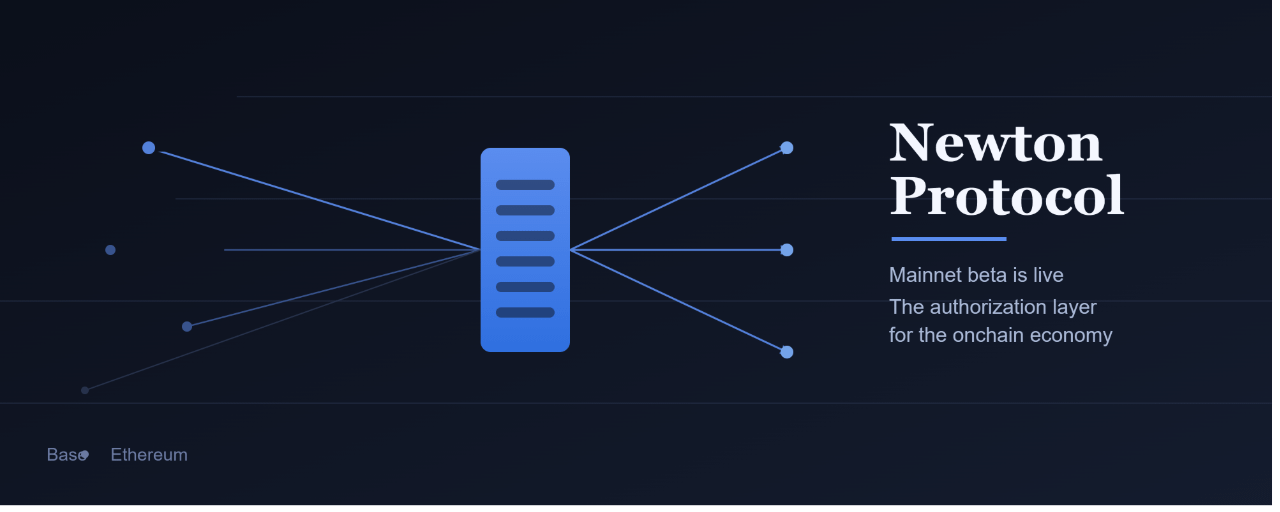
من المعاملات اليدوية إلى الأتمتة الذكية مع بروتوكول نيوتنأحد أكبر التحديات في Web3 اليوم ليس الافتقار إلى التطبيقات—بل في كيفية جعلها تعمل معًا بأمان وبذكاء. لهذا السبب أولي اهتمامًا كبيرًا بـ @NewtonProtocol واتجاه بيتا الشبكة الرئيسية. بدلًا من التركيز فقط على المعاملات الأسرع أو الرسوم الأقل، يستكشف بروتوكول نيوتن كيف يمكن لأتمتة السلسلة (on-chain) أن تصبح أكثر موثوقية عبر أذونات قابلة للبرمجة وتنفيذ يمكن التحقق منه.
من الأسباب الرئيسية التي تجعل هذا النهج يبرز أنه لا ينبغي أن تأتي الأتمتة أبدًا على حساب سيطرة المستخدم. سواء كان الأمر يتعلق بإدارة مراكز DeFi، أو تنفيذ استراتيجيات متكررة، أو التفاعل مع تطبيقات لامركزية متعددة، يحتاج المستخدمون إلى ثقة بأن كل إجراء يتبع قواعد شفافة ومُحددة مسبقًا. وهنا تكمن إمكانية الأتمتة القائمة على الأذونات في تحسين كلٍ من سهولة الاستخدام والأمان.
من المعاملات اليدوية إلى الأتمتة الذكية مع بروتوكول نيوتن
أحد أكبر التحديات في Web3 اليوم ليس الافتقار إلى التطبيقات—بل في كيفية جعلها تعمل معًا بأمان وبذكاء. لهذا السبب أولي اهتمامًا كبيرًا بـ @NewtonProtocol واتجاه بيتا الشبكة الرئيسية. بدلًا من التركيز فقط على المعاملات الأسرع أو الرسوم الأقل، يستكشف بروتوكول نيوتن كيف يمكن لأتمتة السلسلة (on-chain) أن تصبح أكثر موثوقية عبر أذونات قابلة للبرمجة وتنفيذ يمكن التحقق منه.
من الأسباب الرئيسية التي تجعل هذا النهج يبرز أنه لا ينبغي أن تأتي الأتمتة أبدًا على حساب سيطرة المستخدم. سواء كان الأمر يتعلق بإدارة مراكز DeFi، أو تنفيذ استراتيجيات متكررة، أو التفاعل مع تطبيقات لامركزية متعددة، يحتاج المستخدمون إلى ثقة بأن كل إجراء يتبع قواعد شفافة ومُحددة مسبقًا. وهنا تكمن إمكانية الأتمتة القائمة على الأذونات في تحسين كلٍ من سهولة الاستخدام والأمان.
من الأسباب الرئيسية التي تجعل هذا النهج يبرز أنه لا ينبغي أن تأتي الأتمتة أبدًا على حساب سيطرة المستخدم. سواء كان الأمر يتعلق بإدارة مراكز DeFi، أو تنفيذ استراتيجيات متكررة، أو التفاعل مع تطبيقات لامركزية متعددة، يحتاج المستخدمون إلى ثقة بأن كل إجراء يتبع قواعد شفافة ومُحددة مسبقًا. وهنا تكمن إمكانية الأتمتة القائمة على الأذونات في تحسين كلٍ من سهولة الاستخدام والأمان.
2
90
·
--
يركّز معظم الحديث حول تداول العملات الرقمية على السرعة أو الرافعة المالية أو الرمز التالي الرائج. لكن ما لفت انتباهي بشأن @grvt_io هو فكرة مختلفة: الحفاظ على رأس المال منتجًا دون التخلّي عن المرونة اللازمة للتداول. بدلًا من فصل الأموال الخاملة عن التداول النشط، تقوم GRVT ببناء بورصة هجينة يمكن فيها للأرصدة المؤهلة أن تواصل تحقيق عوائد مع بقائها متاحة لفرص التداول.
يعكس الجمع بين الحفظ الذاتي والتسوية على السلسلة والتنفيذ السريع ما يريده كثير من المتداولين أن يتجه إليه القطاع. الأمن والشفافية مهمّان، لكن كذلك تجربة المستخدم. يمكن أن يؤدي امتلاك رصيد موحّد لكلٍّ من الأصول الرقمية والأصول في العالم الحقيقي إلى تقليل التعقيد غير الضروري وجعل إدارة المحافظ أكثر كفاءة.
كما أنني مهتم بكيف يمكن للبنية التحتية الهجينة أن تُغلق الفجوة بين التمويل التقليدي والأسواق اللامركزية. إذا ظلّ التنفيذ سلسًا بينما يحتفظ المستخدمون بالتحكم في أصولهم، فقد يتيح ذلك تجربة تداول أكثر عملية لكلٍّ من المشاركين ذوي الخبرة والجدد.
ومع تطوّر النظام البيئي، أتابع كيف تُحوِّل المشاريع الابتكار التقني إلى منتجات يستخدمها الناس فعليًا يومًا بعد يوم. تُعد GRVT واحدة من تلك المشاريع التي تستحق المتابعة، لأنها تواصل تطوير رؤيتها لتداول الأصول الرقمية الحديثة.
ما الميزة برأيك التي ستحظى بأكبر تأثير على مستقبل البورصات الهجينة—الحفظ الذاتي، أو التسوية على السلسلة، أو الأرصدة الموحّدة؟
@grvt_io
#grvt
يركّز معظم الحديث حول تداول العملات الرقمية على السرعة أو الرافعة المالية أو الرمز التالي الرائج. لكن ما لفت انتباهي بشأن @grvt_io هو فكرة مختلفة: الحفاظ على رأس المال منتجًا دون التخلّي عن المرونة اللازمة للتداول. بدلًا من فصل الأموال الخاملة عن التداول النشط، تقوم GRVT ببناء بورصة هجينة يمكن فيها للأرصدة المؤهلة أن تواصل تحقيق عوائد مع بقائها متاحة لفرص التداول.
يعكس الجمع بين الحفظ الذاتي والتسوية على السلسلة والتنفيذ السريع ما يريده كثير من المتداولين أن يتجه إليه القطاع. الأمن والشفافية مهمّان، لكن كذلك تجربة المستخدم. يمكن أن يؤدي امتلاك رصيد موحّد لكلٍّ من الأصول الرقمية والأصول في العالم الحقيقي إلى تقليل التعقيد غير الضروري وجعل إدارة المحافظ أكثر كفاءة.
كما أنني مهتم بكيف يمكن للبنية التحتية الهجينة أن تُغلق الفجوة بين التمويل التقليدي والأسواق اللامركزية. إذا ظلّ التنفيذ سلسًا بينما يحتفظ المستخدمون بالتحكم في أصولهم، فقد يتيح ذلك تجربة تداول أكثر عملية لكلٍّ من المشاركين ذوي الخبرة والجدد.
ومع تطوّر النظام البيئي، أتابع كيف تُحوِّل المشاريع الابتكار التقني إلى منتجات يستخدمها الناس فعليًا يومًا بعد يوم. تُعد GRVT واحدة من تلك المشاريع التي تستحق المتابعة، لأنها تواصل تطوير رؤيتها لتداول الأصول الرقمية الحديثة.
ما الميزة برأيك التي ستحظى بأكبر تأثير على مستقبل البورصات الهجينة—الحفظ الذاتي، أو التسوية على السلسلة، أو الأرصدة الموحّدة؟
@grvt_io
#grvt
يعكس الجمع بين الحفظ الذاتي والتسوية على السلسلة والتنفيذ السريع ما يريده كثير من المتداولين أن يتجه إليه القطاع. الأمن والشفافية مهمّان، لكن كذلك تجربة المستخدم. يمكن أن يؤدي امتلاك رصيد موحّد لكلٍّ من الأصول الرقمية والأصول في العالم الحقيقي إلى تقليل التعقيد غير الضروري وجعل إدارة المحافظ أكثر كفاءة.
كما أنني مهتم بكيف يمكن للبنية التحتية الهجينة أن تُغلق الفجوة بين التمويل التقليدي والأسواق اللامركزية. إذا ظلّ التنفيذ سلسًا بينما يحتفظ المستخدمون بالتحكم في أصولهم، فقد يتيح ذلك تجربة تداول أكثر عملية لكلٍّ من المشاركين ذوي الخبرة والجدد.
ومع تطوّر النظام البيئي، أتابع كيف تُحوِّل المشاريع الابتكار التقني إلى منتجات يستخدمها الناس فعليًا يومًا بعد يوم. تُعد GRVT واحدة من تلك المشاريع التي تستحق المتابعة، لأنها تواصل تطوير رؤيتها لتداول الأصول الرقمية الحديثة.
ما الميزة برأيك التي ستحظى بأكبر تأثير على مستقبل البورصات الهجينة—الحفظ الذاتي، أو التسوية على السلسلة، أو الأرصدة الموحّدة؟
@grvt_io
#grvt
91
·
--
شيء واحد كنت أفكر فيه مؤخرًا هو مدى سرعة اندماج الذكاء الاصطناعي في تقنية البلوك تشين. تركز معظم المناقشات على ما يمكن أن تفعله وكلاء الذكاء الاصطناعي—التداول بشكل أسرع، وإعادة موازنة المحافظ، أو أتمتة المهام المتكررة. لكنني أعتقد أننا نطرح السؤال الخطأ.
السؤال الحقيقي هو: كم قدر الحرية الذي ينبغي أن يمتلكه وكيل الذكاء الاصطناعي؟
إعطاء نظام مستقل سلطة غير محدودة على الأصول لا يؤدي تلقائيًا إلى تجربة مستخدم أفضل. بل قد يخلق مخاطر جديدة. وحتى إذا كانت كل عملية صحيحة على السلسلة، فهذا لا يعني دائمًا أنها تعكس ما كان المستخدم يقصده حقًا.
لهذا السبب أصبحت مهتمًا بـ @NewtonProtocol
ما لفت انتباهي لم يكن مجرد فكرة الأتمتة، بل التأكيد على إنشاء بيئة يمكن للأتمتة أن تعمل فيها ضمن صلاحيات واضحة وقواعد يحددها المستخدم.
بالنسبة لي، تبدو هذه توجّهًا أكثر عملية بالنسبة للتمويل اللامركزي.
ومع ازدياد قدرة الذكاء الاصطناعي، لا أعتقد أن أكبر تحدٍ سيكون بناء نماذج أكثر ذكاءً. التحدي الأصعب سيكون جعل الإجراءات الذاتية شفافة وقابلة للتنبؤ ومحاسَبًا عليها. لا يُخلق الثقة لأن البرمجيات ذكية—بل لأن المستخدمين يفهمون ما يُسمح للبرمجيات بفعله وحدودها.
كما أعتقد أن هذا هو السبب في أن من المفيد متابعة Newton Mainnet Beta. شبكات الاختبار وشبكات النسخة التجريبية هي المكان الذي تلتقي فيه الأفكار بالواقع. فهي تكشف ما إذا كان البروتوكول يستطيع التعامل مع مستخدمين حقيقيين، ونشاط حقيقي، وحالات طرفية في العالم الواقعي يستحيل التنبؤ بها على الورق.
ما إذا كانت $NEWT be ستصبح جزءًا مهمًا من المنظومة سيعتمد على التنفيذ مع مرور الوقت، وليس على الحماس قصير المدى. بالنسبة لي، تكسب المشاريع الاهتمام عبر حل مشكلات ذات معنى، وبناء بنية تحتية موثوقة لتمويل مدفوع بالذكاء الاصطناعي هو بالتأكيد واحد من هذه الأشياء.
ما الذي يهمك أكثر في التمويل الذاتي: ذكاء اصطناعي أذكى أم ضمانات أقوى؟
@NewtonProtocol #Newt #newt
شيء واحد كنت أفكر فيه مؤخرًا هو مدى سرعة اندماج الذكاء الاصطناعي في تقنية البلوك تشين. تركز معظم المناقشات على ما يمكن أن تفعله وكلاء الذكاء الاصطناعي—التداول بشكل أسرع، وإعادة موازنة المحافظ، أو أتمتة المهام المتكررة. لكنني أعتقد أننا نطرح السؤال الخطأ.
السؤال الحقيقي هو: كم قدر الحرية الذي ينبغي أن يمتلكه وكيل الذكاء الاصطناعي؟
إعطاء نظام مستقل سلطة غير محدودة على الأصول لا يؤدي تلقائيًا إلى تجربة مستخدم أفضل. بل قد يخلق مخاطر جديدة. وحتى إذا كانت كل عملية صحيحة على السلسلة، فهذا لا يعني دائمًا أنها تعكس ما كان المستخدم يقصده حقًا.
لهذا السبب أصبحت مهتمًا بـ @NewtonProtocol
ما لفت انتباهي لم يكن مجرد فكرة الأتمتة، بل التأكيد على إنشاء بيئة يمكن للأتمتة أن تعمل فيها ضمن صلاحيات واضحة وقواعد يحددها المستخدم.
بالنسبة لي، تبدو هذه توجّهًا أكثر عملية بالنسبة للتمويل اللامركزي.
ومع ازدياد قدرة الذكاء الاصطناعي، لا أعتقد أن أكبر تحدٍ سيكون بناء نماذج أكثر ذكاءً. التحدي الأصعب سيكون جعل الإجراءات الذاتية شفافة وقابلة للتنبؤ ومحاسَبًا عليها. لا يُخلق الثقة لأن البرمجيات ذكية—بل لأن المستخدمين يفهمون ما يُسمح للبرمجيات بفعله وحدودها.
كما أعتقد أن هذا هو السبب في أن من المفيد متابعة Newton Mainnet Beta. شبكات الاختبار وشبكات النسخة التجريبية هي المكان الذي تلتقي فيه الأفكار بالواقع. فهي تكشف ما إذا كان البروتوكول يستطيع التعامل مع مستخدمين حقيقيين، ونشاط حقيقي، وحالات طرفية في العالم الواقعي يستحيل التنبؤ بها على الورق.
ما إذا كانت $NEWT be ستصبح جزءًا مهمًا من المنظومة سيعتمد على التنفيذ مع مرور الوقت، وليس على الحماس قصير المدى. بالنسبة لي، تكسب المشاريع الاهتمام عبر حل مشكلات ذات معنى، وبناء بنية تحتية موثوقة لتمويل مدفوع بالذكاء الاصطناعي هو بالتأكيد واحد من هذه الأشياء.
ما الذي يهمك أكثر في التمويل الذاتي: ذكاء اصطناعي أذكى أم ضمانات أقوى؟
@NewtonProtocol #Newt #newt
السؤال الحقيقي هو: كم قدر الحرية الذي ينبغي أن يمتلكه وكيل الذكاء الاصطناعي؟
إعطاء نظام مستقل سلطة غير محدودة على الأصول لا يؤدي تلقائيًا إلى تجربة مستخدم أفضل. بل قد يخلق مخاطر جديدة. وحتى إذا كانت كل عملية صحيحة على السلسلة، فهذا لا يعني دائمًا أنها تعكس ما كان المستخدم يقصده حقًا.
لهذا السبب أصبحت مهتمًا بـ @NewtonProtocol
ما لفت انتباهي لم يكن مجرد فكرة الأتمتة، بل التأكيد على إنشاء بيئة يمكن للأتمتة أن تعمل فيها ضمن صلاحيات واضحة وقواعد يحددها المستخدم.
بالنسبة لي، تبدو هذه توجّهًا أكثر عملية بالنسبة للتمويل اللامركزي.
ومع ازدياد قدرة الذكاء الاصطناعي، لا أعتقد أن أكبر تحدٍ سيكون بناء نماذج أكثر ذكاءً. التحدي الأصعب سيكون جعل الإجراءات الذاتية شفافة وقابلة للتنبؤ ومحاسَبًا عليها. لا يُخلق الثقة لأن البرمجيات ذكية—بل لأن المستخدمين يفهمون ما يُسمح للبرمجيات بفعله وحدودها.
كما أعتقد أن هذا هو السبب في أن من المفيد متابعة Newton Mainnet Beta. شبكات الاختبار وشبكات النسخة التجريبية هي المكان الذي تلتقي فيه الأفكار بالواقع. فهي تكشف ما إذا كان البروتوكول يستطيع التعامل مع مستخدمين حقيقيين، ونشاط حقيقي، وحالات طرفية في العالم الواقعي يستحيل التنبؤ بها على الورق.
ما إذا كانت $NEWT be ستصبح جزءًا مهمًا من المنظومة سيعتمد على التنفيذ مع مرور الوقت، وليس على الحماس قصير المدى. بالنسبة لي، تكسب المشاريع الاهتمام عبر حل مشكلات ذات معنى، وبناء بنية تحتية موثوقة لتمويل مدفوع بالذكاء الاصطناعي هو بالتأكيد واحد من هذه الأشياء.
ما الذي يهمك أكثر في التمويل الذاتي: ذكاء اصطناعي أذكى أم ضمانات أقوى؟
@NewtonProtocol #Newt #newt
2
45
·
--
تُقدّم كل دورة عملات رقمية جديدة اتجاهًا جديدًا. لقد رأينا التمويل اللامركزي (DeFi)، والـ NFTs، وGameFi، وطبقات 2 (Layer 2s)، والآن يُصبح الذكاء الاصطناعي (AI) واحدًا من أكبر الموضوعات في هذا المجال. في حين أن كثيرًا من النقاشات تركز على ما الذي يمكن أن يفعله الذكاء الاصطناعي، أعتقد أن السؤال الأكثر أهمية هو ما إذا كان بإمكان المستخدمين الوثوق بالذكاء الاصطناعي ليتصرف نيابةً عنهم.
ولهذا السبب أصبحت مهتمًا بـ @NewtonProtocol المشروع ليس مجرد محاولة لجعل تفاعلات البلوك تشين أكثر أتمتة. بل إنه يثير أيضًا نقاشًا مهمًا حول كيفية عمل الأنظمة المستقلة ضمن قواعد وصلاحيات واضحة. ومع تمكّن وكلاء الذكاء الاصطناعي من إدارة المحافظ، وتنفيذ الصفقات، أو التفاعل مع بروتوكولات متعددة، يحتاج المستخدمون إلى ثقة بأن كل إجراء يبقى متوافقًا مع نيتهم الأصلية.
في رأيي، هنا تصبح البنية التحتية أكثر أهمية من الضجة. إن نموذج ذكاء اصطناعي قوي وحده لا يكفي. فهو يحتاج إلى إطار يجعل أفعاله شفافة وقابلة للتحقق ومحاسَبًا عليها. وبدون هذه القاعدة، قد يؤدي حتى أذكى شكل من الأتمتة إلى مخاطر غير ضرورية.
تُعد بيتا Newton Mainnet Beta مثيرة للاهتمام لأن الشبكات الحقيقية تكشف كيف تؤدي هذه الأفكار خارج نطاق النظرية. يمكن للتوثيق أن يشرح رؤية، لكن الاستخدام المباشر فقط هو الذي يستطيع إظهار ما إذا كانت البنية معتمدة وموثوقة وآمنة وعملية للمستخدمين اليوميين.
كما أعتقد أن مشاريع مثل Newton Protocol تشجع نقاشًا أوسع حول مستقبل التمويل اللامركزي. بدلًا من السؤال عمّا إذا كان الذكاء الاصطناعي سيصبح جزءًا من عالم العملات المشفرة، ربما ينبغي أن نسأل كيف يمكن للبلوك تشين أن يساعد المستخدمين على البقاء في السيطرة والاستفادة في الوقت نفسه من الأتمتة الذكية.
إن القيمة طويلة الأجل لـ $NEWT
{future}(NEWTUSDT)
لن تعتمد فقط على مزاج السوق. بل ستعتمد على ما إذا كان النظام البيئي سيواصل بناء تقنيات يشعر المستخدمون بالراحة عند الوثوق بها في التعامل مع الأصول الحقيقية والقرارات الحقيقية.
ما الذي تعتقد أنه أكثر أهمية لمستقبل الذكاء الاصطناعي في عالم العملات المشفرة—وكلاء أكثر ذكاءً أم ضوابط أقوى تُبقي تلك الوكلاء مسؤولين؟
@NewtonProtocol $NEWT #Newt
تُقدّم كل دورة عملات رقمية جديدة اتجاهًا جديدًا. لقد رأينا التمويل اللامركزي (DeFi)، والـ NFTs، وGameFi، وطبقات 2 (Layer 2s)، والآن يُصبح الذكاء الاصطناعي (AI) واحدًا من أكبر الموضوعات في هذا المجال. في حين أن كثيرًا من النقاشات تركز على ما الذي يمكن أن يفعله الذكاء الاصطناعي، أعتقد أن السؤال الأكثر أهمية هو ما إذا كان بإمكان المستخدمين الوثوق بالذكاء الاصطناعي ليتصرف نيابةً عنهم.
ولهذا السبب أصبحت مهتمًا بـ @NewtonProtocol المشروع ليس مجرد محاولة لجعل تفاعلات البلوك تشين أكثر أتمتة. بل إنه يثير أيضًا نقاشًا مهمًا حول كيفية عمل الأنظمة المستقلة ضمن قواعد وصلاحيات واضحة. ومع تمكّن وكلاء الذكاء الاصطناعي من إدارة المحافظ، وتنفيذ الصفقات، أو التفاعل مع بروتوكولات متعددة، يحتاج المستخدمون إلى ثقة بأن كل إجراء يبقى متوافقًا مع نيتهم الأصلية.
في رأيي، هنا تصبح البنية التحتية أكثر أهمية من الضجة. إن نموذج ذكاء اصطناعي قوي وحده لا يكفي. فهو يحتاج إلى إطار يجعل أفعاله شفافة وقابلة للتحقق ومحاسَبًا عليها. وبدون هذه القاعدة، قد يؤدي حتى أذكى شكل من الأتمتة إلى مخاطر غير ضرورية.
تُعد بيتا Newton Mainnet Beta مثيرة للاهتمام لأن الشبكات الحقيقية تكشف كيف تؤدي هذه الأفكار خارج نطاق النظرية. يمكن للتوثيق أن يشرح رؤية، لكن الاستخدام المباشر فقط هو الذي يستطيع إظهار ما إذا كانت البنية معتمدة وموثوقة وآمنة وعملية للمستخدمين اليوميين.
كما أعتقد أن مشاريع مثل Newton Protocol تشجع نقاشًا أوسع حول مستقبل التمويل اللامركزي. بدلًا من السؤال عمّا إذا كان الذكاء الاصطناعي سيصبح جزءًا من عالم العملات المشفرة، ربما ينبغي أن نسأل كيف يمكن للبلوك تشين أن يساعد المستخدمين على البقاء في السيطرة والاستفادة في الوقت نفسه من الأتمتة الذكية.
إن القيمة طويلة الأجل لـ $NEWT
لن تعتمد فقط على مزاج السوق. بل ستعتمد على ما إذا كان النظام البيئي سيواصل بناء تقنيات يشعر المستخدمون بالراحة عند الوثوق بها في التعامل مع الأصول الحقيقية والقرارات الحقيقية.
ما الذي تعتقد أنه أكثر أهمية لمستقبل الذكاء الاصطناعي في عالم العملات المشفرة—وكلاء أكثر ذكاءً أم ضوابط أقوى تُبقي تلك الوكلاء مسؤولين؟
@NewtonProtocol $NEWT #Newt
ولهذا السبب أصبحت مهتمًا بـ @NewtonProtocol المشروع ليس مجرد محاولة لجعل تفاعلات البلوك تشين أكثر أتمتة. بل إنه يثير أيضًا نقاشًا مهمًا حول كيفية عمل الأنظمة المستقلة ضمن قواعد وصلاحيات واضحة. ومع تمكّن وكلاء الذكاء الاصطناعي من إدارة المحافظ، وتنفيذ الصفقات، أو التفاعل مع بروتوكولات متعددة، يحتاج المستخدمون إلى ثقة بأن كل إجراء يبقى متوافقًا مع نيتهم الأصلية.
في رأيي، هنا تصبح البنية التحتية أكثر أهمية من الضجة. إن نموذج ذكاء اصطناعي قوي وحده لا يكفي. فهو يحتاج إلى إطار يجعل أفعاله شفافة وقابلة للتحقق ومحاسَبًا عليها. وبدون هذه القاعدة، قد يؤدي حتى أذكى شكل من الأتمتة إلى مخاطر غير ضرورية.
تُعد بيتا Newton Mainnet Beta مثيرة للاهتمام لأن الشبكات الحقيقية تكشف كيف تؤدي هذه الأفكار خارج نطاق النظرية. يمكن للتوثيق أن يشرح رؤية، لكن الاستخدام المباشر فقط هو الذي يستطيع إظهار ما إذا كانت البنية معتمدة وموثوقة وآمنة وعملية للمستخدمين اليوميين.
كما أعتقد أن مشاريع مثل Newton Protocol تشجع نقاشًا أوسع حول مستقبل التمويل اللامركزي. بدلًا من السؤال عمّا إذا كان الذكاء الاصطناعي سيصبح جزءًا من عالم العملات المشفرة، ربما ينبغي أن نسأل كيف يمكن للبلوك تشين أن يساعد المستخدمين على البقاء في السيطرة والاستفادة في الوقت نفسه من الأتمتة الذكية.
إن القيمة طويلة الأجل لـ $NEWT
لن تعتمد فقط على مزاج السوق. بل ستعتمد على ما إذا كان النظام البيئي سيواصل بناء تقنيات يشعر المستخدمون بالراحة عند الوثوق بها في التعامل مع الأصول الحقيقية والقرارات الحقيقية.
ما الذي تعتقد أنه أكثر أهمية لمستقبل الذكاء الاصطناعي في عالم العملات المشفرة—وكلاء أكثر ذكاءً أم ضوابط أقوى تُبقي تلك الوكلاء مسؤولين؟
@NewtonProtocol $NEWT #Newt
42
·
--
نحن نواصل تعليم الذكاء الاصطناعي لاتخاذ قرارات أفضل. ربما ينبغي أن نقضي وقتًا أطول في متى لا ينبغي أن يتصرف.عن منتج يتحدث عن...
لم تكن تنفيذًا أسرع.
لم تكن عملاء ذكاء اصطناعي.
لم يكن حتى النسخة التجريبية الرئيسية نفسها.
كان سؤالًا أبسط بكثير.
ماذا لو كانت أهم قرار يتخذه نظام مستقل هو أن يختار عدم القيام بأي شيء؟
يبدو ذلك غريبًا في البداية لأننا عادةً نحكم على التكنولوجيا بما يمكنها إنجازه. نحتفي بأزمنة حظر أسرع، وزمن استجابة أقل، ورسوم معاملات أرخص، ونماذج أكثر تطورًا. غالبًا ما يبدو التقدم كزيادة القدرة.
لكن الأنظمة المالية مختلفة.
في التمويل، غالبًا ما تكون الحصافة أكثر قيمة من السرعة.
نحن نواصل تعليم الذكاء الاصطناعي لاتخاذ قرارات أفضل. ربما ينبغي أن نقضي وقتًا أطول في متى لا ينبغي أن يتصرف.
عن منتج يتحدث عن...
لم تكن تنفيذًا أسرع.
لم تكن عملاء ذكاء اصطناعي.
لم يكن حتى النسخة التجريبية الرئيسية نفسها.
كان سؤالًا أبسط بكثير.
ماذا لو كانت أهم قرار يتخذه نظام مستقل هو أن يختار عدم القيام بأي شيء؟
يبدو ذلك غريبًا في البداية لأننا عادةً نحكم على التكنولوجيا بما يمكنها إنجازه. نحتفي بأزمنة حظر أسرع، وزمن استجابة أقل، ورسوم معاملات أرخص، ونماذج أكثر تطورًا. غالبًا ما يبدو التقدم كزيادة القدرة.
لكن الأنظمة المالية مختلفة.
في التمويل، غالبًا ما تكون الحصافة أكثر قيمة من السرعة.
لم تكن تنفيذًا أسرع.
لم تكن عملاء ذكاء اصطناعي.
لم يكن حتى النسخة التجريبية الرئيسية نفسها.
كان سؤالًا أبسط بكثير.
ماذا لو كانت أهم قرار يتخذه نظام مستقل هو أن يختار عدم القيام بأي شيء؟
يبدو ذلك غريبًا في البداية لأننا عادةً نحكم على التكنولوجيا بما يمكنها إنجازه. نحتفي بأزمنة حظر أسرع، وزمن استجابة أقل، ورسوم معاملات أرخص، ونماذج أكثر تطورًا. غالبًا ما يبدو التقدم كزيادة القدرة.
لكن الأنظمة المالية مختلفة.
في التمويل، غالبًا ما تكون الحصافة أكثر قيمة من السرعة.
2
1
75
·
--
قبل أن أثق بأي بورصة جديدة، أطرح على نفسي هذه الأسئلة الخمسةتتحرك صناعة العملات المشفرة بسرعة كبيرة. كل شهر نرى بورصات جديدة، وبروتوكولات جديدة، ومنصات تداول جديدة، وحملات جديدة. من السهل أن نتحمس لأن الجميع على وسائل التواصل الاجتماعي يتحدث عن المكافآت أو الأسعار المستقبلية للرموز. ومع ذلك، تعلمت أن الحماس لا ينبغي أبدًا أن يحل محل البحث.
كلما اكتشفت منصة تداول جديدة، أحاول أن أنسى التسويق للحظة. بدلًا من أن أسأل، "كم يمكنني أن أكسب؟" أسأل، "هل سأظل أستخدم هذه المنصة إذا لم تكن هناك مكافآت؟" عادةً ما تعطيني هذه الإجابة نظرة أكثر صدقًا.
قبل أن أثق بأي بورصة جديدة، أطرح على نفسي هذه الأسئلة الخمسة
تتحرك صناعة العملات المشفرة بسرعة كبيرة. كل شهر نرى بورصات جديدة، وبروتوكولات جديدة، ومنصات تداول جديدة، وحملات جديدة. من السهل أن نتحمس لأن الجميع على وسائل التواصل الاجتماعي يتحدث عن المكافآت أو الأسعار المستقبلية للرموز. ومع ذلك، تعلمت أن الحماس لا ينبغي أبدًا أن يحل محل البحث.
كلما اكتشفت منصة تداول جديدة، أحاول أن أنسى التسويق للحظة. بدلًا من أن أسأل، "كم يمكنني أن أكسب؟" أسأل، "هل سأظل أستخدم هذه المنصة إذا لم تكن هناك مكافآت؟" عادةً ما تعطيني هذه الإجابة نظرة أكثر صدقًا.
كلما اكتشفت منصة تداول جديدة، أحاول أن أنسى التسويق للحظة. بدلًا من أن أسأل، "كم يمكنني أن أكسب؟" أسأل، "هل سأظل أستخدم هذه المنصة إذا لم تكن هناك مكافآت؟" عادةً ما تعطيني هذه الإجابة نظرة أكثر صدقًا.
1
78


·
--
يعتقد الكثير من الناس أن التداول اللامركزي لا يعني سوى نقل الأصول على السلسلة، لكنني أؤمن بأن المرحلة التالية هي جعل التجربة برمتها أسهل للمستخدمين العاديين. ولهذا السبب بالذات كنت أقرأ المزيد عن @grvt_io مؤخرًا. بدلًا من الاكتفاء بالحديث عن السرعة أو الرسوم المنخفضة، يحاول المشروع الجمع بين مزايا التمويل اللامركزي وتجربة تداول تبدو مألوفة للمستخدمين القادمين من منصات التداول المركزية.
هناك شيء أعتبره مثيرًا للاهتمام بخصوص GRVT وهو تركيزه على الأداء دون أن يطلب من المتداولين تغيير طريقة تداولهم بالكامل. يرغب كثيرون في الاحتفاظ الذاتي للأصول لأن ذلك يمنحهم مزيدًا من التحكم في أصولهم، لكنهم في الوقت نفسه يريدون منصة تكون بسيطة وموثوقة وسريعة. إن إيجاد التوازن الصحيح بين هاتين الفكرتين ليس بالأمر السهل، وأعتقد أن هنا تكمن فرصة GRVT للتميّز.
كما شجّعت حملة Binance Wallet Booster الحالية المزيد من الناس على التعرف على المشروع بدلًا من ملاحقة المكافآت فقط. قبل الانضمام إلى أي حملة، أفضل أن أفهم ما الذي يبنيه المشروع. إن قراءة التفاصيل عن التقنية، ومتابعة تحديثات التطوير، والاطلاع على نقاشات المجتمع تساعدني على تحديد ما إذا كان للمشروع قيمة طويلة الأجل أم أنه مجرد اهتمام قصير المدى.
بالنسبة للمتداولين، أصبحت الأمن وتجربة المستخدم أكثر أهمية كل عام. لم تعد ميزات مثل التنفيذ السريع والأنظمة الشفافة والتحكم في الأموال خيارات ثانوية. فإذا استطاعت المنصة توفير ذلك مع الحفاظ على واجهة سهلة الاستخدام، فأنا أعتقد أنها ستحظى بفرصة أفضل لجذب كل من المتداولين ذوي الخبرة والجدد.
تنمو المجتمعات القوية عندما يشارك الناس أفكارًا صادقة، ويطرحون الأسئلة، ويتعلمون من بعضهم البعض. أتمنى أن أرى المزيد من المناقشات حول التكنولوجيا وتجربة المستخدم والاتجاه المستقبلي لـ GRVT بدلًا من مجرد المضاربة على الأسعار.
ما الميزة في GRVT التي تثير اهتمامك أكثر؟ هل هي تجربة التداول الهجينة، أو الاحتفاظ الذاتي، أو أداء المنصة، أم شيء آخر؟ أود أن أسمع آراء مختلفة من المجتمع.
#grvt
يعتقد الكثير من الناس أن التداول اللامركزي لا يعني سوى نقل الأصول على السلسلة، لكنني أؤمن بأن المرحلة التالية هي جعل التجربة برمتها أسهل للمستخدمين العاديين. ولهذا السبب بالذات كنت أقرأ المزيد عن @grvt_io مؤخرًا. بدلًا من الاكتفاء بالحديث عن السرعة أو الرسوم المنخفضة، يحاول المشروع الجمع بين مزايا التمويل اللامركزي وتجربة تداول تبدو مألوفة للمستخدمين القادمين من منصات التداول المركزية.
هناك شيء أعتبره مثيرًا للاهتمام بخصوص GRVT وهو تركيزه على الأداء دون أن يطلب من المتداولين تغيير طريقة تداولهم بالكامل. يرغب كثيرون في الاحتفاظ الذاتي للأصول لأن ذلك يمنحهم مزيدًا من التحكم في أصولهم، لكنهم في الوقت نفسه يريدون منصة تكون بسيطة وموثوقة وسريعة. إن إيجاد التوازن الصحيح بين هاتين الفكرتين ليس بالأمر السهل، وأعتقد أن هنا تكمن فرصة GRVT للتميّز.
كما شجّعت حملة Binance Wallet Booster الحالية المزيد من الناس على التعرف على المشروع بدلًا من ملاحقة المكافآت فقط. قبل الانضمام إلى أي حملة، أفضل أن أفهم ما الذي يبنيه المشروع. إن قراءة التفاصيل عن التقنية، ومتابعة تحديثات التطوير، والاطلاع على نقاشات المجتمع تساعدني على تحديد ما إذا كان للمشروع قيمة طويلة الأجل أم أنه مجرد اهتمام قصير المدى.
بالنسبة للمتداولين، أصبحت الأمن وتجربة المستخدم أكثر أهمية كل عام. لم تعد ميزات مثل التنفيذ السريع والأنظمة الشفافة والتحكم في الأموال خيارات ثانوية. فإذا استطاعت المنصة توفير ذلك مع الحفاظ على واجهة سهلة الاستخدام، فأنا أعتقد أنها ستحظى بفرصة أفضل لجذب كل من المتداولين ذوي الخبرة والجدد.
تنمو المجتمعات القوية عندما يشارك الناس أفكارًا صادقة، ويطرحون الأسئلة، ويتعلمون من بعضهم البعض. أتمنى أن أرى المزيد من المناقشات حول التكنولوجيا وتجربة المستخدم والاتجاه المستقبلي لـ GRVT بدلًا من مجرد المضاربة على الأسعار.
ما الميزة في GRVT التي تثير اهتمامك أكثر؟ هل هي تجربة التداول الهجينة، أو الاحتفاظ الذاتي، أو أداء المنصة، أم شيء آخر؟ أود أن أسمع آراء مختلفة من المجتمع.
#grvt
هناك شيء أعتبره مثيرًا للاهتمام بخصوص GRVT وهو تركيزه على الأداء دون أن يطلب من المتداولين تغيير طريقة تداولهم بالكامل. يرغب كثيرون في الاحتفاظ الذاتي للأصول لأن ذلك يمنحهم مزيدًا من التحكم في أصولهم، لكنهم في الوقت نفسه يريدون منصة تكون بسيطة وموثوقة وسريعة. إن إيجاد التوازن الصحيح بين هاتين الفكرتين ليس بالأمر السهل، وأعتقد أن هنا تكمن فرصة GRVT للتميّز.
كما شجّعت حملة Binance Wallet Booster الحالية المزيد من الناس على التعرف على المشروع بدلًا من ملاحقة المكافآت فقط. قبل الانضمام إلى أي حملة، أفضل أن أفهم ما الذي يبنيه المشروع. إن قراءة التفاصيل عن التقنية، ومتابعة تحديثات التطوير، والاطلاع على نقاشات المجتمع تساعدني على تحديد ما إذا كان للمشروع قيمة طويلة الأجل أم أنه مجرد اهتمام قصير المدى.
بالنسبة للمتداولين، أصبحت الأمن وتجربة المستخدم أكثر أهمية كل عام. لم تعد ميزات مثل التنفيذ السريع والأنظمة الشفافة والتحكم في الأموال خيارات ثانوية. فإذا استطاعت المنصة توفير ذلك مع الحفاظ على واجهة سهلة الاستخدام، فأنا أعتقد أنها ستحظى بفرصة أفضل لجذب كل من المتداولين ذوي الخبرة والجدد.
تنمو المجتمعات القوية عندما يشارك الناس أفكارًا صادقة، ويطرحون الأسئلة، ويتعلمون من بعضهم البعض. أتمنى أن أرى المزيد من المناقشات حول التكنولوجيا وتجربة المستخدم والاتجاه المستقبلي لـ GRVT بدلًا من مجرد المضاربة على الأسعار.
ما الميزة في GRVT التي تثير اهتمامك أكثر؟ هل هي تجربة التداول الهجينة، أو الاحتفاظ الذاتي، أو أداء المنصة، أم شيء آخر؟ أود أن أسمع آراء مختلفة من المجتمع.
#grvt
101
·
--
على مدار الأسابيع القليلة الماضية، كنت أقرأ عن مختلف مشاريع بنية البلوك تشين التحتية، وما لاحظته هو أن الكثير منها يحاول حل المشكلة نفسها بطرق مختلفة: جعل التفاعلات داخل السلسلة أقل تعقيدًا دون المساس بالشفافية. وهذا ما دفعني لقضاء بعض الوقت في الاطلاع على Newton Mainnet Beta من @NewtonProtocol
لا أعتقد أنه من الممكن فهم بروتوكول بمجرد قراءة الإعلانات أو الاطلاع على مناقشات الرموز. تعتبر شبكة البيتا مثيرة للاهتمام لأنها تنقل الحديث من الأفكار إلى التطبيق. بدلًا من السؤال عمّا يخطط البروتوكول لفعله، يمكن للناس البدء في تقييم أدائه فعليًا على أرض الواقع.
ومن الجوانب التي لفتت انتباهي التركيز على الأتمتة. في البرمجيات التقليدية، تُعد الأتمتة شيئًا يستخدمه معظم الناس يوميًا دون تفكير. أما في البلوك تشين، فما زالت الإجراءات الآلية بحاجة إلى الموازنة بين سهولة الاستخدام والشفافية والتحكم من قبل المستخدم. إن تحقيق هذا التوازن ليس بالأمر السهل.
بالنسبة للمطورين، لا تكون مرحلة البيتا عادةً عن الكمال. بل هي عن جمع الملاحظات، وتحديد الحالات الطرفية، وتحسين التوثيق، والتعلم حول كيفية استخدام الناس للأدوات التي تم بناؤها بالفعل. وأحيانًا لا تكون النتيجة الأكثر قيمة ميزة جديدة، بل اكتشاف ما الذي يحتاج إلى التغيير قبل التبني الأوسع.
ومن الأمور الأخرى التي أحاول إبقاؤها في ذهني أن بنية البلوك تشين التحتية تتطور على فترات زمنية طويلة. لم تُبنَ معظم النظم البيئية الناجحة خلال بضعة أسابيع. بل تطورت عبر تكرارات متعددة وترقيات وملاحظات من المجتمع. $NEWT
{future}(NEWTUSDT)
وحتى الآن، أجد من الممتع فقط متابعة المشاريع التي تختبر مقاربات جديدة لبنية البلوك تشين التحتية وللأتمتة داخل السلسلة، لأن هذه هي التحسينات التي يمكنها، تدريجيًا، أن تجعل التكنولوجيا اللامركزية أكثر عملية لكل من المطورين والمستخدمين اليوميين.
سأتابع كيفية تطور Newton Mainnet Beta وما أنواع التطبيقات التي سيبنيها المجتمع مع نضوج النظام البيئي.
#Newt
#newt
على مدار الأسابيع القليلة الماضية، كنت أقرأ عن مختلف مشاريع بنية البلوك تشين التحتية، وما لاحظته هو أن الكثير منها يحاول حل المشكلة نفسها بطرق مختلفة: جعل التفاعلات داخل السلسلة أقل تعقيدًا دون المساس بالشفافية. وهذا ما دفعني لقضاء بعض الوقت في الاطلاع على Newton Mainnet Beta من @NewtonProtocol
لا أعتقد أنه من الممكن فهم بروتوكول بمجرد قراءة الإعلانات أو الاطلاع على مناقشات الرموز. تعتبر شبكة البيتا مثيرة للاهتمام لأنها تنقل الحديث من الأفكار إلى التطبيق. بدلًا من السؤال عمّا يخطط البروتوكول لفعله، يمكن للناس البدء في تقييم أدائه فعليًا على أرض الواقع.
ومن الجوانب التي لفتت انتباهي التركيز على الأتمتة. في البرمجيات التقليدية، تُعد الأتمتة شيئًا يستخدمه معظم الناس يوميًا دون تفكير. أما في البلوك تشين، فما زالت الإجراءات الآلية بحاجة إلى الموازنة بين سهولة الاستخدام والشفافية والتحكم من قبل المستخدم. إن تحقيق هذا التوازن ليس بالأمر السهل.
بالنسبة للمطورين، لا تكون مرحلة البيتا عادةً عن الكمال. بل هي عن جمع الملاحظات، وتحديد الحالات الطرفية، وتحسين التوثيق، والتعلم حول كيفية استخدام الناس للأدوات التي تم بناؤها بالفعل. وأحيانًا لا تكون النتيجة الأكثر قيمة ميزة جديدة، بل اكتشاف ما الذي يحتاج إلى التغيير قبل التبني الأوسع.
ومن الأمور الأخرى التي أحاول إبقاؤها في ذهني أن بنية البلوك تشين التحتية تتطور على فترات زمنية طويلة. لم تُبنَ معظم النظم البيئية الناجحة خلال بضعة أسابيع. بل تطورت عبر تكرارات متعددة وترقيات وملاحظات من المجتمع. $NEWT
وحتى الآن، أجد من الممتع فقط متابعة المشاريع التي تختبر مقاربات جديدة لبنية البلوك تشين التحتية وللأتمتة داخل السلسلة، لأن هذه هي التحسينات التي يمكنها، تدريجيًا، أن تجعل التكنولوجيا اللامركزية أكثر عملية لكل من المطورين والمستخدمين اليوميين.
سأتابع كيفية تطور Newton Mainnet Beta وما أنواع التطبيقات التي سيبنيها المجتمع مع نضوج النظام البيئي.
#Newt
#newt
لا أعتقد أنه من الممكن فهم بروتوكول بمجرد قراءة الإعلانات أو الاطلاع على مناقشات الرموز. تعتبر شبكة البيتا مثيرة للاهتمام لأنها تنقل الحديث من الأفكار إلى التطبيق. بدلًا من السؤال عمّا يخطط البروتوكول لفعله، يمكن للناس البدء في تقييم أدائه فعليًا على أرض الواقع.
ومن الجوانب التي لفتت انتباهي التركيز على الأتمتة. في البرمجيات التقليدية، تُعد الأتمتة شيئًا يستخدمه معظم الناس يوميًا دون تفكير. أما في البلوك تشين، فما زالت الإجراءات الآلية بحاجة إلى الموازنة بين سهولة الاستخدام والشفافية والتحكم من قبل المستخدم. إن تحقيق هذا التوازن ليس بالأمر السهل.
بالنسبة للمطورين، لا تكون مرحلة البيتا عادةً عن الكمال. بل هي عن جمع الملاحظات، وتحديد الحالات الطرفية، وتحسين التوثيق، والتعلم حول كيفية استخدام الناس للأدوات التي تم بناؤها بالفعل. وأحيانًا لا تكون النتيجة الأكثر قيمة ميزة جديدة، بل اكتشاف ما الذي يحتاج إلى التغيير قبل التبني الأوسع.
ومن الأمور الأخرى التي أحاول إبقاؤها في ذهني أن بنية البلوك تشين التحتية تتطور على فترات زمنية طويلة. لم تُبنَ معظم النظم البيئية الناجحة خلال بضعة أسابيع. بل تطورت عبر تكرارات متعددة وترقيات وملاحظات من المجتمع. $NEWT
وحتى الآن، أجد من الممتع فقط متابعة المشاريع التي تختبر مقاربات جديدة لبنية البلوك تشين التحتية وللأتمتة داخل السلسلة، لأن هذه هي التحسينات التي يمكنها، تدريجيًا، أن تجعل التكنولوجيا اللامركزية أكثر عملية لكل من المطورين والمستخدمين اليوميين.
سأتابع كيفية تطور Newton Mainnet Beta وما أنواع التطبيقات التي سيبنيها المجتمع مع نضوج النظام البيئي.
#Newt
#newt
2
77
سجّل الدخول لاستكشاف المزيد من المُحتوى
انضم إلى مُستخدمي العملات الرقمية حول العالم على Binance Square
⚡️ احصل على أحدث المعلومات المفيدة عن العملات الرقمية.
💬 موثوقة من قبل أكبر منصّة لتداول العملات الرقمية في العالم.
👍 اكتشف الرؤى الحقيقية من صنّاع المُحتوى الموثوقين.
البريد الإلكتروني / رقم الهاتف
المواضيع الرائجة
BNBSurpasses$790
10,563 مشاهدات
86 يقومون بالنقاش
$BNB strategic long plan -> FOCUS NOW
أنشأ BNB قاعين قويين بعد إزالة السيولة الداخلية
أتوقع حركة باتجاه القمة التأرجحية $815-$830 وأبحث عن صفقة شراء عند إعادة اختبار المربع الأخضر
#BNBSurpasses$790 #bnb
Ghost Writer
·4 إعجاب
·5.2k مشاهدات
ZamaRises15.99%ToIntradayHigh$0.09
5,153 مشاهدات
74 يقومون بالنقاش
BitcoinSpotETFsDraw$6.34BInflowsInQ3
3,679 مشاهدات
60 يقومون بالنقاش