

BlockViz
391 منشورات

BlockViz
إبلاغ
حظر المُستخدم
Crypto price and market data visualization and simulation website for traders and macro-focused investors. Visit: X @blockviz_xyz or https://blockviz.xyz
15 تتابع
34 المتابعون
136 إعجاب
منشورات
الكل
اقتباسات
·
--
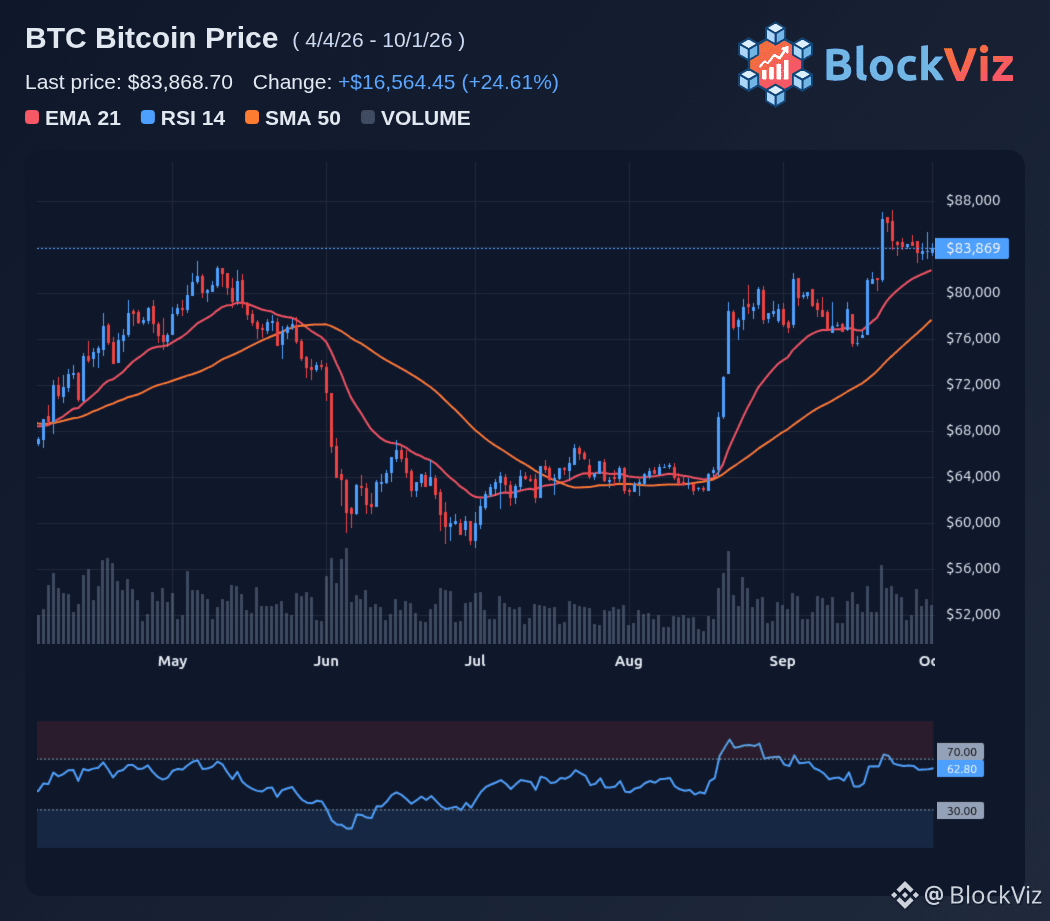
يتأرجح سعر BTC حول 82,000 إلى 84,000 بعد موجة دخول ضخمة بقيمة 2.4 مليار دولار لصناديق ETF الأسبوع الماضي، والسوق يطرح السؤال الواضح: من سيتم تصفيته أولاً عند هبوط بنسبة 3%؟ تُعد منطقة 82,000 أقوى دعم قريب، إذ تقع قرب أساس تكلفة حاملي الـETF عند نحو 81,700 إلى 82,500، ومنطقة الاختراق من أغسطس التي يجب أن تبقى صامدة لكي يظل سيناريو الصعود صحيحاً.
تتمحور التوترات بين المراكز الطويلة المُدعومة بالرافعة وبين مشتري صناديق ETF. يبلغ إجمالي الفائدة المفتوحة في العقود الآجلة حوالي 52 مليار دولار، منخفضاً 14% عن القمم الأخيرة، لكن تكدّسات تصفية المراكز الطويلة تتوزع بين 75,000 و76,000 ثم بين 60,000 و63,000. سيؤدي هبوط بنسبة 3% من 83,000 إلى دفع BTC إلى نحو 80,500، ما يختبر نقطة التعادل لصندوق ETF وأساس تكلفة الخزينة/الشركة القريبة من 80,500. عندها ستضرب الموجة الأولى من تصفيات المراكز الطويلة، بينما تعمل منطقة 75,000 إلى 76,000 كالدعم الرئيسي التالي.
بالنسبة للمتداولين، تتعلق الخطة بالدفاع وتدفقات السيولة. راقب 82,000 كنقطة التحول الرئيسية، وراقب 83,300 إلى 83,500 كدعم فوري. قد يؤدي الاختراق الهبوطي تحت 82,000 إلى فتح الطريق نحو 80,500 ثم 78,000، مع تسارع تصفيات المراكز الطويلة باتجاه كتلة 75,000 إلى 76,000. مشترو الـETF هم الطرف الذي يقدّم العطاء الحدّي، وأساس تكلفة 81,700 إلى 82,500 لديهم هو الخط الذي يجب أن يصمد لتجنب حدوث تراجع أعمق/تفريغ أشد.
المحفزات التالية هي افتتاح شمعة الشهر لشهر أكتوبر وأي متابعة في تدفقات صناديق ETF. إن أدى الثبات فوق 82,000 مع استمرار التدفقات إلى الإشارة إلى أن منطقة الاختراق متينة، بينما قد يؤدي الكسر إلى تحفيز هبوط بنسبة 3% إلى 5% إلى نطاق 78,000 إلى 80,000 قبل أن تهدأ سلسلة تصفيات المراكز الطويلة. راقب خريطة حرارة التصفية لكتلة 75,000 إلى 76,000 ونقطة التحول 82,000 للتحرك القادم.
$BTC
يتأرجح سعر BTC حول 82,000 إلى 84,000 بعد موجة دخول ضخمة بقيمة 2.4 مليار دولار لصناديق ETF الأسبوع الماضي، والسوق يطرح السؤال الواضح: من سيتم تصفيته أولاً عند هبوط بنسبة 3%؟ تُعد منطقة 82,000 أقوى دعم قريب، إذ تقع قرب أساس تكلفة حاملي الـETF عند نحو 81,700 إلى 82,500، ومنطقة الاختراق من أغسطس التي يجب أن تبقى صامدة لكي يظل سيناريو الصعود صحيحاً.
تتمحور التوترات بين المراكز الطويلة المُدعومة بالرافعة وبين مشتري صناديق ETF. يبلغ إجمالي الفائدة المفتوحة في العقود الآجلة حوالي 52 مليار دولار، منخفضاً 14% عن القمم الأخيرة، لكن تكدّسات تصفية المراكز الطويلة تتوزع بين 75,000 و76,000 ثم بين 60,000 و63,000. سيؤدي هبوط بنسبة 3% من 83,000 إلى دفع BTC إلى نحو 80,500، ما يختبر نقطة التعادل لصندوق ETF وأساس تكلفة الخزينة/الشركة القريبة من 80,500. عندها ستضرب الموجة الأولى من تصفيات المراكز الطويلة، بينما تعمل منطقة 75,000 إلى 76,000 كالدعم الرئيسي التالي.
بالنسبة للمتداولين، تتعلق الخطة بالدفاع وتدفقات السيولة. راقب 82,000 كنقطة التحول الرئيسية، وراقب 83,300 إلى 83,500 كدعم فوري. قد يؤدي الاختراق الهبوطي تحت 82,000 إلى فتح الطريق نحو 80,500 ثم 78,000، مع تسارع تصفيات المراكز الطويلة باتجاه كتلة 75,000 إلى 76,000. مشترو الـETF هم الطرف الذي يقدّم العطاء الحدّي، وأساس تكلفة 81,700 إلى 82,500 لديهم هو الخط الذي يجب أن يصمد لتجنب حدوث تراجع أعمق/تفريغ أشد.
المحفزات التالية هي افتتاح شمعة الشهر لشهر أكتوبر وأي متابعة في تدفقات صناديق ETF. إن أدى الثبات فوق 82,000 مع استمرار التدفقات إلى الإشارة إلى أن منطقة الاختراق متينة، بينما قد يؤدي الكسر إلى تحفيز هبوط بنسبة 3% إلى 5% إلى نطاق 78,000 إلى 80,000 قبل أن تهدأ سلسلة تصفيات المراكز الطويلة. راقب خريطة حرارة التصفية لكتلة 75,000 إلى 76,000 ونقطة التحول 82,000 للتحرك القادم.
$BTC
تتمحور التوترات بين المراكز الطويلة المُدعومة بالرافعة وبين مشتري صناديق ETF. يبلغ إجمالي الفائدة المفتوحة في العقود الآجلة حوالي 52 مليار دولار، منخفضاً 14% عن القمم الأخيرة، لكن تكدّسات تصفية المراكز الطويلة تتوزع بين 75,000 و76,000 ثم بين 60,000 و63,000. سيؤدي هبوط بنسبة 3% من 83,000 إلى دفع BTC إلى نحو 80,500، ما يختبر نقطة التعادل لصندوق ETF وأساس تكلفة الخزينة/الشركة القريبة من 80,500. عندها ستضرب الموجة الأولى من تصفيات المراكز الطويلة، بينما تعمل منطقة 75,000 إلى 76,000 كالدعم الرئيسي التالي.
بالنسبة للمتداولين، تتعلق الخطة بالدفاع وتدفقات السيولة. راقب 82,000 كنقطة التحول الرئيسية، وراقب 83,300 إلى 83,500 كدعم فوري. قد يؤدي الاختراق الهبوطي تحت 82,000 إلى فتح الطريق نحو 80,500 ثم 78,000، مع تسارع تصفيات المراكز الطويلة باتجاه كتلة 75,000 إلى 76,000. مشترو الـETF هم الطرف الذي يقدّم العطاء الحدّي، وأساس تكلفة 81,700 إلى 82,500 لديهم هو الخط الذي يجب أن يصمد لتجنب حدوث تراجع أعمق/تفريغ أشد.
المحفزات التالية هي افتتاح شمعة الشهر لشهر أكتوبر وأي متابعة في تدفقات صناديق ETF. إن أدى الثبات فوق 82,000 مع استمرار التدفقات إلى الإشارة إلى أن منطقة الاختراق متينة، بينما قد يؤدي الكسر إلى تحفيز هبوط بنسبة 3% إلى 5% إلى نطاق 78,000 إلى 80,000 قبل أن تهدأ سلسلة تصفيات المراكز الطويلة. راقب خريطة حرارة التصفية لكتلة 75,000 إلى 76,000 ونقطة التحول 82,000 للتحرك القادم.
$BTC
70
·
--
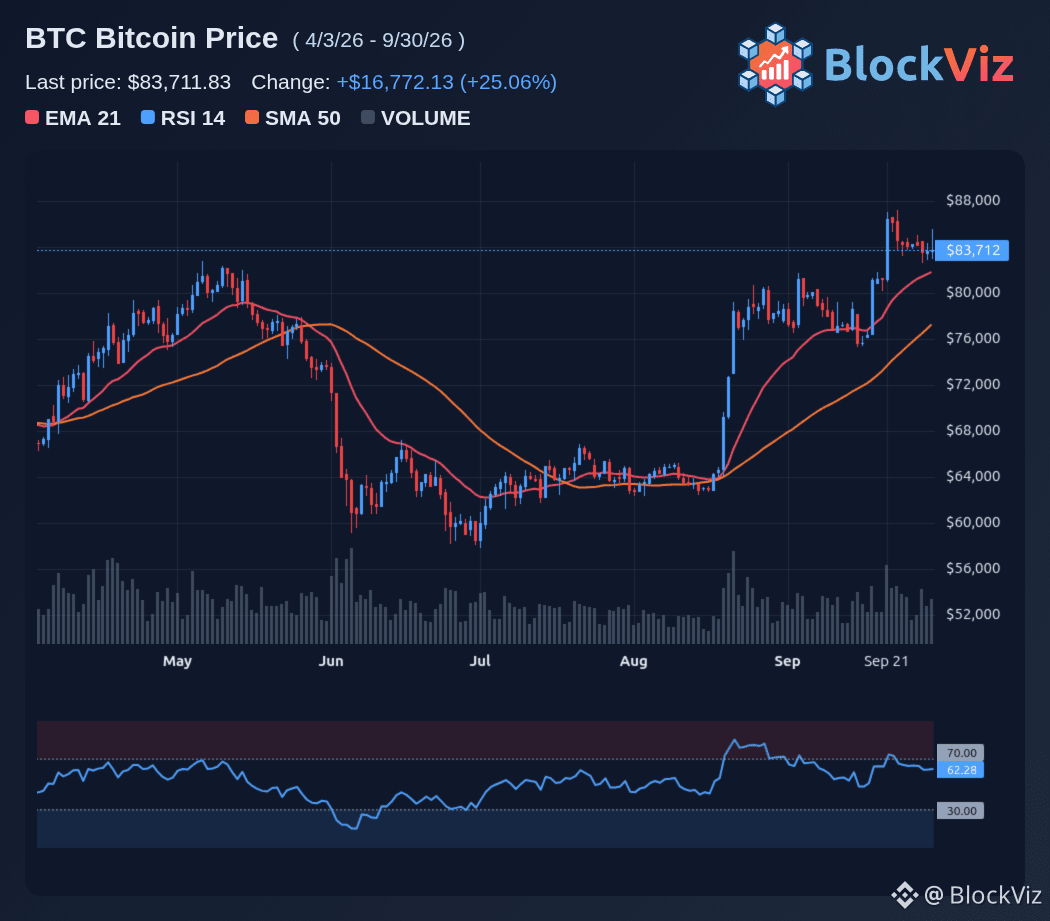
يعود "أبتوبر" إلى صلب الحديث، لكن التاريخ وحده لا يكفي للثقة بهذه المرة. فقد أنهى بيتكوين باللون الأخضر في 10 من آخر 13 أكتوبر، مع عائد متوسط يقارب 19% ووسيط قرابة 14%، لكن 2025 كسر سلسلة سبع سنوات متتالية محققًا خسارة بنسبة 4%، وتأتي هذه السنة بواجهات رياح ماكرو قوية من ارتفاع العوائد وتراكم مراكز الخيارات.
التوتر قائم بين الموسمية وتهيئة الوضع. يدخل البيتكوين أكتوبر قرب 85,000 إلى 87,000 بعد مكاسب تقارب 9% في سبتمبر ونحو 25% في أغسطس، وهي تركيبة خضراء نادرة على التوالي غالبًا ما كانت تسبق جولات قوية من أبتوبر. وانقضاء خيارات بقيمة 18 مليار دولار أصبح خلفنا الآن، والسوق يراقب ما إذا كانت السيولة قادرة على دعم دفع نحو 90,000 إلى 100,000، أم أن جني الأرباح عند مستويات قياسية سيحد من الحركة.
بالنسبة للمتداولين، السؤال هو ما إذا كان أبتوبر "معدلًا أساسيا" أم فخًا. النمط يملك نسبة فوز 76.9%، لكن الأشهر الثلاثة الحمراء في أكتوبر، بما في ذلك 2018 و2025، تذكرنا أن الموسمية ليست ضمانًا. إن تهيئة هذا العام مختلفة عن 2025، إذ يبدأ بيتكوين من 85,000 بدلًا من 114,000، ومع تدفقات صناديق ETF وسيولة الستابلكوين التي توفر طلبًا أقوى مما كان عليه هيكل العام الماضي المزدحم من حيث القمة.
راقب 88,000 إلى 90,000 للخطوة التالية، ثم 100,000 كهدف أبتوبر. إن كان هناك اختراق نظيف فوق 90,000 فسيتماشى ذلك مع متوسط مكاسب أكتوبر البالغ 19% تاريخيًا، بينما قد يؤدي الفشل عند 88,000 إلى إعادة اختبار نطاق 83,000 إلى 85,000. المحفزات القادمة هي افتتاح شمعة أكتوبر الشهرية، وأي استمرار في تدفقات صناديق ETF، وما إذا كان بإمكان بيتكوين الحفاظ فوق 85,000 بينما يتكشف سيناريو أبتوبر.
$BTC
يعود "أبتوبر" إلى صلب الحديث، لكن التاريخ وحده لا يكفي للثقة بهذه المرة. فقد أنهى بيتكوين باللون الأخضر في 10 من آخر 13 أكتوبر، مع عائد متوسط يقارب 19% ووسيط قرابة 14%، لكن 2025 كسر سلسلة سبع سنوات متتالية محققًا خسارة بنسبة 4%، وتأتي هذه السنة بواجهات رياح ماكرو قوية من ارتفاع العوائد وتراكم مراكز الخيارات.
التوتر قائم بين الموسمية وتهيئة الوضع. يدخل البيتكوين أكتوبر قرب 85,000 إلى 87,000 بعد مكاسب تقارب 9% في سبتمبر ونحو 25% في أغسطس، وهي تركيبة خضراء نادرة على التوالي غالبًا ما كانت تسبق جولات قوية من أبتوبر. وانقضاء خيارات بقيمة 18 مليار دولار أصبح خلفنا الآن، والسوق يراقب ما إذا كانت السيولة قادرة على دعم دفع نحو 90,000 إلى 100,000، أم أن جني الأرباح عند مستويات قياسية سيحد من الحركة.
بالنسبة للمتداولين، السؤال هو ما إذا كان أبتوبر "معدلًا أساسيا" أم فخًا. النمط يملك نسبة فوز 76.9%، لكن الأشهر الثلاثة الحمراء في أكتوبر، بما في ذلك 2018 و2025، تذكرنا أن الموسمية ليست ضمانًا. إن تهيئة هذا العام مختلفة عن 2025، إذ يبدأ بيتكوين من 85,000 بدلًا من 114,000، ومع تدفقات صناديق ETF وسيولة الستابلكوين التي توفر طلبًا أقوى مما كان عليه هيكل العام الماضي المزدحم من حيث القمة.
راقب 88,000 إلى 90,000 للخطوة التالية، ثم 100,000 كهدف أبتوبر. إن كان هناك اختراق نظيف فوق 90,000 فسيتماشى ذلك مع متوسط مكاسب أكتوبر البالغ 19% تاريخيًا، بينما قد يؤدي الفشل عند 88,000 إلى إعادة اختبار نطاق 83,000 إلى 85,000. المحفزات القادمة هي افتتاح شمعة أكتوبر الشهرية، وأي استمرار في تدفقات صناديق ETF، وما إذا كان بإمكان بيتكوين الحفاظ فوق 85,000 بينما يتكشف سيناريو أبتوبر.
$BTC
التوتر قائم بين الموسمية وتهيئة الوضع. يدخل البيتكوين أكتوبر قرب 85,000 إلى 87,000 بعد مكاسب تقارب 9% في سبتمبر ونحو 25% في أغسطس، وهي تركيبة خضراء نادرة على التوالي غالبًا ما كانت تسبق جولات قوية من أبتوبر. وانقضاء خيارات بقيمة 18 مليار دولار أصبح خلفنا الآن، والسوق يراقب ما إذا كانت السيولة قادرة على دعم دفع نحو 90,000 إلى 100,000، أم أن جني الأرباح عند مستويات قياسية سيحد من الحركة.
بالنسبة للمتداولين، السؤال هو ما إذا كان أبتوبر "معدلًا أساسيا" أم فخًا. النمط يملك نسبة فوز 76.9%، لكن الأشهر الثلاثة الحمراء في أكتوبر، بما في ذلك 2018 و2025، تذكرنا أن الموسمية ليست ضمانًا. إن تهيئة هذا العام مختلفة عن 2025، إذ يبدأ بيتكوين من 85,000 بدلًا من 114,000، ومع تدفقات صناديق ETF وسيولة الستابلكوين التي توفر طلبًا أقوى مما كان عليه هيكل العام الماضي المزدحم من حيث القمة.
راقب 88,000 إلى 90,000 للخطوة التالية، ثم 100,000 كهدف أبتوبر. إن كان هناك اختراق نظيف فوق 90,000 فسيتماشى ذلك مع متوسط مكاسب أكتوبر البالغ 19% تاريخيًا، بينما قد يؤدي الفشل عند 88,000 إلى إعادة اختبار نطاق 83,000 إلى 85,000. المحفزات القادمة هي افتتاح شمعة أكتوبر الشهرية، وأي استمرار في تدفقات صناديق ETF، وما إذا كان بإمكان بيتكوين الحفاظ فوق 85,000 بينما يتكشف سيناريو أبتوبر.
$BTC
78
·
--
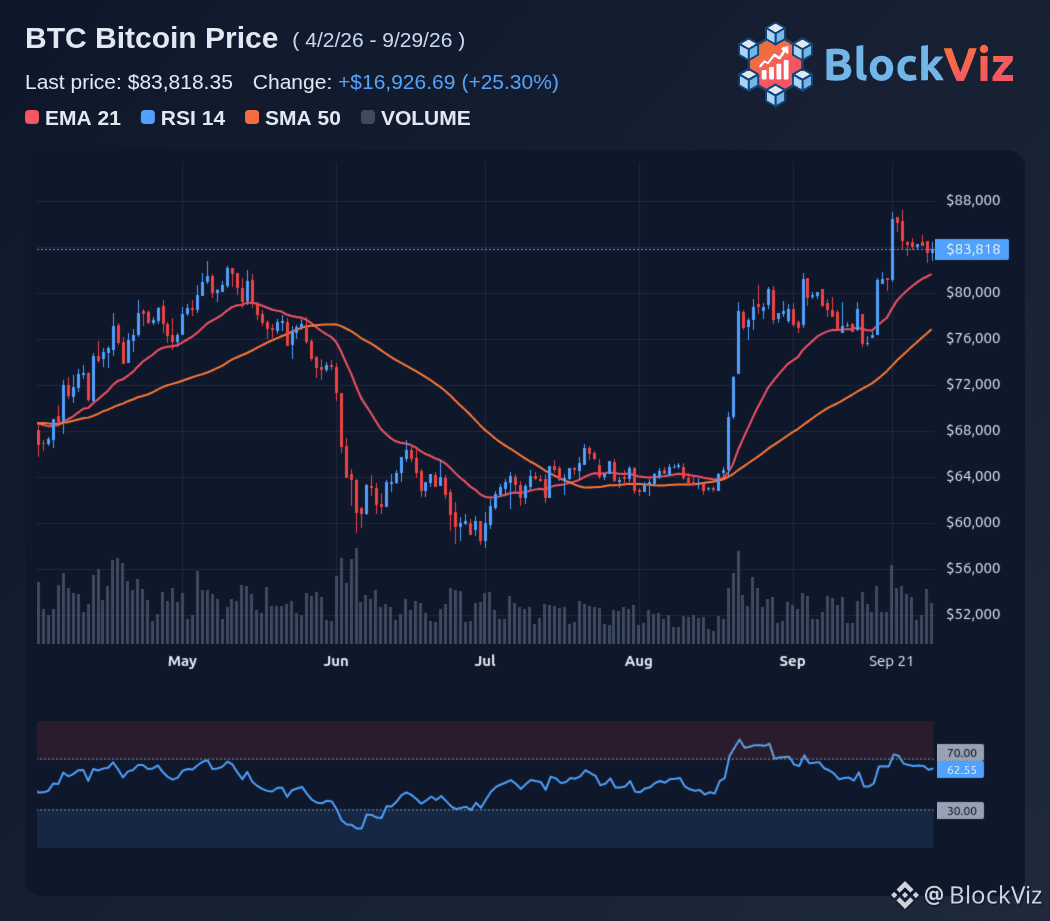
وصل حجم تداول العملات البديلة (الـAltcoin) في السوق الفوري للتو إلى ما يقارب أربع مرات حجم بيتكوين، وهو أعلى نسبة منذ سبتمبر 2025، وهو ما يفرض سؤالاً صعباً: هل هذه بداية مبكرة لبدء موسم العملات البديلة (Altseason) أم أنها مجرد وقود لمرحلة أخيرة من صعود بيتكوين؟ ارتفع مؤشر موسم العملات البديلة إلى 62% في أواخر سبتمبر، مع تفوق 72.5% من العملات البديلة على بيتكوين خلال الأسبوع المنتهي في 22 سبتمبر، لكن المؤشر ما زال دون عتبة 75% التي تؤكد حدوث موسم كامل للعملات البديلة.
التوتر قائم بين إشارة الحجم وبين التموضع (التسعير/المراكز). تشير Glassnode إلى أن مشاركة كبيرة في العملات البديلة غالباً ما تتزامن مع قمم محلية لبيتكوين، كما أن إيداعات العملات البديلة في البورصات ارتفعت إلى مستويات شوهدت آخر مرة قبل قمة أكتوبر 2025. وفي الوقت نفسه، أظهر الاهتمام المفتوح لعقود العملات البديلة المستقبلية نمواً محدوداً، وهو ما يختلف عن قمم السوق السابقة التي شهدت بناء مراكز مُرافَعة. هذا المزج يوحي بوجود طلب قوي في السوق الفوري، لكنه لا يشير بعد إلى ذروة “اندفاعية” في المشتقات.
بالنسبة للمتداولين، يتعلق الأمر بإعادة التدوير وإدارة المخاطر. انخفض هيمنة بيتكوين (Bitcoin dominance) إلى أقل من 59% مع انتقال رأس المال إلى العملات البديلة، لكن بيتكوين ما زالت تتماسك قرب 84,000 إلى 87,000 بعد صعودها من ما دون 63,000 في أغسطس. السؤال هو ما إذا كانت العملات البديلة قادرة على الحفاظ على الطلب دون اختراق حاسم لبيتكوين فوق 88,000 إلى 90,000، أم أن هذه الزيادة في الحجم تعد إشارة توزيع باتجاه قمة محلية.
راقب مؤشر موسم العملات البديلة عند 62 ثم عند 75 للتأكيد، وكذلك راقب هيمنة بيتكوين عند 59% للمرحلة التالية. إن حدث كسر تحت 58% في الهيمنة على بيتكوين ودفع المؤشر فوق 75% فسيشير ذلك إلى “Altseason” حقيقي، بينما فإن الارتداد فوق 60% في الهيمنة سيُلمح إلى أن بيتكوين ما زالت ترسّخ السيولة. المحفزات التالية هي إغلاق الشمعة الشهرية لشهر أكتوبر وأي استمرار في الاهتمام المفتوح لعقود العملات البديلة في المستقبل لتأكيد ما إذا كانت هذه الزيادة في الحجم مدعومة برافعة مالية.
$BTC
وصل حجم تداول العملات البديلة (الـAltcoin) في السوق الفوري للتو إلى ما يقارب أربع مرات حجم بيتكوين، وهو أعلى نسبة منذ سبتمبر 2025، وهو ما يفرض سؤالاً صعباً: هل هذه بداية مبكرة لبدء موسم العملات البديلة (Altseason) أم أنها مجرد وقود لمرحلة أخيرة من صعود بيتكوين؟ ارتفع مؤشر موسم العملات البديلة إلى 62% في أواخر سبتمبر، مع تفوق 72.5% من العملات البديلة على بيتكوين خلال الأسبوع المنتهي في 22 سبتمبر، لكن المؤشر ما زال دون عتبة 75% التي تؤكد حدوث موسم كامل للعملات البديلة.
التوتر قائم بين إشارة الحجم وبين التموضع (التسعير/المراكز). تشير Glassnode إلى أن مشاركة كبيرة في العملات البديلة غالباً ما تتزامن مع قمم محلية لبيتكوين، كما أن إيداعات العملات البديلة في البورصات ارتفعت إلى مستويات شوهدت آخر مرة قبل قمة أكتوبر 2025. وفي الوقت نفسه، أظهر الاهتمام المفتوح لعقود العملات البديلة المستقبلية نمواً محدوداً، وهو ما يختلف عن قمم السوق السابقة التي شهدت بناء مراكز مُرافَعة. هذا المزج يوحي بوجود طلب قوي في السوق الفوري، لكنه لا يشير بعد إلى ذروة “اندفاعية” في المشتقات.
بالنسبة للمتداولين، يتعلق الأمر بإعادة التدوير وإدارة المخاطر. انخفض هيمنة بيتكوين (Bitcoin dominance) إلى أقل من 59% مع انتقال رأس المال إلى العملات البديلة، لكن بيتكوين ما زالت تتماسك قرب 84,000 إلى 87,000 بعد صعودها من ما دون 63,000 في أغسطس. السؤال هو ما إذا كانت العملات البديلة قادرة على الحفاظ على الطلب دون اختراق حاسم لبيتكوين فوق 88,000 إلى 90,000، أم أن هذه الزيادة في الحجم تعد إشارة توزيع باتجاه قمة محلية.
راقب مؤشر موسم العملات البديلة عند 62 ثم عند 75 للتأكيد، وكذلك راقب هيمنة بيتكوين عند 59% للمرحلة التالية. إن حدث كسر تحت 58% في الهيمنة على بيتكوين ودفع المؤشر فوق 75% فسيشير ذلك إلى “Altseason” حقيقي، بينما فإن الارتداد فوق 60% في الهيمنة سيُلمح إلى أن بيتكوين ما زالت ترسّخ السيولة. المحفزات التالية هي إغلاق الشمعة الشهرية لشهر أكتوبر وأي استمرار في الاهتمام المفتوح لعقود العملات البديلة في المستقبل لتأكيد ما إذا كانت هذه الزيادة في الحجم مدعومة برافعة مالية.
$BTC
التوتر قائم بين إشارة الحجم وبين التموضع (التسعير/المراكز). تشير Glassnode إلى أن مشاركة كبيرة في العملات البديلة غالباً ما تتزامن مع قمم محلية لبيتكوين، كما أن إيداعات العملات البديلة في البورصات ارتفعت إلى مستويات شوهدت آخر مرة قبل قمة أكتوبر 2025. وفي الوقت نفسه، أظهر الاهتمام المفتوح لعقود العملات البديلة المستقبلية نمواً محدوداً، وهو ما يختلف عن قمم السوق السابقة التي شهدت بناء مراكز مُرافَعة. هذا المزج يوحي بوجود طلب قوي في السوق الفوري، لكنه لا يشير بعد إلى ذروة “اندفاعية” في المشتقات.
بالنسبة للمتداولين، يتعلق الأمر بإعادة التدوير وإدارة المخاطر. انخفض هيمنة بيتكوين (Bitcoin dominance) إلى أقل من 59% مع انتقال رأس المال إلى العملات البديلة، لكن بيتكوين ما زالت تتماسك قرب 84,000 إلى 87,000 بعد صعودها من ما دون 63,000 في أغسطس. السؤال هو ما إذا كانت العملات البديلة قادرة على الحفاظ على الطلب دون اختراق حاسم لبيتكوين فوق 88,000 إلى 90,000، أم أن هذه الزيادة في الحجم تعد إشارة توزيع باتجاه قمة محلية.
راقب مؤشر موسم العملات البديلة عند 62 ثم عند 75 للتأكيد، وكذلك راقب هيمنة بيتكوين عند 59% للمرحلة التالية. إن حدث كسر تحت 58% في الهيمنة على بيتكوين ودفع المؤشر فوق 75% فسيشير ذلك إلى “Altseason” حقيقي، بينما فإن الارتداد فوق 60% في الهيمنة سيُلمح إلى أن بيتكوين ما زالت ترسّخ السيولة. المحفزات التالية هي إغلاق الشمعة الشهرية لشهر أكتوبر وأي استمرار في الاهتمام المفتوح لعقود العملات البديلة في المستقبل لتأكيد ما إذا كانت هذه الزيادة في الحجم مدعومة برافعة مالية.
$BTC
73
·
--
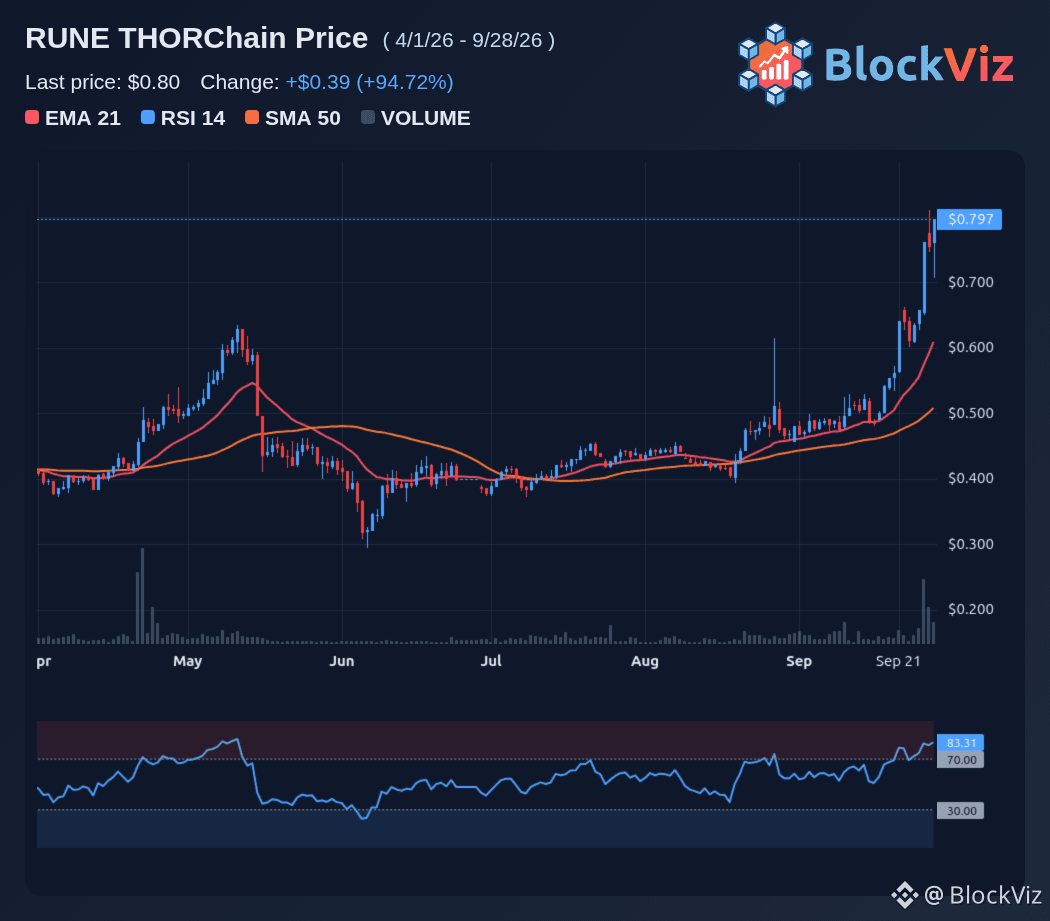
لقد رسمت THORChain خطًا في الرمال بخصوص اختراق Bitget بقيمة 387.5 مليون دولار، ما أدى إلى انقسام مجتمع العملات المشفرة. فقد طلبت البورصة من البروتوكول حظر المحافظ المرتبطة بالمهاجم، لكن THORChain رفضت، بحجة أن أدوات الإيقاف الطارئ لديها تحمي الشبكة ككل وليست مخصصة لتجميد عناوين فردية أو عمليات التبادل. وقد أعادت هذه المواقف إحياء أقدم جدل في عالم العملات المشفرة: هل مقاومة الرقابة ميزة أم عيب عندما تتحرك الأموال المسروقة عبر شبكتك؟
التوتر حقيقي. فقد انتقدت Gracy Chen، الرئيسة التنفيذية لـ Bitget، THORChain علنًا، قائلة إن اللامركزية مبدأ تصميمي وليست درعًا لتسهيل أموالٍ مسروقة معروفة. وردّت THORChain بالقول إنها قامت بإيقاف مفتاحها الإداري في فبراير 2025، وأن مدقّقيها لا يملكون زرًا لحظر عناوين فردية دون المساس بنموذج التشغيل بلا إذن. وأشارت البروتوكول إلى استغلالها الخاص في مايو 2026، حيث أوقفت الشبكة لاحتواء خسارة بقيمة 10.7 مليون دولار لكنها لم تقم بعد ذلك بحظر محافظ المهاجم.
بالنسبة للمتداولين، يتعلق الأمر بالسردية وتدفق السيولة. ارتفع RUNE بأكثر من 20% خلال 24 ساعة، إذ يسعّر السوق البروتوكول الذي يرفض فرض الرقابة حتى تحت الضغط بعلاوة “النقاء”. والسؤال هو ما إذا كان هذا الرهان سيصمد بمجرد أن يترسخ الغبار، وما إذا كانت أدوات DeFi الأخرى ستتبع الخط نفسه. راقب RUNE حول مستويات اختراقه الأخيرة وراقب ما إذا كان أي مشغّل عقد يصوّت لإيقاف تدفقات مرتبطة بـ Bitget، وهو ما سيكون إشارة إلى تحول في موقف الحوكمة.
المحفزات القادمة هي التحركات المستمرة على السلسلة للأموال المسروقة وأي تصريحات إضافية من مدقّقي THORChain أو من Bitget. إذا تمسّك البروتوكول بموقفه، فتوقع تدفّق المزيد من رأس المال نحو سرديات مقاومة للرقابة. أما إذا تردد المدقّقون أو تنسقوا لإيقاف انتقائي، فقد تنعكس صفقة “النقاء” بسرعة. المستويات المحورية هي منطقة اختراق RUNE وتدفق محافظ الهاكر البالغة قيمتها 387.5 مليون دولار عبر عمليات التبادل عبر السلاسل الخاصة بـ THORChain.
$RUNE
لقد رسمت THORChain خطًا في الرمال بخصوص اختراق Bitget بقيمة 387.5 مليون دولار، ما أدى إلى انقسام مجتمع العملات المشفرة. فقد طلبت البورصة من البروتوكول حظر المحافظ المرتبطة بالمهاجم، لكن THORChain رفضت، بحجة أن أدوات الإيقاف الطارئ لديها تحمي الشبكة ككل وليست مخصصة لتجميد عناوين فردية أو عمليات التبادل. وقد أعادت هذه المواقف إحياء أقدم جدل في عالم العملات المشفرة: هل مقاومة الرقابة ميزة أم عيب عندما تتحرك الأموال المسروقة عبر شبكتك؟
التوتر حقيقي. فقد انتقدت Gracy Chen، الرئيسة التنفيذية لـ Bitget، THORChain علنًا، قائلة إن اللامركزية مبدأ تصميمي وليست درعًا لتسهيل أموالٍ مسروقة معروفة. وردّت THORChain بالقول إنها قامت بإيقاف مفتاحها الإداري في فبراير 2025، وأن مدقّقيها لا يملكون زرًا لحظر عناوين فردية دون المساس بنموذج التشغيل بلا إذن. وأشارت البروتوكول إلى استغلالها الخاص في مايو 2026، حيث أوقفت الشبكة لاحتواء خسارة بقيمة 10.7 مليون دولار لكنها لم تقم بعد ذلك بحظر محافظ المهاجم.
بالنسبة للمتداولين، يتعلق الأمر بالسردية وتدفق السيولة. ارتفع RUNE بأكثر من 20% خلال 24 ساعة، إذ يسعّر السوق البروتوكول الذي يرفض فرض الرقابة حتى تحت الضغط بعلاوة “النقاء”. والسؤال هو ما إذا كان هذا الرهان سيصمد بمجرد أن يترسخ الغبار، وما إذا كانت أدوات DeFi الأخرى ستتبع الخط نفسه. راقب RUNE حول مستويات اختراقه الأخيرة وراقب ما إذا كان أي مشغّل عقد يصوّت لإيقاف تدفقات مرتبطة بـ Bitget، وهو ما سيكون إشارة إلى تحول في موقف الحوكمة.
المحفزات القادمة هي التحركات المستمرة على السلسلة للأموال المسروقة وأي تصريحات إضافية من مدقّقي THORChain أو من Bitget. إذا تمسّك البروتوكول بموقفه، فتوقع تدفّق المزيد من رأس المال نحو سرديات مقاومة للرقابة. أما إذا تردد المدقّقون أو تنسقوا لإيقاف انتقائي، فقد تنعكس صفقة “النقاء” بسرعة. المستويات المحورية هي منطقة اختراق RUNE وتدفق محافظ الهاكر البالغة قيمتها 387.5 مليون دولار عبر عمليات التبادل عبر السلاسل الخاصة بـ THORChain.
$RUNE
التوتر حقيقي. فقد انتقدت Gracy Chen، الرئيسة التنفيذية لـ Bitget، THORChain علنًا، قائلة إن اللامركزية مبدأ تصميمي وليست درعًا لتسهيل أموالٍ مسروقة معروفة. وردّت THORChain بالقول إنها قامت بإيقاف مفتاحها الإداري في فبراير 2025، وأن مدقّقيها لا يملكون زرًا لحظر عناوين فردية دون المساس بنموذج التشغيل بلا إذن. وأشارت البروتوكول إلى استغلالها الخاص في مايو 2026، حيث أوقفت الشبكة لاحتواء خسارة بقيمة 10.7 مليون دولار لكنها لم تقم بعد ذلك بحظر محافظ المهاجم.
بالنسبة للمتداولين، يتعلق الأمر بالسردية وتدفق السيولة. ارتفع RUNE بأكثر من 20% خلال 24 ساعة، إذ يسعّر السوق البروتوكول الذي يرفض فرض الرقابة حتى تحت الضغط بعلاوة “النقاء”. والسؤال هو ما إذا كان هذا الرهان سيصمد بمجرد أن يترسخ الغبار، وما إذا كانت أدوات DeFi الأخرى ستتبع الخط نفسه. راقب RUNE حول مستويات اختراقه الأخيرة وراقب ما إذا كان أي مشغّل عقد يصوّت لإيقاف تدفقات مرتبطة بـ Bitget، وهو ما سيكون إشارة إلى تحول في موقف الحوكمة.
المحفزات القادمة هي التحركات المستمرة على السلسلة للأموال المسروقة وأي تصريحات إضافية من مدقّقي THORChain أو من Bitget. إذا تمسّك البروتوكول بموقفه، فتوقع تدفّق المزيد من رأس المال نحو سرديات مقاومة للرقابة. أما إذا تردد المدقّقون أو تنسقوا لإيقاف انتقائي، فقد تنعكس صفقة “النقاء” بسرعة. المستويات المحورية هي منطقة اختراق RUNE وتدفق محافظ الهاكر البالغة قيمتها 387.5 مليون دولار عبر عمليات التبادل عبر السلاسل الخاصة بـ THORChain.
$RUNE
79
·
--
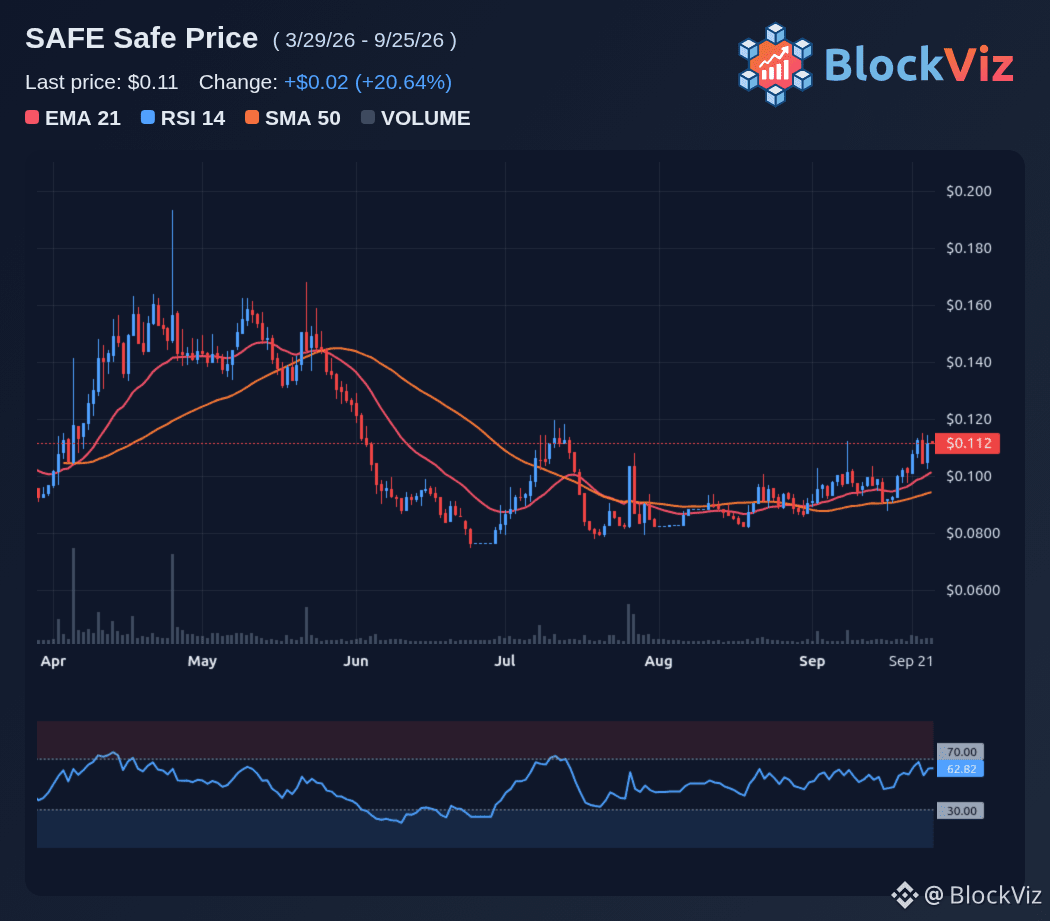
أكدت Bitget للتو حدوث اختراق لمحفظة ساخنة بقيمة 351.6 مليون دولار، وأوقفت عمليات السحب، ويسأل السوق الأسئلة الواضحة. من فعل ذلك، وكيف تمكن من الدخول، وهل أموال المستخدمين في الواقع آمنة؟ تقول البورصة نعم في النقطة الأخيرة، مشيرةً إلى صندوق حماية المستخدمين بقيمة 464 مليون دولار الذي يغطي الخسارة كاملةً، لكن تظل وسيلة الهجوم غير معروفة إلى حين صدور التقرير الكامل عن الحادث.
تتمثل حالة التوتر بين وجود “ضمان” وبين المجهول. قالت الرئيسة التنفيذية، غرايسي تشن، إن الاختراق كان محدودًا بقدر من طبقات المحفظة الساخنة والدفئة ضمن بنية Bitget ثلاثية المستويات، دون أن تمس محافظ التخزين البارد، وأن أرصدة حسابات المستخدمين دقيقة. ما زالت الإيداعات والتداول متاحين، لكن عمليات السحب مجمدة حتى ينتهي المراجعة الأمنية. وهذه تفرقة حاسمة لأي شخص لديه حجم على المنصة، لأن التغطية من حيث المبدأ لا تعني دائمًا تعويضًا فوريًا في الواقع.
بالنسبة للمتداولين، يتعلق الأمر بإدارة المخاطر وتدفق السيولة. راقب BTC حول 83,000 إلى 85,000 لأي عدوى قد تنتقل من الخبر، وراقب تدفقات العملات المستقرة داخل وخارج Bitget بمجرد إعادة فتح عمليات السحب. المحفزات التالية هي تقرير الحادث خلال 24 ساعة وأي تحديثات حول طريقة الهجوم، مع مشاركة جهات إنفاذ القانون وشركات أمن على السلسلة بالفعل. إذا أشار التقرير إلى ثغرة معروفة أو جهة فاعلة محددة، فسينعكس ذلك في تسعير السوق بسرعة. وإذا بقي غامضًا، فتوقع استمرار قلق السحوبات واحتمال تدفقات خارجية إلى المنافسين.
المستويات الرئيسية هي 83,000 كدعم لـ BTC، ونسبة التغطية لصندوق الحماية البالغ 464 مليون دولار في Bitget. إن كان الحل واضحًا مع تعويض كامل ومتجه هجوم محدد، فسيساعد ذلك على احتواء الضرر، بينما قد تؤدي التأخيرات أو الثغرات في التقرير إلى تمديد مخاطر العنوان حتى نهاية الأسبوع. وحتى ذلك الحين، ينبغي على المتداولين افتراض تذبذب أعلى وإبقاء الأحجام موزعة عبر المنصات...
$SAFE
أكدت Bitget للتو حدوث اختراق لمحفظة ساخنة بقيمة 351.6 مليون دولار، وأوقفت عمليات السحب، ويسأل السوق الأسئلة الواضحة. من فعل ذلك، وكيف تمكن من الدخول، وهل أموال المستخدمين في الواقع آمنة؟ تقول البورصة نعم في النقطة الأخيرة، مشيرةً إلى صندوق حماية المستخدمين بقيمة 464 مليون دولار الذي يغطي الخسارة كاملةً، لكن تظل وسيلة الهجوم غير معروفة إلى حين صدور التقرير الكامل عن الحادث.
تتمثل حالة التوتر بين وجود “ضمان” وبين المجهول. قالت الرئيسة التنفيذية، غرايسي تشن، إن الاختراق كان محدودًا بقدر من طبقات المحفظة الساخنة والدفئة ضمن بنية Bitget ثلاثية المستويات، دون أن تمس محافظ التخزين البارد، وأن أرصدة حسابات المستخدمين دقيقة. ما زالت الإيداعات والتداول متاحين، لكن عمليات السحب مجمدة حتى ينتهي المراجعة الأمنية. وهذه تفرقة حاسمة لأي شخص لديه حجم على المنصة، لأن التغطية من حيث المبدأ لا تعني دائمًا تعويضًا فوريًا في الواقع.
بالنسبة للمتداولين، يتعلق الأمر بإدارة المخاطر وتدفق السيولة. راقب BTC حول 83,000 إلى 85,000 لأي عدوى قد تنتقل من الخبر، وراقب تدفقات العملات المستقرة داخل وخارج Bitget بمجرد إعادة فتح عمليات السحب. المحفزات التالية هي تقرير الحادث خلال 24 ساعة وأي تحديثات حول طريقة الهجوم، مع مشاركة جهات إنفاذ القانون وشركات أمن على السلسلة بالفعل. إذا أشار التقرير إلى ثغرة معروفة أو جهة فاعلة محددة، فسينعكس ذلك في تسعير السوق بسرعة. وإذا بقي غامضًا، فتوقع استمرار قلق السحوبات واحتمال تدفقات خارجية إلى المنافسين.
المستويات الرئيسية هي 83,000 كدعم لـ BTC، ونسبة التغطية لصندوق الحماية البالغ 464 مليون دولار في Bitget. إن كان الحل واضحًا مع تعويض كامل ومتجه هجوم محدد، فسيساعد ذلك على احتواء الضرر، بينما قد تؤدي التأخيرات أو الثغرات في التقرير إلى تمديد مخاطر العنوان حتى نهاية الأسبوع. وحتى ذلك الحين، ينبغي على المتداولين افتراض تذبذب أعلى وإبقاء الأحجام موزعة عبر المنصات...
$SAFE
تتمثل حالة التوتر بين وجود “ضمان” وبين المجهول. قالت الرئيسة التنفيذية، غرايسي تشن، إن الاختراق كان محدودًا بقدر من طبقات المحفظة الساخنة والدفئة ضمن بنية Bitget ثلاثية المستويات، دون أن تمس محافظ التخزين البارد، وأن أرصدة حسابات المستخدمين دقيقة. ما زالت الإيداعات والتداول متاحين، لكن عمليات السحب مجمدة حتى ينتهي المراجعة الأمنية. وهذه تفرقة حاسمة لأي شخص لديه حجم على المنصة، لأن التغطية من حيث المبدأ لا تعني دائمًا تعويضًا فوريًا في الواقع.
بالنسبة للمتداولين، يتعلق الأمر بإدارة المخاطر وتدفق السيولة. راقب BTC حول 83,000 إلى 85,000 لأي عدوى قد تنتقل من الخبر، وراقب تدفقات العملات المستقرة داخل وخارج Bitget بمجرد إعادة فتح عمليات السحب. المحفزات التالية هي تقرير الحادث خلال 24 ساعة وأي تحديثات حول طريقة الهجوم، مع مشاركة جهات إنفاذ القانون وشركات أمن على السلسلة بالفعل. إذا أشار التقرير إلى ثغرة معروفة أو جهة فاعلة محددة، فسينعكس ذلك في تسعير السوق بسرعة. وإذا بقي غامضًا، فتوقع استمرار قلق السحوبات واحتمال تدفقات خارجية إلى المنافسين.
المستويات الرئيسية هي 83,000 كدعم لـ BTC، ونسبة التغطية لصندوق الحماية البالغ 464 مليون دولار في Bitget. إن كان الحل واضحًا مع تعويض كامل ومتجه هجوم محدد، فسيساعد ذلك على احتواء الضرر، بينما قد تؤدي التأخيرات أو الثغرات في التقرير إلى تمديد مخاطر العنوان حتى نهاية الأسبوع. وحتى ذلك الحين، ينبغي على المتداولين افتراض تذبذب أعلى وإبقاء الأحجام موزعة عبر المنصات...
$SAFE
65
·
--
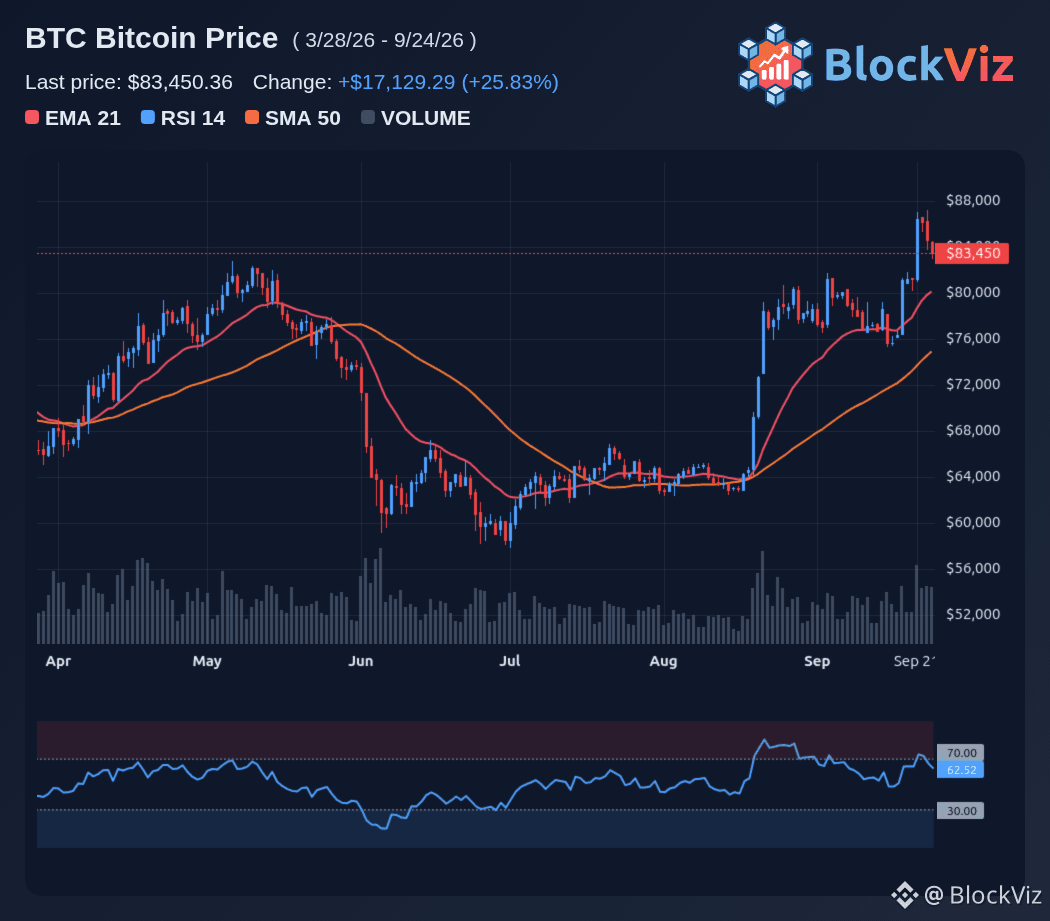
سندات الخزانة الأميركية لأجل 10 سنوات للتو حققت 5.12%، وهي أعلى مستوياتها منذ عام 2007، ما يفرض سؤالاً صعباً على أنصار البيتكوين. لماذا المخاطرة بأصل لا يدرّ عائداً بينما يمكنك تثبيت 5% دون مخاطرة في السندات الحكومية؟ إن تكلفة الفرصة هذه هي أوضح قراءة وراء تراجع BTC من نطاق الـ85 ألفاً باتجاه 83 ألفاً مع ارتفاع العوائد.
تتمثل الحالة في شدّ وجذب بين رياح الاقتصاد الكلي ومحفزات خاصة بالقطاع. فمن جهة، العوائد المرتفعة تستنزف السيولة من الأصول ذات المخاطر، وترفع معدلات الخصم للرهانات طويلة الأجل، وتعزز الدولار. ومن جهة أخرى، يبقى البيتكوين فوق 83,000 مع مكاسب بنسبة 14% منذ أدنى نقطة «أقصى ألم» قرب 75,000، وما زال مرتفعاً بنحو 33% من أدنى مستوى في يوليو قرب 58,000. يوازن السوق بين خيار عائد خالٍ من المخاطر بنسبة 5% وبين احتمال حدوث اختراق صعودي إذا تمكن BTC من تجاوز 88,000 إلى 90,000.
بالنسبة للمتداولين، الصورة واضحة. راقب عائد السندات لأجل 10 سنوات عند 5.12% ثم عند 5.15% للمرحلة التالية. أي تحرك فوق 5.15% سيشير إلى مزيد من الضغط على الأصول ذات المخاطر، بينما التراجع نحو 5.00% سيخفف من حدة تكلفة الفرصة. أما بالنسبة لـ BTC، فالمستويات المحورية هي 83,000 كدعم، و88,000 إلى 90,000 كمقاومة. قد يؤدي كسر 83,000 إلى فتح الطريق نحو 80,000 ثم 75,000، بينما يشير الثبات فوق 88,000 إلى أن المشترين يدافعون عن سيناريو الصعود.
المحفزات التالية تتمثل في انتهاء صلاحية خيارات الجمعة البالغة 18 مليار دولار وأي متابعة في العوائد. إذا تراجع عائد 10 سنوات من 5.12% وظل BTC عند 85,000، فستُفتح الطريق نحو 90,000. أما إذا دفعت العوائد باتجاه 5.15% وخسر BTC 83,000، فستهيمن سردية العائد الخالي من المخاطر وستسحب العملات المشفرة إلى الأسفل.
$BTC
سندات الخزانة الأميركية لأجل 10 سنوات للتو حققت 5.12%، وهي أعلى مستوياتها منذ عام 2007، ما يفرض سؤالاً صعباً على أنصار البيتكوين. لماذا المخاطرة بأصل لا يدرّ عائداً بينما يمكنك تثبيت 5% دون مخاطرة في السندات الحكومية؟ إن تكلفة الفرصة هذه هي أوضح قراءة وراء تراجع BTC من نطاق الـ85 ألفاً باتجاه 83 ألفاً مع ارتفاع العوائد.
تتمثل الحالة في شدّ وجذب بين رياح الاقتصاد الكلي ومحفزات خاصة بالقطاع. فمن جهة، العوائد المرتفعة تستنزف السيولة من الأصول ذات المخاطر، وترفع معدلات الخصم للرهانات طويلة الأجل، وتعزز الدولار. ومن جهة أخرى، يبقى البيتكوين فوق 83,000 مع مكاسب بنسبة 14% منذ أدنى نقطة «أقصى ألم» قرب 75,000، وما زال مرتفعاً بنحو 33% من أدنى مستوى في يوليو قرب 58,000. يوازن السوق بين خيار عائد خالٍ من المخاطر بنسبة 5% وبين احتمال حدوث اختراق صعودي إذا تمكن BTC من تجاوز 88,000 إلى 90,000.
بالنسبة للمتداولين، الصورة واضحة. راقب عائد السندات لأجل 10 سنوات عند 5.12% ثم عند 5.15% للمرحلة التالية. أي تحرك فوق 5.15% سيشير إلى مزيد من الضغط على الأصول ذات المخاطر، بينما التراجع نحو 5.00% سيخفف من حدة تكلفة الفرصة. أما بالنسبة لـ BTC، فالمستويات المحورية هي 83,000 كدعم، و88,000 إلى 90,000 كمقاومة. قد يؤدي كسر 83,000 إلى فتح الطريق نحو 80,000 ثم 75,000، بينما يشير الثبات فوق 88,000 إلى أن المشترين يدافعون عن سيناريو الصعود.
المحفزات التالية تتمثل في انتهاء صلاحية خيارات الجمعة البالغة 18 مليار دولار وأي متابعة في العوائد. إذا تراجع عائد 10 سنوات من 5.12% وظل BTC عند 85,000، فستُفتح الطريق نحو 90,000. أما إذا دفعت العوائد باتجاه 5.15% وخسر BTC 83,000، فستهيمن سردية العائد الخالي من المخاطر وستسحب العملات المشفرة إلى الأسفل.
$BTC
تتمثل الحالة في شدّ وجذب بين رياح الاقتصاد الكلي ومحفزات خاصة بالقطاع. فمن جهة، العوائد المرتفعة تستنزف السيولة من الأصول ذات المخاطر، وترفع معدلات الخصم للرهانات طويلة الأجل، وتعزز الدولار. ومن جهة أخرى، يبقى البيتكوين فوق 83,000 مع مكاسب بنسبة 14% منذ أدنى نقطة «أقصى ألم» قرب 75,000، وما زال مرتفعاً بنحو 33% من أدنى مستوى في يوليو قرب 58,000. يوازن السوق بين خيار عائد خالٍ من المخاطر بنسبة 5% وبين احتمال حدوث اختراق صعودي إذا تمكن BTC من تجاوز 88,000 إلى 90,000.
بالنسبة للمتداولين، الصورة واضحة. راقب عائد السندات لأجل 10 سنوات عند 5.12% ثم عند 5.15% للمرحلة التالية. أي تحرك فوق 5.15% سيشير إلى مزيد من الضغط على الأصول ذات المخاطر، بينما التراجع نحو 5.00% سيخفف من حدة تكلفة الفرصة. أما بالنسبة لـ BTC، فالمستويات المحورية هي 83,000 كدعم، و88,000 إلى 90,000 كمقاومة. قد يؤدي كسر 83,000 إلى فتح الطريق نحو 80,000 ثم 75,000، بينما يشير الثبات فوق 88,000 إلى أن المشترين يدافعون عن سيناريو الصعود.
المحفزات التالية تتمثل في انتهاء صلاحية خيارات الجمعة البالغة 18 مليار دولار وأي متابعة في العوائد. إذا تراجع عائد 10 سنوات من 5.12% وظل BTC عند 85,000، فستُفتح الطريق نحو 90,000. أما إذا دفعت العوائد باتجاه 5.15% وخسر BTC 83,000، فستهيمن سردية العائد الخالي من المخاطر وستسحب العملات المشفرة إلى الأسفل.
$BTC
82
·
--
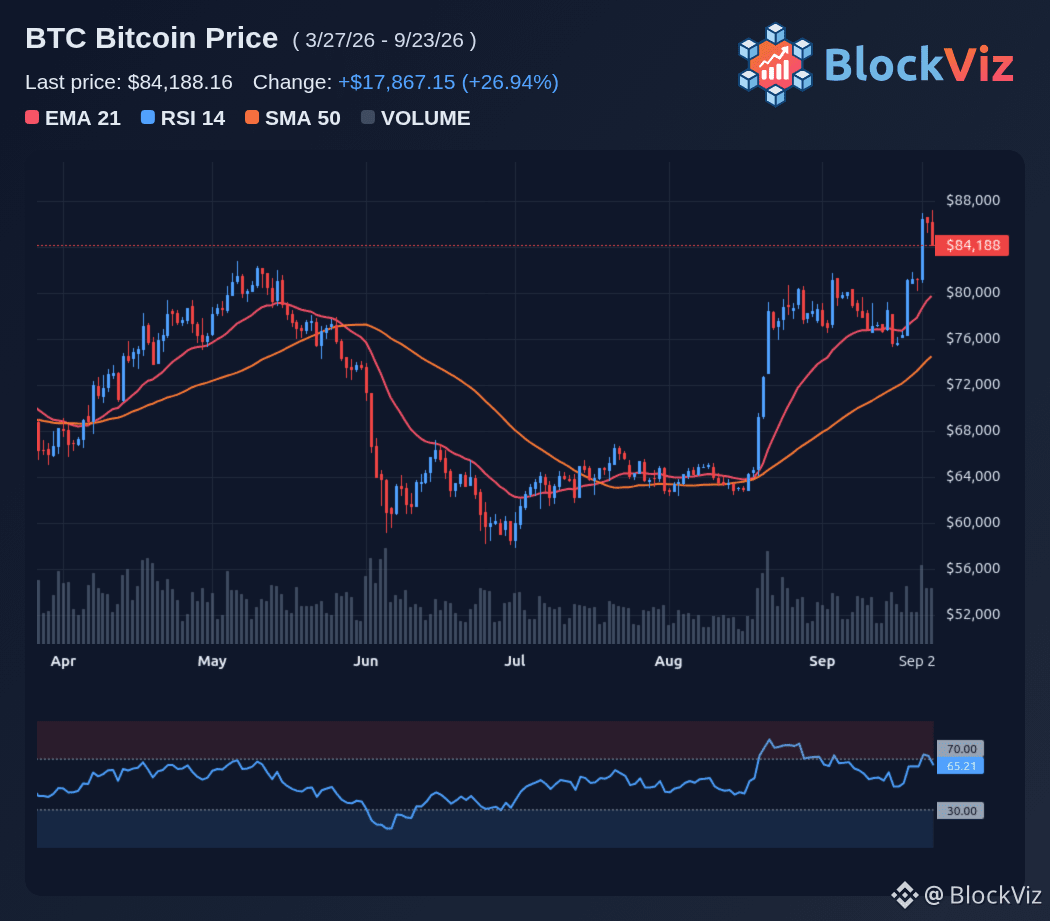
حوالي 18 مليار دولار من خيارات البيتكوين واإيثيريوم تنتهي يوم الجمعة، كما أن أقصى نقطة ألم (max pain) تستقر تمامًا عند 75,000 للبيتكوين. وهذا يعني أنها أقل بنحو 10,000 مقارنة بسعر التداول الفوري الحالي قرب 85,000 إلى 86,000. ويتساءل المتداولون عما إذا كان تحوّط الشركات المتعاملة (dealer hedging) وتدفقات جاما (gamma flows) قد يدفعان البيتكوين للانخفاض بحلول تسوية يوم الجمعة عند 08:00 بالتوقيت العالمي (UTC).
تتمثل المفارقة في التوتر بين مغناطيس max pain والتسعير المائل لصالح الشراء (call-heavy positioning). فخيارات البيتكوين منحازة بشكل صعودي؛ إذ تبلغ قيمة المكالمات حوالي 9.4 مليار دولار مقابل 6.5 مليار دولار في وضعيات البيع (puts)، مع تركّز عند مستويات 90,000 و100,000. ولتستقر أداة التسوية على max pain، سيحتاج البيتكوين إلى الهبوط بنسبة 11% إلى 12% بين الآن ويوم الجمعة، وهو تحرك كبير لكنه ليس مستحيلًا خلال أسبوع انتهاء ربع سنوي.
تُظهر الخبرة أن max pain لا يفوز دائمًا، لكنه غالبًا يعمل كمغناطيس ناعم باتجاه الاستحقاق. وفي أرباع سابقة، كان البيتكوين يستقر أقرب إلى max pain عندما تكون الفائدة المفتوحة كبيرة وكانت جاما الوسطاء (dealer gamma) قصيرة. هذا الأسبوع، يتمتع مستوى 70,000 بأكبر عدد من العقود المفتوحة، بينما تتكدس وضعيات البيع عند 60,000 و70,000 و75,000، ما يخلق أرضية دعم متعددة الطبقات قد تحد من الهبوط إذا دفع البائعون نحو 75,000.
بالنسبة للمتداولين، الصورة واضحة. راقب 85,000 باعتباره الدعم الرئيسي، و88,000 إلى 90,000 كمناطق مقاومة حتى يوم الجمعة. قد يؤدي اختراق ما دون 85,000 إلى فتح الطريق نحو 80,000 ثم إلى 75,000 كقيمة max pain، بينما تشير المحافظة فوق 88,000 إلى أن المشترين يدافعون عن التمركز المائل للمكالمات. المحفزات التالية هي عمليات ترحيل (rolls) الخيارات اليومية وأي صفقات بلوك كبيرة قد تحرك تحوطات الوسطاء قبل تسوية الجمعة عند 08:00 بالتوقيت العالمي (UTC).
$BTC
حوالي 18 مليار دولار من خيارات البيتكوين واإيثيريوم تنتهي يوم الجمعة، كما أن أقصى نقطة ألم (max pain) تستقر تمامًا عند 75,000 للبيتكوين. وهذا يعني أنها أقل بنحو 10,000 مقارنة بسعر التداول الفوري الحالي قرب 85,000 إلى 86,000. ويتساءل المتداولون عما إذا كان تحوّط الشركات المتعاملة (dealer hedging) وتدفقات جاما (gamma flows) قد يدفعان البيتكوين للانخفاض بحلول تسوية يوم الجمعة عند 08:00 بالتوقيت العالمي (UTC).
تتمثل المفارقة في التوتر بين مغناطيس max pain والتسعير المائل لصالح الشراء (call-heavy positioning). فخيارات البيتكوين منحازة بشكل صعودي؛ إذ تبلغ قيمة المكالمات حوالي 9.4 مليار دولار مقابل 6.5 مليار دولار في وضعيات البيع (puts)، مع تركّز عند مستويات 90,000 و100,000. ولتستقر أداة التسوية على max pain، سيحتاج البيتكوين إلى الهبوط بنسبة 11% إلى 12% بين الآن ويوم الجمعة، وهو تحرك كبير لكنه ليس مستحيلًا خلال أسبوع انتهاء ربع سنوي.
تُظهر الخبرة أن max pain لا يفوز دائمًا، لكنه غالبًا يعمل كمغناطيس ناعم باتجاه الاستحقاق. وفي أرباع سابقة، كان البيتكوين يستقر أقرب إلى max pain عندما تكون الفائدة المفتوحة كبيرة وكانت جاما الوسطاء (dealer gamma) قصيرة. هذا الأسبوع، يتمتع مستوى 70,000 بأكبر عدد من العقود المفتوحة، بينما تتكدس وضعيات البيع عند 60,000 و70,000 و75,000، ما يخلق أرضية دعم متعددة الطبقات قد تحد من الهبوط إذا دفع البائعون نحو 75,000.
بالنسبة للمتداولين، الصورة واضحة. راقب 85,000 باعتباره الدعم الرئيسي، و88,000 إلى 90,000 كمناطق مقاومة حتى يوم الجمعة. قد يؤدي اختراق ما دون 85,000 إلى فتح الطريق نحو 80,000 ثم إلى 75,000 كقيمة max pain، بينما تشير المحافظة فوق 88,000 إلى أن المشترين يدافعون عن التمركز المائل للمكالمات. المحفزات التالية هي عمليات ترحيل (rolls) الخيارات اليومية وأي صفقات بلوك كبيرة قد تحرك تحوطات الوسطاء قبل تسوية الجمعة عند 08:00 بالتوقيت العالمي (UTC).
$BTC
تتمثل المفارقة في التوتر بين مغناطيس max pain والتسعير المائل لصالح الشراء (call-heavy positioning). فخيارات البيتكوين منحازة بشكل صعودي؛ إذ تبلغ قيمة المكالمات حوالي 9.4 مليار دولار مقابل 6.5 مليار دولار في وضعيات البيع (puts)، مع تركّز عند مستويات 90,000 و100,000. ولتستقر أداة التسوية على max pain، سيحتاج البيتكوين إلى الهبوط بنسبة 11% إلى 12% بين الآن ويوم الجمعة، وهو تحرك كبير لكنه ليس مستحيلًا خلال أسبوع انتهاء ربع سنوي.
تُظهر الخبرة أن max pain لا يفوز دائمًا، لكنه غالبًا يعمل كمغناطيس ناعم باتجاه الاستحقاق. وفي أرباع سابقة، كان البيتكوين يستقر أقرب إلى max pain عندما تكون الفائدة المفتوحة كبيرة وكانت جاما الوسطاء (dealer gamma) قصيرة. هذا الأسبوع، يتمتع مستوى 70,000 بأكبر عدد من العقود المفتوحة، بينما تتكدس وضعيات البيع عند 60,000 و70,000 و75,000، ما يخلق أرضية دعم متعددة الطبقات قد تحد من الهبوط إذا دفع البائعون نحو 75,000.
بالنسبة للمتداولين، الصورة واضحة. راقب 85,000 باعتباره الدعم الرئيسي، و88,000 إلى 90,000 كمناطق مقاومة حتى يوم الجمعة. قد يؤدي اختراق ما دون 85,000 إلى فتح الطريق نحو 80,000 ثم إلى 75,000 كقيمة max pain، بينما تشير المحافظة فوق 88,000 إلى أن المشترين يدافعون عن التمركز المائل للمكالمات. المحفزات التالية هي عمليات ترحيل (rolls) الخيارات اليومية وأي صفقات بلوك كبيرة قد تحرك تحوطات الوسطاء قبل تسوية الجمعة عند 08:00 بالتوقيت العالمي (UTC).
$BTC
76
·
--
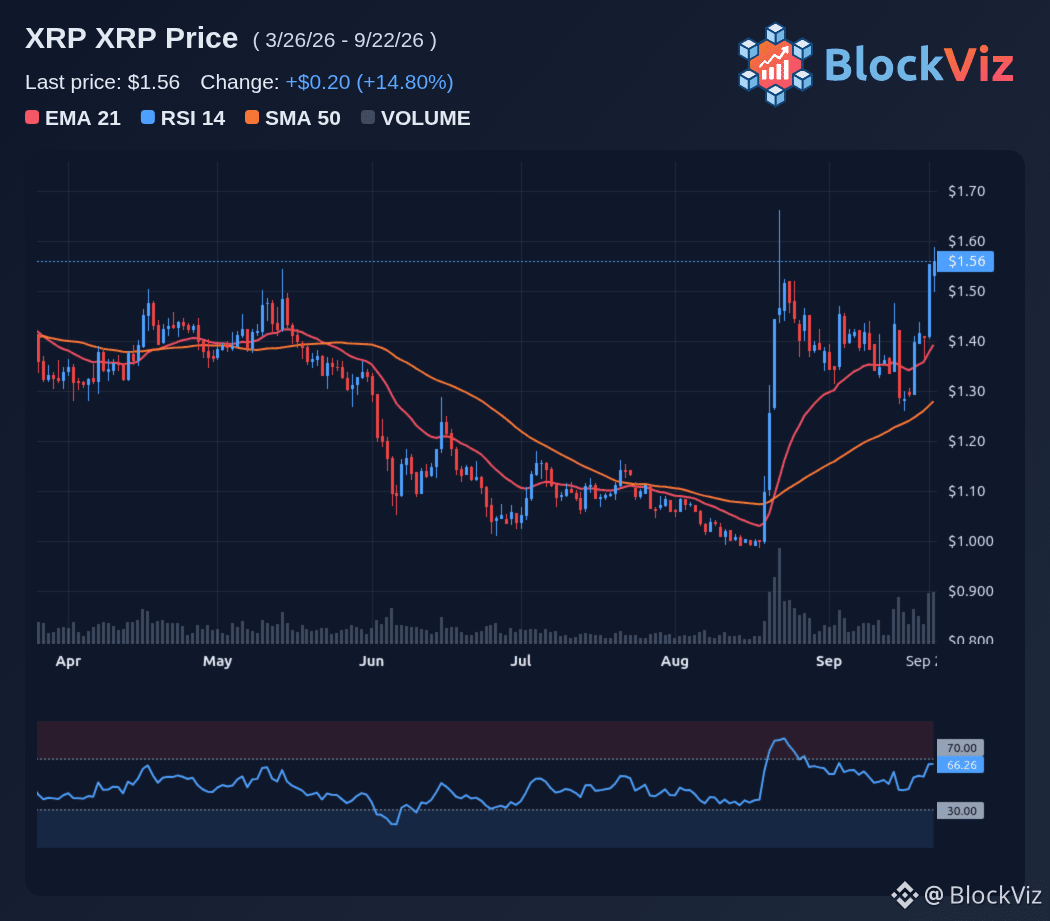
XRP وDOGE وBCH وNEAR للتو تجاوزوا BTC، لكن ليس كل هذه الارتفاعات مبنية على الشيء نفسه. ارتفع DOGE بنسبة 14% إلى 15% خلال 24 ساعة، وقفز XRP من 1.40 إلى 1.54، وتُسجل NEAR مكاسب من رقمين مع تحرك أسبوعي بنسبة 55%. وأضافت BTC قرابة 5% خلال الفترة نفسها، وانخفضت هيمنتها إلى نحو 57% من 59.2% في وقت سابق من سبتمبر.
التوتر يتمثل في ما إذا كانت هذه بداية موسم بدائل مبكر أم مجرد موجة مضاربة متأخرة في الدورة. لا تزال قراءات مؤشر موسم العملات البديلة عند حوالي 46 إلى 49، وهي أقل بكثير من عتبة 75 التي يستخدمها المتداولون للإعلان عن موسم كامل. لدى NEAR وBCH زخم قوي ومحفزات واضحة، حيث ارتفعت NEAR بنسبة 55% خلال الأسبوع وسجّلت BCH مكسبًا أسبوعيًا بنسبة 14%. أما XRP وDOGE فهما أكثر تباينًا، حيث لا يزال XRP أقل بنحو 10% تقريبًا من ذروة 22 أغسطس، ويواصل DOGE الاندفاع مع رافعة مالية كبيرة وتكهنات بمنصات الميم كوين.
بالنسبة للمتداولين، السؤال هو أي الارتفاعات ستحافظ على الزخم وأيها يتلاشى بسرعة. تبدو NEAR وBCH كخيارات الزخم الحقيقية، مع حجم تداول مستمر واختراقات فوق مستويات مقاومة محورية. يحتاج XRP إلى اختراق واضح فوق 1.54 ثم 1.60 لتأكيد الاتجاه، بينما يكون DOGE أكثر حساسية لتدفقات التجزئة وقد ينعكس بسرعة إذا تراجعت الرافعة المالية.
راقب هيمنة BTC عند 57% ومؤشر موسم العملات البديلة عند 50 بحثًا عن إشارات على دوران أوسع. سيعني كسر هيمنة 56% والدفعة فوق 55 على المؤشر أن رأس المال يتجه إلى العملات البديلة، بينما سيشير الارتداد فوق 58% إلى أن BTC ما زالت تثبت السيولة. المحفزات التالية هي إغلاق الشمعة الشهرية لشهر سبتمبر وأي استمرار فوق 1.60 لـ XRP وفوق 0.10 لـ DOGE.
$XRP
XRP وDOGE وBCH وNEAR للتو تجاوزوا BTC، لكن ليس كل هذه الارتفاعات مبنية على الشيء نفسه. ارتفع DOGE بنسبة 14% إلى 15% خلال 24 ساعة، وقفز XRP من 1.40 إلى 1.54، وتُسجل NEAR مكاسب من رقمين مع تحرك أسبوعي بنسبة 55%. وأضافت BTC قرابة 5% خلال الفترة نفسها، وانخفضت هيمنتها إلى نحو 57% من 59.2% في وقت سابق من سبتمبر.
التوتر يتمثل في ما إذا كانت هذه بداية موسم بدائل مبكر أم مجرد موجة مضاربة متأخرة في الدورة. لا تزال قراءات مؤشر موسم العملات البديلة عند حوالي 46 إلى 49، وهي أقل بكثير من عتبة 75 التي يستخدمها المتداولون للإعلان عن موسم كامل. لدى NEAR وBCH زخم قوي ومحفزات واضحة، حيث ارتفعت NEAR بنسبة 55% خلال الأسبوع وسجّلت BCH مكسبًا أسبوعيًا بنسبة 14%. أما XRP وDOGE فهما أكثر تباينًا، حيث لا يزال XRP أقل بنحو 10% تقريبًا من ذروة 22 أغسطس، ويواصل DOGE الاندفاع مع رافعة مالية كبيرة وتكهنات بمنصات الميم كوين.
بالنسبة للمتداولين، السؤال هو أي الارتفاعات ستحافظ على الزخم وأيها يتلاشى بسرعة. تبدو NEAR وBCH كخيارات الزخم الحقيقية، مع حجم تداول مستمر واختراقات فوق مستويات مقاومة محورية. يحتاج XRP إلى اختراق واضح فوق 1.54 ثم 1.60 لتأكيد الاتجاه، بينما يكون DOGE أكثر حساسية لتدفقات التجزئة وقد ينعكس بسرعة إذا تراجعت الرافعة المالية.
راقب هيمنة BTC عند 57% ومؤشر موسم العملات البديلة عند 50 بحثًا عن إشارات على دوران أوسع. سيعني كسر هيمنة 56% والدفعة فوق 55 على المؤشر أن رأس المال يتجه إلى العملات البديلة، بينما سيشير الارتداد فوق 58% إلى أن BTC ما زالت تثبت السيولة. المحفزات التالية هي إغلاق الشمعة الشهرية لشهر سبتمبر وأي استمرار فوق 1.60 لـ XRP وفوق 0.10 لـ DOGE.
$XRP
التوتر يتمثل في ما إذا كانت هذه بداية موسم بدائل مبكر أم مجرد موجة مضاربة متأخرة في الدورة. لا تزال قراءات مؤشر موسم العملات البديلة عند حوالي 46 إلى 49، وهي أقل بكثير من عتبة 75 التي يستخدمها المتداولون للإعلان عن موسم كامل. لدى NEAR وBCH زخم قوي ومحفزات واضحة، حيث ارتفعت NEAR بنسبة 55% خلال الأسبوع وسجّلت BCH مكسبًا أسبوعيًا بنسبة 14%. أما XRP وDOGE فهما أكثر تباينًا، حيث لا يزال XRP أقل بنحو 10% تقريبًا من ذروة 22 أغسطس، ويواصل DOGE الاندفاع مع رافعة مالية كبيرة وتكهنات بمنصات الميم كوين.
بالنسبة للمتداولين، السؤال هو أي الارتفاعات ستحافظ على الزخم وأيها يتلاشى بسرعة. تبدو NEAR وBCH كخيارات الزخم الحقيقية، مع حجم تداول مستمر واختراقات فوق مستويات مقاومة محورية. يحتاج XRP إلى اختراق واضح فوق 1.54 ثم 1.60 لتأكيد الاتجاه، بينما يكون DOGE أكثر حساسية لتدفقات التجزئة وقد ينعكس بسرعة إذا تراجعت الرافعة المالية.
راقب هيمنة BTC عند 57% ومؤشر موسم العملات البديلة عند 50 بحثًا عن إشارات على دوران أوسع. سيعني كسر هيمنة 56% والدفعة فوق 55 على المؤشر أن رأس المال يتجه إلى العملات البديلة، بينما سيشير الارتداد فوق 58% إلى أن BTC ما زالت تثبت السيولة. المحفزات التالية هي إغلاق الشمعة الشهرية لشهر سبتمبر وأي استمرار فوق 1.60 لـ XRP وفوق 0.10 لـ DOGE.
$XRP
53
·
--
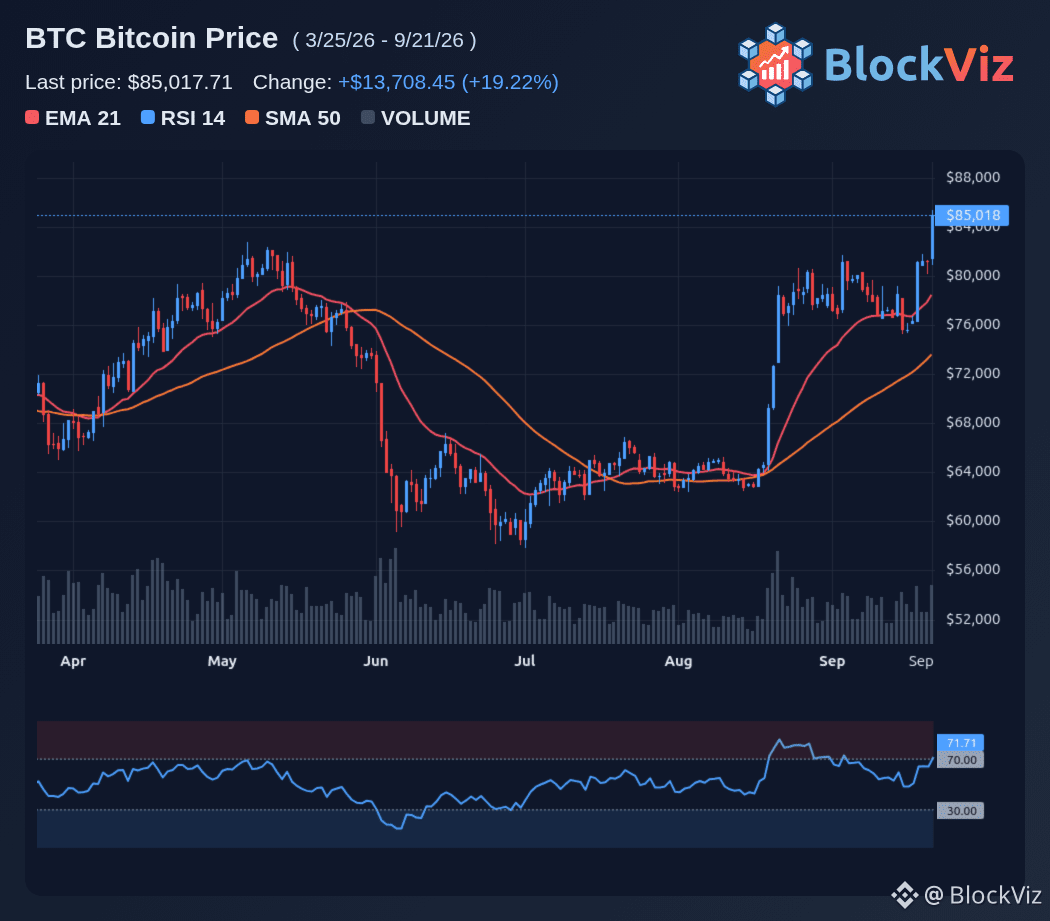
أغلق بيتكوين للتو فوق متوسطه المتحرك لـ 50 أسبوعًا لأول مرة خلال 45 أسبوعًا، وتقول البيانات التاريخية إن هذا الأمر مهم. يشير بحث Galaxy إلى أنه في 4 من أصل 5 أسواق هابطة مكتملة، أكد أول استرداد أسبوعي لمتوسط 50W أن القاع في الدورة قد تم تسجيله. وهذه إشارة انتهت بها 84% من الأسواق الهابطة، وهي الآن تومض باللون الأخضر مع إغلاق BTC للأسبوع عند 81,159 فوق متوسط 78,788.
التوتر الآن هو ما إذا كان هذا الإغلاق كافيًا لإعلان بداية السوق الصاعدة، أم أننا بحاجة إلى مزيد من التأكيد. يراقب المحللون 83,000 باعتبارها المستوى الرئيسي الذي من شأنه كسر نمط القمم الأدنى على الرسم البياني الشهري وفتح الطريق إلى 90,000. أما تحرك مستمر فوق 83,000 فسيتماشى مع الدورات السابقة التي حققت فيها BTC مكاسب تتراوح بين 700% و900% بعد اختراق متوسط 50W، بينما قد يؤدي الفشل إلى إعادة اختبار 78,800 ثم 74,000.
بالنسبة للمتداولين، الصورة واضحة. الاحتفاظ فوق 80,000 ثم 83,000 يفتح المسار إلى 90,000 مع الزخم. أما فقدان 78,800 عند الإغلاق الأسبوعي، فسيجعل الإشارة غير صالحة، ومن المرجح حدوث هبوط نحو 74,000 إلى 75,000. المحفزات التالية هي إغلاق شمعة سبتمبر الشهرية وأي متابعة فوق 83,000 لتأكيد انعكاس الاتجاه.
راقب 83,000 للاختراق و78,800 للتأكد من الإلغاء. سيشير اختراق واضح والاستمرار فوق 83,000 إلى أن السوق الصاعدة قد بدأ، بينما سيوحي الإغلاق الأسبوعي تحت 78,800 بأن الهابطة لم تنتهِ بعد. يمثل إغلاق متوسط 50W إشارة قوية، لكن المتابعة هي ما سيحدد هل الخطوة التالية هي 90,000 أم أن BTC ستظل عالقة في مرحلة التجميع.
$BTC
أغلق بيتكوين للتو فوق متوسطه المتحرك لـ 50 أسبوعًا لأول مرة خلال 45 أسبوعًا، وتقول البيانات التاريخية إن هذا الأمر مهم. يشير بحث Galaxy إلى أنه في 4 من أصل 5 أسواق هابطة مكتملة، أكد أول استرداد أسبوعي لمتوسط 50W أن القاع في الدورة قد تم تسجيله. وهذه إشارة انتهت بها 84% من الأسواق الهابطة، وهي الآن تومض باللون الأخضر مع إغلاق BTC للأسبوع عند 81,159 فوق متوسط 78,788.
التوتر الآن هو ما إذا كان هذا الإغلاق كافيًا لإعلان بداية السوق الصاعدة، أم أننا بحاجة إلى مزيد من التأكيد. يراقب المحللون 83,000 باعتبارها المستوى الرئيسي الذي من شأنه كسر نمط القمم الأدنى على الرسم البياني الشهري وفتح الطريق إلى 90,000. أما تحرك مستمر فوق 83,000 فسيتماشى مع الدورات السابقة التي حققت فيها BTC مكاسب تتراوح بين 700% و900% بعد اختراق متوسط 50W، بينما قد يؤدي الفشل إلى إعادة اختبار 78,800 ثم 74,000.
بالنسبة للمتداولين، الصورة واضحة. الاحتفاظ فوق 80,000 ثم 83,000 يفتح المسار إلى 90,000 مع الزخم. أما فقدان 78,800 عند الإغلاق الأسبوعي، فسيجعل الإشارة غير صالحة، ومن المرجح حدوث هبوط نحو 74,000 إلى 75,000. المحفزات التالية هي إغلاق شمعة سبتمبر الشهرية وأي متابعة فوق 83,000 لتأكيد انعكاس الاتجاه.
راقب 83,000 للاختراق و78,800 للتأكد من الإلغاء. سيشير اختراق واضح والاستمرار فوق 83,000 إلى أن السوق الصاعدة قد بدأ، بينما سيوحي الإغلاق الأسبوعي تحت 78,800 بأن الهابطة لم تنتهِ بعد. يمثل إغلاق متوسط 50W إشارة قوية، لكن المتابعة هي ما سيحدد هل الخطوة التالية هي 90,000 أم أن BTC ستظل عالقة في مرحلة التجميع.
$BTC
التوتر الآن هو ما إذا كان هذا الإغلاق كافيًا لإعلان بداية السوق الصاعدة، أم أننا بحاجة إلى مزيد من التأكيد. يراقب المحللون 83,000 باعتبارها المستوى الرئيسي الذي من شأنه كسر نمط القمم الأدنى على الرسم البياني الشهري وفتح الطريق إلى 90,000. أما تحرك مستمر فوق 83,000 فسيتماشى مع الدورات السابقة التي حققت فيها BTC مكاسب تتراوح بين 700% و900% بعد اختراق متوسط 50W، بينما قد يؤدي الفشل إلى إعادة اختبار 78,800 ثم 74,000.
بالنسبة للمتداولين، الصورة واضحة. الاحتفاظ فوق 80,000 ثم 83,000 يفتح المسار إلى 90,000 مع الزخم. أما فقدان 78,800 عند الإغلاق الأسبوعي، فسيجعل الإشارة غير صالحة، ومن المرجح حدوث هبوط نحو 74,000 إلى 75,000. المحفزات التالية هي إغلاق شمعة سبتمبر الشهرية وأي متابعة فوق 83,000 لتأكيد انعكاس الاتجاه.
راقب 83,000 للاختراق و78,800 للتأكد من الإلغاء. سيشير اختراق واضح والاستمرار فوق 83,000 إلى أن السوق الصاعدة قد بدأ، بينما سيوحي الإغلاق الأسبوعي تحت 78,800 بأن الهابطة لم تنتهِ بعد. يمثل إغلاق متوسط 50W إشارة قوية، لكن المتابعة هي ما سيحدد هل الخطوة التالية هي 90,000 أم أن BTC ستظل عالقة في مرحلة التجميع.
$BTC
72
·
--
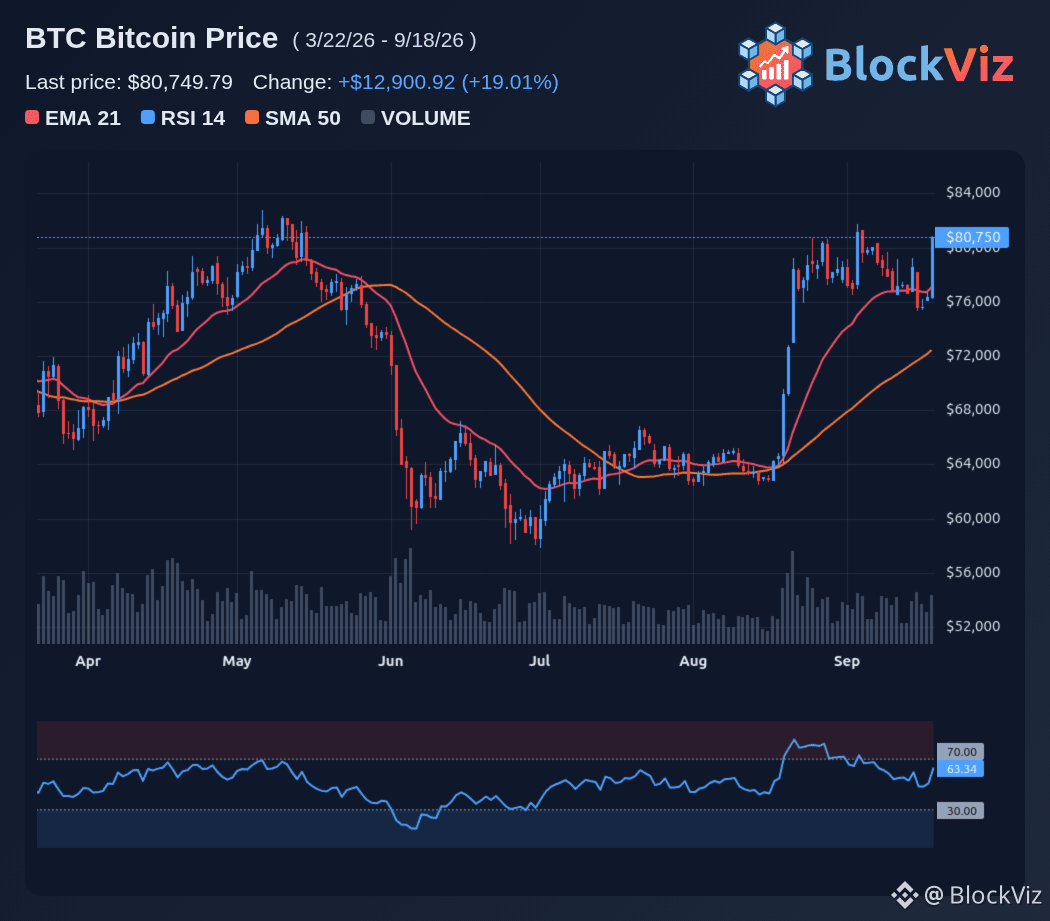
مجلس الاحتياطي الفيدرالي رفع أسعار الفائدة للتو، لكن السوق منشغلة برقم مختلف: 15.6 مليار. هذا هو حجم أحدث عملية إعادة شراء للسندات التي يجريها الخزانة، وهو ما يدفع المتداولين للتساؤل إن كانت هذه عملية تيسير نقدي مقنّعة (QE) تغذي اختراق البيتكوين باتجاه 80,000.
التوتر حقيقي. فمن جهة، رفع الاحتياطي الفيدرالي سعر الفائدة على السياسة بمقدار 25 نقطة أساس إلى نطاق بين 3.75% و4.00%، وهي أول زيادة منذ 2023، وأشار إلى مسار أكثر تشدداً مع احتمال إجراء زيادة واحدة إضافية بحلول نهاية العام. ومن جهة أخرى، تضخ الخزانة سيولة عبر عمليات إعادة شراء الديون، بما يصل إلى 14.5 مليار أسبوعياً في المشتريات، لتصل عملية بقيمة 15.6 مليار إلى السوق هذا الأسبوع. هذا المزيج بين تشديد السياسة وسيولة مستهدفة هو بالضبط ما يجعل البيتكوين يتجاوز 76,000 بسرعة صعوداً نحو 77,300 ثم إلى نطاق 78,000.
بالنسبة للمتداولين، السؤال هو ما إذا كانت هذه السيولة المعروضة كأمر شراء كافية لتعويض الرياح المعاكسة من ارتفاع الفائدة، وتدفقات خارجة من صناديق الاستثمار المتداولة (ETF)، وتعثر قانون Clarity Act. لقد تعافى البيتكوين بالفعل من أدنى مستوى في يوليو قرب 58,000، محققاً مكاسب تقارب 33% بحلول منتصف سبتمبر، لكنه ما يزال يواجه مقاومة قوية عند 78,000 ثم متوسطه المتحرك لمدّة 365 يوماً قرب 82,300. سيشير الاختراق الواضح فوق 78,000 إلى أن حقن سيولة الخزانة يحسم المعركة لصالحه، بينما قد يؤدي الفشل إلى تراجع البيتكوين مجدداً باتجاه 74,000 إلى 75,000.
راقب إعلانات عمليات إعادة شراء الخزانة المقبلة وبيانات الميزانية العمومية للاحتياطي الفيدرالي بحثاً عن علامات على استمرار دعم السيولة. المستويات المحورية هي 78,000 على الجانب الصاعد و74,000 على الجانب الهابط. وإذا كانت عملية 15.6 مليار مجرد بداية لبرنامج أكبر، فقد يختبر البيتكوين 80,000 ثم 82,300. أما إذا تباطأت الصنبورة التمويلية للسيولة، فمن المرجح أن يطغى مسار الاحتياطي الفيدرالي الأكثر تشدداً ويدفع البيتكوين للعودة نحو 70,000.
$BTC
مجلس الاحتياطي الفيدرالي رفع أسعار الفائدة للتو، لكن السوق منشغلة برقم مختلف: 15.6 مليار. هذا هو حجم أحدث عملية إعادة شراء للسندات التي يجريها الخزانة، وهو ما يدفع المتداولين للتساؤل إن كانت هذه عملية تيسير نقدي مقنّعة (QE) تغذي اختراق البيتكوين باتجاه 80,000.
التوتر حقيقي. فمن جهة، رفع الاحتياطي الفيدرالي سعر الفائدة على السياسة بمقدار 25 نقطة أساس إلى نطاق بين 3.75% و4.00%، وهي أول زيادة منذ 2023، وأشار إلى مسار أكثر تشدداً مع احتمال إجراء زيادة واحدة إضافية بحلول نهاية العام. ومن جهة أخرى، تضخ الخزانة سيولة عبر عمليات إعادة شراء الديون، بما يصل إلى 14.5 مليار أسبوعياً في المشتريات، لتصل عملية بقيمة 15.6 مليار إلى السوق هذا الأسبوع. هذا المزيج بين تشديد السياسة وسيولة مستهدفة هو بالضبط ما يجعل البيتكوين يتجاوز 76,000 بسرعة صعوداً نحو 77,300 ثم إلى نطاق 78,000.
بالنسبة للمتداولين، السؤال هو ما إذا كانت هذه السيولة المعروضة كأمر شراء كافية لتعويض الرياح المعاكسة من ارتفاع الفائدة، وتدفقات خارجة من صناديق الاستثمار المتداولة (ETF)، وتعثر قانون Clarity Act. لقد تعافى البيتكوين بالفعل من أدنى مستوى في يوليو قرب 58,000، محققاً مكاسب تقارب 33% بحلول منتصف سبتمبر، لكنه ما يزال يواجه مقاومة قوية عند 78,000 ثم متوسطه المتحرك لمدّة 365 يوماً قرب 82,300. سيشير الاختراق الواضح فوق 78,000 إلى أن حقن سيولة الخزانة يحسم المعركة لصالحه، بينما قد يؤدي الفشل إلى تراجع البيتكوين مجدداً باتجاه 74,000 إلى 75,000.
راقب إعلانات عمليات إعادة شراء الخزانة المقبلة وبيانات الميزانية العمومية للاحتياطي الفيدرالي بحثاً عن علامات على استمرار دعم السيولة. المستويات المحورية هي 78,000 على الجانب الصاعد و74,000 على الجانب الهابط. وإذا كانت عملية 15.6 مليار مجرد بداية لبرنامج أكبر، فقد يختبر البيتكوين 80,000 ثم 82,300. أما إذا تباطأت الصنبورة التمويلية للسيولة، فمن المرجح أن يطغى مسار الاحتياطي الفيدرالي الأكثر تشدداً ويدفع البيتكوين للعودة نحو 70,000.
$BTC
التوتر حقيقي. فمن جهة، رفع الاحتياطي الفيدرالي سعر الفائدة على السياسة بمقدار 25 نقطة أساس إلى نطاق بين 3.75% و4.00%، وهي أول زيادة منذ 2023، وأشار إلى مسار أكثر تشدداً مع احتمال إجراء زيادة واحدة إضافية بحلول نهاية العام. ومن جهة أخرى، تضخ الخزانة سيولة عبر عمليات إعادة شراء الديون، بما يصل إلى 14.5 مليار أسبوعياً في المشتريات، لتصل عملية بقيمة 15.6 مليار إلى السوق هذا الأسبوع. هذا المزيج بين تشديد السياسة وسيولة مستهدفة هو بالضبط ما يجعل البيتكوين يتجاوز 76,000 بسرعة صعوداً نحو 77,300 ثم إلى نطاق 78,000.
بالنسبة للمتداولين، السؤال هو ما إذا كانت هذه السيولة المعروضة كأمر شراء كافية لتعويض الرياح المعاكسة من ارتفاع الفائدة، وتدفقات خارجة من صناديق الاستثمار المتداولة (ETF)، وتعثر قانون Clarity Act. لقد تعافى البيتكوين بالفعل من أدنى مستوى في يوليو قرب 58,000، محققاً مكاسب تقارب 33% بحلول منتصف سبتمبر، لكنه ما يزال يواجه مقاومة قوية عند 78,000 ثم متوسطه المتحرك لمدّة 365 يوماً قرب 82,300. سيشير الاختراق الواضح فوق 78,000 إلى أن حقن سيولة الخزانة يحسم المعركة لصالحه، بينما قد يؤدي الفشل إلى تراجع البيتكوين مجدداً باتجاه 74,000 إلى 75,000.
راقب إعلانات عمليات إعادة شراء الخزانة المقبلة وبيانات الميزانية العمومية للاحتياطي الفيدرالي بحثاً عن علامات على استمرار دعم السيولة. المستويات المحورية هي 78,000 على الجانب الصاعد و74,000 على الجانب الهابط. وإذا كانت عملية 15.6 مليار مجرد بداية لبرنامج أكبر، فقد يختبر البيتكوين 80,000 ثم 82,300. أما إذا تباطأت الصنبورة التمويلية للسيولة، فمن المرجح أن يطغى مسار الاحتياطي الفيدرالي الأكثر تشدداً ويدفع البيتكوين للعودة نحو 70,000.
$BTC
66
·
--
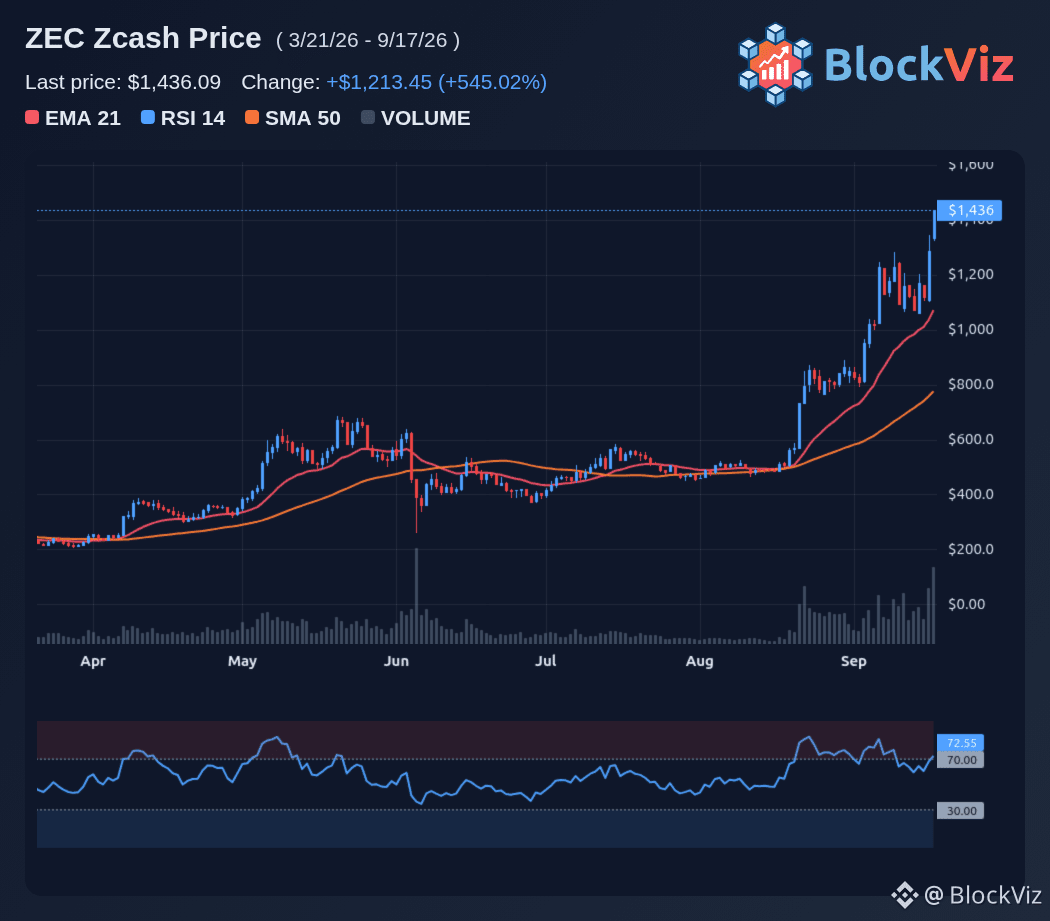
يُريد القراصنة عملة مونيرو. وتُريد شركات رأس المال الاستثماري (VCs) زكاش. هذا الانقسام هو أوضح قراءة نظيفة حتى الآن لمعادلة الخصوصية. أعادت اختراقات ريفولوت مونيرو إلى العناوين من جديد مع مطالبة بفدية قدرها 3 ملايين دولار، بينما تركب زكاش موجة من التدفقات المؤسسية وإتاحة صناديق الاستثمار المتداولة (ETF) ووضع خزائن رأس مال استثماري (VC treasury) دفع زكاش (ZEC) نحو 1,400 ووسّع تقدمه على مونيرو (XMR) بأكثر من 10 مليارات في القيمة السوقية.
تنبع أهمية هذا التوتر من أن الأصول باتت تروي قصصًا مختلفة الآن. مونيرو هي خيار الخصوصية الافتراضي لدى الجهات غير المشروعة، إذ تُخفي كل معاملة على مستوى البروتوكول ولا تتوفر مفاتيح مشاهدة (viewing key). وهذا يحافظ على الطلب مرتفعًا في الاقتصاد غير الرسمي، لكنه أيضًا يُبقي المنصات الخاضعة للتنظيم بعيدًا، حيث تقوم Kraken وغيرها من منصات الاتحاد الأوروبي بالفعل بتقييد XMR استعدادًا لحظر AMLR في يوليو 2027. في المقابل، تُتيح زكاش معاملات محمية بشكل اختياري ومفاتيح مشاهدة تسمح لحملة الأصول بالكشف عن التفاصيل للمراجعين (auditors) أو الجهات التنظيمية، وهذا بالضبط سبب إمكانية إطلاق Grayscale لمنتج مُدرج في الولايات المتحدة، ولماذا بنت صناديق مثل Multicoin Capital وCypherpunk مراكز كبيرة في ZEC.
بالنسبة للمتداولين، يتمثل السؤال في ما إذا كان طلب الخصوصية سيتجه أكثر نحو ZEC، أم أن رواية الاستخدام غير المشروع لدى مونيرو وضغوط الإزالة من البورصات (delisting) تخلق إعدادًا عكسيًا (contrarian). حققت ZEC أداءً أفضل على صعيد التدفقات المؤسسية؛ إذ تم الإبلاغ عن أكثر من 34 مليون دولار في صافي التدفقات خلال الأسبوعين الأولين من منتج ZCSH، إلى جانب سيولة جديدة من تكامل THORChain وإدراج SwissBorg. يظل XMR أكثر حساسية تجاه عمليات الإزالة من منصات التداول والاتجاهات التنظيمية في العناوين الرئيسية، لكنه ما زال يتمتع بسيولة عميقة في أسواق OTC ولدى جهات غير KYC.
راقب ZEC حول 1,400 ثم 1,500 للخطوة التالية، مع اعتبار فشل العودة إلى ما دون 1,200 إشارة إلى تبريد الطلب المؤسسي. وبالنسبة لـ XMR، راقب ما إذا كان بإمكانه الحفاظ على دعم محوري بعد أن تخفت عناوين اختراق ريفولوت، وما إذا كانت هناك قيود جديدة على البورصات تظهر قبل الموعد النهائي في الاتحاد الأوروبي لعام 2027. المحفزات المقبلة هي خزائن THORChain لكلا الأصلين بحلول أوائل أكتوبر وأي تطورات إضافية من رأس المال الاستثماري أو الخزائن المؤسسية...
$ZEC
يُريد القراصنة عملة مونيرو. وتُريد شركات رأس المال الاستثماري (VCs) زكاش. هذا الانقسام هو أوضح قراءة نظيفة حتى الآن لمعادلة الخصوصية. أعادت اختراقات ريفولوت مونيرو إلى العناوين من جديد مع مطالبة بفدية قدرها 3 ملايين دولار، بينما تركب زكاش موجة من التدفقات المؤسسية وإتاحة صناديق الاستثمار المتداولة (ETF) ووضع خزائن رأس مال استثماري (VC treasury) دفع زكاش (ZEC) نحو 1,400 ووسّع تقدمه على مونيرو (XMR) بأكثر من 10 مليارات في القيمة السوقية.
تنبع أهمية هذا التوتر من أن الأصول باتت تروي قصصًا مختلفة الآن. مونيرو هي خيار الخصوصية الافتراضي لدى الجهات غير المشروعة، إذ تُخفي كل معاملة على مستوى البروتوكول ولا تتوفر مفاتيح مشاهدة (viewing key). وهذا يحافظ على الطلب مرتفعًا في الاقتصاد غير الرسمي، لكنه أيضًا يُبقي المنصات الخاضعة للتنظيم بعيدًا، حيث تقوم Kraken وغيرها من منصات الاتحاد الأوروبي بالفعل بتقييد XMR استعدادًا لحظر AMLR في يوليو 2027. في المقابل، تُتيح زكاش معاملات محمية بشكل اختياري ومفاتيح مشاهدة تسمح لحملة الأصول بالكشف عن التفاصيل للمراجعين (auditors) أو الجهات التنظيمية، وهذا بالضبط سبب إمكانية إطلاق Grayscale لمنتج مُدرج في الولايات المتحدة، ولماذا بنت صناديق مثل Multicoin Capital وCypherpunk مراكز كبيرة في ZEC.
بالنسبة للمتداولين، يتمثل السؤال في ما إذا كان طلب الخصوصية سيتجه أكثر نحو ZEC، أم أن رواية الاستخدام غير المشروع لدى مونيرو وضغوط الإزالة من البورصات (delisting) تخلق إعدادًا عكسيًا (contrarian). حققت ZEC أداءً أفضل على صعيد التدفقات المؤسسية؛ إذ تم الإبلاغ عن أكثر من 34 مليون دولار في صافي التدفقات خلال الأسبوعين الأولين من منتج ZCSH، إلى جانب سيولة جديدة من تكامل THORChain وإدراج SwissBorg. يظل XMR أكثر حساسية تجاه عمليات الإزالة من منصات التداول والاتجاهات التنظيمية في العناوين الرئيسية، لكنه ما زال يتمتع بسيولة عميقة في أسواق OTC ولدى جهات غير KYC.
راقب ZEC حول 1,400 ثم 1,500 للخطوة التالية، مع اعتبار فشل العودة إلى ما دون 1,200 إشارة إلى تبريد الطلب المؤسسي. وبالنسبة لـ XMR، راقب ما إذا كان بإمكانه الحفاظ على دعم محوري بعد أن تخفت عناوين اختراق ريفولوت، وما إذا كانت هناك قيود جديدة على البورصات تظهر قبل الموعد النهائي في الاتحاد الأوروبي لعام 2027. المحفزات المقبلة هي خزائن THORChain لكلا الأصلين بحلول أوائل أكتوبر وأي تطورات إضافية من رأس المال الاستثماري أو الخزائن المؤسسية...
$ZEC
تنبع أهمية هذا التوتر من أن الأصول باتت تروي قصصًا مختلفة الآن. مونيرو هي خيار الخصوصية الافتراضي لدى الجهات غير المشروعة، إذ تُخفي كل معاملة على مستوى البروتوكول ولا تتوفر مفاتيح مشاهدة (viewing key). وهذا يحافظ على الطلب مرتفعًا في الاقتصاد غير الرسمي، لكنه أيضًا يُبقي المنصات الخاضعة للتنظيم بعيدًا، حيث تقوم Kraken وغيرها من منصات الاتحاد الأوروبي بالفعل بتقييد XMR استعدادًا لحظر AMLR في يوليو 2027. في المقابل، تُتيح زكاش معاملات محمية بشكل اختياري ومفاتيح مشاهدة تسمح لحملة الأصول بالكشف عن التفاصيل للمراجعين (auditors) أو الجهات التنظيمية، وهذا بالضبط سبب إمكانية إطلاق Grayscale لمنتج مُدرج في الولايات المتحدة، ولماذا بنت صناديق مثل Multicoin Capital وCypherpunk مراكز كبيرة في ZEC.
بالنسبة للمتداولين، يتمثل السؤال في ما إذا كان طلب الخصوصية سيتجه أكثر نحو ZEC، أم أن رواية الاستخدام غير المشروع لدى مونيرو وضغوط الإزالة من البورصات (delisting) تخلق إعدادًا عكسيًا (contrarian). حققت ZEC أداءً أفضل على صعيد التدفقات المؤسسية؛ إذ تم الإبلاغ عن أكثر من 34 مليون دولار في صافي التدفقات خلال الأسبوعين الأولين من منتج ZCSH، إلى جانب سيولة جديدة من تكامل THORChain وإدراج SwissBorg. يظل XMR أكثر حساسية تجاه عمليات الإزالة من منصات التداول والاتجاهات التنظيمية في العناوين الرئيسية، لكنه ما زال يتمتع بسيولة عميقة في أسواق OTC ولدى جهات غير KYC.
راقب ZEC حول 1,400 ثم 1,500 للخطوة التالية، مع اعتبار فشل العودة إلى ما دون 1,200 إشارة إلى تبريد الطلب المؤسسي. وبالنسبة لـ XMR، راقب ما إذا كان بإمكانه الحفاظ على دعم محوري بعد أن تخفت عناوين اختراق ريفولوت، وما إذا كانت هناك قيود جديدة على البورصات تظهر قبل الموعد النهائي في الاتحاد الأوروبي لعام 2027. المحفزات المقبلة هي خزائن THORChain لكلا الأصلين بحلول أوائل أكتوبر وأي تطورات إضافية من رأس المال الاستثماري أو الخزائن المؤسسية...
$ZEC
78
·
--
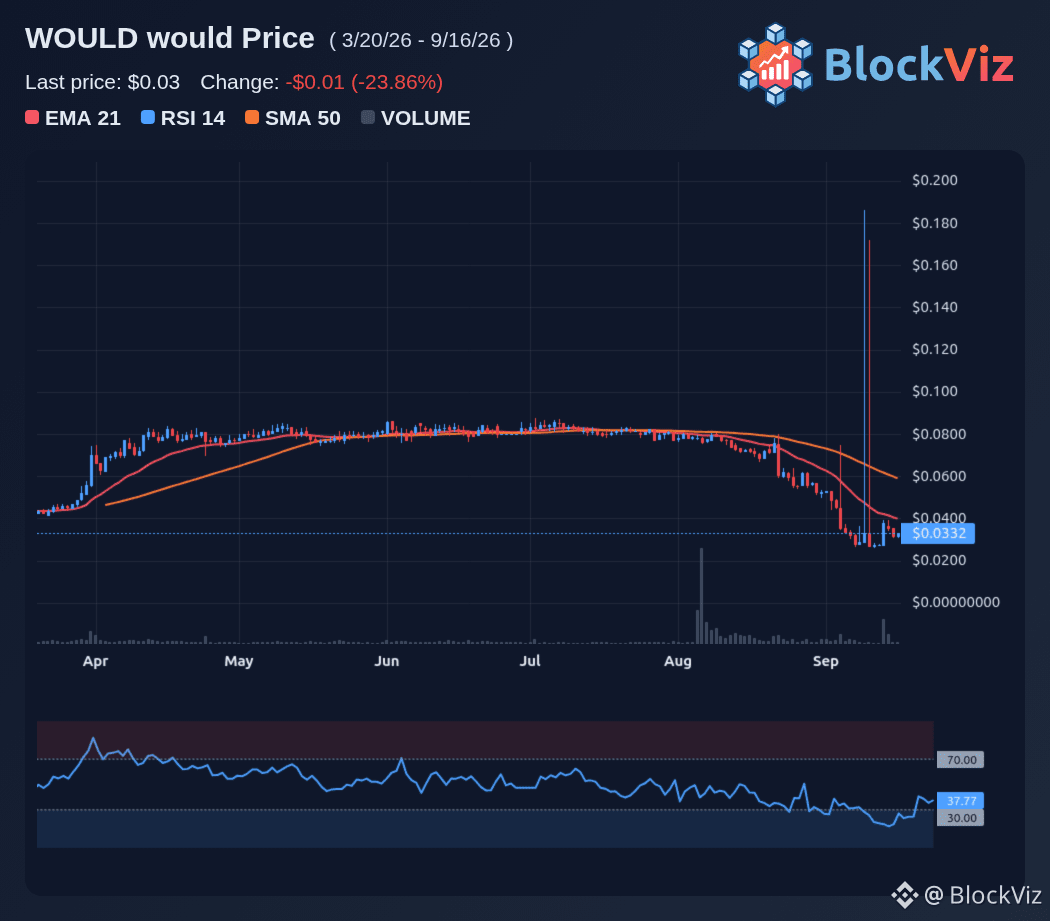
الرفع الأول للاحتياطي الفيدرالي في ثلاث سنوات أصبح الآن الحدث الأبرز، لكن الخطر الحقيقي على العملات المشفرة ليس هو الرفع بحد ذاته. السوق يُسعّر احتمالًا بنسبة 92% إلى 93% بتحرّك بمقدار 25 نقطة أساس إلى نطاق 3.75% إلى 4.00%، لذا يُتوقَّع إلى حد كبير أن يكون العنوان الرئيسي ضمن نطاق ما هو مُسعّر. ما الذي يمكن أن يدفع بالبيتكوين من نطاق 75,000 إلى 78,000؟ إنه مفاجأة مثل استمرار الطلب أو “مخطط النقاط” (dot plot) وخطاب المؤتمر الصحفي بنبرة أكثر تشددًا أو تيسيرًا مما هو مُدرج في التسعير.
الاستمرار المفاجئ سيكون أكبر صدمة. إذ سيجبر المراكز المدينة على التغطية بسرعة، ويمكن أن يدفع البيتكوين إلى ما بعد 78,189، مع اختراق كلٍّ من XRP وETH أيضًا لمستويات مقاومة محورية. الاحتمالات ضده، لكن هذا تحديدًا سبب أن أي “استمرار” سيؤثر بقوة أكبر من رفعٍ عادي. السيناريو الأكثر ترجيحًا هو رفع سعر الفائدة مع مراقبة السوق لمخطط النقاط للحصول على تلميحات حول ما إذا كانت هناك خطوة أخرى قادمة في أكتوبر أو ديسمبر.
البيتكوين هبطت بالفعل من أدنى مستوياتها في نطاق 80,000 بعد فشل قانون “الوضوح” في تجاوز عتبة 60 صوتًا، كما انخفضت مؤقتًا دون 75,000 قبل أن تستقر قرب 75,500 إلى 75,900. يمكن أن يؤدي مخطط نقاط أكثر تشددًا أو توجيهات من هذا النوع إلى تمديد الحركة نحو 74,000 ثم 70,000. أما قراءة محايدة إلى تيسيرية فقد تساعد البيتكوين على استعادة 78,000 ثم اختبار 80,000 مرة أخرى.
على المتداولين متابعة قرار الساعة 2 مساءً بتوقيت ET، وتوقعات مخطط النقاط، والمؤتمر الصحفي الخاص بـ “وارش” عند 2:30 مساءً بتوقيت ET. المستويات المحورية هي 74,000 على الجانب السلبي و78,189 على الجانب الإيجابي. إغلاقٌ دون 74,000 سيؤكد قراءة متشددة، بينما كسرٌ والتمسك فوق 78,189 سيشير إلى أن السوق يتعامل مع رفع الفائدة باعتباره حدثًا “اشترِ على الأخبار”.
$WOULD
الرفع الأول للاحتياطي الفيدرالي في ثلاث سنوات أصبح الآن الحدث الأبرز، لكن الخطر الحقيقي على العملات المشفرة ليس هو الرفع بحد ذاته. السوق يُسعّر احتمالًا بنسبة 92% إلى 93% بتحرّك بمقدار 25 نقطة أساس إلى نطاق 3.75% إلى 4.00%، لذا يُتوقَّع إلى حد كبير أن يكون العنوان الرئيسي ضمن نطاق ما هو مُسعّر. ما الذي يمكن أن يدفع بالبيتكوين من نطاق 75,000 إلى 78,000؟ إنه مفاجأة مثل استمرار الطلب أو “مخطط النقاط” (dot plot) وخطاب المؤتمر الصحفي بنبرة أكثر تشددًا أو تيسيرًا مما هو مُدرج في التسعير.
الاستمرار المفاجئ سيكون أكبر صدمة. إذ سيجبر المراكز المدينة على التغطية بسرعة، ويمكن أن يدفع البيتكوين إلى ما بعد 78,189، مع اختراق كلٍّ من XRP وETH أيضًا لمستويات مقاومة محورية. الاحتمالات ضده، لكن هذا تحديدًا سبب أن أي “استمرار” سيؤثر بقوة أكبر من رفعٍ عادي. السيناريو الأكثر ترجيحًا هو رفع سعر الفائدة مع مراقبة السوق لمخطط النقاط للحصول على تلميحات حول ما إذا كانت هناك خطوة أخرى قادمة في أكتوبر أو ديسمبر.
البيتكوين هبطت بالفعل من أدنى مستوياتها في نطاق 80,000 بعد فشل قانون “الوضوح” في تجاوز عتبة 60 صوتًا، كما انخفضت مؤقتًا دون 75,000 قبل أن تستقر قرب 75,500 إلى 75,900. يمكن أن يؤدي مخطط نقاط أكثر تشددًا أو توجيهات من هذا النوع إلى تمديد الحركة نحو 74,000 ثم 70,000. أما قراءة محايدة إلى تيسيرية فقد تساعد البيتكوين على استعادة 78,000 ثم اختبار 80,000 مرة أخرى.
على المتداولين متابعة قرار الساعة 2 مساءً بتوقيت ET، وتوقعات مخطط النقاط، والمؤتمر الصحفي الخاص بـ “وارش” عند 2:30 مساءً بتوقيت ET. المستويات المحورية هي 74,000 على الجانب السلبي و78,189 على الجانب الإيجابي. إغلاقٌ دون 74,000 سيؤكد قراءة متشددة، بينما كسرٌ والتمسك فوق 78,189 سيشير إلى أن السوق يتعامل مع رفع الفائدة باعتباره حدثًا “اشترِ على الأخبار”.
$WOULD
الاستمرار المفاجئ سيكون أكبر صدمة. إذ سيجبر المراكز المدينة على التغطية بسرعة، ويمكن أن يدفع البيتكوين إلى ما بعد 78,189، مع اختراق كلٍّ من XRP وETH أيضًا لمستويات مقاومة محورية. الاحتمالات ضده، لكن هذا تحديدًا سبب أن أي “استمرار” سيؤثر بقوة أكبر من رفعٍ عادي. السيناريو الأكثر ترجيحًا هو رفع سعر الفائدة مع مراقبة السوق لمخطط النقاط للحصول على تلميحات حول ما إذا كانت هناك خطوة أخرى قادمة في أكتوبر أو ديسمبر.
البيتكوين هبطت بالفعل من أدنى مستوياتها في نطاق 80,000 بعد فشل قانون “الوضوح” في تجاوز عتبة 60 صوتًا، كما انخفضت مؤقتًا دون 75,000 قبل أن تستقر قرب 75,500 إلى 75,900. يمكن أن يؤدي مخطط نقاط أكثر تشددًا أو توجيهات من هذا النوع إلى تمديد الحركة نحو 74,000 ثم 70,000. أما قراءة محايدة إلى تيسيرية فقد تساعد البيتكوين على استعادة 78,000 ثم اختبار 80,000 مرة أخرى.
على المتداولين متابعة قرار الساعة 2 مساءً بتوقيت ET، وتوقعات مخطط النقاط، والمؤتمر الصحفي الخاص بـ “وارش” عند 2:30 مساءً بتوقيت ET. المستويات المحورية هي 74,000 على الجانب السلبي و78,189 على الجانب الإيجابي. إغلاقٌ دون 74,000 سيؤكد قراءة متشددة، بينما كسرٌ والتمسك فوق 78,189 سيشير إلى أن السوق يتعامل مع رفع الفائدة باعتباره حدثًا “اشترِ على الأخبار”.
$WOULD
69
·
--
قانون الوضوح للتو انتقل من “ربح مُسعّر” إلى شك حقيقي خلال أقل من 24 ساعة. شهدت أسواق التوقعات احتمالات تمرير القانون ترتفع من نحو 14% إلى قرابة 30% خلال عطلة نهاية الأسبوع، ثم تراجعت مرة أخرى باتجاه 14% إلى 18% يوم الثلاثاء، إذ تراجع الديمقراطيون عن بنود متعلقة بالأخلاقيات والبنوك، كما أعرب النائبون العامون للولايات و إليزابيث وارن عن معارضتهم.
الاختبار الفوري هو تصويت عُطلة/إنهاء النقاش (cloture) في مجلس الشيوخ الساعة 2:15 مساءً بتوقيت شرق الولايات المتحدة. هذا ليس تصويت تمرير نهائي. إنه تصويت إجرائي على ما إذا كان مجلس الشيوخ يمكنه حتى البدء في مناقشة مشروع القانون، ويحتاج إلى 60 صوتًا بنعم. لدى الجمهوريين 53 مقعدًا، لذا يلزم على الأقل سبعة ديمقراطيين لعبور الطريق، ويقول بعض المحللين إن العدد الحقيقي قد يكون أقرب إلى تسعة إذا انشق واحد أو اثنان من الجمهوريين عن الإجراء.
لهذا انخفضت بيتكوين (BTC) من نطاق الـ 70,000 المرتفعة إلى نحو 76,000، وتحولت غالبية العملات الرئيسية إلى اللون الأحمر في كل مكان. قضى السوق يوم الإثنين في تسعير مكسب تنظيمي، ثم قضى صباح يوم الثلاثاء في سحب هذا الرهان من على الطاولة. إذا نجح تصويت الإنهاء، سينتقل مشروع القانون إلى مناقشة رسمية وتصويت نهائي يحتاج فقط إلى 51 صوتًا. إذا فشل، فمن المرجح أن يكون “قانون الوضوح” ميتًا بالنسبة لعام 2026، وربما حتى ما بعد الانتخابات النصفية.
يجب على المتداولين مراقبة عدد الأصوات، وما إذا كان أعلى أو أقل من 60، وكيف تتفاعل بيتكوين حول 76,000 إلى 78,000. قد يحافظ الفشل القريب في نطاق 55 إلى 59 على بعض الأمل لعام 2027. أما الإخفاق الواضح فسينقل التركيز مرة أخرى إلى الصورة الكلية (macro)، مع هيمنة قرار الاحتياطي الفيدرالي وظروف السيولة على الخطوة التالية.
$BTC
قانون الوضوح للتو انتقل من “ربح مُسعّر” إلى شك حقيقي خلال أقل من 24 ساعة. شهدت أسواق التوقعات احتمالات تمرير القانون ترتفع من نحو 14% إلى قرابة 30% خلال عطلة نهاية الأسبوع، ثم تراجعت مرة أخرى باتجاه 14% إلى 18% يوم الثلاثاء، إذ تراجع الديمقراطيون عن بنود متعلقة بالأخلاقيات والبنوك، كما أعرب النائبون العامون للولايات و إليزابيث وارن عن معارضتهم.
الاختبار الفوري هو تصويت عُطلة/إنهاء النقاش (cloture) في مجلس الشيوخ الساعة 2:15 مساءً بتوقيت شرق الولايات المتحدة. هذا ليس تصويت تمرير نهائي. إنه تصويت إجرائي على ما إذا كان مجلس الشيوخ يمكنه حتى البدء في مناقشة مشروع القانون، ويحتاج إلى 60 صوتًا بنعم. لدى الجمهوريين 53 مقعدًا، لذا يلزم على الأقل سبعة ديمقراطيين لعبور الطريق، ويقول بعض المحللين إن العدد الحقيقي قد يكون أقرب إلى تسعة إذا انشق واحد أو اثنان من الجمهوريين عن الإجراء.
لهذا انخفضت بيتكوين (BTC) من نطاق الـ 70,000 المرتفعة إلى نحو 76,000، وتحولت غالبية العملات الرئيسية إلى اللون الأحمر في كل مكان. قضى السوق يوم الإثنين في تسعير مكسب تنظيمي، ثم قضى صباح يوم الثلاثاء في سحب هذا الرهان من على الطاولة. إذا نجح تصويت الإنهاء، سينتقل مشروع القانون إلى مناقشة رسمية وتصويت نهائي يحتاج فقط إلى 51 صوتًا. إذا فشل، فمن المرجح أن يكون “قانون الوضوح” ميتًا بالنسبة لعام 2026، وربما حتى ما بعد الانتخابات النصفية.
يجب على المتداولين مراقبة عدد الأصوات، وما إذا كان أعلى أو أقل من 60، وكيف تتفاعل بيتكوين حول 76,000 إلى 78,000. قد يحافظ الفشل القريب في نطاق 55 إلى 59 على بعض الأمل لعام 2027. أما الإخفاق الواضح فسينقل التركيز مرة أخرى إلى الصورة الكلية (macro)، مع هيمنة قرار الاحتياطي الفيدرالي وظروف السيولة على الخطوة التالية.
$BTC
الاختبار الفوري هو تصويت عُطلة/إنهاء النقاش (cloture) في مجلس الشيوخ الساعة 2:15 مساءً بتوقيت شرق الولايات المتحدة. هذا ليس تصويت تمرير نهائي. إنه تصويت إجرائي على ما إذا كان مجلس الشيوخ يمكنه حتى البدء في مناقشة مشروع القانون، ويحتاج إلى 60 صوتًا بنعم. لدى الجمهوريين 53 مقعدًا، لذا يلزم على الأقل سبعة ديمقراطيين لعبور الطريق، ويقول بعض المحللين إن العدد الحقيقي قد يكون أقرب إلى تسعة إذا انشق واحد أو اثنان من الجمهوريين عن الإجراء.
لهذا انخفضت بيتكوين (BTC) من نطاق الـ 70,000 المرتفعة إلى نحو 76,000، وتحولت غالبية العملات الرئيسية إلى اللون الأحمر في كل مكان. قضى السوق يوم الإثنين في تسعير مكسب تنظيمي، ثم قضى صباح يوم الثلاثاء في سحب هذا الرهان من على الطاولة. إذا نجح تصويت الإنهاء، سينتقل مشروع القانون إلى مناقشة رسمية وتصويت نهائي يحتاج فقط إلى 51 صوتًا. إذا فشل، فمن المرجح أن يكون “قانون الوضوح” ميتًا بالنسبة لعام 2026، وربما حتى ما بعد الانتخابات النصفية.
يجب على المتداولين مراقبة عدد الأصوات، وما إذا كان أعلى أو أقل من 60، وكيف تتفاعل بيتكوين حول 76,000 إلى 78,000. قد يحافظ الفشل القريب في نطاق 55 إلى 59 على بعض الأمل لعام 2027. أما الإخفاق الواضح فسينقل التركيز مرة أخرى إلى الصورة الكلية (macro)، مع هيمنة قرار الاحتياطي الفيدرالي وظروف السيولة على الخطوة التالية.
$BTC
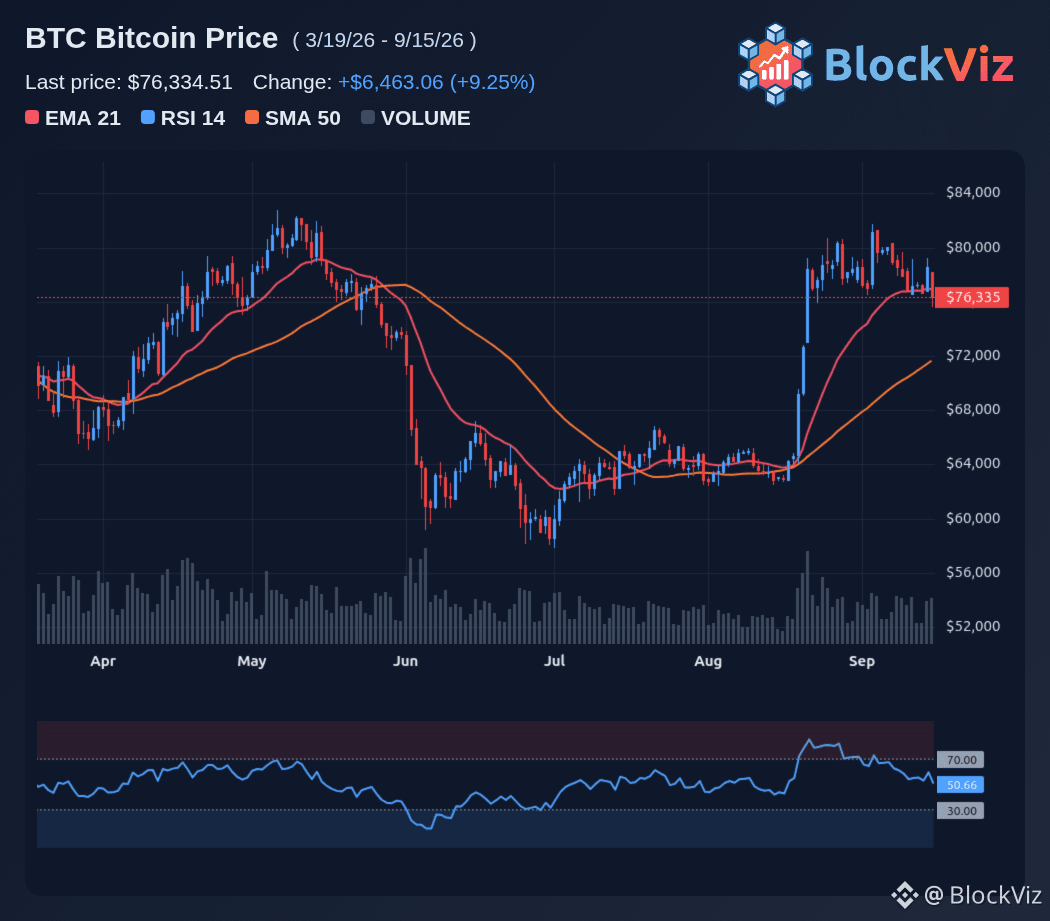
58
·
--
يتصادم هذا الأسبوع سردان مختلفان للغاية. فمن ناحية السياسة، رفعت تنازلات ترامب الأخلاقية احتمالات قانون كلاريتي إلى نحو 32% إلى 34%، ما يمهّد للتصويت السناتوري الحاسم. ومن ناحية التدفقات، سجّلت منتجات بلاك روك الخاصة بـ ETH الآن 20 يومًا متتاليًا من صافي التدفقات الداخلة، حيث جذب منتجا ETHA وETHB المدعومان بالاستيكينغ مئات الملايين، بينما تكبّدت صناديق BTC خسائر بنحو 463 مليونًا تقريبًا خلال أربع جلسات قبل انتعاش جزئي.
وهذا التباين هو ما يدفع الناس إلى التساؤل عمّا إذا كانت وول ستريت تميل بهدوء نحو ETH. فقد اجتذبت صناديق Ethereum نحو 197 مليونًا الأسبوع الماضي ثم 281 مليونًا إضافية يوم الاثنين، مع مساهمة بلاك روك بأكبر حصة. أما صناديق Bitcoin، فاختتمت للتو أطول سلسلة تدفقات داخلة لأفضل ثلاثة أسابيع خلال عام 2026 بأسبوع خروج صافي بلغ 462.7 مليون، حتى مع تمكن IBIT من تحقيق يوم تدفقات داخلة بقيمة 160 مليونًا في 14 سبتمبر.
يعني ذلك أن الصورة الكلية للماكرو مهمة. إذ تقوم الأسواق بتسعير احتمال مرتفع لرفع فائدة بمقدار 25 نقطة أساس من جانب الاحتياطي الفيدرالي في 16 سبتمبر، ما سيشدّ السيولة ويقوّي الدولار في الوقت نفسه الذي يأمل فيه قانون كلاريتي في تعزيز المعنويات. وقد رُفضت BTC عدة مرات عند 82,000 وتتحرك حاليًا ضمن نطاق مرتفع من 70,000، في حين أظهر ETH قوة نسبية أكبر قبيل القرار.
على المتداولين مراقبة نتيجة إغلاق الثلاثاء (cloture)، وقرار الأربعاء بشأن الفيدرالي، وما إذا كانت BTC قادرة على استعادة 80,000 إلى 82,000 بينما يحافظ ETH على مستوى أعلى من 2,500. فإذا تقدم قانون كلاريتي وتوقّف الفيدرالي، فقد ترتفع تسعيرات كلٍ من BTC وETH. أما إذا تعثّر قانون كلاريتي وجرّف الفيدرالي نحو الرفع، فقد تطغى الرياح المعاكسة للماكرو، وسيكون تباين التدفقات بين ETH وBTC هو الإشارة الأهم على ما إذا كانت المؤسسات تَتَحوّل فعلاً أم أنها تُجري تمركزًا تكتيكيًا فقط.
$BTC
يتصادم هذا الأسبوع سردان مختلفان للغاية. فمن ناحية السياسة، رفعت تنازلات ترامب الأخلاقية احتمالات قانون كلاريتي إلى نحو 32% إلى 34%، ما يمهّد للتصويت السناتوري الحاسم. ومن ناحية التدفقات، سجّلت منتجات بلاك روك الخاصة بـ ETH الآن 20 يومًا متتاليًا من صافي التدفقات الداخلة، حيث جذب منتجا ETHA وETHB المدعومان بالاستيكينغ مئات الملايين، بينما تكبّدت صناديق BTC خسائر بنحو 463 مليونًا تقريبًا خلال أربع جلسات قبل انتعاش جزئي.
وهذا التباين هو ما يدفع الناس إلى التساؤل عمّا إذا كانت وول ستريت تميل بهدوء نحو ETH. فقد اجتذبت صناديق Ethereum نحو 197 مليونًا الأسبوع الماضي ثم 281 مليونًا إضافية يوم الاثنين، مع مساهمة بلاك روك بأكبر حصة. أما صناديق Bitcoin، فاختتمت للتو أطول سلسلة تدفقات داخلة لأفضل ثلاثة أسابيع خلال عام 2026 بأسبوع خروج صافي بلغ 462.7 مليون، حتى مع تمكن IBIT من تحقيق يوم تدفقات داخلة بقيمة 160 مليونًا في 14 سبتمبر.
يعني ذلك أن الصورة الكلية للماكرو مهمة. إذ تقوم الأسواق بتسعير احتمال مرتفع لرفع فائدة بمقدار 25 نقطة أساس من جانب الاحتياطي الفيدرالي في 16 سبتمبر، ما سيشدّ السيولة ويقوّي الدولار في الوقت نفسه الذي يأمل فيه قانون كلاريتي في تعزيز المعنويات. وقد رُفضت BTC عدة مرات عند 82,000 وتتحرك حاليًا ضمن نطاق مرتفع من 70,000، في حين أظهر ETH قوة نسبية أكبر قبيل القرار.
على المتداولين مراقبة نتيجة إغلاق الثلاثاء (cloture)، وقرار الأربعاء بشأن الفيدرالي، وما إذا كانت BTC قادرة على استعادة 80,000 إلى 82,000 بينما يحافظ ETH على مستوى أعلى من 2,500. فإذا تقدم قانون كلاريتي وتوقّف الفيدرالي، فقد ترتفع تسعيرات كلٍ من BTC وETH. أما إذا تعثّر قانون كلاريتي وجرّف الفيدرالي نحو الرفع، فقد تطغى الرياح المعاكسة للماكرو، وسيكون تباين التدفقات بين ETH وBTC هو الإشارة الأهم على ما إذا كانت المؤسسات تَتَحوّل فعلاً أم أنها تُجري تمركزًا تكتيكيًا فقط.
$BTC
وهذا التباين هو ما يدفع الناس إلى التساؤل عمّا إذا كانت وول ستريت تميل بهدوء نحو ETH. فقد اجتذبت صناديق Ethereum نحو 197 مليونًا الأسبوع الماضي ثم 281 مليونًا إضافية يوم الاثنين، مع مساهمة بلاك روك بأكبر حصة. أما صناديق Bitcoin، فاختتمت للتو أطول سلسلة تدفقات داخلة لأفضل ثلاثة أسابيع خلال عام 2026 بأسبوع خروج صافي بلغ 462.7 مليون، حتى مع تمكن IBIT من تحقيق يوم تدفقات داخلة بقيمة 160 مليونًا في 14 سبتمبر.
يعني ذلك أن الصورة الكلية للماكرو مهمة. إذ تقوم الأسواق بتسعير احتمال مرتفع لرفع فائدة بمقدار 25 نقطة أساس من جانب الاحتياطي الفيدرالي في 16 سبتمبر، ما سيشدّ السيولة ويقوّي الدولار في الوقت نفسه الذي يأمل فيه قانون كلاريتي في تعزيز المعنويات. وقد رُفضت BTC عدة مرات عند 82,000 وتتحرك حاليًا ضمن نطاق مرتفع من 70,000، في حين أظهر ETH قوة نسبية أكبر قبيل القرار.
على المتداولين مراقبة نتيجة إغلاق الثلاثاء (cloture)، وقرار الأربعاء بشأن الفيدرالي، وما إذا كانت BTC قادرة على استعادة 80,000 إلى 82,000 بينما يحافظ ETH على مستوى أعلى من 2,500. فإذا تقدم قانون كلاريتي وتوقّف الفيدرالي، فقد ترتفع تسعيرات كلٍ من BTC وETH. أما إذا تعثّر قانون كلاريتي وجرّف الفيدرالي نحو الرفع، فقد تطغى الرياح المعاكسة للماكرو، وسيكون تباين التدفقات بين ETH وBTC هو الإشارة الأهم على ما إذا كانت المؤسسات تَتَحوّل فعلاً أم أنها تُجري تمركزًا تكتيكيًا فقط.
$BTC
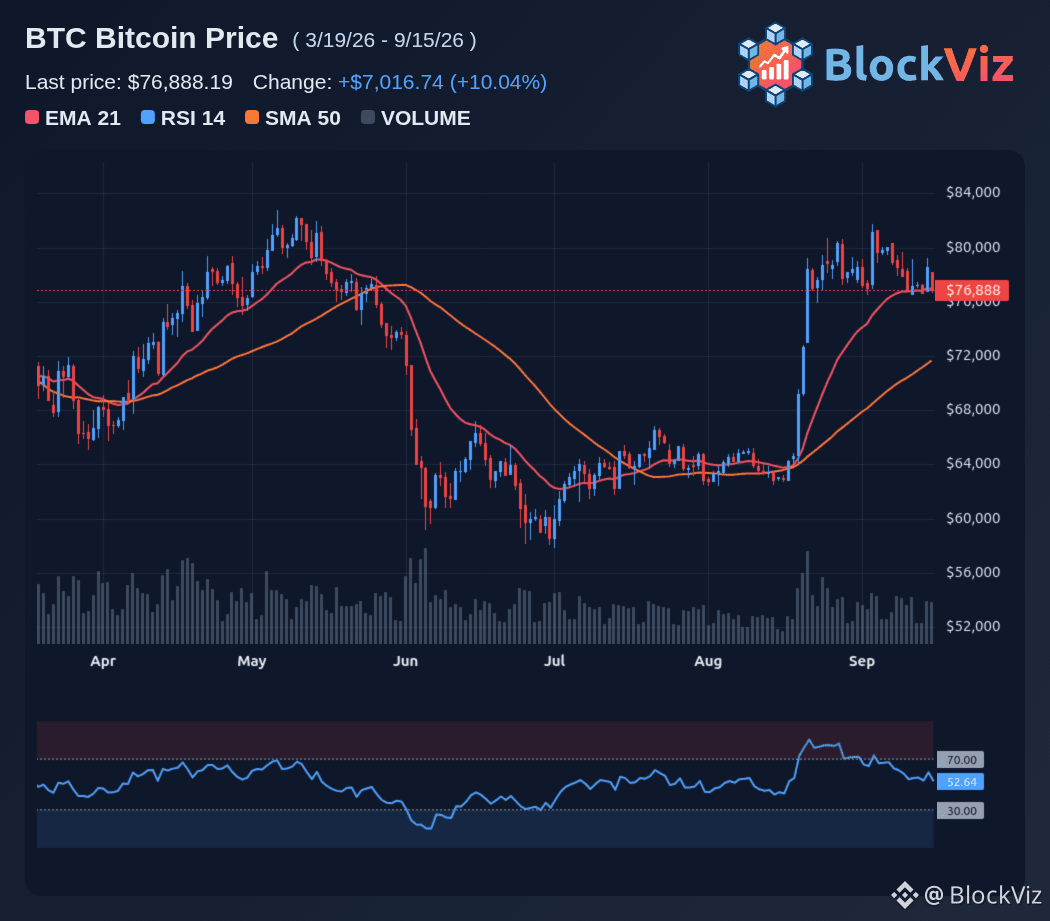
62
·
--
قانون الوضوح للتو حصل على أقوى دعم سياسي خلال أشهر، لكن الاحتياطي الفيدرالي لا يزال هو المطرقة الأكبر. تنازل ترامب بشأن بنود الأخلاقيات رفع احتمالات أن يتحول مشروع القانون إلى قانون إلى نحو 32% في أسواق التوقعات، ارتفاعًا من نسبة منخفضة في حدود العشرات الأسبوع الماضي. من المقرر إجراء تصويت الإنهاء (cloture) يوم الثلاثاء، ويقول الرعاة إنهم يتوقعون تجاوز عتبة 60 صوتًا اللازمة لتمرير النقاش.
هذا هو السيناريو الإيجابي للعملات المشفرة. إذا أُقرّ قانون الوضوح، فسيؤسس أول إطار تنظيمي أمريكي واضح للأصول الرقمية، مع تقسيم الإشراف بين هيئة الأوراق المالية والبورصات (SEC) ولجنة تداول السلع الآجلة (CFTC)، وقد يفتح المجال لمشاركة مؤسسية أكبر. يشير بيرنشتاين إلى أن أي مفاجأة إيجابية لم تُسعّر بعد، حيث يتذبذب سعر البيتكوين قرب 77,700 إلى 80,000، وارتفع XRP بنحو 4% على خلفية الخبر.
المشكلة تكمن في التوقيت. يجتمع الاحتياطي الفيدرالي في 16 سبتمبر، أي بعد يوم واحد من تصويت مجلس الشيوخ، وتُسعّر الأسواق احتمالًا مرتفعًا لرفع سعر الفائدة بمقدار 25 نقطة أساس. من شأن أي رفع أن يشدد السيولة ويقوي الدولار ويضغط على الأصول عالية المخاطر في الوقت الذي يأمل فيه قانون الوضوح في رفع المعنويات. وقد تم رفض البيتكوين بالفعل عدة مرات عند 82,000، ويمكن أن يدفع الاحتياطي الفيدرالي المتشدد السعر للعودة نحو 77,300 ثم 75,500 إذا فشل قانون الوضوح أو خيّب الآمال.
ينبغي على المتداولين مراقبة نتيجة تصويت الإنهاء يوم الثلاثاء، وقرار الاحتياطي الفيدرالي يوم الأربعاء، وما إذا كان بإمكان BTC الإغلاق فوق 82,283 قبل أن يتحدث الاحتياطي الفيدرالي. إذا تقدّم قانون الوضوح وتوقف الاحتياطي الفيدرالي أو أشار إلى مسار أكثر تيسيرًا، فقد يتحول نطاق 80,000 إلى 82,000 من مقاومة إلى دعم. أما إذا تعثّر قانون الوضوح وقام الاحتياطي الفيدرالي برفع الفائدة، فقد يهيمن الرياح المعاكسة على مستوى الاقتصاد الكلي، بغض النظر عن التقدم التنظيمي.
$BTC
قانون الوضوح للتو حصل على أقوى دعم سياسي خلال أشهر، لكن الاحتياطي الفيدرالي لا يزال هو المطرقة الأكبر. تنازل ترامب بشأن بنود الأخلاقيات رفع احتمالات أن يتحول مشروع القانون إلى قانون إلى نحو 32% في أسواق التوقعات، ارتفاعًا من نسبة منخفضة في حدود العشرات الأسبوع الماضي. من المقرر إجراء تصويت الإنهاء (cloture) يوم الثلاثاء، ويقول الرعاة إنهم يتوقعون تجاوز عتبة 60 صوتًا اللازمة لتمرير النقاش.
هذا هو السيناريو الإيجابي للعملات المشفرة. إذا أُقرّ قانون الوضوح، فسيؤسس أول إطار تنظيمي أمريكي واضح للأصول الرقمية، مع تقسيم الإشراف بين هيئة الأوراق المالية والبورصات (SEC) ولجنة تداول السلع الآجلة (CFTC)، وقد يفتح المجال لمشاركة مؤسسية أكبر. يشير بيرنشتاين إلى أن أي مفاجأة إيجابية لم تُسعّر بعد، حيث يتذبذب سعر البيتكوين قرب 77,700 إلى 80,000، وارتفع XRP بنحو 4% على خلفية الخبر.
المشكلة تكمن في التوقيت. يجتمع الاحتياطي الفيدرالي في 16 سبتمبر، أي بعد يوم واحد من تصويت مجلس الشيوخ، وتُسعّر الأسواق احتمالًا مرتفعًا لرفع سعر الفائدة بمقدار 25 نقطة أساس. من شأن أي رفع أن يشدد السيولة ويقوي الدولار ويضغط على الأصول عالية المخاطر في الوقت الذي يأمل فيه قانون الوضوح في رفع المعنويات. وقد تم رفض البيتكوين بالفعل عدة مرات عند 82,000، ويمكن أن يدفع الاحتياطي الفيدرالي المتشدد السعر للعودة نحو 77,300 ثم 75,500 إذا فشل قانون الوضوح أو خيّب الآمال.
ينبغي على المتداولين مراقبة نتيجة تصويت الإنهاء يوم الثلاثاء، وقرار الاحتياطي الفيدرالي يوم الأربعاء، وما إذا كان بإمكان BTC الإغلاق فوق 82,283 قبل أن يتحدث الاحتياطي الفيدرالي. إذا تقدّم قانون الوضوح وتوقف الاحتياطي الفيدرالي أو أشار إلى مسار أكثر تيسيرًا، فقد يتحول نطاق 80,000 إلى 82,000 من مقاومة إلى دعم. أما إذا تعثّر قانون الوضوح وقام الاحتياطي الفيدرالي برفع الفائدة، فقد يهيمن الرياح المعاكسة على مستوى الاقتصاد الكلي، بغض النظر عن التقدم التنظيمي.
$BTC
هذا هو السيناريو الإيجابي للعملات المشفرة. إذا أُقرّ قانون الوضوح، فسيؤسس أول إطار تنظيمي أمريكي واضح للأصول الرقمية، مع تقسيم الإشراف بين هيئة الأوراق المالية والبورصات (SEC) ولجنة تداول السلع الآجلة (CFTC)، وقد يفتح المجال لمشاركة مؤسسية أكبر. يشير بيرنشتاين إلى أن أي مفاجأة إيجابية لم تُسعّر بعد، حيث يتذبذب سعر البيتكوين قرب 77,700 إلى 80,000، وارتفع XRP بنحو 4% على خلفية الخبر.
المشكلة تكمن في التوقيت. يجتمع الاحتياطي الفيدرالي في 16 سبتمبر، أي بعد يوم واحد من تصويت مجلس الشيوخ، وتُسعّر الأسواق احتمالًا مرتفعًا لرفع سعر الفائدة بمقدار 25 نقطة أساس. من شأن أي رفع أن يشدد السيولة ويقوي الدولار ويضغط على الأصول عالية المخاطر في الوقت الذي يأمل فيه قانون الوضوح في رفع المعنويات. وقد تم رفض البيتكوين بالفعل عدة مرات عند 82,000، ويمكن أن يدفع الاحتياطي الفيدرالي المتشدد السعر للعودة نحو 77,300 ثم 75,500 إذا فشل قانون الوضوح أو خيّب الآمال.
ينبغي على المتداولين مراقبة نتيجة تصويت الإنهاء يوم الثلاثاء، وقرار الاحتياطي الفيدرالي يوم الأربعاء، وما إذا كان بإمكان BTC الإغلاق فوق 82,283 قبل أن يتحدث الاحتياطي الفيدرالي. إذا تقدّم قانون الوضوح وتوقف الاحتياطي الفيدرالي أو أشار إلى مسار أكثر تيسيرًا، فقد يتحول نطاق 80,000 إلى 82,000 من مقاومة إلى دعم. أما إذا تعثّر قانون الوضوح وقام الاحتياطي الفيدرالي برفع الفائدة، فقد يهيمن الرياح المعاكسة على مستوى الاقتصاد الكلي، بغض النظر عن التقدم التنظيمي.
$BTC
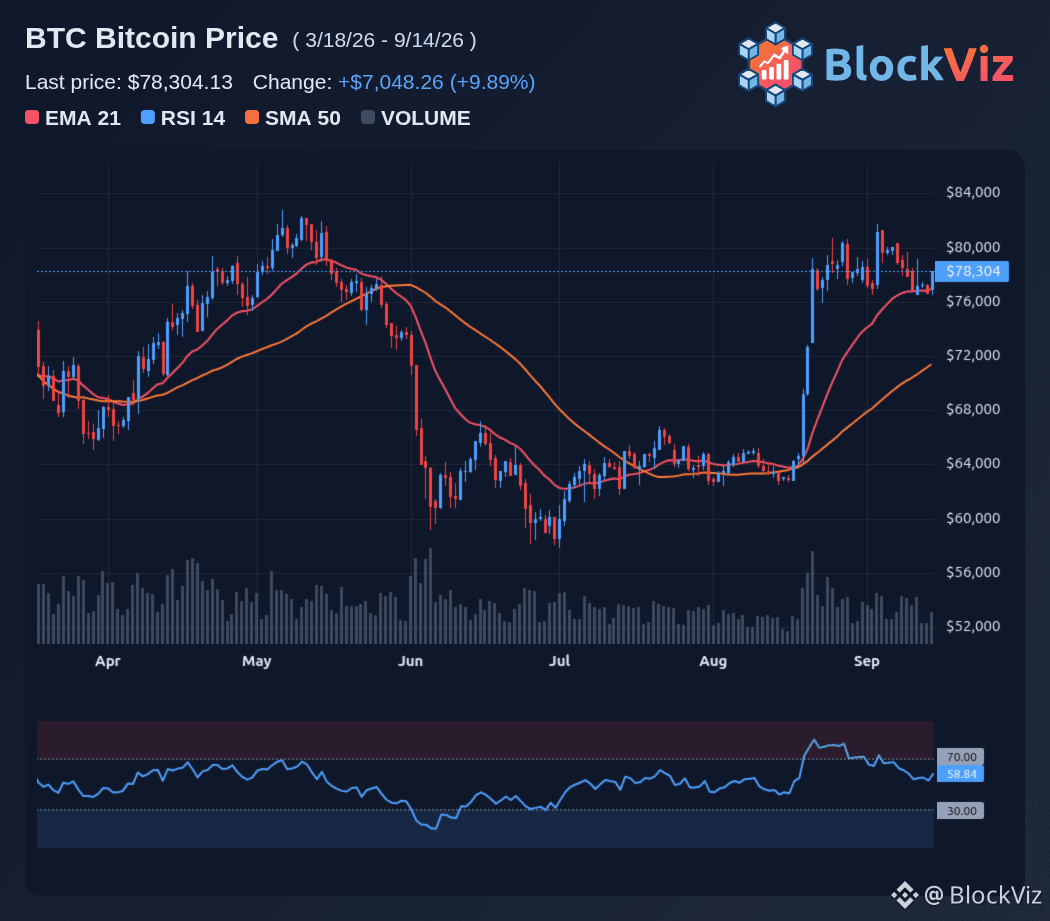
78
·
--
هادتر بيندن يحوّل حرب الميمات السياسية إلى تجربة على السلسلة. لابتوب، عملة ميمية بمليار وحدة تُطلق على Base في 9 سبتمبر، تخصص 20% من رموزها لعمليات الإيردروب تشمل المحافظ التي خَسرت أموالاً على TRUMP، بالإضافة إلى المشتركين في Substack الخاص به وقائمة Channel 5 لدى أندرو كولغان.
الفكرة واضحة: استهداف حاملي TRUMP الغارقين تحت الماء وتقديم لابتوب كعملة ممولة بخسائر الطرف الآخر. يُقال إن حوالي 20 مليون لابتوب مخصصة لمستلمي خسائر TRUMP، وتُوزَّع عبر بورصات مشاركة، بينما يذهب الجزء المتبقي من الإيردروب إلى المشتركين الأوائل. يحتفظ المؤسسون بنسبة 30% محجوزة لمدة ستة أشهر، مع عمليات حرق إضافية مرتبطة بأحداث مرتبطة بمؤشرات سياسية وسوقية.
من المرجح أن ينقسم تصويت الديجن وفقاً للانتماءات أكثر من المنطق. حاملو TRUMP الذين هم عميقون في الخسارة لديهم رواية محتملة للتعافي الآن، لكنهم يُطلب منهم التعامل مع رمز صُمم بشكل صريح للسخرية من موقفهم. قد يرى بايدن وديجنات المولودين من عالم الكريبتو فيها آلية توزيع ذكية، لكن التداخل بين مشتركَي Substack ومتداولَي الميمكوين النشطين غير مضمون.
على المتداولين مراقبة سيولة الإطلاق: هل يخلق الإيردروب ضغط بيع فوري، وكيف يتصرف TRUMP نفسه مع اقتراب موعد اللقطة ونافذة المطالبة. إذا افتتح لابتوب بقوة واستمر، فقد يجذب الانتباه والحجم باتجاه ميمكوينات Base. أما إذا خبا بسرعة، فقد يُتذكر ذلك كاستعراض سياسي أكثر من كونه تحولاً دائماً في اتجاه تدفق الديجن.
$ETH
هادتر بيندن يحوّل حرب الميمات السياسية إلى تجربة على السلسلة. لابتوب، عملة ميمية بمليار وحدة تُطلق على Base في 9 سبتمبر، تخصص 20% من رموزها لعمليات الإيردروب تشمل المحافظ التي خَسرت أموالاً على TRUMP، بالإضافة إلى المشتركين في Substack الخاص به وقائمة Channel 5 لدى أندرو كولغان.
الفكرة واضحة: استهداف حاملي TRUMP الغارقين تحت الماء وتقديم لابتوب كعملة ممولة بخسائر الطرف الآخر. يُقال إن حوالي 20 مليون لابتوب مخصصة لمستلمي خسائر TRUMP، وتُوزَّع عبر بورصات مشاركة، بينما يذهب الجزء المتبقي من الإيردروب إلى المشتركين الأوائل. يحتفظ المؤسسون بنسبة 30% محجوزة لمدة ستة أشهر، مع عمليات حرق إضافية مرتبطة بأحداث مرتبطة بمؤشرات سياسية وسوقية.
من المرجح أن ينقسم تصويت الديجن وفقاً للانتماءات أكثر من المنطق. حاملو TRUMP الذين هم عميقون في الخسارة لديهم رواية محتملة للتعافي الآن، لكنهم يُطلب منهم التعامل مع رمز صُمم بشكل صريح للسخرية من موقفهم. قد يرى بايدن وديجنات المولودين من عالم الكريبتو فيها آلية توزيع ذكية، لكن التداخل بين مشتركَي Substack ومتداولَي الميمكوين النشطين غير مضمون.
على المتداولين مراقبة سيولة الإطلاق: هل يخلق الإيردروب ضغط بيع فوري، وكيف يتصرف TRUMP نفسه مع اقتراب موعد اللقطة ونافذة المطالبة. إذا افتتح لابتوب بقوة واستمر، فقد يجذب الانتباه والحجم باتجاه ميمكوينات Base. أما إذا خبا بسرعة، فقد يُتذكر ذلك كاستعراض سياسي أكثر من كونه تحولاً دائماً في اتجاه تدفق الديجن.
$ETH
الفكرة واضحة: استهداف حاملي TRUMP الغارقين تحت الماء وتقديم لابتوب كعملة ممولة بخسائر الطرف الآخر. يُقال إن حوالي 20 مليون لابتوب مخصصة لمستلمي خسائر TRUMP، وتُوزَّع عبر بورصات مشاركة، بينما يذهب الجزء المتبقي من الإيردروب إلى المشتركين الأوائل. يحتفظ المؤسسون بنسبة 30% محجوزة لمدة ستة أشهر، مع عمليات حرق إضافية مرتبطة بأحداث مرتبطة بمؤشرات سياسية وسوقية.
من المرجح أن ينقسم تصويت الديجن وفقاً للانتماءات أكثر من المنطق. حاملو TRUMP الذين هم عميقون في الخسارة لديهم رواية محتملة للتعافي الآن، لكنهم يُطلب منهم التعامل مع رمز صُمم بشكل صريح للسخرية من موقفهم. قد يرى بايدن وديجنات المولودين من عالم الكريبتو فيها آلية توزيع ذكية، لكن التداخل بين مشتركَي Substack ومتداولَي الميمكوين النشطين غير مضمون.
على المتداولين مراقبة سيولة الإطلاق: هل يخلق الإيردروب ضغط بيع فوري، وكيف يتصرف TRUMP نفسه مع اقتراب موعد اللقطة ونافذة المطالبة. إذا افتتح لابتوب بقوة واستمر، فقد يجذب الانتباه والحجم باتجاه ميمكوينات Base. أما إذا خبا بسرعة، فقد يُتذكر ذلك كاستعراض سياسي أكثر من كونه تحولاً دائماً في اتجاه تدفق الديجن.
$ETH

59
·
--
حديث التحفيز عاد، والسوق يسأل فورًا ما إذا كان يمكن أن يعيد إنتاج مسار صعود البيتكوين في عام 2020. السيناريو مختلف هذه المرة. في 2020، تدفّقت على النظام حوافز مالية ونقدية جديدة بينما كان سعر BTC لا يزال يدور حول 10,000 دولار وكان أمامه سنوات من التبنّي. الآن يتداول BTC بشكل جانبي قرب 80,000 إلى 82,000 بعد أداء قوي في أغسطس، مع قيمة سوقية أكبر بكثير ونسبة ملكية مؤسسية أعلى.
الحجة الصعودية تقول إن أي حزمة تحفيز جديدة بقيمة تريليون دولار ستُضعف الدولار، وترفع توقعات التضخم، وتدفع المستثمرين مرة أخرى نحو الأصول الصلبة. لقد بلغت علاقة البيتكوين على مدى 90 يومًا مع الذهب أعلى مستوى لها منذ ست سنوات فوق 0.5، في ترديد لحقبة تحفيز 2020. إذا توسّعت السيولة مرة أخرى، فقد يمتد «تجارة التدهور/إضعاف العملة» ليمتد الصعود باتجاه 90,000 ثم 100,000.
أما السيناريو الهابط فيشير إلى أن التحفيز وحده قد لا يكون كافيًا. فالمتغيرات المتعلقة بتوقعات الفائدة وعوائد سندات الخزانة والدولار لا تزال مهمة، وBTC لم يعد ذلك الأصل الصغير عالي بيتا الذي كان عليه في 2020. وقد تؤدي صيحة تحفيزية دون متابعة فعلية إلى رد فعل «بيع الخبر»، خصوصًا إذا فشل السعر في اختراق 82,000 إلى 84,000 بشكل نظيف.
على المتداولين مراقبة ما إذا كان بإمكان BTC الثبات عند 80,000 كدعم، وما إذا كان دفع التحفيز سيقود إلى تدفقات جديدة إلى صناديق ETF وضعف الدولار، وما إذا كان الذهب وBTC يواصلان التحرك معًا. إذا قاد التحفيز إلى توسع مستدام في السيولة، فسيعود 100K إلى دائرة الاحتمال. وإذا تلاشى التحرك عند مستوى المقاومة، فقد تكون هذه مجرد خدعة اقتصادية كبرى أخرى وليست إعادة تسعير على نمط 2020.
$BTC
حديث التحفيز عاد، والسوق يسأل فورًا ما إذا كان يمكن أن يعيد إنتاج مسار صعود البيتكوين في عام 2020. السيناريو مختلف هذه المرة. في 2020، تدفّقت على النظام حوافز مالية ونقدية جديدة بينما كان سعر BTC لا يزال يدور حول 10,000 دولار وكان أمامه سنوات من التبنّي. الآن يتداول BTC بشكل جانبي قرب 80,000 إلى 82,000 بعد أداء قوي في أغسطس، مع قيمة سوقية أكبر بكثير ونسبة ملكية مؤسسية أعلى.
الحجة الصعودية تقول إن أي حزمة تحفيز جديدة بقيمة تريليون دولار ستُضعف الدولار، وترفع توقعات التضخم، وتدفع المستثمرين مرة أخرى نحو الأصول الصلبة. لقد بلغت علاقة البيتكوين على مدى 90 يومًا مع الذهب أعلى مستوى لها منذ ست سنوات فوق 0.5، في ترديد لحقبة تحفيز 2020. إذا توسّعت السيولة مرة أخرى، فقد يمتد «تجارة التدهور/إضعاف العملة» ليمتد الصعود باتجاه 90,000 ثم 100,000.
أما السيناريو الهابط فيشير إلى أن التحفيز وحده قد لا يكون كافيًا. فالمتغيرات المتعلقة بتوقعات الفائدة وعوائد سندات الخزانة والدولار لا تزال مهمة، وBTC لم يعد ذلك الأصل الصغير عالي بيتا الذي كان عليه في 2020. وقد تؤدي صيحة تحفيزية دون متابعة فعلية إلى رد فعل «بيع الخبر»، خصوصًا إذا فشل السعر في اختراق 82,000 إلى 84,000 بشكل نظيف.
على المتداولين مراقبة ما إذا كان بإمكان BTC الثبات عند 80,000 كدعم، وما إذا كان دفع التحفيز سيقود إلى تدفقات جديدة إلى صناديق ETF وضعف الدولار، وما إذا كان الذهب وBTC يواصلان التحرك معًا. إذا قاد التحفيز إلى توسع مستدام في السيولة، فسيعود 100K إلى دائرة الاحتمال. وإذا تلاشى التحرك عند مستوى المقاومة، فقد تكون هذه مجرد خدعة اقتصادية كبرى أخرى وليست إعادة تسعير على نمط 2020.
$BTC
الحجة الصعودية تقول إن أي حزمة تحفيز جديدة بقيمة تريليون دولار ستُضعف الدولار، وترفع توقعات التضخم، وتدفع المستثمرين مرة أخرى نحو الأصول الصلبة. لقد بلغت علاقة البيتكوين على مدى 90 يومًا مع الذهب أعلى مستوى لها منذ ست سنوات فوق 0.5، في ترديد لحقبة تحفيز 2020. إذا توسّعت السيولة مرة أخرى، فقد يمتد «تجارة التدهور/إضعاف العملة» ليمتد الصعود باتجاه 90,000 ثم 100,000.
أما السيناريو الهابط فيشير إلى أن التحفيز وحده قد لا يكون كافيًا. فالمتغيرات المتعلقة بتوقعات الفائدة وعوائد سندات الخزانة والدولار لا تزال مهمة، وBTC لم يعد ذلك الأصل الصغير عالي بيتا الذي كان عليه في 2020. وقد تؤدي صيحة تحفيزية دون متابعة فعلية إلى رد فعل «بيع الخبر»، خصوصًا إذا فشل السعر في اختراق 82,000 إلى 84,000 بشكل نظيف.
على المتداولين مراقبة ما إذا كان بإمكان BTC الثبات عند 80,000 كدعم، وما إذا كان دفع التحفيز سيقود إلى تدفقات جديدة إلى صناديق ETF وضعف الدولار، وما إذا كان الذهب وBTC يواصلان التحرك معًا. إذا قاد التحفيز إلى توسع مستدام في السيولة، فسيعود 100K إلى دائرة الاحتمال. وإذا تلاشى التحرك عند مستوى المقاومة، فقد تكون هذه مجرد خدعة اقتصادية كبرى أخرى وليست إعادة تسعير على نمط 2020.
$BTC

74
·
--
ZEC وXRP هما بالفعل اللذان يكسران بشكل فعلي، لكن السؤال الأكبر هو ما إذا كانت هذه قوة معزولة أم أنها أول دفعة حقيقية نحو altseason.
كان ZEC هو القائد الواضح، إذ ارتفع بأكثر من 16% خلال 24 ساعة ويدفع نحو منطقة 960 إلى 1,000 دولار. قد يؤدي الإغلاق اليومي فوق 1,000 دولار إلى فتح الطريق باتجاه 1,200، بينما يقع الدعم حول 935. أما XRP فهو مرتفع بنحو 10% خلال الأسبوع، إذ اخترق من 1.31 إلى قمة قرب 1.48، وهو الآن يتماسك حول 1.45. إن حدث اختراق واضح فوق 1.48 فسوف يعيد مستويات 1.50 ثم 1.66 إلى دائرة الاهتمام.
التوتر يكمن في السياق. فحتى البيتكوين قوي فوق 80,000، ولا يزال ترجيح/هيمنة BTC قرب 57% إلى 58%. غالبًا ما يحتاج altseason الكلاسيكي إلى أن تتوقف BTC عن الصعود بينما تنعكس الهيمنة باتجاه 55% أو أقل، ما يسمح بتدوير رأس المال بشكل أكثر عدوانية نحو البدائل (alts). في الوقت الحالي، يبدو الأمر أكثر كاختراق انتقائي في ZEC وXRP منه كتحول واسع المدى.
ولكي يُؤكَّد altseason، ينبغي للمتداولين مراقبة ما إذا كان بإمكان ZEC وXRP الحفاظ على المكاسب إذا تراجعت BTC، وما إذا كانت هيمنة BTC بدأت بالهبوط، وما إذا تحسّن اتساع السوق بما يتجاوز أسماء الخصوصية والأسهم كبيرة القيمة. إذا استمرت البدائل في التفوق بينما تتماسك BTC، فإن سيناريو دوران الأموال يتقوى. أما إذا خفتت هذه الحركة مع أول هبوط جديد للبيتكوين، فمن المرجح أنها كانت تحركًا تكتيكيًا وليس تغييرًا في النظام.
$XRP
ZEC وXRP هما بالفعل اللذان يكسران بشكل فعلي، لكن السؤال الأكبر هو ما إذا كانت هذه قوة معزولة أم أنها أول دفعة حقيقية نحو altseason.
كان ZEC هو القائد الواضح، إذ ارتفع بأكثر من 16% خلال 24 ساعة ويدفع نحو منطقة 960 إلى 1,000 دولار. قد يؤدي الإغلاق اليومي فوق 1,000 دولار إلى فتح الطريق باتجاه 1,200، بينما يقع الدعم حول 935. أما XRP فهو مرتفع بنحو 10% خلال الأسبوع، إذ اخترق من 1.31 إلى قمة قرب 1.48، وهو الآن يتماسك حول 1.45. إن حدث اختراق واضح فوق 1.48 فسوف يعيد مستويات 1.50 ثم 1.66 إلى دائرة الاهتمام.
التوتر يكمن في السياق. فحتى البيتكوين قوي فوق 80,000، ولا يزال ترجيح/هيمنة BTC قرب 57% إلى 58%. غالبًا ما يحتاج altseason الكلاسيكي إلى أن تتوقف BTC عن الصعود بينما تنعكس الهيمنة باتجاه 55% أو أقل، ما يسمح بتدوير رأس المال بشكل أكثر عدوانية نحو البدائل (alts). في الوقت الحالي، يبدو الأمر أكثر كاختراق انتقائي في ZEC وXRP منه كتحول واسع المدى.
ولكي يُؤكَّد altseason، ينبغي للمتداولين مراقبة ما إذا كان بإمكان ZEC وXRP الحفاظ على المكاسب إذا تراجعت BTC، وما إذا كانت هيمنة BTC بدأت بالهبوط، وما إذا تحسّن اتساع السوق بما يتجاوز أسماء الخصوصية والأسهم كبيرة القيمة. إذا استمرت البدائل في التفوق بينما تتماسك BTC، فإن سيناريو دوران الأموال يتقوى. أما إذا خفتت هذه الحركة مع أول هبوط جديد للبيتكوين، فمن المرجح أنها كانت تحركًا تكتيكيًا وليس تغييرًا في النظام.
$XRP
كان ZEC هو القائد الواضح، إذ ارتفع بأكثر من 16% خلال 24 ساعة ويدفع نحو منطقة 960 إلى 1,000 دولار. قد يؤدي الإغلاق اليومي فوق 1,000 دولار إلى فتح الطريق باتجاه 1,200، بينما يقع الدعم حول 935. أما XRP فهو مرتفع بنحو 10% خلال الأسبوع، إذ اخترق من 1.31 إلى قمة قرب 1.48، وهو الآن يتماسك حول 1.45. إن حدث اختراق واضح فوق 1.48 فسوف يعيد مستويات 1.50 ثم 1.66 إلى دائرة الاهتمام.
التوتر يكمن في السياق. فحتى البيتكوين قوي فوق 80,000، ولا يزال ترجيح/هيمنة BTC قرب 57% إلى 58%. غالبًا ما يحتاج altseason الكلاسيكي إلى أن تتوقف BTC عن الصعود بينما تنعكس الهيمنة باتجاه 55% أو أقل، ما يسمح بتدوير رأس المال بشكل أكثر عدوانية نحو البدائل (alts). في الوقت الحالي، يبدو الأمر أكثر كاختراق انتقائي في ZEC وXRP منه كتحول واسع المدى.
ولكي يُؤكَّد altseason، ينبغي للمتداولين مراقبة ما إذا كان بإمكان ZEC وXRP الحفاظ على المكاسب إذا تراجعت BTC، وما إذا كانت هيمنة BTC بدأت بالهبوط، وما إذا تحسّن اتساع السوق بما يتجاوز أسماء الخصوصية والأسهم كبيرة القيمة. إذا استمرت البدائل في التفوق بينما تتماسك BTC، فإن سيناريو دوران الأموال يتقوى. أما إذا خفتت هذه الحركة مع أول هبوط جديد للبيتكوين، فمن المرجح أنها كانت تحركًا تكتيكيًا وليس تغييرًا في النظام.
$XRP

59
·
--
هنتر بايدن يحوّل حرب الميمات السياسية إلى تجربة على السلسلة. لابتوب (LAPTOP)، عملة ميمية (ميمكوين) بإجمالي 1 مليار، ستُطلق على شبكة Base في 9 سبتمبر، وتخصّص 20% من توكناتها للـairdrops تشمل محافظ كانت خاسرة في TRUMP، بالإضافة إلى المشتركين في Substack الخاص به وقائمة قناة Andrew Callaghan على القناة 5.
المغزى واضح: استهداف حاملي أكياس TRUMP الذين غرقوا تحت الماء، وتقديم لابتوب على أنه العملة المموّلة بخسائر الطرف الآخر. يُقال إن نحو 20 مليون لابتوب مُخصّصة لمستلمي TRUMP الذين تكبّدوا خسائر، ويتم توزيعها عبر بورصات مشاركة، بينما يذهب باقي الـairdrops إلى المشتركين الأوائل. يحتفظ المؤسسون بـ30% مُقيّدة لمدة ستة أشهر، مع حروق إضافية مرتبطة بأحداث تستند إلى المعالم السياسية ومعالم السوق.
غالبًا ما سينقسم تصويت الديجن (degenerate) على أسس انتماءات بدلًا من منطق. حاملو TRUMP الذين يتكبدون خسائر عميقة الآن لديهم رواية محتملة للانتعاش، لكنهم يُطلب منهم التفاعل مع توكن صُمّم صراحةً للسخرية من موقفهم. قد يرى بايدن ومن هم من «الديجينز» المولودين في عالم الكريبتو الأمر كآلية توزيع ذكية، لكن التداخل بين مشتركي Substack ومتداولي الميمكوين النشطين غير مضمون.
يجب على المتداولين مراقبة سيولة الإطلاق: هل يؤدي الـairdrop إلى ضغط بيع فوري، وكيف يتفاعل TRUMP نفسه مع اقتراب موعد لقطة البيانات ونافذة المطالبة. إذا افتُتحت LAPTOP بقوة وظلّت متماسكة، فقد تجذب الانتباه والحجم التجاري نحو ميمكوينات Base. أما إذا خبت بسرعة، فقد يُذكر ذلك كخدعة سياسية أكثر من كونه تحوّلًا دائمًا في اتجاه تدفّق أموال الديجن.
هنتر بايدن يحوّل حرب الميمات السياسية إلى تجربة على السلسلة. لابتوب (LAPTOP)، عملة ميمية (ميمكوين) بإجمالي 1 مليار، ستُطلق على شبكة Base في 9 سبتمبر، وتخصّص 20% من توكناتها للـairdrops تشمل محافظ كانت خاسرة في TRUMP، بالإضافة إلى المشتركين في Substack الخاص به وقائمة قناة Andrew Callaghan على القناة 5.
المغزى واضح: استهداف حاملي أكياس TRUMP الذين غرقوا تحت الماء، وتقديم لابتوب على أنه العملة المموّلة بخسائر الطرف الآخر. يُقال إن نحو 20 مليون لابتوب مُخصّصة لمستلمي TRUMP الذين تكبّدوا خسائر، ويتم توزيعها عبر بورصات مشاركة، بينما يذهب باقي الـairdrops إلى المشتركين الأوائل. يحتفظ المؤسسون بـ30% مُقيّدة لمدة ستة أشهر، مع حروق إضافية مرتبطة بأحداث تستند إلى المعالم السياسية ومعالم السوق.
غالبًا ما سينقسم تصويت الديجن (degenerate) على أسس انتماءات بدلًا من منطق. حاملو TRUMP الذين يتكبدون خسائر عميقة الآن لديهم رواية محتملة للانتعاش، لكنهم يُطلب منهم التفاعل مع توكن صُمّم صراحةً للسخرية من موقفهم. قد يرى بايدن ومن هم من «الديجينز» المولودين في عالم الكريبتو الأمر كآلية توزيع ذكية، لكن التداخل بين مشتركي Substack ومتداولي الميمكوين النشطين غير مضمون.
يجب على المتداولين مراقبة سيولة الإطلاق: هل يؤدي الـairdrop إلى ضغط بيع فوري، وكيف يتفاعل TRUMP نفسه مع اقتراب موعد لقطة البيانات ونافذة المطالبة. إذا افتُتحت LAPTOP بقوة وظلّت متماسكة، فقد تجذب الانتباه والحجم التجاري نحو ميمكوينات Base. أما إذا خبت بسرعة، فقد يُذكر ذلك كخدعة سياسية أكثر من كونه تحوّلًا دائمًا في اتجاه تدفّق أموال الديجن.
المغزى واضح: استهداف حاملي أكياس TRUMP الذين غرقوا تحت الماء، وتقديم لابتوب على أنه العملة المموّلة بخسائر الطرف الآخر. يُقال إن نحو 20 مليون لابتوب مُخصّصة لمستلمي TRUMP الذين تكبّدوا خسائر، ويتم توزيعها عبر بورصات مشاركة، بينما يذهب باقي الـairdrops إلى المشتركين الأوائل. يحتفظ المؤسسون بـ30% مُقيّدة لمدة ستة أشهر، مع حروق إضافية مرتبطة بأحداث تستند إلى المعالم السياسية ومعالم السوق.
غالبًا ما سينقسم تصويت الديجن (degenerate) على أسس انتماءات بدلًا من منطق. حاملو TRUMP الذين يتكبدون خسائر عميقة الآن لديهم رواية محتملة للانتعاش، لكنهم يُطلب منهم التفاعل مع توكن صُمّم صراحةً للسخرية من موقفهم. قد يرى بايدن ومن هم من «الديجينز» المولودين في عالم الكريبتو الأمر كآلية توزيع ذكية، لكن التداخل بين مشتركي Substack ومتداولي الميمكوين النشطين غير مضمون.
يجب على المتداولين مراقبة سيولة الإطلاق: هل يؤدي الـairdrop إلى ضغط بيع فوري، وكيف يتفاعل TRUMP نفسه مع اقتراب موعد لقطة البيانات ونافذة المطالبة. إذا افتُتحت LAPTOP بقوة وظلّت متماسكة، فقد تجذب الانتباه والحجم التجاري نحو ميمكوينات Base. أما إذا خبت بسرعة، فقد يُذكر ذلك كخدعة سياسية أكثر من كونه تحوّلًا دائمًا في اتجاه تدفّق أموال الديجن.

64
·
--
بيتكوين تقترب من أحد أكثر إشاراتها التقنية مراقبة، وتاريخ هذه الإشارة يصعب تجاهله. المتوسط المتحرك لـ50 يومًا يقترب من خط الـ200 يوم، ما يهيئ لتكوّن محتمل لـ«التقاطع الذهبي» الذي لم يُسفر إلا عن تحركات ضخمة مرات قليلة في الماضي. في 2012 و2015 و2020، سبق هذا النمط تحقيق مكاسب تجاوزت 300% خلال العام التالي.
لكن هذا لا يعني أن الوصول إلى 100K أمرٌ تلقائي. حاليًا يتداول BTC في حالة تجميع بين 75,000 و82,000 بعد شهر أغسطس قوي، لكنه ما يزال بحاجة إلى اختراق حاسم فوق نطاق العرض بين 81,500 و84,400 لإعادة فتح الطريق نحو 98,000 و100,000. أما «التقاطع الذهبي» ذاته فهو إشارة متأخرة، لذا يجب أن تؤكد حركة السعر ذلك.
تتحسن الصورة الصعودية إذا ظل BTC فوق 80,000، وأكمل التقاطع، وجذب تدفقات استثمارية جديدة من صناديق ETF بينما يخف الضغط على مستوى الاقتصاد الكلي. أما المخاطر الهبوطية فتتمثل في فشل عند 82,000 إلى 84,400، يلي ذلك هبوط للعودة تحت 75,000 ثم اختبار لمتوسط الـ200 يوم قرب 72,500.
ينبغي على المتداولين مراقبة تقارب المتوسطين لـ50 و200 يوم، وإغلاق يومي فوق 84,400 كتأكيد للاختراق، وكذلك ما إذا كان الدعم عند 75,000 إلى 76,800 سيصمد. إذا تَشكّل التقاطع مع أحجام تداول قوية وتدفقات مؤسسية، فقد تتحول حركة 100K من مجرد سردية إلى هدف واقعي. وإذا رفض السعر بقوة عند منطقة المقاومة، فقد تثبت الإشارة أنها بداية خاطئة أخرى.
$BTC
بيتكوين تقترب من أحد أكثر إشاراتها التقنية مراقبة، وتاريخ هذه الإشارة يصعب تجاهله. المتوسط المتحرك لـ50 يومًا يقترب من خط الـ200 يوم، ما يهيئ لتكوّن محتمل لـ«التقاطع الذهبي» الذي لم يُسفر إلا عن تحركات ضخمة مرات قليلة في الماضي. في 2012 و2015 و2020، سبق هذا النمط تحقيق مكاسب تجاوزت 300% خلال العام التالي.
لكن هذا لا يعني أن الوصول إلى 100K أمرٌ تلقائي. حاليًا يتداول BTC في حالة تجميع بين 75,000 و82,000 بعد شهر أغسطس قوي، لكنه ما يزال بحاجة إلى اختراق حاسم فوق نطاق العرض بين 81,500 و84,400 لإعادة فتح الطريق نحو 98,000 و100,000. أما «التقاطع الذهبي» ذاته فهو إشارة متأخرة، لذا يجب أن تؤكد حركة السعر ذلك.
تتحسن الصورة الصعودية إذا ظل BTC فوق 80,000، وأكمل التقاطع، وجذب تدفقات استثمارية جديدة من صناديق ETF بينما يخف الضغط على مستوى الاقتصاد الكلي. أما المخاطر الهبوطية فتتمثل في فشل عند 82,000 إلى 84,400، يلي ذلك هبوط للعودة تحت 75,000 ثم اختبار لمتوسط الـ200 يوم قرب 72,500.
ينبغي على المتداولين مراقبة تقارب المتوسطين لـ50 و200 يوم، وإغلاق يومي فوق 84,400 كتأكيد للاختراق، وكذلك ما إذا كان الدعم عند 75,000 إلى 76,800 سيصمد. إذا تَشكّل التقاطع مع أحجام تداول قوية وتدفقات مؤسسية، فقد تتحول حركة 100K من مجرد سردية إلى هدف واقعي. وإذا رفض السعر بقوة عند منطقة المقاومة، فقد تثبت الإشارة أنها بداية خاطئة أخرى.
$BTC
لكن هذا لا يعني أن الوصول إلى 100K أمرٌ تلقائي. حاليًا يتداول BTC في حالة تجميع بين 75,000 و82,000 بعد شهر أغسطس قوي، لكنه ما يزال بحاجة إلى اختراق حاسم فوق نطاق العرض بين 81,500 و84,400 لإعادة فتح الطريق نحو 98,000 و100,000. أما «التقاطع الذهبي» ذاته فهو إشارة متأخرة، لذا يجب أن تؤكد حركة السعر ذلك.
تتحسن الصورة الصعودية إذا ظل BTC فوق 80,000، وأكمل التقاطع، وجذب تدفقات استثمارية جديدة من صناديق ETF بينما يخف الضغط على مستوى الاقتصاد الكلي. أما المخاطر الهبوطية فتتمثل في فشل عند 82,000 إلى 84,400، يلي ذلك هبوط للعودة تحت 75,000 ثم اختبار لمتوسط الـ200 يوم قرب 72,500.
ينبغي على المتداولين مراقبة تقارب المتوسطين لـ50 و200 يوم، وإغلاق يومي فوق 84,400 كتأكيد للاختراق، وكذلك ما إذا كان الدعم عند 75,000 إلى 76,800 سيصمد. إذا تَشكّل التقاطع مع أحجام تداول قوية وتدفقات مؤسسية، فقد تتحول حركة 100K من مجرد سردية إلى هدف واقعي. وإذا رفض السعر بقوة عند منطقة المقاومة، فقد تثبت الإشارة أنها بداية خاطئة أخرى.
$BTC

76
سجّل الدخول لاستكشاف المزيد من المُحتوى
انضم إلى مُستخدمي العملات الرقمية حول العالم على Binance Square
⚡️ احصل على أحدث المعلومات المفيدة عن العملات الرقمية.
💬 موثوقة من قبل أكبر منصّة لتداول العملات الرقمية في العالم.
👍 اكتشف الرؤى الحقيقية من صنّاع المُحتوى الموثوقين.
البريد الإلكتروني / رقم الهاتف