

F I N K Y
14.7k منشورات
F I N K Y
 تحقُّق Binance Square الإضافي
إبلاغ
حظر المُستخدم
Building wealth, one sat at a time | Sharing my crypto journey...
فتح تداول
مُتداول مُتكرر
1.2 سنوات
15 تتابع
39.3K+ المتابعون
38.2K+ إعجاب
منشورات
الحافظة الاستثمارية
الكل
اقتباسات
Live
·
--
صاعد
🚨أفضل 5 عملات تُظهر زخمًا قويًا🚨
$RLC
EP 0.7364
TP 0.7732
SL 0.6996
$RAD
EP 0.3750
TP 0.3938
SL 0.3563
$MOVR
EP 2.008
TP 2.108
SL 1.908
$ORCA
EP 2.379
TP 2.498
SL 2.260
$EDU
EP 0.0598
TP 0.0628
SL 0.0568
هيا بنا، تداولوا الآن $RAD $MOVR $ORCA $EDU
#DriftHackVictimsBeginClaims #Nikkei225Jumps2.5%ToThreeMonthHigh
🚨أفضل 5 عملات تُظهر زخمًا قويًا🚨
$RLC
EP 0.7364
TP 0.7732
SL 0.6996
$RAD
EP 0.3750
TP 0.3938
SL 0.3563
$MOVR
EP 2.008
TP 2.108
SL 1.908
$ORCA
EP 2.379
TP 2.498
SL 2.260
$EDU
EP 0.0598
TP 0.0628
SL 0.0568
هيا بنا، تداولوا الآن $RAD $MOVR $ORCA $EDU
#DriftHackVictimsBeginClaims #Nikkei225Jumps2.5%ToThreeMonthHigh
$RLC
EP 0.7364
TP 0.7732
SL 0.6996
$RAD
EP 0.3750
TP 0.3938
SL 0.3563
$MOVR
EP 2.008
TP 2.108
SL 1.908
$ORCA
EP 2.379
TP 2.498
SL 2.260
$EDU
EP 0.0598
TP 0.0628
SL 0.0568
هيا بنا، تداولوا الآن $RAD $MOVR $ORCA $EDU
#DriftHackVictimsBeginClaims #Nikkei225Jumps2.5%ToThreeMonthHigh
$MOVR
$RLC
$ORCA
$EDU
22 ساعة (ساعات) مُتبقية
1
208
·
--
صاعد
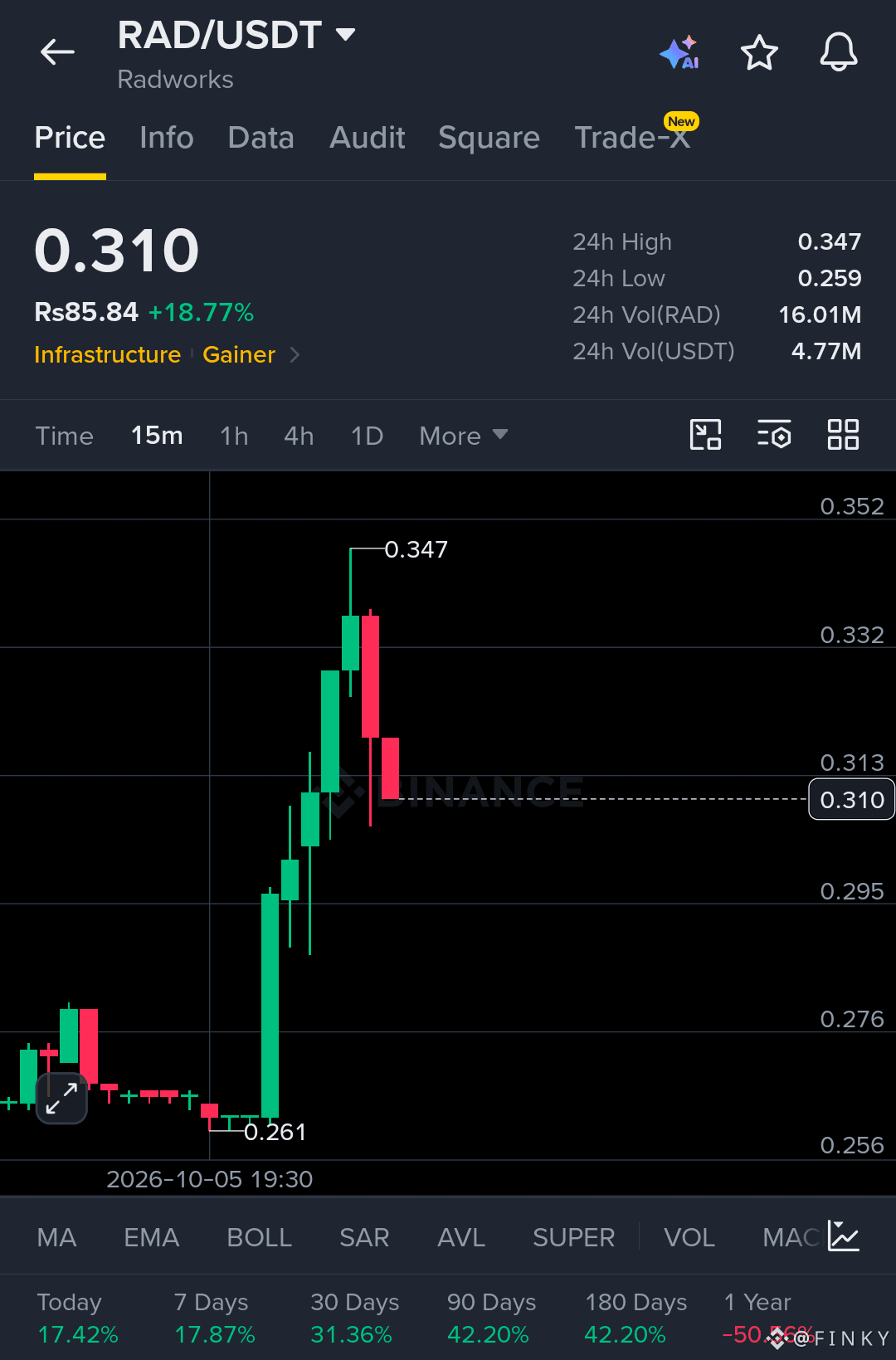
$RAD جزء من Radworks، وهي شبكة يديرها المجتمع وتركز على بناء أدوات لبرمجيات المصدر المفتوح ودعمها. الفكرة بسيطة: ينبغي ألا تعتمد البنية التحتية للبرمجيات كليًا على المنصات المركزية.
في قلب الشبكة توجد Radicle، وهي حزمة مفتوحة المصدر للتعاون على الشيفرات، تعمل بنظام الند للند ومبنية على Git. وتوفر للمطورين طريقة أخرى لاستضافة الشيفرات والتعاون عليها، بتصميم يركز على المرونة وتحكم المستخدم. كما تدعم Radworks منصة Drips، المصممة للمساعدة في تمويل أعمال المصدر المفتوح ضمن منظومة متكاملة.
يربط رمز RAD الشبكة بنظام الحوكمة الخاص بها. ويمكن لحاملي RAD التصويت على المقترحات، بما في ذلك القرارات المتعلقة بالخزينة وتحسينات الشبكة والمعايير المهمة للنظام. وتعتمد الحوكمة التصويت بالتفويض، إذ تتحدد القوة التصويتية وفقًا لكمية RAD المفوضة إلى عنوان ما.
أهتم بـ RAD لأن غايتها تتجاوز كونها مجرد أصل قابل للتداول. فهم يسعون إلى بناء آليات للتنسيق والتمويل حول البنية التحتية للمصدر المفتوح. والسؤال على المدى الطويل هو ما إذا كانت هذه الأدوات ستتمكن من جذب عدد كافٍ من المطورين والمستخدمين لجعل تطوير البرمجيات اللامركزية عمليًا على نطاق واسع. ومن المهم خصوصًا متابعة مدى انتشارها واستخدامها الفعلي.
{spot}(RADUSDT)
#ETHUp70%InQ3ButLiquidityFalls #EthStakingExitQueueHits2026High #Nikkei225Jumps2.5%ToThreeMonthHigh #EthereumValidatorExitQueueJumps392%
$RAD جزء من Radworks، وهي شبكة يديرها المجتمع وتركز على بناء أدوات لبرمجيات المصدر المفتوح ودعمها. الفكرة بسيطة: ينبغي ألا تعتمد البنية التحتية للبرمجيات كليًا على المنصات المركزية.
في قلب الشبكة توجد Radicle، وهي حزمة مفتوحة المصدر للتعاون على الشيفرات، تعمل بنظام الند للند ومبنية على Git. وتوفر للمطورين طريقة أخرى لاستضافة الشيفرات والتعاون عليها، بتصميم يركز على المرونة وتحكم المستخدم. كما تدعم Radworks منصة Drips، المصممة للمساعدة في تمويل أعمال المصدر المفتوح ضمن منظومة متكاملة.
يربط رمز RAD الشبكة بنظام الحوكمة الخاص بها. ويمكن لحاملي RAD التصويت على المقترحات، بما في ذلك القرارات المتعلقة بالخزينة وتحسينات الشبكة والمعايير المهمة للنظام. وتعتمد الحوكمة التصويت بالتفويض، إذ تتحدد القوة التصويتية وفقًا لكمية RAD المفوضة إلى عنوان ما.
أهتم بـ RAD لأن غايتها تتجاوز كونها مجرد أصل قابل للتداول. فهم يسعون إلى بناء آليات للتنسيق والتمويل حول البنية التحتية للمصدر المفتوح. والسؤال على المدى الطويل هو ما إذا كانت هذه الأدوات ستتمكن من جذب عدد كافٍ من المطورين والمستخدمين لجعل تطوير البرمجيات اللامركزية عمليًا على نطاق واسع. ومن المهم خصوصًا متابعة مدى انتشارها واستخدامها الفعلي.
#ETHUp70%InQ3ButLiquidityFalls #EthStakingExitQueueHits2026High #Nikkei225Jumps2.5%ToThreeMonthHigh #EthereumValidatorExitQueueJumps392%
في قلب الشبكة توجد Radicle، وهي حزمة مفتوحة المصدر للتعاون على الشيفرات، تعمل بنظام الند للند ومبنية على Git. وتوفر للمطورين طريقة أخرى لاستضافة الشيفرات والتعاون عليها، بتصميم يركز على المرونة وتحكم المستخدم. كما تدعم Radworks منصة Drips، المصممة للمساعدة في تمويل أعمال المصدر المفتوح ضمن منظومة متكاملة.
يربط رمز RAD الشبكة بنظام الحوكمة الخاص بها. ويمكن لحاملي RAD التصويت على المقترحات، بما في ذلك القرارات المتعلقة بالخزينة وتحسينات الشبكة والمعايير المهمة للنظام. وتعتمد الحوكمة التصويت بالتفويض، إذ تتحدد القوة التصويتية وفقًا لكمية RAD المفوضة إلى عنوان ما.
أهتم بـ RAD لأن غايتها تتجاوز كونها مجرد أصل قابل للتداول. فهم يسعون إلى بناء آليات للتنسيق والتمويل حول البنية التحتية للمصدر المفتوح. والسؤال على المدى الطويل هو ما إذا كانت هذه الأدوات ستتمكن من جذب عدد كافٍ من المطورين والمستخدمين لجعل تطوير البرمجيات اللامركزية عمليًا على نطاق واسع. ومن المهم خصوصًا متابعة مدى انتشارها واستخدامها الفعلي.
#ETHUp70%InQ3ButLiquidityFalls #EthStakingExitQueueHits2026High #Nikkei225Jumps2.5%ToThreeMonthHigh #EthereumValidatorExitQueueJumps392%
92
·
--
صاعد
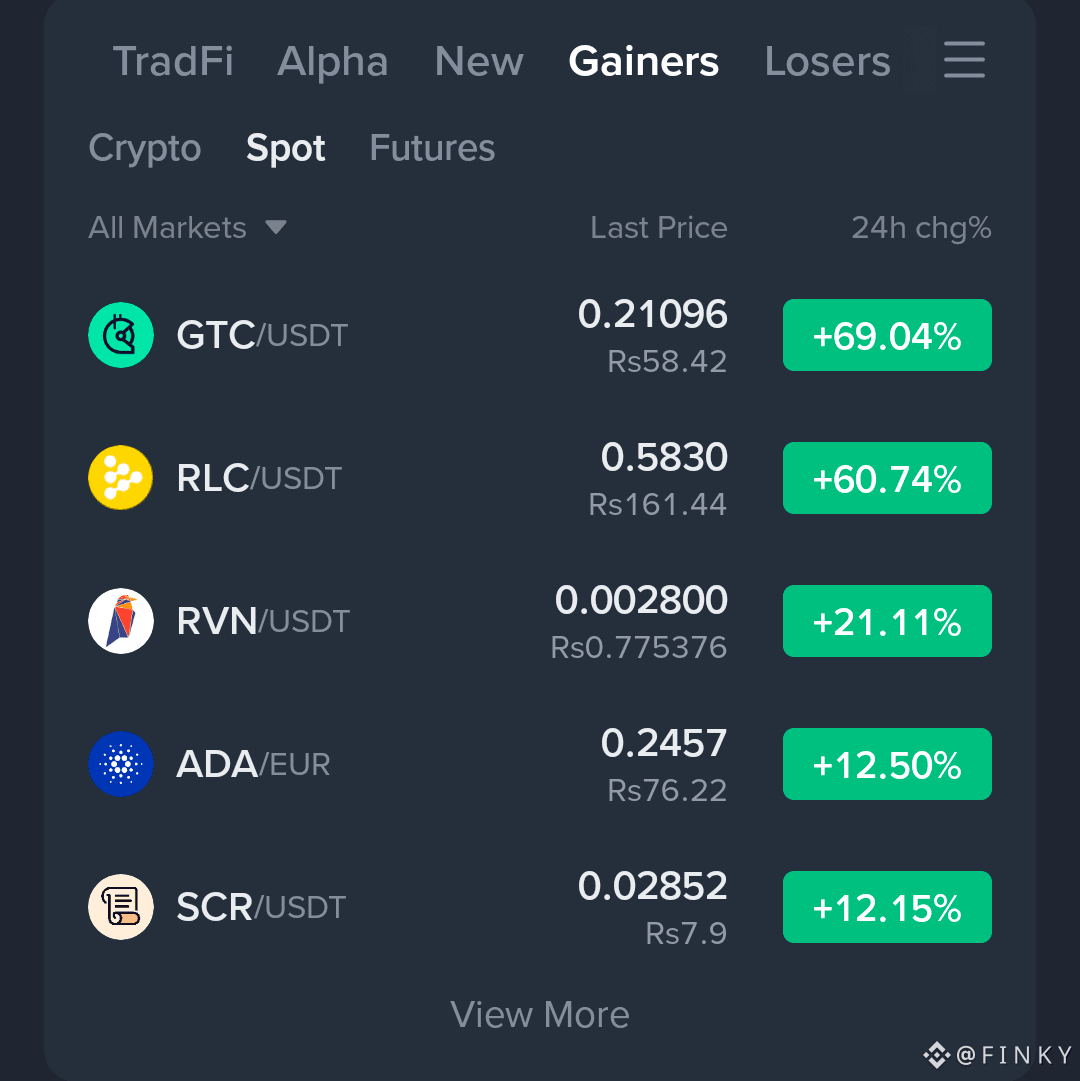
🚨أفضل خمس عملات 🔥
🤑🤑🤑🤑🤑🤑🤑💯💯💯
$GTC
{spot}(GTCUSDT)
$RLC
{spot}(RLCUSDT)
$SCR
{spot}(SCRUSDT)
#EthStakingExitQueueHits2026High #FedOctoberHoldOdds82.3% #DriftHackVictimsBeginClaims #EthereumValidatorExitQueueJumps392%
🚨أفضل خمس عملات 🔥
🤑🤑🤑🤑🤑🤑🤑💯💯💯
$GTC
$RLC
$SCR
#EthStakingExitQueueHits2026High #FedOctoberHoldOdds82.3% #DriftHackVictimsBeginClaims #EthereumValidatorExitQueueJumps392%
🤑🤑🤑🤑🤑🤑🤑💯💯💯
$GTC
$RLC
$SCR
#EthStakingExitQueueHits2026High #FedOctoberHoldOdds82.3% #DriftHackVictimsBeginClaims #EthereumValidatorExitQueueJumps392%
157
·
--
صاعد
🚨$TST — الزخم الصاعد يهدأ، لكن فرصة التداول لا تزال قائمة.
السعر: 0.01921 | +11.17%
أعلى سعر خلال 24 ساعة: 0.02036
حجم التداول خلال 24 ساعة: 305.92M TST
الدخول: 0.01910–0.01925🤑
الهدف 1: 0.01960🤑
الهدف 2: 0.02003🤑
الهدف 3: 0.02036🤑
الدعم: 0.01874 / 0.01841🤑
إلغاء الفكرة: دون 0.01841🤑
لا يزال زخم إطار 15 دقيقة نشطًا بعد الصعود إلى 0.02036. وقد تؤدي استعادة مستوى 0.01960 إلى عودة المشترين باتجاه أعلى سعر خلال الجلسة.
إدارة المخاطر أولًا. راقبوا المستويات.
هيا بنا، تداولوا الآن $TST
{spot}(TSTUSDT)
#Nikkei225Jumps2.5%ToThreeMonthHigh #DriftHackVictimsBeginClaims #EthereumValidatorExitQueueJumps392% #SECHaltsCryptoETFReviewsAmidFundingLapse #GreekPoliceBustCryptoScamRingArrest17
👀👀👀👀👀👀👀👀👀👀👀👀👀👀👀👀👀👀👀👀👀👀👀👀👀👀👀👀👀👀👀👀👀👀
🚨$TST — الزخم الصاعد يهدأ، لكن فرصة التداول لا تزال قائمة.
السعر: 0.01921 | +11.17%
أعلى سعر خلال 24 ساعة: 0.02036
حجم التداول خلال 24 ساعة: 305.92M TST
الدخول: 0.01910–0.01925🤑
الهدف 1: 0.01960🤑
الهدف 2: 0.02003🤑
الهدف 3: 0.02036🤑
الدعم: 0.01874 / 0.01841🤑
إلغاء الفكرة: دون 0.01841🤑
لا يزال زخم إطار 15 دقيقة نشطًا بعد الصعود إلى 0.02036. وقد تؤدي استعادة مستوى 0.01960 إلى عودة المشترين باتجاه أعلى سعر خلال الجلسة.
إدارة المخاطر أولًا. راقبوا المستويات.
هيا بنا، تداولوا الآن $TST
#Nikkei225Jumps2.5%ToThreeMonthHigh #DriftHackVictimsBeginClaims #EthereumValidatorExitQueueJumps392% #SECHaltsCryptoETFReviewsAmidFundingLapse #GreekPoliceBustCryptoScamRingArrest17
👀👀👀👀👀👀👀👀👀👀👀👀👀👀👀👀👀👀👀👀👀👀👀👀👀👀👀👀👀👀👀👀👀👀
السعر: 0.01921 | +11.17%
أعلى سعر خلال 24 ساعة: 0.02036
حجم التداول خلال 24 ساعة: 305.92M TST
الدخول: 0.01910–0.01925🤑
الهدف 1: 0.01960🤑
الهدف 2: 0.02003🤑
الهدف 3: 0.02036🤑
الدعم: 0.01874 / 0.01841🤑
إلغاء الفكرة: دون 0.01841🤑
لا يزال زخم إطار 15 دقيقة نشطًا بعد الصعود إلى 0.02036. وقد تؤدي استعادة مستوى 0.01960 إلى عودة المشترين باتجاه أعلى سعر خلال الجلسة.
إدارة المخاطر أولًا. راقبوا المستويات.
هيا بنا، تداولوا الآن $TST
#Nikkei225Jumps2.5%ToThreeMonthHigh #DriftHackVictimsBeginClaims #EthereumValidatorExitQueueJumps392% #SECHaltsCryptoETFReviewsAmidFundingLapse #GreekPoliceBustCryptoScamRingArrest17
👀👀👀👀👀👀👀👀👀👀👀👀👀👀👀👀👀👀👀👀👀👀👀👀👀👀👀👀👀👀👀👀👀👀
LONG
SHORT
7 ساعة (ساعات) مُتبقية
1
101
·
--
صاعد
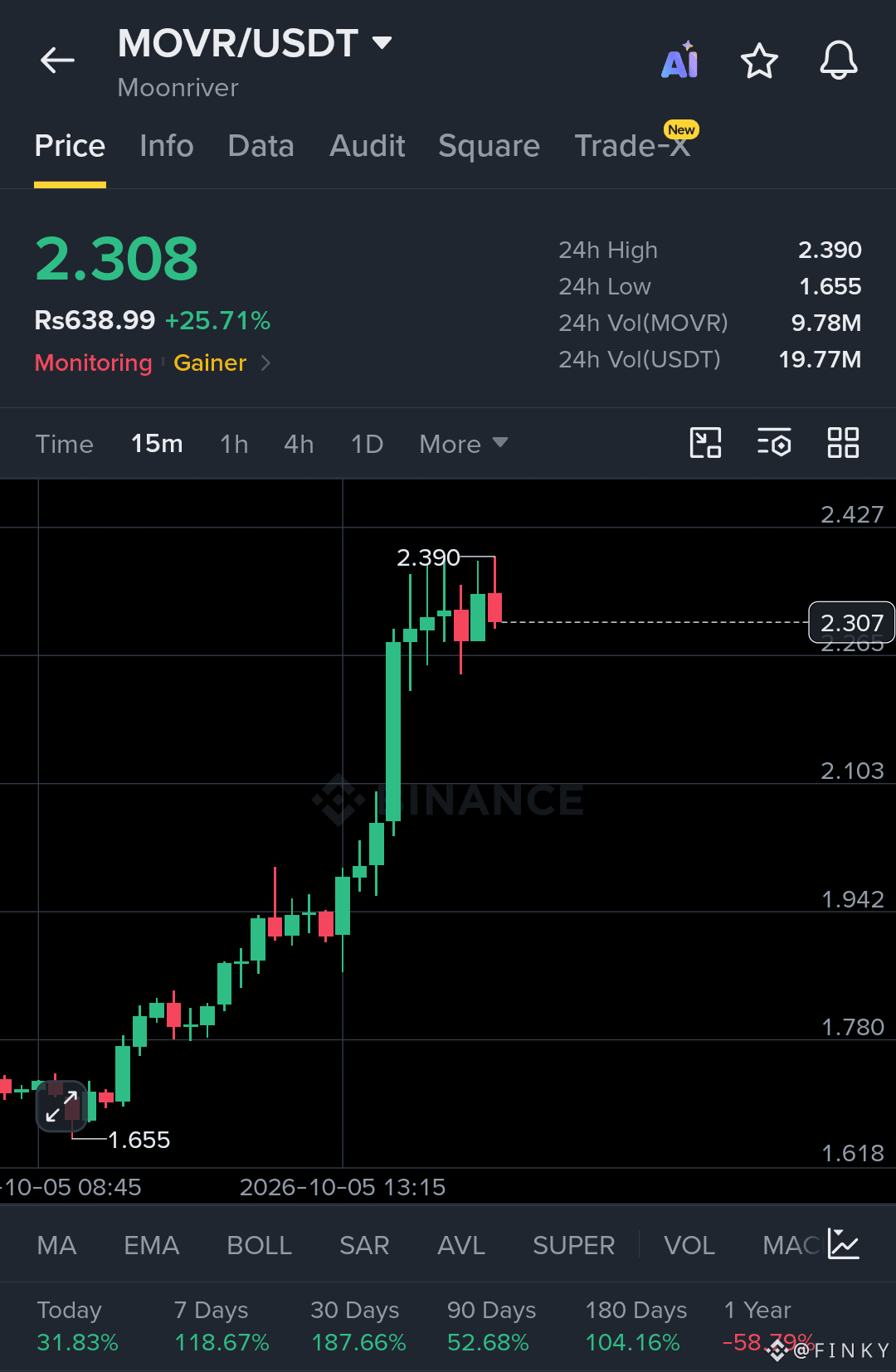
$MOVR — الزخم يتصاعد بسرعة!
السعر: 2.308 | +25.71%
أعلى سعر خلال 24 ساعة: 2.390
حجم التداول خلال 24 ساعة: 9.78M MOVR
نقطة الدخول: 2.26–2.31
الهدف 1: 2.39
الهدف 2: 2.427
الهدف 3: 2.55
الدعم: 2.265 / 2.103
إبطال التوقع: دون 2.103
اختراق قوي على إطار 15 دقيقة، مع ثبات السعر قرب أعلى مستوى للجلسة. قد يمهد اختراق واضح لمستوى 2.39 الطريق لموجة صعود جديدة.
إدارة المخاطر أولاً. راقب الاختراق.
هيا بنا، تداول الآن $MOVR
{spot}(MOVRUSDT)
#Nikkei225Jumps2.5%ToThreeMonthHigh
$MOVR — الزخم يتصاعد بسرعة!
السعر: 2.308 | +25.71%
أعلى سعر خلال 24 ساعة: 2.390
حجم التداول خلال 24 ساعة: 9.78M MOVR
نقطة الدخول: 2.26–2.31
الهدف 1: 2.39
الهدف 2: 2.427
الهدف 3: 2.55
الدعم: 2.265 / 2.103
إبطال التوقع: دون 2.103
اختراق قوي على إطار 15 دقيقة، مع ثبات السعر قرب أعلى مستوى للجلسة. قد يمهد اختراق واضح لمستوى 2.39 الطريق لموجة صعود جديدة.
إدارة المخاطر أولاً. راقب الاختراق.
هيا بنا، تداول الآن $MOVR
#Nikkei225Jumps2.5%ToThreeMonthHigh
السعر: 2.308 | +25.71%
أعلى سعر خلال 24 ساعة: 2.390
حجم التداول خلال 24 ساعة: 9.78M MOVR
نقطة الدخول: 2.26–2.31
الهدف 1: 2.39
الهدف 2: 2.427
الهدف 3: 2.55
الدعم: 2.265 / 2.103
إبطال التوقع: دون 2.103
اختراق قوي على إطار 15 دقيقة، مع ثبات السعر قرب أعلى مستوى للجلسة. قد يمهد اختراق واضح لمستوى 2.39 الطريق لموجة صعود جديدة.
إدارة المخاطر أولاً. راقب الاختراق.
هيا بنا، تداول الآن $MOVR
#Nikkei225Jumps2.5%ToThreeMonthHigh
109
·
--
صاعد
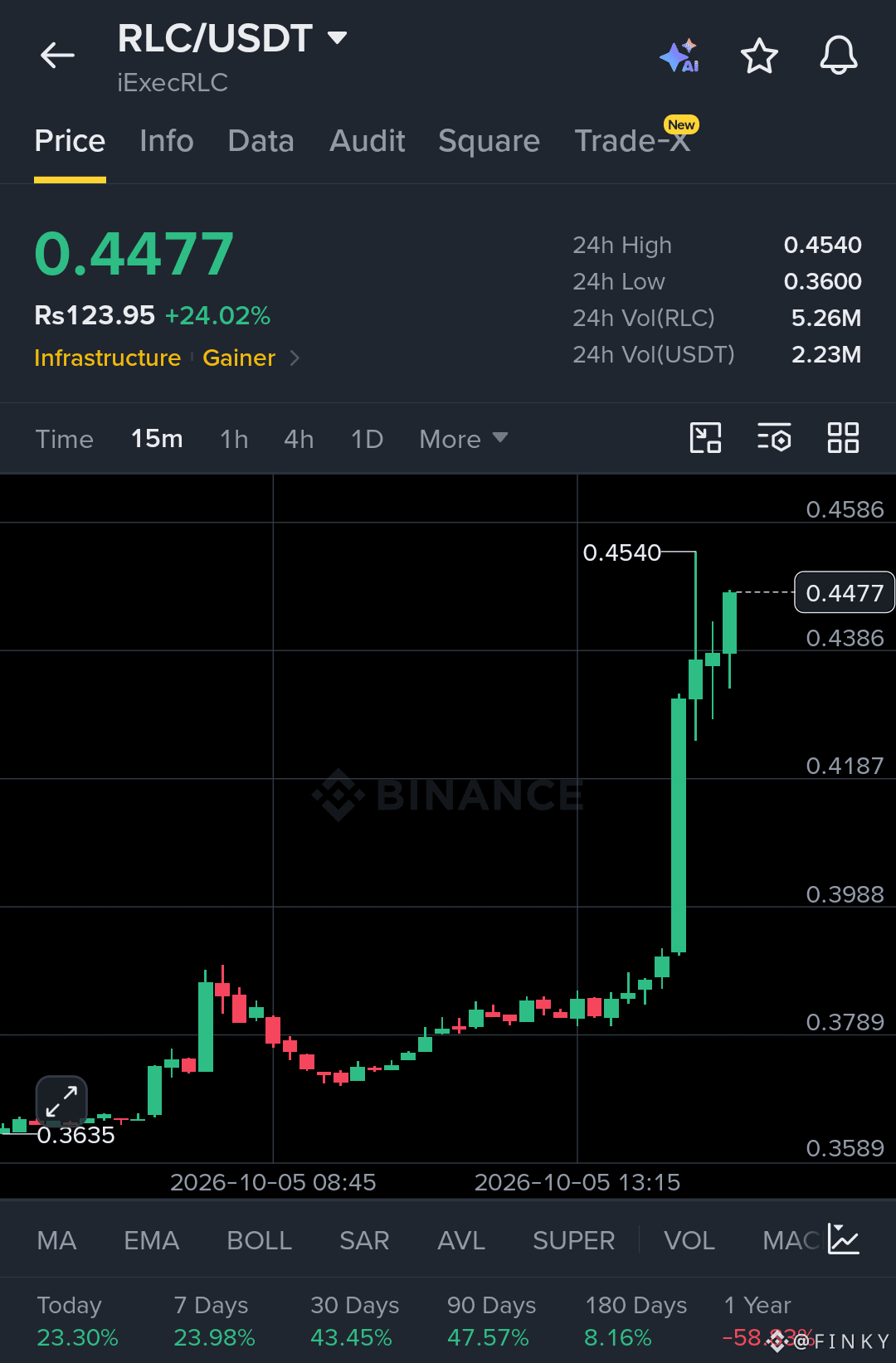
$RLC — الزخم انفجر للتو!
السعر: 0.4477 | +24.02%
أعلى سعر خلال 24 ساعة: 0.4540
حجم التداول خلال 24 ساعة: 5.26M RLC
الدخول: 0.4380–0.4470
الهدف 1: 0.4540
الهدف 2: 0.4586
الهدف 3: 0.4700
الدعم: 0.4386 / 0.4187
إبطال الإعداد: دون 0.4187
يُظهر الرسم البياني لفترة 15 دقيقة اختراقًا قويًا، مع سيطرة واضحة للمشترين. الثبات فوق 0.4386 يبقي إعداد الزخم قائمًا.
إدارة المخاطر أولًا. دع المستويات تؤدي دورها.
هيا بنا، تداول الآن $RLC
{spot}(RLCUSDT)
#SECHaltsCryptoETFReviewsAmidFundingLapse
$RLC — الزخم انفجر للتو!
السعر: 0.4477 | +24.02%
أعلى سعر خلال 24 ساعة: 0.4540
حجم التداول خلال 24 ساعة: 5.26M RLC
الدخول: 0.4380–0.4470
الهدف 1: 0.4540
الهدف 2: 0.4586
الهدف 3: 0.4700
الدعم: 0.4386 / 0.4187
إبطال الإعداد: دون 0.4187
يُظهر الرسم البياني لفترة 15 دقيقة اختراقًا قويًا، مع سيطرة واضحة للمشترين. الثبات فوق 0.4386 يبقي إعداد الزخم قائمًا.
إدارة المخاطر أولًا. دع المستويات تؤدي دورها.
هيا بنا، تداول الآن $RLC
#SECHaltsCryptoETFReviewsAmidFundingLapse
السعر: 0.4477 | +24.02%
أعلى سعر خلال 24 ساعة: 0.4540
حجم التداول خلال 24 ساعة: 5.26M RLC
الدخول: 0.4380–0.4470
الهدف 1: 0.4540
الهدف 2: 0.4586
الهدف 3: 0.4700
الدعم: 0.4386 / 0.4187
إبطال الإعداد: دون 0.4187
يُظهر الرسم البياني لفترة 15 دقيقة اختراقًا قويًا، مع سيطرة واضحة للمشترين. الثبات فوق 0.4386 يبقي إعداد الزخم قائمًا.
إدارة المخاطر أولًا. دع المستويات تؤدي دورها.
هيا بنا، تداول الآن $RLC
#SECHaltsCryptoETFReviewsAmidFundingLapse
44
·
--
هابط
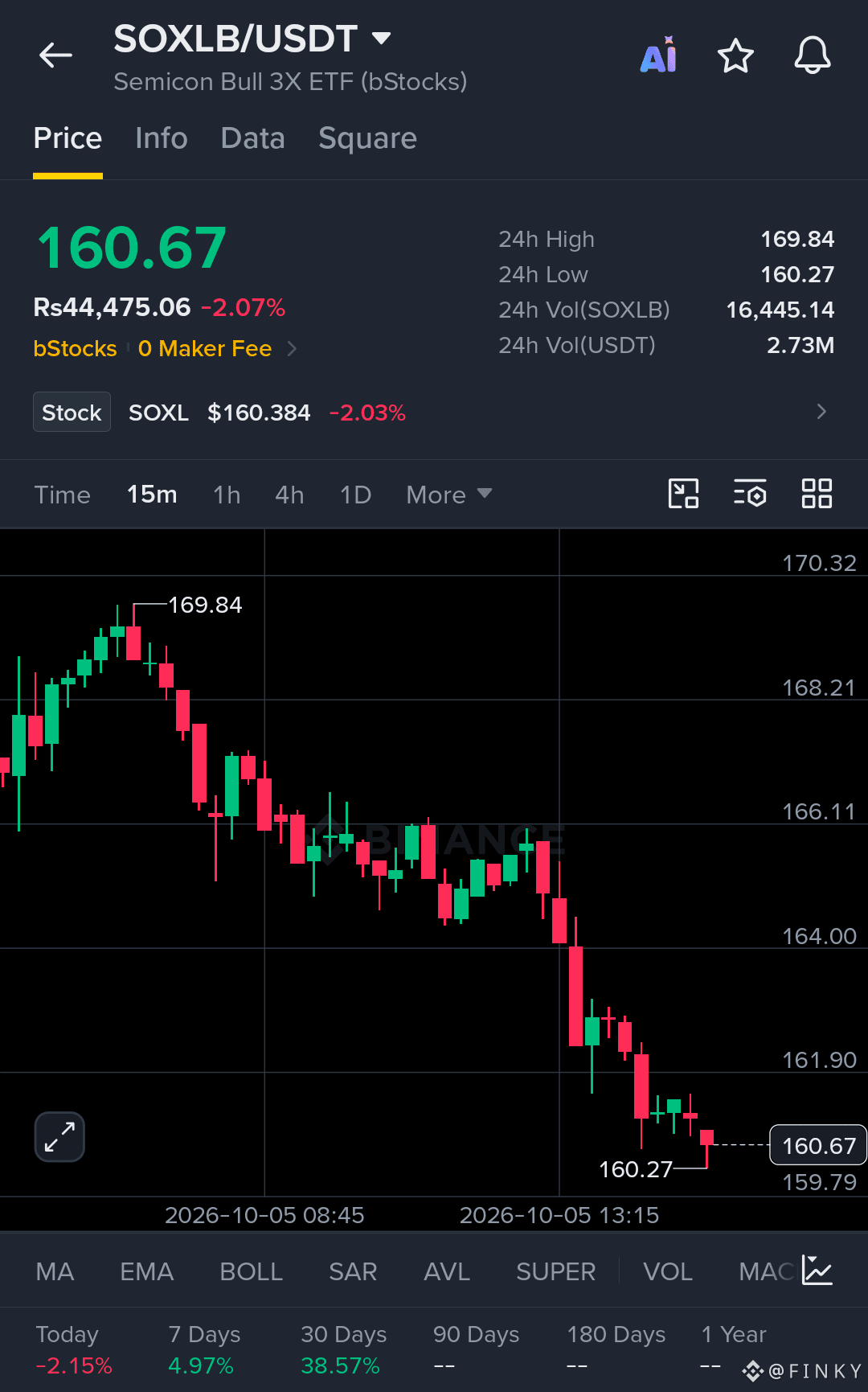
$SOXL — حركة حادة خلال 15 دقيقة تجعل النطاق 161.57–161.64 محط الأنظار.
سعر الدخول: 161.60–162.00
الهدف 1: 162.97
الهدف 2: 164.79
الهدف 3: 166.60
المقاومة: 168.42–169.82
وقف الخسارة: دون 161.50
راقب 162.97 عن كثب، فقد يشهد التحرك الرئيسي التالي. تحكّم في المخاطر ودع المستويات تحدد المسار.
هيا بنا، ابدأ التداول الآن $SOXL
#DriftHackVictimsBeginClaims
$SOXL — حركة حادة خلال 15 دقيقة تجعل النطاق 161.57–161.64 محط الأنظار.
سعر الدخول: 161.60–162.00
الهدف 1: 162.97
الهدف 2: 164.79
الهدف 3: 166.60
المقاومة: 168.42–169.82
وقف الخسارة: دون 161.50
راقب 162.97 عن كثب، فقد يشهد التحرك الرئيسي التالي. تحكّم في المخاطر ودع المستويات تحدد المسار.
هيا بنا، ابدأ التداول الآن $SOXL
#DriftHackVictimsBeginClaims
سعر الدخول: 161.60–162.00
الهدف 1: 162.97
الهدف 2: 164.79
الهدف 3: 166.60
المقاومة: 168.42–169.82
وقف الخسارة: دون 161.50
راقب 162.97 عن كثب، فقد يشهد التحرك الرئيسي التالي. تحكّم في المخاطر ودع المستويات تحدد المسار.
هيا بنا، ابدأ التداول الآن $SOXL
#DriftHackVictimsBeginClaims
58
·
--
صاعد
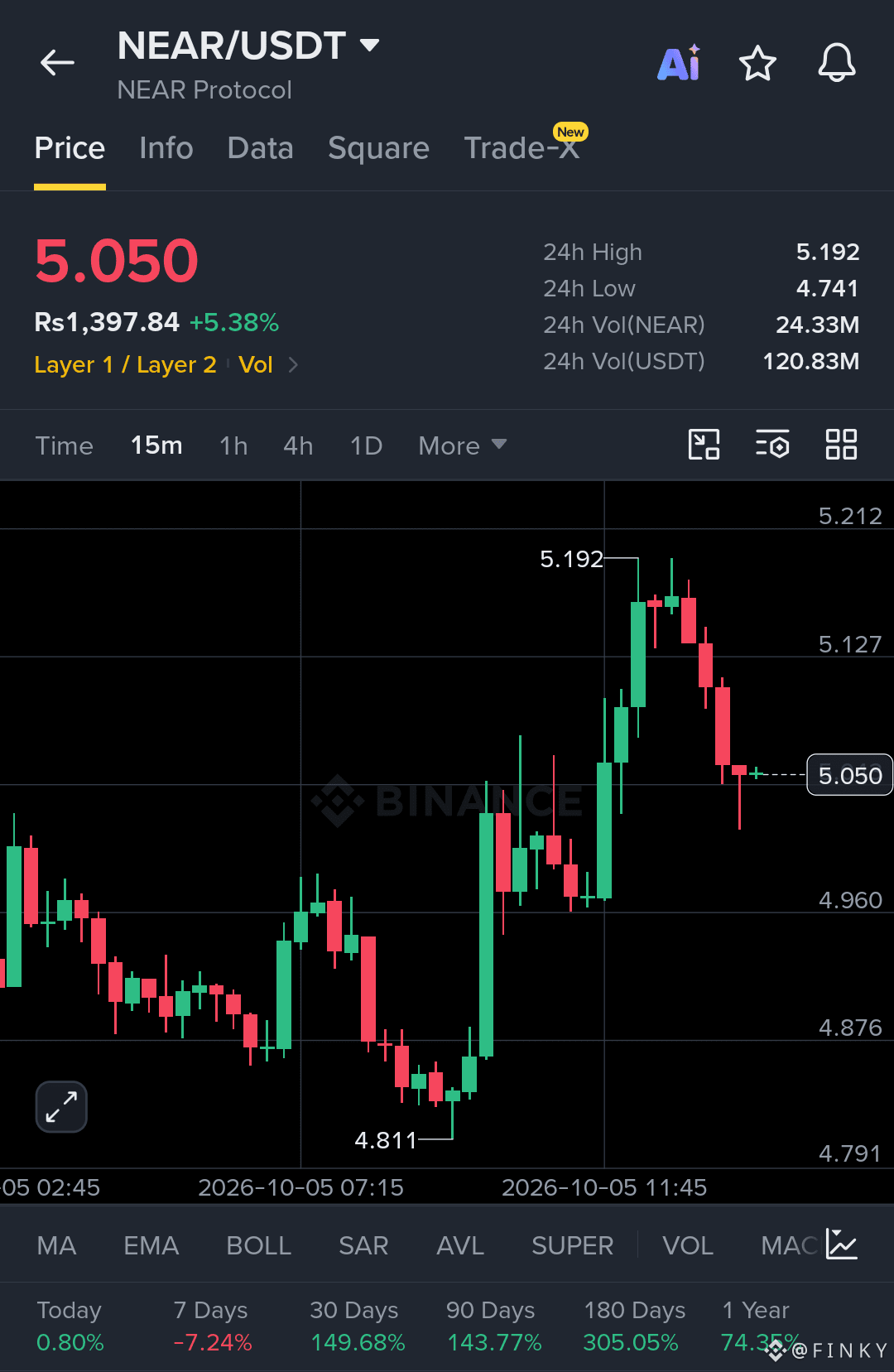
$NEAR — أدّت حركة حادة إلى إعادة NEAR إلى دائرة الاهتمام، مدعومة بحجم تداول قوي في أحدث موجة صعود.
الدخول: 5.04–5.08
وقف الخسارة: 4.96
الهدف 1: 5.13
الهدف 2: 5.19
الهدف 3: 5.28
يحافظ السعر على مستوياته قرب 5.05 بعد بلوغه 5.192، فيما يتجاوز حجم التداول خلال 24 ساعة 120 مليون دولار. تحكّم بالمخاطر وراقب المستويات الرئيسية عن كثب.
هيا بنا، تداول الآن $NEAR
{spot}(NEARUSDT)
#SECHaltsCryptoETFReviewsAmidFundingLapse #FedOctoberRateHikeOddsFallTo17%
$NEAR — أدّت حركة حادة إلى إعادة NEAR إلى دائرة الاهتمام، مدعومة بحجم تداول قوي في أحدث موجة صعود.
الدخول: 5.04–5.08
وقف الخسارة: 4.96
الهدف 1: 5.13
الهدف 2: 5.19
الهدف 3: 5.28
يحافظ السعر على مستوياته قرب 5.05 بعد بلوغه 5.192، فيما يتجاوز حجم التداول خلال 24 ساعة 120 مليون دولار. تحكّم بالمخاطر وراقب المستويات الرئيسية عن كثب.
هيا بنا، تداول الآن $NEAR
#SECHaltsCryptoETFReviewsAmidFundingLapse #FedOctoberRateHikeOddsFallTo17%
الدخول: 5.04–5.08
وقف الخسارة: 4.96
الهدف 1: 5.13
الهدف 2: 5.19
الهدف 3: 5.28
يحافظ السعر على مستوياته قرب 5.05 بعد بلوغه 5.192، فيما يتجاوز حجم التداول خلال 24 ساعة 120 مليون دولار. تحكّم بالمخاطر وراقب المستويات الرئيسية عن كثب.
هيا بنا، تداول الآن $NEAR
#SECHaltsCryptoETFReviewsAmidFundingLapse #FedOctoberRateHikeOddsFallTo17%
74
·
--
صاعد
$XAUT — الذهب يتصدر المشهد حرفيًا.
قد تكون هدية شي جين بينغ لترامب في قاعة تايهي رمزية، لكن القصة الأهم هي الاهتمام بالذهب نفسه. في ظل الغموض الجيوسياسي واستمرار الطلب على أصول الملاذ الآمن، لا يزال $XAUT جديرًا بمتابعة وثيقة.
تزداد قوة السردية المحيطة بالذهب. $XAUT تحت المجهر.
{spot}(XAUTUSDT)
$XAUT — الذهب يتصدر المشهد حرفيًا.
قد تكون هدية شي جين بينغ لترامب في قاعة تايهي رمزية، لكن القصة الأهم هي الاهتمام بالذهب نفسه. في ظل الغموض الجيوسياسي واستمرار الطلب على أصول الملاذ الآمن، لا يزال $XAUT جديرًا بمتابعة وثيقة.
تزداد قوة السردية المحيطة بالذهب. $XAUT تحت المجهر.
قد تكون هدية شي جين بينغ لترامب في قاعة تايهي رمزية، لكن القصة الأهم هي الاهتمام بالذهب نفسه. في ظل الغموض الجيوسياسي واستمرار الطلب على أصول الملاذ الآمن، لا يزال $XAUT جديرًا بمتابعة وثيقة.
تزداد قوة السردية المحيطة بالذهب. $XAUT تحت المجهر.

90
·
--
صاعد
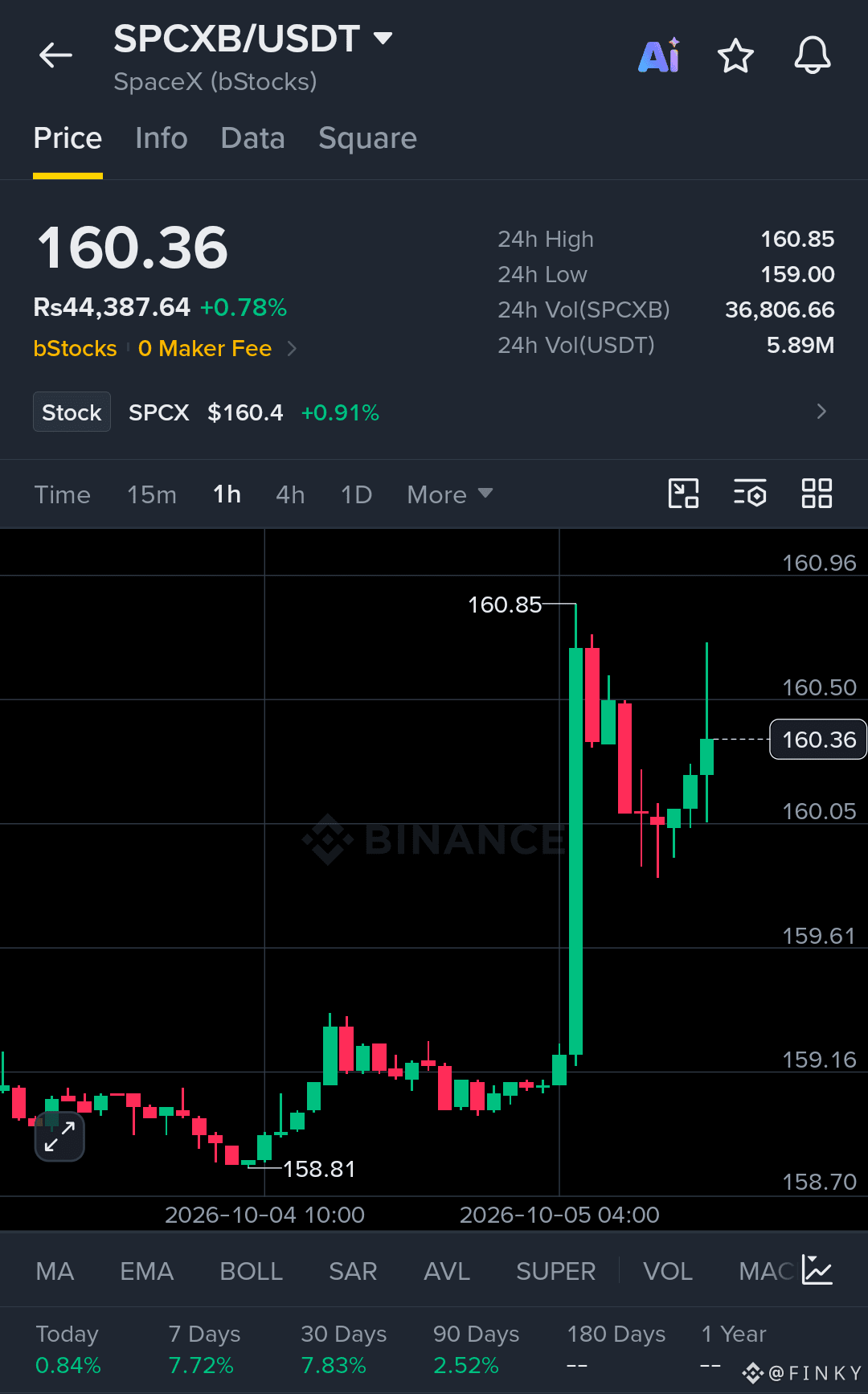
$SPCXB — تحرك قوي ظهر للتو على الرسم البياني، وأصبحت الفرصة مثيرة للاهتمام.
الدخول: 160.20–160.40
وقف الخسارة: 159.85
الهدف 1: 160.60
الهدف 2: 160.85
الهدف 3: 161.20
يحافظ السعر على مستواه فوق منطقة 160.00 بعد ارتفاع حاد من 159.00. الزخم يتزايد، لكن إدارة المخاطر تظل أساسية.
هيا بنا، تداولوا الآن $SPCXB
{spot}(SPCXBUSDT)
#FedOctoberRateHikeOddsFallTo17%
$SPCXB — تحرك قوي ظهر للتو على الرسم البياني، وأصبحت الفرصة مثيرة للاهتمام.
الدخول: 160.20–160.40
وقف الخسارة: 159.85
الهدف 1: 160.60
الهدف 2: 160.85
الهدف 3: 161.20
يحافظ السعر على مستواه فوق منطقة 160.00 بعد ارتفاع حاد من 159.00. الزخم يتزايد، لكن إدارة المخاطر تظل أساسية.
هيا بنا، تداولوا الآن $SPCXB
#FedOctoberRateHikeOddsFallTo17%
الدخول: 160.20–160.40
وقف الخسارة: 159.85
الهدف 1: 160.60
الهدف 2: 160.85
الهدف 3: 161.20
يحافظ السعر على مستواه فوق منطقة 160.00 بعد ارتفاع حاد من 159.00. الزخم يتزايد، لكن إدارة المخاطر تظل أساسية.
هيا بنا، تداولوا الآن $SPCXB
#FedOctoberRateHikeOddsFallTo17%
1
57
·
--
صاعد
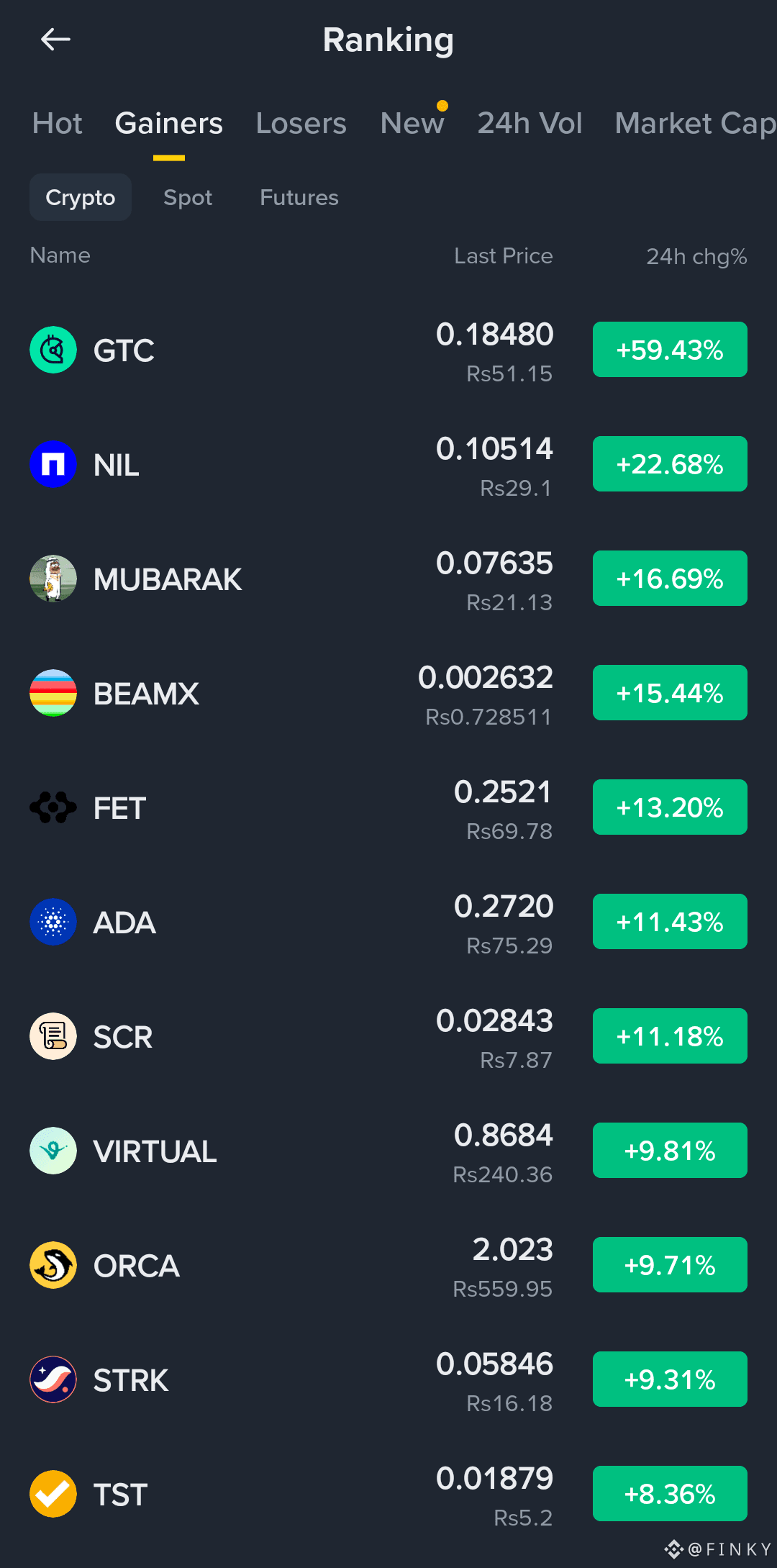
🔥 يوم سعيد لمَن يحقق مكاسب! 🚀📈
السوق يظهر حرارة قوية اليوم. إليك العملات التي تُحدث أكبر التحركات على لوحة الترتيب:
🚀 $GTC — $0.18480 | +59.43%
⚡ $NIL — $0.10514 | +22.68%
🔥 $MUBARAK — $0.07635 | +16.69%
💥 $BEAMX — $0.002632 | +15.44%
📈 $FET — $0.2521 | +13.20%
🚀 $ADA — $0.2720 | +11.43%
⚡ $SCR — $0.02843 | +11.18%
🔥 $VIRTUAL — $0.8684 | +9.81%
💎 $ORCA — $2.023 | +9.71%
🚀 $STRK — $0.05846 | +9.31%
⚡ $TST — $0.01879 | +8.36%
$GTC يتصدر القائمة بتحرك ضخم بنسبة +59.43%، بينما تُسجل عدة عملات أخرى مكاسب كبيرة بعِدّة أرقام. مكاسب السوق الحالية تستحق المتابعة عن كثب، لكن التحركات الحادة قد تجلب أيضاً هبوطات حادة.
الزخم حيّ. الحجم مهم. وإدارة المخاطر أهم من ذلك بكثير. 👀🔥
#Market_Update
🔥 يوم سعيد لمَن يحقق مكاسب! 🚀📈
السوق يظهر حرارة قوية اليوم. إليك العملات التي تُحدث أكبر التحركات على لوحة الترتيب:
🚀 $GTC — $0.18480 | +59.43%
⚡ $NIL — $0.10514 | +22.68%
🔥 $MUBARAK — $0.07635 | +16.69%
💥 $BEAMX — $0.002632 | +15.44%
📈 $FET — $0.2521 | +13.20%
🚀 $ADA — $0.2720 | +11.43%
⚡ $SCR — $0.02843 | +11.18%
🔥 $VIRTUAL — $0.8684 | +9.81%
💎 $ORCA — $2.023 | +9.71%
🚀 $STRK — $0.05846 | +9.31%
⚡ $TST — $0.01879 | +8.36%
$GTC يتصدر القائمة بتحرك ضخم بنسبة +59.43%، بينما تُسجل عدة عملات أخرى مكاسب كبيرة بعِدّة أرقام. مكاسب السوق الحالية تستحق المتابعة عن كثب، لكن التحركات الحادة قد تجلب أيضاً هبوطات حادة.
الزخم حيّ. الحجم مهم. وإدارة المخاطر أهم من ذلك بكثير. 👀🔥
#Market_Update
السوق يظهر حرارة قوية اليوم. إليك العملات التي تُحدث أكبر التحركات على لوحة الترتيب:
🚀 $GTC — $0.18480 | +59.43%
⚡ $NIL — $0.10514 | +22.68%
🔥 $MUBARAK — $0.07635 | +16.69%
💥 $BEAMX — $0.002632 | +15.44%
📈 $FET — $0.2521 | +13.20%
🚀 $ADA — $0.2720 | +11.43%
⚡ $SCR — $0.02843 | +11.18%
🔥 $VIRTUAL — $0.8684 | +9.81%
💎 $ORCA — $2.023 | +9.71%
🚀 $STRK — $0.05846 | +9.31%
⚡ $TST — $0.01879 | +8.36%
$GTC يتصدر القائمة بتحرك ضخم بنسبة +59.43%، بينما تُسجل عدة عملات أخرى مكاسب كبيرة بعِدّة أرقام. مكاسب السوق الحالية تستحق المتابعة عن كثب، لكن التحركات الحادة قد تجلب أيضاً هبوطات حادة.
الزخم حيّ. الحجم مهم. وإدارة المخاطر أهم من ذلك بكثير. 👀🔥
#Market_Update
2
179
·
--
صاعد
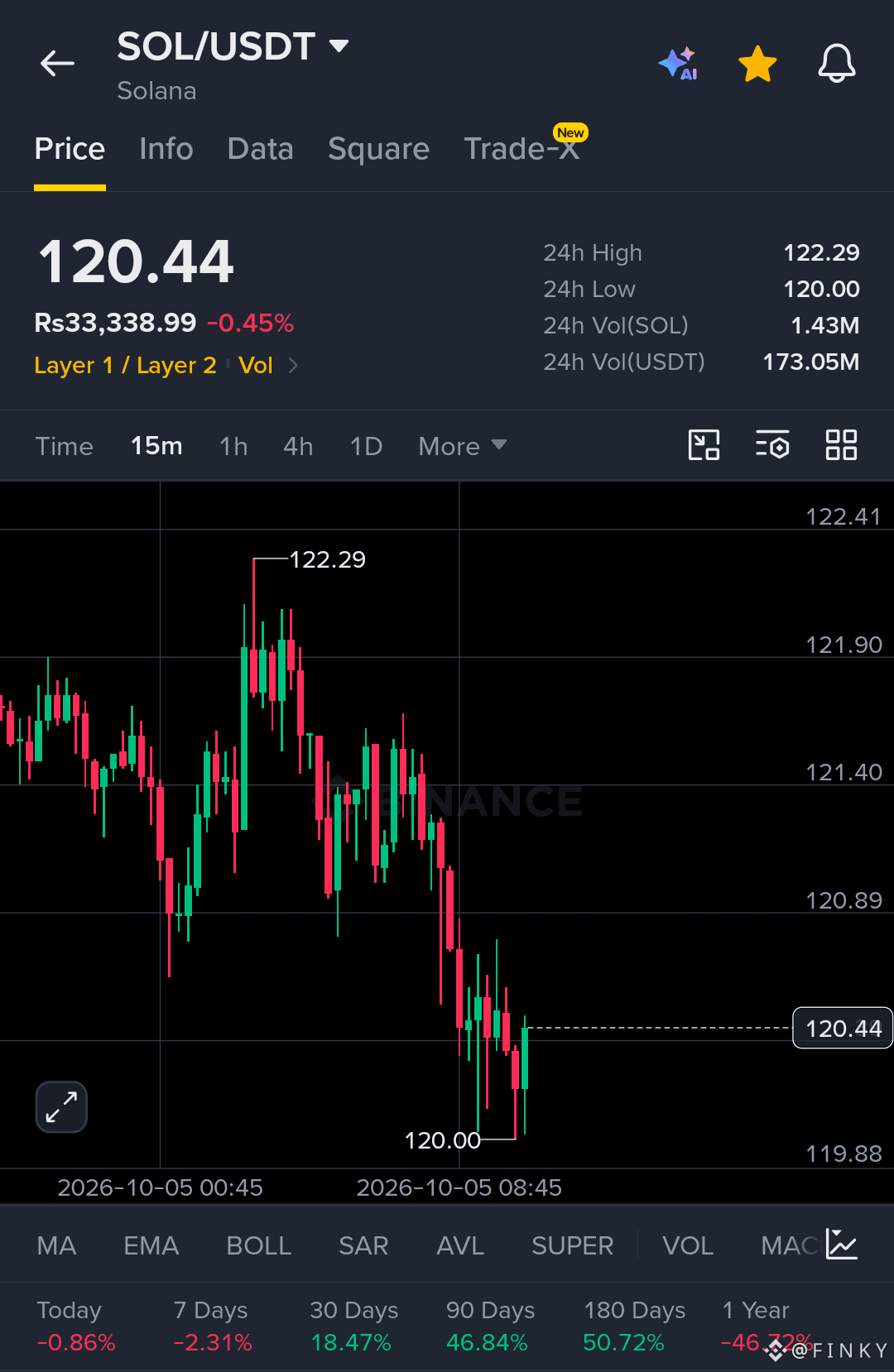
🚀 $SOL تشتعل نارًا!
$SOL ارتفع بنسبة 70% خلال 60 يومًا فقط. 📈🔥
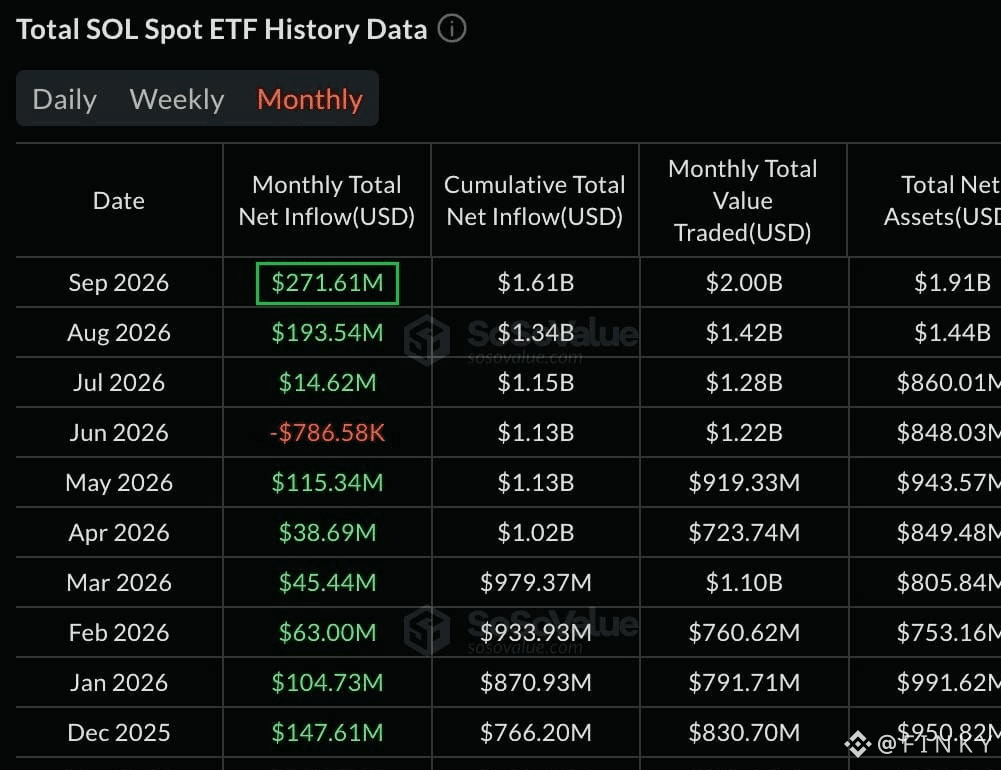
في سبتمبر، ظهر إشعار ضخم آخر: صناديق سولانا المتداولة (ETFs) اشترت بقيمة 271 مليون دولار من $SOL، مسجّلة أكبر عملية شراء شهرية خلال 10 أشهر. 💰🚀
ارتداد 70% + طلب 271 مليون دولار من الـ ETF = زخم جاد. 🔥📊
السؤال الآن بسيط: إلى أي مدى يمكن أن يصل $SOL من هنا؟ 👀
أنا أراقب عن كثب. السوق بدأ يتكلم. 💚🚀
🚀 $SOL تشتعل نارًا!
$SOL ارتفع بنسبة 70% خلال 60 يومًا فقط. 📈🔥
في سبتمبر، ظهر إشعار ضخم آخر: صناديق سولانا المتداولة (ETFs) اشترت بقيمة 271 مليون دولار من $SOL ، مسجّلة أكبر عملية شراء شهرية خلال 10 أشهر. 💰🚀
ارتداد 70% + طلب 271 مليون دولار من الـ ETF = زخم جاد. 🔥📊
السؤال الآن بسيط: إلى أي مدى يمكن أن يصل $SOL من هنا؟ 👀
أنا أراقب عن كثب. السوق بدأ يتكلم. 💚🚀
$SOL ارتفع بنسبة 70% خلال 60 يومًا فقط. 📈🔥
في سبتمبر، ظهر إشعار ضخم آخر: صناديق سولانا المتداولة (ETFs) اشترت بقيمة 271 مليون دولار من $SOL ، مسجّلة أكبر عملية شراء شهرية خلال 10 أشهر. 💰🚀
ارتداد 70% + طلب 271 مليون دولار من الـ ETF = زخم جاد. 🔥📊
السؤال الآن بسيط: إلى أي مدى يمكن أن يصل $SOL من هنا؟ 👀
أنا أراقب عن كثب. السوق بدأ يتكلم. 💚🚀
1
62
·
--
صاعد
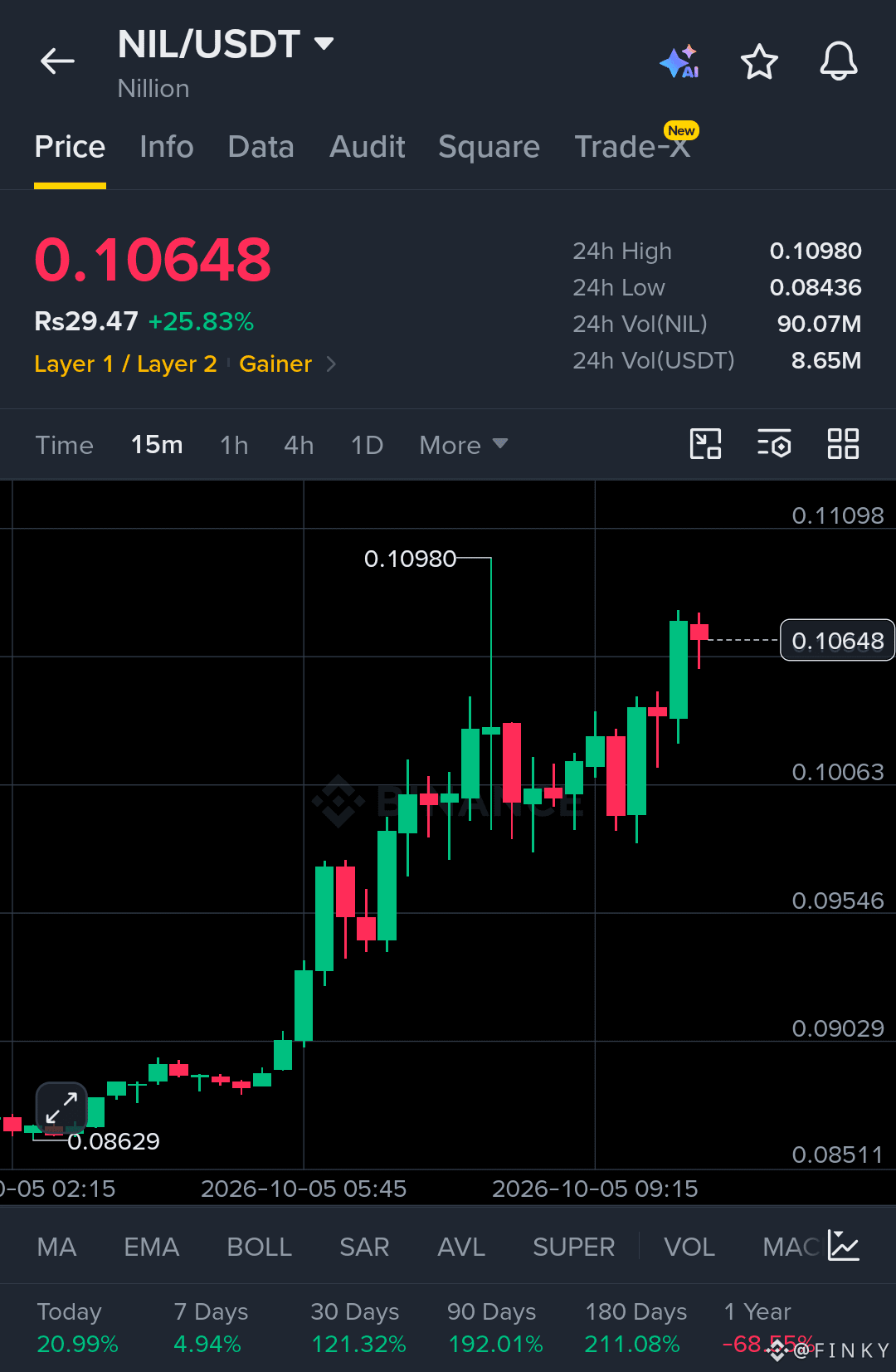
$NIL /USDT — الزخم يتحرك بسرعة، مع نشاط قوي خلف هذه الحركة.
السعر: 0.10648
24H: +25.83%
أعلى سعر خلال 24 ساعة: 0.10980
أدنى سعر خلال 24 ساعة: 0.08436
حجم التداول خلال 24 ساعة: 90.07M NIL
الدخول: 0.10500–0.10650
TP1: 0.10980
TP2: 0.11200
TP3: 0.11500
SL: 0.10200
يُعد هذا النطاق جديرًا بالمراقبة بفضل حجم التداول القوي وبنية 15 دقيقة الواضحة.
هيا بنا للتداول الآن $NIL
{spot}(NILUSDT)
#DriftHackVictimsBeginClaims #EthereumValidatorExitQueueJumps392% #SECHaltsCryptoETFReviewsAmidFundingLapse #GreekPoliceBustCryptoScamRingArrest17 #FedOctoberRateHikeOddsFallTo17%
$NIL /USDT — الزخم يتحرك بسرعة، مع نشاط قوي خلف هذه الحركة.
السعر: 0.10648
24H: +25.83%
أعلى سعر خلال 24 ساعة: 0.10980
أدنى سعر خلال 24 ساعة: 0.08436
حجم التداول خلال 24 ساعة: 90.07M NIL
الدخول: 0.10500–0.10650
TP1: 0.10980
TP2: 0.11200
TP3: 0.11500
SL: 0.10200
يُعد هذا النطاق جديرًا بالمراقبة بفضل حجم التداول القوي وبنية 15 دقيقة الواضحة.
هيا بنا للتداول الآن $NIL
#DriftHackVictimsBeginClaims #EthereumValidatorExitQueueJumps392% #SECHaltsCryptoETFReviewsAmidFundingLapse #GreekPoliceBustCryptoScamRingArrest17 #FedOctoberRateHikeOddsFallTo17%
السعر: 0.10648
24H: +25.83%
أعلى سعر خلال 24 ساعة: 0.10980
أدنى سعر خلال 24 ساعة: 0.08436
حجم التداول خلال 24 ساعة: 90.07M NIL
الدخول: 0.10500–0.10650
TP1: 0.10980
TP2: 0.11200
TP3: 0.11500
SL: 0.10200
يُعد هذا النطاق جديرًا بالمراقبة بفضل حجم التداول القوي وبنية 15 دقيقة الواضحة.
هيا بنا للتداول الآن $NIL
#DriftHackVictimsBeginClaims #EthereumValidatorExitQueueJumps392% #SECHaltsCryptoETFReviewsAmidFundingLapse #GreekPoliceBustCryptoScamRingArrest17 #FedOctoberRateHikeOddsFallTo17%
1
148
·
--
صاعد
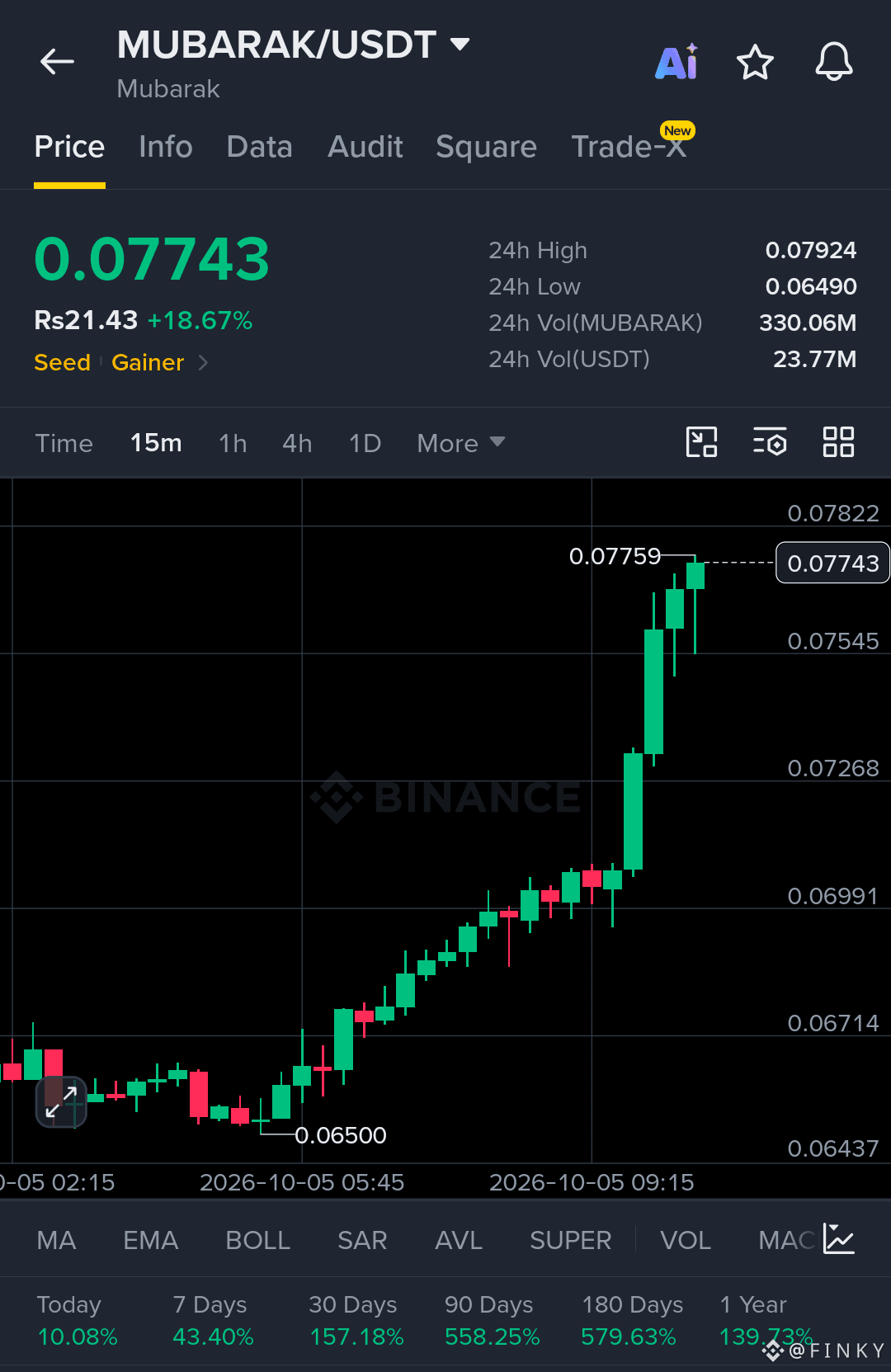
$MUBARAK /USDT — حركة قوية مع زخم يتراكم بسرعة.
السعر: 0.07743
24H: +18.67%
أعلى سعر خلال 24 ساعة: 0.07924
أدنى سعر خلال 24 ساعة: 0.06490
حجم تداول 24H: 330.06M MUBARAK
الدخول: 0.07550–0.07740
TP1: 0.07924
TP2: 0.08100
TP3: 0.08300
SL: 0.07380
حجم تداول قوي وإعداد اختراق جديد يحافظان على بقاء MUBARAK ضمن دائرة الاهتمام.
هيا بنا للتداول الآن $MUBARAK
{spot}(MUBARAKUSDT)
#DriftHackVictimsBeginClaims #EthereumValidatorExitQueueJumps392% #SECHaltsCryptoETFReviewsAmidFundingLapse #GreekPoliceBustCryptoScamRingArrest17 #FedOctoberRateHikeOddsFallTo17%
$MUBARAK /USDT — حركة قوية مع زخم يتراكم بسرعة.
السعر: 0.07743
24H: +18.67%
أعلى سعر خلال 24 ساعة: 0.07924
أدنى سعر خلال 24 ساعة: 0.06490
حجم تداول 24H: 330.06M MUBARAK
الدخول: 0.07550–0.07740
TP1: 0.07924
TP2: 0.08100
TP3: 0.08300
SL: 0.07380
حجم تداول قوي وإعداد اختراق جديد يحافظان على بقاء MUBARAK ضمن دائرة الاهتمام.
هيا بنا للتداول الآن $MUBARAK
#DriftHackVictimsBeginClaims #EthereumValidatorExitQueueJumps392% #SECHaltsCryptoETFReviewsAmidFundingLapse #GreekPoliceBustCryptoScamRingArrest17 #FedOctoberRateHikeOddsFallTo17%
السعر: 0.07743
24H: +18.67%
أعلى سعر خلال 24 ساعة: 0.07924
أدنى سعر خلال 24 ساعة: 0.06490
حجم تداول 24H: 330.06M MUBARAK
الدخول: 0.07550–0.07740
TP1: 0.07924
TP2: 0.08100
TP3: 0.08300
SL: 0.07380
حجم تداول قوي وإعداد اختراق جديد يحافظان على بقاء MUBARAK ضمن دائرة الاهتمام.
هيا بنا للتداول الآن $MUBARAK
#DriftHackVictimsBeginClaims #EthereumValidatorExitQueueJumps392% #SECHaltsCryptoETFReviewsAmidFundingLapse #GreekPoliceBustCryptoScamRingArrest17 #FedOctoberRateHikeOddsFallTo17%
1
87
·
--
صاعد
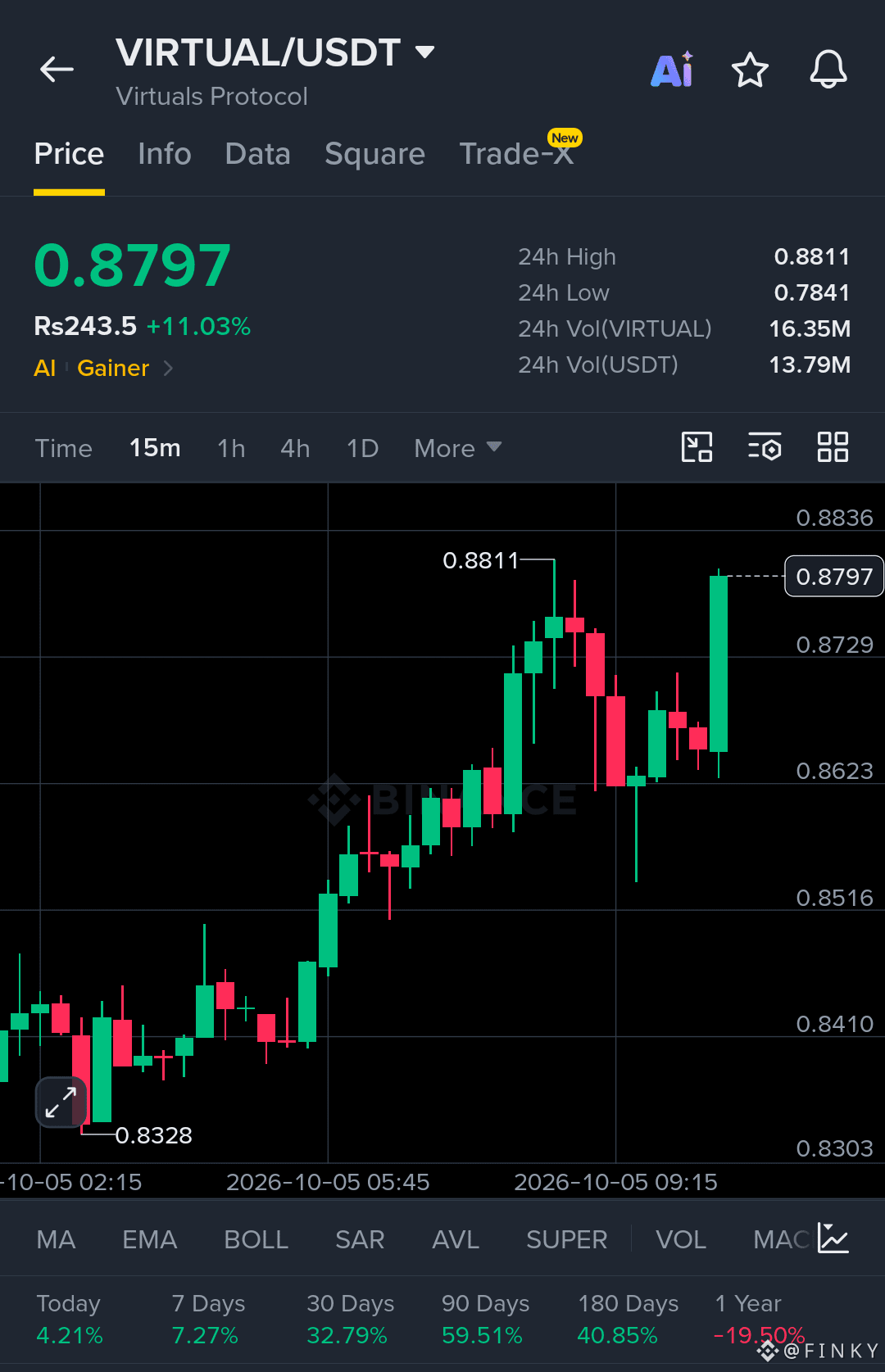
$VIRTUAL /USDT — الزخم يزداد سخونة بسرعة.
السعر: 0.8797
24س: +11.03%
24س الأعلى: 0.8811
24س الأدنى: 0.7841
24س الحجم: 16.35M VIRTUAL
مستويات رئيسية:
الدخول: 0.8740–0.8790
TP1: 0.8811
TP2: 0.8836
TP3: 0.8900
SL: 0.8680
حجم قوي وزخم جديد يحافظان على متابعة VIRTUAL عندما يقترب السعر من مقاومة 0.8811.
إدارة المخاطر. تاجر على هذه المستويات.
هيا بنا وابدأ التداول الآن $VIRTUAL
{spot}(VIRTUALUSDT)
#DriftHackVictimsBeginClaims #EthereumValidatorExitQueueJumps392% #SECHaltsCryptoETFReviewsAmidFundingLapse #GreekPoliceBustCryptoScamRingArrest17 #FedOctoberRateHikeOddsFallTo17%
$VIRTUAL /USDT — الزخم يزداد سخونة بسرعة.
السعر: 0.8797
24س: +11.03%
24س الأعلى: 0.8811
24س الأدنى: 0.7841
24س الحجم: 16.35M VIRTUAL
مستويات رئيسية:
الدخول: 0.8740–0.8790
TP1: 0.8811
TP2: 0.8836
TP3: 0.8900
SL: 0.8680
حجم قوي وزخم جديد يحافظان على متابعة VIRTUAL عندما يقترب السعر من مقاومة 0.8811.
إدارة المخاطر. تاجر على هذه المستويات.
هيا بنا وابدأ التداول الآن $VIRTUAL
#DriftHackVictimsBeginClaims #EthereumValidatorExitQueueJumps392% #SECHaltsCryptoETFReviewsAmidFundingLapse #GreekPoliceBustCryptoScamRingArrest17 #FedOctoberRateHikeOddsFallTo17%
السعر: 0.8797
24س: +11.03%
24س الأعلى: 0.8811
24س الأدنى: 0.7841
24س الحجم: 16.35M VIRTUAL
مستويات رئيسية:
الدخول: 0.8740–0.8790
TP1: 0.8811
TP2: 0.8836
TP3: 0.8900
SL: 0.8680
حجم قوي وزخم جديد يحافظان على متابعة VIRTUAL عندما يقترب السعر من مقاومة 0.8811.
إدارة المخاطر. تاجر على هذه المستويات.
هيا بنا وابدأ التداول الآن $VIRTUAL
#DriftHackVictimsBeginClaims #EthereumValidatorExitQueueJumps392% #SECHaltsCryptoETFReviewsAmidFundingLapse #GreekPoliceBustCryptoScamRingArrest17 #FedOctoberRateHikeOddsFallTo17%
1
54
·
--
صاعد
$PEPE — الرسم البياني يشتعل الآن، مع بقاء السعر قريبًا من أعلى مستوى في الجلسة.
السعر: 0.00000446
التغير خلال 24 ساعة: +4.45%
أعلى سعر خلال 24 ساعة: 0.00000448
أدنى سعر خلال 24 ساعة: 0.00000426
حجم 24 ساعة: 4.14T PEPE
حجم USDT: 18.01M
الدخول: 0.00000443 – 0.00000446
إيقاف الخسارة: 0.00000438
TP1: 0.00000450
TP2: 0.00000455
TP3: 0.00000462
TP4: 0.00000470
يُظهر مخطط 15 دقيقة مستويات أعلى بثبات من منطقة 0.00000428، حيث يضغط السعر الآن قرب أعلى مستوى يومي عند 0.00000448.
المنطقة الرئيسية تقع حول 0.00000445–0.00000448. قد يؤدي اختراق واضح لهذه المنطقة إلى فتح الطريق نحو الأهداف التالية، بينما 0.00000440 و0.00000436 مستويات مهمة لمراقبتها في حال حدوث تراجع.
الزخم ما زال نشطًا، لكن السعر قريب من أعلى مستوى خلال 24 ساعة، لذا إدارة المخاطر المنضبطة مهمة هنا.
حافظ على الدخول مضبوطًا، واحترم وقف الخسارة، واترك كل هدف يتحقق.
هيا بنا وابدأ التداول الآن $PEPE
{spot}(PEPEUSDT)
#EthereumValidatorExitQueueJumps392% #SECHaltsCryptoETFReviewsAmidFundingLapse #GreekPoliceBustCryptoScamRingArrest17 #FedOctoberRateHikeOddsFallTo17% #NvidiaHitsRecordHighUp2.4%
$PEPE — الرسم البياني يشتعل الآن، مع بقاء السعر قريبًا من أعلى مستوى في الجلسة.
السعر: 0.00000446
التغير خلال 24 ساعة: +4.45%
أعلى سعر خلال 24 ساعة: 0.00000448
أدنى سعر خلال 24 ساعة: 0.00000426
حجم 24 ساعة: 4.14T PEPE
حجم USDT: 18.01M
الدخول: 0.00000443 – 0.00000446
إيقاف الخسارة: 0.00000438
TP1: 0.00000450
TP2: 0.00000455
TP3: 0.00000462
TP4: 0.00000470
يُظهر مخطط 15 دقيقة مستويات أعلى بثبات من منطقة 0.00000428، حيث يضغط السعر الآن قرب أعلى مستوى يومي عند 0.00000448.
المنطقة الرئيسية تقع حول 0.00000445–0.00000448. قد يؤدي اختراق واضح لهذه المنطقة إلى فتح الطريق نحو الأهداف التالية، بينما 0.00000440 و0.00000436 مستويات مهمة لمراقبتها في حال حدوث تراجع.
الزخم ما زال نشطًا، لكن السعر قريب من أعلى مستوى خلال 24 ساعة، لذا إدارة المخاطر المنضبطة مهمة هنا.
حافظ على الدخول مضبوطًا، واحترم وقف الخسارة، واترك كل هدف يتحقق.
هيا بنا وابدأ التداول الآن $PEPE
#EthereumValidatorExitQueueJumps392% #SECHaltsCryptoETFReviewsAmidFundingLapse #GreekPoliceBustCryptoScamRingArrest17 #FedOctoberRateHikeOddsFallTo17% #NvidiaHitsRecordHighUp2.4%
السعر: 0.00000446
التغير خلال 24 ساعة: +4.45%
أعلى سعر خلال 24 ساعة: 0.00000448
أدنى سعر خلال 24 ساعة: 0.00000426
حجم 24 ساعة: 4.14T PEPE
حجم USDT: 18.01M
الدخول: 0.00000443 – 0.00000446
إيقاف الخسارة: 0.00000438
TP1: 0.00000450
TP2: 0.00000455
TP3: 0.00000462
TP4: 0.00000470
يُظهر مخطط 15 دقيقة مستويات أعلى بثبات من منطقة 0.00000428، حيث يضغط السعر الآن قرب أعلى مستوى يومي عند 0.00000448.
المنطقة الرئيسية تقع حول 0.00000445–0.00000448. قد يؤدي اختراق واضح لهذه المنطقة إلى فتح الطريق نحو الأهداف التالية، بينما 0.00000440 و0.00000436 مستويات مهمة لمراقبتها في حال حدوث تراجع.
الزخم ما زال نشطًا، لكن السعر قريب من أعلى مستوى خلال 24 ساعة، لذا إدارة المخاطر المنضبطة مهمة هنا.
حافظ على الدخول مضبوطًا، واحترم وقف الخسارة، واترك كل هدف يتحقق.
هيا بنا وابدأ التداول الآن $PEPE
#EthereumValidatorExitQueueJumps392% #SECHaltsCryptoETFReviewsAmidFundingLapse #GreekPoliceBustCryptoScamRingArrest17 #FedOctoberRateHikeOddsFallTo17% #NvidiaHitsRecordHighUp2.4%
LONG
SHORT
PEPE
hold now
8 دقيقة (دقائق) مُتبقية
95
·
--
صاعد
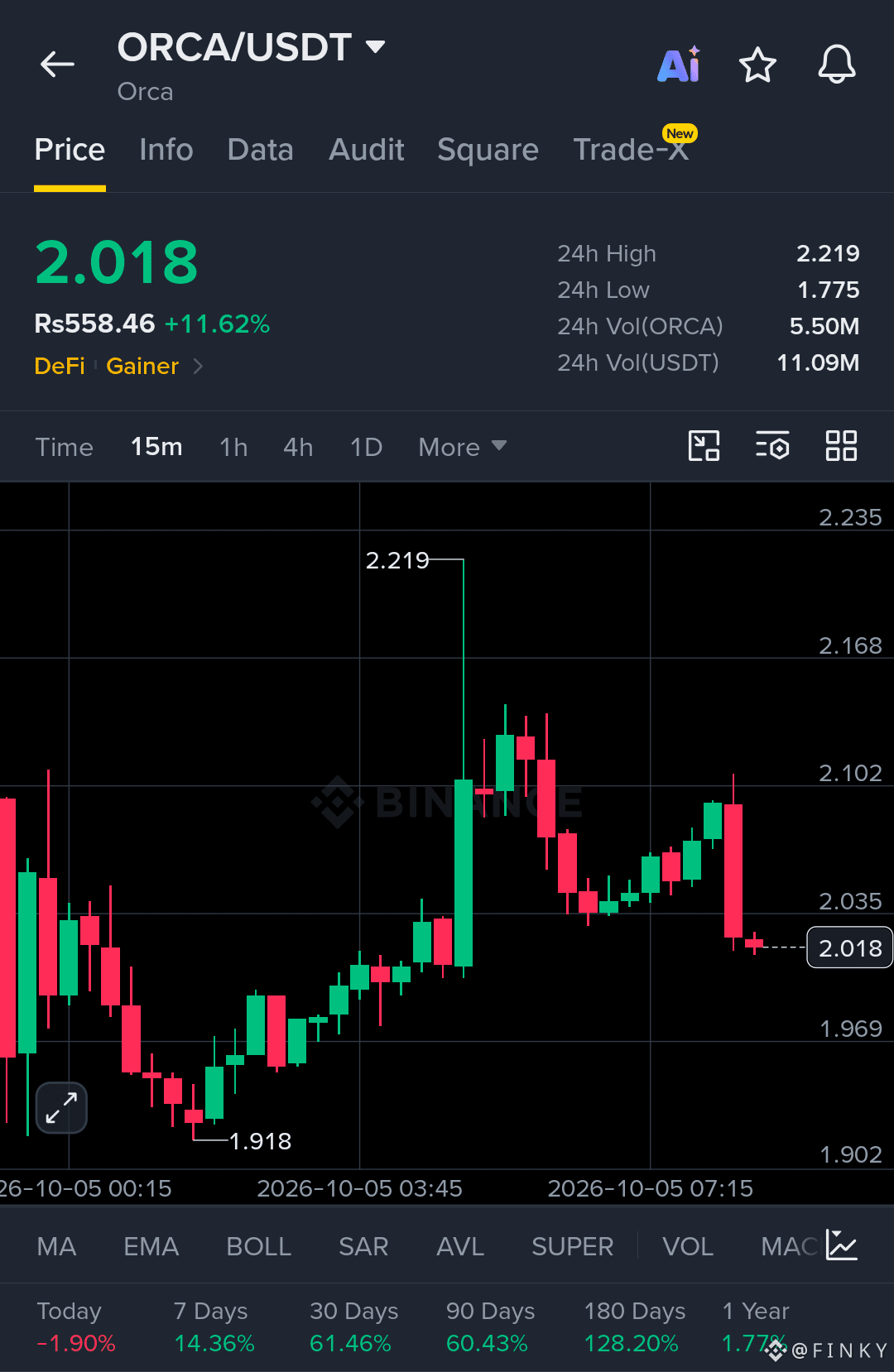
$ORCA — توجد بالفعل حركة قوية على الرسم البياني، ومن الجدير مراقبة المستويات التالية عن كثب.
السعر: 2.018 USDT
تغير 24H: +11.62%
أعلى سعر 24H: 2.219
أدنى سعر 24H: 1.775
حجم 24H: 5.50M ORCA
حجم USDT: 11.09M
الدخول: 2.000 – 2.025
إيقاف الخسارة: 1.965
TP1: 2.050
TP2: 2.100
TP3: 2.165
TP4: 2.215
يوضح مخطط 15M حركة حادة من منطقة 1.918 باتجاه 2.219، تلتها عملية سحب للخلف ثم تماسك حول 2.018.
منطقة 2.035–2.050 مهمة لمراقبتها، بينما 2.100 و2.165 هي مستويات محورية من حركة السعر الأخيرة. يبقى القمة السابقة القريبة من 2.219 المستوى الرئيسي على الرسم.
السعر ما يزال مرتفعًا جيدًا فوق قاع التذبذب الأخير عند 1.918، لذلك تعتبر إدارة المخاطر ضرورية بعد هذه الحركة السريعة.
حافظ على المستويات واضحة، وادِر المركز بعناية، واترك الرسم البياني يؤكد الحركة.
هيا بنا وابدأ التداول الآن $ORCA
{spot}(ORCAUSDT)
#EthereumValidatorExitQueueJumps392% #SECHaltsCryptoETFReviewsAmidFundingLapse #GreekPoliceBustCryptoScamRingArrest17 #FedOctoberRateHikeOddsFallTo17% #NvidiaHitsRecordHighUp2.4%
$ORCA — توجد بالفعل حركة قوية على الرسم البياني، ومن الجدير مراقبة المستويات التالية عن كثب.
السعر: 2.018 USDT
تغير 24H: +11.62%
أعلى سعر 24H: 2.219
أدنى سعر 24H: 1.775
حجم 24H: 5.50M ORCA
حجم USDT: 11.09M
الدخول: 2.000 – 2.025
إيقاف الخسارة: 1.965
TP1: 2.050
TP2: 2.100
TP3: 2.165
TP4: 2.215
يوضح مخطط 15M حركة حادة من منطقة 1.918 باتجاه 2.219، تلتها عملية سحب للخلف ثم تماسك حول 2.018.
منطقة 2.035–2.050 مهمة لمراقبتها، بينما 2.100 و2.165 هي مستويات محورية من حركة السعر الأخيرة. يبقى القمة السابقة القريبة من 2.219 المستوى الرئيسي على الرسم.
السعر ما يزال مرتفعًا جيدًا فوق قاع التذبذب الأخير عند 1.918، لذلك تعتبر إدارة المخاطر ضرورية بعد هذه الحركة السريعة.
حافظ على المستويات واضحة، وادِر المركز بعناية، واترك الرسم البياني يؤكد الحركة.
هيا بنا وابدأ التداول الآن $ORCA
#EthereumValidatorExitQueueJumps392% #SECHaltsCryptoETFReviewsAmidFundingLapse #GreekPoliceBustCryptoScamRingArrest17 #FedOctoberRateHikeOddsFallTo17% #NvidiaHitsRecordHighUp2.4%
السعر: 2.018 USDT
تغير 24H: +11.62%
أعلى سعر 24H: 2.219
أدنى سعر 24H: 1.775
حجم 24H: 5.50M ORCA
حجم USDT: 11.09M
الدخول: 2.000 – 2.025
إيقاف الخسارة: 1.965
TP1: 2.050
TP2: 2.100
TP3: 2.165
TP4: 2.215
يوضح مخطط 15M حركة حادة من منطقة 1.918 باتجاه 2.219، تلتها عملية سحب للخلف ثم تماسك حول 2.018.
منطقة 2.035–2.050 مهمة لمراقبتها، بينما 2.100 و2.165 هي مستويات محورية من حركة السعر الأخيرة. يبقى القمة السابقة القريبة من 2.219 المستوى الرئيسي على الرسم.
السعر ما يزال مرتفعًا جيدًا فوق قاع التذبذب الأخير عند 1.918، لذلك تعتبر إدارة المخاطر ضرورية بعد هذه الحركة السريعة.
حافظ على المستويات واضحة، وادِر المركز بعناية، واترك الرسم البياني يؤكد الحركة.
هيا بنا وابدأ التداول الآن $ORCA
#EthereumValidatorExitQueueJumps392% #SECHaltsCryptoETFReviewsAmidFundingLapse #GreekPoliceBustCryptoScamRingArrest17 #FedOctoberRateHikeOddsFallTo17% #NvidiaHitsRecordHighUp2.4%
95
·
--
صاعد
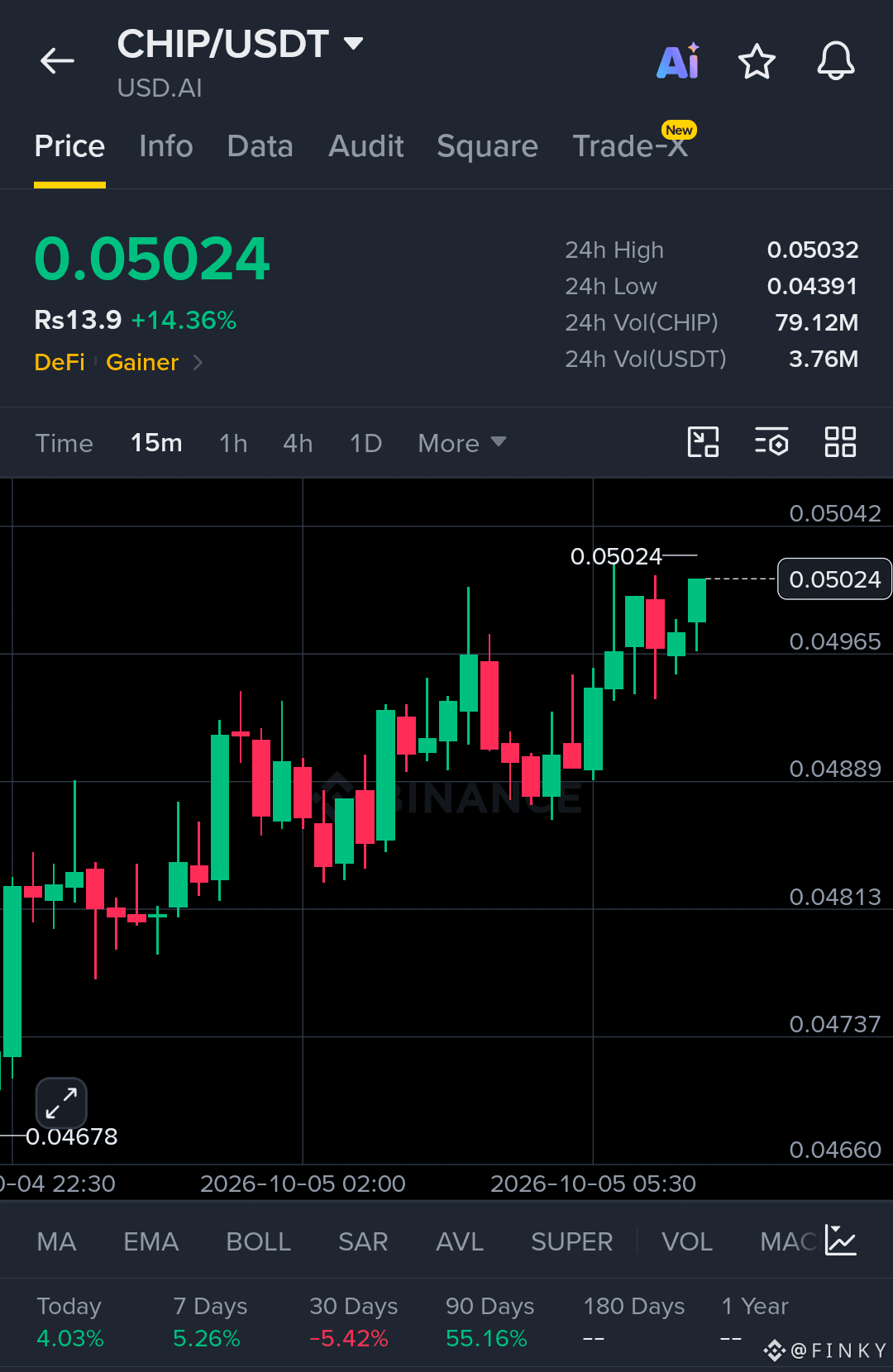
$CHIP — تقوم USD.AI بهدوء ببناء زخم مع ضغط السعر على المنطقة الرئيسية 0.05000.
السعر: $0.05024
تغير 24H: +14.36%
أعلى 24H: $0.05032
أدنى 24H: $0.04391
حجم 24H: 79.12M CHIP
حجم 24H: $3.76M USDT
مخطط 15M:
ارتفع CHIP من منطقة $0.04678 وشكّل سلسلة من القمم/المستويات الأعلى، ليصل إلى $0.05024. والسعر الآن يتمسك بالقرب من أعلى مستوى للجلسة.
المستويات الرئيسية:
$0.05042 — مقاومة فورية على المخطط
$0.05032 — أعلى مستوى خلال 24 ساعة
$0.04965 — مستوى رئيسي قريب المدى
$0.04889 — دعم
$0.04813 — دعم أدنى
$0.04678 — أدنى مستوى على المخطط
الأداء:
اليوم: +4.03%
7 أيام: +5.26%
30 يومًا: -5.42%
90 يومًا: +55.16%
لا تزال بنية مخطط 15M فعّالة قرب القمم، حيث يعمل $0.04965 كمنطقة رئيسية يجب مراقبتها بعد أحدث اندفاع.
بيانات أصلية من مخطط Binance المقدم. التزم بالانضباط وادِر المخاطر.
{spot}(CHIPUSDT)
#EthereumValidatorExitQueueJumps392% #SECHaltsCryptoETFReviewsAmidFundingLapse #GreekPoliceBustCryptoScamRingArrest17 #FedOctoberRateHikeOddsFallTo17% #NvidiaHitsRecordHighUp2.4%
$CHIP — تقوم USD.AI بهدوء ببناء زخم مع ضغط السعر على المنطقة الرئيسية 0.05000.
السعر: $0.05024
تغير 24H: +14.36%
أعلى 24H: $0.05032
أدنى 24H: $0.04391
حجم 24H: 79.12M CHIP
حجم 24H: $3.76M USDT
مخطط 15M:
ارتفع CHIP من منطقة $0.04678 وشكّل سلسلة من القمم/المستويات الأعلى، ليصل إلى $0.05024. والسعر الآن يتمسك بالقرب من أعلى مستوى للجلسة.
المستويات الرئيسية:
$0.05042 — مقاومة فورية على المخطط
$0.05032 — أعلى مستوى خلال 24 ساعة
$0.04965 — مستوى رئيسي قريب المدى
$0.04889 — دعم
$0.04813 — دعم أدنى
$0.04678 — أدنى مستوى على المخطط
الأداء:
اليوم: +4.03%
7 أيام: +5.26%
30 يومًا: -5.42%
90 يومًا: +55.16%
لا تزال بنية مخطط 15M فعّالة قرب القمم، حيث يعمل $0.04965 كمنطقة رئيسية يجب مراقبتها بعد أحدث اندفاع.
بيانات أصلية من مخطط Binance المقدم. التزم بالانضباط وادِر المخاطر.
#EthereumValidatorExitQueueJumps392% #SECHaltsCryptoETFReviewsAmidFundingLapse #GreekPoliceBustCryptoScamRingArrest17 #FedOctoberRateHikeOddsFallTo17% #NvidiaHitsRecordHighUp2.4%
السعر: $0.05024
تغير 24H: +14.36%
أعلى 24H: $0.05032
أدنى 24H: $0.04391
حجم 24H: 79.12M CHIP
حجم 24H: $3.76M USDT
مخطط 15M:
ارتفع CHIP من منطقة $0.04678 وشكّل سلسلة من القمم/المستويات الأعلى، ليصل إلى $0.05024. والسعر الآن يتمسك بالقرب من أعلى مستوى للجلسة.
المستويات الرئيسية:
$0.05042 — مقاومة فورية على المخطط
$0.05032 — أعلى مستوى خلال 24 ساعة
$0.04965 — مستوى رئيسي قريب المدى
$0.04889 — دعم
$0.04813 — دعم أدنى
$0.04678 — أدنى مستوى على المخطط
الأداء:
اليوم: +4.03%
7 أيام: +5.26%
30 يومًا: -5.42%
90 يومًا: +55.16%
لا تزال بنية مخطط 15M فعّالة قرب القمم، حيث يعمل $0.04965 كمنطقة رئيسية يجب مراقبتها بعد أحدث اندفاع.
بيانات أصلية من مخطط Binance المقدم. التزم بالانضباط وادِر المخاطر.
#EthereumValidatorExitQueueJumps392% #SECHaltsCryptoETFReviewsAmidFundingLapse #GreekPoliceBustCryptoScamRingArrest17 #FedOctoberRateHikeOddsFallTo17% #NvidiaHitsRecordHighUp2.4%
108
·
--
صاعد
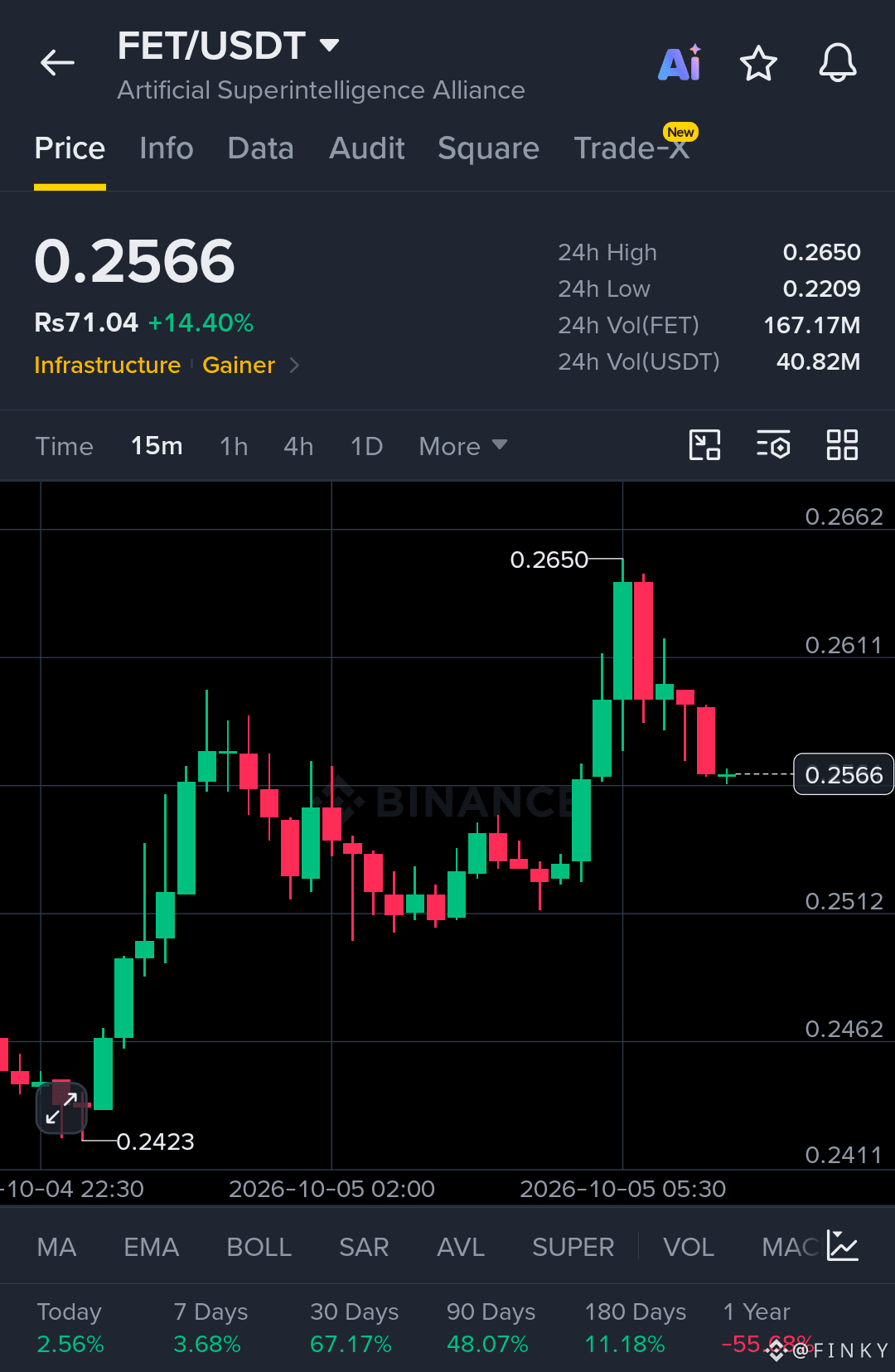
$FET — تحالف الذكاء الاصطناعي الفائق يُظهر حركة زخم حادة على مخطط 15M.
السعر: $0.2566
تغير 24H: +14.40%
أعلى سعر 24H: $0.2650
أدنى سعر 24H: $0.2209
حجم 24H: 167.17M FET
حجم 24H: $40.82M USDT
بنية 15M:
دفعت FET السعر من حوالي $0.2423 إلى قمة محلية جديدة عند $0.2650. بعد الاندفاع، تراجع السعر ويستقر الآن قرب $0.2566.
المستويات الرئيسية:
$0.2650 — أعلى سعر حديث
$0.2611 — مقاومة قصيرة المدى
$0.2566 — السعر الحالي
$0.2512 — دعم مهم
$0.2462 — دعم أدنى
$0.2423 — قاع الرسم البياني
الأداء:
اليوم: +2.56%
7 أيام: +3.68%
30 يومًا: +67.17%
90 يومًا: +48.07%
180 يومًا: +11.18%
سنة واحدة: -55.68%
المعركة الرئيسية تدور حول $0.2566–$0.2611 بعد الرفض القوي من $0.2650. ما زال الحجم مرتفعًا، ما يجعل شموع 15M القادمة مهمة.
بيانات أصلية من مخطط Binance المقدم. تَاجر مع إدارة مخاطر منضبطة.
{spot}(FETUSDT)
#EthereumValidatorExitQueueJumps392% #SECHaltsCryptoETFReviewsAmidFundingLapse #GreekPoliceBustCryptoScamRingArrest17 #FedOctoberRateHikeOddsFallTo17% #NvidiaHitsRecordHighUp2.4%
$FET — تحالف الذكاء الاصطناعي الفائق يُظهر حركة زخم حادة على مخطط 15M.
السعر: $0.2566
تغير 24H: +14.40%
أعلى سعر 24H: $0.2650
أدنى سعر 24H: $0.2209
حجم 24H: 167.17M FET
حجم 24H: $40.82M USDT
بنية 15M:
دفعت FET السعر من حوالي $0.2423 إلى قمة محلية جديدة عند $0.2650. بعد الاندفاع، تراجع السعر ويستقر الآن قرب $0.2566.
المستويات الرئيسية:
$0.2650 — أعلى سعر حديث
$0.2611 — مقاومة قصيرة المدى
$0.2566 — السعر الحالي
$0.2512 — دعم مهم
$0.2462 — دعم أدنى
$0.2423 — قاع الرسم البياني
الأداء:
اليوم: +2.56%
7 أيام: +3.68%
30 يومًا: +67.17%
90 يومًا: +48.07%
180 يومًا: +11.18%
سنة واحدة: -55.68%
المعركة الرئيسية تدور حول $0.2566–$0.2611 بعد الرفض القوي من $0.2650. ما زال الحجم مرتفعًا، ما يجعل شموع 15M القادمة مهمة.
بيانات أصلية من مخطط Binance المقدم. تَاجر مع إدارة مخاطر منضبطة.
#EthereumValidatorExitQueueJumps392% #SECHaltsCryptoETFReviewsAmidFundingLapse #GreekPoliceBustCryptoScamRingArrest17 #FedOctoberRateHikeOddsFallTo17% #NvidiaHitsRecordHighUp2.4%
السعر: $0.2566
تغير 24H: +14.40%
أعلى سعر 24H: $0.2650
أدنى سعر 24H: $0.2209
حجم 24H: 167.17M FET
حجم 24H: $40.82M USDT
بنية 15M:
دفعت FET السعر من حوالي $0.2423 إلى قمة محلية جديدة عند $0.2650. بعد الاندفاع، تراجع السعر ويستقر الآن قرب $0.2566.
المستويات الرئيسية:
$0.2650 — أعلى سعر حديث
$0.2611 — مقاومة قصيرة المدى
$0.2566 — السعر الحالي
$0.2512 — دعم مهم
$0.2462 — دعم أدنى
$0.2423 — قاع الرسم البياني
الأداء:
اليوم: +2.56%
7 أيام: +3.68%
30 يومًا: +67.17%
90 يومًا: +48.07%
180 يومًا: +11.18%
سنة واحدة: -55.68%
المعركة الرئيسية تدور حول $0.2566–$0.2611 بعد الرفض القوي من $0.2650. ما زال الحجم مرتفعًا، ما يجعل شموع 15M القادمة مهمة.
بيانات أصلية من مخطط Binance المقدم. تَاجر مع إدارة مخاطر منضبطة.
#EthereumValidatorExitQueueJumps392% #SECHaltsCryptoETFReviewsAmidFundingLapse #GreekPoliceBustCryptoScamRingArrest17 #FedOctoberRateHikeOddsFallTo17% #NvidiaHitsRecordHighUp2.4%
72
·
--
صاعد
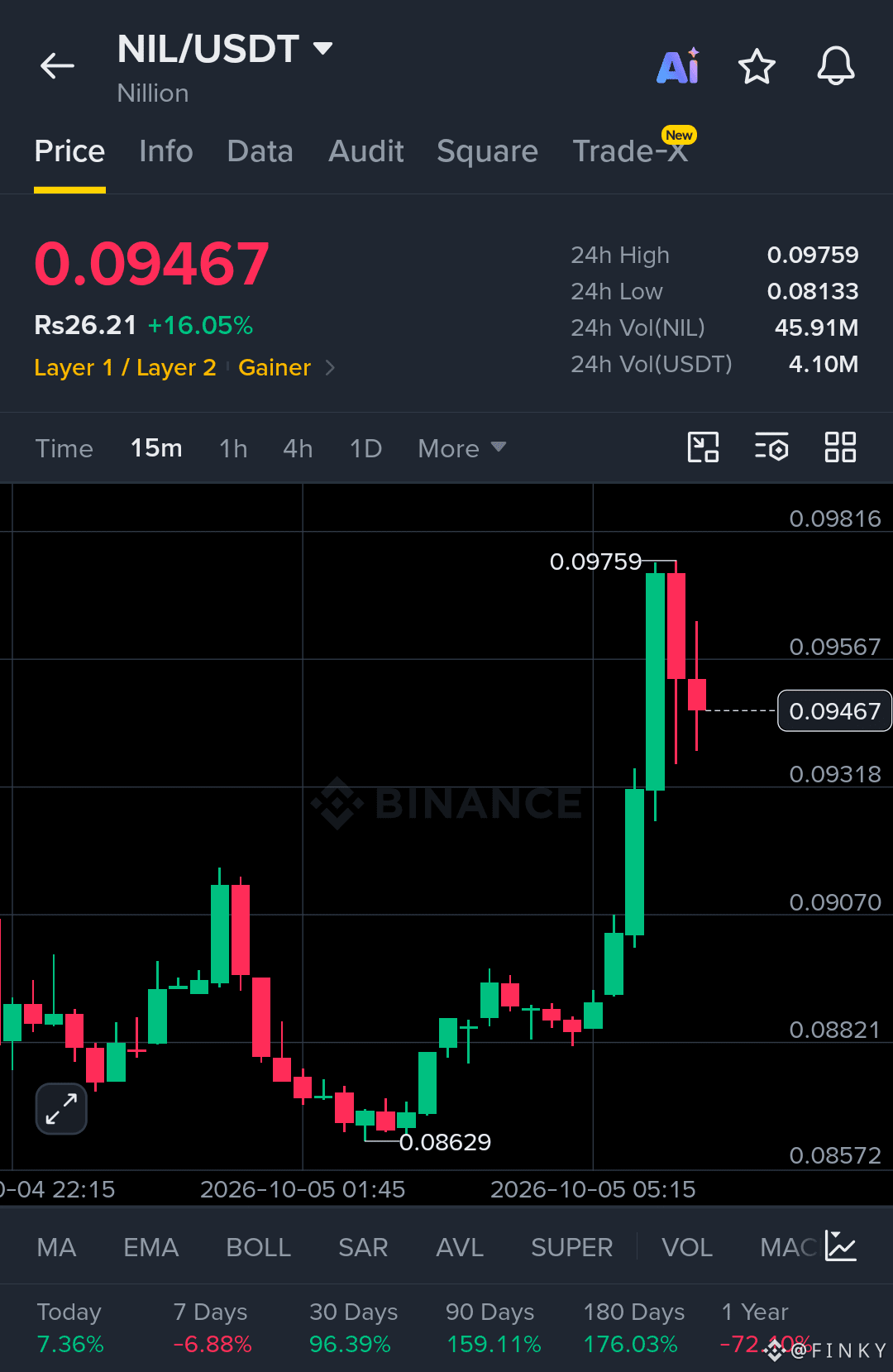
$NIL — NIL يسخن بعد اختراق قوي.
السعر: $0.09467
تغير 24H: +16.05%
القمّة 24H: $0.09759
القاع 24H: $0.08133
حجم 24H: 45.91M NIL
حجم 24H: $4.10M USDT
مخطط 15M:
توسّع قوي انطلق من منطقة $0.088 دفَع NIL إلى $0.09759. الآن يجري تداول السعر في نطاق تماسك قرب القمم بعد الحركة الحادّة.
مستويات رئيسية:
$0.09759 — القمّة الأخيرة
$0.09567 — قرب المقاومة
$0.09318 — منطقة دعم/ثبات مهمة
$0.09070 — منطقة الاختراق
$0.08821 — تَماسُك سابق
$0.08629 — أدنى مستوى حديث في المخطط
الأداء:
اليوم: +7.36%
7 أيام: -6.88%
30 يومًا: +96.39%
90 يومًا: +159.11%
180 يومًا: +176.03%
سنة واحدة: -72.10%
تعزّزت هذه الحركة بزخم قوي على فريم 15M، حيث حقق السعر قمة محلية جديدة قبل تراجعٍ مضبوط. المنطقة بين $0.09318–$0.09567 هي الآن المنطقة التي يجب مراقبتها عن كثب.
البيانات الأصلية من مخطط Binance المرفق. يُرجى إدارة المخاطر ومراقبة المستويات.
{spot}(NILUSDT)
#EthereumValidatorExitQueueJumps392% #SECHaltsCryptoETFReviewsAmidFundingLapse #GreekPoliceBustCryptoScamRingArrest17 #FedOctoberRateHikeOddsFallTo17% #NvidiaHitsRecordHighUp2.4%
$NIL — NIL يسخن بعد اختراق قوي.
السعر: $0.09467
تغير 24H: +16.05%
القمّة 24H: $0.09759
القاع 24H: $0.08133
حجم 24H: 45.91M NIL
حجم 24H: $4.10M USDT
مخطط 15M:
توسّع قوي انطلق من منطقة $0.088 دفَع NIL إلى $0.09759. الآن يجري تداول السعر في نطاق تماسك قرب القمم بعد الحركة الحادّة.
مستويات رئيسية:
$0.09759 — القمّة الأخيرة
$0.09567 — قرب المقاومة
$0.09318 — منطقة دعم/ثبات مهمة
$0.09070 — منطقة الاختراق
$0.08821 — تَماسُك سابق
$0.08629 — أدنى مستوى حديث في المخطط
الأداء:
اليوم: +7.36%
7 أيام: -6.88%
30 يومًا: +96.39%
90 يومًا: +159.11%
180 يومًا: +176.03%
سنة واحدة: -72.10%
تعزّزت هذه الحركة بزخم قوي على فريم 15M، حيث حقق السعر قمة محلية جديدة قبل تراجعٍ مضبوط. المنطقة بين $0.09318–$0.09567 هي الآن المنطقة التي يجب مراقبتها عن كثب.
البيانات الأصلية من مخطط Binance المرفق. يُرجى إدارة المخاطر ومراقبة المستويات.
#EthereumValidatorExitQueueJumps392% #SECHaltsCryptoETFReviewsAmidFundingLapse #GreekPoliceBustCryptoScamRingArrest17 #FedOctoberRateHikeOddsFallTo17% #NvidiaHitsRecordHighUp2.4%
السعر: $0.09467
تغير 24H: +16.05%
القمّة 24H: $0.09759
القاع 24H: $0.08133
حجم 24H: 45.91M NIL
حجم 24H: $4.10M USDT
مخطط 15M:
توسّع قوي انطلق من منطقة $0.088 دفَع NIL إلى $0.09759. الآن يجري تداول السعر في نطاق تماسك قرب القمم بعد الحركة الحادّة.
مستويات رئيسية:
$0.09759 — القمّة الأخيرة
$0.09567 — قرب المقاومة
$0.09318 — منطقة دعم/ثبات مهمة
$0.09070 — منطقة الاختراق
$0.08821 — تَماسُك سابق
$0.08629 — أدنى مستوى حديث في المخطط
الأداء:
اليوم: +7.36%
7 أيام: -6.88%
30 يومًا: +96.39%
90 يومًا: +159.11%
180 يومًا: +176.03%
سنة واحدة: -72.10%
تعزّزت هذه الحركة بزخم قوي على فريم 15M، حيث حقق السعر قمة محلية جديدة قبل تراجعٍ مضبوط. المنطقة بين $0.09318–$0.09567 هي الآن المنطقة التي يجب مراقبتها عن كثب.
البيانات الأصلية من مخطط Binance المرفق. يُرجى إدارة المخاطر ومراقبة المستويات.
#EthereumValidatorExitQueueJumps392% #SECHaltsCryptoETFReviewsAmidFundingLapse #GreekPoliceBustCryptoScamRingArrest17 #FedOctoberRateHikeOddsFallTo17% #NvidiaHitsRecordHighUp2.4%
112
سجّل الدخول لاستكشاف المزيد من المُحتوى
انضم إلى مُستخدمي العملات الرقمية حول العالم على Binance Square
⚡️ احصل على أحدث المعلومات المفيدة عن العملات الرقمية.
💬 موثوقة من قبل أكبر منصّة لتداول العملات الرقمية في العالم.
👍 اكتشف الرؤى الحقيقية من صنّاع المُحتوى الموثوقين.
البريد الإلكتروني / رقم الهاتف
المواضيع الرائجة
BinanceLaunchesBinanceIntelligence
6,372 مشاهدات
113 يقومون بالنقاش
🚨 أدرجت BINANCE الذكاء الاصطناعي مباشرةً في منصتها — وقد يغيّر هذا طريقة تداول الأفراد.
أطلقت Binance رسميًا Binance Intelligence، وهي طبقة جديدة للذكاء الاصطناعي مدمجة في منظومة Binance. وتجمع بين ثلاثة منتجات:
Binance AI للمستخدمين العاديين،
وBinance AI Pro لسير عمل التداول الآلي،
وAgent OS للمطورين الذين يبنون وكلاء ماليين.
ما الجزء الذي ينبغي أن يهم المتداولين؟
يمكن لـBinance AI تقديم ملخصات عن السوق، وتنبيهات ذكية، وملخصات للأرباح والخسائر، ومعلومات مخصصة، بينما صُمم AI Pro لتحويل فكرة تداول مكتوبة بلغة بسيطة إلى سير عمل مرئي لاستراتيجية تداول.
وهذا يعني أن المرحلة المقبلة من المنافسة بين منصات التداول قد لا تدور حول:
أقل الرسوم مقابل أعمق سيولة.
بل قد تدور حول:
من يوفّر للمتداولين أفضل طبقة تنفيذ مدعومة بالذكاء الاصطناعي.
إذا أسهمت Binance Intelligence فعلًا في زيادة نشاط المستخدمين، والاستراتيجيات الآلية، وتكرار التداول، فراقبوا $BNB أولًا.
زيادة اعتماد الذكاء الاصطناعي ↑
→ زيادة التفاعل مع Binance ↑
→ زيادة نشاط التداول ↑
→ تعزيز سردية المنظومة.
العوامل المحفزة التي سأراقبها الآن:
الإطلاق العالمي + إطلاق AI Pro + اعتماد ملموس من المستخدمين.
لأنه عندما يتوقف الذكاء الاصطناعي عن مجرد إخبارك بما يحدث في السوق…
…ويبدأ بمساعدتك على بناء الصفقة نفسها؟
عندها سيصبح الأمر أكبر بكثير من مجرد روبوت محادثة آخر. 👀
#binancelaunchesbinanceintelligence #EvernorthXRPTreasuryCompletesSPACMerger #ADAGains10%Above$0.27 #ETHUp70%InQ3ButLiquidityFalls #EthStakingExitQueueHits2026High
KimHotbae
·10 إعجاب
·12.7k مشاهدات
EvernorthXRPTreasuryCompletesSPACMerger
8,797 مشاهدات
102 يقومون بالنقاش
ADAGains10%Above$0.27
21,800 مشاهدات
195 يقومون بالنقاش