

R3N 1
577 منشورات

R3N 1
إبلاغ
حظر المُستخدم
Web3 & crypto Analyst || Breaking down market moves || token updates daily ➪NFA!!!
0 تتابع
3 المتابعون
3 إعجاب
منشورات
·
--
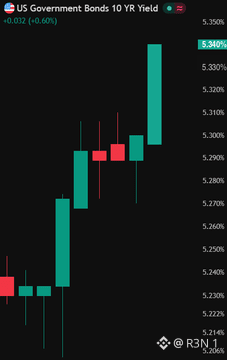
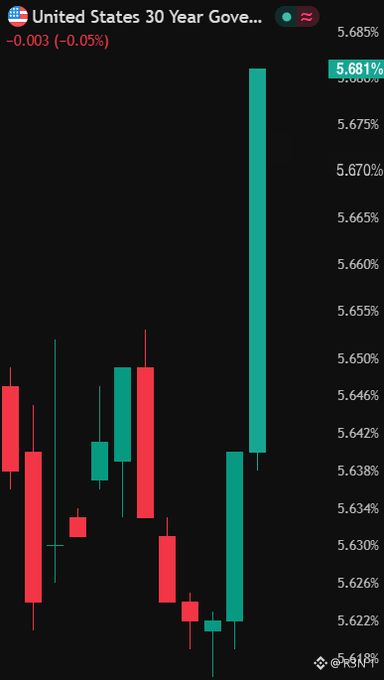
سعر رهن الـ30 عامًا قفز اليوم إلى 8%، وليس توقعًا بل رقمًا فعليًا، وهو الأعلى منذ أكثر من عقدين. ومن الجدير تصحيح صياغة ذلك مباشرة: الأمر لا يَأتي لاحقًا، بل موجود بالفعل. التحركات وراء السندات حقيقية ودرامية. ارتفع عائد سندات الخزانة لأجل 10 سنوات إلى 5.342% خلال اليوم، متجاوزًا قمة 2007 ووصولًا إلى أعلى مستوى منذ أوائل 2002، بواقع 24 عامًا. وصعدت رهون الـ30 عامًا إلى 5.652% إلى 5.68% بحسب رقم الطباعة الدقيق، وهي أعلى المستويات منذ يونيو 2002. وبحسب رويترز، فهذا يمثل أكبر ارتفاع فصلي لهذا المؤشر القياسي العالمي في هذا القرن. الدوافع وراء ذلك: تضخمٌ مستمر، واقتراض حكومي ضخم، ونمو اقتصادي قوي يحافظ على بقاء توقعات الفائدة مرتفعة، ووفقًا لقسم التداول لدى AllianceBernstein، فإن صناديق التحوط وREITs التي تحتفظ بأوراق مالية مدعومة بالرهن العقاري تبيع سندات الخزانة طويلة الأجل بكميات كبيرة بينما تؤدي الزيادات في الفائدة إلى إبطاء عمليات السداد المسبق وإطالة مدة MBS، ما يجبرها على التخلص من الأصول في أماكن أخرى للتعويض. وتجدر الإشارة إلى أن سعر الرهن الثابت الحقيقي لمدة 30 عامًا بلغ 8% تحديدًا وفق مقياس Mortgage News Daily، بينما أظهرت بيانات MBA المنفصلة أن متوسط معدل العقد كان 7.70% للأسبوع المنتهي في نفس الفترة؛ تذكير بأن مُتابعي أسعار الرهن قد يعرضون أرقامًا مختلفة بشكل ملحوظ تبعًا للمنهجية والتوقيت. قراءتي الصريحة: هذه حالة حقيقية لحدث مالي على مدى عقود في الأسواق، وليست مبالغة، وقد تأكد ذلك بشكل مستقل عبر Bloomberg وReuters وCNBC. الآلية التي تربط ذلك بالرهون واضحة ومُثبتة جيدًا: عائد 10 سنوات يَسعِّر معدلات رهن 30 عامًا مباشرة، لذا لم يكن هذا أثرًا مفاجئًا، بل الأثر المتوقع. ما الذي أراقبه: ما إذا كان هذا الارتفاع الحاد في العائد سيثبت أم سيواصل الصعود نحو مستويات الذروة الفعلية لعام 2007 أو 2002، وما الذي يعنيه ذلك بالنسبة لمدى القدرة على تحمل تكاليف السكن وحساسية كريبتو لمعدلات الفائدة قبيل الربع الرابع. $BTC #BTC Price Analysis# #Meme Alpha# $ETH
سعر رهن الـ30 عامًا قفز اليوم إلى 8%، وليس توقعًا بل رقمًا فعليًا، وهو الأعلى منذ أكثر من عقدين. ومن الجدير تصحيح صياغة ذلك مباشرة: الأمر لا يَأتي لاحقًا، بل موجود بالفعل. التحركات وراء السندات حقيقية ودرامية. ارتفع عائد سندات الخزانة لأجل 10 سنوات إلى 5.342% خلال اليوم، متجاوزًا قمة 2007 ووصولًا إلى أعلى مستوى منذ أوائل 2002، بواقع 24 عامًا. وصعدت رهون الـ30 عامًا إلى 5.652% إلى 5.68% بحسب رقم الطباعة الدقيق، وهي أعلى المستويات منذ يونيو 2002. وبحسب رويترز، فهذا يمثل أكبر ارتفاع فصلي لهذا المؤشر القياسي العالمي في هذا القرن. الدوافع وراء ذلك: تضخمٌ مستمر، واقتراض حكومي ضخم، ونمو اقتصادي قوي يحافظ على بقاء توقعات الفائدة مرتفعة، ووفقًا لقسم التداول لدى AllianceBernstein، فإن صناديق التحوط وREITs التي تحتفظ بأوراق مالية مدعومة بالرهن العقاري تبيع سندات الخزانة طويلة الأجل بكميات كبيرة بينما تؤدي الزيادات في الفائدة إلى إبطاء عمليات السداد المسبق وإطالة مدة MBS، ما يجبرها على التخلص من الأصول في أماكن أخرى للتعويض. وتجدر الإشارة إلى أن سعر الرهن الثابت الحقيقي لمدة 30 عامًا بلغ 8% تحديدًا وفق مقياس Mortgage News Daily، بينما أظهرت بيانات MBA المنفصلة أن متوسط معدل العقد كان 7.70% للأسبوع المنتهي في نفس الفترة؛ تذكير بأن مُتابعي أسعار الرهن قد يعرضون أرقامًا مختلفة بشكل ملحوظ تبعًا للمنهجية والتوقيت. قراءتي الصريحة: هذه حالة حقيقية لحدث مالي على مدى عقود في الأسواق، وليست مبالغة، وقد تأكد ذلك بشكل مستقل عبر Bloomberg وReuters وCNBC. الآلية التي تربط ذلك بالرهون واضحة ومُثبتة جيدًا: عائد 10 سنوات يَسعِّر معدلات رهن 30 عامًا مباشرة، لذا لم يكن هذا أثرًا مفاجئًا، بل الأثر المتوقع. ما الذي أراقبه: ما إذا كان هذا الارتفاع الحاد في العائد سيثبت أم سيواصل الصعود نحو مستويات الذروة الفعلية لعام 2007 أو 2002، وما الذي يعنيه ذلك بالنسبة لمدى القدرة على تحمل تكاليف السكن وحساسية كريبتو لمعدلات الفائدة قبيل الربع الرابع. $BTC #BTC Price Analysis# #Meme Alpha# $ETH
23
·
--
عرض الترجمة
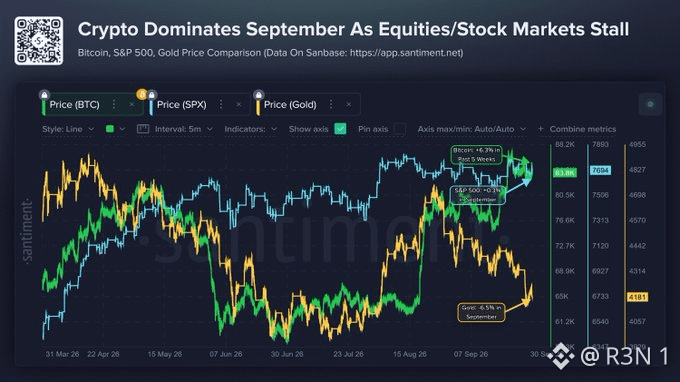
Gold just had its worst relative month against Bitcoin in a while, down over 6% while BTC gained roughly 7%. The S&P barely moved. Three assets, three completely different Septembers. Per Santiment Intelligence data from October 1, this isn't just a one month blip, it's part of a longer stretch. Bitcoin gained 36% across the five weeks from August 18 to September 22, against the S&P's 0.8% and gold's 1.5% decline over that window, before September's own monthly figures landed at roughly 7% BTC, flat S&P, gold down over 6%. Notably, this broke Bitcoin's usual pattern, September has historically been its weakest month, not a rally month. Santiment points to a specific mix of drivers rather than just momentum. US spot Bitcoin ETFs pulled in billions through September, including several large late month inflow days, and Strategy added another 1,665 BTC to its treasury during the stretch. Treasury buyback activity and short squeezes during resistance breaks were also cited as contributing factors. Worth noting the correlation context too. A separate September 26 analysis found Bitcoin's 90 day correlation with gold actually sat at a six year high around mid September, even as the two assets diverged sharply in September's returns. Not necessarily a contradiction, correlation measures how two assets move together over time, not whether one outperforms the other in any given month. My honest read: this is a genuine, well documented divergence, not a cherry picked comparison, multiple independent outlets confirm the same Santiment figures. Whether it signals a lasting decoupling from traditional correlation or just one unusually strong month for $BTC specifically is still an open question. What I'm watching: whether this outperformance extends into October, and whether that high gold correlation reasserts itself or stays broken. #BTC Price Analysis# #Altcoin Season# $XAUt
Gold just had its worst relative month against Bitcoin in a while, down over 6% while BTC gained roughly 7%. The S&P barely moved. Three assets, three completely different Septembers. Per Santiment Intelligence data from October 1, this isn't just a one month blip, it's part of a longer stretch. Bitcoin gained 36% across the five weeks from August 18 to September 22, against the S&P's 0.8% and gold's 1.5% decline over that window, before September's own monthly figures landed at roughly 7% BTC, flat S&P, gold down over 6%. Notably, this broke Bitcoin's usual pattern, September has historically been its weakest month, not a rally month. Santiment points to a specific mix of drivers rather than just momentum. US spot Bitcoin ETFs pulled in billions through September, including several large late month inflow days, and Strategy added another 1,665 BTC to its treasury during the stretch. Treasury buyback activity and short squeezes during resistance breaks were also cited as contributing factors. Worth noting the correlation context too. A separate September 26 analysis found Bitcoin's 90 day correlation with gold actually sat at a six year high around mid September, even as the two assets diverged sharply in September's returns. Not necessarily a contradiction, correlation measures how two assets move together over time, not whether one outperforms the other in any given month. My honest read: this is a genuine, well documented divergence, not a cherry picked comparison, multiple independent outlets confirm the same Santiment figures. Whether it signals a lasting decoupling from traditional correlation or just one unusually strong month for $BTC specifically is still an open question. What I'm watching: whether this outperformance extends into October, and whether that high gold correlation reasserts itself or stays broken. #BTC Price Analysis# #Altcoin Season# $XAUt
40
·
--
عشرة ملايين دفعة تم بدءها من الآلات، وتم تسويتها عبر وكلاء برمجيات يدفعون مقابل استدعاءات واجهات برمجة التطبيقات والبيانات دون أي تدخل بشري أثناء الدفع. هذه حالة استخدام مختلفة بالفعل عما تحصل عليه شبكة XRPL عادةً من حيث حجم المدفوعات المنسوب لها. يعد مُيسّر x402 من t54 هو البنية التحتية التي تقوم بالعمل الفعلي، مما يتيح لوكلاء الذكاء الاصطناعي الدفع بـ $XRP أو RLUSD مقابل نقاط نهاية محمية ضمن الطلبات العادية عبر HTTP، بدون مفاتيح API، وبدون حسابات؛ يقوم المُيسّر بالتحقق وتسوية معاملات الدفع المُوقعة مسبقًا على السجل. تجاوزت الشبكة مليون معاملة وكيلة في يوليو الماضي، وكان قائد فريق الهندسة لدى RippleX قد أشار بالفعل في ذلك الوقت إلى أن المسار نحو 10 ملايين بات وشيكًا، مع احتمال بلوغ 100 مليون خلال بضع سنوات. تجدر الإشارة إلى أن العدد التراكمي مُبلغ عنه ذاتيًا من قبل مشغل المُيسّر، ويتم تتبعه عبر بصمة (fingerprint) على السلسلة، وليس تدقيقًا مستقلاً من طرف ثالث. وقد كان النظام البيئي المحيط بذلك يتطور بالتوازي، وليس سكة الدفع وحدها فقط. يعرض مركز t54's XRPL AI Hub الآن 80 خدمة x402 تعمل فعليًا، كما تم دمج معيار Mastercard للنية القابلة للتحقق في يوليو لإثبات من الذي خوّل الدفع وبأي حدود قبل التسوية، وأتاحت Virtuals Protocol بروتوكول Agent Commerce الخاص بها لـ XRPL للمهام المودعة (escrow) والتحقق المعتمد على المُقيّمين. قراءتي الصادقة: هذه حالة استخدام حقيقية وقابلة للقياس، وليست ادعاءً سرديًا؛ فالوكلاء يتعاملون فعليًا على السلسلة بحجم. وما إذا كان ذلك سيتوسع بشكل ملموس باتجاه هدف 100 مليون يعتمد على تبنّي الوكلاء خارج الاختبارات التي تعيش داخل عالم العملات المشفرة، وليس فقط على وجود البنية التحتية. ما أراقبه: هل سيظل نمو المعاملات خطيًا من هنا، أم سيبدأ في التضاعف (compounding) مع رؤية المزيد من تلك الخدمات الـ80 حركة وكلاء فعلية بدلًا من كونها نشاطًا تجريبيًا مركزًا. $XRP #BTC Price Analysis# #Meme Alpha#
عشرة ملايين دفعة تم بدءها من الآلات، وتم تسويتها عبر وكلاء برمجيات يدفعون مقابل استدعاءات واجهات برمجة التطبيقات والبيانات دون أي تدخل بشري أثناء الدفع. هذه حالة استخدام مختلفة بالفعل عما تحصل عليه شبكة XRPL عادةً من حيث حجم المدفوعات المنسوب لها. يعد مُيسّر x402 من t54 هو البنية التحتية التي تقوم بالعمل الفعلي، مما يتيح لوكلاء الذكاء الاصطناعي الدفع بـ $XRP أو RLUSD مقابل نقاط نهاية محمية ضمن الطلبات العادية عبر HTTP، بدون مفاتيح API، وبدون حسابات؛ يقوم المُيسّر بالتحقق وتسوية معاملات الدفع المُوقعة مسبقًا على السجل. تجاوزت الشبكة مليون معاملة وكيلة في يوليو الماضي، وكان قائد فريق الهندسة لدى RippleX قد أشار بالفعل في ذلك الوقت إلى أن المسار نحو 10 ملايين بات وشيكًا، مع احتمال بلوغ 100 مليون خلال بضع سنوات. تجدر الإشارة إلى أن العدد التراكمي مُبلغ عنه ذاتيًا من قبل مشغل المُيسّر، ويتم تتبعه عبر بصمة (fingerprint) على السلسلة، وليس تدقيقًا مستقلاً من طرف ثالث. وقد كان النظام البيئي المحيط بذلك يتطور بالتوازي، وليس سكة الدفع وحدها فقط. يعرض مركز t54's XRPL AI Hub الآن 80 خدمة x402 تعمل فعليًا، كما تم دمج معيار Mastercard للنية القابلة للتحقق في يوليو لإثبات من الذي خوّل الدفع وبأي حدود قبل التسوية، وأتاحت Virtuals Protocol بروتوكول Agent Commerce الخاص بها لـ XRPL للمهام المودعة (escrow) والتحقق المعتمد على المُقيّمين. قراءتي الصادقة: هذه حالة استخدام حقيقية وقابلة للقياس، وليست ادعاءً سرديًا؛ فالوكلاء يتعاملون فعليًا على السلسلة بحجم. وما إذا كان ذلك سيتوسع بشكل ملموس باتجاه هدف 100 مليون يعتمد على تبنّي الوكلاء خارج الاختبارات التي تعيش داخل عالم العملات المشفرة، وليس فقط على وجود البنية التحتية. ما أراقبه: هل سيظل نمو المعاملات خطيًا من هنا، أم سيبدأ في التضاعف (compounding) مع رؤية المزيد من تلك الخدمات الـ80 حركة وكلاء فعلية بدلًا من كونها نشاطًا تجريبيًا مركزًا. $XRP #BTC Price Analysis# #Meme Alpha#
59
·
--
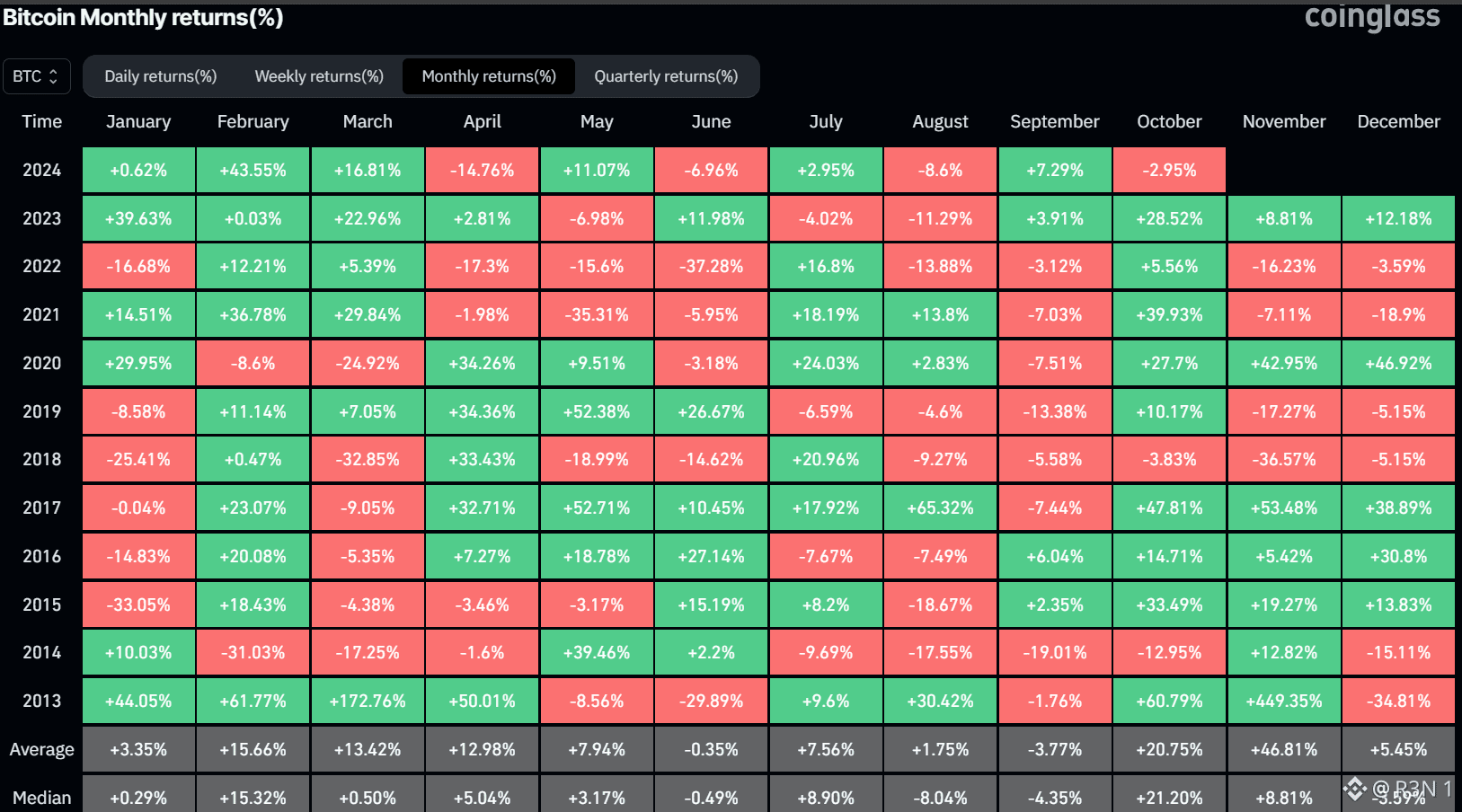
عشرة أشهر أكتوبر خضراء من أصل ثلاثة عشر منذ 2013، بمتوسط مكاسب يقارب 19%. هذه هي الإحصائية التي يتم ترديدها في كل مكان الآن، وهي دقيقة، لكن السنة الوحيدة التي كسرت النمط كانت في الواقع أكثر إفادة من السنوات التسع التي أكدته. بدأ أكتوبر 2025 بالقرب من 119,000$ للـ $BTC، ثم سجّل رقماً قياسياً فوق 126,000$ في وقت مبكر من الشهر، وبدَا كأن Uptober يتكشف تماماً كما هو مُخطَّط له، قبل أن ينهي الشهر منخفضاً بنحو 4%، وهو أول أكتوبر أحمر منذ 2018. اشتعال نزاع تجاري بين الولايات المتحدة والصين، وعمليات تصفية قياسية، هو ما فعل ذلك، وليس فشل النمط الموسمي بحد ذاته—بل صدمة ماكرو خارجية تغلبت على الميل التاريخي. هذه هي العبرة الفعلية: الموسمية احتمال وليست ضماناً، وقد تم كسرها من قبل تحديداً عندما يتدخل شيء غير مرتبط بالتقويم. ومع ذلك، فإن إعداد هذه السنة تجاه أكتوبر مختلف فعلاً عن إعداد العام الماضي. فقد سجّل الـ $BTC ثلاث أشهر خضراء متتالية لأول مرة منذ 2012، مرتفعاً بنحو 25% في أغسطس و9% إضافية في سبتمبر، ليصل إلى أعلى مستوى منذ ثمانية أشهر فوق 87,000$. ويُقال إن جهات كبيرة تراكمت نحو 30,269 BTC، بقيمة تقارب 2.57 مليار دولار، خلال فترة متواصلة حديثة امتدت 96 ساعة، كما جلبت صناديق الـ spot ETFs قرابة 3 مليارات دولار خلال عشرة أيام. وعندما أغلِق سبتمبر على مكاسب، ما زالت الحالات الخمس السابقة تحقق مكاسب في أكتوبر أربع مرات، بمتوسط يقل قليلاً عن 17%—وهو حجم عينة أصغر يستحق الإشارة، لا اعتباره أمراً حاسماً بشكل منفصل. قراءتي الصريحة: معدل الأساس حقيقي ومُوثَّق بشكل جيد، وليس أمراً مُنتقياً من سياقه، لكن 2025 أثبتت أن الاحتمالات الموسمية القوية لا تلغي ضرورة وجود صدمة ماكرو حقيقية. زخم هذا العام يبدو أكثر بنّاءً من إعداد العام الماضي، لكن هذا ادعاء مختلف عن القول بأن النمط أصبح أكثر موثوقية هذه المرة. ما أراقبه: هل يظهر هذا أكتوبر أي محفز ماكرو مماثل—سياسة تجارية، مفاجآت من الاحتياطي الفيدرالي—بنفس الطريقة التي ظهرت بها في العام الماضي؟ لأن هذا تاريخياً هو المتغير الذي كسر هذا النمط، وليس أي شيء متعلق بالتقويم نفسه.
عشرة أشهر أكتوبر خضراء من أصل ثلاثة عشر منذ 2013، بمتوسط مكاسب يقارب 19%. هذه هي الإحصائية التي يتم ترديدها في كل مكان الآن، وهي دقيقة، لكن السنة الوحيدة التي كسرت النمط كانت في الواقع أكثر إفادة من السنوات التسع التي أكدته. بدأ أكتوبر 2025 بالقرب من 119,000$ للـ $BTC، ثم سجّل رقماً قياسياً فوق 126,000$ في وقت مبكر من الشهر، وبدَا كأن Uptober يتكشف تماماً كما هو مُخطَّط له، قبل أن ينهي الشهر منخفضاً بنحو 4%، وهو أول أكتوبر أحمر منذ 2018. اشتعال نزاع تجاري بين الولايات المتحدة والصين، وعمليات تصفية قياسية، هو ما فعل ذلك، وليس فشل النمط الموسمي بحد ذاته—بل صدمة ماكرو خارجية تغلبت على الميل التاريخي. هذه هي العبرة الفعلية: الموسمية احتمال وليست ضماناً، وقد تم كسرها من قبل تحديداً عندما يتدخل شيء غير مرتبط بالتقويم. ومع ذلك، فإن إعداد هذه السنة تجاه أكتوبر مختلف فعلاً عن إعداد العام الماضي. فقد سجّل الـ $BTC ثلاث أشهر خضراء متتالية لأول مرة منذ 2012، مرتفعاً بنحو 25% في أغسطس و9% إضافية في سبتمبر، ليصل إلى أعلى مستوى منذ ثمانية أشهر فوق 87,000$. ويُقال إن جهات كبيرة تراكمت نحو 30,269 BTC، بقيمة تقارب 2.57 مليار دولار، خلال فترة متواصلة حديثة امتدت 96 ساعة، كما جلبت صناديق الـ spot ETFs قرابة 3 مليارات دولار خلال عشرة أيام. وعندما أغلِق سبتمبر على مكاسب، ما زالت الحالات الخمس السابقة تحقق مكاسب في أكتوبر أربع مرات، بمتوسط يقل قليلاً عن 17%—وهو حجم عينة أصغر يستحق الإشارة، لا اعتباره أمراً حاسماً بشكل منفصل. قراءتي الصريحة: معدل الأساس حقيقي ومُوثَّق بشكل جيد، وليس أمراً مُنتقياً من سياقه، لكن 2025 أثبتت أن الاحتمالات الموسمية القوية لا تلغي ضرورة وجود صدمة ماكرو حقيقية. زخم هذا العام يبدو أكثر بنّاءً من إعداد العام الماضي، لكن هذا ادعاء مختلف عن القول بأن النمط أصبح أكثر موثوقية هذه المرة. ما أراقبه: هل يظهر هذا أكتوبر أي محفز ماكرو مماثل—سياسة تجارية، مفاجآت من الاحتياطي الفيدرالي—بنفس الطريقة التي ظهرت بها في العام الماضي؟ لأن هذا تاريخياً هو المتغير الذي كسر هذا النمط، وليس أي شيء متعلق بالتقويم نفسه.
58
·
--
عرض الترجمة
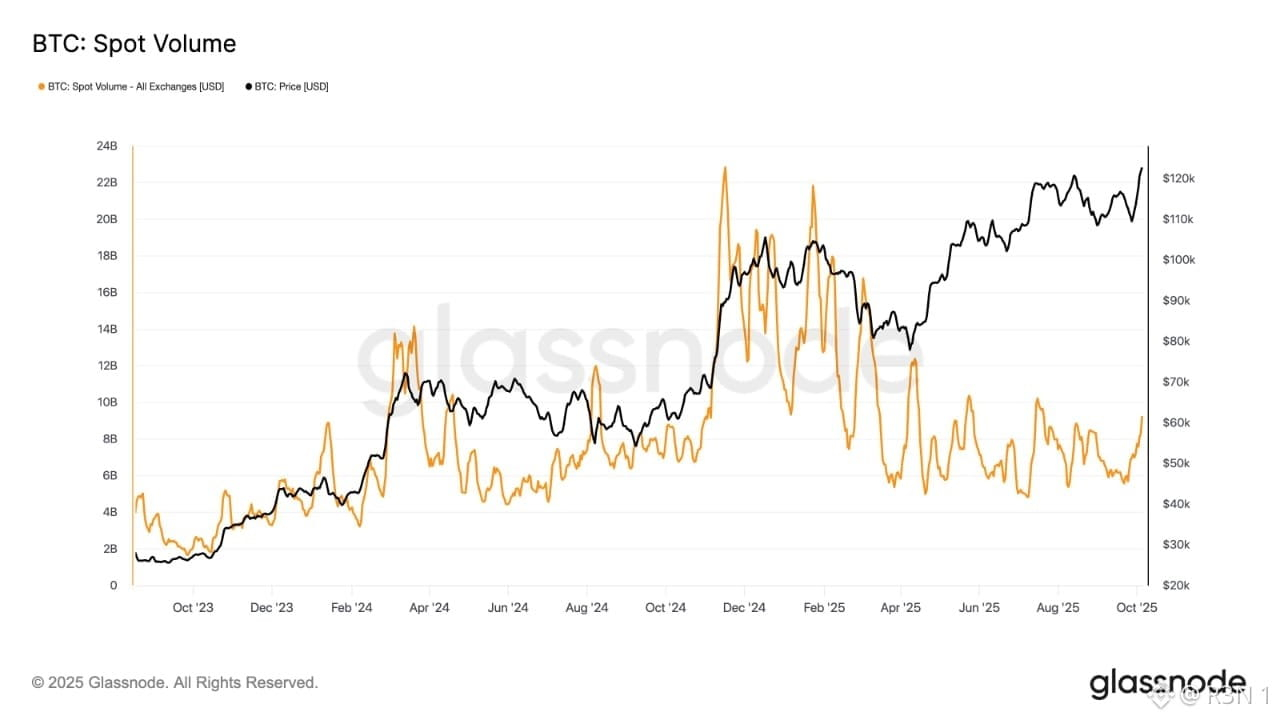
The 4x figure is turnover, not net capital inflow. The same money can get counted repeatedly as positions change hands, and volume captures both buying and selling, not a directional four times more capital rotating into alts. The more accurate read is that trading attention and liquidity have broadened beyond BTC, not that four times as much fresh money showed up.
The breadth data backs that broadening up. 72.5% of tracked altcoins outperformed Bitcoin over the seven days ending September 22, against just 39% during a similar August surge. The Altcoin Season Index climbed to 62%, up from 50% a week earlier and 33% a month prior. Zcash and Uniswap posted 295% and 248% three month gains, dwarfing BTC's own 44%. Worth noting the leverage picture looks calm, altcoin perpetual open interest has barely grown in 30 days, this rotation is showing up in spot participation, not leveraged futures.
Here's the genuine tension. Glassnode itself flagged that similar spikes in this ratio have historically coincided with local Bitcoin price tops, not confirmed altseason continuations. And September 28 specifically saw crypto's total market value fall about 3% while volume surged 125%, a pattern that reads more like forced liquidation than fresh altseason buying.
My honest read: the breadth and index data genuinely support an early altseason case, but Glassnode's own historical framing and last week's volume spike during a selloff argue the opposite just as plausibly. This is a real fork in the data, not a clean signal either way.
What I'm watching: whether altcoin exchange deposits keep climbing, since rising deposits alongside this volume would point toward selling pressure building rather than sustained rotation.
$BTC #BTC Price Analysis# #Altcoin Season# $XAUt
The 4x figure is turnover, not net capital inflow. The same money can get counted repeatedly as positions change hands, and volume captures both buying and selling, not a directional four times more capital rotating into alts. The more accurate read is that trading attention and liquidity have broadened beyond BTC, not that four times as much fresh money showed up.
The breadth data backs that broadening up. 72.5% of tracked altcoins outperformed Bitcoin over the seven days ending September 22, against just 39% during a similar August surge. The Altcoin Season Index climbed to 62%, up from 50% a week earlier and 33% a month prior. Zcash and Uniswap posted 295% and 248% three month gains, dwarfing BTC's own 44%. Worth noting the leverage picture looks calm, altcoin perpetual open interest has barely grown in 30 days, this rotation is showing up in spot participation, not leveraged futures.
Here's the genuine tension. Glassnode itself flagged that similar spikes in this ratio have historically coincided with local Bitcoin price tops, not confirmed altseason continuations. And September 28 specifically saw crypto's total market value fall about 3% while volume surged 125%, a pattern that reads more like forced liquidation than fresh altseason buying.
My honest read: the breadth and index data genuinely support an early altseason case, but Glassnode's own historical framing and last week's volume spike during a selloff argue the opposite just as plausibly. This is a real fork in the data, not a clean signal either way.
What I'm watching: whether altcoin exchange deposits keep climbing, since rising deposits alongside this volume would point toward selling pressure building rather than sustained rotation.
$BTC #BTC Price Analysis# #Altcoin Season# $XAUt
The breadth data backs that broadening up. 72.5% of tracked altcoins outperformed Bitcoin over the seven days ending September 22, against just 39% during a similar August surge. The Altcoin Season Index climbed to 62%, up from 50% a week earlier and 33% a month prior. Zcash and Uniswap posted 295% and 248% three month gains, dwarfing BTC's own 44%. Worth noting the leverage picture looks calm, altcoin perpetual open interest has barely grown in 30 days, this rotation is showing up in spot participation, not leveraged futures.
Here's the genuine tension. Glassnode itself flagged that similar spikes in this ratio have historically coincided with local Bitcoin price tops, not confirmed altseason continuations. And September 28 specifically saw crypto's total market value fall about 3% while volume surged 125%, a pattern that reads more like forced liquidation than fresh altseason buying.
My honest read: the breadth and index data genuinely support an early altseason case, but Glassnode's own historical framing and last week's volume spike during a selloff argue the opposite just as plausibly. This is a real fork in the data, not a clean signal either way.
What I'm watching: whether altcoin exchange deposits keep climbing, since rising deposits alongside this volume would point toward selling pressure building rather than sustained rotation.
$BTC #BTC Price Analysis# #Altcoin Season# $XAUt
57
·
--
انخفض الرمز الأصلي لـ UsePaid بنسبة 38% ليس لأن البروتوكول فشل، بل لأن سكة الدفع التي تحته لم تستطع التعامل مع حالات النجاح. هذا التمييز مهم لكيفية قراءتك لهذه القصة.
شهدت الرسوم المُطالب بها عبر UsePaid قفزة إلى 1.54 مليون دولار في 27 سبتمبر، أي حوالي 26 مرة إجمالي اليوم السابق، وأكثر من مجموع الأيام السبعة السابقة كاملة.
تقوم UsePaid بتوجيه رسوم منشئي المحتوى من إطلاق توكنات Pump.fun مباشرةً إلى حسابات X محددة عبر منصات الدفع الخاصة بـ X Money، لكن الارتفاع الكبير في الحجم أدى إلى كسر هذا المسار. أولاً حدَّ البروتوكول المدفوعات عند 750 دولارًا لكل مستلم يوميًا، ثم أوقف تحويلات X Money بالكامل بحلول مساء يوم الأحد.
ما يلفت انتباهي هو الآلية التي ولّدت هذا الحجم. يمكن لأي شخص إطلاق توكن على Pump.fun، وإعادة توجيه رسوم منشئه إلى UsePaid، وتسمية أي حساب تقريبًا على X كمستفيد، دون الحاجة إلى موافقة. وبحسب ما ورد، أظهر داشبورد UsePaid 367 توكنًا تشير إلى حساب بارز واحد و764 توكنًا تشير إلى حساب إيلون ماسك، وقد وصف بعض المستلمين الأمر بأنه «تمت استهدافه ماليًا بهجوم DDoS». إن هذه القفزة هي نتيجة مباشرة لتلك الديناميكية التي تتسارع بسرعة.
بحلول 28 سبتمبر، قامت UsePaid بتسليم بوابة مطالبات تتيح للمستلمين السحب مباشرةً إلى محفظة Solana بصيغة SOL، متجاوزة X Money تمامًا. لا تزال الأرصدة القائمة كما هي، وتستمر الرسوم في التراكم، وفقًا للبروتوكول، وهذه مشكلة عنق زجاجة في المدفوعات وليست مشكلة ملاءة.
من الجدير بالدقة تحديد النطاق: تستمر X Money في العمل بشكل مستقل، وهذه القيود تخص تكامل UsePaid تحديدًا، وليس تعطلًا أوسع في X Money.
السؤال المفتوح ليس ما إذا كانت بوابة المطالبات تعمل كحل مؤقت—فهي تعمل بالفعل وهي حية وقابلة للاستخدام. السؤال هو ما إذا كان هذا يدفع UsePaid إلى تفضيل مطالبات SOL على السلسلة بشكل دائم بدل مسار X Money الذي بُنيت عليه في الأصل، وما معنى ذلك بالنسبة لمنتج كانت فكرته الأساسية هي تقديم مدفوعات نقدية دون احتكاك.
$SOL #BTC Price Analysis# #Altcoin Season# $HYPE
انخفض الرمز الأصلي لـ UsePaid بنسبة 38% ليس لأن البروتوكول فشل، بل لأن سكة الدفع التي تحته لم تستطع التعامل مع حالات النجاح. هذا التمييز مهم لكيفية قراءتك لهذه القصة.
شهدت الرسوم المُطالب بها عبر UsePaid قفزة إلى 1.54 مليون دولار في 27 سبتمبر، أي حوالي 26 مرة إجمالي اليوم السابق، وأكثر من مجموع الأيام السبعة السابقة كاملة.
تقوم UsePaid بتوجيه رسوم منشئي المحتوى من إطلاق توكنات Pump.fun مباشرةً إلى حسابات X محددة عبر منصات الدفع الخاصة بـ X Money، لكن الارتفاع الكبير في الحجم أدى إلى كسر هذا المسار. أولاً حدَّ البروتوكول المدفوعات عند 750 دولارًا لكل مستلم يوميًا، ثم أوقف تحويلات X Money بالكامل بحلول مساء يوم الأحد.
ما يلفت انتباهي هو الآلية التي ولّدت هذا الحجم. يمكن لأي شخص إطلاق توكن على Pump.fun، وإعادة توجيه رسوم منشئه إلى UsePaid، وتسمية أي حساب تقريبًا على X كمستفيد، دون الحاجة إلى موافقة. وبحسب ما ورد، أظهر داشبورد UsePaid 367 توكنًا تشير إلى حساب بارز واحد و764 توكنًا تشير إلى حساب إيلون ماسك، وقد وصف بعض المستلمين الأمر بأنه «تمت استهدافه ماليًا بهجوم DDoS». إن هذه القفزة هي نتيجة مباشرة لتلك الديناميكية التي تتسارع بسرعة.
بحلول 28 سبتمبر، قامت UsePaid بتسليم بوابة مطالبات تتيح للمستلمين السحب مباشرةً إلى محفظة Solana بصيغة SOL، متجاوزة X Money تمامًا. لا تزال الأرصدة القائمة كما هي، وتستمر الرسوم في التراكم، وفقًا للبروتوكول، وهذه مشكلة عنق زجاجة في المدفوعات وليست مشكلة ملاءة.
من الجدير بالدقة تحديد النطاق: تستمر X Money في العمل بشكل مستقل، وهذه القيود تخص تكامل UsePaid تحديدًا، وليس تعطلًا أوسع في X Money.
السؤال المفتوح ليس ما إذا كانت بوابة المطالبات تعمل كحل مؤقت—فهي تعمل بالفعل وهي حية وقابلة للاستخدام. السؤال هو ما إذا كان هذا يدفع UsePaid إلى تفضيل مطالبات SOL على السلسلة بشكل دائم بدل مسار X Money الذي بُنيت عليه في الأصل، وما معنى ذلك بالنسبة لمنتج كانت فكرته الأساسية هي تقديم مدفوعات نقدية دون احتكاك.
$SOL #BTC Price Analysis# #Altcoin Season# $HYPE
شهدت الرسوم المُطالب بها عبر UsePaid قفزة إلى 1.54 مليون دولار في 27 سبتمبر، أي حوالي 26 مرة إجمالي اليوم السابق، وأكثر من مجموع الأيام السبعة السابقة كاملة.
تقوم UsePaid بتوجيه رسوم منشئي المحتوى من إطلاق توكنات Pump.fun مباشرةً إلى حسابات X محددة عبر منصات الدفع الخاصة بـ X Money، لكن الارتفاع الكبير في الحجم أدى إلى كسر هذا المسار. أولاً حدَّ البروتوكول المدفوعات عند 750 دولارًا لكل مستلم يوميًا، ثم أوقف تحويلات X Money بالكامل بحلول مساء يوم الأحد.
ما يلفت انتباهي هو الآلية التي ولّدت هذا الحجم. يمكن لأي شخص إطلاق توكن على Pump.fun، وإعادة توجيه رسوم منشئه إلى UsePaid، وتسمية أي حساب تقريبًا على X كمستفيد، دون الحاجة إلى موافقة. وبحسب ما ورد، أظهر داشبورد UsePaid 367 توكنًا تشير إلى حساب بارز واحد و764 توكنًا تشير إلى حساب إيلون ماسك، وقد وصف بعض المستلمين الأمر بأنه «تمت استهدافه ماليًا بهجوم DDoS». إن هذه القفزة هي نتيجة مباشرة لتلك الديناميكية التي تتسارع بسرعة.
بحلول 28 سبتمبر، قامت UsePaid بتسليم بوابة مطالبات تتيح للمستلمين السحب مباشرةً إلى محفظة Solana بصيغة SOL، متجاوزة X Money تمامًا. لا تزال الأرصدة القائمة كما هي، وتستمر الرسوم في التراكم، وفقًا للبروتوكول، وهذه مشكلة عنق زجاجة في المدفوعات وليست مشكلة ملاءة.
من الجدير بالدقة تحديد النطاق: تستمر X Money في العمل بشكل مستقل، وهذه القيود تخص تكامل UsePaid تحديدًا، وليس تعطلًا أوسع في X Money.
السؤال المفتوح ليس ما إذا كانت بوابة المطالبات تعمل كحل مؤقت—فهي تعمل بالفعل وهي حية وقابلة للاستخدام. السؤال هو ما إذا كان هذا يدفع UsePaid إلى تفضيل مطالبات SOL على السلسلة بشكل دائم بدل مسار X Money الذي بُنيت عليه في الأصل، وما معنى ذلك بالنسبة لمنتج كانت فكرته الأساسية هي تقديم مدفوعات نقدية دون احتكاك.
$SOL #BTC Price Analysis# #Altcoin Season# $HYPE

60
·
--
وصلت Blockchain.com إلى 14 مليار دولار عند قمة الدورة الأخيرة. وهي الآن تستهدف 4 إلى 6 مليارات دولار، أي أقل من نصف تلك القمة، وتصف ذلك كقصة عودة على أي حال. من الجدير التمهّل عند هذه الفجوة قبل قراءة الأمر على أنه زخم صعودي فحسب.
وفقًا لـ Bloomberg، تقول الشركة للمستثمرين المحتملين إنها تريد جمع ما يقارب 500 مليون دولار في إدراج أمريكي هذا العام، مع مساحة لقبول مبلغ أقل إذا كانت ظروف السوق تتطلب ذلك. وقد قدمت بشكل سري إلى هيئة SEC في مايو، ويُقال إنها نشرت ربحية مُعدّلة لثلاث سنوات متتالية—تفصيل تشغيلي حقيقي، وليس مجرد عرض دعائي سردي. ويأتي التوقيت متوافقًا مع تعافي BTC نفسها، التي ارتفعت تقريبًا 30 إلى 33% منذ منتصف أغسطس، عندما بدأ برنامج إعادة شراء السندات (Treasury) في إعادة تشكيل ظروف السيولة.
من المهم أن نكون صريحين بشأن الخلفية التي يدخل إليها هذا الطرح الأولي. فقد اكتتبت Gemini وBullish وeToro في الأسواق العامة العام الماضي، وما تلا ذلك لم يكن لطيفًا: انخفضت Gemini بأكثر من 80% منذ ظهورها الأول، وهبطت BitGo بنحو 60% تقريبًا، بينما انخفضت eToro بحوالي 50%. هذا هو السجل الفعلي الذي فرضته إدراجات العملات المشفرة الأخيرة.
كما أن Blockchain.com كانت توسّع فعليًا سطح منتجاتها خارج الخدمات الأساسية للمحفظة والبورصة، مثل الأسهم والـ ETFs المُرمّزة عبر Ondo Finance، ويُقال أيضًا إنها استكشفت اتفاقًا جديدًا مع NYSE خلال الأسبوع الماضي. إن هذا التنويع جزء حقيقي من القصة المقنعة للمستثمرين، وليس مجرد الركون إلى سعر BTC.
قراءتي الصادقة: إن العمليات المربحة وقصة توسّع منتج حقيقية تجعل هذا إدراجًا أكثر جوهرية من مجرد رهانات على الزخم، لكن أداء القطاع بعد الإدراج خلال هذا العام هو عائق حقيقي يجب أن تتجاوزه نطاقات التقييم هذه، وليس مجرد مزاج السوق.
ما أراقبه: هل تودّع Blockchain.com فعلاً نموذج S-1 وتؤمّن تقييماً (valuation)، وكيف سيكون تداولها مقارنة بـ Gemini وBitGo وeToro خلال عامها الأول التقريبي إن حدث ذلك.
$BTC #BTC Price Analysis# $XRP #Meme Alpha#
وصلت Blockchain.com إلى 14 مليار دولار عند قمة الدورة الأخيرة. وهي الآن تستهدف 4 إلى 6 مليارات دولار، أي أقل من نصف تلك القمة، وتصف ذلك كقصة عودة على أي حال. من الجدير التمهّل عند هذه الفجوة قبل قراءة الأمر على أنه زخم صعودي فحسب.
وفقًا لـ Bloomberg، تقول الشركة للمستثمرين المحتملين إنها تريد جمع ما يقارب 500 مليون دولار في إدراج أمريكي هذا العام، مع مساحة لقبول مبلغ أقل إذا كانت ظروف السوق تتطلب ذلك. وقد قدمت بشكل سري إلى هيئة SEC في مايو، ويُقال إنها نشرت ربحية مُعدّلة لثلاث سنوات متتالية—تفصيل تشغيلي حقيقي، وليس مجرد عرض دعائي سردي. ويأتي التوقيت متوافقًا مع تعافي BTC نفسها، التي ارتفعت تقريبًا 30 إلى 33% منذ منتصف أغسطس، عندما بدأ برنامج إعادة شراء السندات (Treasury) في إعادة تشكيل ظروف السيولة.
من المهم أن نكون صريحين بشأن الخلفية التي يدخل إليها هذا الطرح الأولي. فقد اكتتبت Gemini وBullish وeToro في الأسواق العامة العام الماضي، وما تلا ذلك لم يكن لطيفًا: انخفضت Gemini بأكثر من 80% منذ ظهورها الأول، وهبطت BitGo بنحو 60% تقريبًا، بينما انخفضت eToro بحوالي 50%. هذا هو السجل الفعلي الذي فرضته إدراجات العملات المشفرة الأخيرة.
كما أن Blockchain.com كانت توسّع فعليًا سطح منتجاتها خارج الخدمات الأساسية للمحفظة والبورصة، مثل الأسهم والـ ETFs المُرمّزة عبر Ondo Finance، ويُقال أيضًا إنها استكشفت اتفاقًا جديدًا مع NYSE خلال الأسبوع الماضي. إن هذا التنويع جزء حقيقي من القصة المقنعة للمستثمرين، وليس مجرد الركون إلى سعر BTC.
قراءتي الصادقة: إن العمليات المربحة وقصة توسّع منتج حقيقية تجعل هذا إدراجًا أكثر جوهرية من مجرد رهانات على الزخم، لكن أداء القطاع بعد الإدراج خلال هذا العام هو عائق حقيقي يجب أن تتجاوزه نطاقات التقييم هذه، وليس مجرد مزاج السوق.
ما أراقبه: هل تودّع Blockchain.com فعلاً نموذج S-1 وتؤمّن تقييماً (valuation)، وكيف سيكون تداولها مقارنة بـ Gemini وBitGo وeToro خلال عامها الأول التقريبي إن حدث ذلك.
$BTC #BTC Price Analysis# $XRP #Meme Alpha#
وفقًا لـ Bloomberg، تقول الشركة للمستثمرين المحتملين إنها تريد جمع ما يقارب 500 مليون دولار في إدراج أمريكي هذا العام، مع مساحة لقبول مبلغ أقل إذا كانت ظروف السوق تتطلب ذلك. وقد قدمت بشكل سري إلى هيئة SEC في مايو، ويُقال إنها نشرت ربحية مُعدّلة لثلاث سنوات متتالية—تفصيل تشغيلي حقيقي، وليس مجرد عرض دعائي سردي. ويأتي التوقيت متوافقًا مع تعافي BTC نفسها، التي ارتفعت تقريبًا 30 إلى 33% منذ منتصف أغسطس، عندما بدأ برنامج إعادة شراء السندات (Treasury) في إعادة تشكيل ظروف السيولة.
من المهم أن نكون صريحين بشأن الخلفية التي يدخل إليها هذا الطرح الأولي. فقد اكتتبت Gemini وBullish وeToro في الأسواق العامة العام الماضي، وما تلا ذلك لم يكن لطيفًا: انخفضت Gemini بأكثر من 80% منذ ظهورها الأول، وهبطت BitGo بنحو 60% تقريبًا، بينما انخفضت eToro بحوالي 50%. هذا هو السجل الفعلي الذي فرضته إدراجات العملات المشفرة الأخيرة.
كما أن Blockchain.com كانت توسّع فعليًا سطح منتجاتها خارج الخدمات الأساسية للمحفظة والبورصة، مثل الأسهم والـ ETFs المُرمّزة عبر Ondo Finance، ويُقال أيضًا إنها استكشفت اتفاقًا جديدًا مع NYSE خلال الأسبوع الماضي. إن هذا التنويع جزء حقيقي من القصة المقنعة للمستثمرين، وليس مجرد الركون إلى سعر BTC.
قراءتي الصادقة: إن العمليات المربحة وقصة توسّع منتج حقيقية تجعل هذا إدراجًا أكثر جوهرية من مجرد رهانات على الزخم، لكن أداء القطاع بعد الإدراج خلال هذا العام هو عائق حقيقي يجب أن تتجاوزه نطاقات التقييم هذه، وليس مجرد مزاج السوق.
ما أراقبه: هل تودّع Blockchain.com فعلاً نموذج S-1 وتؤمّن تقييماً (valuation)، وكيف سيكون تداولها مقارنة بـ Gemini وBitGo وeToro خلال عامها الأول التقريبي إن حدث ذلك.
$BTC #BTC Price Analysis# $XRP #Meme Alpha#

66
·
--
STONfi DAO هي المكان الذي يشكّل فيه حاملو STON اتجاه البروتوكول. تم تقديم ثماني مقترحات حتى الآن بمشاركة 11,576 ناخبًا فريدًا. إليك العملية الكاملة لكلٍّ من التصويت وإنشاء المقترحات. للوصول إلى الـDAO انتقل إلى dao.ston.fi أو انقر على تبويب DAO في التنقل الرئيسي لـ Ston.fi على app.ston.fi . للحصول على قوة التصويت تحتاج إلى رهن STON عبر ARKENSTON على app.ston.fi/stake . اختر مدة قفل بين ثلاثة إلى أربعة وعشرين شهرًا. تعطي فترات القفل الأطول قوة تصويت أعلى لكل STON مُرهَن. إن مركزك المرهون يُصدر ARKENSTON soulbound NFT يمثل وزن تصويتك. لا يمكن نقل هذا الـNFT أو اقتراضه. للتصويت على مقترح موجود، قم بتوصيل محفظتك على dao.ston.fi ، وانتقل إلى Proposals، وابحث عن مقترح نشط في تبويب Voting، ثم قدّم تصويتك. يمكن لأي مركز STON مُرهَن يمتلك قوة تصويت المشاركة في التصويت. لإنشاء مقترح تحتاج إلى قوة تصويت لا تقل عن 273.32 ضمن ARKENSTON NFT واحد. إذا كانت قيمة رهنتك أقل من هذا الحد فلن تتمكن من إنشاء مقترحات، لكن يمكنك ما يزال التصويت. تتطلب المقترحات عنوانًا حتى 80 حرفًا ووصفًا يغطي Summary وMotivation وDetails. الحد الأدنى المطلوب كي يمر أي مقترح هو 25,798 قوة تصويت. تستغرق فترة النقاش قبل فتح التصويت سبعة أيام. يتم الحصول على GEMSTON جنبًا إلى جنب مع مكافآت رهن STON. مشاركة الحوكمة هي المخرَج العملي لقرار الرهن الذي غطّيناه في منشور الرهن مقابل الزراعة. الوصول إلى STONfi DAO → https://dao.ston.fi $BTC #BTC Price Analysis# #Altcoin Season# $HYPE #Meme Alpha#
STONfi DAO هي المكان الذي يشكّل فيه حاملو STON اتجاه البروتوكول. تم تقديم ثماني مقترحات حتى الآن بمشاركة 11,576 ناخبًا فريدًا. إليك العملية الكاملة لكلٍّ من التصويت وإنشاء المقترحات. للوصول إلى الـDAO انتقل إلى dao.ston.fi أو انقر على تبويب DAO في التنقل الرئيسي لـ Ston.fi على app.ston.fi . للحصول على قوة التصويت تحتاج إلى رهن STON عبر ARKENSTON على app.ston.fi/stake . اختر مدة قفل بين ثلاثة إلى أربعة وعشرين شهرًا. تعطي فترات القفل الأطول قوة تصويت أعلى لكل STON مُرهَن. إن مركزك المرهون يُصدر ARKENSTON soulbound NFT يمثل وزن تصويتك. لا يمكن نقل هذا الـNFT أو اقتراضه. للتصويت على مقترح موجود، قم بتوصيل محفظتك على dao.ston.fi ، وانتقل إلى Proposals، وابحث عن مقترح نشط في تبويب Voting، ثم قدّم تصويتك. يمكن لأي مركز STON مُرهَن يمتلك قوة تصويت المشاركة في التصويت. لإنشاء مقترح تحتاج إلى قوة تصويت لا تقل عن 273.32 ضمن ARKENSTON NFT واحد. إذا كانت قيمة رهنتك أقل من هذا الحد فلن تتمكن من إنشاء مقترحات، لكن يمكنك ما يزال التصويت. تتطلب المقترحات عنوانًا حتى 80 حرفًا ووصفًا يغطي Summary وMotivation وDetails. الحد الأدنى المطلوب كي يمر أي مقترح هو 25,798 قوة تصويت. تستغرق فترة النقاش قبل فتح التصويت سبعة أيام. يتم الحصول على GEMSTON جنبًا إلى جنب مع مكافآت رهن STON. مشاركة الحوكمة هي المخرَج العملي لقرار الرهن الذي غطّيناه في منشور الرهن مقابل الزراعة. الوصول إلى STONfi DAO → https://dao.ston.fi $BTC #BTC Price Analysis# #Altcoin Season# $HYPE #Meme Alpha#
70
·
--
"ليس الأمر مجرد بلوكتشين بعد الآن." شيء غريب أن يقوله المؤسس الأوّلي لإيثيريوم عن إيثيريوم، والمقالة التي يقف خلفه أكثر تحديدًا مما يوحي به الاقتباس السريع.
يضع مقال بوتيرين الجديد، "The Cryptographic World Computer" (الحاسوب العالمي التشفيري)، المنشور يوم الأحد، تحديث هيغوتا (الترقية القادمة) باعتباره على الأرجح آخر شوكة "عادية" لإيثيريوم. بعد ذلك، انتقال نحو STARKs تكرارية، والتحقق الصوري الآلي، والتشفير المقاوم للتهديدات الكمّية، مع دمج هجين يجمع بين تصميم بلوكتشين وأدوات تشفير لم تكن ناضجة بما يكفي للاستخدام في عام 2009.
ما يلفت انتباهي هو الآلية التي يشير إليها كسبب يجعل إيثيريوم يتوقف عن كونه "فقط" بلوكتشين. FOCIL، وهي قوائم تضمين مفروضة بالاختيار (fork-choice enforced inclusion lists)، هي ميزة في هيغوتا تتيح لِجنة من المدققين فرض المعاملات الصحيحة داخل الكتل بدلًا من الاعتماد على مُنشئ واحد. ويربط بوتيرين ذلك مباشرةً بالخصوصية، قائلًا إنها ستجعل المعاملات المعتمدة على ZK-SNARK، التي تكسر بالفعل افتراض ورقة ما قبل/التعريف بأن المعاملات تُعلن علنًا، "مواطِنات أكثر أصالة" بكثير في المستقبل.
تجدر الإشارة إلى أرقام واقعية للرؤية: يتوقع 4 إلى 8 ثوانٍ لزمن الفتحة (slot) و8 إلى 32 ثانية للنهائية (finality) بحلول 2030. كما أنه صريح بشأن وجود حدّ: طبقة الأساس في إيثيريوم من غير المرجح أن تواكب زمن كمون الخوادم المركزية حتى مع كل هذا، رغم أن البنية التحتية المحيطة قد تُغلق جزءًا من هذه الفجوة.
يجدر أيضًا التنويه بأن نطاق هيغوتا غير مُحدّد نهائيًا؛ إذ تضع خريطة طريق إيثيريوم ذلك في 2027 بعد Glamsterdam، وهذه المقالة هي تأطير بوتيرين لما سيأتي بعده، وليست مواصفةً ثابتة.
السؤال المفتوح ليس ما إذا كان هذا التوجه حقيقيًا—فـ FOCIL وEIPs ذات الصلة مجدولة بالفعل. إنما السؤال هو: هل تُنجز "العمارة الهجينة" الخصوصية والأداء معًا على نطاق واسع، أم أن أحد الهدفين سينتهي به الأمر إلى منافسة الآخر عندما ينتقل هذا من المقالة إلى كود جاهز للتنفيذ.
#BTC Price Analysis# $ETH #Ethereum
"ليس الأمر مجرد بلوكتشين بعد الآن." شيء غريب أن يقوله المؤسس الأوّلي لإيثيريوم عن إيثيريوم، والمقالة التي يقف خلفه أكثر تحديدًا مما يوحي به الاقتباس السريع.
يضع مقال بوتيرين الجديد، "The Cryptographic World Computer" (الحاسوب العالمي التشفيري)، المنشور يوم الأحد، تحديث هيغوتا (الترقية القادمة) باعتباره على الأرجح آخر شوكة "عادية" لإيثيريوم. بعد ذلك، انتقال نحو STARKs تكرارية، والتحقق الصوري الآلي، والتشفير المقاوم للتهديدات الكمّية، مع دمج هجين يجمع بين تصميم بلوكتشين وأدوات تشفير لم تكن ناضجة بما يكفي للاستخدام في عام 2009.
ما يلفت انتباهي هو الآلية التي يشير إليها كسبب يجعل إيثيريوم يتوقف عن كونه "فقط" بلوكتشين. FOCIL، وهي قوائم تضمين مفروضة بالاختيار (fork-choice enforced inclusion lists)، هي ميزة في هيغوتا تتيح لِجنة من المدققين فرض المعاملات الصحيحة داخل الكتل بدلًا من الاعتماد على مُنشئ واحد. ويربط بوتيرين ذلك مباشرةً بالخصوصية، قائلًا إنها ستجعل المعاملات المعتمدة على ZK-SNARK، التي تكسر بالفعل افتراض ورقة ما قبل/التعريف بأن المعاملات تُعلن علنًا، "مواطِنات أكثر أصالة" بكثير في المستقبل.
تجدر الإشارة إلى أرقام واقعية للرؤية: يتوقع 4 إلى 8 ثوانٍ لزمن الفتحة (slot) و8 إلى 32 ثانية للنهائية (finality) بحلول 2030. كما أنه صريح بشأن وجود حدّ: طبقة الأساس في إيثيريوم من غير المرجح أن تواكب زمن كمون الخوادم المركزية حتى مع كل هذا، رغم أن البنية التحتية المحيطة قد تُغلق جزءًا من هذه الفجوة.
يجدر أيضًا التنويه بأن نطاق هيغوتا غير مُحدّد نهائيًا؛ إذ تضع خريطة طريق إيثيريوم ذلك في 2027 بعد Glamsterdam، وهذه المقالة هي تأطير بوتيرين لما سيأتي بعده، وليست مواصفةً ثابتة.
السؤال المفتوح ليس ما إذا كان هذا التوجه حقيقيًا—فـ FOCIL وEIPs ذات الصلة مجدولة بالفعل. إنما السؤال هو: هل تُنجز "العمارة الهجينة" الخصوصية والأداء معًا على نطاق واسع، أم أن أحد الهدفين سينتهي به الأمر إلى منافسة الآخر عندما ينتقل هذا من المقالة إلى كود جاهز للتنفيذ.
#BTC Price Analysis# $ETH #Ethereum
يضع مقال بوتيرين الجديد، "The Cryptographic World Computer" (الحاسوب العالمي التشفيري)، المنشور يوم الأحد، تحديث هيغوتا (الترقية القادمة) باعتباره على الأرجح آخر شوكة "عادية" لإيثيريوم. بعد ذلك، انتقال نحو STARKs تكرارية، والتحقق الصوري الآلي، والتشفير المقاوم للتهديدات الكمّية، مع دمج هجين يجمع بين تصميم بلوكتشين وأدوات تشفير لم تكن ناضجة بما يكفي للاستخدام في عام 2009.
ما يلفت انتباهي هو الآلية التي يشير إليها كسبب يجعل إيثيريوم يتوقف عن كونه "فقط" بلوكتشين. FOCIL، وهي قوائم تضمين مفروضة بالاختيار (fork-choice enforced inclusion lists)، هي ميزة في هيغوتا تتيح لِجنة من المدققين فرض المعاملات الصحيحة داخل الكتل بدلًا من الاعتماد على مُنشئ واحد. ويربط بوتيرين ذلك مباشرةً بالخصوصية، قائلًا إنها ستجعل المعاملات المعتمدة على ZK-SNARK، التي تكسر بالفعل افتراض ورقة ما قبل/التعريف بأن المعاملات تُعلن علنًا، "مواطِنات أكثر أصالة" بكثير في المستقبل.
تجدر الإشارة إلى أرقام واقعية للرؤية: يتوقع 4 إلى 8 ثوانٍ لزمن الفتحة (slot) و8 إلى 32 ثانية للنهائية (finality) بحلول 2030. كما أنه صريح بشأن وجود حدّ: طبقة الأساس في إيثيريوم من غير المرجح أن تواكب زمن كمون الخوادم المركزية حتى مع كل هذا، رغم أن البنية التحتية المحيطة قد تُغلق جزءًا من هذه الفجوة.
يجدر أيضًا التنويه بأن نطاق هيغوتا غير مُحدّد نهائيًا؛ إذ تضع خريطة طريق إيثيريوم ذلك في 2027 بعد Glamsterdam، وهذه المقالة هي تأطير بوتيرين لما سيأتي بعده، وليست مواصفةً ثابتة.
السؤال المفتوح ليس ما إذا كان هذا التوجه حقيقيًا—فـ FOCIL وEIPs ذات الصلة مجدولة بالفعل. إنما السؤال هو: هل تُنجز "العمارة الهجينة" الخصوصية والأداء معًا على نطاق واسع، أم أن أحد الهدفين سينتهي به الأمر إلى منافسة الآخر عندما ينتقل هذا من المقالة إلى كود جاهز للتنفيذ.
#BTC Price Analysis# $ETH #Ethereum

2
·
--
Omniston تجاوز للتو 7.5 مليون دولار في إجمالي حجم المبادلات عبر السلاسل عبر التاريخ. في وقت سابق من هذا الشهر، تجاوز 3 ملايين دولار. وقد تضاعف أكثر من مرتين خلال الفترة بين هاتين المحطتين.
فقط أسبوع 17 إلى 23 سبتمبر جلب 1.8 مليون دولار، بزيادة 26% عن الأسبوع السابق. كانت أكثر مسارات ازدحامًا هي BNB Chain إلى TON بنسبة 78% من حجم ذلك الأسبوع.
توزيع المسارات هذا هو أكثر نقطة بيانات إثارة للاهتمام. إن انتقال BNB Chain إلى TON بنسبة 78% من حجم الأسبوع يوضح من أين تأتي المطالبات فعليًا. فالرأسمال على BNB Chain يريد الوصول إلى طبقة DeFi الخاصة بـ TON — مجمّعات STONfi، وفرص الزراعة، و xStocks، والتطبيقات الأصلية التي تعمل داخل تيليجرام. والمسار ليس مجرد فرضية. إنه المسار عبر السلاسل الأكثر نشاطًا على الشبكة في الوقت الحالي.
يعكس التضاعف من 3 ملايين دولار إلى 7.5 مليون دولار خلال شهر واحد نمطين محتملين. فإما أن يحدث ارتفاع في الحجم عند الإطلاق بسبب حداثة الأمر ثم يعود إلى المستوى الطبيعي. أو أنه يتصاعد تدريجيًا مع اكتشاف المزيد من المستخدمين للمسارات وتكامل المزيد من المنتجات مع طبقة التنفيذ. تشير زيادة 26% أسبوعيًا جنبًا إلى جنب مع معلم إجمالي الحجم عبر التاريخ إلى النمط الثاني.
حملة «One Swap Across Chains» التي تعمل بالتوازي تدفع إلى تفاعل منظم مع مسارات عبر السلاسل. الحملات التي تُعلّم عن طريق القيام تُنتج سلوك حجم أكثر استدامة من حملات الوعي السلبية، لأن المشاركين نفذوا المبادلة فعلًا بدلًا من مجرد قراءتها.
7.5 مليون دولار إجماليًا عبر التاريخ. 1.8 مليون دولار في أسبوع واحد. 78% من BNB Chain إلى TON. يتم استخدام الشبكة.
جرّب مبادلات عبر السلاسل →https://app.ston.fi/swap?mode=cross-chain
$ZEC #BTC Price Analysis# $NEAR #Altcoin Season#
Omniston تجاوز للتو 7.5 مليون دولار في إجمالي حجم المبادلات عبر السلاسل عبر التاريخ. في وقت سابق من هذا الشهر، تجاوز 3 ملايين دولار. وقد تضاعف أكثر من مرتين خلال الفترة بين هاتين المحطتين.
فقط أسبوع 17 إلى 23 سبتمبر جلب 1.8 مليون دولار، بزيادة 26% عن الأسبوع السابق. كانت أكثر مسارات ازدحامًا هي BNB Chain إلى TON بنسبة 78% من حجم ذلك الأسبوع.
توزيع المسارات هذا هو أكثر نقطة بيانات إثارة للاهتمام. إن انتقال BNB Chain إلى TON بنسبة 78% من حجم الأسبوع يوضح من أين تأتي المطالبات فعليًا. فالرأسمال على BNB Chain يريد الوصول إلى طبقة DeFi الخاصة بـ TON — مجمّعات STONfi، وفرص الزراعة، و xStocks، والتطبيقات الأصلية التي تعمل داخل تيليجرام. والمسار ليس مجرد فرضية. إنه المسار عبر السلاسل الأكثر نشاطًا على الشبكة في الوقت الحالي.
يعكس التضاعف من 3 ملايين دولار إلى 7.5 مليون دولار خلال شهر واحد نمطين محتملين. فإما أن يحدث ارتفاع في الحجم عند الإطلاق بسبب حداثة الأمر ثم يعود إلى المستوى الطبيعي. أو أنه يتصاعد تدريجيًا مع اكتشاف المزيد من المستخدمين للمسارات وتكامل المزيد من المنتجات مع طبقة التنفيذ. تشير زيادة 26% أسبوعيًا جنبًا إلى جنب مع معلم إجمالي الحجم عبر التاريخ إلى النمط الثاني.
حملة «One Swap Across Chains» التي تعمل بالتوازي تدفع إلى تفاعل منظم مع مسارات عبر السلاسل. الحملات التي تُعلّم عن طريق القيام تُنتج سلوك حجم أكثر استدامة من حملات الوعي السلبية، لأن المشاركين نفذوا المبادلة فعلًا بدلًا من مجرد قراءتها.
7.5 مليون دولار إجماليًا عبر التاريخ. 1.8 مليون دولار في أسبوع واحد. 78% من BNB Chain إلى TON. يتم استخدام الشبكة.
جرّب مبادلات عبر السلاسل →https://app.ston.fi/swap?mode=cross-chain
$ZEC #BTC Price Analysis# $NEAR #Altcoin Season#
فقط أسبوع 17 إلى 23 سبتمبر جلب 1.8 مليون دولار، بزيادة 26% عن الأسبوع السابق. كانت أكثر مسارات ازدحامًا هي BNB Chain إلى TON بنسبة 78% من حجم ذلك الأسبوع.
توزيع المسارات هذا هو أكثر نقطة بيانات إثارة للاهتمام. إن انتقال BNB Chain إلى TON بنسبة 78% من حجم الأسبوع يوضح من أين تأتي المطالبات فعليًا. فالرأسمال على BNB Chain يريد الوصول إلى طبقة DeFi الخاصة بـ TON — مجمّعات STONfi، وفرص الزراعة، و xStocks، والتطبيقات الأصلية التي تعمل داخل تيليجرام. والمسار ليس مجرد فرضية. إنه المسار عبر السلاسل الأكثر نشاطًا على الشبكة في الوقت الحالي.
يعكس التضاعف من 3 ملايين دولار إلى 7.5 مليون دولار خلال شهر واحد نمطين محتملين. فإما أن يحدث ارتفاع في الحجم عند الإطلاق بسبب حداثة الأمر ثم يعود إلى المستوى الطبيعي. أو أنه يتصاعد تدريجيًا مع اكتشاف المزيد من المستخدمين للمسارات وتكامل المزيد من المنتجات مع طبقة التنفيذ. تشير زيادة 26% أسبوعيًا جنبًا إلى جنب مع معلم إجمالي الحجم عبر التاريخ إلى النمط الثاني.
حملة «One Swap Across Chains» التي تعمل بالتوازي تدفع إلى تفاعل منظم مع مسارات عبر السلاسل. الحملات التي تُعلّم عن طريق القيام تُنتج سلوك حجم أكثر استدامة من حملات الوعي السلبية، لأن المشاركين نفذوا المبادلة فعلًا بدلًا من مجرد قراءتها.
7.5 مليون دولار إجماليًا عبر التاريخ. 1.8 مليون دولار في أسبوع واحد. 78% من BNB Chain إلى TON. يتم استخدام الشبكة.
جرّب مبادلات عبر السلاسل →https://app.ston.fi/swap?mode=cross-chain
$ZEC #BTC Price Analysis# $NEAR #Altcoin Season#
38
·
--
لقد تحولت الأسهم المُرقمنة إلى ضمان (collateral) فعلي، وليس مجرد غلاف قابل للتداول، والتمييز بين الأمرين هو “القيمة الحقيقية” التي تُمثّل الانفتاح الحقيقي—أكثر من الرقم الموجود على العنوان.
أطلق Aave V4’s Equities Hub يوم الجمعة على شبكة Base، حيث يقبل سبعة أسهم مُرقمنة مصدَرة من Coinbase—Apple وAmazon وAlphabet وMeta وMicrosoft وNvidia وTesla—كضمان مقابل قروض مُسندة إلى USDC. يقوم المستخدمون بإيداع رموز الأسهم واقتراض USDC مقابلها؛ وبحسب الإطلاق فهي ضمان فقط—لا يمكن اقتراض هذه الأسهم أو بيعها على المكشوف بعد. يقوم Chainlink بتسعيرها عبر تغذيات مخصّصة للأسهم المُرقمنة، مع تقييد الوصول على المستخدمين غير الأميركيين المؤهلين ضمن الاختصاصات القضائية المسموح بها، ولا تتوفر حاليًا للمستثمرين الأفراد في الولايات المتحدة.
ما يلفتني هنا هو مدى التعمد في صِغر هذا الإطلاق. السقوف الأولية تبلغ 29 مليون دولار إجمالي ضمان، و32 مليون دولار توريد USDC، و21 مليون دولار اقتراض USDC—وهي أرقام متواضعة جدًا مقارنةً بإجمالي ودائع Aave البالغ 3.6 تريليون دولار وإجمالي القروض على مدى الزمن البالغ 1 تريليون دولار. تتراوح عوامل الضمان بين 65% و79% بحسب السهم. إنها تجربة تجريبية حذرة، وليست إطلاقًا واسع النطاق، وهذا منطقي بالنظر إلى أن الأسهم المُرقمنة تقع في مساحة تنظيمية ما تزال غير مستقرة.
كما أن البنية مهمة أيضًا: يستخدم Aave نموذج Hub وSpoke، حيث يجمع جميع الأسهم السبعة في سوق واحد لـ USDC، مع إبقاء معلمات المخاطر معزولة لكل أصل، بحيث لا يؤدي وجود مشكلة في أحد رموز الأسهم المُرقمنة إلى انتقالها إلى البقية.
ومن الجدير بالذكر أن هناك خطوة موازية حدثت بالفعل: فقد أطلق Morpho سوق إقراضه الخاص لخمسة من أسهم Coinbase المُرقمنة على Base في 18 سبتمبر، لذلك فإن Aave ليس الأول في هذه الفكرة—بل هو البروتوكول الإقراضي الرئيسي الثاني الذي يتبنّى فئة الضمان نفسها في غضون حوالي أسبوع.
السؤال المفتوح ليس ما إذا كان يمكن للأسهم المُرقمنة أن تعمل كضمان DeFi—فهذا مثبت وأن “الآلية تعمل”. التحدي هو ما إذا كانت سقوف 29 مليون دولار ستتوسع عندما تظهر بيانات استخدام حقيقية، أو ما إذا كانت حالة عدم اليقين التنظيمي ستجعلها تظل لفترة طويلة هامشية ومقصورة على غير الأميركيين.
#BTC Price Analysis# $BTC #Meme Alpha#
لقد تحولت الأسهم المُرقمنة إلى ضمان (collateral) فعلي، وليس مجرد غلاف قابل للتداول، والتمييز بين الأمرين هو “القيمة الحقيقية” التي تُمثّل الانفتاح الحقيقي—أكثر من الرقم الموجود على العنوان.
أطلق Aave V4’s Equities Hub يوم الجمعة على شبكة Base، حيث يقبل سبعة أسهم مُرقمنة مصدَرة من Coinbase—Apple وAmazon وAlphabet وMeta وMicrosoft وNvidia وTesla—كضمان مقابل قروض مُسندة إلى USDC. يقوم المستخدمون بإيداع رموز الأسهم واقتراض USDC مقابلها؛ وبحسب الإطلاق فهي ضمان فقط—لا يمكن اقتراض هذه الأسهم أو بيعها على المكشوف بعد. يقوم Chainlink بتسعيرها عبر تغذيات مخصّصة للأسهم المُرقمنة، مع تقييد الوصول على المستخدمين غير الأميركيين المؤهلين ضمن الاختصاصات القضائية المسموح بها، ولا تتوفر حاليًا للمستثمرين الأفراد في الولايات المتحدة.
ما يلفتني هنا هو مدى التعمد في صِغر هذا الإطلاق. السقوف الأولية تبلغ 29 مليون دولار إجمالي ضمان، و32 مليون دولار توريد USDC، و21 مليون دولار اقتراض USDC—وهي أرقام متواضعة جدًا مقارنةً بإجمالي ودائع Aave البالغ 3.6 تريليون دولار وإجمالي القروض على مدى الزمن البالغ 1 تريليون دولار. تتراوح عوامل الضمان بين 65% و79% بحسب السهم. إنها تجربة تجريبية حذرة، وليست إطلاقًا واسع النطاق، وهذا منطقي بالنظر إلى أن الأسهم المُرقمنة تقع في مساحة تنظيمية ما تزال غير مستقرة.
كما أن البنية مهمة أيضًا: يستخدم Aave نموذج Hub وSpoke، حيث يجمع جميع الأسهم السبعة في سوق واحد لـ USDC، مع إبقاء معلمات المخاطر معزولة لكل أصل، بحيث لا يؤدي وجود مشكلة في أحد رموز الأسهم المُرقمنة إلى انتقالها إلى البقية.
ومن الجدير بالذكر أن هناك خطوة موازية حدثت بالفعل: فقد أطلق Morpho سوق إقراضه الخاص لخمسة من أسهم Coinbase المُرقمنة على Base في 18 سبتمبر، لذلك فإن Aave ليس الأول في هذه الفكرة—بل هو البروتوكول الإقراضي الرئيسي الثاني الذي يتبنّى فئة الضمان نفسها في غضون حوالي أسبوع.
السؤال المفتوح ليس ما إذا كان يمكن للأسهم المُرقمنة أن تعمل كضمان DeFi—فهذا مثبت وأن “الآلية تعمل”. التحدي هو ما إذا كانت سقوف 29 مليون دولار ستتوسع عندما تظهر بيانات استخدام حقيقية، أو ما إذا كانت حالة عدم اليقين التنظيمي ستجعلها تظل لفترة طويلة هامشية ومقصورة على غير الأميركيين.
#BTC Price Analysis# $BTC #Meme Alpha#
أطلق Aave V4’s Equities Hub يوم الجمعة على شبكة Base، حيث يقبل سبعة أسهم مُرقمنة مصدَرة من Coinbase—Apple وAmazon وAlphabet وMeta وMicrosoft وNvidia وTesla—كضمان مقابل قروض مُسندة إلى USDC. يقوم المستخدمون بإيداع رموز الأسهم واقتراض USDC مقابلها؛ وبحسب الإطلاق فهي ضمان فقط—لا يمكن اقتراض هذه الأسهم أو بيعها على المكشوف بعد. يقوم Chainlink بتسعيرها عبر تغذيات مخصّصة للأسهم المُرقمنة، مع تقييد الوصول على المستخدمين غير الأميركيين المؤهلين ضمن الاختصاصات القضائية المسموح بها، ولا تتوفر حاليًا للمستثمرين الأفراد في الولايات المتحدة.
ما يلفتني هنا هو مدى التعمد في صِغر هذا الإطلاق. السقوف الأولية تبلغ 29 مليون دولار إجمالي ضمان، و32 مليون دولار توريد USDC، و21 مليون دولار اقتراض USDC—وهي أرقام متواضعة جدًا مقارنةً بإجمالي ودائع Aave البالغ 3.6 تريليون دولار وإجمالي القروض على مدى الزمن البالغ 1 تريليون دولار. تتراوح عوامل الضمان بين 65% و79% بحسب السهم. إنها تجربة تجريبية حذرة، وليست إطلاقًا واسع النطاق، وهذا منطقي بالنظر إلى أن الأسهم المُرقمنة تقع في مساحة تنظيمية ما تزال غير مستقرة.
كما أن البنية مهمة أيضًا: يستخدم Aave نموذج Hub وSpoke، حيث يجمع جميع الأسهم السبعة في سوق واحد لـ USDC، مع إبقاء معلمات المخاطر معزولة لكل أصل، بحيث لا يؤدي وجود مشكلة في أحد رموز الأسهم المُرقمنة إلى انتقالها إلى البقية.
ومن الجدير بالذكر أن هناك خطوة موازية حدثت بالفعل: فقد أطلق Morpho سوق إقراضه الخاص لخمسة من أسهم Coinbase المُرقمنة على Base في 18 سبتمبر، لذلك فإن Aave ليس الأول في هذه الفكرة—بل هو البروتوكول الإقراضي الرئيسي الثاني الذي يتبنّى فئة الضمان نفسها في غضون حوالي أسبوع.
السؤال المفتوح ليس ما إذا كان يمكن للأسهم المُرقمنة أن تعمل كضمان DeFi—فهذا مثبت وأن “الآلية تعمل”. التحدي هو ما إذا كانت سقوف 29 مليون دولار ستتوسع عندما تظهر بيانات استخدام حقيقية، أو ما إذا كانت حالة عدم اليقين التنظيمي ستجعلها تظل لفترة طويلة هامشية ومقصورة على غير الأميركيين.
#BTC Price Analysis# $BTC #Meme Alpha#


31
·
--
ادّعى وزير الطاقة كريس رايت بشكل منفصل أحجامًا يومية تصل إلى 17-18 مليون برميل، كما أن تقرير فورتشن السابق كان قد أشار تحديدًا إلى أن حسابات رايت «مريبة». واقترح المؤسس المشارك لدى TankerTrackers سامير مداني أن رايت ربما كان يجمع أحجام نقل السفن من يوم إلى آخر لعدة أيام ويحوّلها إلى إجماليات ليوم واحد، مازحًا بأن الأمر هو «رياضيات سحرية». وحتى بين الأشخاص الذين يتابعون ذلك عن كثب، توجد بالفعل خلافات حول الرقم الفعلي، وليس فقط بين الولايات المتحدة وإيران.
أما ما يدفع إلى حدوث الضعف نفسه فهو أمر أكثر عُادية مما يوحي به اختراق عسكري. تنسب Tanker Trackers جزءًا من ذلك إلى أن السعودية أعادت توجيه شحنات النفط مرة أخرى عبر الخليج الفارسي بعد أن كانت قد أعادت توجيهها سابقًا عبر خط أنابيب الشرق-الغرب إلى موانئ البحر الأحمر. وقد حدث هذا التحويل لأن الحوثيين والمقاتلين العراقيين كانوا يهاجمون البنية التحتية السعودية. إن توقف هذا الالتفاف—وليس بقدر رئيسي زيادة قدرات عسكرية أمريكية جديدة—هو ما يقوم بالعمل الحقيقي خلف هذا الرقم.
تفصيل التكلفة أهم من الرقم العنواني لعدد البراميل. إن إضافة 30-40 دولارًا لكل برميل فقط لتحريكه عبر ذلك الممر، دون احتساب تكلفة الوجود العسكري نفسها، هي ضريبة هيكلية على كل برميل يغادر المضيق. ولقد صاغ أحد المحللين ذلك بعبارة قاطعة: «لن تعمل هذه الحسابات إذا انخفضت الأسعار العالمية». فقد هبط مؤشر WTI هذا الأسبوع بنسبة 8% إلى 92.41 دولارًا. إن هاتين المعلومتين المتجاورتين جنبًا إلى جنب هما التوتر الحقيقي هنا: ارتفاع أحجام التدفق مقابل تراجع الأسعار، ما يجعل استمرار التدفق المرتفع أمرًا أصعب اقتصاديًا.
رفض ترامب اتفاق وقف إطلاق نار لمدة 7 أيام، بينما تقع التدفقات بالفعل عند 13 مليون برميل، أي أقل بكثير من نحو 20 مليون برميل قبل الحرب، يخبرك بأن الاستراتيجية الحالية تراهن على أن الوقت والضغط سيوجهان الأمور لمصلحة واشنطن قبل أن تكسر ناحية التكلفة تلك «الحسابات». وتجدر الإشارة إلى أن حتى المسؤولين الأمريكيين لا يدّعون حدوث تطبيع كامل؛ فهذا تعافٍ جزئي في ظل ظروف مكلفة ومتنازع عليها، وليس تأكيدًا بأن الحصار تم كسره بالفعل.
$BTC #BTC Price Analysis# #Altcoin Season# $XAUt
ادّعى وزير الطاقة كريس رايت بشكل منفصل أحجامًا يومية تصل إلى 17-18 مليون برميل، كما أن تقرير فورتشن السابق كان قد أشار تحديدًا إلى أن حسابات رايت «مريبة». واقترح المؤسس المشارك لدى TankerTrackers سامير مداني أن رايت ربما كان يجمع أحجام نقل السفن من يوم إلى آخر لعدة أيام ويحوّلها إلى إجماليات ليوم واحد، مازحًا بأن الأمر هو «رياضيات سحرية». وحتى بين الأشخاص الذين يتابعون ذلك عن كثب، توجد بالفعل خلافات حول الرقم الفعلي، وليس فقط بين الولايات المتحدة وإيران.
أما ما يدفع إلى حدوث الضعف نفسه فهو أمر أكثر عُادية مما يوحي به اختراق عسكري. تنسب Tanker Trackers جزءًا من ذلك إلى أن السعودية أعادت توجيه شحنات النفط مرة أخرى عبر الخليج الفارسي بعد أن كانت قد أعادت توجيهها سابقًا عبر خط أنابيب الشرق-الغرب إلى موانئ البحر الأحمر. وقد حدث هذا التحويل لأن الحوثيين والمقاتلين العراقيين كانوا يهاجمون البنية التحتية السعودية. إن توقف هذا الالتفاف—وليس بقدر رئيسي زيادة قدرات عسكرية أمريكية جديدة—هو ما يقوم بالعمل الحقيقي خلف هذا الرقم.
تفصيل التكلفة أهم من الرقم العنواني لعدد البراميل. إن إضافة 30-40 دولارًا لكل برميل فقط لتحريكه عبر ذلك الممر، دون احتساب تكلفة الوجود العسكري نفسها، هي ضريبة هيكلية على كل برميل يغادر المضيق. ولقد صاغ أحد المحللين ذلك بعبارة قاطعة: «لن تعمل هذه الحسابات إذا انخفضت الأسعار العالمية». فقد هبط مؤشر WTI هذا الأسبوع بنسبة 8% إلى 92.41 دولارًا. إن هاتين المعلومتين المتجاورتين جنبًا إلى جنب هما التوتر الحقيقي هنا: ارتفاع أحجام التدفق مقابل تراجع الأسعار، ما يجعل استمرار التدفق المرتفع أمرًا أصعب اقتصاديًا.
رفض ترامب اتفاق وقف إطلاق نار لمدة 7 أيام، بينما تقع التدفقات بالفعل عند 13 مليون برميل، أي أقل بكثير من نحو 20 مليون برميل قبل الحرب، يخبرك بأن الاستراتيجية الحالية تراهن على أن الوقت والضغط سيوجهان الأمور لمصلحة واشنطن قبل أن تكسر ناحية التكلفة تلك «الحسابات». وتجدر الإشارة إلى أن حتى المسؤولين الأمريكيين لا يدّعون حدوث تطبيع كامل؛ فهذا تعافٍ جزئي في ظل ظروف مكلفة ومتنازع عليها، وليس تأكيدًا بأن الحصار تم كسره بالفعل.
$BTC #BTC Price Analysis# #Altcoin Season# $XAUt
أما ما يدفع إلى حدوث الضعف نفسه فهو أمر أكثر عُادية مما يوحي به اختراق عسكري. تنسب Tanker Trackers جزءًا من ذلك إلى أن السعودية أعادت توجيه شحنات النفط مرة أخرى عبر الخليج الفارسي بعد أن كانت قد أعادت توجيهها سابقًا عبر خط أنابيب الشرق-الغرب إلى موانئ البحر الأحمر. وقد حدث هذا التحويل لأن الحوثيين والمقاتلين العراقيين كانوا يهاجمون البنية التحتية السعودية. إن توقف هذا الالتفاف—وليس بقدر رئيسي زيادة قدرات عسكرية أمريكية جديدة—هو ما يقوم بالعمل الحقيقي خلف هذا الرقم.
تفصيل التكلفة أهم من الرقم العنواني لعدد البراميل. إن إضافة 30-40 دولارًا لكل برميل فقط لتحريكه عبر ذلك الممر، دون احتساب تكلفة الوجود العسكري نفسها، هي ضريبة هيكلية على كل برميل يغادر المضيق. ولقد صاغ أحد المحللين ذلك بعبارة قاطعة: «لن تعمل هذه الحسابات إذا انخفضت الأسعار العالمية». فقد هبط مؤشر WTI هذا الأسبوع بنسبة 8% إلى 92.41 دولارًا. إن هاتين المعلومتين المتجاورتين جنبًا إلى جنب هما التوتر الحقيقي هنا: ارتفاع أحجام التدفق مقابل تراجع الأسعار، ما يجعل استمرار التدفق المرتفع أمرًا أصعب اقتصاديًا.
رفض ترامب اتفاق وقف إطلاق نار لمدة 7 أيام، بينما تقع التدفقات بالفعل عند 13 مليون برميل، أي أقل بكثير من نحو 20 مليون برميل قبل الحرب، يخبرك بأن الاستراتيجية الحالية تراهن على أن الوقت والضغط سيوجهان الأمور لمصلحة واشنطن قبل أن تكسر ناحية التكلفة تلك «الحسابات». وتجدر الإشارة إلى أن حتى المسؤولين الأمريكيين لا يدّعون حدوث تطبيع كامل؛ فهذا تعافٍ جزئي في ظل ظروف مكلفة ومتنازع عليها، وليس تأكيدًا بأن الحصار تم كسره بالفعل.
$BTC #BTC Price Analysis# #Altcoin Season# $XAUt

95
·
--
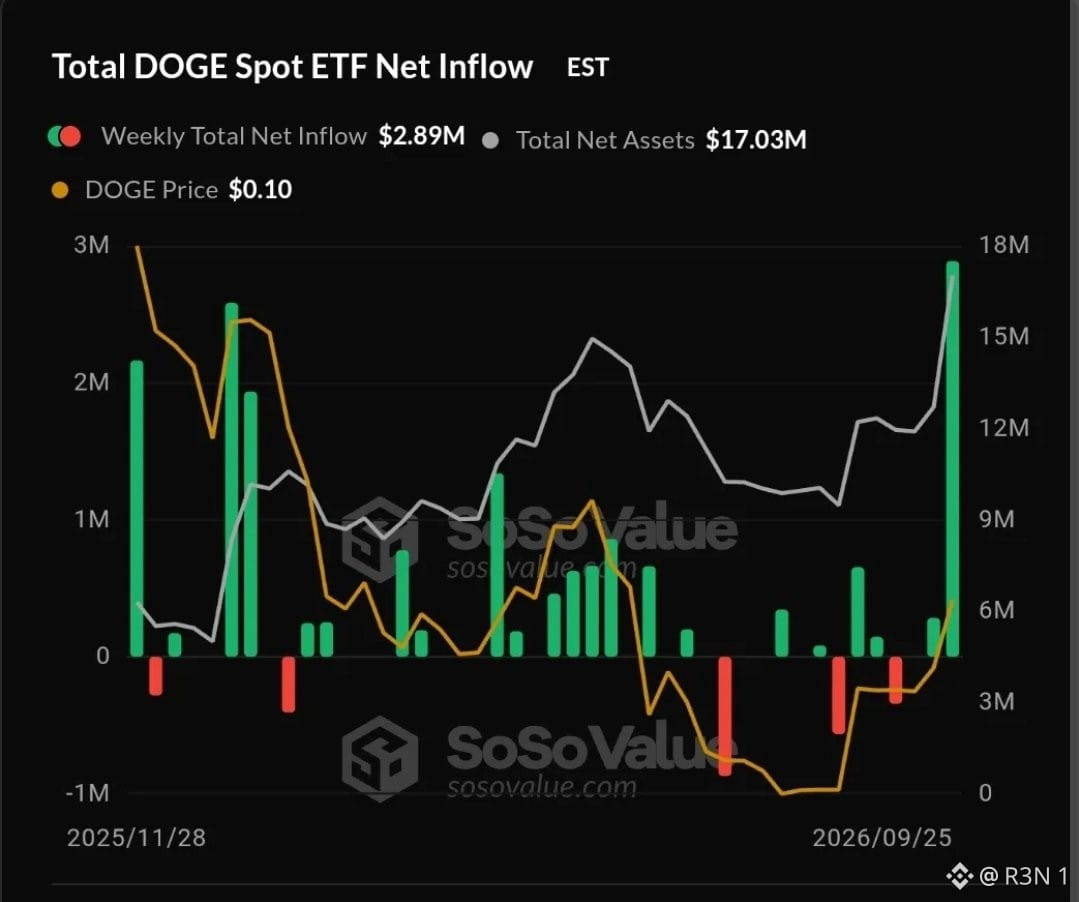
٢.٨٩ مليون دولار في صورة استثمارات في صناديق DOGE المتداولة هذا الأسبوع، وهي الأقوى منذ إطلاقها في نوفمبر ٢٠٢٥، لكن التركيبة أسفل رقم العنوان الرئيسي تروي قصة أكثر هشاشة مما توحي به عبارة "الأسبوع القياسي".
جاء معظم التدفقات، ٣.٤٨ مليون دولار، من صندوق Grayscale الخاص بعملة Dogecoin وحده. شهدت 21Shares في الواقع عمليات سحب صافي بقيمة ٥٩٣ ألف دولار خلال الأسبوع نفسه، وسجلت Bitwise's DOGE ETF قيمة صفرًا، لأنها تُغلق بالكامل في ١٤ أكتوبر. صندوق واحد يحمل هذا الرقم القياسي، وليس هناك طلب واسع عبر فئة المنتجات، وإحدى الصناديق الأربعة التي تتبع DOGE بالفعل على وشك الخروج من السوق.
ما يلفت انتباهي هو مقارنة شبه لا أحد يتناولها إلى جانب هذا العنوان. تصدر بروتوكولات Dogecoin ما يقارب ١٣.٥٣ مليون عملة جديدة يوميًا، بقيمة تقارب ١.٣٢ مليون دولار بأسعار اليوم.
أقوى يوم تداول لصندوق ETF هذا الشهر، ١.١٧ مليون دولار في ٢٢ سبتمبر، ما زال أقل من قيمة يوم واحد من المعروض الجديد. لقد تفوقت الإصدارات الجديدة على أفضل يوم شهدته صناديق ETF على الإطلاق. هذا لا يعني بالضرورة أن السعر يجب أن ينخفض؛ فدخول معروض جديد إلى السوق لا يَكسر تلقائيًا الطلب، لكنه يعني أن أسبوع التدفقات القياسي ليس هو القوة المهيمنة حاليًا في معادلة العرض والطلب لدى DOGE.
ومن المفيد أيضًا وضع السياق من ناحية الحجم: تبلغ الأصول الصافية الإجمالية لصناديق DOGE ETF نحو ١٧.٠٣ مليون دولار، أي ٠.١١٪ فقط من القيمة السوقية لـ Dogecoin البالغة ١٦.٦ مليار دولار. لا يزال هذا قطاعًا صغيرًا جدًا كمنتج من حيث الأرقام المطلقة، سواء كان ذلك أسبوعًا قياسيًا أم لا.
السؤال المفتوح ليس ما إذا كانت الاهتمامات المؤسسية في ازدياد؛ فالاتجاه داخل التدفقات عبر سبتمبر، من شبه صفر إلى ٢.٨٩ مليون دولار، يمثل تحولًا حقيقيًا في الاتجاه. لكن هل يمكن لهذا الاهتمام أن يتوسع خارج Grayscale تحديدًا، وهل يمكنه تعويض الإصدارات الجديدة اليومية بشكل ملموس، قبل أن يؤدي تقليص تشكيلة الصناديق إلى أن تصبح عبارة "الأسبوع القياسي" مجرد حوض أصغر وأصغر لتحقيق الأرقام القياسية.
$DOGE #BTC Price Analysis# #BNBChain# #BNBChain#
٢.٨٩ مليون دولار في صورة استثمارات في صناديق DOGE المتداولة هذا الأسبوع، وهي الأقوى منذ إطلاقها في نوفمبر ٢٠٢٥، لكن التركيبة أسفل رقم العنوان الرئيسي تروي قصة أكثر هشاشة مما توحي به عبارة "الأسبوع القياسي".
جاء معظم التدفقات، ٣.٤٨ مليون دولار، من صندوق Grayscale الخاص بعملة Dogecoin وحده. شهدت 21Shares في الواقع عمليات سحب صافي بقيمة ٥٩٣ ألف دولار خلال الأسبوع نفسه، وسجلت Bitwise's DOGE ETF قيمة صفرًا، لأنها تُغلق بالكامل في ١٤ أكتوبر. صندوق واحد يحمل هذا الرقم القياسي، وليس هناك طلب واسع عبر فئة المنتجات، وإحدى الصناديق الأربعة التي تتبع DOGE بالفعل على وشك الخروج من السوق.
ما يلفت انتباهي هو مقارنة شبه لا أحد يتناولها إلى جانب هذا العنوان. تصدر بروتوكولات Dogecoin ما يقارب ١٣.٥٣ مليون عملة جديدة يوميًا، بقيمة تقارب ١.٣٢ مليون دولار بأسعار اليوم.
أقوى يوم تداول لصندوق ETF هذا الشهر، ١.١٧ مليون دولار في ٢٢ سبتمبر، ما زال أقل من قيمة يوم واحد من المعروض الجديد. لقد تفوقت الإصدارات الجديدة على أفضل يوم شهدته صناديق ETF على الإطلاق. هذا لا يعني بالضرورة أن السعر يجب أن ينخفض؛ فدخول معروض جديد إلى السوق لا يَكسر تلقائيًا الطلب، لكنه يعني أن أسبوع التدفقات القياسي ليس هو القوة المهيمنة حاليًا في معادلة العرض والطلب لدى DOGE.
ومن المفيد أيضًا وضع السياق من ناحية الحجم: تبلغ الأصول الصافية الإجمالية لصناديق DOGE ETF نحو ١٧.٠٣ مليون دولار، أي ٠.١١٪ فقط من القيمة السوقية لـ Dogecoin البالغة ١٦.٦ مليار دولار. لا يزال هذا قطاعًا صغيرًا جدًا كمنتج من حيث الأرقام المطلقة، سواء كان ذلك أسبوعًا قياسيًا أم لا.
السؤال المفتوح ليس ما إذا كانت الاهتمامات المؤسسية في ازدياد؛ فالاتجاه داخل التدفقات عبر سبتمبر، من شبه صفر إلى ٢.٨٩ مليون دولار، يمثل تحولًا حقيقيًا في الاتجاه. لكن هل يمكن لهذا الاهتمام أن يتوسع خارج Grayscale تحديدًا، وهل يمكنه تعويض الإصدارات الجديدة اليومية بشكل ملموس، قبل أن يؤدي تقليص تشكيلة الصناديق إلى أن تصبح عبارة "الأسبوع القياسي" مجرد حوض أصغر وأصغر لتحقيق الأرقام القياسية.
$DOGE #BTC Price Analysis# #BNBChain# #BNBChain#
جاء معظم التدفقات، ٣.٤٨ مليون دولار، من صندوق Grayscale الخاص بعملة Dogecoin وحده. شهدت 21Shares في الواقع عمليات سحب صافي بقيمة ٥٩٣ ألف دولار خلال الأسبوع نفسه، وسجلت Bitwise's DOGE ETF قيمة صفرًا، لأنها تُغلق بالكامل في ١٤ أكتوبر. صندوق واحد يحمل هذا الرقم القياسي، وليس هناك طلب واسع عبر فئة المنتجات، وإحدى الصناديق الأربعة التي تتبع DOGE بالفعل على وشك الخروج من السوق.
ما يلفت انتباهي هو مقارنة شبه لا أحد يتناولها إلى جانب هذا العنوان. تصدر بروتوكولات Dogecoin ما يقارب ١٣.٥٣ مليون عملة جديدة يوميًا، بقيمة تقارب ١.٣٢ مليون دولار بأسعار اليوم.
أقوى يوم تداول لصندوق ETF هذا الشهر، ١.١٧ مليون دولار في ٢٢ سبتمبر، ما زال أقل من قيمة يوم واحد من المعروض الجديد. لقد تفوقت الإصدارات الجديدة على أفضل يوم شهدته صناديق ETF على الإطلاق. هذا لا يعني بالضرورة أن السعر يجب أن ينخفض؛ فدخول معروض جديد إلى السوق لا يَكسر تلقائيًا الطلب، لكنه يعني أن أسبوع التدفقات القياسي ليس هو القوة المهيمنة حاليًا في معادلة العرض والطلب لدى DOGE.
ومن المفيد أيضًا وضع السياق من ناحية الحجم: تبلغ الأصول الصافية الإجمالية لصناديق DOGE ETF نحو ١٧.٠٣ مليون دولار، أي ٠.١١٪ فقط من القيمة السوقية لـ Dogecoin البالغة ١٦.٦ مليار دولار. لا يزال هذا قطاعًا صغيرًا جدًا كمنتج من حيث الأرقام المطلقة، سواء كان ذلك أسبوعًا قياسيًا أم لا.
السؤال المفتوح ليس ما إذا كانت الاهتمامات المؤسسية في ازدياد؛ فالاتجاه داخل التدفقات عبر سبتمبر، من شبه صفر إلى ٢.٨٩ مليون دولار، يمثل تحولًا حقيقيًا في الاتجاه. لكن هل يمكن لهذا الاهتمام أن يتوسع خارج Grayscale تحديدًا، وهل يمكنه تعويض الإصدارات الجديدة اليومية بشكل ملموس، قبل أن يؤدي تقليص تشكيلة الصناديق إلى أن تصبح عبارة "الأسبوع القياسي" مجرد حوض أصغر وأصغر لتحقيق الأرقام القياسية.
$DOGE #BTC Price Analysis# #BNBChain# #BNBChain#
49
·
--
يؤكد إيداع «SEC» الخاص بدائرة «Circle» أن «Binance» اشترت 1,237,011 سهمًا من الفئة «A» بسعر 80.84 دولارًا لكل سهم، بإجمالي 100 مليون دولار، في طرح خاص أُغلق في 17 سبتمبر، وبخصم يقارب 5% مقارنة بسعر السوق لدى «Circle» في ذلك اليوم. ويحل الاتفاق التجاري لمدة خمس سنوات الذي وقّع معه محل الاتفاقات السابقة من نوفمبر 2024 وأغسطس 2025، والتي يُفترض أنها كانت أقصر وجرى هيكلة المدفوعات فيها بشكل مختلف، مع رسم مقدم قدره 60.25 مليون دولار آنذاك مقابل حصة ملكية مباشرة الآن.
ما يلفتني هو هيكل فترة الحظر (lockup). لا يمكن لـ «Binance» بيع هذه الأسهم أو نقلها أو التحوط ضدها لمدة تصل إلى عامين، لكنها تحتفظ بحقوق التصويت الكاملة طوال الوقت. هذه قيد حقيقي على قدرة «Binance» على قلب الموقف بسرعة، مع منحها في الوقت نفسه رأيًا في طريقة إدارة «Circle»؛ والتزامها مختلف فعليًا عن شراكة تجارية قصيرة الأجل.
التركيز المعلن هو على الأسواق الناشئة تحديدًا، وتوسيع إتاحة «USDC» في الأماكن التي كانت فيها «Circle» أقل حضورًا، مع منافسة أكثر مباشرة لهيمنة «Tether» هناك. تدفع «Circle» لـ «Binance» رسومًا شهرية تحفيزية مرتبطة بأرصدة «USDC» المحتفظ بها عبر البنية التحتية لـ «Modular Smart Contract Wallet» التابعة لها، وبالتالي أصبحت «Binance» تجني أرباحًا من «USDC» بطريقتين في آن واحد: من تدفق الرسوم ومن حصة الأسهم نفسها.
لكن من الجدير بالدقة بشأن الحجم: 100 مليون دولار مبلغ حقيقي، لكنها حصة أقلية وليست سيطرة على مجلس الإدارة أو ما يقارب ذلك. وقد ارتفع سهم «Circle» بأكثر من 1% في التداول قبل افتتاح السوق على خلفية الخبر، وهو رد فعل سوقي متواضع وليس انفجاريًا.
السؤال المفتوح ليس ما إذا كان هذا يعمّق العلاقة—فهو يعمّقها بشكل هيكلي بشكل واضح. السؤال هو ما إذا كانت «Binance» ستدفع فعليًا باعتماد «USDC» بشكل ملموس في الأسواق الناشئة حيث ترسخت آثار «Tether» الشبكية، أم أن امتلاك الأسهم لا يترجم إلى ميزة توزيع تَصفها الشركتان.
$BNB #BTC Price Analysis# $XRP #Macro Insights# #Macro Insights#
يؤكد إيداع «SEC» الخاص بدائرة «Circle» أن «Binance» اشترت 1,237,011 سهمًا من الفئة «A» بسعر 80.84 دولارًا لكل سهم، بإجمالي 100 مليون دولار، في طرح خاص أُغلق في 17 سبتمبر، وبخصم يقارب 5% مقارنة بسعر السوق لدى «Circle» في ذلك اليوم. ويحل الاتفاق التجاري لمدة خمس سنوات الذي وقّع معه محل الاتفاقات السابقة من نوفمبر 2024 وأغسطس 2025، والتي يُفترض أنها كانت أقصر وجرى هيكلة المدفوعات فيها بشكل مختلف، مع رسم مقدم قدره 60.25 مليون دولار آنذاك مقابل حصة ملكية مباشرة الآن.
ما يلفتني هو هيكل فترة الحظر (lockup). لا يمكن لـ «Binance» بيع هذه الأسهم أو نقلها أو التحوط ضدها لمدة تصل إلى عامين، لكنها تحتفظ بحقوق التصويت الكاملة طوال الوقت. هذه قيد حقيقي على قدرة «Binance» على قلب الموقف بسرعة، مع منحها في الوقت نفسه رأيًا في طريقة إدارة «Circle»؛ والتزامها مختلف فعليًا عن شراكة تجارية قصيرة الأجل.
التركيز المعلن هو على الأسواق الناشئة تحديدًا، وتوسيع إتاحة «USDC» في الأماكن التي كانت فيها «Circle» أقل حضورًا، مع منافسة أكثر مباشرة لهيمنة «Tether» هناك. تدفع «Circle» لـ «Binance» رسومًا شهرية تحفيزية مرتبطة بأرصدة «USDC» المحتفظ بها عبر البنية التحتية لـ «Modular Smart Contract Wallet» التابعة لها، وبالتالي أصبحت «Binance» تجني أرباحًا من «USDC» بطريقتين في آن واحد: من تدفق الرسوم ومن حصة الأسهم نفسها.
لكن من الجدير بالدقة بشأن الحجم: 100 مليون دولار مبلغ حقيقي، لكنها حصة أقلية وليست سيطرة على مجلس الإدارة أو ما يقارب ذلك. وقد ارتفع سهم «Circle» بأكثر من 1% في التداول قبل افتتاح السوق على خلفية الخبر، وهو رد فعل سوقي متواضع وليس انفجاريًا.
السؤال المفتوح ليس ما إذا كان هذا يعمّق العلاقة—فهو يعمّقها بشكل هيكلي بشكل واضح. السؤال هو ما إذا كانت «Binance» ستدفع فعليًا باعتماد «USDC» بشكل ملموس في الأسواق الناشئة حيث ترسخت آثار «Tether» الشبكية، أم أن امتلاك الأسهم لا يترجم إلى ميزة توزيع تَصفها الشركتان.
$BNB #BTC Price Analysis# $XRP #Macro Insights# #Macro Insights#
ما يلفتني هو هيكل فترة الحظر (lockup). لا يمكن لـ «Binance» بيع هذه الأسهم أو نقلها أو التحوط ضدها لمدة تصل إلى عامين، لكنها تحتفظ بحقوق التصويت الكاملة طوال الوقت. هذه قيد حقيقي على قدرة «Binance» على قلب الموقف بسرعة، مع منحها في الوقت نفسه رأيًا في طريقة إدارة «Circle»؛ والتزامها مختلف فعليًا عن شراكة تجارية قصيرة الأجل.
التركيز المعلن هو على الأسواق الناشئة تحديدًا، وتوسيع إتاحة «USDC» في الأماكن التي كانت فيها «Circle» أقل حضورًا، مع منافسة أكثر مباشرة لهيمنة «Tether» هناك. تدفع «Circle» لـ «Binance» رسومًا شهرية تحفيزية مرتبطة بأرصدة «USDC» المحتفظ بها عبر البنية التحتية لـ «Modular Smart Contract Wallet» التابعة لها، وبالتالي أصبحت «Binance» تجني أرباحًا من «USDC» بطريقتين في آن واحد: من تدفق الرسوم ومن حصة الأسهم نفسها.
لكن من الجدير بالدقة بشأن الحجم: 100 مليون دولار مبلغ حقيقي، لكنها حصة أقلية وليست سيطرة على مجلس الإدارة أو ما يقارب ذلك. وقد ارتفع سهم «Circle» بأكثر من 1% في التداول قبل افتتاح السوق على خلفية الخبر، وهو رد فعل سوقي متواضع وليس انفجاريًا.
السؤال المفتوح ليس ما إذا كان هذا يعمّق العلاقة—فهو يعمّقها بشكل هيكلي بشكل واضح. السؤال هو ما إذا كانت «Binance» ستدفع فعليًا باعتماد «USDC» بشكل ملموس في الأسواق الناشئة حيث ترسخت آثار «Tether» الشبكية، أم أن امتلاك الأسهم لا يترجم إلى ميزة توزيع تَصفها الشركتان.
$BNB #BTC Price Analysis# $XRP #Macro Insights# #Macro Insights#


68
·
--
يبدو شراء استراتيجيـا البالغ 950 بيتكوين (BTC) صغيرًا بجانب شراء Strive البالغ 1,355، إلى أن تدرك أن Strategy تمتلك بالفعل 32 ضعف كامل رصيد Strive. نفس الأسبوع، ونفس نطاق السعر، لكن قصة بمقياس مختلف تمامًا. ووفقًا للإفصاحات، اشترت Strategy 950 BTC بسعر متوسط 79,670 دولارًا خلال الفترة من 14 إلى 20 سبتمبر، وهي أول عملية شراء لها منذ أغسطس، ما رفع إجمالي حيازاتها إلى 846,000 BTC بتكلفة أساس متوسط قدرها 75,416 دولارًا. واشترت Strive 1,355 BTC بسعر 79,475 دولارًا خلال نافذة زمنية تقارب نفسها، ما رفع خزينتها إلى 26,355 BTC. لا أملك تأكيدًا مستقلًا من رقم 1.273 مليون BTC الخاص بجميع الشركات العامة مجتمعة، لذا سأتعامل مع هذا الإجمالي كما ورد لا كأنه تم التحقق منه. الأهم من ذلك هو كيف تؤثر هذه الحزمة نفسها من الدولارات بشكل مختلف تمامًا على كل شركة. تمثل 846,000 BTC لدى Strategy ما يزيد قليلًا عن 4% من المعروض الثابت للبيتكوين البالغ 21 مليونًا؛ وعلى هذا النطاق، فإن عشرات الملايين في مشتريات جديدة بالكاد تحرّك المؤشر، فعملية شراء هذا الأسبوع أضافت تقريبًا 0.16% إلى حصتها. يمثلّت إضافة Strive البالغة 1,355 BTC نحو 5.42% من رصيدها الابتدائي، أي نمو أسرع بكثير كنسبة مئوية فقط من قاعدة أصغر. كما ارتفعت قيمة BTC لكل سهم عادي فعّال لدى Strive بنسبة 14.1% بين 21 أغسطس و18 سبتمبر. كذلك أعادت Strategy شراء 174 مليون دولار من أسهمها الممتازة STRC خلال الأسبوع نفسه، مستأنفة شراء البيتكوين بعد توقف دام قرابة أسبوعين، بينما كانت تدير في الوقت ذاته ميزانية أكثر تعقيدًا: النقد وBTC والأوراق المالية الممتازة والتوزيعات المتكررة، وكل ذلك يتنافس على رأس المال. قراءتي الصريحة: اعتبار هاتين عمليتي شراء باعتبارهما إشارتين متكافئتين يفوّت القصة الفعلية؛ Strategy تعمل على تحسين ميزانية عمومية ناضجة متعددة الرافعات، بينما لا تزال Strive على مسار تراكم حاد وواضح. أصل واحد، والأسبوع نفسه، لكن مشكلات تخصيص رأس مال مختلفة حقًا. ما الذي أراقبه: هل تستمر مشتريات Strategy المستأنفة بوتيرتها الحالية، أم أنها كانت مجرد عودة لأسبوع واحد قبل أن تتوقف مرة أخرى لصالح عمليات إعادة شراء الأسهم؟ #BTC Price Analysis# $BTC #Altcoin Season# #Meme Alpha#
يبدو شراء استراتيجيـا البالغ 950 بيتكوين (BTC) صغيرًا بجانب شراء Strive البالغ 1,355، إلى أن تدرك أن Strategy تمتلك بالفعل 32 ضعف كامل رصيد Strive. نفس الأسبوع، ونفس نطاق السعر، لكن قصة بمقياس مختلف تمامًا. ووفقًا للإفصاحات، اشترت Strategy 950 BTC بسعر متوسط 79,670 دولارًا خلال الفترة من 14 إلى 20 سبتمبر، وهي أول عملية شراء لها منذ أغسطس، ما رفع إجمالي حيازاتها إلى 846,000 BTC بتكلفة أساس متوسط قدرها 75,416 دولارًا. واشترت Strive 1,355 BTC بسعر 79,475 دولارًا خلال نافذة زمنية تقارب نفسها، ما رفع خزينتها إلى 26,355 BTC. لا أملك تأكيدًا مستقلًا من رقم 1.273 مليون BTC الخاص بجميع الشركات العامة مجتمعة، لذا سأتعامل مع هذا الإجمالي كما ورد لا كأنه تم التحقق منه. الأهم من ذلك هو كيف تؤثر هذه الحزمة نفسها من الدولارات بشكل مختلف تمامًا على كل شركة. تمثل 846,000 BTC لدى Strategy ما يزيد قليلًا عن 4% من المعروض الثابت للبيتكوين البالغ 21 مليونًا؛ وعلى هذا النطاق، فإن عشرات الملايين في مشتريات جديدة بالكاد تحرّك المؤشر، فعملية شراء هذا الأسبوع أضافت تقريبًا 0.16% إلى حصتها. يمثلّت إضافة Strive البالغة 1,355 BTC نحو 5.42% من رصيدها الابتدائي، أي نمو أسرع بكثير كنسبة مئوية فقط من قاعدة أصغر. كما ارتفعت قيمة BTC لكل سهم عادي فعّال لدى Strive بنسبة 14.1% بين 21 أغسطس و18 سبتمبر. كذلك أعادت Strategy شراء 174 مليون دولار من أسهمها الممتازة STRC خلال الأسبوع نفسه، مستأنفة شراء البيتكوين بعد توقف دام قرابة أسبوعين، بينما كانت تدير في الوقت ذاته ميزانية أكثر تعقيدًا: النقد وBTC والأوراق المالية الممتازة والتوزيعات المتكررة، وكل ذلك يتنافس على رأس المال. قراءتي الصريحة: اعتبار هاتين عمليتي شراء باعتبارهما إشارتين متكافئتين يفوّت القصة الفعلية؛ Strategy تعمل على تحسين ميزانية عمومية ناضجة متعددة الرافعات، بينما لا تزال Strive على مسار تراكم حاد وواضح. أصل واحد، والأسبوع نفسه، لكن مشكلات تخصيص رأس مال مختلفة حقًا. ما الذي أراقبه: هل تستمر مشتريات Strategy المستأنفة بوتيرتها الحالية، أم أنها كانت مجرد عودة لأسبوع واحد قبل أن تتوقف مرة أخرى لصالح عمليات إعادة شراء الأسهم؟ #BTC Price Analysis# $BTC #Altcoin Season# #Meme Alpha#


10
·
--
"اللامركزية مبدأ تصميم، وليست درعًا لتسهيل حركة الأموال المسروقة المعروفة." هذه هي الجملة الفعلية لـ Gracy Chen، وهي إشارة مباشرة إلى نمط تم استدعاء THORChain بسببه مرة من قبل. أكد Bitget أن المهاجم نقل ما يقارب 387.5 مليون دولار إلى عناوين مُتحكَّم بها، مرتفعًا من 351.6 مليون دولار الأولية بعد احتساب التحويلات على Zcash وTRON. طلبت Chen علنًا من THORChain رفض الخدمة للعناوين المعلَّمة في 26 سبتمبر، والمقارنة التي رسمتها حادة؛ إذ بعد اختراق Bybit بقيمة 1.46 مليار دولار في العام الماضي، يُفترض أن ما يقارب 1.2 مليار دولار من الأموال المسروقة قد مر عبر THORChain خلال عملية غسل الأموال. وقد وصفت TRM Labs على نحوٍ منفصل THORChain بأنها "الجسر المفضّل" لغسل أكبر عمليات السطو في كوريا الشمالية، مُشيرةً إلى أن البروتوكول ظل باستمرار يرفض حجب النشاط غير القانوني. ومن الجدير بالذكر هنا السجلّ الخاص بـ THORChain. لم يُجمد المعاملات بعد اختراق صندوقه (vault) بقيمة 10.7 مليون دولار في وقت سابق من هذا العام، لذا لا توجد سوابق تشير إلى أن هذا الطلب سيحصل على رد مختلف. تحرّكت جهات أخرى بسرعة أكبر؛ إذ ورد أن Circle وTether جمدتا بالفعل ما يقارب 318,000 دولار في حركة العملات المستقرة المرتبطة بهذا الاختراق نفسه في 25 سبتمبر. يوصف تورط كوريا الشمالية بأنه "مرجّح جدًا" من قِبل Chen، استنادًا إلى عناوين IP مرتبطة بخدمات VPN مرتبطة بفريق قرصنة معروف من كوريا الشمالية، مع تداخلات على السلسلة تربط محافظ غسيل الأموال بمراحل سابقة من اختراق Bybit وعمليات AFX Bridge. قراءتي الصادقة: هذه مسألة مساءلة حقيقية في الصناعة، وليست مجرد تموضع علاقات عامة. بروتوكول بات مكرّرًا هو المسار المفضّل لغسل الأموال في الاختراقات الكبرى، ورفض مرارًا اتخاذ إجراء حتى عندما تكون العناوين معروفة علنًا، يمثل فجوة حوكمة حقيقية تستحق التدقيق. ما أراقبه: ما إذا كان THORChain سيتصرف فعليًا هذه المرة، أم أن سوابق Bybit ستتكرر فقط. #تحليل سعر BTC# $BGB #رؤى اقتصادية كلية# $SOL
"اللامركزية مبدأ تصميم، وليست درعًا لتسهيل حركة الأموال المسروقة المعروفة." هذه هي الجملة الفعلية لـ Gracy Chen، وهي إشارة مباشرة إلى نمط تم استدعاء THORChain بسببه مرة من قبل. أكد Bitget أن المهاجم نقل ما يقارب 387.5 مليون دولار إلى عناوين مُتحكَّم بها، مرتفعًا من 351.6 مليون دولار الأولية بعد احتساب التحويلات على Zcash وTRON. طلبت Chen علنًا من THORChain رفض الخدمة للعناوين المعلَّمة في 26 سبتمبر، والمقارنة التي رسمتها حادة؛ إذ بعد اختراق Bybit بقيمة 1.46 مليار دولار في العام الماضي، يُفترض أن ما يقارب 1.2 مليار دولار من الأموال المسروقة قد مر عبر THORChain خلال عملية غسل الأموال. وقد وصفت TRM Labs على نحوٍ منفصل THORChain بأنها "الجسر المفضّل" لغسل أكبر عمليات السطو في كوريا الشمالية، مُشيرةً إلى أن البروتوكول ظل باستمرار يرفض حجب النشاط غير القانوني. ومن الجدير بالذكر هنا السجلّ الخاص بـ THORChain. لم يُجمد المعاملات بعد اختراق صندوقه (vault) بقيمة 10.7 مليون دولار في وقت سابق من هذا العام، لذا لا توجد سوابق تشير إلى أن هذا الطلب سيحصل على رد مختلف. تحرّكت جهات أخرى بسرعة أكبر؛ إذ ورد أن Circle وTether جمدتا بالفعل ما يقارب 318,000 دولار في حركة العملات المستقرة المرتبطة بهذا الاختراق نفسه في 25 سبتمبر. يوصف تورط كوريا الشمالية بأنه "مرجّح جدًا" من قِبل Chen، استنادًا إلى عناوين IP مرتبطة بخدمات VPN مرتبطة بفريق قرصنة معروف من كوريا الشمالية، مع تداخلات على السلسلة تربط محافظ غسيل الأموال بمراحل سابقة من اختراق Bybit وعمليات AFX Bridge. قراءتي الصادقة: هذه مسألة مساءلة حقيقية في الصناعة، وليست مجرد تموضع علاقات عامة. بروتوكول بات مكرّرًا هو المسار المفضّل لغسل الأموال في الاختراقات الكبرى، ورفض مرارًا اتخاذ إجراء حتى عندما تكون العناوين معروفة علنًا، يمثل فجوة حوكمة حقيقية تستحق التدقيق. ما أراقبه: ما إذا كان THORChain سيتصرف فعليًا هذه المرة، أم أن سوابق Bybit ستتكرر فقط. #تحليل سعر BTC# $BGB #رؤى اقتصادية كلية# $SOL


31
·
--
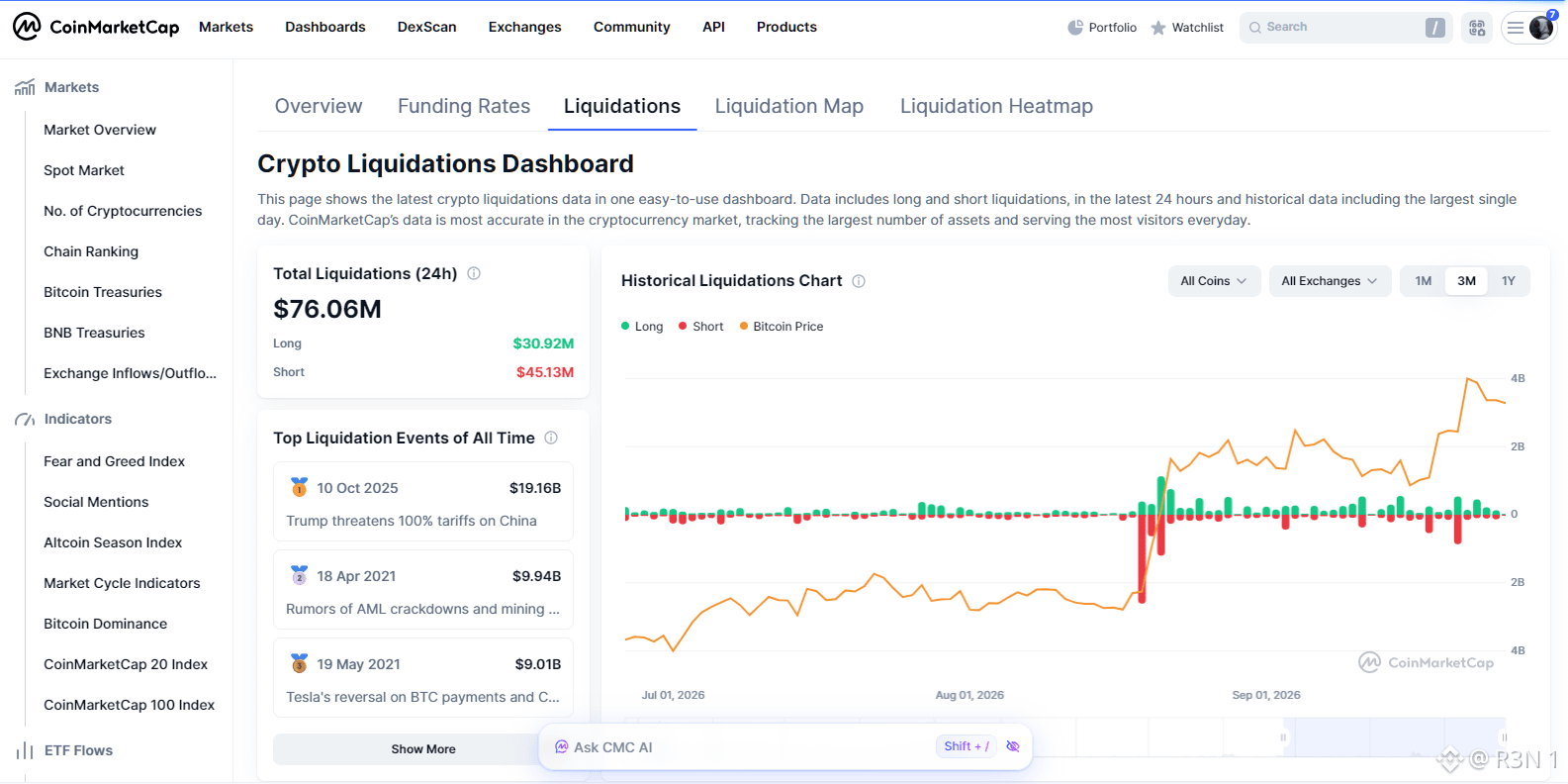
بلغت عمليات التصفية الإجمالية للسيولة 76.06 مليون دولار خلال الـ 24 ساعة الماضية، حيث تم تقسيمها إلى 30.92 مليون دولار صفقة شراء طويلة مقابل 45.13 مليون دولار صفقة بيع قصيرة. ليست عمليات التصفية للصفقات القصيرة المتصدرة أمرًا غير معتاد خلال موجة صعود؛ فهذا في الواقع هو الآلية المتوقعة. فحين يدفع السعر للأعلى، يُجبر ذلك المراكز القصيرة على الإغلاق (التغطية)، وهو وضع مختلف عن الارتفاعات الكبيرة الظاهرة في وقت سابق على نفس هذا المخطط. يتزامن ذلك الاندفاع، وهو الشريط الأحمر الكبير في العرض التاريخي قرب منتصف سبتمبر، مباشرةً مع فشل قانون CLARITY في مجلس الشيوخ ومع قرار رفع الفائدة من الاحتياطي الفيدرالي في الفترة نفسها؛ وهما محفزان حقيقيان أدّيا إلى تصفيات طويلة فعلية عندما هبطت عملة بيتكوين نحو 75,000 دولار. ما يلفت الانتباه في المخطط منذ ذلك الحين هو أن عمليات التصفية بقيت مرتفعة ومتقلبة على الجانبين، مع تبدّل القمم بين اللونين الأخضر والأحمر، بدل أن تعود إلى الشموع الهادئة والأصغر التي سيطرت خلال يوليو ومعظم أغسطس. خط سعر بيتكوين نفسه على هذا المخطط يروي الجزء الأهم من القصة؛ إذ هبط بقوة حول ذروة التصفية تلك، ثم واصل الصعود بعد ذلك باتجاه القمم الأخيرة. هذه السلسلة مهمة: فالسوق استوعب صدمة حقيقية واستمر في الاتجاه الصعودي بدلًا من أن تُصبح تلك عملية التصفية علامة على قمة دائمة. قراءتي الصادقة: لقطة اليوم، حيث تتفوق عمليات تصفية الصفقات القصيرة على عمليات الطويلة ضمن نطاق متوسط، تتماشى مع سوق لا يزال يتعامل مع اتجاه صعودي حقيقي، وليس مع إشارات ضيق. كانت الذروة التاريخية الأكبر في وقت مبكر من هذا الشهر هي اختبار الضغط الحقيقي، والانتعاش فوقها يقول أكثر عن الطلب الكامن من أي تقسيم لعمليات التصفية في يوم واحد. ما الذي أراقبه: هل تبقى عمليات التصفية مرتفعة ومزدوجة الاتجاه بينما يستمر السعر في الارتفاع، أم تهدأ وتعود إلى مستوى ما قبل سبتمبر الأكثر هدوءًا، وهو ما من شأنه أن يشير إلى أن السوق يعثر على اتجاه أكثر استقرارًا بدلًا من التحرك في دائرة حيث يتم استنزاف الرافعة بشكل متكرر. #BTC Price Analysis# #Altcoin Season# #BNBChain# $BTC $ETH
بلغت عمليات التصفية الإجمالية للسيولة 76.06 مليون دولار خلال الـ 24 ساعة الماضية، حيث تم تقسيمها إلى 30.92 مليون دولار صفقة شراء طويلة مقابل 45.13 مليون دولار صفقة بيع قصيرة. ليست عمليات التصفية للصفقات القصيرة المتصدرة أمرًا غير معتاد خلال موجة صعود؛ فهذا في الواقع هو الآلية المتوقعة. فحين يدفع السعر للأعلى، يُجبر ذلك المراكز القصيرة على الإغلاق (التغطية)، وهو وضع مختلف عن الارتفاعات الكبيرة الظاهرة في وقت سابق على نفس هذا المخطط. يتزامن ذلك الاندفاع، وهو الشريط الأحمر الكبير في العرض التاريخي قرب منتصف سبتمبر، مباشرةً مع فشل قانون CLARITY في مجلس الشيوخ ومع قرار رفع الفائدة من الاحتياطي الفيدرالي في الفترة نفسها؛ وهما محفزان حقيقيان أدّيا إلى تصفيات طويلة فعلية عندما هبطت عملة بيتكوين نحو 75,000 دولار. ما يلفت الانتباه في المخطط منذ ذلك الحين هو أن عمليات التصفية بقيت مرتفعة ومتقلبة على الجانبين، مع تبدّل القمم بين اللونين الأخضر والأحمر، بدل أن تعود إلى الشموع الهادئة والأصغر التي سيطرت خلال يوليو ومعظم أغسطس. خط سعر بيتكوين نفسه على هذا المخطط يروي الجزء الأهم من القصة؛ إذ هبط بقوة حول ذروة التصفية تلك، ثم واصل الصعود بعد ذلك باتجاه القمم الأخيرة. هذه السلسلة مهمة: فالسوق استوعب صدمة حقيقية واستمر في الاتجاه الصعودي بدلًا من أن تُصبح تلك عملية التصفية علامة على قمة دائمة. قراءتي الصادقة: لقطة اليوم، حيث تتفوق عمليات تصفية الصفقات القصيرة على عمليات الطويلة ضمن نطاق متوسط، تتماشى مع سوق لا يزال يتعامل مع اتجاه صعودي حقيقي، وليس مع إشارات ضيق. كانت الذروة التاريخية الأكبر في وقت مبكر من هذا الشهر هي اختبار الضغط الحقيقي، والانتعاش فوقها يقول أكثر عن الطلب الكامن من أي تقسيم لعمليات التصفية في يوم واحد. ما الذي أراقبه: هل تبقى عمليات التصفية مرتفعة ومزدوجة الاتجاه بينما يستمر السعر في الارتفاع، أم تهدأ وتعود إلى مستوى ما قبل سبتمبر الأكثر هدوءًا، وهو ما من شأنه أن يشير إلى أن السوق يعثر على اتجاه أكثر استقرارًا بدلًا من التحرك في دائرة حيث يتم استنزاف الرافعة بشكل متكرر. #BTC Price Analysis# #Altcoin Season# #BNBChain# $BTC $ETH
27
·
--
يُحدث PUMP ضجيجًا مرة أخرى.
ارتفع رمز Pump بنحو 11% تقريبًا خلال الـ 24 ساعة الماضية، ويتداول حول 0.00446$، بينما تدفع القيمة السوقية إلى ما يتجاوز 2B$.
لكن الرقم الذي لفت انتباهي ليس السعر.
إنه حجم التداول.
حجم التداول خلال 24 ساعة يبلغ حوالي 280M$، مرتفعًا بأكثر من 53% بالتزامن مع الحركة.
هذا يخبرني أن الأمر ليس مجرد ارتفاع بطيء تدريجيًا. هناك اهتمام جديد ونشاط تداول فعلي وراء ذلك.
والآن ارتفع PUMP بنحو 133% على مدار العام.
مع ذلك، هذه هي النقطة التي أتأنّى عندها.
قيمة سوقية قدرها 2B$ مقابل FDV يبلغ 4.46B$ تترك فجوة كبيرة بين القيمة المتداولة والتقييم الكامل المخفّض.
ومع السرديات التي تقودها launchpad، يمكن أن يتغير الزخم بسرعة.
شيء واحد تعلمته من مراقبة DeFi هو أن المؤشر الرئيسي نادرًا ما يحكي القصة كاملة.
قد يتحرك السعر.
قد يتصاعد الحجم.
لكنني أريد أن أعرف ما الذي يحدث تحت سطح هذه الحركة وما إذا كان النشاط قادرًا فعلًا على الاستمرار.
لذلك أراقب الحجم أكثر من شمعة اللون الأخضر.
إذا استمر المشترون في الظهور وبدأ PUMP في البناء فوق هذه المستويات، تصبح الحركة أكثر إثارة للاهتمام.
إذا اختفى الحجم وجرى ردّ السعر بالكامل، فقد يكون الأمر ببساطة مجرد دوران سيولة آخر.
في الوقت الحالي، أراقب ما يحدث تحت الحركة.
استكشف البنية التحتية خلف سيولة onchain → https://ston.fi/omniston
$PUMP #BTC Price Analysis# $BTC #Altcoin Season#
يُحدث PUMP ضجيجًا مرة أخرى.
ارتفع رمز Pump بنحو 11% تقريبًا خلال الـ 24 ساعة الماضية، ويتداول حول 0.00446$، بينما تدفع القيمة السوقية إلى ما يتجاوز 2B$.
لكن الرقم الذي لفت انتباهي ليس السعر.
إنه حجم التداول.
حجم التداول خلال 24 ساعة يبلغ حوالي 280M$، مرتفعًا بأكثر من 53% بالتزامن مع الحركة.
هذا يخبرني أن الأمر ليس مجرد ارتفاع بطيء تدريجيًا. هناك اهتمام جديد ونشاط تداول فعلي وراء ذلك.
والآن ارتفع PUMP بنحو 133% على مدار العام.
مع ذلك، هذه هي النقطة التي أتأنّى عندها.
قيمة سوقية قدرها 2B$ مقابل FDV يبلغ 4.46B$ تترك فجوة كبيرة بين القيمة المتداولة والتقييم الكامل المخفّض.
ومع السرديات التي تقودها launchpad، يمكن أن يتغير الزخم بسرعة.
شيء واحد تعلمته من مراقبة DeFi هو أن المؤشر الرئيسي نادرًا ما يحكي القصة كاملة.
قد يتحرك السعر.
قد يتصاعد الحجم.
لكنني أريد أن أعرف ما الذي يحدث تحت سطح هذه الحركة وما إذا كان النشاط قادرًا فعلًا على الاستمرار.
لذلك أراقب الحجم أكثر من شمعة اللون الأخضر.
إذا استمر المشترون في الظهور وبدأ PUMP في البناء فوق هذه المستويات، تصبح الحركة أكثر إثارة للاهتمام.
إذا اختفى الحجم وجرى ردّ السعر بالكامل، فقد يكون الأمر ببساطة مجرد دوران سيولة آخر.
في الوقت الحالي، أراقب ما يحدث تحت الحركة.
استكشف البنية التحتية خلف سيولة onchain → https://ston.fi/omniston
$PUMP #BTC Price Analysis# $BTC #Altcoin Season#
ارتفع رمز Pump بنحو 11% تقريبًا خلال الـ 24 ساعة الماضية، ويتداول حول 0.00446$، بينما تدفع القيمة السوقية إلى ما يتجاوز 2B$.
لكن الرقم الذي لفت انتباهي ليس السعر.
إنه حجم التداول.
حجم التداول خلال 24 ساعة يبلغ حوالي 280M$، مرتفعًا بأكثر من 53% بالتزامن مع الحركة.
هذا يخبرني أن الأمر ليس مجرد ارتفاع بطيء تدريجيًا. هناك اهتمام جديد ونشاط تداول فعلي وراء ذلك.
والآن ارتفع PUMP بنحو 133% على مدار العام.
مع ذلك، هذه هي النقطة التي أتأنّى عندها.
قيمة سوقية قدرها 2B$ مقابل FDV يبلغ 4.46B$ تترك فجوة كبيرة بين القيمة المتداولة والتقييم الكامل المخفّض.
ومع السرديات التي تقودها launchpad، يمكن أن يتغير الزخم بسرعة.
شيء واحد تعلمته من مراقبة DeFi هو أن المؤشر الرئيسي نادرًا ما يحكي القصة كاملة.
قد يتحرك السعر.
قد يتصاعد الحجم.
لكنني أريد أن أعرف ما الذي يحدث تحت سطح هذه الحركة وما إذا كان النشاط قادرًا فعلًا على الاستمرار.
لذلك أراقب الحجم أكثر من شمعة اللون الأخضر.
إذا استمر المشترون في الظهور وبدأ PUMP في البناء فوق هذه المستويات، تصبح الحركة أكثر إثارة للاهتمام.
إذا اختفى الحجم وجرى ردّ السعر بالكامل، فقد يكون الأمر ببساطة مجرد دوران سيولة آخر.
في الوقت الحالي، أراقب ما يحدث تحت الحركة.
استكشف البنية التحتية خلف سيولة onchain → https://ston.fi/omniston
$PUMP #BTC Price Analysis# $BTC #Altcoin Season#
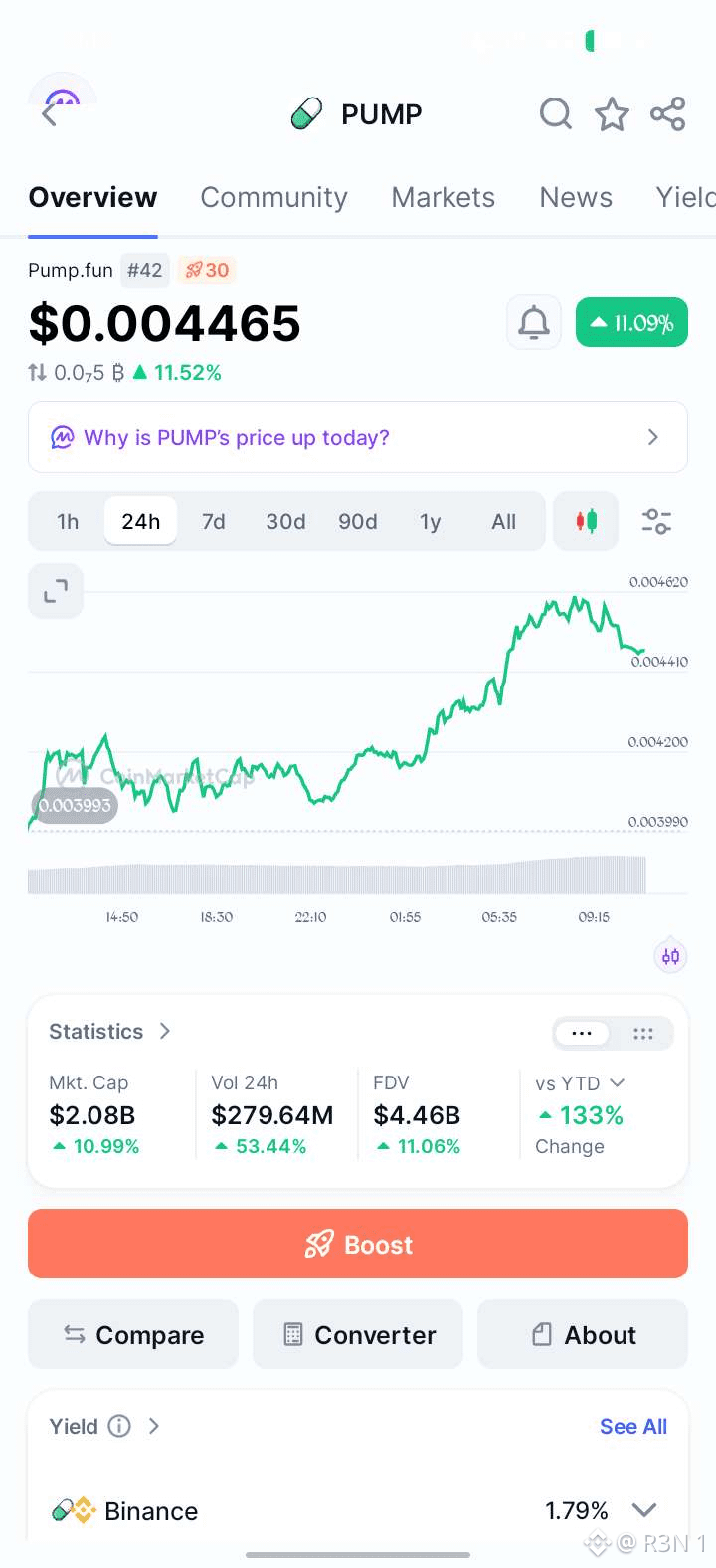
40
·
--
الانزلاق وأثر السعر مصطلحان يُخلط بينهما غالبًا في عالم التمويل اللامركزي (DeFi). يتعامل معظم المستخدمين معهما كأنهما متكافئان. لكنهما يصفان أشياء مختلفة، وفهمهما معًا يغيّر طريقة إعدادك لعمليات التبادل.
أثر السعر هو ما تسببه عملية تداولك المحددة من تغيير في سعر المجمع (الـ pool). عندما تشتري أصلًا من مجمع سيولة فأنت تقوم بإزالة ذلك الأصل من المجمع وإضافة الأصل الذي تبيعه. هذا يغيّر نسبة الأصول داخل المجمع، وبالتالي يغيّر السعر. الصفقة الصغيرة في مجمع عميق تنتج أثرًا بسيطًا على السعر. أما الصفقة الكبيرة في مجمع ضحل فتنتج أثرًا كبيرًا على السعر؛ فأنت عمليًا تدفع السوق ضدك أثناء تنفيذ الصفقة.
أثر السعر محسوب مسبقًا بشكل حتمي. وبناءً على عمق المجمع الحالي وحجم تداولك، يمكن حساب أثر السعر قبل أن ترسل الطلب. تُظهر واجهة STONfi هذه القيمة قبل التأكيد. إن كان أثر السعر أعلى من 1% في تبادل عملة مستقرة (stablecoin) فقد يكون من الحكمة إعادة النظر. أما إذا تجاوز 3% في أي تبادل، فعادةً ما تكون علامة على أن المجمع ضحل جدًا بالنسبة لحجم تداولك.
الانزلاق مختلف. إنه الفرق بين السعر الذي توقّعته عند إرسال المعاملة والسعر الذي استلمته فعليًا عند تأكيدها. يحدث الانزلاق لأن معاملات أخرى يمكن أن تُعالج بين لحظة إرسال طلبك ولحظة تأكيده، ما يغيّر حالة المجمع قبل تنفيذ تداولك.
تحمّل الانزلاق (slippage tolerance) هو الحد الأقصى من الانزلاق الذي ترغب في قبوله. إذا ضبطته بشكل شديد الضيق، ستفشل معاملتك إذا حدث أي تحرك في السعر بين لحظة الإرسال ولحظة التأكيد. وإذا ضبطته بشكل شديد السعة، فهذا يعني أنك تقبل انحرافًا أكبر مما هو ضروري. في تبدلات العملات المستقرة عادةً ما يكون 0.5% مناسبًا. أما تبدلات الأصول المتقلبة، فمن الأكثر واقعية أن تكون 1% إلى 2% خلال فترات نشاط السوق.
أثر السعر تعرفه قبل أن تؤكد. الانزلاق هو ما قد يحدث بين لحظة الإرسال ولحظة التأكيد. كلاهما مهم ويتطلب استجابات مختلفة.
التبادل على STONfi→ https://app.ston.fi/swap
$BTC #BTC Price Analysis# #Meme Alpha# $SOL
الانزلاق وأثر السعر مصطلحان يُخلط بينهما غالبًا في عالم التمويل اللامركزي (DeFi). يتعامل معظم المستخدمين معهما كأنهما متكافئان. لكنهما يصفان أشياء مختلفة، وفهمهما معًا يغيّر طريقة إعدادك لعمليات التبادل.
أثر السعر هو ما تسببه عملية تداولك المحددة من تغيير في سعر المجمع (الـ pool). عندما تشتري أصلًا من مجمع سيولة فأنت تقوم بإزالة ذلك الأصل من المجمع وإضافة الأصل الذي تبيعه. هذا يغيّر نسبة الأصول داخل المجمع، وبالتالي يغيّر السعر. الصفقة الصغيرة في مجمع عميق تنتج أثرًا بسيطًا على السعر. أما الصفقة الكبيرة في مجمع ضحل فتنتج أثرًا كبيرًا على السعر؛ فأنت عمليًا تدفع السوق ضدك أثناء تنفيذ الصفقة.
أثر السعر محسوب مسبقًا بشكل حتمي. وبناءً على عمق المجمع الحالي وحجم تداولك، يمكن حساب أثر السعر قبل أن ترسل الطلب. تُظهر واجهة STONfi هذه القيمة قبل التأكيد. إن كان أثر السعر أعلى من 1% في تبادل عملة مستقرة (stablecoin) فقد يكون من الحكمة إعادة النظر. أما إذا تجاوز 3% في أي تبادل، فعادةً ما تكون علامة على أن المجمع ضحل جدًا بالنسبة لحجم تداولك.
الانزلاق مختلف. إنه الفرق بين السعر الذي توقّعته عند إرسال المعاملة والسعر الذي استلمته فعليًا عند تأكيدها. يحدث الانزلاق لأن معاملات أخرى يمكن أن تُعالج بين لحظة إرسال طلبك ولحظة تأكيده، ما يغيّر حالة المجمع قبل تنفيذ تداولك.
تحمّل الانزلاق (slippage tolerance) هو الحد الأقصى من الانزلاق الذي ترغب في قبوله. إذا ضبطته بشكل شديد الضيق، ستفشل معاملتك إذا حدث أي تحرك في السعر بين لحظة الإرسال ولحظة التأكيد. وإذا ضبطته بشكل شديد السعة، فهذا يعني أنك تقبل انحرافًا أكبر مما هو ضروري. في تبدلات العملات المستقرة عادةً ما يكون 0.5% مناسبًا. أما تبدلات الأصول المتقلبة، فمن الأكثر واقعية أن تكون 1% إلى 2% خلال فترات نشاط السوق.
أثر السعر تعرفه قبل أن تؤكد. الانزلاق هو ما قد يحدث بين لحظة الإرسال ولحظة التأكيد. كلاهما مهم ويتطلب استجابات مختلفة.
التبادل على STONfi→ https://app.ston.fi/swap
$BTC #BTC Price Analysis# #Meme Alpha# $SOL
أثر السعر هو ما تسببه عملية تداولك المحددة من تغيير في سعر المجمع (الـ pool). عندما تشتري أصلًا من مجمع سيولة فأنت تقوم بإزالة ذلك الأصل من المجمع وإضافة الأصل الذي تبيعه. هذا يغيّر نسبة الأصول داخل المجمع، وبالتالي يغيّر السعر. الصفقة الصغيرة في مجمع عميق تنتج أثرًا بسيطًا على السعر. أما الصفقة الكبيرة في مجمع ضحل فتنتج أثرًا كبيرًا على السعر؛ فأنت عمليًا تدفع السوق ضدك أثناء تنفيذ الصفقة.
أثر السعر محسوب مسبقًا بشكل حتمي. وبناءً على عمق المجمع الحالي وحجم تداولك، يمكن حساب أثر السعر قبل أن ترسل الطلب. تُظهر واجهة STONfi هذه القيمة قبل التأكيد. إن كان أثر السعر أعلى من 1% في تبادل عملة مستقرة (stablecoin) فقد يكون من الحكمة إعادة النظر. أما إذا تجاوز 3% في أي تبادل، فعادةً ما تكون علامة على أن المجمع ضحل جدًا بالنسبة لحجم تداولك.
الانزلاق مختلف. إنه الفرق بين السعر الذي توقّعته عند إرسال المعاملة والسعر الذي استلمته فعليًا عند تأكيدها. يحدث الانزلاق لأن معاملات أخرى يمكن أن تُعالج بين لحظة إرسال طلبك ولحظة تأكيده، ما يغيّر حالة المجمع قبل تنفيذ تداولك.
تحمّل الانزلاق (slippage tolerance) هو الحد الأقصى من الانزلاق الذي ترغب في قبوله. إذا ضبطته بشكل شديد الضيق، ستفشل معاملتك إذا حدث أي تحرك في السعر بين لحظة الإرسال ولحظة التأكيد. وإذا ضبطته بشكل شديد السعة، فهذا يعني أنك تقبل انحرافًا أكبر مما هو ضروري. في تبدلات العملات المستقرة عادةً ما يكون 0.5% مناسبًا. أما تبدلات الأصول المتقلبة، فمن الأكثر واقعية أن تكون 1% إلى 2% خلال فترات نشاط السوق.
أثر السعر تعرفه قبل أن تؤكد. الانزلاق هو ما قد يحدث بين لحظة الإرسال ولحظة التأكيد. كلاهما مهم ويتطلب استجابات مختلفة.
التبادل على STONfi→ https://app.ston.fi/swap
$BTC #BTC Price Analysis# #Meme Alpha# $SOL
44
·
--
مبلغ 1.23 مليون دولار انتقل للتو عبر Binance واستقر في محفظة مخترق Bitget، بعد يومين من الاختراق الأولي. مسار غسل الأموال لا يزال نشطًا في الوقت الفعلي، ولم يُستكمل بعد.
وفقًا لـ Arkham ولعدة متتبعات على السلسلة، سحبت المحفظة 0x4885 257.6 ETH و545,000 USDT من Binance في 26 سبتمبر، ثم قامت بتبديل الـ USDT إلى 200.2 ETH أخرى، وبعد ذلك قامت بإعادة توجيه كامل 457.9 ETH إلى عنوان مرتبط بمهاجم Bitget. يتبع ذلك نفس السيناريو المستخدم في خمس عمليات سحب سابقة من Binance في 25 سبتمبر: سحب الأموال من بورصة رئيسية، ثم تجميعها في ETH، ثم نقلها إلى مكان لا تستطيع فيه منصة واحدة تجميدها.
يجدر أيضًا تحديث الأرقام الأوسع. تم تعديل إجمالي خسائر Bitget إلى الأعلى من 351.6 مليون دولار إلى 387.5 مليون دولار بعد أن عثر المحققون على أصول متأثرة إضافية على Zcash وTRON لم تكن مدرجة في التقدير الأولي. يُشتبه الآن بأن جهات مرتبطة بكوريا الشمالية، وربما Lazarus Group، بناءً على أنماط عناوين IP، رغم أن هذا النسب لا يزال غير مؤكد من قبل السلطات. أما الهجوم نفسه فلم يتضمن مفاتيح مسروقة؛ بل قام المهاجم باختراق نظام Bitget الخلفي، وقام بتزوير بيانات المعاملات لخداعه في تفويض عمليات تحويل بدت شرعية داخليًا.
قراءتي الصريحة: هذه الحركة المحددة البالغة 1.23 مليون دولار صغيرة مقارنة بإجمالي الخسارة، لكنها مهمة كإشارة؛ عملية غسل الأموال ما تزال نشطة ومنهجية بعد يومين، وليست “ضربة واحدة” ثم تختفي. التعاون بين Bitget وBinance في تتبع هذا الأمر علنًا أمر إيجابي حقيقي؛ فالشفافية أفضل من الصمت هنا، لكن تتبع الأموال واستعادتها نتائج مختلفة.
ما أراقبه: هل سيتم فعلًا تجميد أي من هذه العناوين المتتبَّعة أو استرداد الأموال، أم أن ذلك سيبقى مجرد تعليق مستمر على الأموال وهي تبتعد أكثر فأكثر عن متناول اليد.
$BTC $ETH #Macro Insights# #BNBChain# #BTC Price Analysis#
مبلغ 1.23 مليون دولار انتقل للتو عبر Binance واستقر في محفظة مخترق Bitget، بعد يومين من الاختراق الأولي. مسار غسل الأموال لا يزال نشطًا في الوقت الفعلي، ولم يُستكمل بعد.
وفقًا لـ Arkham ولعدة متتبعات على السلسلة، سحبت المحفظة 0x4885 257.6 ETH و545,000 USDT من Binance في 26 سبتمبر، ثم قامت بتبديل الـ USDT إلى 200.2 ETH أخرى، وبعد ذلك قامت بإعادة توجيه كامل 457.9 ETH إلى عنوان مرتبط بمهاجم Bitget. يتبع ذلك نفس السيناريو المستخدم في خمس عمليات سحب سابقة من Binance في 25 سبتمبر: سحب الأموال من بورصة رئيسية، ثم تجميعها في ETH، ثم نقلها إلى مكان لا تستطيع فيه منصة واحدة تجميدها.
يجدر أيضًا تحديث الأرقام الأوسع. تم تعديل إجمالي خسائر Bitget إلى الأعلى من 351.6 مليون دولار إلى 387.5 مليون دولار بعد أن عثر المحققون على أصول متأثرة إضافية على Zcash وTRON لم تكن مدرجة في التقدير الأولي. يُشتبه الآن بأن جهات مرتبطة بكوريا الشمالية، وربما Lazarus Group، بناءً على أنماط عناوين IP، رغم أن هذا النسب لا يزال غير مؤكد من قبل السلطات. أما الهجوم نفسه فلم يتضمن مفاتيح مسروقة؛ بل قام المهاجم باختراق نظام Bitget الخلفي، وقام بتزوير بيانات المعاملات لخداعه في تفويض عمليات تحويل بدت شرعية داخليًا.
قراءتي الصريحة: هذه الحركة المحددة البالغة 1.23 مليون دولار صغيرة مقارنة بإجمالي الخسارة، لكنها مهمة كإشارة؛ عملية غسل الأموال ما تزال نشطة ومنهجية بعد يومين، وليست “ضربة واحدة” ثم تختفي. التعاون بين Bitget وBinance في تتبع هذا الأمر علنًا أمر إيجابي حقيقي؛ فالشفافية أفضل من الصمت هنا، لكن تتبع الأموال واستعادتها نتائج مختلفة.
ما أراقبه: هل سيتم فعلًا تجميد أي من هذه العناوين المتتبَّعة أو استرداد الأموال، أم أن ذلك سيبقى مجرد تعليق مستمر على الأموال وهي تبتعد أكثر فأكثر عن متناول اليد.
$BTC $ETH #Macro Insights# #BNBChain# #BTC Price Analysis#
وفقًا لـ Arkham ولعدة متتبعات على السلسلة، سحبت المحفظة 0x4885 257.6 ETH و545,000 USDT من Binance في 26 سبتمبر، ثم قامت بتبديل الـ USDT إلى 200.2 ETH أخرى، وبعد ذلك قامت بإعادة توجيه كامل 457.9 ETH إلى عنوان مرتبط بمهاجم Bitget. يتبع ذلك نفس السيناريو المستخدم في خمس عمليات سحب سابقة من Binance في 25 سبتمبر: سحب الأموال من بورصة رئيسية، ثم تجميعها في ETH، ثم نقلها إلى مكان لا تستطيع فيه منصة واحدة تجميدها.
يجدر أيضًا تحديث الأرقام الأوسع. تم تعديل إجمالي خسائر Bitget إلى الأعلى من 351.6 مليون دولار إلى 387.5 مليون دولار بعد أن عثر المحققون على أصول متأثرة إضافية على Zcash وTRON لم تكن مدرجة في التقدير الأولي. يُشتبه الآن بأن جهات مرتبطة بكوريا الشمالية، وربما Lazarus Group، بناءً على أنماط عناوين IP، رغم أن هذا النسب لا يزال غير مؤكد من قبل السلطات. أما الهجوم نفسه فلم يتضمن مفاتيح مسروقة؛ بل قام المهاجم باختراق نظام Bitget الخلفي، وقام بتزوير بيانات المعاملات لخداعه في تفويض عمليات تحويل بدت شرعية داخليًا.
قراءتي الصريحة: هذه الحركة المحددة البالغة 1.23 مليون دولار صغيرة مقارنة بإجمالي الخسارة، لكنها مهمة كإشارة؛ عملية غسل الأموال ما تزال نشطة ومنهجية بعد يومين، وليست “ضربة واحدة” ثم تختفي. التعاون بين Bitget وBinance في تتبع هذا الأمر علنًا أمر إيجابي حقيقي؛ فالشفافية أفضل من الصمت هنا، لكن تتبع الأموال واستعادتها نتائج مختلفة.
ما أراقبه: هل سيتم فعلًا تجميد أي من هذه العناوين المتتبَّعة أو استرداد الأموال، أم أن ذلك سيبقى مجرد تعليق مستمر على الأموال وهي تبتعد أكثر فأكثر عن متناول اليد.
$BTC $ETH #Macro Insights# #BNBChain# #BTC Price Analysis#
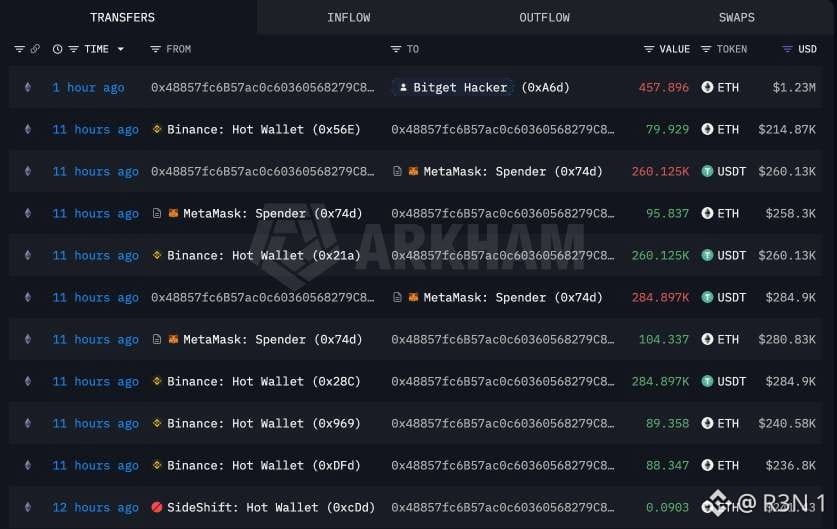
58
سجّل الدخول لاستكشاف المزيد من المُحتوى
انضم إلى مُستخدمي العملات الرقمية حول العالم على Binance Square
⚡️ احصل على أحدث المعلومات المفيدة عن العملات الرقمية.
💬 موثوقة من قبل أكبر منصّة لتداول العملات الرقمية في العالم.
👍 اكتشف الرؤى الحقيقية من صنّاع المُحتوى الموثوقين.
البريد الإلكتروني / رقم الهاتف
المواضيع الرائجة
NFPWatch
10.4M مشاهدات
16,719 يقومون بالنقاش
أخبار العملات الرقمية | البيتكوين تقترب من 85 ألف دولار مع تراجع عوائد الخزانة الأميركية قبيل تقرير الوظائف الأميركي غير الزراعي
Binance News
·4 إعجاب
·3.8k مشاهدات
BitcoinRisesToward$85K
730 مشاهدات
24 يقومون بالنقاش
AmazonPlansToSell$8BNvidiaChips
620 مشاهدات
28 يقومون بالنقاش