

Kaan Kaya 1
429 منشورات

Kaan Kaya 1
إبلاغ
حظر المُستخدم
Web3 strategist | On-chain analyst Building new projects, sharing smart money insights 📊 Open to collaborations with teams creating real value.
0 تتابع
1 المتابعون
17 إعجاب
منشورات
·
--
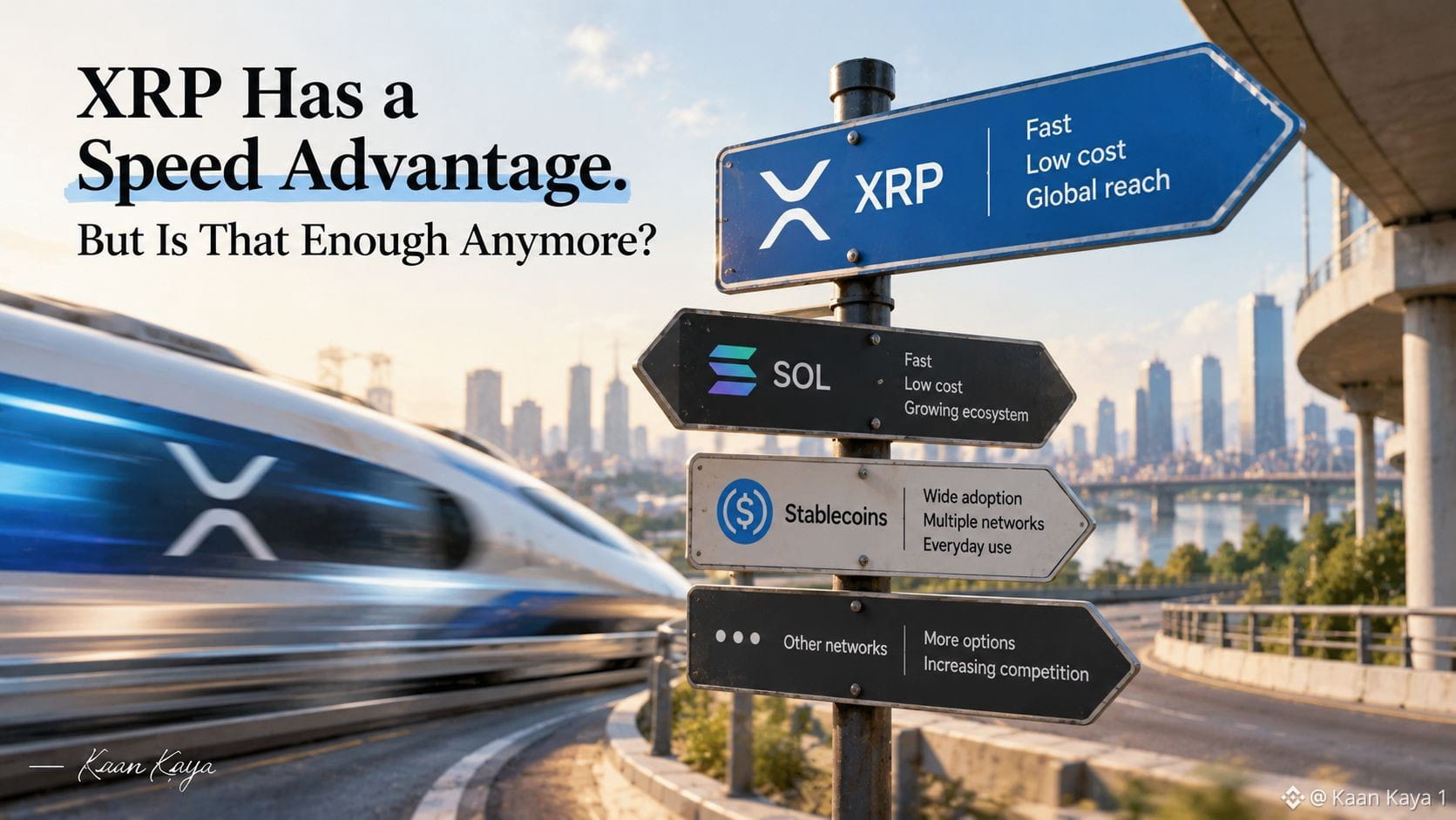
يتمتع XRP بميزة السرعة. لكن هل ما زالت هذه الميزة كافية؟ أتذكرون حين كانت التحويلات السريعة والرخيصة ميزةً تسويقية كبيرة في عالم العملات المشفرة؟ لطالما كانت هذه حجة $XRP الأساسية. لكن الآن لديك $SOL، وعملات مستقرة على شبكات متعددة، وطرق كثيرة أخرى لتحويل الأموال بتكلفة منخفضة. لذلك أتساءل أين تكمن أكبر ميزة لـXRP اليوم؟ أهي التكنولوجيا، أم شراكات الدفع، أم ببساطة كونه اسماً يعرفه الناس بالفعل؟ لا أقول إن XRP إلى زوال. لكن يبدو أن المنافسة لحقت به في بعض المجالات. هل ما زال أحد يستخدم XRP للتحويلات، أم أن معظمكم يكتفي بالاحتفاظ به هذه الأيام؟ #رؤى_اقتصادية# #موسم_العملات_البديلة#
يتمتع XRP بميزة السرعة. لكن هل ما زالت هذه الميزة كافية؟ أتذكرون حين كانت التحويلات السريعة والرخيصة ميزةً تسويقية كبيرة في عالم العملات المشفرة؟ لطالما كانت هذه حجة $XRP الأساسية. لكن الآن لديك $SOL، وعملات مستقرة على شبكات متعددة، وطرق كثيرة أخرى لتحويل الأموال بتكلفة منخفضة. لذلك أتساءل أين تكمن أكبر ميزة لـXRP اليوم؟ أهي التكنولوجيا، أم شراكات الدفع، أم ببساطة كونه اسماً يعرفه الناس بالفعل؟ لا أقول إن XRP إلى زوال. لكن يبدو أن المنافسة لحقت به في بعض المجالات. هل ما زال أحد يستخدم XRP للتحويلات، أم أن معظمكم يكتفي بالاحتفاظ به هذه الأيام؟ #رؤى_اقتصادية# #موسم_العملات_البديلة#
66
·
--
🔍 بحثت عن حدّ التحويل، فكان رصيدي أول ما اصطدمت به استخدمت عددًا كافيًا من محافظ $BTC وتطبيقات منصات التداول لأتوقع أن يكون وراء كل زر «إرسال» شرطٌ ما. غالبًا ما يكون الحد الأدنى مرتفعًا لدرجة تجعل التحويلات الصغيرة بلا جدوى، أو حدًا يوميًا يظهر في اللحظة التي تحتاج فيها إلى إرسال مبلغ أكبر 🙃 لذلك، عندما فتحت QuickSend في تطبيق WhiteBIT، فعلت ما أفعله دائمًا مع ميزات التحويل الجديدة: بحثت عن حدودها قبل إرسال أي مبلغ حقيقي. https://bit.ly/4dBD8CM بدأت بتجربة أصغر مبلغ، وكان يعادل 1 USDT. ثم أدخلت رقمًا أكبر بكثير من أي مبلغ سأرسله فعلًا، وانتظرت ظهور رسالة «تم تجاوز الحد» المعتادة. لكنها لم تظهر، لأن QuickSend لا يفرض حدًا أقصى، والشيء الوحيد الذي أوقفني كان رصيدي 😅 أما بقية العملية فتسير كما تتوقع من تطبيق مراسلة. تختار الشخص باستخدام اسمه المستعار أو تمسح رمز QR الخاص به، ويصل المال فورًا، ولديك 10 ثوانٍ لإلغاء العملية إذا ضغطت على «إرسال» عن طريق الخطأ. جعلني ذلك أنظر إلى أدوات التحويل الأخرى على هاتفي بطريقة مختلفة. معظمها مصمم بهدوء لمهمة واحدة. فبعضها مخصص لتقسيم فاتورة الغداء، بمبالغ صغيرة وحدود منخفضة، وبعضها الآخر لتحويل مبالغ كبيرة، مع حد أدنى مرتفع لدرجة أنك لن ترسل من خلاله بضعة دولارات إلى صديق. أما هنا، فتتيح الشاشة نفسها دفع ثمن قهوة لزميل وتحويل مبلغ أكبر بكثير، من دون الحاجة إلى تبديل التطبيقات. أمضيت دقيقة في اختبار الحدود، وانتهى بي الأمر أفكر في مقدار ما تكشفه هذه الأرقام عن الفئة التي صُممت الأداة لخدمتها. في المرة المقبلة التي أحتاج فيها إلى إرسال بضعة دولارات لشخص ما أو تحويل مبلغ أكبر، سأستخدم الزر نفسه 🙂 إخلاء مسؤولية: هذه ليست نصيحة مالية أو استثمارية. أجرِ بحثك بنفسك قبل اتخاذ أي قرارات. استخدم الخدمة على مسؤوليتك الخاصة. #تحليل_سعر_بيتكوين# #توقعات_سعر_بيتكوين: ما الخطوة التالية لبيتكوين؟#
🔍 بحثت عن حدّ التحويل، فكان رصيدي أول ما اصطدمت به استخدمت عددًا كافيًا من محافظ $BTC وتطبيقات منصات التداول لأتوقع أن يكون وراء كل زر «إرسال» شرطٌ ما. غالبًا ما يكون الحد الأدنى مرتفعًا لدرجة تجعل التحويلات الصغيرة بلا جدوى، أو حدًا يوميًا يظهر في اللحظة التي تحتاج فيها إلى إرسال مبلغ أكبر 🙃 لذلك، عندما فتحت QuickSend في تطبيق WhiteBIT، فعلت ما أفعله دائمًا مع ميزات التحويل الجديدة: بحثت عن حدودها قبل إرسال أي مبلغ حقيقي. https://bit.ly/4dBD8CM بدأت بتجربة أصغر مبلغ، وكان يعادل 1 USDT. ثم أدخلت رقمًا أكبر بكثير من أي مبلغ سأرسله فعلًا، وانتظرت ظهور رسالة «تم تجاوز الحد» المعتادة. لكنها لم تظهر، لأن QuickSend لا يفرض حدًا أقصى، والشيء الوحيد الذي أوقفني كان رصيدي 😅 أما بقية العملية فتسير كما تتوقع من تطبيق مراسلة. تختار الشخص باستخدام اسمه المستعار أو تمسح رمز QR الخاص به، ويصل المال فورًا، ولديك 10 ثوانٍ لإلغاء العملية إذا ضغطت على «إرسال» عن طريق الخطأ. جعلني ذلك أنظر إلى أدوات التحويل الأخرى على هاتفي بطريقة مختلفة. معظمها مصمم بهدوء لمهمة واحدة. فبعضها مخصص لتقسيم فاتورة الغداء، بمبالغ صغيرة وحدود منخفضة، وبعضها الآخر لتحويل مبالغ كبيرة، مع حد أدنى مرتفع لدرجة أنك لن ترسل من خلاله بضعة دولارات إلى صديق. أما هنا، فتتيح الشاشة نفسها دفع ثمن قهوة لزميل وتحويل مبلغ أكبر بكثير، من دون الحاجة إلى تبديل التطبيقات. أمضيت دقيقة في اختبار الحدود، وانتهى بي الأمر أفكر في مقدار ما تكشفه هذه الأرقام عن الفئة التي صُممت الأداة لخدمتها. في المرة المقبلة التي أحتاج فيها إلى إرسال بضعة دولارات لشخص ما أو تحويل مبلغ أكبر، سأستخدم الزر نفسه 🙂 إخلاء مسؤولية: هذه ليست نصيحة مالية أو استثمارية. أجرِ بحثك بنفسك قبل اتخاذ أي قرارات. استخدم الخدمة على مسؤوليتك الخاصة. #تحليل_سعر_بيتكوين# #توقعات_سعر_بيتكوين: ما الخطوة التالية لبيتكوين؟#
·
--
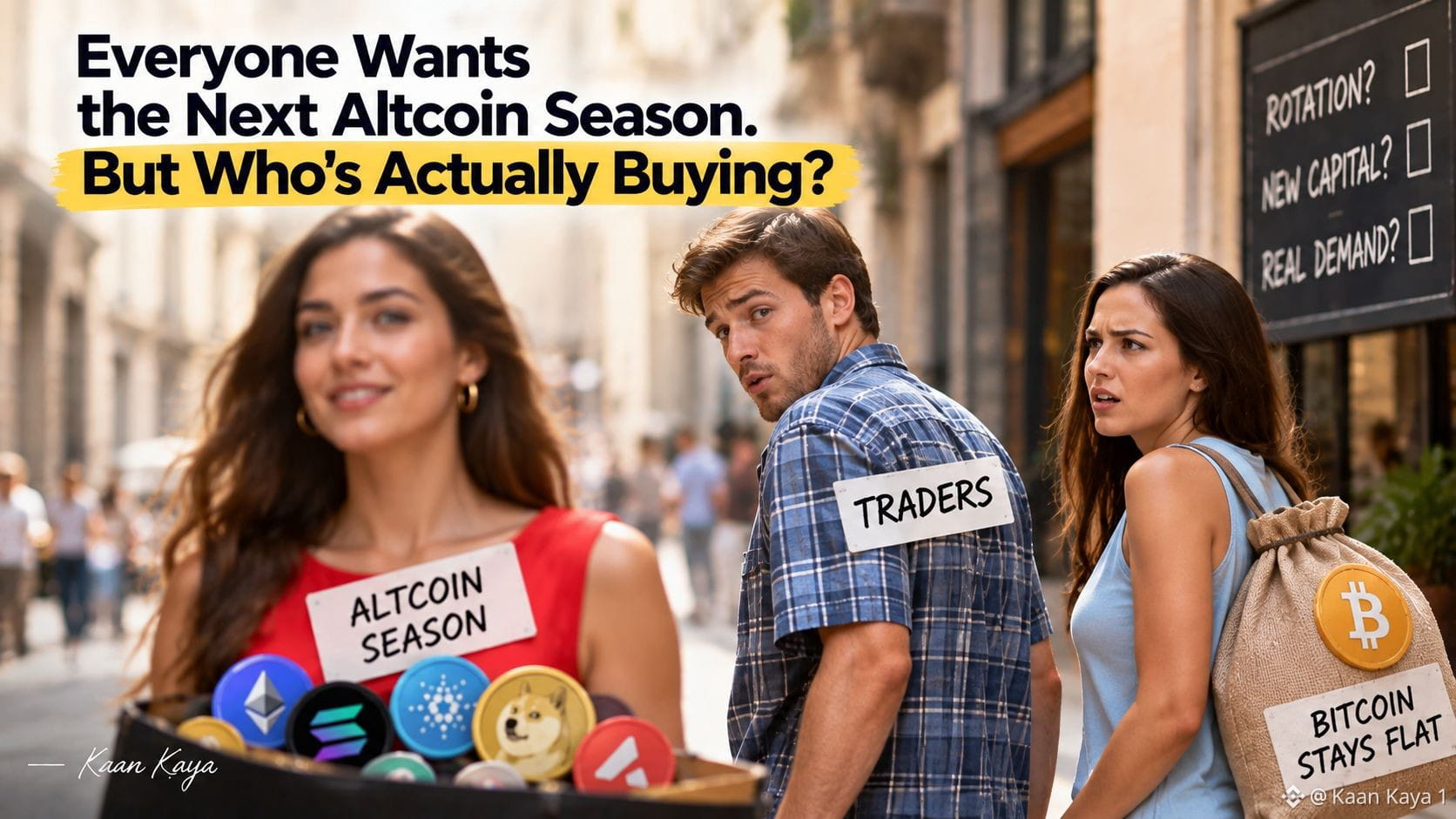
الجميع يريد موسم العملات البديلة القادم. لكن من يشتري فعليًا؟ في كل مرة يتباطأ فيها بيتكوين لبضعة أيام، تعود توقعات موسم العملات البديلة للظهور. ينشر أحدهم مخطط ETH/BTC، ويعثر آخر على نمط منسي من عام 2021، وفجأة يتحدث نصف التايملاين عن انتقال السيولة. 😂 لكن هناك أمرًا أود رؤيته قبل أن أتحمس: هل يضخ الناس أموالًا جديدة فعلًا في العملات البديلة، أم يكتفون بتحريك رأس المال نفسه من مكان إلى آخر؟ تخيل أن $BTC يبقى مستقرًا بينما يرتفع $ETH بنسبة 5%، ثم يجني المتداولون الأرباح وينتقلون إلى $SOL، الذي يرتفع بنسبة 8% أخرى. تبدو مجموعة من المخططات رائعة، لكن هذا لا يعني بالضرورة أن السوق عمومًا اجتذب قدرًا كبيرًا من رأس المال الجديد. ولا بأس في انتقال السيولة؛ فهو جزء من آلية عمل أسواق العملات المشفرة. أرى فقط أن هناك فرقًا بين تفوق بضعة رموز رائجة، وبين أن تجد مئات المشاريع الصغيرة طلبًا مستدامًا. في الوقت الحالي، سأراقب ما إذا كان حجم التداول يتسع ليشمل أسماءً غير المعتادة، وما إذا كانت موجات الصعود تصمد بعد الدفعة الأولى من الحماس. فمن السهل إعلان موسم العملات البديلة بعد ثلاث شموع خضراء. أما تحقيق الأرباح فعلًا خلاله، فتجربة مختلفة تمامًا. #تحليل سعر BTC# #توقعات سعر بيتكوين: ما الخطوة التالية لبيتكوين؟#
الجميع يريد موسم العملات البديلة القادم. لكن من يشتري فعليًا؟ في كل مرة يتباطأ فيها بيتكوين لبضعة أيام، تعود توقعات موسم العملات البديلة للظهور. ينشر أحدهم مخطط ETH/BTC، ويعثر آخر على نمط منسي من عام 2021، وفجأة يتحدث نصف التايملاين عن انتقال السيولة. 😂 لكن هناك أمرًا أود رؤيته قبل أن أتحمس: هل يضخ الناس أموالًا جديدة فعلًا في العملات البديلة، أم يكتفون بتحريك رأس المال نفسه من مكان إلى آخر؟ تخيل أن $BTC يبقى مستقرًا بينما يرتفع $ETH بنسبة 5%، ثم يجني المتداولون الأرباح وينتقلون إلى $SOL، الذي يرتفع بنسبة 8% أخرى. تبدو مجموعة من المخططات رائعة، لكن هذا لا يعني بالضرورة أن السوق عمومًا اجتذب قدرًا كبيرًا من رأس المال الجديد. ولا بأس في انتقال السيولة؛ فهو جزء من آلية عمل أسواق العملات المشفرة. أرى فقط أن هناك فرقًا بين تفوق بضعة رموز رائجة، وبين أن تجد مئات المشاريع الصغيرة طلبًا مستدامًا. في الوقت الحالي، سأراقب ما إذا كان حجم التداول يتسع ليشمل أسماءً غير المعتادة، وما إذا كانت موجات الصعود تصمد بعد الدفعة الأولى من الحماس. فمن السهل إعلان موسم العملات البديلة بعد ثلاث شموع خضراء. أما تحقيق الأرباح فعلًا خلاله، فتجربة مختلفة تمامًا. #تحليل سعر BTC# #توقعات سعر بيتكوين: ما الخطوة التالية لبيتكوين؟#
65
·
--
الجميع ينتظر موسم العملات البديلة القادم. لكن من يشتري فعليًا؟ في كل مرة يهدأ فيها بيتكوين لبضعة أيام، تعود التوقعات بموسم العملات البديلة إلى الظهور. ينشر أحدهم رسمًا بيانيًا لـ ETH/BTC، ويعثر آخر على نمط منسي يعود إلى 2021، وفجأة يتحدث نصف المتابعين عن انتقال السيولة. 😂 لكن هناك أمرًا واحدًا أود رؤيته قبل أن أتحمس: هل يضخ الناس أموالًا جديدة في العملات البديلة فعلًا، أم يكتفون بتحريك رأس المال نفسه من مكان إلى آخر؟ تخيل أن $BTC يظل مستقرًا بينما يرتفع $ETH بنسبة 5%، ثم يجني المتداولون الأرباح وينقلونها إلى $SOL، الذي يرتفع بنسبة 8% إضافية. تبدو بعض الرسوم البيانية رائعة، لكن هذا لا يعني بالضرورة أن السوق ككل جذب قدرًا كبيرًا من رأس المال الجديد. ولا شيء خاطئ في انتقال السيولة. فهذا جزء من طريقة عمل أسواق العملات المشفرة. لكنني أرى فرقًا بين تفوق بضعة رموز رائجة وبين عثور مئات المشاريع الصغيرة على طلب مستدام. في الوقت الحالي، سأراقب ما إذا كان حجم التداول سيتسع ليشمل أكثر من الأسماء المعتادة، وما إذا كانت الارتفاعات ستصمد بعد موجة الحماس الأولى. فمن السهل إعلان موسم للعملات البديلة بعد ثلاث شموع خضراء. أما تحقيق الأرباح خلاله فعلًا، فتجربة مختلفة تمامًا. #ETHBlockchain #ETHFoundation
الجميع ينتظر موسم العملات البديلة القادم. لكن من يشتري فعليًا؟ في كل مرة يهدأ فيها بيتكوين لبضعة أيام، تعود التوقعات بموسم العملات البديلة إلى الظهور. ينشر أحدهم رسمًا بيانيًا لـ ETH/BTC، ويعثر آخر على نمط منسي يعود إلى 2021، وفجأة يتحدث نصف المتابعين عن انتقال السيولة. 😂 لكن هناك أمرًا واحدًا أود رؤيته قبل أن أتحمس: هل يضخ الناس أموالًا جديدة في العملات البديلة فعلًا، أم يكتفون بتحريك رأس المال نفسه من مكان إلى آخر؟ تخيل أن $BTC يظل مستقرًا بينما يرتفع $ETH بنسبة 5%، ثم يجني المتداولون الأرباح وينقلونها إلى $SOL، الذي يرتفع بنسبة 8% إضافية. تبدو بعض الرسوم البيانية رائعة، لكن هذا لا يعني بالضرورة أن السوق ككل جذب قدرًا كبيرًا من رأس المال الجديد. ولا شيء خاطئ في انتقال السيولة. فهذا جزء من طريقة عمل أسواق العملات المشفرة. لكنني أرى فرقًا بين تفوق بضعة رموز رائجة وبين عثور مئات المشاريع الصغيرة على طلب مستدام. في الوقت الحالي، سأراقب ما إذا كان حجم التداول سيتسع ليشمل أكثر من الأسماء المعتادة، وما إذا كانت الارتفاعات ستصمد بعد موجة الحماس الأولى. فمن السهل إعلان موسم للعملات البديلة بعد ثلاث شموع خضراء. أما تحقيق الأرباح خلاله فعلًا، فتجربة مختلفة تمامًا. #ETHBlockchain #ETHFoundation
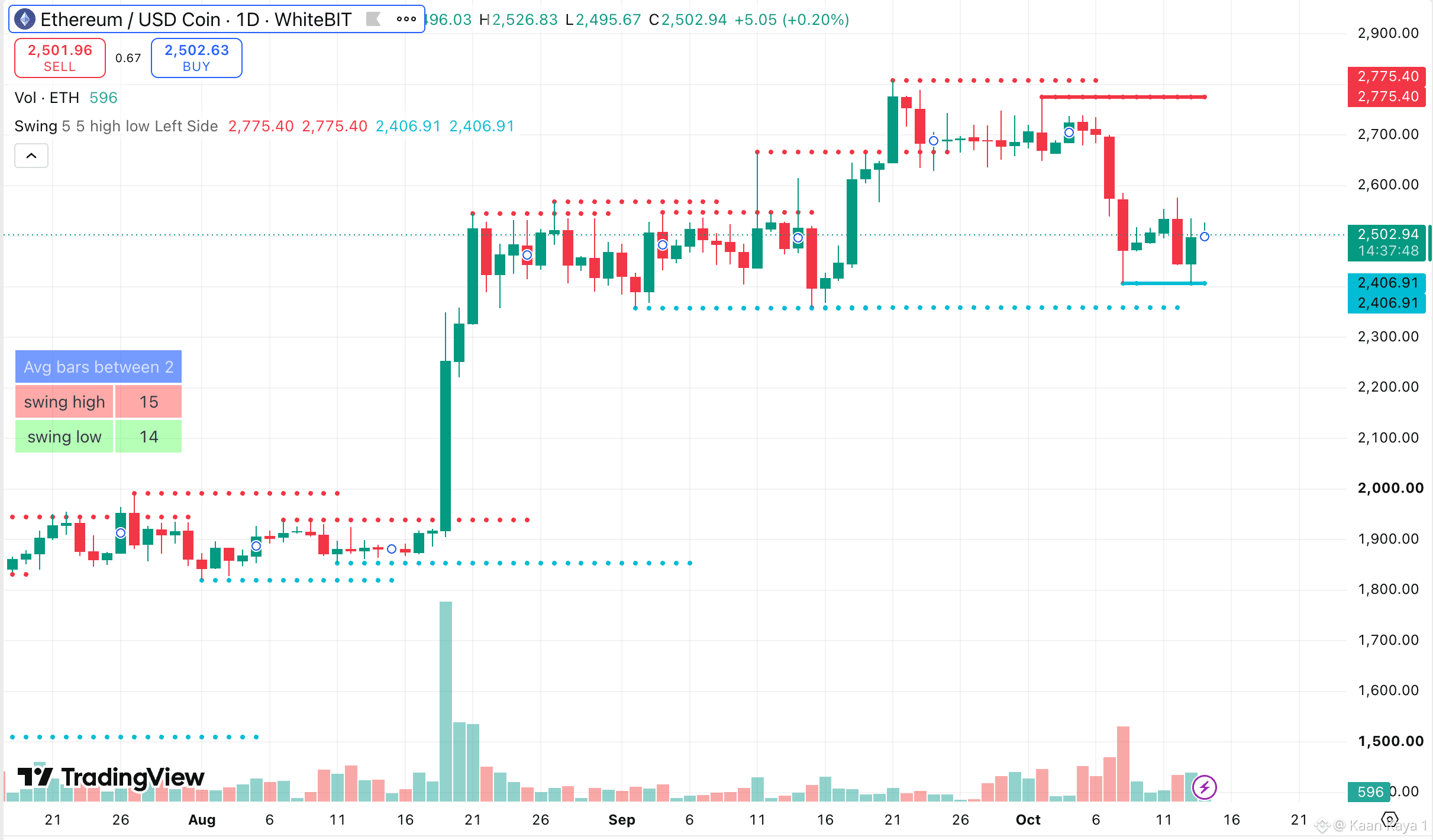
80
·
--
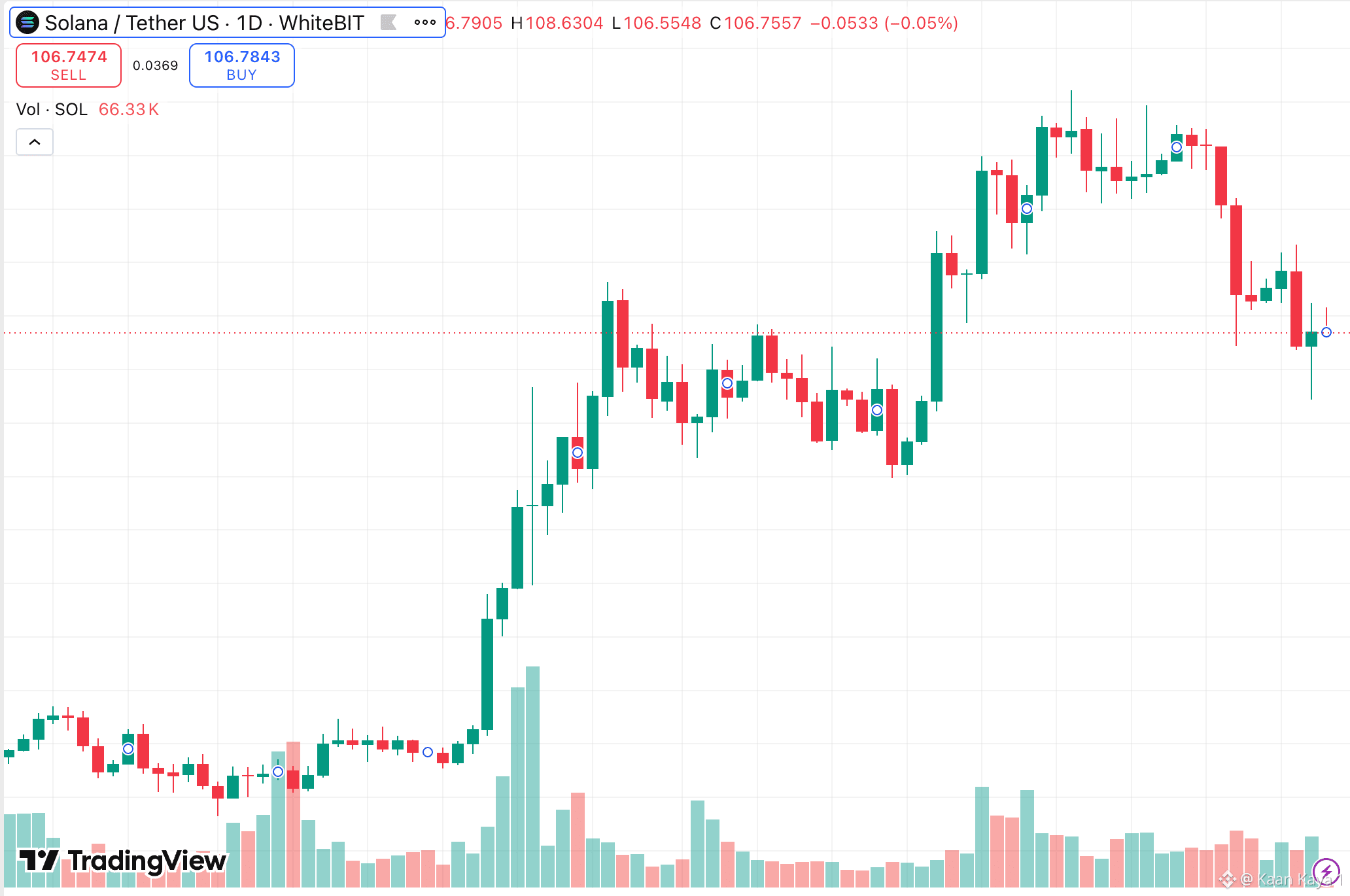
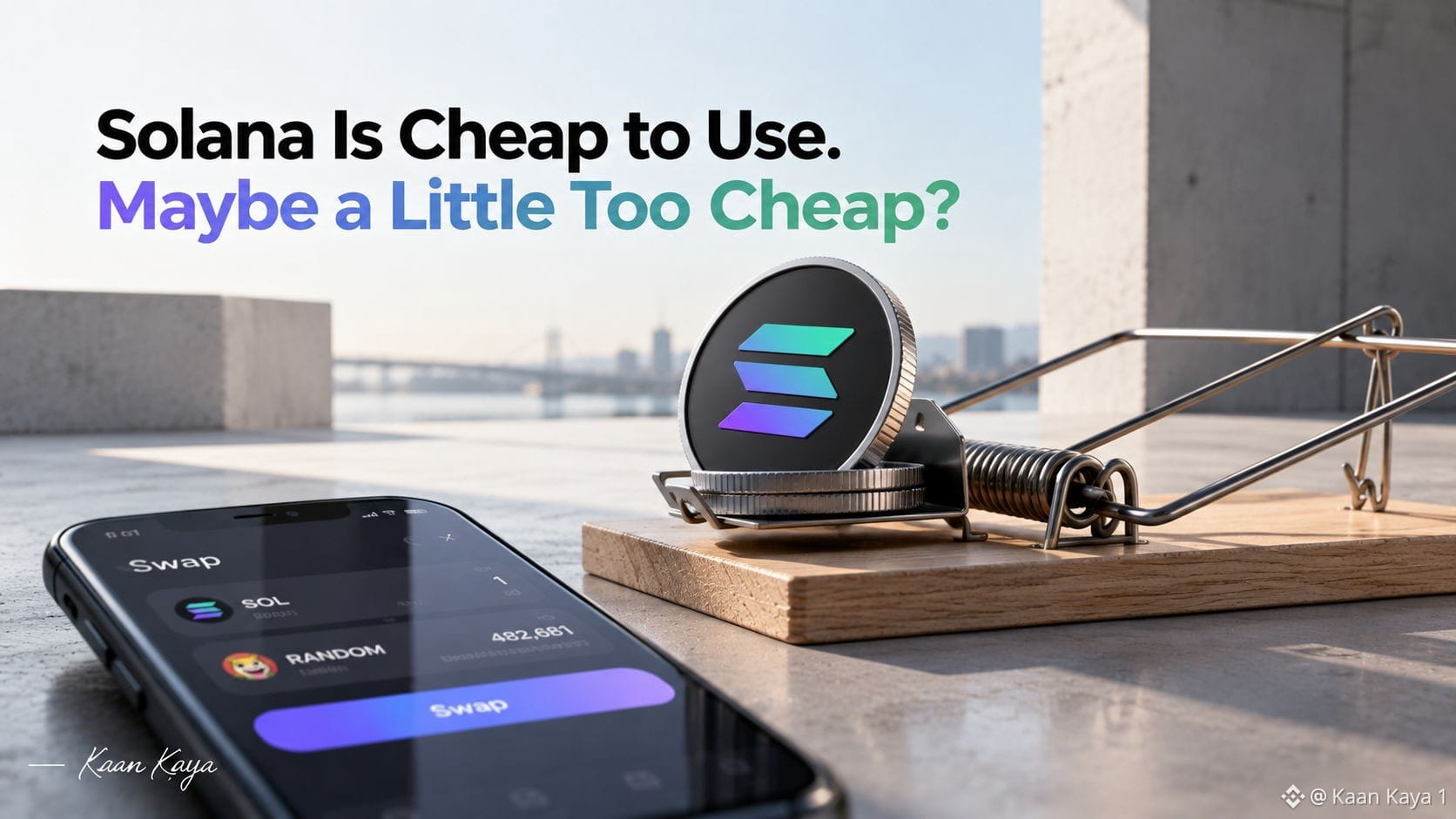
استخدام سولانا رخيص. ربما أرخص بقليل مما ينبغي؟ 😉 من الأشياء الطريفة في $SOL مدى سهولة تداول شيء ربما لا ينبغي لك تداوله. 😂 الرسوم منخفضة جدًا لدرجة أن إجراء صفقة تبديل أخرى لا يبدو تقريبًا كأنه قرار. هل رأيت رمزًا عشوائيًا رائجًا؟ نقرتان، وأنتَ في السوق. هذا رائع لتوسيع قاعدة المستخدمين، لكنني أتساءل كم من النشاط يأتي من أشخاص يستخدمون سولانا فعلًا، وكم منه يأتي من متداولين يتنقلون بين عملات الميم طوال اليوم. لا أشتكي من رخص المعاملات، طبعًا. أتساءل فقط عمّا إذا كان تسهيل التداول يجعل الإفراط فيه مغريًا أكثر من اللازم. هل لاحظ أحد غيري هذا؟ #رؤى_اقتصاد_كلي# #موسم_العملات_البديلة#
استخدام سولانا رخيص. ربما أرخص بقليل مما ينبغي؟ 😉 من الأشياء الطريفة في $SOL مدى سهولة تداول شيء ربما لا ينبغي لك تداوله. 😂 الرسوم منخفضة جدًا لدرجة أن إجراء صفقة تبديل أخرى لا يبدو تقريبًا كأنه قرار. هل رأيت رمزًا عشوائيًا رائجًا؟ نقرتان، وأنتَ في السوق. هذا رائع لتوسيع قاعدة المستخدمين، لكنني أتساءل كم من النشاط يأتي من أشخاص يستخدمون سولانا فعلًا، وكم منه يأتي من متداولين يتنقلون بين عملات الميم طوال اليوم. لا أشتكي من رخص المعاملات، طبعًا. أتساءل فقط عمّا إذا كان تسهيل التداول يجعل الإفراط فيه مغريًا أكثر من اللازم. هل لاحظ أحد غيري هذا؟ #رؤى_اقتصاد_كلي# #موسم_العملات_البديلة#
47
·
--
ليس لدى دوجكوين خارطة طريق للسيطرة على العالم. وهذا لا بأس به. من المضحك أحيانًا مدى جدية الناس في محاولة تحليل $DOGE 😂 سترى تحليلات من عشر صفحات لاقتصاديات الرمز، وسيناريوهات التبني، والتوقعات السعرية طويلة الأجل لعملة بدأت حرفيًا كمزحة. لكن ربما لهذا السبب صمدت دوجكوين كل هذه المدة. فهي لا تحتاج إلى التظاهر بأنها تعيد ابتكار عالم المال. يعرف الناس تمامًا ما الذي يشترونه. لا أقول إن هذا يجعلها استثمارًا جيدًا، بالطبع. كل ما في الأمر أن مجتمعًا قويًا وميمًا معروفًا قد يحافظان أحيانًا على حضور عملة ما مدة أطول من ورقة بيضاء فاخرة. هل ستظل محتفظًا بـ DOGE في عام 2030؟ #رؤى الاقتصاد الكلي# #موسم العملات البديلة#
ليس لدى دوجكوين خارطة طريق للسيطرة على العالم. وهذا لا بأس به. من المضحك أحيانًا مدى جدية الناس في محاولة تحليل $DOGE 😂 سترى تحليلات من عشر صفحات لاقتصاديات الرمز، وسيناريوهات التبني، والتوقعات السعرية طويلة الأجل لعملة بدأت حرفيًا كمزحة. لكن ربما لهذا السبب صمدت دوجكوين كل هذه المدة. فهي لا تحتاج إلى التظاهر بأنها تعيد ابتكار عالم المال. يعرف الناس تمامًا ما الذي يشترونه. لا أقول إن هذا يجعلها استثمارًا جيدًا، بالطبع. كل ما في الأمر أن مجتمعًا قويًا وميمًا معروفًا قد يحافظان أحيانًا على حضور عملة ما مدة أطول من ورقة بيضاء فاخرة. هل ستظل محتفظًا بـ DOGE في عام 2030؟ #رؤى الاقتصاد الكلي# #موسم العملات البديلة#

70
·
--
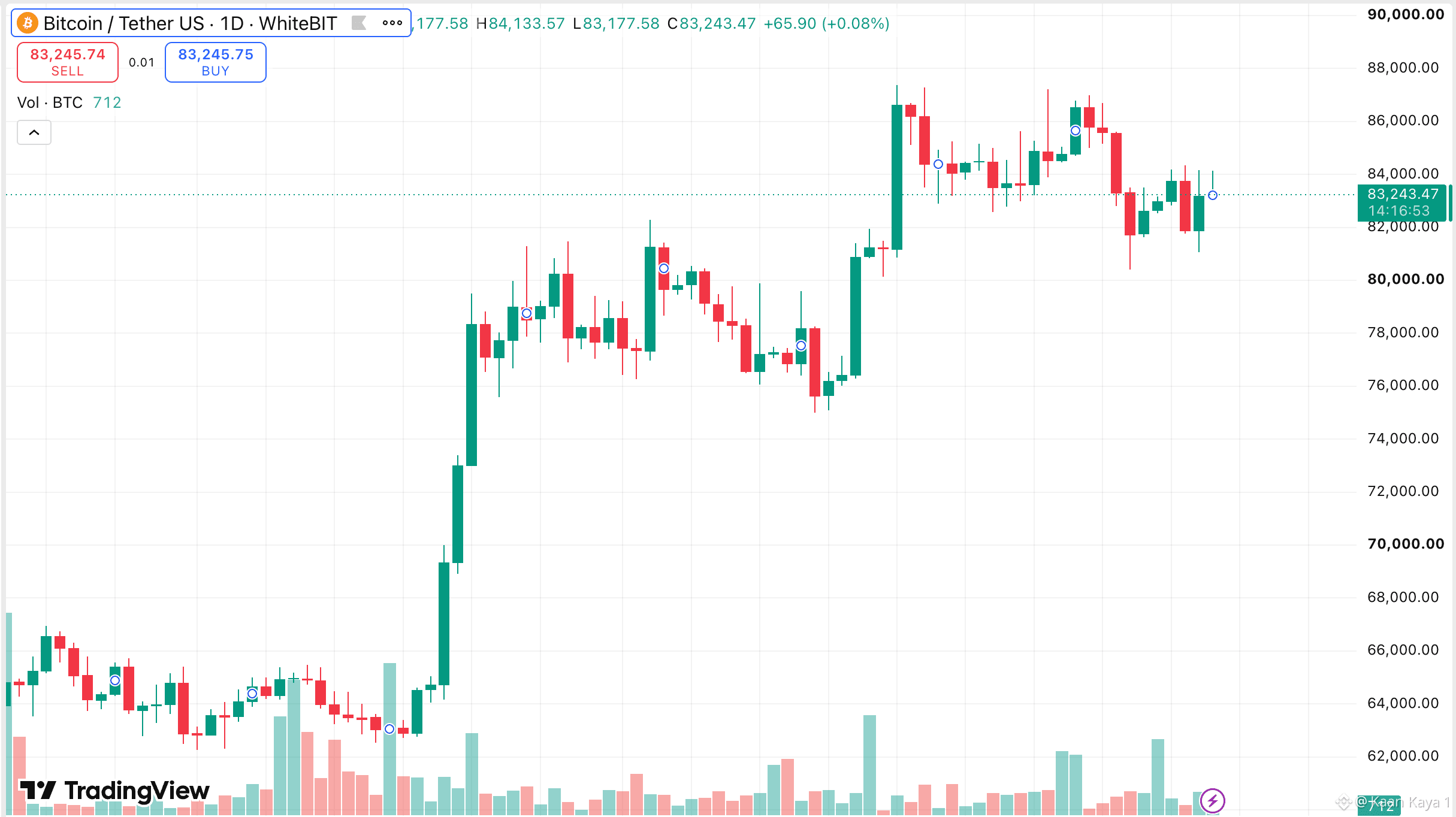
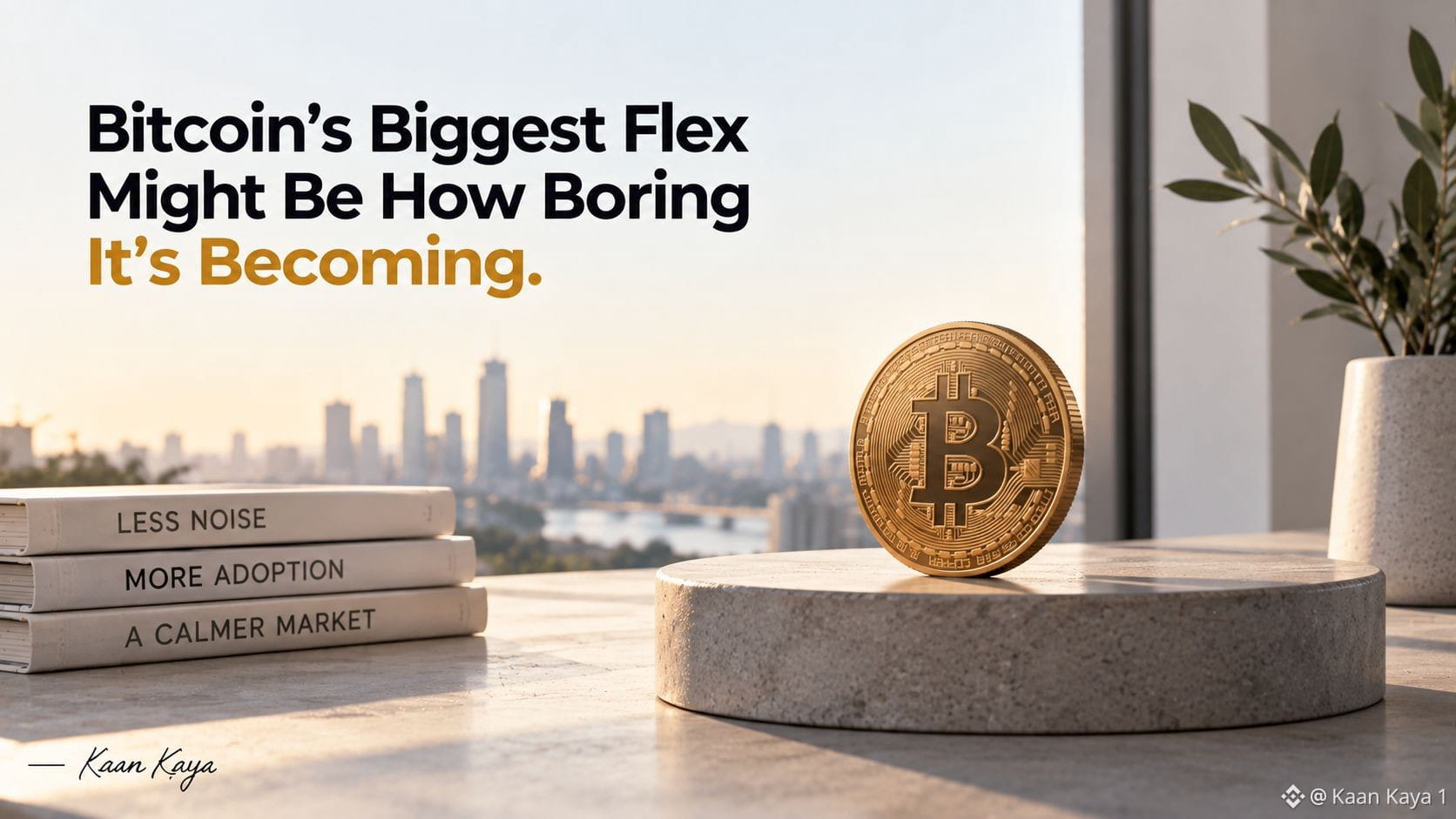
قد تكون أكبر ميزة لبيتكوين هي أنها أصبحت مملة أتذكرون حين كانت حركة بنسبة 10% في $BTC لا تفاجئ أحدًا تقريبًا؟ أما الآن، فيقضي المتداولون ساعات في مناقشة شمعة بنسبة 2% وكأنها حدث تاريخي. 😂 ربما هكذا يبدو سوق بيتكوين الأكثر نضجًا: مؤسسات أكثر، ومستثمرون على المدى الطويل أكثر، وعدد أقل ممن يتوقعون أن يغيّر كل يوم ثلاثاء حياتهم. بالطبع، لا يزال بإمكان بيتكوين أن تفاجئ الجميع عندما يعود التقلب. لكنني أتساءل إن كان بعض المتداولين يفتقدون الفوضى سرًا أكثر مما يفتقدون الأرباح. أتفضّلون $BTC أكثر استقرارًا أم بيتكوين الجامحة في 2021؟ #تحليل_سعر_BTC# #توقعات_سعر_بيتكوين: ما الخطوة التالية لبيتكوين؟#
قد تكون أكبر ميزة لبيتكوين هي أنها أصبحت مملة أتذكرون حين كانت حركة بنسبة 10% في $BTC لا تفاجئ أحدًا تقريبًا؟ أما الآن، فيقضي المتداولون ساعات في مناقشة شمعة بنسبة 2% وكأنها حدث تاريخي. 😂 ربما هكذا يبدو سوق بيتكوين الأكثر نضجًا: مؤسسات أكثر، ومستثمرون على المدى الطويل أكثر، وعدد أقل ممن يتوقعون أن يغيّر كل يوم ثلاثاء حياتهم. بالطبع، لا يزال بإمكان بيتكوين أن تفاجئ الجميع عندما يعود التقلب. لكنني أتساءل إن كان بعض المتداولين يفتقدون الفوضى سرًا أكثر مما يفتقدون الأرباح. أتفضّلون $BTC أكثر استقرارًا أم بيتكوين الجامحة في 2021؟ #تحليل_سعر_BTC# #توقعات_سعر_بيتكوين: ما الخطوة التالية لبيتكوين؟#
43
·
--
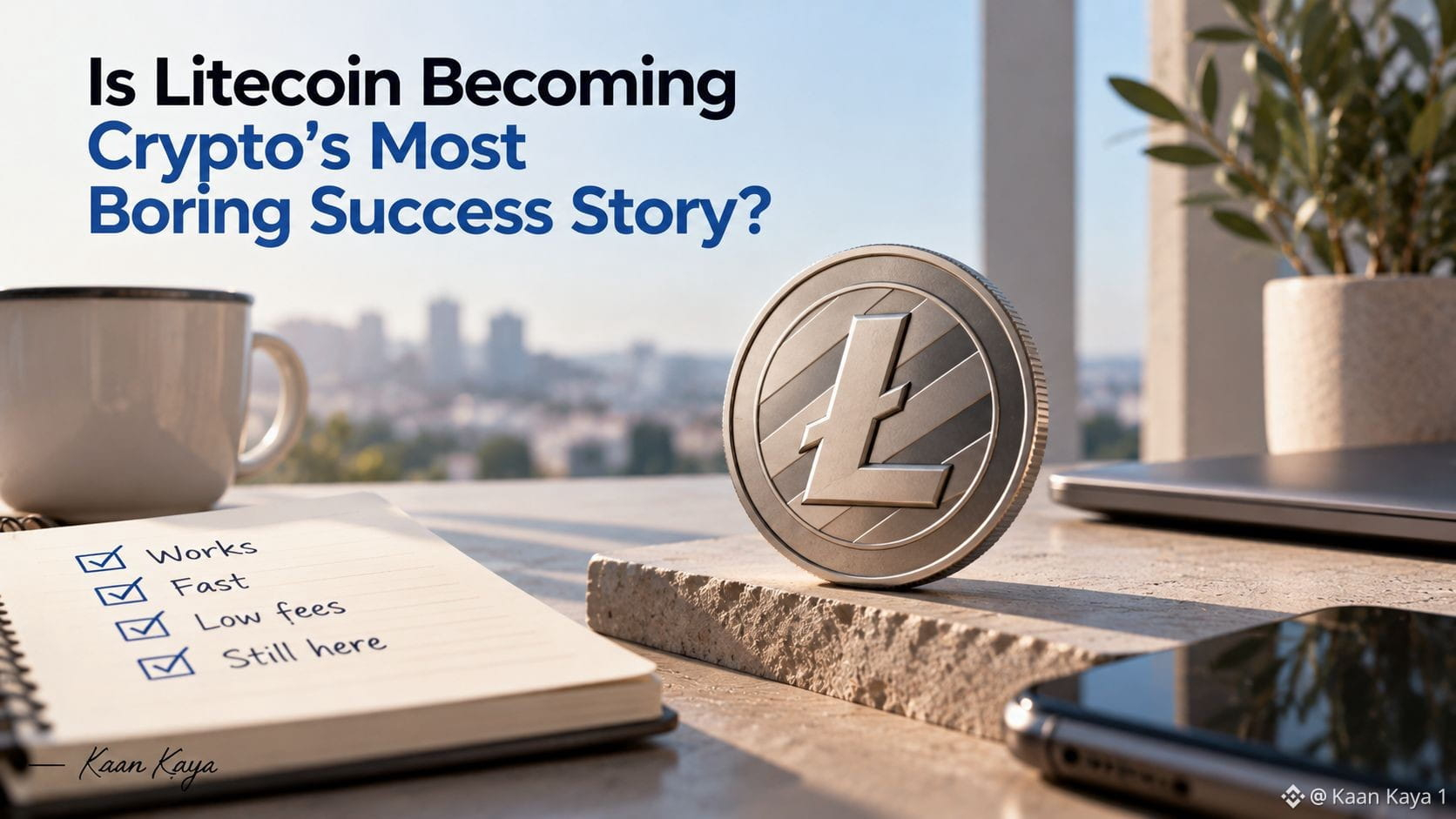
هل أصبح لايتكوين أنجح قصة مملّة في عالم العملات المشفّرة؟ لم يعد أحد يتحدث عن $LTC تقريبًا، وهذا أمر طريف، خصوصًا أنها ما زالت موجودة بعد كل هذه السنوات. 😅 لا ضجة لا تنتهي، ولا سردية جديدة كل أسبوع. مجرد شبكة يمكن للناس استخدامها لنقل العملات المشفّرة. أحيانًا أتساءل إن كنا قد أصبحنا مهووسين جدًا بالبحث عن العملة التالية التي ستُحقق عائدًا بمقدار 100 ضعف، لدرجة أننا نسينا أن هناك قيمة في الأشياء التي تؤدي وظيفتها ببساطة. هل ما زال أحد هنا يستخدم لايتكوين، أم أنها اختفت تمامًا من أذهانكم؟ #رؤى_اقتصادية# #موسم_العملات_البديلة#
هل أصبح لايتكوين أنجح قصة مملّة في عالم العملات المشفّرة؟ لم يعد أحد يتحدث عن $LTC تقريبًا، وهذا أمر طريف، خصوصًا أنها ما زالت موجودة بعد كل هذه السنوات. 😅 لا ضجة لا تنتهي، ولا سردية جديدة كل أسبوع. مجرد شبكة يمكن للناس استخدامها لنقل العملات المشفّرة. أحيانًا أتساءل إن كنا قد أصبحنا مهووسين جدًا بالبحث عن العملة التالية التي ستُحقق عائدًا بمقدار 100 ضعف، لدرجة أننا نسينا أن هناك قيمة في الأشياء التي تؤدي وظيفتها ببساطة. هل ما زال أحد هنا يستخدم لايتكوين، أم أنها اختفت تمامًا من أذهانكم؟ #رؤى_اقتصادية# #موسم_العملات_البديلة#
51
·
--
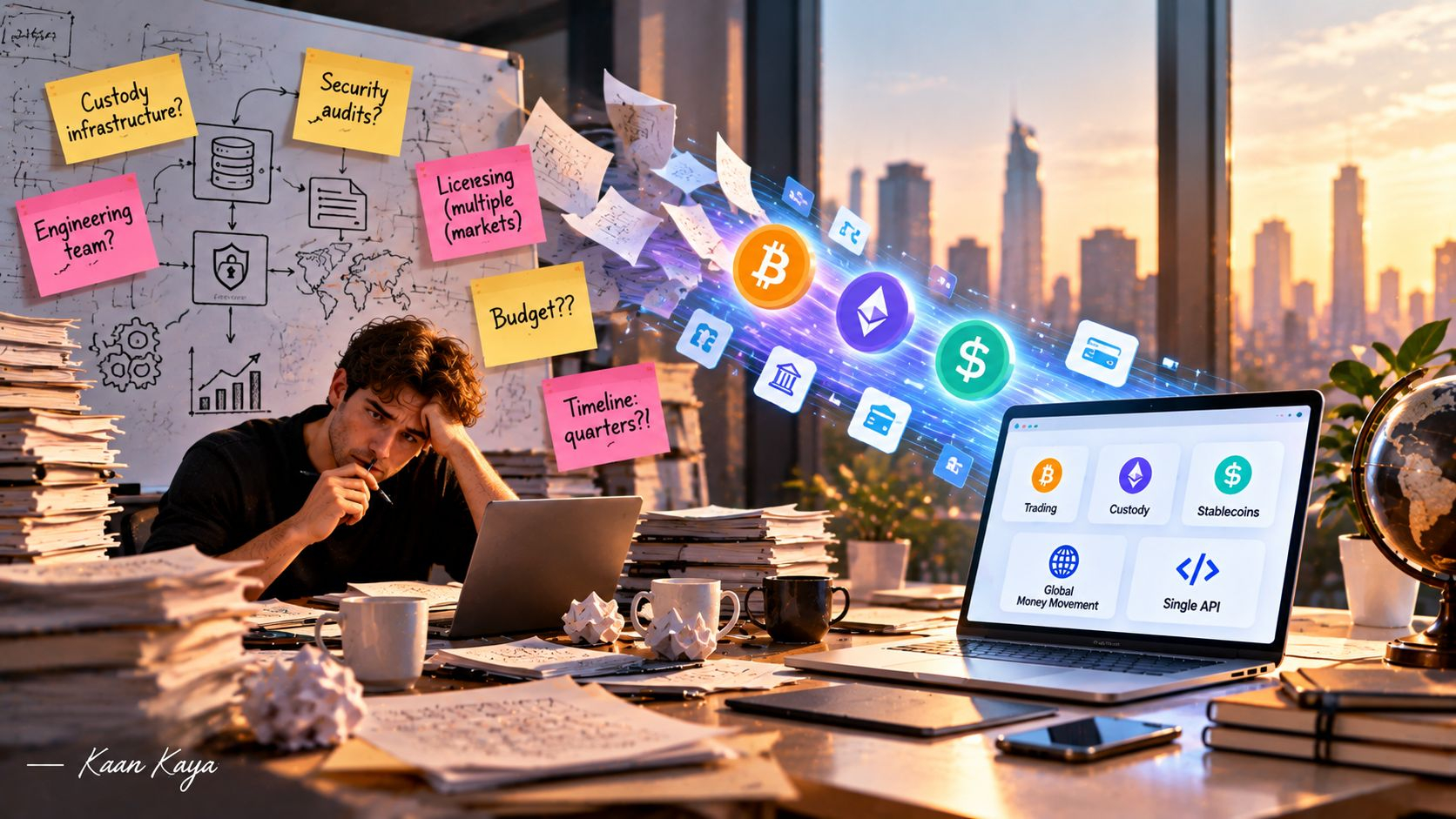
🚨 هل تضيف العملات المشفّرة إلى مؤسستك المالية الإلكترونية (EMI)؟ لا تُنشئ البنية الخلفية من الصفر تخيّل هذا: يواصل المستخدمون طلب $BTC و$ETH وجميع العملات المشفّرة، ويقترح أحدهم بناء منظومة الحفظ والتداول الخاصة بك. ثم تصل التقديرات: مهندسون، وتدقيقات أمنية، وتراخيص في كل سوق تعمل فيه، وجدول زمني يمتد لعدة أرباع من السنة. وبحلول اكتمالها، يكون السوق قد مضى إلى الأمام 😬 إذا كنت تبحث عن طريق مختصر، فقد يجدر بك إلقاء نظرة على خدمة Crypto as a Service من Notbank. نظريًا، تتيح للشركات دمج تداول العملات المشفّرة وحفظها والعملات المستقرة وتحويل الأموال عالميًا عبر واجهة برمجة تطبيقات واحدة، مع حزم تطوير Python وJava وNode لتسريع العملية 🌍 https://www.notbank.com/en/crypto-as-a-service?utm_source=coinmarketcap\u0026utm_medium=caaaaskkk\u0026utm_campaign=post من المرجح أن يكون الجانب الأمني أكثر ما يهم فرق الامتثال. تحمل Notbank شهادة ISO/IEC 27001:2013، وتعمل عبر كيانات خاضعة للتنظيم في تشيلي والأرجنتين والبرازيل وكولومبيا وبيرو، لذا يمكن لمؤسسة مالية إلكترونية التحقق من مدى توافق هذه الموافقات مع الأسواق التي تعمل فيها. 🛡 يُعد طلب عرض توضيحي خطوة أولى معقولة لمعرفة مدى ملاءمة الخدمة لنظامك 🚀 إخلاء المسؤولية: هذه ليست نصيحة مالية أو استثمارية. أجرِ بحثك الخاص قبل اتخاذ أي قرارات. استخدمها على مسؤوليتك الخاصة. #تحليل سعر BTC# #توقعات سعر بيتكوين: ما الخطوة التالية لبيتكوين؟#
🚨 هل تضيف العملات المشفّرة إلى مؤسستك المالية الإلكترونية (EMI)؟ لا تُنشئ البنية الخلفية من الصفر تخيّل هذا: يواصل المستخدمون طلب $BTC و$ETH وجميع العملات المشفّرة، ويقترح أحدهم بناء منظومة الحفظ والتداول الخاصة بك. ثم تصل التقديرات: مهندسون، وتدقيقات أمنية، وتراخيص في كل سوق تعمل فيه، وجدول زمني يمتد لعدة أرباع من السنة. وبحلول اكتمالها، يكون السوق قد مضى إلى الأمام 😬 إذا كنت تبحث عن طريق مختصر، فقد يجدر بك إلقاء نظرة على خدمة Crypto as a Service من Notbank. نظريًا، تتيح للشركات دمج تداول العملات المشفّرة وحفظها والعملات المستقرة وتحويل الأموال عالميًا عبر واجهة برمجة تطبيقات واحدة، مع حزم تطوير Python وJava وNode لتسريع العملية 🌍 https://www.notbank.com/en/crypto-as-a-service?utm_source=coinmarketcap\u0026utm_medium=caaaaskkk\u0026utm_campaign=post من المرجح أن يكون الجانب الأمني أكثر ما يهم فرق الامتثال. تحمل Notbank شهادة ISO/IEC 27001:2013، وتعمل عبر كيانات خاضعة للتنظيم في تشيلي والأرجنتين والبرازيل وكولومبيا وبيرو، لذا يمكن لمؤسسة مالية إلكترونية التحقق من مدى توافق هذه الموافقات مع الأسواق التي تعمل فيها. 🛡 يُعد طلب عرض توضيحي خطوة أولى معقولة لمعرفة مدى ملاءمة الخدمة لنظامك 🚀 إخلاء المسؤولية: هذه ليست نصيحة مالية أو استثمارية. أجرِ بحثك الخاص قبل اتخاذ أي قرارات. استخدمها على مسؤوليتك الخاصة. #تحليل سعر BTC# #توقعات سعر بيتكوين: ما الخطوة التالية لبيتكوين؟#
67
·
--
يواجه Uniswap تحديًا أكبر من العثور على العملة التالية التي تحقق عائدًا بمقدار 10 أضعاف. ينشغل الجميع بالبحث عن عملة الميم التالية، لكن ما يهمني أكثر هو معرفة ما إذا كان الناس يواصلون استخدام منصات التداول التي يتداولون عليها فعلًا. 😅 خذ Uniswap مثالًا. معظم من يستبدلون $ETH بـ USDC لا يكترثون بالحوكمة أو بالتقنيات المتطورة. كل ما يريدونه هو سعر جيد، ورسوم منخفضة، ومعاملة ناجحة. وهنا تبدأ الأمور بالتشويق بالنسبة إلى $UNI. فزيادة حجم التداول لا تعني تلقائيًا زيادة قيمة الرمز. أفضل أن أرى المتداولين يعودون كل أسبوع، بدلًا من طفرة هائلة في حجم التداول بسبب انتشار عملة ميم عشوائية. برأيك، ما الأهم لمنصة تداول لامركزية: حجم التداول أم المستخدمون الأوفياء؟ #رؤى_اقتصادية_كلية# #موسم_العملات_البديلة#
يواجه Uniswap تحديًا أكبر من العثور على العملة التالية التي تحقق عائدًا بمقدار 10 أضعاف. ينشغل الجميع بالبحث عن عملة الميم التالية، لكن ما يهمني أكثر هو معرفة ما إذا كان الناس يواصلون استخدام منصات التداول التي يتداولون عليها فعلًا. 😅 خذ Uniswap مثالًا. معظم من يستبدلون $ETH بـ USDC لا يكترثون بالحوكمة أو بالتقنيات المتطورة. كل ما يريدونه هو سعر جيد، ورسوم منخفضة، ومعاملة ناجحة. وهنا تبدأ الأمور بالتشويق بالنسبة إلى $UNI. فزيادة حجم التداول لا تعني تلقائيًا زيادة قيمة الرمز. أفضل أن أرى المتداولين يعودون كل أسبوع، بدلًا من طفرة هائلة في حجم التداول بسبب انتشار عملة ميم عشوائية. برأيك، ما الأهم لمنصة تداول لامركزية: حجم التداول أم المستخدمون الأوفياء؟ #رؤى_اقتصادية_كلية# #موسم_العملات_البديلة#

48
·
--
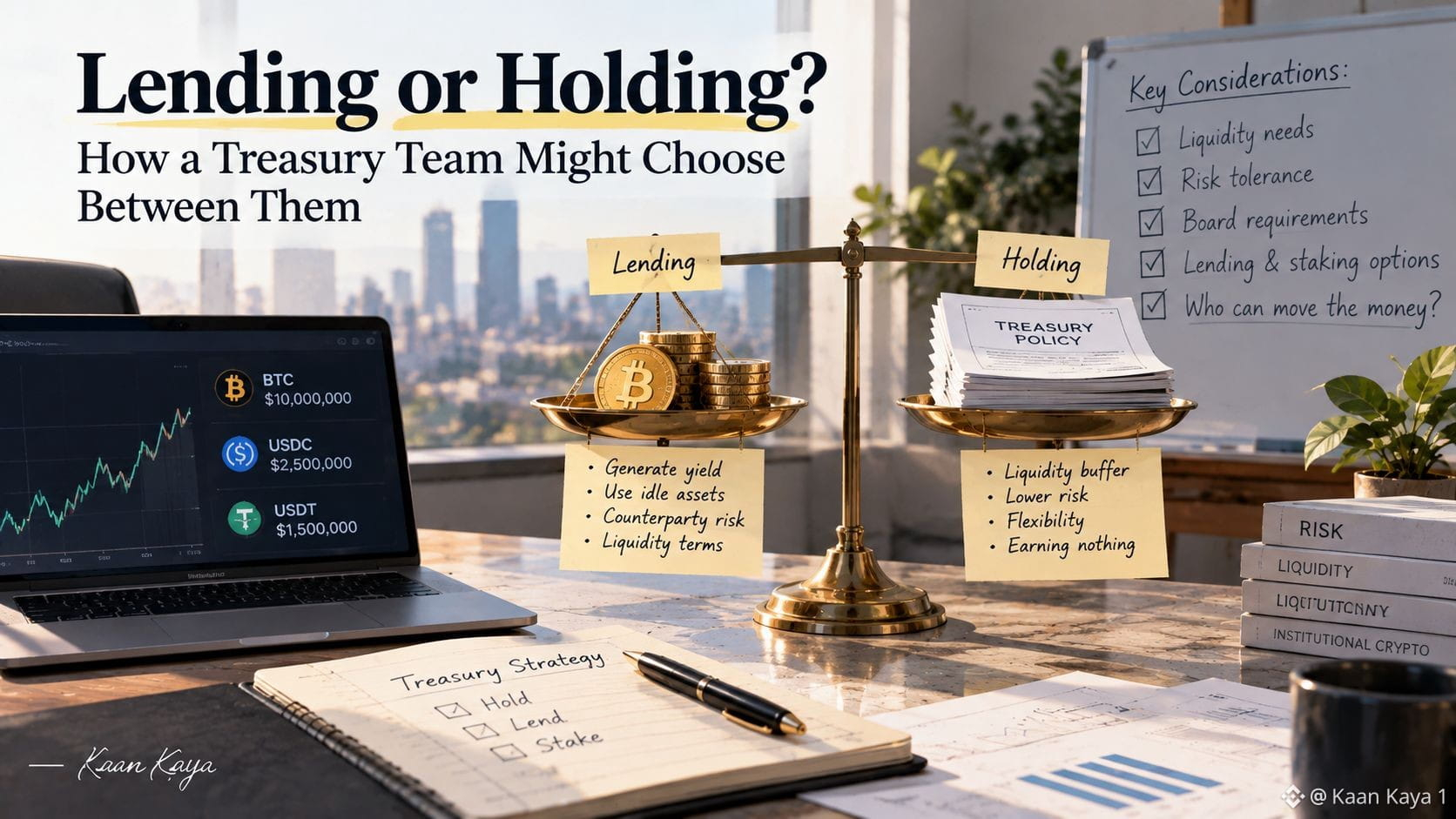
الإقراض أم الاحتفاظ؟ كيف يمكن لفريق الخزانة أن يختار بينهما تنتهي معظم نقاشات مجلس الإدارة حول خزائن العملات المشفرة بهزّ الكتفين: «الأمر يعتمد». أردت أن أرى كيف تبدو الإجابة حين تكتب القاعدة فعليًا. لذا أعددت حالة افتراضية لكنها واقعية: شركة لديها 10 ملايين دولار من $BTC والعملات المستقرة، ومجلس إدارة يريد احتياطيًا واضحًا، وفريق خزانة يحتاج إلى مساحة لتوظيف الباقي في خطط الإيداع. يستعرض المقال كيف تتبلور السياسة، وأين يندرج الإقراض والتخزين، ولماذا لا تقل أهمية الشخص القادر على تحريك الأموال عن أهمية الرقم نفسه. وفي الطريق، أتناول كيف يمكن أن تلائم WhiteBIT وBitGo وKraken هذه الصورة. المقال قصير، ونهايته مملة عن قصد. وهذا هو المغزى إلى حد ما. 👉 اقرأ المقال كاملًا: https://medium.com/coinmonks/ten-million-in-stablecoins-three-million-untouchable-now-what-1aea741787ab #تحليل سعر BTC# #توقعات سعر بيتكوين: ما الخطوة التالية لبيتكوين؟#
الإقراض أم الاحتفاظ؟ كيف يمكن لفريق الخزانة أن يختار بينهما تنتهي معظم نقاشات مجلس الإدارة حول خزائن العملات المشفرة بهزّ الكتفين: «الأمر يعتمد». أردت أن أرى كيف تبدو الإجابة حين تكتب القاعدة فعليًا. لذا أعددت حالة افتراضية لكنها واقعية: شركة لديها 10 ملايين دولار من $BTC والعملات المستقرة، ومجلس إدارة يريد احتياطيًا واضحًا، وفريق خزانة يحتاج إلى مساحة لتوظيف الباقي في خطط الإيداع. يستعرض المقال كيف تتبلور السياسة، وأين يندرج الإقراض والتخزين، ولماذا لا تقل أهمية الشخص القادر على تحريك الأموال عن أهمية الرقم نفسه. وفي الطريق، أتناول كيف يمكن أن تلائم WhiteBIT وBitGo وKraken هذه الصورة. المقال قصير، ونهايته مملة عن قصد. وهذا هو المغزى إلى حد ما. 👉 اقرأ المقال كاملًا: https://medium.com/coinmonks/ten-million-in-stablecoins-three-million-untouchable-now-what-1aea741787ab #تحليل سعر BTC# #توقعات سعر بيتكوين: ما الخطوة التالية لبيتكوين؟#
76
·
--
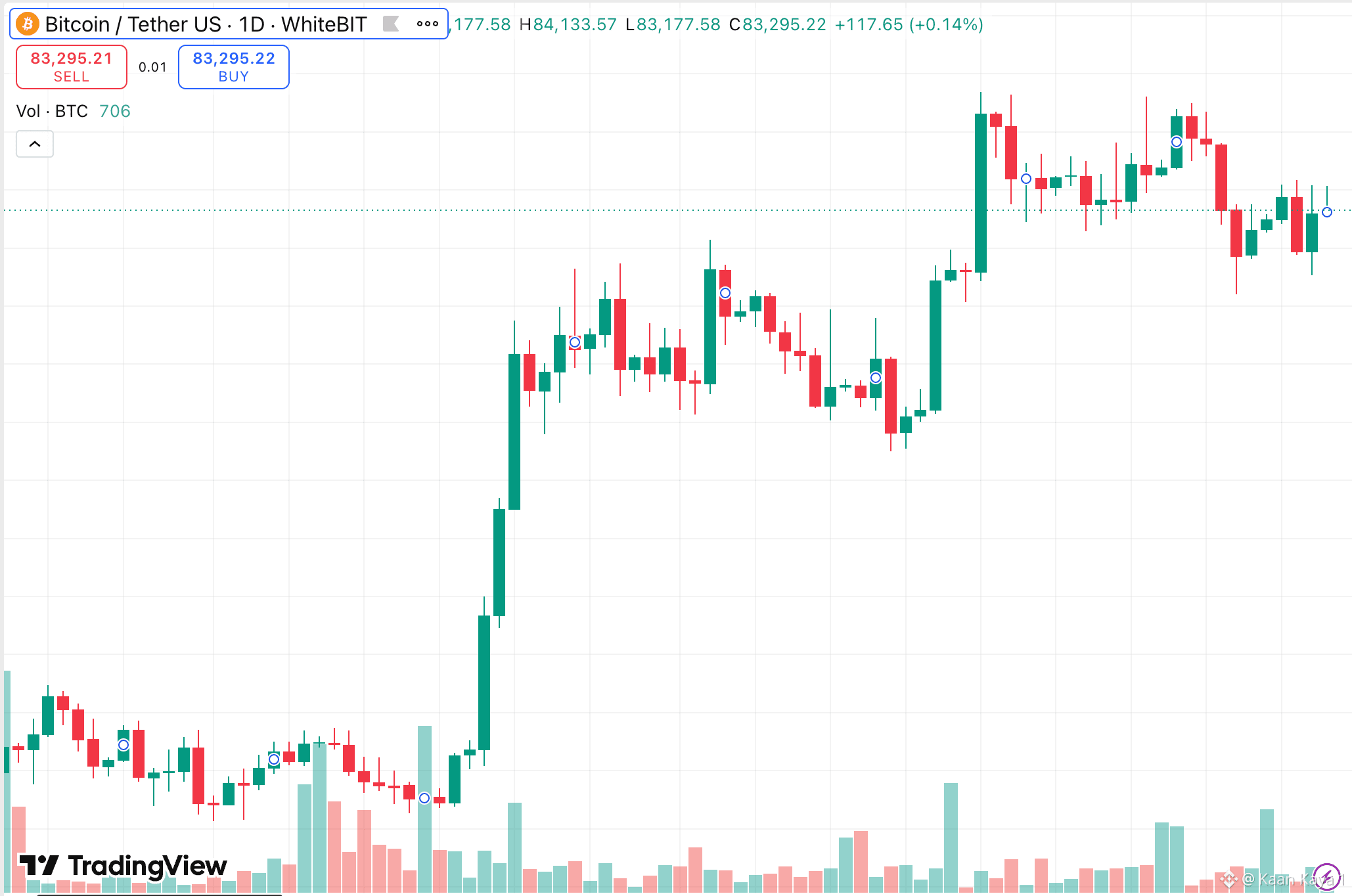
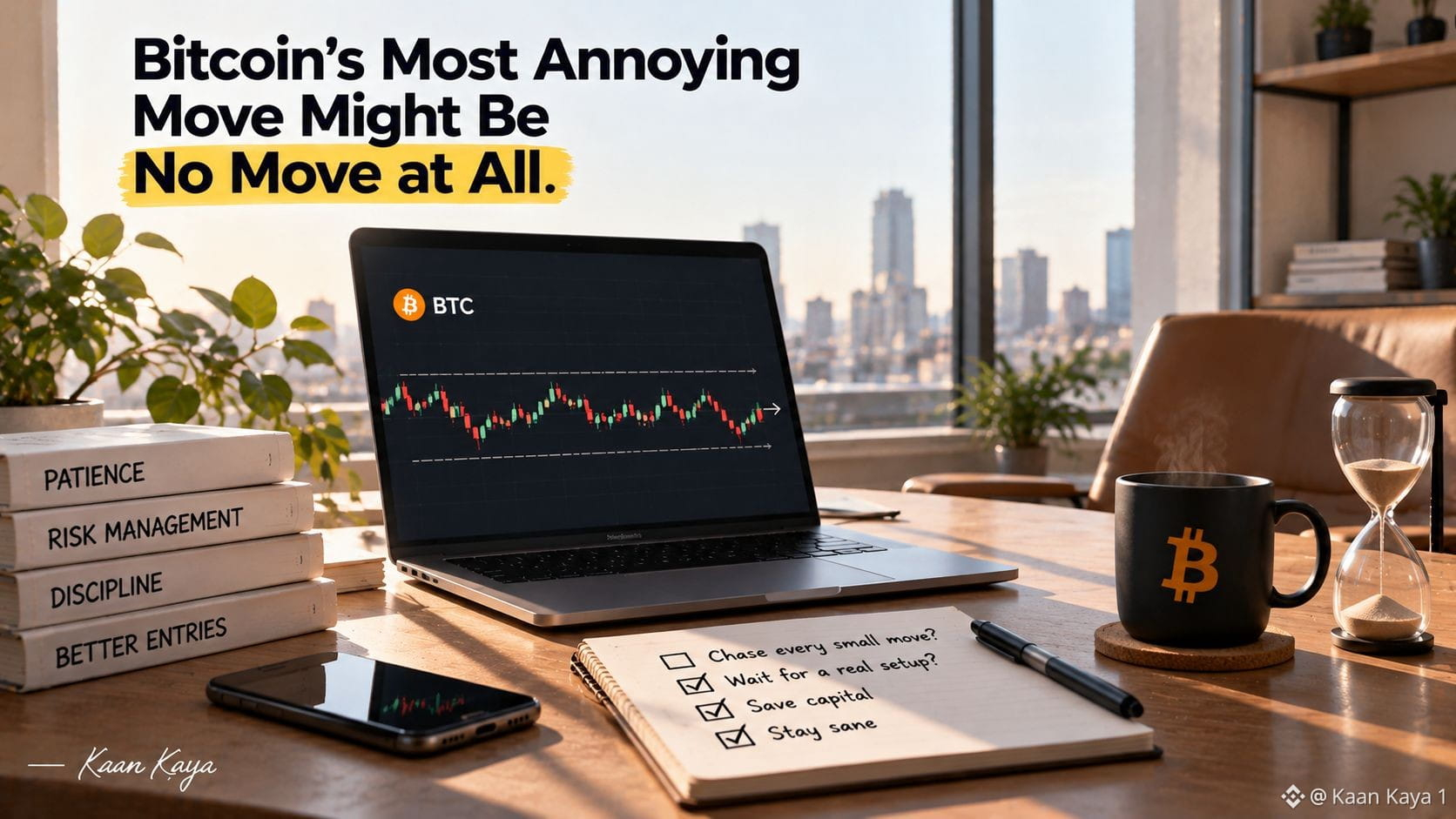
قد تكون أكثر تحركات بيتكوين إزعاجًا هي ألا تتحرك إطلاقًا 👀 الجميع ينتظرون من بيتكوين أن تفعل شيئًا دراميًا، لكن بصراحة، قد تكون الأسواق المتذبذبة أكثر إنهاكًا من الانهيارات الفعلية. 😅 تشهد ارتفاعًا طفيفًا، وتبدأ بالتفكير أن الاختراق المنتظر قد حان أخيرًا، وبعد ساعتين يعود $BTC إلى نقطة البداية تمامًا. الطريف في الأمر أن عدم القيام بأي شيء هو أيضًا قرار تداول. ليس عليك اقتناص كل حركة صغيرة لمجرد أن الرسم البياني مفتوح أمامك. لقد رأيت بالتأكيد أشخاصًا يخسرون أموالًا أكثر وهم يحاولون التداول في سوق ممل، مما كانوا سيخسرونه لو انتظروا ببساطة فرصة مناسبة. هل أصبح أيٌّ منكم أفضل في التزام الهدوء وعدم التدخل، أم أننا جميعًا ما زلنا نتظاهر بأن كل شمعة خضراء هي بداية شيء ما؟ #تحليل_سعر_BTC# #توقعات_سعر_بيتكوين:_ما_الخطوة_التالية_لبيتكوين؟#
قد تكون أكثر تحركات بيتكوين إزعاجًا هي ألا تتحرك إطلاقًا 👀 الجميع ينتظرون من بيتكوين أن تفعل شيئًا دراميًا، لكن بصراحة، قد تكون الأسواق المتذبذبة أكثر إنهاكًا من الانهيارات الفعلية. 😅 تشهد ارتفاعًا طفيفًا، وتبدأ بالتفكير أن الاختراق المنتظر قد حان أخيرًا، وبعد ساعتين يعود $BTC إلى نقطة البداية تمامًا. الطريف في الأمر أن عدم القيام بأي شيء هو أيضًا قرار تداول. ليس عليك اقتناص كل حركة صغيرة لمجرد أن الرسم البياني مفتوح أمامك. لقد رأيت بالتأكيد أشخاصًا يخسرون أموالًا أكثر وهم يحاولون التداول في سوق ممل، مما كانوا سيخسرونه لو انتظروا ببساطة فرصة مناسبة. هل أصبح أيٌّ منكم أفضل في التزام الهدوء وعدم التدخل، أم أننا جميعًا ما زلنا نتظاهر بأن كل شمعة خضراء هي بداية شيء ما؟ #تحليل_سعر_BTC# #توقعات_سعر_بيتكوين:_ما_الخطوة_التالية_لبيتكوين؟#
61
·
--
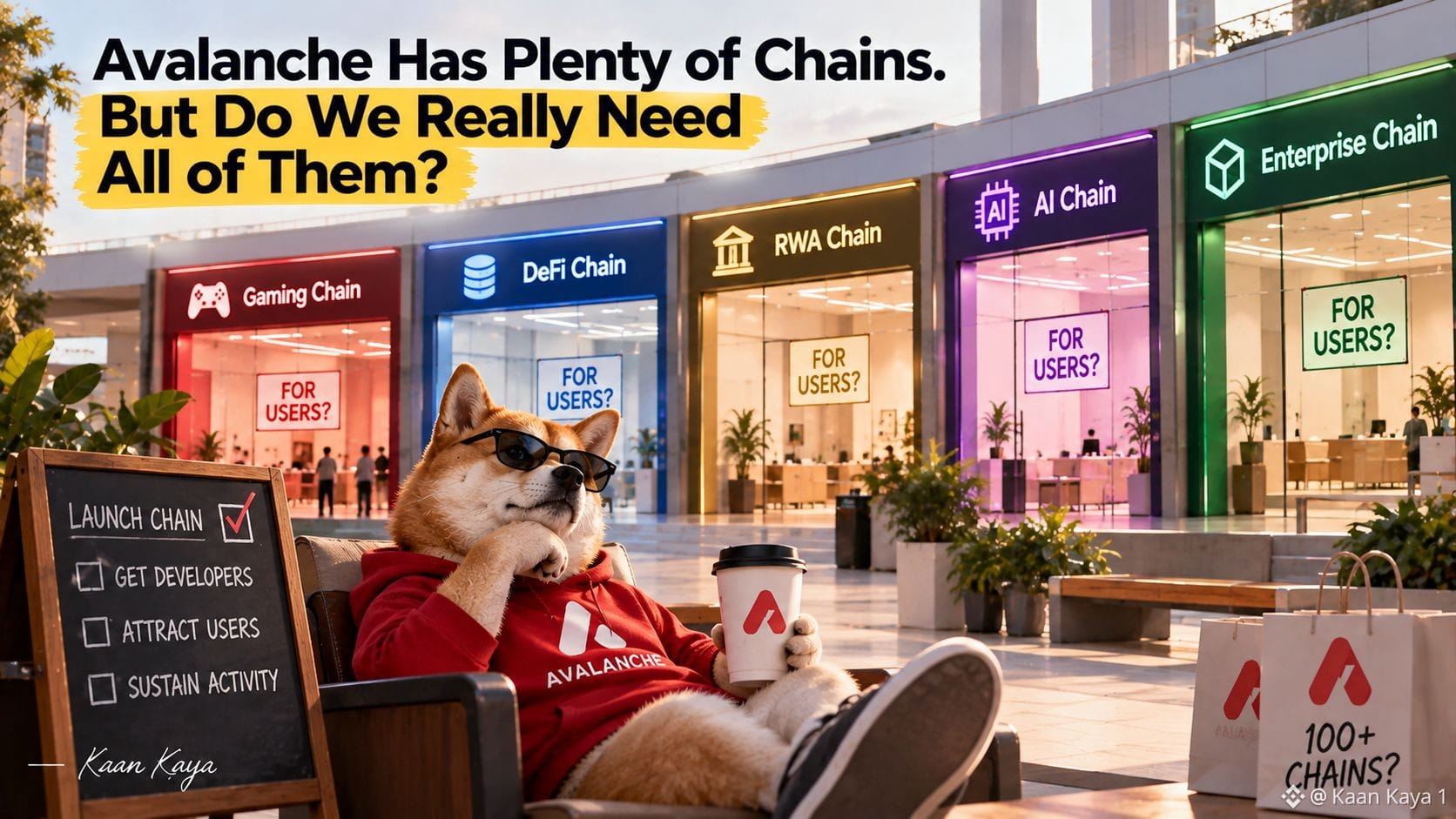
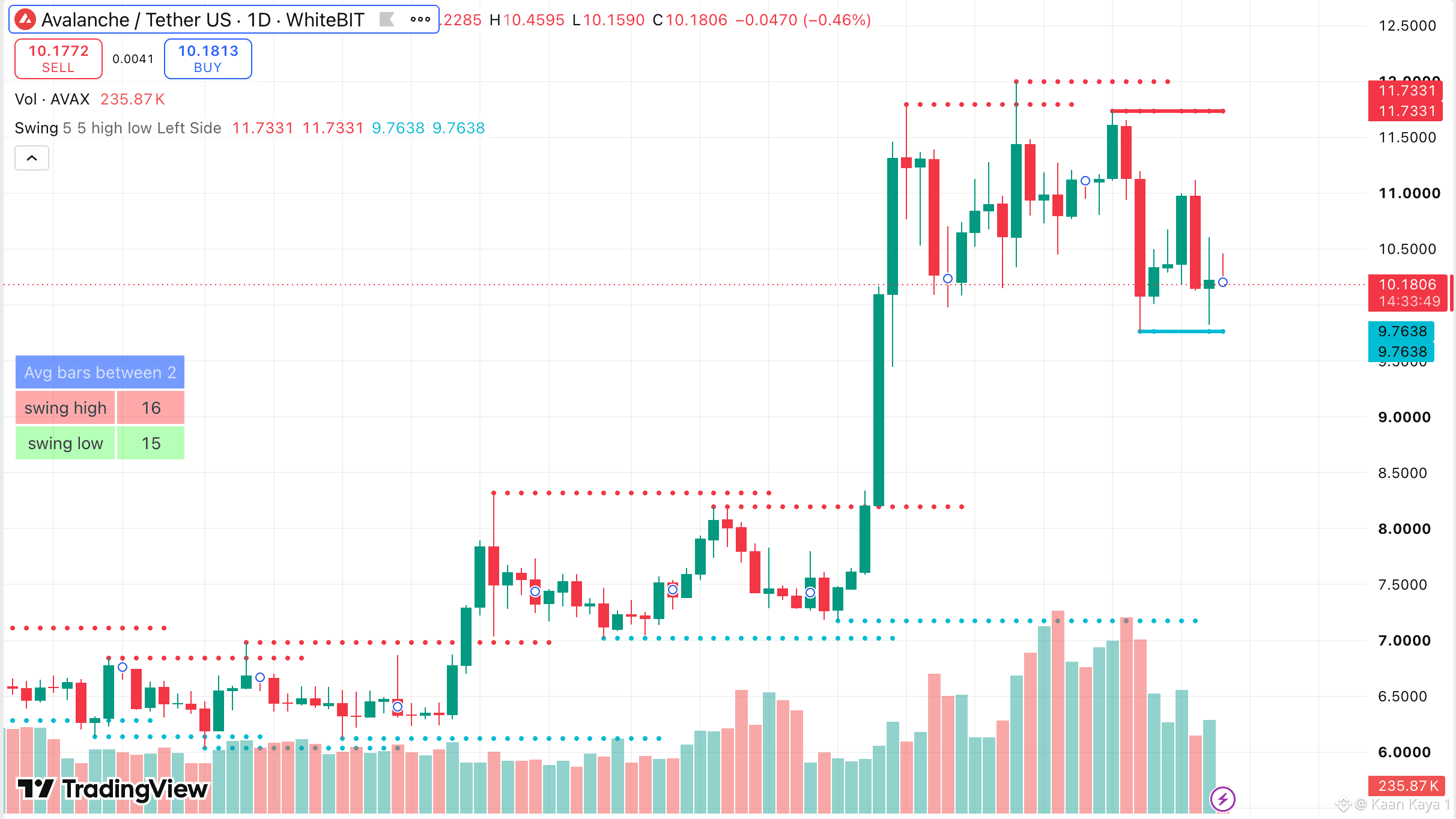
لدى أفالانش الكثير من الشبكات. لكن هل نحتاج إليها جميعًا حقًا؟ أتتذكرون حين كان كل مشروع في عالم العملات المشفرة يريد رمزًا خاصًا به؟ الآن يبدو أن الجميع يريد سلسلة كتل خاصة به أيضًا. 😅 لطالما روّجت أفالانش لفكرة أن الشركات والألعاب والمنصات المالية يمكنها تشغيل شبكات مخصصة بدلًا من حشر كل شيء على سلسلة مشتركة واحدة. وأتفهم جاذبية هذه الفكرة. فمن المرجح أن شركة ألعاب لا تريد أن تنافس معاملاتها تصفيات التمويل اللامركزي. وقد تحتاج مؤسسة مالية إلى قواعد محددة بشأن المدقّقين والصلاحيات والامتثال. لكن هنا يبدأ تشككي قليلًا. أصبح إطلاق سلسلة كتل أسهل، لكن إقناع الناس باستخدامها ما زال صعبًا للغاية. قد تمتلك شركة مدقّقيها ورسومها المخصصة ومنظومة مصممة بإتقان. لكن لا شيء من ذلك يضمن أن المطورين سيبنون عليها أو أن المستخدمين سيقبلون عليها. بالنسبة إلى $AVAX، سأراقب ما إذا كانت هذه الشبكات المخصصة ستولّد نشاطًا مستدامًا، وكيف سينعكس هذا النشاط على الطلب على الرمز. فمجرد إحصاء السلاسل التي أُطلقت لا يخبرنا بما يكفي. الأمر أشبه بافتتاح خمسين مركزًا تجاريًا. يبدو ذلك مثيرًا للإعجاب إلى أن تزورها يوم السبت وتكتشف أن معظم المتاجر فارغة. أفضل أن أرى عشر شبكات تعجّ بالنشاط على أن أرى مئة شبكة لا وجود لها إلا في إعلانات الشراكات. #رؤى_اقتصادية# #موسم_العملات_البديلة#
لدى أفالانش الكثير من الشبكات. لكن هل نحتاج إليها جميعًا حقًا؟ أتتذكرون حين كان كل مشروع في عالم العملات المشفرة يريد رمزًا خاصًا به؟ الآن يبدو أن الجميع يريد سلسلة كتل خاصة به أيضًا. 😅 لطالما روّجت أفالانش لفكرة أن الشركات والألعاب والمنصات المالية يمكنها تشغيل شبكات مخصصة بدلًا من حشر كل شيء على سلسلة مشتركة واحدة. وأتفهم جاذبية هذه الفكرة. فمن المرجح أن شركة ألعاب لا تريد أن تنافس معاملاتها تصفيات التمويل اللامركزي. وقد تحتاج مؤسسة مالية إلى قواعد محددة بشأن المدقّقين والصلاحيات والامتثال. لكن هنا يبدأ تشككي قليلًا. أصبح إطلاق سلسلة كتل أسهل، لكن إقناع الناس باستخدامها ما زال صعبًا للغاية. قد تمتلك شركة مدقّقيها ورسومها المخصصة ومنظومة مصممة بإتقان. لكن لا شيء من ذلك يضمن أن المطورين سيبنون عليها أو أن المستخدمين سيقبلون عليها. بالنسبة إلى $AVAX، سأراقب ما إذا كانت هذه الشبكات المخصصة ستولّد نشاطًا مستدامًا، وكيف سينعكس هذا النشاط على الطلب على الرمز. فمجرد إحصاء السلاسل التي أُطلقت لا يخبرنا بما يكفي. الأمر أشبه بافتتاح خمسين مركزًا تجاريًا. يبدو ذلك مثيرًا للإعجاب إلى أن تزورها يوم السبت وتكتشف أن معظم المتاجر فارغة. أفضل أن أرى عشر شبكات تعجّ بالنشاط على أن أرى مئة شبكة لا وجود لها إلا في إعلانات الشراكات. #رؤى_اقتصادية# #موسم_العملات_البديلة#
75
·
--
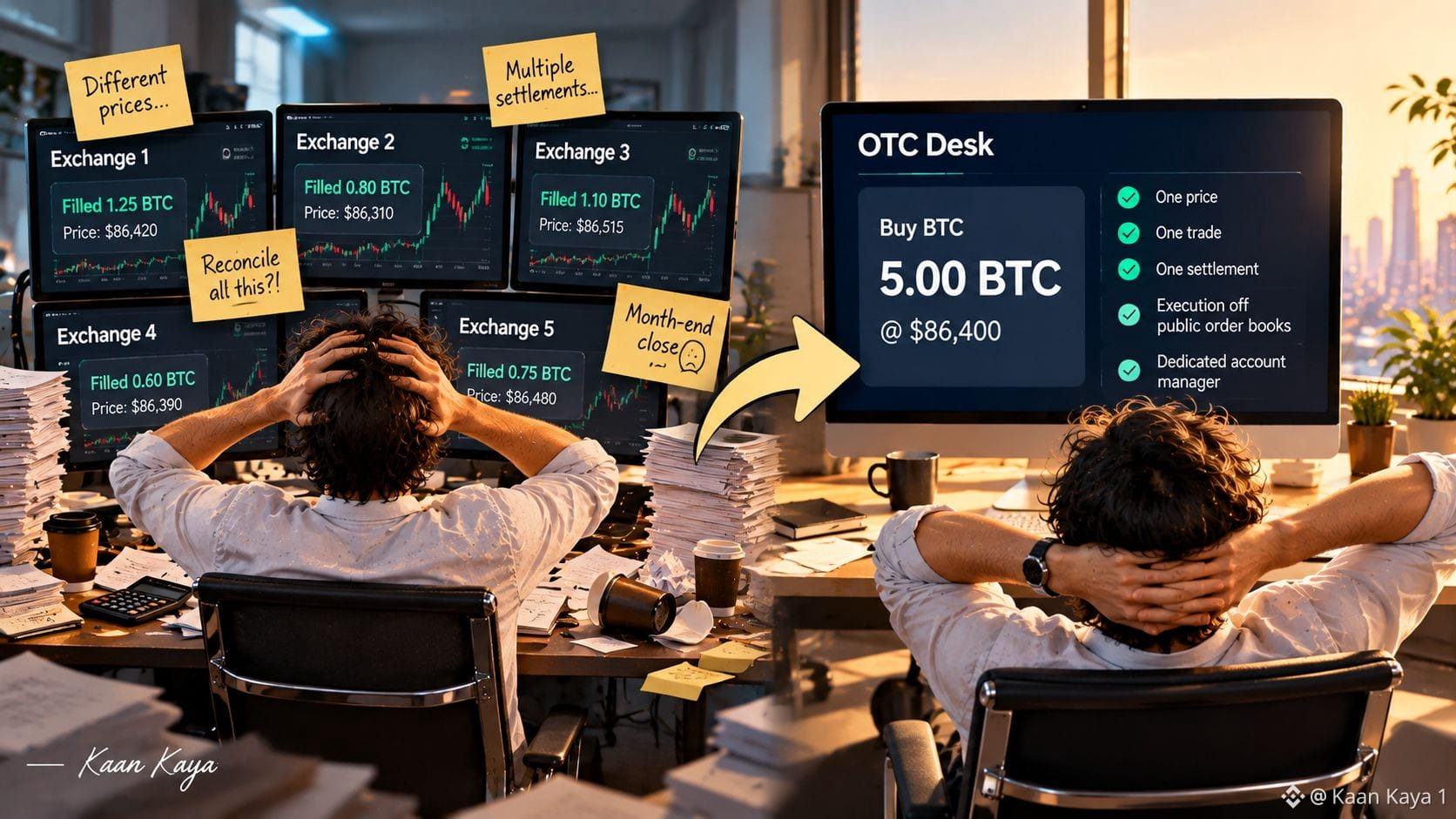
يجري تقسيم طلبك الكبير على $BTC إلى خمسة أجزاء. فهل ينبغي ذلك؟ يبدو تقسيم الطلب الكبير فكرة ذكية إلى أن تجد نفسك تطابق بين خمسة حسابات وخمسة أسعار وخمس عمليات تسوية في نهاية الشهر 😩. لنفترض أنك تريد نقل كمية كبيرة من $BTC ولا تملك أي منصة تداول واحدة عمقًا كافيًا لاستيعابها بالكامل. هذه بالضبط الحالات التي صُممت مكاتب التداول خارج المنصات (OTC) للتعامل معها. فهي تربط المشترين والبائعين الكبار مباشرةً، ما يتيح غالبًا تنفيذ صفقة كبيرة دفعة واحدة بدلًا من تقسيمها إلى أجزاء. ويُعد مكتب WhiteBIT مثالًا جيدًا على ذلك. فهو يدعم التداول دون حد أقصى، ويحافظ على سرية التنفيذ بعيدًا عن دفاتر الأوامر العامة، كما يوفر أسعارًا فورية ومدير حساب يمكنك مراسلته مباشرةً. https://institutional.whitebit.com/otc?utm_source=coinmarketcap&utm_medium=otcdkkk&utm_campaign=post كما يمكنه التعامل مع USD وEUR وGBP وCHF وUSDT وUSDC، بحد أدنى يبلغ عادةً نحو $100K. البديل المعتاد هو تقسيم الطلب. يُنفذ جزء في منصة، وجزء آخر لدى مكتب ثانٍ، وجزء ثالث في مكان آخر. ولكل عملية تنفيذ سعرها الخاص وتسويتها الخاصة، ثم يتعين على أحد أفراد فريق العمليات ترتيب كل ذلك لاحقًا. وكل من سبق له إقفال الحسابات في نهاية الشهر يعرف كيف تسير الأمور. تبدو صفقة OTC واحدة أكثر ترتيبًا بكثير. تتفق على سعر واحد، وتوقّع اتفاقية واحدة، وينتهي بك الأمر بسجل واحد لحفظه. وإذا كان بإمكان المكتب استيعاب المبلغ كاملًا، فقد يوفر ذلك الكثير من المتاعب. يظل التقسيم منطقيًا عندما لا تستطيع أي منصة واحدة استيعاب هذا الحجم. لذا، فالسؤال الحقيقي هو: ما حجم طلبك مقارنةً بما يستطيع مكتب واحد استيعابه؟ 🤝 إخلاء المسؤولية: هذه ليست نصيحة مالية أو استثمارية. أجرِ بحثك بنفسك قبل اتخاذ أي قرارات. استخدم ذلك على مسؤوليتك الخاصة. #تحليل_سعر_BTC# #توقعات_سعر_البيتكوين: ما الخطوة التالية للبيتكوين؟#
يجري تقسيم طلبك الكبير على $BTC إلى خمسة أجزاء. فهل ينبغي ذلك؟ يبدو تقسيم الطلب الكبير فكرة ذكية إلى أن تجد نفسك تطابق بين خمسة حسابات وخمسة أسعار وخمس عمليات تسوية في نهاية الشهر 😩. لنفترض أنك تريد نقل كمية كبيرة من $BTC ولا تملك أي منصة تداول واحدة عمقًا كافيًا لاستيعابها بالكامل. هذه بالضبط الحالات التي صُممت مكاتب التداول خارج المنصات (OTC) للتعامل معها. فهي تربط المشترين والبائعين الكبار مباشرةً، ما يتيح غالبًا تنفيذ صفقة كبيرة دفعة واحدة بدلًا من تقسيمها إلى أجزاء. ويُعد مكتب WhiteBIT مثالًا جيدًا على ذلك. فهو يدعم التداول دون حد أقصى، ويحافظ على سرية التنفيذ بعيدًا عن دفاتر الأوامر العامة، كما يوفر أسعارًا فورية ومدير حساب يمكنك مراسلته مباشرةً. https://institutional.whitebit.com/otc?utm_source=coinmarketcap&utm_medium=otcdkkk&utm_campaign=post كما يمكنه التعامل مع USD وEUR وGBP وCHF وUSDT وUSDC، بحد أدنى يبلغ عادةً نحو $100K. البديل المعتاد هو تقسيم الطلب. يُنفذ جزء في منصة، وجزء آخر لدى مكتب ثانٍ، وجزء ثالث في مكان آخر. ولكل عملية تنفيذ سعرها الخاص وتسويتها الخاصة، ثم يتعين على أحد أفراد فريق العمليات ترتيب كل ذلك لاحقًا. وكل من سبق له إقفال الحسابات في نهاية الشهر يعرف كيف تسير الأمور. تبدو صفقة OTC واحدة أكثر ترتيبًا بكثير. تتفق على سعر واحد، وتوقّع اتفاقية واحدة، وينتهي بك الأمر بسجل واحد لحفظه. وإذا كان بإمكان المكتب استيعاب المبلغ كاملًا، فقد يوفر ذلك الكثير من المتاعب. يظل التقسيم منطقيًا عندما لا تستطيع أي منصة واحدة استيعاب هذا الحجم. لذا، فالسؤال الحقيقي هو: ما حجم طلبك مقارنةً بما يستطيع مكتب واحد استيعابه؟ 🤝 إخلاء المسؤولية: هذه ليست نصيحة مالية أو استثمارية. أجرِ بحثك بنفسك قبل اتخاذ أي قرارات. استخدم ذلك على مسؤوليتك الخاصة. #تحليل_سعر_BTC# #توقعات_سعر_البيتكوين: ما الخطوة التالية للبيتكوين؟#
·
--
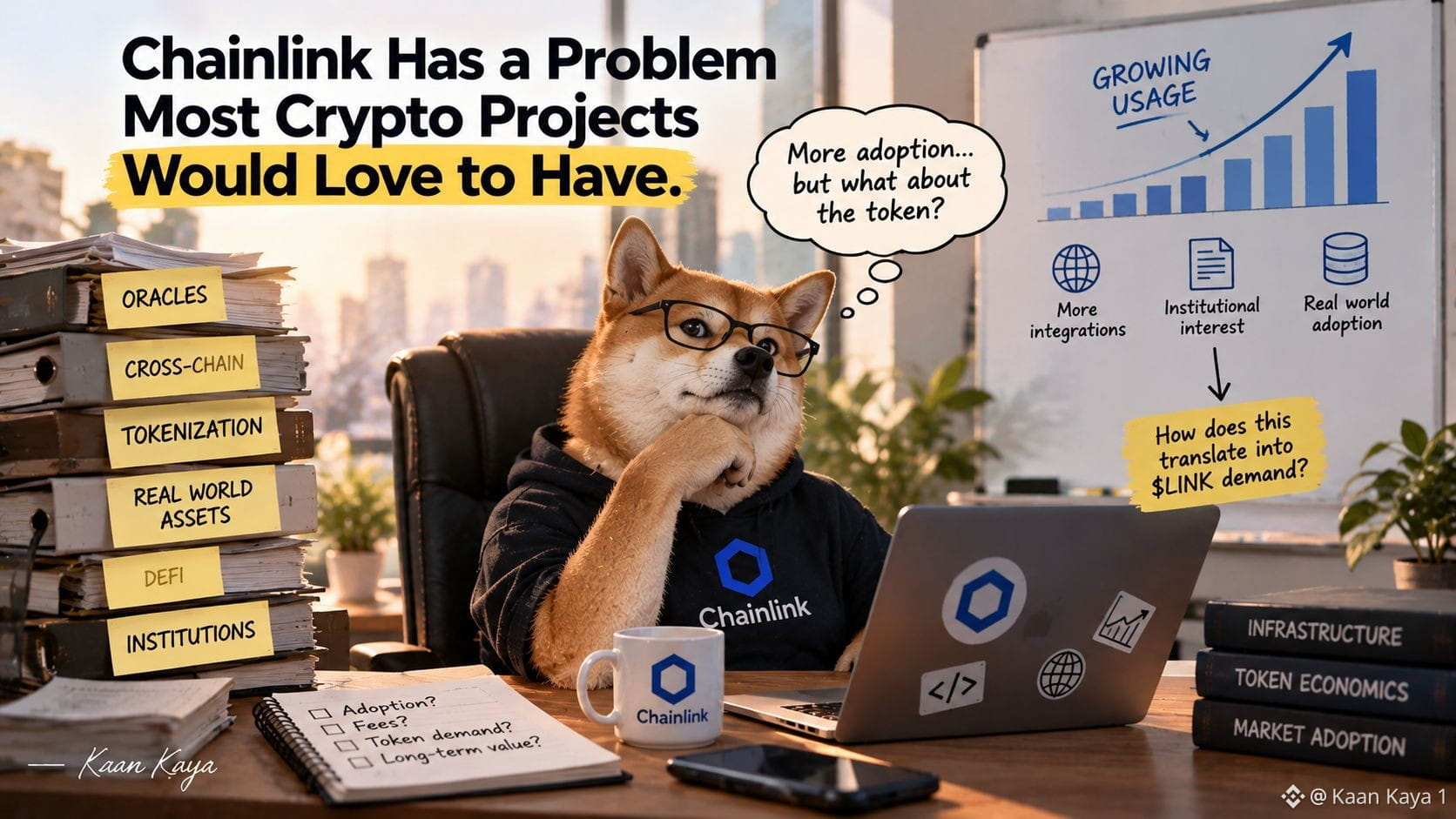
تواجه Chainlink مشكلة تتمنى معظم مشاريع العملات المشفرة لو كانت لديها. Chainlink واحد من تلك المشاريع التي لا تحظى بقدر كبير من الاهتمام، على عكس أحدث عملة ميم، رغم مشاركتها في بعض الأجزاء المهمة جدًا من البنية التحتية للعملات المشفرة. أوراكل، ومراسلة بين السلاسل، وأصول مُرمَّزة... والقائمة تطول. لكن ثمة أمرًا أفكر فيه: ازدياد فائدة المشروع لا يعني تلقائيًا ازدياد قيمة رمزه. قد تدمج البنوك تقنية Chainlink، وقد تعتمد بروتوكولات التمويل اللامركزي على موجزات بياناتها، وقد تستخدم المؤسسات بنيتها التحتية لنقل الأصول المُرمَّزة بين الشبكات. هذا رائع للتبني. لكن ماذا يعني ذلك لمن يمتلك $LINK؟ هنا سأقضي وقتًا أطول في دراسة كيفية ترجمة استخدام الشبكة إلى طلب على الرمز ورسوم وحوافز، بدلًا من عدّ إعلانات الشراكات. لا تفهموني خطأ، أرى أن تبني البنية التحتية أمر يستحق المتابعة. لكنني أجد الاقتصاديات التي تقف وراءه أكثر إثارة للاهتمام من عنوان آخر عن تجربة مؤسسة كبرى لتقنية البلوك تشين. قد يثير إعلان شراكة حماس المتداولين ليوم واحد. أما الطلب المستدام، فهو موضوع أطول بكثير. #رؤى_اقتصادية_كلية# #موسم_العملات_البديلة#
تواجه Chainlink مشكلة تتمنى معظم مشاريع العملات المشفرة لو كانت لديها. Chainlink واحد من تلك المشاريع التي لا تحظى بقدر كبير من الاهتمام، على عكس أحدث عملة ميم، رغم مشاركتها في بعض الأجزاء المهمة جدًا من البنية التحتية للعملات المشفرة. أوراكل، ومراسلة بين السلاسل، وأصول مُرمَّزة... والقائمة تطول. لكن ثمة أمرًا أفكر فيه: ازدياد فائدة المشروع لا يعني تلقائيًا ازدياد قيمة رمزه. قد تدمج البنوك تقنية Chainlink، وقد تعتمد بروتوكولات التمويل اللامركزي على موجزات بياناتها، وقد تستخدم المؤسسات بنيتها التحتية لنقل الأصول المُرمَّزة بين الشبكات. هذا رائع للتبني. لكن ماذا يعني ذلك لمن يمتلك $LINK؟ هنا سأقضي وقتًا أطول في دراسة كيفية ترجمة استخدام الشبكة إلى طلب على الرمز ورسوم وحوافز، بدلًا من عدّ إعلانات الشراكات. لا تفهموني خطأ، أرى أن تبني البنية التحتية أمر يستحق المتابعة. لكنني أجد الاقتصاديات التي تقف وراءه أكثر إثارة للاهتمام من عنوان آخر عن تجربة مؤسسة كبرى لتقنية البلوك تشين. قد يثير إعلان شراكة حماس المتداولين ليوم واحد. أما الطلب المستدام، فهو موضوع أطول بكثير. #رؤى_اقتصادية_كلية# #موسم_العملات_البديلة#
47
·
--
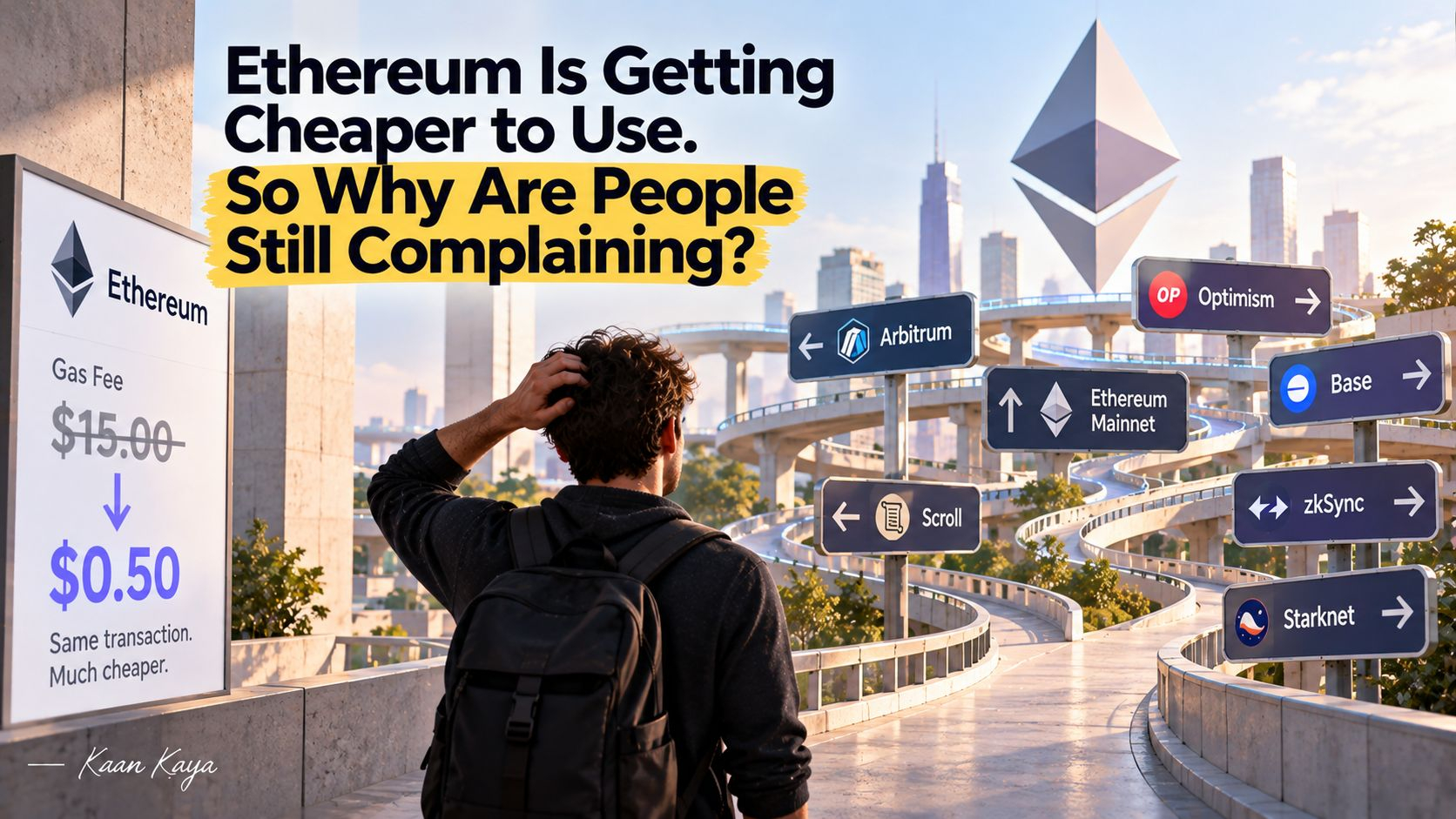
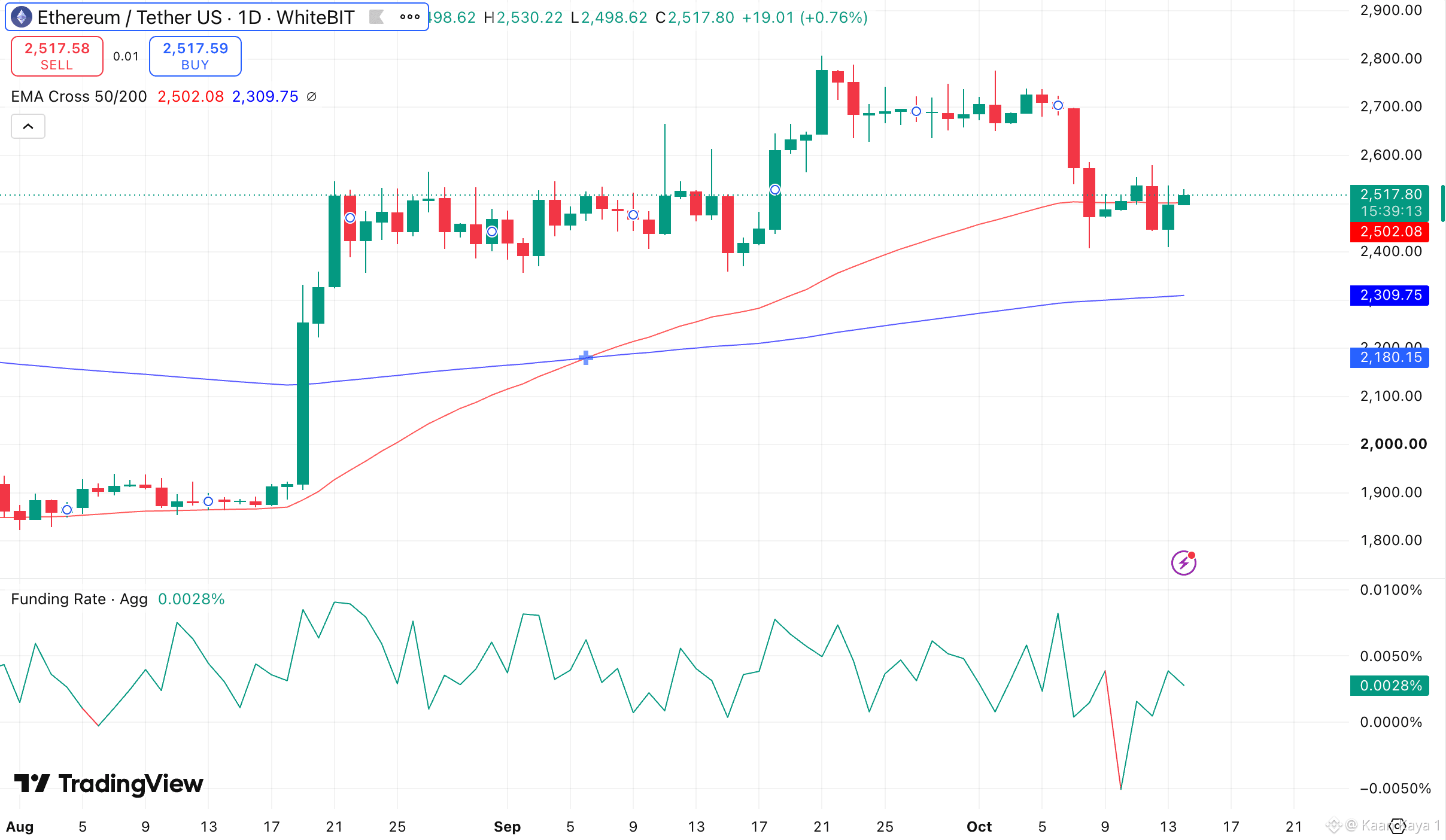
أصبح استخدام إيثيريوم أقل تكلفة. فلماذا لا يزال الناس يشتكون؟ أتذكرون حين كان إرسال عملات مشفرة بقيمة 20 دولارًا قد يكلّف 15 دولارًا إضافية كرسوم غاز؟ قطعت إيثيريوم شوطًا طويلًا منذ ذلك الحين، خصوصًا إذا كنت تستخدم شبكات الطبقة الثانية. لكن ثمة أمرًا ألاحظه باستمرار: ليس بالضرورة أن يشعر الناس بأن استخدام العملات المشفرة أصبح أسهل. لا يزال عليك أن تعرف الشبكة التي توجد عليها أموالك، وما إذا كانت منصة التداول تدعم تلك الشبكة، ولماذا تظهر العملة نفسها أحيانًا في خمسة أماكن مختلفة. ولا سمح الله أن ترسل شيئًا عبر الشبكة الخطأ 😅 هذه هي المفارقة الغريبة في استراتيجية إيثيريوم للتوسع. لقد جعلنا المعاملات أرخص بتوزيع النشاط على شبكات مختلفة، لكننا جعلنا التجربة أكثر تعقيدًا أيضًا لكل من ليس ملمًّا بالعملات المشفرة. لا أعتقد أن $ETH يحتاج إلى مقارنة أخرى مبهرة لسرعة المعاملات كي يكسب المستخدمين العاديين. بل يحتاج إلى مزيد من التطبيقات التي تتيح للناس إرسال الأموال أو التداول أو الدفع مقابل شيء ما ببساطة، من دون التفكير في السلسلة التي تتولى ذلك. المعاملات الرخيصة رائعة. لكن ألّا تضطر إلى شرحها لأصدقائك سيكون أفضل. #ETHBlockchain #ETHFoundation
أصبح استخدام إيثيريوم أقل تكلفة. فلماذا لا يزال الناس يشتكون؟ أتذكرون حين كان إرسال عملات مشفرة بقيمة 20 دولارًا قد يكلّف 15 دولارًا إضافية كرسوم غاز؟ قطعت إيثيريوم شوطًا طويلًا منذ ذلك الحين، خصوصًا إذا كنت تستخدم شبكات الطبقة الثانية. لكن ثمة أمرًا ألاحظه باستمرار: ليس بالضرورة أن يشعر الناس بأن استخدام العملات المشفرة أصبح أسهل. لا يزال عليك أن تعرف الشبكة التي توجد عليها أموالك، وما إذا كانت منصة التداول تدعم تلك الشبكة، ولماذا تظهر العملة نفسها أحيانًا في خمسة أماكن مختلفة. ولا سمح الله أن ترسل شيئًا عبر الشبكة الخطأ 😅 هذه هي المفارقة الغريبة في استراتيجية إيثيريوم للتوسع. لقد جعلنا المعاملات أرخص بتوزيع النشاط على شبكات مختلفة، لكننا جعلنا التجربة أكثر تعقيدًا أيضًا لكل من ليس ملمًّا بالعملات المشفرة. لا أعتقد أن $ETH يحتاج إلى مقارنة أخرى مبهرة لسرعة المعاملات كي يكسب المستخدمين العاديين. بل يحتاج إلى مزيد من التطبيقات التي تتيح للناس إرسال الأموال أو التداول أو الدفع مقابل شيء ما ببساطة، من دون التفكير في السلسلة التي تتولى ذلك. المعاملات الرخيصة رائعة. لكن ألّا تضطر إلى شرحها لأصدقائك سيكون أفضل. #ETHBlockchain #ETHFoundation
83
·
--
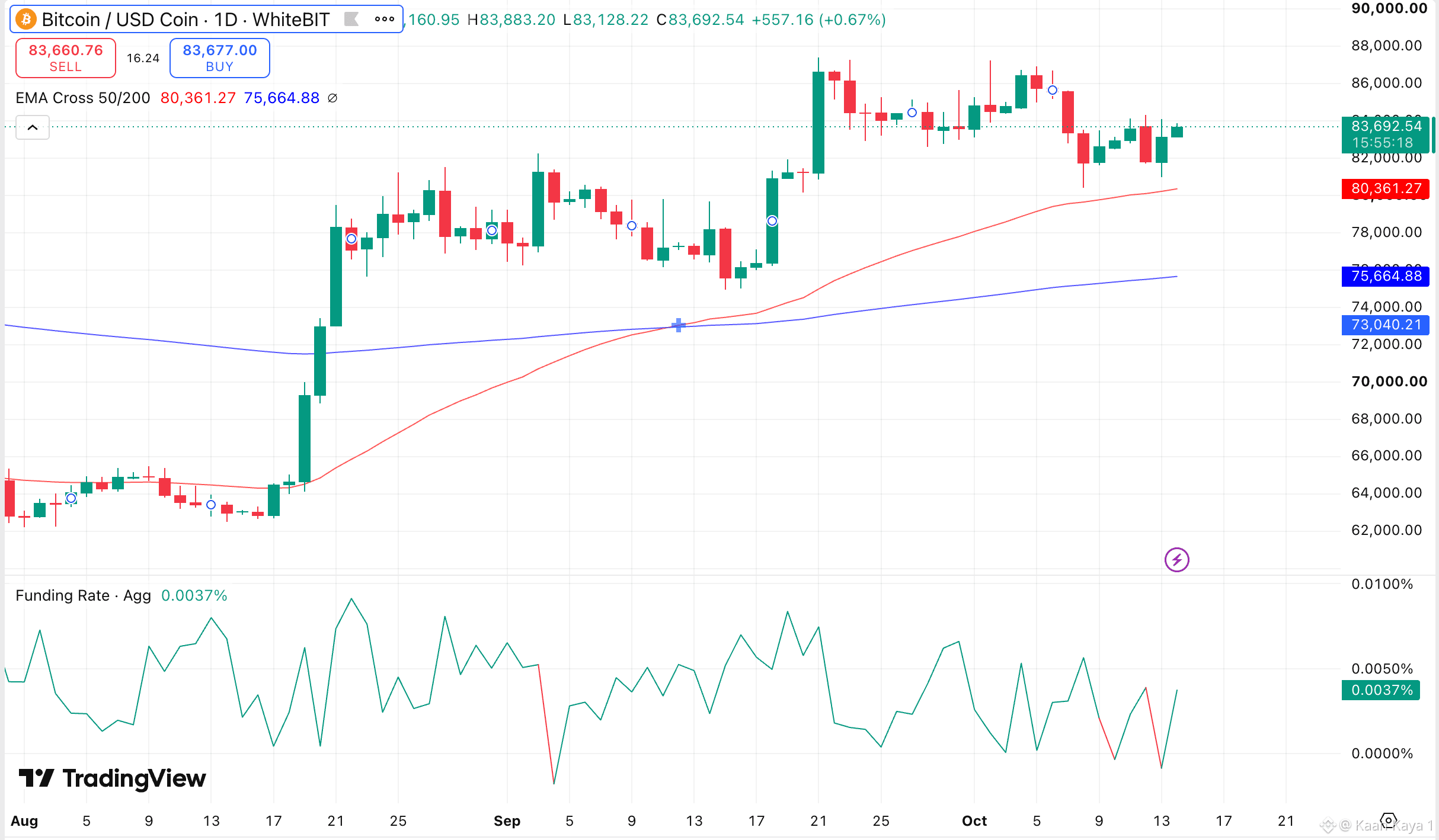
الجميع يريدون أن يتحرك البيتكوين. ولا أحد يتفق على ما سيحدث بعد ذلك. يصبح تويتر العملات المشفرة مضحكًا عندما يبدأ البيتكوين بالتحرك بشكل جانبي. نصف المتابعين مقتنعون بأن اختراقًا سعريًا وشيك، والنصف الآخر يستعد بالفعل لهبوط جديد. وبطريقة ما، يملك كلا الطرفين مخططات تبدو مقنعة 😂 أعتقد أن أصعب ما في تداول $BTC حاليًا ليس العثور على فرصة محتملة، بل تحديد الإشارات التي تستحق اهتمامك فعلًا. يمكن لشمعتين خضراوين أن تجعلا مستوى المقاومة يبدو ضعيفًا. ويمكن لشمعة حمراء مفاجئة أن تجعل السوق بأكمله يبدو هابطًا من جديد. لكن لا تخبرك أي منهما بالكثير ما لم يؤكد الحركةَ كلٌّ من حجم التداول والسيولة واستمرار الزخم. شخصيًا، أفضّل أن تفوتني أول 2% من الارتفاع على أن أمضي الأيام الثلاثة التالية أدافع عن صفقة دخلتها لمجرد أن الجميع على X تحمسوا فجأة. يهمني أن أعرف كيف يتعامل الآخرون مع هذا الوضع. هل تتداولون التحركات الصغيرة، أم تنتظرون حتى يختار البيتكوين اتجاهًا؟ #تحليل_سعر_BTC# #توقعات_سعر_البيتكوين: ما الحركة التالية للبيتكوين؟#
الجميع يريدون أن يتحرك البيتكوين. ولا أحد يتفق على ما سيحدث بعد ذلك. يصبح تويتر العملات المشفرة مضحكًا عندما يبدأ البيتكوين بالتحرك بشكل جانبي. نصف المتابعين مقتنعون بأن اختراقًا سعريًا وشيك، والنصف الآخر يستعد بالفعل لهبوط جديد. وبطريقة ما، يملك كلا الطرفين مخططات تبدو مقنعة 😂 أعتقد أن أصعب ما في تداول $BTC حاليًا ليس العثور على فرصة محتملة، بل تحديد الإشارات التي تستحق اهتمامك فعلًا. يمكن لشمعتين خضراوين أن تجعلا مستوى المقاومة يبدو ضعيفًا. ويمكن لشمعة حمراء مفاجئة أن تجعل السوق بأكمله يبدو هابطًا من جديد. لكن لا تخبرك أي منهما بالكثير ما لم يؤكد الحركةَ كلٌّ من حجم التداول والسيولة واستمرار الزخم. شخصيًا، أفضّل أن تفوتني أول 2% من الارتفاع على أن أمضي الأيام الثلاثة التالية أدافع عن صفقة دخلتها لمجرد أن الجميع على X تحمسوا فجأة. يهمني أن أعرف كيف يتعامل الآخرون مع هذا الوضع. هل تتداولون التحركات الصغيرة، أم تنتظرون حتى يختار البيتكوين اتجاهًا؟ #تحليل_سعر_BTC# #توقعات_سعر_البيتكوين: ما الحركة التالية للبيتكوين؟#

78
·
--
🔍 استراتيجية أم حلّ مؤقت؟ أراجع عملي مع الروبوت الخاص بي قبل بضعة أيام، كنت أنظّف إعدادات روبوت قديم — من تلك المهام التي يكون شعارها «إنه يعمل، فلا تلمسه». 😅 لاحظت عدد الأسطر الموجودة فقط لتُبقيني دون الحد الأقصى لمعدل طلبات API. جمّعت الطلبات، وقلّلت مرات الاستعلام عن دفتر أوامر $BTC، وتخلّيت عن بعض الأساليب لأن الأرقام لم تكن مناسبة. ولسنوات، اعتبرت ذلك ممارسة جيدة. ثم ارتفع الحد الأقصى لمعدل طلباتي ضمن برنامج WhiteBIT VIP، وبدأت أنظر إلى تلك القواعد القديمة بطريقة مختلفة. هل كان هذا جزءًا فعليًا من الاستراتيجية أم مجرد حلّ مؤقت؟ https://whitebit.com/vip-program?utm_source=coinmarketcap&utm_medium=post&utm_campaign=kaannViP كان توقيت الأوامر أسهل ما يمكن ملاحظته. كنت أباعد بين الأوامر بسبب حدّ الطلبات، ثم بدأت أتعامل مع ذلك على أنه جزء من استراتيجيتي. وبعد فترة، نسيت تمامًا سبب وضع هذه القاعدة. ⚙️ كان تمديد الحد الأقصى لمعدل الطلبات هو ما جعلني ألاحظ الأمر. فالاتصال السلس بواجهة API مفيد، وانخفاض رسوم التداول — حتى -0.001% بحسب مستوى VIP والشروط — له أثر كبير عند التداول على نطاق واسع، كما أن الدعم الشخصي مفيد عندما تعمل الروبوتات بانتظام. والمثير للسخرية أنه لم تكن هناك «ميزة كبيرة» واحدة غيّرت كل شيء. أدركت فقط أن الحد القديم كان يفرض عليّ الكثير من القرارات. تبيّن أن نصف ما كنت أسمّيه فلسفتي في التداول لم يكن سوى التفاف على حدّ معدل الطلبات. إخلاء مسؤولية: هذه ليست نصيحة مالية أو استثمارية. أجرِ أبحاثك بنفسك قبل اتخاذ أي قرارات. استخدم ذلك على مسؤوليتك الخاصة. #تحليل_سعر_BTC# #توقعات_سعر_بيتكوين: ما الخطوة التالية لبيتكوين؟#
🔍 استراتيجية أم حلّ مؤقت؟ أراجع عملي مع الروبوت الخاص بي قبل بضعة أيام، كنت أنظّف إعدادات روبوت قديم — من تلك المهام التي يكون شعارها «إنه يعمل، فلا تلمسه». 😅 لاحظت عدد الأسطر الموجودة فقط لتُبقيني دون الحد الأقصى لمعدل طلبات API. جمّعت الطلبات، وقلّلت مرات الاستعلام عن دفتر أوامر $BTC، وتخلّيت عن بعض الأساليب لأن الأرقام لم تكن مناسبة. ولسنوات، اعتبرت ذلك ممارسة جيدة. ثم ارتفع الحد الأقصى لمعدل طلباتي ضمن برنامج WhiteBIT VIP، وبدأت أنظر إلى تلك القواعد القديمة بطريقة مختلفة. هل كان هذا جزءًا فعليًا من الاستراتيجية أم مجرد حلّ مؤقت؟ https://whitebit.com/vip-program?utm_source=coinmarketcap&utm_medium=post&utm_campaign=kaannViP كان توقيت الأوامر أسهل ما يمكن ملاحظته. كنت أباعد بين الأوامر بسبب حدّ الطلبات، ثم بدأت أتعامل مع ذلك على أنه جزء من استراتيجيتي. وبعد فترة، نسيت تمامًا سبب وضع هذه القاعدة. ⚙️ كان تمديد الحد الأقصى لمعدل الطلبات هو ما جعلني ألاحظ الأمر. فالاتصال السلس بواجهة API مفيد، وانخفاض رسوم التداول — حتى -0.001% بحسب مستوى VIP والشروط — له أثر كبير عند التداول على نطاق واسع، كما أن الدعم الشخصي مفيد عندما تعمل الروبوتات بانتظام. والمثير للسخرية أنه لم تكن هناك «ميزة كبيرة» واحدة غيّرت كل شيء. أدركت فقط أن الحد القديم كان يفرض عليّ الكثير من القرارات. تبيّن أن نصف ما كنت أسمّيه فلسفتي في التداول لم يكن سوى التفاف على حدّ معدل الطلبات. إخلاء مسؤولية: هذه ليست نصيحة مالية أو استثمارية. أجرِ أبحاثك بنفسك قبل اتخاذ أي قرارات. استخدم ذلك على مسؤوليتك الخاصة. #تحليل_سعر_BTC# #توقعات_سعر_بيتكوين: ما الخطوة التالية لبيتكوين؟#

·
--
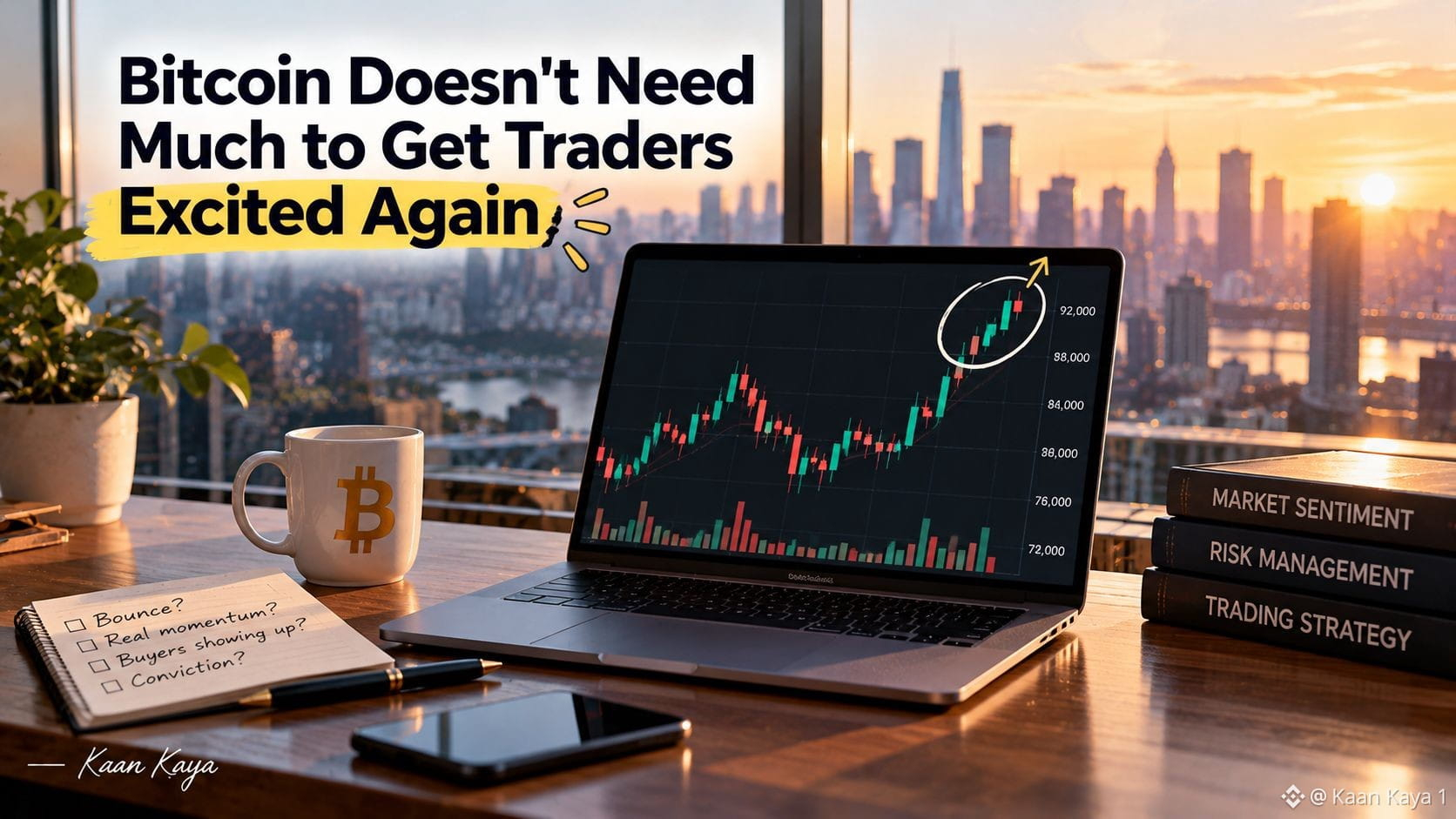
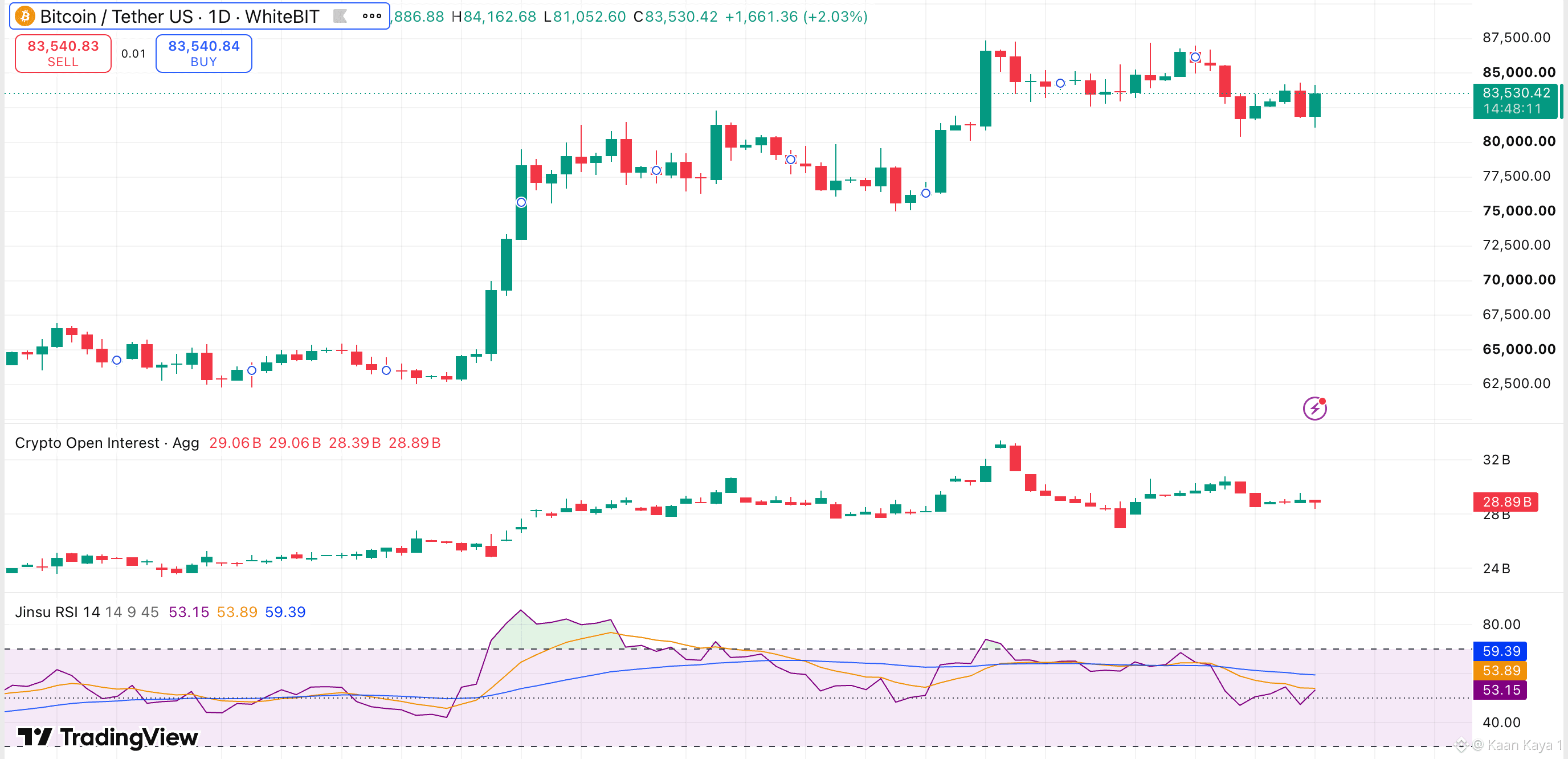
لا يحتاج بيتكوين إلى الكثير لإثارة حماس المتداولين مجددًا 👀 من المضحك مدى سرعة تغيّر المزاج حول $BTC. تكفي شمعتان خضراوان، وفجأة يبدأ الجميع بالحديث عن الاختراق الكبير التالي. لكن هناك فرق بين ارتداد سريع وسوق مستعدة فعلًا للصعود. ما يهمني أكثر هو ما إذا كان المشترون سيواصلون الظهور بعد تلاشي الحماس الأولي. فعادةً ما يتضح حينها مدى قوة القناعة الحقيقية وراء الحركة. هل يراقب أحدكم بيتكوين أيضًا، لكنه لا يشعر برغبة في الدخول بعد؟ #تحليل سعر BTC# #توقعات سعر بيتكوين: ما الخطوة التالية لبيتكوين؟#
لا يحتاج بيتكوين إلى الكثير لإثارة حماس المتداولين مجددًا 👀 من المضحك مدى سرعة تغيّر المزاج حول $BTC. تكفي شمعتان خضراوان، وفجأة يبدأ الجميع بالحديث عن الاختراق الكبير التالي. لكن هناك فرق بين ارتداد سريع وسوق مستعدة فعلًا للصعود. ما يهمني أكثر هو ما إذا كان المشترون سيواصلون الظهور بعد تلاشي الحماس الأولي. فعادةً ما يتضح حينها مدى قوة القناعة الحقيقية وراء الحركة. هل يراقب أحدكم بيتكوين أيضًا، لكنه لا يشعر برغبة في الدخول بعد؟ #تحليل سعر BTC# #توقعات سعر بيتكوين: ما الخطوة التالية لبيتكوين؟#
79
·
--
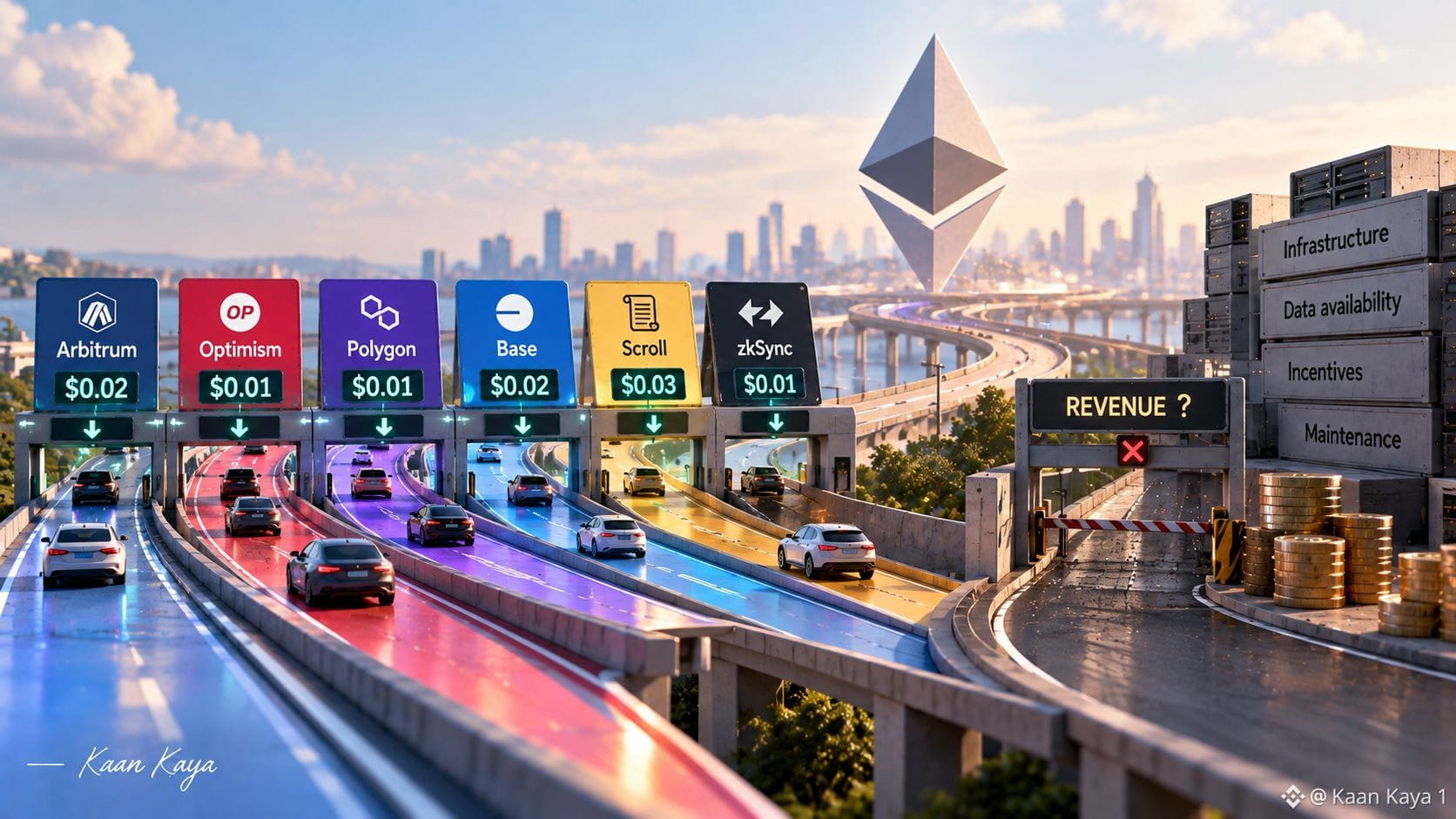
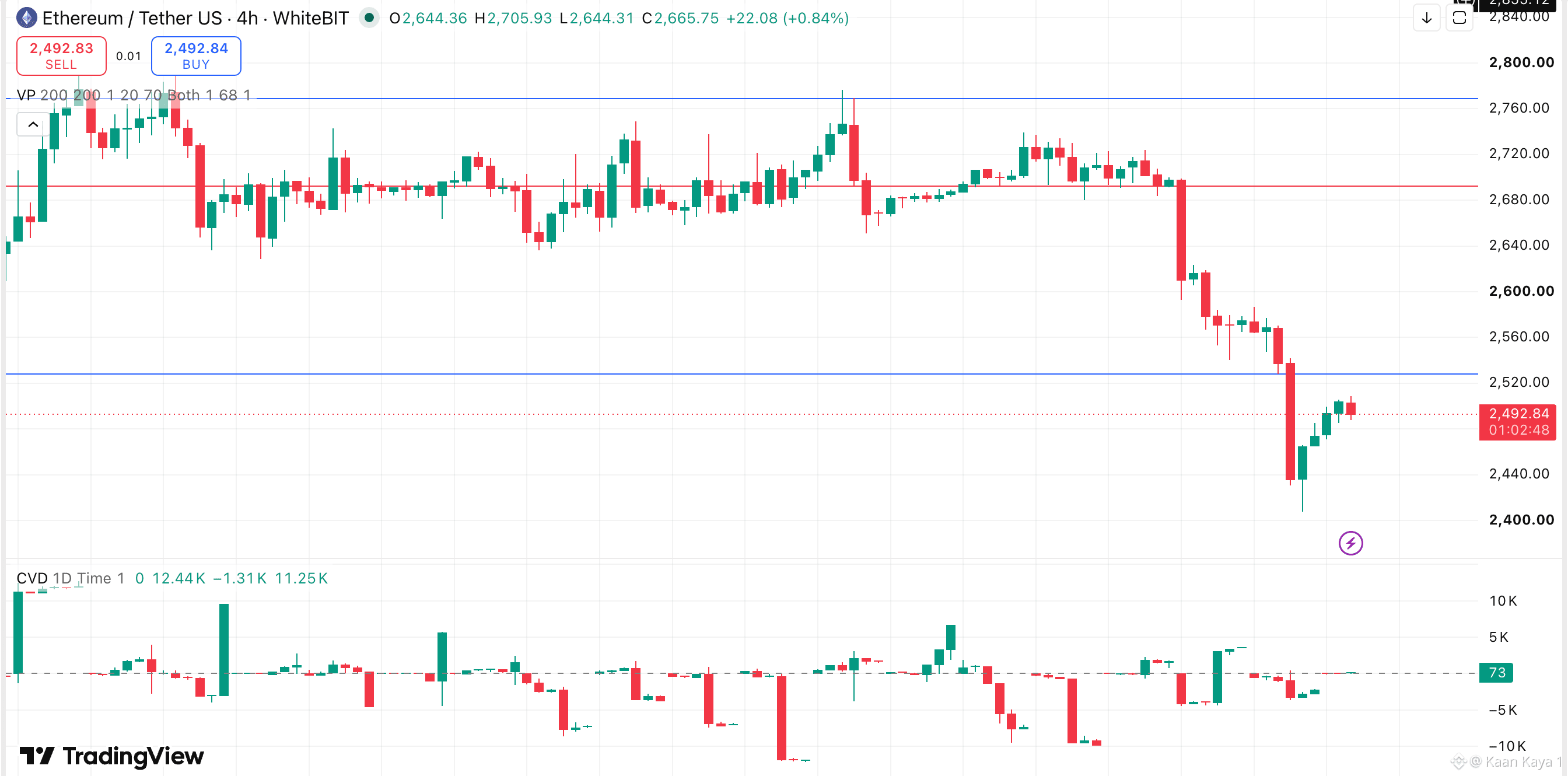
أصبحت حلول الطبقة الثانية لإيثيريوم أرخص. لكن من يجني المال فعلًا؟ أتتذكرون حين كان دفع 30 دولارًا مقابل معاملة بـ $ETH يُعد أمرًا طبيعيًا في يوم ثلاثاء؟ الآن يمكنك تحويل الأموال عبر بعض شبكات الطبقة الثانية مقابل بضعة سنتات، وأحيانًا أقل. هذا رائع للمستخدمين، لكنه يجعل الحديث أكثر صعوبة قليلًا بالنسبة إلى الشركات التي تدير تلك الشبكات. إليكم الأمر: انخفاض الرسوم لا يعني تلقائيًا تحسن الجدوى الاقتصادية. فقد تعالج شبكة من الطبقة الثانية ملايين المعاملات، وتحافظ على رضا المستخدمين، ومع ذلك تواجه صعوبة في تحقيق إيرادات تُذكر بعد احتساب تكاليف البنية التحتية وتوافر البيانات وحوافز المنظومة. وهناك تعقيد آخر. إذا كانت عدة شبكات تقدم تحويلات رخيصة متشابهة إلى حد كبير، وإمكانية الوصول إلى تطبيقات متقاربة، فلماذا قد يلتزم أحدهم باستخدام شبكة بعينها؟ أمضينا سنوات نتساءل عما إذا كانت إيثيريوم قادرة على التوسع. وربما يكون السؤال التالي هو: هل تستطيع كل شبكات التوسع هذه بناء أعمال تستحق الاستمرار؟ لن أتفاجأ إذا أصبحت المنافسة الكبرى المقبلة بين شبكات الطبقة الثانية أقل ارتباطًا بمن يقدم أقل الرسوم، وأكثر ارتباطًا بمن لديه مستخدمون يعودون فعلًا، من دون أن يتقاضوا أموالًا مقابل ذلك. #بلوكتشين_إيثيريوم #مؤسسة_إيثيريوم
أصبحت حلول الطبقة الثانية لإيثيريوم أرخص. لكن من يجني المال فعلًا؟ أتتذكرون حين كان دفع 30 دولارًا مقابل معاملة بـ $ETH يُعد أمرًا طبيعيًا في يوم ثلاثاء؟ الآن يمكنك تحويل الأموال عبر بعض شبكات الطبقة الثانية مقابل بضعة سنتات، وأحيانًا أقل. هذا رائع للمستخدمين، لكنه يجعل الحديث أكثر صعوبة قليلًا بالنسبة إلى الشركات التي تدير تلك الشبكات. إليكم الأمر: انخفاض الرسوم لا يعني تلقائيًا تحسن الجدوى الاقتصادية. فقد تعالج شبكة من الطبقة الثانية ملايين المعاملات، وتحافظ على رضا المستخدمين، ومع ذلك تواجه صعوبة في تحقيق إيرادات تُذكر بعد احتساب تكاليف البنية التحتية وتوافر البيانات وحوافز المنظومة. وهناك تعقيد آخر. إذا كانت عدة شبكات تقدم تحويلات رخيصة متشابهة إلى حد كبير، وإمكانية الوصول إلى تطبيقات متقاربة، فلماذا قد يلتزم أحدهم باستخدام شبكة بعينها؟ أمضينا سنوات نتساءل عما إذا كانت إيثيريوم قادرة على التوسع. وربما يكون السؤال التالي هو: هل تستطيع كل شبكات التوسع هذه بناء أعمال تستحق الاستمرار؟ لن أتفاجأ إذا أصبحت المنافسة الكبرى المقبلة بين شبكات الطبقة الثانية أقل ارتباطًا بمن يقدم أقل الرسوم، وأكثر ارتباطًا بمن لديه مستخدمون يعودون فعلًا، من دون أن يتقاضوا أموالًا مقابل ذلك. #بلوكتشين_إيثيريوم #مؤسسة_إيثيريوم
67
سجّل الدخول لاستكشاف المزيد من المُحتوى
انضم إلى مُستخدمي العملات الرقمية حول العالم على Binance Square
⚡️ احصل على أحدث المعلومات المفيدة عن العملات الرقمية.
💬 موثوقة من قبل أكبر منصّة لتداول العملات الرقمية في العالم.
👍 اكتشف الرؤى الحقيقية من صنّاع المُحتوى الموثوقين.
البريد الإلكتروني / رقم الهاتف
المواضيع الرائجة
FOMCWatch
8.9M مشاهدات
26,704 يقومون بالنقاش
أخبار TradFi | على وارش أن يشرح لماذا يُبقي الفيدرالي على أسعار الفائدة هذا الأسبوع مع الإبقاء على رفع ديسمبر مطروحًا
Binance News
·1 إعجاب
·347 مشاهدات
EthereumDropsBelow$2300
2,772 مشاهدات
92 يقومون بالنقاش
KoreaRulingPartyToGatherViewsOnVirtualAssetTaxDelay
0 مشاهدات
0 يقومون بالنقاش