

Joshua Brown 007
3k منشورات

Joshua Brown 007
إبلاغ
حظر المُستخدم
I am a forward-thinking crypto advisor with a strong grasp of blockchain innovation and digital asset management. @JavedJatt331726
فتح تداول
مُتداول بمُعدّل مرتفع
2.5 سنوات
1.2K+ تتابع
15.7K+ المتابعون
6.5K+ إعجاب
منشورات
الحافظة الاستثمارية
الكل
اقتباسات
مقاطع فيديو
Live
أراقب رقمًا واحدًا قبل اتخاذ تحركي التالي تجاه BTC:
🇺🇸 طلبات إعانة البطالة الأمريكية
كان السوق يتطلع إلى حوالي 201 ألف، بعد انخفاض مفاجئ الأسبوع الماضي إلى 196 ألف.
لكن هذا ما يهمني:
🔹 أقل من 198K → سوق عمل قوي
→ ضغط أقل لتيسير سياسة الاحتياطي الفيدرالي
→ قد يدعم الدولار/العوائد
→ قد تتعرض الأصول عالية المخاطر لضغوط
🔹 حوالي 202K → قريب من التوقعات
→ غالبًا رد فعل فوري محدود
→ قد يعود BTC إلى مستويات التحليل الفني
🔹 أعلى من 210K → تباطؤ أوضح في سوق العمل
→ مزيد من الاهتمام بسياسة الاحتياطي الفيدرالي المقبلة
→ قد يدعم الأصول الحساسة للفائدة، بما في ذلك العملات الرقمية
الصورة الكبيرة أكثر إثارة للاهتمام.
ذكرت رويترز أن قراءة 196K الأخيرة قد تكون مشوَّهة بسبب تقلبات موسمية مرتبطة بعيد العمال، بينما ظل سوق العمل الأساسي ثابتًا نسبيًا.
وهناك تحذير مهم آخر: طلبات إعانة البطالة تقيس أساسًا حالات التسريح، وليس التوظيف. لذا فإن رقمًا منخفضًا وحده لا يثبت أن سوق العمل بالكامل يتجه إلى القوة.
بالنسبة إلى BTC، لن أتعامل بناءً على العنوان وحده.
سأراقب:
الطلبات → مؤشر DXY → عوائد سندات الخزانة → توقعات الاحتياطي الفيدرالي → سيولة BTC
هذه السلسلة من التفاعلات أهم من رقم اقتصادي واحد.
لا شراء طويل أعمى.
لا بيع قصير أعمى.
دع البيانات تضرب أولًا، ثم راقب كيف يتفاعل السعر.
#USGovernment
{future}(BTCUSDT)
{future}(BNBUSDT)
{future}(XRPUSDT)
أراقب رقمًا واحدًا قبل اتخاذ تحركي التالي تجاه BTC:
🇺🇸 طلبات إعانة البطالة الأمريكية
كان السوق يتطلع إلى حوالي 201 ألف، بعد انخفاض مفاجئ الأسبوع الماضي إلى 196 ألف.
لكن هذا ما يهمني:
🔹 أقل من 198K → سوق عمل قوي
→ ضغط أقل لتيسير سياسة الاحتياطي الفيدرالي
→ قد يدعم الدولار/العوائد
→ قد تتعرض الأصول عالية المخاطر لضغوط
🔹 حوالي 202K → قريب من التوقعات
→ غالبًا رد فعل فوري محدود
→ قد يعود BTC إلى مستويات التحليل الفني
🔹 أعلى من 210K → تباطؤ أوضح في سوق العمل
→ مزيد من الاهتمام بسياسة الاحتياطي الفيدرالي المقبلة
→ قد يدعم الأصول الحساسة للفائدة، بما في ذلك العملات الرقمية
الصورة الكبيرة أكثر إثارة للاهتمام.
ذكرت رويترز أن قراءة 196K الأخيرة قد تكون مشوَّهة بسبب تقلبات موسمية مرتبطة بعيد العمال، بينما ظل سوق العمل الأساسي ثابتًا نسبيًا.
وهناك تحذير مهم آخر: طلبات إعانة البطالة تقيس أساسًا حالات التسريح، وليس التوظيف. لذا فإن رقمًا منخفضًا وحده لا يثبت أن سوق العمل بالكامل يتجه إلى القوة.
بالنسبة إلى BTC، لن أتعامل بناءً على العنوان وحده.
سأراقب:
الطلبات → مؤشر DXY → عوائد سندات الخزانة → توقعات الاحتياطي الفيدرالي → سيولة BTC
هذه السلسلة من التفاعلات أهم من رقم اقتصادي واحد.
لا شراء طويل أعمى.
لا بيع قصير أعمى.
دع البيانات تضرب أولًا، ثم راقب كيف يتفاعل السعر.
#USGovernment
🇺🇸 طلبات إعانة البطالة الأمريكية
كان السوق يتطلع إلى حوالي 201 ألف، بعد انخفاض مفاجئ الأسبوع الماضي إلى 196 ألف.
لكن هذا ما يهمني:
🔹 أقل من 198K → سوق عمل قوي
→ ضغط أقل لتيسير سياسة الاحتياطي الفيدرالي
→ قد يدعم الدولار/العوائد
→ قد تتعرض الأصول عالية المخاطر لضغوط
🔹 حوالي 202K → قريب من التوقعات
→ غالبًا رد فعل فوري محدود
→ قد يعود BTC إلى مستويات التحليل الفني
🔹 أعلى من 210K → تباطؤ أوضح في سوق العمل
→ مزيد من الاهتمام بسياسة الاحتياطي الفيدرالي المقبلة
→ قد يدعم الأصول الحساسة للفائدة، بما في ذلك العملات الرقمية
الصورة الكبيرة أكثر إثارة للاهتمام.
ذكرت رويترز أن قراءة 196K الأخيرة قد تكون مشوَّهة بسبب تقلبات موسمية مرتبطة بعيد العمال، بينما ظل سوق العمل الأساسي ثابتًا نسبيًا.
وهناك تحذير مهم آخر: طلبات إعانة البطالة تقيس أساسًا حالات التسريح، وليس التوظيف. لذا فإن رقمًا منخفضًا وحده لا يثبت أن سوق العمل بالكامل يتجه إلى القوة.
بالنسبة إلى BTC، لن أتعامل بناءً على العنوان وحده.
سأراقب:
الطلبات → مؤشر DXY → عوائد سندات الخزانة → توقعات الاحتياطي الفيدرالي → سيولة BTC
هذه السلسلة من التفاعلات أهم من رقم اقتصادي واحد.
لا شراء طويل أعمى.
لا بيع قصير أعمى.
دع البيانات تضرب أولًا، ثم راقب كيف يتفاعل السعر.
#USGovernment
113
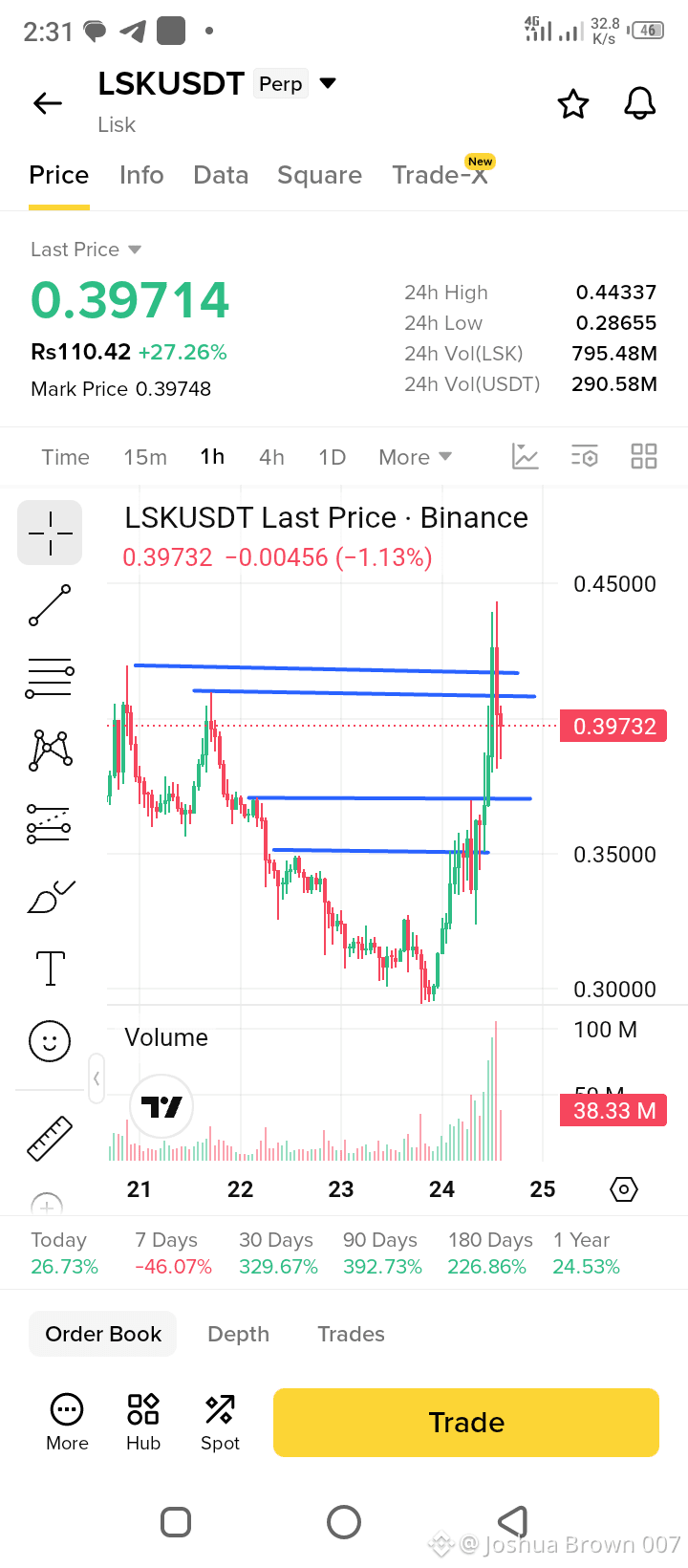
تداول $LSK 10.7K USDT خلال 30 يوم
#Trade Short scalp $LSK
Entry 0.3930 - 0.4000
SL 0.4150
TP 0.3700 FVG 1H
TP 0.3500 منطقة طلب رئيسية
شروط الإبطال:
إغلاق شمعة 1H فوق 0.4200 بالكامل يبطل أطروحة المضاربة/الانخفاض المصغّرة.
$LSK
{future}(LSKUSDT)
#Trade Short scalp $LSK
Entry 0.3930 - 0.4000
SL 0.4150
TP 0.3700 FVG 1H
TP 0.3500 منطقة طلب رئيسية
شروط الإبطال:
إغلاق شمعة 1H فوق 0.4200 بالكامل يبطل أطروحة المضاربة/الانخفاض المصغّرة.
$LSK
Entry 0.3930 - 0.4000
SL 0.4150
TP 0.3700 FVG 1H
TP 0.3500 منطقة طلب رئيسية
شروط الإبطال:
إغلاق شمعة 1H فوق 0.4200 بالكامل يبطل أطروحة المضاربة/الانخفاض المصغّرة.
$LSK
190
·
--
صاعد
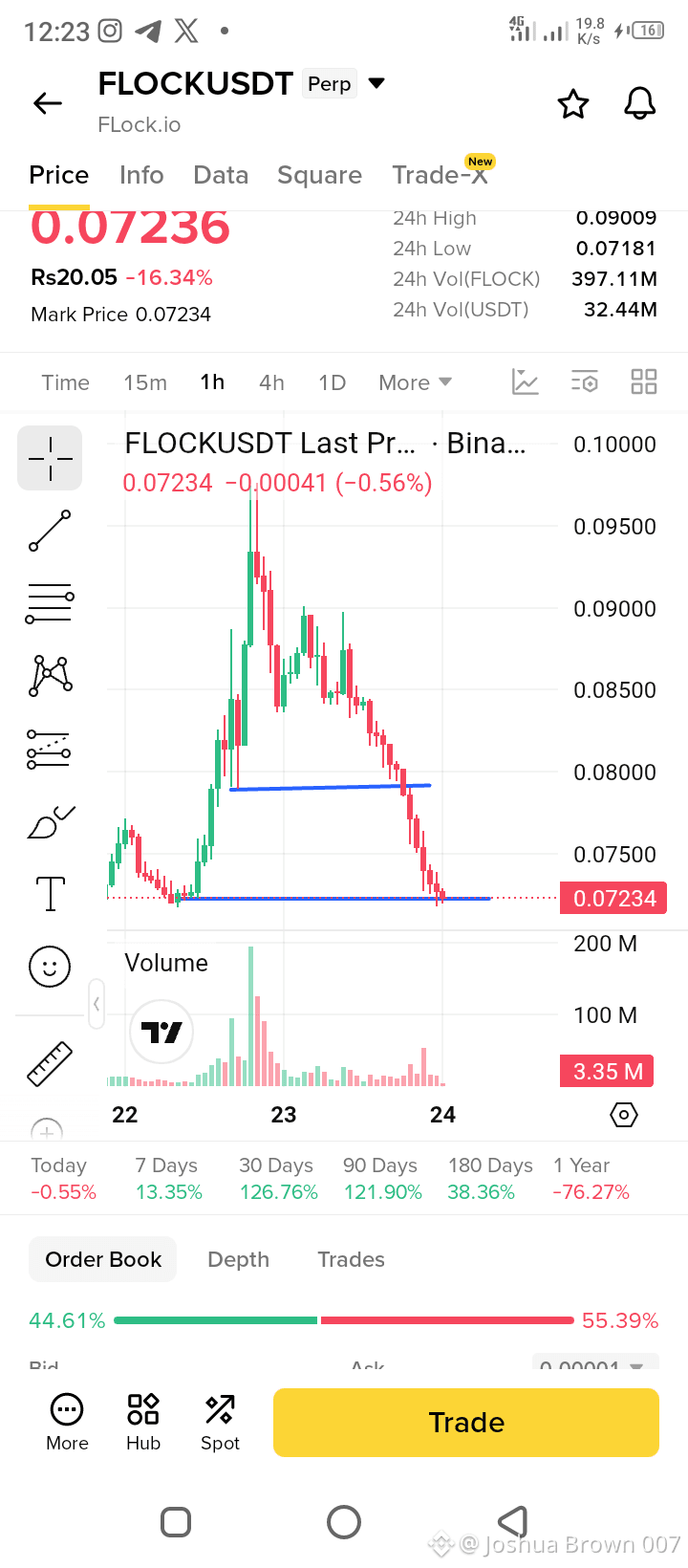
تداول $FLOCK 7K USDT خلال 30 يوم
#Trade $FLOCK LONG إعداد
حد الدخول 0.0715 - 0.0725
SL 0.0690
TP 0.07482
TP 0.08050
شروط الإبطال:
إغلاق شمعة لمدة 1H تحت 0.0690 يبطل أطروحة الارتداد الفوري.
اندفاع مفاجئ في حجم البيع يكسر دعم 0.0650.
إذا كسر السعر تحت 0.0690 بحجم تداول مرتفع، ادخل بيعًا عند إعادة اختبار 0.0710، مع استهداف 0.0650. SL عند 0.0730.
$TAKE $CAP
{future}(FLOCKUSDT)
{future}(TAKEUSDT)
{future}(CAPUSDT)
#Trade $FLOCK LONG إعداد
حد الدخول 0.0715 - 0.0725
SL 0.0690
TP 0.07482
TP 0.08050
شروط الإبطال:
إغلاق شمعة لمدة 1H تحت 0.0690 يبطل أطروحة الارتداد الفوري.
اندفاع مفاجئ في حجم البيع يكسر دعم 0.0650.
إذا كسر السعر تحت 0.0690 بحجم تداول مرتفع، ادخل بيعًا عند إعادة اختبار 0.0710، مع استهداف 0.0650. SL عند 0.0730.
$TAKE $CAP
حد الدخول 0.0715 - 0.0725
SL 0.0690
TP 0.07482
TP 0.08050
شروط الإبطال:
إغلاق شمعة لمدة 1H تحت 0.0690 يبطل أطروحة الارتداد الفوري.
اندفاع مفاجئ في حجم البيع يكسر دعم 0.0650.
إذا كسر السعر تحت 0.0690 بحجم تداول مرتفع، ادخل بيعًا عند إعادة اختبار 0.0710، مع استهداف 0.0650. SL عند 0.0730.
$TAKE $CAP
539
مقالة
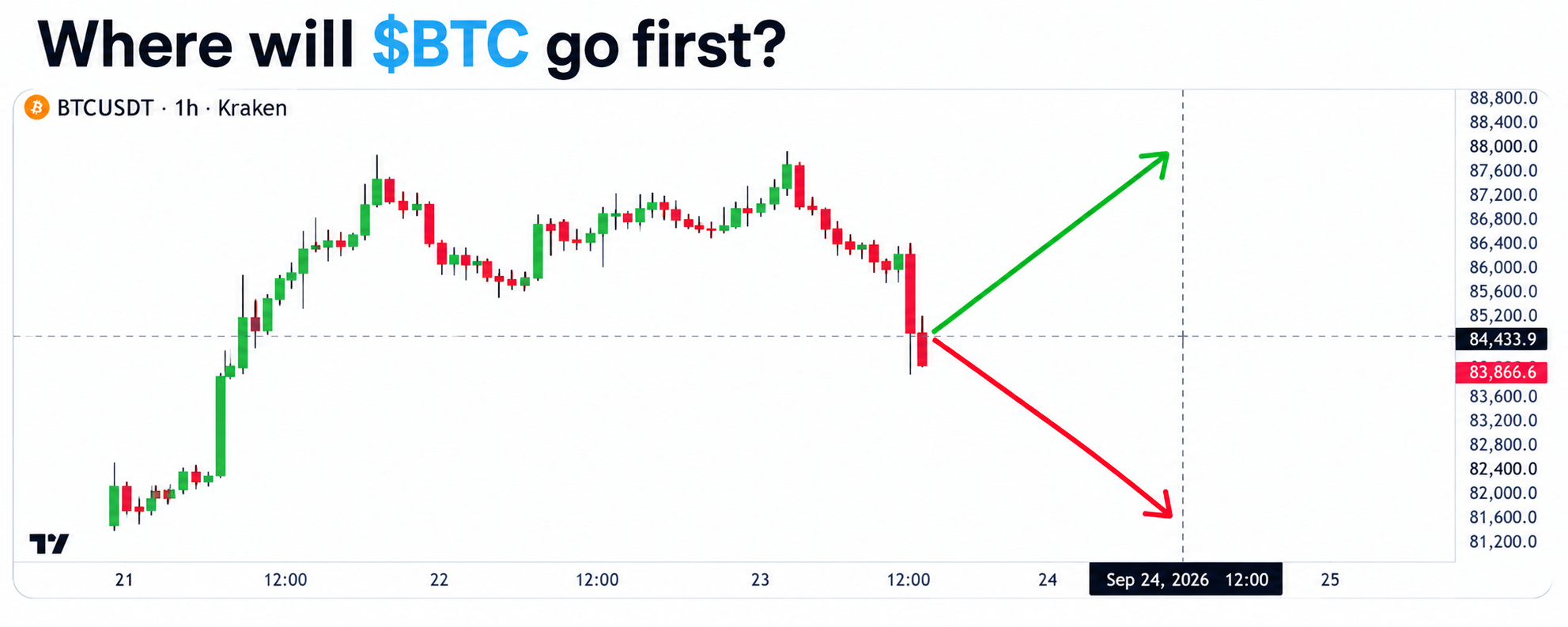
إلى أين سيذهب $BTC أولاً: صعوداً أم هبوطاً؟أستمر في النظر إلى هذا الرسم، وتبرز سؤال واحد:
هل سيقوم البيتكوين أولاً بسحب السيولة للأعلى، أم سيقوم بمسح الجانب السلبي قبل الحركة التالية؟
يوضح الرسم منطقة القرار الرئيسية حول 84.4 ألف دولار، مع ما يقارب 87.6 ألف دولار في الاتجاه الصعودي و81.6 ألف دولار في الاتجاه السلبي.
لكن هناك تحديث مهم: لقد دفع البيتكوين بالفعل إلى منطقة 87 ألف دولار اليوم، لذا يجب التعامل مع هذا الرسم كصورة سريعة للإعداد السابق، وليس البنية الحالية المباشرة. كان لدى لوحة CryptoQuant الأحدث أن BTC عند حوالي 87.36 ألف دولار، وقد تحول مؤشر الثور/الدب إلى إيجابي عند +0.27.
إلى أين سيذهب $BTC أولاً: صعوداً أم هبوطاً؟
أستمر في النظر إلى هذا الرسم، وتبرز سؤال واحد:
هل سيقوم البيتكوين أولاً بسحب السيولة للأعلى، أم سيقوم بمسح الجانب السلبي قبل الحركة التالية؟
يوضح الرسم منطقة القرار الرئيسية حول 84.4 ألف دولار، مع ما يقارب 87.6 ألف دولار في الاتجاه الصعودي و81.6 ألف دولار في الاتجاه السلبي.
لكن هناك تحديث مهم: لقد دفع البيتكوين بالفعل إلى منطقة 87 ألف دولار اليوم، لذا يجب التعامل مع هذا الرسم كصورة سريعة للإعداد السابق، وليس البنية الحالية المباشرة. كان لدى لوحة CryptoQuant الأحدث أن BTC عند حوالي 87.36 ألف دولار، وقد تحول مؤشر الثور/الدب إلى إيجابي عند +0.27.
هل سيقوم البيتكوين أولاً بسحب السيولة للأعلى، أم سيقوم بمسح الجانب السلبي قبل الحركة التالية؟
يوضح الرسم منطقة القرار الرئيسية حول 84.4 ألف دولار، مع ما يقارب 87.6 ألف دولار في الاتجاه الصعودي و81.6 ألف دولار في الاتجاه السلبي.
لكن هناك تحديث مهم: لقد دفع البيتكوين بالفعل إلى منطقة 87 ألف دولار اليوم، لذا يجب التعامل مع هذا الرسم كصورة سريعة للإعداد السابق، وليس البنية الحالية المباشرة. كان لدى لوحة CryptoQuant الأحدث أن BTC عند حوالي 87.36 ألف دولار، وقد تحول مؤشر الثور/الدب إلى إيجابي عند +0.27.
1
4
8.3k
#zec
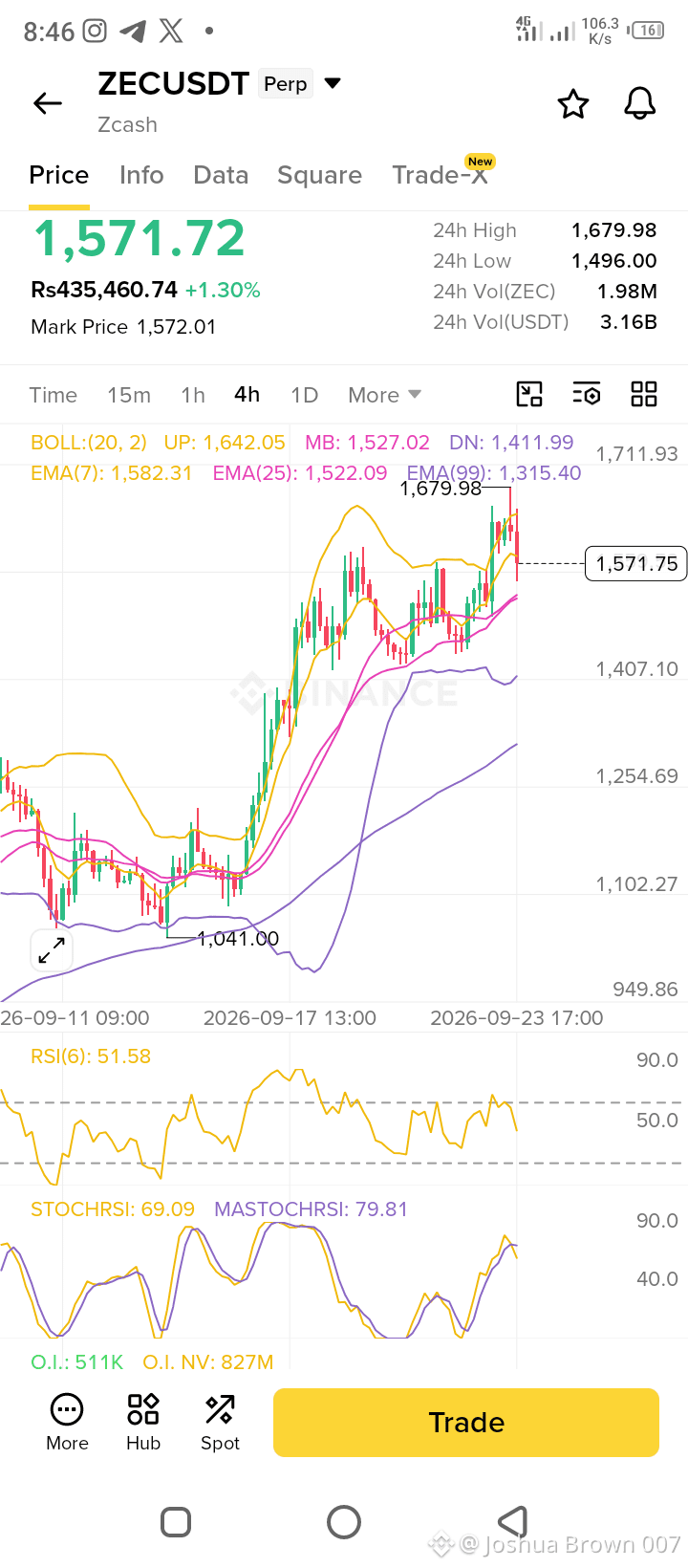
انتظر تراجعًا وادخل عملية شراء (Go LONG).
$ZEC USDT في اتجاه صعودي قوي لكنه يمر حاليًا بتصحيح قصير الأمد ضروري. المؤشرات قد هدأت بشكل ملحوظ، والسعر يختبر EMA(25). لا تدخل FOMO على السعر الحالي (1,571).
دخول شراء 1,520 - 1,540
إيقاف الخسارة 1,480
أهداف الربح 1,645
هدف الربح 1,780
الإطار الزمني المتوقع 08 ساعات - 1 يوم
شروط الإبطال:
إذا أغلقت شمعة 4H تحت 1,315 (EMA 99) فسيؤدي ذلك إلى إبطال الأطروحة الصعودية على مستوى الاقتصاد/المدى الكبير بالكامل.
{future}(ZECUSDT)
$TAO
{future}(TAOUSDT)
$ZEN
{future}(ZENUSDT)
#zec
انتظر تراجعًا وادخل عملية شراء (Go LONG).
$ZEC USDT في اتجاه صعودي قوي لكنه يمر حاليًا بتصحيح قصير الأمد ضروري. المؤشرات قد هدأت بشكل ملحوظ، والسعر يختبر EMA(25). لا تدخل FOMO على السعر الحالي (1,571).
دخول شراء 1,520 - 1,540
إيقاف الخسارة 1,480
أهداف الربح 1,645
هدف الربح 1,780
الإطار الزمني المتوقع 08 ساعات - 1 يوم
شروط الإبطال:
إذا أغلقت شمعة 4H تحت 1,315 (EMA 99) فسيؤدي ذلك إلى إبطال الأطروحة الصعودية على مستوى الاقتصاد/المدى الكبير بالكامل.
$TAO
$ZEN
انتظر تراجعًا وادخل عملية شراء (Go LONG).
$ZEC USDT في اتجاه صعودي قوي لكنه يمر حاليًا بتصحيح قصير الأمد ضروري. المؤشرات قد هدأت بشكل ملحوظ، والسعر يختبر EMA(25). لا تدخل FOMO على السعر الحالي (1,571).
دخول شراء 1,520 - 1,540
إيقاف الخسارة 1,480
أهداف الربح 1,645
هدف الربح 1,780
الإطار الزمني المتوقع 08 ساعات - 1 يوم
شروط الإبطال:
إذا أغلقت شمعة 4H تحت 1,315 (EMA 99) فسيؤدي ذلك إلى إبطال الأطروحة الصعودية على مستوى الاقتصاد/المدى الكبير بالكامل.
$TAO
$ZEN
421
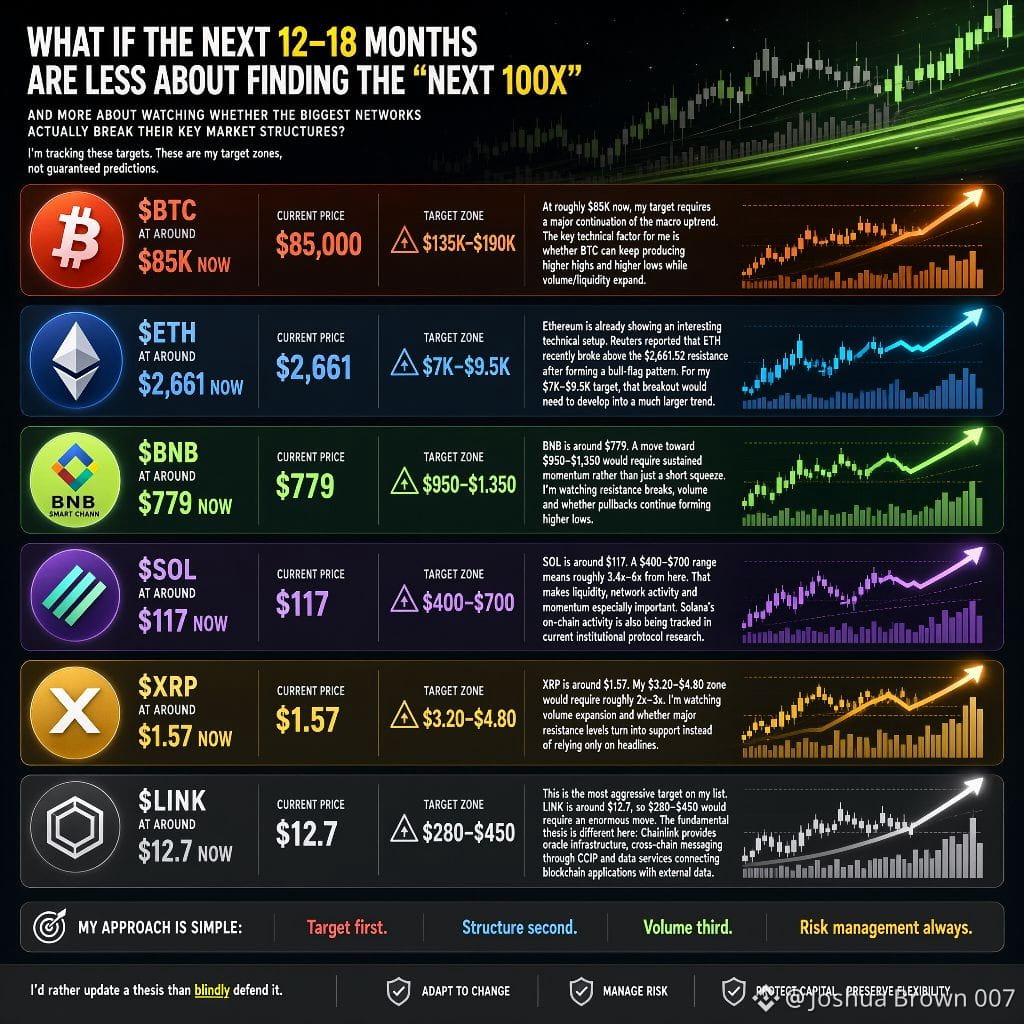
ماذا لو كانت الـ12 إلى 18 شهرًا القادمة أقلّ عن البحث عن “التالي 100x” وأكثر عن مراقبة ما إذا كانت أكبر الشبكات تكسر فعليًا هياكل سوقها الأساسية؟
أنا أتابع هذه الأهداف:
$BTC → 135 ألف–190 ألف دولار
$ETH → 7 آلاف–9.5 آلاف دولار
$BNB → 950–1,350 دولار
$SOL → 400–700 دولار
$XRP → 3.20–4.80 دولار
$LINK → 280–450 دولار
هذه مناطق هدفي وليست تنبؤات مضمونة.
🔹 $BTC
عند حوالي 85 ألف دولار الآن، يتطلب هدفي استمرارًا كبيرًا للاتجاه الصعودي على مستوى الاقتصاد الكلي. العامل التقني الأساسي بالنسبة لي هو ما إذا كان بإمكان البيتكوين الاستمرار في تكوين قمم أعلى وقِيعان أعلى بينما تتوسع أحجام التداول/السيولة.
🔹 $ETH
يُظهر إيثيريوم بالفعل إعدادًا تقنيًا مثيرًا للاهتمام. ذكرت رويترز أن ETH قد اخترق مؤخرًا مستوى المقاومة عند 2,661.52 دولار بعد تكوين نمط علم ثورّي.
بالنسبة لهدف 7 آلاف–9.5 آلاف دولار، يجب أن يتطور هذا الاختراق إلى اتجاه أكبر بكثير.
🔹 $BNB
BNB حول 779 دولار. التحرك باتجاه 950–1,350 دولار سيحتاج إلى زخم مستمر وليس مجرد موجة ضغط قصيرة. أراقب اختراقات مستويات المقاومة، وحجم التداول، وما إذا كانت عمليات التراجع تستمر في تكوين قِيعان أعلى.
🔹 $SOL
SOL حوالي 117 دولار. نطاق 400–700 دولار يعني تقريبًا 3.4x–6x من هنا.
هذا يجعل السيولة ونشاط الشبكة والزخم أكثر أهمية. كما يجري تتبّع نشاط سلاسل سولانا على السلسلة ضمن أبحاث البروتوكولات المؤسسية الحالية.
🔹 $XRP
XRP حوالي 1.57 دولار. نطاقي 3.20–4.80 دولار يتطلب تقريبًا 2x–3x. أراقب توسع حجم التداول وما إذا كانت مستويات المقاومة الرئيسية تتحول إلى دعم بدلًا من الاعتماد فقط على العناوين.
نهجي بسيط:
الهدف أولًا.
البنية ثانيًا.
حجم التداول ثالثًا.
إدارة المخاطر دائمًا.
إذا تغيّر هيكل السوق، يمكن أن تتغير أهدافي أيضًا.
أفضّل تحديث أطروحتي بدلًا من الدفاع عنها بشكل أعمى.
{spot}(BTCUSDT)
{spot}(ETHUSDT)
{spot}(BNBUSDT)
ماذا لو كانت الـ12 إلى 18 شهرًا القادمة أقلّ عن البحث عن “التالي 100x” وأكثر عن مراقبة ما إذا كانت أكبر الشبكات تكسر فعليًا هياكل سوقها الأساسية؟
أنا أتابع هذه الأهداف:
$BTC → 135 ألف–190 ألف دولار
$ETH → 7 آلاف–9.5 آلاف دولار
$BNB → 950–1,350 دولار
$SOL → 400–700 دولار
$XRP → 3.20–4.80 دولار
$LINK → 280–450 دولار
هذه مناطق هدفي وليست تنبؤات مضمونة.
🔹 $BTC
عند حوالي 85 ألف دولار الآن، يتطلب هدفي استمرارًا كبيرًا للاتجاه الصعودي على مستوى الاقتصاد الكلي. العامل التقني الأساسي بالنسبة لي هو ما إذا كان بإمكان البيتكوين الاستمرار في تكوين قمم أعلى وقِيعان أعلى بينما تتوسع أحجام التداول/السيولة.
🔹 $ETH
يُظهر إيثيريوم بالفعل إعدادًا تقنيًا مثيرًا للاهتمام. ذكرت رويترز أن ETH قد اخترق مؤخرًا مستوى المقاومة عند 2,661.52 دولار بعد تكوين نمط علم ثورّي.
بالنسبة لهدف 7 آلاف–9.5 آلاف دولار، يجب أن يتطور هذا الاختراق إلى اتجاه أكبر بكثير.
🔹 $BNB
BNB حول 779 دولار. التحرك باتجاه 950–1,350 دولار سيحتاج إلى زخم مستمر وليس مجرد موجة ضغط قصيرة. أراقب اختراقات مستويات المقاومة، وحجم التداول، وما إذا كانت عمليات التراجع تستمر في تكوين قِيعان أعلى.
🔹 $SOL
SOL حوالي 117 دولار. نطاق 400–700 دولار يعني تقريبًا 3.4x–6x من هنا.
هذا يجعل السيولة ونشاط الشبكة والزخم أكثر أهمية. كما يجري تتبّع نشاط سلاسل سولانا على السلسلة ضمن أبحاث البروتوكولات المؤسسية الحالية.
🔹 $XRP
XRP حوالي 1.57 دولار. نطاقي 3.20–4.80 دولار يتطلب تقريبًا 2x–3x. أراقب توسع حجم التداول وما إذا كانت مستويات المقاومة الرئيسية تتحول إلى دعم بدلًا من الاعتماد فقط على العناوين.
نهجي بسيط:
الهدف أولًا.
البنية ثانيًا.
حجم التداول ثالثًا.
إدارة المخاطر دائمًا.
إذا تغيّر هيكل السوق، يمكن أن تتغير أهدافي أيضًا.
أفضّل تحديث أطروحتي بدلًا من الدفاع عنها بشكل أعمى.
أنا أتابع هذه الأهداف:
$BTC → 135 ألف–190 ألف دولار
$ETH → 7 آلاف–9.5 آلاف دولار
$BNB → 950–1,350 دولار
$SOL → 400–700 دولار
$XRP → 3.20–4.80 دولار
$LINK → 280–450 دولار
هذه مناطق هدفي وليست تنبؤات مضمونة.
🔹 $BTC
عند حوالي 85 ألف دولار الآن، يتطلب هدفي استمرارًا كبيرًا للاتجاه الصعودي على مستوى الاقتصاد الكلي. العامل التقني الأساسي بالنسبة لي هو ما إذا كان بإمكان البيتكوين الاستمرار في تكوين قمم أعلى وقِيعان أعلى بينما تتوسع أحجام التداول/السيولة.
🔹 $ETH
يُظهر إيثيريوم بالفعل إعدادًا تقنيًا مثيرًا للاهتمام. ذكرت رويترز أن ETH قد اخترق مؤخرًا مستوى المقاومة عند 2,661.52 دولار بعد تكوين نمط علم ثورّي.
بالنسبة لهدف 7 آلاف–9.5 آلاف دولار، يجب أن يتطور هذا الاختراق إلى اتجاه أكبر بكثير.
🔹 $BNB
BNB حول 779 دولار. التحرك باتجاه 950–1,350 دولار سيحتاج إلى زخم مستمر وليس مجرد موجة ضغط قصيرة. أراقب اختراقات مستويات المقاومة، وحجم التداول، وما إذا كانت عمليات التراجع تستمر في تكوين قِيعان أعلى.
🔹 $SOL
SOL حوالي 117 دولار. نطاق 400–700 دولار يعني تقريبًا 3.4x–6x من هنا.
هذا يجعل السيولة ونشاط الشبكة والزخم أكثر أهمية. كما يجري تتبّع نشاط سلاسل سولانا على السلسلة ضمن أبحاث البروتوكولات المؤسسية الحالية.
🔹 $XRP
XRP حوالي 1.57 دولار. نطاقي 3.20–4.80 دولار يتطلب تقريبًا 2x–3x. أراقب توسع حجم التداول وما إذا كانت مستويات المقاومة الرئيسية تتحول إلى دعم بدلًا من الاعتماد فقط على العناوين.
نهجي بسيط:
الهدف أولًا.
البنية ثانيًا.
حجم التداول ثالثًا.
إدارة المخاطر دائمًا.
إذا تغيّر هيكل السوق، يمكن أن تتغير أهدافي أيضًا.
أفضّل تحديث أطروحتي بدلًا من الدفاع عنها بشكل أعمى.
200
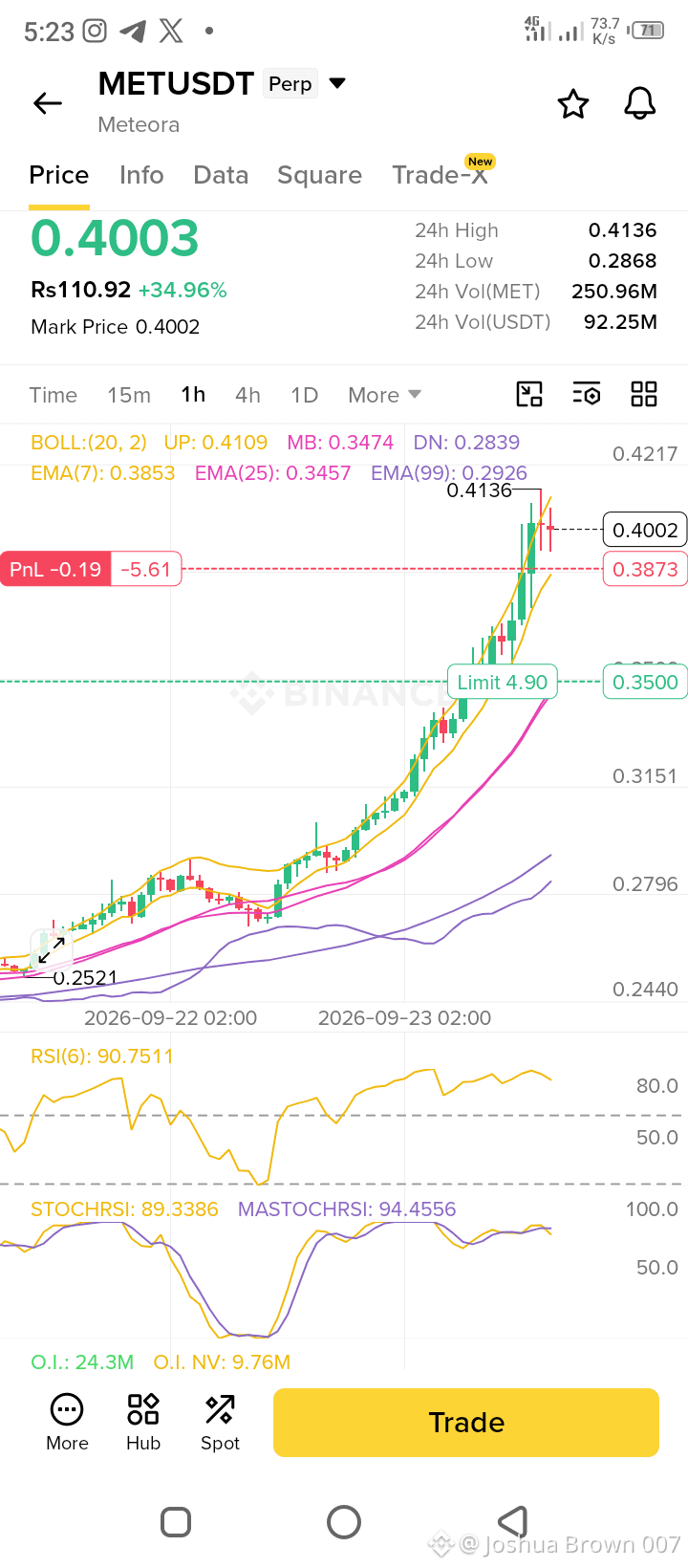
$MET بيع على المكشوف
الدخول 0.4000 - 0.4050
وقف الخسارة 0.4150
جني الأرباح 0.3860 و 0.3490
تنبيه:
إذا عادت الأسعار إلى 0.4136 مع حجم تداول مرتفع وكسرت 0.4217، ادخل صفقة شراء بهدف 0.450. وقف الخسارة عند 0.400.
{future}(METUSDT)
$MET بيع على المكشوف
الدخول 0.4000 - 0.4050
وقف الخسارة 0.4150
جني الأرباح 0.3860 و 0.3490
تنبيه:
إذا عادت الأسعار إلى 0.4136 مع حجم تداول مرتفع وكسرت 0.4217، ادخل صفقة شراء بهدف 0.450. وقف الخسارة عند 0.400.
الدخول 0.4000 - 0.4050
وقف الخسارة 0.4150
جني الأرباح 0.3860 و 0.3490
تنبيه:
إذا عادت الأسعار إلى 0.4136 مع حجم تداول مرتفع وكسرت 0.4217، ادخل صفقة شراء بهدف 0.450. وقف الخسارة عند 0.400.
154
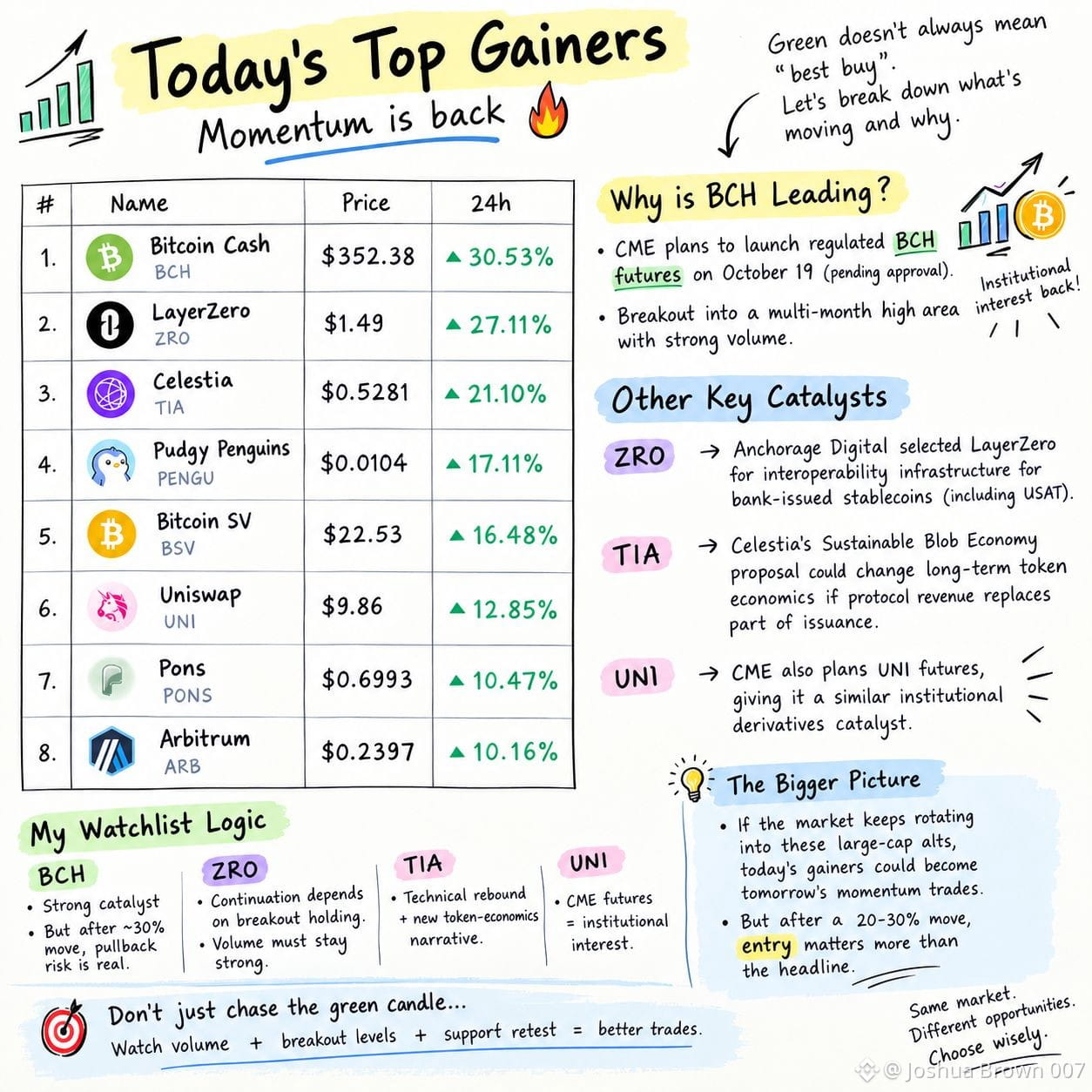
زخم أقوى الرابحين اليوم يعود 🔥
لوحة اليوم مثيرة للاهتمام لأنها ليست مجرد ضخّ للأسهم الصغيرة.
$BCH +30.53%
$ZRO +27.11%
$TIA +21.10%
$PENGU +17.11%
$BSV +16.48%
$UNI +12.85%
$PONS +10.47%
$ARB +10.16%
أكبر قصة هي BCH. الحركة مرتبطة بخطط CME لعقود BCH مستقبلية منظَّمة، والمقررَة في 19 أكتوبر، وذلك رهناً بالموافقة التنظيمية. كما اخترق BCH أيضاً منطقة أعلى متعددة الأشهر مع أحجام تداول مرتفعة.
لكن هذه هي الأهم 👇
العملة التي ارتفعت بالفعل 30% ليست تلقائياً هي العملة التي لديها أكبر مساحة صعود متبقية.
ZRO لديها أيضاً محفّز أساسي مثير للاهتمام: شركة Anchorage Digital اختارت LayerZero كبنية تحتية للتوافق (interoperability) للستابل كوينز الصادرة عن البنوك، بما في ذلك USAT الخاص بـ Tether.
كما تستحق TIA الاهتمام لأن اقتراح Celestia الجديد «اقتصاد Blob المستدام» قد يغيّر اقتصاديات التوكن على المدى الطويل إذا أصبحت عائدات البروتوكول في النهاية تعوّض جزءاً من الإصدار.
منطق قائمة المتابعة الخاصة بي
BCH: أقوى محفّز حالياً، لكن بعد حركة يومية تقارب ~30% فإن مخاطر الهبوط التصحيحي مهمة.
ZRO: الاستمرار يعتمد على ما إذا كان اختراق اليوم ما يزال قائماً وهل تبقى أحجام التداول قوية.
TIA: مزيج مثير للاهتمام بين ارتداد فني + سردية اقتصاديات توكن جديدة.
UNI: لدى CME أيضاً خطط لعقود UNI المستقبلية، ما يمنحها محفّزاً مشابهاً من نوع المشتقات المؤسسية.
لذا بدلًا من مطاردة الشمعة الخضراء الأكبر بشكل أعمى، أراقب حجم التداول + مستوى الاختراق + إعادة اختبار الدعم.
إذا استمر السوق في تدوير الزخم إلى هذه الـ Alts الكبيرة، فقد تصبح رابحين اليوم صفقات زخم الغد—لكن بعد حركة 20–30%، يصبح التوقيت/الدخول أهم من العنوان الرئيسي.
{future}(BCHUSDT)
{future}(ZROUSDT)
{future}(TIAUSDT)
زخم أقوى الرابحين اليوم يعود 🔥
لوحة اليوم مثيرة للاهتمام لأنها ليست مجرد ضخّ للأسهم الصغيرة.
$BCH +30.53%
$ZRO +27.11%
$TIA +21.10%
$PENGU +17.11%
$BSV +16.48%
$UNI +12.85%
$PONS +10.47%
$ARB +10.16%
أكبر قصة هي BCH. الحركة مرتبطة بخطط CME لعقود BCH مستقبلية منظَّمة، والمقررَة في 19 أكتوبر، وذلك رهناً بالموافقة التنظيمية. كما اخترق BCH أيضاً منطقة أعلى متعددة الأشهر مع أحجام تداول مرتفعة.
لكن هذه هي الأهم 👇
العملة التي ارتفعت بالفعل 30% ليست تلقائياً هي العملة التي لديها أكبر مساحة صعود متبقية.
ZRO لديها أيضاً محفّز أساسي مثير للاهتمام: شركة Anchorage Digital اختارت LayerZero كبنية تحتية للتوافق (interoperability) للستابل كوينز الصادرة عن البنوك، بما في ذلك USAT الخاص بـ Tether.
كما تستحق TIA الاهتمام لأن اقتراح Celestia الجديد «اقتصاد Blob المستدام» قد يغيّر اقتصاديات التوكن على المدى الطويل إذا أصبحت عائدات البروتوكول في النهاية تعوّض جزءاً من الإصدار.
منطق قائمة المتابعة الخاصة بي
BCH: أقوى محفّز حالياً، لكن بعد حركة يومية تقارب ~30% فإن مخاطر الهبوط التصحيحي مهمة.
ZRO: الاستمرار يعتمد على ما إذا كان اختراق اليوم ما يزال قائماً وهل تبقى أحجام التداول قوية.
TIA: مزيج مثير للاهتمام بين ارتداد فني + سردية اقتصاديات توكن جديدة.
UNI: لدى CME أيضاً خطط لعقود UNI المستقبلية، ما يمنحها محفّزاً مشابهاً من نوع المشتقات المؤسسية.
لذا بدلًا من مطاردة الشمعة الخضراء الأكبر بشكل أعمى، أراقب حجم التداول + مستوى الاختراق + إعادة اختبار الدعم.
إذا استمر السوق في تدوير الزخم إلى هذه الـ Alts الكبيرة، فقد تصبح رابحين اليوم صفقات زخم الغد—لكن بعد حركة 20–30%، يصبح التوقيت/الدخول أهم من العنوان الرئيسي.
لوحة اليوم مثيرة للاهتمام لأنها ليست مجرد ضخّ للأسهم الصغيرة.
$BCH +30.53%
$ZRO +27.11%
$TIA +21.10%
$PENGU +17.11%
$BSV +16.48%
$UNI +12.85%
$PONS +10.47%
$ARB +10.16%
أكبر قصة هي BCH. الحركة مرتبطة بخطط CME لعقود BCH مستقبلية منظَّمة، والمقررَة في 19 أكتوبر، وذلك رهناً بالموافقة التنظيمية. كما اخترق BCH أيضاً منطقة أعلى متعددة الأشهر مع أحجام تداول مرتفعة.
لكن هذه هي الأهم 👇
العملة التي ارتفعت بالفعل 30% ليست تلقائياً هي العملة التي لديها أكبر مساحة صعود متبقية.
ZRO لديها أيضاً محفّز أساسي مثير للاهتمام: شركة Anchorage Digital اختارت LayerZero كبنية تحتية للتوافق (interoperability) للستابل كوينز الصادرة عن البنوك، بما في ذلك USAT الخاص بـ Tether.
كما تستحق TIA الاهتمام لأن اقتراح Celestia الجديد «اقتصاد Blob المستدام» قد يغيّر اقتصاديات التوكن على المدى الطويل إذا أصبحت عائدات البروتوكول في النهاية تعوّض جزءاً من الإصدار.
منطق قائمة المتابعة الخاصة بي
BCH: أقوى محفّز حالياً، لكن بعد حركة يومية تقارب ~30% فإن مخاطر الهبوط التصحيحي مهمة.
ZRO: الاستمرار يعتمد على ما إذا كان اختراق اليوم ما يزال قائماً وهل تبقى أحجام التداول قوية.
TIA: مزيج مثير للاهتمام بين ارتداد فني + سردية اقتصاديات توكن جديدة.
UNI: لدى CME أيضاً خطط لعقود UNI المستقبلية، ما يمنحها محفّزاً مشابهاً من نوع المشتقات المؤسسية.
لذا بدلًا من مطاردة الشمعة الخضراء الأكبر بشكل أعمى، أراقب حجم التداول + مستوى الاختراق + إعادة اختبار الدعم.
إذا استمر السوق في تدوير الزخم إلى هذه الـ Alts الكبيرة، فقد تصبح رابحين اليوم صفقات زخم الغد—لكن بعد حركة 20–30%، يصبح التوقيت/الدخول أهم من العنوان الرئيسي.
1
303
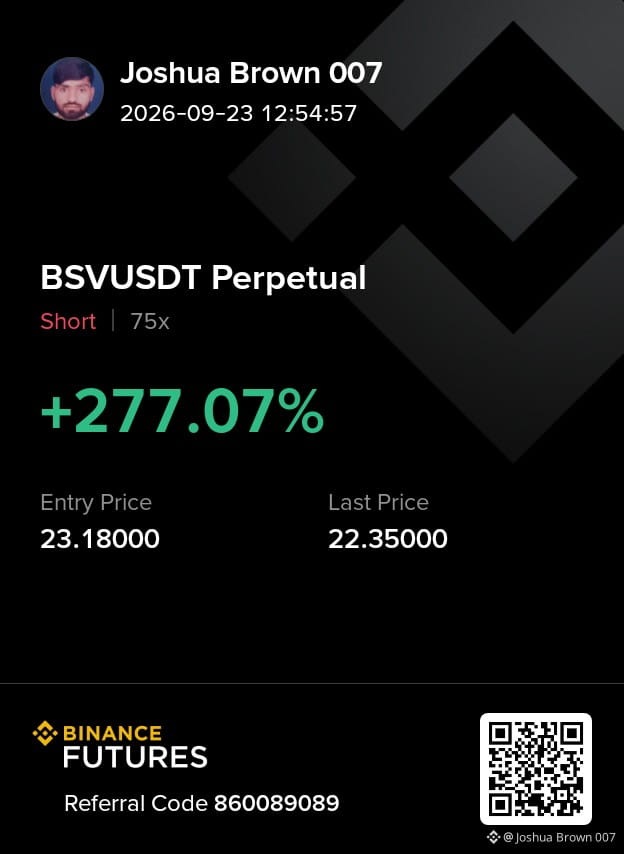
#AIStocksWhatNext
يجب أن تُحسب حاجة التجارة للسوق + الشغف والانتظار حتى تظهر النتيجة😎
{future}(BSVUSDT)
[https://www.binance.info/en/futures/ref/860089089](https://www.binance.info/en/futures/ref/860089089)
#AIStocksWhatNext
يجب أن تُحسب حاجة التجارة للسوق + الشغف والانتظار حتى تظهر النتيجة😎
https://www.binance.info/en/futures/ref/860089089
يجب أن تُحسب حاجة التجارة للسوق + الشغف والانتظار حتى تظهر النتيجة😎
https://www.binance.info/en/futures/ref/860089089
114
مقالة
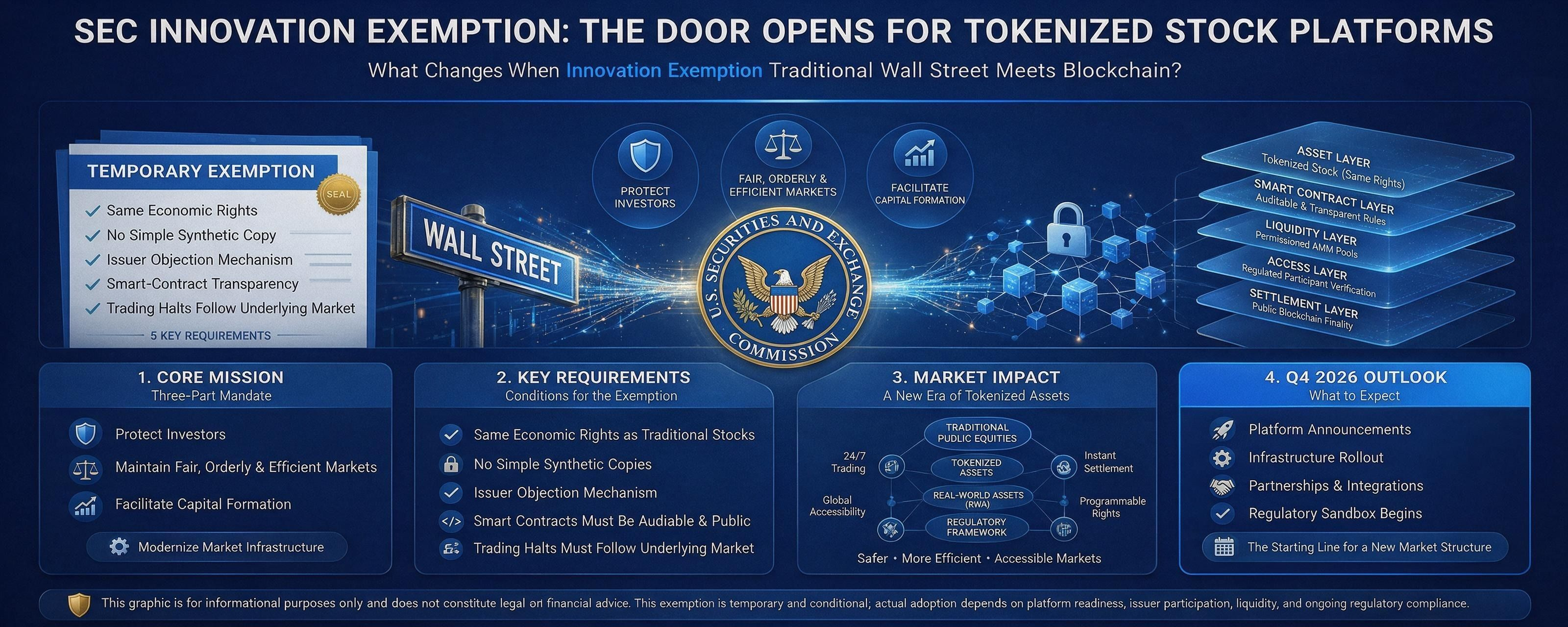
استثناء ابتكار هيئة SEC قد يفتح الباب أمام منصات الأسهم المرمّزة في الربع الرابعهناك شيء مهم يتغير بين وول ستريت التقليدية وتقنية البلوكشين.
في 17 سبتمبر 2026، قدمت هيئة الأوراق المالية والبورصات الأمريكية (SEC) استثناء الابتكار المؤقت الخاص بها، مُنشئةً مسارًا تنظيميًا لتمكين بعض المنصات من تداول الأسهم الأمريكية المرمّزة على منصات مبنية على تقنية البلوكشين. وقد يسمح هذا التطور للمنصات المهتمة بالأسهم المرمّزة بإعلان خططها في وقت مبكر من الربع الرابع من عام 2026.
لكن قبل النظر في تأثير العملات المشفرة، من المهم فهم ما الذي تفعله هيئة الأوراق المالية والبورصات الأمريكية (SEC) فعليًا.
استثناء ابتكار هيئة SEC قد يفتح الباب أمام منصات الأسهم المرمّزة في الربع الرابع
هناك شيء مهم يتغير بين وول ستريت التقليدية وتقنية البلوكشين.
في 17 سبتمبر 2026، قدمت هيئة الأوراق المالية والبورصات الأمريكية (SEC) استثناء الابتكار المؤقت الخاص بها، مُنشئةً مسارًا تنظيميًا لتمكين بعض المنصات من تداول الأسهم الأمريكية المرمّزة على منصات مبنية على تقنية البلوكشين. وقد يسمح هذا التطور للمنصات المهتمة بالأسهم المرمّزة بإعلان خططها في وقت مبكر من الربع الرابع من عام 2026.
لكن قبل النظر في تأثير العملات المشفرة، من المهم فهم ما الذي تفعله هيئة الأوراق المالية والبورصات الأمريكية (SEC) فعليًا.
في 17 سبتمبر 2026، قدمت هيئة الأوراق المالية والبورصات الأمريكية (SEC) استثناء الابتكار المؤقت الخاص بها، مُنشئةً مسارًا تنظيميًا لتمكين بعض المنصات من تداول الأسهم الأمريكية المرمّزة على منصات مبنية على تقنية البلوكشين. وقد يسمح هذا التطور للمنصات المهتمة بالأسهم المرمّزة بإعلان خططها في وقت مبكر من الربع الرابع من عام 2026.
لكن قبل النظر في تأثير العملات المشفرة، من المهم فهم ما الذي تفعله هيئة الأوراق المالية والبورصات الأمريكية (SEC) فعليًا.
1
169
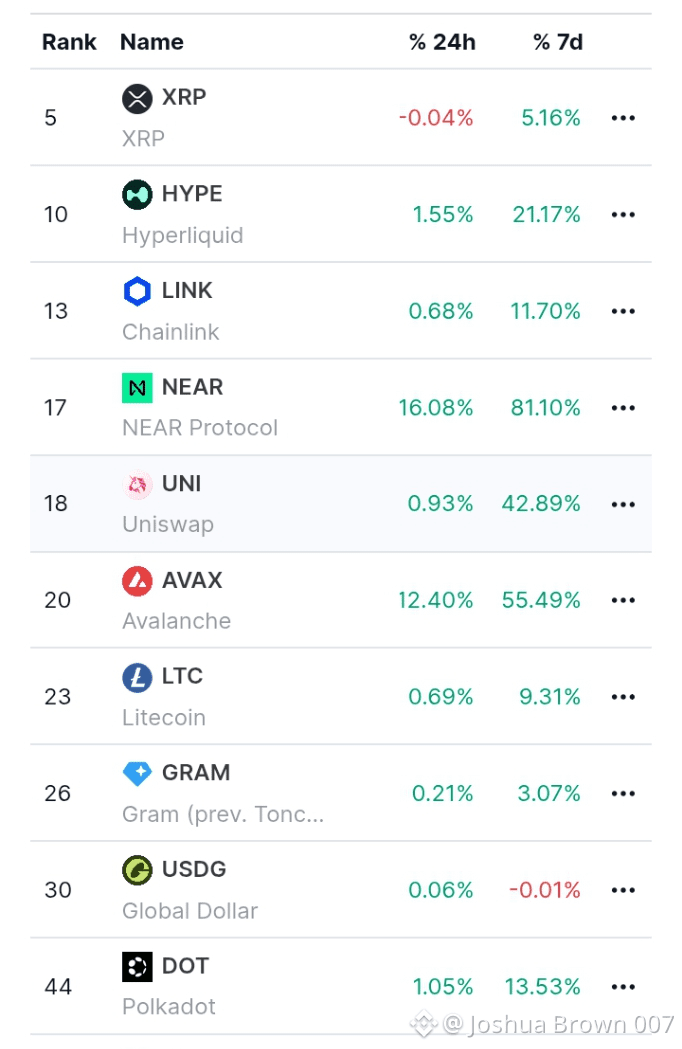
أفضل 10 أصول حسب الحجم | نظرة سريعة على سوق العملات الرقمية – 20 سبتمبر 2026.
الدوران أصبح مثيرًا للاهتمام
تُظهر بيانات 20 سبتمبر زخمًا قويًا لمدة 7 أيام عبر عدة عملات بديلة رئيسية.
🔹 $NEAR: +81.10% في 7D أكبر حركة ضمن هذه المجموعة
🔹 $AVAX: +55.49%
🔹 $UNI: +42.89%
🔹 $HYPE: +21.17%
🔹 $DOT: +13.53%
🔹 $LINK: +11.70%
🔹 $LTC: +9.31%
🔹 $XRP: +5.16%
الجزء المثير للاهتمام هو الحجم.
$XRP تداول 2.69B دولار، و$NEAR 2.05B، و$AVAX 1.48B و$HYPE 854M خلال 24 ساعة.
هذا ليس مجرد تحرك في السعر؛ فالرأس المال والحجم يدوران عبر قطاعات مختلفة.
لكن بعد هذه الارتفاعات الأسبوعية الحادة، يمكن أن يتوسع التذبذب بسرعة.
أنا أراقب ما إذا كان الحجم سيواصل تأكيد الحركة أو يبدأ في التلاشي.
لا ألاحق الشموع. أراقب تدفق الأوامر.
أفضل 10 أصول حسب الحجم | نظرة سريعة على سوق العملات الرقمية – 20 سبتمبر 2026.
الدوران أصبح مثيرًا للاهتمام
تُظهر بيانات 20 سبتمبر زخمًا قويًا لمدة 7 أيام عبر عدة عملات بديلة رئيسية.
🔹 $NEAR: +81.10% في 7D أكبر حركة ضمن هذه المجموعة
🔹 $AVAX: +55.49%
🔹 $UNI: +42.89%
🔹 $HYPE: +21.17%
🔹 $DOT: +13.53%
🔹 $LINK: +11.70%
🔹 $LTC: +9.31%
🔹 $XRP: +5.16%
الجزء المثير للاهتمام هو الحجم.
$XRP تداول 2.69B دولار، و$NEAR 2.05B، و$AVAX 1.48B و$HYPE 854M خلال 24 ساعة.
هذا ليس مجرد تحرك في السعر؛ فالرأس المال والحجم يدوران عبر قطاعات مختلفة.
لكن بعد هذه الارتفاعات الأسبوعية الحادة، يمكن أن يتوسع التذبذب بسرعة.
أنا أراقب ما إذا كان الحجم سيواصل تأكيد الحركة أو يبدأ في التلاشي.
لا ألاحق الشموع. أراقب تدفق الأوامر.
الدوران أصبح مثيرًا للاهتمام
تُظهر بيانات 20 سبتمبر زخمًا قويًا لمدة 7 أيام عبر عدة عملات بديلة رئيسية.
🔹 $NEAR: +81.10% في 7D أكبر حركة ضمن هذه المجموعة
🔹 $AVAX: +55.49%
🔹 $UNI: +42.89%
🔹 $HYPE: +21.17%
🔹 $DOT: +13.53%
🔹 $LINK: +11.70%
🔹 $LTC: +9.31%
🔹 $XRP: +5.16%
الجزء المثير للاهتمام هو الحجم.
$XRP تداول 2.69B دولار، و$NEAR 2.05B، و$AVAX 1.48B و$HYPE 854M خلال 24 ساعة.
هذا ليس مجرد تحرك في السعر؛ فالرأس المال والحجم يدوران عبر قطاعات مختلفة.
لكن بعد هذه الارتفاعات الأسبوعية الحادة، يمكن أن يتوسع التذبذب بسرعة.
أنا أراقب ما إذا كان الحجم سيواصل تأكيد الحركة أو يبدأ في التلاشي.
لا ألاحق الشموع. أراقب تدفق الأوامر.
1
385
$KERNEL يرتفع بشكل حاد، لكن غدًا يبدأ اختبار إمداد.
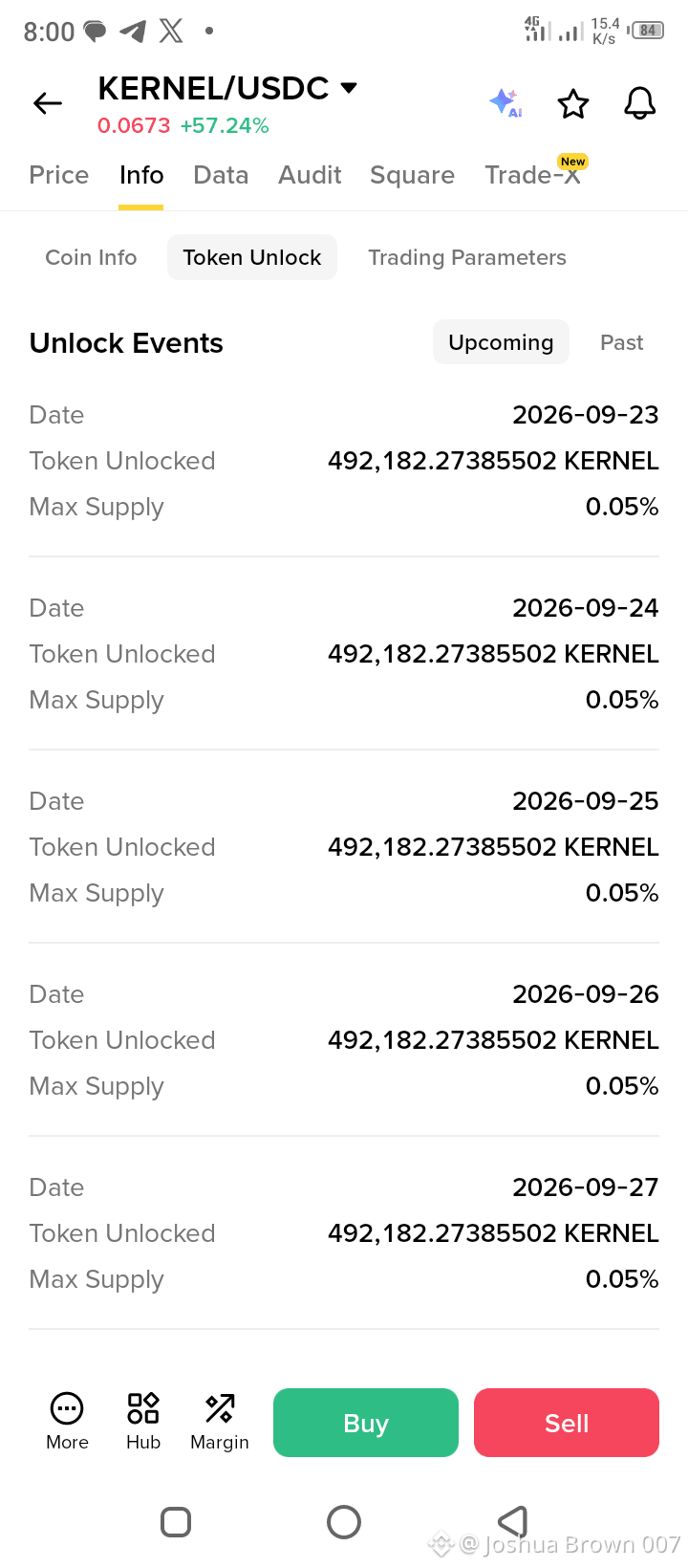
KERNEL عند حوالي 0.0673 دولار، بالفعل +57% على الشاشة التي أتابعها.
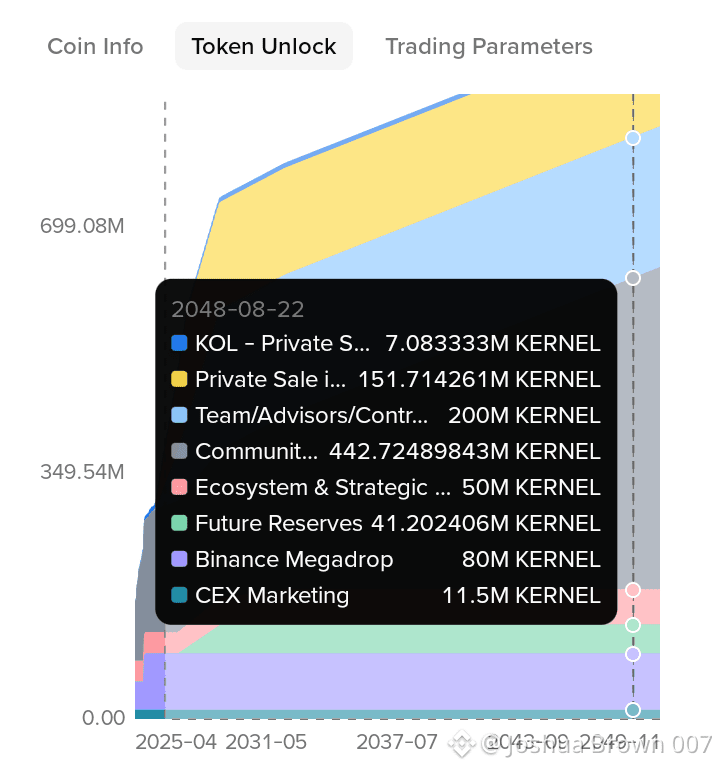
لكن من 23 سبتمبر، يوضح جدول فك القفل (unlock) للرمز:
492,182 KERNEL كل يوم = 0.05% من إجمالي المعروض الأقصى
23 سبتمبر → 24 → 25 → 26 → 27…
تستمر هذه المعدلات نفسها، أي حوالي 1% من إجمالي المعروض الأقصى خلال الأيام الـ20 القادمة.
عند 0.0673 دولار، تبلغ قيمة كل فك قفل يومي ما يقارب 33 ألف دولار من قيمة التوكنات.
قد يبدو ذلك صغيرًا، لكن الإمداد المتداول من KERNEL لا يتجاوز حوالي 28.8% من إجمالي المعروض الأقصى البالغ 1B، لذا فإن حتى إطلاق يومي نسبيًا صغير يزيد المعروض المتاح.
Tokenomist +1
الجزء المثير للاهتمام:
السعر يرتفع +57%، بينما يدخل إمداد جديد يوميًا.
هذا يخلق عاملين:
🟢 حجم تداول قوي يمكنه امتصاص التوكنات الجديدة
🔴 ضعف الطلب قد يحول عمليات فك القفل إلى ضغط بيع
وKERNEL أظهر تاريخيًا تقلبًا ملحوظًا حول أحداث فك قفل أكبر؛ فقد أعقبت عمليات فك القفل السابقة تراجعات في عدة فترات، رغم أن ذلك لا يعني بالضرورة تكرار نفس النمط.
لذلك غدًا سأراقب:
السعر + حجم التداول + تدفقات CEX الداخلة + عمليات فك القفل اليومية
عملية الضخ (pump) قصة.
والإمداد الذي يدخل السوق هو القصة التي سأراقبها بعد ذلك.
#DAO #ARB🔥🔥🔥 #NEARRisesNearly80%InAWeek
{future}(KERNELUSDT)
{future}(ARBUSDT)
{future}(NEARUSDT)
$KERNEL يرتفع بشكل حاد، لكن غدًا يبدأ اختبار إمداد.
KERNEL عند حوالي 0.0673 دولار، بالفعل +57% على الشاشة التي أتابعها.
لكن من 23 سبتمبر، يوضح جدول فك القفل (unlock) للرمز:
492,182 KERNEL كل يوم = 0.05% من إجمالي المعروض الأقصى
23 سبتمبر → 24 → 25 → 26 → 27…
تستمر هذه المعدلات نفسها، أي حوالي 1% من إجمالي المعروض الأقصى خلال الأيام الـ20 القادمة.
عند 0.0673 دولار، تبلغ قيمة كل فك قفل يومي ما يقارب 33 ألف دولار من قيمة التوكنات.
قد يبدو ذلك صغيرًا، لكن الإمداد المتداول من KERNEL لا يتجاوز حوالي 28.8% من إجمالي المعروض الأقصى البالغ 1B، لذا فإن حتى إطلاق يومي نسبيًا صغير يزيد المعروض المتاح.
Tokenomist +1
الجزء المثير للاهتمام:
السعر يرتفع +57%، بينما يدخل إمداد جديد يوميًا.
هذا يخلق عاملين:
🟢 حجم تداول قوي يمكنه امتصاص التوكنات الجديدة
🔴 ضعف الطلب قد يحول عمليات فك القفل إلى ضغط بيع
وKERNEL أظهر تاريخيًا تقلبًا ملحوظًا حول أحداث فك قفل أكبر؛ فقد أعقبت عمليات فك القفل السابقة تراجعات في عدة فترات، رغم أن ذلك لا يعني بالضرورة تكرار نفس النمط.
لذلك غدًا سأراقب:
السعر + حجم التداول + تدفقات CEX الداخلة + عمليات فك القفل اليومية
عملية الضخ (pump) قصة.
والإمداد الذي يدخل السوق هو القصة التي سأراقبها بعد ذلك.
#DAO #ARB🔥🔥🔥 #NEARRisesNearly80%InAWeek
KERNEL عند حوالي 0.0673 دولار، بالفعل +57% على الشاشة التي أتابعها.
لكن من 23 سبتمبر، يوضح جدول فك القفل (unlock) للرمز:
492,182 KERNEL كل يوم = 0.05% من إجمالي المعروض الأقصى
23 سبتمبر → 24 → 25 → 26 → 27…
تستمر هذه المعدلات نفسها، أي حوالي 1% من إجمالي المعروض الأقصى خلال الأيام الـ20 القادمة.
عند 0.0673 دولار، تبلغ قيمة كل فك قفل يومي ما يقارب 33 ألف دولار من قيمة التوكنات.
قد يبدو ذلك صغيرًا، لكن الإمداد المتداول من KERNEL لا يتجاوز حوالي 28.8% من إجمالي المعروض الأقصى البالغ 1B، لذا فإن حتى إطلاق يومي نسبيًا صغير يزيد المعروض المتاح.
Tokenomist +1
الجزء المثير للاهتمام:
السعر يرتفع +57%، بينما يدخل إمداد جديد يوميًا.
هذا يخلق عاملين:
🟢 حجم تداول قوي يمكنه امتصاص التوكنات الجديدة
🔴 ضعف الطلب قد يحول عمليات فك القفل إلى ضغط بيع
وKERNEL أظهر تاريخيًا تقلبًا ملحوظًا حول أحداث فك قفل أكبر؛ فقد أعقبت عمليات فك القفل السابقة تراجعات في عدة فترات، رغم أن ذلك لا يعني بالضرورة تكرار نفس النمط.
لذلك غدًا سأراقب:
السعر + حجم التداول + تدفقات CEX الداخلة + عمليات فك القفل اليومية
عملية الضخ (pump) قصة.
والإمداد الذي يدخل السوق هو القصة التي سأراقبها بعد ذلك.
#DAO #ARB🔥🔥🔥 #NEARRisesNearly80%InAWeek
1
1
449
#Binance
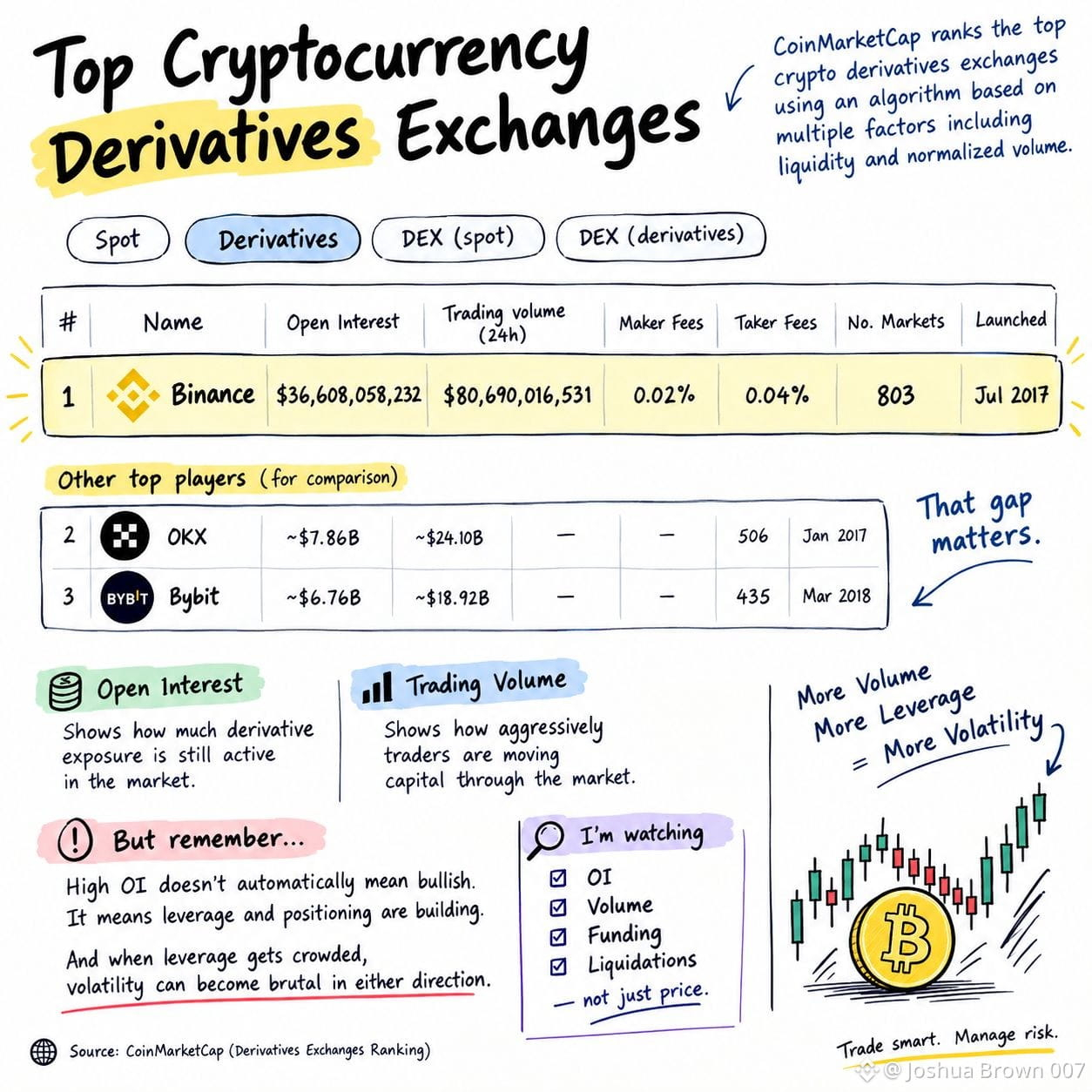
راجعت أحدث بيانات مشتقات CoinMarketCap، وبرزت حقيقة واحدة فورًا:
تظل بورصة Binance ضمن منظومة $BNB مسيطرة على سوق المشتقات.
Binance • 35.09B دولار الفائدة المفتوحة (Open Interest) • 51.10B دولار حجم مشتقات خلال 24 ساعة • 803 أسواق • 0.02% عمولة صانع • 0.04% عمولة متلقّي
للمقارنة، لدى OKX نحو 7.86B دولار OI، ولدى Bybit نحو 6.76B.
هذا الفارق يهم.
تُظهر الفائدة المفتوحة مقدار التعرض للمشتقات الذي لا يزال نشطًا، بينما يُظهر الحجم مدى قوة تحرّك المتداولين في السوق وتدفق رأس المال.
لكن تذكّر: ارتفاع الفائدة المفتوحة لا يعني تلقائيًا صعودًا.
إنه يعني أن الرافعة المالية والتمركز آخذان في التراكم.
وعندما تزدحم الرافعة، قد تصبح التقلبات قاسية في أي اتجاه.
أنا أراقب الفائدة المفتوحة + الحجم + التمويل + عمليات التصفية معًا، لا مجرد السعر.
{spot}(BNBUSDT)
$PHA
{future}(PHAUSDT)
$SUI
{future}(SUIUSDT)
#Binance
راجعت أحدث بيانات مشتقات CoinMarketCap، وبرزت حقيقة واحدة فورًا:
تظل بورصة Binance ضمن منظومة $BNB مسيطرة على سوق المشتقات.
Binance • 35.09B دولار الفائدة المفتوحة (Open Interest) • 51.10B دولار حجم مشتقات خلال 24 ساعة • 803 أسواق • 0.02% عمولة صانع • 0.04% عمولة متلقّي
للمقارنة، لدى OKX نحو 7.86B دولار OI، ولدى Bybit نحو 6.76B.
هذا الفارق يهم.
تُظهر الفائدة المفتوحة مقدار التعرض للمشتقات الذي لا يزال نشطًا، بينما يُظهر الحجم مدى قوة تحرّك المتداولين في السوق وتدفق رأس المال.
لكن تذكّر: ارتفاع الفائدة المفتوحة لا يعني تلقائيًا صعودًا.
إنه يعني أن الرافعة المالية والتمركز آخذان في التراكم.
وعندما تزدحم الرافعة، قد تصبح التقلبات قاسية في أي اتجاه.
أنا أراقب الفائدة المفتوحة + الحجم + التمويل + عمليات التصفية معًا، لا مجرد السعر.
$PHA
$SUI
راجعت أحدث بيانات مشتقات CoinMarketCap، وبرزت حقيقة واحدة فورًا:
تظل بورصة Binance ضمن منظومة $BNB مسيطرة على سوق المشتقات.
Binance • 35.09B دولار الفائدة المفتوحة (Open Interest) • 51.10B دولار حجم مشتقات خلال 24 ساعة • 803 أسواق • 0.02% عمولة صانع • 0.04% عمولة متلقّي
للمقارنة، لدى OKX نحو 7.86B دولار OI، ولدى Bybit نحو 6.76B.
هذا الفارق يهم.
تُظهر الفائدة المفتوحة مقدار التعرض للمشتقات الذي لا يزال نشطًا، بينما يُظهر الحجم مدى قوة تحرّك المتداولين في السوق وتدفق رأس المال.
لكن تذكّر: ارتفاع الفائدة المفتوحة لا يعني تلقائيًا صعودًا.
إنه يعني أن الرافعة المالية والتمركز آخذان في التراكم.
وعندما تزدحم الرافعة، قد تصبح التقلبات قاسية في أي اتجاه.
أنا أراقب الفائدة المفتوحة + الحجم + التمويل + عمليات التصفية معًا، لا مجرد السعر.
$PHA
$SUI
1
205
#BTC☀
هل أنت تنتظر انخفاض 64 ألف دولار للبيتكوين؟ دعنا نلقي نظرة على شراء المؤسسات والطلب.
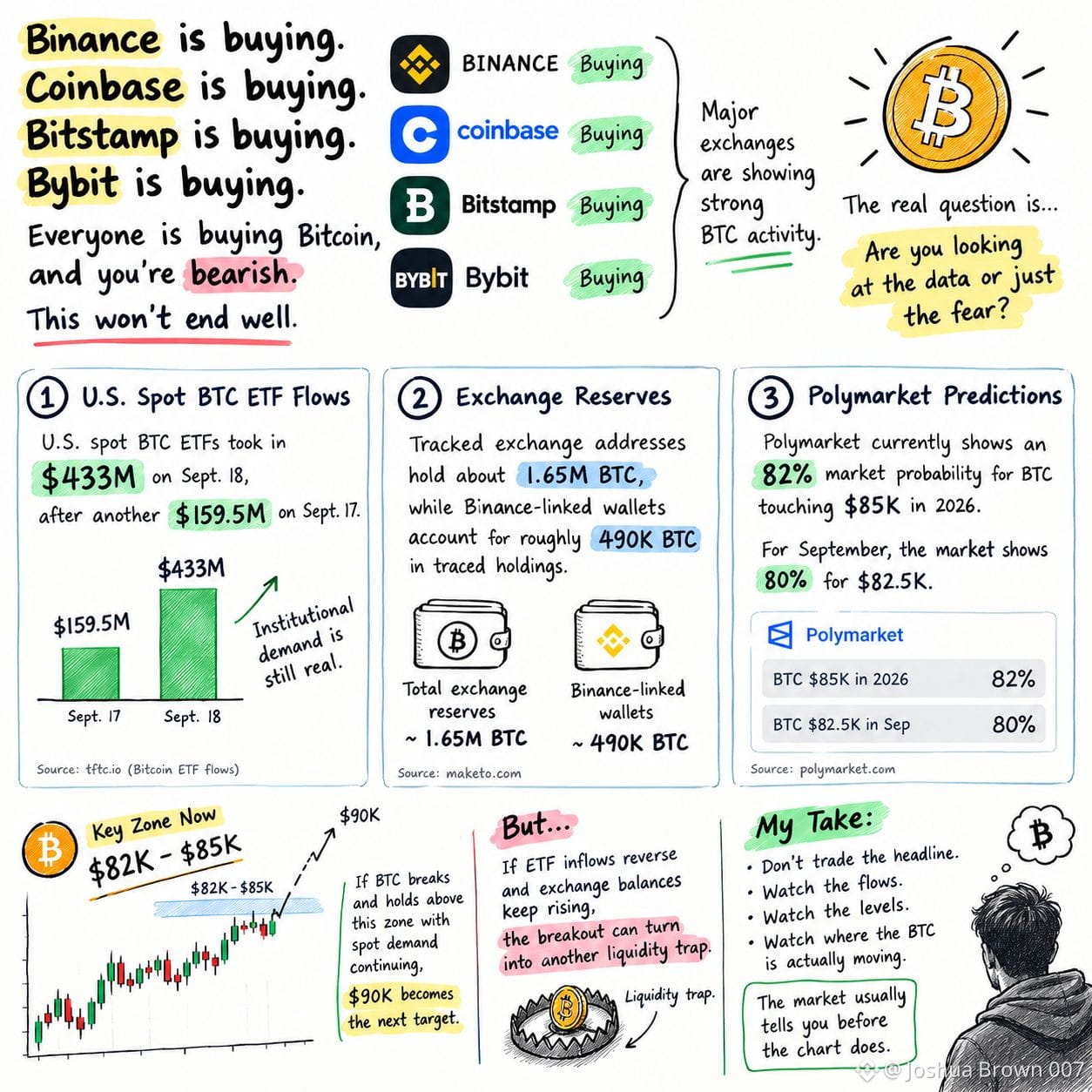
الجزء المثير للاهتمام ليس فقط السرد، بل أن البيانات بدأت تُظهر انقسامًا بين سيولة البورصات والطلب المؤسسي.
تشير بيانات حديثة إلى أن صناديق BTC الفورية المتداولة في الولايات المتحدة استقبلت 433 مليون دولار في 18 سبتمبر، بعد 159.5 مليون دولار أخرى في 17 سبتمبر.
TFTC +1
وفي الوقت نفسه، تحتفظ عناوين البورصات التي يتم تتبعها بنحو 1.65 مليون BTC، بينما تمثل المحافظ المرتبطة بـ Binance حوالي 490 ألف BTC ضمن الحيازات المُتتبَّعة.
وفي الوقت الحالي، تُظهر Polymarket احتمالًا بنسبة 82% بأن يلامس BTC مستوى 85 ألف دولار في 2026، بينما يُظهر سوق سبتمبر احتمالًا بنسبة 80% للوصول إلى 82.5 ألف دولار.
وجهة نظري:
منطقة 82 ألف إلى 85 ألف هي المنطقة الرئيسية الآن.
إذا اخترق BTC وثبت فوقها مع استمرار الطلب الفوري، فستصبح 90 ألف دولار هي الهدف النفسي التالي.
لكن إذا انعكس تدفق الأموال إلى صناديق الاستثمار وتواصل ارتفاع أرصدة البورصات، فقد تتحول الاختراقات إلى فخ سيولة آخر.
لا تتاجر بالعناوين الرئيسية.
راقب التدفقات. راقب المستويات. راقب مكان تحرّك BTC فعليًا.
السوق عادةً يخبرك قبل أن تخبرك الرسوم البيانية.$BTC
{spot}(BTCUSDT)
#BTC☀
هل أنت تنتظر انخفاض 64 ألف دولار للبيتكوين؟ دعنا نلقي نظرة على شراء المؤسسات والطلب.
الجزء المثير للاهتمام ليس فقط السرد، بل أن البيانات بدأت تُظهر انقسامًا بين سيولة البورصات والطلب المؤسسي.
تشير بيانات حديثة إلى أن صناديق BTC الفورية المتداولة في الولايات المتحدة استقبلت 433 مليون دولار في 18 سبتمبر، بعد 159.5 مليون دولار أخرى في 17 سبتمبر.
TFTC +1
وفي الوقت نفسه، تحتفظ عناوين البورصات التي يتم تتبعها بنحو 1.65 مليون BTC، بينما تمثل المحافظ المرتبطة بـ Binance حوالي 490 ألف BTC ضمن الحيازات المُتتبَّعة.
وفي الوقت الحالي، تُظهر Polymarket احتمالًا بنسبة 82% بأن يلامس BTC مستوى 85 ألف دولار في 2026، بينما يُظهر سوق سبتمبر احتمالًا بنسبة 80% للوصول إلى 82.5 ألف دولار.
وجهة نظري:
منطقة 82 ألف إلى 85 ألف هي المنطقة الرئيسية الآن.
إذا اخترق BTC وثبت فوقها مع استمرار الطلب الفوري، فستصبح 90 ألف دولار هي الهدف النفسي التالي.
لكن إذا انعكس تدفق الأموال إلى صناديق الاستثمار وتواصل ارتفاع أرصدة البورصات، فقد تتحول الاختراقات إلى فخ سيولة آخر.
لا تتاجر بالعناوين الرئيسية.
راقب التدفقات. راقب المستويات. راقب مكان تحرّك BTC فعليًا.
السوق عادةً يخبرك قبل أن تخبرك الرسوم البيانية.$BTC
هل أنت تنتظر انخفاض 64 ألف دولار للبيتكوين؟ دعنا نلقي نظرة على شراء المؤسسات والطلب.
الجزء المثير للاهتمام ليس فقط السرد، بل أن البيانات بدأت تُظهر انقسامًا بين سيولة البورصات والطلب المؤسسي.
تشير بيانات حديثة إلى أن صناديق BTC الفورية المتداولة في الولايات المتحدة استقبلت 433 مليون دولار في 18 سبتمبر، بعد 159.5 مليون دولار أخرى في 17 سبتمبر.
TFTC +1
وفي الوقت نفسه، تحتفظ عناوين البورصات التي يتم تتبعها بنحو 1.65 مليون BTC، بينما تمثل المحافظ المرتبطة بـ Binance حوالي 490 ألف BTC ضمن الحيازات المُتتبَّعة.
وفي الوقت الحالي، تُظهر Polymarket احتمالًا بنسبة 82% بأن يلامس BTC مستوى 85 ألف دولار في 2026، بينما يُظهر سوق سبتمبر احتمالًا بنسبة 80% للوصول إلى 82.5 ألف دولار.
وجهة نظري:
منطقة 82 ألف إلى 85 ألف هي المنطقة الرئيسية الآن.
إذا اخترق BTC وثبت فوقها مع استمرار الطلب الفوري، فستصبح 90 ألف دولار هي الهدف النفسي التالي.
لكن إذا انعكس تدفق الأموال إلى صناديق الاستثمار وتواصل ارتفاع أرصدة البورصات، فقد تتحول الاختراقات إلى فخ سيولة آخر.
لا تتاجر بالعناوين الرئيسية.
راقب التدفقات. راقب المستويات. راقب مكان تحرّك BTC فعليًا.
السوق عادةً يخبرك قبل أن تخبرك الرسوم البيانية.$BTC
1
67
$TRUMP تنبيه على السلسلة
فريق عملة “ترامب ميم” قام للتو بنقل مبلغ آخر قدره 8.73 مليون $TRUMP (≈ 17.99 مليون دولار) إلى حراسة BitGo.
وبذلك يصبح إجمالي أسبوعين نحو 31 مليون TRUMP، بقيمة ≈ 70.64 مليون دولار.
لكن إليك الجزء المهم:
⚠️ حراسة BitGo ≠ بيع مُؤكَّد.
لذا أنا أراقب حركة المحفظة التالية، ولا أفترض بشكل تلقائي حدوث “تفريغ”.
📉 تأثير السعر في حال اتباع البيع:
قد يؤدي دخول سيولة كبيرة مرتبطة بفريق في السوق إلى زيادة ضغط البيع وإضعاف الدعم. وإذا ظهرت إيداعات إلى البورصات لاحقًا، فإن خطر حدوث حركة أشد يزيد.
📊 مستويات فنية يجب مراقبتها:
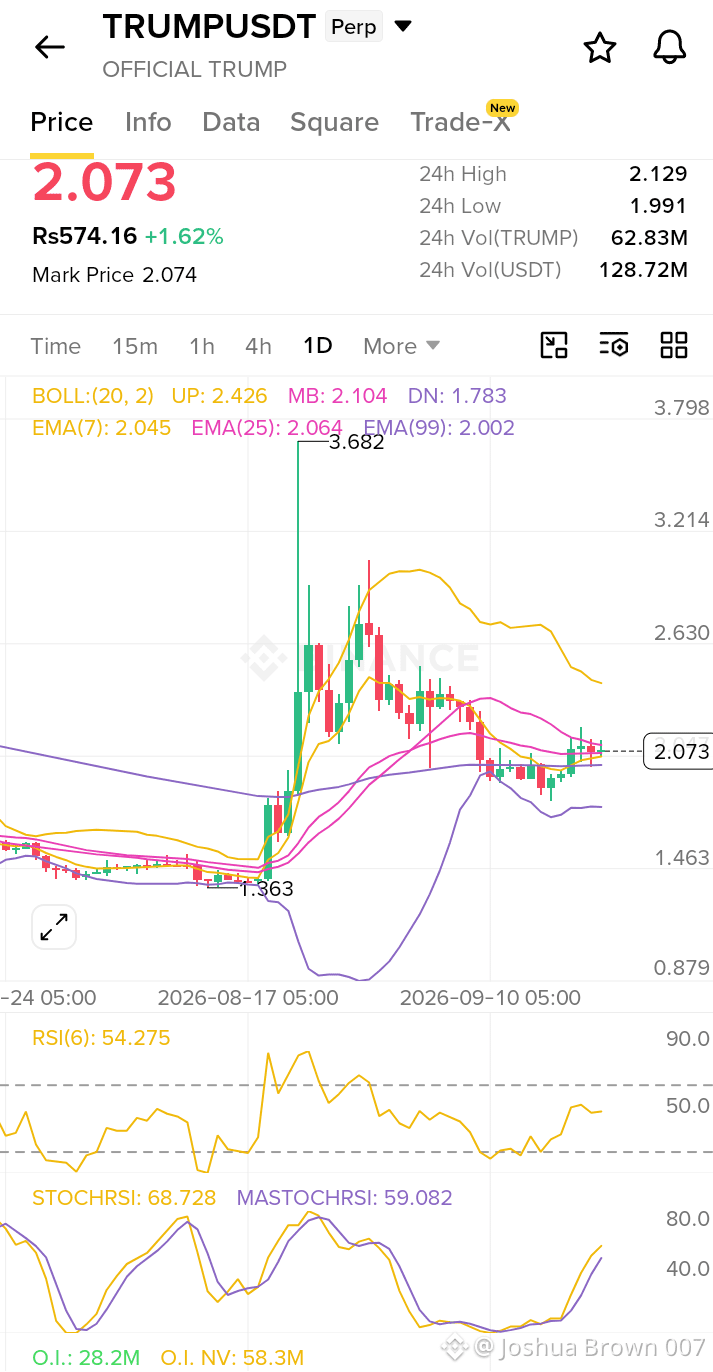
تضع التقارير الحالية $TRUMP حول 2.05 دولار، مع مقاومة قرب 2.14 ودعم قرب 1.96. كما أن السعر قريب من منطقة متوسطات EMA عند 50/200، ما يجعلها منطقة مهمة للتأكيد.
نهجي: لا تذعر وتبيع بخسارة. ولا تشتري الانخفاض بشكل أعمى.
راقب: → BitGo → تحويلات إلى البورصة
→ حجم التداول الفوري
→ دعم 1.96
→ اختراق 2.14
→ تدفقات خارج/داخل المحافظ
إذا كُسِر 1.96 بحجم قوي، فقد يتسارع ضغط الهبوط.
إذا تم استرداد 2.14 بحجم تداول فوري قوي، فقد يستطيع السوق امتصاص المعروض.
تدفق على السلسلة أولًا. تأكيد السعر ثانيًا.
{future}(TRUMPUSDT)
{future}(MELANIAUSDT)
{future}(WLFIUSDT)
#TrumpCrypto #XRPExchangeReservesHitSevenYearLow #trumpcoin
$TRUMP تنبيه على السلسلة
فريق عملة “ترامب ميم” قام للتو بنقل مبلغ آخر قدره 8.73 مليون $TRUMP (≈ 17.99 مليون دولار) إلى حراسة BitGo.
وبذلك يصبح إجمالي أسبوعين نحو 31 مليون TRUMP، بقيمة ≈ 70.64 مليون دولار.
لكن إليك الجزء المهم:
⚠️ حراسة BitGo ≠ بيع مُؤكَّد.
لذا أنا أراقب حركة المحفظة التالية، ولا أفترض بشكل تلقائي حدوث “تفريغ”.
📉 تأثير السعر في حال اتباع البيع:
قد يؤدي دخول سيولة كبيرة مرتبطة بفريق في السوق إلى زيادة ضغط البيع وإضعاف الدعم. وإذا ظهرت إيداعات إلى البورصات لاحقًا، فإن خطر حدوث حركة أشد يزيد.
📊 مستويات فنية يجب مراقبتها:
تضع التقارير الحالية $TRUMP حول 2.05 دولار، مع مقاومة قرب 2.14 ودعم قرب 1.96. كما أن السعر قريب من منطقة متوسطات EMA عند 50/200، ما يجعلها منطقة مهمة للتأكيد.
نهجي: لا تذعر وتبيع بخسارة. ولا تشتري الانخفاض بشكل أعمى.
راقب: → BitGo → تحويلات إلى البورصة
→ حجم التداول الفوري
→ دعم 1.96
→ اختراق 2.14
→ تدفقات خارج/داخل المحافظ
إذا كُسِر 1.96 بحجم قوي، فقد يتسارع ضغط الهبوط.
إذا تم استرداد 2.14 بحجم تداول فوري قوي، فقد يستطيع السوق امتصاص المعروض.
تدفق على السلسلة أولًا. تأكيد السعر ثانيًا.
#TrumpCrypto #XRPExchangeReservesHitSevenYearLow #trumpcoin
فريق عملة “ترامب ميم” قام للتو بنقل مبلغ آخر قدره 8.73 مليون $TRUMP (≈ 17.99 مليون دولار) إلى حراسة BitGo.
وبذلك يصبح إجمالي أسبوعين نحو 31 مليون TRUMP، بقيمة ≈ 70.64 مليون دولار.
لكن إليك الجزء المهم:
⚠️ حراسة BitGo ≠ بيع مُؤكَّد.
لذا أنا أراقب حركة المحفظة التالية، ولا أفترض بشكل تلقائي حدوث “تفريغ”.
📉 تأثير السعر في حال اتباع البيع:
قد يؤدي دخول سيولة كبيرة مرتبطة بفريق في السوق إلى زيادة ضغط البيع وإضعاف الدعم. وإذا ظهرت إيداعات إلى البورصات لاحقًا، فإن خطر حدوث حركة أشد يزيد.
📊 مستويات فنية يجب مراقبتها:
تضع التقارير الحالية $TRUMP حول 2.05 دولار، مع مقاومة قرب 2.14 ودعم قرب 1.96. كما أن السعر قريب من منطقة متوسطات EMA عند 50/200، ما يجعلها منطقة مهمة للتأكيد.
نهجي: لا تذعر وتبيع بخسارة. ولا تشتري الانخفاض بشكل أعمى.
راقب: → BitGo → تحويلات إلى البورصة
→ حجم التداول الفوري
→ دعم 1.96
→ اختراق 2.14
→ تدفقات خارج/داخل المحافظ
إذا كُسِر 1.96 بحجم قوي، فقد يتسارع ضغط الهبوط.
إذا تم استرداد 2.14 بحجم تداول فوري قوي، فقد يستطيع السوق امتصاص المعروض.
تدفق على السلسلة أولًا. تأكيد السعر ثانيًا.
#TrumpCrypto #XRPExchangeReservesHitSevenYearLow #trumpcoin

1
670
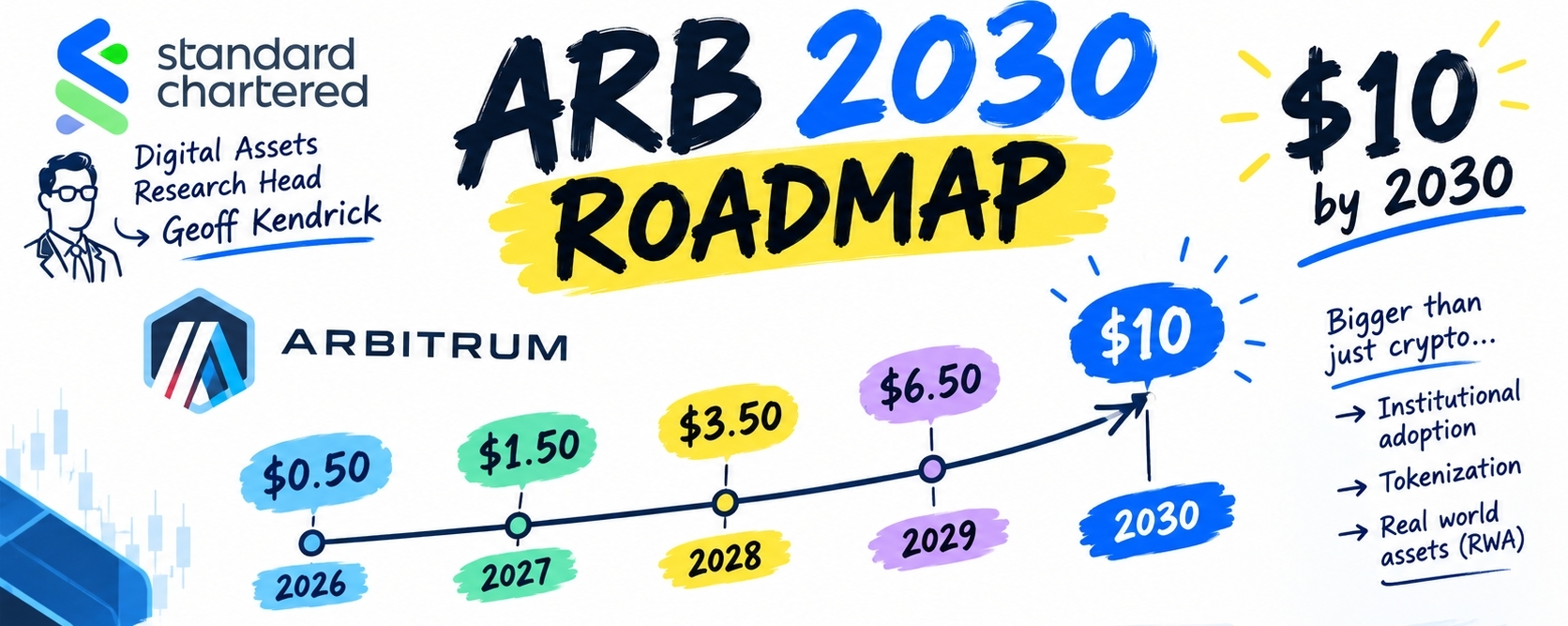
مقالة
خارطة ARB حتى 2030 بواسطة رئيس أبحاث الأصول الرقمية في ستاندرد تشارترد،جيـوف كندريكرئيس أبحاث الأصول الرقمية في ستاندرد تشارترد، جيوف كندريك، أطلق للتو هدفًا سعريًا طويل الأجل كبيرًا قدره $10 مقابل أربيتـروم (ARB) بحلول نهاية عام 2030. وباستخدام سعر مرجعي أساسي قدره $0.14، رسم البنك مسارًا تصاعديًا عدوانيًا على شكل سلالم:
2026 الهدف: $0.50
2027 الهدف: $1.50
2028 الهدف: $3.50
2029 الهدف: $6.50
2030 الهدف: $10.00
التحدي
على الرغم من أن توقع نمو بمقدار 70x من بنك عالمي كبير يبدو وكأنه فوز سهل، فإننا نحتاج إلى سد الفجوة بين النظرية المؤسسية والبيانات الباردة الصعبة على الرسم البياني.
خارطة ARB حتى 2030 بواسطة رئيس أبحاث الأصول الرقمية في ستاندرد تشارترد،جيـوف كندريك
رئيس أبحاث الأصول الرقمية في ستاندرد تشارترد، جيوف كندريك، أطلق للتو هدفًا سعريًا طويل الأجل كبيرًا قدره $10 مقابل أربيتـروم (ARB) بحلول نهاية عام 2030. وباستخدام سعر مرجعي أساسي قدره $0.14، رسم البنك مسارًا تصاعديًا عدوانيًا على شكل سلالم:
2026 الهدف: $0.50
2027 الهدف: $1.50
2028 الهدف: $3.50
2029 الهدف: $6.50
2030 الهدف: $10.00
التحدي
على الرغم من أن توقع نمو بمقدار 70x من بنك عالمي كبير يبدو وكأنه فوز سهل، فإننا نحتاج إلى سد الفجوة بين النظرية المؤسسية والبيانات الباردة الصعبة على الرسم البياني.
2026 الهدف: $0.50
2027 الهدف: $1.50
2028 الهدف: $3.50
2029 الهدف: $6.50
2030 الهدف: $10.00
التحدي
على الرغم من أن توقع نمو بمقدار 70x من بنك عالمي كبير يبدو وكأنه فوز سهل، فإننا نحتاج إلى سد الفجوة بين النظرية المؤسسية والبيانات الباردة الصعبة على الرسم البياني.
2
16
19.8k
$CELR إعداد تداول على شمعة 1H
إذا أغلقت فوق 0.0042 شراء (LONG)
TP 0.0045 و 0.0050
SL 0.0037
إذا أغلقت شمعة 1H تحت 0.003097 بيع (Short)
ارتفاع مفاجئ في حجم البيع يكسر دعم 0.0030.
{future}(CELRUSDT)
$CELR إعداد تداول على شمعة 1H
إذا أغلقت فوق 0.0042 شراء (LONG)
TP 0.0045 و 0.0050
SL 0.0037
إذا أغلقت شمعة 1H تحت 0.003097 بيع (Short)
ارتفاع مفاجئ في حجم البيع يكسر دعم 0.0030.
إذا أغلقت فوق 0.0042 شراء (LONG)
TP 0.0045 و 0.0050
SL 0.0037
إذا أغلقت شمعة 1H تحت 0.003097 بيع (Short)
ارتفاع مفاجئ في حجم البيع يكسر دعم 0.0030.
1
99
#Binance
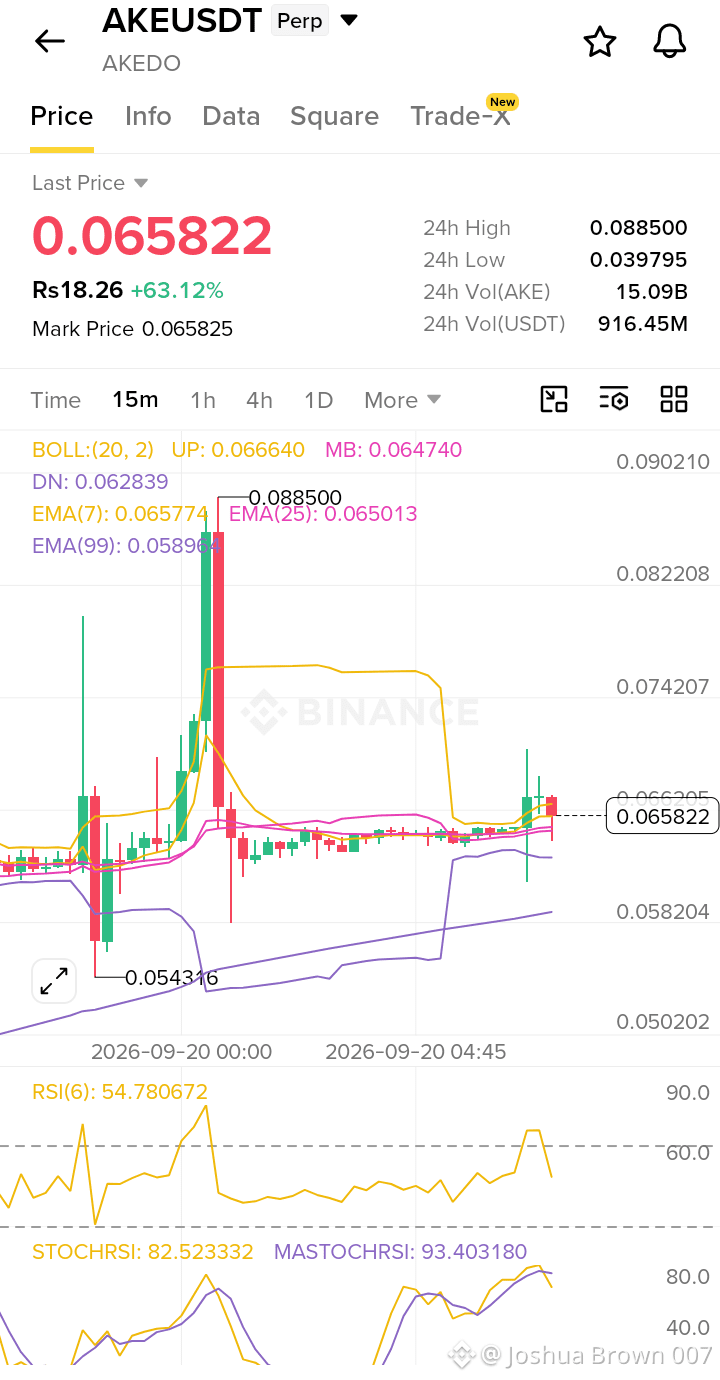
AKEUSDT $AKE يبدو وكأنه فخ "شراء ثم تصريف" بنمط كتابي في الوقت الحالي. إذا كنت متداولًا فرديًا، فعليك الابتعاد عنه تمامًا وتجنب إلقاء أموالك التي كسبتها بشق الأنفس في سفينة تغرق.
إليك بالضبط ما يكشفه الرسم البياني:
الذيل الكبير (Wick) : تلك الوتيرة الحمراء العمودية الضخمة تليها ذيل علوي طويل تُعد إشارة تحذير كبيرة. فهي تُظهر أن المطلعين والمشترين الأوائل دفعوا السعر للأعلى إلى 0.088500، ثم قاموا فورًا بتفريغ أحمالهم الثقيلة على المتأخرين، وأجبروا السعر على الهبوط مباشرة.
الحجم المحبوس (Trapped Volume) : انظر إلى حجم التداول الكبير خلال 24 ساعة والذي يبلغ 15.09B AKE. كمية هائلة من السيولة تحركت عبر هذا الرمز في نافذة زمنية قصيرة جدًا، وهذا بالضبط كيف يخرج المُنشئون والحيتان من مراكزهم مع ترك المتداولين اليوميين ممسوكين بالحقائب.
ضجيج مفتعل: رؤية الرمز مرتفعًا +63.12% في اليوم تبدو مغرية، لكنها مضللة للغاية. حركة السعر هدأت بالفعل بشكل كبير بعد الانهيار، ما يشير إلى أن الزخم الاصطناعي الأولي يتلاشى.
عندما تتحرك الرموز بهذه الطريقة، يخسر المتداولون الأفراد تقريبًا دائمًا. اللعبة مُهيأة بالكامل من قِبل الأشخاص الذين يتحكمون في العرض. لا تدع FOMO (الخوف من فوات الفرصة) يسيطر عليك؛ احمِ رأس مالك وابحث عن مشاريع لديها مضمون حقيقي.
الأصدقاء لا تنجرفون بالجشع؛ الأمر ليس مجرد زوج واحد للتداول على Binance😁
{future}(AKEUSDT)
{future}(ONEUSDT)
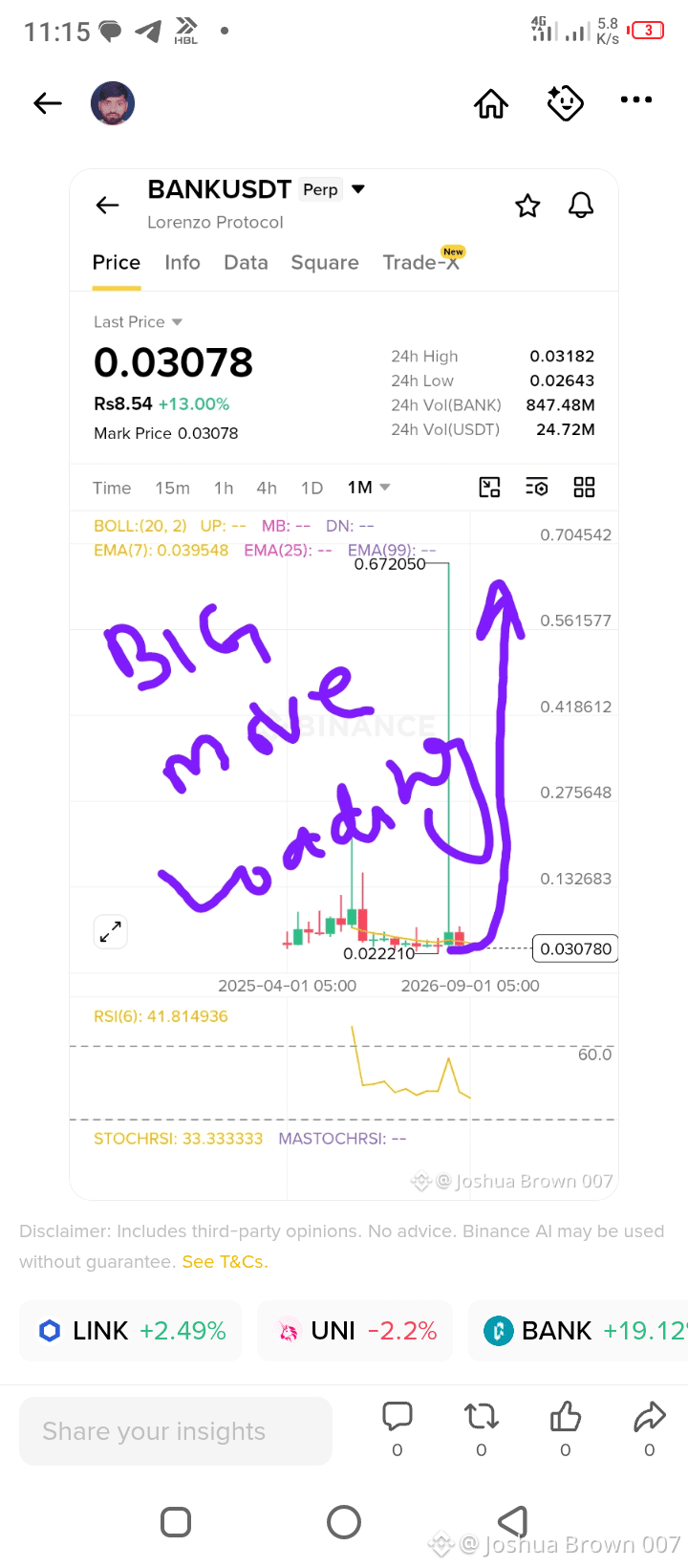
{future}(BANKUSDT)
#Binance
AKEUSDT $AKE يبدو وكأنه فخ "شراء ثم تصريف" بنمط كتابي في الوقت الحالي. إذا كنت متداولًا فرديًا، فعليك الابتعاد عنه تمامًا وتجنب إلقاء أموالك التي كسبتها بشق الأنفس في سفينة تغرق.
إليك بالضبط ما يكشفه الرسم البياني:
الذيل الكبير (Wick) : تلك الوتيرة الحمراء العمودية الضخمة تليها ذيل علوي طويل تُعد إشارة تحذير كبيرة. فهي تُظهر أن المطلعين والمشترين الأوائل دفعوا السعر للأعلى إلى 0.088500، ثم قاموا فورًا بتفريغ أحمالهم الثقيلة على المتأخرين، وأجبروا السعر على الهبوط مباشرة.
الحجم المحبوس (Trapped Volume) : انظر إلى حجم التداول الكبير خلال 24 ساعة والذي يبلغ 15.09B AKE. كمية هائلة من السيولة تحركت عبر هذا الرمز في نافذة زمنية قصيرة جدًا، وهذا بالضبط كيف يخرج المُنشئون والحيتان من مراكزهم مع ترك المتداولين اليوميين ممسوكين بالحقائب.
ضجيج مفتعل: رؤية الرمز مرتفعًا +63.12% في اليوم تبدو مغرية، لكنها مضللة للغاية. حركة السعر هدأت بالفعل بشكل كبير بعد الانهيار، ما يشير إلى أن الزخم الاصطناعي الأولي يتلاشى.
عندما تتحرك الرموز بهذه الطريقة، يخسر المتداولون الأفراد تقريبًا دائمًا. اللعبة مُهيأة بالكامل من قِبل الأشخاص الذين يتحكمون في العرض. لا تدع FOMO (الخوف من فوات الفرصة) يسيطر عليك؛ احمِ رأس مالك وابحث عن مشاريع لديها مضمون حقيقي.
الأصدقاء لا تنجرفون بالجشع؛ الأمر ليس مجرد زوج واحد للتداول على Binance😁
AKEUSDT $AKE يبدو وكأنه فخ "شراء ثم تصريف" بنمط كتابي في الوقت الحالي. إذا كنت متداولًا فرديًا، فعليك الابتعاد عنه تمامًا وتجنب إلقاء أموالك التي كسبتها بشق الأنفس في سفينة تغرق.
إليك بالضبط ما يكشفه الرسم البياني:
الذيل الكبير (Wick) : تلك الوتيرة الحمراء العمودية الضخمة تليها ذيل علوي طويل تُعد إشارة تحذير كبيرة. فهي تُظهر أن المطلعين والمشترين الأوائل دفعوا السعر للأعلى إلى 0.088500، ثم قاموا فورًا بتفريغ أحمالهم الثقيلة على المتأخرين، وأجبروا السعر على الهبوط مباشرة.
الحجم المحبوس (Trapped Volume) : انظر إلى حجم التداول الكبير خلال 24 ساعة والذي يبلغ 15.09B AKE. كمية هائلة من السيولة تحركت عبر هذا الرمز في نافذة زمنية قصيرة جدًا، وهذا بالضبط كيف يخرج المُنشئون والحيتان من مراكزهم مع ترك المتداولين اليوميين ممسوكين بالحقائب.
ضجيج مفتعل: رؤية الرمز مرتفعًا +63.12% في اليوم تبدو مغرية، لكنها مضللة للغاية. حركة السعر هدأت بالفعل بشكل كبير بعد الانهيار، ما يشير إلى أن الزخم الاصطناعي الأولي يتلاشى.
عندما تتحرك الرموز بهذه الطريقة، يخسر المتداولون الأفراد تقريبًا دائمًا. اللعبة مُهيأة بالكامل من قِبل الأشخاص الذين يتحكمون في العرض. لا تدع FOMO (الخوف من فوات الفرصة) يسيطر عليك؛ احمِ رأس مالك وابحث عن مشاريع لديها مضمون حقيقي.
الأصدقاء لا تنجرفون بالجشع؛ الأمر ليس مجرد زوج واحد للتداول على Binance😁
1
479
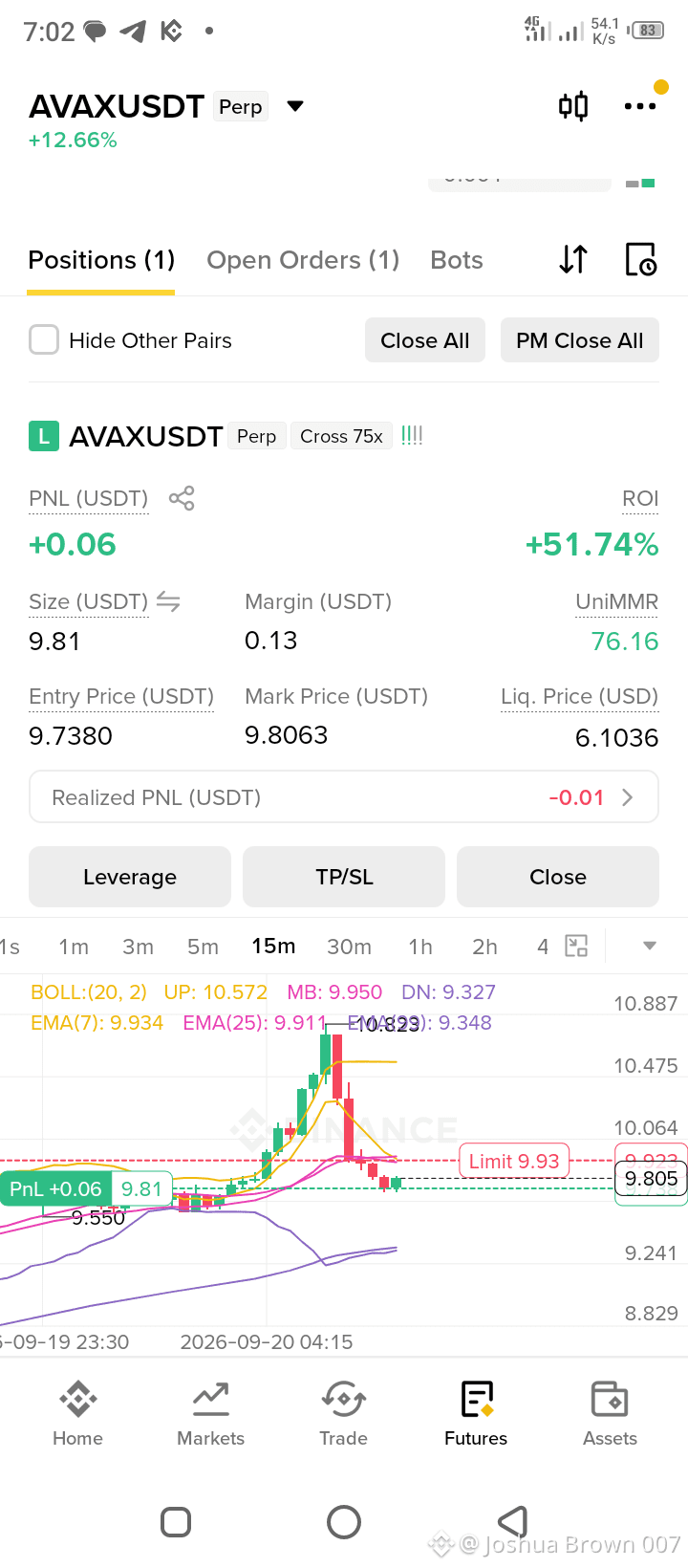
#AVAX Scalp long
دخول السوق
الوقف 9.64
هدف 9.923
هدف 10.01
انخفاض قصير. إذا كسر السعر تحت 9.70 بحجم تداول مرتفع، ادخل بيعًا عند إعادة اختبار 9.70، بهدف 9.40. وقف عند 9.85.
$AVAIL
{future}(AVAXUSDT)
#AVAX Scalp long
دخول السوق
الوقف 9.64
هدف 9.923
هدف 10.01
انخفاض قصير. إذا كسر السعر تحت 9.70 بحجم تداول مرتفع، ادخل بيعًا عند إعادة اختبار 9.70، بهدف 9.40. وقف عند 9.85.
$AVAIL
دخول السوق
الوقف 9.64
هدف 9.923
هدف 10.01
انخفاض قصير. إذا كسر السعر تحت 9.70 بحجم تداول مرتفع، ادخل بيعًا عند إعادة اختبار 9.70، بهدف 9.40. وقف عند 9.85.
$AVAIL
1
147
سجّل الدخول لاستكشاف المزيد من المُحتوى
انضم إلى مُستخدمي العملات الرقمية حول العالم على Binance Square
⚡️ احصل على أحدث المعلومات المفيدة عن العملات الرقمية.
💬 موثوقة من قبل أكبر منصّة لتداول العملات الرقمية في العالم.
👍 اكتشف الرؤى الحقيقية من صنّاع المُحتوى الموثوقين.
البريد الإلكتروني / رقم الهاتف