

Defisteve0
240 منشورات

Defisteve0
إبلاغ
حظر المُستخدم
Content writer | Ambassador
0 تتابع
9 المتابعون
56 إعجاب
منشورات
·
--
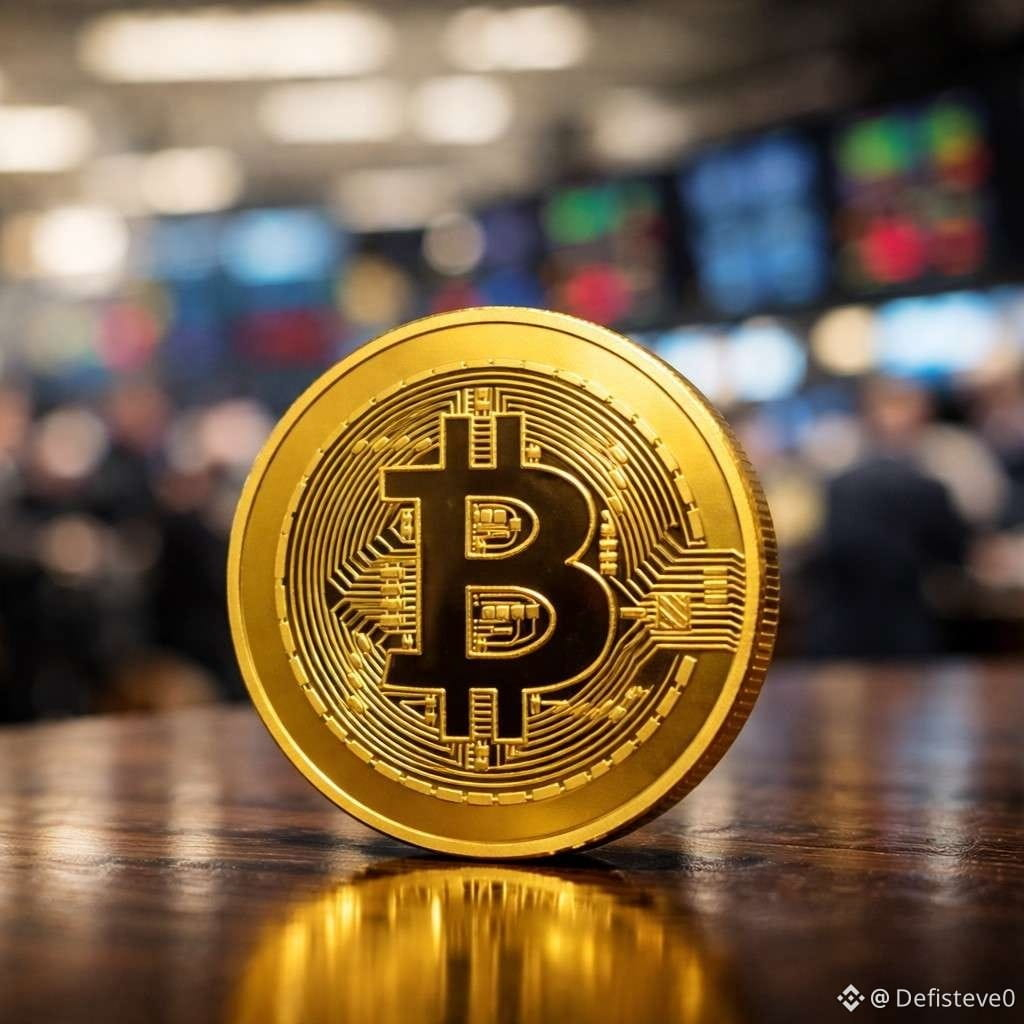
$BTC عاد إلى دائرة الضوء 👀
تقرير الوظائف الضعيف لشهر سبتمبر غيّر الصورة الاقتصادية بسرعة. تمّت إضافة 29 ألف وظيفة فقط مقابل التوقعات البالغة 85 ألف–90 ألف، بينما ارتفع معدل البطالة إلى 4.2%.
وهذا دفع احتمالات رفع الفائدة من جانب بنك الاحتياطي الفيدرالي في أكتوبر إلى 17%، ما منح الأصول ذات المخاطر بعض مساحة التنفس.
في الوقت نفسه، رفعت سيتي هدفها لبيتكوين خلال 12 شهرًا من 82 ألف دولار إلى 113 ألف دولار.
لكن ما زال على BTC استعادة المستوى المفتوح السنوي عند 87,722 دولار. إذا تحوّل ذلك إلى دعم، فقد يعود التركيز إلى 95 ألف دولار قبل 113 ألف دولار.
السؤال الكبير: هل يخترق BTC للأعلى من هنا، أم أنه يحتاج إلى موجة هبوط أخرى أولًا؟ 📊
اعمل بحثًا بنفسك (DYOR). ليس نصيحة مالية.
#BTC Price Analysis#
#What is your Bitcoin Price Prediction?#
$BTC عاد إلى دائرة الضوء 👀
تقرير الوظائف الضعيف لشهر سبتمبر غيّر الصورة الاقتصادية بسرعة. تمّت إضافة 29 ألف وظيفة فقط مقابل التوقعات البالغة 85 ألف–90 ألف، بينما ارتفع معدل البطالة إلى 4.2%.
وهذا دفع احتمالات رفع الفائدة من جانب بنك الاحتياطي الفيدرالي في أكتوبر إلى 17%، ما منح الأصول ذات المخاطر بعض مساحة التنفس.
في الوقت نفسه، رفعت سيتي هدفها لبيتكوين خلال 12 شهرًا من 82 ألف دولار إلى 113 ألف دولار.
لكن ما زال على BTC استعادة المستوى المفتوح السنوي عند 87,722 دولار. إذا تحوّل ذلك إلى دعم، فقد يعود التركيز إلى 95 ألف دولار قبل 113 ألف دولار.
السؤال الكبير: هل يخترق BTC للأعلى من هنا، أم أنه يحتاج إلى موجة هبوط أخرى أولًا؟ 📊
اعمل بحثًا بنفسك (DYOR). ليس نصيحة مالية.
#BTC Price Analysis#
#What is your Bitcoin Price Prediction?#
تقرير الوظائف الضعيف لشهر سبتمبر غيّر الصورة الاقتصادية بسرعة. تمّت إضافة 29 ألف وظيفة فقط مقابل التوقعات البالغة 85 ألف–90 ألف، بينما ارتفع معدل البطالة إلى 4.2%.
وهذا دفع احتمالات رفع الفائدة من جانب بنك الاحتياطي الفيدرالي في أكتوبر إلى 17%، ما منح الأصول ذات المخاطر بعض مساحة التنفس.
في الوقت نفسه، رفعت سيتي هدفها لبيتكوين خلال 12 شهرًا من 82 ألف دولار إلى 113 ألف دولار.
لكن ما زال على BTC استعادة المستوى المفتوح السنوي عند 87,722 دولار. إذا تحوّل ذلك إلى دعم، فقد يعود التركيز إلى 95 ألف دولار قبل 113 ألف دولار.
السؤال الكبير: هل يخترق BTC للأعلى من هنا، أم أنه يحتاج إلى موجة هبوط أخرى أولًا؟ 📊
اعمل بحثًا بنفسك (DYOR). ليس نصيحة مالية.
#BTC Price Analysis#
#What is your Bitcoin Price Prediction?#
72
·
--
تسلا عادت إلى قائمة المتابعة لدي، مع عدة محفزات محتملة في الطريق،
🚗 Cybercab / روبوتاكسي
🤖 FSD والاستقلالية
🏎️ الكشف عن Roadster
📦 تسليمات الربع الثالث
📊 الأرباح
🧠 الذكاء الاصطناعي وOptimus
أنا أتجنب افتراضات صعودية تلقائية قد يكون السوق قد تسعّر بالفعل جزءًا منها.
يمكنك أيضًا تداول TSLA على BingX إلى جانب العملات الرقمية وأسواق أخرى.
ما الذي يدفع التحرك الكبير التالي: Cybercab أو FSD أو Roadster أو الأرباح، أم شيء غير متوقع؟
$XRP
تسلا عادت إلى قائمة المتابعة لدي، مع عدة محفزات محتملة في الطريق،
🚗 Cybercab / روبوتاكسي
🤖 FSD والاستقلالية
🏎️ الكشف عن Roadster
📦 تسليمات الربع الثالث
📊 الأرباح
🧠 الذكاء الاصطناعي وOptimus
أنا أتجنب افتراضات صعودية تلقائية قد يكون السوق قد تسعّر بالفعل جزءًا منها.
يمكنك أيضًا تداول TSLA على BingX إلى جانب العملات الرقمية وأسواق أخرى.
ما الذي يدفع التحرك الكبير التالي: Cybercab أو FSD أو Roadster أو الأرباح، أم شيء غير متوقع؟
$XRP
🚗 Cybercab / روبوتاكسي
🤖 FSD والاستقلالية
🏎️ الكشف عن Roadster
📦 تسليمات الربع الثالث
📊 الأرباح
🧠 الذكاء الاصطناعي وOptimus
أنا أتجنب افتراضات صعودية تلقائية قد يكون السوق قد تسعّر بالفعل جزءًا منها.
يمكنك أيضًا تداول TSLA على BingX إلى جانب العملات الرقمية وأسواق أخرى.
ما الذي يدفع التحرك الكبير التالي: Cybercab أو FSD أو Roadster أو الأرباح، أم شيء غير متوقع؟
$XRP

·
--
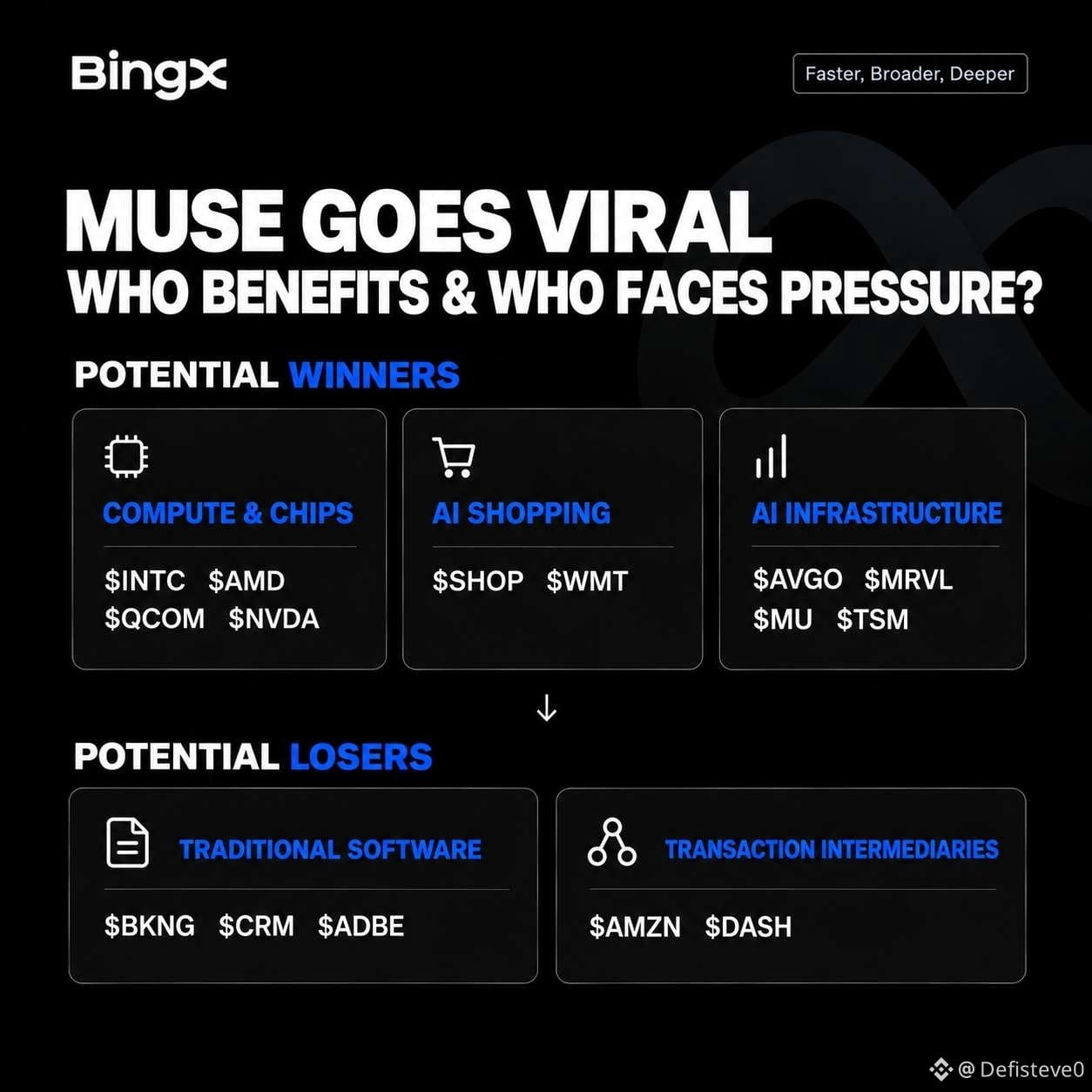
قصة الذكاء الاصطناعي تتوسع خارج نطاق برامج الدردشة.
تم تصميم «Muse» من ميتا لتنفيذ مهام مثل إدارة البريد الإلكتروني، وحجز السفر، وتصفح مواقع الويب، والتسوق—لكن مع موافقة المستخدم.
وقد يفيد ذلك أكثر من مجرد مُطوري النماذج. وقد يؤدي تبنّي الوكلاء على نطاق أوسع إلى زيادة الطلب على الاستدلال (inference) والحوسبة والشبكات والذاكرة ومراكز البيانات.
ويُعدّ التجارة الوكيلة زاوية أخرى تعمل شوبفاي على دمج التجارة ضمن تجارب الذكاء الاصطناعي، بينما قامت أمازون بحظر مشتريات «Muse» على منصتها.
قائمة المتابعة لدي: $META, $AMD, $AVGO،
أنا أراقب أين تتراكم القيمة لوكلاء الذكاء الاصطناعي، أم الشرائح (chips)، أم مراكز البيانات، أم التجارة الوكيلة؟
قصة الذكاء الاصطناعي تتوسع خارج نطاق برامج الدردشة.
تم تصميم «Muse» من ميتا لتنفيذ مهام مثل إدارة البريد الإلكتروني، وحجز السفر، وتصفح مواقع الويب، والتسوق—لكن مع موافقة المستخدم.
وقد يفيد ذلك أكثر من مجرد مُطوري النماذج. وقد يؤدي تبنّي الوكلاء على نطاق أوسع إلى زيادة الطلب على الاستدلال (inference) والحوسبة والشبكات والذاكرة ومراكز البيانات.
ويُعدّ التجارة الوكيلة زاوية أخرى تعمل شوبفاي على دمج التجارة ضمن تجارب الذكاء الاصطناعي، بينما قامت أمازون بحظر مشتريات «Muse» على منصتها.
قائمة المتابعة لدي: $META, $AMD, $AVGO،
أنا أراقب أين تتراكم القيمة لوكلاء الذكاء الاصطناعي، أم الشرائح (chips)، أم مراكز البيانات، أم التجارة الوكيلة؟
تم تصميم «Muse» من ميتا لتنفيذ مهام مثل إدارة البريد الإلكتروني، وحجز السفر، وتصفح مواقع الويب، والتسوق—لكن مع موافقة المستخدم.
وقد يفيد ذلك أكثر من مجرد مُطوري النماذج. وقد يؤدي تبنّي الوكلاء على نطاق أوسع إلى زيادة الطلب على الاستدلال (inference) والحوسبة والشبكات والذاكرة ومراكز البيانات.
ويُعدّ التجارة الوكيلة زاوية أخرى تعمل شوبفاي على دمج التجارة ضمن تجارب الذكاء الاصطناعي، بينما قامت أمازون بحظر مشتريات «Muse» على منصتها.
قائمة المتابعة لدي: $META, $AMD, $AVGO،
أنا أراقب أين تتراكم القيمة لوكلاء الذكاء الاصطناعي، أم الشرائح (chips)، أم مراكز البيانات، أم التجارة الوكيلة؟
107
·
--
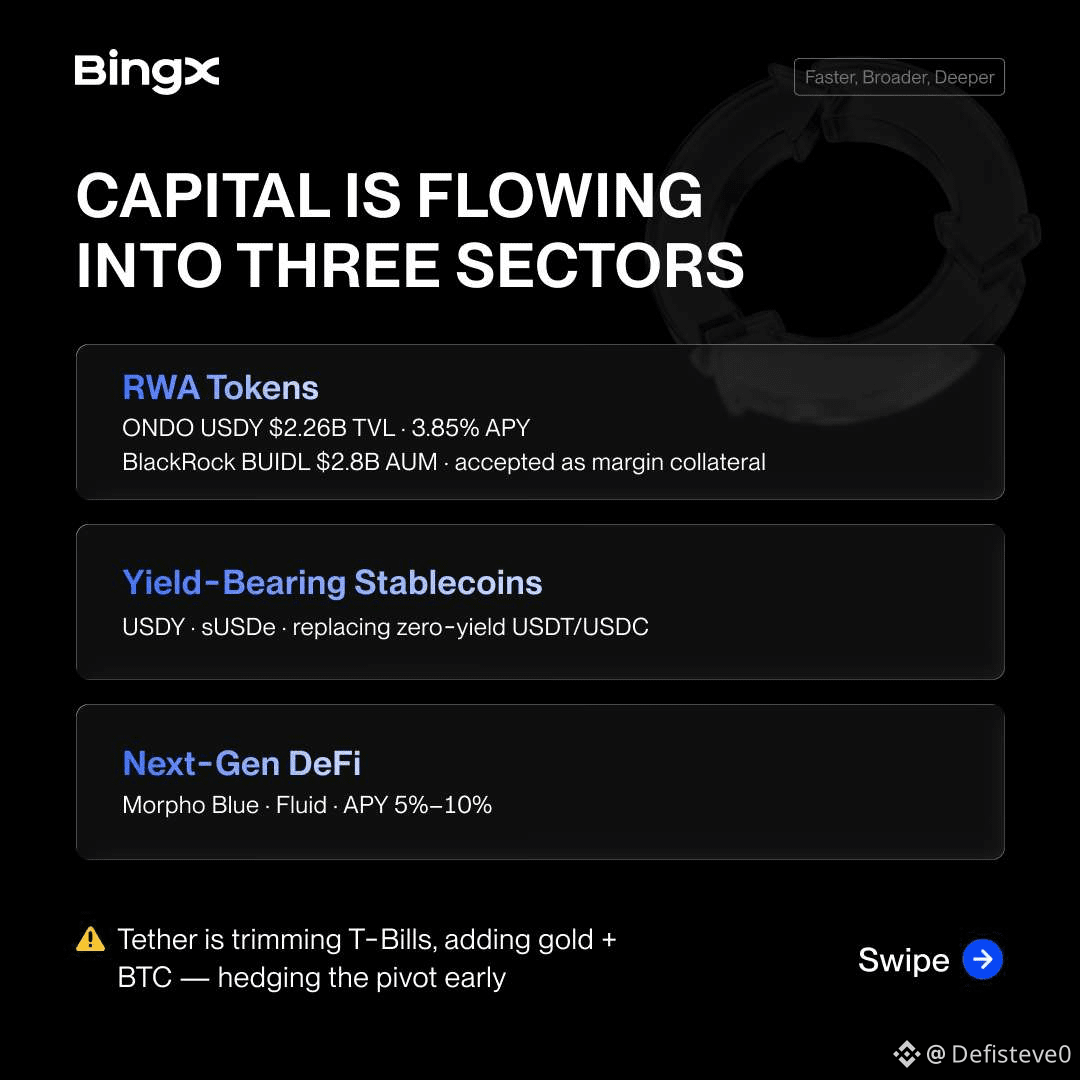
خلاصة واحدة من قرار مجلس الاحتياطي الفيدرالي لهذا الأسبوع: ارتفاع معدلات الفائدة يعيد تشكيل سوق العملات المستقرة.
عند 3.75%–4.00%، تستفيد عوائد سندات الخزانة الجهات المُصدِرة التي تحتفظ بأصول احتياطية، لكن حاملي USDC وUSDT العاديين لا يحصلون تلقائياً على تلك العوائد.
الاتجاه الأكبر هو تزايد الاهتمام بالأصول الواقعية المُرمّزة (RWAs) ومنتجات تحقق عائداً، ما يبرز الروابط الأقرب بين التشفير والتمويل التقليدي.
ما الذي ينمو بشكل أسرع: العملات المستقرة، أم أصول RWA مدعومة بسندات الخزانة، أم الأصول الرقمية المُولِّدة للعائد؟
$USDC $USDT $RWA $BTC $ETH
خلاصة واحدة من قرار مجلس الاحتياطي الفيدرالي لهذا الأسبوع: ارتفاع معدلات الفائدة يعيد تشكيل سوق العملات المستقرة.
عند 3.75%–4.00%، تستفيد عوائد سندات الخزانة الجهات المُصدِرة التي تحتفظ بأصول احتياطية، لكن حاملي USDC وUSDT العاديين لا يحصلون تلقائياً على تلك العوائد.
الاتجاه الأكبر هو تزايد الاهتمام بالأصول الواقعية المُرمّزة (RWAs) ومنتجات تحقق عائداً، ما يبرز الروابط الأقرب بين التشفير والتمويل التقليدي.
ما الذي ينمو بشكل أسرع: العملات المستقرة، أم أصول RWA مدعومة بسندات الخزانة، أم الأصول الرقمية المُولِّدة للعائد؟
$USDC $USDT $RWA $BTC $ETH
عند 3.75%–4.00%، تستفيد عوائد سندات الخزانة الجهات المُصدِرة التي تحتفظ بأصول احتياطية، لكن حاملي USDC وUSDT العاديين لا يحصلون تلقائياً على تلك العوائد.
الاتجاه الأكبر هو تزايد الاهتمام بالأصول الواقعية المُرمّزة (RWAs) ومنتجات تحقق عائداً، ما يبرز الروابط الأقرب بين التشفير والتمويل التقليدي.
ما الذي ينمو بشكل أسرع: العملات المستقرة، أم أصول RWA مدعومة بسندات الخزانة، أم الأصول الرقمية المُولِّدة للعائد؟
$USDC $USDT $RWA $BTC $ETH
3
·
--
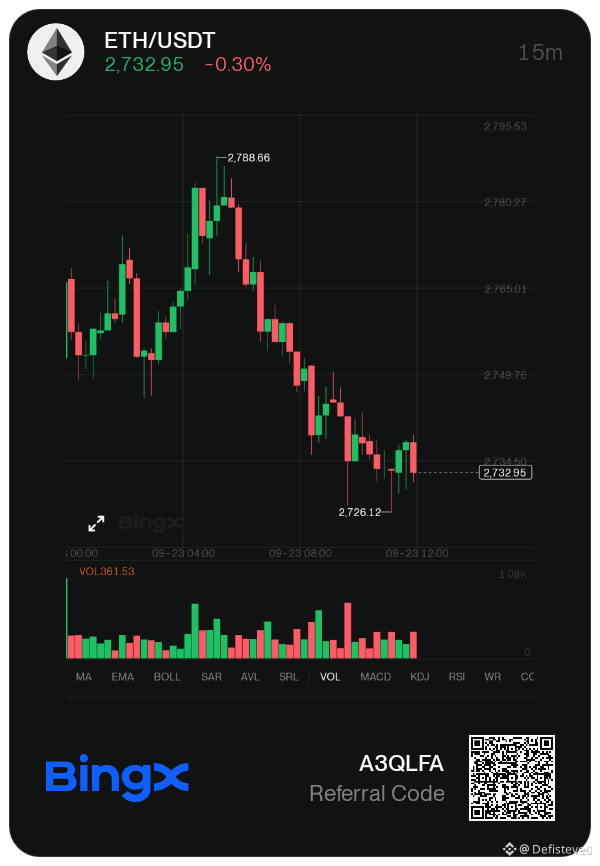
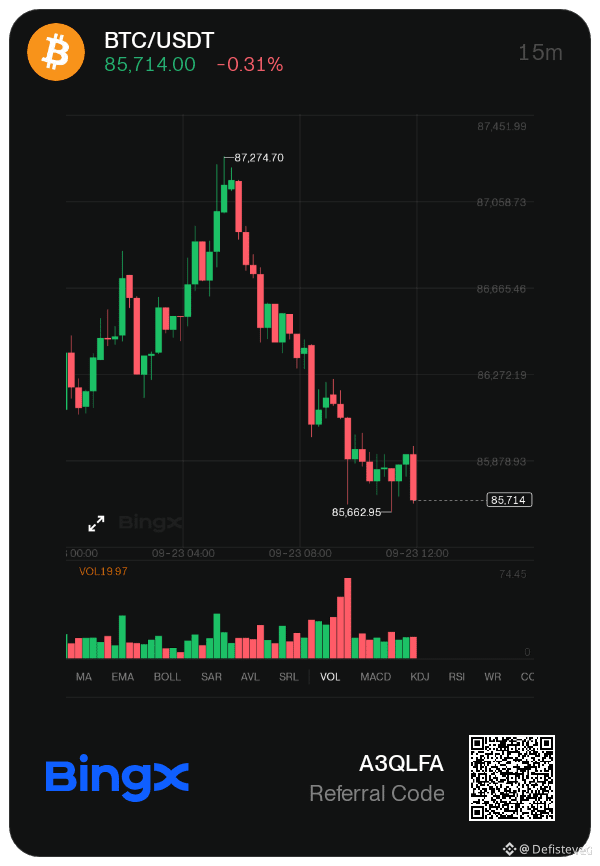
هذه الارتدادة تبدو مختلفة عن الضغط المعتاد.
لقد صعدت $BTC باتجاه 87 ألف دولار، بينما استعادت $ETH مستوى 2,800 دولار، مدفوعة بانخفاض العوائد، وتراجع أسعار النفط، وعمليات تغطية مراكز قصيرة (short covering) أكثر عدوانية.
لكن ما لفت انتباهي، هو أن طلب السوق الفوري على بيتكوين وإيثيريوم عبر صناديق الاستثمار المتداولة (ETFs) سجّل أيضاً تدفقات ضخمة، ما يشير إلى أن الحركة ليست مدفوعة بالمشتقات وحدها.
لديّ الزوجان في قائمة المراقبة على BingX، لكنني لست مهتماً كثيراً بشموع اليوم الخضراء بقدر اهتمامي بما إذا كان الطلب الحقيقي قادراً على استمرار الزخم.
هل تعتقد أنها بداية اتجاه مستمر أم مجرد ضغط قوي؟
هذه الارتدادة تبدو مختلفة عن الضغط المعتاد.
لقد صعدت $BTC باتجاه 87 ألف دولار، بينما استعادت $ETH مستوى 2,800 دولار، مدفوعة بانخفاض العوائد، وتراجع أسعار النفط، وعمليات تغطية مراكز قصيرة (short covering) أكثر عدوانية.
لكن ما لفت انتباهي، هو أن طلب السوق الفوري على بيتكوين وإيثيريوم عبر صناديق الاستثمار المتداولة (ETFs) سجّل أيضاً تدفقات ضخمة، ما يشير إلى أن الحركة ليست مدفوعة بالمشتقات وحدها.
لديّ الزوجان في قائمة المراقبة على BingX، لكنني لست مهتماً كثيراً بشموع اليوم الخضراء بقدر اهتمامي بما إذا كان الطلب الحقيقي قادراً على استمرار الزخم.
هل تعتقد أنها بداية اتجاه مستمر أم مجرد ضغط قوي؟
لقد صعدت $BTC باتجاه 87 ألف دولار، بينما استعادت $ETH مستوى 2,800 دولار، مدفوعة بانخفاض العوائد، وتراجع أسعار النفط، وعمليات تغطية مراكز قصيرة (short covering) أكثر عدوانية.
لكن ما لفت انتباهي، هو أن طلب السوق الفوري على بيتكوين وإيثيريوم عبر صناديق الاستثمار المتداولة (ETFs) سجّل أيضاً تدفقات ضخمة، ما يشير إلى أن الحركة ليست مدفوعة بالمشتقات وحدها.
لديّ الزوجان في قائمة المراقبة على BingX، لكنني لست مهتماً كثيراً بشموع اليوم الخضراء بقدر اهتمامي بما إذا كان الطلب الحقيقي قادراً على استمرار الزخم.
هل تعتقد أنها بداية اتجاه مستمر أم مجرد ضغط قوي؟
·
--
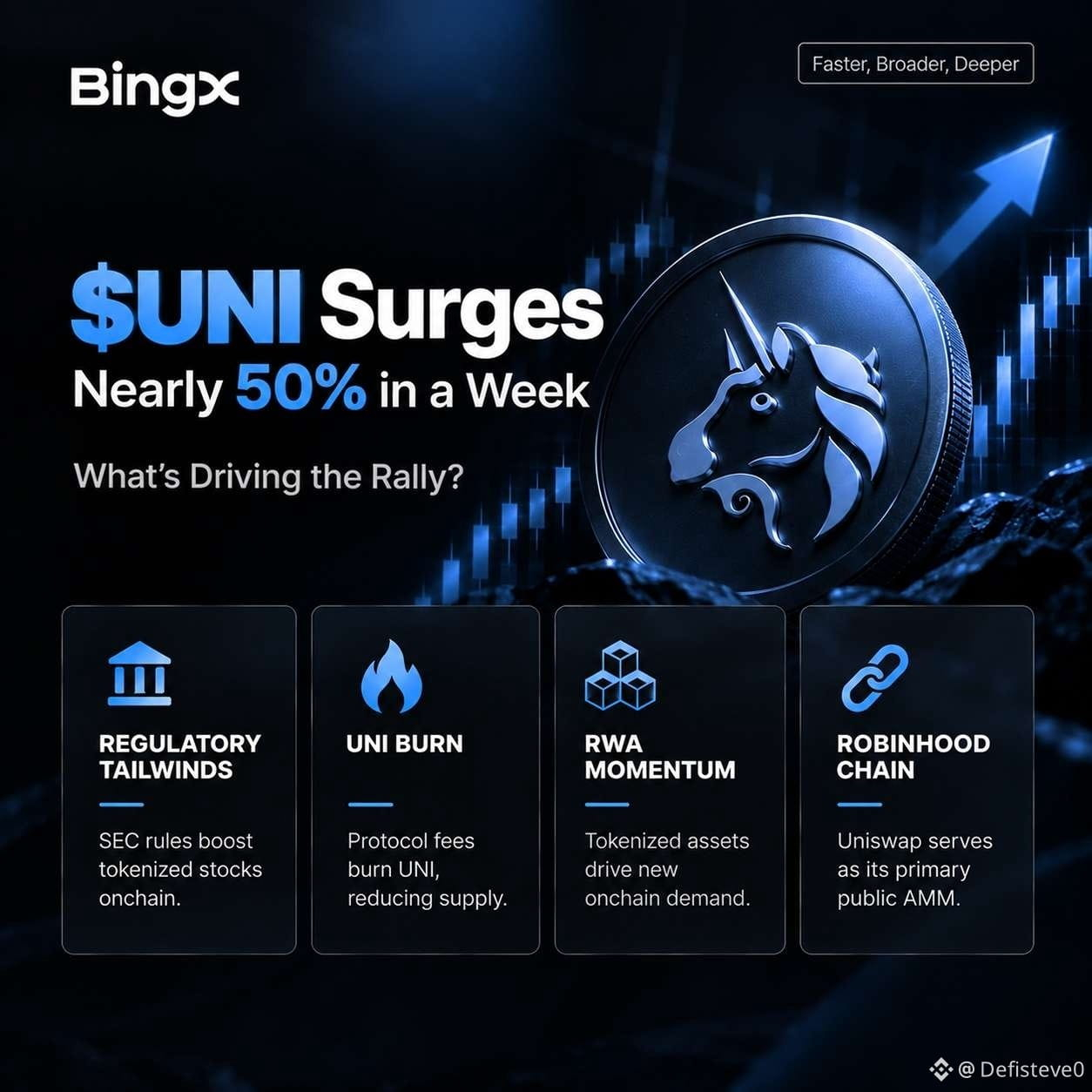
لقد أصبح من الصعب تجاهل تجمع <UNI>.
قرابة 50% خلال أسبوع، ويبدو أن هذه الحركة مدفوعة بأكثر من مجرد الزخم.
السوق يولي اهتمامًا بنشاط أقوى في مجالات التمويل اللامركزي (DeFi)، وآلية حرق تعتمد على الرسوم الخاصة بـ <UNI>، وتوسّع <Uniswap> إلى <Robinhood Chain>.
والسؤال الآن ليس: «هل يمكنه الصعود؟» بل ما إذا كانت الاستفادة من البروتوكول وحجم التداول يمكنهما مواصلة دعم هذا الاتجاه.
كنت أتابع <UNI> ضمن قائمة المراقبة الخاصة بي عبر <BingX>، لكن اهتمامي أكبر بالأساسيات أكثر من مطاردة الشموع الخضراء.
هل تعتقد أن هذا اختراق مستدام في عالم DeFi أم مجرد جولة أخرى مدفوعة بالزخم؟
لقد أصبح من الصعب تجاهل تجمع <UNI>.
قرابة 50% خلال أسبوع، ويبدو أن هذه الحركة مدفوعة بأكثر من مجرد الزخم.
السوق يولي اهتمامًا بنشاط أقوى في مجالات التمويل اللامركزي (DeFi)، وآلية حرق تعتمد على الرسوم الخاصة بـ <UNI>، وتوسّع <Uniswap> إلى <Robinhood Chain>.
والسؤال الآن ليس: «هل يمكنه الصعود؟» بل ما إذا كانت الاستفادة من البروتوكول وحجم التداول يمكنهما مواصلة دعم هذا الاتجاه.
كنت أتابع <UNI> ضمن قائمة المراقبة الخاصة بي عبر <BingX>، لكن اهتمامي أكبر بالأساسيات أكثر من مطاردة الشموع الخضراء.
هل تعتقد أن هذا اختراق مستدام في عالم DeFi أم مجرد جولة أخرى مدفوعة بالزخم؟
قرابة 50% خلال أسبوع، ويبدو أن هذه الحركة مدفوعة بأكثر من مجرد الزخم.
السوق يولي اهتمامًا بنشاط أقوى في مجالات التمويل اللامركزي (DeFi)، وآلية حرق تعتمد على الرسوم الخاصة بـ <UNI>، وتوسّع <Uniswap> إلى <Robinhood Chain>.
والسؤال الآن ليس: «هل يمكنه الصعود؟» بل ما إذا كانت الاستفادة من البروتوكول وحجم التداول يمكنهما مواصلة دعم هذا الاتجاه.
كنت أتابع <UNI> ضمن قائمة المراقبة الخاصة بي عبر <BingX>، لكن اهتمامي أكبر بالأساسيات أكثر من مطاردة الشموع الخضراء.
هل تعتقد أن هذا اختراق مستدام في عالم DeFi أم مجرد جولة أخرى مدفوعة بالزخم؟
·
--
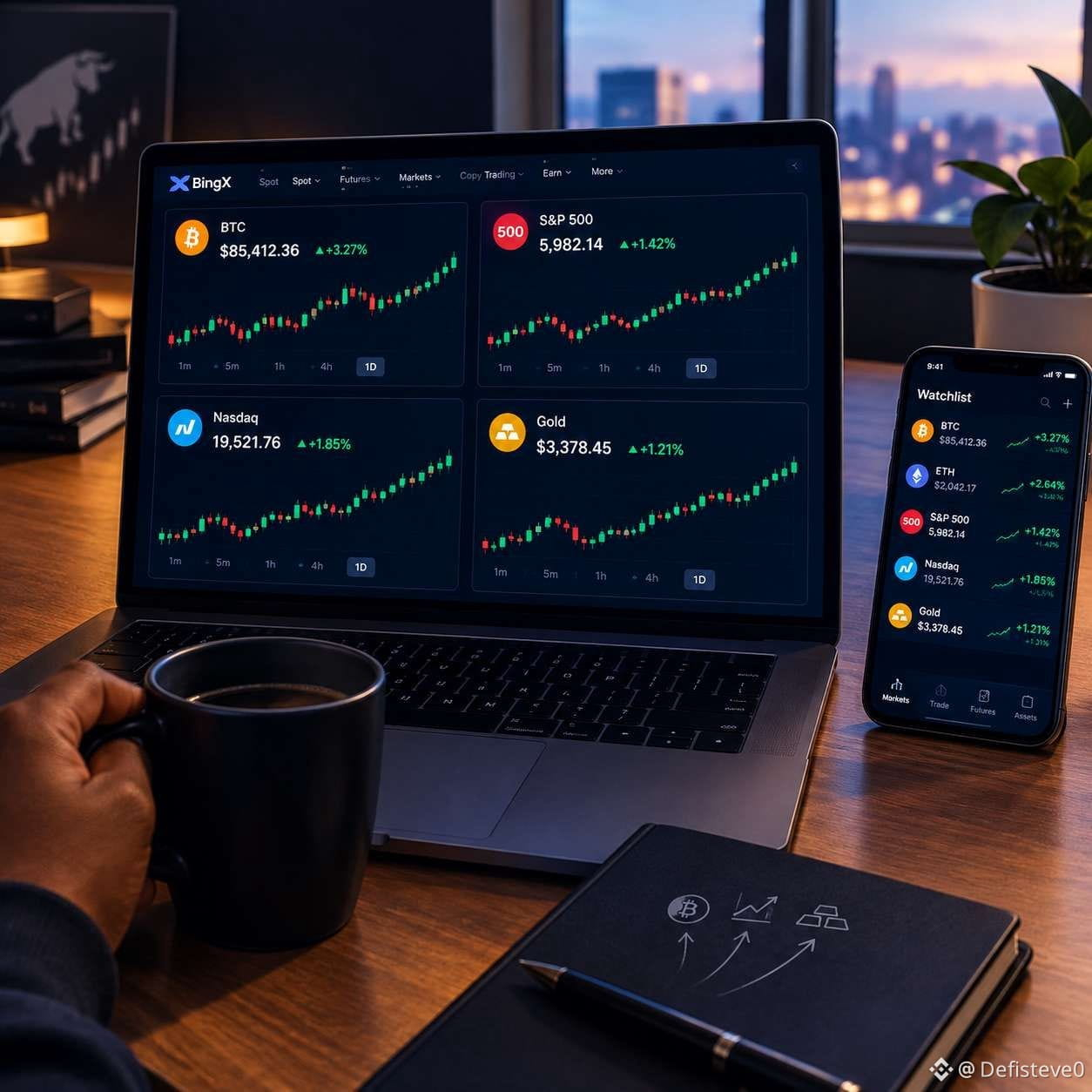
اليوم أشبه بتذكير بأن الفرص لا تأتي دائمًا من سوق واحد.
يتم تداول البيتكوين فوق 85 ألف دولار، وتتجه الأسهم الأمريكية نحو الارتفاع، وتحسّن حتى شعور المخاطر الأوسع نطاقًا رغم رفع الفيدرالي للفائدة الأسبوع الماضي.
الدرس الذي تعلمته بسيط: لا ترتبط بفئة أصول واحدة. ففي بعض الأيام تقود العملات الرقمية السوق، وأيام أخرى تتصدر أسهم التكنولوجيا أو المؤشرات أو حتى الذهب.
كنت أتابعها من نفس لوحة التحكم على BingX، وهذا جعل عملية التناوب بين روايات مختلفة للسوق أسهل بكثير.
سؤال صادق: إذا كان بإمكانك التداول في أصل واحد فقط اليوم، فماذا سيكون؟ $BTC أم $QQQ أم $GOLD؟
اليوم أشبه بتذكير بأن الفرص لا تأتي دائمًا من سوق واحد.
يتم تداول البيتكوين فوق 85 ألف دولار، وتتجه الأسهم الأمريكية نحو الارتفاع، وتحسّن حتى شعور المخاطر الأوسع نطاقًا رغم رفع الفيدرالي للفائدة الأسبوع الماضي.
الدرس الذي تعلمته بسيط: لا ترتبط بفئة أصول واحدة. ففي بعض الأيام تقود العملات الرقمية السوق، وأيام أخرى تتصدر أسهم التكنولوجيا أو المؤشرات أو حتى الذهب.
كنت أتابعها من نفس لوحة التحكم على BingX، وهذا جعل عملية التناوب بين روايات مختلفة للسوق أسهل بكثير.
سؤال صادق: إذا كان بإمكانك التداول في أصل واحد فقط اليوم، فماذا سيكون؟ $BTC أم $QQQ أم $GOLD؟
يتم تداول البيتكوين فوق 85 ألف دولار، وتتجه الأسهم الأمريكية نحو الارتفاع، وتحسّن حتى شعور المخاطر الأوسع نطاقًا رغم رفع الفيدرالي للفائدة الأسبوع الماضي.
الدرس الذي تعلمته بسيط: لا ترتبط بفئة أصول واحدة. ففي بعض الأيام تقود العملات الرقمية السوق، وأيام أخرى تتصدر أسهم التكنولوجيا أو المؤشرات أو حتى الذهب.
كنت أتابعها من نفس لوحة التحكم على BingX، وهذا جعل عملية التناوب بين روايات مختلفة للسوق أسهل بكثير.
سؤال صادق: إذا كان بإمكانك التداول في أصل واحد فقط اليوم، فماذا سيكون؟ $BTC أم $QQQ أم $GOLD؟
·
--
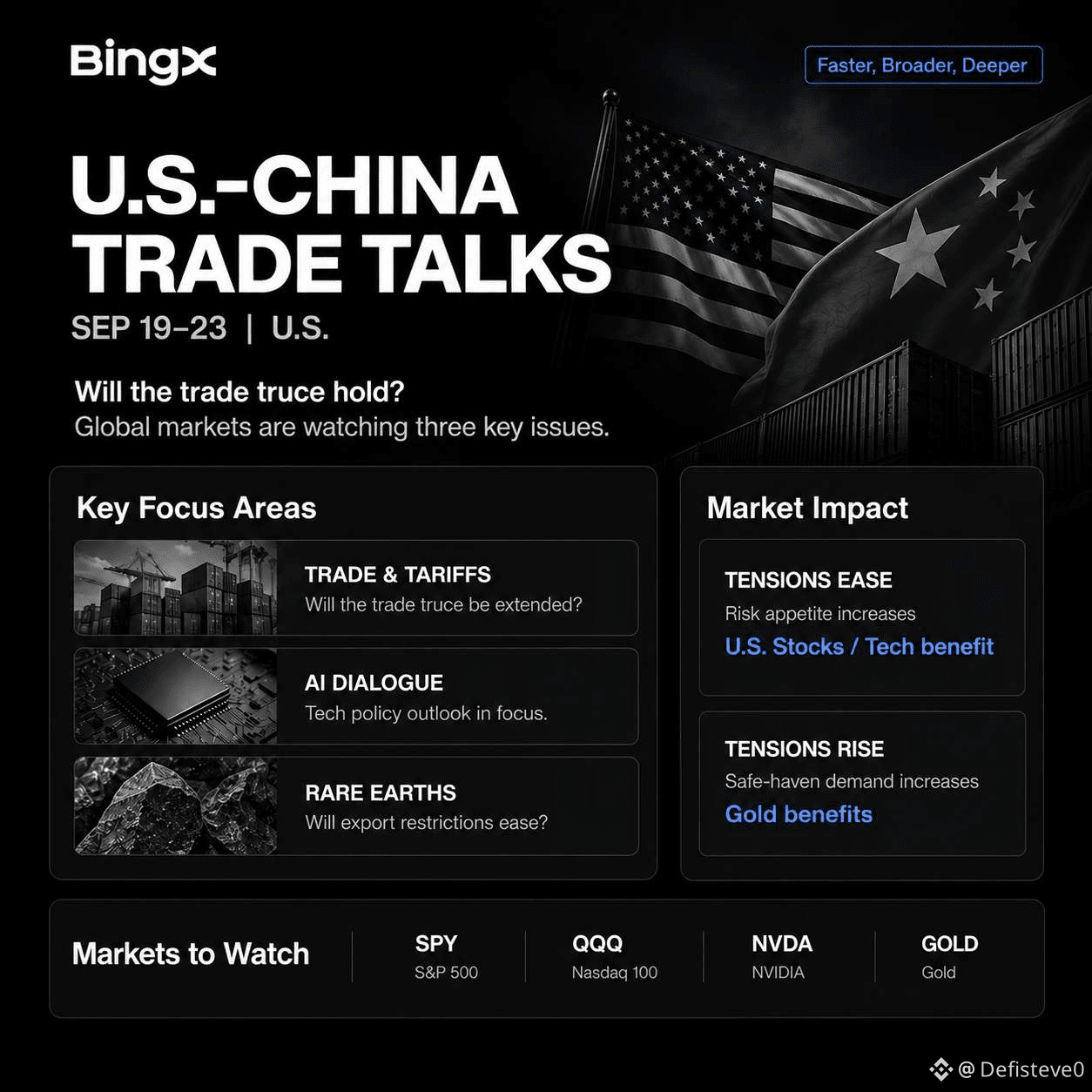
أحد أكبر محفزات السوق هذا الأسبوع ليس الأرباح بل مشاورات الولايات المتحدة–الصين.
تركز المحادثات على التجارة والرسوم الجمركية والذكاء الاصطناعي والمعادن الحرجة، وقد تؤثر النتيجة على معنويات المخاطر قبل انتهاء الهدنة التجارية الحالية في نوفمبر.
قائمتي التي أتابعها بسيطة،
📈 SPY و QQQ للأسهم الأوسع نطاقًا
💻 NVDA لفكرة قطاع الذكاء الاصطناعي
🟡 الذهب إذا تصاعدت التوترات
كنت أتابع هذه الأسواق على BingX لأنّها جميعًا مترابطة ضمن القصة الاقتصادية الكلية نفسها.
هل تعتقد أن هذه المحادثات تنتهي بتخفيف التوترات أم بمزيد من عدم اليقين؟
$NVDA $GOLD
أحد أكبر محفزات السوق هذا الأسبوع ليس الأرباح بل مشاورات الولايات المتحدة–الصين.
تركز المحادثات على التجارة والرسوم الجمركية والذكاء الاصطناعي والمعادن الحرجة، وقد تؤثر النتيجة على معنويات المخاطر قبل انتهاء الهدنة التجارية الحالية في نوفمبر.
قائمتي التي أتابعها بسيطة،
📈 SPY و QQQ للأسهم الأوسع نطاقًا
💻 NVDA لفكرة قطاع الذكاء الاصطناعي
🟡 الذهب إذا تصاعدت التوترات
كنت أتابع هذه الأسواق على BingX لأنّها جميعًا مترابطة ضمن القصة الاقتصادية الكلية نفسها.
هل تعتقد أن هذه المحادثات تنتهي بتخفيف التوترات أم بمزيد من عدم اليقين؟
$NVDA $GOLD
تركز المحادثات على التجارة والرسوم الجمركية والذكاء الاصطناعي والمعادن الحرجة، وقد تؤثر النتيجة على معنويات المخاطر قبل انتهاء الهدنة التجارية الحالية في نوفمبر.
قائمتي التي أتابعها بسيطة،
📈 SPY و QQQ للأسهم الأوسع نطاقًا
💻 NVDA لفكرة قطاع الذكاء الاصطناعي
🟡 الذهب إذا تصاعدت التوترات
كنت أتابع هذه الأسواق على BingX لأنّها جميعًا مترابطة ضمن القصة الاقتصادية الكلية نفسها.
هل تعتقد أن هذه المحادثات تنتهي بتخفيف التوترات أم بمزيد من عدم اليقين؟
$NVDA $GOLD
·
--
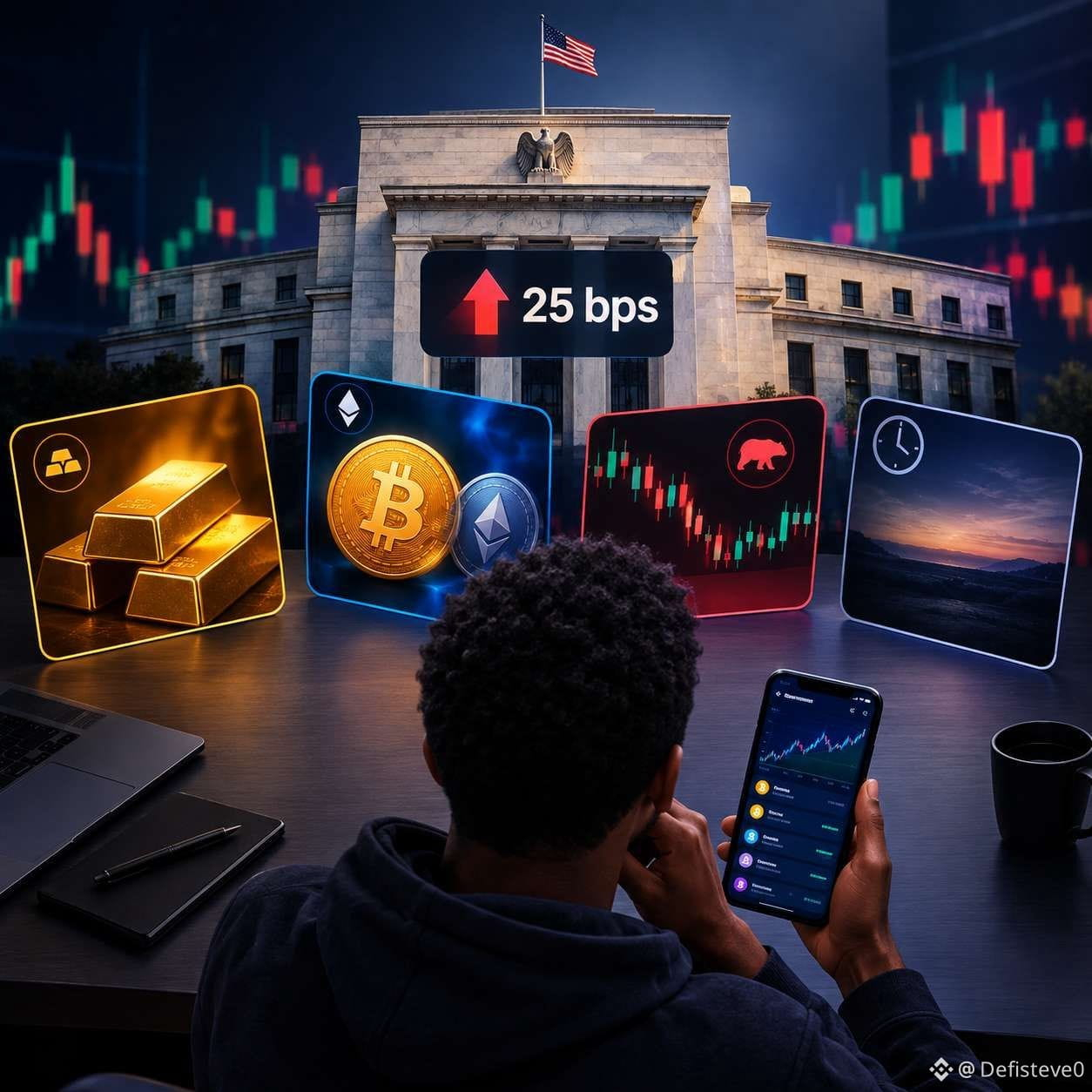
فقد رفع الاحتياطي الفيدرالي أسعار الفائدة إلى 3.75%–4.00%، وأعتقد أن الدرس الأكبر هو التكيّف لا التنبؤ.
السياسة النقدية الأكثر تشددًا تغيّر الطريقة التي أنظر بها إلى كل سوق. بعض المتداولين ينتقلون إلى الذهب، وآخرون يظلون مع العملات المشفرة، بينما ينظر البعض إلى الفرص في الأسهم أو الفوركس.
كنت أستخدم BingX بشكل أساسي لأنني أستطيع التبديل بين أسواق مختلفة دون القفز عبر عدة تطبيقات. هذا يجعل تغيير الاستراتيجية أسهل بكثير عندما تتغير الصورة الكلية.
إذا كان عليك اختيار نهج واحد لهذا الوضع، فما الذي ستختاره؟
🟡 الذهب
₿ العملات المشفرة
📉 بيع/مراكز قصيرة في الأسهم
💵 حافظ على الدفاعية
$GOLD $HYPE $SOL
فقد رفع الاحتياطي الفيدرالي أسعار الفائدة إلى 3.75%–4.00%، وأعتقد أن الدرس الأكبر هو التكيّف لا التنبؤ.
السياسة النقدية الأكثر تشددًا تغيّر الطريقة التي أنظر بها إلى كل سوق. بعض المتداولين ينتقلون إلى الذهب، وآخرون يظلون مع العملات المشفرة، بينما ينظر البعض إلى الفرص في الأسهم أو الفوركس.
كنت أستخدم BingX بشكل أساسي لأنني أستطيع التبديل بين أسواق مختلفة دون القفز عبر عدة تطبيقات. هذا يجعل تغيير الاستراتيجية أسهل بكثير عندما تتغير الصورة الكلية.
إذا كان عليك اختيار نهج واحد لهذا الوضع، فما الذي ستختاره؟
🟡 الذهب
₿ العملات المشفرة
📉 بيع/مراكز قصيرة في الأسهم
💵 حافظ على الدفاعية
$GOLD $HYPE $SOL
السياسة النقدية الأكثر تشددًا تغيّر الطريقة التي أنظر بها إلى كل سوق. بعض المتداولين ينتقلون إلى الذهب، وآخرون يظلون مع العملات المشفرة، بينما ينظر البعض إلى الفرص في الأسهم أو الفوركس.
كنت أستخدم BingX بشكل أساسي لأنني أستطيع التبديل بين أسواق مختلفة دون القفز عبر عدة تطبيقات. هذا يجعل تغيير الاستراتيجية أسهل بكثير عندما تتغير الصورة الكلية.
إذا كان عليك اختيار نهج واحد لهذا الوضع، فما الذي ستختاره؟
🟡 الذهب
₿ العملات المشفرة
📉 بيع/مراكز قصيرة في الأسهم
💵 حافظ على الدفاعية
$GOLD $HYPE $SOL
·
--
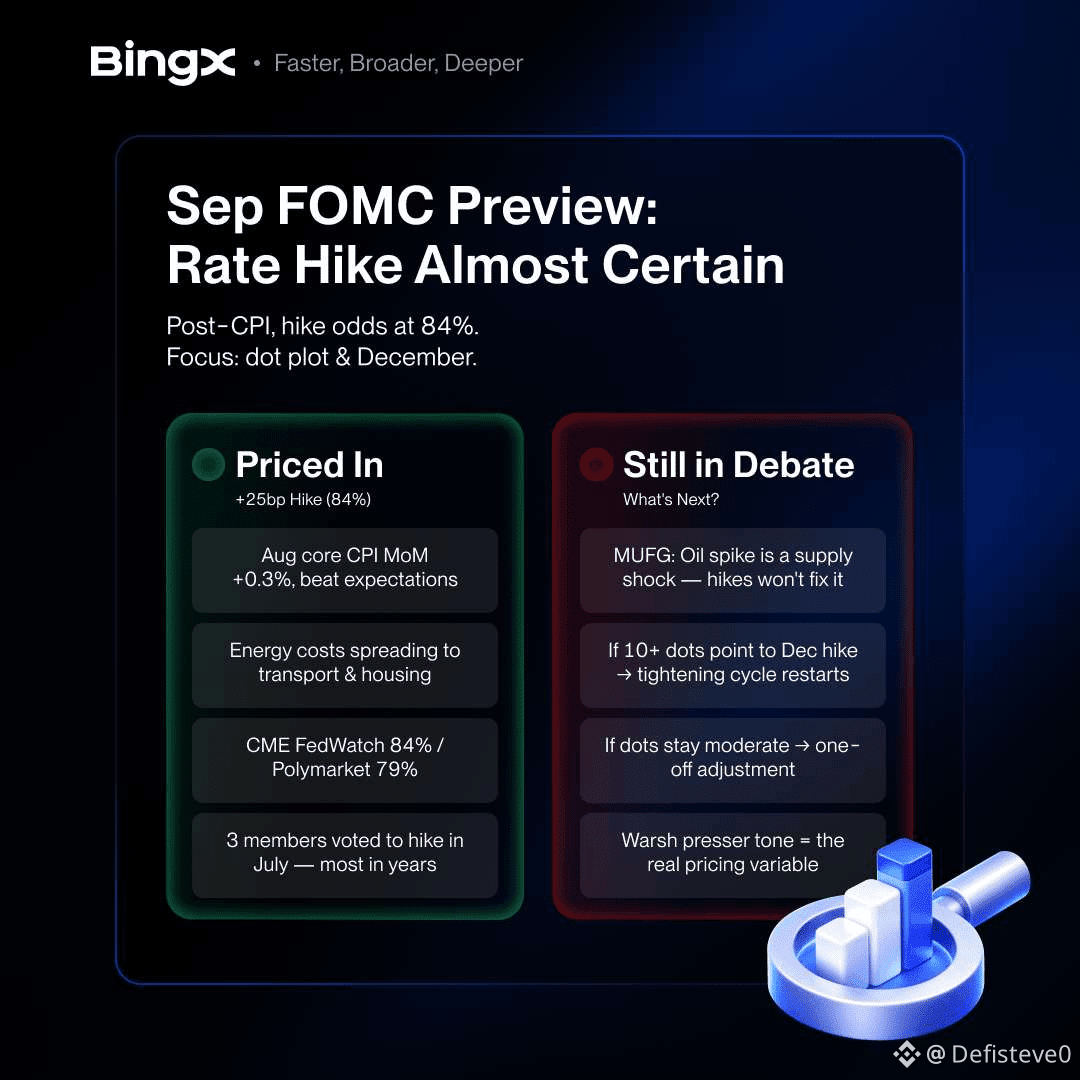
ذكرني اجتماع سبتمبر للجنة الفيدرالية للسوق المفتوح (FOMC) بأن الأسواق لا تتفاعل فقط مع قرار الفائدة؛ بل تتفاعل أيضاً مع التوقعات.
رفعت الاحتياطي الفيدرالي أسعار الفائدة بمقدار 25 نقطة أساس إلى 3.75%–4.00%، بينما لا تزال التوقعات تشير إلى إمكانية إجراء رفعٍ آخر قبل نهاية العام.
بالنسبة للمتداولين، العوامل المحفزة القادمة واضحة:
📊 بيانات التضخم
👷 تقارير التوظيف
🛢️ أسعار النفط
🏛️ تواصل/تصريحات الاحتياطي الفيدرالي
كنت أتابع هذه التحركات الاقتصادية عبر العملات المشفرة والذهب والمؤشرات على BingX لأنها أصبحت أكثر ترابطاً من أي وقت مضى.
هل تعتقد أن قراءة مؤشر أسعار المستهلكين (CPI) القادمة ستغيّر مسار الاحتياطي الفيدرالي؟
$BTC $XRP
ذكرني اجتماع سبتمبر للجنة الفيدرالية للسوق المفتوح (FOMC) بأن الأسواق لا تتفاعل فقط مع قرار الفائدة؛ بل تتفاعل أيضاً مع التوقعات.
رفعت الاحتياطي الفيدرالي أسعار الفائدة بمقدار 25 نقطة أساس إلى 3.75%–4.00%، بينما لا تزال التوقعات تشير إلى إمكانية إجراء رفعٍ آخر قبل نهاية العام.
بالنسبة للمتداولين، العوامل المحفزة القادمة واضحة:
📊 بيانات التضخم
👷 تقارير التوظيف
🛢️ أسعار النفط
🏛️ تواصل/تصريحات الاحتياطي الفيدرالي
كنت أتابع هذه التحركات الاقتصادية عبر العملات المشفرة والذهب والمؤشرات على BingX لأنها أصبحت أكثر ترابطاً من أي وقت مضى.
هل تعتقد أن قراءة مؤشر أسعار المستهلكين (CPI) القادمة ستغيّر مسار الاحتياطي الفيدرالي؟
$BTC $XRP
رفعت الاحتياطي الفيدرالي أسعار الفائدة بمقدار 25 نقطة أساس إلى 3.75%–4.00%، بينما لا تزال التوقعات تشير إلى إمكانية إجراء رفعٍ آخر قبل نهاية العام.
بالنسبة للمتداولين، العوامل المحفزة القادمة واضحة:
📊 بيانات التضخم
👷 تقارير التوظيف
🛢️ أسعار النفط
🏛️ تواصل/تصريحات الاحتياطي الفيدرالي
كنت أتابع هذه التحركات الاقتصادية عبر العملات المشفرة والذهب والمؤشرات على BingX لأنها أصبحت أكثر ترابطاً من أي وقت مضى.
هل تعتقد أن قراءة مؤشر أسعار المستهلكين (CPI) القادمة ستغيّر مسار الاحتياطي الفيدرالي؟
$BTC $XRP
2
·
--
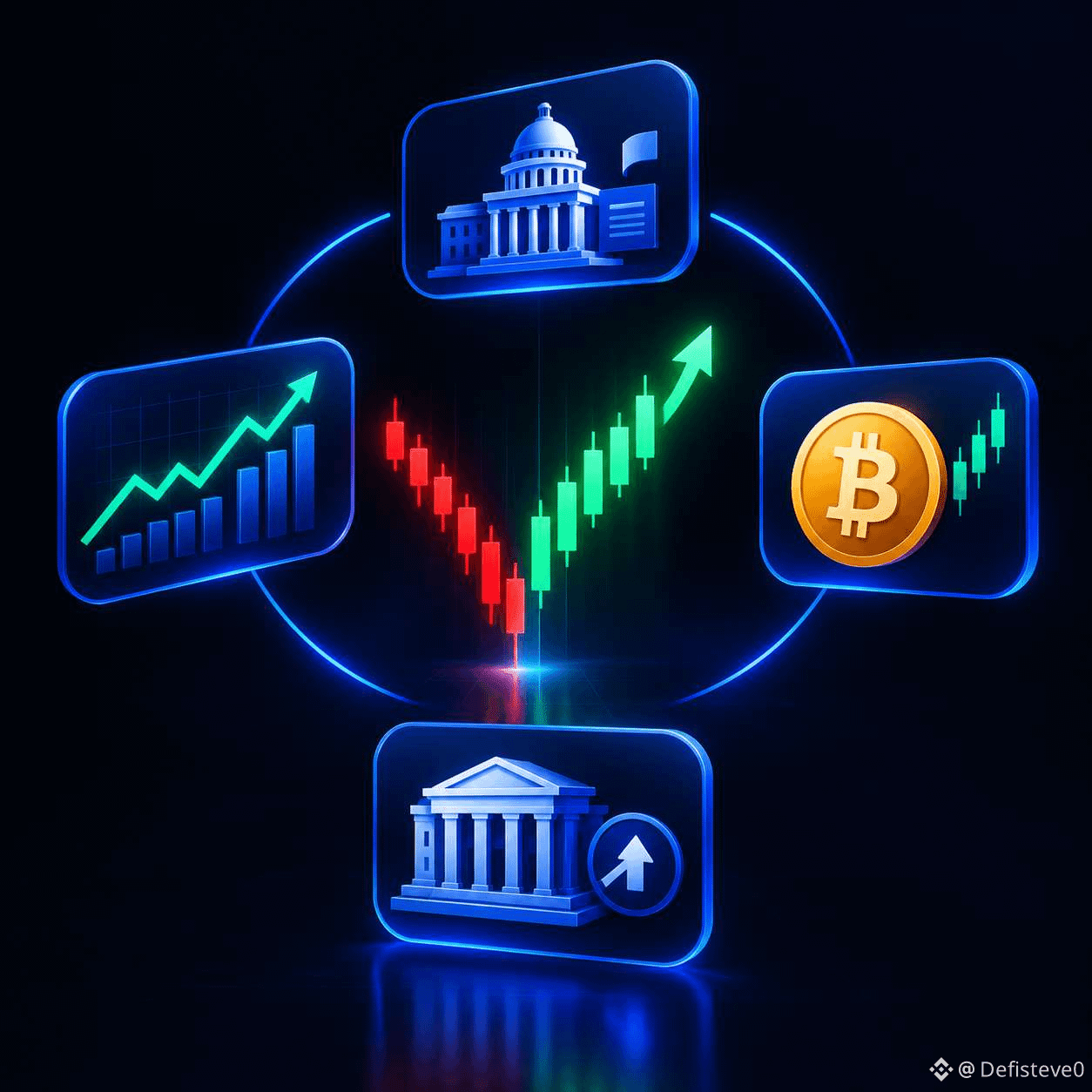
كان من الصعب تفسير حركة الأسعار هذا الأسبوع.
فشل التصويت الإجرائي في مجلس الشيوخ على قانون CLARITY، ورفعت الاحتياطي الفيدرالي الفائدة بمقدار 25 نقطة أساس إلى 3.75%–4.00%.
ومع ذلك، تعافت الأسهم الأمريكية، وهدأت عوائد سندات الخزانة، وارتدّ سعر البيتكوين.
قد يكون السوق قد تسعّر بالفعل الأخبار السيئة، بينما خفّض دعم رئيسة لجنة الأوراق المالية والبورصات (SEC) بول أتكينز لاستمرار عملية سنّ قواعد جديدة للقطاع الكريبتو من حالة عدم اليقين التنظيمي.
كان من المثير للاهتمام مشاهدة تعافي الأسهم والمؤشرات والكريبتو معًا على BingX.
ما رأيك: هل بالغ السوق في رد فعله، أم أن هناك قصة اقتصادية كبرى أكبر تتكشف؟
$BTC
كان من الصعب تفسير حركة الأسعار هذا الأسبوع.
فشل التصويت الإجرائي في مجلس الشيوخ على قانون CLARITY، ورفعت الاحتياطي الفيدرالي الفائدة بمقدار 25 نقطة أساس إلى 3.75%–4.00%.
ومع ذلك، تعافت الأسهم الأمريكية، وهدأت عوائد سندات الخزانة، وارتدّ سعر البيتكوين.
قد يكون السوق قد تسعّر بالفعل الأخبار السيئة، بينما خفّض دعم رئيسة لجنة الأوراق المالية والبورصات (SEC) بول أتكينز لاستمرار عملية سنّ قواعد جديدة للقطاع الكريبتو من حالة عدم اليقين التنظيمي.
كان من المثير للاهتمام مشاهدة تعافي الأسهم والمؤشرات والكريبتو معًا على BingX.
ما رأيك: هل بالغ السوق في رد فعله، أم أن هناك قصة اقتصادية كبرى أكبر تتكشف؟
$BTC
فشل التصويت الإجرائي في مجلس الشيوخ على قانون CLARITY، ورفعت الاحتياطي الفيدرالي الفائدة بمقدار 25 نقطة أساس إلى 3.75%–4.00%.
ومع ذلك، تعافت الأسهم الأمريكية، وهدأت عوائد سندات الخزانة، وارتدّ سعر البيتكوين.
قد يكون السوق قد تسعّر بالفعل الأخبار السيئة، بينما خفّض دعم رئيسة لجنة الأوراق المالية والبورصات (SEC) بول أتكينز لاستمرار عملية سنّ قواعد جديدة للقطاع الكريبتو من حالة عدم اليقين التنظيمي.
كان من المثير للاهتمام مشاهدة تعافي الأسهم والمؤشرات والكريبتو معًا على BingX.
ما رأيك: هل بالغ السوق في رد فعله، أم أن هناك قصة اقتصادية كبرى أكبر تتكشف؟
$BTC
77
·
--
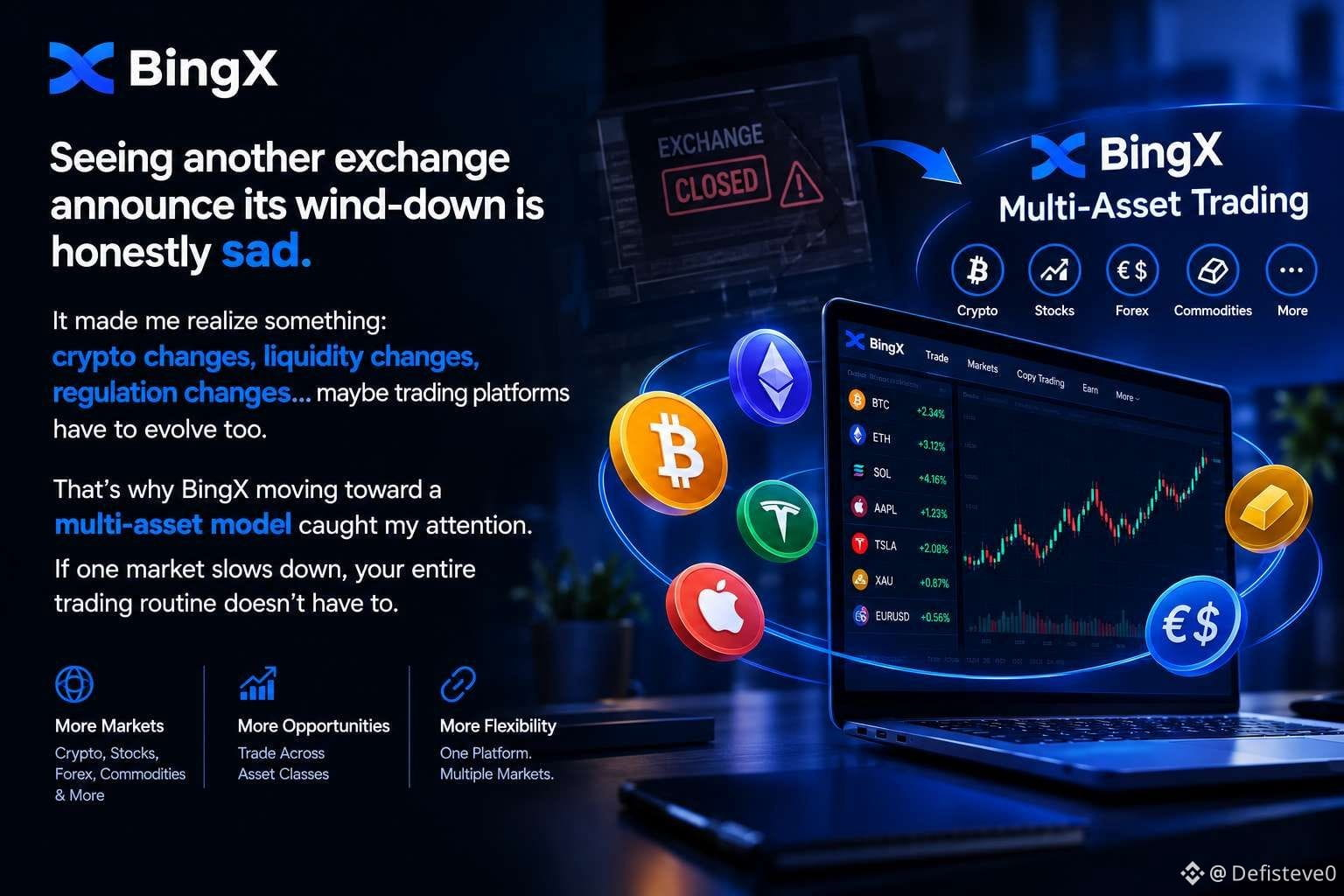
إن إغلاق عملية تبادل أخرى بمثابة تذكير بأن هذه الصناعة لا تزال في طور التطور.
لقد غيّرت فترات الشتاء الطويلة للعملات الرقمية، وانخفاض أحجام التداول، وارتفاع تكاليف الامتثال المشهد بالنسبة لكثير من المنصات. ومن المؤسف رؤية أسماء راسخة تختفي.
الدروس الأكبر بالنسبة لي هي أن البقاء غالبًا ما يأتي عبر التكيّف. لهذا تبدو فكرة منصة متعددة الأصول أكثر صلة من أي وقت مضى، إذ يمكنك التنقّل بين العملات الرقمية والأسهم والمؤشرات والفوركس والسلع دون تغيير سير عملك بالكامل.
متحمس لمعرفة كيف سيتطور ذلك على BingX.
#Macro Insights# #Altcoin Season#
$SOL
إن إغلاق عملية تبادل أخرى بمثابة تذكير بأن هذه الصناعة لا تزال في طور التطور.
لقد غيّرت فترات الشتاء الطويلة للعملات الرقمية، وانخفاض أحجام التداول، وارتفاع تكاليف الامتثال المشهد بالنسبة لكثير من المنصات. ومن المؤسف رؤية أسماء راسخة تختفي.
الدروس الأكبر بالنسبة لي هي أن البقاء غالبًا ما يأتي عبر التكيّف. لهذا تبدو فكرة منصة متعددة الأصول أكثر صلة من أي وقت مضى، إذ يمكنك التنقّل بين العملات الرقمية والأسهم والمؤشرات والفوركس والسلع دون تغيير سير عملك بالكامل.
متحمس لمعرفة كيف سيتطور ذلك على BingX.
#Macro Insights# #Altcoin Season#
$SOL
لقد غيّرت فترات الشتاء الطويلة للعملات الرقمية، وانخفاض أحجام التداول، وارتفاع تكاليف الامتثال المشهد بالنسبة لكثير من المنصات. ومن المؤسف رؤية أسماء راسخة تختفي.
الدروس الأكبر بالنسبة لي هي أن البقاء غالبًا ما يأتي عبر التكيّف. لهذا تبدو فكرة منصة متعددة الأصول أكثر صلة من أي وقت مضى، إذ يمكنك التنقّل بين العملات الرقمية والأسهم والمؤشرات والفوركس والسلع دون تغيير سير عملك بالكامل.
متحمس لمعرفة كيف سيتطور ذلك على BingX.
#Macro Insights# #Altcoin Season#
$SOL
2
·
--
كانت هذه تذكيراً بأن السياسة يمكن أن تتحول إلى حدث في السوق خلال ثوانٍ.
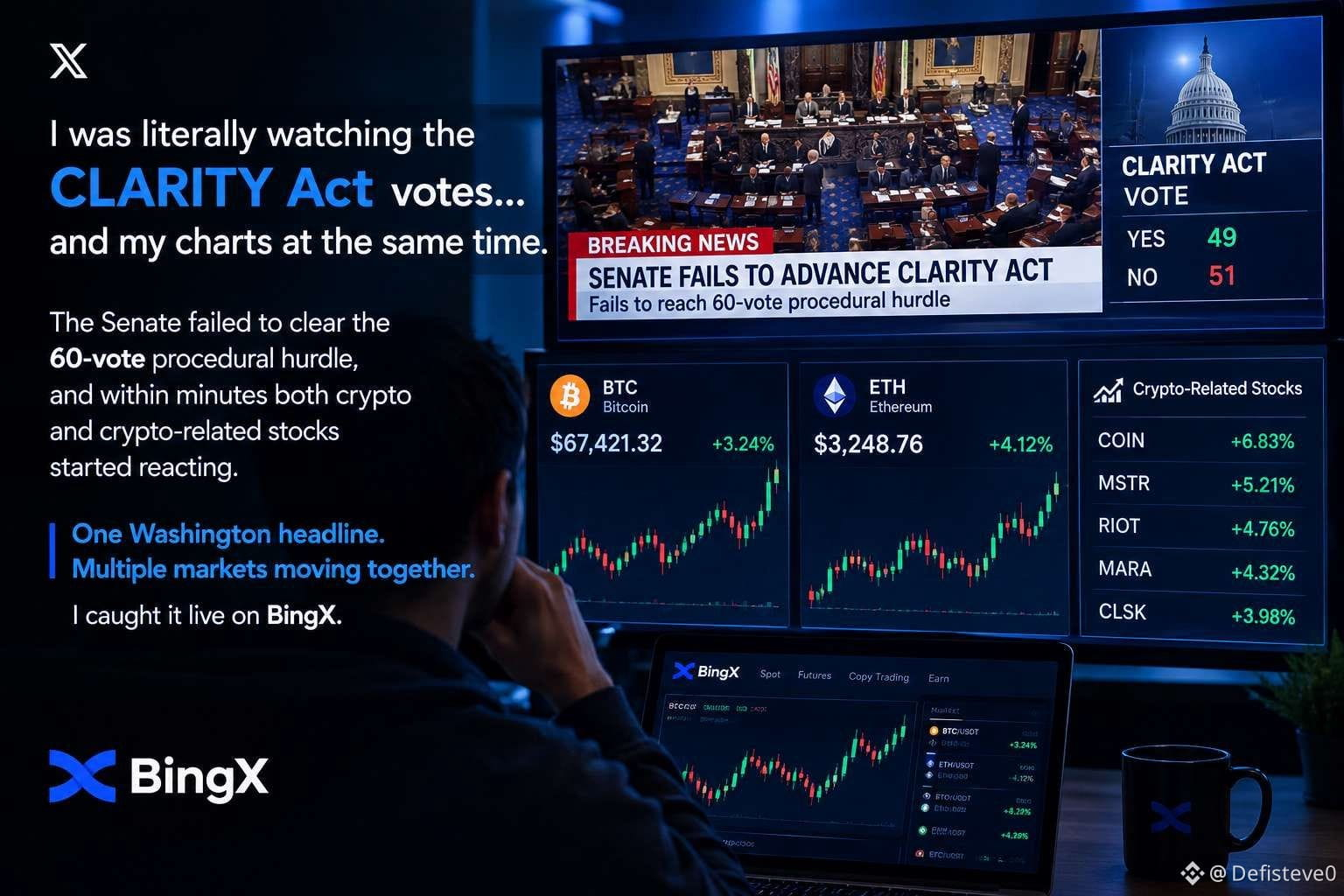
فشل مجلس الشيوخ في تمرير قانون CLARITY عبر التصويت الإجرائي، واستجابت الأصول ذات المخاطر تقريباً فوراً.
كانت BTC تحت ضغط بالفعل، بينما ضعفت الأسهم المرتبطة بالعملات الرقمية بالتزامن مع السوق الأوسع.
كان لديّ كل من العملات الرقمية والأسهم على شاشة BingX، وكان من المثير مشاهدة نفس العنوان وهو يتردد عبر أسواق مختلفة في الوقت الفعلي.
لم يمت مشروع القانون، لكن ما حدث اليوم كان انتكاسة ذات معنى، وقد لاحظ السوق ذلك.
$BNB
كانت هذه تذكيراً بأن السياسة يمكن أن تتحول إلى حدث في السوق خلال ثوانٍ.
فشل مجلس الشيوخ في تمرير قانون CLARITY عبر التصويت الإجرائي، واستجابت الأصول ذات المخاطر تقريباً فوراً.
كانت BTC تحت ضغط بالفعل، بينما ضعفت الأسهم المرتبطة بالعملات الرقمية بالتزامن مع السوق الأوسع.
كان لديّ كل من العملات الرقمية والأسهم على شاشة BingX، وكان من المثير مشاهدة نفس العنوان وهو يتردد عبر أسواق مختلفة في الوقت الفعلي.
لم يمت مشروع القانون، لكن ما حدث اليوم كان انتكاسة ذات معنى، وقد لاحظ السوق ذلك.
$BNB
فشل مجلس الشيوخ في تمرير قانون CLARITY عبر التصويت الإجرائي، واستجابت الأصول ذات المخاطر تقريباً فوراً.
كانت BTC تحت ضغط بالفعل، بينما ضعفت الأسهم المرتبطة بالعملات الرقمية بالتزامن مع السوق الأوسع.
كان لديّ كل من العملات الرقمية والأسهم على شاشة BingX، وكان من المثير مشاهدة نفس العنوان وهو يتردد عبر أسواق مختلفة في الوقت الفعلي.
لم يمت مشروع القانون، لكن ما حدث اليوم كان انتكاسة ذات معنى، وقد لاحظ السوق ذلك.
$BNB
·
--
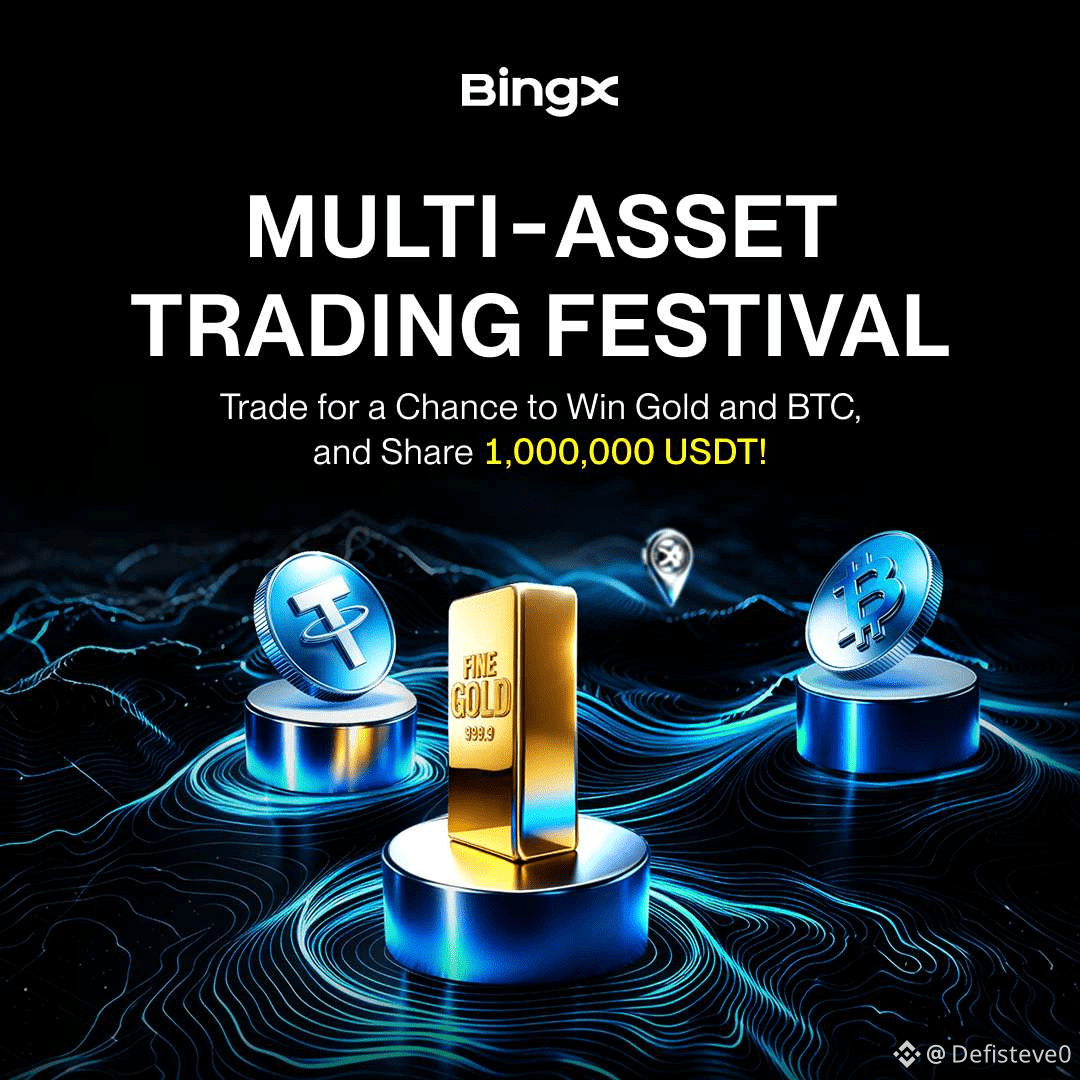
🎯 لدى متداولي الأصول المتعددة شيء جديد لمتابعته هذا سبتمبر.
يضم مهرجان التداول على الأصول المتعددة صندوق جوائز بقيمة 1,000,000 USDT عبر
• ₿ العملات المشفرة
• 📈 الأسهم
• 💱 الفوركس
• 📊 المؤشرات
يمكن لحجم تداول يومي بقيمة 1,000 USDT أن يؤهل المشاركين للحصول على مكافآت BTC و & GOLD.
أعجبني أنه مبني حول أسواق متعددة وليس سوقًا واحدًا فقط. يجدر الاطلاع على تفاصيل الحملة على BingX إذا كنت تتداول بالفعل عبر فئات أصول مختلفة.
$XRP
$GOLD
$XAUM
🎯 لدى متداولي الأصول المتعددة شيء جديد لمتابعته هذا سبتمبر.
يضم مهرجان التداول على الأصول المتعددة صندوق جوائز بقيمة 1,000,000 USDT عبر
• ₿ العملات المشفرة
• 📈 الأسهم
• 💱 الفوركس
• 📊 المؤشرات
يمكن لحجم تداول يومي بقيمة 1,000 USDT أن يؤهل المشاركين للحصول على مكافآت BTC و & GOLD.
أعجبني أنه مبني حول أسواق متعددة وليس سوقًا واحدًا فقط. يجدر الاطلاع على تفاصيل الحملة على BingX إذا كنت تتداول بالفعل عبر فئات أصول مختلفة.
$XRP
$GOLD
$XAUM
يضم مهرجان التداول على الأصول المتعددة صندوق جوائز بقيمة 1,000,000 USDT عبر
• ₿ العملات المشفرة
• 📈 الأسهم
• 💱 الفوركس
• 📊 المؤشرات
يمكن لحجم تداول يومي بقيمة 1,000 USDT أن يؤهل المشاركين للحصول على مكافآت BTC و & GOLD.
أعجبني أنه مبني حول أسواق متعددة وليس سوقًا واحدًا فقط. يجدر الاطلاع على تفاصيل الحملة على BingX إذا كنت تتداول بالفعل عبر فئات أصول مختلفة.
$XRP
$GOLD
$XAUM
3
·
--
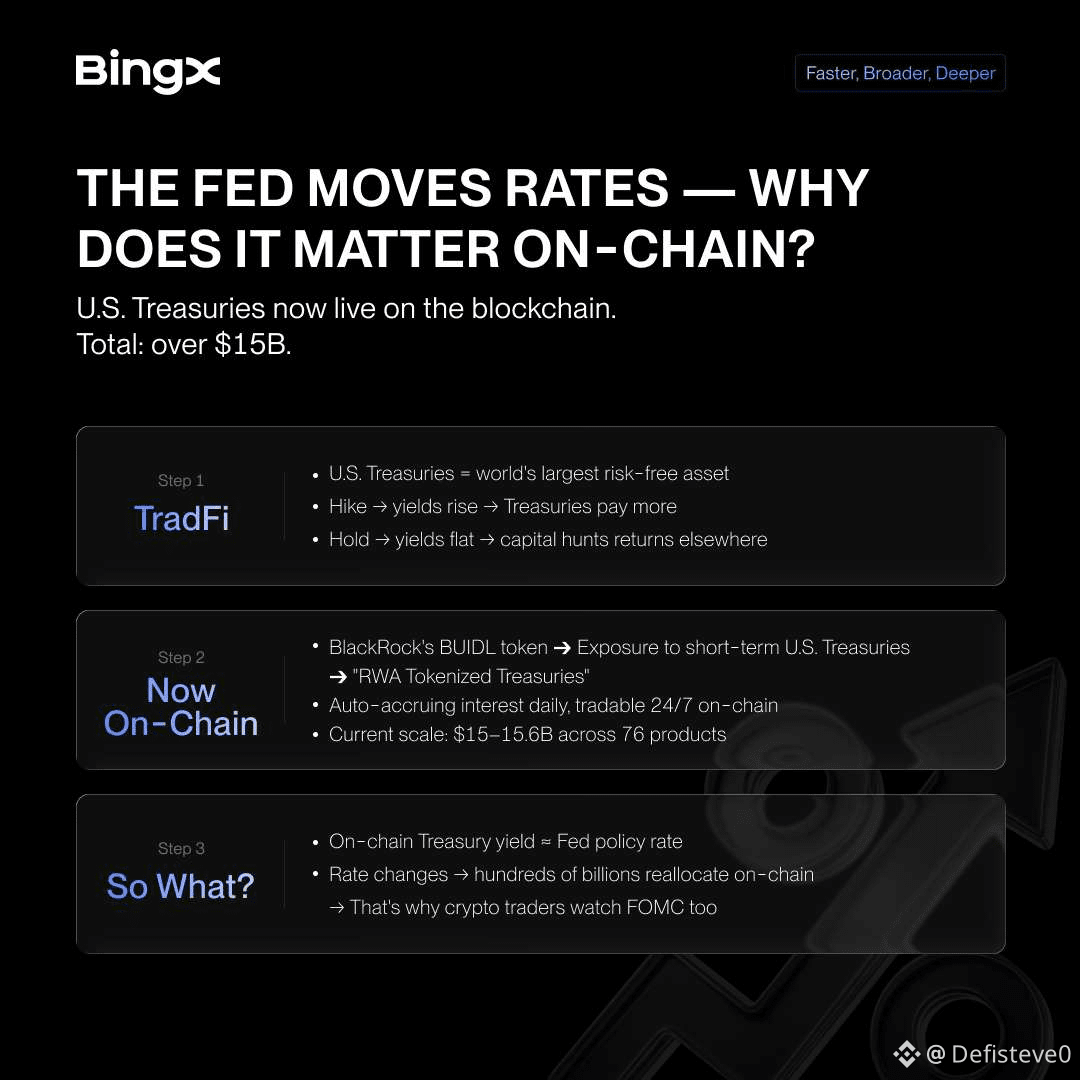
أسبوع لجنة السوق المفتوحة الفيدرالية (FOMC) أيضًا قصة تتعلق بالأصول المرمّزة (RWA).
لقد نمت سندات الخزانة الأمريكية المرمّزة إلى أكثر من 15 مليار دولار على السلسلة، مما يوضح مدى سرعة انتقال أصول الدخل الثابت التقليدية إلى بنية تحتية للعملات المشفرة.
قد تؤدي أسعار الفائدة المرتفعة إلى تغيير عوائد سندات الخزانة، وهذا يجعل سياسات الاحتياطي الفيدرالي مهمة ليس فقط بالنسبة إلى $BTC بل أيضًا بالنسبة إلى مشاريع RWA التي تركز على العائد مثل $ONDO.
تابع هذا الإعداد الكلي عن كثب على BingX.
#ONDO
أسبوع لجنة السوق المفتوحة الفيدرالية (FOMC) أيضًا قصة تتعلق بالأصول المرمّزة (RWA).
لقد نمت سندات الخزانة الأمريكية المرمّزة إلى أكثر من 15 مليار دولار على السلسلة، مما يوضح مدى سرعة انتقال أصول الدخل الثابت التقليدية إلى بنية تحتية للعملات المشفرة.
قد تؤدي أسعار الفائدة المرتفعة إلى تغيير عوائد سندات الخزانة، وهذا يجعل سياسات الاحتياطي الفيدرالي مهمة ليس فقط بالنسبة إلى $BTC بل أيضًا بالنسبة إلى مشاريع RWA التي تركز على العائد مثل $ONDO.
تابع هذا الإعداد الكلي عن كثب على BingX.
#ONDO
لقد نمت سندات الخزانة الأمريكية المرمّزة إلى أكثر من 15 مليار دولار على السلسلة، مما يوضح مدى سرعة انتقال أصول الدخل الثابت التقليدية إلى بنية تحتية للعملات المشفرة.
قد تؤدي أسعار الفائدة المرتفعة إلى تغيير عوائد سندات الخزانة، وهذا يجعل سياسات الاحتياطي الفيدرالي مهمة ليس فقط بالنسبة إلى $BTC بل أيضًا بالنسبة إلى مشاريع RWA التي تركز على العائد مثل $ONDO.
تابع هذا الإعداد الكلي عن كثب على BingX.
#ONDO
56
·
--
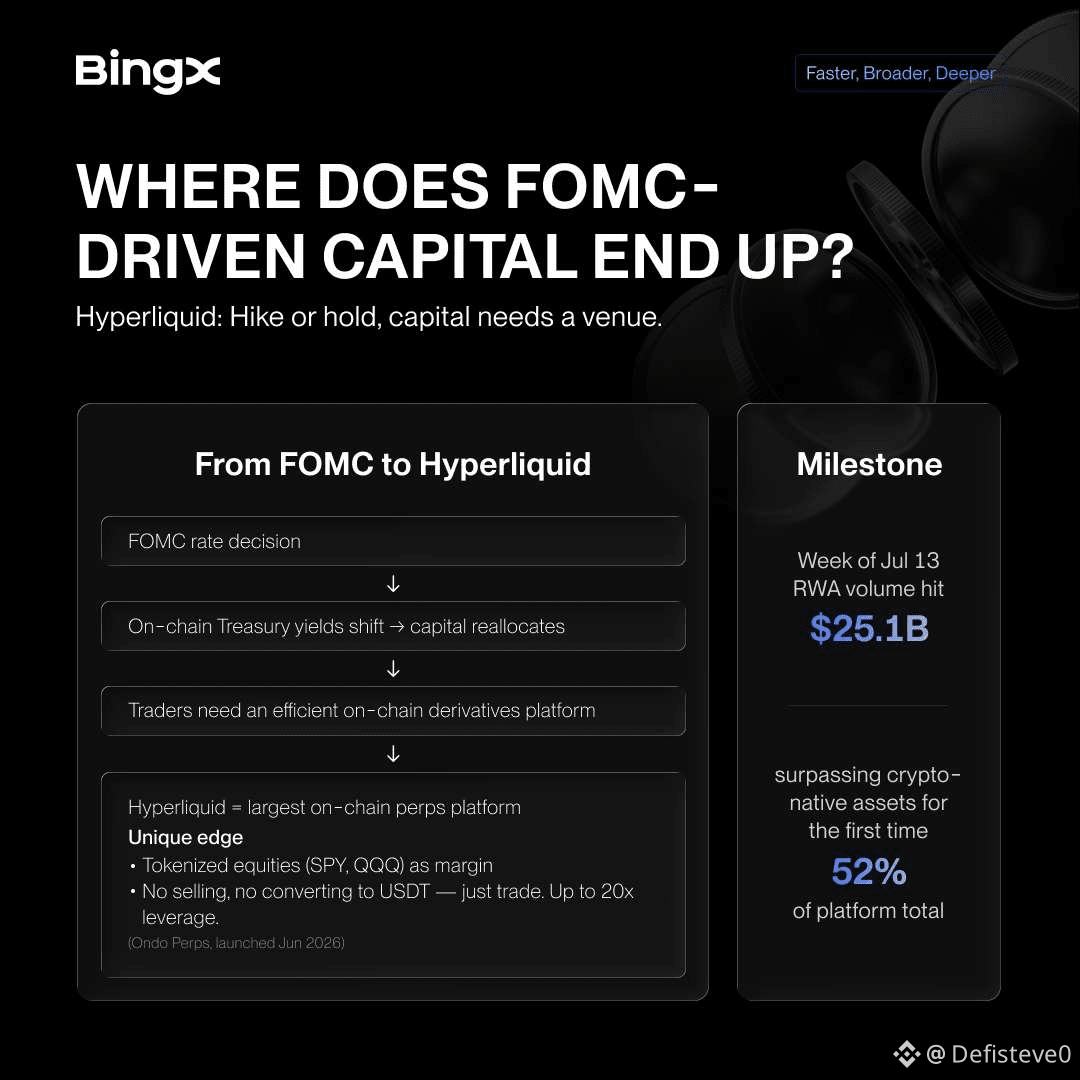
سرد الـRWA أصبح من الصعب تجاهله.
بين 13 و19 يوليو، حققت أسواق الـRWA في Hyperliquid حجم تداول أسبوعي بلغ 25.1B دولار، ما يشكل 52% من إجمالي المنصة البالغ 48.2B دولار.
ومع تشكيل لجنة السوق المفتوحة الفيدرالية (FOMC) للسيولة ومستوى تقبل المخاطر، باتت الأسهم والسلع المُرمّزة (tokenized) جزءًا من نفس المحادثة الاقتصادية الكبرى مع العملات المشفرة.
أواصل إبقاء $HYPE ضمن قائمة المراقبة الخاصة بي على BingX. 👀
#HYPE
سرد الـRWA أصبح من الصعب تجاهله.
بين 13 و19 يوليو، حققت أسواق الـRWA في Hyperliquid حجم تداول أسبوعي بلغ 25.1B دولار، ما يشكل 52% من إجمالي المنصة البالغ 48.2B دولار.
ومع تشكيل لجنة السوق المفتوحة الفيدرالية (FOMC) للسيولة ومستوى تقبل المخاطر، باتت الأسهم والسلع المُرمّزة (tokenized) جزءًا من نفس المحادثة الاقتصادية الكبرى مع العملات المشفرة.
أواصل إبقاء $HYPE ضمن قائمة المراقبة الخاصة بي على BingX. 👀
#HYPE
بين 13 و19 يوليو، حققت أسواق الـRWA في Hyperliquid حجم تداول أسبوعي بلغ 25.1B دولار، ما يشكل 52% من إجمالي المنصة البالغ 48.2B دولار.
ومع تشكيل لجنة السوق المفتوحة الفيدرالية (FOMC) للسيولة ومستوى تقبل المخاطر، باتت الأسهم والسلع المُرمّزة (tokenized) جزءًا من نفس المحادثة الاقتصادية الكبرى مع العملات المشفرة.
أواصل إبقاء $HYPE ضمن قائمة المراقبة الخاصة بي على BingX. 👀
#HYPE
·
--
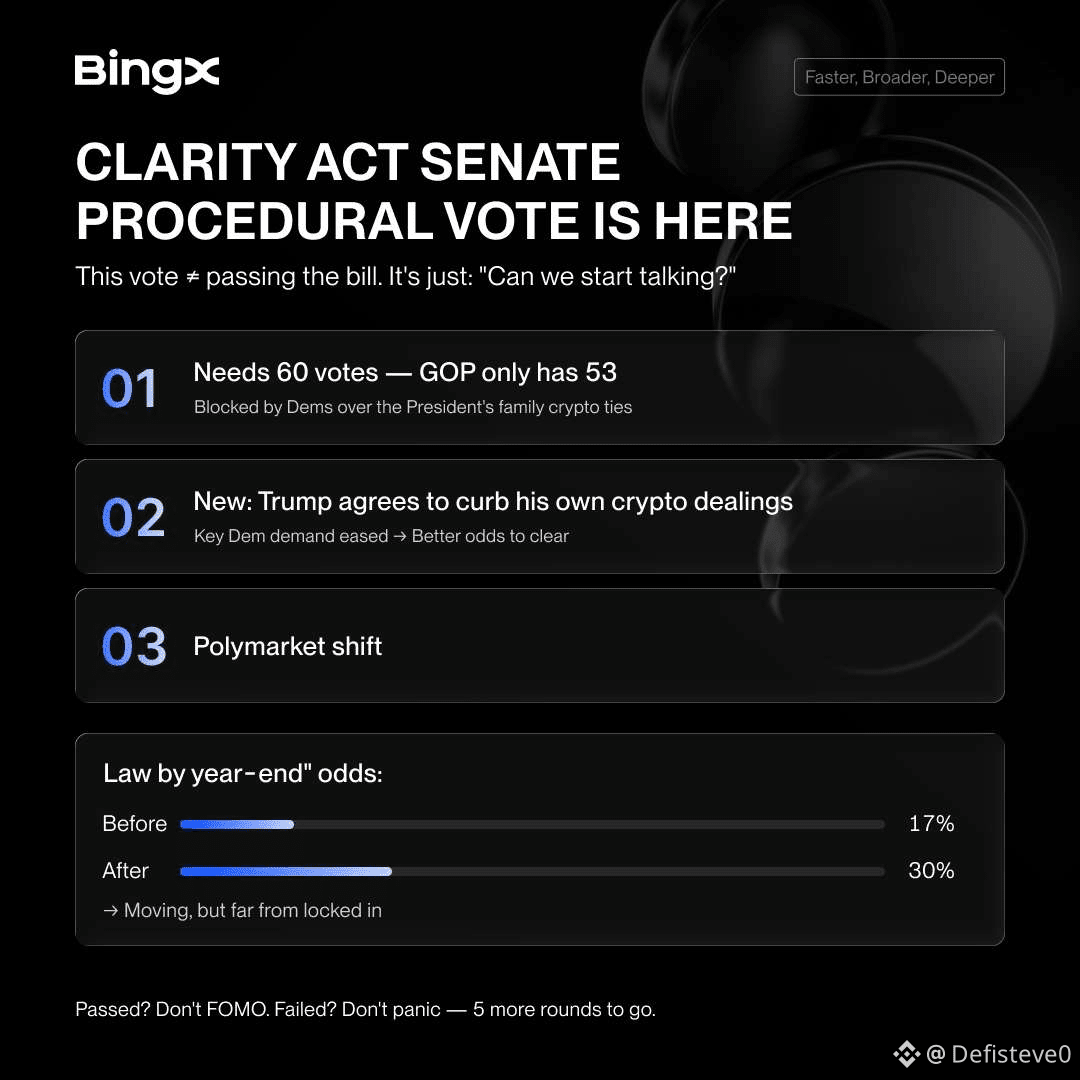
📜 عادت لوائح تنظيم العملات المشفرة إلى دائرة الضوء.
يحتاج قانون CLARITY إلى 60 صوتًا في مجلس الشيوخ للمضي قدمًا. وهذه خطوة إجرائية مهمة لكنها ليست نقطة النهاية.
إذا تحرك مشروع القانون للأمام، فقد تدعم وضوح التنظيم السوق الأوسع للعملات المشفرة، مع احتمال أن يشهد $ETH و $SOL تحركات بنسبة مئوية أكبر من $BTC.
ما أكبر المخاطر؟ الاندفاع العاطفي (FOMO). لا يعني صوت واحد أنه أصبح قانونًا.
#CLARITYAct #Bitcoin
📜 عادت لوائح تنظيم العملات المشفرة إلى دائرة الضوء.
يحتاج قانون CLARITY إلى 60 صوتًا في مجلس الشيوخ للمضي قدمًا. وهذه خطوة إجرائية مهمة لكنها ليست نقطة النهاية.
إذا تحرك مشروع القانون للأمام، فقد تدعم وضوح التنظيم السوق الأوسع للعملات المشفرة، مع احتمال أن يشهد $ETH و $SOL تحركات بنسبة مئوية أكبر من $BTC.
ما أكبر المخاطر؟ الاندفاع العاطفي (FOMO). لا يعني صوت واحد أنه أصبح قانونًا.
#CLARITYAct #Bitcoin
يحتاج قانون CLARITY إلى 60 صوتًا في مجلس الشيوخ للمضي قدمًا. وهذه خطوة إجرائية مهمة لكنها ليست نقطة النهاية.
إذا تحرك مشروع القانون للأمام، فقد تدعم وضوح التنظيم السوق الأوسع للعملات المشفرة، مع احتمال أن يشهد $ETH و $SOL تحركات بنسبة مئوية أكبر من $BTC.
ما أكبر المخاطر؟ الاندفاع العاطفي (FOMO). لا يعني صوت واحد أنه أصبح قانونًا.
#CLARITYAct #Bitcoin
24
·
--
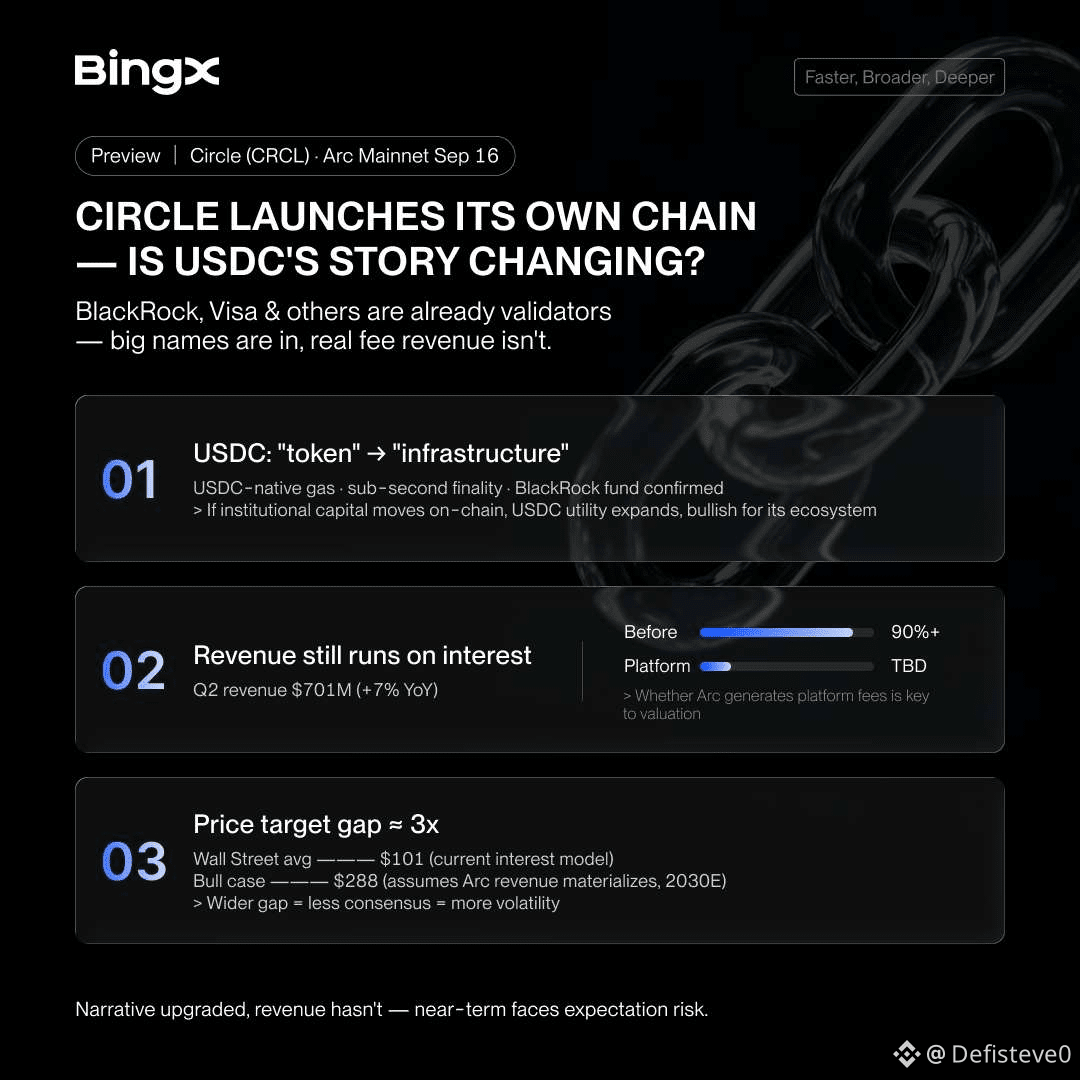
قد يكون شقّ شبكة Arc Mainnet أكبر اختبار حتى الآن لشركة Circle.
أنشأ $CRCL مبلغ 701 مليون دولار في الربع الثاني، لكن حوالي 95% لا يزال ناتجًا من إيرادات الاحتياطي. لذلك فإن 16 سبتمبر مهمة؛ فالمقصود ليس مجرد سلسلة جديدة، بل ما إذا كانت Arc ستخلق إيرادات منصة حقيقية عبر المدفوعات والتسوية والأصول المُمَثَّلة برموز.
السرد قوي. والآن يجب أن تأتي الأرقام لتواكبه.
#CRCL #USDC
قد يكون شقّ شبكة Arc Mainnet أكبر اختبار حتى الآن لشركة Circle.
أنشأ $CRCL مبلغ 701 مليون دولار في الربع الثاني، لكن حوالي 95% لا يزال ناتجًا من إيرادات الاحتياطي. لذلك فإن 16 سبتمبر مهمة؛ فالمقصود ليس مجرد سلسلة جديدة، بل ما إذا كانت Arc ستخلق إيرادات منصة حقيقية عبر المدفوعات والتسوية والأصول المُمَثَّلة برموز.
السرد قوي. والآن يجب أن تأتي الأرقام لتواكبه.
#CRCL #USDC
أنشأ $CRCL مبلغ 701 مليون دولار في الربع الثاني، لكن حوالي 95% لا يزال ناتجًا من إيرادات الاحتياطي. لذلك فإن 16 سبتمبر مهمة؛ فالمقصود ليس مجرد سلسلة جديدة، بل ما إذا كانت Arc ستخلق إيرادات منصة حقيقية عبر المدفوعات والتسوية والأصول المُمَثَّلة برموز.
السرد قوي. والآن يجب أن تأتي الأرقام لتواكبه.
#CRCL #USDC
201
·
--
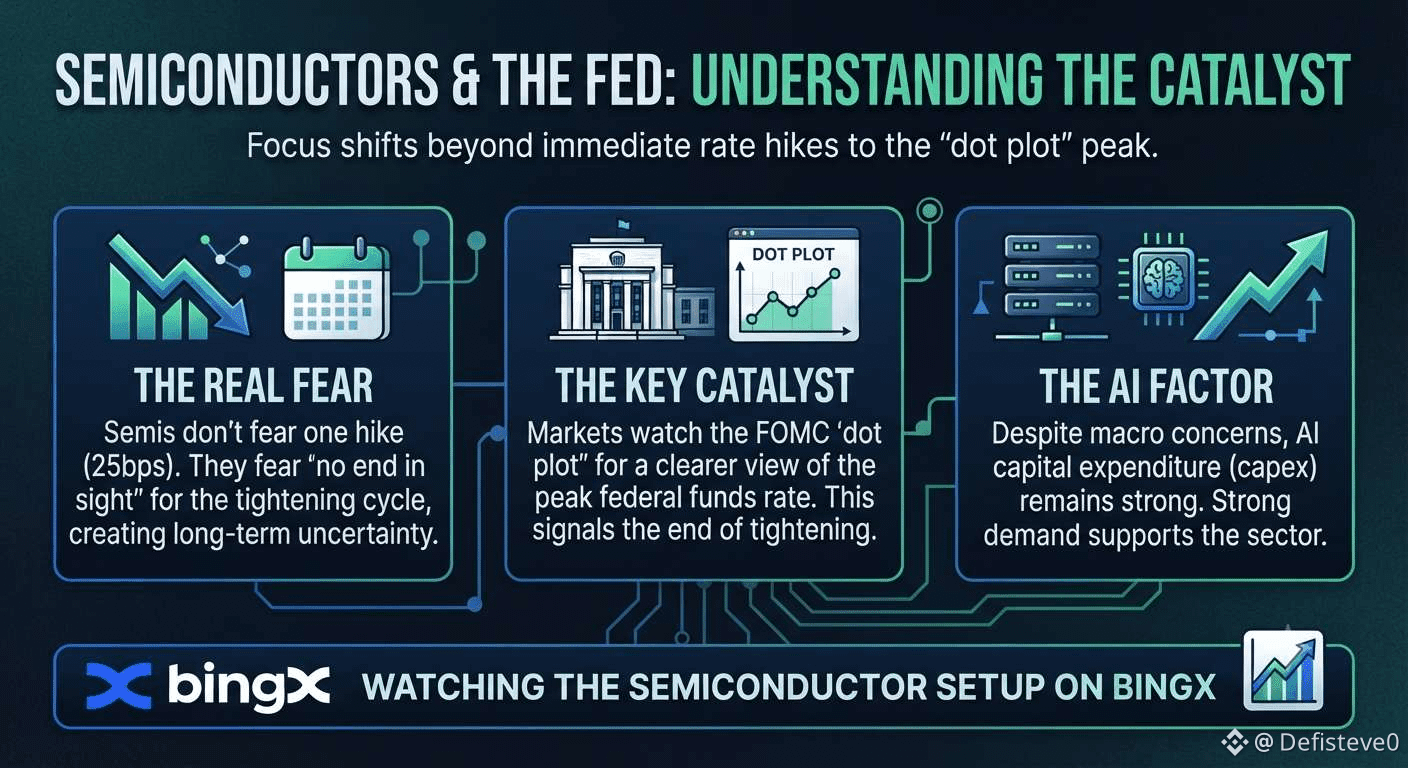
📊 قصة لجنة السوق المفتوحة الفيدرالية (FOMC) لقطاع أشباه الموصلات أكبر من موضوع الفائدة.
بعد المفاجأة المتشددة في يونيو 2022، واصل مؤشر SOX الصعود خلال الأشهر التالية، إذ بدت الأسواق وكأنها تتجاوز الصدمة الأولية.
هذه المرة، تتمثل الأسئلة الرئيسية في،
• هل تشير الفدرالية إلى بلوغ ذروة التشديد؟
• هل يمكن لإنفاق البنية التحتية للذكاء الاصطناعي أن يواصل دعم الطلب على الرقائق؟
سأظل أتابع قطاع أشباه الموصلات عبر BingX TradFi. 👀
#FOMC #Semiconductors
$XRP
📊 قصة لجنة السوق المفتوحة الفيدرالية (FOMC) لقطاع أشباه الموصلات أكبر من موضوع الفائدة.
بعد المفاجأة المتشددة في يونيو 2022، واصل مؤشر SOX الصعود خلال الأشهر التالية، إذ بدت الأسواق وكأنها تتجاوز الصدمة الأولية.
هذه المرة، تتمثل الأسئلة الرئيسية في،
• هل تشير الفدرالية إلى بلوغ ذروة التشديد؟
• هل يمكن لإنفاق البنية التحتية للذكاء الاصطناعي أن يواصل دعم الطلب على الرقائق؟
سأظل أتابع قطاع أشباه الموصلات عبر BingX TradFi. 👀
#FOMC #Semiconductors
$XRP
بعد المفاجأة المتشددة في يونيو 2022، واصل مؤشر SOX الصعود خلال الأشهر التالية، إذ بدت الأسواق وكأنها تتجاوز الصدمة الأولية.
هذه المرة، تتمثل الأسئلة الرئيسية في،
• هل تشير الفدرالية إلى بلوغ ذروة التشديد؟
• هل يمكن لإنفاق البنية التحتية للذكاء الاصطناعي أن يواصل دعم الطلب على الرقائق؟
سأظل أتابع قطاع أشباه الموصلات عبر BingX TradFi. 👀
#FOMC #Semiconductors
$XRP
·
--
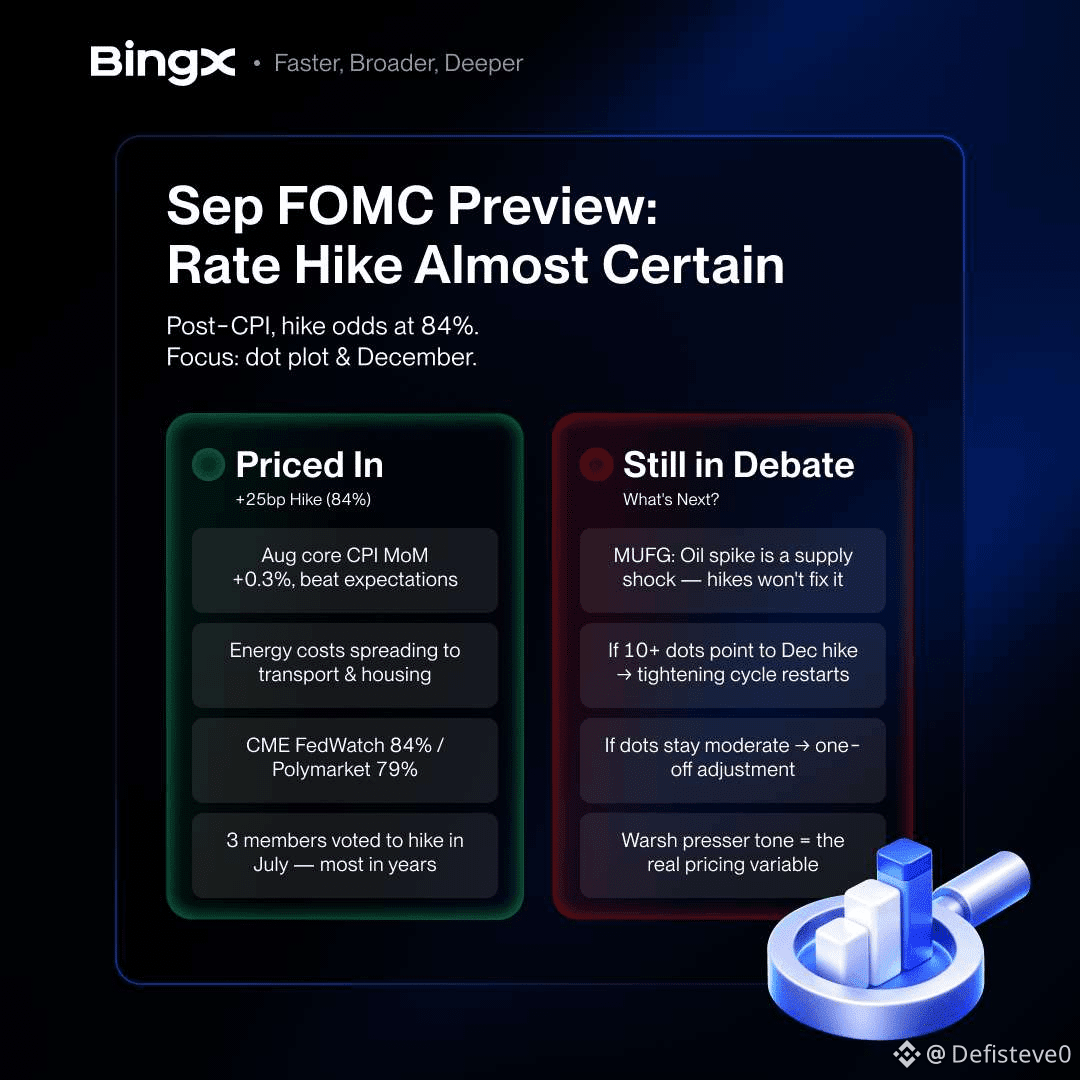
أسبوع اللجنة الفيدرالية للسوق المفتوحة (FOMC) يدور بالكامل حول التوقعات.
- 📈 احتمالات الرفع في سبتمبر: 84%
- 📊 قبل شهر واحد: 40%
يبدو أن حركة الفائدة مُسعّرة إلى حد كبير بالفعل. ما قد يؤثر فعليًا في الأسواق هو مخطط النقاط (dot plot) وما إذا كانت الإشارة من الاحتياطي الفيدرالي توحي بزيادة أخرى في ديسمبر.
تابع عن كثب $BTC و $DXY و $XAU حول موعد الإعلان. قد يغيّر حدثٌ مفاجئ السردية بالكامل.
أسبوع اللجنة الفيدرالية للسوق المفتوحة (FOMC) يدور بالكامل حول التوقعات.
- 📈 احتمالات الرفع في سبتمبر: 84%
- 📊 قبل شهر واحد: 40%
يبدو أن حركة الفائدة مُسعّرة إلى حد كبير بالفعل. ما قد يؤثر فعليًا في الأسواق هو مخطط النقاط (dot plot) وما إذا كانت الإشارة من الاحتياطي الفيدرالي توحي بزيادة أخرى في ديسمبر.
تابع عن كثب $BTC و $DXY و $XAU حول موعد الإعلان. قد يغيّر حدثٌ مفاجئ السردية بالكامل.
- 📈 احتمالات الرفع في سبتمبر: 84%
- 📊 قبل شهر واحد: 40%
يبدو أن حركة الفائدة مُسعّرة إلى حد كبير بالفعل. ما قد يؤثر فعليًا في الأسواق هو مخطط النقاط (dot plot) وما إذا كانت الإشارة من الاحتياطي الفيدرالي توحي بزيادة أخرى في ديسمبر.
تابع عن كثب $BTC و $DXY و $XAU حول موعد الإعلان. قد يغيّر حدثٌ مفاجئ السردية بالكامل.
53
سجّل الدخول لاستكشاف المزيد من المُحتوى
انضم إلى مُستخدمي العملات الرقمية حول العالم على Binance Square
⚡️ احصل على أحدث المعلومات المفيدة عن العملات الرقمية.
💬 موثوقة من قبل أكبر منصّة لتداول العملات الرقمية في العالم.
👍 اكتشف الرؤى الحقيقية من صنّاع المُحتوى الموثوقين.
البريد الإلكتروني / رقم الهاتف
المواضيع الرائجة
ZcashETFPostsFirstWeeklyOutflow$93.6M
51 مشاهدات
17 يقومون بالنقاش
تحديث صندوق زِكاش المتداول (ETF)
سجلت مؤسسة ETF الخاصة بـ Zcash أول مرة لتدفقات صافية خارجية أسبوعية منذ إطلاقها في أغسطس.
سحب المستثمرون 93.6 مليون دولار بينما انخفض $ZEC نحو 1,300 دولار. وقد اجتذب Grayscale’s ZCSH 98.2 مليون دولار قبل أسبوعين، لكن لم تُسجل أي تدفقات صافية يومية منذ 22 سبتمبر، وفقًا لـ SoSoValue.
بلغ سعر ZEC حوالي 1,308 دولار في 3 أكتوبر، منخفضًا بنحو 17.5% خلال الأسبوع وبحوال 23% مقارنةً بذروته الأخيرة عند 1,690 دولار.
$ZEC
Vicky-143
·0 إعجاب
·137 مشاهدات
GreekPoliceBustCryptoScamRingArrest17
324 مشاهدات
55 يقومون بالنقاش
BitcoinRejectedAt$87K
49,390 مشاهدات
86 يقومون بالنقاش