

阿尔法牛
32 منشورات

阿尔法牛
إبلاغ
حظر المُستخدم
阿尔法牛 🐂 加密货币交易员 & 清算图分析师 📈捕捉市场趋势与阿尔法信号 🚀投资需谨慎 / 非财务建议
فتح تداول
6.2 أشهر
4 تتابع
27 المتابعون
38 إعجاب
منشورات
الحافظة الاستثمارية
·
--
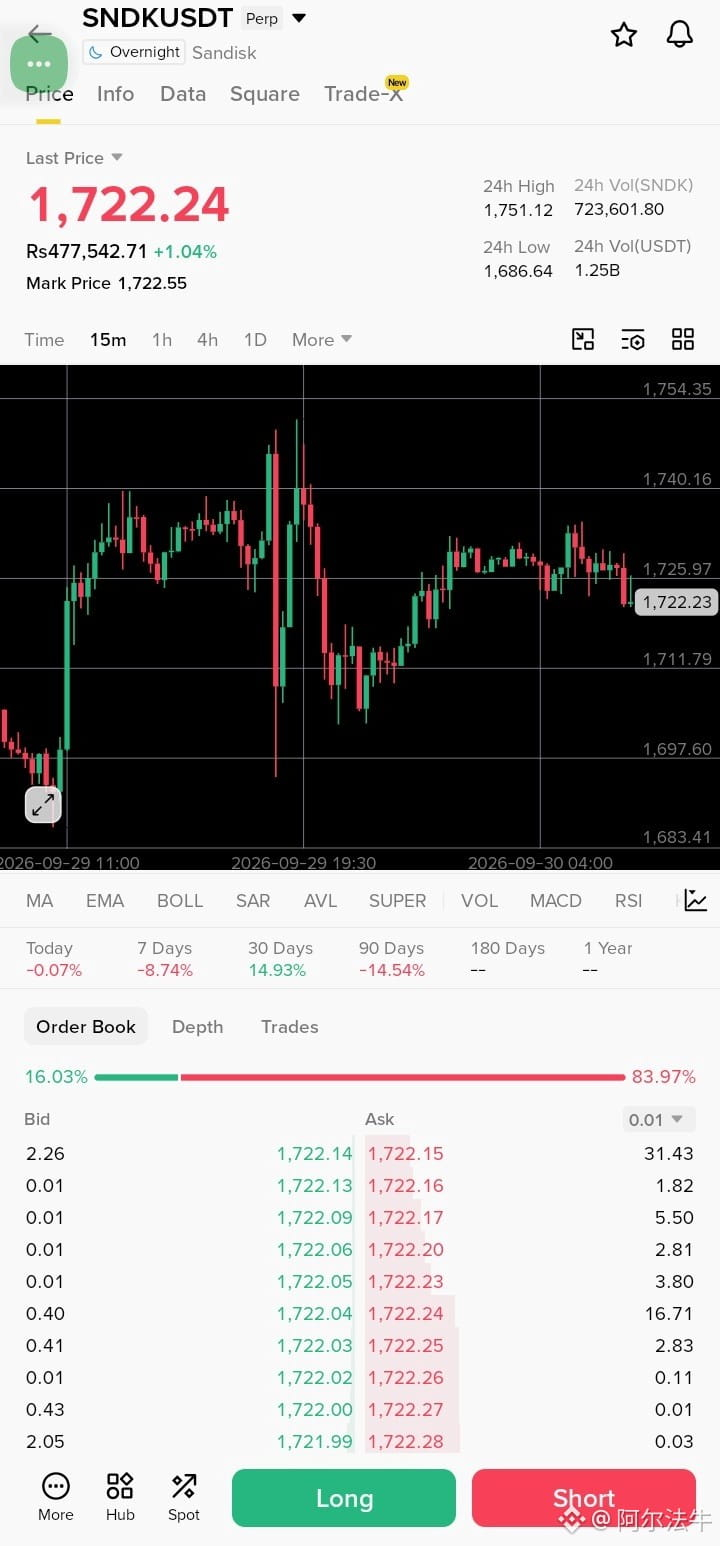
🚨 $SNDK (سانديسك) تنبيه سوقي! المشترون المتحكمون! 🚨
ألقِ نظرة على اختلالًا ضخمًا في دفتر الأوامر — 83.79% مشترون مقابل 16.21% بائعين! 📈🔥
💰 السعر الحالي: $1,722.24 (+1.04%)
📊 أعلى / أدنى 24 ساعة: $1,751.12 / $1,686.64
⚡ حجم 24 ساعة (USDT): 1.25B
🚀 نمو 30 يومًا: +14.93%
الثيران تدفع الزخم بوضوح، وضغط الشراء يتراكم بسرعة.
❓ ما هي خطة تداولك؟
1️⃣ شراء (استهداف اختراق $1,750+)
2️⃣ بيع (متوقع رفض عند أعلى 24 ساعة)
3️⃣ انتظر وراقب
اكتب أهداف السعر واستراتيجيتك في التعليقات بالأسفل! 👇
#SNDK #CryptoTrading #Futures #BinanceSquare #CryptoAlerts #TradingSignals
$SNDK
{future}(SNDKUSDT)
🚨 $SNDK (سانديسك) تنبيه سوقي! المشترون المتحكمون! 🚨
ألقِ نظرة على اختلالًا ضخمًا في دفتر الأوامر — 83.79% مشترون مقابل 16.21% بائعين! 📈🔥
💰 السعر الحالي: $1,722.24 (+1.04%)
📊 أعلى / أدنى 24 ساعة: $1,751.12 / $1,686.64
⚡ حجم 24 ساعة (USDT): 1.25B
🚀 نمو 30 يومًا: +14.93%
الثيران تدفع الزخم بوضوح، وضغط الشراء يتراكم بسرعة.
❓ ما هي خطة تداولك؟
1️⃣ شراء (استهداف اختراق $1,750+)
2️⃣ بيع (متوقع رفض عند أعلى 24 ساعة)
3️⃣ انتظر وراقب
اكتب أهداف السعر واستراتيجيتك في التعليقات بالأسفل! 👇
#SNDK #CryptoTrading #Futures #BinanceSquare #CryptoAlerts #TradingSignals
$SNDK
ألقِ نظرة على اختلالًا ضخمًا في دفتر الأوامر — 83.79% مشترون مقابل 16.21% بائعين! 📈🔥
💰 السعر الحالي: $1,722.24 (+1.04%)
📊 أعلى / أدنى 24 ساعة: $1,751.12 / $1,686.64
⚡ حجم 24 ساعة (USDT): 1.25B
🚀 نمو 30 يومًا: +14.93%
الثيران تدفع الزخم بوضوح، وضغط الشراء يتراكم بسرعة.
❓ ما هي خطة تداولك؟
1️⃣ شراء (استهداف اختراق $1,750+)
2️⃣ بيع (متوقع رفض عند أعلى 24 ساعة)
3️⃣ انتظر وراقب
اكتب أهداف السعر واستراتيجيتك في التعليقات بالأسفل! 👇
#SNDK #CryptoTrading #Futures #BinanceSquare #CryptoAlerts #TradingSignals
$SNDK
1
264
·
--
صاعد
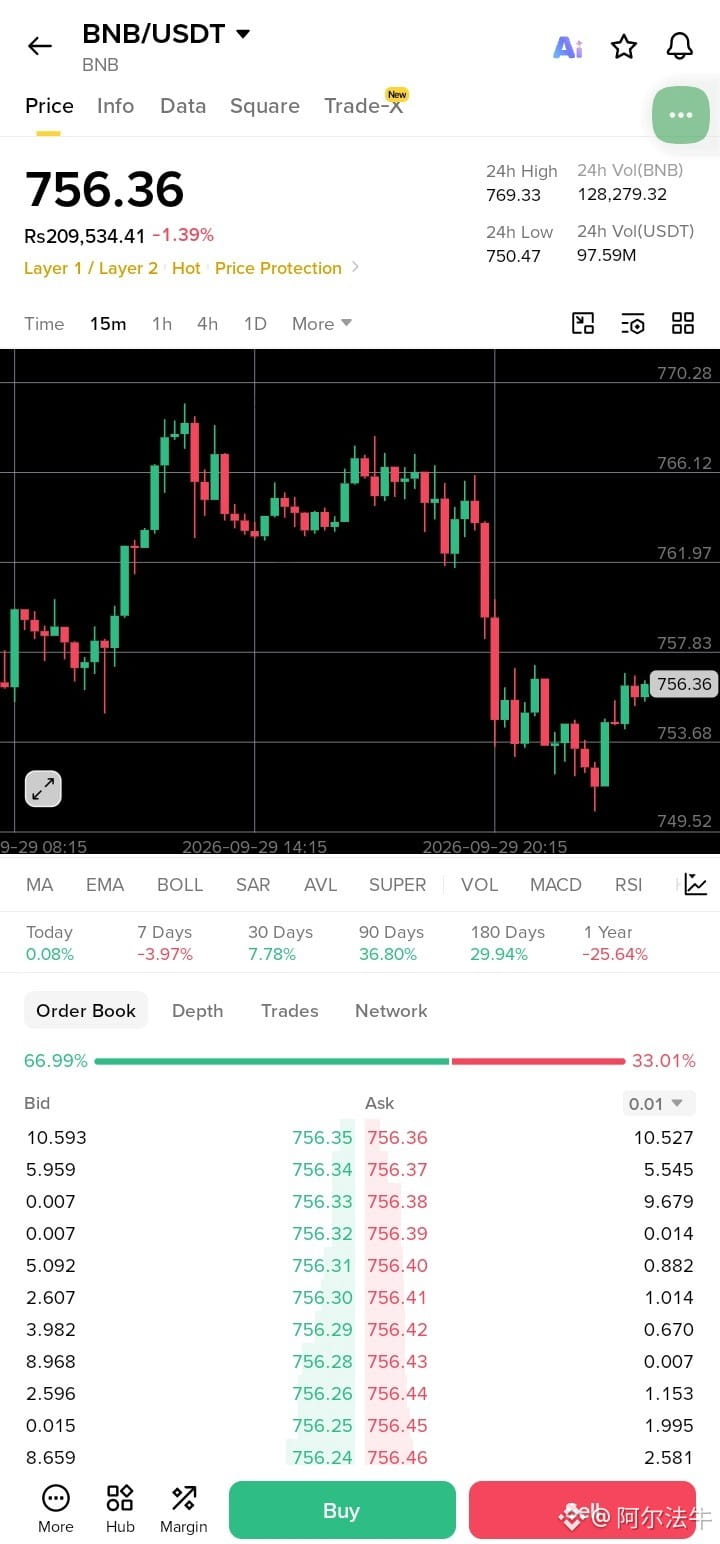
🚀 $BNB تثبيت مستويات رئيسية — هل توجد حركة كبيرة قادمة؟ 🟡
$BNB تتداول حاليًا في نطاق تَجميعي حول $756 بعد اختبار أعلى سعر خلال 24 ساعة عند $769.33 مع الحفاظ على قوة فوق منطقة الدعم عند $750.47.
ويُظهر دفتر الأوامر انقسامًا شبه متساوٍ تقريبًا بين المشترين والبائعين (حوالي 50/50)، ما يشير إلى انضغاط هائل قبل الاختراق الحاسم القادم!
📊 نقاط بيانات رئيسية:
السعر الحالي: $756.24 (-1.45%)
نطاق 24 ساعة: $750.47 – $769.33
اتجاه 90 يومًا: صعود +36.78% 📈
معنويات دفتر الأوامر: 49.96% عروض شراء مقابل 50.04% عروض بيع (انضغاط محايد)
⚡ إعداد تداول يجب مراقبته:
🎯 السيناريو الصعودي: اختراق واضح فوق $770 يفتح المجال نحو $800+.
🛡️ السيناريو الهبوطي: فقدان دعم $750 قد يؤدي إلى إعادة اختبار سريعة لمناطق الطلب الأدنى.
👇 ما خطوتك هنا؟ هل تقوم بتجميع (Accumulating)، أم الاحتفاظ (Holding)، أم الانتظار حتى $800؟ اكتب أهدافك في التعليقات! 👇
#BNB #Binance #CryptoTrading #TechnicalAnalysis #BNBUSDT #CryptoNews
$BNB
{spot}(BNBUSDT)
🚀 $BNB تثبيت مستويات رئيسية — هل توجد حركة كبيرة قادمة؟ 🟡
$BNB تتداول حاليًا في نطاق تَجميعي حول $756 بعد اختبار أعلى سعر خلال 24 ساعة عند $769.33 مع الحفاظ على قوة فوق منطقة الدعم عند $750.47.
ويُظهر دفتر الأوامر انقسامًا شبه متساوٍ تقريبًا بين المشترين والبائعين (حوالي 50/50)، ما يشير إلى انضغاط هائل قبل الاختراق الحاسم القادم!
📊 نقاط بيانات رئيسية:
السعر الحالي: $756.24 (-1.45%)
نطاق 24 ساعة: $750.47 – $769.33
اتجاه 90 يومًا: صعود +36.78% 📈
معنويات دفتر الأوامر: 49.96% عروض شراء مقابل 50.04% عروض بيع (انضغاط محايد)
⚡ إعداد تداول يجب مراقبته:
🎯 السيناريو الصعودي: اختراق واضح فوق $770 يفتح المجال نحو $800+.
🛡️ السيناريو الهبوطي: فقدان دعم $750 قد يؤدي إلى إعادة اختبار سريعة لمناطق الطلب الأدنى.
👇 ما خطوتك هنا؟ هل تقوم بتجميع (Accumulating)، أم الاحتفاظ (Holding)، أم الانتظار حتى $800؟ اكتب أهدافك في التعليقات! 👇
#BNB #Binance #CryptoTrading #TechnicalAnalysis #BNBUSDT #CryptoNews
$BNB
$BNB تتداول حاليًا في نطاق تَجميعي حول $756 بعد اختبار أعلى سعر خلال 24 ساعة عند $769.33 مع الحفاظ على قوة فوق منطقة الدعم عند $750.47.
ويُظهر دفتر الأوامر انقسامًا شبه متساوٍ تقريبًا بين المشترين والبائعين (حوالي 50/50)، ما يشير إلى انضغاط هائل قبل الاختراق الحاسم القادم!
📊 نقاط بيانات رئيسية:
السعر الحالي: $756.24 (-1.45%)
نطاق 24 ساعة: $750.47 – $769.33
اتجاه 90 يومًا: صعود +36.78% 📈
معنويات دفتر الأوامر: 49.96% عروض شراء مقابل 50.04% عروض بيع (انضغاط محايد)
⚡ إعداد تداول يجب مراقبته:
🎯 السيناريو الصعودي: اختراق واضح فوق $770 يفتح المجال نحو $800+.
🛡️ السيناريو الهبوطي: فقدان دعم $750 قد يؤدي إلى إعادة اختبار سريعة لمناطق الطلب الأدنى.
👇 ما خطوتك هنا؟ هل تقوم بتجميع (Accumulating)، أم الاحتفاظ (Holding)، أم الانتظار حتى $800؟ اكتب أهدافك في التعليقات! 👇
#BNB #Binance #CryptoTrading #TechnicalAnalysis #BNBUSDT #CryptoNews
$BNB
1
86
·
--
صاعد
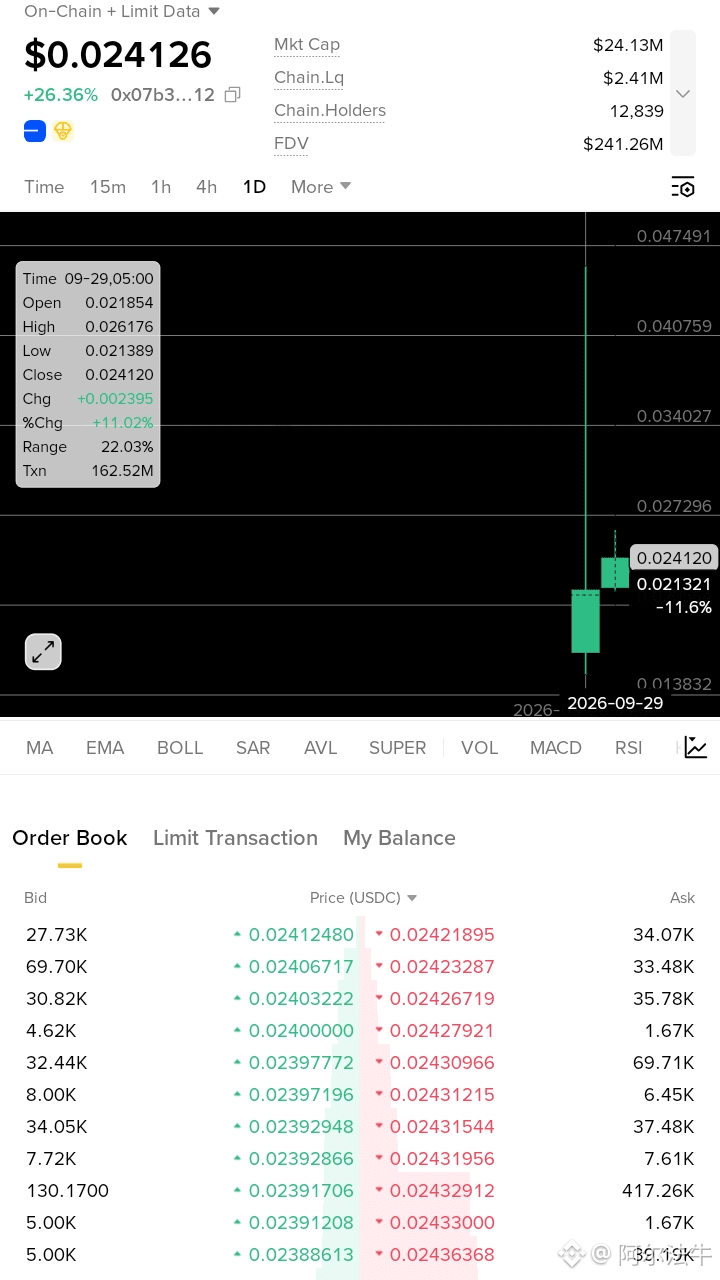
🚨 تنبيه اختراق XDP: هل تركب الموجة أم تراقب من جانب الملعب؟ 🌊🔥
تلفت شركة Doppler Finance ($XDP) انتباهًا ضخمًا في الأسواق حاليًا بعد إدراجات رئيسية في منصّات تداول وصعود أحجام تداول بلغت ملايين الدولارات! المخططات تتكاثف استعدادًا لموجة جديدة محتملة من التذبذب الشديد:
📉 دعم رئيسي ثابت: المشترون يدافعون بشراسة عن مناطق الطلب الأدنى، ويمتصّون ضغط البيع.
🚀 أهداف صعودية: تركز الأنظار على اختراق المقاومة الفورية، إذ تدفع حوافز الرهان في النظام البيئي وسيولة جديدة الزخم المتجدد!
السؤال الكبير الذي يطرحه المجتمع اليوم:
👉 هل تقوم بتجميع XDP للخطوة الكبرى القادمة، أم تنتظر هبوطًا أعمق؟
👇 اكتب سعر دخولك وحجم محفظتك وأهدافك بالأسفل! هل أنت الآن تتخذ مركزًا Long أم Short على XDP؟ لنرَ إعداداتك! 💰📊
$XDP
{alpha}(84530x07b3d902783c3c12b077508c3b5c00113d1291d0)
#BinanceSquare #XDP #DopplerFinance #CryptoTrading #Altcoins #TradingSignals
🚨 تنبيه اختراق XDP: هل تركب الموجة أم تراقب من جانب الملعب؟ 🌊🔥
تلفت شركة Doppler Finance ($XDP ) انتباهًا ضخمًا في الأسواق حاليًا بعد إدراجات رئيسية في منصّات تداول وصعود أحجام تداول بلغت ملايين الدولارات! المخططات تتكاثف استعدادًا لموجة جديدة محتملة من التذبذب الشديد:
📉 دعم رئيسي ثابت: المشترون يدافعون بشراسة عن مناطق الطلب الأدنى، ويمتصّون ضغط البيع.
🚀 أهداف صعودية: تركز الأنظار على اختراق المقاومة الفورية، إذ تدفع حوافز الرهان في النظام البيئي وسيولة جديدة الزخم المتجدد!
السؤال الكبير الذي يطرحه المجتمع اليوم:
👉 هل تقوم بتجميع XDP للخطوة الكبرى القادمة، أم تنتظر هبوطًا أعمق؟
👇 اكتب سعر دخولك وحجم محفظتك وأهدافك بالأسفل! هل أنت الآن تتخذ مركزًا Long أم Short على XDP؟ لنرَ إعداداتك! 💰📊
$XDP
#BinanceSquare #XDP #DopplerFinance #CryptoTrading #Altcoins #TradingSignals
تلفت شركة Doppler Finance ($XDP ) انتباهًا ضخمًا في الأسواق حاليًا بعد إدراجات رئيسية في منصّات تداول وصعود أحجام تداول بلغت ملايين الدولارات! المخططات تتكاثف استعدادًا لموجة جديدة محتملة من التذبذب الشديد:
📉 دعم رئيسي ثابت: المشترون يدافعون بشراسة عن مناطق الطلب الأدنى، ويمتصّون ضغط البيع.
🚀 أهداف صعودية: تركز الأنظار على اختراق المقاومة الفورية، إذ تدفع حوافز الرهان في النظام البيئي وسيولة جديدة الزخم المتجدد!
السؤال الكبير الذي يطرحه المجتمع اليوم:
👉 هل تقوم بتجميع XDP للخطوة الكبرى القادمة، أم تنتظر هبوطًا أعمق؟
👇 اكتب سعر دخولك وحجم محفظتك وأهدافك بالأسفل! هل أنت الآن تتخذ مركزًا Long أم Short على XDP؟ لنرَ إعداداتك! 💰📊
$XDP
#BinanceSquare #XDP #DopplerFinance #CryptoTrading #Altcoins #TradingSignals
1
330
·
--
#BinanceTurns9 Binance يحتفل بالعام التاسع - بُني من قبلكم
https://www.binance.com/activity/binance-turns-9?ref=1229613055
#BinanceTurns9 Binance يحتفل بالعام التاسع - بُني من قبلكم
https://www.binance.com/activity/binance-turns-9?ref=1229613055
https://www.binance.com/activity/binance-turns-9?ref=1229613055
1
1
·
--
هابط
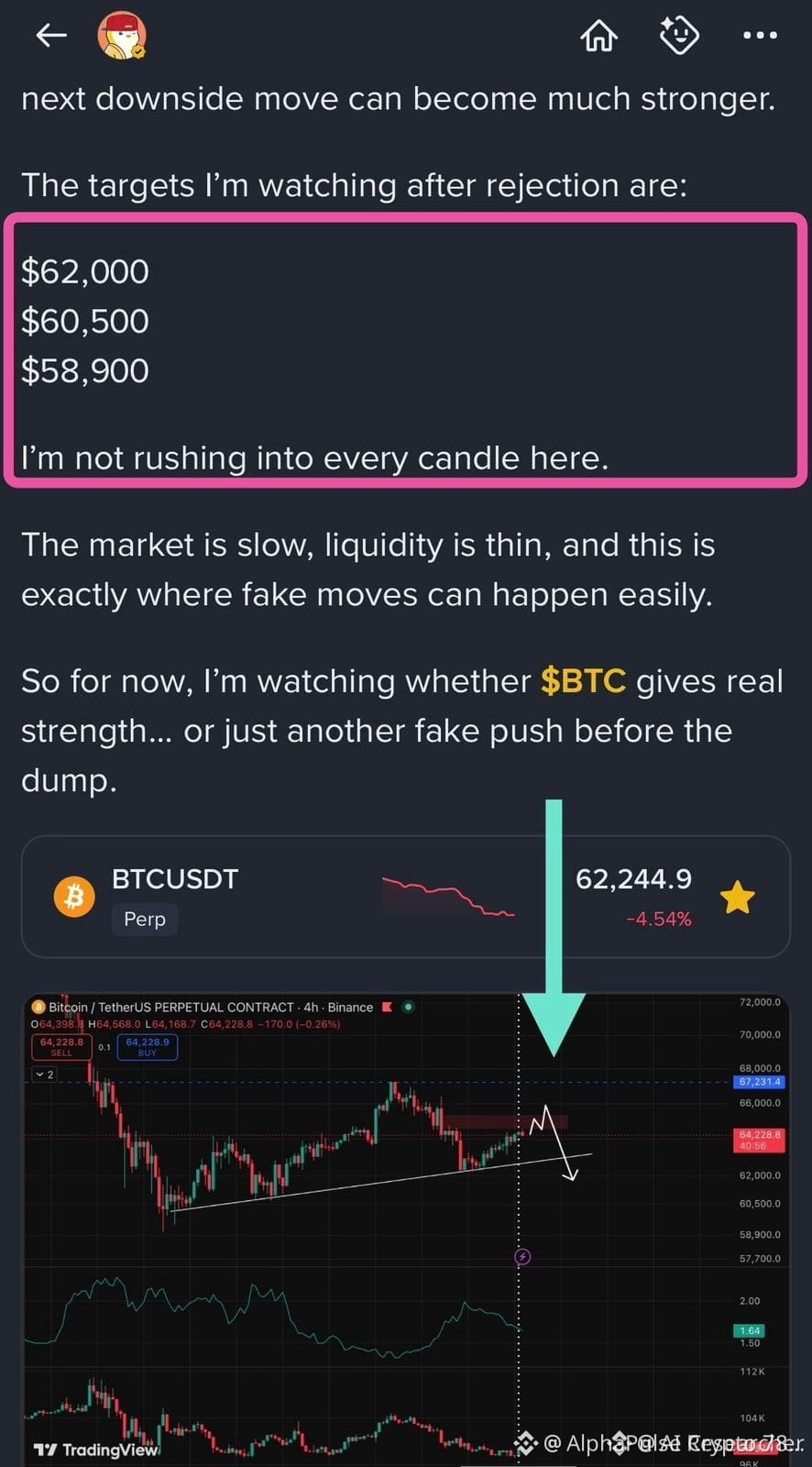
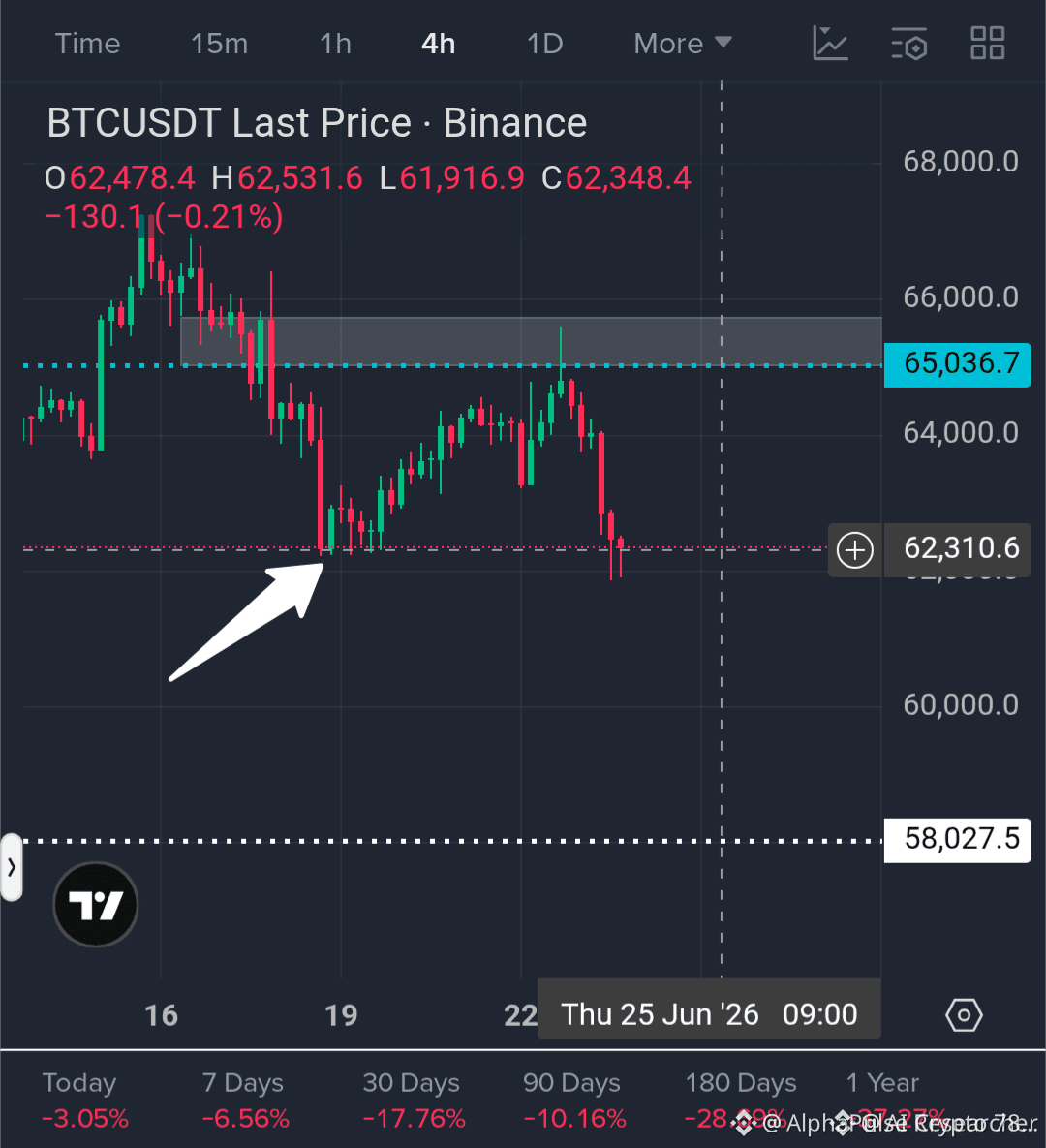
🚨 عاجل $BTC update — الحركة الآن أصبحت أكثر جدّية.
منذ آخر يومين، كنت أقول مرارًا وتكرارًا إن السوق يمكن أن يتحرك باتجاه منطقة 58,000 دولار.
في ذلك الوقت، كان كثير من المتداولين ما زالوا ينتظرون التعافي، لكن الرسم البياني كان يُظهر ضعفًا بالفعل.
تم رفض السعر من المنطقة العلوية، وفشل المشترون في الحفاظ على المنطقة، والآن بدأت عملية الانهيار.
في الوقت الحالي، $BTC موجود بالقرب من منطقة دعم مهمة، لكن ردة الفعل لا تبدو قوية.
إذا فشل المشترون هنا، فقد تأتي الموجة التالية إلى الأسفل أسرع مما يتوقعه الناس.
هدفي الرئيسي لا يزال:
$58,000
أعتقد أن هذا المستوى يمكن الوصول إليه قبل يوم السبت إذا استمر نفس الضعف.
السوق لا يُظهر إشارات صعود نظيفة.
الحجم ضعيف، وكل ارتداد يبدو كأنه حركة ارتياح، ويقع المشترون في فخ مرة تلو الأخرى.
لهذا السبب لن أغيّر وجهة نظري.
$BTC بالفعل قدّم الهبوط الذي كنا ننتظره.
والآن السؤال الحقيقي بسيط:
هل سيصمد هذا الدعم، أم أن السوق سيكمل الحركة الكاملة باتجاه 58K دولار؟
{future}(BTCUSDT)
#BTC #BTC走势分析 #BinanceMarginToListXLMTradingPairs
🚨 عاجل $BTC update — الحركة الآن أصبحت أكثر جدّية.
منذ آخر يومين، كنت أقول مرارًا وتكرارًا إن السوق يمكن أن يتحرك باتجاه منطقة 58,000 دولار.
في ذلك الوقت، كان كثير من المتداولين ما زالوا ينتظرون التعافي، لكن الرسم البياني كان يُظهر ضعفًا بالفعل.
تم رفض السعر من المنطقة العلوية، وفشل المشترون في الحفاظ على المنطقة، والآن بدأت عملية الانهيار.
في الوقت الحالي، $BTC موجود بالقرب من منطقة دعم مهمة، لكن ردة الفعل لا تبدو قوية.
إذا فشل المشترون هنا، فقد تأتي الموجة التالية إلى الأسفل أسرع مما يتوقعه الناس.
هدفي الرئيسي لا يزال:
$58,000
أعتقد أن هذا المستوى يمكن الوصول إليه قبل يوم السبت إذا استمر نفس الضعف.
السوق لا يُظهر إشارات صعود نظيفة.
الحجم ضعيف، وكل ارتداد يبدو كأنه حركة ارتياح، ويقع المشترون في فخ مرة تلو الأخرى.
لهذا السبب لن أغيّر وجهة نظري.
$BTC بالفعل قدّم الهبوط الذي كنا ننتظره.
والآن السؤال الحقيقي بسيط:
هل سيصمد هذا الدعم، أم أن السوق سيكمل الحركة الكاملة باتجاه 58K دولار؟
#BTC #BTC走势分析 #BinanceMarginToListXLMTradingPairs
منذ آخر يومين، كنت أقول مرارًا وتكرارًا إن السوق يمكن أن يتحرك باتجاه منطقة 58,000 دولار.
في ذلك الوقت، كان كثير من المتداولين ما زالوا ينتظرون التعافي، لكن الرسم البياني كان يُظهر ضعفًا بالفعل.
تم رفض السعر من المنطقة العلوية، وفشل المشترون في الحفاظ على المنطقة، والآن بدأت عملية الانهيار.
في الوقت الحالي، $BTC موجود بالقرب من منطقة دعم مهمة، لكن ردة الفعل لا تبدو قوية.
إذا فشل المشترون هنا، فقد تأتي الموجة التالية إلى الأسفل أسرع مما يتوقعه الناس.
هدفي الرئيسي لا يزال:
$58,000
أعتقد أن هذا المستوى يمكن الوصول إليه قبل يوم السبت إذا استمر نفس الضعف.
السوق لا يُظهر إشارات صعود نظيفة.
الحجم ضعيف، وكل ارتداد يبدو كأنه حركة ارتياح، ويقع المشترون في فخ مرة تلو الأخرى.
لهذا السبب لن أغيّر وجهة نظري.
$BTC بالفعل قدّم الهبوط الذي كنا ننتظره.
والآن السؤال الحقيقي بسيط:
هل سيصمد هذا الدعم، أم أن السوق سيكمل الحركة الكاملة باتجاه 58K دولار؟
#BTC #BTC走势分析 #BinanceMarginToListXLMTradingPairs
1
48
·
--
توقف.......توقف......توقف.....❗
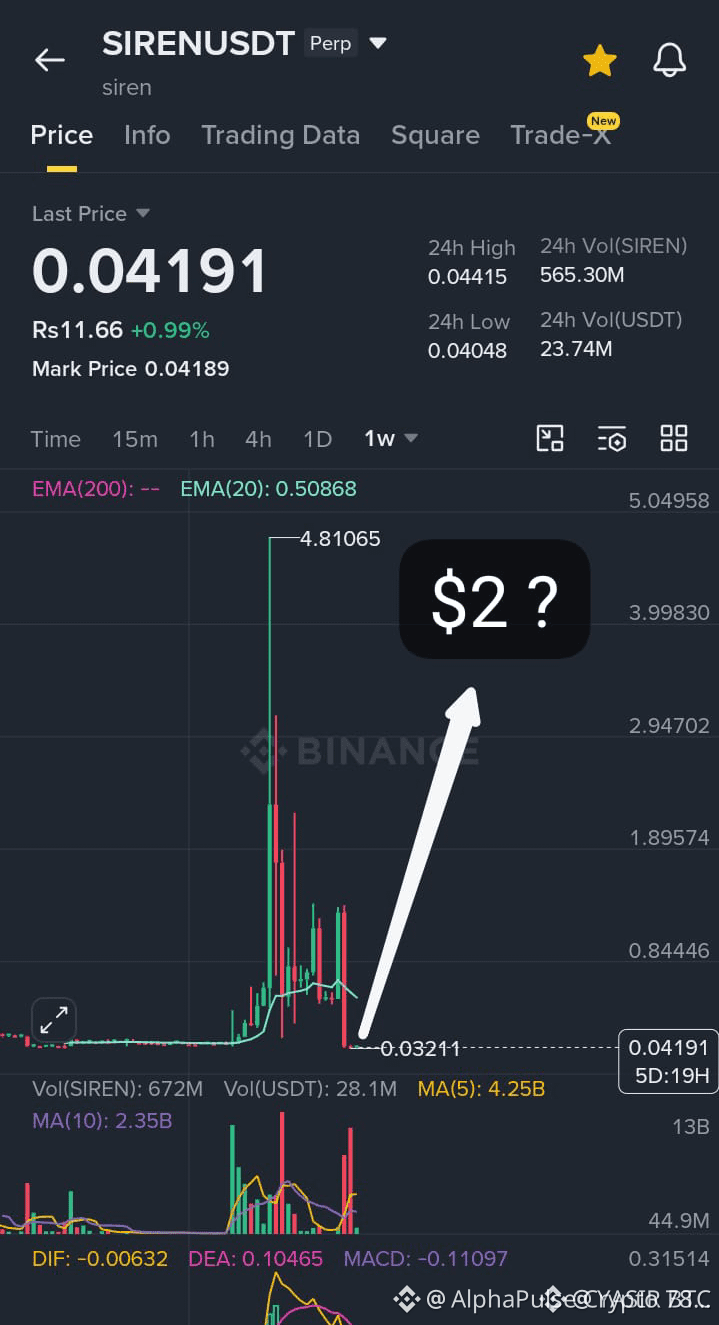
يا جماعة دعوني أخبركم إذا كانت $SIREN ستصل إلى 2$ مرة أخرى أم لا❗
يا جماعة لقد رأيت الكثير من الناس الذين ينشرون في Binance Square يقولون "اشترِ، SIREN ستصل إلى 2$"🤡 وهناك الكثير من الناس الذين يشترون أيضاً، متأثرين بحديث الناس، مستثمرين آلاف الدولارات في الشراء🤡🤡
أعني أنني مصدوم كيف يضيع الناس أموالهم فقط لأن شخصًا ما يقول لهم ذلك... يا جماعة انظروا، كان لدى SIREN دعم 200EMA عند 0.45$ وكانت تحترم ذلك مرارًا وتكرارًا، ولكن الآن كسرت SIREN ذلك أيضًا وأسفلها لا يوجد أي دعم على الإطلاق🤡
وكان هذا عملة احتيالية، 90% من المعروض كان تحت سيطرة الحيتان وقد باعت الحيتان الآن وانسحبت ولكن التجزئة لا تزال تأمل في ذلك لكن الآن انسوا 2$، لن تصل حتى إلى 0.1$😂😂
اشترِ $SYN ستصل إلى 0.40$ قريبًا
👇🏻
{spot}(SYNUSDT)
{future}(SIRENUSDT)
$SYN #SYN #sirean
توقف.......توقف......توقف.....❗
يا جماعة دعوني أخبركم إذا كانت $SIREN ستصل إلى 2$ مرة أخرى أم لا❗
يا جماعة لقد رأيت الكثير من الناس الذين ينشرون في Binance Square يقولون "اشترِ، SIREN ستصل إلى 2$"🤡 وهناك الكثير من الناس الذين يشترون أيضاً، متأثرين بحديث الناس، مستثمرين آلاف الدولارات في الشراء🤡🤡
أعني أنني مصدوم كيف يضيع الناس أموالهم فقط لأن شخصًا ما يقول لهم ذلك... يا جماعة انظروا، كان لدى SIREN دعم 200EMA عند 0.45$ وكانت تحترم ذلك مرارًا وتكرارًا، ولكن الآن كسرت SIREN ذلك أيضًا وأسفلها لا يوجد أي دعم على الإطلاق🤡
وكان هذا عملة احتيالية، 90% من المعروض كان تحت سيطرة الحيتان وقد باعت الحيتان الآن وانسحبت ولكن التجزئة لا تزال تأمل في ذلك لكن الآن انسوا 2$، لن تصل حتى إلى 0.1$😂😂
اشترِ $SYN ستصل إلى 0.40$ قريبًا
👇🏻
$SYN #SYN #sirean
يا جماعة دعوني أخبركم إذا كانت $SIREN ستصل إلى 2$ مرة أخرى أم لا❗
يا جماعة لقد رأيت الكثير من الناس الذين ينشرون في Binance Square يقولون "اشترِ، SIREN ستصل إلى 2$"🤡 وهناك الكثير من الناس الذين يشترون أيضاً، متأثرين بحديث الناس، مستثمرين آلاف الدولارات في الشراء🤡🤡
أعني أنني مصدوم كيف يضيع الناس أموالهم فقط لأن شخصًا ما يقول لهم ذلك... يا جماعة انظروا، كان لدى SIREN دعم 200EMA عند 0.45$ وكانت تحترم ذلك مرارًا وتكرارًا، ولكن الآن كسرت SIREN ذلك أيضًا وأسفلها لا يوجد أي دعم على الإطلاق🤡
وكان هذا عملة احتيالية، 90% من المعروض كان تحت سيطرة الحيتان وقد باعت الحيتان الآن وانسحبت ولكن التجزئة لا تزال تأمل في ذلك لكن الآن انسوا 2$، لن تصل حتى إلى 0.1$😂😂
اشترِ $SYN ستصل إلى 0.40$ قريبًا
👇🏻
$SYN #SYN #sirean
1
59
·
--
هابط
بحلول نهاية الشهر المقبل، $ETH سوف ينخفض إلى ألف واحد، أي 1000.'*
*لكن ضع في اعتبارك — هذه مجرد توقعات. لا أحد يمكنه ضمان ما إذا كان ETH سيتجه فعلًا إلى 1000 ألف دولار - 1200 ألف دولار. يعتمد السوق على العديد من العوامل.*
*في الوقت الحالي $ETH يعمل عند ∼1765 دولار. للوصول إلى 1000 ألف دولار، سيكون بحاجة إلى الانخفاض ∼37% إضافية من هنا.*
$ETH
{spot}(ETHUSDT)
بحلول نهاية الشهر المقبل، $ETH سوف ينخفض إلى ألف واحد، أي 1000.'*
*لكن ضع في اعتبارك — هذه مجرد توقعات. لا أحد يمكنه ضمان ما إذا كان ETH سيتجه فعلًا إلى 1000 ألف دولار - 1200 ألف دولار. يعتمد السوق على العديد من العوامل.*
*في الوقت الحالي $ETH يعمل عند ∼1765 دولار. للوصول إلى 1000 ألف دولار، سيكون بحاجة إلى الانخفاض ∼37% إضافية من هنا.*
$ETH
*لكن ضع في اعتبارك — هذه مجرد توقعات. لا أحد يمكنه ضمان ما إذا كان ETH سيتجه فعلًا إلى 1000 ألف دولار - 1200 ألف دولار. يعتمد السوق على العديد من العوامل.*
*في الوقت الحالي $ETH يعمل عند ∼1765 دولار. للوصول إلى 1000 ألف دولار، سيكون بحاجة إلى الانخفاض ∼37% إضافية من هنا.*
$ETH
1
72
·
--
صاعد
$SYN إعداد اختراق صاعد
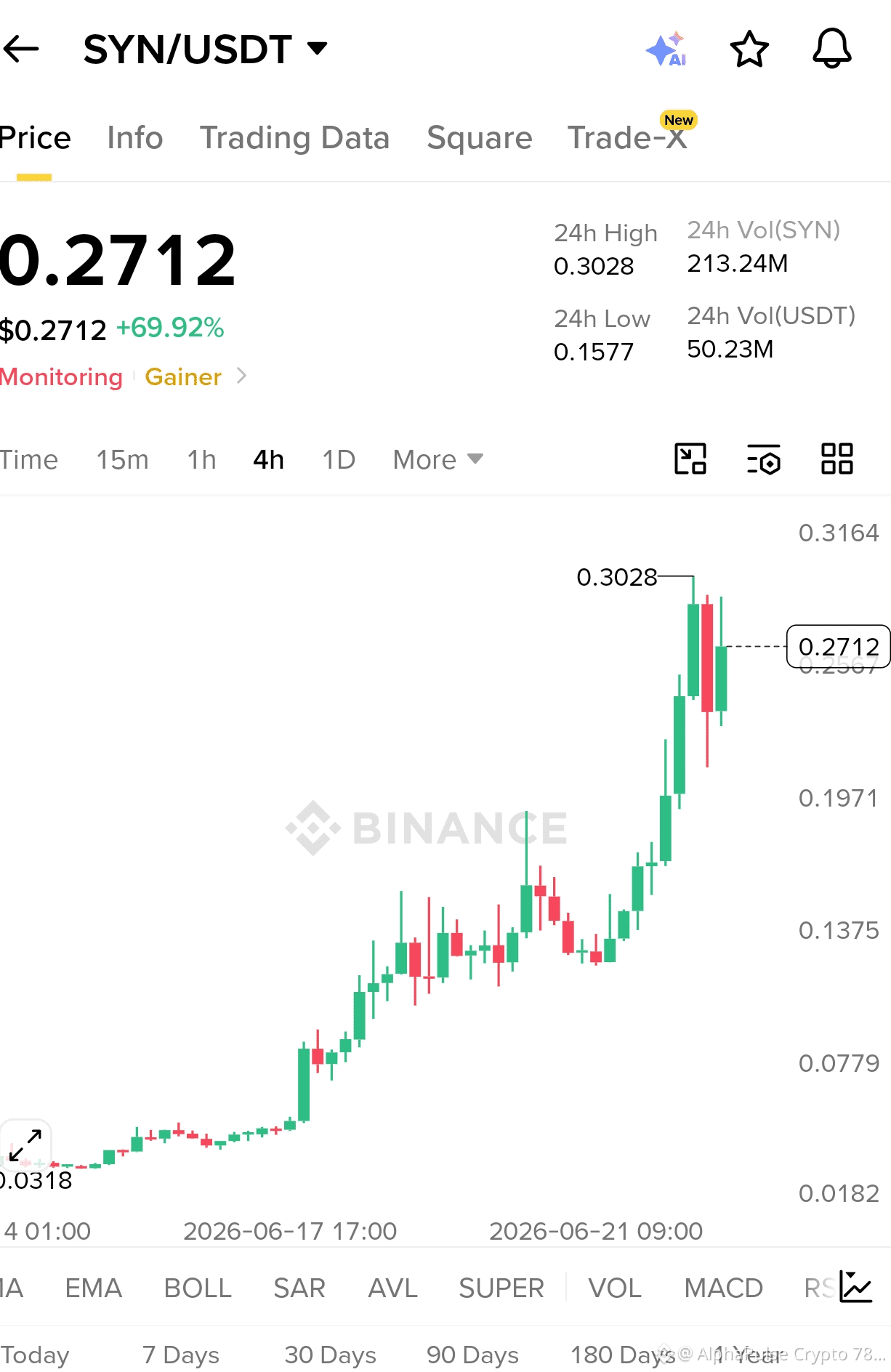
أرى $SYN يُظهر قوة استثنائية بعد اختراق قوي من نطاق التجميع الخاص به. يؤكد مخطط 4H الزخم الصاعد القوي مع أحجام شراء عدوانية وقمم أعلى. رغم الاندفاع الأخير، ما زال السعر يحافظ فوق مستويات الاختراق الرئيسية، مما يبقي الاتجاه صاعدًا.
السبب
اختراق قوي من التماسك
زخم شراء ضخم
قمم أعلى وقيعان أعلى على مخطط 4H
المشترون يدافعون عن منطقة الاختراق
توسع الحجم يدعم الحركة
إعداد الصفقة
الدخول: 0.2650$ - 0.2750$
الهدف 1: 0.3000$
الهدف 2: 0.3300$
الهدف 3: 0.3600$
وقف الخسارة: 0.2350$
كيف يمكن حدوث ذلك
أراقب أن يحافظ SYN على الدعم فوق منطقة اختراق 0.2500$. إذا استمر المشترون في الدفاع عن عمليات الهبوط واستعاد السعر 0.3000$، فقد يدفع الزخم المرحلة التالية نحو 0.3300$ و0.3600$. يظل الاتجاه صاعدًا طالما أن السعر يحافظ فوق منطقة وقف الخسارة.
الخطة
سأدخل داخل منطقة الدخول، وأحقق أرباحًا جزئية عند كل هدف، وأرفع وقف الخسارة إلى نقطة التعادل بعد تحقيق الهدف 1. وبسبب الصعود الحاد الأخير، من المهم إدارة المخاطر وتجنب المراكز الكبيرة بشكل مبالغ فيه.
هيا بنا وادخل في التداول الآن $SYN
{spot}(SYNUSDT)
#SYN #SYNTH
$SYN إعداد اختراق صاعد
أرى $SYN يُظهر قوة استثنائية بعد اختراق قوي من نطاق التجميع الخاص به. يؤكد مخطط 4H الزخم الصاعد القوي مع أحجام شراء عدوانية وقمم أعلى. رغم الاندفاع الأخير، ما زال السعر يحافظ فوق مستويات الاختراق الرئيسية، مما يبقي الاتجاه صاعدًا.
السبب
اختراق قوي من التماسك
زخم شراء ضخم
قمم أعلى وقيعان أعلى على مخطط 4H
المشترون يدافعون عن منطقة الاختراق
توسع الحجم يدعم الحركة
إعداد الصفقة
الدخول: 0.2650$ - 0.2750$
الهدف 1: 0.3000$
الهدف 2: 0.3300$
الهدف 3: 0.3600$
وقف الخسارة: 0.2350$
كيف يمكن حدوث ذلك
أراقب أن يحافظ SYN على الدعم فوق منطقة اختراق 0.2500$. إذا استمر المشترون في الدفاع عن عمليات الهبوط واستعاد السعر 0.3000$، فقد يدفع الزخم المرحلة التالية نحو 0.3300$ و0.3600$. يظل الاتجاه صاعدًا طالما أن السعر يحافظ فوق منطقة وقف الخسارة.
الخطة
سأدخل داخل منطقة الدخول، وأحقق أرباحًا جزئية عند كل هدف، وأرفع وقف الخسارة إلى نقطة التعادل بعد تحقيق الهدف 1. وبسبب الصعود الحاد الأخير، من المهم إدارة المخاطر وتجنب المراكز الكبيرة بشكل مبالغ فيه.
هيا بنا وادخل في التداول الآن $SYN
#SYN #SYNTH
أرى $SYN يُظهر قوة استثنائية بعد اختراق قوي من نطاق التجميع الخاص به. يؤكد مخطط 4H الزخم الصاعد القوي مع أحجام شراء عدوانية وقمم أعلى. رغم الاندفاع الأخير، ما زال السعر يحافظ فوق مستويات الاختراق الرئيسية، مما يبقي الاتجاه صاعدًا.
السبب
اختراق قوي من التماسك
زخم شراء ضخم
قمم أعلى وقيعان أعلى على مخطط 4H
المشترون يدافعون عن منطقة الاختراق
توسع الحجم يدعم الحركة
إعداد الصفقة
الدخول: 0.2650$ - 0.2750$
الهدف 1: 0.3000$
الهدف 2: 0.3300$
الهدف 3: 0.3600$
وقف الخسارة: 0.2350$
كيف يمكن حدوث ذلك
أراقب أن يحافظ SYN على الدعم فوق منطقة اختراق 0.2500$. إذا استمر المشترون في الدفاع عن عمليات الهبوط واستعاد السعر 0.3000$، فقد يدفع الزخم المرحلة التالية نحو 0.3300$ و0.3600$. يظل الاتجاه صاعدًا طالما أن السعر يحافظ فوق منطقة وقف الخسارة.
الخطة
سأدخل داخل منطقة الدخول، وأحقق أرباحًا جزئية عند كل هدف، وأرفع وقف الخسارة إلى نقطة التعادل بعد تحقيق الهدف 1. وبسبب الصعود الحاد الأخير، من المهم إدارة المخاطر وتجنب المراكز الكبيرة بشكل مبالغ فيه.
هيا بنا وادخل في التداول الآن $SYN
#SYN #SYNTH
1
72
·
--
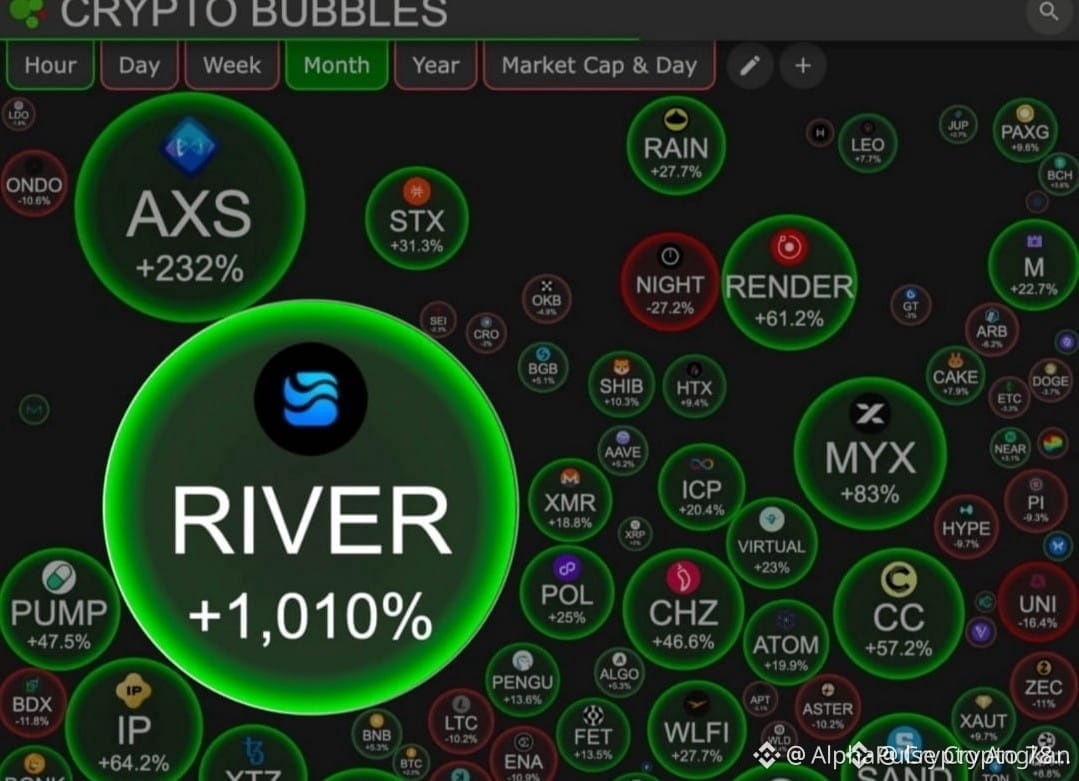
ضحكت $RIVER عند $1
ثم وصل إلى $10
ضحكت $RIVER عند $40
ثم وصل إلى $80
الآن أنت عند $4 قمت بالتخلص عند $86
#RIVER سيوصل وسيكسر ATH $100 قريبًا❤️🔥🎗️🚀 100X ليس مزاحًا❤️🔥
صدّق كلامي! التقطوا هذه لقطات‼️
$ID
{alpha}(560xda7ad9dea9397cffddae2f8a052b82f1484252b3)
ضحكت $RIVER عند $1
ثم وصل إلى $10
ضحكت $RIVER عند $40
ثم وصل إلى $80
الآن أنت عند $4 قمت بالتخلص عند $86
#RIVER سيوصل وسيكسر ATH $100 قريبًا❤️🔥🎗️🚀 100X ليس مزاحًا❤️🔥
صدّق كلامي! التقطوا هذه لقطات‼️
$ID
ثم وصل إلى $10
ضحكت $RIVER عند $40
ثم وصل إلى $80
الآن أنت عند $4 قمت بالتخلص عند $86
#RIVER سيوصل وسيكسر ATH $100 قريبًا❤️🔥🎗️🚀 100X ليس مزاحًا❤️🔥
صدّق كلامي! التقطوا هذه لقطات‼️
$ID
1
1
·
--
هابط
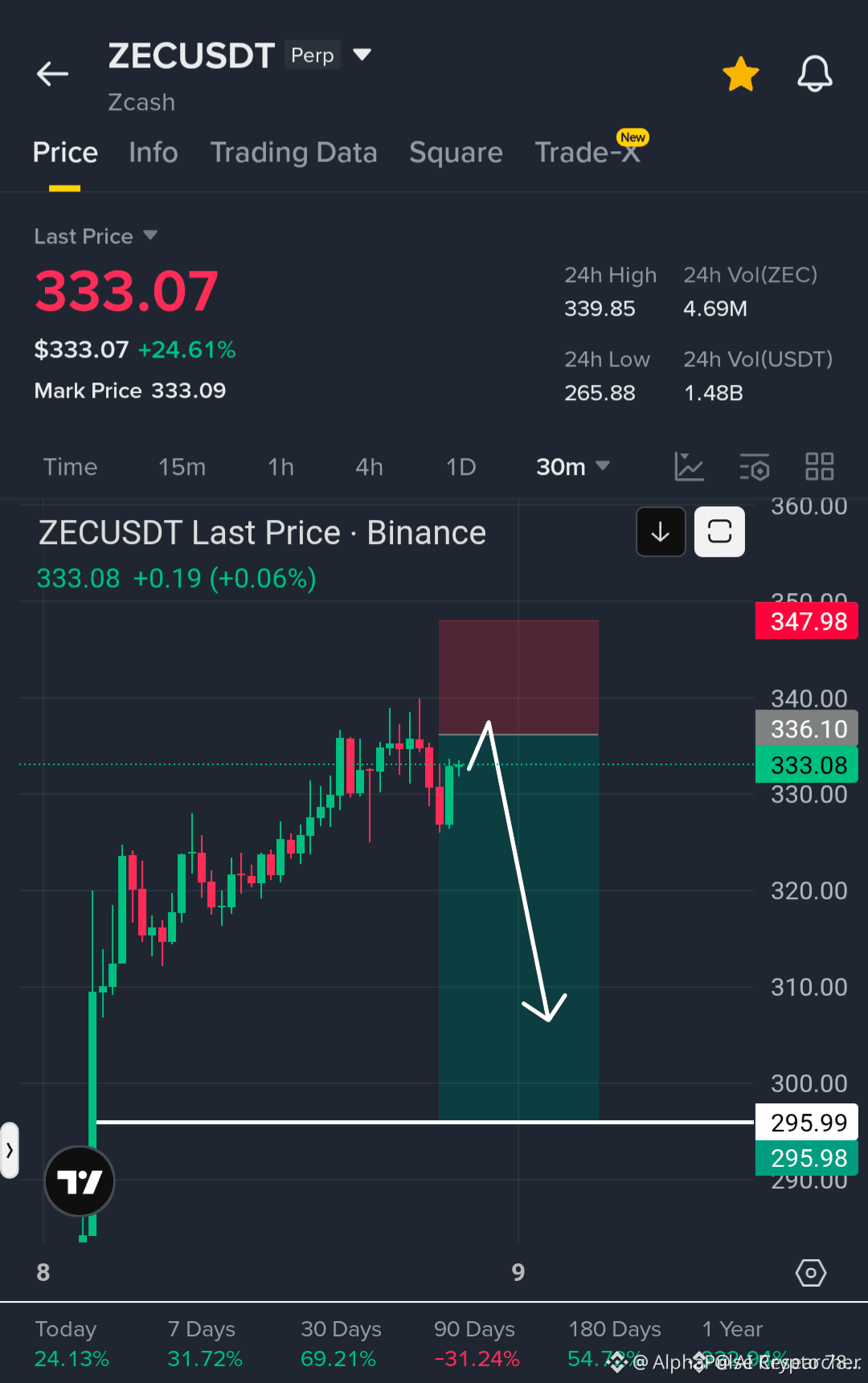
أحيانًا تحتاج إلى البحث عن الفرص، فهي لا تأتي إليك من تلقاء نفسها.
اتجه للبيع (short) على $ZEC الآن واشكرني لاحقًا 😉 لا تقلق.
TP: 300–295
SL: فوق 351
تداول هنا 👇🏻
{future}(ZECUSDT)
لأننا لن نشتري القمة لـ $ZEC هنا. الحيتان (whales) بدأوا بالفعل في جني الأرباح، والآن ستضرب وقف خسائر المشترين.
إذا كنت تبيع (short) معي، سنحقق الأرباح 🤝
لنذهب 👀
#zec #ZECUSDT #BTC
أحيانًا تحتاج إلى البحث عن الفرص، فهي لا تأتي إليك من تلقاء نفسها.
اتجه للبيع (short) على $ZEC الآن واشكرني لاحقًا 😉 لا تقلق.
TP: 300–295
SL: فوق 351
تداول هنا 👇🏻
لأننا لن نشتري القمة لـ $ZEC هنا. الحيتان (whales) بدأوا بالفعل في جني الأرباح، والآن ستضرب وقف خسائر المشترين.
إذا كنت تبيع (short) معي، سنحقق الأرباح 🤝
لنذهب 👀
#zec #ZECUSDT #BTC
اتجه للبيع (short) على $ZEC الآن واشكرني لاحقًا 😉 لا تقلق.
TP: 300–295
SL: فوق 351
تداول هنا 👇🏻
لأننا لن نشتري القمة لـ $ZEC هنا. الحيتان (whales) بدأوا بالفعل في جني الأرباح، والآن ستضرب وقف خسائر المشترين.
إذا كنت تبيع (short) معي، سنحقق الأرباح 🤝
لنذهب 👀
#zec #ZECUSDT #BTC
8
·
--
هابط
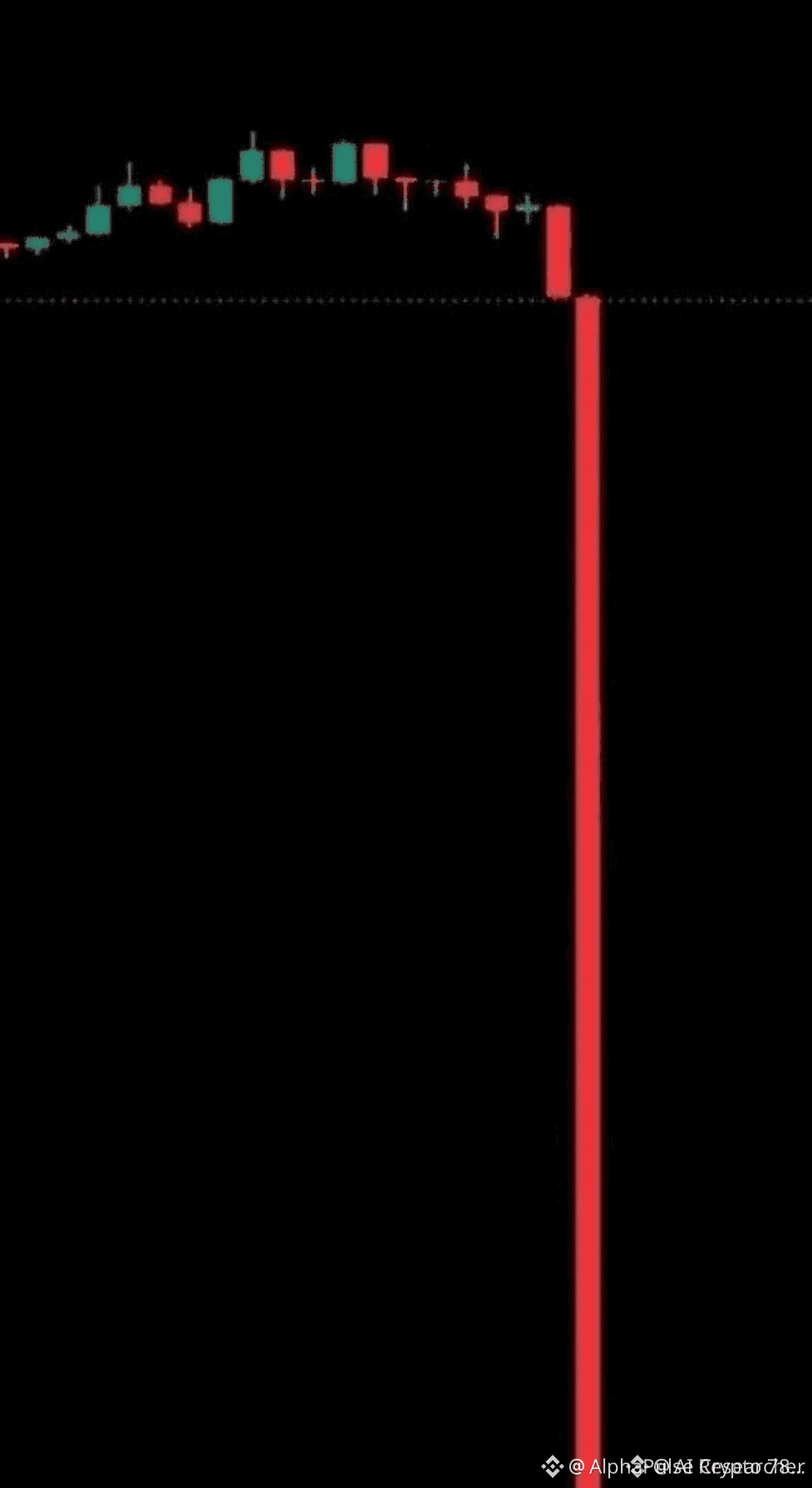
يا شباب… 😱 أسمعوا!
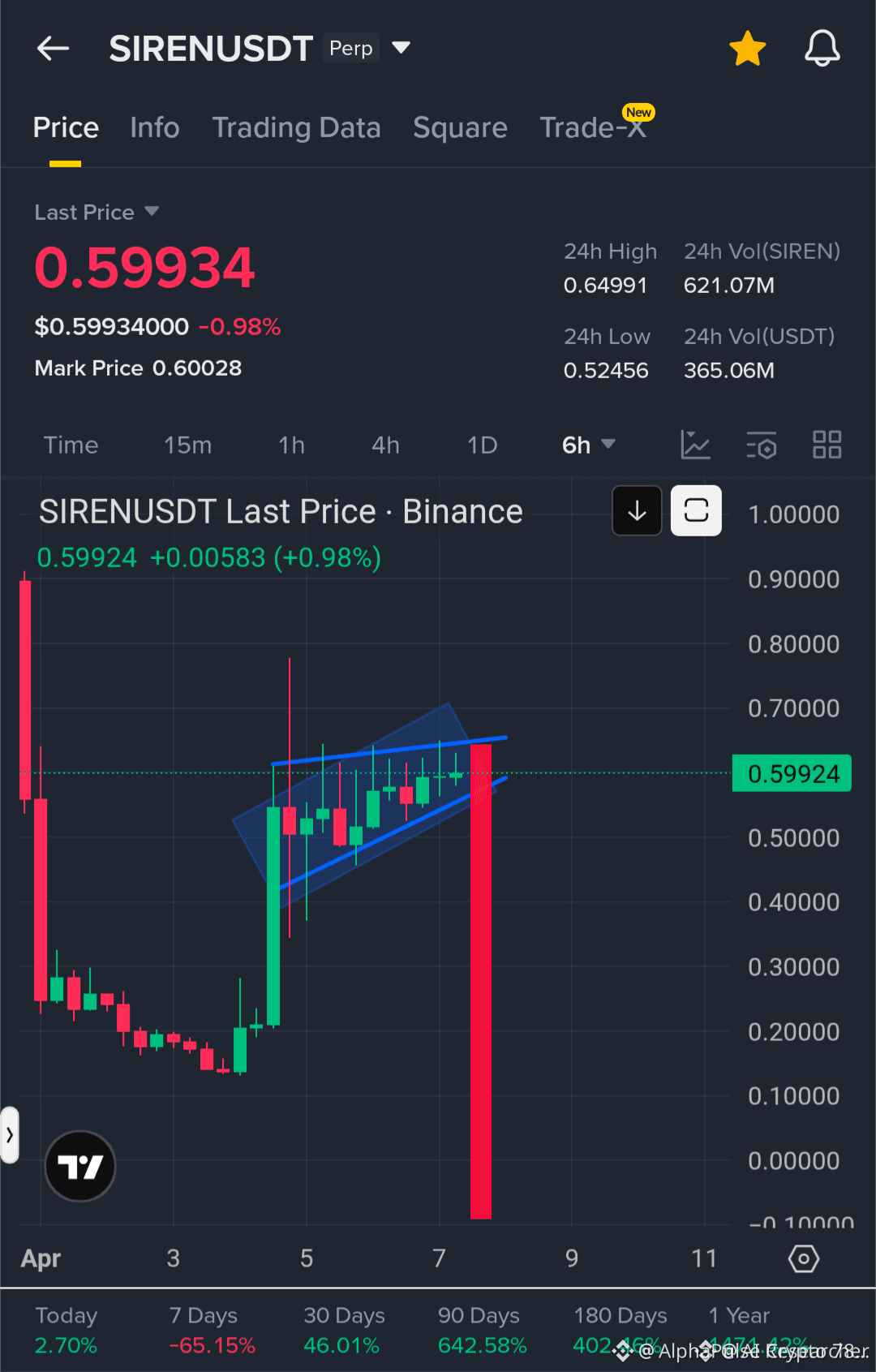
لقد حصلت للتو على بعض المعلومات من الداخل… ولا تبدو جيدة لـ $SIREN
💀
الجميع يتوقع أن تصل إلى 5 دولارات… لكن ماذا لو أخبرتك أن العكس هو الذي سيحدث؟
اللاعبون الكبار والحيتان قد انتهوا بالفعل من جني الأرباح من القمة.
الآن يحتاجون فقط إلى شيء أخير… السيولة.
وأنت تعرف من يصبح السيولة؟
الأشخاص الذين لا يزالون يشترون بأمل… معتقدين أنها ستصل إلى مستويات أعلى 🤧
هذه هي طريقة اللعبة…
عندما يكون الجميع متفائلين → الأموال الذكية تبيع.
يمكن أن تنخفض $SIREN بشكل حاد… ربما حتى نحو 0.1 دولار 👀
ومعظم الناس ليسوا مستعدين لذلك.
لا يزال لديك وقت… استيقظ.
وإلا ستقول لاحقًا، "أ wish I listened..."
إذا كنت تفهم الحركة، يمكنك حتى البحث عن صفقة قصيرة هنا مع مخاطر مناسبة.
وARIA أيضًا جاهزة للتفريغ 👀 هل لاحظت؟
لا تتداول بالعواطف… تداول بذكاء 😮💨
{future}(SIRENUSDT)
يا شباب… 😱 أسمعوا!
لقد حصلت للتو على بعض المعلومات من الداخل… ولا تبدو جيدة لـ $SIREN
💀
الجميع يتوقع أن تصل إلى 5 دولارات… لكن ماذا لو أخبرتك أن العكس هو الذي سيحدث؟
اللاعبون الكبار والحيتان قد انتهوا بالفعل من جني الأرباح من القمة.
الآن يحتاجون فقط إلى شيء أخير… السيولة.
وأنت تعرف من يصبح السيولة؟
الأشخاص الذين لا يزالون يشترون بأمل… معتقدين أنها ستصل إلى مستويات أعلى 🤧
هذه هي طريقة اللعبة…
عندما يكون الجميع متفائلين → الأموال الذكية تبيع.
يمكن أن تنخفض $SIREN بشكل حاد… ربما حتى نحو 0.1 دولار 👀
ومعظم الناس ليسوا مستعدين لذلك.
لا يزال لديك وقت… استيقظ.
وإلا ستقول لاحقًا، "أ wish I listened..."
إذا كنت تفهم الحركة، يمكنك حتى البحث عن صفقة قصيرة هنا مع مخاطر مناسبة.
وARIA أيضًا جاهزة للتفريغ 👀 هل لاحظت؟
لا تتداول بالعواطف… تداول بذكاء 😮💨
لقد حصلت للتو على بعض المعلومات من الداخل… ولا تبدو جيدة لـ $SIREN
💀
الجميع يتوقع أن تصل إلى 5 دولارات… لكن ماذا لو أخبرتك أن العكس هو الذي سيحدث؟
اللاعبون الكبار والحيتان قد انتهوا بالفعل من جني الأرباح من القمة.
الآن يحتاجون فقط إلى شيء أخير… السيولة.
وأنت تعرف من يصبح السيولة؟
الأشخاص الذين لا يزالون يشترون بأمل… معتقدين أنها ستصل إلى مستويات أعلى 🤧
هذه هي طريقة اللعبة…
عندما يكون الجميع متفائلين → الأموال الذكية تبيع.
يمكن أن تنخفض $SIREN بشكل حاد… ربما حتى نحو 0.1 دولار 👀
ومعظم الناس ليسوا مستعدين لذلك.
لا يزال لديك وقت… استيقظ.
وإلا ستقول لاحقًا، "أ wish I listened..."
إذا كنت تفهم الحركة، يمكنك حتى البحث عن صفقة قصيرة هنا مع مخاطر مناسبة.
وARIA أيضًا جاهزة للتفريغ 👀 هل لاحظت؟
لا تتداول بالعواطف… تداول بذكاء 😮💨
1
6
·
--
هابط
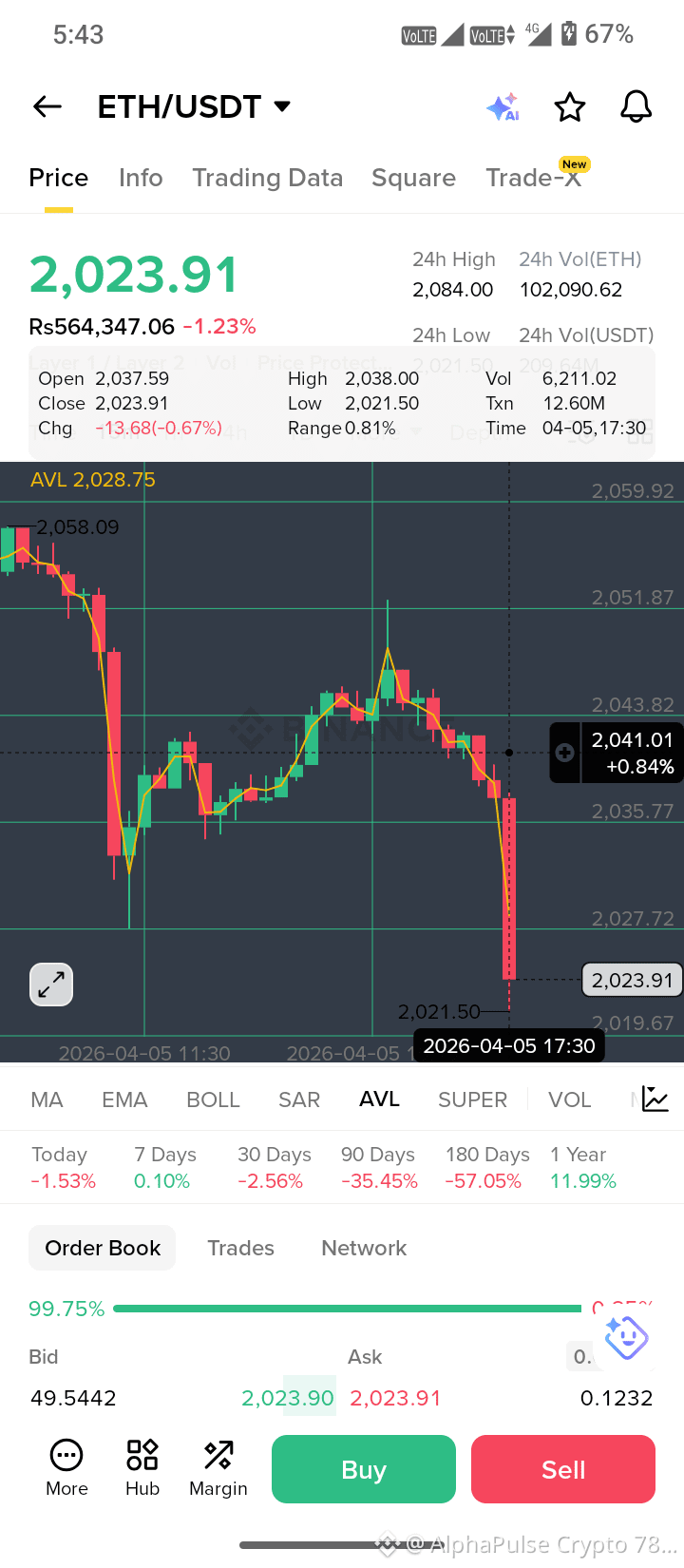
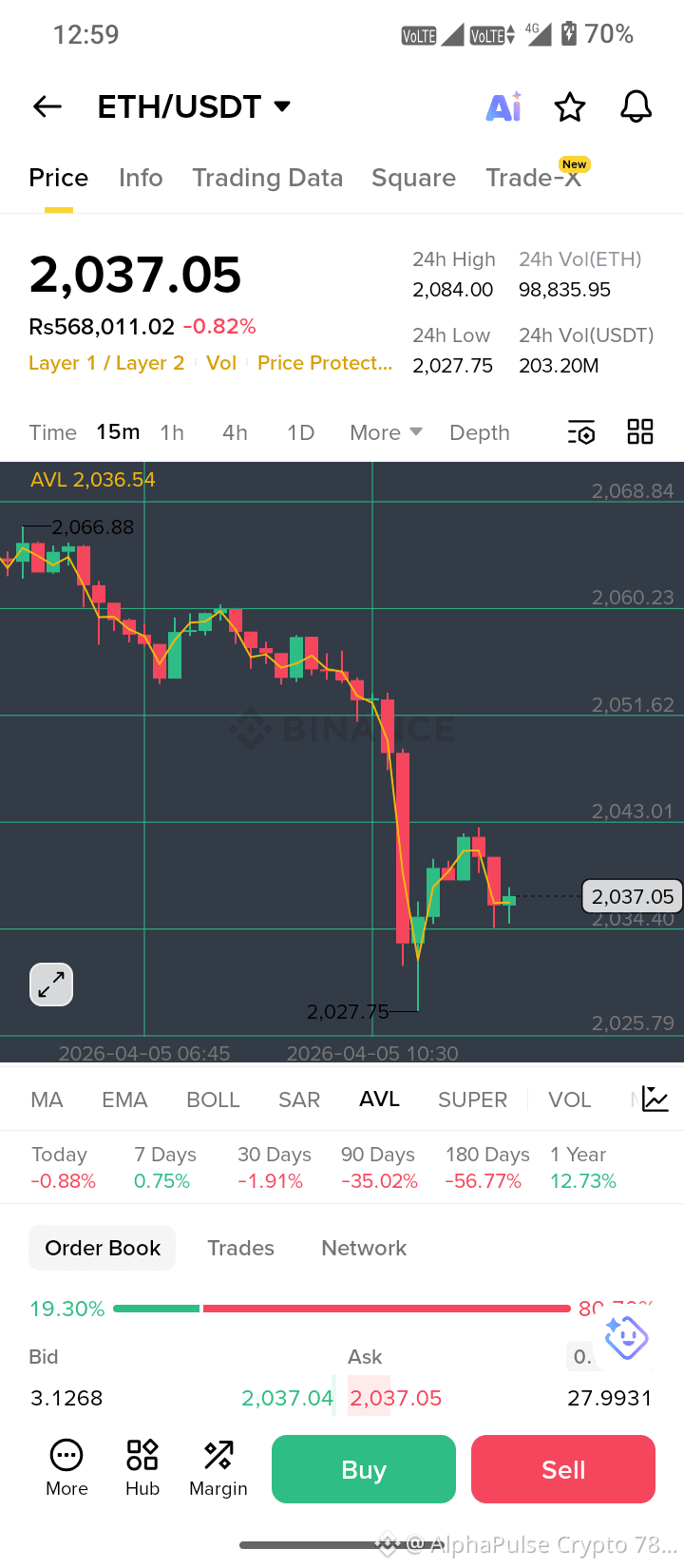
🔴 ETHUSDT [Binance] تنبيه تصفية
💥 تم محو المراكز الطويلة: $140.09K
📉 سعر التصفية: $2,029
⚡ لقد طرد السوق المراكز الطويلة المبالغ فيها — حركة كلاسيكية للتخلص من المراكز.
هذا النوع من التصفية عادة ما يشير إلى تقلبات قصيرة الأجل واحتمالية استمرار أو عكس الاتجاه حسب المتابعة.
📊 ماذا يعني:
• الأيدي الضعيفة خارج السوق
• تم الاستحواذ على السيولة
• قد يدخل المال الذكي في المرة القادمة
🔥 الخطوة التالية؟
إذا استمر السعر فوق $2,000 → ارتداد محتمل (تعافي صعودي)
إذا استمر الانهيار → المزيد من عمليات التصفية قادمة (ضغط هبوطي)
👀 ابق حذرًا. تداول بحكمة.
#ETH #crypto #Binance #liquidation #Trading $ETH
{spot}(ETHUSDT)
🔴 ETHUSDT [Binance] تنبيه تصفية
💥 تم محو المراكز الطويلة: $140.09K
📉 سعر التصفية: $2,029
⚡ لقد طرد السوق المراكز الطويلة المبالغ فيها — حركة كلاسيكية للتخلص من المراكز.
هذا النوع من التصفية عادة ما يشير إلى تقلبات قصيرة الأجل واحتمالية استمرار أو عكس الاتجاه حسب المتابعة.
📊 ماذا يعني:
• الأيدي الضعيفة خارج السوق
• تم الاستحواذ على السيولة
• قد يدخل المال الذكي في المرة القادمة
🔥 الخطوة التالية؟
إذا استمر السعر فوق $2,000 → ارتداد محتمل (تعافي صعودي)
إذا استمر الانهيار → المزيد من عمليات التصفية قادمة (ضغط هبوطي)
👀 ابق حذرًا. تداول بحكمة.
#ETH #crypto #Binance #liquidation #Trading $ETH
💥 تم محو المراكز الطويلة: $140.09K
📉 سعر التصفية: $2,029
⚡ لقد طرد السوق المراكز الطويلة المبالغ فيها — حركة كلاسيكية للتخلص من المراكز.
هذا النوع من التصفية عادة ما يشير إلى تقلبات قصيرة الأجل واحتمالية استمرار أو عكس الاتجاه حسب المتابعة.
📊 ماذا يعني:
• الأيدي الضعيفة خارج السوق
• تم الاستحواذ على السيولة
• قد يدخل المال الذكي في المرة القادمة
🔥 الخطوة التالية؟
إذا استمر السعر فوق $2,000 → ارتداد محتمل (تعافي صعودي)
إذا استمر الانهيار → المزيد من عمليات التصفية قادمة (ضغط هبوطي)
👀 ابق حذرًا. تداول بحكمة.
#ETH #crypto #Binance #liquidation #Trading $ETH
3
1
58
·
--
هابط
🔴🔴 ETHUSDT [Binance] تنبيه تصفية
💥 $10.18M تم القضاء على العقود الطويلة
📍 سعر التصفية: $2,028
⚡️ حدث تدمير هائل!! 🔥
لقد قدم السوق للتو هزة عنيفة - العقود الطويلة المبالغ فيها تم القضاء عليها تمامًا عندما انخفض السعر إلى منطقة السيولة.
📉 تم القضاء على الأيادي الضعيفة.
🧠 هل الأموال الذكية تتراكم؟
👀 نظرة رئيسية:
هذا النوع من تصفية العقود الطويلة الثقيلة غالبًا ما يشير إلى:
• ذعر قصير الأجل
• إمكانية تشكيل قاع محلي
• توسيع التقلبات قادم
🚨 راقب عن كثب:
إذا استعاد ETH $2,050+، يمكننا أن نشهد ارتدادًا.
إذا لم يحدث ذلك → المزيد من عمليات البحث عن السيولة السلبية.
#ETH #ETHETFsApproved $ETH
{spot}(ETHUSDT)
🔴🔴 ETHUSDT [Binance] تنبيه تصفية
💥 $10.18M تم القضاء على العقود الطويلة
📍 سعر التصفية: $2,028
⚡️ حدث تدمير هائل!! 🔥
لقد قدم السوق للتو هزة عنيفة - العقود الطويلة المبالغ فيها تم القضاء عليها تمامًا عندما انخفض السعر إلى منطقة السيولة.
📉 تم القضاء على الأيادي الضعيفة.
🧠 هل الأموال الذكية تتراكم؟
👀 نظرة رئيسية:
هذا النوع من تصفية العقود الطويلة الثقيلة غالبًا ما يشير إلى:
• ذعر قصير الأجل
• إمكانية تشكيل قاع محلي
• توسيع التقلبات قادم
🚨 راقب عن كثب:
إذا استعاد ETH $2,050+، يمكننا أن نشهد ارتدادًا.
إذا لم يحدث ذلك → المزيد من عمليات البحث عن السيولة السلبية.
#ETH #ETHETFsApproved $ETH
💥 $10.18M تم القضاء على العقود الطويلة
📍 سعر التصفية: $2,028
⚡️ حدث تدمير هائل!! 🔥
لقد قدم السوق للتو هزة عنيفة - العقود الطويلة المبالغ فيها تم القضاء عليها تمامًا عندما انخفض السعر إلى منطقة السيولة.
📉 تم القضاء على الأيادي الضعيفة.
🧠 هل الأموال الذكية تتراكم؟
👀 نظرة رئيسية:
هذا النوع من تصفية العقود الطويلة الثقيلة غالبًا ما يشير إلى:
• ذعر قصير الأجل
• إمكانية تشكيل قاع محلي
• توسيع التقلبات قادم
🚨 راقب عن كثب:
إذا استعاد ETH $2,050+، يمكننا أن نشهد ارتدادًا.
إذا لم يحدث ذلك → المزيد من عمليات البحث عن السيولة السلبية.
#ETH #ETHETFsApproved $ETH
2
1
23
·
--
ماذا تنتظرون يا رفاق؟ 👀
متى ستشترون $BTC ؟
عند $70K بعد الاختراق؟
في القمة… كما هو الحال دائمًا؟
لماذا يشتري معظم الناس فقط عندما تكون الحركة قد اكتملت بالفعل؟
المال الذكي لا يتبع الضخ
يدخل عندما يكون السوق صامتًا 🔕 قبل العاصفة.
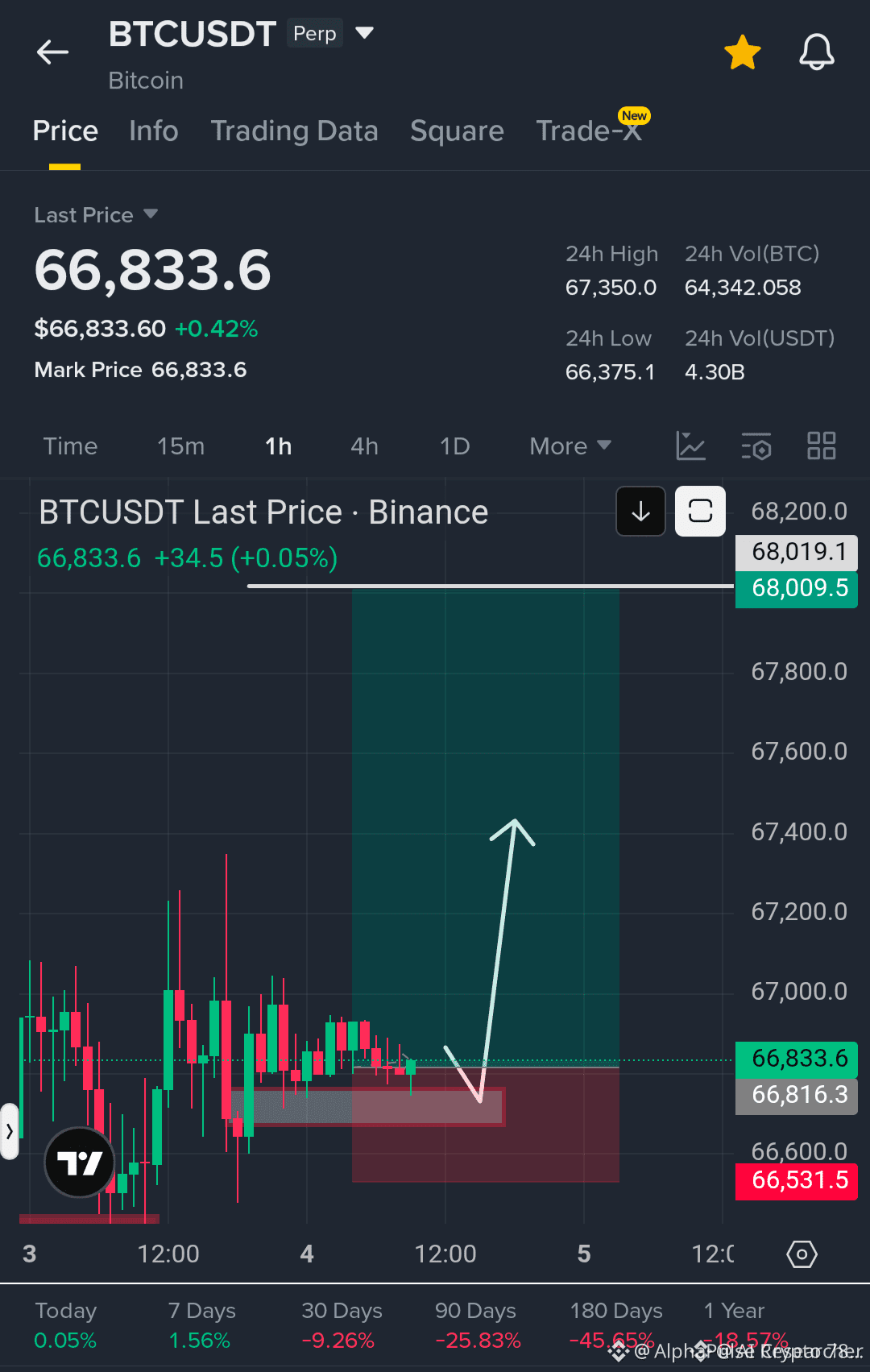
📈 أنا أذهب في LONG على $BTC من هنا:
🎯 الهدف: 68,000
🛑 وقف الخسارة: 64,200
#BTC走势分析
تداول هنا 👇🏻
{spot}(BTCUSDT)
لا تكتفِ بالجلوس والمشاهدة…
اتخذ إجراءً قبل فوات الأوان. 👀💰
ماذا تنتظرون يا رفاق؟ 👀
متى ستشترون $BTC ؟
عند $70K بعد الاختراق؟
في القمة… كما هو الحال دائمًا؟
لماذا يشتري معظم الناس فقط عندما تكون الحركة قد اكتملت بالفعل؟
المال الذكي لا يتبع الضخ
يدخل عندما يكون السوق صامتًا 🔕 قبل العاصفة.
📈 أنا أذهب في LONG على $BTC من هنا:
🎯 الهدف: 68,000
🛑 وقف الخسارة: 64,200
#BTC走势分析
تداول هنا 👇🏻
لا تكتفِ بالجلوس والمشاهدة…
اتخذ إجراءً قبل فوات الأوان. 👀💰
متى ستشترون $BTC ؟
عند $70K بعد الاختراق؟
في القمة… كما هو الحال دائمًا؟
لماذا يشتري معظم الناس فقط عندما تكون الحركة قد اكتملت بالفعل؟
المال الذكي لا يتبع الضخ
يدخل عندما يكون السوق صامتًا 🔕 قبل العاصفة.
📈 أنا أذهب في LONG على $BTC من هنا:
🎯 الهدف: 68,000
🛑 وقف الخسارة: 64,200
#BTC走势分析
تداول هنا 👇🏻
لا تكتفِ بالجلوس والمشاهدة…
اتخذ إجراءً قبل فوات الأوان. 👀💰
11
·
--
صاعد
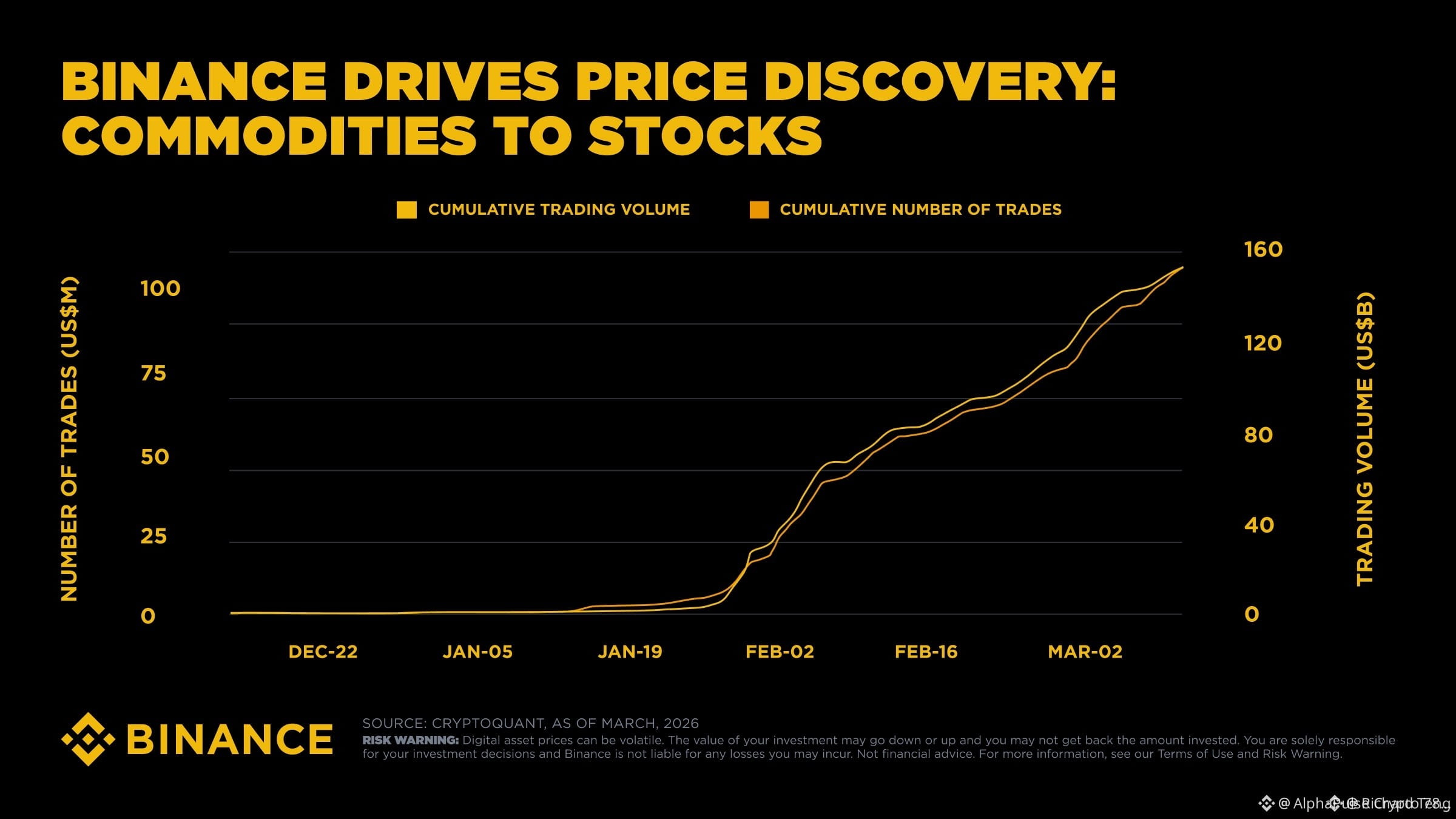
في باينانس، يتم تداول الذهب والفضة على مدار الساعة طوال أيام الأسبوع، جنبًا إلى جنب مع الأسهم مثل تسلا وصناديق المؤشرات العالمية. كل ذلك في مكان واحد.
$153B في الحجم التراكمي و113M+ صفقة لاحقًا، الطلب على الأصول التقليدية المتاحة دائمًا واضح.
في باينانس، يتم تداول الذهب والفضة على مدار الساعة طوال أيام الأسبوع، جنبًا إلى جنب مع الأسهم مثل تسلا وصناديق المؤشرات العالمية. كل ذلك في مكان واحد.
$153B في الحجم التراكمي و113M+ صفقة لاحقًا، الطلب على الأصول التقليدية المتاحة دائمًا واضح.
$153B في الحجم التراكمي و113M+ صفقة لاحقًا، الطلب على الأصول التقليدية المتاحة دائمًا واضح.
116
·
--
صاعد
$PAXG $XAU $XAG
🟡 الذهب - اقرأ هذا بعناية
انظر إلى الصورة الأوسع.
ليس أيامًا. ليس أسابيع. سنوات.
في عام 2009، كان سعر الذهب حوالي 1096 دولارًا.
وبحلول عام 2012، وصل إلى ما يقارب 1675 دولارًا.
ثم... لا شيء.
من عام 2013 إلى عام 2018، تحرك الذهب بشكل جانبي.
لا ضجة. لا عناوين رئيسية. لا إثارة.
فقد معظم الناس اهتمامهم.
وعندها تحديدًا بدأ المستثمرون الأذكياء بالانتباه.
في عام 2019، حدث تغيير.
بدأ الذهب بالارتفاع مجددًا -
1517 دولارًا... ثم 1898 دولارًا في عام 2020.
لم يحدث ارتفاع مفاجئ.
بل تراكمت الضغوط بهدوء.
بينما كان الجميع يسعى وراء الأرباح السريعة،
كان الذهب يُعيد ترتيب أوضاعه.
ثم جاءت الطفرة.
2023 ← فوق 2000 دولار
2024 ← صدم الكثيرين بتجاوزه 2600 دولار
2025 ← قفز إلى ما فوق 4300 دولار
هذا ليس من قبيل الصدفة.
لا تأتي تحركات كهذه من ضجة المستثمرين الأفراد فقط.
هذا شيء أكبر.
البنوك المركزية تزيد احتياطياتها.
الدين العالمي عند مستويات قياسية.
العملات تتعرض للتخفيف.
الثقة في العملات الورقية تضعف.
الذهب لا يتحرك هكذا بلا سبب.
يتحرك هكذا عندما يكون النظام تحت ضغط.
عند 2000 دولار - قال الناس إنه غالي الثمن.
عند 3000 دولار - سخروا.
عند 4000 دولار - وصفوه بالفقاعة.
الآن يتغير النقاش.
هل 10000 دولار مستحيل حقًا؟
أم أننا نشهد إعادة تسعير طويلة الأجل في الوقت الفعلي؟
الذهب ليس "غاليًا" فجأة. ما يتغير هو القدرة الشرائية.
كل دورة اقتصادية تمنح الخيار نفسه:
الاستعداد مبكرًا والتحلي بالهدوء...
أو الانتظار والتفاعل بانفعال لاحقًا.
التاريخ لا يُشجع على الذعر.
{spot}(PAXGUSDT)
{spot}(XAUTUSDT)
{future}(XAGUSDT)
$PAXG $XAU $XAG
🟡 الذهب - اقرأ هذا بعناية
انظر إلى الصورة الأوسع.
ليس أيامًا. ليس أسابيع. سنوات.
في عام 2009، كان سعر الذهب حوالي 1096 دولارًا.
وبحلول عام 2012، وصل إلى ما يقارب 1675 دولارًا.
ثم... لا شيء.
من عام 2013 إلى عام 2018، تحرك الذهب بشكل جانبي.
لا ضجة. لا عناوين رئيسية. لا إثارة.
فقد معظم الناس اهتمامهم.
وعندها تحديدًا بدأ المستثمرون الأذكياء بالانتباه.
في عام 2019، حدث تغيير.
بدأ الذهب بالارتفاع مجددًا -
1517 دولارًا... ثم 1898 دولارًا في عام 2020.
لم يحدث ارتفاع مفاجئ.
بل تراكمت الضغوط بهدوء.
بينما كان الجميع يسعى وراء الأرباح السريعة،
كان الذهب يُعيد ترتيب أوضاعه.
ثم جاءت الطفرة.
2023 ← فوق 2000 دولار
2024 ← صدم الكثيرين بتجاوزه 2600 دولار
2025 ← قفز إلى ما فوق 4300 دولار
هذا ليس من قبيل الصدفة.
لا تأتي تحركات كهذه من ضجة المستثمرين الأفراد فقط.
هذا شيء أكبر.
البنوك المركزية تزيد احتياطياتها.
الدين العالمي عند مستويات قياسية.
العملات تتعرض للتخفيف.
الثقة في العملات الورقية تضعف.
الذهب لا يتحرك هكذا بلا سبب.
يتحرك هكذا عندما يكون النظام تحت ضغط.
عند 2000 دولار - قال الناس إنه غالي الثمن.
عند 3000 دولار - سخروا.
عند 4000 دولار - وصفوه بالفقاعة.
الآن يتغير النقاش.
هل 10000 دولار مستحيل حقًا؟
أم أننا نشهد إعادة تسعير طويلة الأجل في الوقت الفعلي؟
الذهب ليس "غاليًا" فجأة. ما يتغير هو القدرة الشرائية.
كل دورة اقتصادية تمنح الخيار نفسه:
الاستعداد مبكرًا والتحلي بالهدوء...
أو الانتظار والتفاعل بانفعال لاحقًا.
التاريخ لا يُشجع على الذعر.
🟡 الذهب - اقرأ هذا بعناية
انظر إلى الصورة الأوسع.
ليس أيامًا. ليس أسابيع. سنوات.
في عام 2009، كان سعر الذهب حوالي 1096 دولارًا.
وبحلول عام 2012، وصل إلى ما يقارب 1675 دولارًا.
ثم... لا شيء.
من عام 2013 إلى عام 2018، تحرك الذهب بشكل جانبي.
لا ضجة. لا عناوين رئيسية. لا إثارة.
فقد معظم الناس اهتمامهم.
وعندها تحديدًا بدأ المستثمرون الأذكياء بالانتباه.
في عام 2019، حدث تغيير.
بدأ الذهب بالارتفاع مجددًا -
1517 دولارًا... ثم 1898 دولارًا في عام 2020.
لم يحدث ارتفاع مفاجئ.
بل تراكمت الضغوط بهدوء.
بينما كان الجميع يسعى وراء الأرباح السريعة،
كان الذهب يُعيد ترتيب أوضاعه.
ثم جاءت الطفرة.
2023 ← فوق 2000 دولار
2024 ← صدم الكثيرين بتجاوزه 2600 دولار
2025 ← قفز إلى ما فوق 4300 دولار
هذا ليس من قبيل الصدفة.
لا تأتي تحركات كهذه من ضجة المستثمرين الأفراد فقط.
هذا شيء أكبر.
البنوك المركزية تزيد احتياطياتها.
الدين العالمي عند مستويات قياسية.
العملات تتعرض للتخفيف.
الثقة في العملات الورقية تضعف.
الذهب لا يتحرك هكذا بلا سبب.
يتحرك هكذا عندما يكون النظام تحت ضغط.
عند 2000 دولار - قال الناس إنه غالي الثمن.
عند 3000 دولار - سخروا.
عند 4000 دولار - وصفوه بالفقاعة.
الآن يتغير النقاش.
هل 10000 دولار مستحيل حقًا؟
أم أننا نشهد إعادة تسعير طويلة الأجل في الوقت الفعلي؟
الذهب ليس "غاليًا" فجأة. ما يتغير هو القدرة الشرائية.
كل دورة اقتصادية تمنح الخيار نفسه:
الاستعداد مبكرًا والتحلي بالهدوء...
أو الانتظار والتفاعل بانفعال لاحقًا.
التاريخ لا يُشجع على الذعر.

550
·
--
انتباه المتداولين,
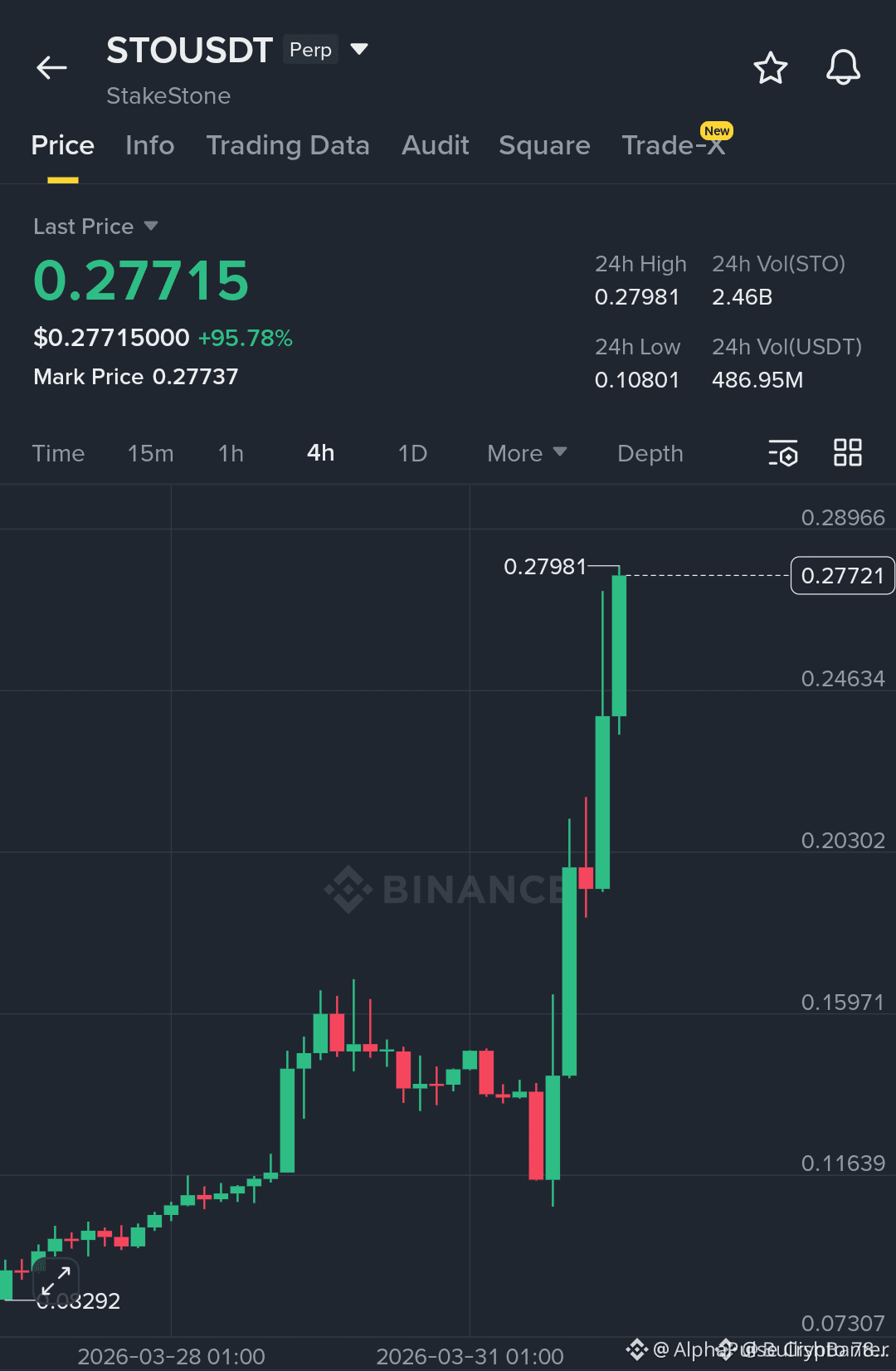
بعد حركة قوية في $STO ، تركيزي الآن بالكامل على هذه الزوج.
لقد أظهر السعر ارتفاعًا حادًا، لكن الهيكل يبدو أنه بدأ يتجاوز الحدود مع علامات ضعف محتملة تتطور بالقرب من القمة. أنا لا أدخل على الفور وأنتظر مستوى تأكيد واضح قبل اتخاذ أي موقف.
بمجرد رؤية التأكيد، سأبحث عن فرصة للبيع القصير حيث من المحتمل أن تتبع مرحلة تصحيح. يمكن أن يقدم هذا الإعداد حركة هبوطية قوية إذا استمرت الرفض من المستويات الحالية.
إذا كنت تريد الدخول الدقيق قبل الحركة، علق "أريد". خلاف ذلك، سأنفذ بشكل خاص وأشارك التحديثات وفقًا لذلك على $STO .
انقر أدناه لأخذ الصفقة
{spot}(STOUSDT)
#STORJ #cryptouniverseofficial
انتباه المتداولين,
بعد حركة قوية في $STO ، تركيزي الآن بالكامل على هذه الزوج.
لقد أظهر السعر ارتفاعًا حادًا، لكن الهيكل يبدو أنه بدأ يتجاوز الحدود مع علامات ضعف محتملة تتطور بالقرب من القمة. أنا لا أدخل على الفور وأنتظر مستوى تأكيد واضح قبل اتخاذ أي موقف.
بمجرد رؤية التأكيد، سأبحث عن فرصة للبيع القصير حيث من المحتمل أن تتبع مرحلة تصحيح. يمكن أن يقدم هذا الإعداد حركة هبوطية قوية إذا استمرت الرفض من المستويات الحالية.
إذا كنت تريد الدخول الدقيق قبل الحركة، علق "أريد". خلاف ذلك، سأنفذ بشكل خاص وأشارك التحديثات وفقًا لذلك على $STO .
انقر أدناه لأخذ الصفقة
#STORJ #cryptouniverseofficial
بعد حركة قوية في $STO ، تركيزي الآن بالكامل على هذه الزوج.
لقد أظهر السعر ارتفاعًا حادًا، لكن الهيكل يبدو أنه بدأ يتجاوز الحدود مع علامات ضعف محتملة تتطور بالقرب من القمة. أنا لا أدخل على الفور وأنتظر مستوى تأكيد واضح قبل اتخاذ أي موقف.
بمجرد رؤية التأكيد، سأبحث عن فرصة للبيع القصير حيث من المحتمل أن تتبع مرحلة تصحيح. يمكن أن يقدم هذا الإعداد حركة هبوطية قوية إذا استمرت الرفض من المستويات الحالية.
إذا كنت تريد الدخول الدقيق قبل الحركة، علق "أريد". خلاف ذلك، سأنفذ بشكل خاص وأشارك التحديثات وفقًا لذلك على $STO .
انقر أدناه لأخذ الصفقة
#STORJ #cryptouniverseofficial
269
·
--
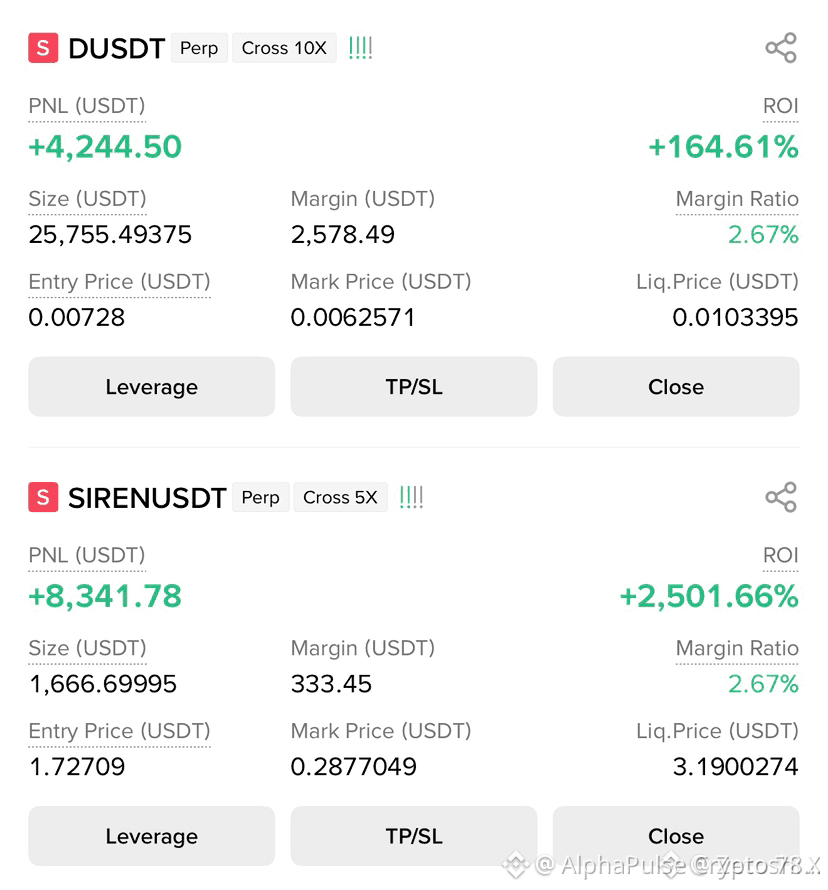
لقد أنشأنا رسميًا قنوات منفصلة لتداول Binance Futures و Binance Alpha & Spot كما طلبت.
يحقق متداولونا في Futures الأموال يوميًا،
$SIREN 1927% $RIVER 293% $STO 927%
والآن الطلب على مكالمات Alpha ينمو بسرعة - لذا قدمنا ذلك.
💰 حزم حمراء تتساقط 10 مرات كل يوم
📈 فرص غير متوقفة
🔥 مجتمع أقوى وأكثر ذكاءً
لنظل متفائلين ونبني المجتمع التجاري رقم 1 على Binance 🚀
#RIVER #STORJ/USDT #BTC突破7万大关
{spot}(STOUSDT)
{future}(RIVERUSDT)
{future}(SIRENUSDT)
لقد أنشأنا رسميًا قنوات منفصلة لتداول Binance Futures و Binance Alpha & Spot كما طلبت.
يحقق متداولونا في Futures الأموال يوميًا،
$SIREN 1927% $RIVER 293% $STO 927%
والآن الطلب على مكالمات Alpha ينمو بسرعة - لذا قدمنا ذلك.
💰 حزم حمراء تتساقط 10 مرات كل يوم
📈 فرص غير متوقفة
🔥 مجتمع أقوى وأكثر ذكاءً
لنظل متفائلين ونبني المجتمع التجاري رقم 1 على Binance 🚀
#RIVER #STORJ/USDT #BTC突破7万大关
يحقق متداولونا في Futures الأموال يوميًا،
$SIREN 1927% $RIVER 293% $STO 927%
والآن الطلب على مكالمات Alpha ينمو بسرعة - لذا قدمنا ذلك.
💰 حزم حمراء تتساقط 10 مرات كل يوم
📈 فرص غير متوقفة
🔥 مجتمع أقوى وأكثر ذكاءً
لنظل متفائلين ونبني المجتمع التجاري رقم 1 على Binance 🚀
#RIVER #STORJ/USDT #BTC突破7万大关
48
·
--
صاعد
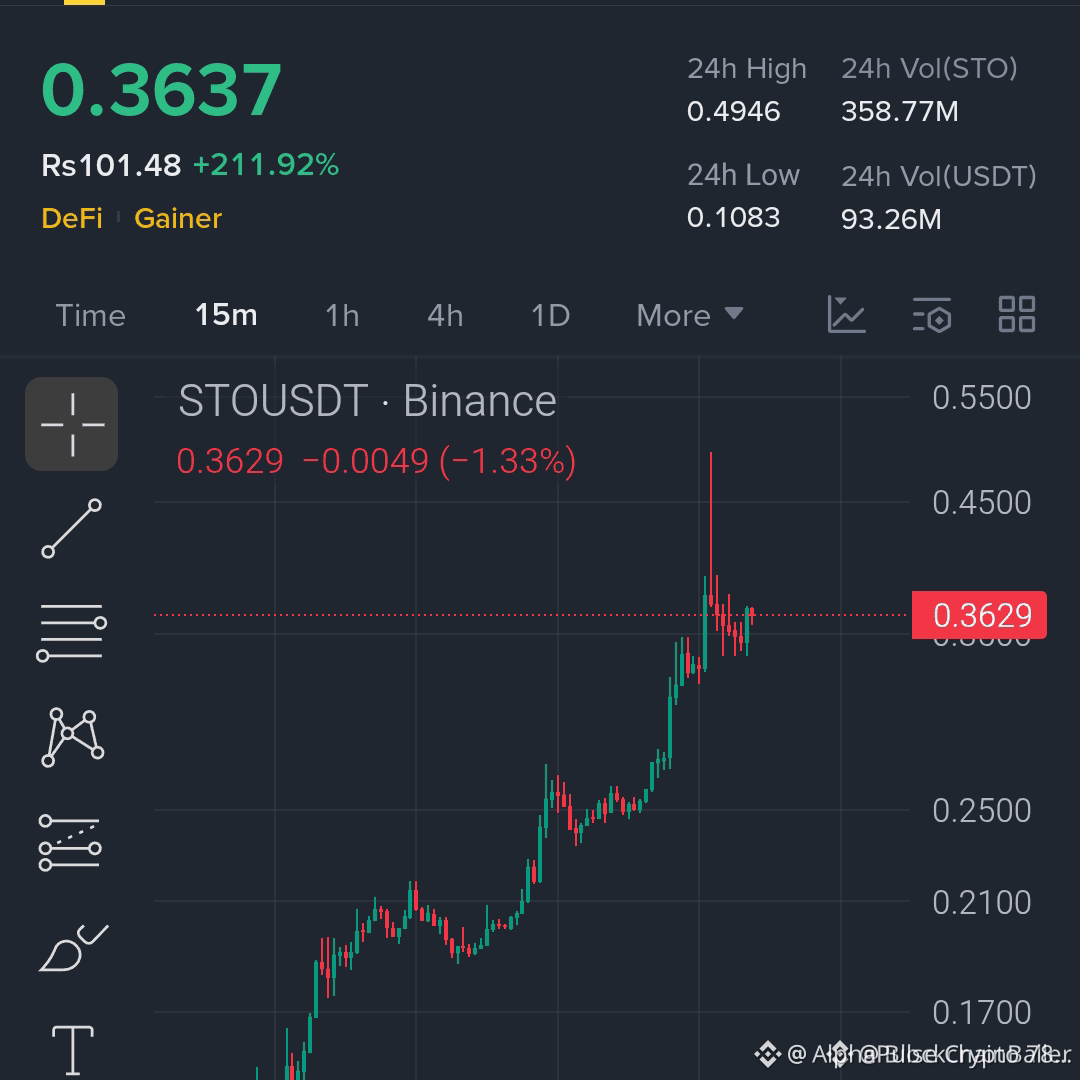
الكثير منكم يسأل عن $STO قصير...
أصدقائي، أنا معكم، ما زلت أحتفظ بموقفي القصير....
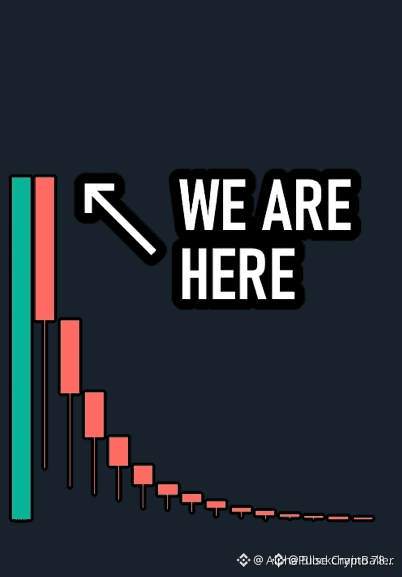
نعم، كان ذلك الارتفاع قوياً، لكن الآن $STO يبدو مبالغاً فيه بعد تلك الحركة...
منطقة الدخول: 0.36 – 0.39
TP1: 0.33
TP2: 0.30
TP3: 0.26
وقف الخسارة: 0.47
هذه الأنواع من الطفرات تحدث عادةً لالتقاط السيولة وإيقاع الناس في الفخ في القمة.
أنا متمسك بالخطة وأبقى صبوراً.
لنرَ كيف تسير الأمور 🤝
#STORJ #BTC #ETH $STO
<a>اضغط هنا للتداول</a> 👇
{spot}(STOUSDT)
الكثير منكم يسأل عن $STO قصير...
أصدقائي، أنا معكم، ما زلت أحتفظ بموقفي القصير....
نعم، كان ذلك الارتفاع قوياً، لكن الآن $STO يبدو مبالغاً فيه بعد تلك الحركة...
منطقة الدخول: 0.36 – 0.39
TP1: 0.33
TP2: 0.30
TP3: 0.26
وقف الخسارة: 0.47
هذه الأنواع من الطفرات تحدث عادةً لالتقاط السيولة وإيقاع الناس في الفخ في القمة.
أنا متمسك بالخطة وأبقى صبوراً.
لنرَ كيف تسير الأمور 🤝
#STORJ #BTC #ETH $STO
<a>اضغط هنا للتداول</a> 👇
أصدقائي، أنا معكم، ما زلت أحتفظ بموقفي القصير....
نعم، كان ذلك الارتفاع قوياً، لكن الآن $STO يبدو مبالغاً فيه بعد تلك الحركة...
منطقة الدخول: 0.36 – 0.39
TP1: 0.33
TP2: 0.30
TP3: 0.26
وقف الخسارة: 0.47
هذه الأنواع من الطفرات تحدث عادةً لالتقاط السيولة وإيقاع الناس في الفخ في القمة.
أنا متمسك بالخطة وأبقى صبوراً.
لنرَ كيف تسير الأمور 🤝
#STORJ #BTC #ETH $STO
<a>اضغط هنا للتداول</a> 👇
122
·
--
هابط
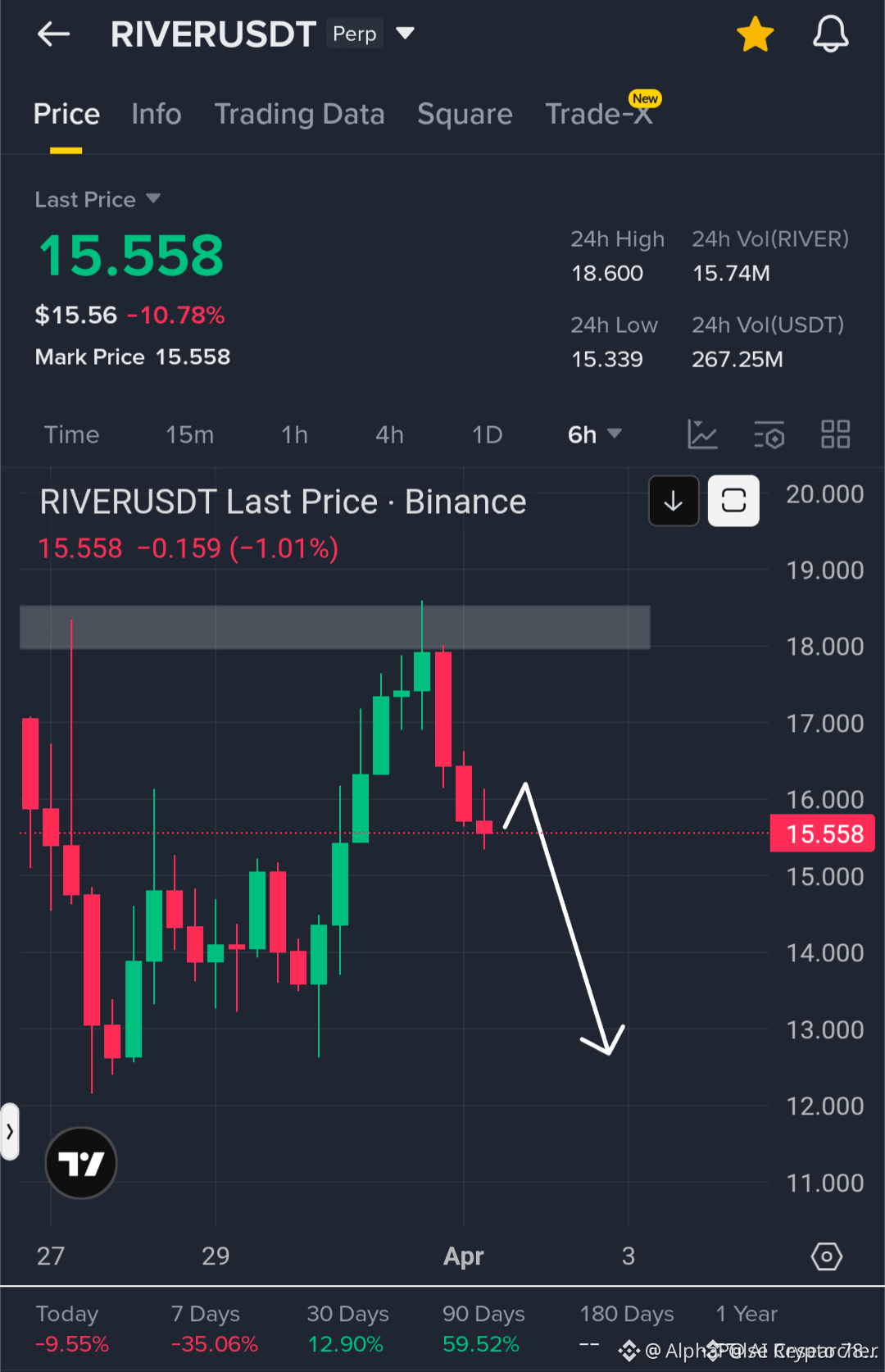
فرصة جديدة على $RIVER 👀📊
يا رفاق، يتم تشكيل إعداد جديد في ريفر، وهذا يبدو نظيفًا.
لقد تلامس السعر للتو مع منطقة مقاومة رئيسية (منطقة 17-18) وأظهر رفضًا واضحًا.
في نفس الوقت، تم سحب السيولة من الجانب العلوي بالفعل، واللحظة بدأت الآن في التحول.
الخطة الحالية:
• الاتجاه → قصير
• الهيكل → استمرار ضعيف بعد الضخ
• التوقع → توسع تدريجي في الاتجاه الهبوطي
لقد بدأت الحركة بالفعل من القمة، لكن الانخفاض الرئيسي لا يزال معلقًا.
لا يزال هناك مجال في هذا الإعداد إذا تم إدارته بشكل صحيح.
الآن نأتي إلى أولئك الذين كانوا بالفعل في الصفقة
لقد كنا نحتفظ بهذه الوضعية لبضعة أيام الماضية،
ومع DCA المناسب، أصبح متوسط الدخول الآن حوالي 15.5.
أخيرًا، السوق يتفاعل بالضبط كما هو متوقع.
هذه هي كيفية عمل التداول —
لا تلاحق الحركات، بل ضع نفسك مبكرًا وكن صبورًا.
لقد رأينا بالفعل تنفيذًا قويًا في إعدادات سابقة مثل $SIREN ،
والآن $RIVER يتجه نحو التالي.
ابقَ مركزًا الفرص مثل هذه ليست عشوائية.
#RİVER #BTC #ETH $RIVER
انقر هنا للتداول 👇
{future}(RIVERUSDT)
فرصة جديدة على $RIVER 👀📊
يا رفاق، يتم تشكيل إعداد جديد في ريفر، وهذا يبدو نظيفًا.
لقد تلامس السعر للتو مع منطقة مقاومة رئيسية (منطقة 17-18) وأظهر رفضًا واضحًا.
في نفس الوقت، تم سحب السيولة من الجانب العلوي بالفعل، واللحظة بدأت الآن في التحول.
الخطة الحالية:
• الاتجاه → قصير
• الهيكل → استمرار ضعيف بعد الضخ
• التوقع → توسع تدريجي في الاتجاه الهبوطي
لقد بدأت الحركة بالفعل من القمة، لكن الانخفاض الرئيسي لا يزال معلقًا.
لا يزال هناك مجال في هذا الإعداد إذا تم إدارته بشكل صحيح.
الآن نأتي إلى أولئك الذين كانوا بالفعل في الصفقة
لقد كنا نحتفظ بهذه الوضعية لبضعة أيام الماضية،
ومع DCA المناسب، أصبح متوسط الدخول الآن حوالي 15.5.
أخيرًا، السوق يتفاعل بالضبط كما هو متوقع.
هذه هي كيفية عمل التداول —
لا تلاحق الحركات، بل ضع نفسك مبكرًا وكن صبورًا.
لقد رأينا بالفعل تنفيذًا قويًا في إعدادات سابقة مثل $SIREN ،
والآن $RIVER يتجه نحو التالي.
ابقَ مركزًا الفرص مثل هذه ليست عشوائية.
#RİVER #BTC #ETH $RIVER
انقر هنا للتداول 👇
يا رفاق، يتم تشكيل إعداد جديد في ريفر، وهذا يبدو نظيفًا.
لقد تلامس السعر للتو مع منطقة مقاومة رئيسية (منطقة 17-18) وأظهر رفضًا واضحًا.
في نفس الوقت، تم سحب السيولة من الجانب العلوي بالفعل، واللحظة بدأت الآن في التحول.
الخطة الحالية:
• الاتجاه → قصير
• الهيكل → استمرار ضعيف بعد الضخ
• التوقع → توسع تدريجي في الاتجاه الهبوطي
لقد بدأت الحركة بالفعل من القمة، لكن الانخفاض الرئيسي لا يزال معلقًا.
لا يزال هناك مجال في هذا الإعداد إذا تم إدارته بشكل صحيح.
الآن نأتي إلى أولئك الذين كانوا بالفعل في الصفقة
لقد كنا نحتفظ بهذه الوضعية لبضعة أيام الماضية،
ومع DCA المناسب، أصبح متوسط الدخول الآن حوالي 15.5.
أخيرًا، السوق يتفاعل بالضبط كما هو متوقع.
هذه هي كيفية عمل التداول —
لا تلاحق الحركات، بل ضع نفسك مبكرًا وكن صبورًا.
لقد رأينا بالفعل تنفيذًا قويًا في إعدادات سابقة مثل $SIREN ،
والآن $RIVER يتجه نحو التالي.
ابقَ مركزًا الفرص مثل هذه ليست عشوائية.
#RİVER #BTC #ETH $RIVER
انقر هنا للتداول 👇
1
150
سجّل الدخول لاستكشاف المزيد من المُحتوى
انضم إلى مُستخدمي العملات الرقمية حول العالم على Binance Square
⚡️ احصل على أحدث المعلومات المفيدة عن العملات الرقمية.
💬 موثوقة من قبل أكبر منصّة لتداول العملات الرقمية في العالم.
👍 اكتشف الرؤى الحقيقية من صنّاع المُحتوى الموثوقين.
البريد الإلكتروني / رقم الهاتف
المواضيع الرائجة
QNTRises287%
404 مشاهدات
46 يقومون بالنقاش
#qntrises287%
🚨 $QNT للتوّ انفجر +287%! 🚀🔥
الكمّ (Quant) يقوم بحركة ضخمة، مما يدفع المتداولين إلى حالة FOMO كاملة. 👀
📈 +287% ارتفاع
🔥 الزخم يتسارع
🐂 الثيران يتولّون السيطرة
🎯 السؤال الكبير الآن: ما الذي سيحدث بعد ذلك؟
بعد هذه الحركة المتفجرة، يراقب المتداولون عن كثب لمعرفة ما إذا كان $QNT يمكنه الاستمرار في الاتجاه الصعودي أو الدخول في فترة تهدئة.
هل قمة تاريخية جديدة (ATH) قريبًا؟ 👀🚀
👇 ما هو هدفك التالي لـ $QNT ؟
#QNT #Quant #crypto
Faizan Crypto Learner
·0 إعجاب
·137 مشاهدات
TrumpRejectsAIRulesForVoluntaryAudits
3,736 مشاهدات
204 يقومون بالنقاش
BitgetHotWalletBreachTiedToThirdPartySecurityFlaw
1,894 مشاهدات
154 يقومون بالنقاش