
143215-N
2 منشورات

143215-N
إبلاغ
حظر المُستخدم
crypto /dex/analyzer and also trader/binance solid fan
113 تتابع
5 المتابعون
0 إعجاب
منشورات
PINNED
·
--
عرض الترجمة
#Bin4nce
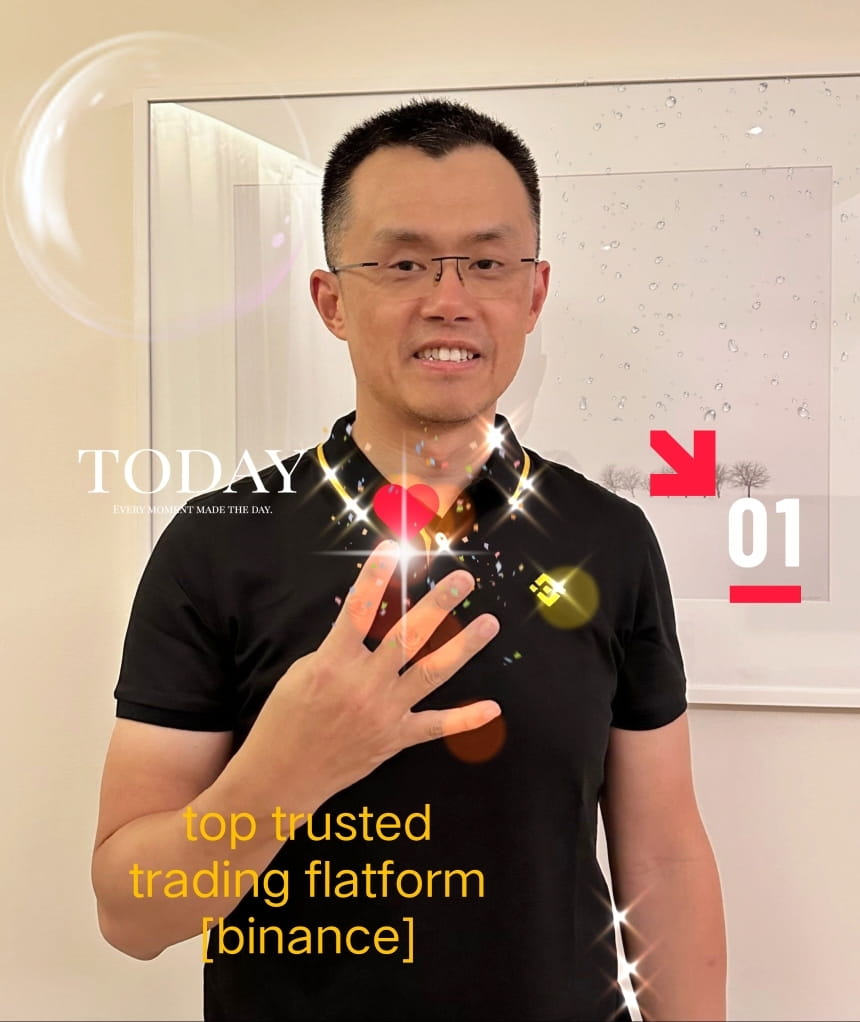
Soon binance will be #1
from now on top trusted crypto trading flatform and will enhance functionality payments and other services ❤️❤️💯
#Bin4nce
Soon binance will be #1
from now on top trusted crypto trading flatform and will enhance functionality payments and other services ❤️❤️💯
Soon binance will be #1
from now on top trusted crypto trading flatform and will enhance functionality payments and other services ❤️❤️💯
29
·
--
عرض الترجمة
Cryptocurrency is a modern way to make money and to speed up transactions such as from cash on hand to atm to e wallet
to digital currency it is normal towards the modern world.
Digital currencies, which let individuals bypass banks in money transfers, sales and business collections by connecting people instantly without an intermediary, are threatening to take away that central role banks play.
Now the banking industry is racing to catch up. Banks want to compete in this new world and profit from it. Their approach is two-pronged: experimenting with cryptocurrency offerings and lobbying regulators to create rules that work in the banks’ favor. Some are offering cryptocurrency investments to their wealthy clients. Others are weighing trading desks for Bitcoin. JPMorgan even started its own digital currency in 2019.
And instead of warning regulators away from cryptocurrencies, banking industry representatives now complain that regulators have not acted quickly enough and that their inaction is costing banks valuable time in their mission to compete.
But their initial skepticism has cost them time. An alternative financial world is springing up around the traditional banking industry. Cryptocurrency start-ups are beginning to offer credit cards and loans. People and businesses around the world are embracing digital currencies at a rapid pace. Even governments are getting involved. El Salvador recently said it would accept Bitcoin as legal tender. And the Federal Reserve, following in the footsteps of central banks around the world, is evaluating launching its own digital currency.
The traditional banking system held sway for centuries. Banks have long helped governments control the flow of money in their local economies by taking deposits, then lending some of that money to other customers. With the rise of secondary markets for loans, banks could lend even more against the deposits they had by selling the loans to investors after they were made and freeing space on their balance sheets to do more lending. At every step of the way, they made money.

10
سجّل الدخول لاستكشاف المزيد من المُحتوى
انضم إلى مُستخدمي العملات الرقمية حول العالم على Binance Square
⚡️ احصل على أحدث المعلومات المفيدة عن العملات الرقمية.
💬 موثوقة من قبل أكبر منصّة لتداول العملات الرقمية في العالم.
👍 اكتشف الرؤى الحقيقية من صنّاع المُحتوى الموثوقين.
البريد الإلكتروني / رقم الهاتف
المواضيع الرائجة
EvolveAtBinanceBlockchainWeek
889,834 مشاهدات
11,088 يقومون بالنقاش
أسبوع بلوكتشين بينانس 2026 قادم إلى بانكوك! 🌍
في 28 و29 نوفمبر، سيجتمع قادة القطاع والمطوّرون وأفراد المجتمع من جميع أنحاء العالم.
موضوع هذا العام هو «التطوّر». من الابتكار التكنولوجي إلى التطبيقات العملية، سنستكشف مستقبل البلوكتشين والعملات الرقمية. سواء انضممت إلينا شخصيًا أو تابعتنا عبر الإنترنت، فصوتك جزء من الحوار!
ابتداءً من اليوم، تابع this account وانشر على Binance Square باستخدام #EvolveAtBinanceBlockchainWeek . أرفق صورة وشاركنا ما تتطلع إليه، أو رؤيتك للقطاع، أو الأفكار واللحظات التي تلفت انتباهك خلال الفعالية. 🎉🙌
🎁 سنختار 20 مستخدمًا ينشرون مع الوسم ليحصل كل منهم على 50 USDT! آخر موعد للمشاركة في السحب هو 29 نوفمبر الساعة 23:59 (UTC).
لنكن جزءًا من هذا التطوّر ونستكشف معًا آفاق الممكن!
Binance Blockchain Week
·564 إعجاب
·486.6k مشاهدات
CanMarketsReboundAfterThanksgiving?
240,357 مشاهدات
2,205 يقومون بالنقاش
CouldSpaceX’sOrbitalDataCentersBoostAIChipDemand?
115,068 مشاهدات
1,313 يقومون بالنقاش