
akadray
301 منشورات

akadray
إبلاغ
حظر المُستخدم
فتح تداول
مُتداول عرضي
2.2 سنوات
18 تتابع
33 المتابعون
60 إعجاب
منشورات
الحافظة الاستثمارية
الكل
اقتباسات
·
--
#CryptoIntegration يشير دمج العملات المشفرة إلى عملية تضمين العملات المشفرة وتكنولوجيا البلوكشين في الأنظمة المالية الحالية، والأعمال التجارية، والمنصات الرقمية لتمكين الاستخدام السلس للأصول الرقمية. يركز على جعل مدفوعات العملات المشفرة، والمحافظ، والحلول اللامركزية سهلة الوصول للأفراد والمنظمات دون الحاجة إلى معرفة تقنية عميقة. من خلال دمج العملات المشفرة، يمكن للشركات توسيع قاعدة عملائها، ودعم المعاملات عبر الحدود، وتقليل الاعتماد على الوسطاء التقليديين.
يمكن أن يأخذ هذا الدمج عدة أشكال، مثل تمكين مواقع التجارة الإلكترونية من قبول بيتكوين أو العملات المستقرة، أو ربط أنظمة البنوك مع البلوكشين لتسويات أسرع، أو تضمين محافظ العملات المشفرة في التطبيقات والألعاب للحصول على مكافآت وملكية رقمية. كما تعتمد الشركات دمج العملات المشفرة للاستفادة من الشفافية، وانخفاض رسوم المعاملات، وميزات المال القابل للبرمجة من خلال العقود الذكية.
بالنسبة للمستخدمين، يبسط دمج العملات المشفرة تجربة إرسال واستلام وإدارة الأصول الرقمية، مما يجعل العملات المشفرة أكثر عملية للحياة اليومية. كما يعزز الشمول المالي من خلال منح الأشخاص في المناطق المحرومة إمكانية الوصول إلى المدفوعات عبر الحدود. بشكل عام، لا يتعلق دمج العملات المشفرة بالمدفوعات فحسب - بل يمثل خطوة نحو دمج التمويل التقليدي مع Web3، مما يدفع التبني العالمي وإعادة تشكيل كيفية انتقال القيمة في الاقتصاد الرقمي.
هل ترغب في أن أشرح لك أيضًا فوائده وتحدياته باختصار؟
#CryptoIntegration يشير دمج العملات المشفرة إلى عملية تضمين العملات المشفرة وتكنولوجيا البلوكشين في الأنظمة المالية الحالية، والأعمال التجارية، والمنصات الرقمية لتمكين الاستخدام السلس للأصول الرقمية. يركز على جعل مدفوعات العملات المشفرة، والمحافظ، والحلول اللامركزية سهلة الوصول للأفراد والمنظمات دون الحاجة إلى معرفة تقنية عميقة. من خلال دمج العملات المشفرة، يمكن للشركات توسيع قاعدة عملائها، ودعم المعاملات عبر الحدود، وتقليل الاعتماد على الوسطاء التقليديين.
يمكن أن يأخذ هذا الدمج عدة أشكال، مثل تمكين مواقع التجارة الإلكترونية من قبول بيتكوين أو العملات المستقرة، أو ربط أنظمة البنوك مع البلوكشين لتسويات أسرع، أو تضمين محافظ العملات المشفرة في التطبيقات والألعاب للحصول على مكافآت وملكية رقمية. كما تعتمد الشركات دمج العملات المشفرة للاستفادة من الشفافية، وانخفاض رسوم المعاملات، وميزات المال القابل للبرمجة من خلال العقود الذكية.
بالنسبة للمستخدمين، يبسط دمج العملات المشفرة تجربة إرسال واستلام وإدارة الأصول الرقمية، مما يجعل العملات المشفرة أكثر عملية للحياة اليومية. كما يعزز الشمول المالي من خلال منح الأشخاص في المناطق المحرومة إمكانية الوصول إلى المدفوعات عبر الحدود. بشكل عام، لا يتعلق دمج العملات المشفرة بالمدفوعات فحسب - بل يمثل خطوة نحو دمج التمويل التقليدي مع Web3، مما يدفع التبني العالمي وإعادة تشكيل كيفية انتقال القيمة في الاقتصاد الرقمي.
هل ترغب في أن أشرح لك أيضًا فوائده وتحدياته باختصار؟
يمكن أن يأخذ هذا الدمج عدة أشكال، مثل تمكين مواقع التجارة الإلكترونية من قبول بيتكوين أو العملات المستقرة، أو ربط أنظمة البنوك مع البلوكشين لتسويات أسرع، أو تضمين محافظ العملات المشفرة في التطبيقات والألعاب للحصول على مكافآت وملكية رقمية. كما تعتمد الشركات دمج العملات المشفرة للاستفادة من الشفافية، وانخفاض رسوم المعاملات، وميزات المال القابل للبرمجة من خلال العقود الذكية.
بالنسبة للمستخدمين، يبسط دمج العملات المشفرة تجربة إرسال واستلام وإدارة الأصول الرقمية، مما يجعل العملات المشفرة أكثر عملية للحياة اليومية. كما يعزز الشمول المالي من خلال منح الأشخاص في المناطق المحرومة إمكانية الوصول إلى المدفوعات عبر الحدود. بشكل عام، لا يتعلق دمج العملات المشفرة بالمدفوعات فحسب - بل يمثل خطوة نحو دمج التمويل التقليدي مع Web3، مما يدفع التبني العالمي وإعادة تشكيل كيفية انتقال القيمة في الاقتصاد الرقمي.
هل ترغب في أن أشرح لك أيضًا فوائده وتحدياته باختصار؟
4
·
--
#ETHRally الإيثيريوم (ETH) في الواقع يرتفع - يتداول حول 4,783 دولار، مما يظهر قوة مستمرة في ارتفاعه.
العوامل الرئيسية وراء الزيادة:
زخم نحو ارتفاع جديد: الإيثيريوم يقترب من أعلى مستوى له على الإطلاق (~4,867 دولار)، مدعوماً بتدفقات مؤسسية قوية، أداء ETFs، وإشارات ماكرو صعودية.
رياح مواتية من ETFs والتنظيم: ETFs الإيثيريوم الفورية تجذب تدفقات قياسية، وقانون "عبقري" الأمريكي الأخير - الذي يوضح تنظيم العملات المستقرة - يعزز ثقة المستثمرين.
توقعات قوية: رفعت ستاندرد تشارترد هدفها لنهاية العام للإيثيريوم إلى 7,500 دولار، مشيرة إلى ترقية البلوكتشين، ونمو العملات المستقرة، والطلب المؤسسي. كما توقعت إمكانية أن يصل الإيثيريوم إلى 25,000 دولار بحلول عام 2028.
مشاعر السوق والسيولة: بلغ الاهتمام المفتوح في مشتقات الإيثيريوم مستويات جديدة، مما يشير إلى اهتمام مضاربي مرتفع، في حين تظل المشاعر الصعودية قوية على الرغم من بعض عمليات جني الأرباح من الحيتان.
---
ارتفاع الإيثيريوم الحالي مدفوع بتبني المؤسسات، وتطورات تنظيمية إيجابية، وطلب على ETFs، وتوقعات متفائلة من المحللين. إذا استمرت هذه الاتجاهات، فقد لا يعيد الإيثيريوم فقط زيارة أعلى مستوى له على الإطلاق، بل يحتمل أن يحافظ على ارتفاع صعودي أعمق لاحقاً في العام.
#ETHRally الإيثيريوم (ETH) في الواقع يرتفع - يتداول حول 4,783 دولار، مما يظهر قوة مستمرة في ارتفاعه.
العوامل الرئيسية وراء الزيادة:
زخم نحو ارتفاع جديد: الإيثيريوم يقترب من أعلى مستوى له على الإطلاق (~4,867 دولار)، مدعوماً بتدفقات مؤسسية قوية، أداء ETFs، وإشارات ماكرو صعودية.
رياح مواتية من ETFs والتنظيم: ETFs الإيثيريوم الفورية تجذب تدفقات قياسية، وقانون "عبقري" الأمريكي الأخير - الذي يوضح تنظيم العملات المستقرة - يعزز ثقة المستثمرين.
توقعات قوية: رفعت ستاندرد تشارترد هدفها لنهاية العام للإيثيريوم إلى 7,500 دولار، مشيرة إلى ترقية البلوكتشين، ونمو العملات المستقرة، والطلب المؤسسي. كما توقعت إمكانية أن يصل الإيثيريوم إلى 25,000 دولار بحلول عام 2028.
مشاعر السوق والسيولة: بلغ الاهتمام المفتوح في مشتقات الإيثيريوم مستويات جديدة، مما يشير إلى اهتمام مضاربي مرتفع، في حين تظل المشاعر الصعودية قوية على الرغم من بعض عمليات جني الأرباح من الحيتان.
---
ارتفاع الإيثيريوم الحالي مدفوع بتبني المؤسسات، وتطورات تنظيمية إيجابية، وطلب على ETFs، وتوقعات متفائلة من المحللين. إذا استمرت هذه الاتجاهات، فقد لا يعيد الإيثيريوم فقط زيارة أعلى مستوى له على الإطلاق، بل يحتمل أن يحافظ على ارتفاع صعودي أعمق لاحقاً في العام.
العوامل الرئيسية وراء الزيادة:
زخم نحو ارتفاع جديد: الإيثيريوم يقترب من أعلى مستوى له على الإطلاق (~4,867 دولار)، مدعوماً بتدفقات مؤسسية قوية، أداء ETFs، وإشارات ماكرو صعودية.
رياح مواتية من ETFs والتنظيم: ETFs الإيثيريوم الفورية تجذب تدفقات قياسية، وقانون "عبقري" الأمريكي الأخير - الذي يوضح تنظيم العملات المستقرة - يعزز ثقة المستثمرين.
توقعات قوية: رفعت ستاندرد تشارترد هدفها لنهاية العام للإيثيريوم إلى 7,500 دولار، مشيرة إلى ترقية البلوكتشين، ونمو العملات المستقرة، والطلب المؤسسي. كما توقعت إمكانية أن يصل الإيثيريوم إلى 25,000 دولار بحلول عام 2028.
مشاعر السوق والسيولة: بلغ الاهتمام المفتوح في مشتقات الإيثيريوم مستويات جديدة، مما يشير إلى اهتمام مضاربي مرتفع، في حين تظل المشاعر الصعودية قوية على الرغم من بعض عمليات جني الأرباح من الحيتان.
---
ارتفاع الإيثيريوم الحالي مدفوع بتبني المؤسسات، وتطورات تنظيمية إيجابية، وطلب على ETFs، وتوقعات متفائلة من المحللين. إذا استمرت هذه الاتجاهات، فقد لا يعيد الإيثيريوم فقط زيارة أعلى مستوى له على الإطلاق، بل يحتمل أن يحافظ على ارتفاع صعودي أعمق لاحقاً في العام.
19
·
--
#CFTCCryptoSprint
سباق التشفير هو مبادرة تنظيمية أطلقتها لجنة تداول العقود الآجلة للسلع في الولايات المتحدة (CFTC) في 1 أغسطس 2025، بقيادة الرئيسة المؤقتة كارولين فام. الهدف منها هو تنفيذ التوصيات بسرعة من مجموعة العمل الرئاسية بشأن أسواق الأصول الرقمية. هذه الجهود هي جزء من برنامج أوسع بين الوكالات يسمى مشروع التشفير، بالتعاون مع لجنة الأوراق المالية والبورصات تحت رئاسة بول أتكينز.
يركز سباق التشفير على توفير الوضوح التنظيمي، وإزالة الغموض، وتعزيز الابتكار في أسواق الأصول الرقمية - وخاصة التمويل اللامركزي، العملات المستقرة، والتوكنات. منذ أوائل عام 2025، عقدت لجنة تداول العقود الآجلة للسلع أول منتدى للرؤساء التنفيذيين للتشفير، وسحبت الإرشادات القديمة، وأصدرت توجيهات جديدة لدعم الشركات الناشئة والمطورين. بدأت العقود الآجلة المستمرة بالتداول في أبريل وتم إطلاق أسواق على مدار الساعة في مايو على منصات تخضع لتنظيم CFTC.
كما يستكشف السباق إمكانية السماح لبورصات العقود الآجلة بإدراج عقود التشفير الفورية، مع طلب تغذية راجعة من الجمهور حتى 18 أغسطس 2025.
أخبرني إذا كنت ترغب في الغوص أعمق في تأثير سياستها أو تداعياتها على الصناعة!
#CFTCCryptoSprint
سباق التشفير هو مبادرة تنظيمية أطلقتها لجنة تداول العقود الآجلة للسلع في الولايات المتحدة (CFTC) في 1 أغسطس 2025، بقيادة الرئيسة المؤقتة كارولين فام. الهدف منها هو تنفيذ التوصيات بسرعة من مجموعة العمل الرئاسية بشأن أسواق الأصول الرقمية. هذه الجهود هي جزء من برنامج أوسع بين الوكالات يسمى مشروع التشفير، بالتعاون مع لجنة الأوراق المالية والبورصات تحت رئاسة بول أتكينز.
يركز سباق التشفير على توفير الوضوح التنظيمي، وإزالة الغموض، وتعزيز الابتكار في أسواق الأصول الرقمية - وخاصة التمويل اللامركزي، العملات المستقرة، والتوكنات. منذ أوائل عام 2025، عقدت لجنة تداول العقود الآجلة للسلع أول منتدى للرؤساء التنفيذيين للتشفير، وسحبت الإرشادات القديمة، وأصدرت توجيهات جديدة لدعم الشركات الناشئة والمطورين. بدأت العقود الآجلة المستمرة بالتداول في أبريل وتم إطلاق أسواق على مدار الساعة في مايو على منصات تخضع لتنظيم CFTC.
كما يستكشف السباق إمكانية السماح لبورصات العقود الآجلة بإدراج عقود التشفير الفورية، مع طلب تغذية راجعة من الجمهور حتى 18 أغسطس 2025.
أخبرني إذا كنت ترغب في الغوص أعمق في تأثير سياستها أو تداعياتها على الصناعة!
سباق التشفير هو مبادرة تنظيمية أطلقتها لجنة تداول العقود الآجلة للسلع في الولايات المتحدة (CFTC) في 1 أغسطس 2025، بقيادة الرئيسة المؤقتة كارولين فام. الهدف منها هو تنفيذ التوصيات بسرعة من مجموعة العمل الرئاسية بشأن أسواق الأصول الرقمية. هذه الجهود هي جزء من برنامج أوسع بين الوكالات يسمى مشروع التشفير، بالتعاون مع لجنة الأوراق المالية والبورصات تحت رئاسة بول أتكينز.
يركز سباق التشفير على توفير الوضوح التنظيمي، وإزالة الغموض، وتعزيز الابتكار في أسواق الأصول الرقمية - وخاصة التمويل اللامركزي، العملات المستقرة، والتوكنات. منذ أوائل عام 2025، عقدت لجنة تداول العقود الآجلة للسلع أول منتدى للرؤساء التنفيذيين للتشفير، وسحبت الإرشادات القديمة، وأصدرت توجيهات جديدة لدعم الشركات الناشئة والمطورين. بدأت العقود الآجلة المستمرة بالتداول في أبريل وتم إطلاق أسواق على مدار الساعة في مايو على منصات تخضع لتنظيم CFTC.
كما يستكشف السباق إمكانية السماح لبورصات العقود الآجلة بإدراج عقود التشفير الفورية، مع طلب تغذية راجعة من الجمهور حتى 18 أغسطس 2025.
أخبرني إذا كنت ترغب في الغوص أعمق في تأثير سياستها أو تداعياتها على الصناعة!
10
·
--
$ENA ENA (Ena Chain) هي منصة بنية تحتية لامركزية مصممة لدعم تطبيقات Web3 من خلال تقديم خدمات بلوكتشين قابلة للتطوير وآمنة وصديقة للمطورين. تؤكد على التوافق البيني، مما يسمح للمطورين ببناء تطبيقات لامركزية (dApps) يمكن أن تتفاعل عبر سلاسل متعددة بسهولة. تستخدم ENA آلية توافق الآراء القائمة على إثبات الحصة (PoS)، مما يساعد في الحفاظ على كفاءة الشبكة واستدامة الطاقة.
إحدى الميزات الأساسية لـ ENA هي تصميمها القابل للتعديل، مما يتيح تخصيص طبقات البلوكتشين مثل التوافق، وتوافر البيانات، والتنفيذ. يجعل ذلك منها مثالية لكل من الشركات الناشئة ومشاريع Web3 على مستوى الشركات. العملة الأصلية، $ENA، تدعم الشبكة، حيث تؤدي وظائف مثل رسوم المعاملات، والحكومة، ومكافآت التكديس.
تكتسب ENA شعبية بسبب انخفاض زمن الوصول وارتفاع معدل الإنتاجية، مما يجعلها مناسبة لتطبيقات DeFi وNFTs والألعاب. كما تقدم أدوات للمطورين وSDKs، مما يشجع على الابتكار مع الحفاظ على خصوصية المستخدم واللامركزية. مع نمو مساحة Web3، تهدف ENA إلى وضع نفسها كسلسلة أساسية تمكّن من اقتصاد رقمي سلس وسريع ومترابط.
$ENA ENA (Ena Chain) هي منصة بنية تحتية لامركزية مصممة لدعم تطبيقات Web3 من خلال تقديم خدمات بلوكتشين قابلة للتطوير وآمنة وصديقة للمطورين. تؤكد على التوافق البيني، مما يسمح للمطورين ببناء تطبيقات لامركزية (dApps) يمكن أن تتفاعل عبر سلاسل متعددة بسهولة. تستخدم ENA آلية توافق الآراء القائمة على إثبات الحصة (PoS)، مما يساعد في الحفاظ على كفاءة الشبكة واستدامة الطاقة.
إحدى الميزات الأساسية لـ ENA هي تصميمها القابل للتعديل، مما يتيح تخصيص طبقات البلوكتشين مثل التوافق، وتوافر البيانات، والتنفيذ. يجعل ذلك منها مثالية لكل من الشركات الناشئة ومشاريع Web3 على مستوى الشركات. العملة الأصلية، $ENA ، تدعم الشبكة، حيث تؤدي وظائف مثل رسوم المعاملات، والحكومة، ومكافآت التكديس.
تكتسب ENA شعبية بسبب انخفاض زمن الوصول وارتفاع معدل الإنتاجية، مما يجعلها مناسبة لتطبيقات DeFi وNFTs والألعاب. كما تقدم أدوات للمطورين وSDKs، مما يشجع على الابتكار مع الحفاظ على خصوصية المستخدم واللامركزية. مع نمو مساحة Web3، تهدف ENA إلى وضع نفسها كسلسلة أساسية تمكّن من اقتصاد رقمي سلس وسريع ومترابط.
إحدى الميزات الأساسية لـ ENA هي تصميمها القابل للتعديل، مما يتيح تخصيص طبقات البلوكتشين مثل التوافق، وتوافر البيانات، والتنفيذ. يجعل ذلك منها مثالية لكل من الشركات الناشئة ومشاريع Web3 على مستوى الشركات. العملة الأصلية، $ENA ، تدعم الشبكة، حيث تؤدي وظائف مثل رسوم المعاملات، والحكومة، ومكافآت التكديس.
تكتسب ENA شعبية بسبب انخفاض زمن الوصول وارتفاع معدل الإنتاجية، مما يجعلها مناسبة لتطبيقات DeFi وNFTs والألعاب. كما تقدم أدوات للمطورين وSDKs، مما يشجع على الابتكار مع الحفاظ على خصوصية المستخدم واللامركزية. مع نمو مساحة Web3، تهدف ENA إلى وضع نفسها كسلسلة أساسية تمكّن من اقتصاد رقمي سلس وسريع ومترابط.
8
·
--
#CreatorPad إليك نظرة موجزة عن CreatorPad في حوالي 120-150 كلمة:
CreatorPad هي منصة تسويق مؤثرين تربط بين الأعمال المحلية ومبدعي إنستغرام الذين تم التحقق منهم مسبقًا لإجراء حملات محتوى. تحدد الشركات عرضًا - مثل منتج مجاني أو تجربة أو دفع - ويقوم CreatorPad بمطابقة المبدعين بناءً على الموقع وملاءمة الجمهور. يزور المبدعون العمل، ينشرون المحتوى، ويزيدون من تفاعل العملاء، كل ذلك يتم إدارته من خلال لوحة تحكم مركزية تشمل الرسائل، تقديم المحتوى، التحليلات، والمدفوعات الآمنة.
تبدأ الخطط من حوالي 99 دولارًا شهريًا، مع مستويات لسلاسل الأعمال المتنامية والتي تقدم المزيد من الحملات والوصول. يتم الاحتفاظ بالمدفوعات في حساب ضمان، وتُطلق للمبدعين بعد حوالي 14 يومًا من النشر - أسرع بكثير من منصات المؤثرين النموذجية. يركز CreatorPad على الأتمتة والشفافية، مما يمكّن الأعمال المحلية من إجراء حملات مبدعين بميزانيات قابلة للوصول مع إشراف حقيقي ونتائج قابلة للقياس. تم تصميمه لجعل تسويق المؤثرين بسيطًا وفعالًا من حيث التكلفة وذو تأثير دون الحاجة لتوظيف وكالة كاملة.
#CreatorPad إليك نظرة موجزة عن CreatorPad في حوالي 120-150 كلمة:
CreatorPad هي منصة تسويق مؤثرين تربط بين الأعمال المحلية ومبدعي إنستغرام الذين تم التحقق منهم مسبقًا لإجراء حملات محتوى. تحدد الشركات عرضًا - مثل منتج مجاني أو تجربة أو دفع - ويقوم CreatorPad بمطابقة المبدعين بناءً على الموقع وملاءمة الجمهور. يزور المبدعون العمل، ينشرون المحتوى، ويزيدون من تفاعل العملاء، كل ذلك يتم إدارته من خلال لوحة تحكم مركزية تشمل الرسائل، تقديم المحتوى، التحليلات، والمدفوعات الآمنة.
تبدأ الخطط من حوالي 99 دولارًا شهريًا، مع مستويات لسلاسل الأعمال المتنامية والتي تقدم المزيد من الحملات والوصول. يتم الاحتفاظ بالمدفوعات في حساب ضمان، وتُطلق للمبدعين بعد حوالي 14 يومًا من النشر - أسرع بكثير من منصات المؤثرين النموذجية. يركز CreatorPad على الأتمتة والشفافية، مما يمكّن الأعمال المحلية من إجراء حملات مبدعين بميزانيات قابلة للوصول مع إشراف حقيقي ونتائج قابلة للقياس. تم تصميمه لجعل تسويق المؤثرين بسيطًا وفعالًا من حيث التكلفة وذو تأثير دون الحاجة لتوظيف وكالة كاملة.
CreatorPad هي منصة تسويق مؤثرين تربط بين الأعمال المحلية ومبدعي إنستغرام الذين تم التحقق منهم مسبقًا لإجراء حملات محتوى. تحدد الشركات عرضًا - مثل منتج مجاني أو تجربة أو دفع - ويقوم CreatorPad بمطابقة المبدعين بناءً على الموقع وملاءمة الجمهور. يزور المبدعون العمل، ينشرون المحتوى، ويزيدون من تفاعل العملاء، كل ذلك يتم إدارته من خلال لوحة تحكم مركزية تشمل الرسائل، تقديم المحتوى، التحليلات، والمدفوعات الآمنة.
تبدأ الخطط من حوالي 99 دولارًا شهريًا، مع مستويات لسلاسل الأعمال المتنامية والتي تقدم المزيد من الحملات والوصول. يتم الاحتفاظ بالمدفوعات في حساب ضمان، وتُطلق للمبدعين بعد حوالي 14 يومًا من النشر - أسرع بكثير من منصات المؤثرين النموذجية. يركز CreatorPad على الأتمتة والشفافية، مما يمكّن الأعمال المحلية من إجراء حملات مبدعين بميزانيات قابلة للوصول مع إشراف حقيقي ونتائج قابلة للقياس. تم تصميمه لجعل تسويق المؤثرين بسيطًا وفعالًا من حيث التكلفة وذو تأثير دون الحاجة لتوظيف وكالة كاملة.
225
·
--
#BTCReserveStrategy A استراتيجية الاحتياطي من بيتكوين (BTC) تشير إلى الممارسة المتعمدة للاحتفاظ ببيتكوين كأصل احتياطي استراتيجي طويل الأجل، مشابه لكيفية احتفاظ الحكومات أو الشركات بالذهب أو العملات الأجنبية - ولكن بشكل رقمي، لامركزي، ومحدود بـ 21 مليون عملة. يتبنى صناع السياسات والمؤسسات وحتى الأفراد مثل هذه الاستراتيجيات لتنويع المحافظ، والتحوط ضد التضخم، وبناء القدرة على التحمل المالي.
في مارس 2025، وقع الرئيس الأمريكي السابق دونالد ترامب أمراً تنفيذياً لإنشاء احتياطي استراتيجي لبيتكوين، موحداً بيتكوين المملوك للحكومة الفيدرالية كأصل احتياطي، ممولاً بشكل أساسي من الأصول المشفرة التي تم مصادرتها، دون نية لبيعها - تماماً مثل احتياطي الذهب. كما أن الأمر أنشأ أيضاً مخزوناً رقمياً أوسع لعملات مشفرة أخرى تم الاستيلاء عليها.
يجادل المؤيدون بأن اعتبار بيتكوين كـ "ذهب رقمي" يضيف الشفافية، والسيادة، وحماية من التضخم، خاصة كأصل حكومي محجوز في تخزين بارد ومدار بموجب بروتوكولات حراسة قوية. ومع ذلك، يحذر النقاد - مثل مسؤولي الاحتياطي الفيدرالي - من تقلب الأسعار، ونقص السيولة، وتكاليف التخزين، والمخاطر المحتملة على السيادة النقدية.
من خلال دمج السيادة الرقمية النادرة مع التفكير الاحتياطي المحافظ، تمثل استراتيجية احتياطي BTC أداة مالية جديدة عالية المخاطر/عالية المكافآت في إدارة الاحتياطي الحديثة.
#BTCReserveStrategy A استراتيجية الاحتياطي من بيتكوين (BTC) تشير إلى الممارسة المتعمدة للاحتفاظ ببيتكوين كأصل احتياطي استراتيجي طويل الأجل، مشابه لكيفية احتفاظ الحكومات أو الشركات بالذهب أو العملات الأجنبية - ولكن بشكل رقمي، لامركزي، ومحدود بـ 21 مليون عملة. يتبنى صناع السياسات والمؤسسات وحتى الأفراد مثل هذه الاستراتيجيات لتنويع المحافظ، والتحوط ضد التضخم، وبناء القدرة على التحمل المالي.
في مارس 2025، وقع الرئيس الأمريكي السابق دونالد ترامب أمراً تنفيذياً لإنشاء احتياطي استراتيجي لبيتكوين، موحداً بيتكوين المملوك للحكومة الفيدرالية كأصل احتياطي، ممولاً بشكل أساسي من الأصول المشفرة التي تم مصادرتها، دون نية لبيعها - تماماً مثل احتياطي الذهب. كما أن الأمر أنشأ أيضاً مخزوناً رقمياً أوسع لعملات مشفرة أخرى تم الاستيلاء عليها.
يجادل المؤيدون بأن اعتبار بيتكوين كـ "ذهب رقمي" يضيف الشفافية، والسيادة، وحماية من التضخم، خاصة كأصل حكومي محجوز في تخزين بارد ومدار بموجب بروتوكولات حراسة قوية. ومع ذلك، يحذر النقاد - مثل مسؤولي الاحتياطي الفيدرالي - من تقلب الأسعار، ونقص السيولة، وتكاليف التخزين، والمخاطر المحتملة على السيادة النقدية.
من خلال دمج السيادة الرقمية النادرة مع التفكير الاحتياطي المحافظ، تمثل استراتيجية احتياطي BTC أداة مالية جديدة عالية المخاطر/عالية المكافآت في إدارة الاحتياطي الحديثة.
في مارس 2025، وقع الرئيس الأمريكي السابق دونالد ترامب أمراً تنفيذياً لإنشاء احتياطي استراتيجي لبيتكوين، موحداً بيتكوين المملوك للحكومة الفيدرالية كأصل احتياطي، ممولاً بشكل أساسي من الأصول المشفرة التي تم مصادرتها، دون نية لبيعها - تماماً مثل احتياطي الذهب. كما أن الأمر أنشأ أيضاً مخزوناً رقمياً أوسع لعملات مشفرة أخرى تم الاستيلاء عليها.
يجادل المؤيدون بأن اعتبار بيتكوين كـ "ذهب رقمي" يضيف الشفافية، والسيادة، وحماية من التضخم، خاصة كأصل حكومي محجوز في تخزين بارد ومدار بموجب بروتوكولات حراسة قوية. ومع ذلك، يحذر النقاد - مثل مسؤولي الاحتياطي الفيدرالي - من تقلب الأسعار، ونقص السيولة، وتكاليف التخزين، والمخاطر المحتملة على السيادة النقدية.
من خلال دمج السيادة الرقمية النادرة مع التفكير الاحتياطي المحافظ، تمثل استراتيجية احتياطي BTC أداة مالية جديدة عالية المخاطر/عالية المكافآت في إدارة الاحتياطي الحديثة.
7
·
--
$CFX كونفلكس (CFX) هو منصة بلوكتشين من الطبقة الأولى عالية الأداء، مصممة لمعالجة قيود القابلية للتوسع، واللامركزية، والأمان في البلوكتشينات التقليدية. نشأت من الصين، كونفلكس هي الوحيدة التي تم اعتمادها من قبل الحكومة الصينية، مما يجعلها مهمة في المناطق التي لديها تنظيمات صارمة للعملات المشفرة. تستخدم خوارزمية إجماع فريدة تُعرف بشجرة-رسم بياني، والتي تدمج مزايا إثبات العمل (PoW) والرسوم البيانية الدائرية الموجهة (DAG). هذا يسمح لها بمعالجة المئات من المعاملات في الثانية (TPS) مع الحفاظ على أمان قوي ولامركزية.
CFX هو رمز المرافق الأصلي لشبكة كونفلكس، يُستخدم لرسوم المعاملات، والمشاركة، والحكومة، ومكافأة المشاركين في الشبكة. تدعم المنصة العقود الذكية وهي متوافقة مع إيثريوم، مما يمكّن المطورين من نقل تطبيقاتهم اللامركزية (dApps) بسهولة. تم استخدام كونفلكس في تطبيقات العالم الحقيقي مثل سلسلة التوريد، والألعاب، والرموز غير القابلة للاستبدال (NFTs)، وقد تعاونت مع مؤسسات عالمية وشركات صينية.
من خلال الجمع بين سرعات المعاملات السريعة مع التكاليف المنخفضة والامتثال التنظيمي، تقدم CFX بنية تحتية واعدة لبناء التطبيقات اللامركزية في الأسواق المحلية والدولية. إنها جذابة بشكل خاص للمطورين والمستخدمين الذين يتطلعون إلى ربط أنظمة البلوكتشين بين الشرق والغرب.
$CFX كونفلكس (CFX) هو منصة بلوكتشين من الطبقة الأولى عالية الأداء، مصممة لمعالجة قيود القابلية للتوسع، واللامركزية، والأمان في البلوكتشينات التقليدية. نشأت من الصين، كونفلكس هي الوحيدة التي تم اعتمادها من قبل الحكومة الصينية، مما يجعلها مهمة في المناطق التي لديها تنظيمات صارمة للعملات المشفرة. تستخدم خوارزمية إجماع فريدة تُعرف بشجرة-رسم بياني، والتي تدمج مزايا إثبات العمل (PoW) والرسوم البيانية الدائرية الموجهة (DAG). هذا يسمح لها بمعالجة المئات من المعاملات في الثانية (TPS) مع الحفاظ على أمان قوي ولامركزية.
CFX هو رمز المرافق الأصلي لشبكة كونفلكس، يُستخدم لرسوم المعاملات، والمشاركة، والحكومة، ومكافأة المشاركين في الشبكة. تدعم المنصة العقود الذكية وهي متوافقة مع إيثريوم، مما يمكّن المطورين من نقل تطبيقاتهم اللامركزية (dApps) بسهولة. تم استخدام كونفلكس في تطبيقات العالم الحقيقي مثل سلسلة التوريد، والألعاب، والرموز غير القابلة للاستبدال (NFTs)، وقد تعاونت مع مؤسسات عالمية وشركات صينية.
من خلال الجمع بين سرعات المعاملات السريعة مع التكاليف المنخفضة والامتثال التنظيمي، تقدم CFX بنية تحتية واعدة لبناء التطبيقات اللامركزية في الأسواق المحلية والدولية. إنها جذابة بشكل خاص للمطورين والمستخدمين الذين يتطلعون إلى ربط أنظمة البلوكتشين بين الشرق والغرب.
CFX هو رمز المرافق الأصلي لشبكة كونفلكس، يُستخدم لرسوم المعاملات، والمشاركة، والحكومة، ومكافأة المشاركين في الشبكة. تدعم المنصة العقود الذكية وهي متوافقة مع إيثريوم، مما يمكّن المطورين من نقل تطبيقاتهم اللامركزية (dApps) بسهولة. تم استخدام كونفلكس في تطبيقات العالم الحقيقي مثل سلسلة التوريد، والألعاب، والرموز غير القابلة للاستبدال (NFTs)، وقد تعاونت مع مؤسسات عالمية وشركات صينية.
من خلال الجمع بين سرعات المعاملات السريعة مع التكاليف المنخفضة والامتثال التنظيمي، تقدم CFX بنية تحتية واعدة لبناء التطبيقات اللامركزية في الأسواق المحلية والدولية. إنها جذابة بشكل خاص للمطورين والمستخدمين الذين يتطلعون إلى ربط أنظمة البلوكتشين بين الشرق والغرب.
9
·
--
$BNB BNB (عملة بينانس) هي العملة الرقمية الأصلية لنظام بينانس البيئي، واحدة من أكبر بورصات العملات الرقمية في العالم. تم إطلاقها في الأصل على إيثريوم كرمز ERC-20 في عام 2017، ثم انتقلت BNB لاحقًا إلى سلسلة بينانس وتلعب الآن دورًا رئيسيًا في سلسلة بينانس الذكية (BSC)، مما يدعم العقود الذكية والتطبيقات اللامركزية (dApps).
لدى BNB استخدامات متعددة: يمكن استخدامها لدفع رسوم التداول على بينانس بخصم، المشاركة في مبيعات الرموز على منصة بينانس لوتش باد، وتعمل كرسوم غاز على BSC. بخلاف بينانس، تُستخدم BNB أيضًا في منصات التمويل اللامركزي، وأسواق NFT، والمدفوعات.
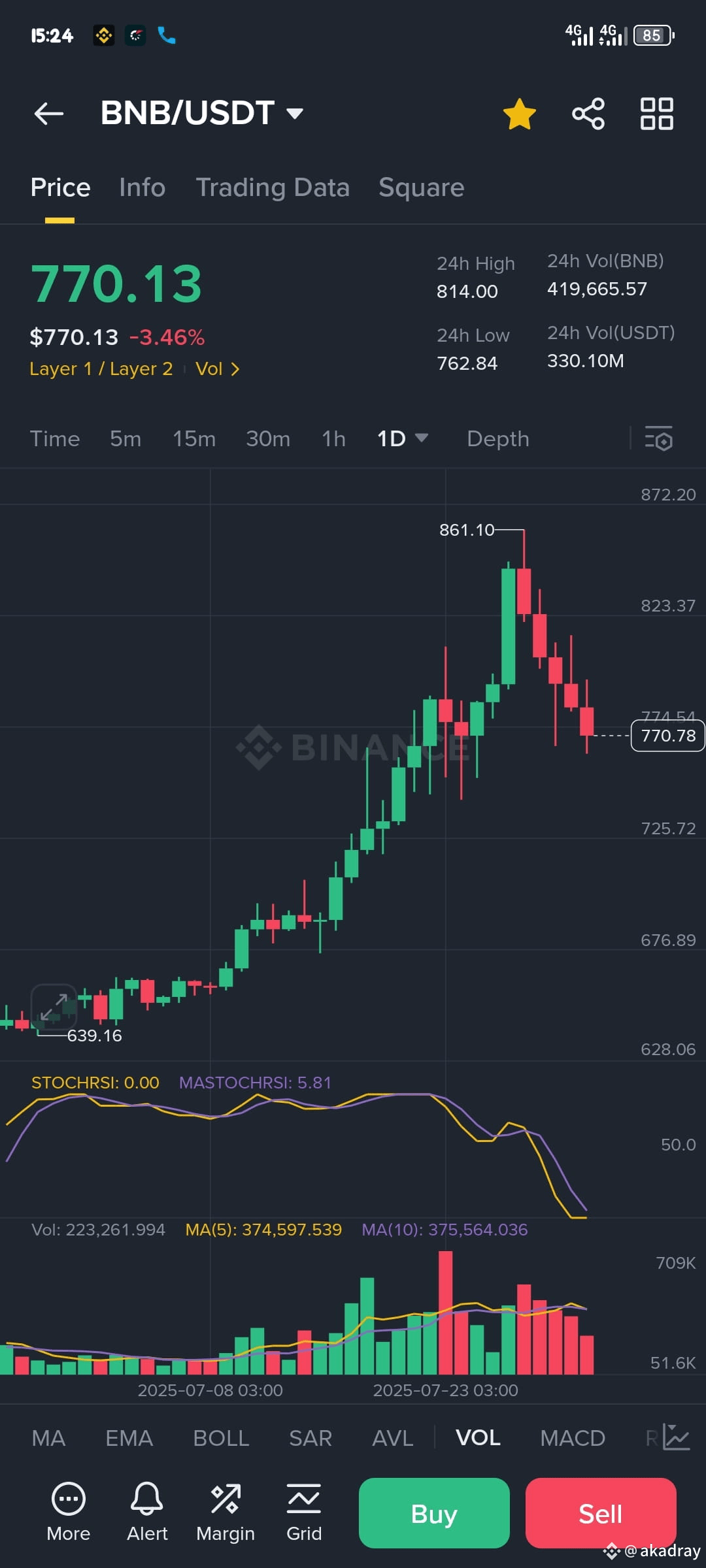
حتى الآن، يتم تداول BNB/USDT حول 770 دولار، مما يُظهر اتجاهًا هبوطيًا قصير الأجل بعد أن وصلت مؤخرًا إلى ارتفاع قدره 861.10 دولار. تشير مؤشرات مثل RSI العشوائي إلى ظروف مفرطة البيع (0.00)، مما يدل على احتمال حدوث انعكاس أو استمرار الضعف. تشير أحجام التداول والمتوسطات المتحركة إلى مرحلة تبريد بعد ارتفاع قوي.
على الرغم من الانخفاضات الأخيرة، تظل BNB رمزًا رئيسيًا مع دعم قوي من النظام البيئي. تعتمد قوتها على المدى الطويل على نجاح بينانس، واستمرار تطوير BSC، ووضوح القوانين في مجال العملات الرقمية.
$BNB BNB (عملة بينانس) هي العملة الرقمية الأصلية لنظام بينانس البيئي، واحدة من أكبر بورصات العملات الرقمية في العالم. تم إطلاقها في الأصل على إيثريوم كرمز ERC-20 في عام 2017، ثم انتقلت BNB لاحقًا إلى سلسلة بينانس وتلعب الآن دورًا رئيسيًا في سلسلة بينانس الذكية (BSC)، مما يدعم العقود الذكية والتطبيقات اللامركزية (dApps).
لدى BNB استخدامات متعددة: يمكن استخدامها لدفع رسوم التداول على بينانس بخصم، المشاركة في مبيعات الرموز على منصة بينانس لوتش باد، وتعمل كرسوم غاز على BSC. بخلاف بينانس، تُستخدم BNB أيضًا في منصات التمويل اللامركزي، وأسواق NFT، والمدفوعات.
حتى الآن، يتم تداول BNB/USDT حول 770 دولار، مما يُظهر اتجاهًا هبوطيًا قصير الأجل بعد أن وصلت مؤخرًا إلى ارتفاع قدره 861.10 دولار. تشير مؤشرات مثل RSI العشوائي إلى ظروف مفرطة البيع (0.00)، مما يدل على احتمال حدوث انعكاس أو استمرار الضعف. تشير أحجام التداول والمتوسطات المتحركة إلى مرحلة تبريد بعد ارتفاع قوي.
على الرغم من الانخفاضات الأخيرة، تظل BNB رمزًا رئيسيًا مع دعم قوي من النظام البيئي. تعتمد قوتها على المدى الطويل على نجاح بينانس، واستمرار تطوير BSC، ووضوح القوانين في مجال العملات الرقمية.
لدى BNB استخدامات متعددة: يمكن استخدامها لدفع رسوم التداول على بينانس بخصم، المشاركة في مبيعات الرموز على منصة بينانس لوتش باد، وتعمل كرسوم غاز على BSC. بخلاف بينانس، تُستخدم BNB أيضًا في منصات التمويل اللامركزي، وأسواق NFT، والمدفوعات.
حتى الآن، يتم تداول BNB/USDT حول 770 دولار، مما يُظهر اتجاهًا هبوطيًا قصير الأجل بعد أن وصلت مؤخرًا إلى ارتفاع قدره 861.10 دولار. تشير مؤشرات مثل RSI العشوائي إلى ظروف مفرطة البيع (0.00)، مما يدل على احتمال حدوث انعكاس أو استمرار الضعف. تشير أحجام التداول والمتوسطات المتحركة إلى مرحلة تبريد بعد ارتفاع قوي.
على الرغم من الانخفاضات الأخيرة، تظل BNB رمزًا رئيسيًا مع دعم قوي من النظام البيئي. تعتمد قوتها على المدى الطويل على نجاح بينانس، واستمرار تطوير BSC، ووضوح القوانين في مجال العملات الرقمية.
7
·
--
#ProjectCrypto
ProjectCrypto (PJC) هو رمز يعتمد على سلسلة BNB (رمز: PJC) مدرج في PancakeSwap. اعتبارًا من 30 يوليو 2025، يتم تداوله بشكل فعال بسعر 0.000000 دولار، مع حجم تداول لمدة 24 ساعة حوالي 0.09 دولار وبدون رأس مال سوقي مسجل - مرتبة تقريبًا #13,534 بين الرموز. يعمل تحت بورصة واحدة ويدعم أزواج التداول بما في ذلك USDT وWBNB وBUSD.
ردود فعل المجتمع إيجابية عمومًا من مناقشات Reddit، على الرغم من أن العديد من المشاركات قديمة (أواخر 2021). يثني المستخدمون باستمرار على الفريق والرؤية، على سبيل المثال:
> "هذا مشروع رائع مع فريق مشروع رائع يعمل بجد لجعل... إنه مشروع جميل."
كما أشار آخر:
> "هذا الفريق القوي والفكرة الموثوقة تجعل هذا المشروع العظيم... المشروع لديه مستقبل واعد للغاية."
بشكل عام، يبدو أن PJC هو رمز مضاربي ذو قيمة منخفضة مع سيولة محدودة للغاية ورؤية محدودة للغاية - مدعومًا بحماس المجتمع ولكنه يفتقر إلى الأسس الواضحة، وخارطة الطريق، والفائدة، أو التطورات الحديثة.
#ProjectCrypto
ProjectCrypto (PJC) هو رمز يعتمد على سلسلة BNB (رمز: PJC) مدرج في PancakeSwap. اعتبارًا من 30 يوليو 2025، يتم تداوله بشكل فعال بسعر 0.000000 دولار، مع حجم تداول لمدة 24 ساعة حوالي 0.09 دولار وبدون رأس مال سوقي مسجل - مرتبة تقريبًا #13,534 بين الرموز. يعمل تحت بورصة واحدة ويدعم أزواج التداول بما في ذلك USDT وWBNB وBUSD.
ردود فعل المجتمع إيجابية عمومًا من مناقشات Reddit، على الرغم من أن العديد من المشاركات قديمة (أواخر 2021). يثني المستخدمون باستمرار على الفريق والرؤية، على سبيل المثال:
> "هذا مشروع رائع مع فريق مشروع رائع يعمل بجد لجعل... إنه مشروع جميل."
كما أشار آخر:
> "هذا الفريق القوي والفكرة الموثوقة تجعل هذا المشروع العظيم... المشروع لديه مستقبل واعد للغاية."
بشكل عام، يبدو أن PJC هو رمز مضاربي ذو قيمة منخفضة مع سيولة محدودة للغاية ورؤية محدودة للغاية - مدعومًا بحماس المجتمع ولكنه يفتقر إلى الأسس الواضحة، وخارطة الطريق، والفائدة، أو التطورات الحديثة.
ProjectCrypto (PJC) هو رمز يعتمد على سلسلة BNB (رمز: PJC) مدرج في PancakeSwap. اعتبارًا من 30 يوليو 2025، يتم تداوله بشكل فعال بسعر 0.000000 دولار، مع حجم تداول لمدة 24 ساعة حوالي 0.09 دولار وبدون رأس مال سوقي مسجل - مرتبة تقريبًا #13,534 بين الرموز. يعمل تحت بورصة واحدة ويدعم أزواج التداول بما في ذلك USDT وWBNB وBUSD.
ردود فعل المجتمع إيجابية عمومًا من مناقشات Reddit، على الرغم من أن العديد من المشاركات قديمة (أواخر 2021). يثني المستخدمون باستمرار على الفريق والرؤية، على سبيل المثال:
> "هذا مشروع رائع مع فريق مشروع رائع يعمل بجد لجعل... إنه مشروع جميل."
كما أشار آخر:
> "هذا الفريق القوي والفكرة الموثوقة تجعل هذا المشروع العظيم... المشروع لديه مستقبل واعد للغاية."
بشكل عام، يبدو أن PJC هو رمز مضاربي ذو قيمة منخفضة مع سيولة محدودة للغاية ورؤية محدودة للغاية - مدعومًا بحماس المجتمع ولكنه يفتقر إلى الأسس الواضحة، وخارطة الطريق، والفائدة، أو التطورات الحديثة.
17
·
--
#CryptoClarityAct
قانون الوضوح — الذي تم تقديمه في مايو 2025 كـ H.R. 3633 — يهدف إلى حل عدم اليقين بشأن ما إذا كانت أصول رقمية معينة تخضع لتنظيم لجنة الأوراق المالية والبورصات (SEC) أو **لجنة تداول العقود الآجلة للسلع (CFTC)**. بموجب إطار عمله، يتم اعتبار الأصول الرقمية المرتبطة بسلسلة الكتل “الناضجة” واللامركزية كسلعة، تحت إشراف CFTC؛ بينما تظل الرموز المركزية تحت سلطة SEC.
يخلق المشروع ثلاثة فئات من الأصول — السلع الرقمية، وأصول عقود الاستثمار، والعملات المستقرة المسموح بها — ويقدم تسجيلًا مؤقتًا لتبادلات، ووسطاء، وتجار. كما يسمح للمصدرين المقيمين في الولايات المتحدة بجمع ما يصل إلى 75 مليون دولار سنويًا لتجنب التسجيل التقليدي لدى SEC إذا استوفوا معايير الإفصاح، والتدقيق، والنضج.
يتم النظر إليه بشكل عام كجهد تاريخي لتحفيز اعتماد المؤسسات والابتكار، وقد حصل القانون على موافقة ثنائية الحزب في مجلس النواب في يوليو 2025 والآن في انتظار نظر مجلس الشيوخ.
#CryptoClarityAct
قانون الوضوح — الذي تم تقديمه في مايو 2025 كـ H.R. 3633 — يهدف إلى حل عدم اليقين بشأن ما إذا كانت أصول رقمية معينة تخضع لتنظيم لجنة الأوراق المالية والبورصات (SEC) أو **لجنة تداول العقود الآجلة للسلع (CFTC)**. بموجب إطار عمله، يتم اعتبار الأصول الرقمية المرتبطة بسلسلة الكتل “الناضجة” واللامركزية كسلعة، تحت إشراف CFTC؛ بينما تظل الرموز المركزية تحت سلطة SEC.
يخلق المشروع ثلاثة فئات من الأصول — السلع الرقمية، وأصول عقود الاستثمار، والعملات المستقرة المسموح بها — ويقدم تسجيلًا مؤقتًا لتبادلات، ووسطاء، وتجار. كما يسمح للمصدرين المقيمين في الولايات المتحدة بجمع ما يصل إلى 75 مليون دولار سنويًا لتجنب التسجيل التقليدي لدى SEC إذا استوفوا معايير الإفصاح، والتدقيق، والنضج.
يتم النظر إليه بشكل عام كجهد تاريخي لتحفيز اعتماد المؤسسات والابتكار، وقد حصل القانون على موافقة ثنائية الحزب في مجلس النواب في يوليو 2025 والآن في انتظار نظر مجلس الشيوخ.
قانون الوضوح — الذي تم تقديمه في مايو 2025 كـ H.R. 3633 — يهدف إلى حل عدم اليقين بشأن ما إذا كانت أصول رقمية معينة تخضع لتنظيم لجنة الأوراق المالية والبورصات (SEC) أو **لجنة تداول العقود الآجلة للسلع (CFTC)**. بموجب إطار عمله، يتم اعتبار الأصول الرقمية المرتبطة بسلسلة الكتل “الناضجة” واللامركزية كسلعة، تحت إشراف CFTC؛ بينما تظل الرموز المركزية تحت سلطة SEC.
يخلق المشروع ثلاثة فئات من الأصول — السلع الرقمية، وأصول عقود الاستثمار، والعملات المستقرة المسموح بها — ويقدم تسجيلًا مؤقتًا لتبادلات، ووسطاء، وتجار. كما يسمح للمصدرين المقيمين في الولايات المتحدة بجمع ما يصل إلى 75 مليون دولار سنويًا لتجنب التسجيل التقليدي لدى SEC إذا استوفوا معايير الإفصاح، والتدقيق، والنضج.
يتم النظر إليه بشكل عام كجهد تاريخي لتحفيز اعتماد المؤسسات والابتكار، وقد حصل القانون على موافقة ثنائية الحزب في مجلس النواب في يوليو 2025 والآن في انتظار نظر مجلس الشيوخ.
5
·
--
#BTCvsETH بيتكوين (BTC) والإيثريوم (ETH) هما أكبر عملتين رقميتين، لكنهما يخدمان أغراضًا مختلفة. تم إطلاق بيتكوين في عام 2009 كعملة رقمية لامركزية تهدف إلى أن تكون مخزنًا للقيمة ووسيلة للتبادل. لديها عرض محدود يبلغ 21 مليون عملة، مما يجعلها انكماشية وغالبًا ما يُشار إليها باسم "الذهب الرقمي."
الإيثريوم، الذي تم إطلاقه في عام 2015، هو أكثر من مجرد عملة. إنه بلوكتشين قابل للبرمجة يمكّن العقود الذكية والتطبيقات اللامركزية (dApps). ETH هو الرمز الأصلي لشبكة الإيثريوم، ويستخدم لدفع ثمن المعاملات والخدمات الحسابية.
تعتبر BTC أكثر تحفظًا وتركزًا على الأمان واللامركزية. من ناحية أخرى، فإن ETH أكثر مرونة وتطورًا - خاصة مع الانتقال إلى الإيثريوم 2.0، الذي قدم إثبات الحصة وحقق تحسينات في قابلية التوسع.
من حيث الاستثمار، غالبًا ما تُعتبر BTC وسيلة تحوط طويلة الأمد ضد التضخم، بينما تجذب ETH المهتمين بالابتكار في البلوكتشين وتكنولوجيا Web3. كلاهما أساسي في نظام العملات الرقمية، لكنهما يخدمان أدوارًا مختلفة: BTC كأصل رقمي، وETH كعمود فقري للحوسبة اللامركزية.
#BTCvsETH بيتكوين (BTC) والإيثريوم (ETH) هما أكبر عملتين رقميتين، لكنهما يخدمان أغراضًا مختلفة. تم إطلاق بيتكوين في عام 2009 كعملة رقمية لامركزية تهدف إلى أن تكون مخزنًا للقيمة ووسيلة للتبادل. لديها عرض محدود يبلغ 21 مليون عملة، مما يجعلها انكماشية وغالبًا ما يُشار إليها باسم "الذهب الرقمي."
الإيثريوم، الذي تم إطلاقه في عام 2015، هو أكثر من مجرد عملة. إنه بلوكتشين قابل للبرمجة يمكّن العقود الذكية والتطبيقات اللامركزية (dApps). ETH هو الرمز الأصلي لشبكة الإيثريوم، ويستخدم لدفع ثمن المعاملات والخدمات الحسابية.
تعتبر BTC أكثر تحفظًا وتركزًا على الأمان واللامركزية. من ناحية أخرى، فإن ETH أكثر مرونة وتطورًا - خاصة مع الانتقال إلى الإيثريوم 2.0، الذي قدم إثبات الحصة وحقق تحسينات في قابلية التوسع.
من حيث الاستثمار، غالبًا ما تُعتبر BTC وسيلة تحوط طويلة الأمد ضد التضخم، بينما تجذب ETH المهتمين بالابتكار في البلوكتشين وتكنولوجيا Web3. كلاهما أساسي في نظام العملات الرقمية، لكنهما يخدمان أدوارًا مختلفة: BTC كأصل رقمي، وETH كعمود فقري للحوسبة اللامركزية.
الإيثريوم، الذي تم إطلاقه في عام 2015، هو أكثر من مجرد عملة. إنه بلوكتشين قابل للبرمجة يمكّن العقود الذكية والتطبيقات اللامركزية (dApps). ETH هو الرمز الأصلي لشبكة الإيثريوم، ويستخدم لدفع ثمن المعاملات والخدمات الحسابية.
تعتبر BTC أكثر تحفظًا وتركزًا على الأمان واللامركزية. من ناحية أخرى، فإن ETH أكثر مرونة وتطورًا - خاصة مع الانتقال إلى الإيثريوم 2.0، الذي قدم إثبات الحصة وحقق تحسينات في قابلية التوسع.
من حيث الاستثمار، غالبًا ما تُعتبر BTC وسيلة تحوط طويلة الأمد ضد التضخم، بينما تجذب ETH المهتمين بالابتكار في البلوكتشين وتكنولوجيا Web3. كلاهما أساسي في نظام العملات الرقمية، لكنهما يخدمان أدوارًا مختلفة: BTC كأصل رقمي، وETH كعمود فقري للحوسبة اللامركزية.
2
·
--
#StablecoinLaw قانون العملات المستقرة يشير إلى الأطر القانونية والتنظيمية التي تم إنشاؤها لحكم إصدار واستخدام ورقابة العملات المستقرة - العملات الرقمية المصممة للحفاظ على قيمة مستقرة، عادةً من خلال ربطها بالعملات الورقية مثل الدولار الأمريكي. مع تزايد استخدام العملات المستقرة في التمويل العالمي، وخاصةً للمدفوعات والتحويلات عبر الحدود، فإن الحكومات تزداد قلقًا بشأن الاستقرار المالي، وحماية المستهلك، ومخاطر غسل الأموال (AML).
في الولايات المتحدة، يهدف قانون الوضوح لعملات الدفع المستقرة المقترح إلى تنظيم مُصدري العملات المستقرة من خلال要求هم الاحتفاظ بمخزونات كافية، والخضوع لعمليات تدقيق منتظمة، والحصول على تراخيص مناسبة - سواء على المستوى الفيدرالي أو من خلال كيانات مرخصة من الدولة. يميز القانون بين العملات المستقرة المستخدمة في الدفع وتلك الخوارزمية، مع قيود أكثر صرامة على الأولى.
عالميًا، قدمت دول أخرى مثل الاتحاد الأوروبي (من خلال MiCA) واليابان أيضًا قوانين مشابهة أو تعمل عليها. تهدف هذه اللوائح إلى تحقيق توازن بين تعزيز الابتكار والحفاظ على الأمن المالي.
يعكس قانون العملات المستقرة الاعتراف المتزايد بأن الأصول الرقمية هنا لتبقى، وأن الرقابة الشاملة ضرورية لمنع إساءة الاستخدام مع دعم فوائد التمويل القائم على البلوكشين. يمثل تطوره خطوة رئيسية في دمج العملات الرقمية في الأنظمة المالية التقليدية.
#StablecoinLaw قانون العملات المستقرة يشير إلى الأطر القانونية والتنظيمية التي تم إنشاؤها لحكم إصدار واستخدام ورقابة العملات المستقرة - العملات الرقمية المصممة للحفاظ على قيمة مستقرة، عادةً من خلال ربطها بالعملات الورقية مثل الدولار الأمريكي. مع تزايد استخدام العملات المستقرة في التمويل العالمي، وخاصةً للمدفوعات والتحويلات عبر الحدود، فإن الحكومات تزداد قلقًا بشأن الاستقرار المالي، وحماية المستهلك، ومخاطر غسل الأموال (AML).
في الولايات المتحدة، يهدف قانون الوضوح لعملات الدفع المستقرة المقترح إلى تنظيم مُصدري العملات المستقرة من خلال要求هم الاحتفاظ بمخزونات كافية، والخضوع لعمليات تدقيق منتظمة، والحصول على تراخيص مناسبة - سواء على المستوى الفيدرالي أو من خلال كيانات مرخصة من الدولة. يميز القانون بين العملات المستقرة المستخدمة في الدفع وتلك الخوارزمية، مع قيود أكثر صرامة على الأولى.
عالميًا، قدمت دول أخرى مثل الاتحاد الأوروبي (من خلال MiCA) واليابان أيضًا قوانين مشابهة أو تعمل عليها. تهدف هذه اللوائح إلى تحقيق توازن بين تعزيز الابتكار والحفاظ على الأمن المالي.
يعكس قانون العملات المستقرة الاعتراف المتزايد بأن الأصول الرقمية هنا لتبقى، وأن الرقابة الشاملة ضرورية لمنع إساءة الاستخدام مع دعم فوائد التمويل القائم على البلوكشين. يمثل تطوره خطوة رئيسية في دمج العملات الرقمية في الأنظمة المالية التقليدية.
في الولايات المتحدة، يهدف قانون الوضوح لعملات الدفع المستقرة المقترح إلى تنظيم مُصدري العملات المستقرة من خلال要求هم الاحتفاظ بمخزونات كافية، والخضوع لعمليات تدقيق منتظمة، والحصول على تراخيص مناسبة - سواء على المستوى الفيدرالي أو من خلال كيانات مرخصة من الدولة. يميز القانون بين العملات المستقرة المستخدمة في الدفع وتلك الخوارزمية، مع قيود أكثر صرامة على الأولى.
عالميًا، قدمت دول أخرى مثل الاتحاد الأوروبي (من خلال MiCA) واليابان أيضًا قوانين مشابهة أو تعمل عليها. تهدف هذه اللوائح إلى تحقيق توازن بين تعزيز الابتكار والحفاظ على الأمن المالي.
يعكس قانون العملات المستقرة الاعتراف المتزايد بأن الأصول الرقمية هنا لتبقى، وأن الرقابة الشاملة ضرورية لمنع إساءة الاستخدام مع دعم فوائد التمويل القائم على البلوكشين. يمثل تطوره خطوة رئيسية في دمج العملات الرقمية في الأنظمة المالية التقليدية.
9
·
--
#CryptoMarket4T CryptoMarket4T هو هاشتاج رائج يمثل دفع سوق العملات المشفرة نحو إجمالي قيمة سوقية تبلغ 4 تريليون دولار. تعكس هذه المعلمة ثقة المستثمرين المتزايدة، وزيادة التبني المؤسسي، والتوسع العالمي في تكنولوجيا البلوكشين. شهدت آخر دورة صعود رئيسية تجاوزت قيمة سوق العملات المشفرة 3 تريليون دولار في عام 2021، والآن يستخدم المتداولون والمؤثرون والمحللون CryptoMarket4T للتعبير عن التفاؤل بأن السوق في طريقه لتحقيق أعلى مستوى تاريخي جديد.
يدعم الزخم عدة عوامل: موافقة صناديق الاستثمار المتداولة في بيتكوين في عدة دول، وارتفاع توكينيزه الأصول الحقيقية، ونمو حلول البلوكشين المتكاملة بالذكاء الاصطناعي. بالإضافة إلى ذلك، فإن ترقية نظام إيثيريوم البيئي والشبكات الناشئة من الطبقة الأولى مثل سوي، أبتوس، وسولانا تجذب كل من المطورين ورؤوس الأموال.
تظهر المشاركات على وسائل التواصل الاجتماعي تحت #CryptoMarket4T غالبًا توقعات سعرية متفائلة، وشراكات رئيسية، أو مخططات تسلط الضوء على اتجاهات صعودية. كما أنها تُستخدم كصرخة تجمع بين مجتمع العملات المشفرة، مما يرمز إلى مرحلة جديدة من النضوج والتبني الجماعي.
بينما قد تواجه الطريق إلى 4 تريليون دولار تحديات تنظيمية واقتصادية كبرى، فإن الهاشتاج يعكس إيمانًا قويًا بإمكانات العملات المشفرة على المدى الطويل كنظام مالي تحويلي.
#CryptoMarket4T CryptoMarket4T هو هاشتاج رائج يمثل دفع سوق العملات المشفرة نحو إجمالي قيمة سوقية تبلغ 4 تريليون دولار. تعكس هذه المعلمة ثقة المستثمرين المتزايدة، وزيادة التبني المؤسسي، والتوسع العالمي في تكنولوجيا البلوكشين. شهدت آخر دورة صعود رئيسية تجاوزت قيمة سوق العملات المشفرة 3 تريليون دولار في عام 2021، والآن يستخدم المتداولون والمؤثرون والمحللون CryptoMarket4T للتعبير عن التفاؤل بأن السوق في طريقه لتحقيق أعلى مستوى تاريخي جديد.
يدعم الزخم عدة عوامل: موافقة صناديق الاستثمار المتداولة في بيتكوين في عدة دول، وارتفاع توكينيزه الأصول الحقيقية، ونمو حلول البلوكشين المتكاملة بالذكاء الاصطناعي. بالإضافة إلى ذلك، فإن ترقية نظام إيثيريوم البيئي والشبكات الناشئة من الطبقة الأولى مثل سوي، أبتوس، وسولانا تجذب كل من المطورين ورؤوس الأموال.
تظهر المشاركات على وسائل التواصل الاجتماعي تحت #CryptoMarket4T غالبًا توقعات سعرية متفائلة، وشراكات رئيسية، أو مخططات تسلط الضوء على اتجاهات صعودية. كما أنها تُستخدم كصرخة تجمع بين مجتمع العملات المشفرة، مما يرمز إلى مرحلة جديدة من النضوج والتبني الجماعي.
بينما قد تواجه الطريق إلى 4 تريليون دولار تحديات تنظيمية واقتصادية كبرى، فإن الهاشتاج يعكس إيمانًا قويًا بإمكانات العملات المشفرة على المدى الطويل كنظام مالي تحويلي.
يدعم الزخم عدة عوامل: موافقة صناديق الاستثمار المتداولة في بيتكوين في عدة دول، وارتفاع توكينيزه الأصول الحقيقية، ونمو حلول البلوكشين المتكاملة بالذكاء الاصطناعي. بالإضافة إلى ذلك، فإن ترقية نظام إيثيريوم البيئي والشبكات الناشئة من الطبقة الأولى مثل سوي، أبتوس، وسولانا تجذب كل من المطورين ورؤوس الأموال.
تظهر المشاركات على وسائل التواصل الاجتماعي تحت #CryptoMarket4T غالبًا توقعات سعرية متفائلة، وشراكات رئيسية، أو مخططات تسلط الضوء على اتجاهات صعودية. كما أنها تُستخدم كصرخة تجمع بين مجتمع العملات المشفرة، مما يرمز إلى مرحلة جديدة من النضوج والتبني الجماعي.
بينما قد تواجه الطريق إلى 4 تريليون دولار تحديات تنظيمية واقتصادية كبرى، فإن الهاشتاج يعكس إيمانًا قويًا بإمكانات العملات المشفرة على المدى الطويل كنظام مالي تحويلي.
6
·
--
$SUI Sui (SUI) هو بلوكتشين من الجيل التالي من الطبقة الأولى مصمم للسرعة والقابلية للتوسع والمرونة. تم تطويره من قبل مختبرات ميستن، ويستخدم لغة برمجة موف لتمكين تنفيذ العقود الذكية بشكل آمن وفعال. واحدة من الميزات البارزة في Sui هي هيكله الفريد القائم على الكائنات، مما يسمح له بمعالجة المعاملات بشكل متوازي بدلاً من تسلسلي. هذا يحسن الأداء بشكل كبير، ويقلل من الازدحام، ويدعم التطبيقات الفورية مثل الألعاب والتمويل اللامركزي.
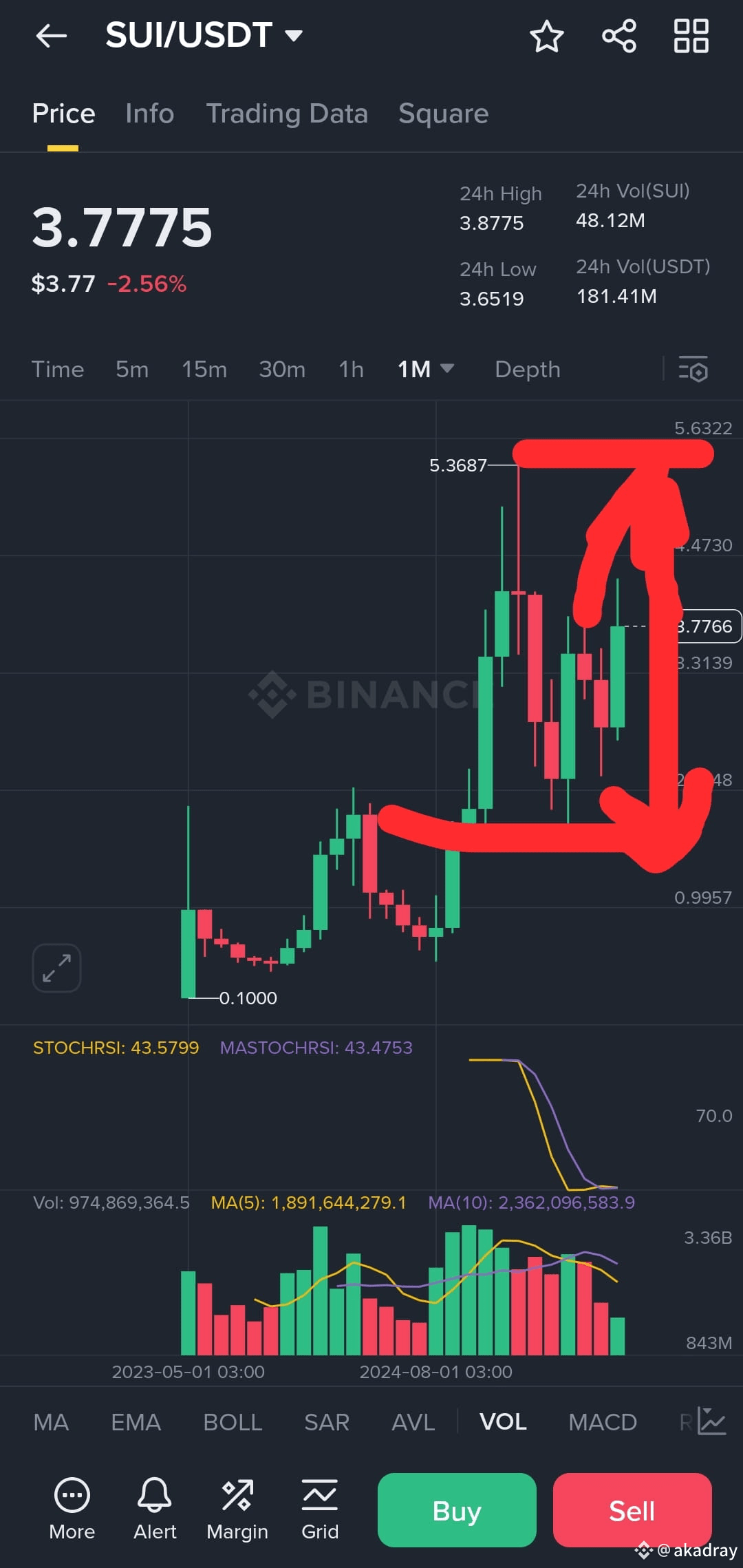
بالنظر إلى المخطط الذي شاركته، أظهر SUI/USDT زخمًا صعوديًا قويًا مؤخرًا، حيث ارتفع من حوالي 1 دولار إلى أكثر من 5 دولارات قبل الاستقرار بالقرب من 3.77 دولارات. تعكس هذه الحركة الكبيرة في السعر زيادة في حجم التداول وثقة متزايدة في السوق. ومع ذلك، فإنه يظهر أيضًا تقلبًا عاليًا، لذا فإن إدارة المخاطر بعناية مطلوبة.
التوكن الأصلي، SUI، يستخدم لرسوم المعاملات، والتخزين، والحوكمة. منذ إطلاق الشبكة الرئيسية في عام 2023، جذبت Sui المطورين والمستثمرين بسبب أساسها التقني القوي وميزاتها الموجهة نحو المستخدم. مدعومة من قبل شركات كبرى مثل a16z، تهدف Sui إلى أن تكون منصة رائدة في عصر الويب 3. مع اتجاه السعر المتزايد ونظامها البيئي المتنامي، تستمر Sui في كونها واحدة من أكثر المشاريع الواعدة في مجال البلوكتشين.
$SUI Sui (SUI) هو بلوكتشين من الجيل التالي من الطبقة الأولى مصمم للسرعة والقابلية للتوسع والمرونة. تم تطويره من قبل مختبرات ميستن، ويستخدم لغة برمجة موف لتمكين تنفيذ العقود الذكية بشكل آمن وفعال. واحدة من الميزات البارزة في Sui هي هيكله الفريد القائم على الكائنات، مما يسمح له بمعالجة المعاملات بشكل متوازي بدلاً من تسلسلي. هذا يحسن الأداء بشكل كبير، ويقلل من الازدحام، ويدعم التطبيقات الفورية مثل الألعاب والتمويل اللامركزي.
بالنظر إلى المخطط الذي شاركته، أظهر SUI/USDT زخمًا صعوديًا قويًا مؤخرًا، حيث ارتفع من حوالي 1 دولار إلى أكثر من 5 دولارات قبل الاستقرار بالقرب من 3.77 دولارات. تعكس هذه الحركة الكبيرة في السعر زيادة في حجم التداول وثقة متزايدة في السوق. ومع ذلك، فإنه يظهر أيضًا تقلبًا عاليًا، لذا فإن إدارة المخاطر بعناية مطلوبة.
التوكن الأصلي، SUI، يستخدم لرسوم المعاملات، والتخزين، والحوكمة. منذ إطلاق الشبكة الرئيسية في عام 2023، جذبت Sui المطورين والمستثمرين بسبب أساسها التقني القوي وميزاتها الموجهة نحو المستخدم. مدعومة من قبل شركات كبرى مثل a16z، تهدف Sui إلى أن تكون منصة رائدة في عصر الويب 3. مع اتجاه السعر المتزايد ونظامها البيئي المتنامي، تستمر Sui في كونها واحدة من أكثر المشاريع الواعدة في مجال البلوكتشين.
بالنظر إلى المخطط الذي شاركته، أظهر SUI/USDT زخمًا صعوديًا قويًا مؤخرًا، حيث ارتفع من حوالي 1 دولار إلى أكثر من 5 دولارات قبل الاستقرار بالقرب من 3.77 دولارات. تعكس هذه الحركة الكبيرة في السعر زيادة في حجم التداول وثقة متزايدة في السوق. ومع ذلك، فإنه يظهر أيضًا تقلبًا عاليًا، لذا فإن إدارة المخاطر بعناية مطلوبة.
التوكن الأصلي، SUI، يستخدم لرسوم المعاملات، والتخزين، والحوكمة. منذ إطلاق الشبكة الرئيسية في عام 2023، جذبت Sui المطورين والمستثمرين بسبب أساسها التقني القوي وميزاتها الموجهة نحو المستخدم. مدعومة من قبل شركات كبرى مثل a16z، تهدف Sui إلى أن تكون منصة رائدة في عصر الويب 3. مع اتجاه السعر المتزايد ونظامها البيئي المتنامي، تستمر Sui في كونها واحدة من أكثر المشاريع الواعدة في مجال البلوكتشين.
10
·
--
#MemecoinSentiment يشير شعور الميمكوين إلى المزاج العام أو النغمة العاطفية للسوق والمجتمعات عبر الإنترنت المحيطة بعملات مشفرة قائمة على الميم مثل دوجكوين، شيبا إينو، وبيبي. على عكس الأصول المشفرة التقليدية، تعتمد الميمكوين غالبًا بشكل كبير على الاتجاهات عبر الإنترنت، والتأييد من المشاهير، وضجة وسائل التواصل الاجتماعي بدلاً من الفائدة القوية أو الأسس. يتأثر الشعور بالمنشورات الفيروسية، وتغريدات المؤثرين، والسرد المدفوع من المجتمع. عندما يكون الشعور إيجابيًا، يمكن أن ترتفع الأسعار بسرعة، مدفوعةً بخوف تفويت الفرصة (FOMO). ومع ذلك، يمكن أن يتسبب الشعور السلبي أو نقص الضجة في حدوث انخفاضات حادة بنفس السرعة.
تساعد أدوات مثل تحليل اتجاهات وسائل التواصل الاجتماعي، وحجم البحث في جوجل، ومشاركة المجتمع على منصات مثل ريديت وX (تويتر) في قياس هذا الشعور. غالبًا ما يستخدم المتداولون والمستثمرون هذا لجدولة الدخول أو الخروج على المدى القصير في الأسواق المتقلبة للغاية. على الرغم من اعتبارها محفوفة بالمخاطر ومضاربة، يمكن أن تعكس الميمكوين لحظات ثقافية أعمق في عالم العملات المشفرة، حيث تعمل غالبًا كإشارة على ثقة المستثمرين الأفراد أو الحماس غير المعقول. بشكل عام، يعد شعور الميمكوين قوة قوية وسريعة الحركة، وبينما يمكن أن يولد مكاسب سريعة، فإنه يحمل أيضًا مخاطر عالية بسبب طبيعته العاطفية وغير المتوقعة.
#MemecoinSentiment يشير شعور الميمكوين إلى المزاج العام أو النغمة العاطفية للسوق والمجتمعات عبر الإنترنت المحيطة بعملات مشفرة قائمة على الميم مثل دوجكوين، شيبا إينو، وبيبي. على عكس الأصول المشفرة التقليدية، تعتمد الميمكوين غالبًا بشكل كبير على الاتجاهات عبر الإنترنت، والتأييد من المشاهير، وضجة وسائل التواصل الاجتماعي بدلاً من الفائدة القوية أو الأسس. يتأثر الشعور بالمنشورات الفيروسية، وتغريدات المؤثرين، والسرد المدفوع من المجتمع. عندما يكون الشعور إيجابيًا، يمكن أن ترتفع الأسعار بسرعة، مدفوعةً بخوف تفويت الفرصة (FOMO). ومع ذلك، يمكن أن يتسبب الشعور السلبي أو نقص الضجة في حدوث انخفاضات حادة بنفس السرعة.
تساعد أدوات مثل تحليل اتجاهات وسائل التواصل الاجتماعي، وحجم البحث في جوجل، ومشاركة المجتمع على منصات مثل ريديت وX (تويتر) في قياس هذا الشعور. غالبًا ما يستخدم المتداولون والمستثمرون هذا لجدولة الدخول أو الخروج على المدى القصير في الأسواق المتقلبة للغاية. على الرغم من اعتبارها محفوفة بالمخاطر ومضاربة، يمكن أن تعكس الميمكوين لحظات ثقافية أعمق في عالم العملات المشفرة، حيث تعمل غالبًا كإشارة على ثقة المستثمرين الأفراد أو الحماس غير المعقول. بشكل عام، يعد شعور الميمكوين قوة قوية وسريعة الحركة، وبينما يمكن أن يولد مكاسب سريعة، فإنه يحمل أيضًا مخاطر عالية بسبب طبيعته العاطفية وغير المتوقعة.
تساعد أدوات مثل تحليل اتجاهات وسائل التواصل الاجتماعي، وحجم البحث في جوجل، ومشاركة المجتمع على منصات مثل ريديت وX (تويتر) في قياس هذا الشعور. غالبًا ما يستخدم المتداولون والمستثمرون هذا لجدولة الدخول أو الخروج على المدى القصير في الأسواق المتقلبة للغاية. على الرغم من اعتبارها محفوفة بالمخاطر ومضاربة، يمكن أن تعكس الميمكوين لحظات ثقافية أعمق في عالم العملات المشفرة، حيث تعمل غالبًا كإشارة على ثقة المستثمرين الأفراد أو الحماس غير المعقول. بشكل عام، يعد شعور الميمكوين قوة قوية وسريعة الحركة، وبينما يمكن أن يولد مكاسب سريعة، فإنه يحمل أيضًا مخاطر عالية بسبب طبيعته العاطفية وغير المتوقعة.
4
·
--
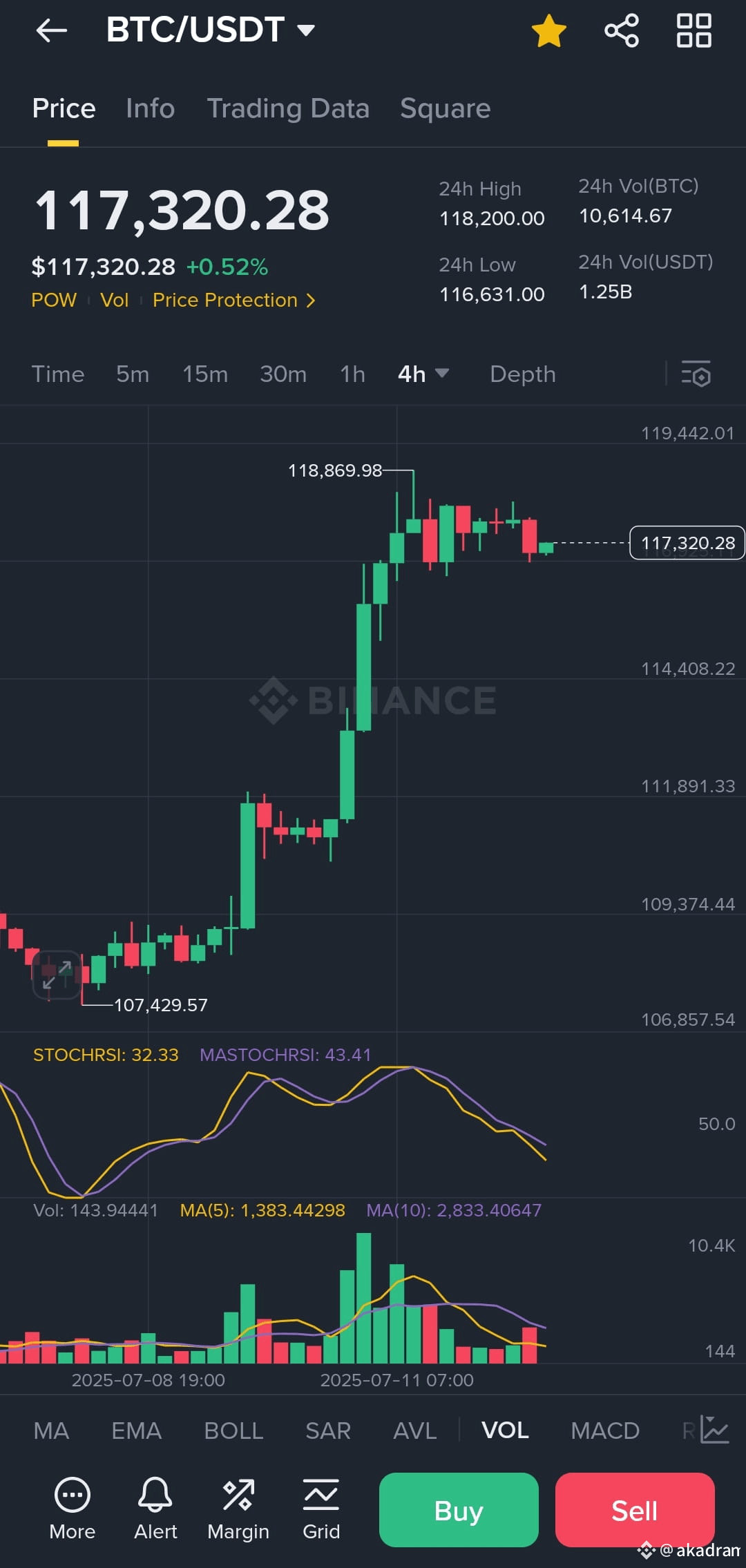
$BTC بيتكوين (BTC) يتم تداوله حاليًا بسعر 117,320.28 دولار، مما يعكس مكسبًا طفيفًا قدره +0.52% في الـ 24 ساعة الماضية. تظهر حركة السعر زخمًا صعوديًا قويًا، حيث وصل سعر BTC مؤخرًا إلى 118,869.98 دولار بعد أن ارتفع من أدنى مستوى له 107,429.57 دولار خلال الجلسات القليلة الماضية. وهذا يشير إلى اختراق حاد، من المحتمل أن يكون مدفوعًا بمشاعر إيجابية من وضوح التنظيم الأمريكي وتدفقات المؤسسات.
من الناحية الفنية، يتماسك BTC أسفل ارتفاعه الأخير. مؤشر القوة النسبية العشوائية (Stochastic RSI) في حالة تبريد (حاليًا حوالي 32)، مما يشير إلى أن السوق قد يكون مفرط البيع قليلاً وقد يستعد للارتداد أو استمرار الاتجاه الصعودي. انخفض الحجم قليلاً، وبدأت المتوسطات المتحركة لحجم MA(5) و MA(10) في الضيق - وغالبًا ما يكون هذا علامة على تقلبات قادمة.
تشمل مستويات الدعم التي يجب مراقبتها 114,408 دولار و 111,891 دولار، بينما تقع المقاومة بالقرب من 118,869 دولار وربما 120,000 دولار. إذا حافظت BTC على مستوى فوق 117K مع حجم متزايد، فقد تدفع نحو ارتفاع جديد في السعر. ومع ذلك، قد يؤدي الرفض عند هذه المستويات إلى تراجع قصير الأجل. بشكل عام، لا يزال بيتكوين قويًا، وتعكس اتجاهاته الحالية التفاؤل في سوق العملات المشفرة الأوسع.
$BTC بيتكوين (BTC) يتم تداوله حاليًا بسعر 117,320.28 دولار، مما يعكس مكسبًا طفيفًا قدره +0.52% في الـ 24 ساعة الماضية. تظهر حركة السعر زخمًا صعوديًا قويًا، حيث وصل سعر BTC مؤخرًا إلى 118,869.98 دولار بعد أن ارتفع من أدنى مستوى له 107,429.57 دولار خلال الجلسات القليلة الماضية. وهذا يشير إلى اختراق حاد، من المحتمل أن يكون مدفوعًا بمشاعر إيجابية من وضوح التنظيم الأمريكي وتدفقات المؤسسات.
من الناحية الفنية، يتماسك BTC أسفل ارتفاعه الأخير. مؤشر القوة النسبية العشوائية (Stochastic RSI) في حالة تبريد (حاليًا حوالي 32)، مما يشير إلى أن السوق قد يكون مفرط البيع قليلاً وقد يستعد للارتداد أو استمرار الاتجاه الصعودي. انخفض الحجم قليلاً، وبدأت المتوسطات المتحركة لحجم MA(5) و MA(10) في الضيق - وغالبًا ما يكون هذا علامة على تقلبات قادمة.
تشمل مستويات الدعم التي يجب مراقبتها 114,408 دولار و 111,891 دولار، بينما تقع المقاومة بالقرب من 118,869 دولار وربما 120,000 دولار. إذا حافظت BTC على مستوى فوق 117K مع حجم متزايد، فقد تدفع نحو ارتفاع جديد في السعر. ومع ذلك، قد يؤدي الرفض عند هذه المستويات إلى تراجع قصير الأجل. بشكل عام، لا يزال بيتكوين قويًا، وتعكس اتجاهاته الحالية التفاؤل في سوق العملات المشفرة الأوسع.
من الناحية الفنية، يتماسك BTC أسفل ارتفاعه الأخير. مؤشر القوة النسبية العشوائية (Stochastic RSI) في حالة تبريد (حاليًا حوالي 32)، مما يشير إلى أن السوق قد يكون مفرط البيع قليلاً وقد يستعد للارتداد أو استمرار الاتجاه الصعودي. انخفض الحجم قليلاً، وبدأت المتوسطات المتحركة لحجم MA(5) و MA(10) في الضيق - وغالبًا ما يكون هذا علامة على تقلبات قادمة.
تشمل مستويات الدعم التي يجب مراقبتها 114,408 دولار و 111,891 دولار، بينما تقع المقاومة بالقرب من 118,869 دولار وربما 120,000 دولار. إذا حافظت BTC على مستوى فوق 117K مع حجم متزايد، فقد تدفع نحو ارتفاع جديد في السعر. ومع ذلك، قد يؤدي الرفض عند هذه المستويات إلى تراجع قصير الأجل. بشكل عام، لا يزال بيتكوين قويًا، وتعكس اتجاهاته الحالية التفاؤل في سوق العملات المشفرة الأوسع.
58
·
--
#MyStrategyEvolution استراتيجية تطوري تشير إلى العملية المستمرة لصقل وتحسين استراتيجيات التداول الشخصية أو المؤسسية استنادًا إلى الخبرة، وتغيرات السوق، ورؤى جديدة. في جوهرها، يتعلق الأمر بتحليل الأداء السابق—ما الذي نجح، وما الذي لم ينجح—وتكيف لتحقيق نتائج أفضل مع مرور الوقت. قد يبدأ المتداول بطريقة بسيطة تتبع الاتجاه، ولكن بعد التعرض المتكرر للتقلبات، والإشارات الخاطئة، أو اتخاذ القرارات العاطفية، يطور استراتيجيته لتشمل قواعد إدارة المخاطر، والمؤشرات الفنية، أو حتى الأتمتة.
غالبًا ما تتضمن هذه التطورات الانتقال من التداول القائم على الحدس إلى القرارات المستندة إلى البيانات، والاختبار العائد، والتدوين، والتعلم من الخسائر. قد تنتقل الاستراتيجيات من التداول السريع قصير الأجل إلى تداولات متوسطة الأجل، أو من الإدخالات اليدوية إلى الأنظمة الخوارزمية. من المهم أن تكون التطورات الناجحة ليست مجرد تعقيد—بل تتعلق بالوضوح، والانضباط، والقدرة على التكيف.
مع تغير الأسواق، يجب على المتداول أيضًا التكيف. قد تفشل استراتيجية نجحت في فترة صعود السوق في سوق متقلب أو هابط. ومن ثم، تصبح التعليم المستمر، والتأمل الذاتي، والمرونة أمورًا حاسمة. استراتيجية تطوري هي دورة مستمرة من التحسين—حيث الهدف ليس الكمال، ولكن النمو المستمر والمستنير في بيئة سوق ديناميكية.
#MyStrategyEvolution استراتيجية تطوري تشير إلى العملية المستمرة لصقل وتحسين استراتيجيات التداول الشخصية أو المؤسسية استنادًا إلى الخبرة، وتغيرات السوق، ورؤى جديدة. في جوهرها، يتعلق الأمر بتحليل الأداء السابق—ما الذي نجح، وما الذي لم ينجح—وتكيف لتحقيق نتائج أفضل مع مرور الوقت. قد يبدأ المتداول بطريقة بسيطة تتبع الاتجاه، ولكن بعد التعرض المتكرر للتقلبات، والإشارات الخاطئة، أو اتخاذ القرارات العاطفية، يطور استراتيجيته لتشمل قواعد إدارة المخاطر، والمؤشرات الفنية، أو حتى الأتمتة.
غالبًا ما تتضمن هذه التطورات الانتقال من التداول القائم على الحدس إلى القرارات المستندة إلى البيانات، والاختبار العائد، والتدوين، والتعلم من الخسائر. قد تنتقل الاستراتيجيات من التداول السريع قصير الأجل إلى تداولات متوسطة الأجل، أو من الإدخالات اليدوية إلى الأنظمة الخوارزمية. من المهم أن تكون التطورات الناجحة ليست مجرد تعقيد—بل تتعلق بالوضوح، والانضباط، والقدرة على التكيف.
مع تغير الأسواق، يجب على المتداول أيضًا التكيف. قد تفشل استراتيجية نجحت في فترة صعود السوق في سوق متقلب أو هابط. ومن ثم، تصبح التعليم المستمر، والتأمل الذاتي، والمرونة أمورًا حاسمة. استراتيجية تطوري هي دورة مستمرة من التحسين—حيث الهدف ليس الكمال، ولكن النمو المستمر والمستنير في بيئة سوق ديناميكية.
غالبًا ما تتضمن هذه التطورات الانتقال من التداول القائم على الحدس إلى القرارات المستندة إلى البيانات، والاختبار العائد، والتدوين، والتعلم من الخسائر. قد تنتقل الاستراتيجيات من التداول السريع قصير الأجل إلى تداولات متوسطة الأجل، أو من الإدخالات اليدوية إلى الأنظمة الخوارزمية. من المهم أن تكون التطورات الناجحة ليست مجرد تعقيد—بل تتعلق بالوضوح، والانضباط، والقدرة على التكيف.
مع تغير الأسواق، يجب على المتداول أيضًا التكيف. قد تفشل استراتيجية نجحت في فترة صعود السوق في سوق متقلب أو هابط. ومن ثم، تصبح التعليم المستمر، والتأمل الذاتي، والمرونة أمورًا حاسمة. استراتيجية تطوري هي دورة مستمرة من التحسين—حيث الهدف ليس الكمال، ولكن النمو المستمر والمستنير في بيئة سوق ديناميكية.
10
·
--
#USCryptoWeek أسبوع العملات الرقمية في الولايات المتحدة هو حدث رئيسي في مجلس النواب الأمريكي، يبدأ في 14 يوليو 2025، عندما يناقش المشرعون ثلاثة مشاريع قوانين محورية تشكل تنظيم العملات الرقمية 👇
قانون GENIUS: تم تمريره بالفعل بواسطة مجلس الشيوخ (68–30)، سيسمح هذا القانون للشركات الخاصة (مثل وول مارت وأمازون) بإصدار عملات مستقرة محجوزة بالكامل تحت إشراف صارم لمكافحة غسيل الأموال. إذا تم الموافقة عليه، فإنه يتوجه إلى مكتب الرئيس .
قانون وضوح سوق الأصول الرقمية: يحدد الأراضي التنظيمية بين لجنة الأوراق المالية والبورصات و CFTC .
قانون مكافحة مراقبة CBDC: يسعى إلى حظر الاحتياطي الفيدرالي من إطلاق عملة رقمية للبنك المركزي .
مع ارتفاع أسواق العملات الرقمية - حيث وصلت قيمة البيتكوين إلى رقم قياسي جديد (~$118K) والإيثيريوم حول $3,040 - تعكس هذه التحركات التشريعية ثقة المؤسسات المتزايدة . يدعي المؤيدون أن هذا سيعزز الابتكار والوضوح؛ بينما يحذر المعارضون من أنه قد يفضل مصالح الصناعة على حماية المستهلكين .
يمكن أن تعيد هذه "الأسبوع المركّز على العملات الرقمية" تعريف سياسة الأصول الرقمية في الولايات المتحدة وتثبت دور أمريكا في عالم العملات الرقمية.
#USCryptoWeek أسبوع العملات الرقمية في الولايات المتحدة هو حدث رئيسي في مجلس النواب الأمريكي، يبدأ في 14 يوليو 2025، عندما يناقش المشرعون ثلاثة مشاريع قوانين محورية تشكل تنظيم العملات الرقمية 👇
قانون GENIUS: تم تمريره بالفعل بواسطة مجلس الشيوخ (68–30)، سيسمح هذا القانون للشركات الخاصة (مثل وول مارت وأمازون) بإصدار عملات مستقرة محجوزة بالكامل تحت إشراف صارم لمكافحة غسيل الأموال. إذا تم الموافقة عليه، فإنه يتوجه إلى مكتب الرئيس .
قانون وضوح سوق الأصول الرقمية: يحدد الأراضي التنظيمية بين لجنة الأوراق المالية والبورصات و CFTC .
قانون مكافحة مراقبة CBDC: يسعى إلى حظر الاحتياطي الفيدرالي من إطلاق عملة رقمية للبنك المركزي .
مع ارتفاع أسواق العملات الرقمية - حيث وصلت قيمة البيتكوين إلى رقم قياسي جديد (~$118K) والإيثيريوم حول $3,040 - تعكس هذه التحركات التشريعية ثقة المؤسسات المتزايدة . يدعي المؤيدون أن هذا سيعزز الابتكار والوضوح؛ بينما يحذر المعارضون من أنه قد يفضل مصالح الصناعة على حماية المستهلكين .
يمكن أن تعيد هذه "الأسبوع المركّز على العملات الرقمية" تعريف سياسة الأصول الرقمية في الولايات المتحدة وتثبت دور أمريكا في عالم العملات الرقمية.
قانون GENIUS: تم تمريره بالفعل بواسطة مجلس الشيوخ (68–30)، سيسمح هذا القانون للشركات الخاصة (مثل وول مارت وأمازون) بإصدار عملات مستقرة محجوزة بالكامل تحت إشراف صارم لمكافحة غسيل الأموال. إذا تم الموافقة عليه، فإنه يتوجه إلى مكتب الرئيس .
قانون وضوح سوق الأصول الرقمية: يحدد الأراضي التنظيمية بين لجنة الأوراق المالية والبورصات و CFTC .
قانون مكافحة مراقبة CBDC: يسعى إلى حظر الاحتياطي الفيدرالي من إطلاق عملة رقمية للبنك المركزي .
مع ارتفاع أسواق العملات الرقمية - حيث وصلت قيمة البيتكوين إلى رقم قياسي جديد (~$118K) والإيثيريوم حول $3,040 - تعكس هذه التحركات التشريعية ثقة المؤسسات المتزايدة . يدعي المؤيدون أن هذا سيعزز الابتكار والوضوح؛ بينما يحذر المعارضون من أنه قد يفضل مصالح الصناعة على حماية المستهلكين .
يمكن أن تعيد هذه "الأسبوع المركّز على العملات الرقمية" تعريف سياسة الأصول الرقمية في الولايات المتحدة وتثبت دور أمريكا في عالم العملات الرقمية.
1
2
·
--
#CryptoMeteorShower اقتنص شهب العملات المشفرة من احتفال #BinanceTurns8! https://www.binance.com/activity/binance-turns-8?ref=GRO_19600_LKP9X
#CryptoMeteorShower اقتنص شهب العملات المشفرة من احتفال #BinanceTurns8! https://www.binance.com/activity/binance-turns-8?ref=GRO_19600_LKP9X
1
·
--
#CryptoMeteorShower اقتنص شهب الكريبتو من احتفالية #BinanceTurns8! https://www.binance.com/activity/binance-turns-8?ref=GRO_19600_LKP9X
#CryptoMeteorShower اقتنص شهب الكريبتو من احتفالية #BinanceTurns8! https://www.binance.com/activity/binance-turns-8?ref=GRO_19600_LKP9X
3
سجّل الدخول لاستكشاف المزيد من المُحتوى
انضم إلى مُستخدمي العملات الرقمية حول العالم على Binance Square
⚡️ احصل على أحدث المعلومات المفيدة عن العملات الرقمية.
💬 موثوقة من قبل أكبر منصّة لتداول العملات الرقمية في العالم.
👍 اكتشف الرؤى الحقيقية من صنّاع المُحتوى الموثوقين.
البريد الإلكتروني / رقم الهاتف
المواضيع الرائجة
BOJRaisesRatesTo31YearHigh
70,765 مشاهدات
1,146 يقومون بالنقاش
#bojraisesratesto31yearhigh ¿هل بنك اليابان في أعلى مستوياته منذ 31 عامًا والبتكوين يرتفع؟ النضج المؤسسي لـ $BTC في رسم بياني واحد 🇯🇵📈⚡
رفعت بنك اليابان سعر الفائدة إلى 1.25% (أعلى مستوى تاريخي في أكثر من ثلاثة عقود)، وما كان يتوقعه كثيرون على أنه انهيار لحركة الكاري تراد انتهى بإظهار أقوى صورة في سوق العملات الرقمية.
🧠 3 قراءات رئيسية من الطاولة الفنية:
1️⃣ انفصال ماكرو: لم يتقوَّ الين كما توقّع المحللون التقليديون، وBTC ردّ بقفزة قوية، ما يثبت أن الطلب في السوق الفوري ما يزال قائمًا.
2️⃣ التفوق على عمالقة التكنولوجيا: مع قيمة سوقية تتجاوز 1.63 تريليون دولار، يعود البيتكوين ليضع نفسه في المقدمة أمام تسلا (1.438B دولار)، مؤكدًا مجددًا دوره كأصل احتياطي وملاذ سيولة عالمي.
3️⃣ البنية على 4H و1D: الامتصاص عند مستويات الدعم يؤكد أن تصحيحات الماكرو هي نوافذ لتجميع المؤسسات، وليست مرحلة استسلام.
$بينما يدخل الأفراد في حالة هلع بسبب عناوين أسعار الفائدة، تستمر الإدارة الاحترافية في تتبع السيولة الحقيقية. 💎🛡️
💬 نقاش للمجتمع: هل تعتقدون أن هذا الانفصال يؤكد بداية الجزء الأخير من الدورة الصاعدة نحو قمم تاريخية جديدة، أم أن السيولة العالمية ستختبر مستويات الدعم مرة أخرى؟ اتركوا تحليلكم في الأسفل! 👇🔥
متابعة من فضلكم
#bojraisesratesto31yearhigh #MacroEconomy #Trading #BinanceSquare
Shamika Metting
·3 إعجاب
·2.7k مشاهدات
BuffettStepsDownAsBerkshireChairman
31,536 مشاهدات
537 يقومون بالنقاش
XRPExchangeReservesHitSevenYearLow
36,942 مشاهدات
504 يقومون بالنقاش