
bull defi
192 منشورات
bull defi
إبلاغ
حظر المُستخدم
0 تتابع
2 المتابعون
5 إعجاب
منشورات
·
--
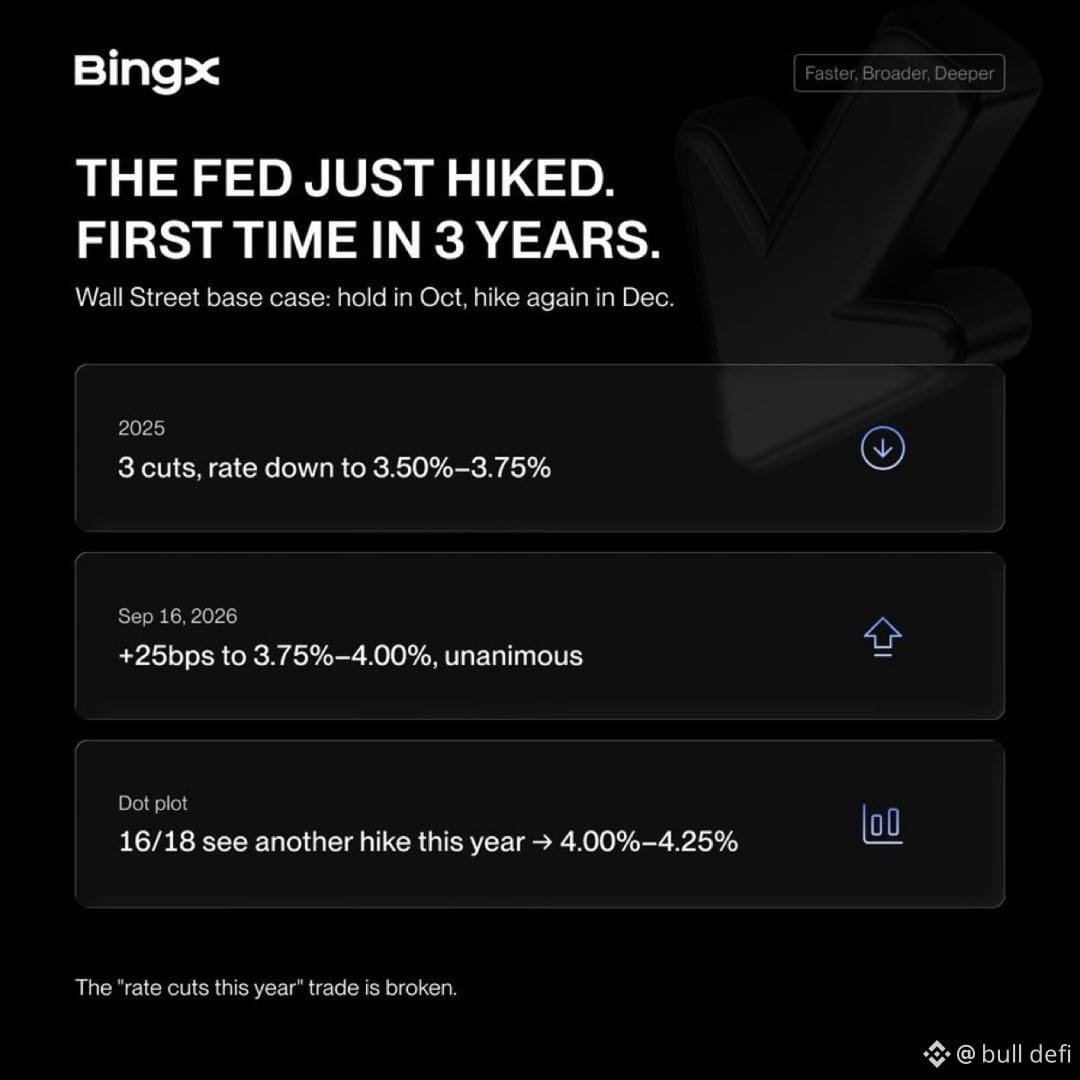
الأسواق تتفاعل بشكل مختلف عن المتوقع. 👀
التوضيح توقف.
قامت الفيدرالية برفع الفائدة.
ومع ذلك، لا يزال أداء الأسهم والمؤشرات والقطاع الرقمي (كريبتو) يدفع للأعلى.
فما الذي يدفع هذه الحركة؟
هل تم تسعير الأخبار السيئة مسبقًا؟
أم أن السوق يركز على شيء آخر؟
مهما يكن الأمر، أنا أراقب رد الفعل عبر الأسواق على BingX.
#BingX #Crypto #Macro
الأسواق تتفاعل بشكل مختلف عن المتوقع. 👀
التوضيح توقف.
قامت الفيدرالية برفع الفائدة.
ومع ذلك، لا يزال أداء الأسهم والمؤشرات والقطاع الرقمي (كريبتو) يدفع للأعلى.
فما الذي يدفع هذه الحركة؟
هل تم تسعير الأخبار السيئة مسبقًا؟
أم أن السوق يركز على شيء آخر؟
مهما يكن الأمر، أنا أراقب رد الفعل عبر الأسواق على BingX.
#BingX #Crypto #Macro
التوضيح توقف.
قامت الفيدرالية برفع الفائدة.
ومع ذلك، لا يزال أداء الأسهم والمؤشرات والقطاع الرقمي (كريبتو) يدفع للأعلى.
فما الذي يدفع هذه الحركة؟
هل تم تسعير الأخبار السيئة مسبقًا؟
أم أن السوق يركز على شيء آخر؟
مهما يكن الأمر، أنا أراقب رد الفعل عبر الأسواق على BingX.
#BingX #Crypto #Macro
·
--
عرض الترجمة
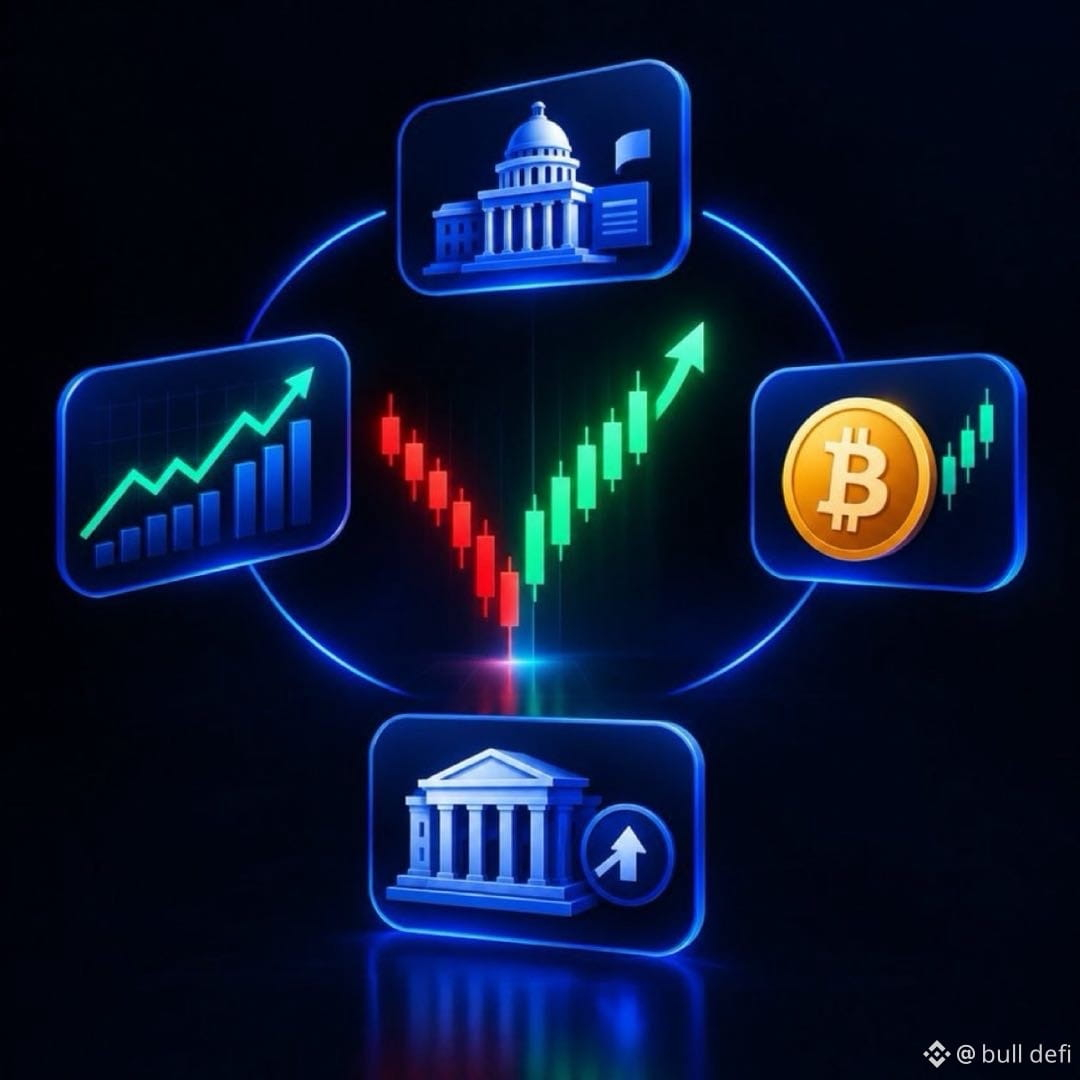
The Fed just changed the macro setup. 👀
Rates rose 25 bps to 3.75% to 4%, marking the first hike since 2023.
Now inflation, oil and the next CPI print are back in focus.
Gold is staying on my BingX watchlist.
#FOMC #Gold #Macro #BingX
The Fed just changed the macro setup. 👀
Rates rose 25 bps to 3.75% to 4%, marking the first hike since 2023.
Now inflation, oil and the next CPI print are back in focus.
Gold is staying on my BingX watchlist.
#FOMC #Gold #Macro #BingX
Rates rose 25 bps to 3.75% to 4%, marking the first hike since 2023.
Now inflation, oil and the next CPI print are back in focus.
Gold is staying on my BingX watchlist.
#FOMC #Gold #Macro #BingX
·
--
عرض الترجمة
Stablecoins are getting interesting. 👀
Circle’s Arc is now live, and BingX is running a 200,000 USDC campaign around Circle-related assets.
The bigger question for me:
Could stablecoin infrastructure become the next major narrative?
USDC is already a huge part of crypto liquidity. Now the focus is shifting toward the networks and infrastructure built around it.
Worth keeping on the radar.
#USDC #Circle #BingX
Stablecoins are getting interesting. 👀
Circle’s Arc is now live, and BingX is running a 200,000 USDC campaign around Circle-related assets.
The bigger question for me:
Could stablecoin infrastructure become the next major narrative?
USDC is already a huge part of crypto liquidity. Now the focus is shifting toward the networks and infrastructure built around it.
Worth keeping on the radar.
#USDC #Circle #BingX
Circle’s Arc is now live, and BingX is running a 200,000 USDC campaign around Circle-related assets.
The bigger question for me:
Could stablecoin infrastructure become the next major narrative?
USDC is already a huge part of crypto liquidity. Now the focus is shifting toward the networks and infrastructure built around it.
Worth keeping on the radar.
#USDC #Circle #BingX
·
--
عرض الترجمة
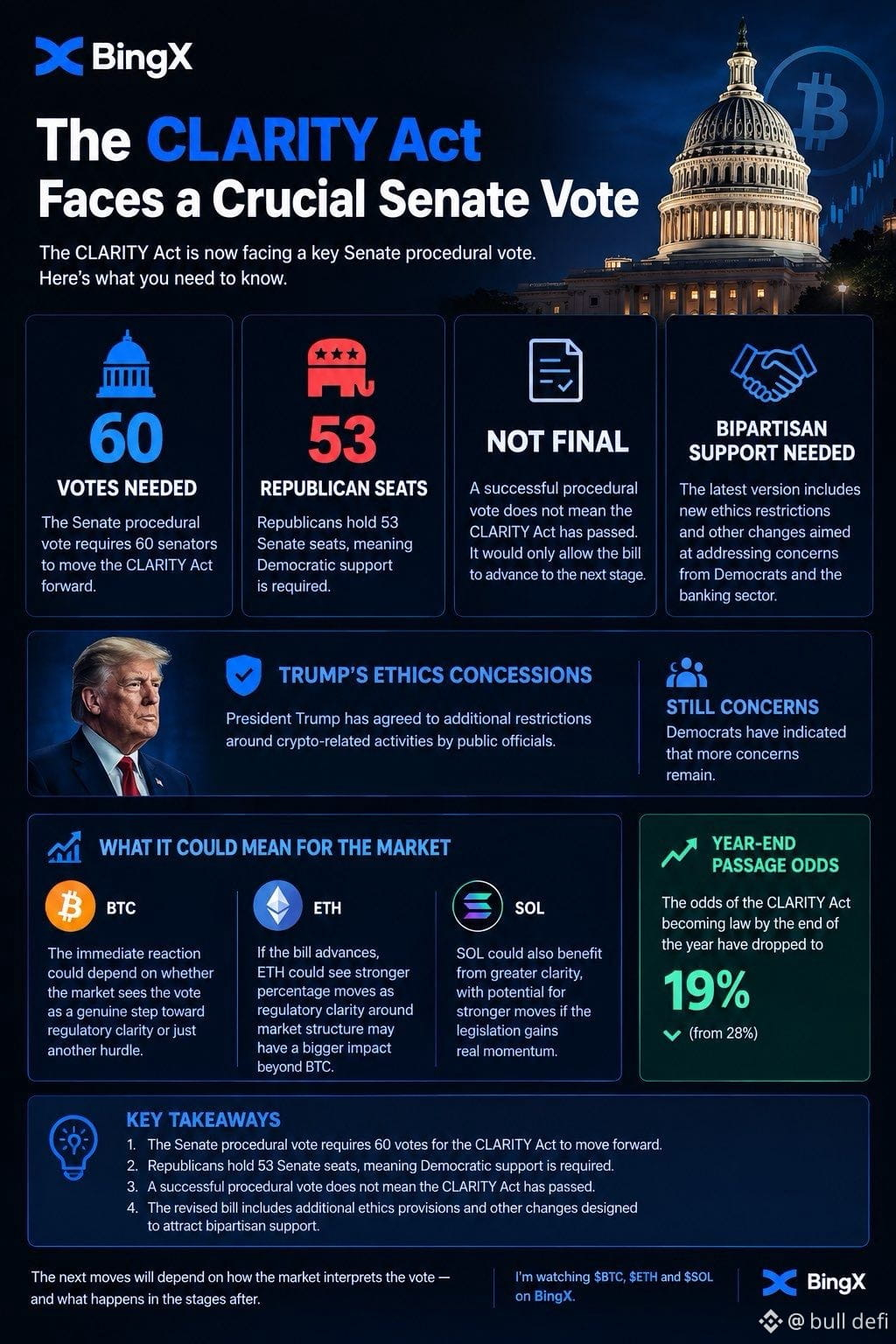
The CLARITY Act faces a crucial Senate vote. 👀
60 votes are needed, but Republicans hold 53 seats, making bipartisan support essential.
A successful vote wouldn’t mean the bill becomes law. More stages and unresolved issues remain.
For crypto, the reaction could come down to whether markets see real regulatory progress or just another hurdle.
I’m watching $BTC, $ETH and $SOL on BingX.
#BTC #ETH #SOL #BingX
The CLARITY Act faces a crucial Senate vote. 👀
60 votes are needed, but Republicans hold 53 seats, making bipartisan support essential.
A successful vote wouldn’t mean the bill becomes law. More stages and unresolved issues remain.
For crypto, the reaction could come down to whether markets see real regulatory progress or just another hurdle.
I’m watching $BTC, $ETH and $SOL on BingX.
#BTC #ETH #SOL #BingX
60 votes are needed, but Republicans hold 53 seats, making bipartisan support essential.
A successful vote wouldn’t mean the bill becomes law. More stages and unresolved issues remain.
For crypto, the reaction could come down to whether markets see real regulatory progress or just another hurdle.
I’m watching $BTC, $ETH and $SOL on BingX.
#BTC #ETH #SOL #BingX
75
·
--
لم يعد اجتماع لجنة السوق المفتوحة الفيدرالية (FOMC) مجرد حدث يخص البيتكوين (BTC). 👀
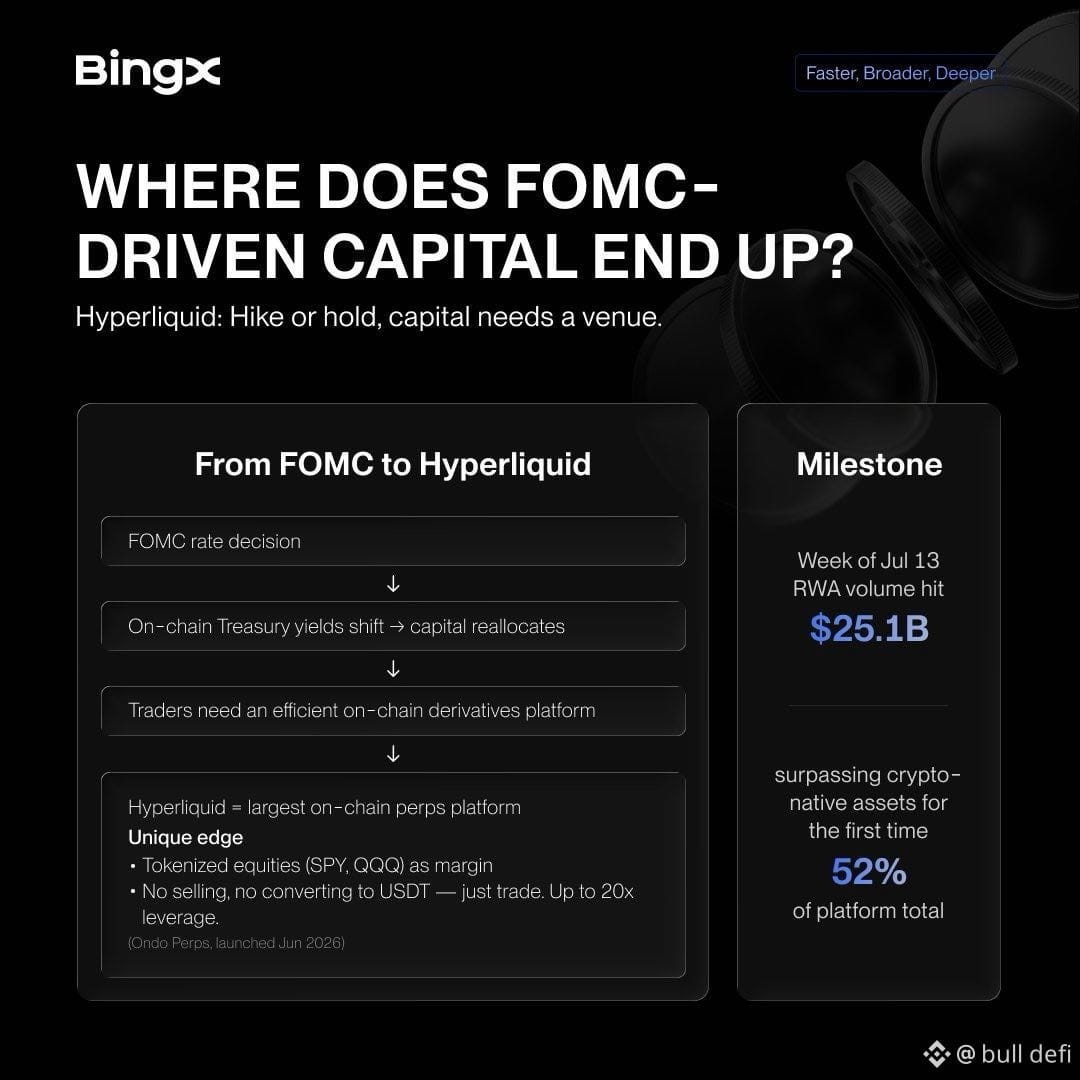
أسواق الأصول المُرمّزة (RWA) على Hyperliquid سجلت حجم تداول قدره 25.1 مليار دولار خلال أسبوع واحد.
وهذا يمثل 52% من إجمالي حجم التداول في المنصة، ولأول مرة أصبحت الأصول المُرمّزة أكبر فئة تداول فيها.
هذا يغيّر الحديث على مستوى الاقتصاد الكلي.
عندما تبدأ الأصول المُرمّزة في جذب أحجام تداول كبيرة على السلسلة، يمكن لقرارات FOMC أن يكون لها تأثير أوسع بكثير عبر أسواق العملات المشفرة وRWA.
أنا أراقب $HYPE على BingX بينما تتقلص الفواصل بين أسواق الاقتصاد الكلي وأسواق السلسلة (on-chain).
#HYPE #RWA #FOMC #BingX
لم يعد اجتماع لجنة السوق المفتوحة الفيدرالية (FOMC) مجرد حدث يخص البيتكوين (BTC). 👀
أسواق الأصول المُرمّزة (RWA) على Hyperliquid سجلت حجم تداول قدره 25.1 مليار دولار خلال أسبوع واحد.
وهذا يمثل 52% من إجمالي حجم التداول في المنصة، ولأول مرة أصبحت الأصول المُرمّزة أكبر فئة تداول فيها.
هذا يغيّر الحديث على مستوى الاقتصاد الكلي.
عندما تبدأ الأصول المُرمّزة في جذب أحجام تداول كبيرة على السلسلة، يمكن لقرارات FOMC أن يكون لها تأثير أوسع بكثير عبر أسواق العملات المشفرة وRWA.
أنا أراقب $HYPE على BingX بينما تتقلص الفواصل بين أسواق الاقتصاد الكلي وأسواق السلسلة (on-chain).
#HYPE #RWA #FOMC #BingX
أسواق الأصول المُرمّزة (RWA) على Hyperliquid سجلت حجم تداول قدره 25.1 مليار دولار خلال أسبوع واحد.
وهذا يمثل 52% من إجمالي حجم التداول في المنصة، ولأول مرة أصبحت الأصول المُرمّزة أكبر فئة تداول فيها.
هذا يغيّر الحديث على مستوى الاقتصاد الكلي.
عندما تبدأ الأصول المُرمّزة في جذب أحجام تداول كبيرة على السلسلة، يمكن لقرارات FOMC أن يكون لها تأثير أوسع بكثير عبر أسواق العملات المشفرة وRWA.
أنا أراقب $HYPE على BingX بينما تتقلص الفواصل بين أسواق الاقتصاد الكلي وأسواق السلسلة (on-chain).
#HYPE #RWA #FOMC #BingX
·
--
أظهر قانون CLARITY للتو مدى صعوبة تمرير تشريعات العملات الرقمية عبر طرفين سياسيين. 👀
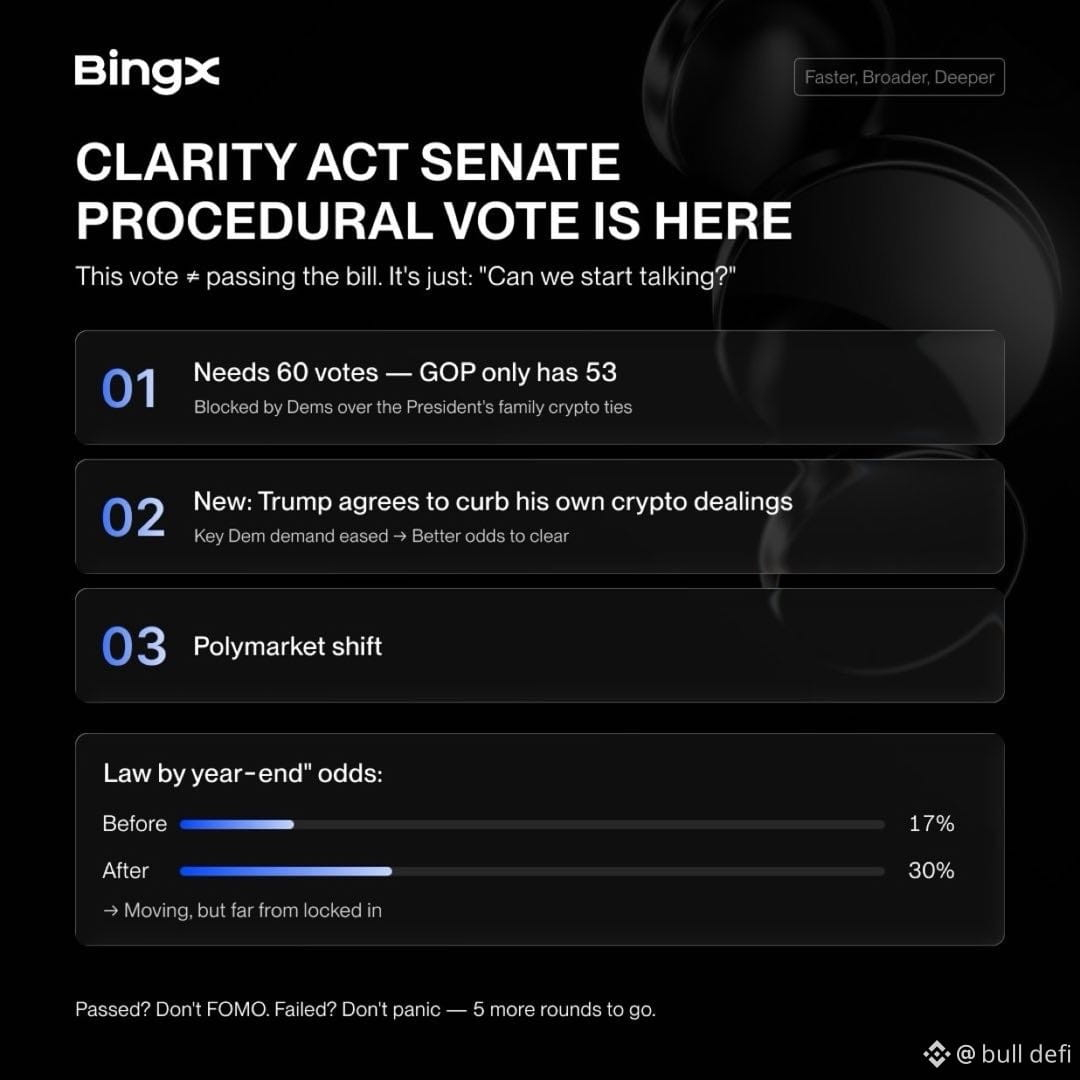
احتاج مجلس الشيوخ إلى 60 صوتًا لتمرير مشروع القانون.
وحصل على 49.
لذلك لم تكن هذه موافقة نهائية؛ بل كانت تصويتًا إجرائيًا لتمرير التشريع للأمام، ولم يتم تجاوز هذه العقبة.
الآن السؤال الأكبر بالنسبة لأسواق العملات المشفرة هو مقدار ما كان مُحتسبًا بالفعل من التفاؤل التنظيمي.
أنا أراقب $BTC و$ETH و$SOL على BingX لمعرفة ما إذا كان السوق يعتبر هذا التراجع مجرد ضوضاء مؤقتة أم شيئًا أكبر.
#BTC #ETH #SOL #BingX
أظهر قانون CLARITY للتو مدى صعوبة تمرير تشريعات العملات الرقمية عبر طرفين سياسيين. 👀
احتاج مجلس الشيوخ إلى 60 صوتًا لتمرير مشروع القانون.
وحصل على 49.
لذلك لم تكن هذه موافقة نهائية؛ بل كانت تصويتًا إجرائيًا لتمرير التشريع للأمام، ولم يتم تجاوز هذه العقبة.
الآن السؤال الأكبر بالنسبة لأسواق العملات المشفرة هو مقدار ما كان مُحتسبًا بالفعل من التفاؤل التنظيمي.
أنا أراقب $BTC و$ETH و$SOL على BingX لمعرفة ما إذا كان السوق يعتبر هذا التراجع مجرد ضوضاء مؤقتة أم شيئًا أكبر.
#BTC #ETH #SOL #BingX
احتاج مجلس الشيوخ إلى 60 صوتًا لتمرير مشروع القانون.
وحصل على 49.
لذلك لم تكن هذه موافقة نهائية؛ بل كانت تصويتًا إجرائيًا لتمرير التشريع للأمام، ولم يتم تجاوز هذه العقبة.
الآن السؤال الأكبر بالنسبة لأسواق العملات المشفرة هو مقدار ما كان مُحتسبًا بالفعل من التفاؤل التنظيمي.
أنا أراقب $BTC و$ETH و$SOL على BingX لمعرفة ما إذا كان السوق يعتبر هذا التراجع مجرد ضوضاء مؤقتة أم شيئًا أكبر.
#BTC #ETH #SOL #BingX
50
·
--
Circle’s Arc Mainnet ليس مجرد إطلاق سلاسل بلوكشين آخر. 👀
القصة الأكبر تكمن في معرفة من يقف وراء النظام البيئي.
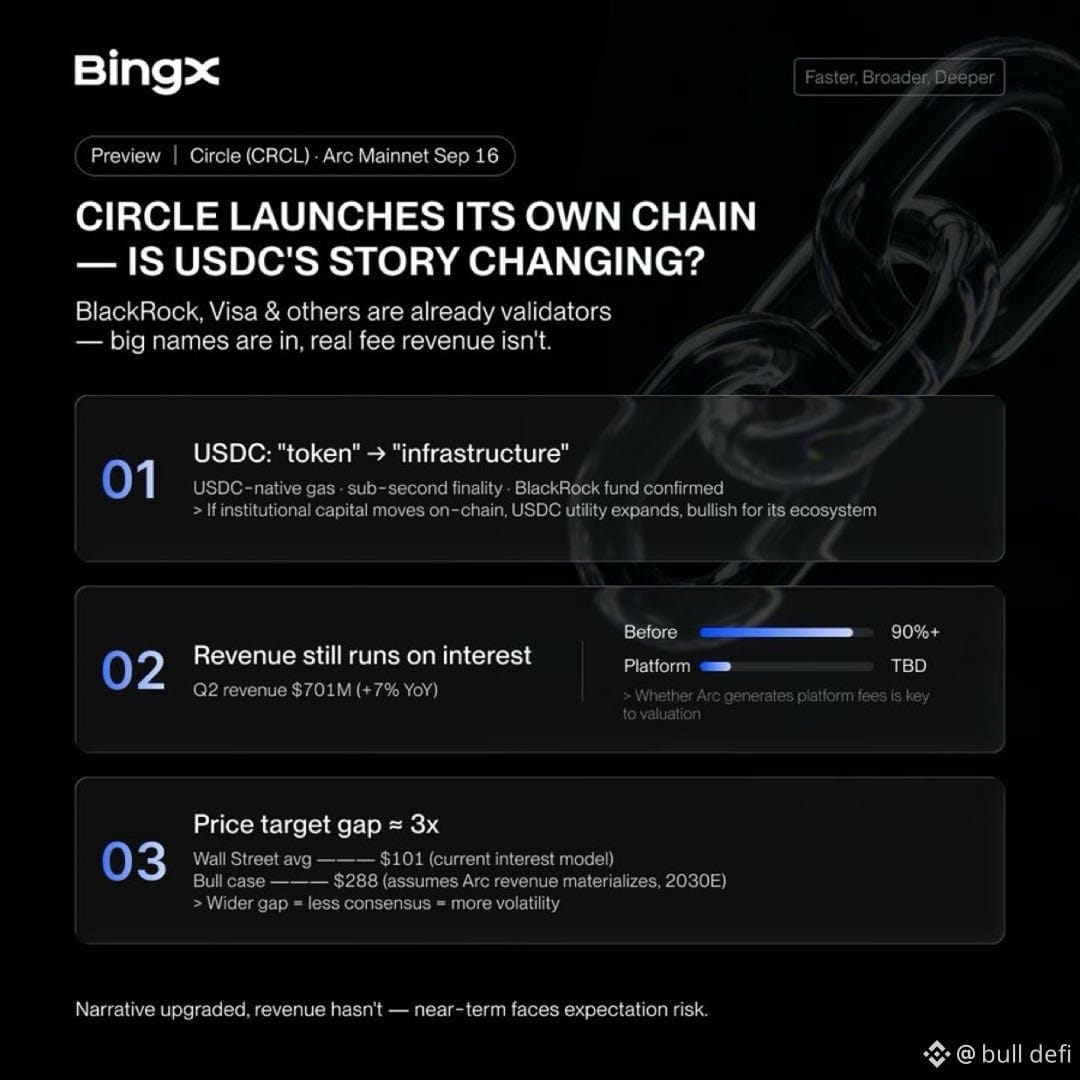
BlackRock وVisa وMastercard وDTCC جميعها متصلة بالدفع الأوسع نحو طبقة أولى أمريكية الأصل (Layer 1) مهيأة لـ USDC للمدفوعات والأصول المرمّزة.
لكن بالنسبة لمساهمي $CRCL، توجد مسألة أكبر:
هل يمكن لـ Arc مساعدة Circle في بناء مصادر إيرادات ذات معنى تتجاوز إيرادات الاحتياطي؟
إذا توسعت الأصول المرمّزة والمدفوعات على السلسلة، فقد تصبح Arc جزءًا مهمًا من هذه المعادلة.
لديّ $CRCL ضمن قائمة المراقبة في BingX.
هل يُعد Arc محرّك نمو جديدًا لـ Circle، أم مجرد عنصر آخر من البنية التحتية؟
#CRCL #USDC #RWA #BingX
Circle’s Arc Mainnet ليس مجرد إطلاق سلاسل بلوكشين آخر. 👀
القصة الأكبر تكمن في معرفة من يقف وراء النظام البيئي.
BlackRock وVisa وMastercard وDTCC جميعها متصلة بالدفع الأوسع نحو طبقة أولى أمريكية الأصل (Layer 1) مهيأة لـ USDC للمدفوعات والأصول المرمّزة.
لكن بالنسبة لمساهمي $CRCL، توجد مسألة أكبر:
هل يمكن لـ Arc مساعدة Circle في بناء مصادر إيرادات ذات معنى تتجاوز إيرادات الاحتياطي؟
إذا توسعت الأصول المرمّزة والمدفوعات على السلسلة، فقد تصبح Arc جزءًا مهمًا من هذه المعادلة.
لديّ $CRCL ضمن قائمة المراقبة في BingX.
هل يُعد Arc محرّك نمو جديدًا لـ Circle، أم مجرد عنصر آخر من البنية التحتية؟
#CRCL #USDC #RWA #BingX
القصة الأكبر تكمن في معرفة من يقف وراء النظام البيئي.
BlackRock وVisa وMastercard وDTCC جميعها متصلة بالدفع الأوسع نحو طبقة أولى أمريكية الأصل (Layer 1) مهيأة لـ USDC للمدفوعات والأصول المرمّزة.
لكن بالنسبة لمساهمي $CRCL، توجد مسألة أكبر:
هل يمكن لـ Arc مساعدة Circle في بناء مصادر إيرادات ذات معنى تتجاوز إيرادات الاحتياطي؟
إذا توسعت الأصول المرمّزة والمدفوعات على السلسلة، فقد تصبح Arc جزءًا مهمًا من هذه المعادلة.
لديّ $CRCL ضمن قائمة المراقبة في BingX.
هل يُعد Arc محرّك نمو جديدًا لـ Circle، أم مجرد عنصر آخر من البنية التحتية؟
#CRCL #USDC #RWA #BingX
145
·
--
مساء الخير أيها الـ CTs 👀
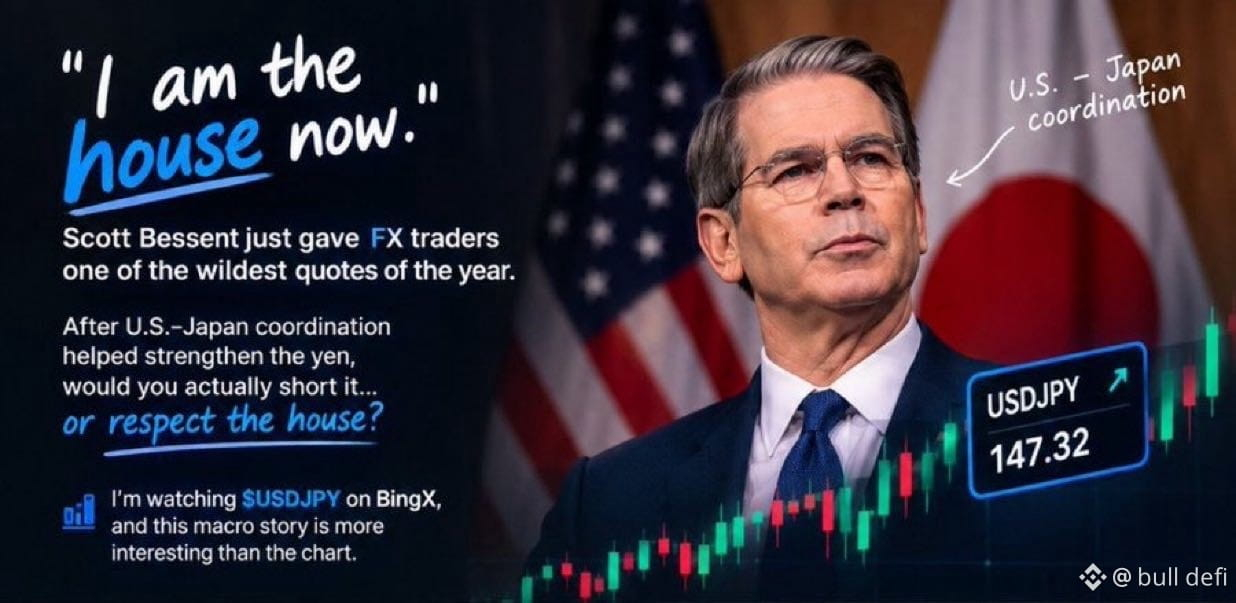
“أنا الآن في البيت.”
بالتأكيد قدّم سكوت بيسنت لتجار الفوركس شيئًا ليثرّوا حوله.
مع تنسيق الولايات المتحدة–اليابان الذي يضع مزيدًا من الضغط على الين، فإن السؤال المثير للاهتمام الآن هو ما إذا كان المتداولون يلتزمون بالإعدادات الكلية أم يبدأون بالتراجع عن الحركة.
$USDJPY موجود بثبات في قائمة مراقبتي على BingX.
هل تبيع الين من هنا، أم تظل مع اتجاه السياسة الكلية؟
#USDJPY #Forex #Macro #BingX
مساء الخير أيها الـ CTs 👀
“أنا الآن في البيت.”
بالتأكيد قدّم سكوت بيسنت لتجار الفوركس شيئًا ليثرّوا حوله.
مع تنسيق الولايات المتحدة–اليابان الذي يضع مزيدًا من الضغط على الين، فإن السؤال المثير للاهتمام الآن هو ما إذا كان المتداولون يلتزمون بالإعدادات الكلية أم يبدأون بالتراجع عن الحركة.
$USDJPY موجود بثبات في قائمة مراقبتي على BingX.
هل تبيع الين من هنا، أم تظل مع اتجاه السياسة الكلية؟
#USDJPY #Forex #Macro #BingX
“أنا الآن في البيت.”
بالتأكيد قدّم سكوت بيسنت لتجار الفوركس شيئًا ليثرّوا حوله.
مع تنسيق الولايات المتحدة–اليابان الذي يضع مزيدًا من الضغط على الين، فإن السؤال المثير للاهتمام الآن هو ما إذا كان المتداولون يلتزمون بالإعدادات الكلية أم يبدأون بالتراجع عن الحركة.
$USDJPY موجود بثبات في قائمة مراقبتي على BingX.
هل تبيع الين من هنا، أم تظل مع اتجاه السياسة الكلية؟
#USDJPY #Forex #Macro #BingX
·
--
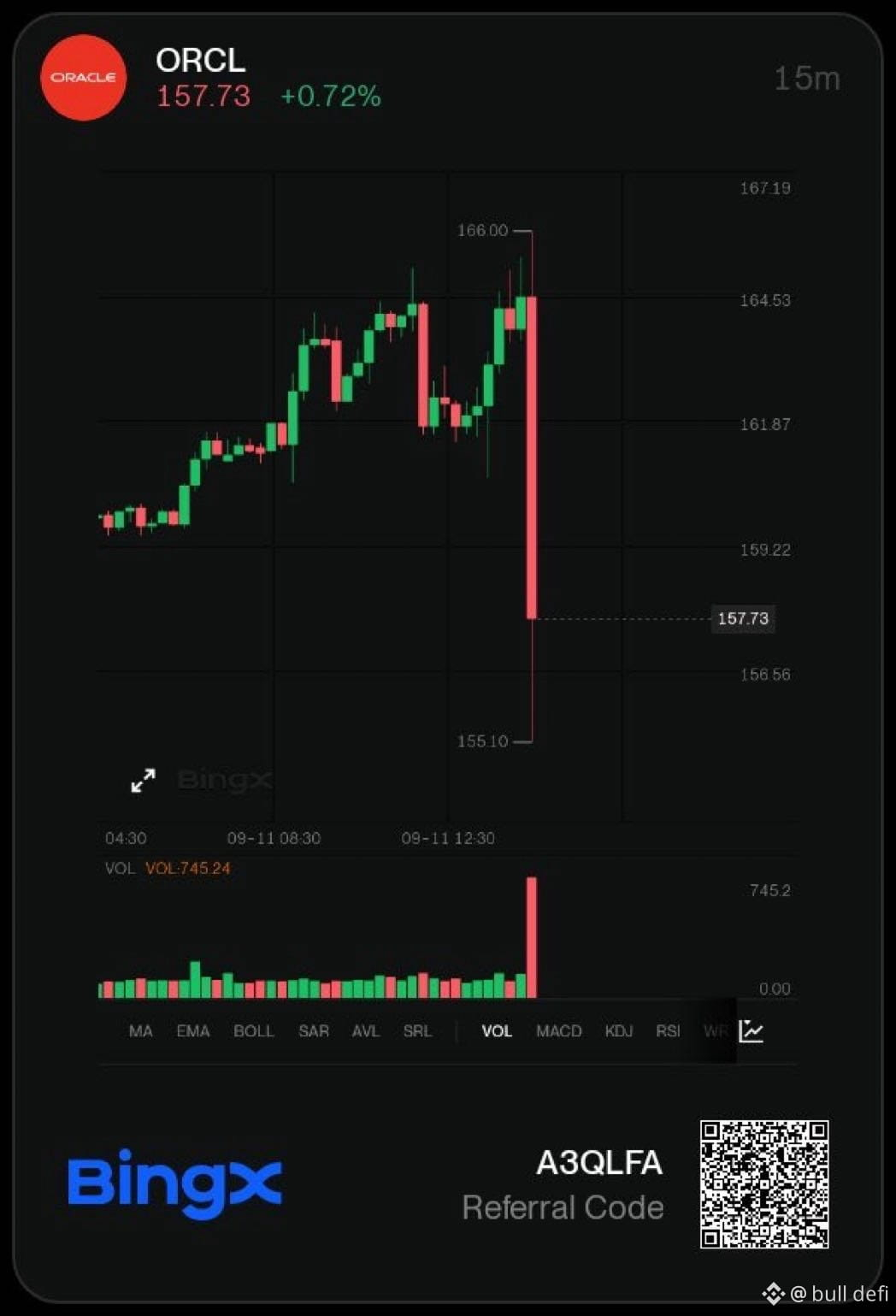
$ORCL للتو أظهر حجم صفقة/تجارة البنية التحتية للذكاء الاصطناعي وهي تتضخم. 👀
📊 الإيرادات: 19.3 مليار دولار، +30% سنويًا
☁️ بنية سحابية: 7.4 مليار دولار، +121% سنويًا
📚 الطلبات المتراكمة (Backlog): 664 مليار دولار
الطلب موجود بوضوح.
لكن 664 مليار دولار في الطلبات المتراكمة لا تهم إلا إذا تمكن أوراكل من التنفيذ وتحويل ذلك الطلب إلى تدفق نقدي فعلي.
وهنا تصبح القصة أكثر إثارة للاهتمام.
يمكن للمستثمرين الاحتفال بالنمو، لكن في النهاية يجب أن تتحول الوتيرة/الإنفاق إلى عوائد أقوى.
أنا ما زلت أبقي $ORCL ضمن قائمة المتابعة الخاصة بي في BingX للأصول التقليدية (TradFi).
ما الأهم أكثر الآن: نمو الطلبات المتراكمة أم التدفق النقدي؟
#ORCL #AI #TradFi #BingX
$ORCL للتو أظهر حجم صفقة/تجارة البنية التحتية للذكاء الاصطناعي وهي تتضخم. 👀
📊 الإيرادات: 19.3 مليار دولار، +30% سنويًا
☁️ بنية سحابية: 7.4 مليار دولار، +121% سنويًا
📚 الطلبات المتراكمة (Backlog): 664 مليار دولار
الطلب موجود بوضوح.
لكن 664 مليار دولار في الطلبات المتراكمة لا تهم إلا إذا تمكن أوراكل من التنفيذ وتحويل ذلك الطلب إلى تدفق نقدي فعلي.
وهنا تصبح القصة أكثر إثارة للاهتمام.
يمكن للمستثمرين الاحتفال بالنمو، لكن في النهاية يجب أن تتحول الوتيرة/الإنفاق إلى عوائد أقوى.
أنا ما زلت أبقي $ORCL ضمن قائمة المتابعة الخاصة بي في BingX للأصول التقليدية (TradFi).
ما الأهم أكثر الآن: نمو الطلبات المتراكمة أم التدفق النقدي؟
#ORCL #AI #TradFi #BingX
📊 الإيرادات: 19.3 مليار دولار، +30% سنويًا
☁️ بنية سحابية: 7.4 مليار دولار، +121% سنويًا
📚 الطلبات المتراكمة (Backlog): 664 مليار دولار
الطلب موجود بوضوح.
لكن 664 مليار دولار في الطلبات المتراكمة لا تهم إلا إذا تمكن أوراكل من التنفيذ وتحويل ذلك الطلب إلى تدفق نقدي فعلي.
وهنا تصبح القصة أكثر إثارة للاهتمام.
يمكن للمستثمرين الاحتفال بالنمو، لكن في النهاية يجب أن تتحول الوتيرة/الإنفاق إلى عوائد أقوى.
أنا ما زلت أبقي $ORCL ضمن قائمة المتابعة الخاصة بي في BingX للأصول التقليدية (TradFi).
ما الأهم أكثر الآن: نمو الطلبات المتراكمة أم التدفق النقدي؟
#ORCL #AI #TradFi #BingX
·
--
مرحبًا يا أصدقاء 👋
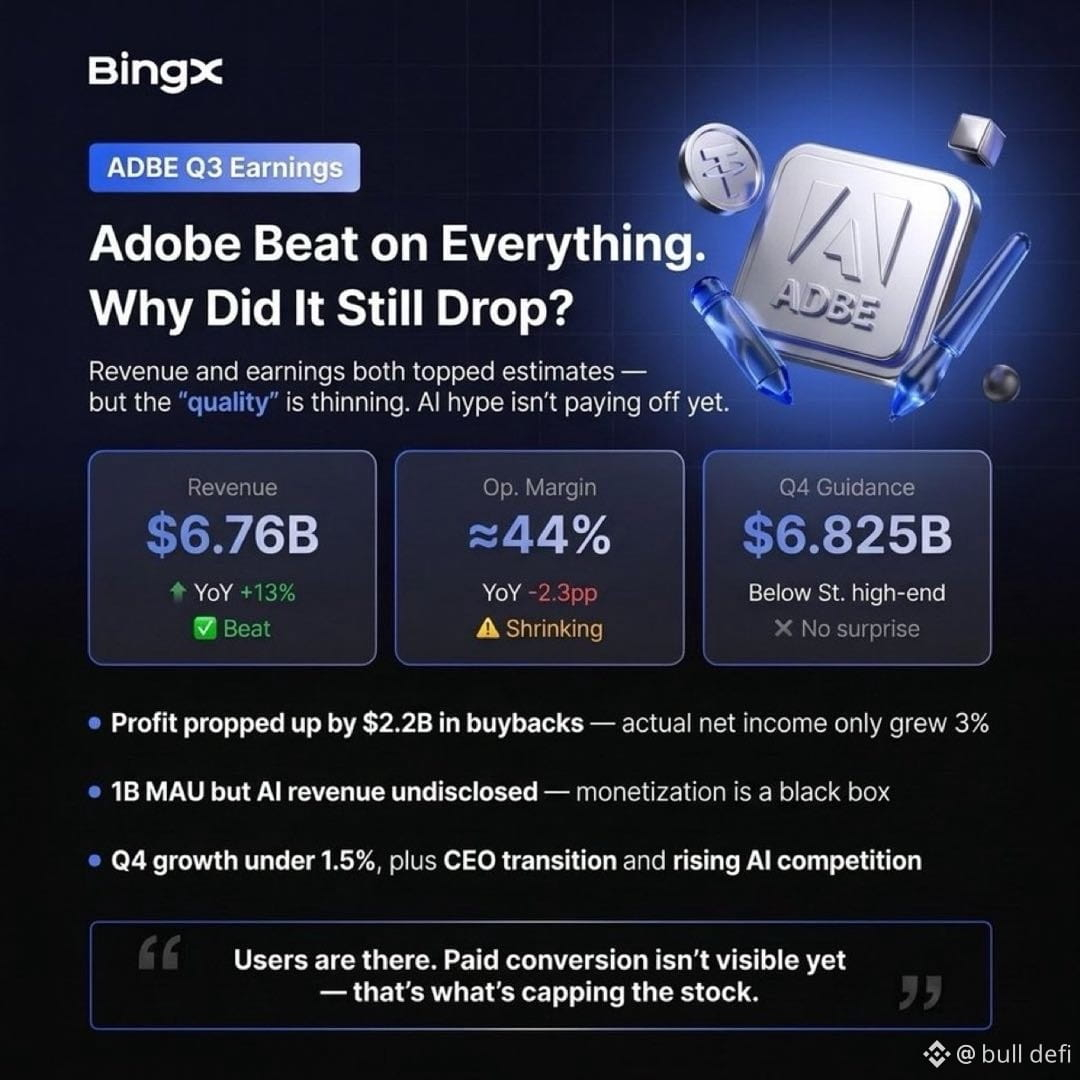
$ADBE تغلب على الأرقام، لكن السوق لم يكن معجبًا بعد. 👀
📊 الإيرادات: 6.76B$
📈 ربحية السهم (EPS): 6.13$
🤖 إيرادات ARR “AI-first”: +150% سنويًا
على الورق، يبدو الأمر قويًا.
لكن توقعات الربع الرابع جاءت أقل قليلًا من التوقعات، وتراجعت السهم.
وهذا الجزء الذي أراه مثيرًا للاهتمام.
في هذا السوق، التفوق على التقديرات لا يكون دائمًا كافيًا. قد تكون التوقعات أكثر أهمية من الأرقام الرئيسية.
الآن أنا أراقب $ADBE على BingX TradFi لمعرفة إن كانت الضعف سيستمر أم سيتم شراؤه.
هل كان رد الفعل مبررًا؟
#ADBE #AI #TradFi #BingX
مرحبًا يا أصدقاء 👋
$ADBE تغلب على الأرقام، لكن السوق لم يكن معجبًا بعد. 👀
📊 الإيرادات: 6.76B$
📈 ربحية السهم (EPS): 6.13$
🤖 إيرادات ARR “AI-first”: +150% سنويًا
على الورق، يبدو الأمر قويًا.
لكن توقعات الربع الرابع جاءت أقل قليلًا من التوقعات، وتراجعت السهم.
وهذا الجزء الذي أراه مثيرًا للاهتمام.
في هذا السوق، التفوق على التقديرات لا يكون دائمًا كافيًا. قد تكون التوقعات أكثر أهمية من الأرقام الرئيسية.
الآن أنا أراقب $ADBE على BingX TradFi لمعرفة إن كانت الضعف سيستمر أم سيتم شراؤه.
هل كان رد الفعل مبررًا؟
#ADBE #AI #TradFi #BingX
$ADBE تغلب على الأرقام، لكن السوق لم يكن معجبًا بعد. 👀
📊 الإيرادات: 6.76B$
📈 ربحية السهم (EPS): 6.13$
🤖 إيرادات ARR “AI-first”: +150% سنويًا
على الورق، يبدو الأمر قويًا.
لكن توقعات الربع الرابع جاءت أقل قليلًا من التوقعات، وتراجعت السهم.
وهذا الجزء الذي أراه مثيرًا للاهتمام.
في هذا السوق، التفوق على التقديرات لا يكون دائمًا كافيًا. قد تكون التوقعات أكثر أهمية من الأرقام الرئيسية.
الآن أنا أراقب $ADBE على BingX TradFi لمعرفة إن كانت الضعف سيستمر أم سيتم شراؤه.
هل كان رد الفعل مبررًا؟
#ADBE #AI #TradFi #BingX
91
·
--
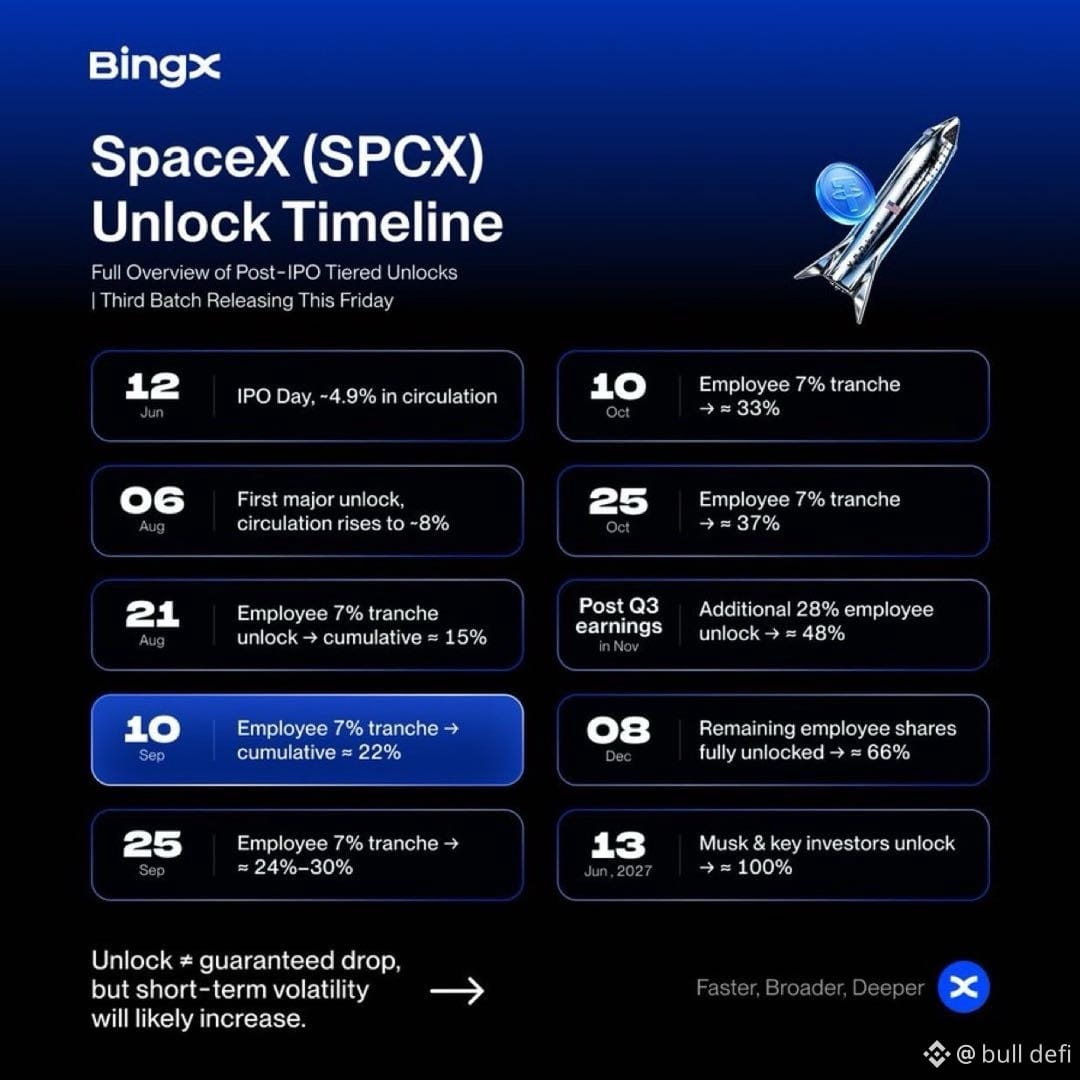
$SPCX لديه حدث إمداد آخر يضرب السوق اليوم. 👀
يُتوقع أن يتم الإفراج عن حوالي 7% من حصة الموظفين، ما قد يدفع إجمالي المعروض المفكوك إلى حوالي 22%.
لكن الأمر لا يتوقف هنا.
هناك إفراج آخر مُقرر في 25 سبتمبر، ما يحافظ على ديناميكيات العرض في دائرة الضوء.
الإفراج لا يعني تلقائيًا وجود ضغط بيع، لكن الإشارة الحقيقية ستكون في كيفية امتصاص السوق للمعروض الإضافي.
أراقب $SPCX/USDT على BingX TradFi.
هل يمتص السوق ذلك بسلاسة، أم تزيد التقلبات؟
#SPCX #SpaceX #TradFi #BingX
$SPCX لديه حدث إمداد آخر يضرب السوق اليوم. 👀
يُتوقع أن يتم الإفراج عن حوالي 7% من حصة الموظفين، ما قد يدفع إجمالي المعروض المفكوك إلى حوالي 22%.
لكن الأمر لا يتوقف هنا.
هناك إفراج آخر مُقرر في 25 سبتمبر، ما يحافظ على ديناميكيات العرض في دائرة الضوء.
الإفراج لا يعني تلقائيًا وجود ضغط بيع، لكن الإشارة الحقيقية ستكون في كيفية امتصاص السوق للمعروض الإضافي.
أراقب $SPCX/USDT على BingX TradFi.
هل يمتص السوق ذلك بسلاسة، أم تزيد التقلبات؟
#SPCX #SpaceX #TradFi #BingX
يُتوقع أن يتم الإفراج عن حوالي 7% من حصة الموظفين، ما قد يدفع إجمالي المعروض المفكوك إلى حوالي 22%.
لكن الأمر لا يتوقف هنا.
هناك إفراج آخر مُقرر في 25 سبتمبر، ما يحافظ على ديناميكيات العرض في دائرة الضوء.
الإفراج لا يعني تلقائيًا وجود ضغط بيع، لكن الإشارة الحقيقية ستكون في كيفية امتصاص السوق للمعروض الإضافي.
أراقب $SPCX/USDT على BingX TradFi.
هل يمتص السوق ذلك بسلاسة، أم تزيد التقلبات؟
#SPCX #SpaceX #TradFi #BingX
·
--
نهارك سعيد يا CTs 👋
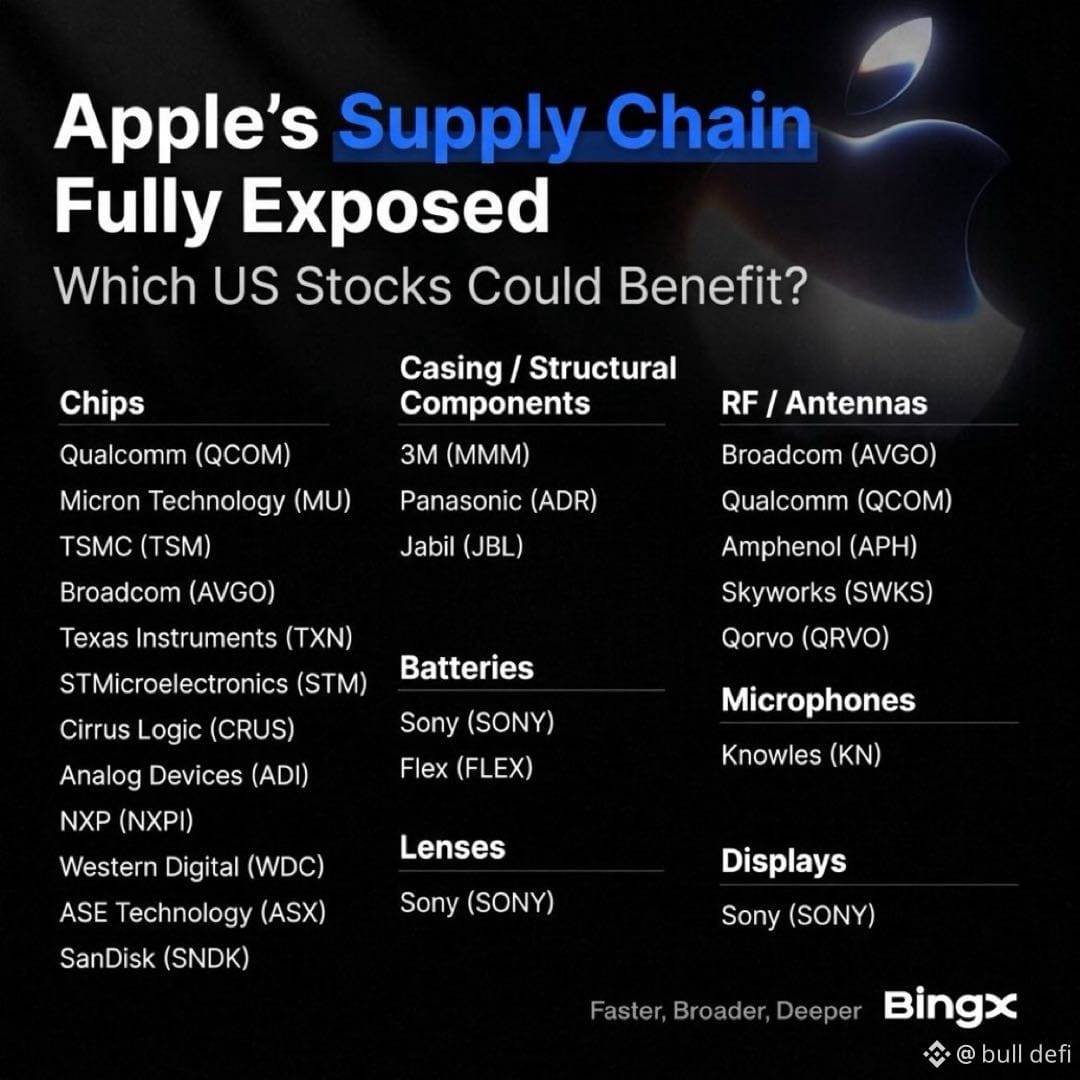
سلسلة إمداد شركة Apple هي قصة سوق قائمة بذاتها.
آيفون واحد يربط شبكة كاملة من الشركات عبر الشرائح (chips)، والشاشات، والتخزين، والكاميرات، والبطاريات، ومكوّنات الترددات الراديوية (RF).
TSMC، Qualcomm، Broadcom، Sony، Micron، SanDisk وغيرها جميعها لديها جزء من هذا النظام البيئي.
وهذا ما يجعل تداول سلاسل الإمداد مثيرًا للاهتمام.
أحيانًا لا تكون الإشارة السوقية الأفضل هي شركة Apple نفسها، بل الشركات التي تدعم المنتج في الخلفية.
أنا أراقب $SNDK/USDT على BingX لأرى كيف يتفاعل النظام البيئي الأوسع.
ما اسم شركة سلسلة الإمداد الذي يتواجد على رادارك؟ 👀
#Apple #TradFi #Stocks #BingX
نهارك سعيد يا CTs 👋
سلسلة إمداد شركة Apple هي قصة سوق قائمة بذاتها.
آيفون واحد يربط شبكة كاملة من الشركات عبر الشرائح (chips)، والشاشات، والتخزين، والكاميرات، والبطاريات، ومكوّنات الترددات الراديوية (RF).
TSMC، Qualcomm، Broadcom، Sony، Micron، SanDisk وغيرها جميعها لديها جزء من هذا النظام البيئي.
وهذا ما يجعل تداول سلاسل الإمداد مثيرًا للاهتمام.
أحيانًا لا تكون الإشارة السوقية الأفضل هي شركة Apple نفسها، بل الشركات التي تدعم المنتج في الخلفية.
أنا أراقب $SNDK/USDT على BingX لأرى كيف يتفاعل النظام البيئي الأوسع.
ما اسم شركة سلسلة الإمداد الذي يتواجد على رادارك؟ 👀
#Apple #TradFi #Stocks #BingX
سلسلة إمداد شركة Apple هي قصة سوق قائمة بذاتها.
آيفون واحد يربط شبكة كاملة من الشركات عبر الشرائح (chips)، والشاشات، والتخزين، والكاميرات، والبطاريات، ومكوّنات الترددات الراديوية (RF).
TSMC، Qualcomm، Broadcom، Sony، Micron، SanDisk وغيرها جميعها لديها جزء من هذا النظام البيئي.
وهذا ما يجعل تداول سلاسل الإمداد مثيرًا للاهتمام.
أحيانًا لا تكون الإشارة السوقية الأفضل هي شركة Apple نفسها، بل الشركات التي تدعم المنتج في الخلفية.
أنا أراقب $SNDK/USDT على BingX لأرى كيف يتفاعل النظام البيئي الأوسع.
ما اسم شركة سلسلة الإمداد الذي يتواجد على رادارك؟ 👀
#Apple #TradFi #Stocks #BingX
·
--
الخصوصية تعود بهدوء إلى دائرة اهتمام سوق العملات الرقمية. 👀
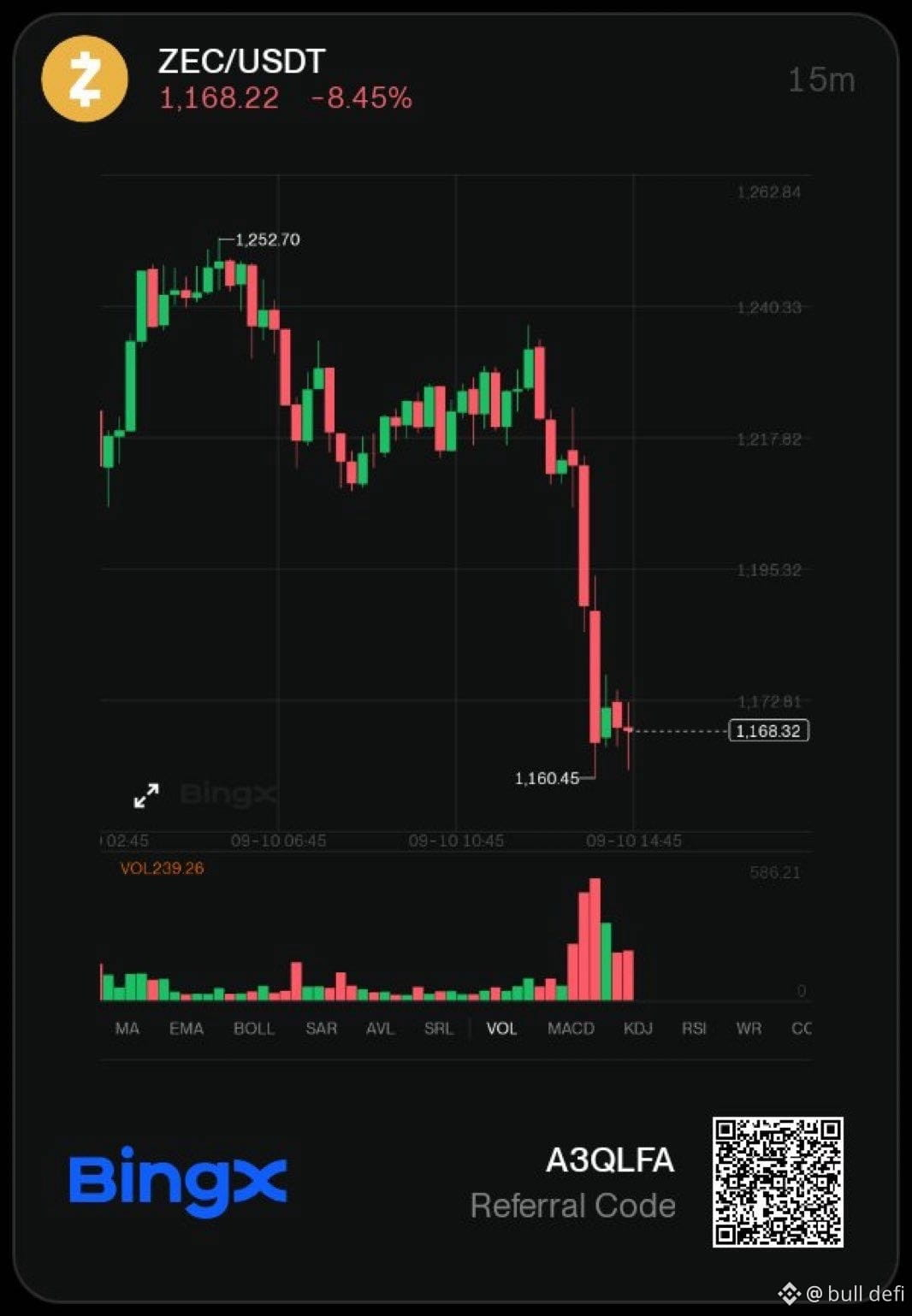
يُقال إن عملات الخصوصية ارتفعت بنحو 213%، بينما سجل $ZEC مكاسب هائلة تجاوزت 2,000% خلال العام الماضي.
لكن بعد حركة بهذا الحجم، تبدو المرحلة التالية أكثر إثارة للاهتمام.
هل سيتمكن المشترون من الحفاظ على الزخم، أم أن السردية تبدأ في التهدئة؟
لديّ ZEC/USDT ضمن قائمة المراقبة الخاصة بي على BingX.
هل تتشكل الخصوصية لتصبح السردية الرقمية الرئيسية التالية؟
#ZEC #PrivacyCoins #Crypto #BingX #BTC Price Analysis#
الخصوصية تعود بهدوء إلى دائرة اهتمام سوق العملات الرقمية. 👀
يُقال إن عملات الخصوصية ارتفعت بنحو 213%، بينما سجل $ZEC مكاسب هائلة تجاوزت 2,000% خلال العام الماضي.
لكن بعد حركة بهذا الحجم، تبدو المرحلة التالية أكثر إثارة للاهتمام.
هل سيتمكن المشترون من الحفاظ على الزخم، أم أن السردية تبدأ في التهدئة؟
لديّ ZEC/USDT ضمن قائمة المراقبة الخاصة بي على BingX.
هل تتشكل الخصوصية لتصبح السردية الرقمية الرئيسية التالية؟
#ZEC #PrivacyCoins #Crypto #BingX #BTC Price Analysis#
يُقال إن عملات الخصوصية ارتفعت بنحو 213%، بينما سجل $ZEC مكاسب هائلة تجاوزت 2,000% خلال العام الماضي.
لكن بعد حركة بهذا الحجم، تبدو المرحلة التالية أكثر إثارة للاهتمام.
هل سيتمكن المشترون من الحفاظ على الزخم، أم أن السردية تبدأ في التهدئة؟
لديّ ZEC/USDT ضمن قائمة المراقبة الخاصة بي على BingX.
هل تتشكل الخصوصية لتصبح السردية الرقمية الرئيسية التالية؟
#ZEC #PrivacyCoins #Crypto #BingX #BTC Price Analysis#
64
·
--
استعراض سلسلة الميمات (MEME) يصبح رسميًا أكثر جدية. 👀
Robinhood ضد Solana ضد BSC.
💰 مجمع جوائز بقيمة 200,000 USDT
🏆 50,000 USDT لصاحب أفضل صفقة (تاجر)
لكن الجائزة ليست الشيء الوحيد الذي أراقبه.
قد تكون المعركة الأكبر هي نشاط المجتمع.
أي سلسلة يمكنها توليد أكبر قدر من الحجم (السيولة) والاهتمام والمشاركة؟
مع وجود متداولين من BingX في المنافسة، لدى كل فريق ما يثبت.
لذا السؤال بسيط:
أي جانب تدعمه؟ 🔥
#MEME #BingX #Solana #BSC
استعراض سلسلة الميمات (MEME) يصبح رسميًا أكثر جدية. 👀
Robinhood ضد Solana ضد BSC.
💰 مجمع جوائز بقيمة 200,000 USDT
🏆 50,000 USDT لصاحب أفضل صفقة (تاجر)
لكن الجائزة ليست الشيء الوحيد الذي أراقبه.
قد تكون المعركة الأكبر هي نشاط المجتمع.
أي سلسلة يمكنها توليد أكبر قدر من الحجم (السيولة) والاهتمام والمشاركة؟
مع وجود متداولين من BingX في المنافسة، لدى كل فريق ما يثبت.
لذا السؤال بسيط:
أي جانب تدعمه؟ 🔥
#MEME #BingX #Solana #BSC
Robinhood ضد Solana ضد BSC.
💰 مجمع جوائز بقيمة 200,000 USDT
🏆 50,000 USDT لصاحب أفضل صفقة (تاجر)
لكن الجائزة ليست الشيء الوحيد الذي أراقبه.
قد تكون المعركة الأكبر هي نشاط المجتمع.
أي سلسلة يمكنها توليد أكبر قدر من الحجم (السيولة) والاهتمام والمشاركة؟
مع وجود متداولين من BingX في المنافسة، لدى كل فريق ما يثبت.
لذا السؤال بسيط:
أي جانب تدعمه؟ 🔥
#MEME #BingX #Solana #BSC

·
--
$BTC لديه 11 سبتمبر على الرادار بقوة. 👀
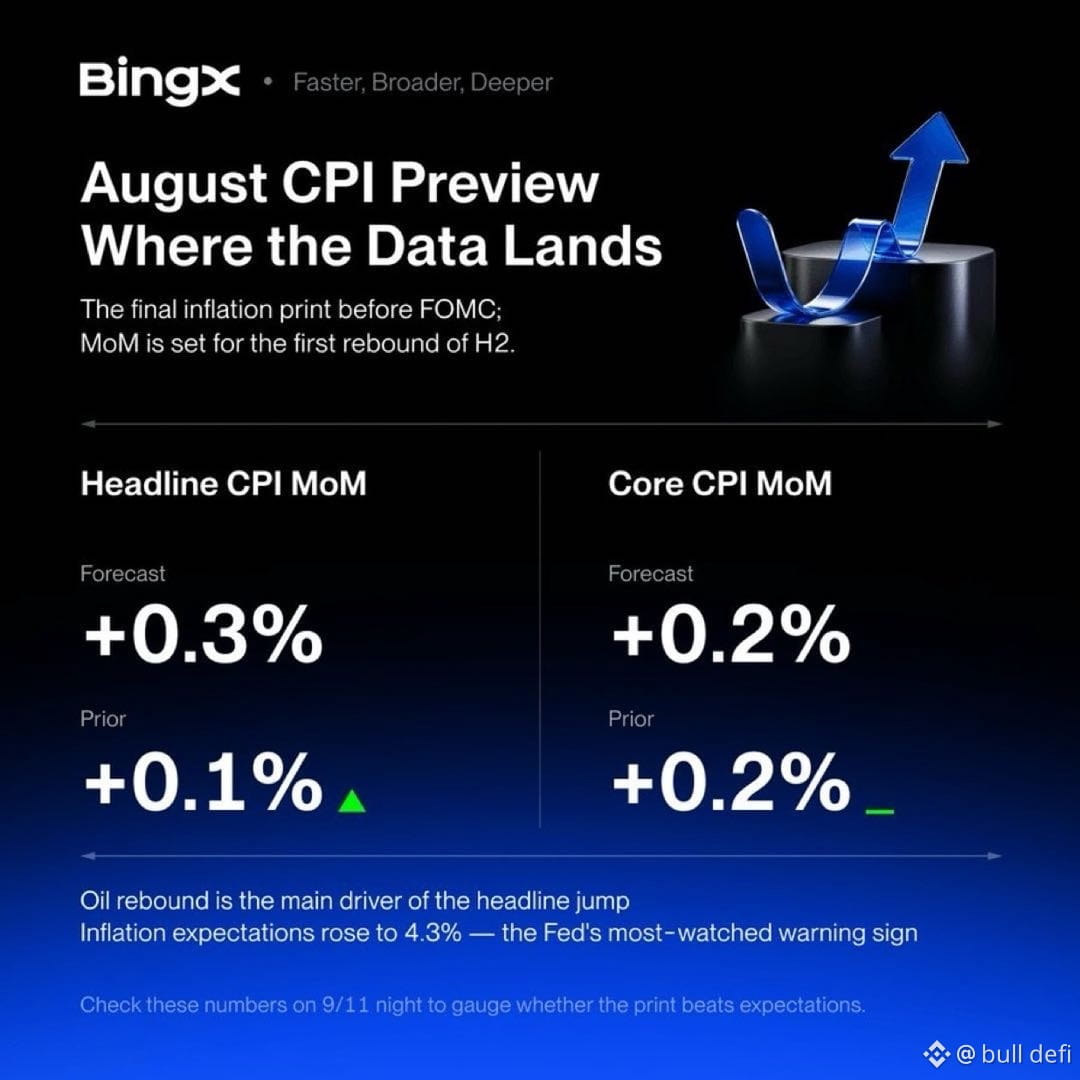
سيكون مؤشر أسعار المستهلك (CPI) لشهر أغسطس هو قراءة التضخم الأخيرة قبل اجتماع لجنة السوق المفتوحة الفيدرالية (FOMC) القادم.
📊 توقعات العنوان: +0.3% شهريًا
📊 توقعات النواة: +0.2% شهريًا
قد تؤدي قراءة أكثر سخونة إلى رفع توقعات الفائدة وزيادة الضغط على الأصول ذات المخاطر.
قد تمنح قراءة أهدأ مساحة تنفس لـ BTC وبقية الأصول ذات المخاطر.
أنا لست أحاول التنبؤ بالقراءة.
أنا أراقب كيف يتفاعل السوق على BingX.
#BTC #CPI #Macro #BingX
$BTC لديه 11 سبتمبر على الرادار بقوة. 👀
سيكون مؤشر أسعار المستهلك (CPI) لشهر أغسطس هو قراءة التضخم الأخيرة قبل اجتماع لجنة السوق المفتوحة الفيدرالية (FOMC) القادم.
📊 توقعات العنوان: +0.3% شهريًا
📊 توقعات النواة: +0.2% شهريًا
قد تؤدي قراءة أكثر سخونة إلى رفع توقعات الفائدة وزيادة الضغط على الأصول ذات المخاطر.
قد تمنح قراءة أهدأ مساحة تنفس لـ BTC وبقية الأصول ذات المخاطر.
أنا لست أحاول التنبؤ بالقراءة.
أنا أراقب كيف يتفاعل السوق على BingX.
#BTC #CPI #Macro #BingX
سيكون مؤشر أسعار المستهلك (CPI) لشهر أغسطس هو قراءة التضخم الأخيرة قبل اجتماع لجنة السوق المفتوحة الفيدرالية (FOMC) القادم.
📊 توقعات العنوان: +0.3% شهريًا
📊 توقعات النواة: +0.2% شهريًا
قد تؤدي قراءة أكثر سخونة إلى رفع توقعات الفائدة وزيادة الضغط على الأصول ذات المخاطر.
قد تمنح قراءة أهدأ مساحة تنفس لـ BTC وبقية الأصول ذات المخاطر.
أنا لست أحاول التنبؤ بالقراءة.
أنا أراقب كيف يتفاعل السوق على BingX.
#BTC #CPI #Macro #BingX
54
·
--
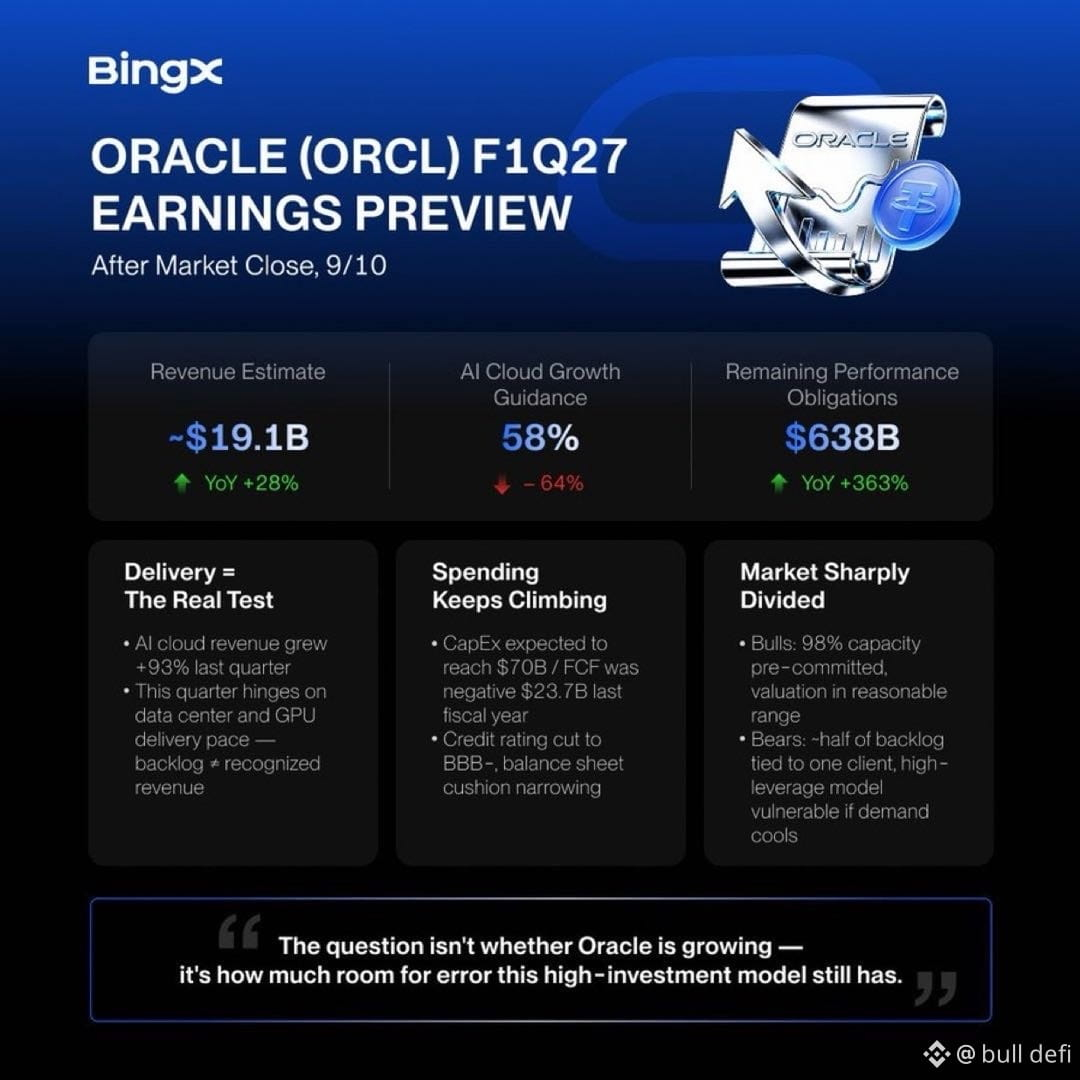
$من المقرر أن تُعلن أرباح شركة ORCL في 10 سبتمبر. 👀
سيُراقب الجميع الإيرادات، لكن القصة الأكبر بالنسبة لي هي الطلب/الدفتر المُعلن البالغ $638B.
يبدو أن الطلب على الذكاء الاصطناعي ضخم بوضوح.
لكن توسيع هذا الطلب يتطلب أيضًا إنفاقًا ضخمًا على البنية التحتية، ويجعل الرافعة المالية المعادلة أكثر إثارة للاهتمام.
الاختبار الحقيقي هو ما إذا كانت Oracle يمكنها تحويل هذا الطلب/الدفتر إلى نمو مستدام دون أن يصبح الإنفاق مشكلة.
مبالغة في رد الفعل أم فرصة؟
$ORCL موجود في قائمة المراقبة لدي على BingX.
#ORCL #AI #Stocks #BingX
$من المقرر أن تُعلن أرباح شركة ORCL في 10 سبتمبر. 👀
سيُراقب الجميع الإيرادات، لكن القصة الأكبر بالنسبة لي هي الطلب/الدفتر المُعلن البالغ $638B.
يبدو أن الطلب على الذكاء الاصطناعي ضخم بوضوح.
لكن توسيع هذا الطلب يتطلب أيضًا إنفاقًا ضخمًا على البنية التحتية، ويجعل الرافعة المالية المعادلة أكثر إثارة للاهتمام.
الاختبار الحقيقي هو ما إذا كانت Oracle يمكنها تحويل هذا الطلب/الدفتر إلى نمو مستدام دون أن يصبح الإنفاق مشكلة.
مبالغة في رد الفعل أم فرصة؟
$ORCL موجود في قائمة المراقبة لدي على BingX.
#ORCL #AI #Stocks #BingX
سيُراقب الجميع الإيرادات، لكن القصة الأكبر بالنسبة لي هي الطلب/الدفتر المُعلن البالغ $638B.
يبدو أن الطلب على الذكاء الاصطناعي ضخم بوضوح.
لكن توسيع هذا الطلب يتطلب أيضًا إنفاقًا ضخمًا على البنية التحتية، ويجعل الرافعة المالية المعادلة أكثر إثارة للاهتمام.
الاختبار الحقيقي هو ما إذا كانت Oracle يمكنها تحويل هذا الطلب/الدفتر إلى نمو مستدام دون أن يصبح الإنفاق مشكلة.
مبالغة في رد الفعل أم فرصة؟
$ORCL موجود في قائمة المراقبة لدي على BingX.
#ORCL #AI #Stocks #BingX
·
--
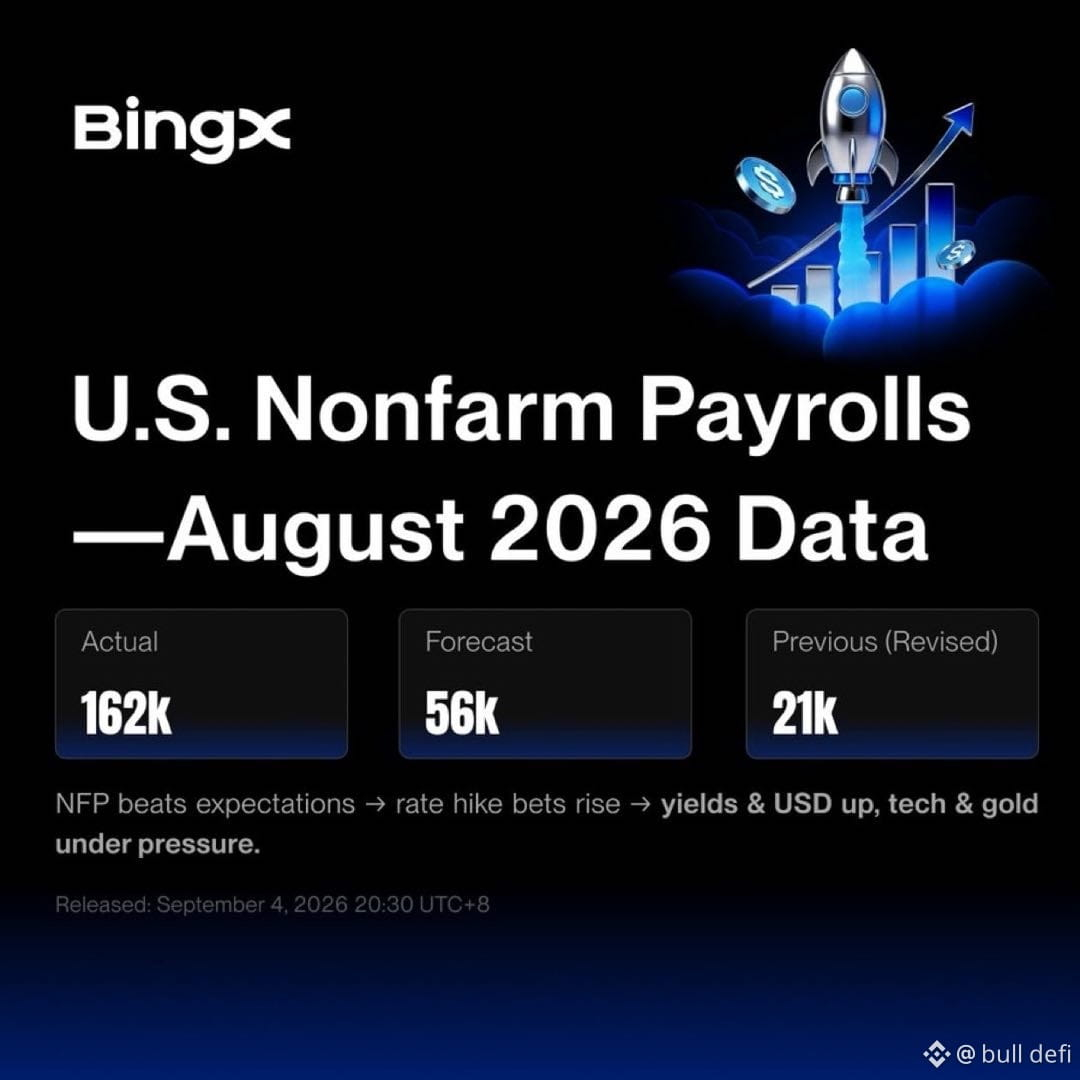
قدّم تقرير الوظائف الأمريكي NFP لشهر أغسطس مفاجأة كبيرة. 👀
📊 الوظائف المضافة: 162 ألف
🎯 المتوقع: 56 ألف
هذا فارق ضخم، ويعيد تركيز الانتباه على قوة سوق العمل.
يمكن أن يدعم رقم الوظائف الأقوى الدولار ويدفع عوائد سندات الخزانة للارتفاع، بينما قد يخلق ضغطًا على الذهب وقطاع التكنولوجيا شديد الحساسية للمعدلات.
لكن العنوان الرئيسي هو مجرد الخطوة الأولى.
أنا أراقب كيف يتفاعل مؤشر $USDOLLARINDEX على BingX وما إذا كانت الزخم يستمر.
#NFP #Dollar #Macro #BingX $BTC $USDT
قدّم تقرير الوظائف الأمريكي NFP لشهر أغسطس مفاجأة كبيرة. 👀
📊 الوظائف المضافة: 162 ألف
🎯 المتوقع: 56 ألف
هذا فارق ضخم، ويعيد تركيز الانتباه على قوة سوق العمل.
يمكن أن يدعم رقم الوظائف الأقوى الدولار ويدفع عوائد سندات الخزانة للارتفاع، بينما قد يخلق ضغطًا على الذهب وقطاع التكنولوجيا شديد الحساسية للمعدلات.
لكن العنوان الرئيسي هو مجرد الخطوة الأولى.
أنا أراقب كيف يتفاعل مؤشر $USDOLLARINDEX على BingX وما إذا كانت الزخم يستمر.
#NFP #Dollar #Macro #BingX $BTC $USDT
📊 الوظائف المضافة: 162 ألف
🎯 المتوقع: 56 ألف
هذا فارق ضخم، ويعيد تركيز الانتباه على قوة سوق العمل.
يمكن أن يدعم رقم الوظائف الأقوى الدولار ويدفع عوائد سندات الخزانة للارتفاع، بينما قد يخلق ضغطًا على الذهب وقطاع التكنولوجيا شديد الحساسية للمعدلات.
لكن العنوان الرئيسي هو مجرد الخطوة الأولى.
أنا أراقب كيف يتفاعل مؤشر $USDOLLARINDEX على BingX وما إذا كانت الزخم يستمر.
#NFP #Dollar #Macro #BingX $BTC $USDT
46
·
--
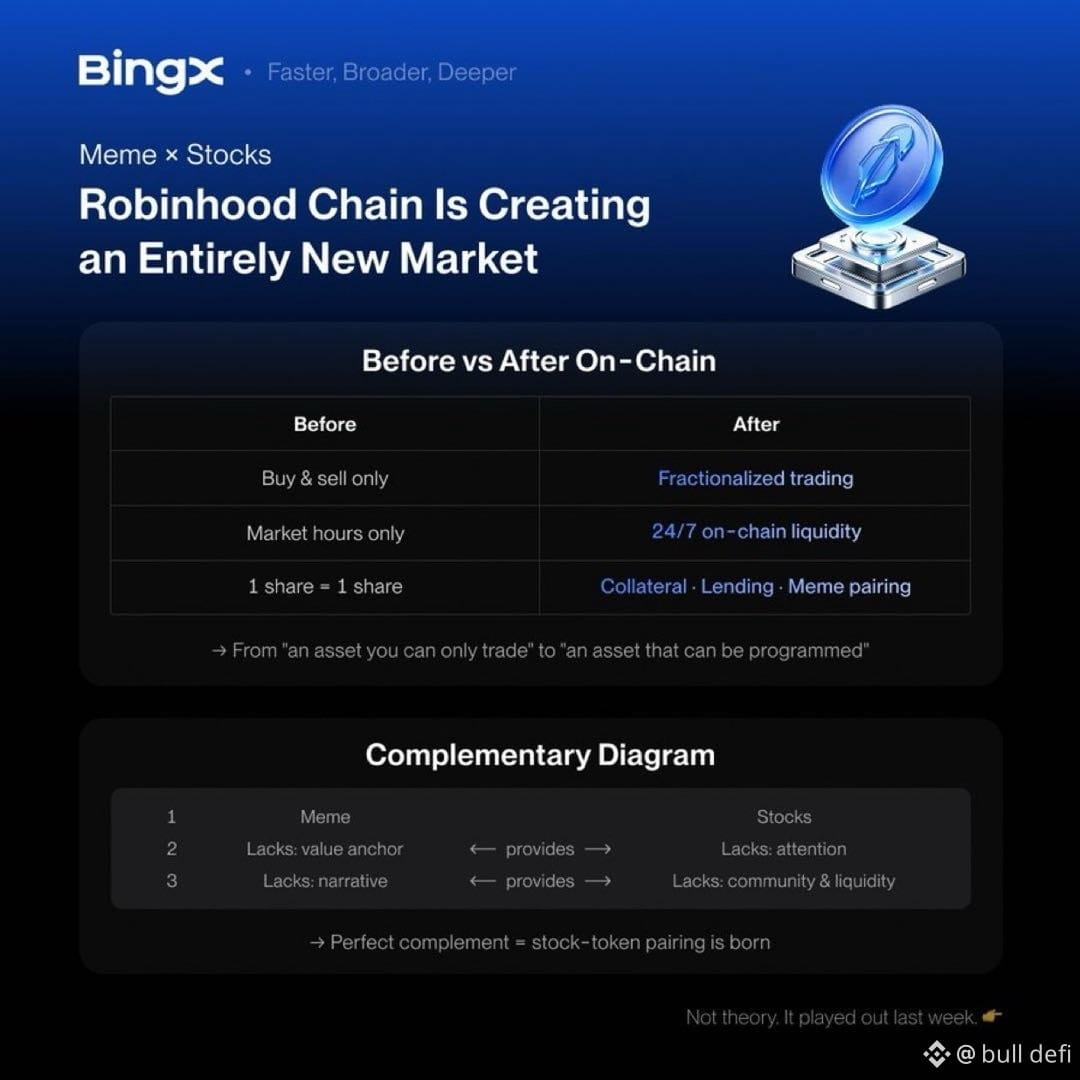
عثرت ثقافة الميمات للتو على طريقة أخرى للتصادم مع وول ستريت. 👀
$BONER × $HIMS هي بسهولة واحدة من أكثر قصص السوق جنونًا في الوقت الحالي.
يشير تقرير عن انتقالها من 4 ملايين دولار إلى 90 مليون دولار في يوم واحد إلى ما يمكن أن يحدث عندما تتلاقى ثقافة الميمات والشركات المألوفة والسيولة في آن واحد.
لكن السؤال الحقيقي يأتي بعد عملية الضخ:
هل يمكن لـ $BONER الحفاظ على الاهتمام، أم أن الزخم يتلاشى بسرعة مثلما ظهر؟
أنا أتابع $BONER عن كثب على BingX.
#BONER #MemeStocks #HIMS #BingX
عثرت ثقافة الميمات للتو على طريقة أخرى للتصادم مع وول ستريت. 👀
$BONER × $HIMS هي بسهولة واحدة من أكثر قصص السوق جنونًا في الوقت الحالي.
يشير تقرير عن انتقالها من 4 ملايين دولار إلى 90 مليون دولار في يوم واحد إلى ما يمكن أن يحدث عندما تتلاقى ثقافة الميمات والشركات المألوفة والسيولة في آن واحد.
لكن السؤال الحقيقي يأتي بعد عملية الضخ:
هل يمكن لـ $BONER الحفاظ على الاهتمام، أم أن الزخم يتلاشى بسرعة مثلما ظهر؟
أنا أتابع $BONER عن كثب على BingX.
#BONER #MemeStocks #HIMS #BingX
$BONER × $HIMS هي بسهولة واحدة من أكثر قصص السوق جنونًا في الوقت الحالي.
يشير تقرير عن انتقالها من 4 ملايين دولار إلى 90 مليون دولار في يوم واحد إلى ما يمكن أن يحدث عندما تتلاقى ثقافة الميمات والشركات المألوفة والسيولة في آن واحد.
لكن السؤال الحقيقي يأتي بعد عملية الضخ:
هل يمكن لـ $BONER الحفاظ على الاهتمام، أم أن الزخم يتلاشى بسرعة مثلما ظهر؟
أنا أتابع $BONER عن كثب على BingX.
#BONER #MemeStocks #HIMS #BingX
·
--
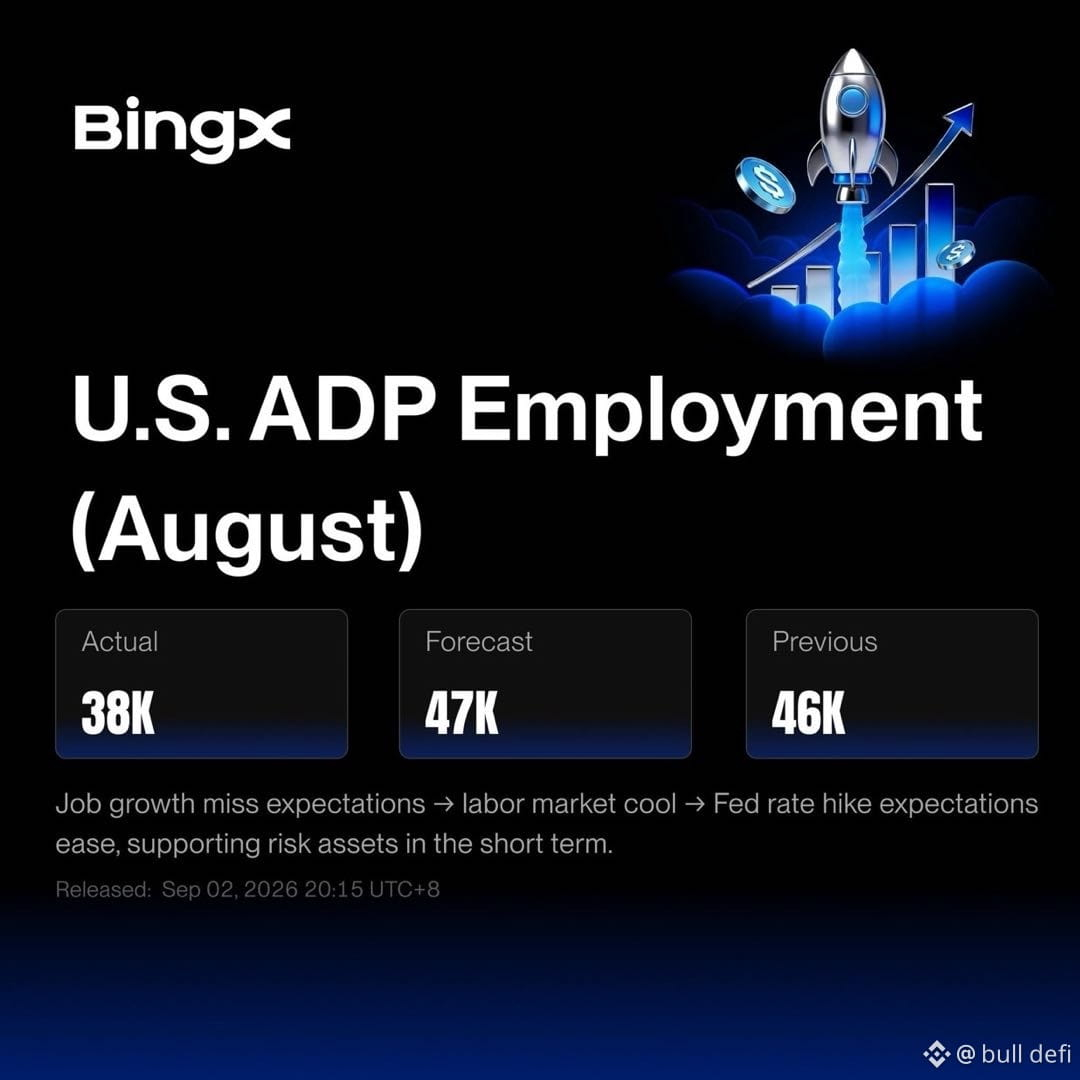
جاء تقرير <c-1/> ADP ألين من المتوقع. 👀
📉 ADP: 38 ألف
📊 التوقعات: 47 ألف
ليس فجوة كبيرة، لكن كافية لإبقاء سوق العمل وتوقعات الاحتياطي الفيدرالي في دائرة الضوء.
الجزء المثير للاهتمام الآن هو كيفية تموضع المتداولين حول البيانات.
قد يؤثر السياق الوظيفي الأكثر ليونة على الدولار والذهب والأسهم و$BTC، لكن رد فعل السوق أهم من العنوان نفسه.
نراقب تدفق الاقتصاد الكلي عن كثب على BingX.
#ADP #Bitcoin #Gold #BingX
جاء تقرير <c-1/> ADP ألين من المتوقع. 👀
📉 ADP: 38 ألف
📊 التوقعات: 47 ألف
ليس فجوة كبيرة، لكن كافية لإبقاء سوق العمل وتوقعات الاحتياطي الفيدرالي في دائرة الضوء.
الجزء المثير للاهتمام الآن هو كيفية تموضع المتداولين حول البيانات.
قد يؤثر السياق الوظيفي الأكثر ليونة على الدولار والذهب والأسهم و$BTC، لكن رد فعل السوق أهم من العنوان نفسه.
نراقب تدفق الاقتصاد الكلي عن كثب على BingX.
#ADP #Bitcoin #Gold #BingX
📉 ADP: 38 ألف
📊 التوقعات: 47 ألف
ليس فجوة كبيرة، لكن كافية لإبقاء سوق العمل وتوقعات الاحتياطي الفيدرالي في دائرة الضوء.
الجزء المثير للاهتمام الآن هو كيفية تموضع المتداولين حول البيانات.
قد يؤثر السياق الوظيفي الأكثر ليونة على الدولار والذهب والأسهم و$BTC، لكن رد فعل السوق أهم من العنوان نفسه.
نراقب تدفق الاقتصاد الكلي عن كثب على BingX.
#ADP #Bitcoin #Gold #BingX
31
·
--
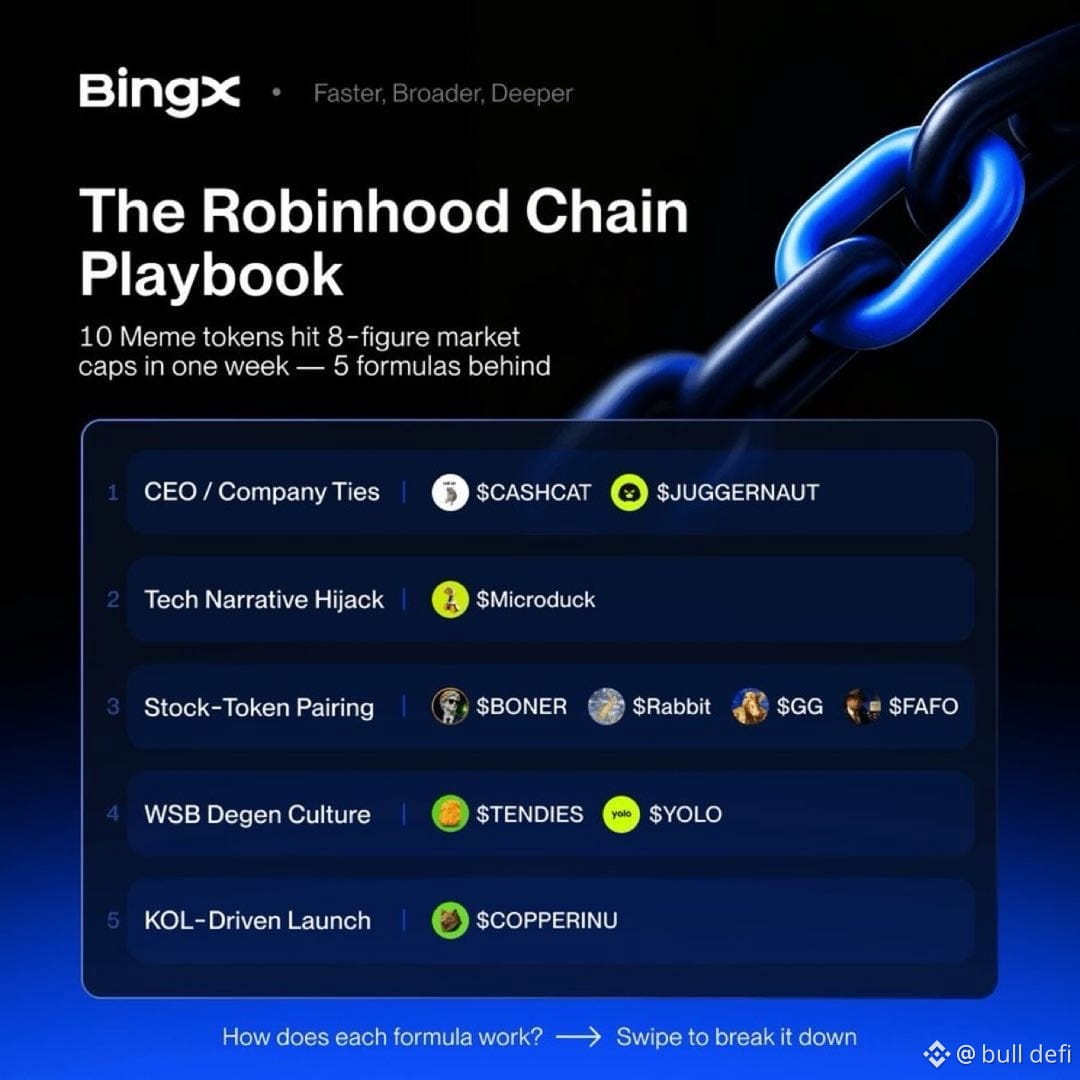
تبدأ عملات الميم في التطوّر. 🤯
10 رموز دفعت إلى مستويات سوقية بأرقام ثمانية خلال أسبوع واحد فقط، مع $CASHCAT يُقال إنه يتصدر عند 210M دولار.
لكن الضخ ليس سوى جزء من القصة.
يبدو أن دليل اللعب الجديد للميمات يمزج بين:
🏢 الروابط المؤسسية
🤖 السرديات التقنية
📈 اقترانات الأسهم
🧠 ثقافة WSB
👀 اهتمام KOL
الأمر أقلّ بخصوص ميم عشوائي وأكثر عن بناء عدة أسباب تجعل الناس ينتبهون.
والآن السؤال: أيّ واحد منه سيحقق الاختراق التالي؟
ترقّبوا BingX. 👀
#MemeCoins #CASHCAT #Crypto #BingX
تبدأ عملات الميم في التطوّر. 🤯
10 رموز دفعت إلى مستويات سوقية بأرقام ثمانية خلال أسبوع واحد فقط، مع $CASHCAT يُقال إنه يتصدر عند 210M دولار.
لكن الضخ ليس سوى جزء من القصة.
يبدو أن دليل اللعب الجديد للميمات يمزج بين:
🏢 الروابط المؤسسية
🤖 السرديات التقنية
📈 اقترانات الأسهم
🧠 ثقافة WSB
👀 اهتمام KOL
الأمر أقلّ بخصوص ميم عشوائي وأكثر عن بناء عدة أسباب تجعل الناس ينتبهون.
والآن السؤال: أيّ واحد منه سيحقق الاختراق التالي؟
ترقّبوا BingX. 👀
#MemeCoins #CASHCAT #Crypto #BingX
10 رموز دفعت إلى مستويات سوقية بأرقام ثمانية خلال أسبوع واحد فقط، مع $CASHCAT يُقال إنه يتصدر عند 210M دولار.
لكن الضخ ليس سوى جزء من القصة.
يبدو أن دليل اللعب الجديد للميمات يمزج بين:
🏢 الروابط المؤسسية
🤖 السرديات التقنية
📈 اقترانات الأسهم
🧠 ثقافة WSB
👀 اهتمام KOL
الأمر أقلّ بخصوص ميم عشوائي وأكثر عن بناء عدة أسباب تجعل الناس ينتبهون.
والآن السؤال: أيّ واحد منه سيحقق الاختراق التالي؟
ترقّبوا BingX. 👀
#MemeCoins #CASHCAT #Crypto #BingX
30
سجّل الدخول لاستكشاف المزيد من المُحتوى
انضم إلى مُستخدمي العملات الرقمية حول العالم على Binance Square
⚡️ احصل على أحدث المعلومات المفيدة عن العملات الرقمية.
💬 موثوقة من قبل أكبر منصّة لتداول العملات الرقمية في العالم.
👍 اكتشف الرؤى الحقيقية من صنّاع المُحتوى الموثوقين.
البريد الإلكتروني / رقم الهاتف