

BullifyX
10.1k منشورات

BullifyX
 تحقُّق Binance Square الإضافي
إبلاغ
حظر المُستخدم
Your Crypto Bestie | Educational Content | Be Creative, Experience and Discipline.

حائز على BTC
مُتداول مُتكرر
4 سنوات
803 تتابع
39.1K+ المتابعون
55.9K+ إعجاب
منشورات
الكل
اقتباسات
مقاطع فيديو
Live
PINNED
·
--
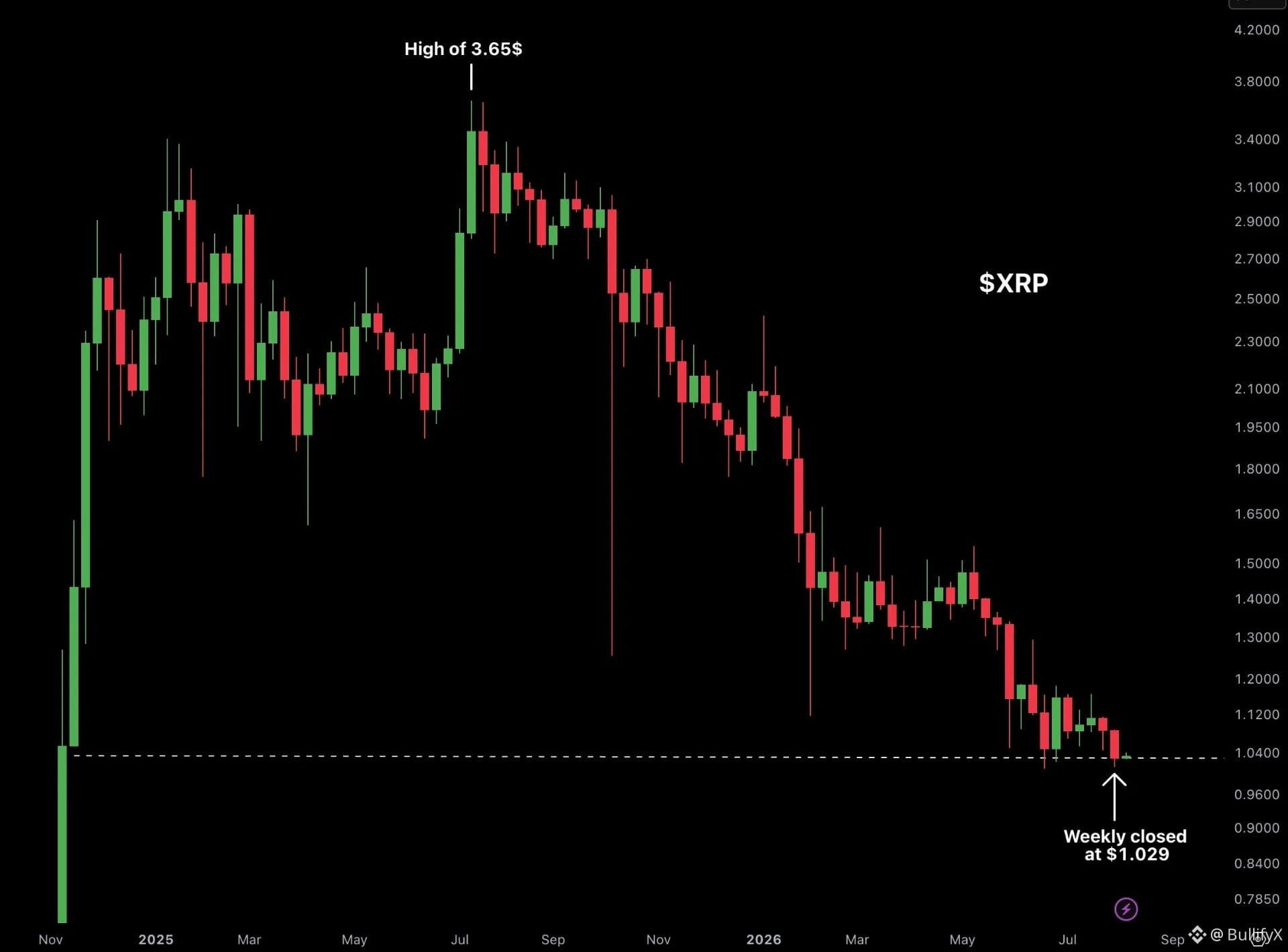
لا أحد مستعد للخطوة التالية لـ $XRP .
يبدو أن $XRP يقوم بإعادة إنتاج بنية اتجاهه لعام 2017. في المرة الأخيرة التي ثبت فيها مستوى الدعم هذا، اندفع السعر بعد ذلك بنسبة تزيد عن 60,000%.
خريطتي للطريق:
$1.10 → $0.97 → $1.80
$1.80 → $2.70 → $3.20
$3.20 → $6.50 → $13.00
إذا تم تأكيد هذا الدعم للمرة الثالثة، فقد يتسارع التوسع القادم بشكل كبير.
راقب المستويات. راقب البنية. 🚀
#XRP #Ripple #Crypto #Binance #Write2Earn
لا أحد مستعد للخطوة التالية لـ $XRP .
يبدو أن $XRP يقوم بإعادة إنتاج بنية اتجاهه لعام 2017. في المرة الأخيرة التي ثبت فيها مستوى الدعم هذا، اندفع السعر بعد ذلك بنسبة تزيد عن 60,000%.
خريطتي للطريق:
$1.10 → $0.97 → $1.80
$1.80 → $2.70 → $3.20
$3.20 → $6.50 → $13.00
إذا تم تأكيد هذا الدعم للمرة الثالثة، فقد يتسارع التوسع القادم بشكل كبير.
راقب المستويات. راقب البنية. 🚀
#XRP #Ripple #Crypto #Binance #Write2Earn
يبدو أن $XRP يقوم بإعادة إنتاج بنية اتجاهه لعام 2017. في المرة الأخيرة التي ثبت فيها مستوى الدعم هذا، اندفع السعر بعد ذلك بنسبة تزيد عن 60,000%.
خريطتي للطريق:
$1.10 → $0.97 → $1.80
$1.80 → $2.70 → $3.20
$3.20 → $6.50 → $13.00
إذا تم تأكيد هذا الدعم للمرة الثالثة، فقد يتسارع التوسع القادم بشكل كبير.
راقب المستويات. راقب البنية. 🚀
#XRP #Ripple #Crypto #Binance #Write2Earn
40
4
139
185.3k
PINNED
·
--
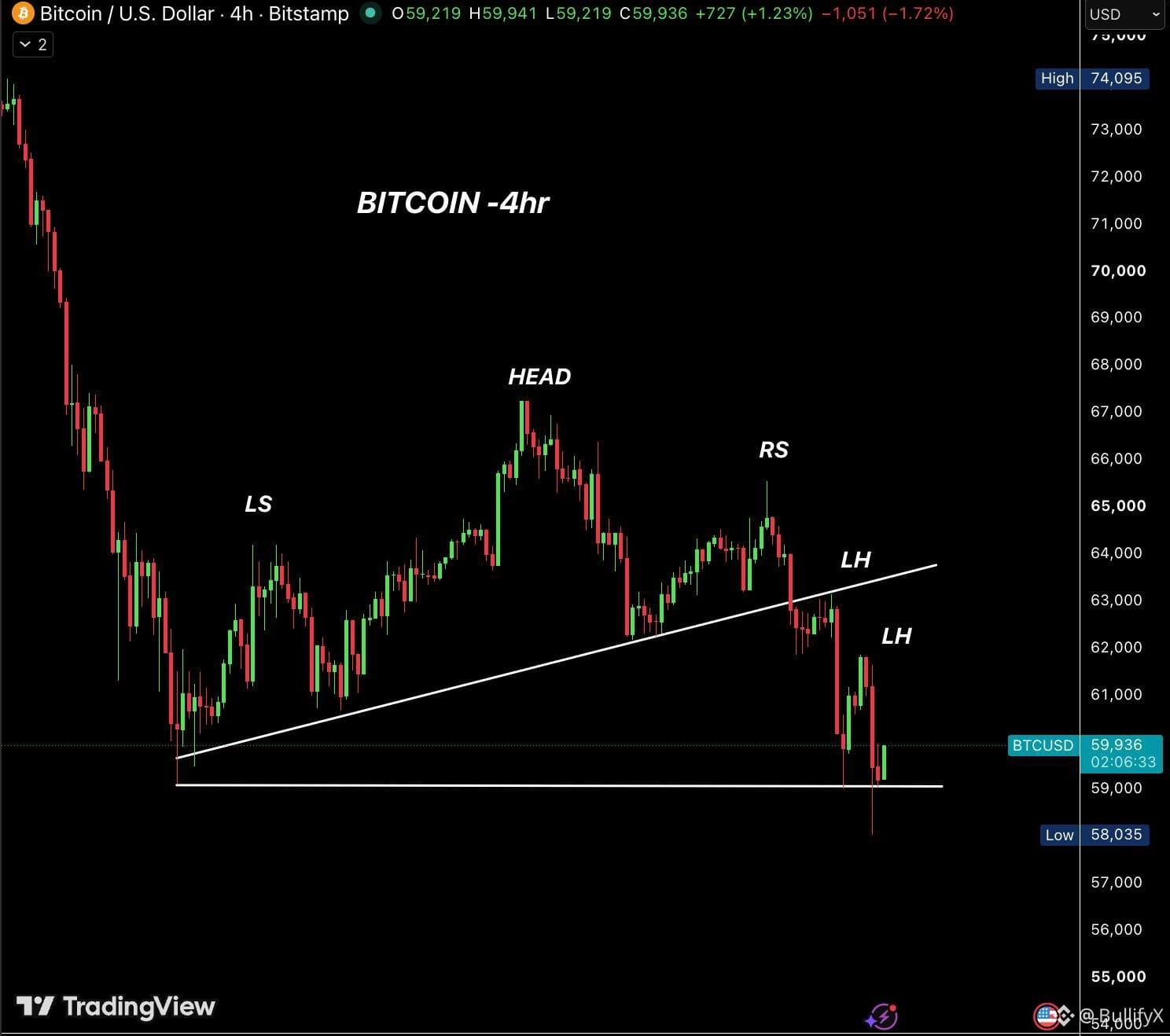
$BTC لمس $60k وانتشر الذعر بسرعة.
لكن هذا ما يهم:
#BTC ما زال مغلقًا فوق دعم $61k.
الدببة لديهم الأفضلية حاليًا، لكن استعادة $65.2k قد حول هذا الانهيار إلى فخ.
الإغلاقات اليومية القليلة القادمة ستكون حاسمة.
#BTC #Write2Earn #Binance
$BTC لمس $60k وانتشر الذعر بسرعة.
لكن هذا ما يهم:
#BTC ما زال مغلقًا فوق دعم $61k.
الدببة لديهم الأفضلية حاليًا، لكن استعادة $65.2k قد حول هذا الانهيار إلى فخ.
الإغلاقات اليومية القليلة القادمة ستكون حاسمة.
#BTC #Write2Earn #Binance
لكن هذا ما يهم:
#BTC ما زال مغلقًا فوق دعم $61k.
الدببة لديهم الأفضلية حاليًا، لكن استعادة $65.2k قد حول هذا الانهيار إلى فخ.
الإغلاقات اليومية القليلة القادمة ستكون حاسمة.
#BTC #Write2Earn #Binance
16
87
215.1k
·
--
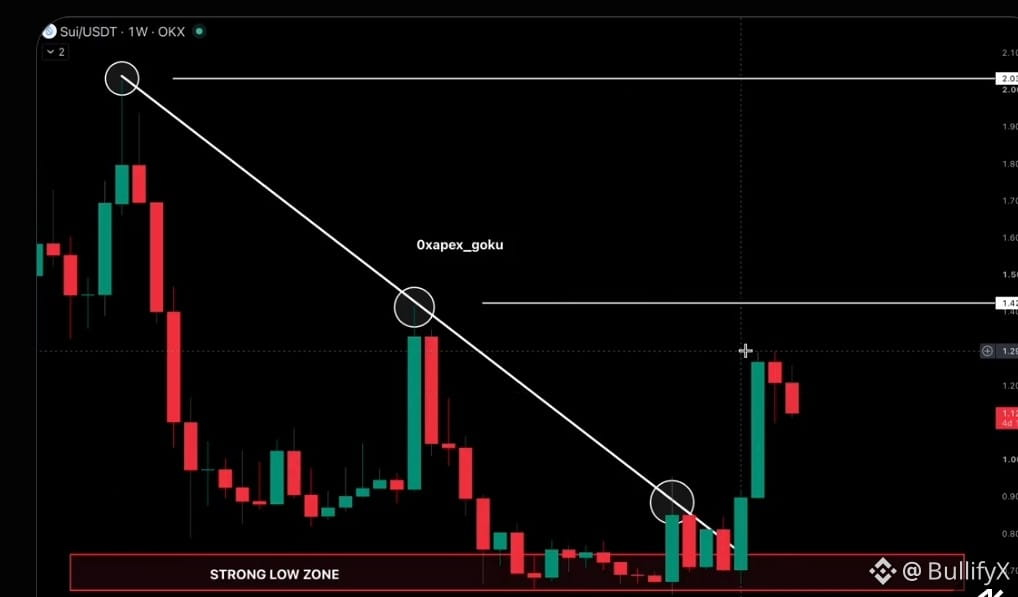
$SUI يبدو أن الدببة يفقدون السيطرة.
أدّى مستوى $0.70 دوره كأرضية دعم قوية، والآن بدأ الزخم يتصاعد من القيعان.
مستوى $1.42 هو المستوى الرئيسي الذي أراقبه بعد ذلك.
اختراق واضح فوقه → مساحة أكبر بكثير أمام الثيران.
#SUI #binance #crypto #Write2Earn
$SUI يبدو أن الدببة يفقدون السيطرة.
أدّى مستوى $0.70 دوره كأرضية دعم قوية، والآن بدأ الزخم يتصاعد من القيعان.
مستوى $1.42 هو المستوى الرئيسي الذي أراقبه بعد ذلك.
اختراق واضح فوقه → مساحة أكبر بكثير أمام الثيران.
#SUI #binance #crypto #Write2Earn
أدّى مستوى $0.70 دوره كأرضية دعم قوية، والآن بدأ الزخم يتصاعد من القيعان.
مستوى $1.42 هو المستوى الرئيسي الذي أراقبه بعد ذلك.
اختراق واضح فوقه → مساحة أكبر بكثير أمام الثيران.
#SUI #binance #crypto #Write2Earn
2
603
·
--
تمّ التحقق
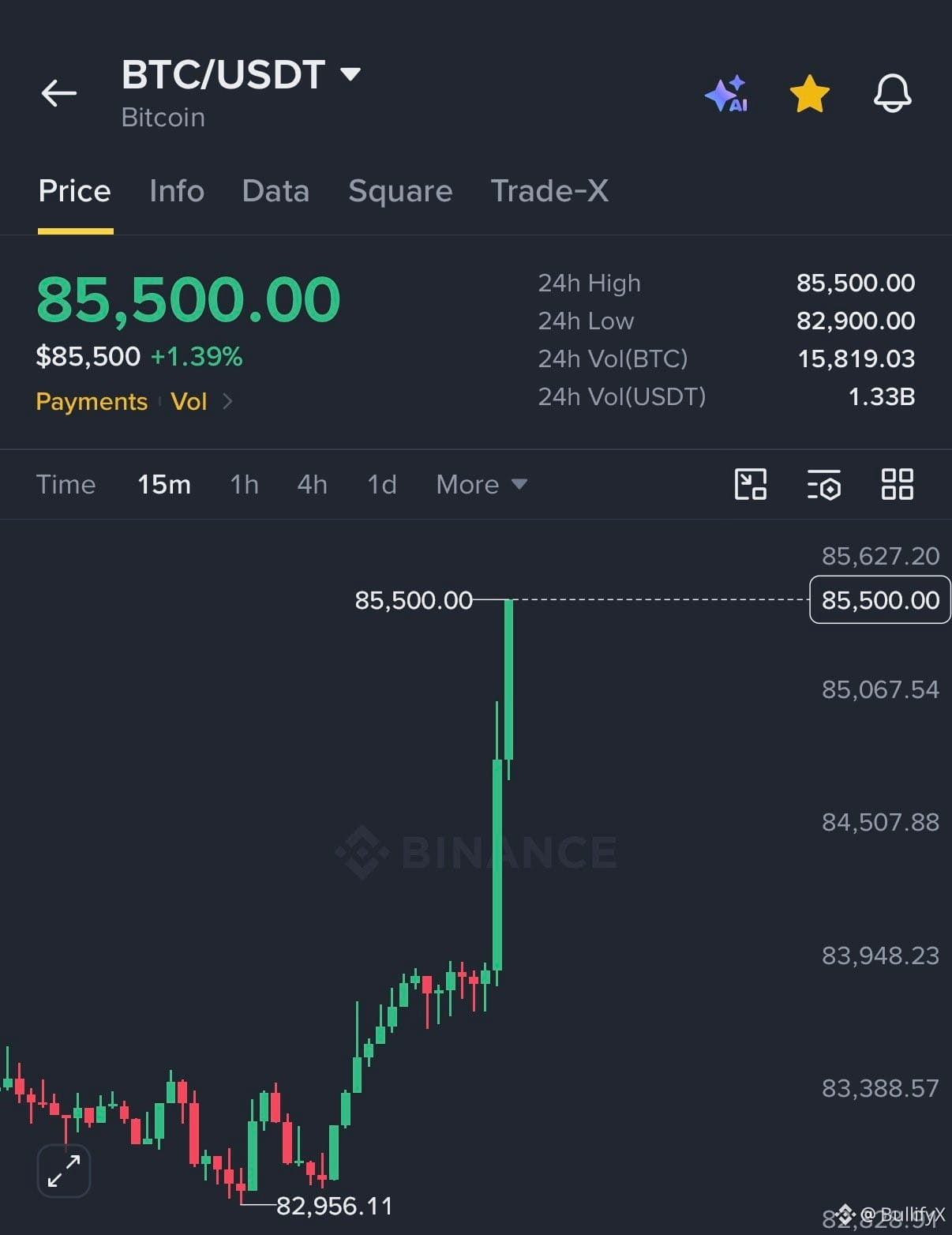
$BTC تحرّكت للتو تقريبًا 1,600 دولار خلال آخر 30 دقيقة بعد أحدث بيانات مؤشر PCE.
يبدو أن التفاعل صعودي بوضوح حتى الآن.
ومع اقتراب الإغلاق الشهري بعد ساعات قليلة وبدء شهر أكتوبر غدًا، فإن هذا السيناريو مثير للاهتمام لمتابعته.
لنرَ إذا كان $BTC يمكنه الحفاظ على هذه المكاسب حتى الإغلاق.
#BTC #Crypto #binance #Write2Earn
$BTC تحرّكت للتو تقريبًا 1,600 دولار خلال آخر 30 دقيقة بعد أحدث بيانات مؤشر PCE.
يبدو أن التفاعل صعودي بوضوح حتى الآن.
ومع اقتراب الإغلاق الشهري بعد ساعات قليلة وبدء شهر أكتوبر غدًا، فإن هذا السيناريو مثير للاهتمام لمتابعته.
لنرَ إذا كان $BTC يمكنه الحفاظ على هذه المكاسب حتى الإغلاق.
#BTC #Crypto #binance #Write2Earn
يبدو أن التفاعل صعودي بوضوح حتى الآن.
ومع اقتراب الإغلاق الشهري بعد ساعات قليلة وبدء شهر أكتوبر غدًا، فإن هذا السيناريو مثير للاهتمام لمتابعته.
لنرَ إذا كان $BTC يمكنه الحفاظ على هذه المكاسب حتى الإغلاق.
#BTC #Crypto #binance #Write2Earn
1
9
4.5k
·
--
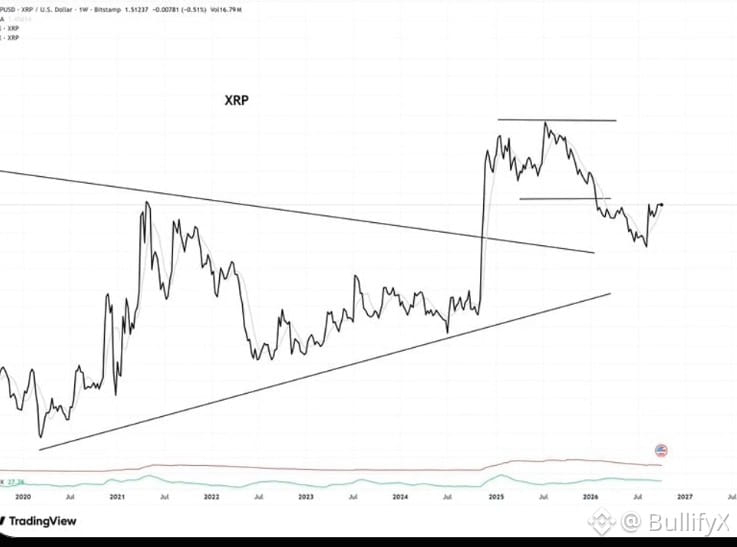
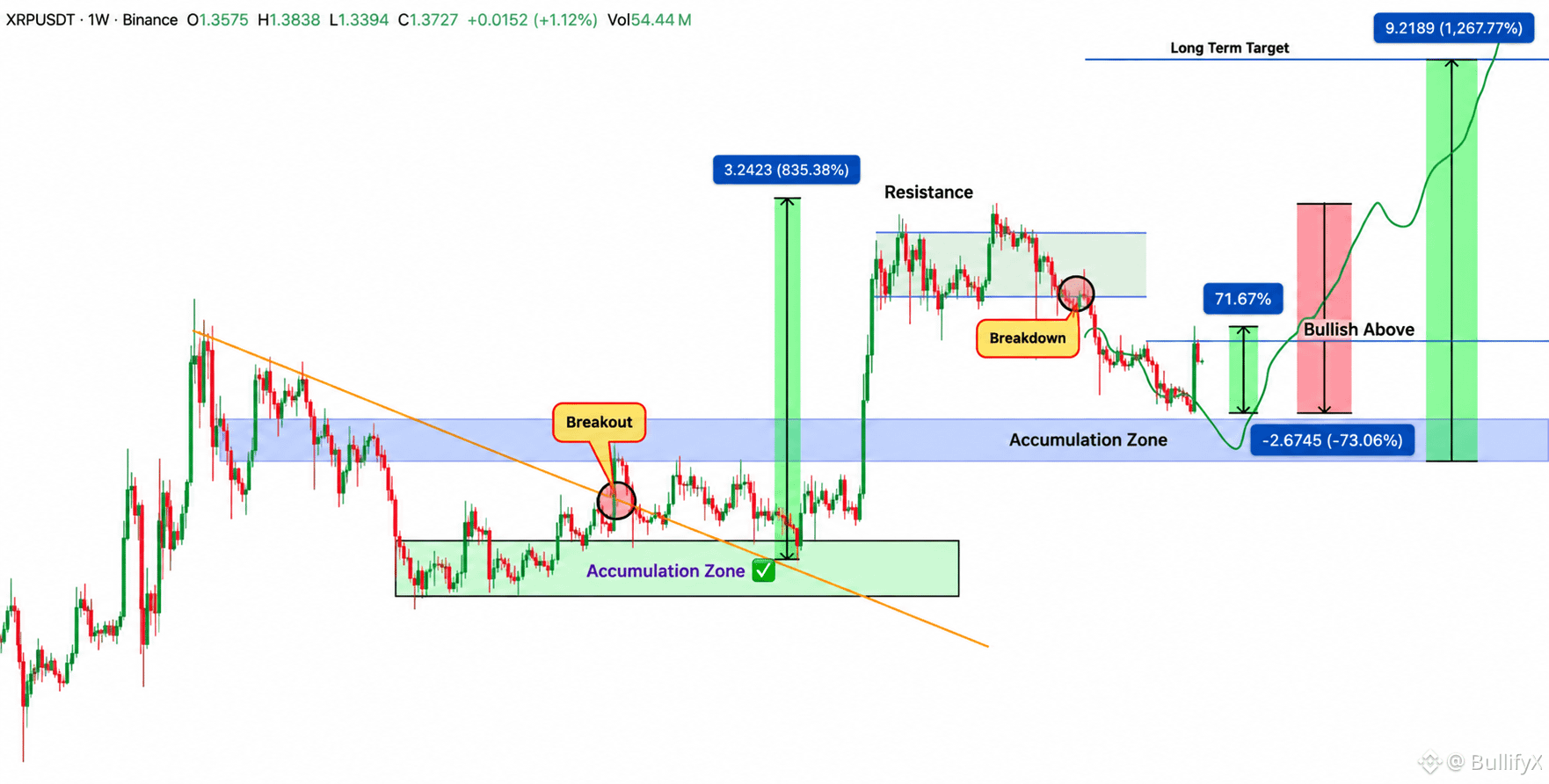
$XRP عند نقطة قرار.
منطقة 1.55 دولار أظهرت لنا بالفعل أن هناك سيولة/عرضًا حقيقيًا في الأعلى. تم رفض السعر بقوة، وتمت تصفية السيولة، ودفع البائعون الحركة إلى مستوى أقل بكثير.
بالنسبة لي، الرسم البياني ليس صعوديًا بعد.
أريد أن أرى $XRP يعيد الاستحواذ على المقاومة الرئيسية ويثبت عليها على الإطار الأسبوعي قبل أن أعتبر ذلك تحوّلًا حقيقيًا في الاتجاه.
حتى ذلك الحين، سأراقب الجانب السلبي أيضًا:
0.90 → 0.70 هي المنطقة التي سأبقيها ضمن نطاق اهتمامي إذا ظل القمة الحالية قائمة.
على المدى الطويل، ليس مستحيلًا وصول 10 دولارات.
لكن المتداولين لا يتم الدفع لهم مقابل قصة المدى الطويل—يتم دفعهم مقابل قراءة السيناريو أمامهم.
الآن، السؤال بسيط:
اختراق واستعادة… أم قاعٌ أدنى آخر؟
#XRP #Crypto #binance #Write2Earn
$XRP عند نقطة قرار.
منطقة 1.55 دولار أظهرت لنا بالفعل أن هناك سيولة/عرضًا حقيقيًا في الأعلى. تم رفض السعر بقوة، وتمت تصفية السيولة، ودفع البائعون الحركة إلى مستوى أقل بكثير.
بالنسبة لي، الرسم البياني ليس صعوديًا بعد.
أريد أن أرى $XRP يعيد الاستحواذ على المقاومة الرئيسية ويثبت عليها على الإطار الأسبوعي قبل أن أعتبر ذلك تحوّلًا حقيقيًا في الاتجاه.
حتى ذلك الحين، سأراقب الجانب السلبي أيضًا:
0.90 → 0.70 هي المنطقة التي سأبقيها ضمن نطاق اهتمامي إذا ظل القمة الحالية قائمة.
على المدى الطويل، ليس مستحيلًا وصول 10 دولارات.
لكن المتداولين لا يتم الدفع لهم مقابل قصة المدى الطويل—يتم دفعهم مقابل قراءة السيناريو أمامهم.
الآن، السؤال بسيط:
اختراق واستعادة… أم قاعٌ أدنى آخر؟
#XRP #Crypto #binance #Write2Earn
منطقة 1.55 دولار أظهرت لنا بالفعل أن هناك سيولة/عرضًا حقيقيًا في الأعلى. تم رفض السعر بقوة، وتمت تصفية السيولة، ودفع البائعون الحركة إلى مستوى أقل بكثير.
بالنسبة لي، الرسم البياني ليس صعوديًا بعد.
أريد أن أرى $XRP يعيد الاستحواذ على المقاومة الرئيسية ويثبت عليها على الإطار الأسبوعي قبل أن أعتبر ذلك تحوّلًا حقيقيًا في الاتجاه.
حتى ذلك الحين، سأراقب الجانب السلبي أيضًا:
0.90 → 0.70 هي المنطقة التي سأبقيها ضمن نطاق اهتمامي إذا ظل القمة الحالية قائمة.
على المدى الطويل، ليس مستحيلًا وصول 10 دولارات.
لكن المتداولين لا يتم الدفع لهم مقابل قصة المدى الطويل—يتم دفعهم مقابل قراءة السيناريو أمامهم.
الآن، السؤال بسيط:
اختراق واستعادة… أم قاعٌ أدنى آخر؟
#XRP #Crypto #binance #Write2Earn
1
8
2.2k
·
--
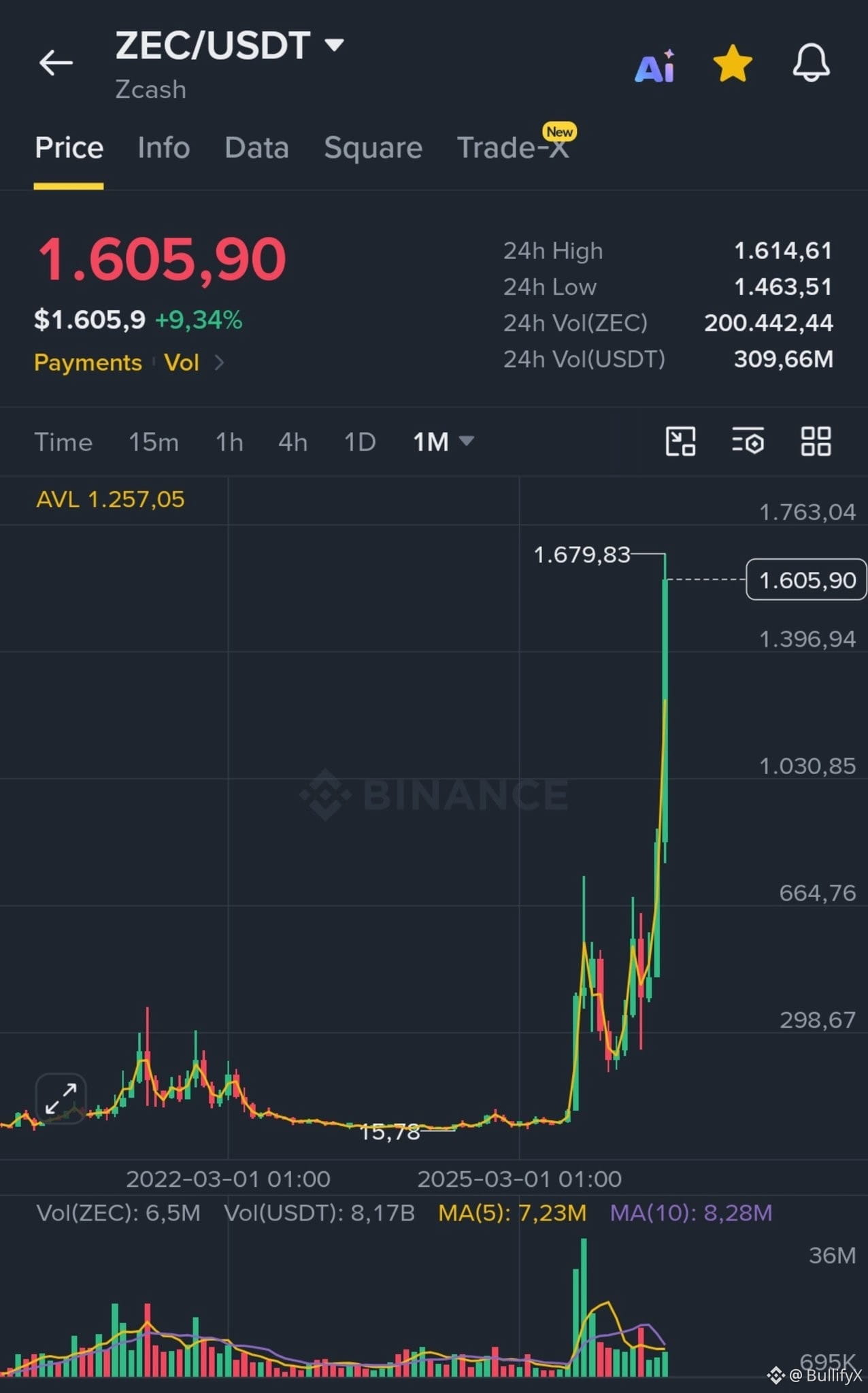
$ZEC JUST GOT WRECKED
إعداد واحد سريع.
رفض واحد نظيف.
50 دولارًا خسارة خلال ساعة واحدة فقط.
من 1,595 → 1,545.
منطقة 1,592–1,610 فعلت بالضبط ما كنا نراقبه. 👀
$ZEC #crypto #binance #Write2Earrn
$ZEC JUST GOT WRECKED
إعداد واحد سريع.
رفض واحد نظيف.
50 دولارًا خسارة خلال ساعة واحدة فقط.
من 1,595 → 1,545.
منطقة 1,592–1,610 فعلت بالضبط ما كنا نراقبه. 👀
$ZEC #crypto #binance #Write2Earrn
إعداد واحد سريع.
رفض واحد نظيف.
50 دولارًا خسارة خلال ساعة واحدة فقط.
من 1,595 → 1,545.
منطقة 1,592–1,610 فعلت بالضبط ما كنا نراقبه. 👀
$ZEC #crypto #binance #Write2Earrn
2
8
1.6k
·
--
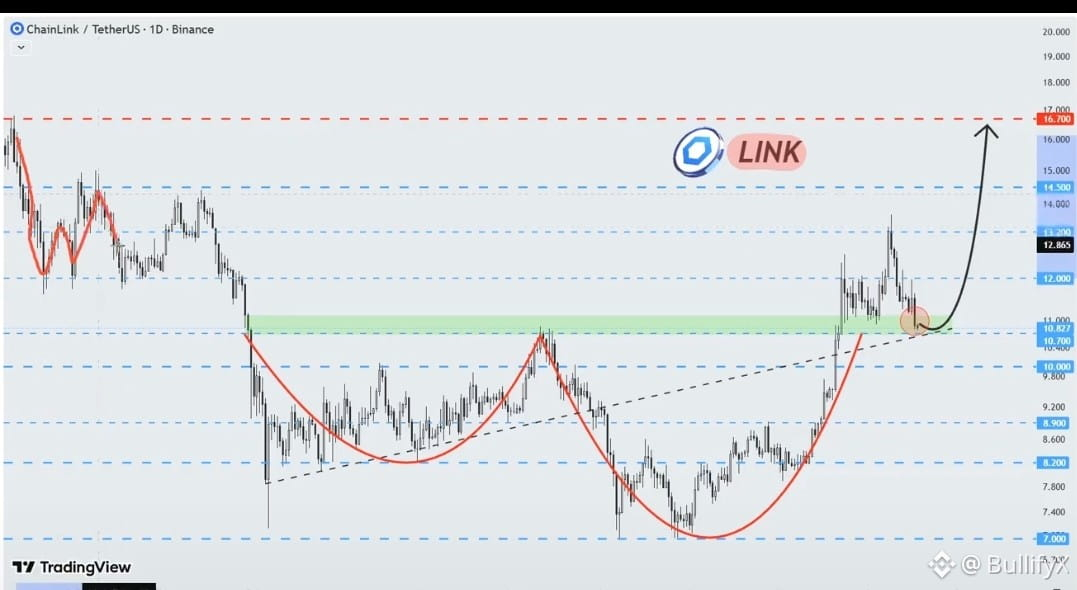
$LINK بدأ يستيقظ. 👀
يتداول حول 13.79 دولارًا، مرتفعًا بنسبة 4.34% اليوم، مع دفع السعر إلى منطقة 13.80 دولارًا.
لا يزال إعداد الأسبوعين قيد التطوير، ولا تزال إشارة الشراء المؤكدة على بعد بضعة أيام.
لا توجد نقطة خضراء متجهة حتى الآن، لكن الزخم واضح أنه يتزايد.
ما زال الأمر مبكرًا. ما زلت أتابع.
#LINK #crypto #binance #Write2Earrn
$LINK بدأ يستيقظ. 👀
يتداول حول 13.79 دولارًا، مرتفعًا بنسبة 4.34% اليوم، مع دفع السعر إلى منطقة 13.80 دولارًا.
لا يزال إعداد الأسبوعين قيد التطوير، ولا تزال إشارة الشراء المؤكدة على بعد بضعة أيام.
لا توجد نقطة خضراء متجهة حتى الآن، لكن الزخم واضح أنه يتزايد.
ما زال الأمر مبكرًا. ما زلت أتابع.
#LINK #crypto #binance #Write2Earrn
يتداول حول 13.79 دولارًا، مرتفعًا بنسبة 4.34% اليوم، مع دفع السعر إلى منطقة 13.80 دولارًا.
لا يزال إعداد الأسبوعين قيد التطوير، ولا تزال إشارة الشراء المؤكدة على بعد بضعة أيام.
لا توجد نقطة خضراء متجهة حتى الآن، لكن الزخم واضح أنه يتزايد.
ما زال الأمر مبكرًا. ما زلت أتابع.
#LINK #crypto #binance #Write2Earrn
17
24
3.6k
·
--
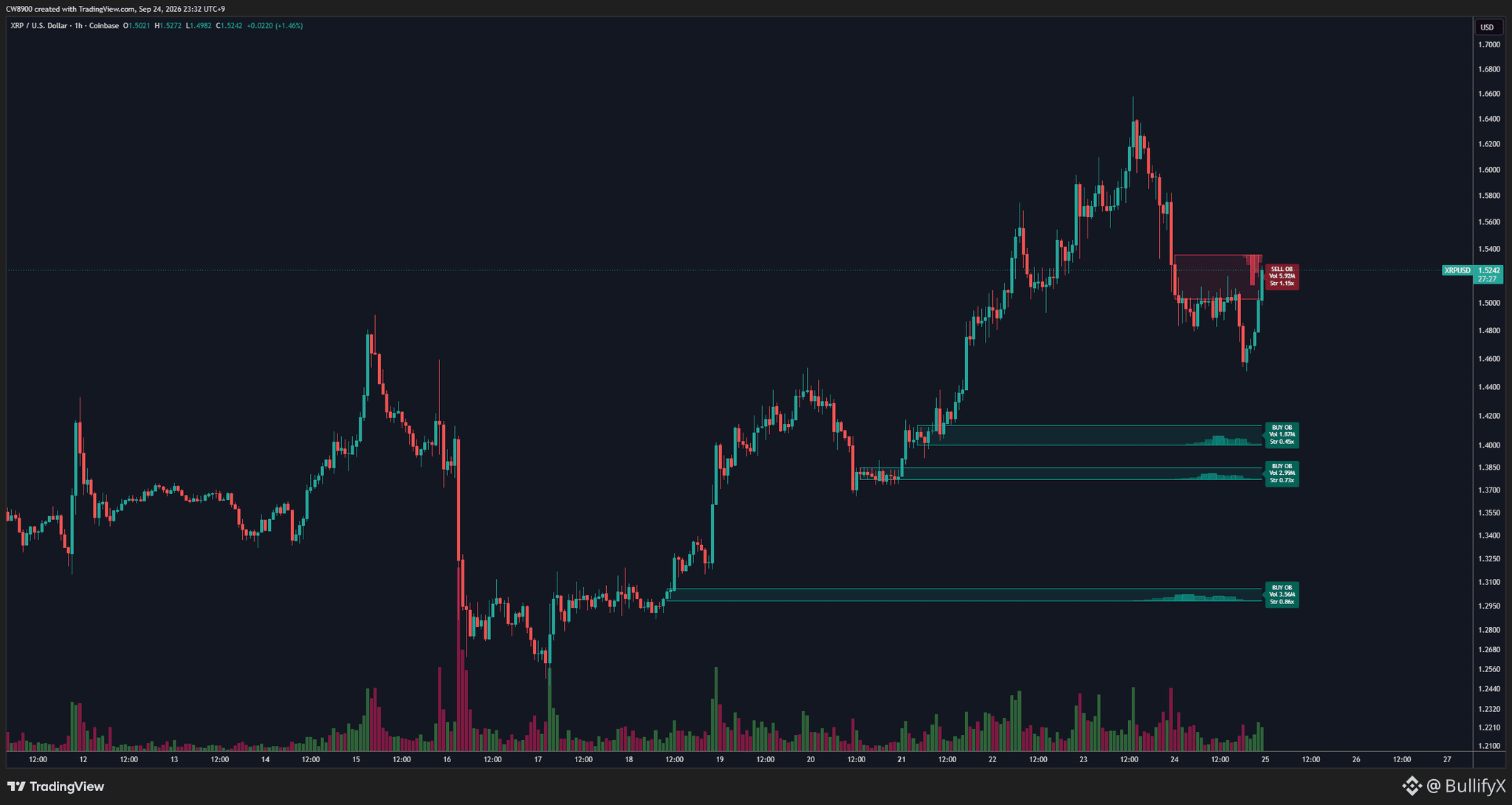
$XRP هو عند تلك النقطة التي يمكن أن تصبح فيها الخطوة التالية مثيرة. 👀
بعد الرفض من منطقة $1.60+، عاد السعر ليهدأ باتجاه $1.50.
أنا أراقب $1.40–$1.42 كدعم و$1.60–$1.66 كإشارة الانفراج الحقيقي.
إذا أعاد المشترون هذا المستوى المقاوم بقوة، تبدأ الأهداف الأكبر بالظهور.
في الوقت الحالي، أنا لا ألاحق الحركة؛ أنا أراقب المستويات.
#XRP #Crypto #binance #Write2Earrn
$XRP هو عند تلك النقطة التي يمكن أن تصبح فيها الخطوة التالية مثيرة. 👀
بعد الرفض من منطقة $1.60+، عاد السعر ليهدأ باتجاه $1.50.
أنا أراقب $1.40–$1.42 كدعم و$1.60–$1.66 كإشارة الانفراج الحقيقي.
إذا أعاد المشترون هذا المستوى المقاوم بقوة، تبدأ الأهداف الأكبر بالظهور.
في الوقت الحالي، أنا لا ألاحق الحركة؛ أنا أراقب المستويات.
#XRP #Crypto #binance #Write2Earrn
بعد الرفض من منطقة $1.60+، عاد السعر ليهدأ باتجاه $1.50.
أنا أراقب $1.40–$1.42 كدعم و$1.60–$1.66 كإشارة الانفراج الحقيقي.
إذا أعاد المشترون هذا المستوى المقاوم بقوة، تبدأ الأهداف الأكبر بالظهور.
في الوقت الحالي، أنا لا ألاحق الحركة؛ أنا أراقب المستويات.
#XRP #Crypto #binance #Write2Earrn
16
1
45
27.1k
·
--
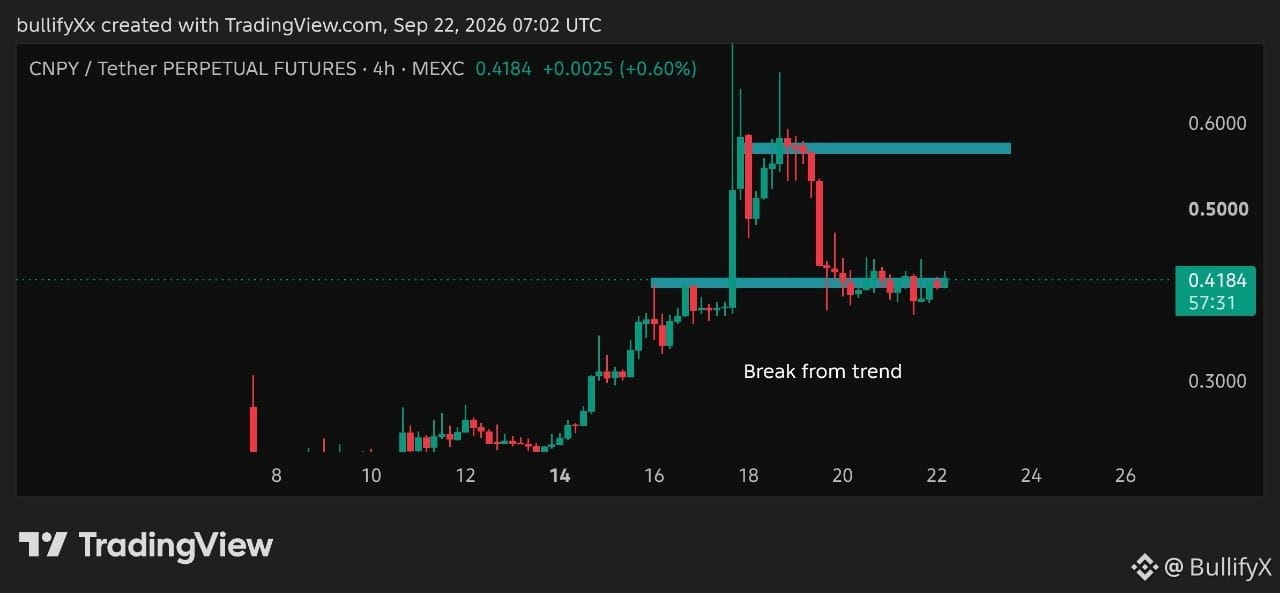
يبدو أن $CNPY مثير للاهتمام هنا.
بعد تلك الحركة القوية للخروج من نطاق الانضغاط، تراجعت الأسعار وهي الآن تعيد اختبار منطقة مهمة.
حتى الآن، يظهر المشترون والتفاعل كان قويًا.
كما أنني أعجب أكثر بقصة Canopy الأكبر هنا: بنية appchain التحتية، وrestaking، ونظام بيئي يركز على جعل تطوير البلوكشين أسهل.
يساهم سرد الذكاء الاصطناعي مفتوح المصدر بإضافة زاوية أخرى مثيرة للاهتمام.
بالنسبة لي، الفكرة بسيطة: إذا استمر هذا الدعم في الصمود، فسأترقب حدوث حركة أخرى إلى الأعلى.
$CNPY #crypto
يبدو أن $CNPY مثير للاهتمام هنا.
بعد تلك الحركة القوية للخروج من نطاق الانضغاط، تراجعت الأسعار وهي الآن تعيد اختبار منطقة مهمة.
حتى الآن، يظهر المشترون والتفاعل كان قويًا.
كما أنني أعجب أكثر بقصة Canopy الأكبر هنا: بنية appchain التحتية، وrestaking، ونظام بيئي يركز على جعل تطوير البلوكشين أسهل.
يساهم سرد الذكاء الاصطناعي مفتوح المصدر بإضافة زاوية أخرى مثيرة للاهتمام.
بالنسبة لي، الفكرة بسيطة: إذا استمر هذا الدعم في الصمود، فسأترقب حدوث حركة أخرى إلى الأعلى.
$CNPY #crypto
بعد تلك الحركة القوية للخروج من نطاق الانضغاط، تراجعت الأسعار وهي الآن تعيد اختبار منطقة مهمة.
حتى الآن، يظهر المشترون والتفاعل كان قويًا.
كما أنني أعجب أكثر بقصة Canopy الأكبر هنا: بنية appchain التحتية، وrestaking، ونظام بيئي يركز على جعل تطوير البلوكشين أسهل.
يساهم سرد الذكاء الاصطناعي مفتوح المصدر بإضافة زاوية أخرى مثيرة للاهتمام.
بالنسبة لي، الفكرة بسيطة: إذا استمر هذا الدعم في الصمود، فسأترقب حدوث حركة أخرى إلى الأعلى.
$CNPY #crypto
23
28
4.1k
·
--
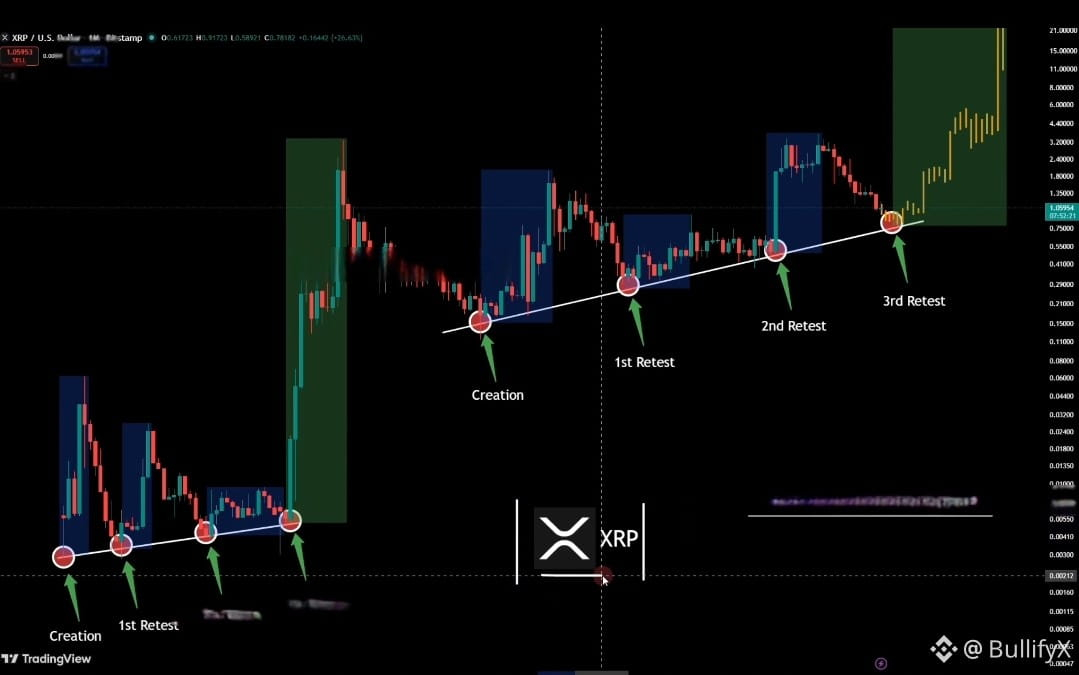
$XRP جالس عند نقطة قد تكون فيها الصبر أهم من التنبؤ.
بدلًا من مطاردة الاختراق، أنا أراقب كيف يتفاعل السعر عند كل مستوى رئيسي.
البنية التي أتابعها:
• الحركة الأولى: ~$1 → ~$1.80
• الخطوة التالية: ~$1.80 → ~$3.20
• إذا استمرت الزخمات بعد عمليات السحب: ~$3.20 → $6.50+
• سيناريو الارتفاع الكامل: ~$13
المفتاح ليس هو الهدف.
الأمر هو ما إذا كان بإمكان XRP أن يحوّل مرارًا المقاومة السابقة إلى دعم.
قد تؤدي ثلاث تأكيدات ناجحة إلى تغيير بنية السوق بالكامل.
احتفظوا بهذا على رادارك.
#XRP #crypto #binance #Write2Earn
$XRP جالس عند نقطة قد تكون فيها الصبر أهم من التنبؤ.
بدلًا من مطاردة الاختراق، أنا أراقب كيف يتفاعل السعر عند كل مستوى رئيسي.
البنية التي أتابعها:
• الحركة الأولى: ~$1 → ~$1.80
• الخطوة التالية: ~$1.80 → ~$3.20
• إذا استمرت الزخمات بعد عمليات السحب: ~$3.20 → $6.50+
• سيناريو الارتفاع الكامل: ~$13
المفتاح ليس هو الهدف.
الأمر هو ما إذا كان بإمكان XRP أن يحوّل مرارًا المقاومة السابقة إلى دعم.
قد تؤدي ثلاث تأكيدات ناجحة إلى تغيير بنية السوق بالكامل.
احتفظوا بهذا على رادارك.
#XRP #crypto #binance #Write2Earn
بدلًا من مطاردة الاختراق، أنا أراقب كيف يتفاعل السعر عند كل مستوى رئيسي.
البنية التي أتابعها:
• الحركة الأولى: ~$1 → ~$1.80
• الخطوة التالية: ~$1.80 → ~$3.20
• إذا استمرت الزخمات بعد عمليات السحب: ~$3.20 → $6.50+
• سيناريو الارتفاع الكامل: ~$13
المفتاح ليس هو الهدف.
الأمر هو ما إذا كان بإمكان XRP أن يحوّل مرارًا المقاومة السابقة إلى دعم.
قد تؤدي ثلاث تأكيدات ناجحة إلى تغيير بنية السوق بالكامل.
احتفظوا بهذا على رادارك.
#XRP #crypto #binance #Write2Earn
13
33
10.9k
·
--
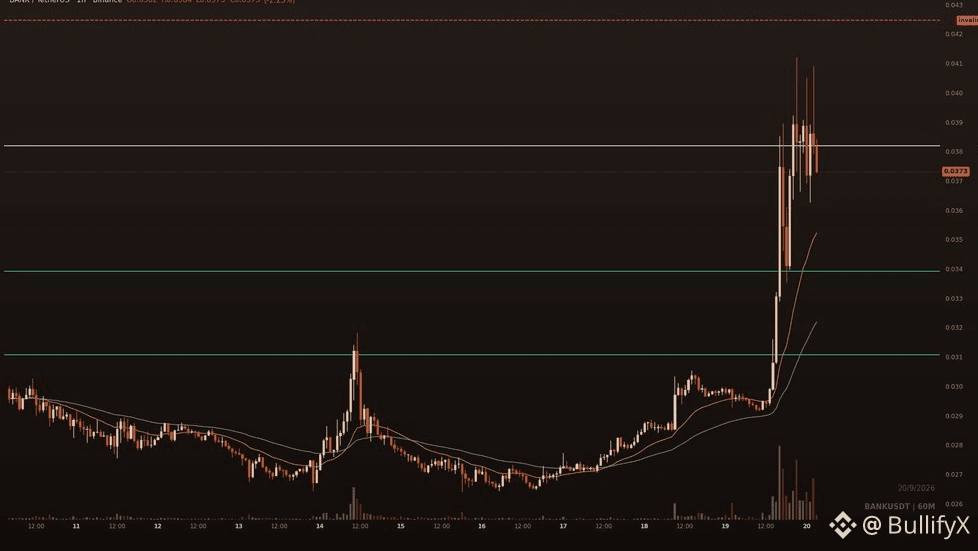
$BANK +26% مع 2.27x في الحجم، لكن المشترين الذين دفعوا هذه الحركة للأعلى لا يضيفون المزيد الآن.
إذا انعكس الزخم، فقد يتحول ذلك الجمهور المتأخر إلى عرض/توريد.
0.03392 = قصّ معظم المركز.
0.03107 = أعد تقييم ما إذا كان المتبقي ما زال منطقيًا.
إذا تجاوز $BANK 0.04246، سأخرج بالكامل.
#BANK #crypto #binance #Write2Earn!
$BANK +26% مع 2.27x في الحجم، لكن المشترين الذين دفعوا هذه الحركة للأعلى لا يضيفون المزيد الآن.
إذا انعكس الزخم، فقد يتحول ذلك الجمهور المتأخر إلى عرض/توريد.
0.03392 = قصّ معظم المركز.
0.03107 = أعد تقييم ما إذا كان المتبقي ما زال منطقيًا.
إذا تجاوز $BANK 0.04246، سأخرج بالكامل.
#BANK #crypto #binance #Write2Earn!
إذا انعكس الزخم، فقد يتحول ذلك الجمهور المتأخر إلى عرض/توريد.
0.03392 = قصّ معظم المركز.
0.03107 = أعد تقييم ما إذا كان المتبقي ما زال منطقيًا.
إذا تجاوز $BANK 0.04246، سأخرج بالكامل.
#BANK #crypto #binance #Write2Earn!
14
21
2.6k
·
--
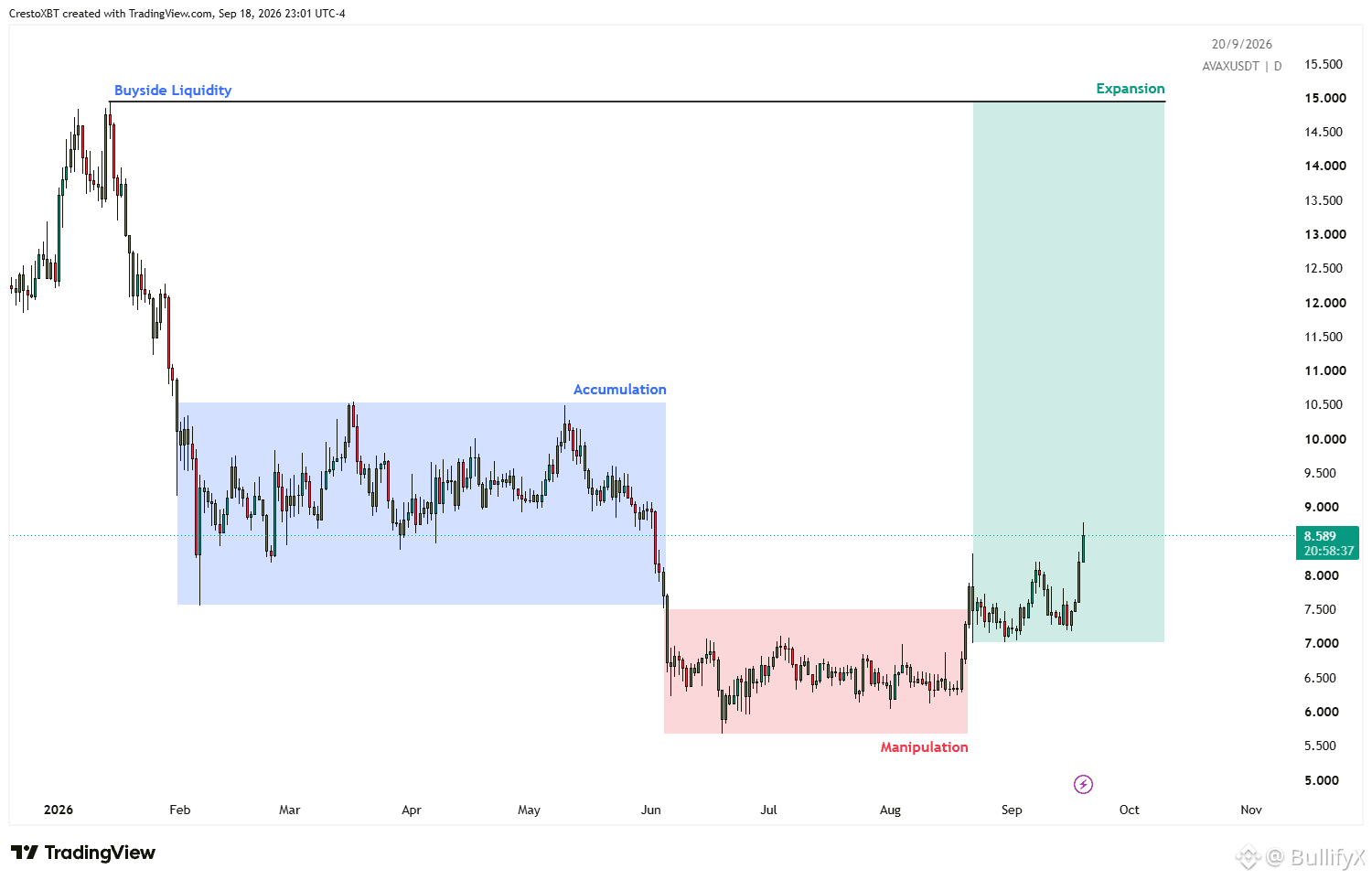
$AVAX بدأ يظهر زخمًا جدّيًا.
إن الحركة من القيعان الأخيرة كانت لافتة بالفعل، لكن الأهم الآن هو ما إذا كان بإمكان المشترين الحفاظ على السيطرة بعد هذا الاندفاع للأعلى.
أنا أراقب عن كثب منطقة $8.7–$8.8 باعتبارها أول منطقة يجب أن تبقى سليمة.
إذا استمر الزخم، فإن العقبة الرئيسية التالية تقع حول $10.50.
قد يؤدي رفض السعر هناك إلى بعض التهدئة أولًا، وهو ما قد لا يغيّر بالضرورة الصورة العامة.
في الوقت الحالي، أفضل مراقبة المستويات الرئيسية بدلًا من ملاحقة الشموع.
#AVAX #Crypto #Binance #Write2Earn
$AVAX بدأ يظهر زخمًا جدّيًا.
إن الحركة من القيعان الأخيرة كانت لافتة بالفعل، لكن الأهم الآن هو ما إذا كان بإمكان المشترين الحفاظ على السيطرة بعد هذا الاندفاع للأعلى.
أنا أراقب عن كثب منطقة $8.7–$8.8 باعتبارها أول منطقة يجب أن تبقى سليمة.
إذا استمر الزخم، فإن العقبة الرئيسية التالية تقع حول $10.50.
قد يؤدي رفض السعر هناك إلى بعض التهدئة أولًا، وهو ما قد لا يغيّر بالضرورة الصورة العامة.
في الوقت الحالي، أفضل مراقبة المستويات الرئيسية بدلًا من ملاحقة الشموع.
#AVAX #Crypto #Binance #Write2Earn
إن الحركة من القيعان الأخيرة كانت لافتة بالفعل، لكن الأهم الآن هو ما إذا كان بإمكان المشترين الحفاظ على السيطرة بعد هذا الاندفاع للأعلى.
أنا أراقب عن كثب منطقة $8.7–$8.8 باعتبارها أول منطقة يجب أن تبقى سليمة.
إذا استمر الزخم، فإن العقبة الرئيسية التالية تقع حول $10.50.
قد يؤدي رفض السعر هناك إلى بعض التهدئة أولًا، وهو ما قد لا يغيّر بالضرورة الصورة العامة.
في الوقت الحالي، أفضل مراقبة المستويات الرئيسية بدلًا من ملاحقة الشموع.
#AVAX #Crypto #Binance #Write2Earn
16
44
24.8k
·
--
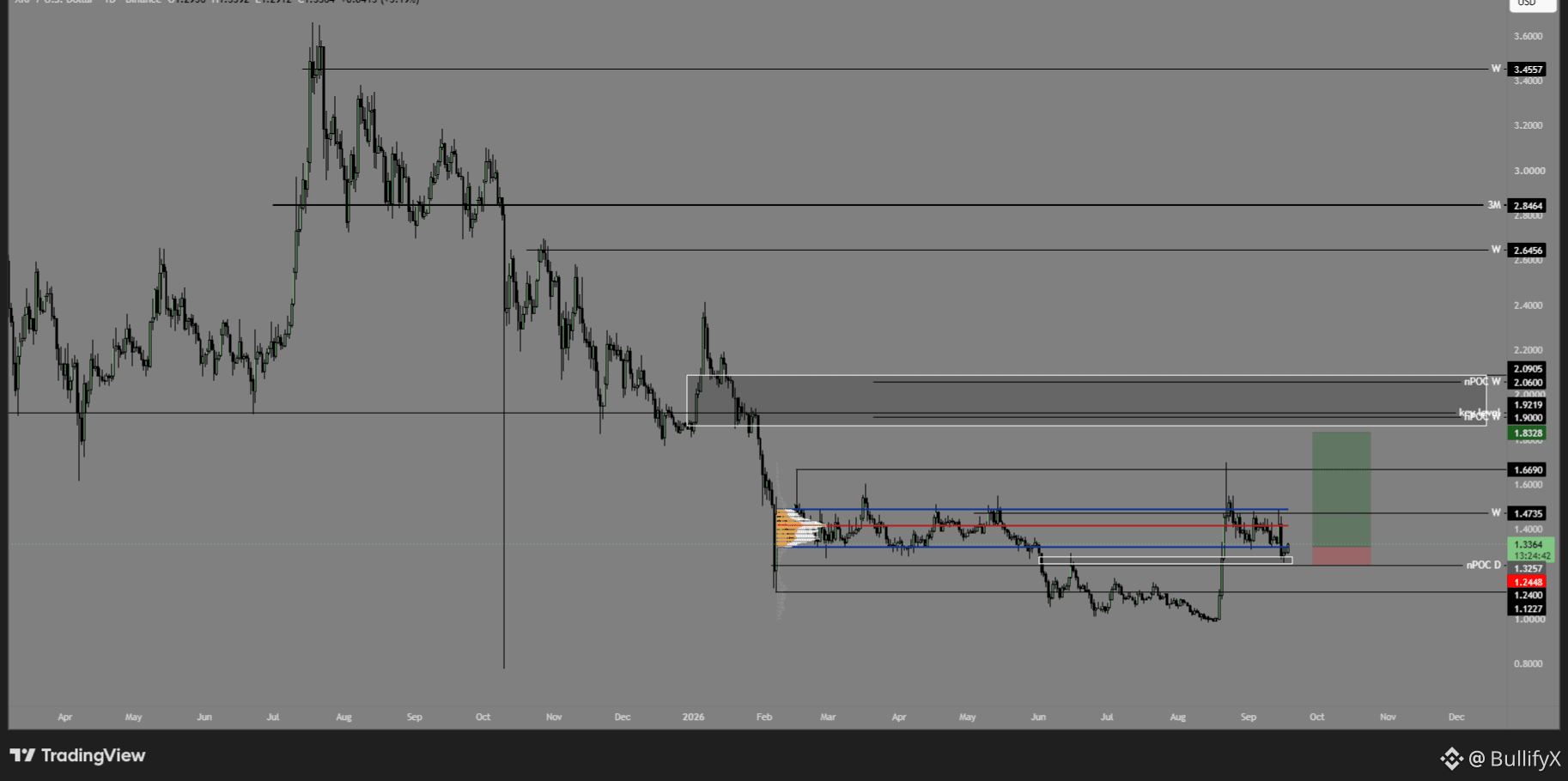
تواصل أبرز العملات البديلة الرئيسية $SOL و$BNB و$ETH في الدفع للعودة إلى قممها المحلية أواخر أغسطس.
ما زال $XRP متأخرًا، لكنّه استعاد للتو نطاق VAL.
يؤدي هذا الاسترداد إلى تغيير البنية بالنسبة لي.
إذا واصل السوق الدفع للأعلى، فأنا أتطلع إلى صفقة شراء طويلة على $XRP.
أراقب استعادة النطاق + استمرار الحركة.
#crypto #binance #XRP #Write2Earn
تواصل أبرز العملات البديلة الرئيسية $SOL و$BNB و$ETH في الدفع للعودة إلى قممها المحلية أواخر أغسطس.
ما زال $XRP متأخرًا، لكنّه استعاد للتو نطاق VAL.
يؤدي هذا الاسترداد إلى تغيير البنية بالنسبة لي.
إذا واصل السوق الدفع للأعلى، فأنا أتطلع إلى صفقة شراء طويلة على $XRP.
أراقب استعادة النطاق + استمرار الحركة.
#crypto #binance #XRP #Write2Earn
ما زال $XRP متأخرًا، لكنّه استعاد للتو نطاق VAL.
يؤدي هذا الاسترداد إلى تغيير البنية بالنسبة لي.
إذا واصل السوق الدفع للأعلى، فأنا أتطلع إلى صفقة شراء طويلة على $XRP.
أراقب استعادة النطاق + استمرار الحركة.
#crypto #binance #XRP #Write2Earn
8
19
2.7k
·
--
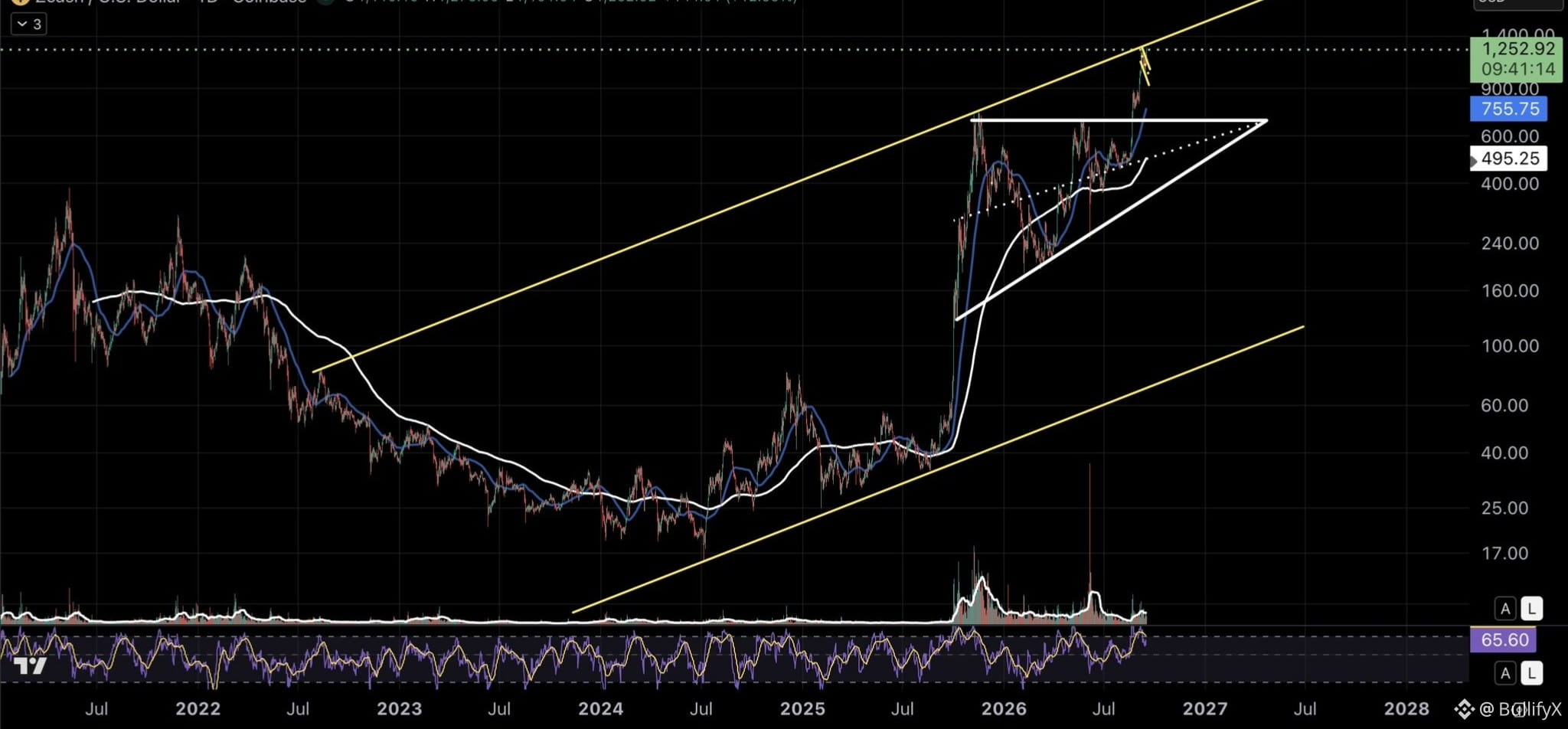
$ZEC يبدو قويًا، لكنني أراقب مستوى واحدًا عن كثب 👀
السعر يدفع بالقرب من منطقة أعلى سعر تاريخي عند 1,300$ بينما الزخم يُظهر علامات ضعف.
إذا استمر 1,300$ في الرفض، سأراقب:
→ 800$ باعتباره أول دعم رئيسي
→ 500$ باعتباره منطقة الطلب الأعمق
لكن إذا كسر $ZEC فوق 1,300$ واحتفظ به، فقد يتم إلغاء هذا السيناريو الهبوطي.
بالنسبة لي، المستويات أهم من الضجيج.
ليس نصيحة استثمارية (NFA). ابحث بنفسك (DYOR). أدر مخاطرَك.
#ZEC #Binance #crypto #Write2Earn
$ZEC يبدو قويًا، لكنني أراقب مستوى واحدًا عن كثب 👀
السعر يدفع بالقرب من منطقة أعلى سعر تاريخي عند 1,300$ بينما الزخم يُظهر علامات ضعف.
إذا استمر 1,300$ في الرفض، سأراقب:
→ 800$ باعتباره أول دعم رئيسي
→ 500$ باعتباره منطقة الطلب الأعمق
لكن إذا كسر $ZEC فوق 1,300$ واحتفظ به، فقد يتم إلغاء هذا السيناريو الهبوطي.
بالنسبة لي، المستويات أهم من الضجيج.
ليس نصيحة استثمارية (NFA). ابحث بنفسك (DYOR). أدر مخاطرَك.
#ZEC #Binance #crypto #Write2Earn
السعر يدفع بالقرب من منطقة أعلى سعر تاريخي عند 1,300$ بينما الزخم يُظهر علامات ضعف.
إذا استمر 1,300$ في الرفض، سأراقب:
→ 800$ باعتباره أول دعم رئيسي
→ 500$ باعتباره منطقة الطلب الأعمق
لكن إذا كسر $ZEC فوق 1,300$ واحتفظ به، فقد يتم إلغاء هذا السيناريو الهبوطي.
بالنسبة لي، المستويات أهم من الضجيج.
ليس نصيحة استثمارية (NFA). ابحث بنفسك (DYOR). أدر مخاطرَك.
#ZEC #Binance #crypto #Write2Earn
11
19
2.1k
·
--
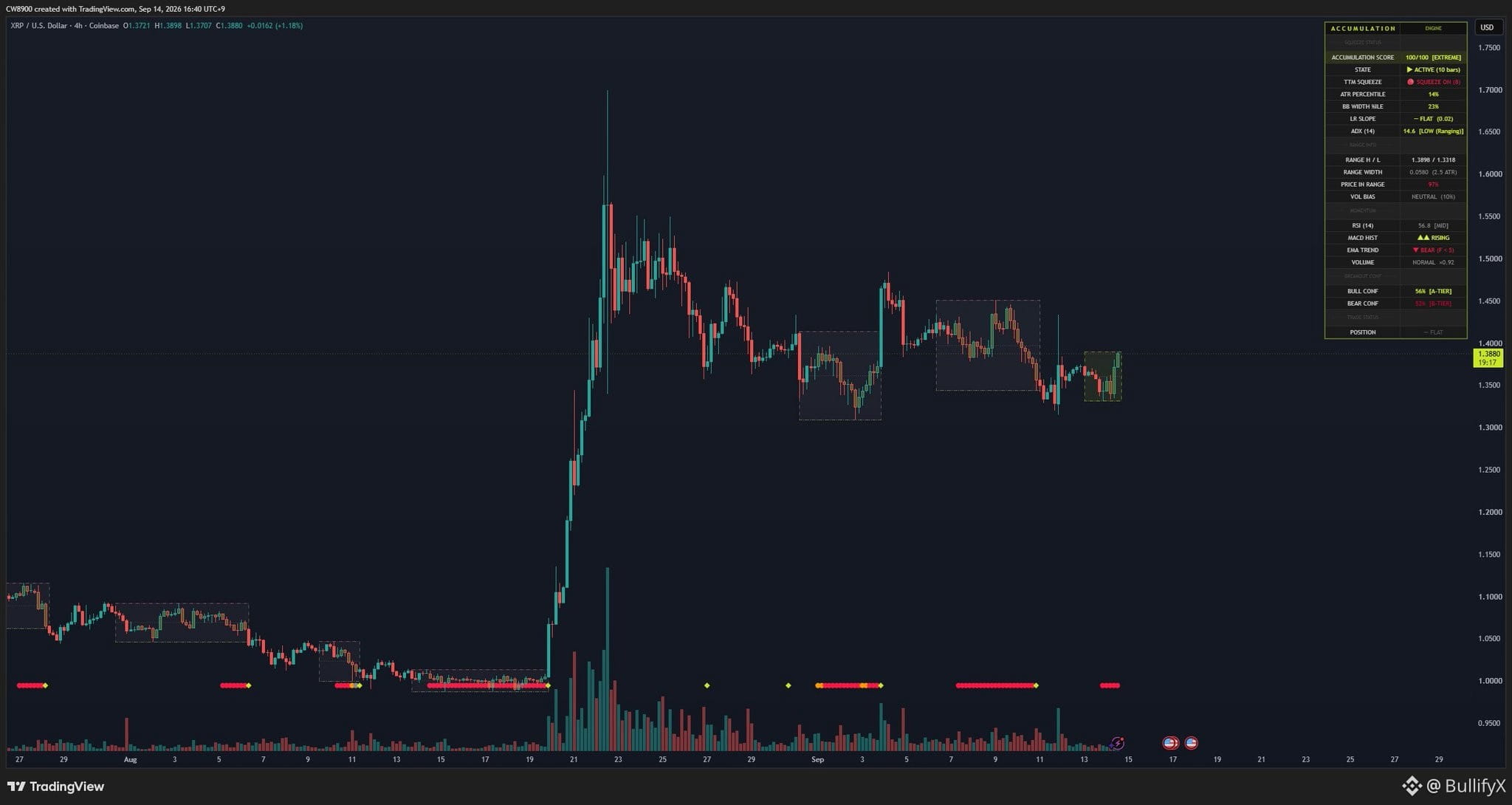
$XRP يستعد.
قد لا يزال هناك غمس أخير على الطاولة قبل التوسع الصعودي التالي.
تتراكم عمليات التجميع، والبائعون يضعفون، والنطاق يضيق.
هل ستكون هزة تصفية نهائية؟
ثم يأتي الاختراق.
قد يكون XRP يسرّع لاستعداده للتحرك الرئيسي التالي.
#XRP #Crypto #binance #Write2Earn
$XRP يستعد.
قد لا يزال هناك غمس أخير على الطاولة قبل التوسع الصعودي التالي.
تتراكم عمليات التجميع، والبائعون يضعفون، والنطاق يضيق.
هل ستكون هزة تصفية نهائية؟
ثم يأتي الاختراق.
قد يكون XRP يسرّع لاستعداده للتحرك الرئيسي التالي.
#XRP #Crypto #binance #Write2Earn
قد لا يزال هناك غمس أخير على الطاولة قبل التوسع الصعودي التالي.
تتراكم عمليات التجميع، والبائعون يضعفون، والنطاق يضيق.
هل ستكون هزة تصفية نهائية؟
ثم يأتي الاختراق.
قد يكون XRP يسرّع لاستعداده للتحرك الرئيسي التالي.
#XRP #Crypto #binance #Write2Earn
5
1
18
3.1k
·
--
$BTC يعود الأمر ليصبح مثيرًا للاهتمام مرة أخرى.
كانت الحركة فوق 75 ألف دولار تبدو صعودية في البداية، لكنني أراقب ما سيحدث بعد ذلك عن كثب أكثر من مراقبة الاختراق نفسه.
هناك عدة أمور تتماشى الآن:
→ السعر يتجه إلى منطقة فخ محتملة
→ قد يسبب تصويت مشروع قانون Clarity Act في 15 سبتمبر تقلبات كبيرة
→ معنويات السوق تزداد ثقة
→ قد يكون البيتكوين على وشك الدخول في مرحلة يبدأ فيها بناء القاع الحقيقي
أكبر خطأ الآن هو افتراض أن كل اختراق يعني أن الخطوة التالية ستكون للأعلى.
أحيانًا يمنحك السوق القوة مباشرة قبل أن يسحب السيولة.
لقد توقعت مستوى ATH عند 126 ألف دولار مبكرًا.
كما أشرت أيضًا إلى حركات 98 ألف دولار → 60 ألف دولار و83 ألف دولار → 57 ألف دولار قبل أن تحدث.
هذه المرة، أنا أراقب الإعدادات قبل أن يدركها الجمهور.
ابقَ في حالة تأهب.
#BTC #crypto #Binance #Write2Earn
$BTC يعود الأمر ليصبح مثيرًا للاهتمام مرة أخرى.
كانت الحركة فوق 75 ألف دولار تبدو صعودية في البداية، لكنني أراقب ما سيحدث بعد ذلك عن كثب أكثر من مراقبة الاختراق نفسه.
هناك عدة أمور تتماشى الآن:
→ السعر يتجه إلى منطقة فخ محتملة
→ قد يسبب تصويت مشروع قانون Clarity Act في 15 سبتمبر تقلبات كبيرة
→ معنويات السوق تزداد ثقة
→ قد يكون البيتكوين على وشك الدخول في مرحلة يبدأ فيها بناء القاع الحقيقي
أكبر خطأ الآن هو افتراض أن كل اختراق يعني أن الخطوة التالية ستكون للأعلى.
أحيانًا يمنحك السوق القوة مباشرة قبل أن يسحب السيولة.
لقد توقعت مستوى ATH عند 126 ألف دولار مبكرًا.
كما أشرت أيضًا إلى حركات 98 ألف دولار → 60 ألف دولار و83 ألف دولار → 57 ألف دولار قبل أن تحدث.
هذه المرة، أنا أراقب الإعدادات قبل أن يدركها الجمهور.
ابقَ في حالة تأهب.
#BTC #crypto #Binance #Write2Earn
كانت الحركة فوق 75 ألف دولار تبدو صعودية في البداية، لكنني أراقب ما سيحدث بعد ذلك عن كثب أكثر من مراقبة الاختراق نفسه.
هناك عدة أمور تتماشى الآن:
→ السعر يتجه إلى منطقة فخ محتملة
→ قد يسبب تصويت مشروع قانون Clarity Act في 15 سبتمبر تقلبات كبيرة
→ معنويات السوق تزداد ثقة
→ قد يكون البيتكوين على وشك الدخول في مرحلة يبدأ فيها بناء القاع الحقيقي
أكبر خطأ الآن هو افتراض أن كل اختراق يعني أن الخطوة التالية ستكون للأعلى.
أحيانًا يمنحك السوق القوة مباشرة قبل أن يسحب السيولة.
لقد توقعت مستوى ATH عند 126 ألف دولار مبكرًا.
كما أشرت أيضًا إلى حركات 98 ألف دولار → 60 ألف دولار و83 ألف دولار → 57 ألف دولار قبل أن تحدث.
هذه المرة، أنا أراقب الإعدادات قبل أن يدركها الجمهور.
ابقَ في حالة تأهب.
#BTC #crypto #Binance #Write2Earn

5
1
12
1.4k
·
--
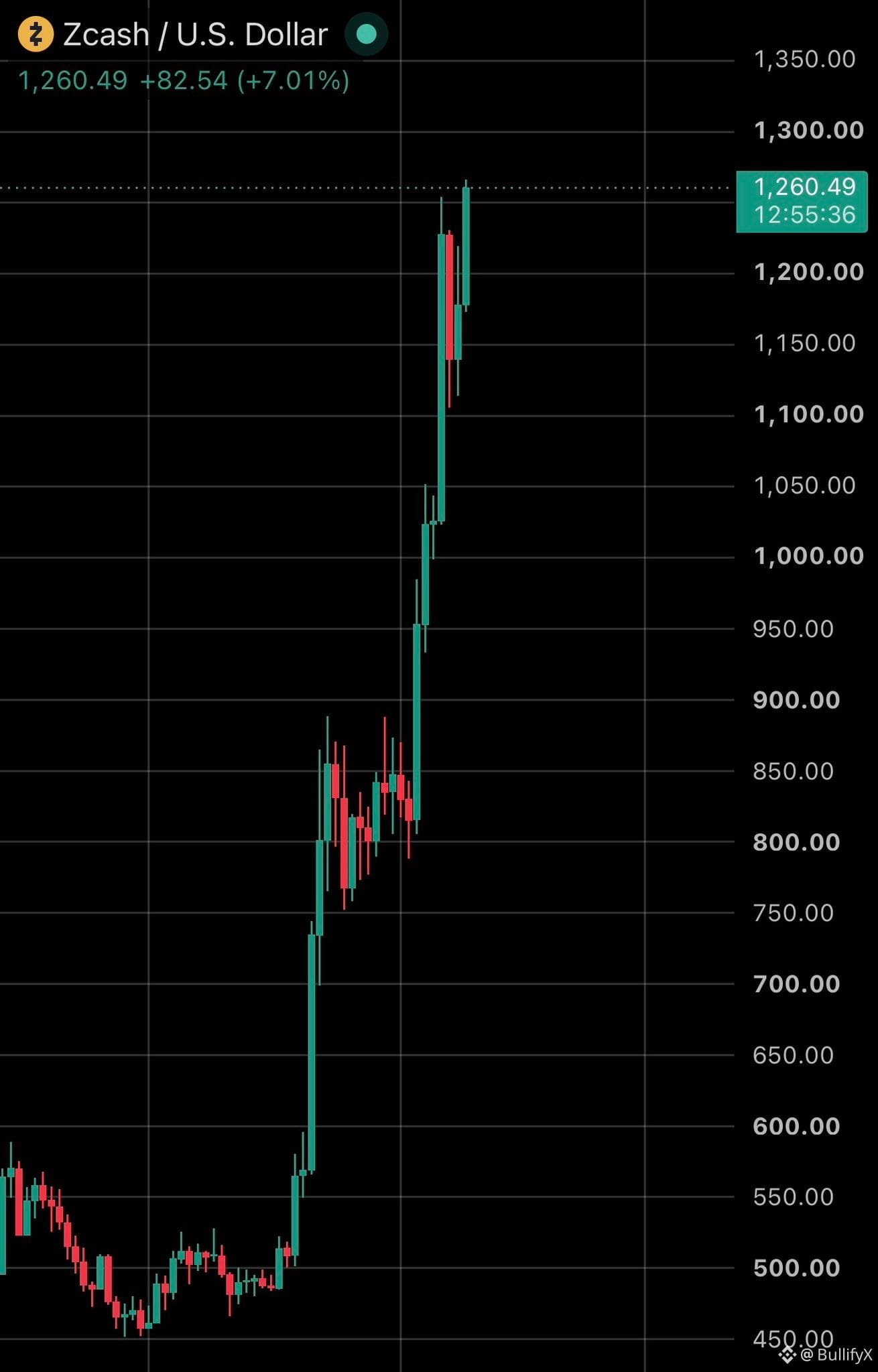
$ZEC يدخل مرحلة من الرسم البياني حيث سأبدأ في التفكير بأقل قدر في مطاردة الحركة، وأكثر في إدارة الوضع.
منطقتي الرئيسية تقع بالقرب من 1.7K دولار.
لماذا؟ توجد عدة توقعات فنية مستقلة تشير إلى نفس المنطقة، كما أن القناة الأوسع تضع حدها العلوي أيضًا في ذلك النطاق. عندما تصل عدة قياسات مختلفة إلى سعرٍ قريب جدًا، فهذه منطقة تستحق الاحترام.
هذا لا يعني أن 1700 دولار يجب أن تكون القمة.
فقط يعني أنه إذا وصل $ZEC إلى تلك المنطقة، فسأفكر بجدية في جلب بعض الأموال من على الطاولة بدل ترك مكسب غير محقق قوي يتحول إلى شيء لا يُذكر.
اترك الجزء المتبقي من الصفقة يستمر إذا ظل الزخم قويًا.
#ZEC #binance #crypto #Wtite2Earn
$ZEC يدخل مرحلة من الرسم البياني حيث سأبدأ في التفكير بأقل قدر في مطاردة الحركة، وأكثر في إدارة الوضع.
منطقتي الرئيسية تقع بالقرب من 1.7K دولار.
لماذا؟ توجد عدة توقعات فنية مستقلة تشير إلى نفس المنطقة، كما أن القناة الأوسع تضع حدها العلوي أيضًا في ذلك النطاق. عندما تصل عدة قياسات مختلفة إلى سعرٍ قريب جدًا، فهذه منطقة تستحق الاحترام.
هذا لا يعني أن 1700 دولار يجب أن تكون القمة.
فقط يعني أنه إذا وصل $ZEC إلى تلك المنطقة، فسأفكر بجدية في جلب بعض الأموال من على الطاولة بدل ترك مكسب غير محقق قوي يتحول إلى شيء لا يُذكر.
اترك الجزء المتبقي من الصفقة يستمر إذا ظل الزخم قويًا.
#ZEC #binance #crypto #Wtite2Earn
منطقتي الرئيسية تقع بالقرب من 1.7K دولار.
لماذا؟ توجد عدة توقعات فنية مستقلة تشير إلى نفس المنطقة، كما أن القناة الأوسع تضع حدها العلوي أيضًا في ذلك النطاق. عندما تصل عدة قياسات مختلفة إلى سعرٍ قريب جدًا، فهذه منطقة تستحق الاحترام.
هذا لا يعني أن 1700 دولار يجب أن تكون القمة.
فقط يعني أنه إذا وصل $ZEC إلى تلك المنطقة، فسأفكر بجدية في جلب بعض الأموال من على الطاولة بدل ترك مكسب غير محقق قوي يتحول إلى شيء لا يُذكر.
اترك الجزء المتبقي من الصفقة يستمر إذا ظل الزخم قويًا.
#ZEC #binance #crypto #Wtite2Earn
1
45
35.6k
·
--
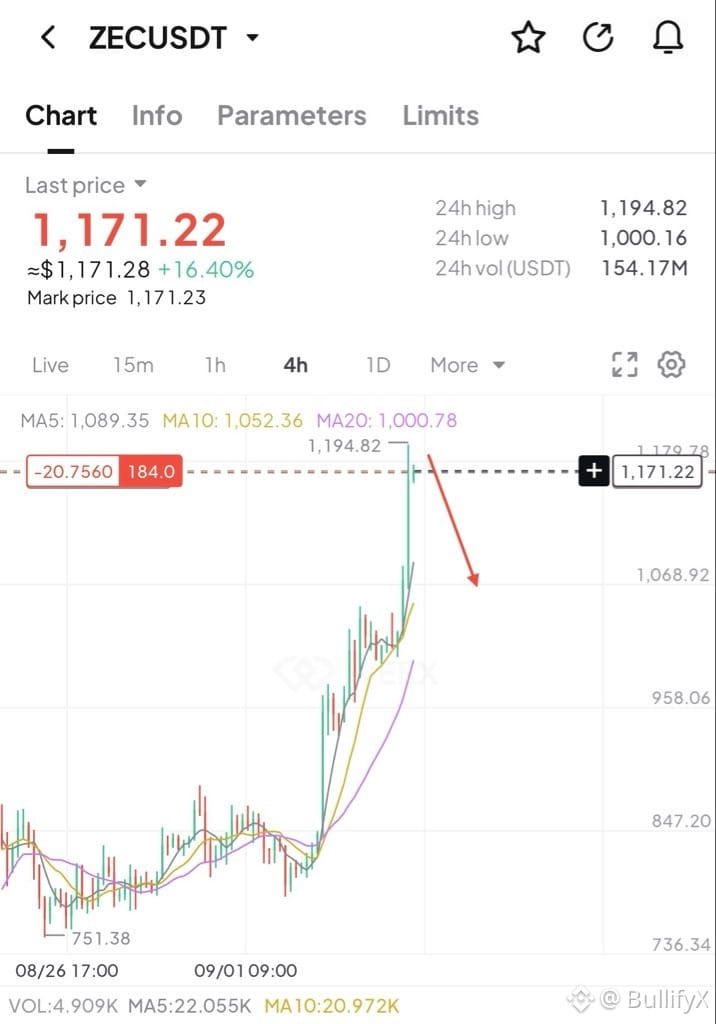
$ZEC يُظهر قوةً كبيرة.
الزخم فوق 1,100 دولار جعل المتداولين يترقبون، وأنا أراقب هذه المنطقة لاحتمال استمرار الصعود بدلًا من استباق الحركة.
المستوى الرئيسي: 1,100 دولار
اتجاه صاعد فوق الدعم
أراقب اندفاعًا نحو قمم جديدة
الزخم هو اللعبة، دع الاتجاه يعمل
إذا واصل المشترون الدفاع عن المستويات الرئيسية، فقد يكون لدى $ZEC المزيد من الوقود.
#ZEC #binance #Write2Earn
$ZEC يُظهر قوةً كبيرة.
الزخم فوق 1,100 دولار جعل المتداولين يترقبون، وأنا أراقب هذه المنطقة لاحتمال استمرار الصعود بدلًا من استباق الحركة.
المستوى الرئيسي: 1,100 دولار
اتجاه صاعد فوق الدعم
أراقب اندفاعًا نحو قمم جديدة
الزخم هو اللعبة، دع الاتجاه يعمل
إذا واصل المشترون الدفاع عن المستويات الرئيسية، فقد يكون لدى $ZEC المزيد من الوقود.
#ZEC #binance #Write2Earn
الزخم فوق 1,100 دولار جعل المتداولين يترقبون، وأنا أراقب هذه المنطقة لاحتمال استمرار الصعود بدلًا من استباق الحركة.
المستوى الرئيسي: 1,100 دولار
اتجاه صاعد فوق الدعم
أراقب اندفاعًا نحو قمم جديدة
الزخم هو اللعبة، دع الاتجاه يعمل
إذا واصل المشترون الدفاع عن المستويات الرئيسية، فقد يكون لدى $ZEC المزيد من الوقود.
#ZEC #binance #Write2Earn
2
7
2.7k
·
--
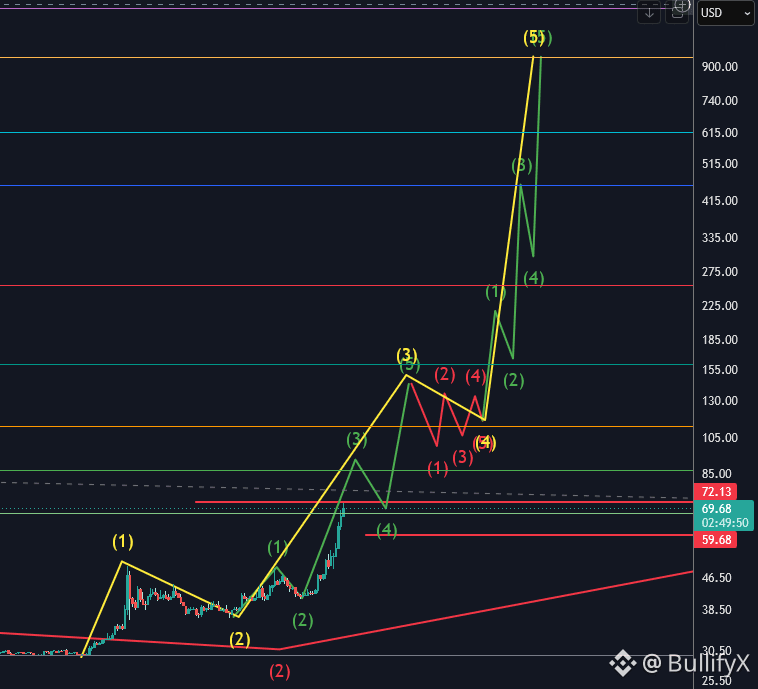
$DASH أصبحت بهدوء نسخة تجريبية مثيرة للاهتمام في مجال الخصوصية.
$ZEC > $1K، بينما لا يزال DASH دون 1 مليار دولار.
المعاملات المحمية متاحة الآن على Evolution، والمدعومة بتقنية Orchard مع تسوية تقارب ~1 ثانية.
أضف Dash إلى أي شيء، وتصبح الفرضية أكثر إثارة للاهتمام.
إذا جذبت الخصوصية موجة شراء أخرى، فقد يكون لدى $DASH مجال كبير للصعود.
#DASH #crypto #binance #Write2Earn
$DASH أصبحت بهدوء نسخة تجريبية مثيرة للاهتمام في مجال الخصوصية.
$ZEC > $1K، بينما لا يزال DASH دون 1 مليار دولار.
المعاملات المحمية متاحة الآن على Evolution، والمدعومة بتقنية Orchard مع تسوية تقارب ~1 ثانية.
أضف Dash إلى أي شيء، وتصبح الفرضية أكثر إثارة للاهتمام.
إذا جذبت الخصوصية موجة شراء أخرى، فقد يكون لدى $DASH مجال كبير للصعود.
#DASH #crypto #binance #Write2Earn
$ZEC > $1K، بينما لا يزال DASH دون 1 مليار دولار.
المعاملات المحمية متاحة الآن على Evolution، والمدعومة بتقنية Orchard مع تسوية تقارب ~1 ثانية.
أضف Dash إلى أي شيء، وتصبح الفرضية أكثر إثارة للاهتمام.
إذا جذبت الخصوصية موجة شراء أخرى، فقد يكون لدى $DASH مجال كبير للصعود.
#DASH #crypto #binance #Write2Earn
4
10
4.5k
سجّل الدخول لاستكشاف المزيد من المُحتوى
انضم إلى مُستخدمي العملات الرقمية حول العالم على Binance Square
⚡️ احصل على أحدث المعلومات المفيدة عن العملات الرقمية.
💬 موثوقة من قبل أكبر منصّة لتداول العملات الرقمية في العالم.
👍 اكتشف الرؤى الحقيقية من صنّاع المُحتوى الموثوقين.
البريد الإلكتروني / رقم الهاتف
المواضيع الرائجة
FedMinutesFocusOnOctoberPause
93,904 مشاهدات
1,003 يقومون بالنقاش
🔥
قد يكون لقرار الاحتياطي الفيدرالي المقبل تأثير كبير على الأسواق.
تشير محاضر الاجتماع إلى احتمال التوقف في أكتوبر.
يراقب المستثمرون كل إشارة عن كثب.
قد يدعم التوقف تجدد الإقبال على المخاطرة.
هل يمكن للعملات المشفرة أن تشهد موجة زخم جديدة؟ 🚀
$ETH $BNB $BTC
#fedminutesfocusonoctoberpause
ابو رائد عملات
·3 إعجاب
·4.2k مشاهدات
BinanceLaunchesBinanceIntelligence
1M مشاهدات
6,255 يقومون بالنقاش
EvernorthDelaysNasdaqDebutToOct12
5,611 مشاهدات
193 يقومون بالنقاش