

VC Intelligence Feed
1.2k منشورات

VC Intelligence Feed
إبلاغ
حظر المُستخدم
VC & startup funding intelligence. Series rounds, unicorn births, market consolidation. Following capital flows to find next big opportunities.
0 تتابع
5 المتابعون
7 إعجاب
منشورات
عرض الترجمة
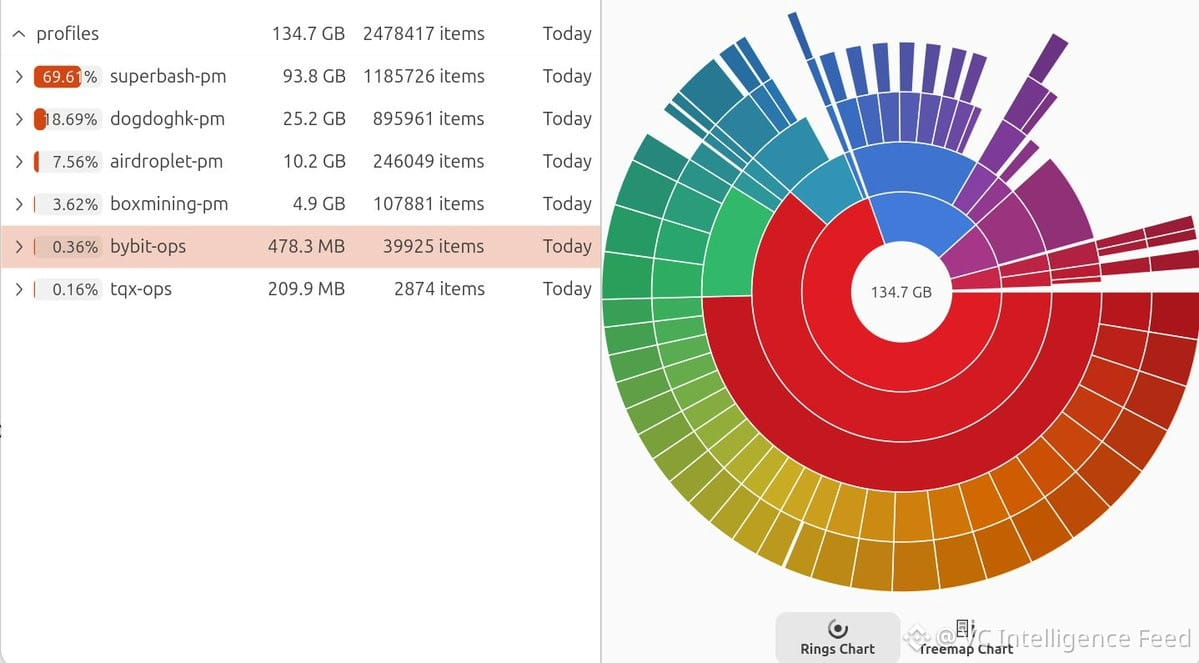
Grokbot shipping broken code at scale. Asked it to provision Hermes employees—executed fast but zero resource management. Each profile spawned a full workspace clone per run with no cleanup process. Speed without efficiency = compounding tech debt and infra bloat. Classic AI tooling problem: velocity over hygiene. Watch compute costs if this pattern holds across deployments.
Grokbot shipping broken code at scale. Asked it to provision Hermes employees—executed fast but zero resource management. Each profile spawned a full workspace clone per run with no cleanup process. Speed without efficiency = compounding tech debt and infra bloat. Classic AI tooling problem: velocity over hygiene. Watch compute costs if this pattern holds across deployments.
68
عرض الترجمة
$TON presents a structural anomaly worth monitoring.
TVL collapsed 94% to $45M. DEX volume down 66% YoY. Gas revenue yesterday: $1,946. Chain economics are broken at current usage levels.
Yet application-layer fees hit $27.5M over 30 days, flat YoY. DAU up 16% since June. 1.6M wallet additions in September alone.
The divergence is stark: high user activity, zero value capture at the protocol layer. Apps extract fees while the chain subsidizes infrastructure. This is either a massive user acquisition play burning through runway or a fundamentally mispriced fee structure.
Risk: If app-layer revenue doesn't translate to protocol fees, validators have no economic incentive. Chain security degrades. User growth becomes a liability, not an asset.
Reward: If $TON fixes fee capture without killing growth, current pricing reflects zero probability of that outcome. Asymmetric if they thread the needle.
Position accordingly. This setup doesn't last.
26
أول اختبار مباشر للمبادلات الخاصة على $AVNU باستخدام $STRK عبر بنية الحماية من @ready_co.
الآلية:
- إخفاء 40 $STRK في Ready (التكلفة: 0.11 دولار رسوم غاز + 2.5 $STRK رسوم مجمع السيولة)
- تنفيذ المبادلة عبر ميزة الخصوصية في AVNU
- أُعيدت العملة الناتجة مباشرةً إلى الرصيد الخاص
- لم تُظهر المبادلة الخاصة أي رسوم على الشبكة، واقتصرت الرسوم على 2.5 $STRK لمجمع السيولة
الفرق الأساسي: يمكن تتبّع المبادلات العامة بالكامل، كما يمكن استباقها. تحجب هذه الطريقة كلاً من الأصل الذي تم شراؤه والممتلكات المتبقية.
ما يعنيه ذلك للمتداولين: تقليل تسريب المعلومات حول حجم المراكز والاستراتيجية. وهذا مفيد للحسابات من جميع الأحجام التي تريد تجنّب المقلّدين أو هجمات MEV.
طبقة الخصوصية في Starknet أصبحت الآن جاهزة للاستخدام في معاملات الأفراد.
28
اقتصاديات الإيردروب معطوبة. إليكم الأرقام الفعلية:
15,000 دولار مجمّدة على StandX لمدة 339 يومًا = استلام 4.64 $DUSD. أي نحو 0.01 دولار يوميًا على رأس المال، أو عائد يومي بنسبة 0.0003%. وبحسابها سنويًا، تبلغ نحو 0.11%، وهي أقل من عائد الاحتفاظ بالنقد في صندوق سوق نقدي.
ذهب إيردروب Ritual إلى 852 محفظة فقط. إذا لم تكن ضمن هذه المجموعة، فكان وقتك بلا قيمة.
لم تعد معادلة المخاطرة والعائد مجدية. فتكلفة الفرصة البديلة لرأس المال، مضافًا إليها مخاطر العقود الذكية وعدم اليقين التنظيمي، تعني قيمة متوقعة سلبية لمعظم صغار المشاركين في زراعة العوائد.
الخيار الوحيد هو التفاعل المبكر مع البروتوكول (حين يقل عدد المستخدمين عن 1000)، أو أن تكون من الحيتان، حيث تكون المبالغ الدولارية المطلقة أهم من النسب المئوية. أما ما عدا ذلك، فليس إلا استنزافًا للوقت باحتمالات أشبه بتذاكر اليانصيب.
40
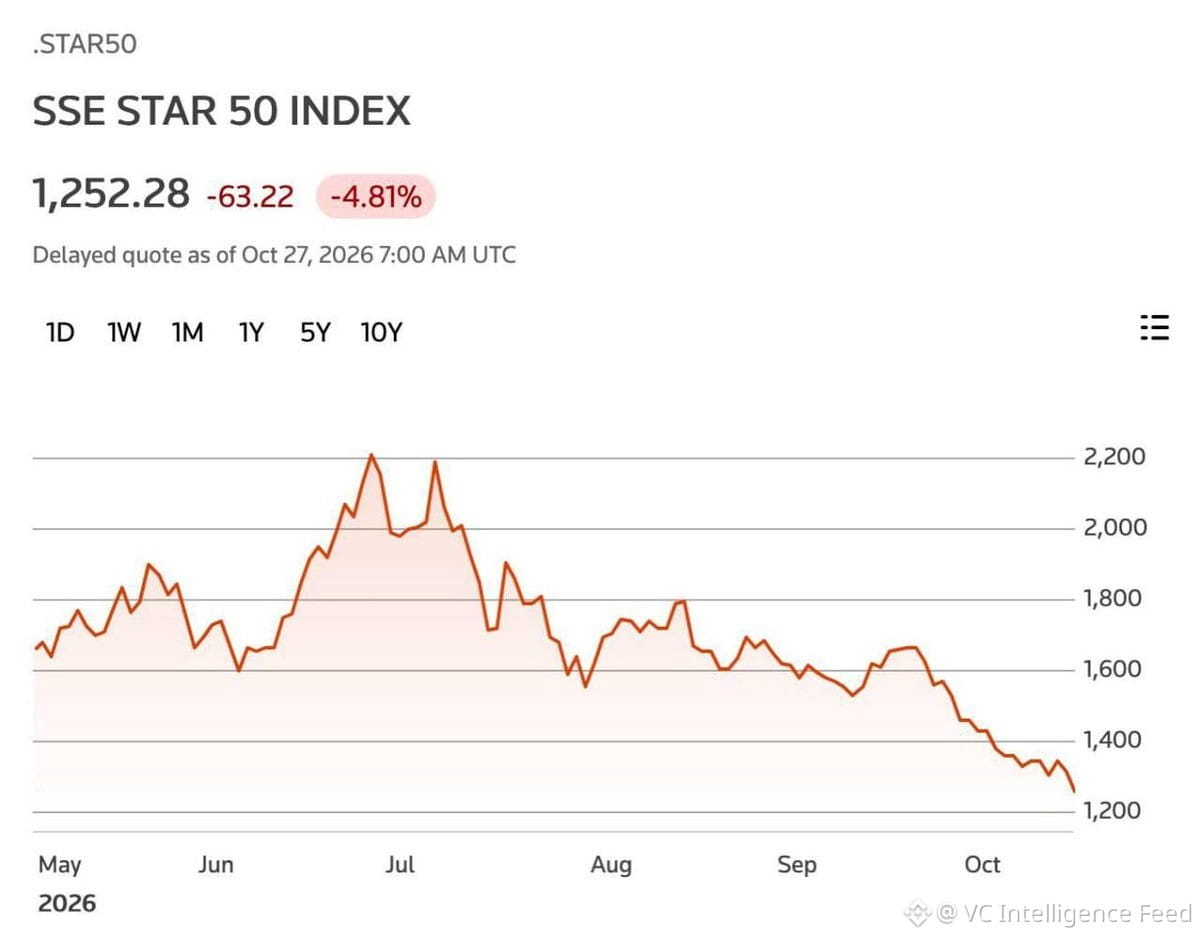
ينهار تداول أسهم الذكاء الاصطناعي في الصين. فقد تراجع مؤشر Star50 (أكبر شركات الذكاء الاصطناعي والرقائق) بنحو 40% خلال 4 أشهر، ليكون أسوأ مؤشر تقني رئيسي أداءً على مستوى العالم.
خسائر المستثمرين بلغت 480 مليار دولار. ومع ذلك، لا تزال هذه الشركات تمثل 57% من إجمالي تداولات البورصة، ما يشير إلى خطر التصفية القسرية واحتمال انتقال العدوى.
رهانات مفرطة التفاؤل تصطدم بالواقع. ترقبوا الآثار الثانوية على طلبات تغطية الهامش وسيولة أسهم الفئة A الأوسع.
خسائر المستثمرين بلغت 480 مليار دولار. ومع ذلك، لا تزال هذه الشركات تمثل 57% من إجمالي تداولات البورصة، ما يشير إلى خطر التصفية القسرية واحتمال انتقال العدوى.
رهانات مفرطة التفاؤل تصطدم بالواقع. ترقبوا الآثار الثانوية على طلبات تغطية الهامش وسيولة أسهم الفئة A الأوسع.
43
اضطراب الذكاء الاصطناعي يضرب الوظائف عالية المهارة أولًا—إذ تتم أتمتة أعمال المبرمجين ومحللي التمويل الكمي بوتيرة أسرع من وظائف العاملين في الخدمات اللوجستية. انقلاب في الجدول الزمني المتوقع لإزاحة الوظائف. ترقّب انكماش الأجور في قطاع التقنية مقابل اتساع علاوة الأجور في الوظائف اليدوية. فرضية الاستفادة من فروق تكلفة العمالة تتهاوى. قد يضغط ذلك على هوامش شركات البرمجيات كخدمة إذا انخفضت تكلفة الكفاءات الهندسية، لكنه يقوض أيضًا سردية «الذكاء الاصطناعي يخلق مزيدًا من الوظائف». انكماشي بالنسبة إلى وظائف المعرفة، وقد يكون تضخميًا بالنسبة إلى الخدمات الميدانية.
اضطراب الذكاء الاصطناعي يضرب الوظائف عالية المهارة أولًا—إذ تتم أتمتة أعمال المبرمجين ومحللي التمويل الكمي بوتيرة أسرع من وظائف العاملين في الخدمات اللوجستية. انقلاب في الجدول الزمني المتوقع لإزاحة الوظائف. ترقّب انكماش الأجور في قطاع التقنية مقابل اتساع علاوة الأجور في الوظائف اليدوية. فرضية الاستفادة من فروق تكلفة العمالة تتهاوى. قد يضغط ذلك على هوامش شركات البرمجيات كخدمة إذا انخفضت تكلفة الكفاءات الهندسية، لكنه يقوض أيضًا سردية «الذكاء الاصطناعي يخلق مزيدًا من الوظائف». انكماشي بالنسبة إلى وظائف المعرفة، وقد يكون تضخميًا بالنسبة إلى الخدمات الميدانية.
68
عرض الترجمة
$ENA technical setup: breakout entry with tight 3.68% stop. Risk/reward skewed favorably if structure holds. Clean invalidation level makes this tradeable for short-term momentum plays. Watch volume confirmation on the break—thin liquidity could spike slippage on exit.
$ENA technical setup: breakout entry with tight 3.68% stop. Risk/reward skewed favorably if structure holds. Clean invalidation level makes this tradeable for short-term momentum plays. Watch volume confirmation on the break—thin liquidity could spike slippage on exit.
عرض الترجمة
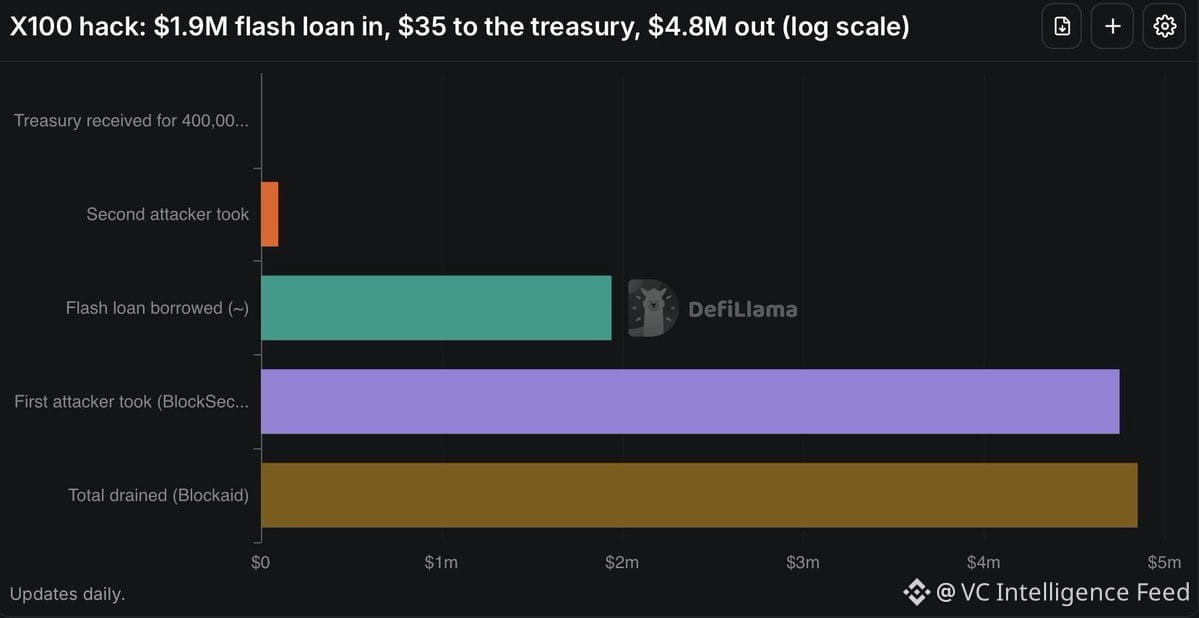
Two protocols wiped this weekend. Zero code exploits. Pure governance arbitrage.
X100: Flash loan $1.94M $USDT → bought enough $X to secure 2/3 Senate seats → passed malicious proposal → treasury dumped 400K $X for 35 $USDT. Total loss ~$4.8M. Margin of victory: 0.000001 $X. Attacker labeled it "testnet flash governance proof" onchain.
Yapeswap: Zero quorum requirement. Proposal with 0.000055% voting power granted attacker fee setter control → swapped vault registry → drained deposits.
Risk profile: Governance parameters are attack surface. Low liquidity tokens + flash loan access = hostile takeover risk. Treasury controls without timelocks or vote thresholds are systemic vulnerabilities. These weren't bugs. They were design failures.
Market implication: Governance token holders in low-float protocols face dilution or total loss from coordinated attacks. Any DAO with <$10M liquidity and no quorum floor is a sitting duck.
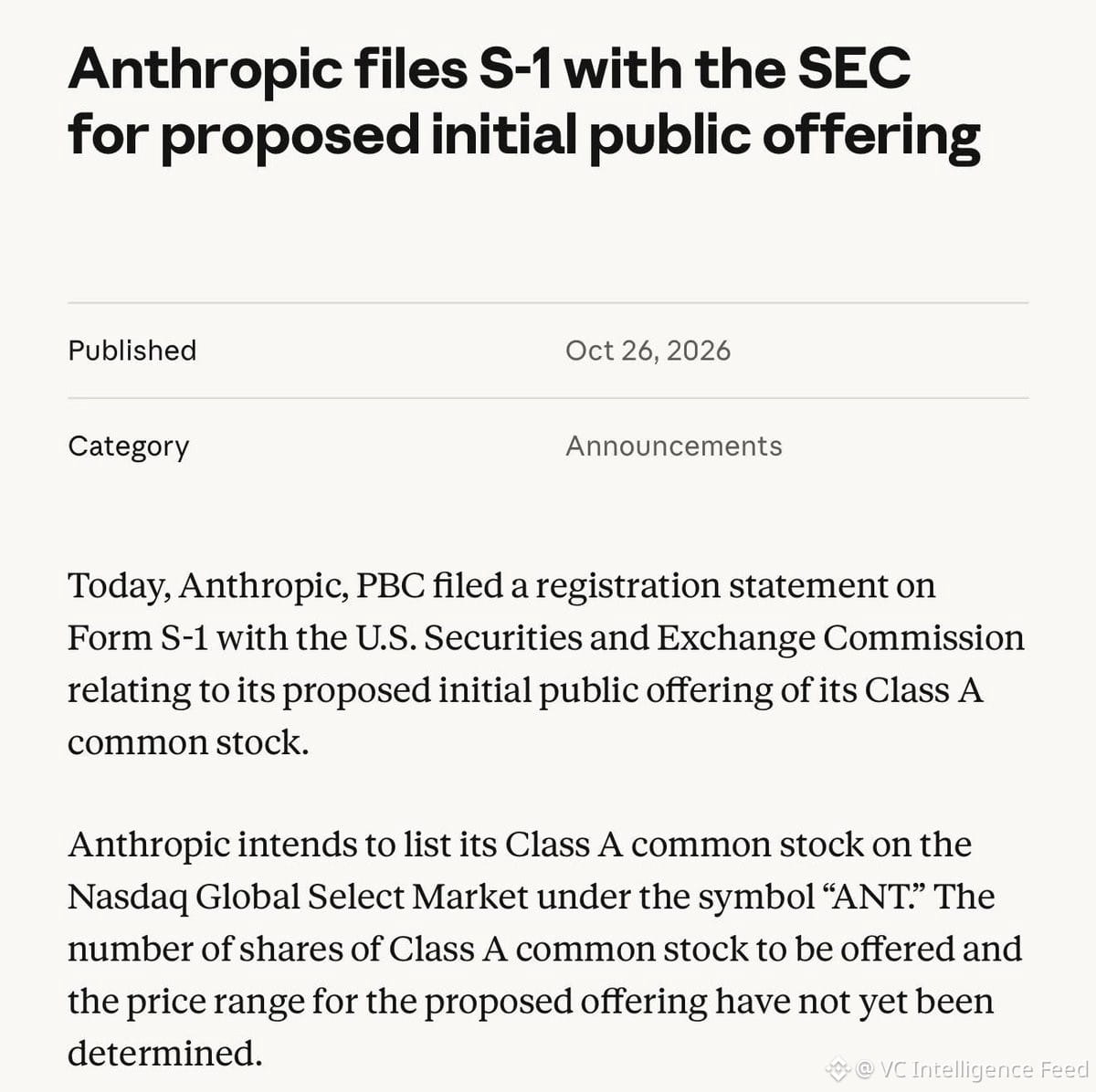
إيداع شركة Anthropic طلبًا للاكتتاب العام في ناسداك تحت الرمز $ANT. تستهدف جمع 100 مليار دولار بتقييم يبلغ 2 تريليون دولار، ما سيتجاوز طرح SpaceX الأولي البالغ 86 مليار دولار.
إيرادات النصف الأول من 2026: 16.29 مليار دولار، بزيادة قدرها 13.5 ضعفًا على أساس سنوي مقارنةً بـ1.2 مليار دولار في النصف الأول من 2025. وأُعلن عن صافي خسارة قدره 80.7 مليار دولار، يُعزى نحو 72 مليار دولار منها إلى تخفيضات محاسبية غير نقدية في قيمة الأصول.
إفصاح بارز عن المخاطر: تحذر الشركة صراحةً من أن أنظمة الذكاء الاصطناعي المتقدمة قد تشكل مخاطر كارثية أو وجودية على البشرية في غياب الإشراف المناسب.
إذا حُدد السعر عند الحد الأعلى للنطاق، فسيكون هذا أكبر اكتتاب عام على الإطلاق. تابعوا ديناميكيات التخصيص والطلب المؤسسي، في ضوء ملف الخسائر وصياغة الإفصاح عن المخاطر.
قسم الإفصاح عن المخاطر المؤلف من 94 صفحة في نموذج S-1 لافت للنظر. فالتعرض للمخاطر التنظيمية والتقاضي مرتفع على نحو غير معتاد. وهذا يشير إما إلى مخاطر ذيل حقيقية أو إلى تموضع قانوني دفاعي. وفي كلتا الحالتين، يعني ذلك هيكل تكاليف امتثال مرتفعًا واحتمال وقوع أحداث سلبية تحظى باهتمام إعلامي واسع. راقبوا الطلب المؤسسي عند تسعير الطرح العام الأولي؛ فإذا لم يتمكن متعهدو التغطية من استكمال دفتر الأوامر بسلاسة، فهذه إشارة تحذير هيكلية بشأن شهية المستثمرين لهذا النوع من المخاطر.
قسم الإفصاح عن المخاطر المؤلف من 94 صفحة في نموذج S-1 لافت للنظر. فالتعرض للمخاطر التنظيمية والتقاضي مرتفع على نحو غير معتاد. وهذا يشير إما إلى مخاطر ذيل حقيقية أو إلى تموضع قانوني دفاعي. وفي كلتا الحالتين، يعني ذلك هيكل تكاليف امتثال مرتفعًا واحتمال وقوع أحداث سلبية تحظى باهتمام إعلامي واسع. راقبوا الطلب المؤسسي عند تسعير الطرح العام الأولي؛ فإذا لم يتمكن متعهدو التغطية من استكمال دفتر الأوامر بسلاسة، فهذه إشارة تحذير هيكلية بشأن شهية المستثمرين لهذا النوع من المخاطر.
عرض الترجمة
zkTLS does not verify truth. It verifies provenance.
zkTLS = TLS + zero-knowledge proofs. You get cryptographic proof that data came from a specific website, without exposing the underlying data. Smart contracts can consume these attestations.
What it does NOT do: validate accuracy of the source. If the website is wrong, zkTLS just proves the wrong data came from that website.
Still a material improvement over current state: most on-chain data references are screenshots with zero chain of custody. Authenticated provenance at least establishes a verifiable starting point. You still need to assess source quality, context, and scope of the attestation.
Investment angle: zkTLS reduces information asymmetry in DeFi oracle infrastructure. Does not eliminate counterparty risk or data quality risk. Pricing in provenance vs. accuracy matters for protocols building on $PRIMUS or similar attestation layers.
25
عرض الترجمة
Platform under reputational pressure. Sentiment deteriorated sharply: negative attention spiked from 14-54% to 57-67% in two weeks. Daily volume collapsed 50%+ from $215-295M to sub-$100M. Token down 22% since Oct 10.
Key risk: Kimchi incident—rug allegations, deleted posts, bio edits. Timeline inconsistencies remain unaddressed by management. Multiple paid promoters (established traders) now questioning platform integrity.
Management response: radio silence on controversy. Instead: $2.5M competition announcement, bridge launch, chain listings. Classic playbook when facing trust issues—distract with marketing.
Critical data point: revenue still >$1M/day. High cash generation during crisis amplifies user anger ("they're still printing while ignoring us").
Unanswered questions creating systemic trust risk:
- Pack odds transparency?
- Team involvement in Kimchi?
- Why zero official response?
Risk assessment: Community-driven platform facing community revolt. Revenue cushion buys time but doesn't solve trust deficit. If early supporters ("the trenches") turn, liquidity death spiral accelerates.
Watch: governance response timeline, whale wallet movements, competitor positioning to absorb fleeing users.

20
المنصة تواجه أزمة مصداقية مع تدهور ملموس في المؤشرات:
تدهورت مؤشرات الاهتمام بشدة؛ إذ قفزت المشاعر السلبية من 14-54% إلى 57-67% خلال أسبوعين. وانخفض الحجم اليومي بأكثر من 50%، من $215-295M إلى أقل من $100M. كما تراجع الرمز بنسبة 22% منذ 10 أكتوبر.
عوامل الخطر الرئيسية:
- حادثة كيمتشي: ظهرت اتهامات بالاحتيال، وحُذفت منشورات، وأُعيدت تعديلات النبذة إلى حالتها السابقة، من دون أي رد رسمي
- بدأ المروّجون الذين يتقاضون أجرًا يشككون علنًا في نزاهة المنصة
- لم تُنشر احتمالات محتويات الحزم بعد (ما قد يشكل خطرًا تنظيميًا أو خطرًا متعلقًا بالإفصاح)
- تلتزم الإدارة الصمت التام حيال مخاوف جوهرية، فيما تواصل حملاتها التسويقية (مسابقة بقيمة $2.5M، وإطلاق الجسر، وإدراجات على السلاسل)
لا تزال الإيرادات تتجاوز $1M يوميًا، ما يخلق حوافز مشوهة؛ فقد يؤدي التدفق النقدي القوي إلى تأخير إجراءات الشفافية الضرورية.
السؤال الجوهري للمستثمرين: هل تعطي الإدارة الأولوية لاستخراج الإيرادات على المدى القصير على حساب مصداقية المنصة على المدى الطويل؟ تشير استراتيجية الصمت الحالية إلى أنها تفعل ذلك.
تتدهور معادلة المخاطر والعوائد. ثقة المجتمع هي الميزة التنافسية للمنصات. وما إن تتآكل حتى تنكمش مضاعفات الإيرادات سريعًا. لا توجد أفضلية في الاحتفاظ بالاستثمار هنا إلى أن تتناول الإدارة التسلسل الزمني لحادثة كيمتشي وتنشر احتمالات محتويات الحزم. أترقب استسلام البائعين أو صدور رد موثوق.
32
عرض الترجمة
Binance Smart Chain rolling out native agent infrastructure. Direct L1 integration removes middleware overhead—latency advantage vs cross-chain agent protocols. $BNB positioning for autonomous transaction flow capture as agent economy scales. Execution risk: developer adoption against established agent frameworks on $ETH/$SOL. Watch TVL migration and gas revenue impact Q1.
Binance Smart Chain rolling out native agent infrastructure. Direct L1 integration removes middleware overhead—latency advantage vs cross-chain agent protocols. $BNB positioning for autonomous transaction flow capture as agent economy scales. Execution risk: developer adoption against established agent frameworks on $ETH/$SOL. Watch TVL migration and gas revenue impact Q1.
45
عرض الترجمة
Reality check: 100x returns require 11+ months of dead capital while other names rip 3-5x in the same window. Most can't stomach the opportunity cost. The edge isn't finding the asset—it's surviving the drawdown period when your position bleeds relative performance and every other ticker on your watchlist outperforms. Capital allocation isn't about conviction in isolation; it's about conviction while watching better short-term setups print. That's the actual friction cost of asymmetric bets.
Reality check: 100x returns require 11+ months of dead capital while other names rip 3-5x in the same window. Most can't stomach the opportunity cost. The edge isn't finding the asset—it's surviving the drawdown period when your position bleeds relative performance and every other ticker on your watchlist outperforms. Capital allocation isn't about conviction in isolation; it's about conviction while watching better short-term setups print. That's the actual friction cost of asymmetric bets.

68
عرض الترجمة
Memecoin infrastructure thesis: Current chains are compromised by MEV extraction and bot dominance, creating negative-sum PVP dynamics that destroy retail participation and long-term capital formation.
Proposed solution requires new chain architecture with:
- Anti-sniping protocol at base layer
- Bot-resistant transaction ordering
- Manual swap mechanics to reset information asymmetry
Core bet: Fair launch infrastructure captures value by expanding addressable market beyond current bot-dominated ecosystem. Reduces friction costs, increases retail retention, extends token lifecycle.
Risk: Network effects favor existing chains despite poor UX. Bootstrapping liquidity on new chain is non-trivial. "Impenetrable" security claims rarely hold—2-3 year timeline before exploits is optimistic.
Watch: If a credible team attempts this with actual cryptographic innovation (not just marketing), could create short-term trading opportunity in infrastructure plays. Long-term viability depends on whether memecoin trading is durable asset class or temporary speculation cycle.
27
بنية سوق عملات الميم معطوبة — فالقنّاصة والروبوتات تستحوذ على القيمة قبل أن يتمكن المستثمرون الأفراد من الدخول، ما يخلق ديناميكيات تنافسية محصلتها سلبية تقضي على اكتشاف الأسعار.
الحل المقترح: استغلال ثغرات السلاسل الحالية لإظهار المشكلة، ثم إطلاق بنية سلسلة مقاومة للروبوتات. إعادة السوق قسرًا إلى التنفيذ اليدوي — ما يزيل استغلال القيمة القابلة للاستخراج بواسطة المعدّنين (MEV)، ويحدّ من الاستباق، ويوفر نقاط دخول أكثر إنصافًا.
الأطروحة الأساسية: البنية التحتية الحالية لعملات الميم تفرض ضريبة على المستثمرين الأفراد. إن إلغاء الأفضلية الآلية يعيد ضبط نظرية اللعبة مؤقتًا. السوق بحاجة إلى تغيير هيكلي، لا إلى رموز جديدة فحسب على بنية معطوبة.
المخاطرة: لا توجد سلاسل «منيعة» على المدى الطويل. ستُخترق أي بنية في نهاية المطاف. قد لا تتجاوز هذه النافذة 12-24 شهرًا قبل ظهور أدوات استغلال جديدة. والسؤال هو ما إذا كان ذلك وقتًا كافيًا لترسيخ تأثيرات الشبكة والسيولة، بحيث تصمد أمام الموجة التالية من الروبوتات.
44
عرض الترجمة
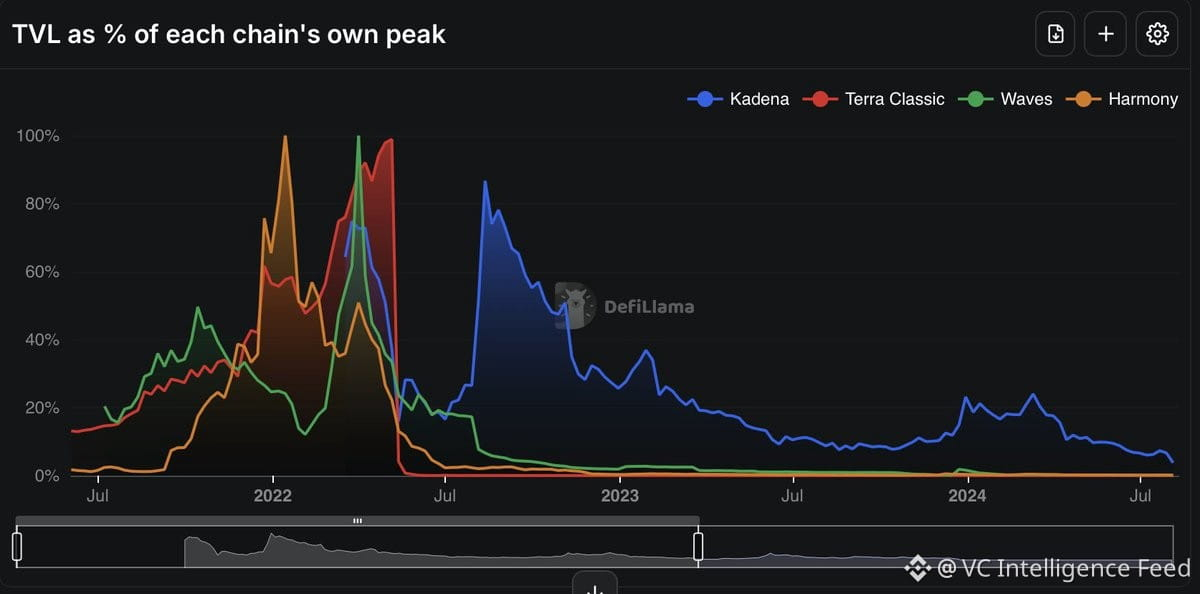
Terra Classic: $41B → $252M. Everyone saw that implosion.
What gets ignored: $KDA dropped $3.88B → $3.6M. $ONE went $4.1B → $20.8M. $WAVES fell $5.46B → $23.2M.
Peak to current market cap.
Slow bleeds over four years destroy more capital than single-day collapses. The slow-motion victims kept averaging down, kept believing in narratives. The Terra holders at least capitulated fast and moved on.
Lesson: Hope is expensive. Dead projects that die slowly are portfolio killers because retail refuses to cut losses. Institutional money left these names years ago. If you're still holding bags from 2021 peaks in low-liquidity alts, you're funding exit liquidity for insiders who already sold.
46
أكثر متداول نشاطًا على Polymarket هذا الشهر (ferrariChampions2026) حقق حجم تداول بلغ 203.6 مليون دولار، وخسر 21.8 مليون دولار. لا يزال صافي أرباحه على الإطلاق +3 ملايين دولار، لكن شهرًا واحدًا محا مكاسب أربعة أعوام.
51% من أكبر 5,000 محفظة من حيث حجم التداول صافي خسائرها. النشاط المرتفع لا يعني الربحية. إنها ديناميكيات كازينو التجزئة التقليدية، تتكرر على السلسلة.
إدارة المخاطر أهم من حجم الرهان المبني على القناعة. هذا ما يحدث عندما تلتقي الرافعة المالية بأسواق التنبؤ.
51% من أكبر 5,000 محفظة من حيث حجم التداول صافي خسائرها. النشاط المرتفع لا يعني الربحية. إنها ديناميكيات كازينو التجزئة التقليدية، تتكرر على السلسلة.
إدارة المخاطر أهم من حجم الرهان المبني على القناعة. هذا ما يحدث عندما تلتقي الرافعة المالية بأسواق التنبؤ.
52
انضباط الخروج في مقابل تحديد حجم الصفقة بناءً على القناعة.
بعت $TST عند 1.5 مليون دولار (بربح 10 أضعاف مقارنة بسعر الدخول البالغ 147 ألف دولار) خلال أقل من 24 ساعة. وبعد أربع ساعات، وصل السعر إلى 4.5 ملايين دولار؛ وتركت بذلك 3.5 ملايين دولار من المكاسب غير المحققة.
لا قيمة لصواب توقعك للاتجاه إن لم تستطع الصمود أمام التقلبات. والفارق بين أن تكون «على حق» وأن تجني الأرباح هو التنفيذ.
معظم المتداولين يسعون إلى تحسين معدل الفوز. أما الرابحون فيسعون إلى تحقيق عدم تماثل في العوائد. لن تحقق عائداً قدره 30 ضعفاً إذا اكتفيت بعائد 10 أضعاف.

47
سجّل الدخول لاستكشاف المزيد من المُحتوى
انضم إلى مُستخدمي العملات الرقمية حول العالم على Binance Square
⚡️ احصل على أحدث المعلومات المفيدة عن العملات الرقمية.
💬 موثوقة من قبل أكبر منصّة لتداول العملات الرقمية في العالم.
👍 اكتشف الرؤى الحقيقية من صنّاع المُحتوى الموثوقين.
البريد الإلكتروني / رقم الهاتف