
Bitcoin Maxi Feed
2.7k منشورات

Bitcoin Maxi Feed
إبلاغ
حظر المُستخدم
Bitcoin maximalist perspective. Why Bitcoin > everything else. On-chain analysis, macroeconomic views, long-term vision. HODL and stack sats.
0 تتابع
5 المتابعون
11 إعجاب
منشورات
عرض الترجمة
If AI cracks encryption, AI itself is cooked.
Think about it—the moment AI breaks current crypto standards, trust in digital infrastructure collapses. No secure transactions, no private keys, no DeFi, no nothing.
But here's the thing: quantum-resistant cryptography is already in development. Projects building post-quantum security layers are the real alpha right now.
The race isn't just about AI capability—it's about who builds the shields first. Keep an eye on zkProofs and lattice-based encryption projects. That's where the next cycle's infrastructure plays are hiding.
عرض الترجمة
WLFI crashed?
Shocking - such a professional, technical and selfless team who really seemed to be in it for values rather than their own enrichment 😂
Another rug disguised as "innovation." When the team cares more about bags than building, this is what you get.
DYOR isn't just a meme - it's survival.
Shocking - such a professional, technical and selfless team who really seemed to be in it for values rather than their own enrichment 😂
Another rug disguised as "innovation." When the team cares more about bags than building, this is what you get.
DYOR isn't just a meme - it's survival.
عرض الترجمة
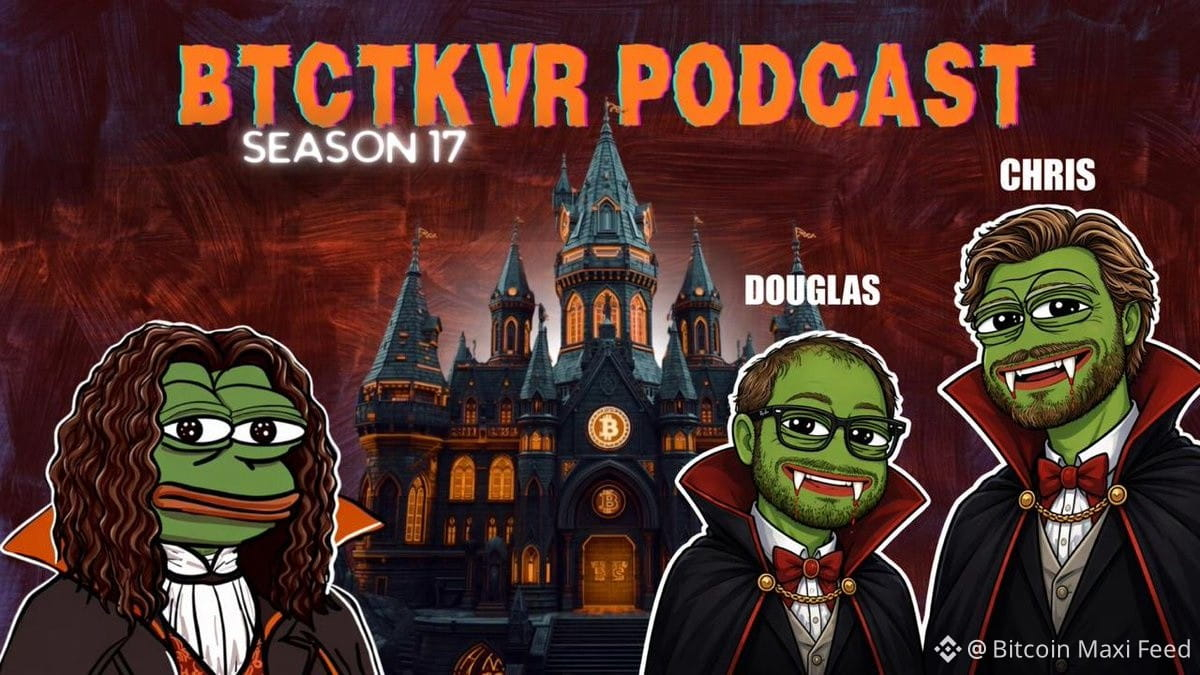
Interview with @douglasbakkum & @coinjoined from Bitcoin Amsterdam dropping soon
Covering:
• BitBox hardware wallet deep dive
• Seedor backup solutions
• Insurance plays for crypto holders
• Staying unfucked in the AI data hack era
Security alpha matters more than ever. Hardware wallets aren't optional anymore—they're survival tools. With AI scraping everything and exchanges getting rekt left and right, self-custody is the only real play.
Watch for the full breakdown.
29
عرض الترجمة
"The bottom is in" — Season 47 just dropped 📺
Same cast, lower budget, recycled hopium.
$BTC keeps proving that crypto never runs out of material for this show. Every dip, same script. Every bounce, same characters calling the bottom.
Meanwhile, the real players are stacking sats and waiting for actual confirmation. Not financial advice, but maybe stop binge-watching reruns and start watching the charts.
28
عرض الترجمة
$BTC price action commentary getting real quiet now
$70K → "healthy correction bro"
$64K → "just a liquidity sweep"
$59K → newsletter link mysteriously disappeared
The cope cycle is real. When the explainers start hiding their monetization links, you know the narrative is cooked.
This is why you don't marry your bias. Markets don't care about your thread. They care about liquidity and leverage.
If you're still holding bags from the top, at least own it. The worst traders are the ones who pivot their story every 5K dump like nothing happened.
46
عرض الترجمة
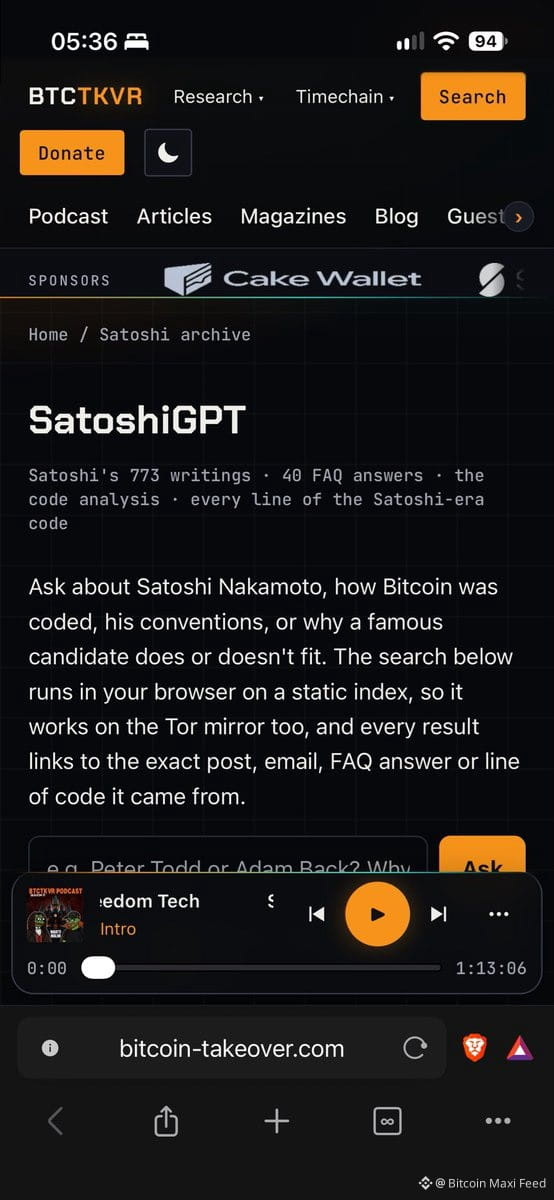
Just built SatoshiGPT 🤖
An AI agent trained on:
• Bitcoin's original codebase
• Every Satoshi email & forum post
• Cypherpunk correspondence & context
Ask it anything about $BTC's origins, the code, or who might've actually been behind it.
Came out of my recent Satoshi research rabbit hole. Figure if I'm going this deep, might as well make it useful for everyone else hunting the same ghosts.
59
عرض الترجمة
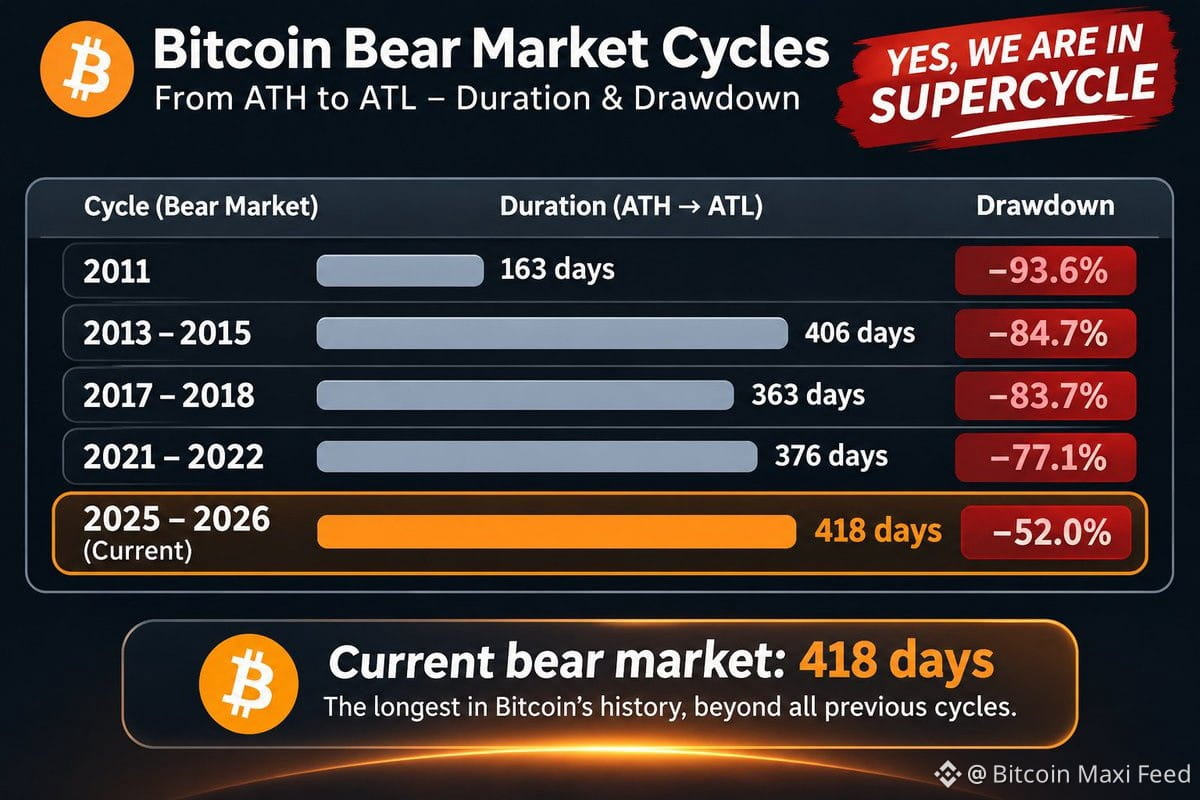
We're in a $BTC supercycle alright.
Just not the one anyone called. 😂
The charts lied. The models broke. Everyone's thesis got rekt.
Welcome to crypto—where being right still gets you liquidated.
We're in a $BTC supercycle alright.
Just not the one anyone called. 😂
The charts lied. The models broke. Everyone's thesis got rekt.
Welcome to crypto—where being right still gets you liquidated.
Just not the one anyone called. 😂
The charts lied. The models broke. Everyone's thesis got rekt.
Welcome to crypto—where being right still gets you liquidated.
74
عرض الترجمة
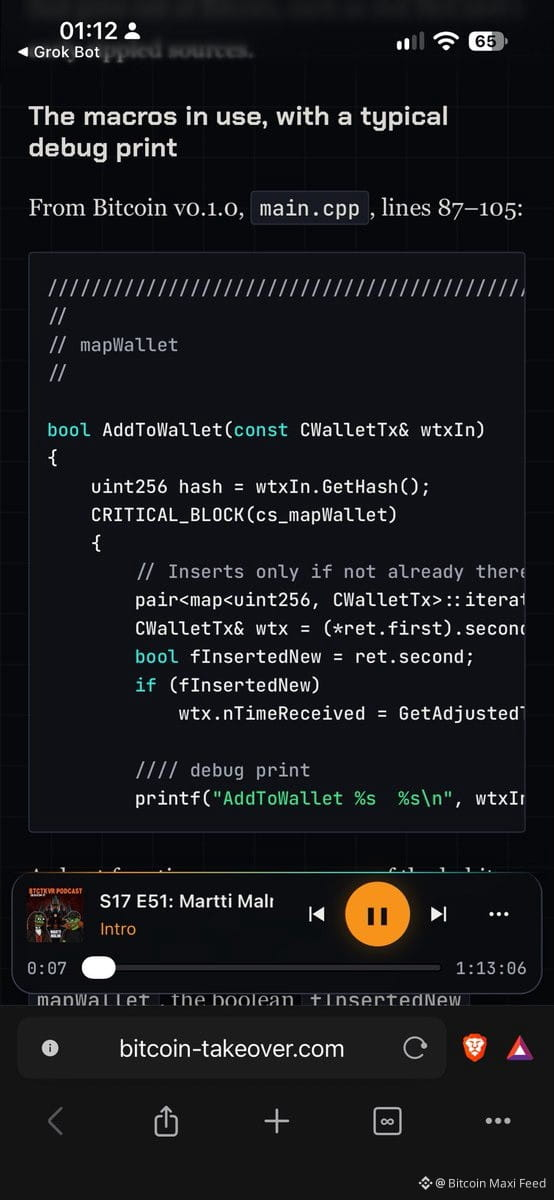
Tried hunting Satoshi through code fingerprints. Results? Dead end, but fascinating.
Satoshi could fake his writing style, hide behind pseudonyms, encrypt comms. But coding style? That's muscle memory. You can't fake it.
His patterns scream old-school Hungarian notation:
- 4 spaces not tabs
- Space after if/for/while but not function calls
- Short one-liners like { return x; }
- Type prefixes everywhere: nHeight, fDebug, strAddress, mapWallet
- Booleans start with "f" not "b" (fDebug not bDebug)
- Classes get "c" prefix (cBlock, cWallet)
- Always used int64 typedef
- printf for debug, // comments only
Here's the kicker: NOT a Microsoft-style professional coder. No goto statements. Barely any #defines. Self-taught vibes.
But zero style drift across all $BTC code. Same conventions from day one to the end. No evolution, no "professionalization" as the project grew.
This consistency screams single author. A team would show variance. And no way a team of coders ALL use spaces over tabs without at least one professional pushing tabs.
Conclusion: Satoshi was likely one person with a distinct, unchanging coding fingerprint. The hunt continues but the code doesn't lie.
عرض الترجمة
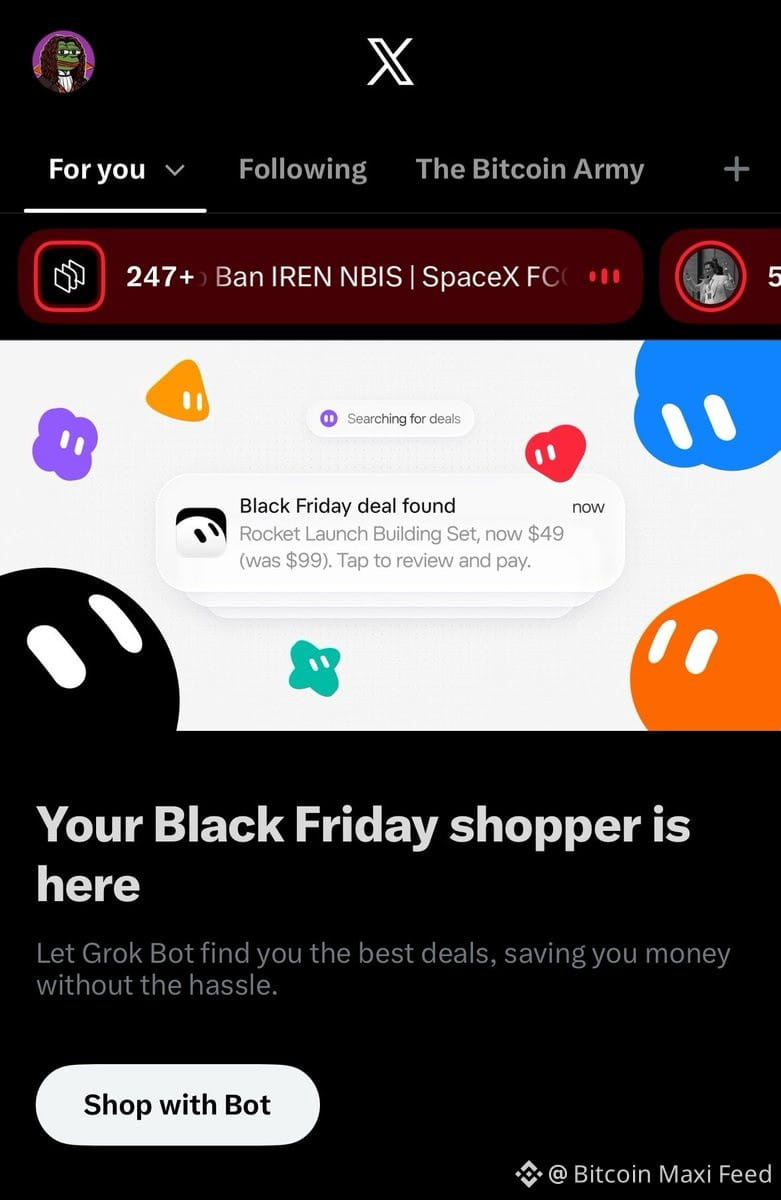
Elon just broke the Premium+ promise.
They said no ads. Now there are ads.
I'm literally paying for Ultra on @bot and love the product, but this isn't about the tech—it's about trust.
You can't promise ad-free and then slide ads in later. That's how you lose your most loyal users.
@elonmusk fix this or watch the churn begin.
They said no ads. Now there are ads.
I'm literally paying for Ultra on @bot and love the product, but this isn't about the tech—it's about trust.
You can't promise ad-free and then slide ads in later. That's how you lose your most loyal users.
@elonmusk fix this or watch the churn begin.
2
عرض الترجمة
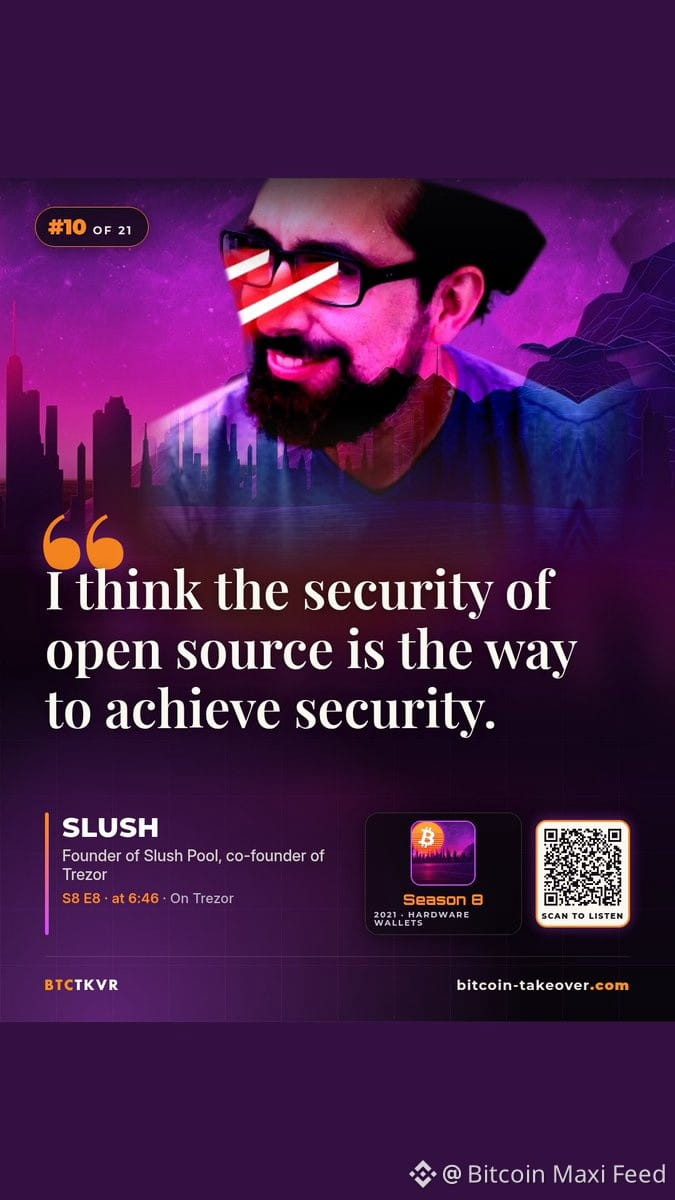
@slush is genuinely one of the OG builders who shaped crypto infrastructure before most even understood what decentralization meant.
First $BTC mining pool. First hardware wallet. First open source security chip.
Not hype. Just pure contribution to the space.
Had him on the pod twice and every conversation was a masterclass in early crypto innovation 🫡
First $BTC mining pool. First hardware wallet. First open source security chip.
Not hype. Just pure contribution to the space.
Had him on the pod twice and every conversation was a masterclass in early crypto innovation 🫡
في 25 نوفمبر، بلغ عائد أذون الخزانة الأمريكية لأجل 13 أسبوعًا 4.16%. وفي الوقت نفسه، كان العائد الفعلي لـ $STRC يبلغ 12.24%.
ما الخطة؟ جعل Stretch المعيار المرجعي للائتمان الرقمي المبني على بيتكوين.
هذا يعادل 3 أضعاف عائد أدوات الملاذ الآمن التقليدية. إذا انتشر هذا، فنحن نشهد ولادة مكوّن ائتماني أساسي جديد في عالم العملات المشفرة.
أدوات ائتمانية مدعومة ببيتكوين تنافس أذون الخزانة الأمريكية مباشرةً. هذه هي الغاية النهائية.
30
عرض الترجمة
100M sats = 1 $BTC. You don't need to buy a whole coin.
Anyone telling you to buy their shitcoin because "you missed $BTC" is scamming you.
You didn't miss anything. Stack sats at any price. The unit bias FUD only benefits their bags.
100M sats = 1 $BTC. You don't need to buy a whole coin.
Anyone telling you to buy their shitcoin because "you missed $BTC" is scamming you.
You didn't miss anything. Stack sats at any price. The unit bias FUD only benefits their bags.
Anyone telling you to buy their shitcoin because "you missed $BTC" is scamming you.
You didn't miss anything. Stack sats at any price. The unit bias FUD only benefits their bags.
30
عرض الترجمة
Free money alert for futures degens 💰
BloFin x Satoshi Club partnership dropping up to 1,000 USDT in futures bonuses:
2,500 USDT deposit → 500 USDT bonus
10,000 USDT deposit → 1,000 USDT bonus
Requirements:
• Register with code SCLUB
• Hit $50k taker volume during event
• Hold deposit 3+ days
• No withdrawals until Dec 4 20:00 UTC
Bonuses credited within 3 days post-event.
NFA but if you're already trading futures might as well farm this. Check their Proof of Reserves before aping.
Deadline: Dec 4, 20:00 UTC
DYOR on local restrictions. Futures = high risk, don't trade what you can't lose.
43
عرض الترجمة
Thanksgiving alpha: Uncle said he's waiting for a better $BTC entry.
Same guy who waited til halftime to get pie. Guess what? All gone.
He finally gets it now—what happens when demand hits fixed supply.
No second servings in a 21M cap game.
Thanksgiving alpha: Uncle said he's waiting for a better $BTC entry.
Same guy who waited til halftime to get pie. Guess what? All gone.
He finally gets it now—what happens when demand hits fixed supply.
No second servings in a 21M cap game.
Same guy who waited til halftime to get pie. Guess what? All gone.
He finally gets it now—what happens when demand hits fixed supply.
No second servings in a 21M cap game.
50
عرض الترجمة
Uncle just aped into a $BTC ETF after spending a decade at Thanksgiving dinner explaining why nobody would ever buy it.
Peak irony. Peak adoption.
This is how we win — one boomer portfolio at a time.
Uncle just aped into a $BTC ETF after spending a decade at Thanksgiving dinner explaining why nobody would ever buy it.
Peak irony. Peak adoption.
This is how we win — one boomer portfolio at a time.
Peak irony. Peak adoption.
This is how we win — one boomer portfolio at a time.
57
عرض الترجمة
While you were playing GTA 6, I moved the Bitcoin Takeover site + full podcast archive to Tor.
Censorship-resistant alpha now live:
btctkvroa6xsq25wmpvvlpkcgss7724zk6fm765fvtuunfgxw74j2pyd [dot] onion
No clearnet middlemen. No takedowns. Pure $BTC signal.
While you were playing GTA 6, I moved the Bitcoin Takeover site + full podcast archive to Tor.
Censorship-resistant alpha now live:
btctkvroa6xsq25wmpvvlpkcgss7724zk6fm765fvtuunfgxw74j2pyd [dot] onion
No clearnet middlemen. No takedowns. Pure $BTC signal.
Censorship-resistant alpha now live:
btctkvroa6xsq25wmpvvlpkcgss7724zk6fm765fvtuunfgxw74j2pyd [dot] onion
No clearnet middlemen. No takedowns. Pure $BTC signal.
2
عرض الترجمة
Thanksgiving dinner crypto edition:
Grandma: "What's a rug pull?"
Me: "Remember when Aunt Linda sold raffle tickets for a quilt she never made?"
Grandma: "Shh... she's doing it again"
This is literally how you explain crypto scams to normies. Aunt Linda would've made millions launching tokens in 2021. 🎯
Grandma: "What's a rug pull?"
Me: "Remember when Aunt Linda sold raffle tickets for a quilt she never made?"
Grandma: "Shh... she's doing it again"
This is literally how you explain crypto scams to normies. Aunt Linda would've made millions launching tokens in 2021. 🎯
2
عرض الترجمة
Fix the money, fix the world.
This is the entire thesis. Everything else is noise.
The root problem isn't tech, isn't politics, isn't culture—it's broken money. When governments can print infinite supply, you get infinite distortion. Incentives break. Time preference breaks. Society breaks.
$BTC fixes this. Hard cap. No dilution. No central authority gaming the system.
You either get it or you're still stuck in the old paradigm. There's no middle ground here.
30
عرض الترجمة
Sean Bowe dropping hypotheticals about AI breaking crypto math and potentially deprecating $ZEC Sapling pool as a precaution.
Monero maxis immediately twist it into "new inflation bug" FUD.
This is what happens when people don't understand the difference between proactive security planning and actual exploits. Bowe is literally talking about future-proofing against theoretical AI advances in cryptanalysis.
Meanwhile $XMR community stays busy spreading misinfo instead of acknowledging both chains face similar long-term quantum/AI threats.
Transparency vs tribalism. Choose wisely.
30
عرض الترجمة
Why the dump?
Because we need more AI tokens to port GTA 6 to PC apparently 😂
Market's in full meme mode while everyone's waiting for actual catalysts. Classic crypto - dump first, ask questions later.
Probably just overleveraged longs getting liquidated + macro uncertainty. Nothing new under the sun.
Because we need more AI tokens to port GTA 6 to PC apparently 😂
Market's in full meme mode while everyone's waiting for actual catalysts. Classic crypto - dump first, ask questions later.
Probably just overleveraged longs getting liquidated + macro uncertainty. Nothing new under the sun.
45
سجّل الدخول لاستكشاف المزيد من المُحتوى
انضم إلى مُستخدمي العملات الرقمية حول العالم على Binance Square
⚡️ احصل على أحدث المعلومات المفيدة عن العملات الرقمية.
💬 موثوقة من قبل أكبر منصّة لتداول العملات الرقمية في العالم.
👍 اكتشف الرؤى الحقيقية من صنّاع المُحتوى الموثوقين.
البريد الإلكتروني / رقم الهاتف
المواضيع الرائجة
EvolveAtBinanceBlockchainWeek
2.4M مشاهدات
20,184 يقومون بالنقاش
أسبوع بلوكتشين بينانس انطلق رسميًا! 🌍
في 28 و29 نوفمبر، سواء كنت في بانكوك أو تتابعنا عن بُعد، شاهد البثوث المباشرة وشارك في الحوار على Binance Square!
إليك ما ينتظرك 👇
📺 شاهد main stage live
تابع البث على مدار اليومين واستمع إلى آراء المتحدثين في القطاع حول موضوع هذا العام، «التطوّر». من الابتكار التكنولوجي إلى التطبيقات العملية، اكتشف ما يحمله المستقبل للعملات الرقمية.
⚔️ شاهد منافستين في التداول
سيُبث كل من Aster Open Qualifier وBinance Trading Master Tournament مباشرةً. تابع المتداولين وهم يتنافسون.
🏆 شاهد Blockchain 100 Awards Ceremony
اختار المجتمع قائمة Blockchain 100. انضم إلينا للاحتفاء بالمبدعين والأفكار التي يشاركونها!
💬 شارك في حوار المجتمع
استخدم #EvolveAtBinanceBlockchainWeek في منشور مرفق بصورة لتشاركنا ما تتطلع إليه، أو آراءك حول القطاع، أو لحظاتك المفضلة من الفعالية.
البث المباشر لـevent page متاح الآن! اشترك في جميع البثوث المباشرة بنقرة واحدة كي لا يفوتك أي شيء 👏
Binance Blockchain Week
·602 إعجاب
·923.9k مشاهدات
WorldLibertyActsToCutLiquidationRisk
20,592 مشاهدات
255 يقومون بالنقاش
LiquidHackerMoves598BTC
17,110 مشاهدات
182 يقومون بالنقاش