

Cryptocurrency trading can be both exciting and challenging, especially when it comes to choosing the right exchange. You might have heard about centralized exchanges (CEXs) and decentralized exchanges (DEXs), but which one is better for your trading needs? Let's dive into the details and explore the pros and cons of each option.
Centralized Exchanges (CEXs):
Centralized exchanges, like Binance, Coinbase, and Kraken, are the more traditional platforms that act as middlemen between buyers and sellers. They handle your funds and facilitate all the trading on their platform.
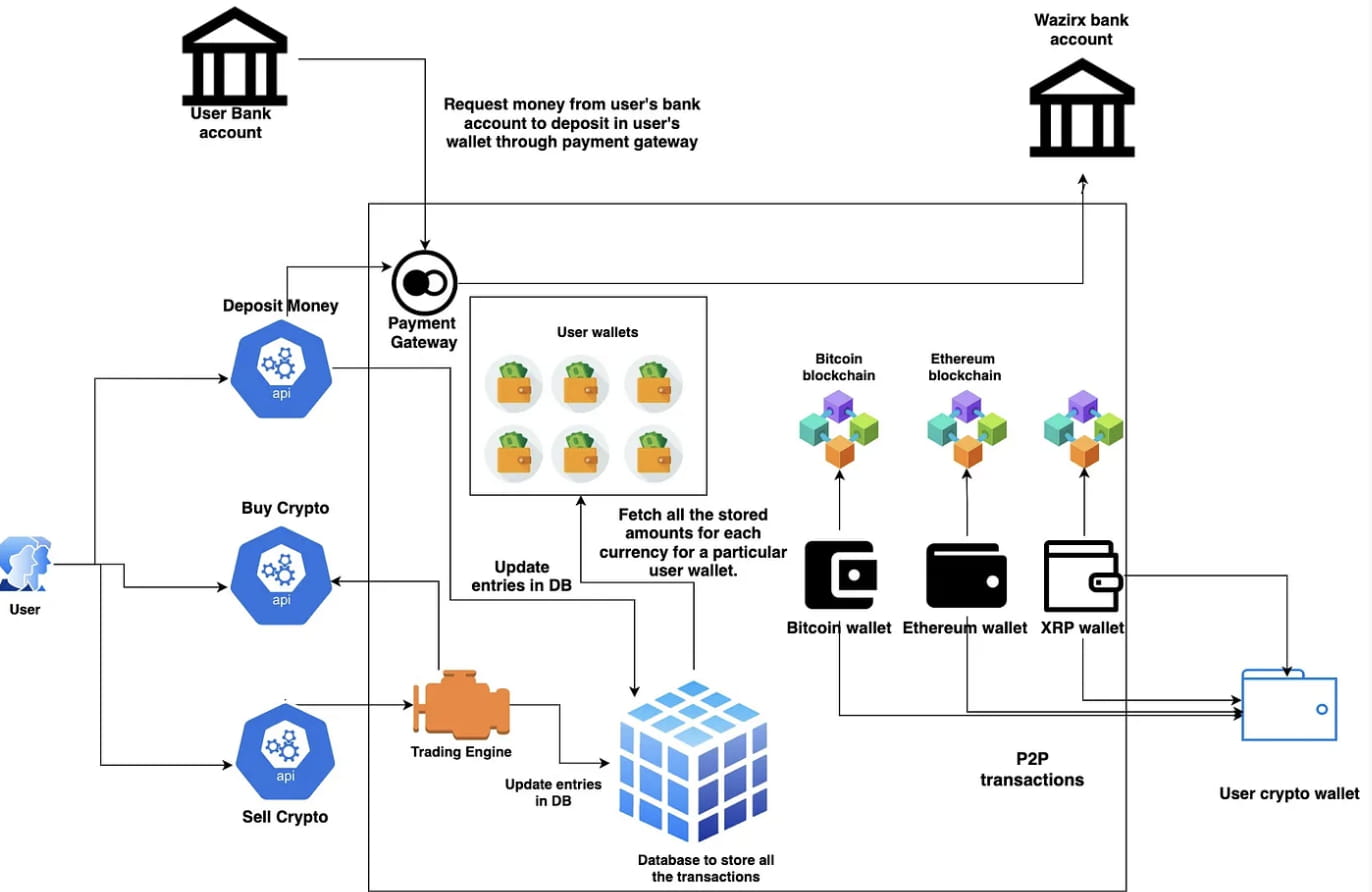
Why Some Traders Prefer CEXs:
Easy to Use: CEXs are designed with user-friendliness in mind, making them great for beginners who are just starting their crypto journey. The interfaces are simple and intuitive, making it a breeze to navigate around.
Quick Trading: Thanks to higher liquidity, CEXs allow you to execute trades faster, ensuring you get the price you want without any delays.
Customer Support: If you ever run into any issues or have questions, CEXs usually offer customer support to lend you a helping hand.
Regulated and Secure: Many centralized #exchanges follow regulatory guidelines, which can offer some peace of mind knowing they have certain security measures in place.
Why Some Traders are Cautious about CEXs:
Custodial Risk: With #CEXs , you have to trust them with your funds, leaving you vulnerable to potential hacks or financial troubles that could put your money at risk.
Privacy Concerns: Some CEXs require KYC procedures, which might compromise your privacy and anonymity in the crypto world.
Centralized Control: Since these exchanges have centralized control over user accounts and assets, there's always the worry of misuse of power.
Decentralized Exchanges (DEXs):
Decentralized exchanges, such as Uniswap, PancakeSwap, and SushiSwap, work on a peer-to-peer network, allowing direct transactions between users without intermediaries.
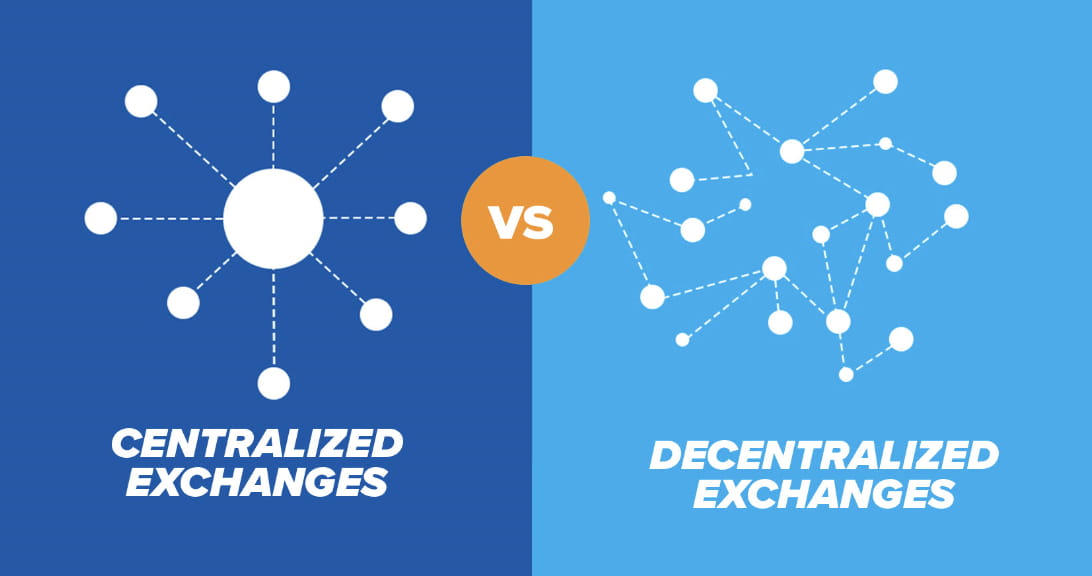
Why Some Traders Prefer DEXs:
No Custodial Worries: #DEXs don't require you to deposit funds on their platform. You keep control of your wallets, lowering the risk of hacks or theft.
Privacy and Anonymity: With DEXs, there's usually no need for KYC, meaning you can keep your identity private while trading.
Resistant to Censorship: DEXs are less prone to censorship and shutdowns since they operate on a decentralized network.
Why Some Traders are Cautious about DEXs:
Learning Curve: DEXs might not be as beginner-friendly as CEXs, and their interfaces can be more complex and overwhelming.
Lower Liquidity: Compared to CEXs, DEXs may have lower liquidity, leading to potential slippage and higher trading costs.
Smart Contract Risks: DEXs rely on smart contracts, and if there are vulnerabilities in these contracts, it could lead to security issues and loss of funds.