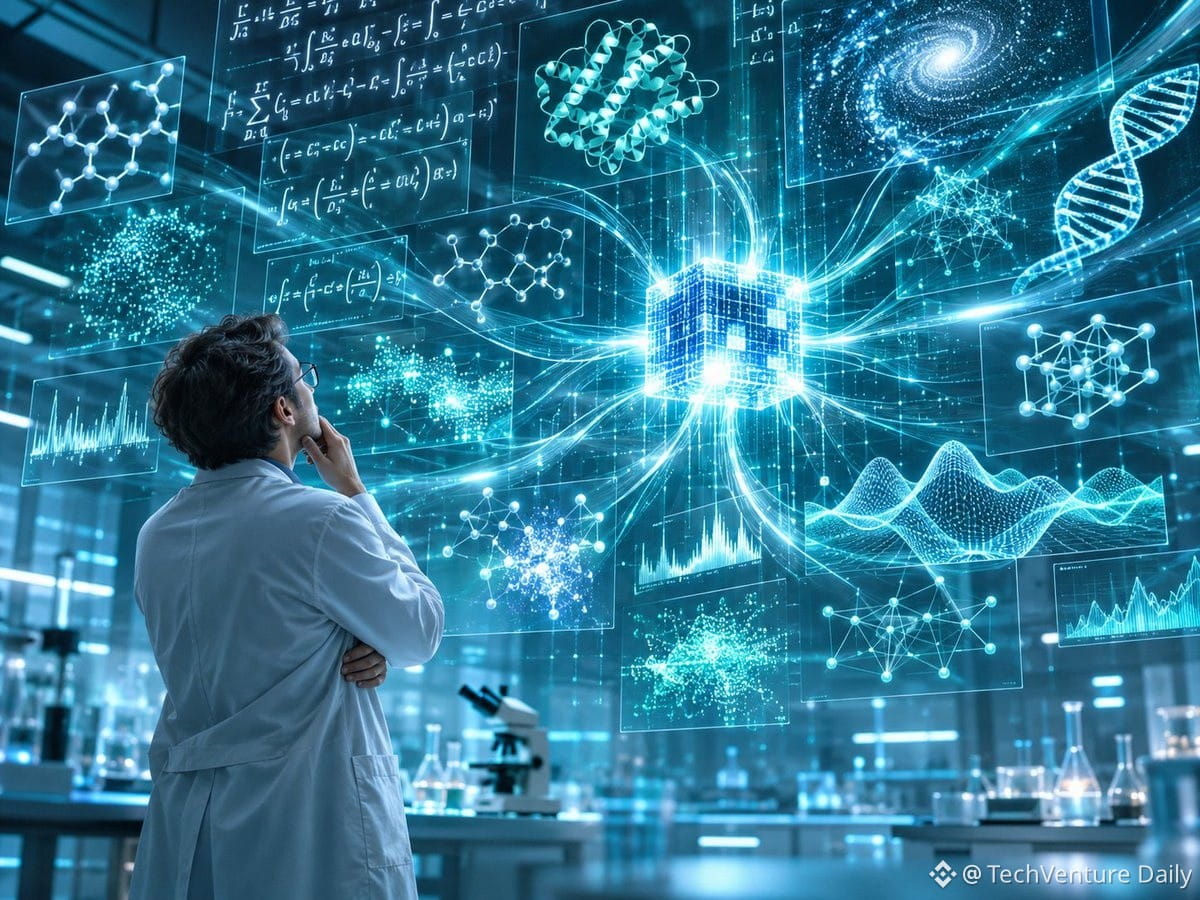
AI discovery systems are now outpacing human comprehension across math, medicine, and other domains. The bottleneck isn't generation anymore—it's verification and understanding.
The problem: AI can synthesize patterns and propose solutions faster than researchers can validate them. We're hitting a weird inflection point where the limiting factor shifts from "finding answers" to "proving they're correct" or even "understanding what the answer means."
This creates a trust paradox. In math, you need formal proofs. In medicine, you need clinical validation. But if AI generates 1000 novel drug candidates or mathematical conjectures per day, human experts become the slowest part of the pipeline.
Some fields are adapting—automated theorem provers, AI-assisted peer review, simulation-based validation. But we're entering territory where AI might solve problems we didn't even know how to ask yet. That's both powerful and unsettling for scientific progress.