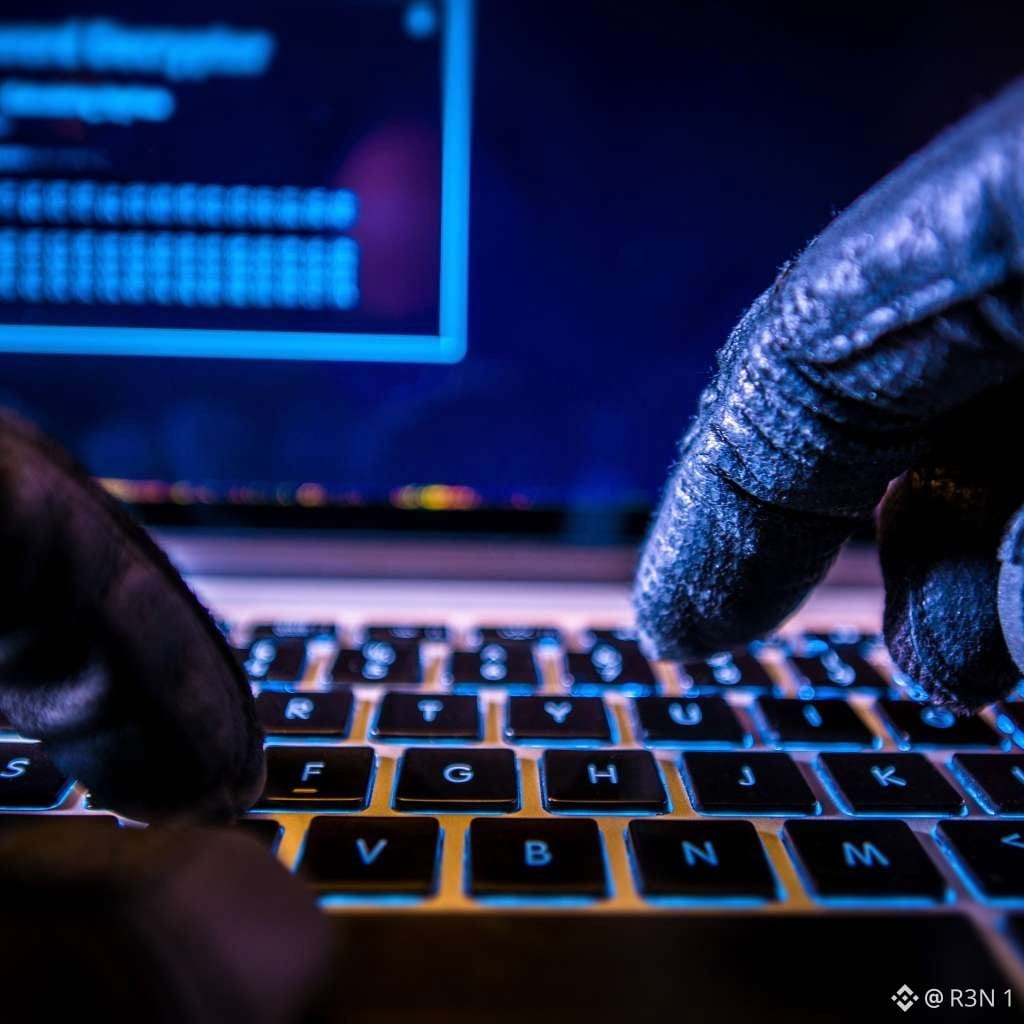
On Nov. 16, security firm Report URI found malicious JavaScript being served to visitors of 178 organizations through Optimizely's website experimentation platform.
Affected names include Zoom, the BBC, CNN, Salesforce, GitLab, IKEA, HSBC and Ledger, plus crypto and trading firms like Coinpass, IG and Interactive Investor. The firm checked about 1,611 scripts and warns the real number may be higher. It also sells script-detection tools, so keep that in mind.
The code did three things. It swapped copied or entered BTC, ETH and SOL addresses for the attacker's, added a card skimmer around 13:43 UTC, and captured cookies and screenshots. A separate component targeted iPhones and iPads.
Cleanup began around 20:40 UTC, so the scripts ran for hours.
Optimizely confirmed an unauthorized party exploited a flaw in its experimentation account signup flow to add malicious code to some customer projects. It says it blocked the vulnerable path and deployed a fix.
The crypto damage looks small so far. One report puts stolen cryptocurrency at around $7,040 before most of the code was removed. But card data, cookies and mobile access don't show up on-chain, and the investigation couldn't establish how many cards or cookies were taken. Total harm is likely higher.
This is a supply-chain attack: the sites weren't hacked directly, a trusted third-party script was. That's why checking the website isn't enough. It also follows the fake Ledger site, the iOS flaw, and the hijacked DeFi domains from earlier this month, so it's the same lesson: the click is the weak link.
The practical defense is simple. Verify the receiving address on your hardware wallet's own screen before approving, and don't trust the address your browser shows.
The supportive part: the window was short, and the fix is deployed.
The website can lie. The device screen can't.
$BTC #BTC Price Analysis# #Altcoin Season# $SOL
Affected names include Zoom, the BBC, CNN, Salesforce, GitLab, IKEA, HSBC and Ledger, plus crypto and trading firms like Coinpass, IG and Interactive Investor. The firm checked about 1,611 scripts and warns the real number may be higher. It also sells script-detection tools, so keep that in mind.
The code did three things. It swapped copied or entered BTC, ETH and SOL addresses for the attacker's, added a card skimmer around 13:43 UTC, and captured cookies and screenshots. A separate component targeted iPhones and iPads.
Cleanup began around 20:40 UTC, so the scripts ran for hours.
Optimizely confirmed an unauthorized party exploited a flaw in its experimentation account signup flow to add malicious code to some customer projects. It says it blocked the vulnerable path and deployed a fix.
The crypto damage looks small so far. One report puts stolen cryptocurrency at around $7,040 before most of the code was removed. But card data, cookies and mobile access don't show up on-chain, and the investigation couldn't establish how many cards or cookies were taken. Total harm is likely higher.
This is a supply-chain attack: the sites weren't hacked directly, a trusted third-party script was. That's why checking the website isn't enough. It also follows the fake Ledger site, the iOS flaw, and the hijacked DeFi domains from earlier this month, so it's the same lesson: the click is the weak link.
The practical defense is simple. Verify the receiving address on your hardware wallet's own screen before approving, and don't trust the address your browser shows.
The supportive part: the window was short, and the fix is deployed.
The website can lie. The device screen can't.
$BTC #BTC Price Analysis# #Altcoin Season# $SOL