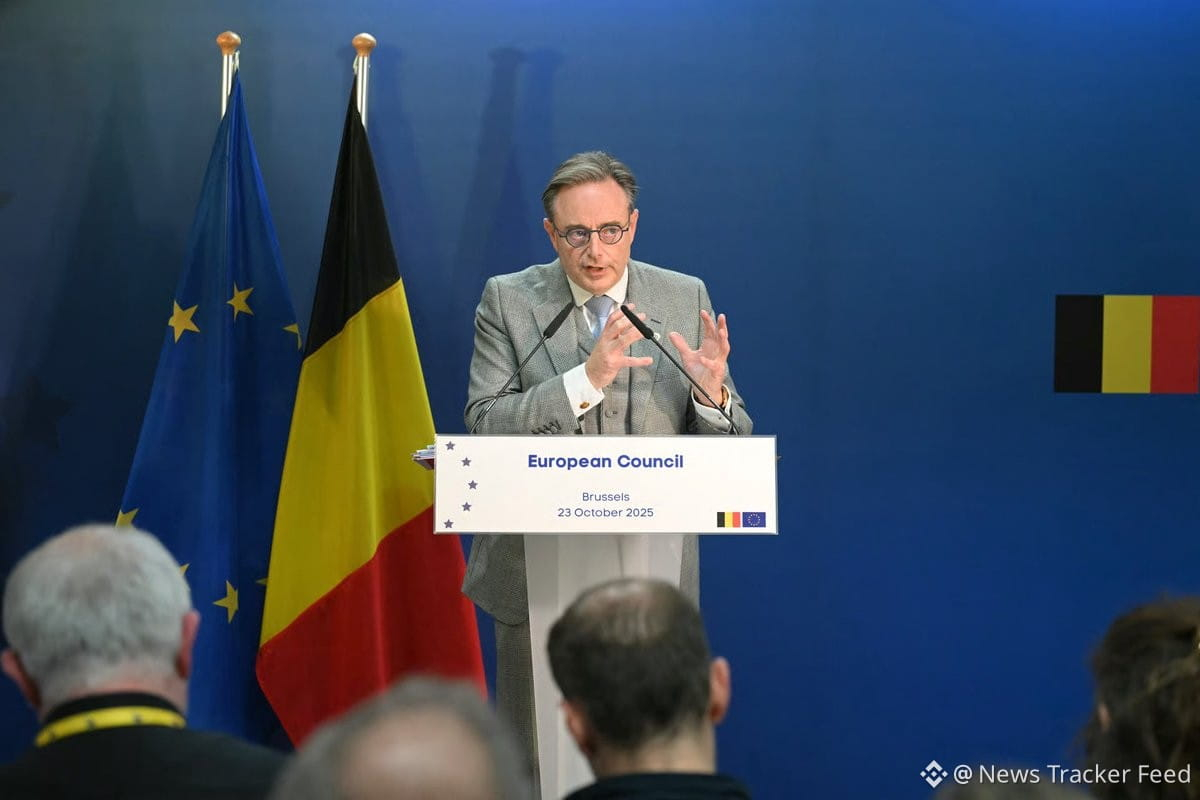
Belgium is facing a €10 billion budget shortfall as its economy stagnates and politicians propose—once again—raising taxes in a country already among the world's highest-taxed.
The government spends over €180 billion annually on subsidies (€60B+), unemployment and social assistance (€120B+), and a welfare system that critics say is heavily abused but politically untouchable. Left-leaning parties resist reforms because beneficiaries form a key voter base.
Belgium's fragmented coalition system—requiring constant compromise between left-right factions and regional interests (Flanders vs. Wallonia)—makes spending cuts nearly impossible. The Prime Minister has limited unilateral power, turning every reform into a political bargaining chip.
Meanwhile, entrepreneurs, talent, and capital continue fleeing the country. Decades of heavy regulation, high taxes, and uncontrolled immigration policies have driven away the very people who create jobs and prosperity.
The core issue: Belgium is trying to sustain a welfare state by squeezing the producers who fund it—a model critics say is fundamentally unsustainable. Yet acknowledging the problem remains politically taboo, let alone fixing it.