

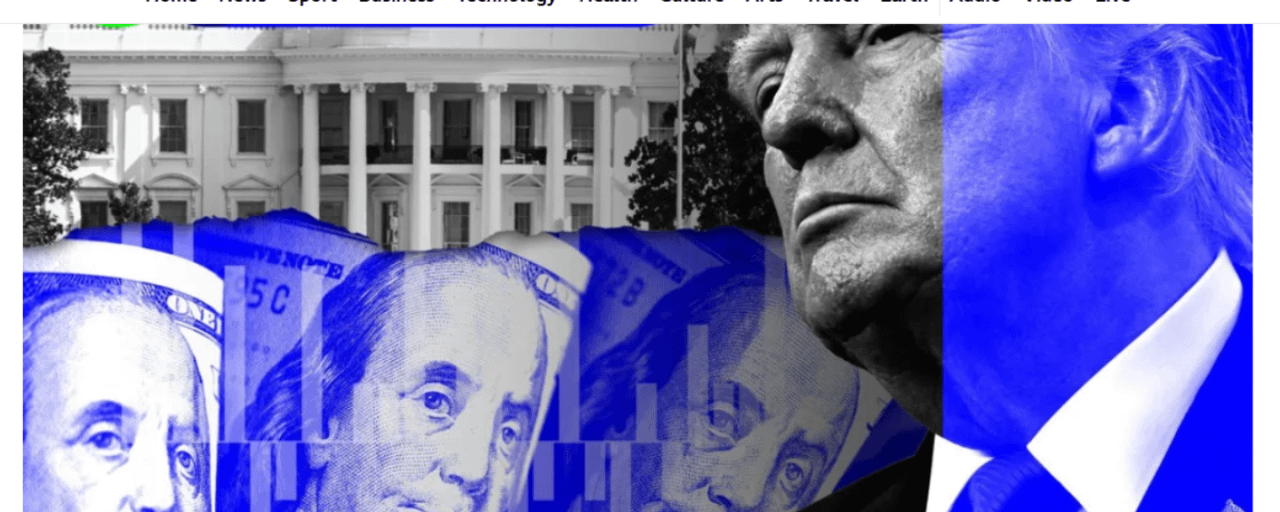

Ahead of the upcoming congressional midterm elections, President Donald Trump has consistently touted the strength of the United States economy. Reaffirming his signature slogan, Trump has repeatedly declared that America boasts "the hottest country anywhere in the world."
However, an examination of the macroeconomic indicators presents a far more nuanced picture—one defined by solid baseline growth alongside persistent inflationary pressures and sector-specific strain.
1. Respectable Headline Economic Growth
By historical standards, overall US economic activity continues to expand at a steady pace. The latest economic performance data indicates that US Gross Domestic Product (GDP)—the broader measure of all goods and services produced—is currently growing at an annualized rate of 2. While resilient, this growth reflects a delicate balance of conflicting economic drivers.
US Economic Snapshot (2026 Midterms)
┌───────────────────────────┬────────────────────────────┐
│ Indicator │ Current Status │
├───────────────────────────┼────────────────────────────┤
│ GDP Growth (Annualized) │ 2.2% │
│ Primary Growth Driver │ AI & Tech Investment Boom │
│ Primary Headwinds │ Tariffs & Geopolitics │
└───────────────────────────┴────────────────────────────┘
2. The Impact of "Liberation Day" Tariffs
Much of the recent economic friction stems from the administration's aggressive trade policies. Following the sweeping "Liberation Day" tariffs enacted in early 2025, universal import taxes were imposed across broad categories of foreign goods.
While intended to bolster domestic manufacturing, these tariffs have generated distinct headwinds:
Higher Import Costs. Import taxes paid by US importers have passed down through supply chains, keeping consumer price inflation elevated.
Manufacturing Strain:
Industrial firms reliant on imported components, steel, and aluminum have faced squeezed margins, leading to localized cutbacks and factory layoffs in manufacturing hubs.
3. Geopolitical Stress and the AI Capital Boom
Beyond trade policy, broader international developments have reshaped the economic environment:
The Middle East Conflict:
Economic friction stemming from military operations involving Israel and Iran has disrupted energy channels, adding upward pressure on fuel and commodity costs felt directly by American households.
The Artificial Intelligence Buffer:
Counteracting these pressures is an unprecedented spending boom across the AI value chain. Massive capital investment in tech infrastructure, data centers, and advanced hardware has served as a primary engine holding up GDP growth. Analysts note, however, that the broader economy could falter if AI capital expenditures begin to cool.
Conclusion
While the US macro economy remains technically growing at 2.2%, the reality on the ground depends heavily on where Americans sit within the economy. While tech hubs benefit from historical capital flows into artificial intelligence, ordinary households continue to manage elevated cost-of-living pressures driven by trade tariffs and global volatility.
#KOSPIFallsMoreThan2% #ElicePlunges33%InKoreanIPODebut #GoogleSetsUAELicensingRulesForCryptoAds

