


What caught my attention here is how old the vulnerable activity was.
Magic Eden stopped using the Limit Break Payment Processor V2 contract in October 2024.
Yet two years later an issue with that old contract was still capable of putting NFTs at risk.
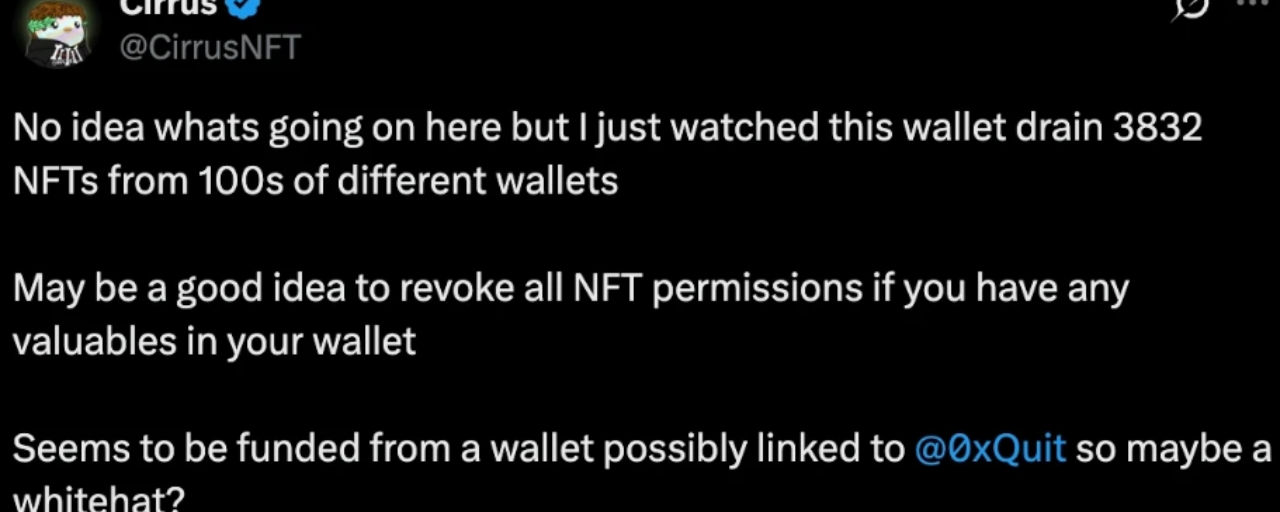
Around 3,832 NFTs were moved by whitehats into a safe wallet after the vulnerability was discovered.
At first those transfers looked like normal NFT sales.
That is what made the situation confusing for holders.
But the transfers were reportedly part of a rescue operation rather than an attack. The NFTs were moved away from the vulnerable setup and are expected to be returned to their owners once the risk is resolved.
The important detail is that the problem was not with current Magic Eden listings.
Magic Eden said the issue was connected to Limit Break Payment Processor V2 which had been used for EVM marketplace trades.
The contract was later abandoned and Magic Eden eventually shut down its EVM marketplace completely in Q1 2026.
But old approvals can survive much longer than the products that created them.
That is the part I think NFT users should pay attention to.
According to Magic Eden the affected window covers NFTs that were listed on its EVM marketplace between February and October 2024.
Listings created after that period are not believed to be affected by this particular issue.
So this is less about an active marketplace exploit and more about the hidden risk sitting inside old wallet permissions.
A user can stop using a marketplace years ago and still have an approval sitting on chain.
If the underlying contract later develops a vulnerability then that old permission can become relevant again.
That is why revoking old approvals is not just something to think about after an exploit.
It is part of basic wallet hygiene.
The whitehat rescue also shows another side of blockchain security.
Once an NFT is exposed to a vulnerable contract there is no central authority that can simply undo the permission.
Someone has to identify the risk and move the assets before an attacker does.
For me the biggest lesson here is simple.
Deleting a marketplace from your bookmarks does not delete the permissions you previously gave it.
Old contracts can disappear from the front end while their approvals remain on chain.
The 3,832 rescued NFTs are now reportedly safe.
But the bigger question is how many wallets still have old approvals that their owners have completely forgotten about.
That is the security problem worth watching beyond this specific incident.