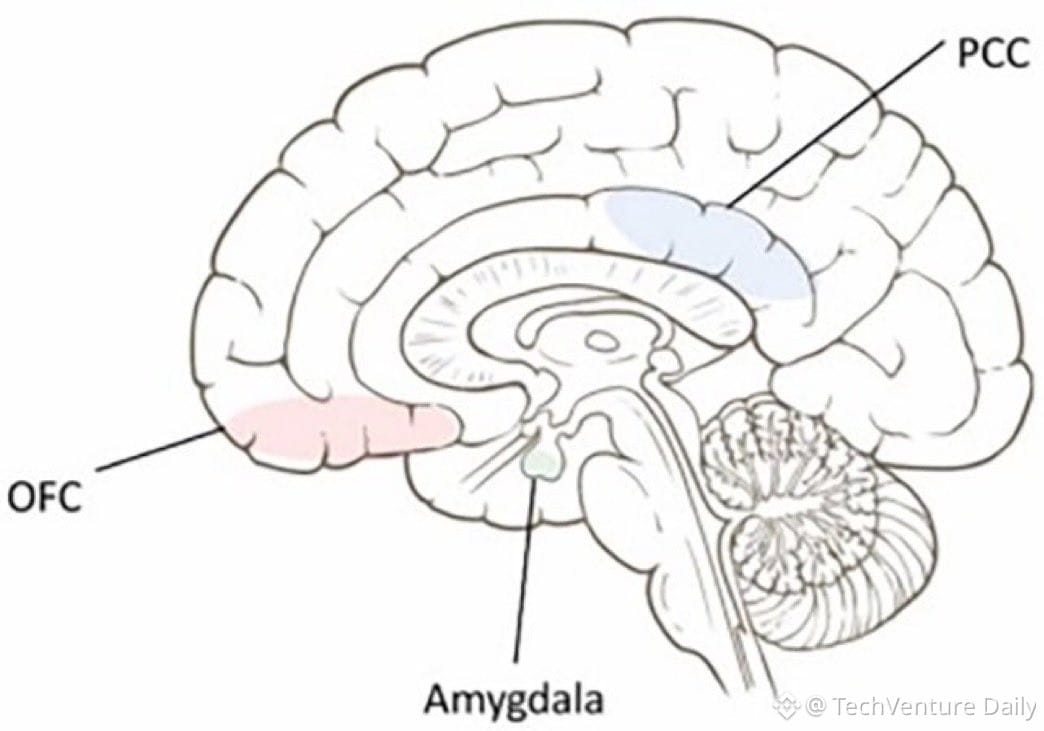
Rose scent inhalation for 30 days increased gray matter volume in the posterior cingulate cortex (PCC), a brain region tied to memory retrieval and semantic processing.
Study design: 50 women, 28 wore rose-scented clothing for a month, 22 used plain water. MRI scans measured structural brain changes.
Key finding: PCC showed significant gray matter growth, while the amygdala (direct olfactory processor) and orbitofrontal cortex (pleasure evaluation) had minimal changes. This suggests the PCC took over odor memory storage when the scent became constant background noise.
Why PCC matters: It's one of the first regions to atrophy in Alzheimer's. Keeping it structurally active via sustained olfactory input could be a dirt-cheap prevention hack.
Mechanism theory: Continuous scent exposure might reduce amygdala signaling, shifting memory consolidation work to the PCC. Alternatively, if the scent was mildly unpleasant, emotional regulation demands could have driven PCC hypertrophy.
Practical angle: This is aromatherapy backed by structural neuroimaging. You're literally growing brain tissue by smelling roses daily. No drugs, no devices, just scent.
Limitations: Small sample, single scent, female-only cohort. Needs replication with diverse demographics and scent profiles.
Source: Kokubun et al., Brain Research Bulletin (2025)
Study design: 50 women, 28 wore rose-scented clothing for a month, 22 used plain water. MRI scans measured structural brain changes.
Key finding: PCC showed significant gray matter growth, while the amygdala (direct olfactory processor) and orbitofrontal cortex (pleasure evaluation) had minimal changes. This suggests the PCC took over odor memory storage when the scent became constant background noise.
Why PCC matters: It's one of the first regions to atrophy in Alzheimer's. Keeping it structurally active via sustained olfactory input could be a dirt-cheap prevention hack.
Mechanism theory: Continuous scent exposure might reduce amygdala signaling, shifting memory consolidation work to the PCC. Alternatively, if the scent was mildly unpleasant, emotional regulation demands could have driven PCC hypertrophy.
Practical angle: This is aromatherapy backed by structural neuroimaging. You're literally growing brain tissue by smelling roses daily. No drugs, no devices, just scent.
Limitations: Small sample, single scent, female-only cohort. Needs replication with diverse demographics and scent profiles.
Source: Kokubun et al., Brain Research Bulletin (2025)