Binance's application had already cleared the hard part, and it still got killed. That's the detail that makes this more than routine regulatory friction.
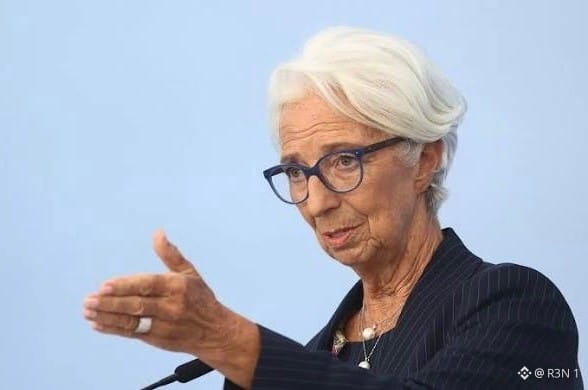
Per WSJ, Christine Lagarde personally asked Greek PM Kyriakos Mitsotakis to reject Binance's MiCA license bid, reportedly telling him "Binance is not welcome in Europe." Timing matters here, the mandatory 40-day assessment period had concluded without formal objections, and the HCMC's AML officer had maintained a favorable position throughout. By multiple accounts, Binance had essentially received the green light before the ECB stepped in.
Lagarde's stated reasoning splits into two threads. One is Binance's past US regulatory violations, a legitimate compliance concern on paper. The other is more structural, that wider dollar stablecoin use could undermine the ECB's own digital euro project, an initiative she's publicly championed, once describing euro-stablecoin economics as "much weaker than it appears."
What stands out to me is what that second reason implies. If accurate, the world's largest exchange lost EU-wide access not purely on compliance grounds, but partly because its presence competes with a central bank's own product roadmap. Different category of risk than a failed AML check, political risk tied to what the applicant might displace, not just what it did.
Worth stating the other side plainly, none of this is confirmed by the ECB or Greek government publicly, this rests on sourcing, not an official statement. Binance has already pivoted to France as its remaining MiCA route.
The open question isn't really about Binance specifically. It's whether this becomes precedent, a marker that other member states now weigh political pressure from Frankfurt alongside their own regulatory review, regardless of how clean an applicant's file actually is.
#BTC Price Analysis# $BTC #Altcoin Season# $BNB
Per WSJ, Christine Lagarde personally asked Greek PM Kyriakos Mitsotakis to reject Binance's MiCA license bid, reportedly telling him "Binance is not welcome in Europe." Timing matters here, the mandatory 40-day assessment period had concluded without formal objections, and the HCMC's AML officer had maintained a favorable position throughout. By multiple accounts, Binance had essentially received the green light before the ECB stepped in.
Lagarde's stated reasoning splits into two threads. One is Binance's past US regulatory violations, a legitimate compliance concern on paper. The other is more structural, that wider dollar stablecoin use could undermine the ECB's own digital euro project, an initiative she's publicly championed, once describing euro-stablecoin economics as "much weaker than it appears."
What stands out to me is what that second reason implies. If accurate, the world's largest exchange lost EU-wide access not purely on compliance grounds, but partly because its presence competes with a central bank's own product roadmap. Different category of risk than a failed AML check, political risk tied to what the applicant might displace, not just what it did.
Worth stating the other side plainly, none of this is confirmed by the ECB or Greek government publicly, this rests on sourcing, not an official statement. Binance has already pivoted to France as its remaining MiCA route.
The open question isn't really about Binance specifically. It's whether this becomes precedent, a marker that other member states now weigh political pressure from Frankfurt alongside their own regulatory review, regardless of how clean an applicant's file actually is.
#BTC Price Analysis# $BTC #Altcoin Season# $BNB