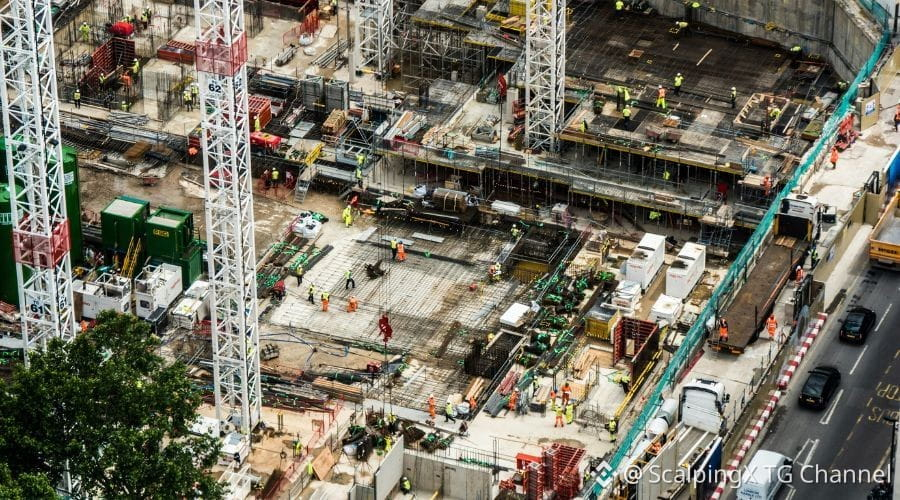
UK faces £258bn funding gap for planned infrastructure projects
🏗️ A report cited by the Financial Times estimates that the UK faces a £258bn funding gap for planned infrastructure projects including reservoirs, schools and prisons. Covering the full shortfall with public money could require infrastructure investment to rise by around £25bn a year through 2030.
💷 The report estimates that additional borrowing could raise debt-interest costs by about £7bn in 2030 and as much as £23bn by 2040, highlighting the fiscal pressure of funding the entire pipeline through the public sector.
🤝 The commission recommends greater use of private capital and PPP-style models, alongside planning reforms and lower delivery costs. The government already has a 10-year strategy committing at least £725bn in public infrastructure investment to help crowd in private funding.
📉 For markets, the more relevant implication is longer-term pressure on UK fiscal conditions and Gilts, while the direct impact on GBP remains limited for now.
#UKEconomy
$ETH
🏗️ A report cited by the Financial Times estimates that the UK faces a £258bn funding gap for planned infrastructure projects including reservoirs, schools and prisons. Covering the full shortfall with public money could require infrastructure investment to rise by around £25bn a year through 2030.
💷 The report estimates that additional borrowing could raise debt-interest costs by about £7bn in 2030 and as much as £23bn by 2040, highlighting the fiscal pressure of funding the entire pipeline through the public sector.
🤝 The commission recommends greater use of private capital and PPP-style models, alongside planning reforms and lower delivery costs. The government already has a 10-year strategy committing at least £725bn in public infrastructure investment to help crowd in private funding.
📉 For markets, the more relevant implication is longer-term pressure on UK fiscal conditions and Gilts, while the direct impact on GBP remains limited for now.
#UKEconomy
$ETH