
قراءة توكنومكس TermMax بعيدًا عن العنوان الرئيسي
عندما أنظر إلى جدول توكن TermMax، الرقم الأول الذي يلفت انتباهي هو الحد الأقصى للعرض البالغ 1 مليار TMX. إنه رقم نظيف وسهل التذكر وسهل المقارنة مع المشاريع الأخرى. لكن العرض الأقصى وحده لا يخبرني بكيف يمكن للسوق أن يتصرف، خصوصًا خلال المراحل المبكرة من البروتوكول.
نقطة الانطلاق الأكثر فائدة هي العرض المتداول.
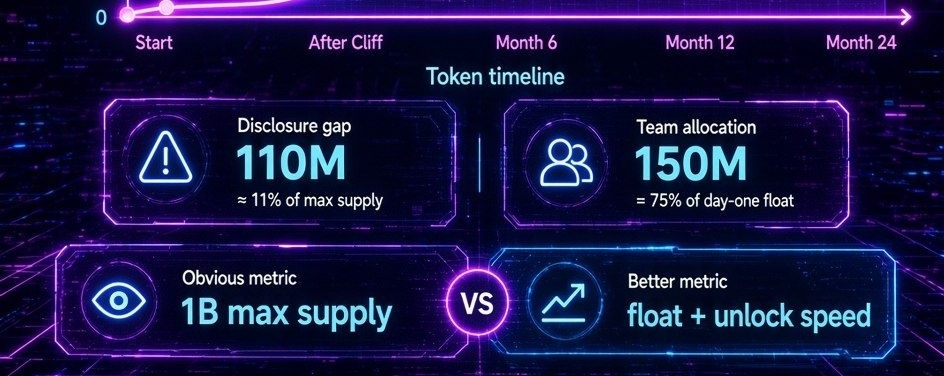
إذا دخل إلى التداول تقريبًا 200 مليون TMX عند الإطلاق، فستكون هناك حصة صغيرة فقط من إجمالي العرض النهائي متاحة فورًا للسوق. وهذا يخلق إطارًا مختلفًا لتقييم التخفيف. بدلًا من السؤال عما إذا كانت 1 مليار توكن تبدو كبيرة أو صغيرة، أفضّل أن أسأل: ما مدى سرعة تحول التوكنات الإضافية إلى سيولة ومن الذي يحصل عليها؟
يصبح جدول الاستحقاق مهمًا بشكل خاص هنا.
يمكن لتوزيعات المستثمرين أن تؤدي إلى إطلاق شهري ذي معنى بعد فترة الارتباط (cliff) المطبقة. وعندما تتداخل عمليات تحرير الفريق والمستشارين مع هذه التوزيعات، قد يصبح مقدار المعروض الجديد الذي يدخل التداول كبيرًا. الانبعاثات المجدولة ليست سلبية بالضرورة. في الواقع، غالبًا ما يكون الاستحقاق المتوقع أكثر صحة من صدمات العرض غير المتوقعة لأن المشاركين في السوق يمكنهم التخطيط حوله.
السؤال الأكبر هو ما إذا كان الطلب يمكن أن ينمو بالتوازي مع هذا التوسع.
إذا كانت وتيرة نشاط البروتوكول وتوليد الإيرادات والمشاركة في الستيكينغ والمنفعة الحوكمية وتبنّي المنظومة الأوسع تزيد أسرع من العرض المتداول، فقد يصبح التخفيف أسهل على السوق لامتصاصه. لكن إذا توسع العرض أسرع من الطلب الحقيقي، حتى مع جدول مصمم بعناية، فقد يخلق ذلك ضغط بيع مستمرًا.
منظور مفيد آخر هو تركّز التخصيصات.
يشير حجم تخصيص الفريق مقارنةً بالتداول الأولي إلى مدى أهمية عمليات التحرير المستقبلية. لذلك ينبغي تقييم توزيعات المستثمرين والفريق والمستشارين ليس فقط كنسب من الحد الأقصى للعرض، بل كإضافات مستقبلية إلى الجزء القابل للتداول (float). فقد يبدو تخصيص التوكن معقولًا مقارنةً بإجمالي العرض الكامل، لكنه قد يبدو مختلفًا تمامًا عند مقارنته بالمقدار المتاح في اليوم الأول.
هناك أيضًا درس في التوثيق نفسه.
عندما تُظهر نسخ مختلفة من مواد التوكنومكس اختلافًا ملحوظًا في العرض أو التخصيص، فلا ينبغي تجاهل ذلك الاختلاف باعتباره مجرد مشكلة تحريرية بسيطة. التوثيق الواضح جزء من شفافية السوق. يحتاج المستثمرون إلى فهم الأرقام الحالية، وكيفية هيكلة التخصيصات، وما إذا كانت المراجعات تغيّر مسار العرض المتوقع.
بالنسبة لي، إذن، المقياس الرئيسي ليس الرقم البليون الظاهر في العنوان.
بل العلاقة بين العرض المتداول وسرعة التحرير ونمو الطلب والمنفعة الفعلية للتوكن.
قد يوفر الحد الأقصى الثابت للعرض حدودًا واضحة، لكن الندرة لا تكون ذات معنى إلا عندما يُفهم جدول الإفراج. الاختبار الحقيقي لـ TermMax سيكون ما إذا كانت المنظومة البيئية يمكنها خلق منفعة كافية وطلب كافيين لامتصاص TMX الجديد عندما يصبح سائلًا.
هنا يظهر الانضباط الحقيقي في العرض.
تُعدّ علميات التوكنومكس في النهاية أقلّ اهتمامًا بما هو موجود على الورق وأكثر اهتمامًا بما يدخل السوق ومتى يصل ومدى فعالية المنظومة البيئية في دعم هذا التوسع في السيولة.


مقالة
توكنومكس TermMax
إخلاء مسؤولية: يتضمن آراء جهات خارجية. لا تُعدّ نصيحة. يُمكن استخدام Binance AI دون أي ضمان. اطلع على الشروط والأحكام.