لقد جلست في محادثاتٍ كافية من هذا النوع لأعرف بالضبط اللحظة التي يبدأ فيها الناس بالانسحاب. أنت تشرح سلسلةً جديدة، الجميع يومئ برأسه، ثم شخصٌ ما — وغالبًا الشخص الذي يتعامل مع المال فعليًا في وظيفته — يسأل: "حسنًا، لكن من الذي يمكنه رؤية هذا أيضًا؟" والإجابة الصادقة هي: الجميع. كل محفظة، كل رصيد، كل حركة، وكل ذلك يجلس هناك للعامة إلى الأبد. عندها تتوقف الإيماءات. ليس لأنهم ضدّ التشفير. بل لأنهم قاموا بهذه الوظيفة مدةً كافية ليدركوا أنك لا تُشغِّل شركة وسجلاتك مفتوحة لمنافسيك.
والآن، انظر، الإصلاحات الموجودة أصلًا دائمًا ما تبدو كأنها مُرتجلة قليلًا... مُخلِّطات تجعل فريق الامتثال في عملية تبادل يصاب بحساسية. عملات خصوصية يتم إسقاطها بهدوء فور أن يرفع المنظّم حاجبيه. سلاسل جانبية تتجنب مشكلة ثقة واحدة بطريقة ما عبر خلق مشكلة أصغر وأكثر غرابة. لا يبدو أيٌّ منها شيئًا يمكنك فعلًا بناء إصدار سندات عليه.
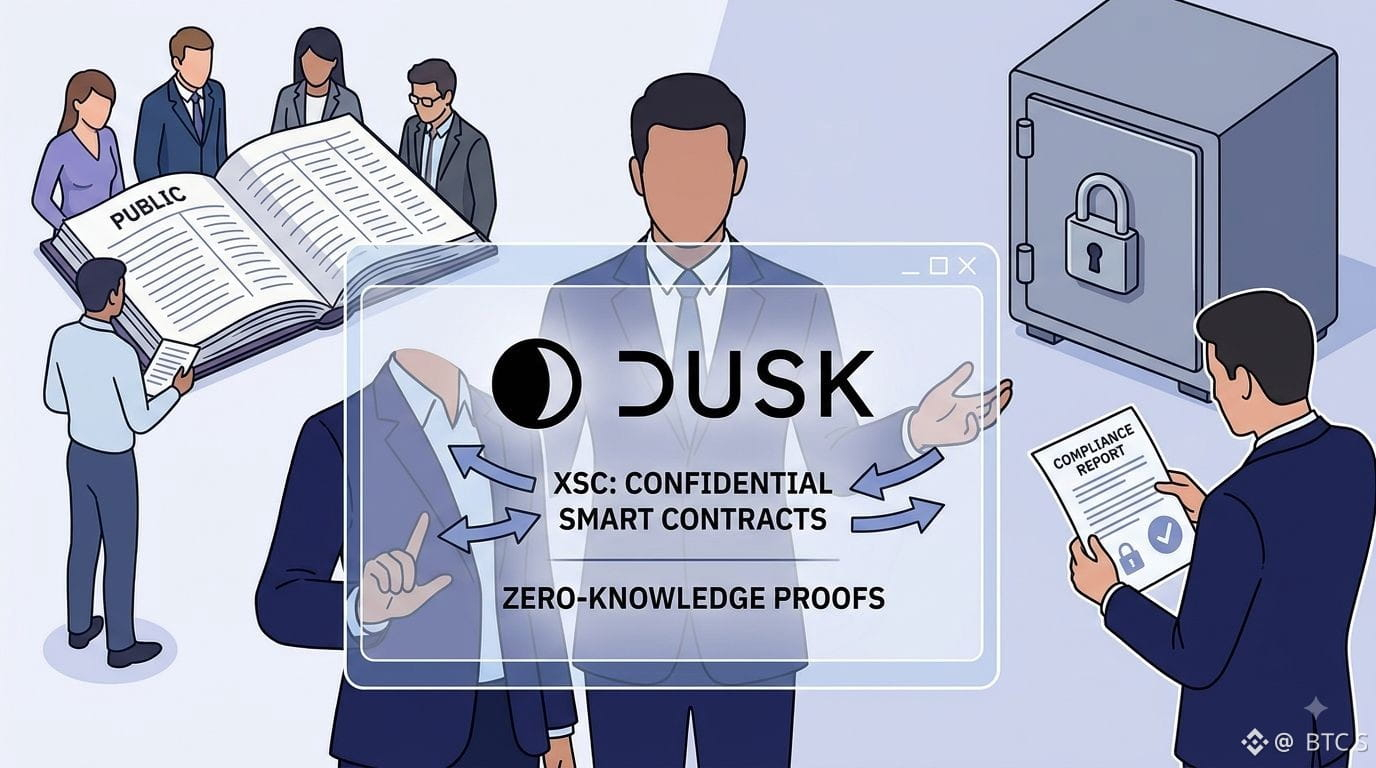
لذلك، فرضية Dusk على الأقل موجّهة إلى السؤال الصحيح. لا تضف الخصوصية لاحقًا — اكتبها في العقد من البداية. هذا ما يُفترض أن يقوم به XSC: أن تتيح للمعاملة أن تُثبت أنها نظيفة دون أن تُظهر لأي شخص ما بداخلها فعليًا.
بصراحة، لا أعرف إن كان هذا سيصمد عندما تصل إليه أحجام تداول حقيقية. أنظمة الإثبات تصبح مكلفة بسرعة، وجعل جهة تنظيمية ترتاح لفكرة "ثق بالدليل" بدلًا من "أرِ لي دفتر الأستاذ" هو أمر بطيء ومشاكلُه بشرية وليست تقنية.
إذا نجح هذا مع أي أحد، فسيكون مع اللاعبين المملّين والمنظَّمين الذين يحتاجون إلى الخصوصية والامتثال معًا — لا مع المتداولين الباحثين عن إثارة. جمهور صغير. وربما يكون الجمهور المناسب.
#dusk @Dusk
$DUSK
$RED
$EDEN
والآن، انظر، الإصلاحات الموجودة أصلًا دائمًا ما تبدو كأنها مُرتجلة قليلًا... مُخلِّطات تجعل فريق الامتثال في عملية تبادل يصاب بحساسية. عملات خصوصية يتم إسقاطها بهدوء فور أن يرفع المنظّم حاجبيه. سلاسل جانبية تتجنب مشكلة ثقة واحدة بطريقة ما عبر خلق مشكلة أصغر وأكثر غرابة. لا يبدو أيٌّ منها شيئًا يمكنك فعلًا بناء إصدار سندات عليه.
لذلك، فرضية Dusk على الأقل موجّهة إلى السؤال الصحيح. لا تضف الخصوصية لاحقًا — اكتبها في العقد من البداية. هذا ما يُفترض أن يقوم به XSC: أن تتيح للمعاملة أن تُثبت أنها نظيفة دون أن تُظهر لأي شخص ما بداخلها فعليًا.
بصراحة، لا أعرف إن كان هذا سيصمد عندما تصل إليه أحجام تداول حقيقية. أنظمة الإثبات تصبح مكلفة بسرعة، وجعل جهة تنظيمية ترتاح لفكرة "ثق بالدليل" بدلًا من "أرِ لي دفتر الأستاذ" هو أمر بطيء ومشاكلُه بشرية وليست تقنية.
إذا نجح هذا مع أي أحد، فسيكون مع اللاعبين المملّين والمنظَّمين الذين يحتاجون إلى الخصوصية والامتثال معًا — لا مع المتداولين الباحثين عن إثارة. جمهور صغير. وربما يكون الجمهور المناسب.
#dusk @Dusk
$DUSK
$RED
$EDEN