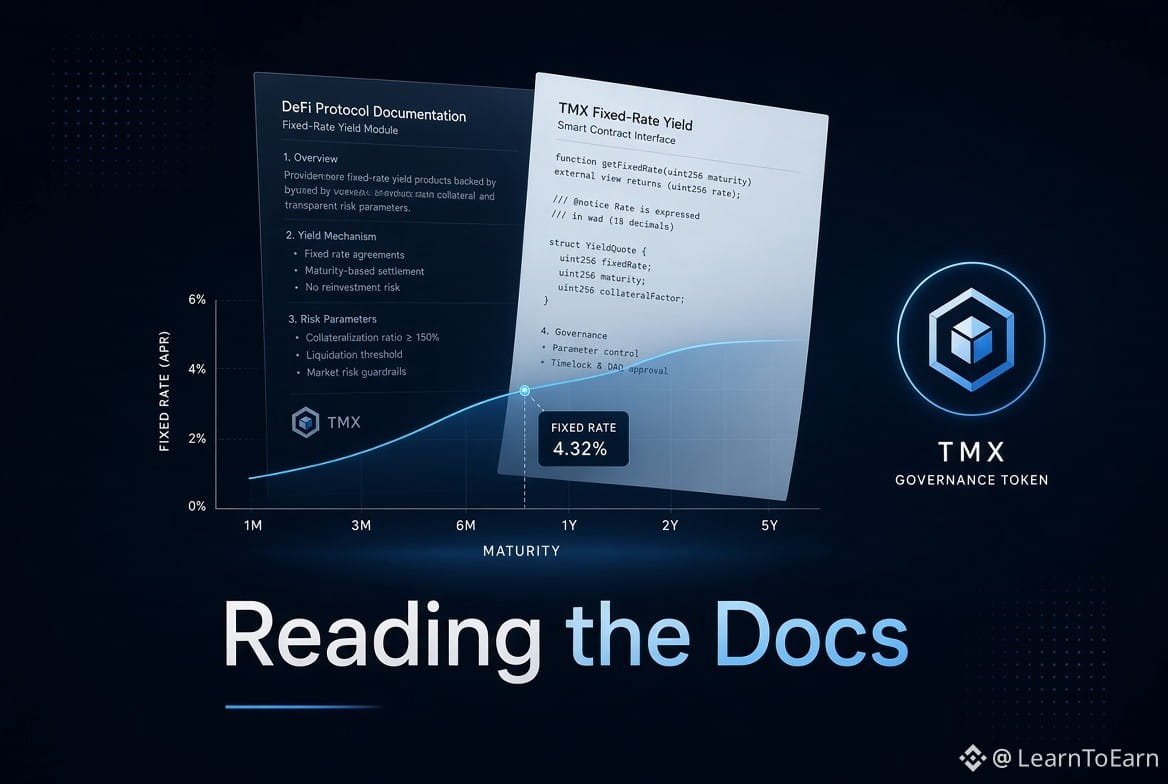

راجعت وثائق TermMax الليلة الماضية، تحديدًا أداة TMX وأقسام المخاطر. العرض الكلي ثابت عند 1B، مع وجود Community عند 150M (15%). التداول/التداول الأولي يدور حول 20%.
الجزء الذي علق بذهني هو كيفية تمكن حاملي $TMX من الإيداع للحصول على sTMX (رموز بروتوكول FT مُقومة في TMX) أو إيداعه كـ LP على شيء مثل PancakeSwap. يمكن أن تأتي مكافآت الإيداع من تخصيص Community بالإضافة إلى حصة من أموال Treasury. من المفترض أن تتدفق هذه التدفقات الداخلة من Treasury من رسوم التداول على رموز FT/XT، ورسوم البروتوكول على الاقتراض، ورسوم التصفية، ومصادر أخرى. يبدو الأمر كطريقة لربط المالكين على المدى الطويل بإيرادات البروتوكول الفعلية، لكنني ما زلت غير واضحًا بشأن مقدار ما يتدفق فعلاً من Treasury إلى المودعين مقابل استخدامات أخرى.
تشمل حقوق الحوكمة المعززة للمودعين القدرة على ضبط معلمات مخاطر السوق وإدراج القُيمين/المنسقين في القائمة البيضاء. وهذا يثير تساؤلات حول مدى لا مركزية العملية فعلاً بمجرد أن تصبح حية. ومن زاوية المخاطر، يذكرون بشكل صريح مخاطر العقود الذكية (مع أنها تذكر وجود عمليات تدقيق ومسابقات ومتابعة وجوائز)، واعتماد نظام مزدوج للأوراكل قد لا يزال يفشل، وزحمة الشبكة، وتقلب الأسعار، ومخاطر السيولة، وعدم اليقين التنظيمي، والمنافسة من بروتوكولات أخرى ذات عوائد/معدلات ثابتة.
أجد نفسي أتساءل كيف يتعامل إعداد الأوراكل المزدوج مع الحالات الحدّية عمليًا، وما إذا كانت حقوق الحوكمة المعززة لحاملي sTMX تُغيّر السيطرة فعليًا أم أنها تعيد فقط تحسين المعلمات التي يحددها الفريق في الأساس. إذا كان هناك أي شخص غاص في العقود أو تدفقات الرسوم—كيف تقرأ استدامة مسار Treasury إلى المودعين؟
#termmax @TermMax
الجزء الذي علق بذهني هو كيفية تمكن حاملي $TMX من الإيداع للحصول على sTMX (رموز بروتوكول FT مُقومة في TMX) أو إيداعه كـ LP على شيء مثل PancakeSwap. يمكن أن تأتي مكافآت الإيداع من تخصيص Community بالإضافة إلى حصة من أموال Treasury. من المفترض أن تتدفق هذه التدفقات الداخلة من Treasury من رسوم التداول على رموز FT/XT، ورسوم البروتوكول على الاقتراض، ورسوم التصفية، ومصادر أخرى. يبدو الأمر كطريقة لربط المالكين على المدى الطويل بإيرادات البروتوكول الفعلية، لكنني ما زلت غير واضحًا بشأن مقدار ما يتدفق فعلاً من Treasury إلى المودعين مقابل استخدامات أخرى.
تشمل حقوق الحوكمة المعززة للمودعين القدرة على ضبط معلمات مخاطر السوق وإدراج القُيمين/المنسقين في القائمة البيضاء. وهذا يثير تساؤلات حول مدى لا مركزية العملية فعلاً بمجرد أن تصبح حية. ومن زاوية المخاطر، يذكرون بشكل صريح مخاطر العقود الذكية (مع أنها تذكر وجود عمليات تدقيق ومسابقات ومتابعة وجوائز)، واعتماد نظام مزدوج للأوراكل قد لا يزال يفشل، وزحمة الشبكة، وتقلب الأسعار، ومخاطر السيولة، وعدم اليقين التنظيمي، والمنافسة من بروتوكولات أخرى ذات عوائد/معدلات ثابتة.
أجد نفسي أتساءل كيف يتعامل إعداد الأوراكل المزدوج مع الحالات الحدّية عمليًا، وما إذا كانت حقوق الحوكمة المعززة لحاملي sTMX تُغيّر السيطرة فعليًا أم أنها تعيد فقط تحسين المعلمات التي يحددها الفريق في الأساس. إذا كان هناك أي شخص غاص في العقود أو تدفقات الرسوم—كيف تقرأ استدامة مسار Treasury إلى المودعين؟
#termmax @TermMax