
عدتُ إلى الوثائق الليلة الماضية بخصوص نماذج معاملة <t-2/> @Dusk ، وقضيت بضع ساعات فقط أحاول فهم كيفية توافق Moonlight وPhoenix فعليًا معًا.
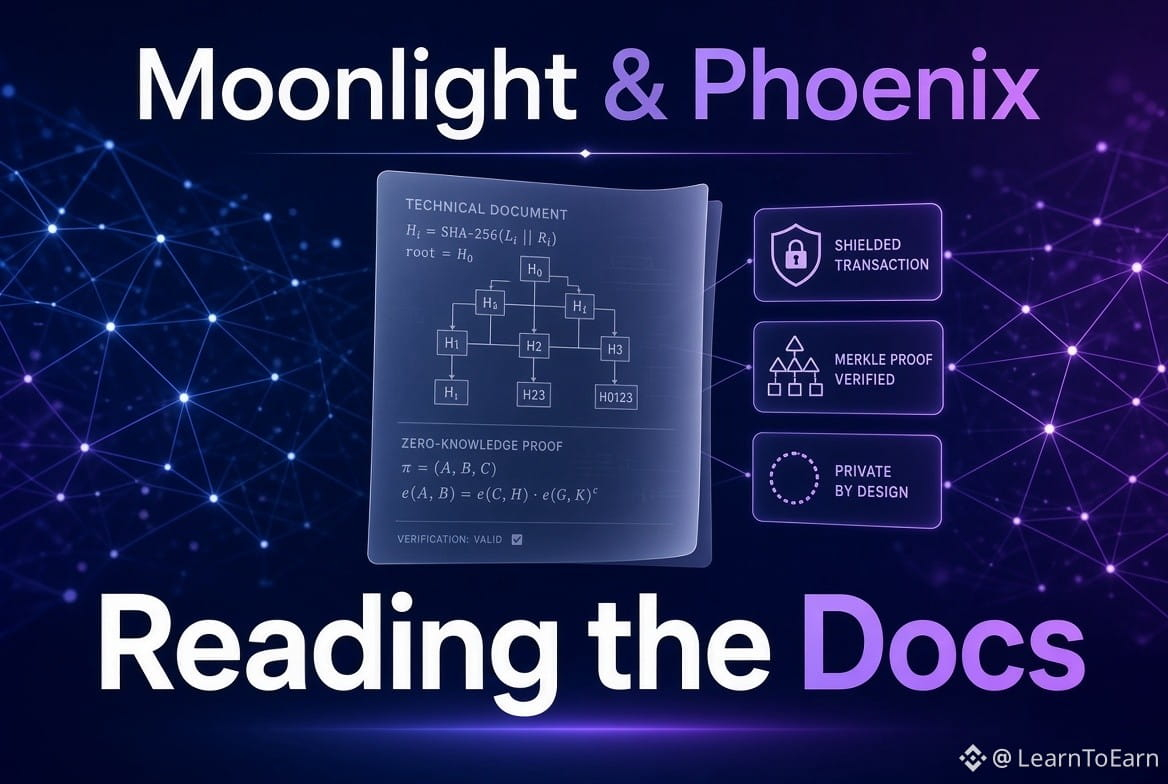
في البداية بدا الفرق واضحًا. Moonlight هو الجانب الشفاف المعتمد على الحسابات: حيث يحتفظ كل حساب بحالة عامة تسجّل رصيده وnonce. أما Phoenix فهو الجانب المُشفَّر المعتمد على الملاحظات: فالملاحظة مُهيكلة حول مفتاح مستلمٍ عام، وقيمة v، ومعها معاملات عشوائية إضافية؛ وتكون الملاحظات مُفهرسة داخل شجرة Merkle بحيث يستطيع المنفق إثبات الانتماء دون كشف الملاحظة نفسها. يتطلب الإنفاق إثباتًا ذا برهانٍ صفريّ المعرفة ونشر مُبطِّل (nullifier) كي يتمكن الشبكة من رفض الإنفاقات المزدوجة. وتذكر الوثائق أيضًا أن قيم الملاحظات محصورة بواسطة 2^{64}-1.
يتم وصف مسارات التحويل بين النموذجين (الإيداع في ملاحظات Phoenix، ثم السحب مرةً أخرى إلى حسابات Moonlight)، لكنني كنت أتعثر باستمرار في الافتراضات الأمنية الدقيقة التي تَثبت خلال تلك التحويلات. وتذكر الدوائر (circuits) أنها تضمن الصحة، لكنني لم أجد تصريحًا واضحًا عمّا إذا كان تحويل واحد غير صالح يمكنه أن يؤثر على مجموعة المُبطِّلات العامة (global nullifier set) أو على الأرصدة الشفافة التي تعتمد عليها العقود الذكية.
وقد أثار ذلك سؤالًا أوسع بالنسبة لي حول اللامركزية: إذا كانت معظم القيمة تنتهي بالعيش داخل ملاحظات Phoenix، فكم تبقى فعليًا من قوة الحوكمة لدى طبقة الحسابات الشفافة التي ترى العقود والأوراكل؟
هل يُنظر حاليًا إلى تصميم الدائرة والحدّ على القيمة 2^{64}-1 على أنه نهائي، أم لا تزال هناك معلمات مفتوحة حول توليد الملاحظات، وعمق شجرة Merkle، وخصوصية/تفرد nullifier التي ما زت الجماعة تتداولها وتُجري عليها تحسينات؟
سأكون ممتنًا لأي إرشادات من الأشخاص الذين تعمّقوا أكثر في البراهين.
#dusk $DUSK
في البداية بدا الفرق واضحًا. Moonlight هو الجانب الشفاف المعتمد على الحسابات: حيث يحتفظ كل حساب بحالة عامة تسجّل رصيده وnonce. أما Phoenix فهو الجانب المُشفَّر المعتمد على الملاحظات: فالملاحظة مُهيكلة حول مفتاح مستلمٍ عام، وقيمة v، ومعها معاملات عشوائية إضافية؛ وتكون الملاحظات مُفهرسة داخل شجرة Merkle بحيث يستطيع المنفق إثبات الانتماء دون كشف الملاحظة نفسها. يتطلب الإنفاق إثباتًا ذا برهانٍ صفريّ المعرفة ونشر مُبطِّل (nullifier) كي يتمكن الشبكة من رفض الإنفاقات المزدوجة. وتذكر الوثائق أيضًا أن قيم الملاحظات محصورة بواسطة 2^{64}-1.
يتم وصف مسارات التحويل بين النموذجين (الإيداع في ملاحظات Phoenix، ثم السحب مرةً أخرى إلى حسابات Moonlight)، لكنني كنت أتعثر باستمرار في الافتراضات الأمنية الدقيقة التي تَثبت خلال تلك التحويلات. وتذكر الدوائر (circuits) أنها تضمن الصحة، لكنني لم أجد تصريحًا واضحًا عمّا إذا كان تحويل واحد غير صالح يمكنه أن يؤثر على مجموعة المُبطِّلات العامة (global nullifier set) أو على الأرصدة الشفافة التي تعتمد عليها العقود الذكية.
وقد أثار ذلك سؤالًا أوسع بالنسبة لي حول اللامركزية: إذا كانت معظم القيمة تنتهي بالعيش داخل ملاحظات Phoenix، فكم تبقى فعليًا من قوة الحوكمة لدى طبقة الحسابات الشفافة التي ترى العقود والأوراكل؟
هل يُنظر حاليًا إلى تصميم الدائرة والحدّ على القيمة 2^{64}-1 على أنه نهائي، أم لا تزال هناك معلمات مفتوحة حول توليد الملاحظات، وعمق شجرة Merkle، وخصوصية/تفرد nullifier التي ما زت الجماعة تتداولها وتُجري عليها تحسينات؟
سأكون ممتنًا لأي إرشادات من الأشخاص الذين تعمّقوا أكثر في البراهين.
#dusk $DUSK