

The world appears to be standing on the edge of a third world war.
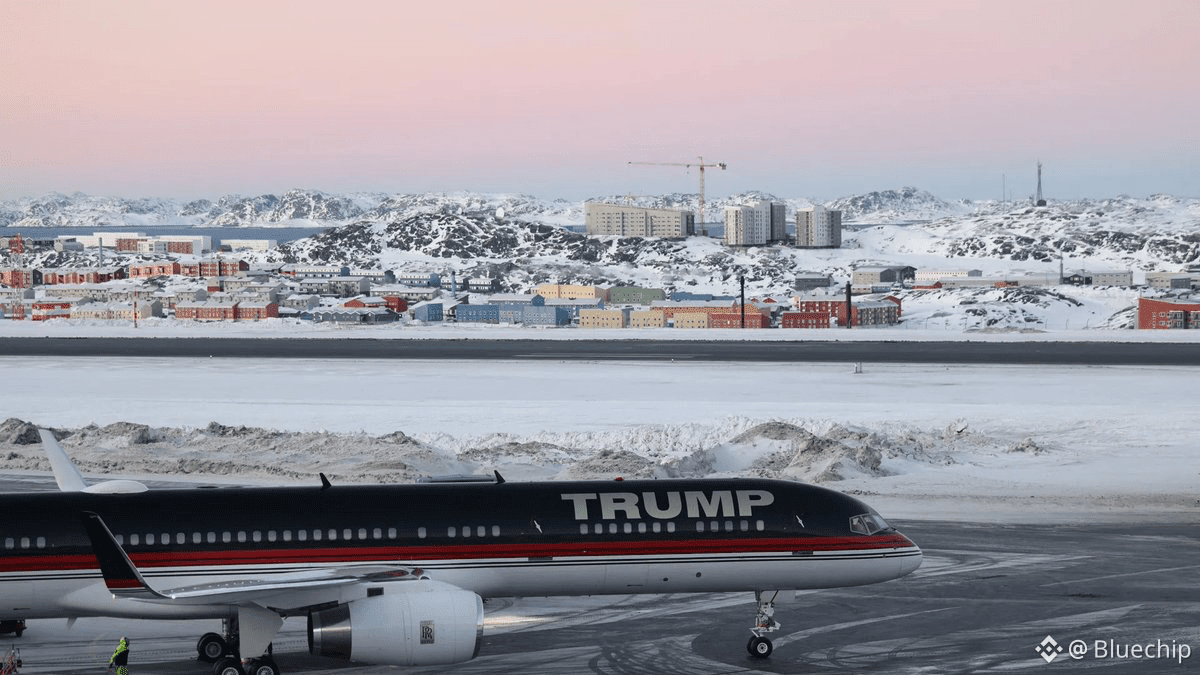
The United States wants control over Greenland and is threatening sanctions.
The European Union responds clearly: we will stand firm, whether in Ukraine or in Greenland.
So what is really happening?
And should we be preparing for a third financial war?
Follow me in this in-depth analytical article.
A Deep Analysis of the News That Shook Europe
Can a country be bought?
A question that might sound ridiculous in any other historical context but we are not living in normal times. We are living in the era of political economy, where diplomacy mixes with speculation and geographic borders turn into clauses in commercial deals.
Just hours ago, the world especially the old European continent woke up to news that sounded like fiction.
U.S. President Donald Trump announced his top strategic priority:
The full and comprehensive acquisition of Greenland.
And because Trump doesn’t ask he imposes he accompanied this desire with a direct threat:
New tariffs starting at 10% on a specific list of European countries (Denmark, Norway, Sweden, France, Germany, the United Kingdom, the Netherlands, and Finland), effective February 1, 2026.
That’s not all. The “Trumpian algorithm” included escalation:
If the deal is not completed, tariffs rise to 25% by June 1.
The only condition to lift these sanctions? A deal to sell Greenland to the United States.
On the surface, this looks like political madness.
But as investors and financial analysts, we must turn off the TV, set emotions aside, and look at the data.
What’s happening is not random. It is a literal, calculated application of what I call:
“The Trump Trade War Catalog” (The Trump Tariff Playbook).
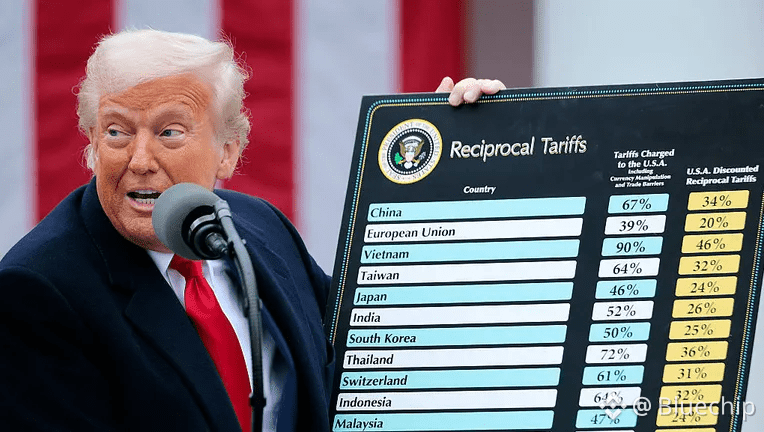
Over the past 12 months, we’ve analyzed every move, every tweet, and every market reaction and reached one conclusion:
There is a fixed pattern, a predictable crisis life cycle and more importantly, wealth can be made from it.
Let’s dive into the details to understand how the game is played and how to protect and grow your money while others panic.
First: Dissecting the “Catalog” How a Crisis Is Manufactured in 7 Steps
When President Trump enters negotiations, he doesn’t start with a handshake he starts with a punch on the table.
By closely monitoring markets since 2025, we’ve identified a recurring operational manual. Here’s the scenario happening now, that happened before, and will happen again:
1. The Shock Timing (Friday or Saturday Night)
Bad news always comes on weekends not by coincidence.
Trump releases threats when markets are closed, trapping investors in 48 hours of psychological pressure with no ability to act. Fear (FUD) accumulates to the maximum.
In our case, the Greenland announcement and tariffs came over the weekend exactly as the “catalog” dictates.
2. Emotional Breakdown (Futures Open Sunday Evening)
At 6:00 PM ET on Sunday, futures markets open.
What happens?
A sea of red.
This selling isn’t analytical it’s emotional, driven by “dumb money” trying to exit at any cost.
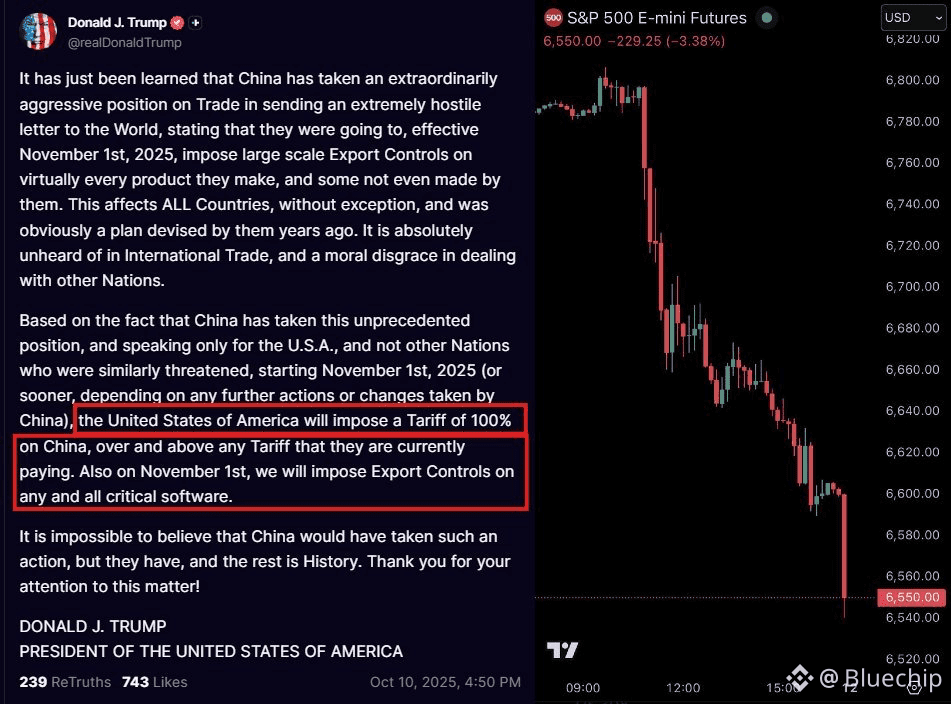
In a similar event last October, S&P 500 futures dropped 3.5% immediately.
3. War of Nerves (Monday–Tuesday)
With markets officially open, rhetoric escalates.
Threats intensify. Retail investors sell at losses, convinced a trade war will crush corporate profits and trigger recession.
But history matters:
Tariffs are never applied immediately.
There is always a grace period here, until February 1.
And that window is the key.
4. Opportunity Hunters Enter (Mid-Week Wednesday)
By Wednesday, dust begins to settle.
Professional investors and large institutions (smart money) realize the threat is a negotiation tool.
They quietly start buying at discounted prices created by retail panic.
Markets experience a “dead cat bounce” and stabilize.
5. Sudden Breakthrough (Following Weekend)
About a week after the initial threat, new leaks or tweets appear:
“Talks are constructive,” “Progress with European leaders.”
The tone flips from war to deal-making.
6. Market Reassurance (Next Monday Morning)
Senior officials (such as Treasury Secretary Bessent) appear on TV to calm Wall Street:
“We want a fair deal. We don’t want to destroy the economy.”
7. The Deal and New All-Time Highs
Within 2 to 4 weeks, a “new trade deal” is announced.
It may not be full ownership of Greenland, but it benefits the U.S.
Markets celebrate. Indices break new all-time highs.
This is not theory it happened exactly in October 2025 with China, and it’s being replayed now with Europe.
--------------------------------------------------------------------------------
Second: A Lesson from Recent History The “China Crisis”
Go back to October 10, 2025.
Trump threatened 100% tariffs on China, plus strict export controls on critical software, effective November 1.
Notice the timing?
A 21-day gap almost identical to today’s Greenland timeline.
Markets panicked.
Futures crashed.
Media predicted global trade collapse.
But behind the scenes:
China restricted exports of rare earth minerals, critical to U.S. tech and defense.
Trump used the 100% tariff threat as maximum leverage.
Result?
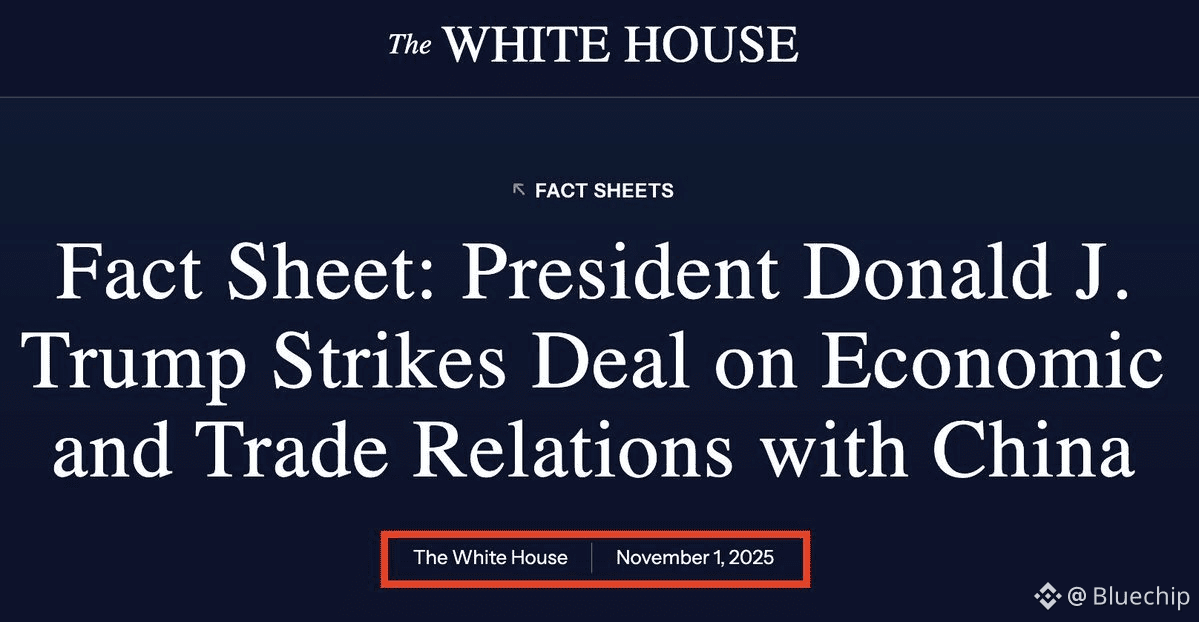
Before November 1, a deal was announced.
China lifted restrictions.
Tariffs were never applied.
Markets soared. Those who bought during panic made massive gains.
The message is clear:
Tariffs are a threat, not the goal. Trump doesn’t want tariffs he wants a deal.
-------------------------------------------------------------------------------
Third: Why Greenland and Why Europe Now?
Why Greenland?
Why now?
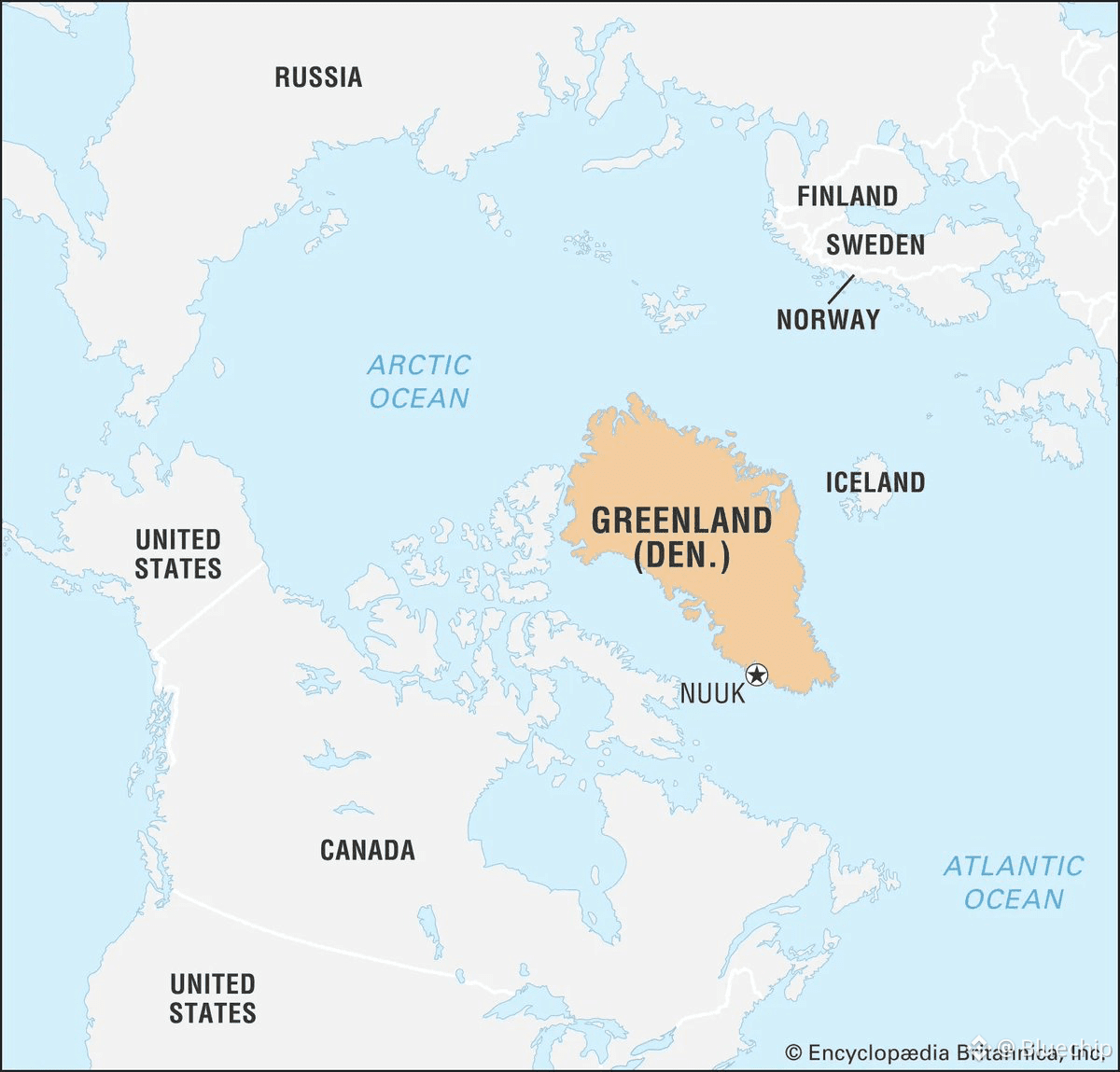
Greenland isn’t just ice.
It’s a strategic military location controlling the Arctic, with vast natural resources and future-critical minerals.
But this time is different from China.
With China, negotiations were about goods.
With Europe, it’s about land and sovereignty.
Denmark and Europe view selling Greenland as a national humiliation.
So realism matters:
This cycle may take longer.
Volatility may be higher.
Rhetoric may be harsher.
Yet Europe cannot afford a full trade war with the U.S.
A 10–25% tariff on German or French exports could push an already fragile European economy into deep recession.
Trump knows this.
They know this.
The likely outcome is a settlement not necessarily outright ownership, but long-term usage rights, military bases, or major energy deals.
Call it whatever you want a deal is coming.
-------------------------------------------------------------------------------
Fourth: The Investor Mindset Turning Noise into Profits
Retail investors react to headlines.
Institutions react to trends.
When you read “25% tariffs,” your brain hears “loss.”
Smart money hears “temporary discount on quality assets.”
Our data since early 2025 shows that strategies which objectively traded these trade-war volatilities generated returns up to 5× the S&P 500.
Why?
Because markets overshoot:
Overshoot downward in fear
Overshoot upward in optimism
Smart investors buy fear and sell (or hold) optimism.
Your Roadmap for the Coming Days:
Don’t sell in panic: Red portfolios on Monday reflect emotion, not fundamentals.
Watch the dates: February 1 is key. The closer we get with rising pessimism, the better the buying opportunities.
Target affected sectors: European blue-chips may be hit hard potentially rare entries at 2024 prices.
Gold as hedge: In geopolitical uncertainty, gold returns as the “real currency” no president or parliament required.
Conclusion: Noise Is Temporary Opportunity Is Permanent
The world is reshaping itself.
Old diplomatic rules are dissolving, replaced by raw economic power.
Trump’s Greenland move isn’t a whim it’s a chapter in the repricing of global assets.
The coming weeks may feel stormy.
But remember:
Volatility is the oxygen of successful investors.
Stability doesn’t create wealth crises (or managing them) do.
This is a carefully scripted political-economic play.
The script is familiar.
The ending is usually market-positive but the journey requires steel nerves and sharp vision.
Will you run with the herd at the first shot fired?
Or wait for the smoke to clear and collect the spoils?
The choice is yours and the market waits for no one.
Share your view:
Do you think Europe will bend and sell Greenland?
Or will this “deal” break the Western alliance?
I’ll read all your comments.
Original article from The Kobeissi Letter
Edited, and expanded with investment-related material by @Bluechip
