
Most market problems do not come from bad intent or weak demand. They come from unclear states. Pending actions. Half finished processes. Payments that look complete but are still waiting somewhere in the background. In 2026 these unclear states are one of the biggest reasons users lose confidence even when systems technically work.
State Awareness
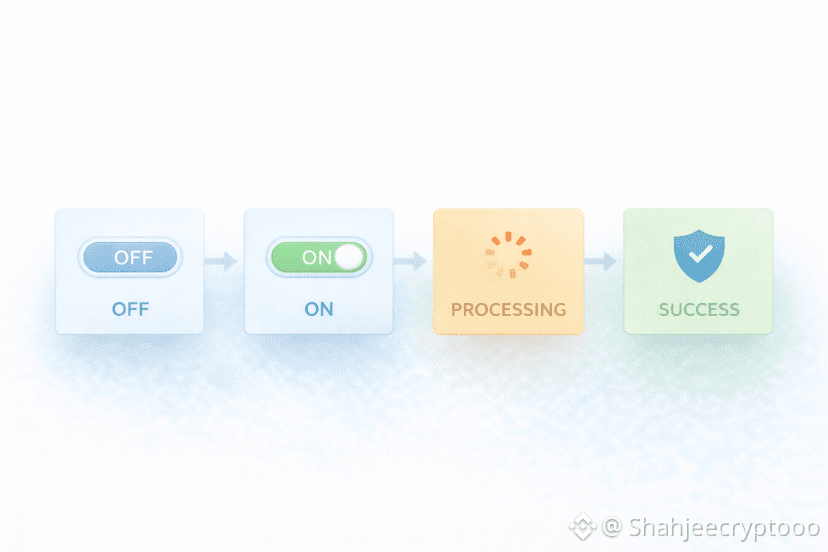
Every digital system teaches users how to read its state. Is something on or off. Is it accepted or rejected. Is it still processing or fully done. When states are unclear users guess. Guessing creates stress and hesitation. Over time users stop trusting the system and start managing it manually.
Hidden Cost
Pending states feel harmless at first. A small delay here a background check there. But as volume grows these states stack up. Operators watch dashboards more often. Developers add workaround logic. Users refresh and wait. The system still functions but attention cost rises every day.
Process First Design
Platforms that scale well design around explicit states. Nothing is allowed to exist in between. An action is either not started processing or finished. There is no vague middle ground that relies on later interpretation. This reduces confusion across every role.
Payment Example
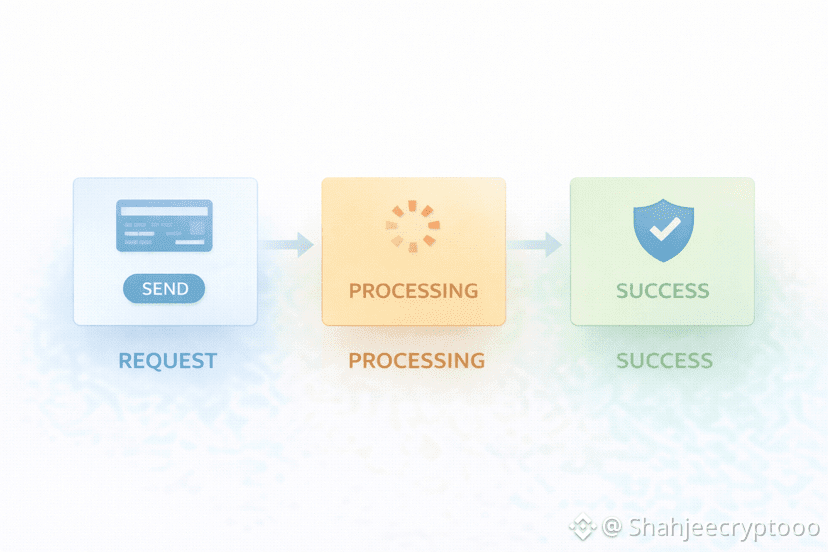
Payments are where unclear states hurt the most. A user sends funds sees a spinner and waits. Is it pending. Is it confirmed. Can they move on. Systems that blur these steps force users to wait even when funds are already secure.
Behavior Training
Over time users learn from this. If payments often sit in uncertain states users hesitate before sending the next one. They split transactions check balances repeatedly and keep mental notes. This behavior reduces market efficiency without any visible failure.
Structural Difference
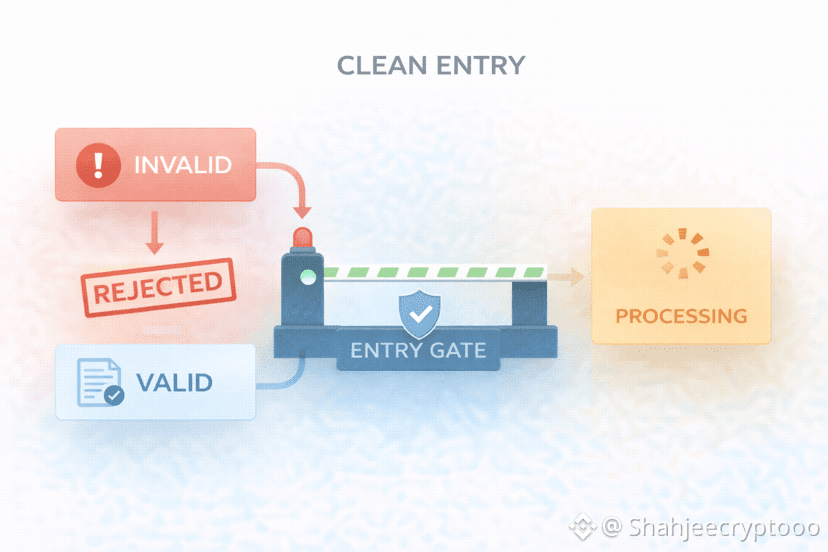
Dusk Network approaches state design differently. It limits how many states an action can have. Rules are applied before entry. If an action appears inside the system it already meets requirements. This reduces the need for long pending phases.
Clean Entry
Clean entry changes everything. Operators no longer track endless queues. Developers do not build around recovery flows. Users stop asking if something will change. The system either accepts or rejects early.
Operational Relief
Clear states reduce operational noise. Dashboards show fewer warnings. Alerts regain meaning. Teams respond to real issues instead of monitoring normal flow. This lowers fatigue and improves reaction quality when something truly needs attention.
Developer Workflow
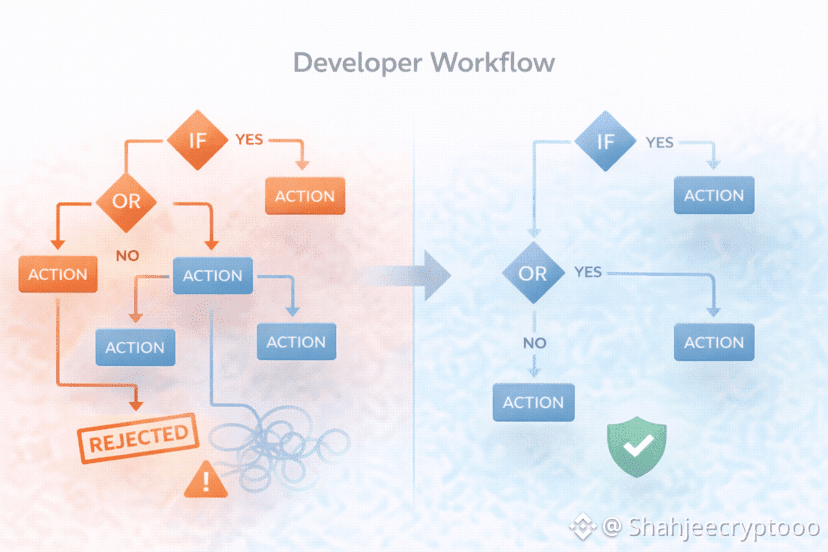
Developers benefit quietly. Systems with many undefined states require defensive coding. Extra checks retries and exceptions become normal. Clear state platforms simplify logic. Code becomes easier to reason about and easier to audit.
Audit Path
Audits are also affected by state clarity. When actions move through well defined stages review becomes simple confirmation. When states are vague audits turn into reconstruction efforts. Time is wasted proving what happened instead of confirming it.
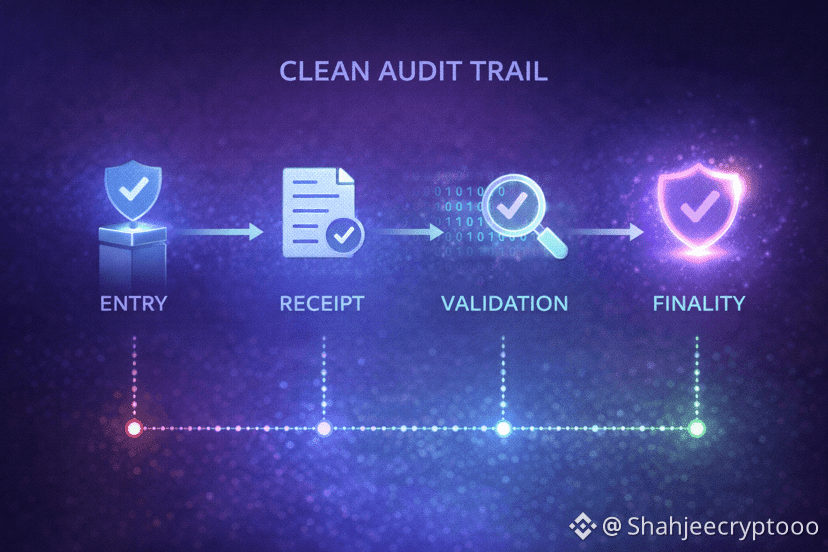
User Confidence Loop
Clear states create a positive loop. Users trust results and act faster. Faster actions improve liquidity. Improved liquidity reduces edge cases. Fewer edge cases keep states clean. This loop compounds without incentives or education.
Contrast With Legacy Design
Many older systems grew by adding states over time. Temporary fixes became permanent stages. What started as flexibility turned into complexity. Removing these states later is hard because habits are already formed around them.
2026 Reality
In 2026 markets do not pause. There is no quiet period to reset systems. Platforms must operate cleanly under constant load. Systems that rely on human monitoring struggle. Systems that rely on explicit states scale naturally.
Design Choice
Clear state design is not about being strict. It is about being predictable. Users prefer knowing exactly where they stand even if it means an early rejection. Uncertainty costs more than denial.
Future Markets
As digital finance matures the winners will be platforms that remove ambiguity. Not by hiding information but by preventing confusing states from existing in the first place. This is invisible when done right and painful when ignored.
Closing
Markets do not fail suddenly. They fade when attention is drained by unclear processes. Platforms that define clean on off processing and final states protect attention across users developers and operators. In the long run clarity beats complexity every time.
